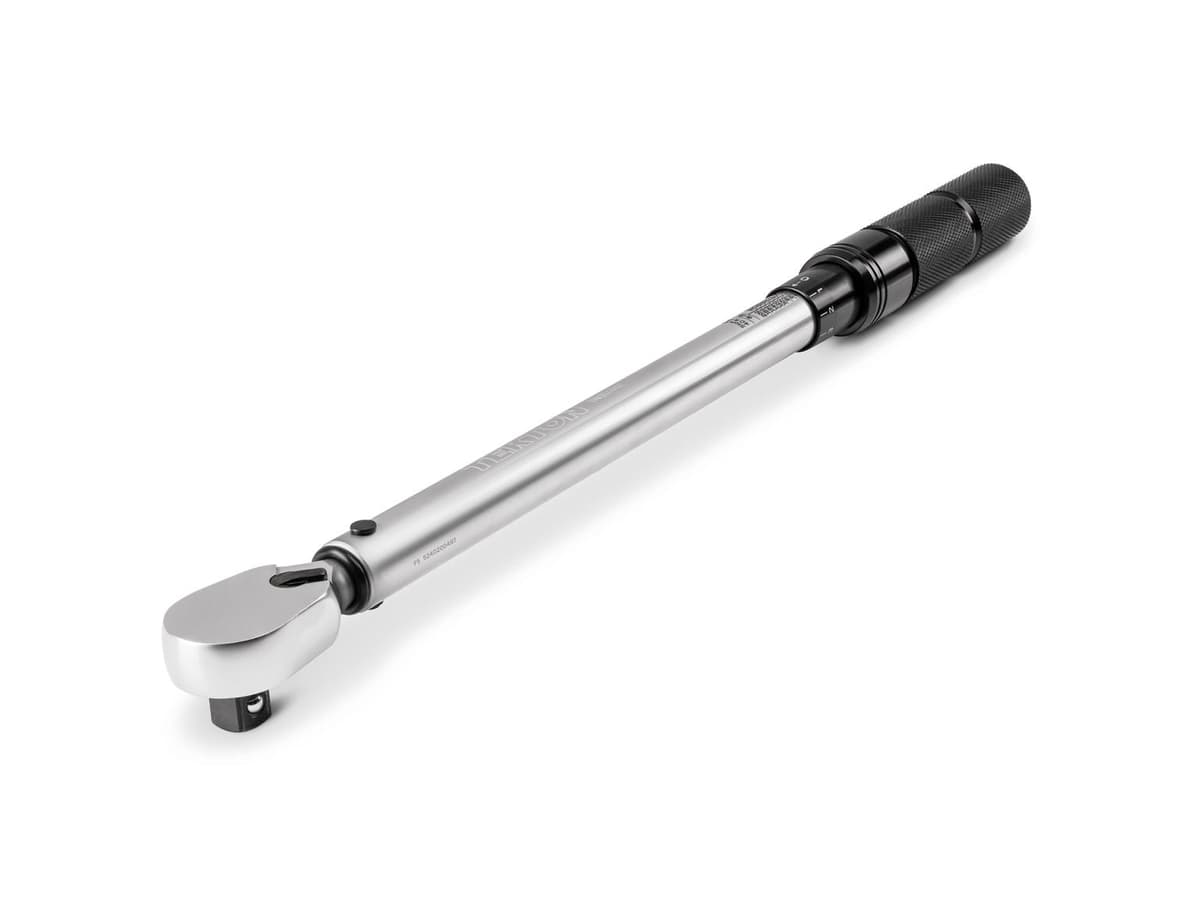
Torque wrench · ft-lb
TEKTON 1/2" Drive Micrometer Torque Wrench
- 1/2 inch drive for barrel nuts
- Essential for upper assembly
$44.00 Catalog
View at Amazon
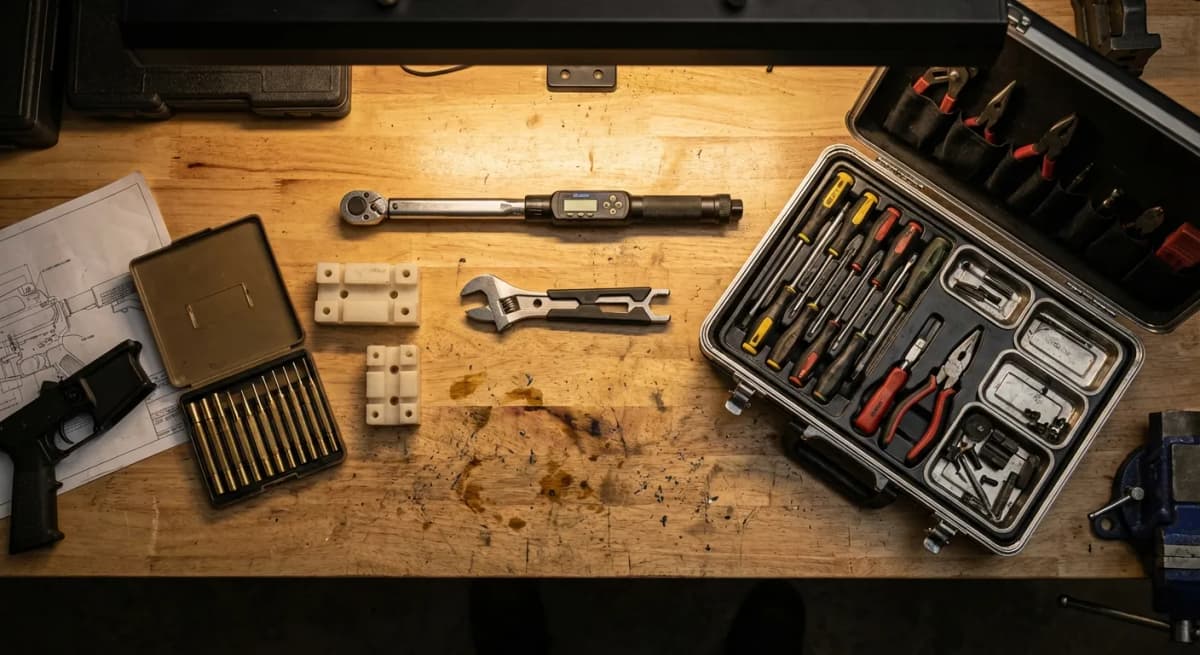
Essential tools for AR-15 builds, maintenance, and optic mounting. Covers armorer wrenches, torque wrenches, punch sets, vise blocks, headspace gauges, and proper usage techniques.
Affiliate links (?)
The right tools make the difference between a rifle that runs and one that doesn't. This guide covers every tool you need to build, maintain, and mount optics on AR-pattern rifles, plus when and how to use each one. Once you have the bench set up, the budget AR-15 build parts list gives you the exact parts to assemble for under $700.
These are the foundational tools for any AR build. Whether you're assembling a lower receiver or installing a handguard, you'll reach for these constantly.
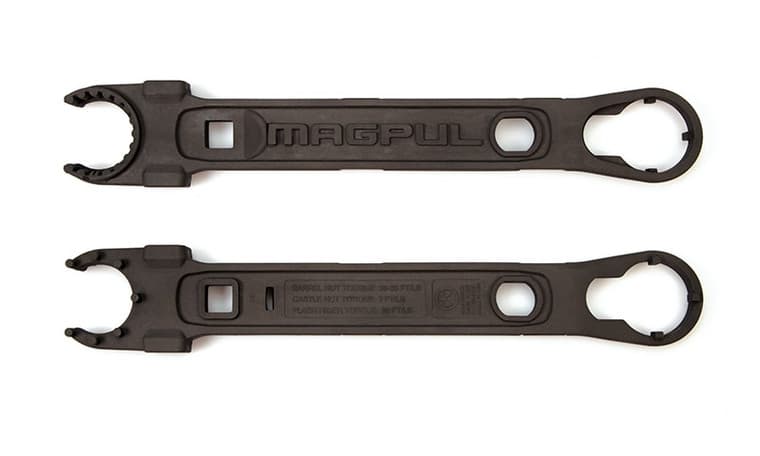
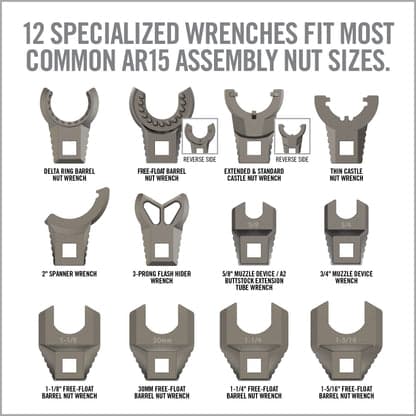
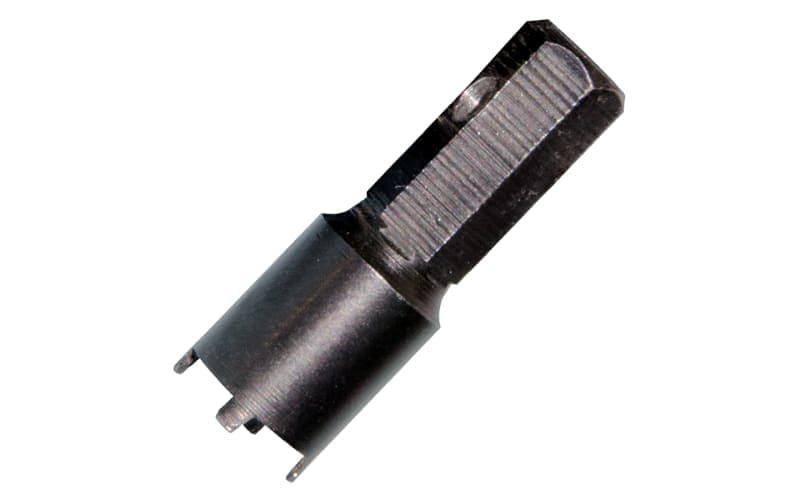
A multi-purpose wrench designed for AR-15 castle nuts, barrel nuts, and free-float handguard installation. Look for one that fits MIL-SPEC castle nuts and has provisions for common barrel nuts.
Get a wrench with a built-in torque adapter or pair it with a 1/2" drive torque wrench. The Magpul Armorer's Wrench and Real Avid Master-Fit are both solid choices that cover most barrel nut styles.
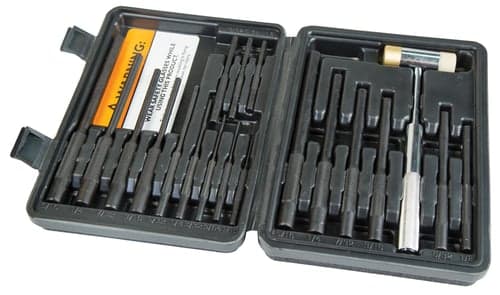
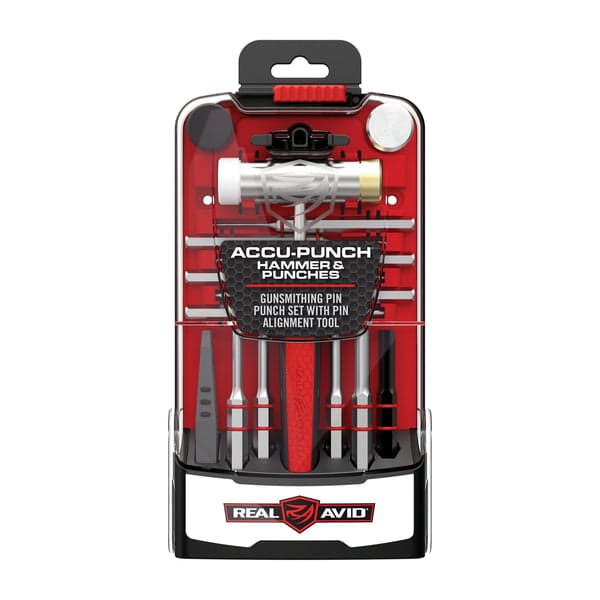
Roll pin punches, starter punches, and pin punches in various sizes for driving out and installing pivot pins, trigger pins, and detent pins. Brass or polymer-tipped punches prevent marring on finished receivers.
Use a roll pin holder or needle-nose pliers to start roll pins. Striking them directly with a punch often leads to bent pins or marred receivers. The Wheeler Roll Pin Install Tool Kit makes this nearly foolproof.
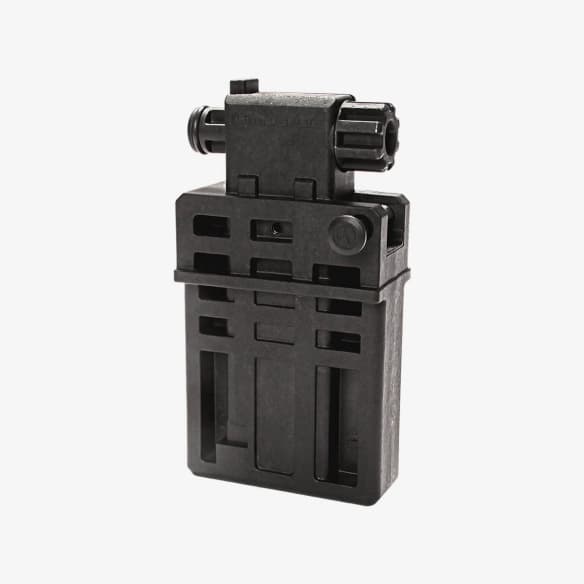
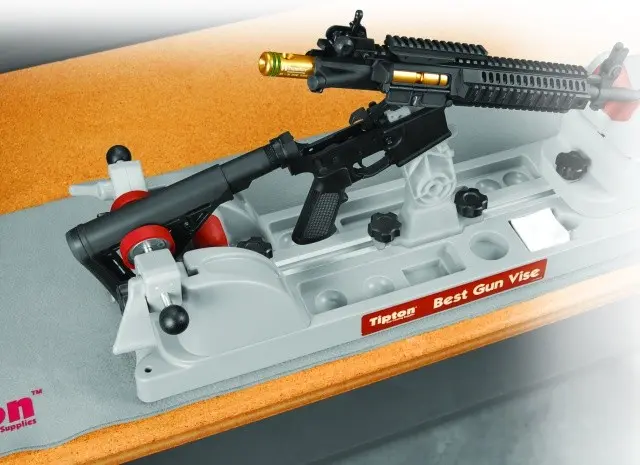
Blocks that hold upper or lower receivers securely in a bench vise without damaging the finish. Lower receiver vise blocks lock into the magazine well; upper receiver blocks clamp around the upper or engage the receiver lugs and rail depending on the design. For a freestanding vise that also cradles the whole rifle for cleaning and scope mounting, see our best gun vise guide.
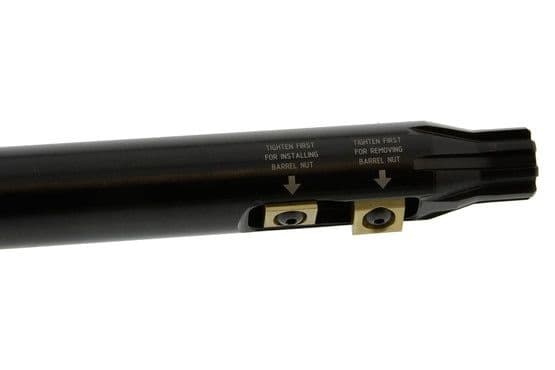
Standard clamshell upper vise blocks transfer barrel nut torque through the receiver's index pin. For high-torque barrel nuts (50+ ft-lbs), use a reaction rod or Geissele Super Reaction Rod that loads the barrel extension lugs instead. This prevents cracking the upper receiver.
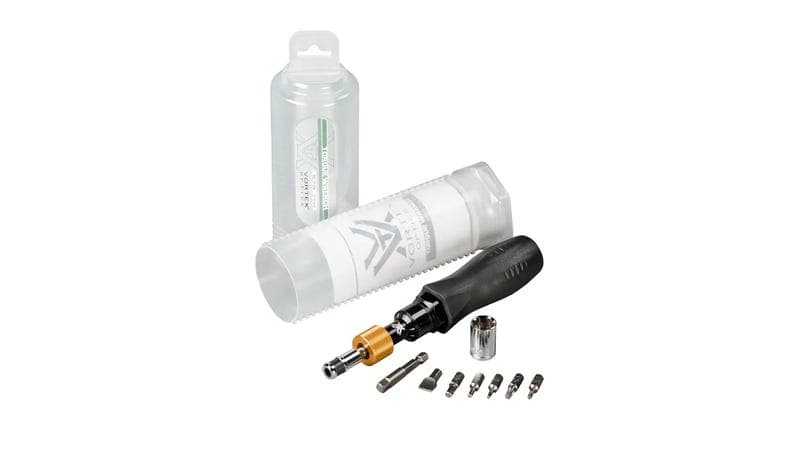
You need two types: a foot-pound wrench for barrel nuts and castle nuts, and an inch-pound wrench for optic mounts, gas block screws, and grip screws. Digital or click-type both work, so pick what fits your budget.
Always verify torque specs for your specific components.
Affiliate links - purchases support this site at no extra cost to you. (?)
Mounting optics correctly requires precision. A crooked reticle or improperly torqued rings will cost you accuracy and repeatability. These tools ensure your optic is level, properly torqued, and stays put through thousands of rounds.
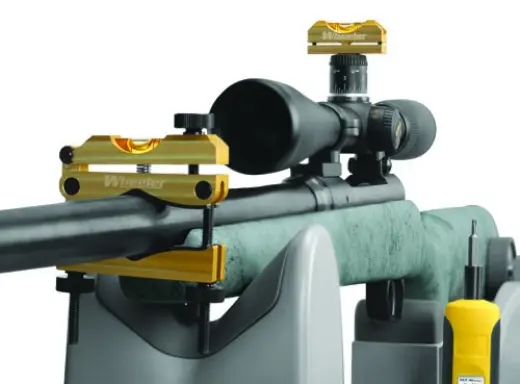
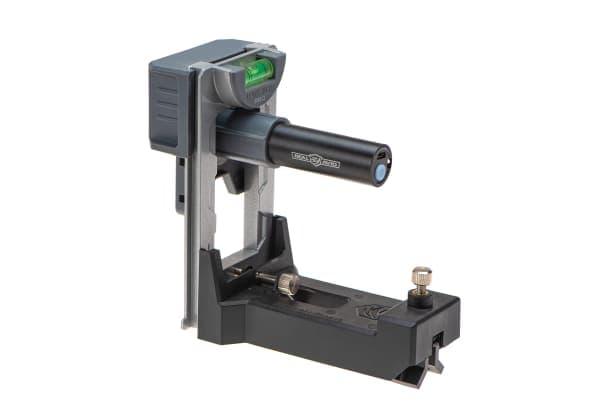
A canted reticle introduces tracking errors that compound at distance. Leveling systems use dual bubbles or laser projection to align the scope reticle with the rifle's bore axis before you torque the rings.
Optic mount screws, ring screws, and red dot mounting screws all require precise inch-pound torque values. Over-torquing can crack scope tubes, strip threads, or warp red dot housings.
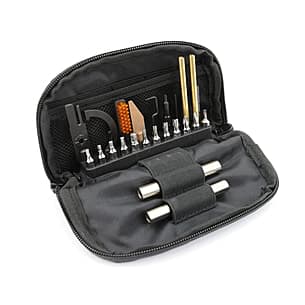
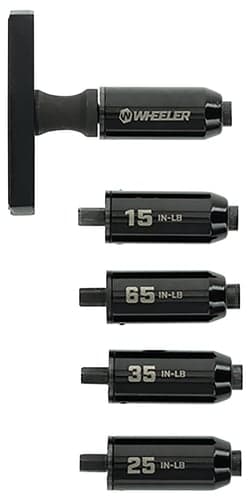
The Wheeler FAT Stix set includes preset torque limiters at common values. Pop in the right stick, turn until it clicks, and you're at spec. Faster than adjusting a wrench and nearly impossible to over-torque.
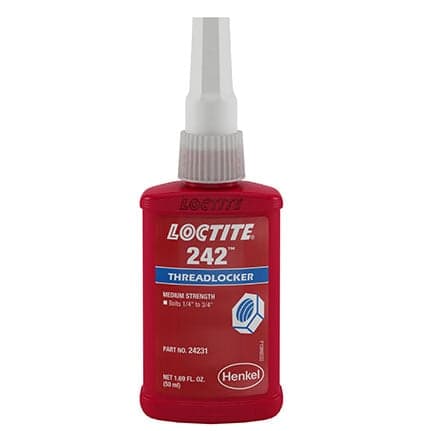
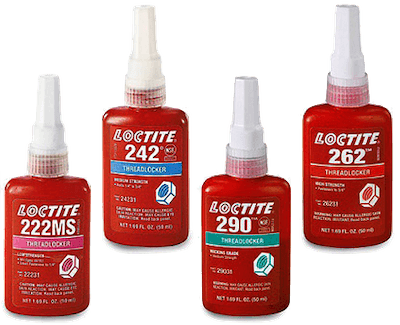
Blue Loctite (242/243) is your go-to for optic mount screws, gas block screws, and grip screws. It prevents vibration loosening while remaining removable with hand tools. Anti-seize is used on dissimilar metals (steel screws in aluminum mounts) to prevent galling.
Always follow manufacturer torque specs for your specific optic.
Affiliate links - purchases support this site at no extra cost to you. (?)
These tools help you verify safety-critical dimensions and inspect wear over time. Essential for armorers managing multiple rifles or anyone building from parts.
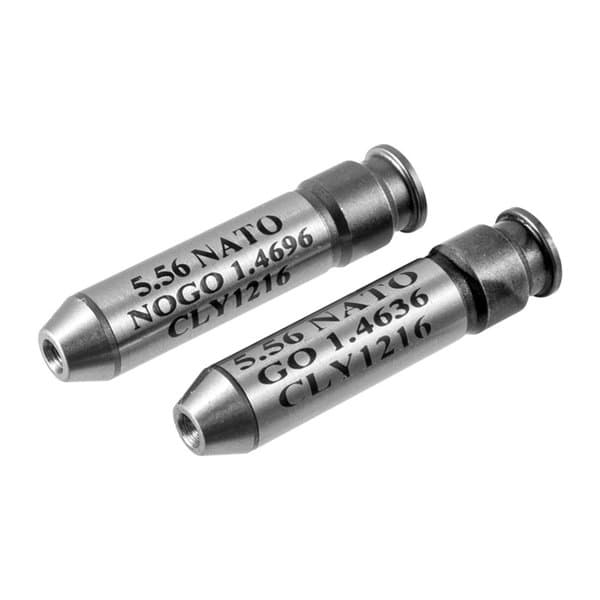
Headspace is the distance from the bolt face to the chamber shoulder that stops the cartridge. Incorrect headspace can cause case head separations, extraction failures, or dangerous pressure spikes. Check headspace when swapping bolts or barrels.
If the bolt closes on a NO-GO gauge, the headspace is past the NO-GO limit and the rifle is out of spec. That does not by itself mean it is unsafe; stop and confirm with a FIELD gauge or a qualified armorer before firing. A FIELD gauge marks the maximum safe limit: if the bolt closes on the FIELD gauge, the rifle is unsafe to fire. Set it aside until the barrel or bolt is replaced to bring headspace back into spec.
A digital borescope lets you inspect the bore, chamber, throat erosion, and gas port condition without disassembly. Side-view probes are ideal for AR barrels since they let you see the rifling lands and grooves clearly.
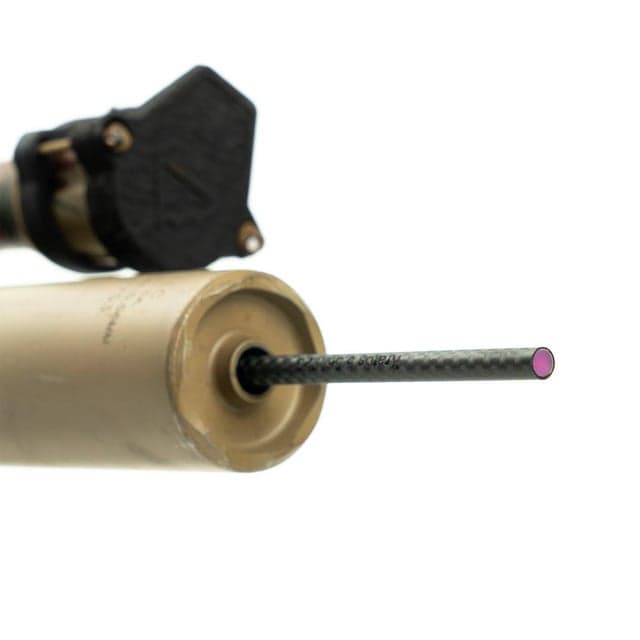
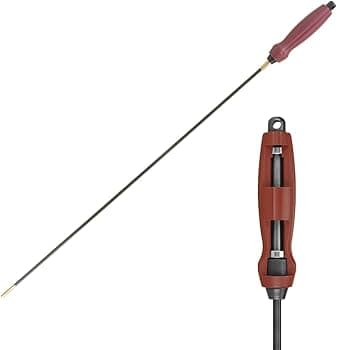
Always clean from chamber to muzzle. A bore guide centers the cleaning rod in the receiver and prevents solvent from seeping into the action. Carbon fiber rods won't embed grit like steel rods can.
Tipton's carbon fiber rods with bearing handles follow the rifling twist automatically, reducing rod flex and wear on the crown. Pair with a quality bore guide and you'll never damage your throat with a cleaning rod again.

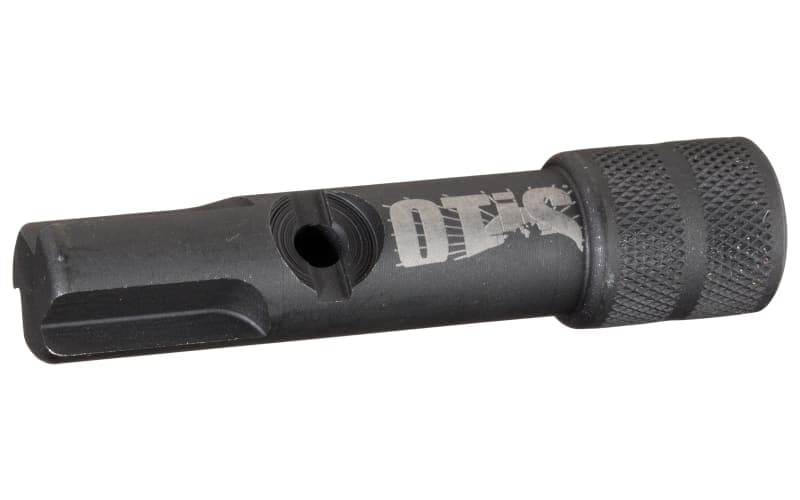
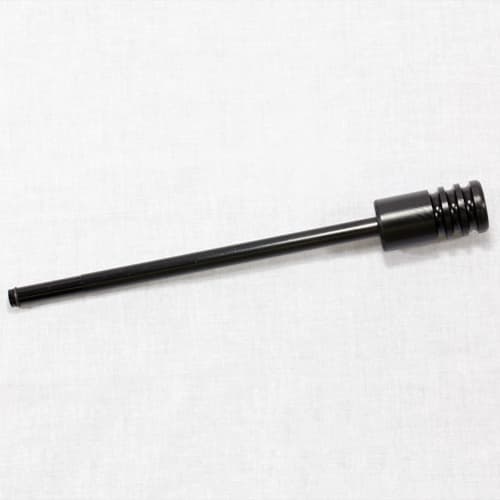
Consult a qualified armorer if you're unsure about inspection results.
Affiliate links - purchases support this site at no extra cost to you. (?)
These products get used up over time but make assembly reliable and keep rifles running. Stock up on the essentials and rotate through your supply.
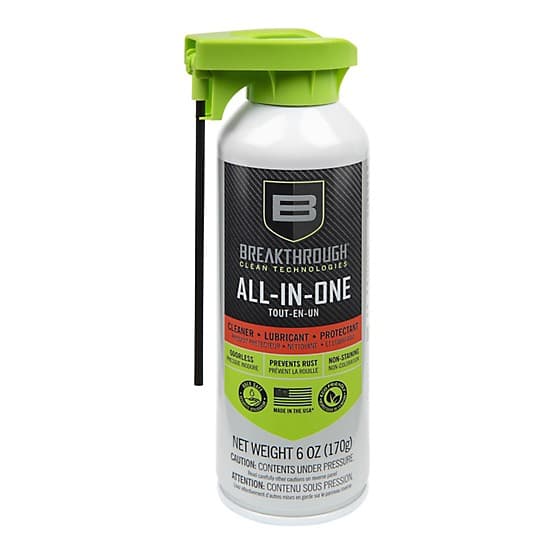

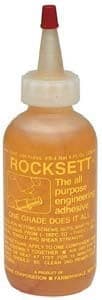


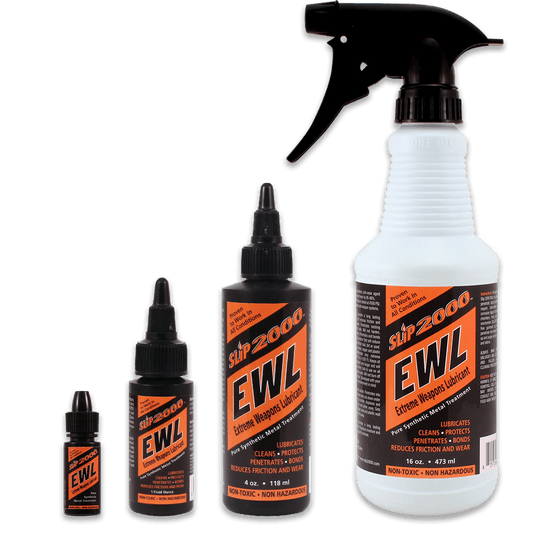
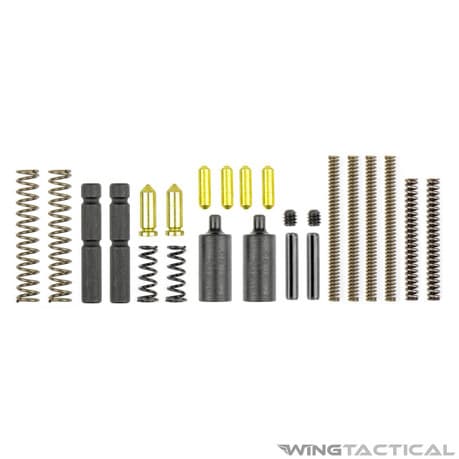
Store chemicals per manufacturer guidelines.
Affiliate links - purchases support this site at no extra cost to you. (?)
There's a difference between bench cleaning (thorough, periodic, rod-and-bore-guide work) and field cleaning (quick, between sessions, keep-it-running work). Both matter, but field cleaning prevents carbon from hardening into the bore and keeps your rifle cycling reliably during extended range days.
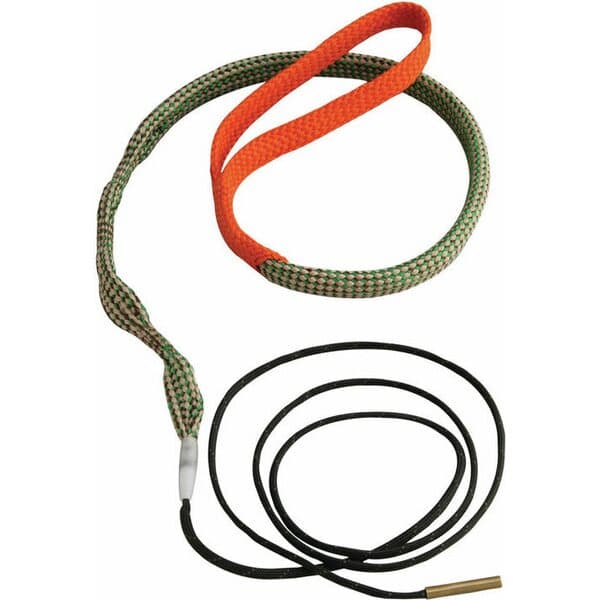
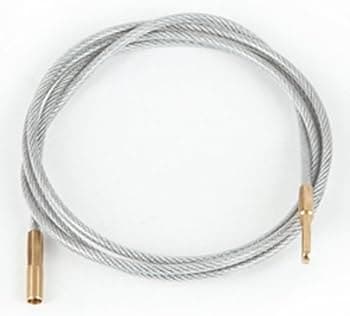
A boresnake or pull-through cleaner is the fastest way to run a pass through the bore at the range. Drop the weighted cord in from the chamber end, pull through, and you've displaced the worst of the carbon in under 30 seconds. The Hoppe's BoreSnake Viper has a built-in bronze brush section that scrubs fouling on the way through. The Otis Ripcord uses Nomex fiber that resists heat up to 1,000 degrees F, outlasting cotton-based alternatives.
Run a boresnake after every range session. It takes 30 seconds and prevents carbon from hardening into the bore. This is not a replacement for proper rod cleaning, but it extends the interval between deep cleans significantly.
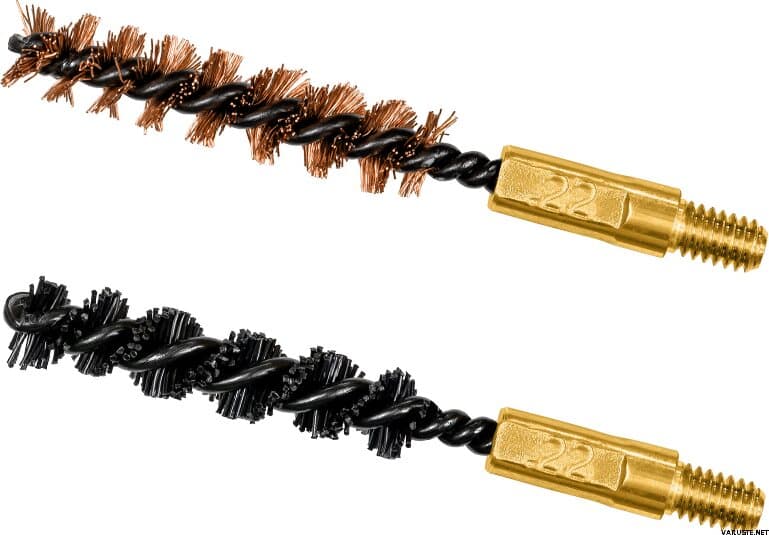
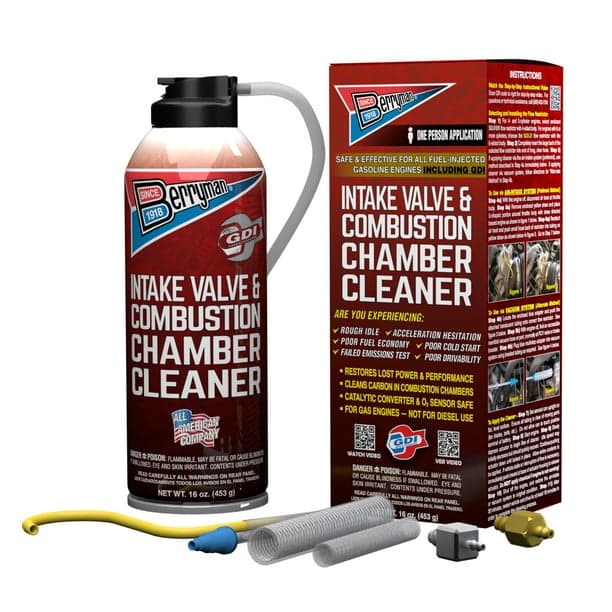
Carbon buildup in the star chamber and gas tube causes cycling issues that a boresnake can't reach. Dedicated chamber cleaning tools have star-shaped bristles that match the chamber lug recesses, while gas tube cleaners use flexible wire brushes to clear carbon deposits from the gas system. Neglecting these areas is a common cause of short-stroking and failure to extract.
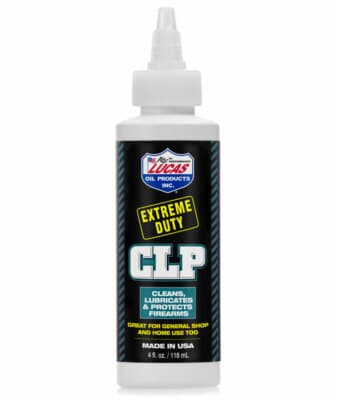
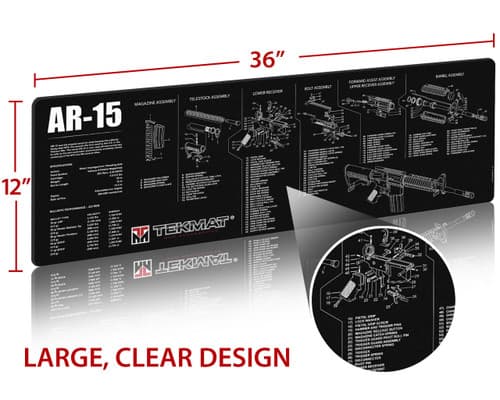
A complete field cleaning kit fits in a gallon zip-lock bag: cleaning mat, pull-through cleaner, CLP, a few patches, and a chamber brush. The cleaning mat protects your bench or tailgate from solvent damage while giving you a visual reference for parts during disassembly.

Affiliate links - purchases support this site at no extra cost to you. (?)
Always check manufacturer specs, as some proprietary systems (Geissele, BCM, LaRue) have different requirements. When in doubt, start at the low end of the range and verify the fastener holds under recoil before going higher.
New tool kit recommendations, armorer technique guides, and the best deals on AR-15 build and maintenance tools.
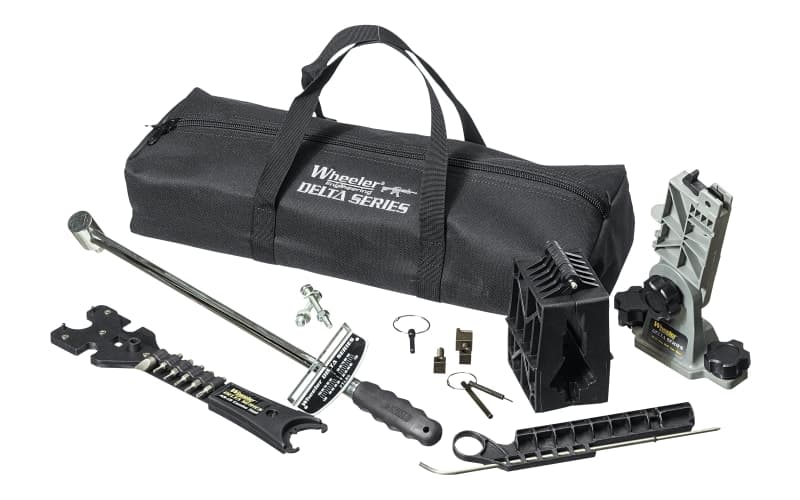
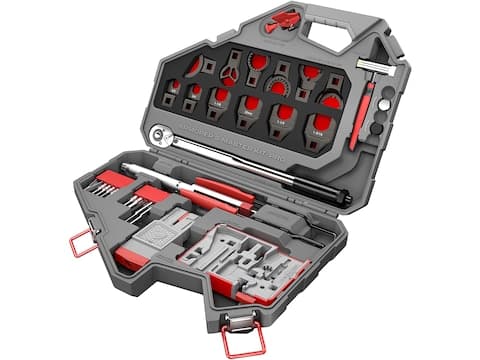
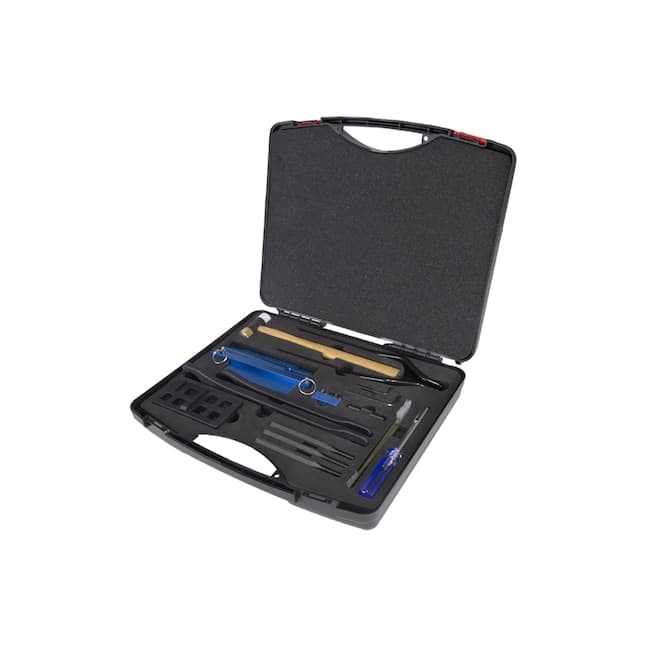
Affiliate links - purchases support this site at no extra cost to you. (?)
A quality multi-tool in your range bag handles the quick fixes that would otherwise end your range session: loose screws, stuck pins, frayed slings. The Leatherman MUT is the only multi-tool designed specifically for the AR platform, with a bronze carbon scraper, bolt override tool, and military-spec disassembly punch built in.
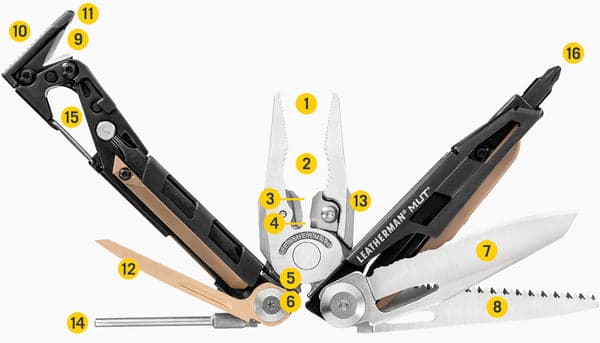
Best multi-tool for AR owners
Purpose-built tactical multi-tool for AR-15/M4 maintenance. Includes bolt override, carbon scraper, and replaceable firearm-specific bits.
Affiliate links (?)
Looking for more options? See our full Best Tactical Multi-Tools guide for rankings and detailed comparisons across 10+ models.
Dry fire is the most cost-effective way to improve shooting fundamentals. Zero ammo cost, practice at home, and build the neural pathways that transfer directly to live fire performance. These tools add feedback and measurement to what would otherwise be guesswork.
Always verify the firearm is completely unloaded before dry fire practice. Remove all live ammunition from the training area. Check the chamber visually and physically. Then check it again.
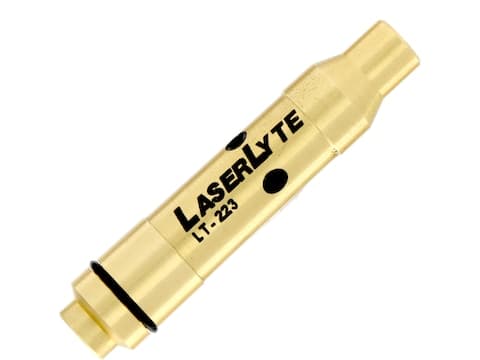
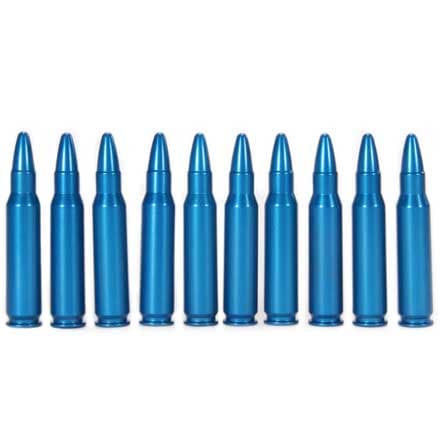
Snap caps protect the firing pin during dry fire practice (though the AR-15 firing pin handles dry fire fine without them) and double as malfunction clearing training aids. Laser training cartridges add visual feedback: pull the trigger and a visible laser indicates exactly where you would have hit. Pair them with reactive laser targets for an interactive training loop without leaving home. Our dry fire practice guide covers the safety protocol, the core drills, scaled printable targets, and every training aid ranked.
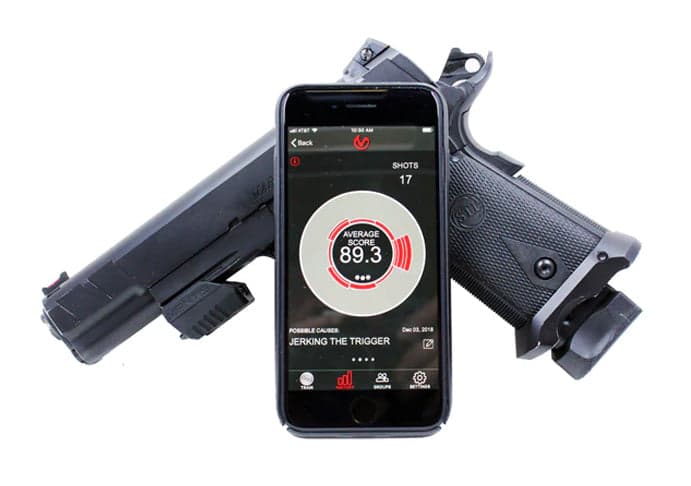
The Mantis X sensor attaches to your accessory rail and detects micro-movements during the trigger press that are invisible to the naked eye. The companion app shows movement patterns, scores each trigger pull, and tracks improvement over time. It works in both dry fire and live fire modes.
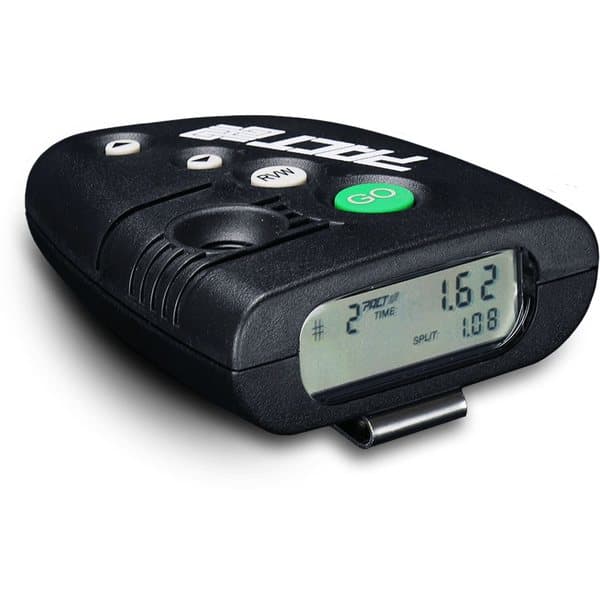
A shot timer is the single best training investment after ammunition. It measures what your perception can't: actual split times, draw-to-first-shot, and transitions between targets. Par time programming lets you set goals and train against them. You can't improve what you don't measure. See our best shot timer guide for the full ranked picks across competition, dry fire, and budget training. If the timer data needs to come from match or range video you already recorded, run the clip through the video shot timer workflow and export the shot list before logging the session.
Combine the Mantis X with dry fire snap caps for the most effective home training setup. 15 minutes of focused dry fire daily beats 500 rounds of unfocused live fire.
Affiliate links - purchases support this site at no extra cost to you. (?)
A well-stocked range bag prevents wasted trips and keeps you shooting instead of troubleshooting. These are the supporting items you should always have packed and ready to go.
Electronic ear protection is worth the upgrade over passive muffs. It amplifies range commands and conversation while instantly blocking gunshots, which means you can communicate during instruction and hear range safety commands clearly. Eye protection is non-negotiable: ANSI Z87.1-rated shooting glasses protect against ejected brass, debris, and the rare catastrophic failure.
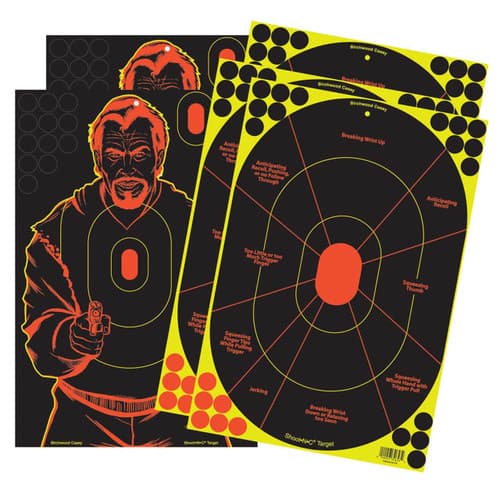
Proper zeroing targets with 1-inch grid patterns make adjustment calculations straightforward: count the squares from point of aim to point of impact, convert to MOA or MIL, and dial it in. Keep a few in the range bag at all times so you can re-confirm zero whenever you swap optics or after transport.
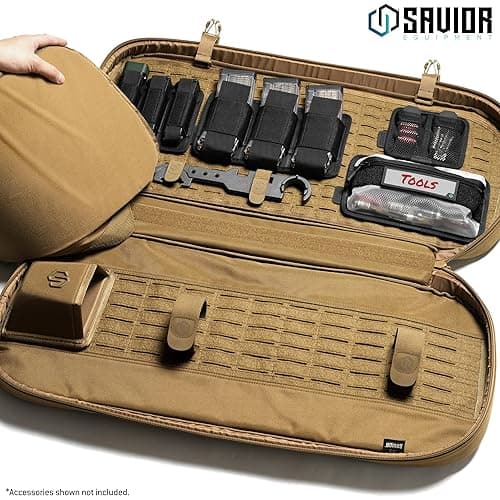
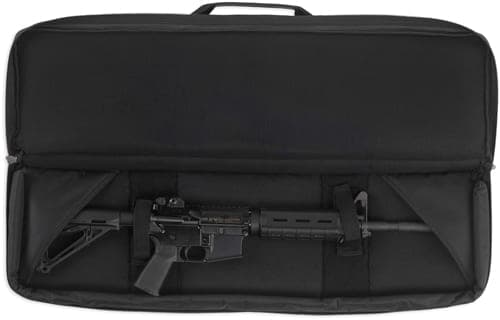
Two options depending on context: a standard padded soft case for range trips (lighter, more pockets, easier to carry), and a discreet-profile case with backpack straps for urban settings where you prefer not to advertise. Hard cases are better for airline travel and long-term storage but are overkill for local range trips; if you fly with a rifle, see our rifle hard case guide for TSA-legal, sealed travel cases.
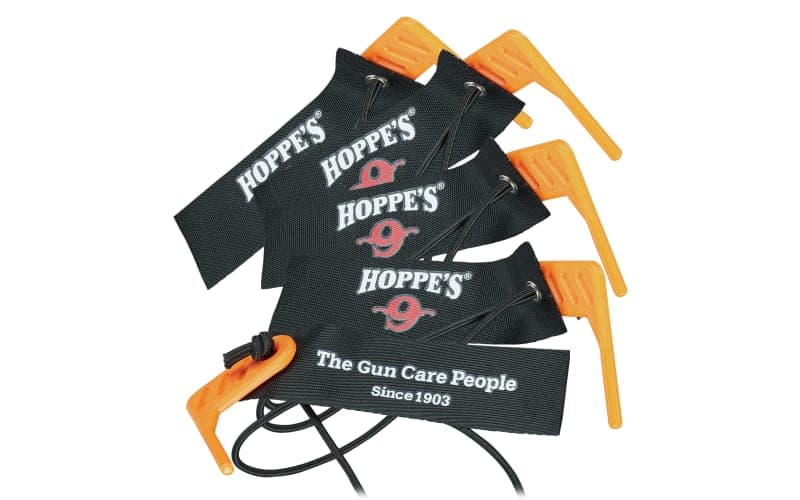
Keep a chamber flag in your range bag. Many ranges require visible empty chamber indicators during cease-fires, and all competition stages require them. They cost almost nothing and prevent awkward conversations with range officers.

Affiliate links - purchases support this site at no extra cost to you. (?)
Got your tools? Put them to work with our other guides:
This guide is for educational purposes. Always follow manufacturer instructions and torque specifications for your specific components. If you're unsure about any procedure, consult a qualified armorer or gunsmith.

Avid shooter with 10+ years of experience including competition shooting, an associate member of the Professional Outdoor Media Association (POMA), and a member of the National Shooting Sports Foundation (NSSF) and Safari Club International (SCI). Built 10+ AR-pattern rifles and several handgun platforms for home defense, competition, and suppressed night shooting.
This page contains affiliate links. Purchases through these links support the site at no extra cost to you. Read the affiliate disclosure
Ready to continue? Here's the recommended next guide:
Choose an AR-15 optic class before shopping models. Compare red dots, LPVOs, prisms, and magnifiers by range, mounted weight, eye needs, and reticle type.
Or explore a related topic:
Best AR-15 Cleaning Kits & Maintenance Tools 2026->Continue exploring with these related resources
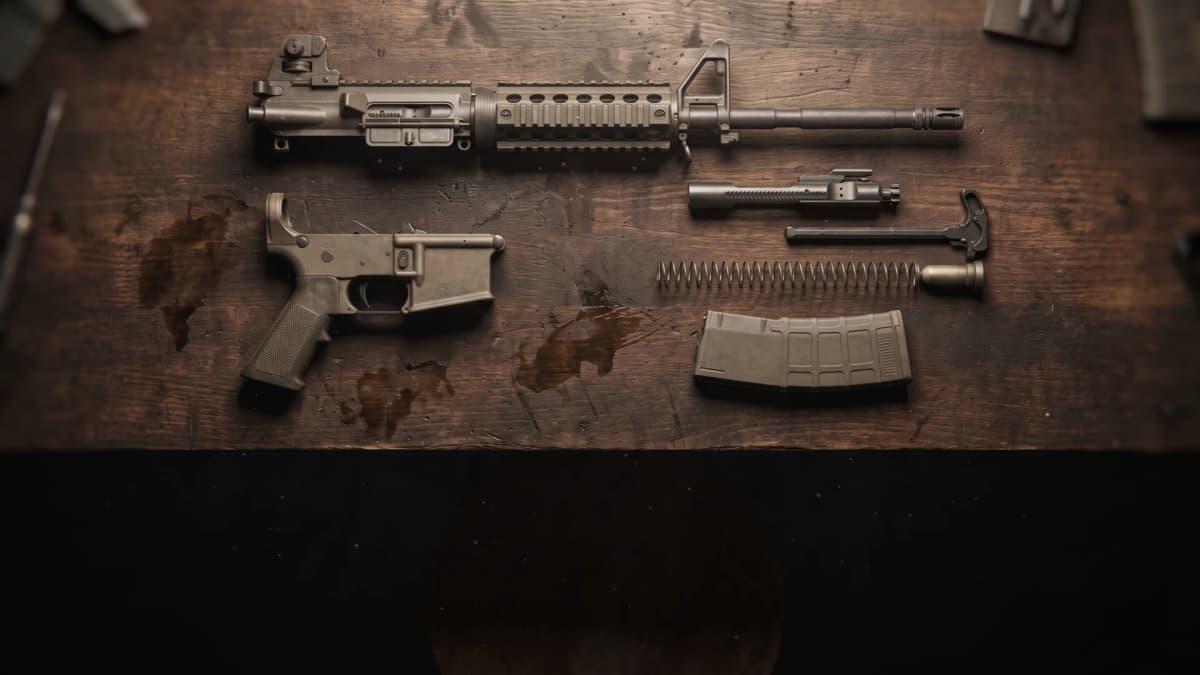
A clickable AR-15 parts diagram covering all 22 parts, from bolt carrier group to buffer tube, with an exploded view, a controls walkthrough for loading and reloading, and a first-time setup checklist.
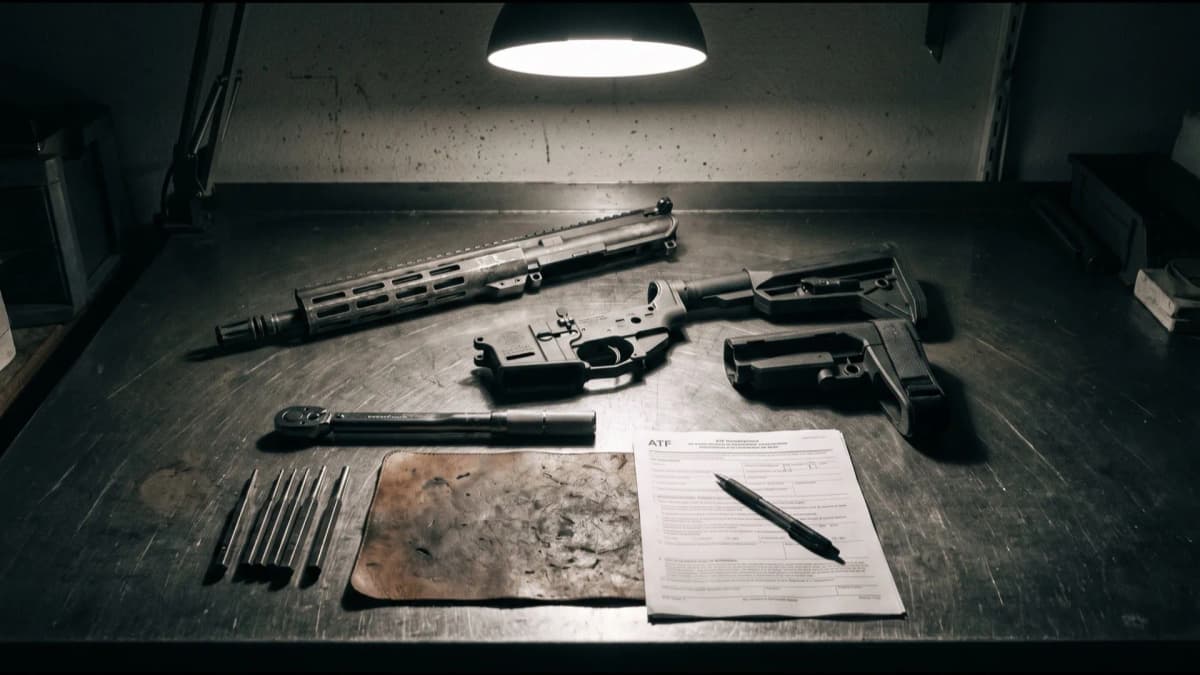
A step-by-step Form 1 walkthrough for converting a braced AR pistol into a registered short-barreled rifle, who the August 2026 NFA ruling lets skip the application, plus the stock, upper, barrel, and suppressor upgrades to run once your stamp clears.
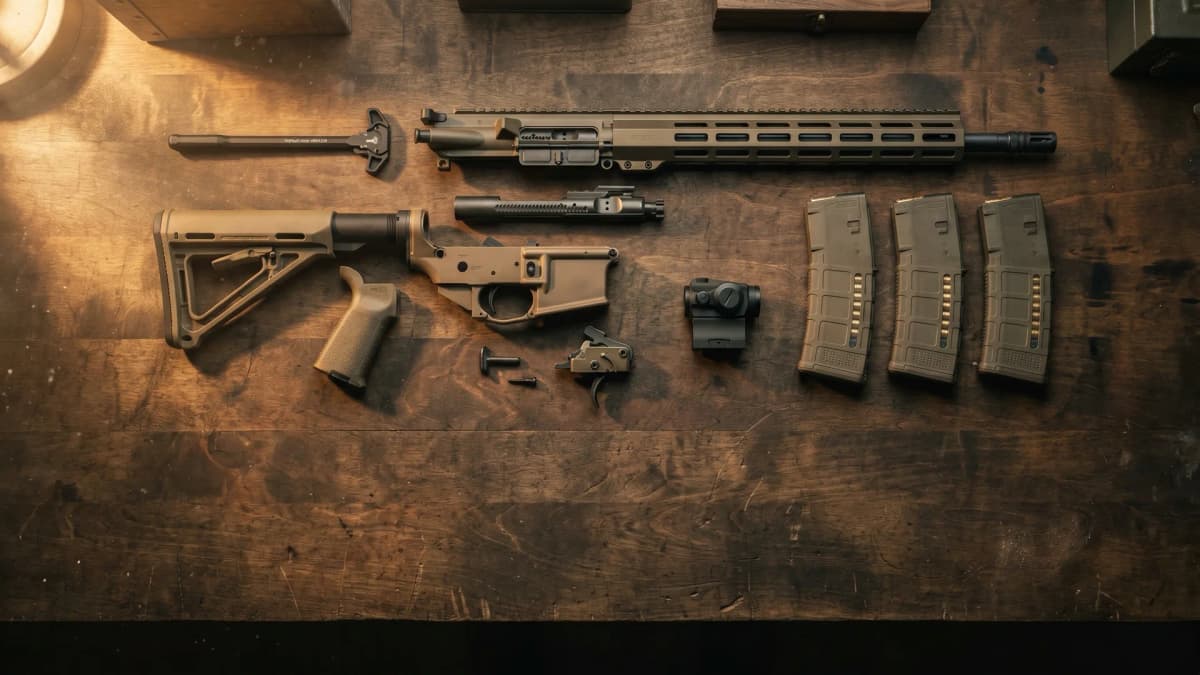
A single vetted mid-tier AR-15 build for the buyer stepping up from a budget rifle. Part-by-part picks for a ~$1,000-1,300 rifle that runs a class without babysitting, with a running cost tally, why each slot beats the budget pick, and a separate optic add-on tier.
Related articles and industry updates
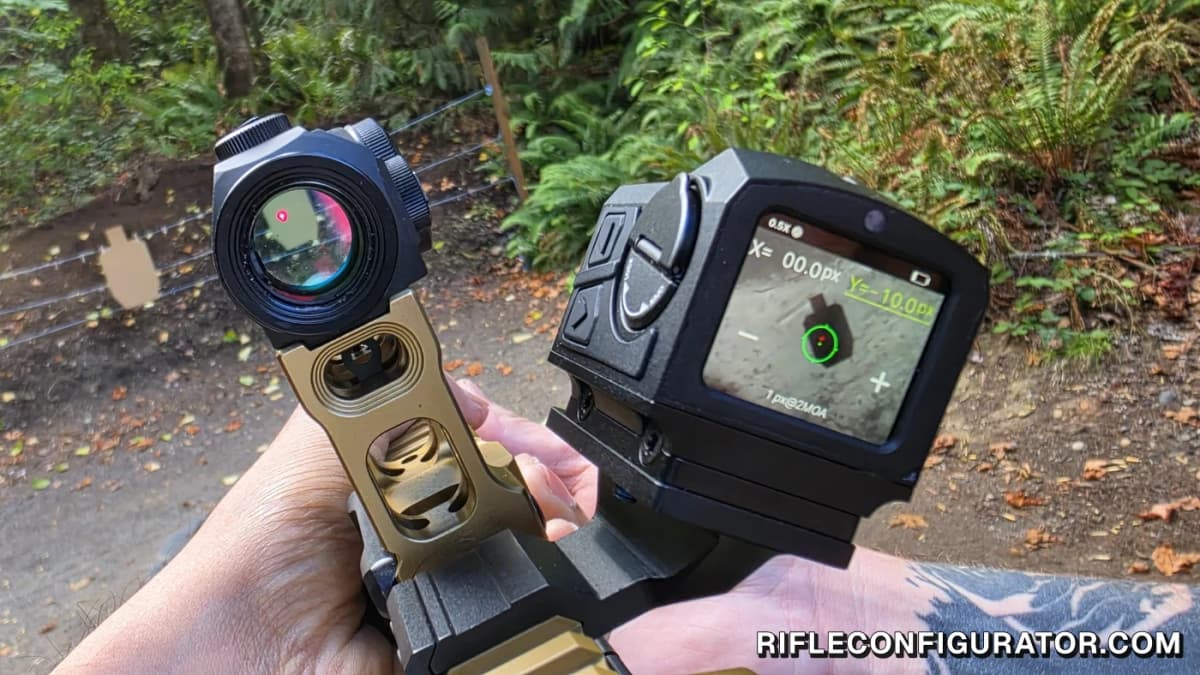
We ran the InfiTac FMP13 on a 45-degree offset beside a Holosun on a Unity FAST mount. The 256x192 mini thermal has an intuitive touchscreen and zeroed on plain cardboard, but the CR2 ran short of its 5-hour rating, so it belongs on an offset, not a pistol.
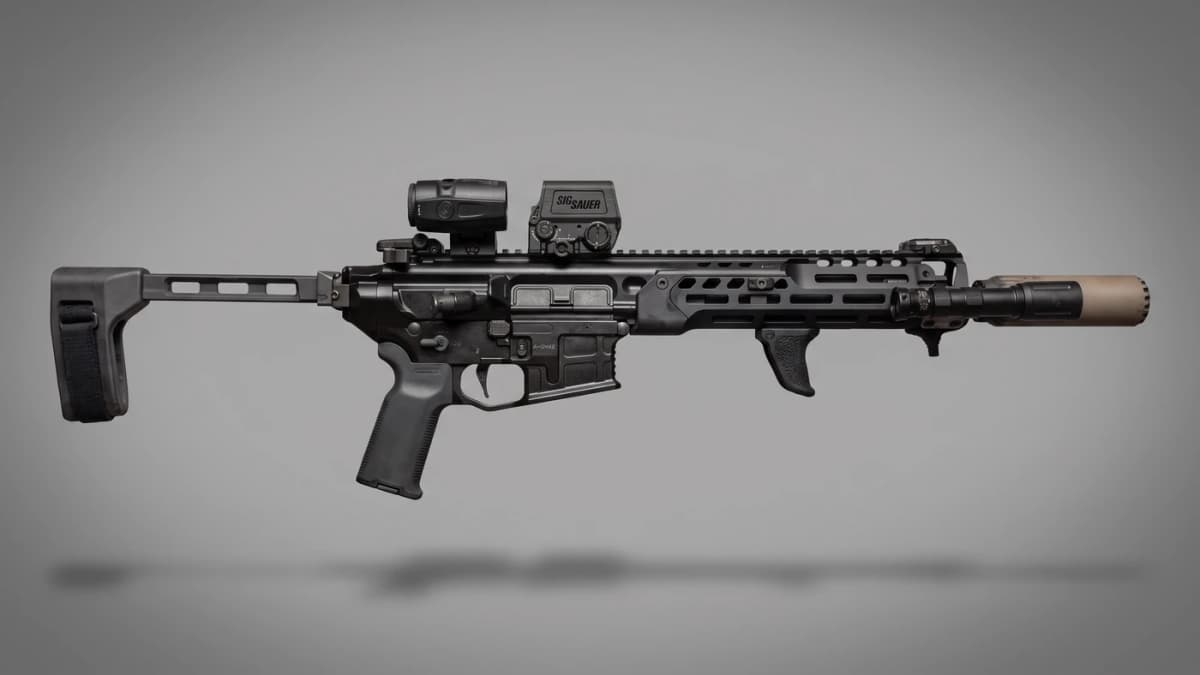
A magnet in the magnifier swaps the reticle for you. After 1,500 rounds on a suppressed SIG MCX SPEAR LT across several 2-gun matches: how AMR actually works, the 40mm Mangin objective nobody talks about, and why the feature is dead without SIG's own magnifier.
Taurus launched its first suppressors: sintered-titanium TTX22, TTX9C, and TTX30 for rimfire, 9mm PCC, and .30-caliber rifles.