Best Hunting Binoculars 2026: Vortex, Zeiss & Leupold
The best hunting binoculars balance glass quality, field of view, and weight against what you actually pay. The Vortex Viper HD 10x42 is the best overall pick for most hunters, the $249.99 Diamondback HD is the budget answer with real HD glass, and the Zeiss Conquest HDX is the premium value at 90 percent light transmission. Nine binoculars are ranked below across budget, mid, and premium tiers, with verified specs so you can match a 10x42 or 10x50 to how you glass.
Key Takeaways
- →Best overall: Vortex Viper HD 10x42 at $424.49, with the widest 341 ft field of view in the mid tier and a locking diopter.
- →Best budget: Vortex Diamondback HD 10x42 at $249.99, HD glass and a lifetime warranty in a 21.3 oz body that ships with a harness.
- →Best premium value: Zeiss Conquest HDX 10x42 at $999.99, 90 percent light transmission without the alpha price tag.
- →Best low-light: Nikon MONARCH M5 10x50 at $349.95, a 50 mm objective and 5 mm exit pupil for dawn and dusk glassing.
- →10x42 is the default: the extra magnification pays off in open and western country; drop to 8x42 for close timber or shaky hands.
The Best Hunting Binoculars, Ranked
Ranked across budget, mid, and premium tiers, with verified glass, field of view, weight, and eye relief so you can match the binocular to how you actually glass.
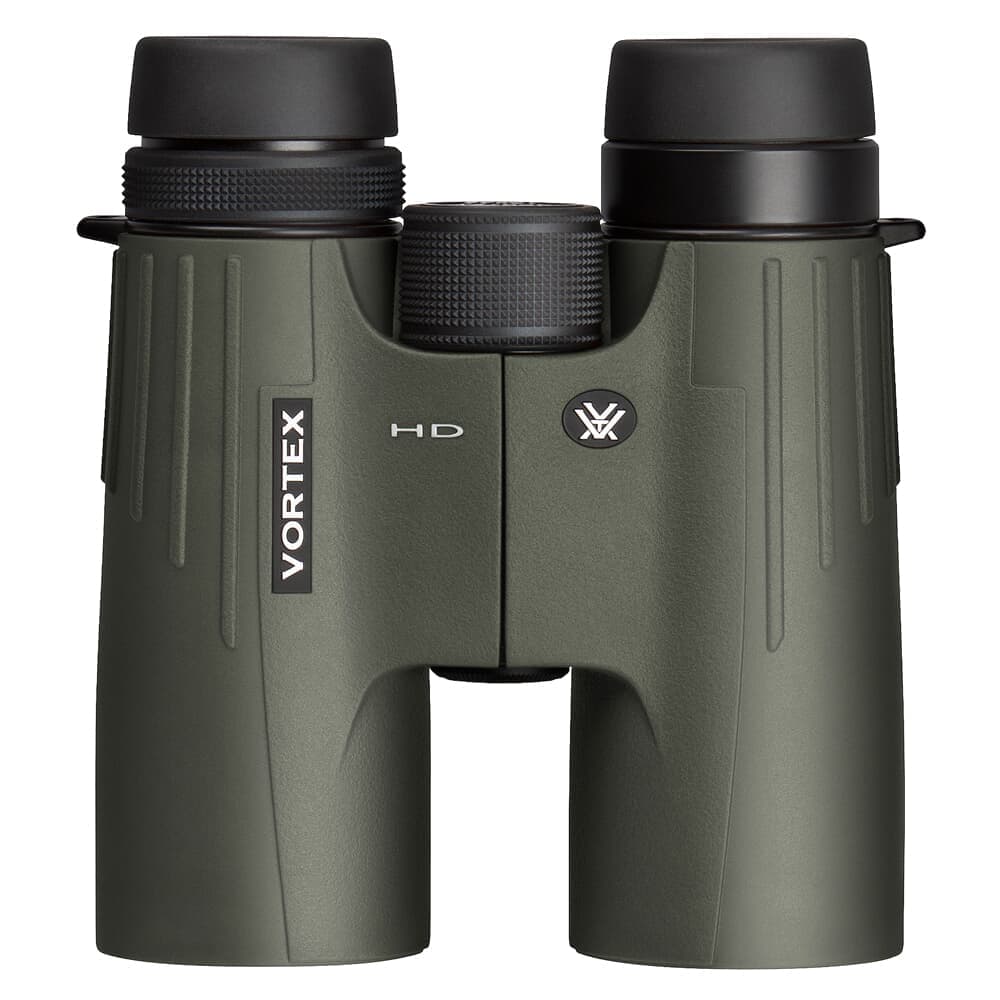
Vortex Viper HD 10x42 Binocular
Best overall hunting binocular under $500
- +Best balance of glass, field of view, and price in the mid tier
- +Widest 341 ft field of view among the mid-tier picks
- +Locking diopter prevents accidental focus drift
- −Alpha glass still pulls more shadow detail at last light
- −Heavier than the budget Diamondback for all-day carry
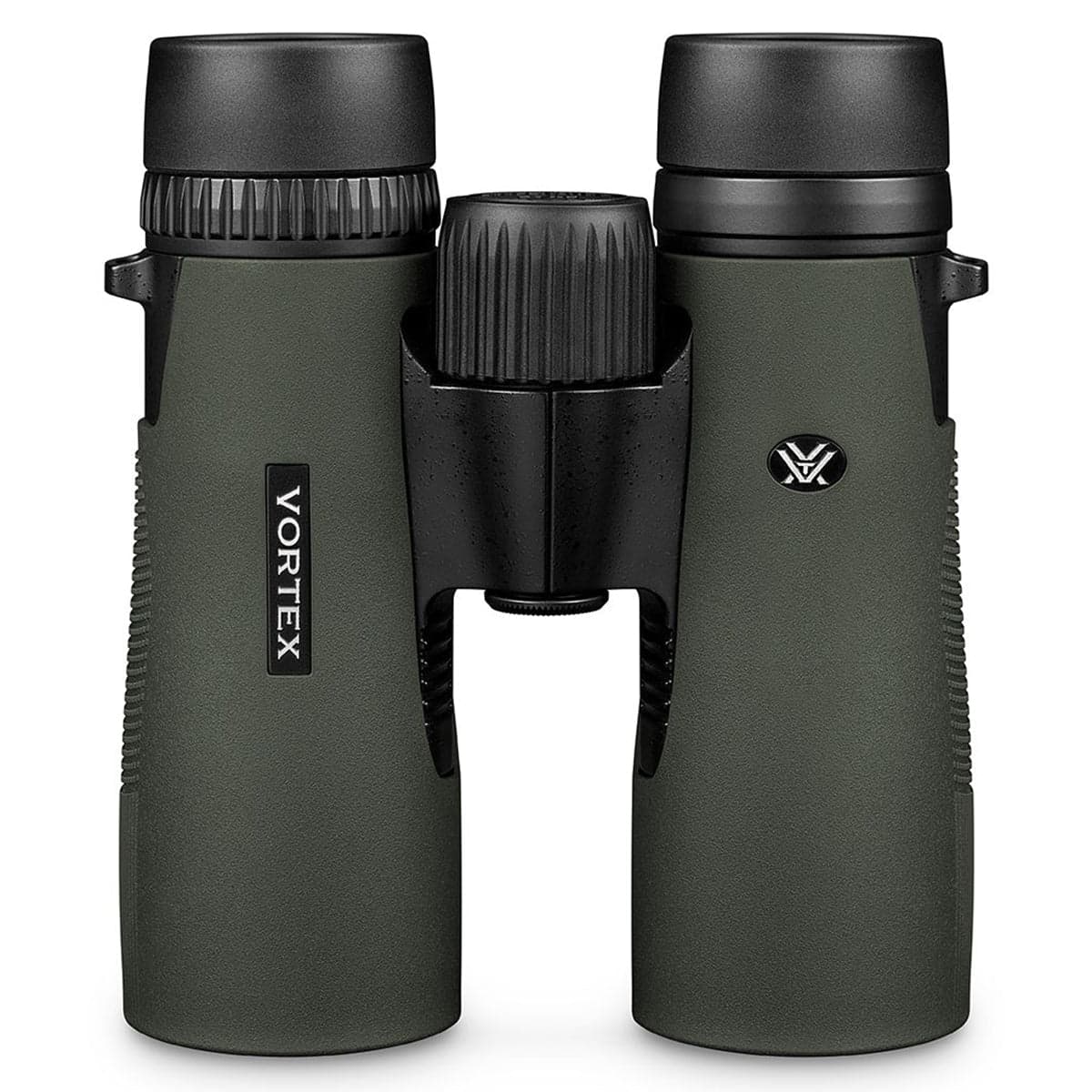
Vortex Diamondback HD 10x42 Binocular
Best budget pick with HD glass and a lifetime warranty
- +HD glass and a magnesium chassis at a true budget price
- +Light 21.3 oz body is easy to carry all day
- +Vortex VIP unconditional lifetime warranty covers accidental damage
- −Edge sharpness and low-light detail trail the premium picks
- −15 mm eye relief is tighter than the Nikon and Maven options for eyeglass wearers
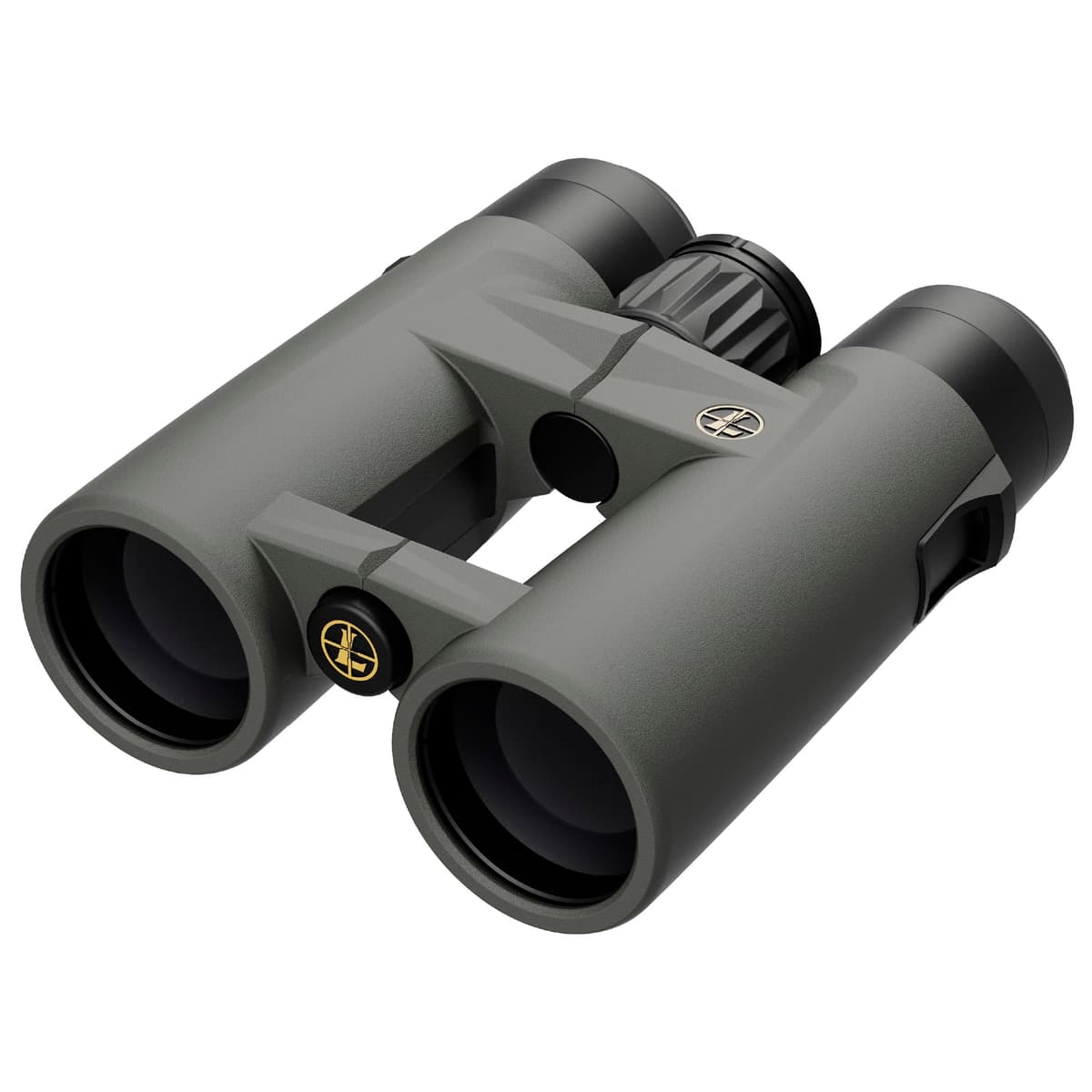
Leupold BX-4 Pro Guide HD Gen 2 10x42 Binocular
Best mid-tier alternative to the Viper HD
- +Bright, neutral Elite Optical System glass for the price
- +Open-bridge body is comfortable and easy to grip one-handed
- +17 mm eye relief suits most eyeglass wearers
- −314 ft field of view is the narrowest of the mid-tier picks
- −9.3 ft close focus is longer than the Zeiss Terra and Vortex Viper
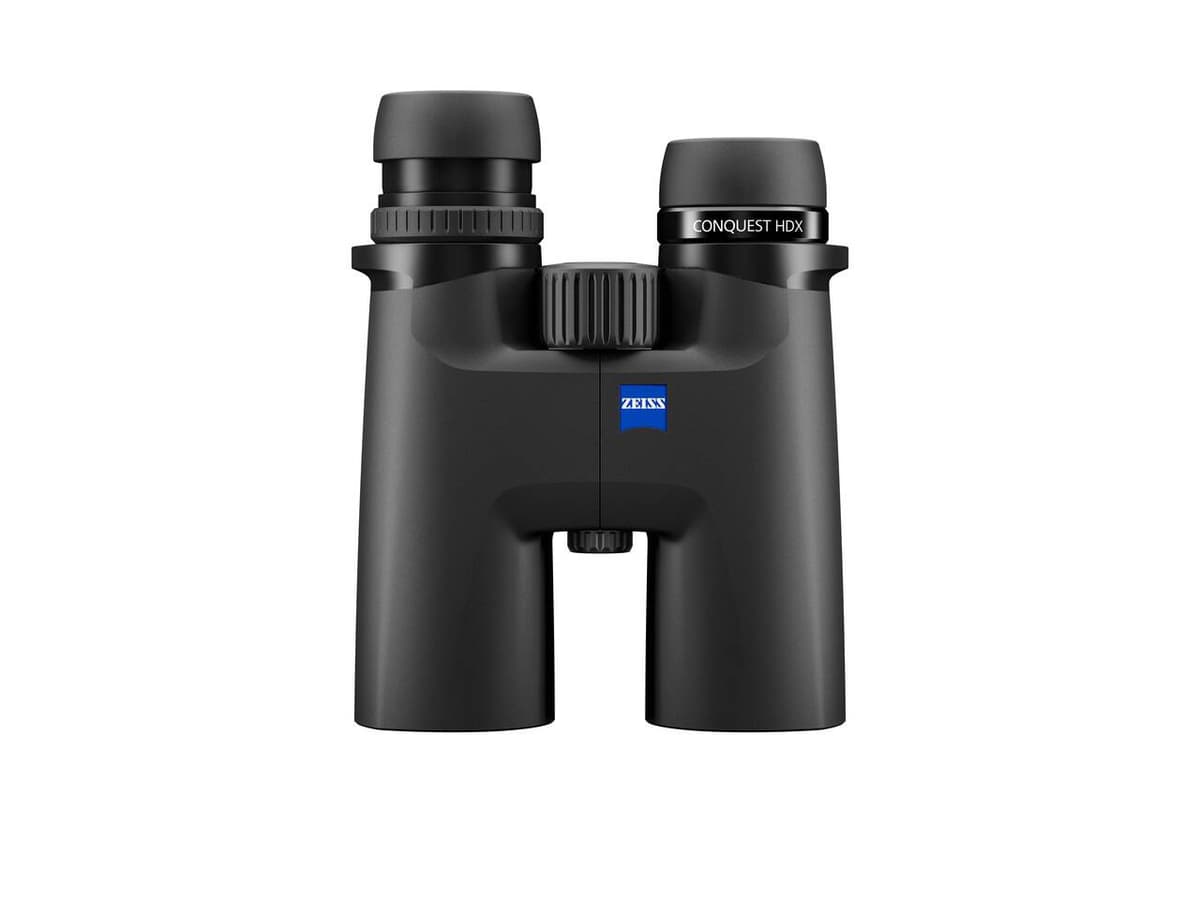
Zeiss Conquest HDX 10x42 Binocular
Best premium value with 90 percent light transmission
- +90 percent light transmission rivals far pricier alphas
- +Wide 345 ft field of view for a 10x42
- +Alpha-adjacent glass without the alpha price tag
- −Still short of true alpha edge sharpness and resolution
- −Heavier and pricier than the mid-tier value picks
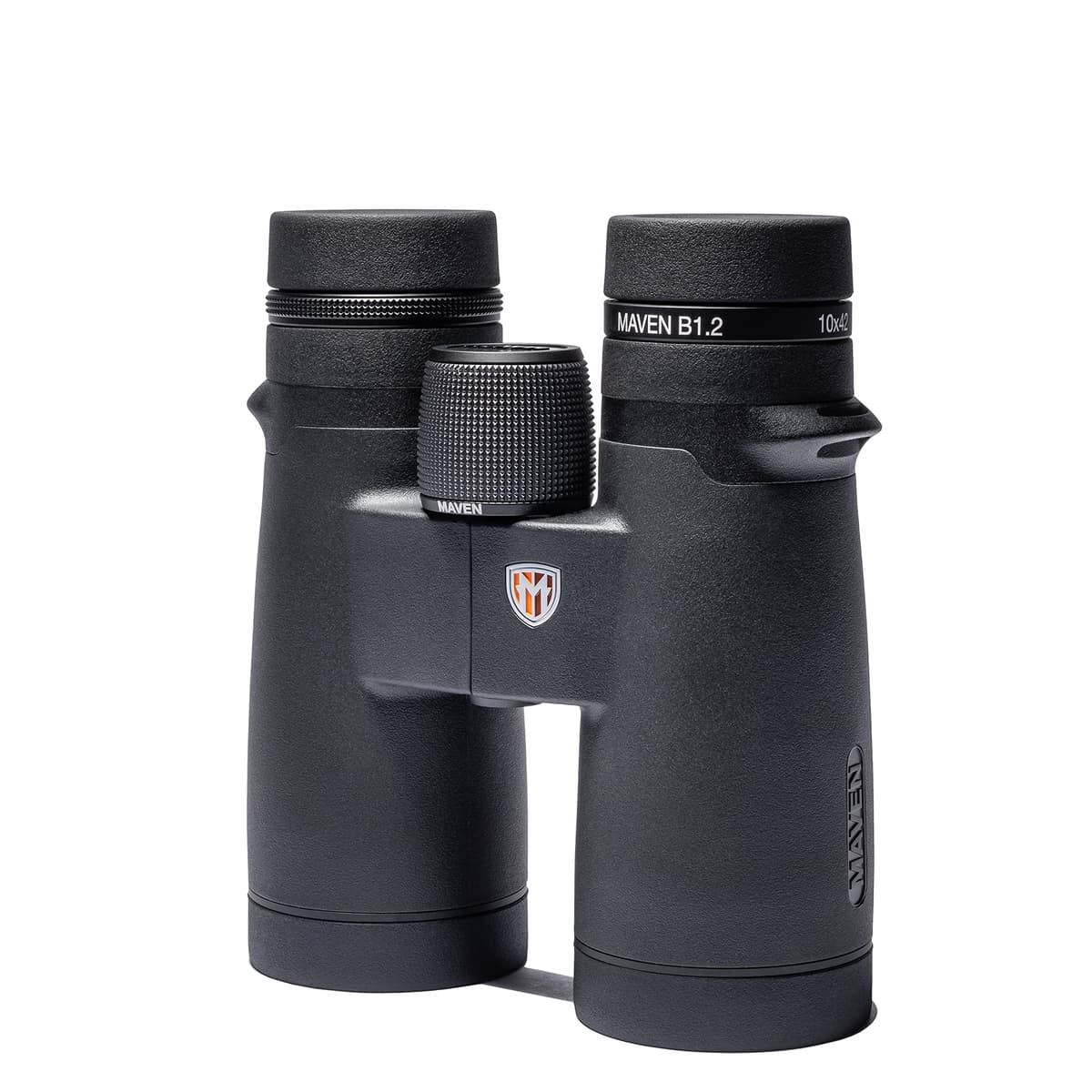
Maven B1.2 10x42 Binocular
Best direct-to-consumer premium
- +Near-alpha Japanese glass at roughly half the price
- +Widest 347 ft field of view among the 42 mm picks
- +Generous 17.8 mm eye relief and 4.9 ft close focus
- −Heaviest 42 mm here at 26.8 oz on the neck
- −Factory-direct model means fewer walk-in dealers to handle it first
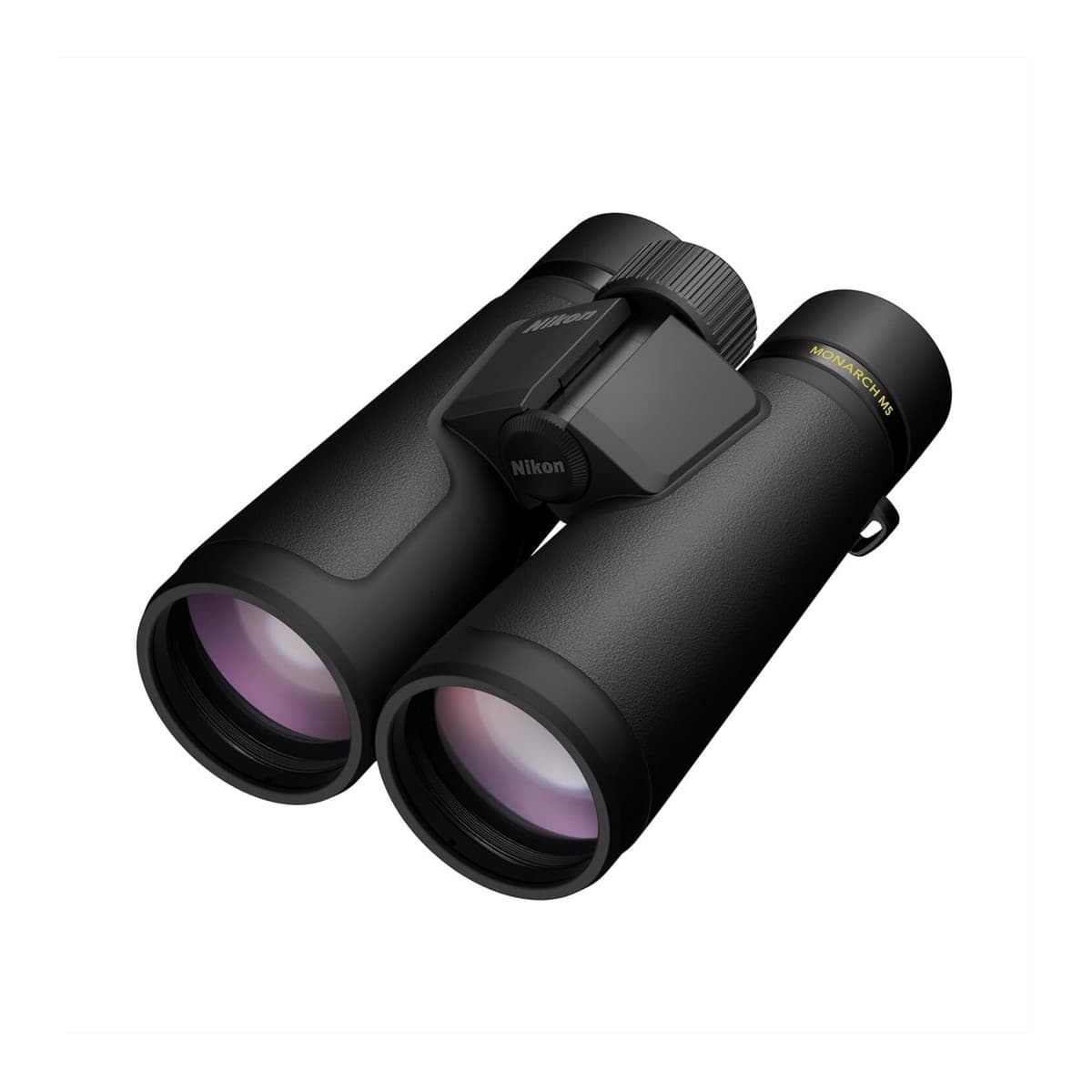
Nikon MONARCH M5 10x50 Binocular
Best low-light glassing
- +5 mm exit pupil holds brightness deep into dawn and dusk
- +19.3 mm eye relief is the most forgiving pick here for eyeglass wearers
- +ED glass at a mid price undercuts most 50 mm competitors
- −315 ft field of view is narrower than the 42 mm picks
- −14.8 ft close focus is too long for detailed near work
- −Heavier on the neck than a compact 42 mm over a full day
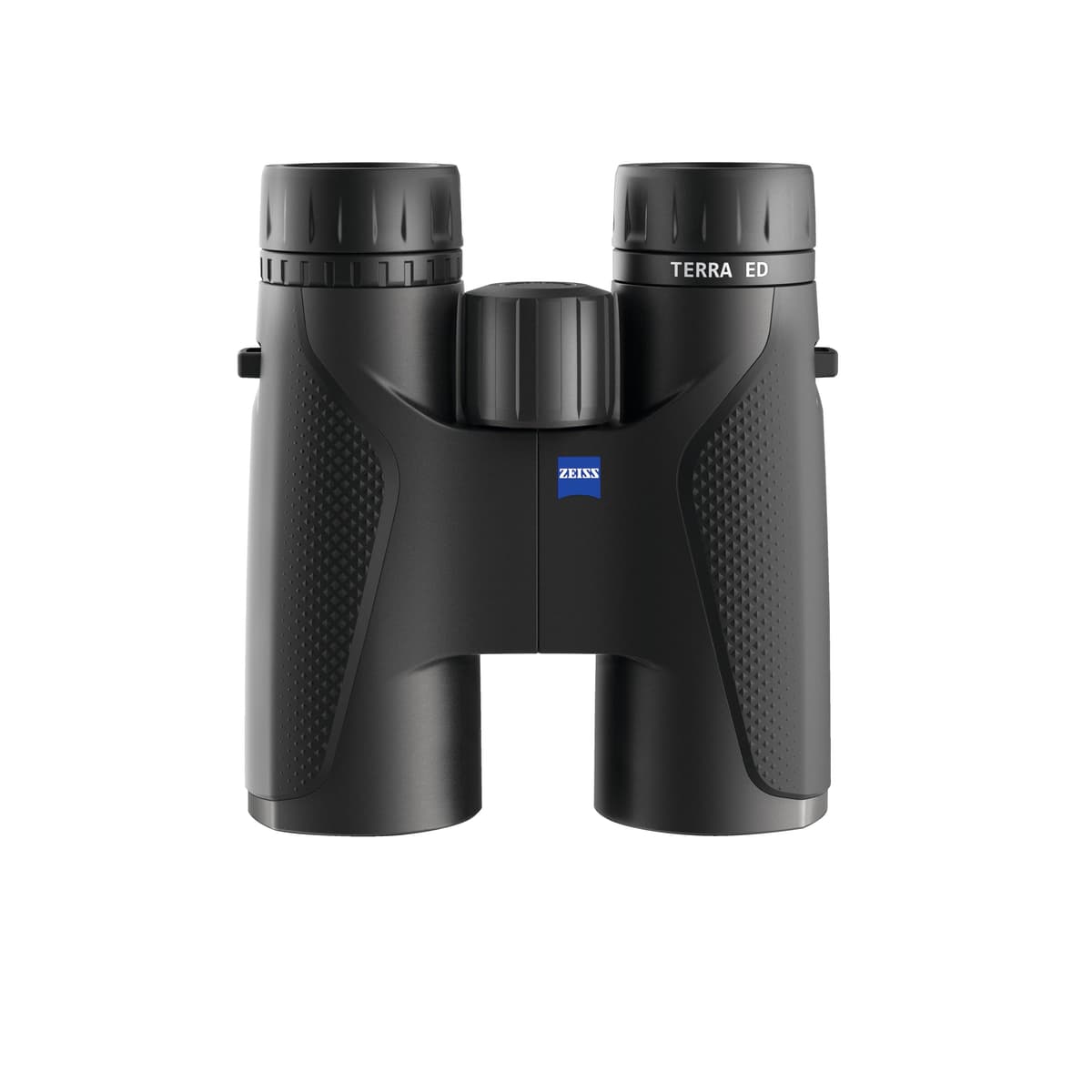
Zeiss Terra ED 10x42 Binocular
Best entry into European glass
- +Genuine Zeiss ED glass and coatings at a mid price
- +Compact body that packs down small
- +5.25 ft close focus is excellent for detail work
- −14 mm eye relief is the tightest here and hard on eyeglass wearers
- −Field of view trails the Vortex Viper and Maven B1.2
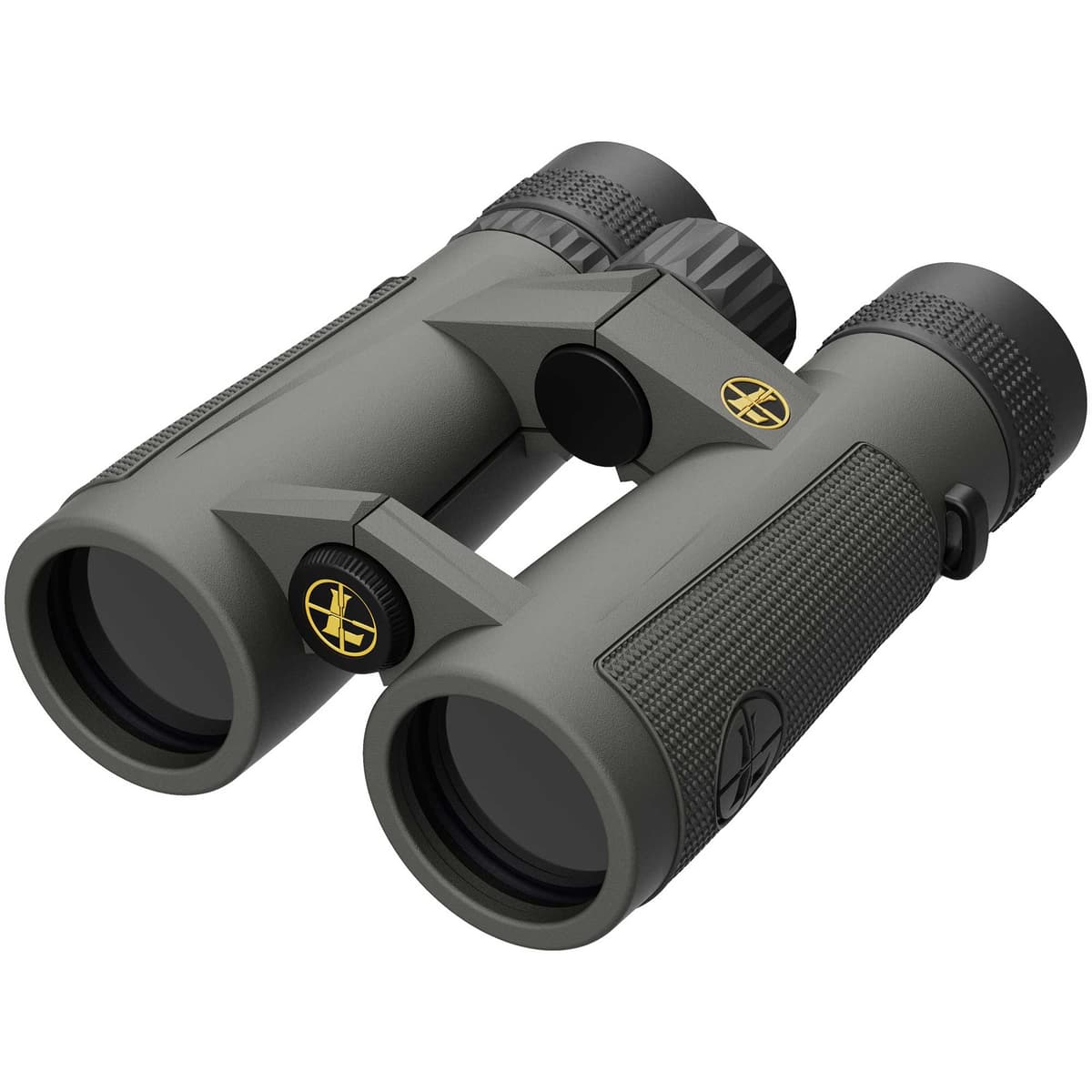
Leupold BX-5 Santiam HD 10x42 Binocular
Best premium open-bridge
- +Lightest premium binocular here at 24.3 oz
- +Open-bridge body handles fast and grips well one-handed
- +Bright, neutral Elite Optical System glass
- −Last-light transmission trails the Zeiss Conquest HDX
- −Priced above the Conquest HDX without a clear optical edge
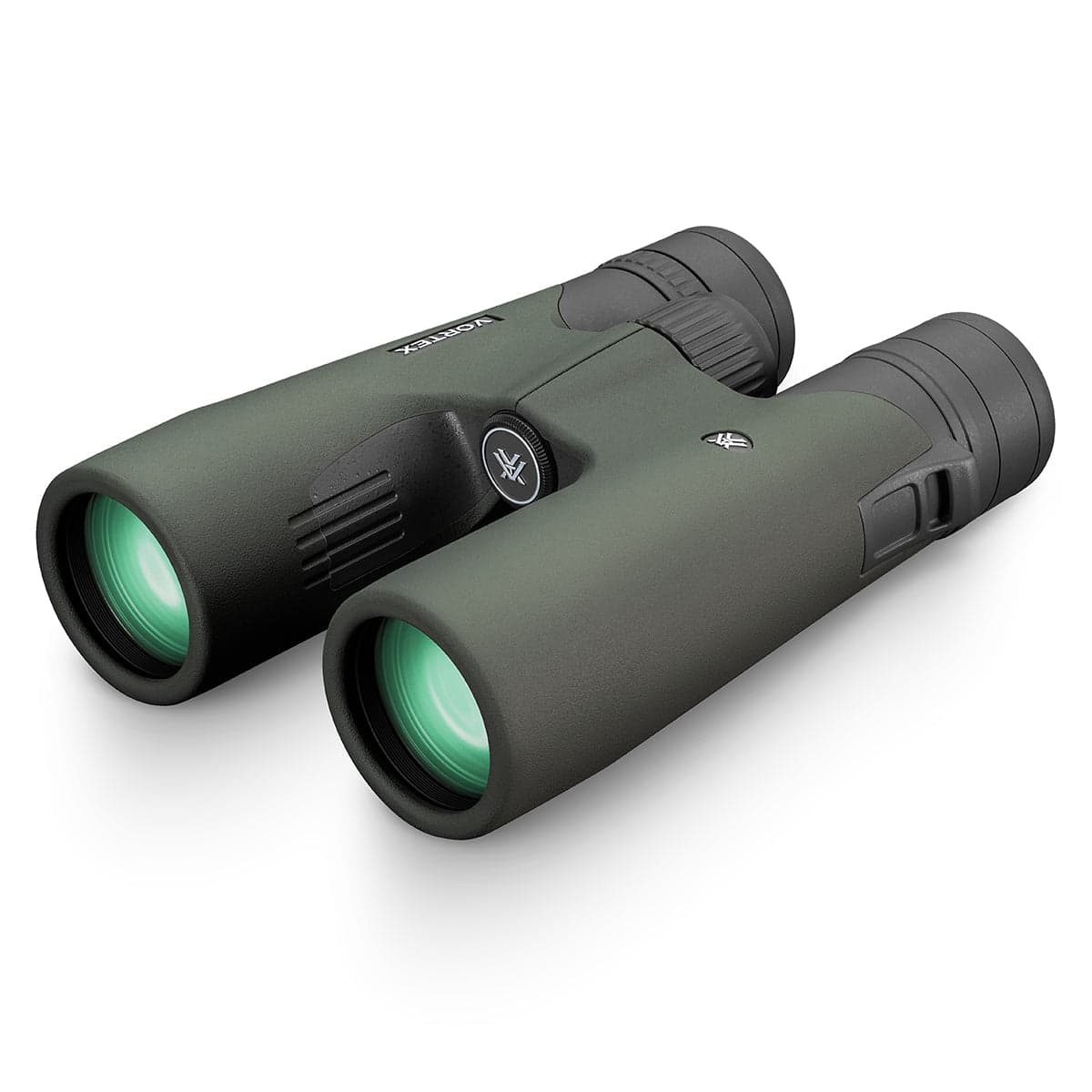
Vortex Razor UHD 10x42 Binocular
Best no-compromise flagship
- +True alpha-tier resolution and light transmission
- +Abbe-Koenig prisms outperform typical Schmidt-Pechan designs
- +Vortex VIP unconditional lifetime warranty on a flagship
- −Heavy at 32.2 oz; a harness is mandatory
- −Costs more than the Conquest HDX for a modest real-world glass gain
Street prices move fast. Field-of-view, eye-relief, and weight figures are pulled from each manufacturer's current spec sheet.
Affiliate links - purchases support this site at no extra cost to you. (?)
How We Ranked These Binoculars
These rankings weight real glassing performance over headline magnification. The tests that move a hunt are last-light transmission, field of view, eye relief for eyeglass wearers, and carry weight over a full day, so those drive the order more than a spec-sheet number. Every pick is a current, buyable model, and each earns its slot against a specific budget and use case rather than crowning one binocular for everyone. Prices span a $249.99budget 10x42 up to a $1,700 alpha, and the right one depends on how long you glass and how dark it gets when you do.
8x42 vs 10x42: Which Magnification for Hunting?
For most hunting, buy the 10x42. It is the best all-around hunting magnification, and every 42 mm pick in this guide, led by the Vortex Viper HD 10x42 at $424.49, is built around it. The extra power over an 8x42 lets you judge antlers, count points, and pick apart a distant hillside without immediately reaching for a spotting scope. That is why the best 10x42 binoculars dominate this ranking and why 10x42 is the default format for open and western country.
Drop to 8x42 only when your hunting rewards a wider, steadier view. Eight power shows a noticeably wider field, steadies easier in the hand, and is more forgiving if you have shaky hands or glass hand-held for long stretches. Thick-timber whitetail hunters who take close, fast shots gain more from that wider field than from 10x reach. The two share the same 42 mm objective, and the 8x42 actually holds a small low-light edge with its larger 5.25 mm exit pupil against the 10x42's 4.2 mm; the bigger everyday differences are field of view and stability against reach and detail.
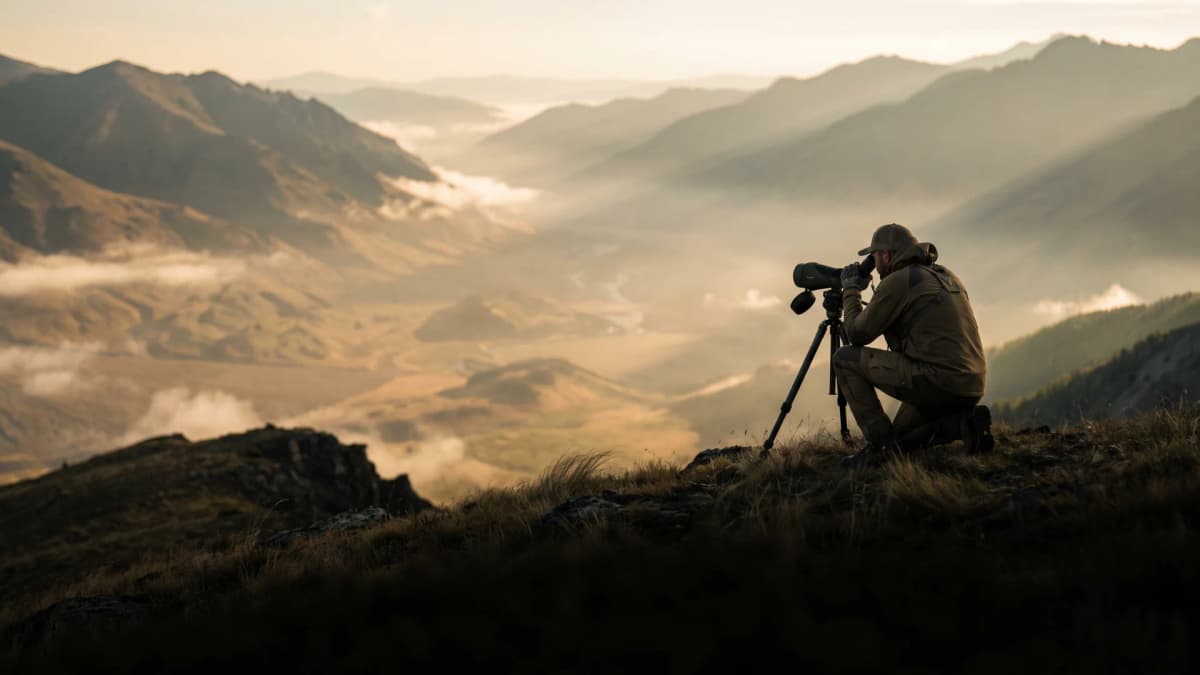
If you are still deciding, the practical rule is simple: pick 10x42 unless you spend most of your time inside 100 yards or glass hand-held for hours. For long western glassing at 10x, plan to run the binocular on a tripod so hand shake stops hiding the small movements that give away a bedded animal. Once you have the glass sorted, pairing it with a rangefinder in the same glassing kit turns a spotted animal into a confirmed distance and a real shot.
Best Hunting Binoculars by Budget
The best budget hunting binocular is the Vortex Diamondback HD 10x42 at $249.99, the mid-tier default is the Vortex Viper HD 10x42 at $424.49, and the premium value is the Zeiss Conquest HDX at $999.99. Each tier is a real step in glass, not just a bigger badge.
Budget, around $200 to $300. The Diamondback HD is the honest entry point: dielectric-coated HD glass, a 21.3 oz magnesium body, Vortex's no-fault VIP warranty, and a bino harness in the box. It will not resolve the last few percent of shadow detail a premium pick pulls off a shaded slope, but for a whitetail hunter working field edges out to a few hundred yards it is more binocular than the price suggests.
Mid tier, roughly $350 to $500. This is where most hunters should spend. The Viper HD gives up little to glass costing twice as much, with a wide 341 ft field of view and a locking diopter that holds its setting. The Leupold BX-4 Pro Guide HD Gen 2 at $399.99 is the legacy-brand cross-shop with a comfortable open-bridge body, and the Zeiss Terra ED at $499.99 puts genuine Zeiss ED glass in a compact chassis if you can live with its tight 14 mm eye relief. The Nikon MONARCH M5 10x50 at $349.95 sits here on price but answers a different question, covered below.
Premium, $1,000 and up. The Conquest HDX is the value inflection point: Zeiss quotes 90 percent light transmission, and it holds detail into shooting light that leaves mid-tier glass flat and gray. The Maven B1.2 at $1,150 delivers near-alpha Japanese glass and the widest 347 ft field of view here by selling factory-direct. The Leupold BX-5 Santiam HD at $1,099.99 is the lightest premium pick at 24.3 oz, and the Vortex Razor UHD at $1,799 is the no-compromise flagship, using Abbe-Koenig prisms for true alpha-tier light transmission at the cost of a heavy 32.2 oz body.
Best Binoculars for Elk, Western, and Low-Light Hunting
For elk and open western hunting, run a 10x42 for all-day glassing and step up to the Nikon MONARCH M5 10x50 at $349.95 when your day is decided in the first and last thirty minutes of light. Elk hunting binoculars live or die on two things: enough magnification to pick apart timber pockets and distant benches, and enough brightness to keep working as the light fades.
Brightness comes down to exit pupil, the diameter of the light column your eye receives, found by dividing the objective by the magnification. A 10x42 gives a 4.2 mm exit pupil; the 10x50 Nikon opens that to 5 mm, matching how wide a human pupil dilates in dim light, which is why it holds a brighter image at dawn and dusk. Its 19.3 mm of eye relief is also the most forgiving here for eyeglass wearers. The trade is weight and a narrower field, so it earns its place on dedicated glassing hunts rather than fast timber work.
Among the 42 mm options, premium glass buys low-light performance through coatings and transmission rather than a bigger objective. The Zeiss Conquest HDX at $999.99 earns its price at last light through 90 percent light transmission, and the Vortex Razor UHD pushes further still with its Abbe-Koenig prism design. If you are building a western setup around a specific rifle, match the glass to the platform in our best deer hunting rifle guide so the optic, cartridge, and glassing plan stay coherent. For the rest of the season kit around the glass, the deer hunting checklist lays out the rifle, scope, ammo, and field gear to buy alongside it.
Get Hunting Optics Reviews and Glassing Guides
New binocular and rangefinder reviews, glassing tactics, and rifle-optic pairings delivered monthly.
How to Choose a Hunting Binocular
Pick a hunting binocular on four things in this order: glass and coatings, field of view, eye relief, and weight. Magnification and objective set the format, but two 10x42s at the same price can look very different through the eyepiece, and the difference is coatings and prism quality, not the numbers on the barrel.
Glass and coatings decide low-light detail and color. ED or HD glass controls the color fringing that turns a bull's antler tips to mush, and dielectric, phase-corrected prism coatings drive how much light reaches your eye. This is what you pay for as you climb from the Diamondback HD to the Conquest HDX. Field of view, measured in feet at 1,000 yards, determines how fast you can sweep a hillside and reacquire a moving animal; the 341 ft to 347 ft picks scan noticeably faster than a 314 ft binocular. Eye relief matters most if you wear glasses: 16 mm or more is comfortable, while the Zeiss Terra's 14 mm is tight. Weight is the tax you pay all day, and it ranges from the 21.3 oz Diamondback to the 32.2 oz Razor UHD, which is why a harness is mandatory on the heavy premium glass. Browse the full lineup and current pricing in the optics and gear catalog.
Hunting Binocular Spec Comparison
Sort every pick by magnification, objective, field of view, eye relief, weight, or price to line up the trade-offs directly.
- Vortex Diamondback HD 10x42 BinocularMag10xFOV330 ftWeight21.3 ozPrice$249.99
- Nikon MONARCH M5 10x50 BinocularMag10xFOV315 ftWeight22.6 ozPrice$349.95
- Leupold BX-4 Pro Guide HD Gen 2 10x42 BinocularMag10xFOV314 ftWeight25 ozPrice$399.99
- Vortex Viper HD 10x42 BinocularMag10xFOV341 ftWeight24.9 ozPrice$424.49
- Zeiss Terra ED 10x42 BinocularMag10xFOV330 ftWeight25.6 ozPrice$499.99
- Zeiss Conquest HDX 10x42 BinocularMag10xFOV345 ftWeight25.2 ozPrice$999.99
- Leupold BX-5 Santiam HD 10x42 BinocularMag10xFOV341 ftWeight24.3 ozPrice$1099.99
- Maven B1.2 10x42 BinocularMag10xFOV347 ftWeight26.8 ozPrice$1150
- Vortex Razor UHD 10x42 BinocularMag10xFOV346 ftWeight32.2 ozPrice$1799
| Product | Buy | ||||||
|---|---|---|---|---|---|---|---|
| Vortex Diamondback HD 10x42 Binocular | 10x | 42 mm | 330 ft | 15 mm | 21.3 oz | $249.99 | Buy |
| Nikon MONARCH M5 10x50 Binocular | 10x | 50 mm | 315 ft | 19.3 mm | 22.6 oz | $349.95 | Buy |
| Leupold BX-4 Pro Guide HD Gen 2 10x42 Binocular | 10x | 42 mm | 314 ft | 17 mm | 25 oz | $399.99 | Buy |
| Vortex Viper HD 10x42 Binocular | 10x | 42 mm | 341 ft | 17 mm | 24.9 oz | $424.49 | Buy |
| Zeiss Terra ED 10x42 Binocular | 10x | 42 mm | 330 ft | 14 mm | 25.6 oz | $499.99 | Buy |
| Zeiss Conquest HDX 10x42 Binocular | 10x | 42 mm | 345 ft | 16.5 mm | 25.2 oz | $999.99 | Buy |
| Leupold BX-5 Santiam HD 10x42 Binocular | 10x | 42 mm | 341 ft | 16.6 mm | 24.3 oz | $1099.99 | Buy |
| Maven B1.2 10x42 Binocular | 10x | 42 mm | 347 ft | 17.8 mm | 26.8 oz | $1150 | Buy |
| Vortex Razor UHD 10x42 Binocular | 10x | 42 mm | 346 ft | 16.7 mm | 32.2 oz | $1799 | Buy |
Affiliate links - purchases support this site at no extra cost to you. (?)
Frequently Asked Questions
▶Is 8x42 or 10x42 better for hunting?
▶What magnification binoculars are best for elk and western hunting?
▶Are expensive binoculars worth it for hunting?
▶What size binoculars are best for low-light hunting?
▶Do you need a tripod for hunting binoculars?
The Verdict
Buy the Vortex Viper HD 10x42 if you want one binocular for most hunting; step down to the $250 Diamondback HD on a budget, or up to the Zeiss Conquest HDX when you glass for hours or hunt low light.
Ten-power, 42 mm glass is the right default for the vast majority of hunters, and the Viper HD nails the balance of glass, field of view, and price. Spend down to the Diamondback HD when the budget is tight, or up to the Conquest HDX and Razor UHD when last-light performance decides your hunts. Once the glass is set, complete the kit with a hunting rangefinder and match it to the rifle in our deer rifle guide.