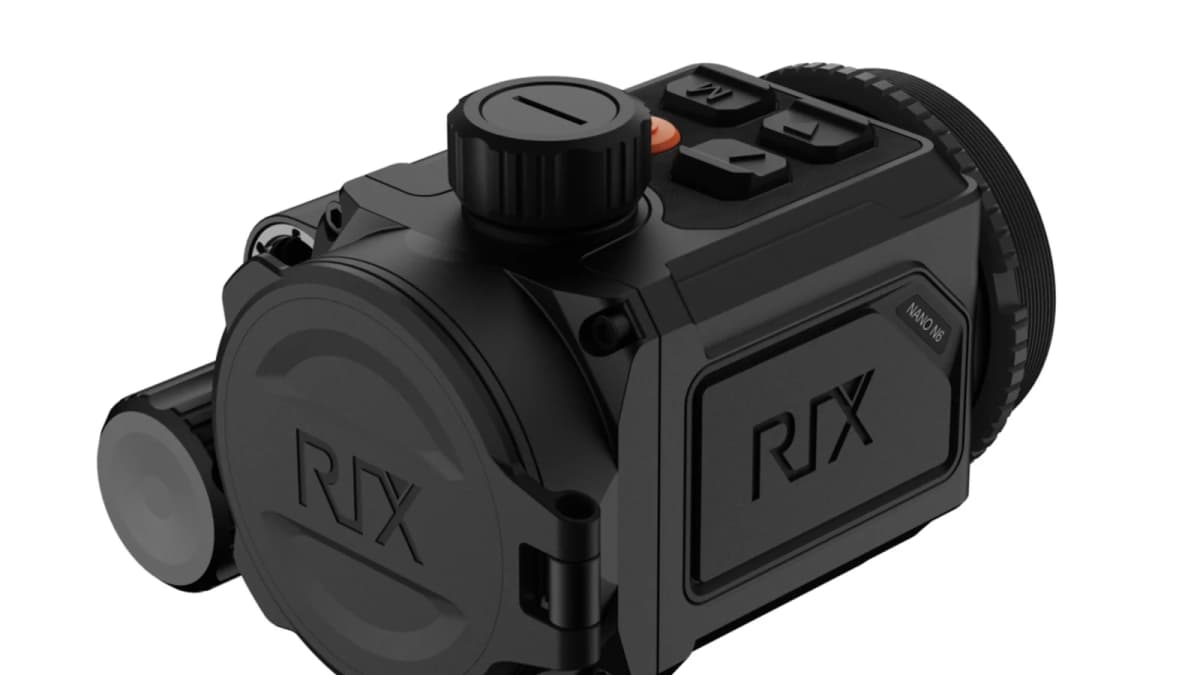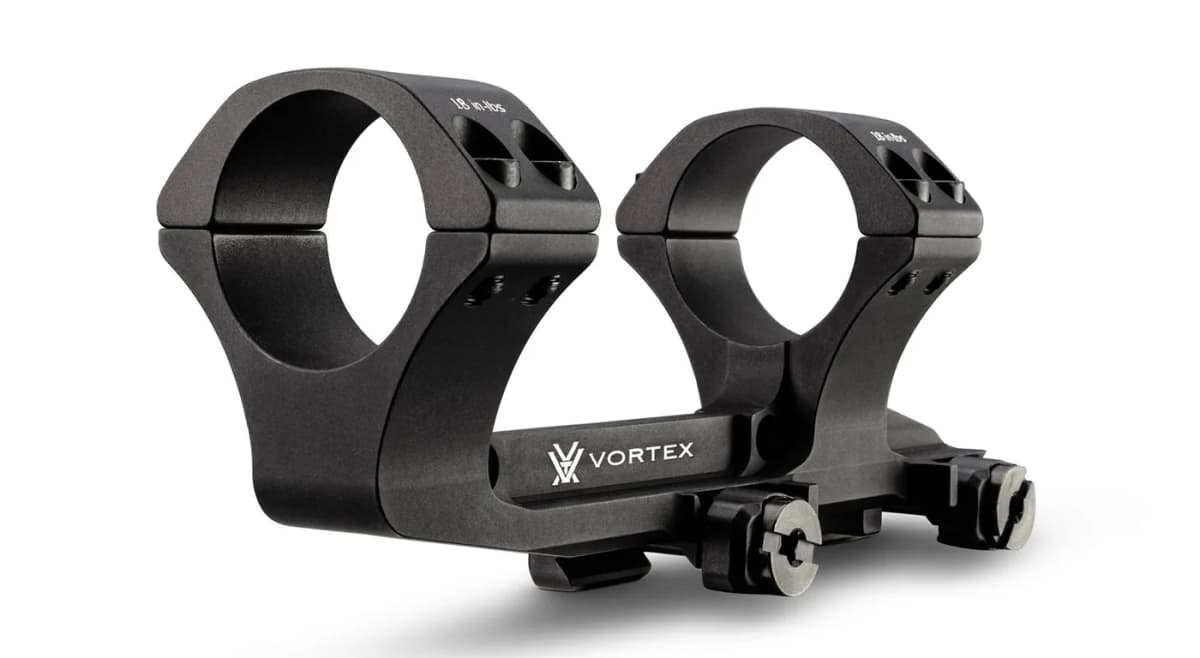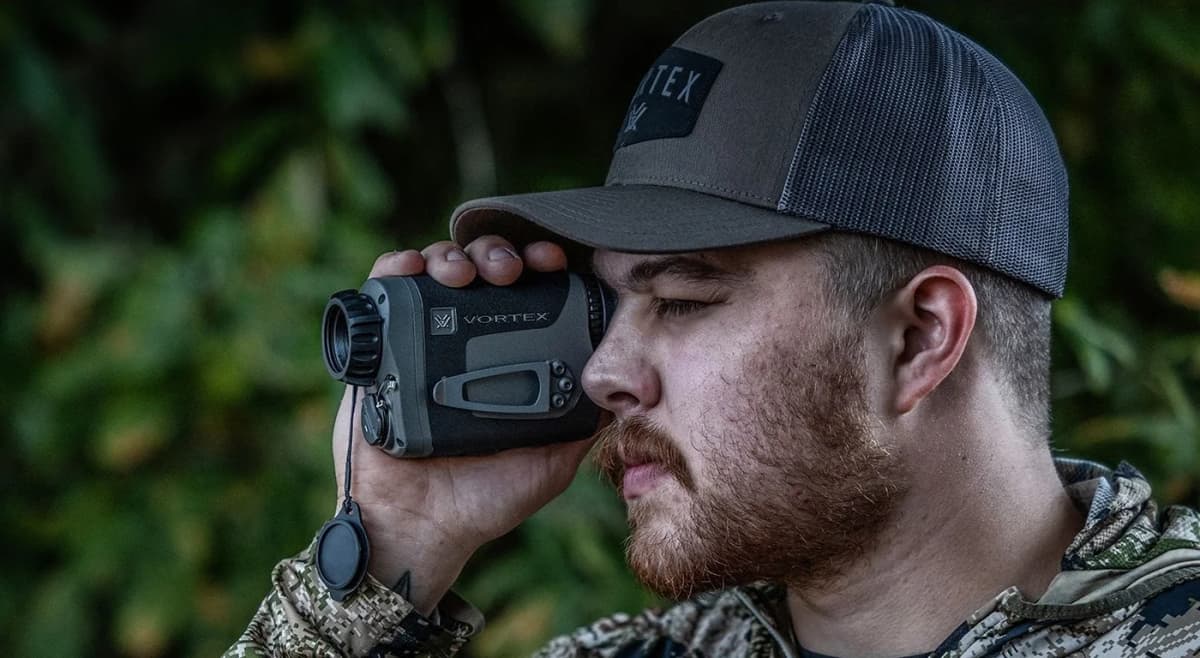
Vortex Veil 400 Thermal Monocular: $1,499 MAP 400x300 Handheld Thermal for Hog and Predator Hunting
Vortex pushes into handheld thermal with a 400x300 12-micron monocular aimed squarely at predator and hog hunters. Three viewing modes, four color palettes, 2.3x base magnification, and a lifetime VIP warranty that covers the electronics at a $1,499.99 MAP.
Key Takeaways
- +400x300 resolution with current-gen 12-micron sensor; 2.3x base magnification tuned for close- to mid-range scanning
- +Three viewing modes (Balanced, Contrast, Brush) plus four color palettes (White Hot, Black Hot, Red Hot, Multicolor)
- +Rechargeable 18650 battery, onboard photo and video capture, three-button rangefinder-style navigation
- +$2,299.99 MSRP / $1,499.99 MAP puts it below Pulsar Axion 2 and in direct competition with AGM Rattler V2 and ATN OTS 4T
- +Backed by Vortex VIP: unlimited lifetime warranty that explicitly covers electronics, uncommon in the thermal category
Compare the Veil with other handheld scanners in our best thermal monoculars for hunting guide, with field of view, batteries, and recording features side by side. Pulsar's later 1280-class TELOS LRF XT50 is a different sensor and price tier in the same handheld job.
Vortex Moves Into Handheld Thermal
The Veil 400 is Vortex's play for the handheld thermal segment that AGM, Pulsar, ATN, and N-Vision have owned for the last five years. Vortex already ships thermal riflescopes under the Impact line, but a monocular in the $1,500 band fills out the portfolio and goes after a real sales volume category: predator and hog hunters who want a dedicated scanner separate from their weapon-mounted optic. For the weapon-mounted side of that setup, our thermal clip-on vs scope guide ranks budget-to-premium coyote and hog picks across both clip-on and dedicated designs.
Spec-wise, the Veil 400 lands in the middle of the pack. The 400x300 core is a step up from the 256x192 entry tier (AGM Taipan TM19-256, Pulsar Axion Key XM22) and a step below 640x480 flagships (Pulsar Helion 2 XP50, Trijicon IR-Patrol M250). The 12-micron pixel pitch matters more than the raw pixel count for image quality at these resolutions, and on that front the Veil 400 matches current-generation competitors.
For a lower-priced current-generation alternative, ATN's Blaze Series Gen 6 monoculars start at $569 for a 256x192 BlazeSeeker and $1,195 for the 384x288 BlazeTrek, undercutting the Veil 400 on price while the Vortex holds its VIP lifetime warranty edge.
Viewing Modes and Palettes
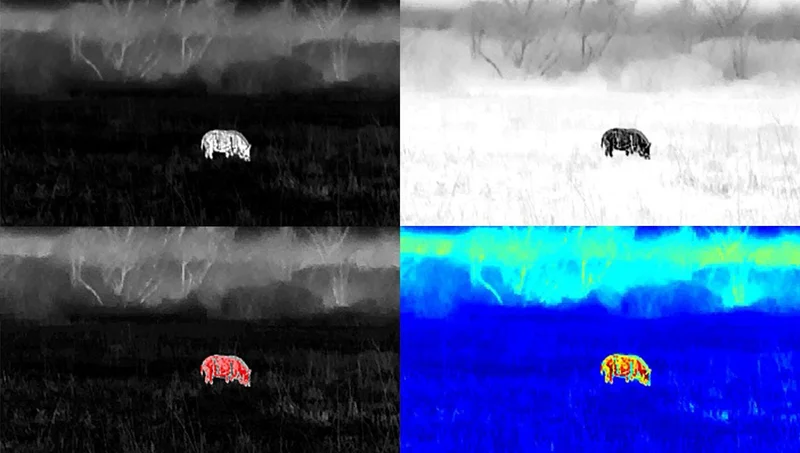
The Veil 400 ships with three viewing modes and four color palettes. Balanced is the default general-purpose mode. Contrast pushes the edge detection algorithm for faster target picks against busy thermal backgrounds (rocks that hold daytime heat, disturbed soil, warm building walls). Brush is tuned specifically for dense vegetation, which matters for Southern hog hunters working thick river bottoms, cedar breaks, and cutover pine.
Color palette selection is the standard four: White Hot, Black Hot, Red Hot, and Multicolor. White Hot and Black Hot remain the workhorse options most experienced thermal users default to. Red Hot and Multicolor assist faster target identification by coloring the warmest pixels, which speeds up hog-vs-deer-vs-cow decisions at detection range.
Navigation is handled by three buttons in a rangefinder-style layout. Vortex is leaning on simplicity here, likely recognizing that the handheld thermal market is crowded with products whose menus require tutorials. A three-button interface keeps palette-switching and zoom fast in the field, where gloved hands and limited light make complex menus painful.
Veil 400 Specifications
| Specification | Vortex Veil 400 |
|---|---|
| Sensor Resolution | 400x300 |
| Pixel Pitch | 12 micron |
| Base Magnification | 2.3x |
| Viewing Modes | Balanced, Contrast, Brush |
| Color Palettes | White Hot, Black Hot, Red Hot, Multicolor |
| Battery | Rechargeable 18650 |
| Onboard Capture | Photo and video |
| Form Factor | Handheld monocular, 3-button navigation |
| MSRP | $2,299.99 |
| MAP | $1,499.99 |
| Warranty | VIP Lifetime (includes electronics) |
Shop Vortex Optics
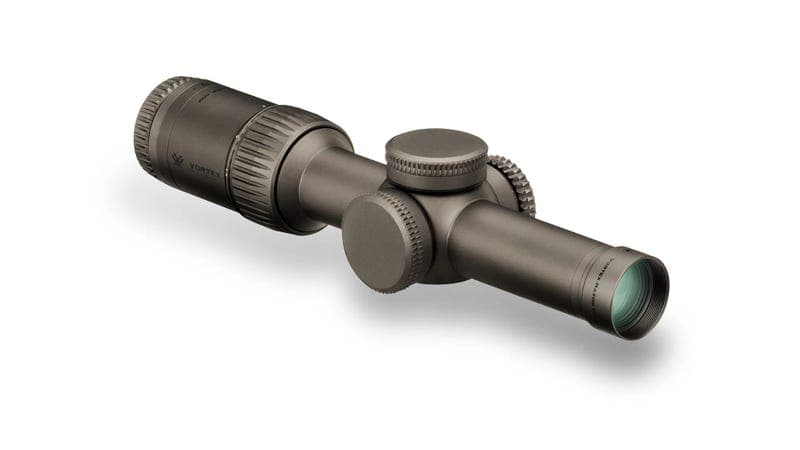
Vortex Razor HD Gen II-E 1-6x24
- 1-6x magnification
- Second focal plane
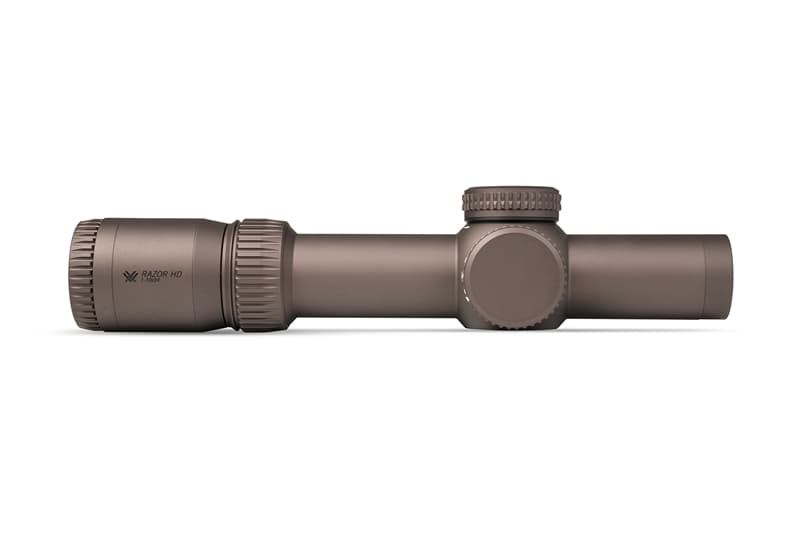
Vortex Razor HD Gen III 1-10x24
- 1-10x magnification
- First focal plane
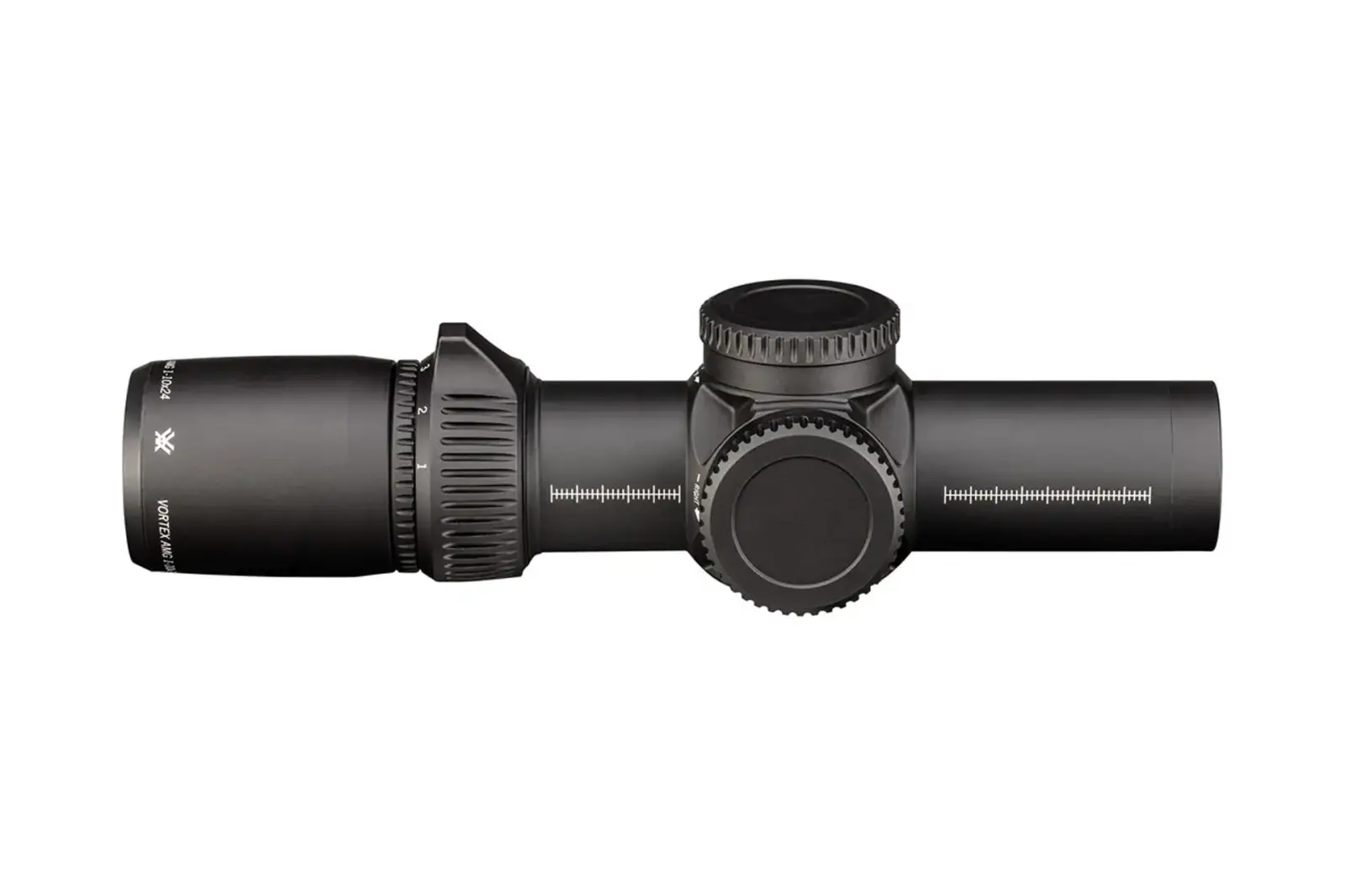
Vortex AMG 1-10x24 FFP
- 1-10x magnification
- First focal plane
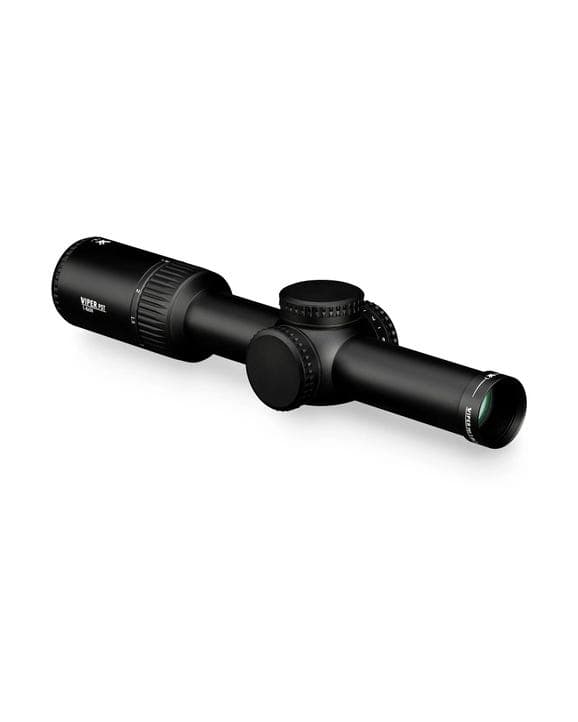
Vortex Viper PST Gen II 1-6x24
- 1-6x magnification
- VMR-2 reticle
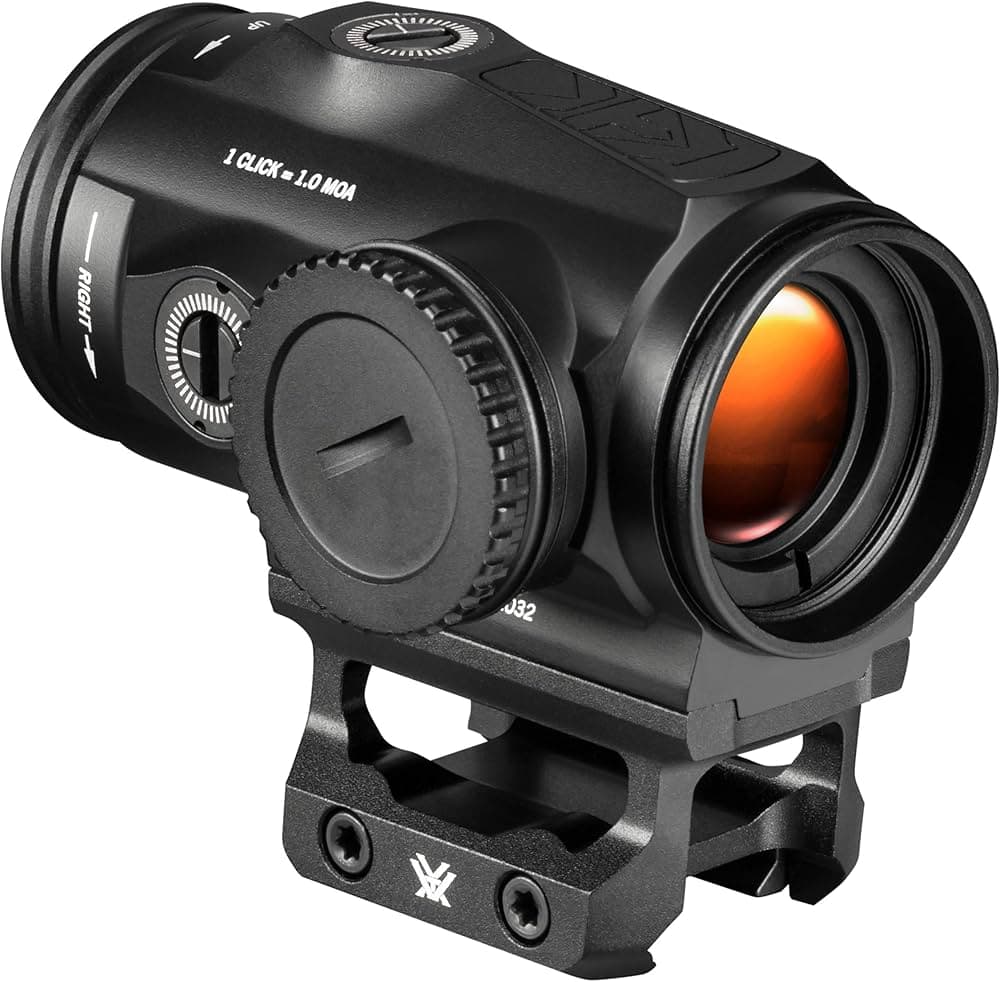
Vortex Spitfire HD Gen II 3x Prism Scope
- Fixed 3x
- AR-BDC4 etched reticle
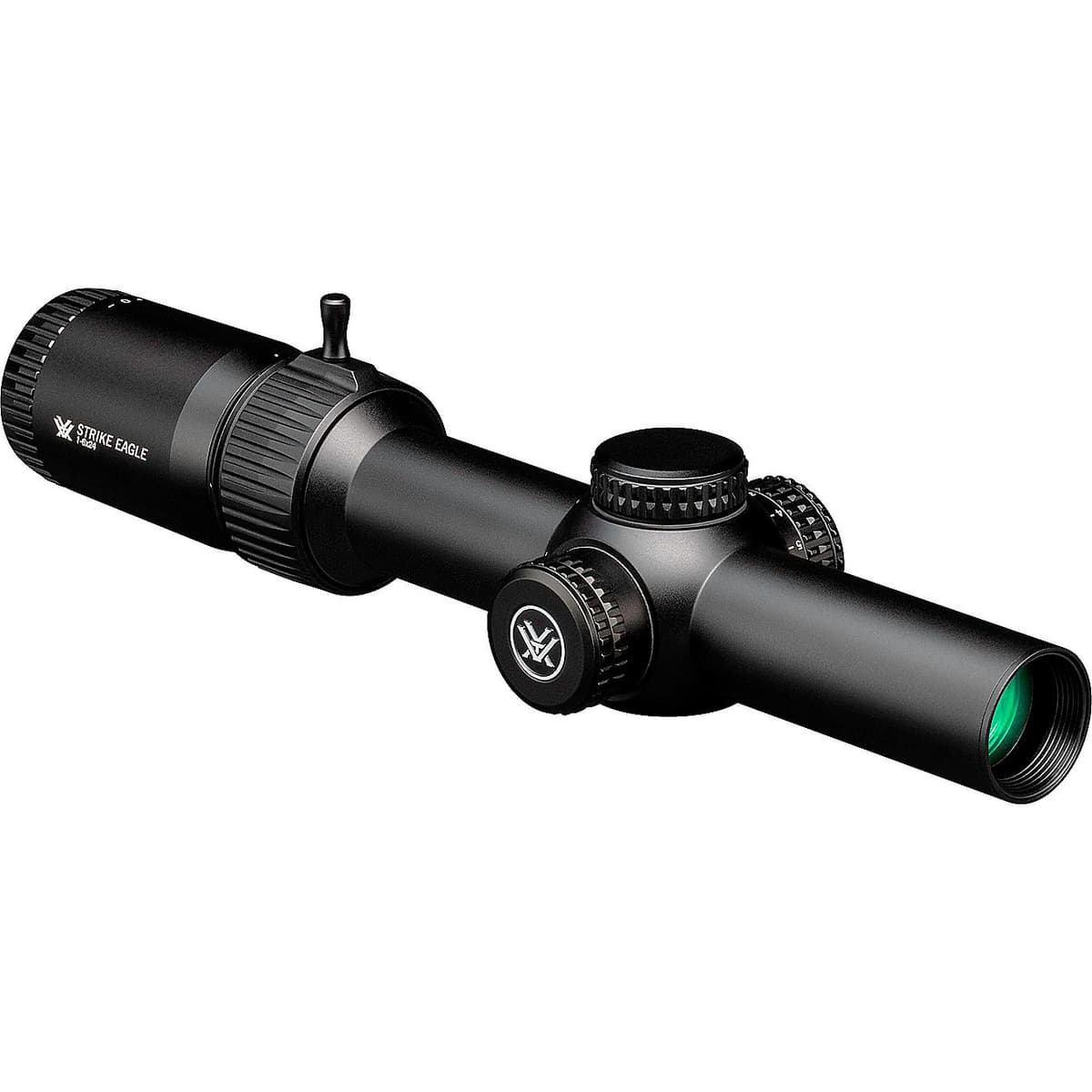
Vortex Strike Eagle 1-6x24 Gen II
- 1-6x magnification
- AR-BDC3 SFP reticle
Affiliate links (?)
Who This Is For
Vortex is pointing the Veil 400 at predator and hog hunters who need a scanner, not a scope. The 2.3x base magnification is deliberately low: you want wide field of view when sweeping a field line or cutover for heat signatures, then you zoom in to ID. This is the same reason most handheld thermal monoculars cluster around 2x-3x base magnification instead of the 6x-12x base common on thermal riflescopes.
Secondary use cases Vortex calls out are game recovery (finding a deer or hog shot near last light), property monitoring, and nighttime navigation through broken terrain. All three are real workloads for handheld thermal. Any hunter who has tracked a marginal blood trail into thick cover at 11pm has wished for a thermal monocular that was sub-$2,000. The Veil 400 is squarely in that bracket.
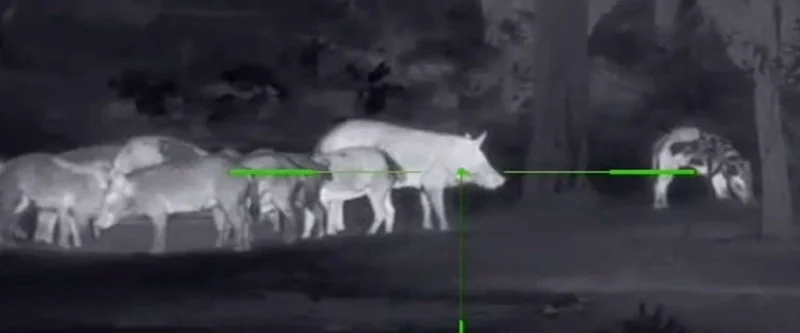
If you are running a thermal riflescope already, a handheld like the Veil 400 pairs naturally. Scan with the monocular, ID the target, then transition to the scope only for the shot. This is both faster (scanning with a scope means sweeping the muzzle across the countryside) and safer (muzzle discipline matters). A dedicated scanner is the single highest-impact upgrade most thermal hunters make after the primary scope.
Market Position at $1,499 MAP
At $1,499.99 MAP, the Veil 400 competes directly with the AGM Rattler V2 35-384, ATN OTS 4T 384 2-8x, and older-generation Pulsar Axion Key XM30. It undercuts the Pulsar Axion 2 XQ35 Pro by roughly $500-$900 depending on retailer. Against the AGM and ATN, the Vortex's 12-micron sensor is a meaningful upgrade; against the Pulsar Axion 2, the Veil 400 trades ecosystem depth (WiFi streaming, stream vision app) for a lower price and a better warranty.
ATN just launched the TICO 6 thermal clip-on at the same time, which targets a different workload (mounted on the rifle in front of a day optic, not handheld scanning) but lives in the same thermal-hunting buyer pool. Many predator and hog rigs run both a clip-on like the TICO 6 and a handheld scanner like the Veil 400.
The VIP warranty is the sleeper spec. Most handheld thermal manufacturers limit electronics coverage to 2-5 years, which matters because sensor failure is the single biggest long-term risk on these products. Vortex's VIP policy explicitly covers electronics for life. That changes the math on buying a $1,500 thermal in a product category where five-year sensor failure rates are not zero.
The Veil 400 is not a Pulsar Helion killer and it is not trying to be. It is trying to be the rational default for a first serious handheld thermal in the $1,500 band, and on the balance of specs, price, and warranty it has a real case. Pair it with a weapon-mounted thermal and a red dot on your daytime rifle, or use it standalone for scanning on night hunts. If you want thermal on the rifle itself, see our clip-on thermal guide; for a full night-capable AR-15 setup, see our night vision setup guide and IR illuminator guide. You can also use our rifle builder to spec out a dedicated night hog rifle.
Stay Updated on Thermal and Night Vision Releases
Get notified when Vortex publishes detection range data for the Veil 400 and when authorized dealers go live with stock. We also send coverage of new thermal scopes, NVG releases, and hands-on reviews from the night hunting space.
Frequently Asked Questions
▶How much does the Vortex Veil 400 cost?
▶What is the resolution of the Veil 400?
▶What is the Veil 400 best used for?
▶Does the Veil 400 mount to a rifle?
▶What viewing modes does the Veil 400 have?
▶How does the Vortex Veil 400 compare to the Pulsar Axion 2 XQ35?
▶What is the VIP Warranty on the Veil 400?
Our Take
The Veil 400 is a sensible product at a defensible price, which is all it needs to be. Vortex is not leading with a technology breakthrough here; they are leading with distribution, warranty, and a known brand in a category where the competition (AGM, ATN, Pulsar) has spottier dealer networks and less predictable service experiences. For a first thermal monocular, the VIP warranty alone is worth the consideration.
Missing specs we want to see: detection range on a man-sized target, detection range on a hog-sized target, weight, NETD, refresh rate, and runtime per 18650 charge. Vortex has not published these in the initial announcement. NETD and refresh rate in particular will determine where the Veil 400 lands against the Pulsar Axion 2. Expect those figures to surface on the product page and in early reviews over the next few weeks.