Streamlight ProTac HL-X
- ✓1,000 lumens
- ✓50,000 candela

A clip-on thermal mounts in front of your day optic and keeps your zero; a dedicated thermal scope is a standalone night sight. Here is how to choose, plus budget-to-premium picks for coyote and hog hunting.
Affiliate links (?)
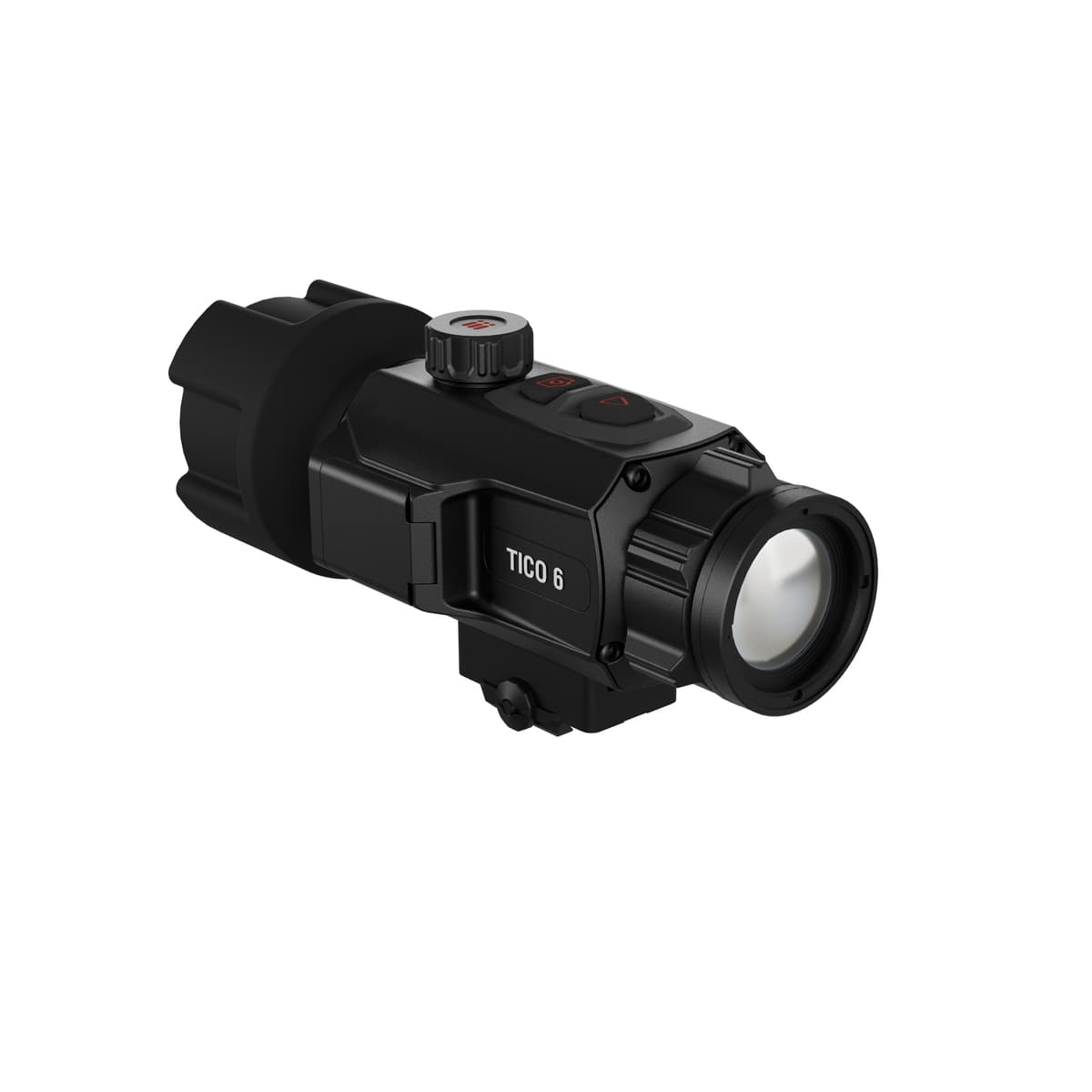
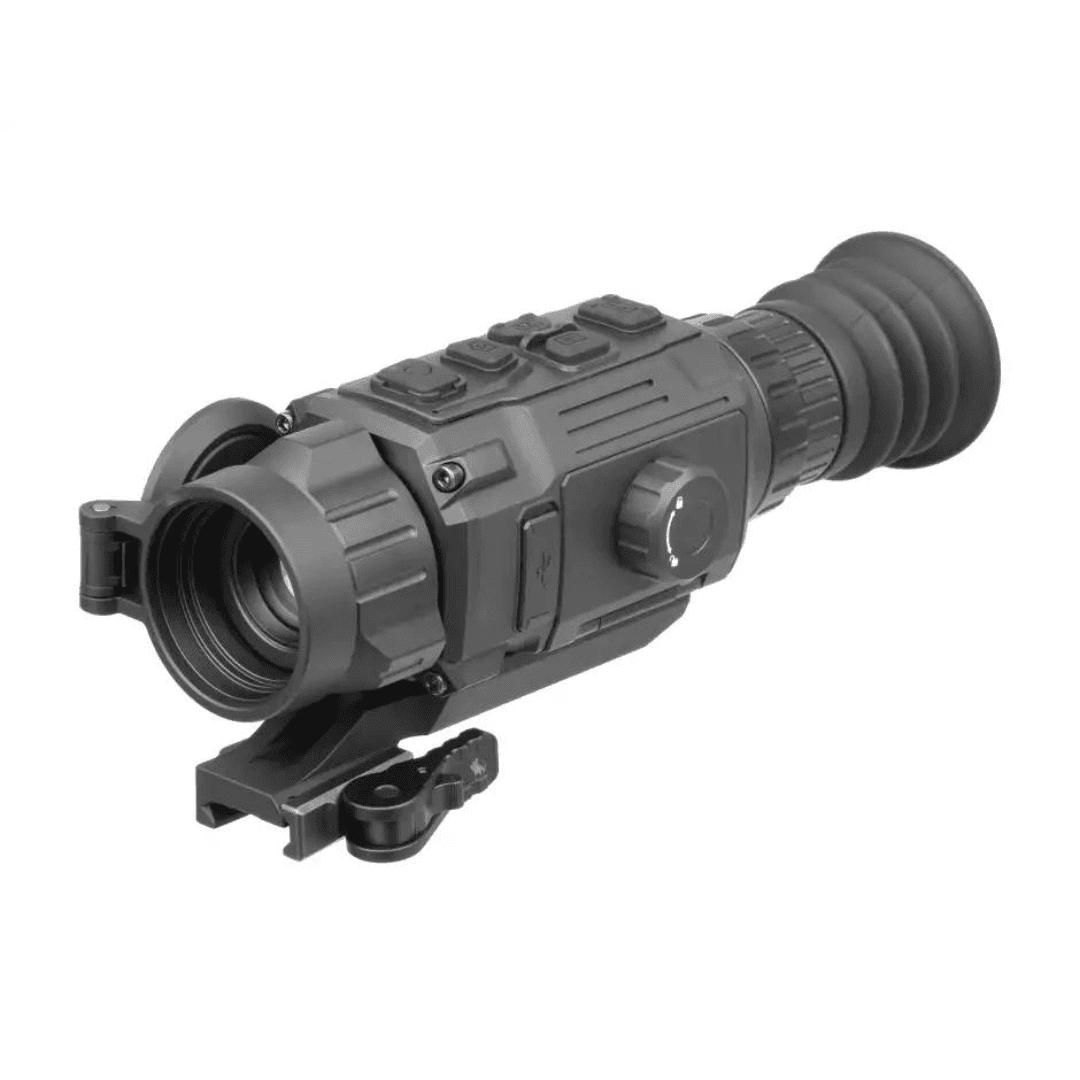
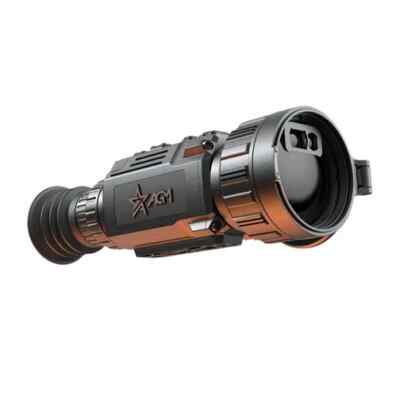
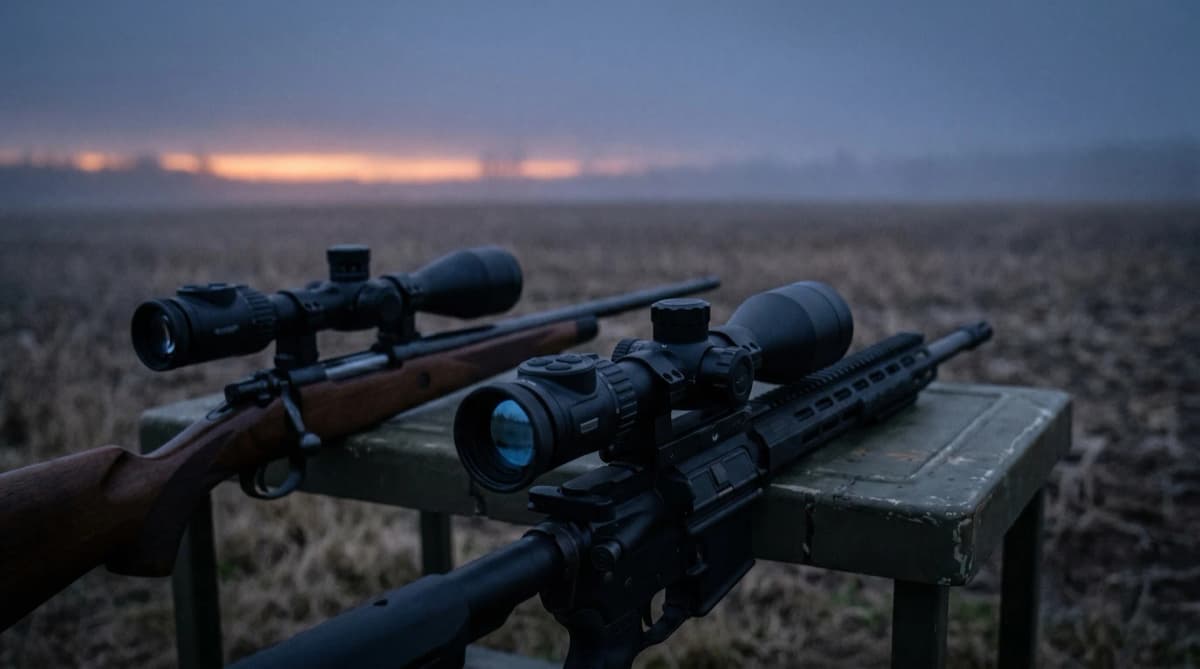
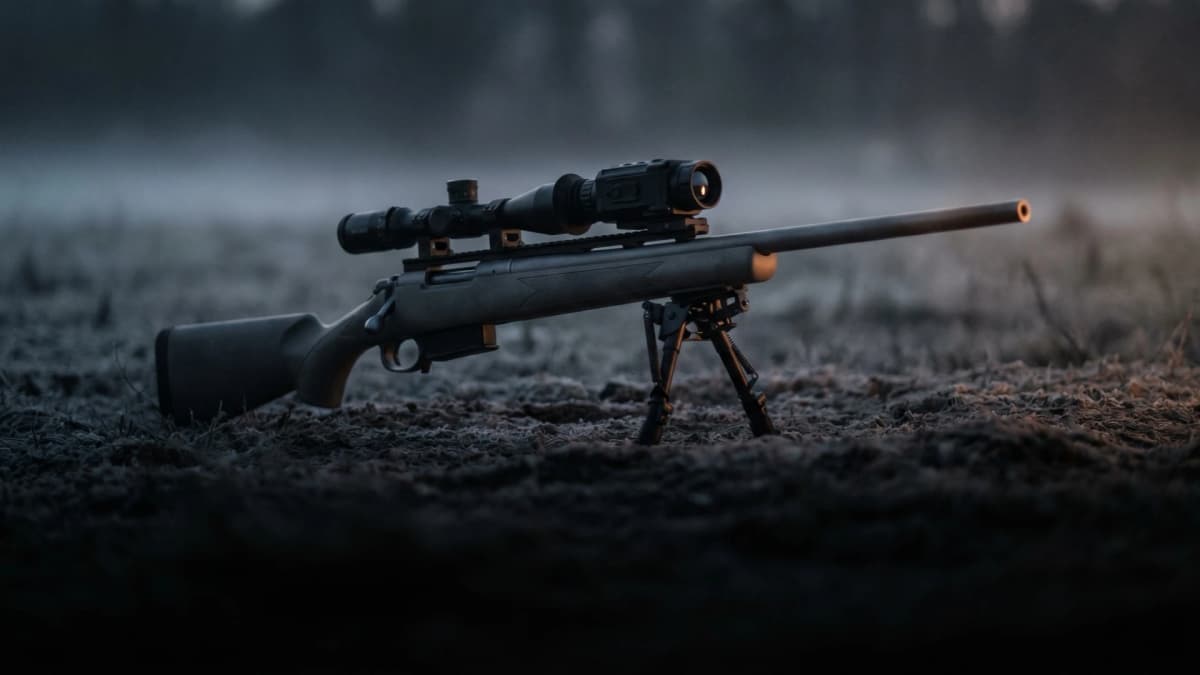
A thermal clip-on mounts in front of your day optic and keeps your zero; a dedicated thermal scope is a standalone night sight. The best thermal scope for the money in 2026 depends on that one decision. To add night capability to a rifle you already hunt with, a clip-on like the ATN TICO 6 256 ($1,095) is the cheapest path. To build a purpose-built coyote gun under $1,100, the AGM Rattler V2 25-256 dedicated scope ($995) is the value play. Below we break down zero shift, mounting, base optic compatibility, eye relief, battery life, detection versus identification range, and recoil rating, then rank eight picks from budget to premium. If you are building an AR-15 host specifically, see our AR-15 clip-on thermal mounting and zero workflow.
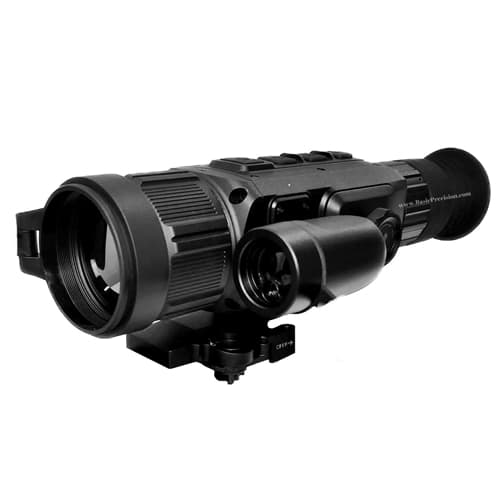
A thermal clip-on is a front attachment that sits on the rail ahead of your existing day optic and overlays a thermal image you view through that day scope. A dedicated thermal scope is a complete riflescope with its own eyepiece, reticle, and zero that replaces a day optic entirely. The clip-on keeps one rifle working day and night; the dedicated scope is a single-purpose night tool. Everything else, zero behavior, mounting, eye relief, and battery life, follows from that split.
| Factor | Thermal Clip-On | Dedicated Thermal Scope |
|---|---|---|
| Day optic zero | Preserved; remove and shoot your day optic | Replaces the day optic; zero the thermal once |
| Mounting | Rail in front of the day optic via QD Picatinny mount | Standard Picatinny rings or one-piece mount |
| Base optic needed | Yes; depends on the host scope's magnification | No; fully self-contained |
| Eye relief | Unchanged; you aim through the day optic | Fixed by the thermal's own eyepiece |
| Multi-rifle use | Easy; swap between rifles in seconds | Dedicated to one rifle |
| Best for | Day rifle that also hunts at night | Purpose-built coyote or hog gun |
A 1x thermal clip-on does not change your zero. Because it mounts in front of the day optic and passes the image straight through at unity magnification, the bullet path, the host scope's reticle, and the eye relief all stay exactly where they were. ATN and SIG both state no re-zero is required for their clip-ons; a boresight followed by a single 3-round confirmation group at 100 yards is enough to verify the hold and log any minor point-of-impact offset. A dedicated thermal scope behaves like any riflescope: it holds its own zero once you set it, and you only zero it the first time you mount it. The practical takeaway is that a clip-on lets you keep the dope you already trust on a day-zeroed rifle, while a dedicated scope starts a fresh zero on a gun you commit to thermal use.
Sling, light, backup sights, and QD mounts, the upgrades most builders add first.
Affiliate links (?)
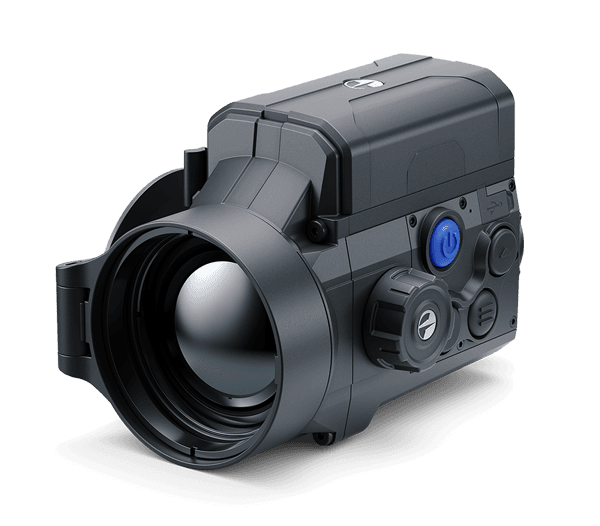
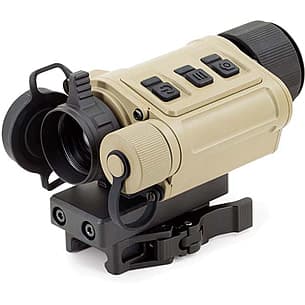
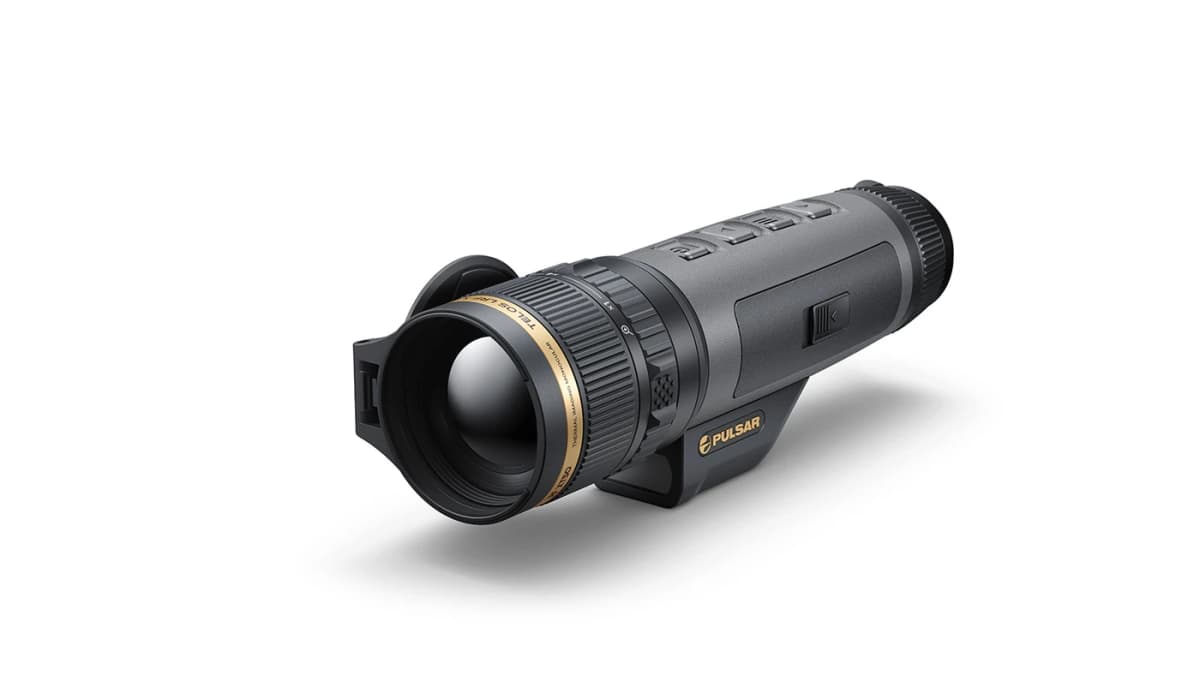
Clip-ons demand rail real estate and a host day optic; dedicated scopes need neither. A clip-on mounts on the Picatinny rail directly in front of the day optic, so you need enough uninterrupted top rail and a co-aligned QD mount: the Sig Echo CV25 uses a QD Picatinny mount with a 1.535-inch centerline, and the ATN TICO 6 clips onto a front-of-optic Picatinny section. A one-piece receiver-to-rail mount holds alignment better through repeated removal than a receiver-only mount. Base optic compatibility is the other clip-on constraint: the thermal must tolerate the host's magnification, and Pulsar recommends a 1.5-6x day optic behind the Krypton FXG50, while its 50mm objective is what lets a clip-on stretch into long-range work. A dedicated thermal scope sidesteps all of this; it mounts in standard rings and carries its own optics. For a deeper look at optic height and IR pairing on a night setup, see our night vision compatibility guide, and use the rifle builder to configure a hunting host before you commit to a mount.
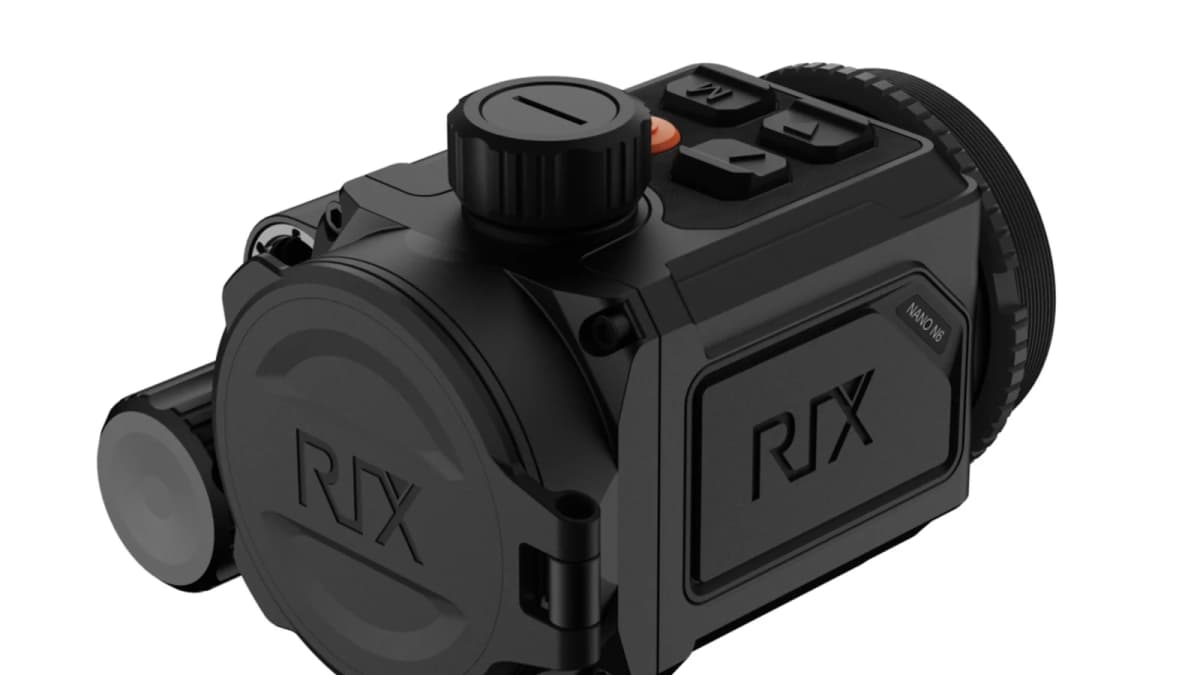
A clip-on does not touch your eye relief, while a dedicated scope fixes it at whatever its eyepiece dictates. Since you keep aiming through the day optic with a clip-on attached, the Sig Echo CV25's parallax-free clip-on eyepiece leaves your existing cheek weld and eye box untouched. A dedicated thermal scope's eye relief is set by its own eyepiece, so head position and mounting height matter more when you set it up. Battery runtime is where the dedicated scopes pull ahead in this field. The AGM Rattler V2 25-256 leads at up to 11.5 hours on its rechargeable NE-4400 pack; the Sig Echo CV25 runs up to 9 hours on a single 18650 and the Pulsar Krypton FXG50 over 8 on its rechargeable pack; the ATN TICO 6 reaches about 8 hours and the RIX Storm S3 up to 4.5, both on 18650 cells; and the Bering Super Yoter runs on common 4x AA batteries, which means resupply on a multi-night stand is a gas-station stop rather than a charger. Removable 18650 and AA cells all allow fast field swaps, so carry a charged spare regardless of which side you land on.
Detection range is how far you can spot a heat blob; identification range, the distance at which you can confirm it is a coyote and take a clean shot, is far shorter. Manufacturers advertise the big number: the Pulsar Krypton FXG50 detects out to roughly 2300 meters, the RIX Storm S3 1800m, the ATN TICO 6 256 1500m, the InfiRay RH25 V2 1375 yards, the AGM Rattler V2 1250 yards, and the Bering Super Yoter 1650 yards. None of those are shooting distances. What pulls usable identification range out is sensor resolution (640 beats 384 beats 256) and objective size (50mm beats 35mm beats 25mm), so a 640 core on a 50mm lens identifies a predator far past what a 256 on a 25mm lens can resolve. Recoil rating matters when you bolt a thermal to a magnum or large-bore hog rifle: the RIX Storm S3 is rated to 6000 Joules and the InfiRay RH25 V2 to .300 Win Mag, both comfortable on heavy recoil. For the day-optic side of the decision, our optic selection matrix breaks down red dot versus LPVO versus prism for the host you clip a thermal onto.
Owning a thermal optic is federally unrestricted; using one to hunt is regulated by your state. A thermal scope is not an NFA item, so there is no tax, no registration, and no federal paperwork to buy or own one. The regulated dimension is hunting use, which varies widely by state. Most states allow thermal and night optics for non-game predators such as coyotes and hogs on private land, while some gate it behind a season or permit and a handful prohibit firearm-mounted thermal or night vision for hunting outright. State wildlife rules change yearly, so confirm your state agency's current regulations before you mount a thermal for hunting rather than relying on a list that may be stale.
Eight clip-ons and dedicated scopes ranked from a $995 budget coyote rig to a $5,299 long-range clip-on. The picks alternate between clip-on and dedicated designs on purpose; the right one depends on whether you are adding thermal to a day rifle or committing a gun to night work. Browse the full thermal optics catalog if you want to compare beyond these eight.
Best budget clip-on
Best budget dedicated scope for coyote hunting
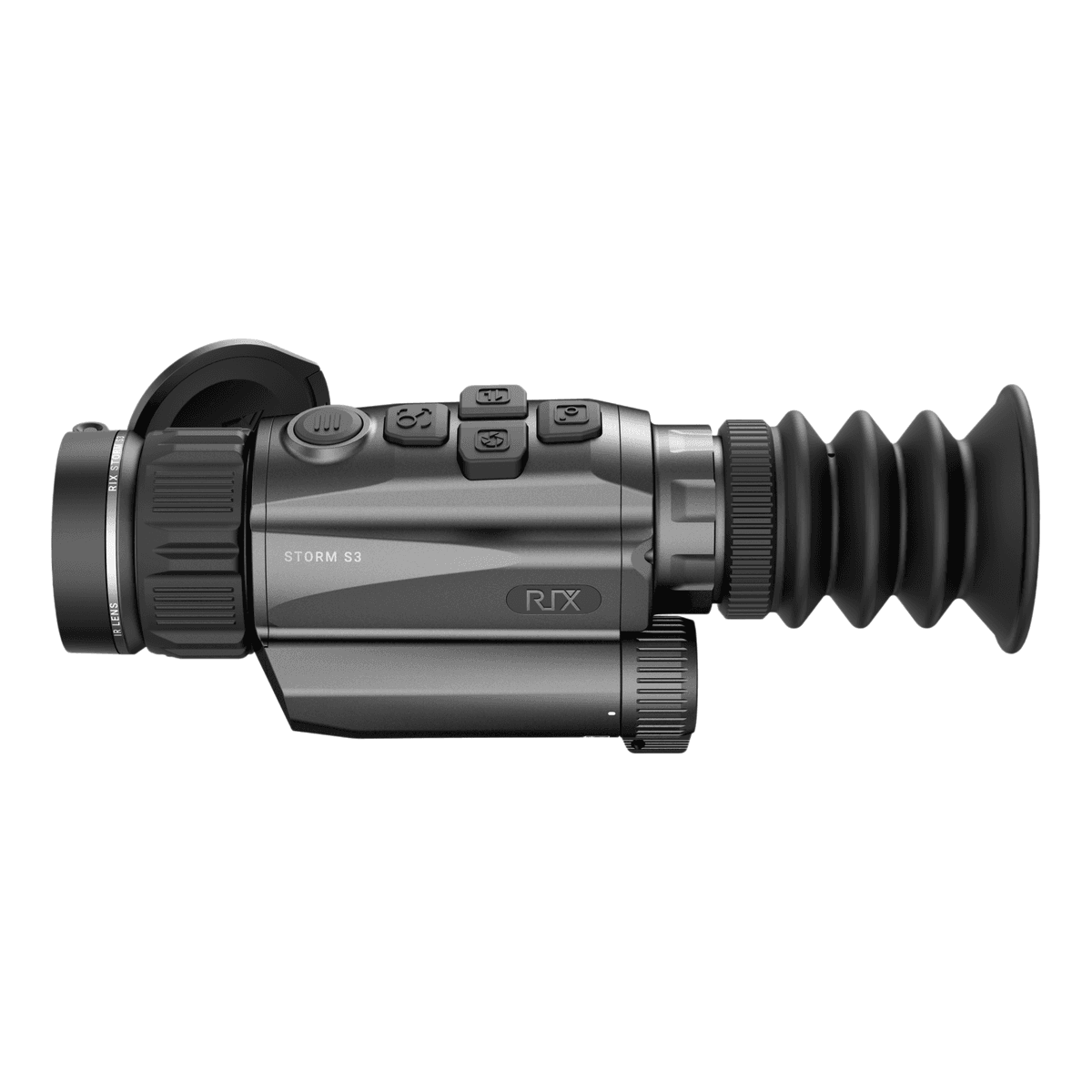
Best mid-tier dedicated scope
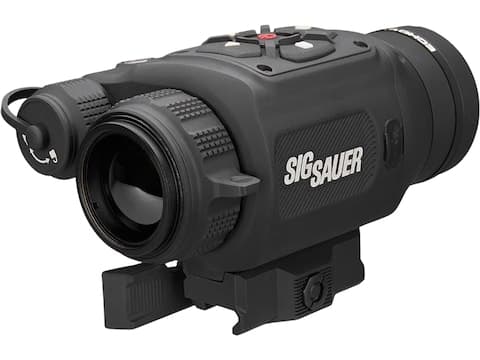
Best compact clip-on for fast rifle swaps
Best dedicated scope with onboard rangefinding
Best long-range clip-on
Best long-range dedicated scope with rangefinding
Best do-everything thermal (clip-on, scanner, or weapon sight)
Thermal optics are not NFA items and require no tax stamp to own. Hunting use is state-regulated; verify your state wildlife agency's current rules before mounting one for hunting.
Affiliate links - purchases support this site at no extra cost to you. (?)
Buy a clip-on if you already run a quality day optic and want one rifle for day and night; start with the ATN TICO 6 256 at $1,095, step up to the Sig Echo CV25 for a 640 sensor and fast QD swaps, or reach for the Pulsar Krypton FXG50 when you need 2300-meter detection across open ground. Buy a dedicated scope if you are building a night gun and want the longest runtime and onboard tools; the AGM Rattler V2 25-256 at $995 is the value entry, the RIX Storm S3 is the $1,499 mid-tier sweet spot with a 384 sensor and 6000-Joule recoil rating, and the AGM Rattler V3 LRF 35-640 adds an integrated 1000m rangefinder and ballistic calculator. The InfiRay RH25 V2 is the hedge: a 640 core that runs as a clip-on, a scanner, or a standalone weapon sight, for the hunter who refuses to pick a lane. Many of these mount on the same hosts covered in our best deer hunting rifle guide, and the launch details on ATN's three sensor tiers live in our ATN TICO 6 launch coverage.

Avid shooter with 9+ years of experience including competition shooting. Built 10+ AR-pattern rifles and several handgun platforms for home defense, competition, and suppressed night shooting.
This page contains affiliate links. Purchases through these links support the site at no extra cost to you. Learn more
Continue exploring with these related resources

PVS-14 buyer's guide ranking eight current-production units by tier. AGM NL2 Gen 2+ at $2,595, AGM 3AL3 Gen 3 autogated at $2,895, AGM 3AW3 white phosphor at $3,219, Licentia L3 unfilmed at $4,999, plus L3Harris and Elbit OEM. Tube spec, phosphor, autogating, and FOM thresholds explained.

The best long range rifle scopes for 2026 ranked across budget FFP precision, mid-tier sub-$1,000 picks, hunter crossovers, and premium PRS competition optics. Leupold Mark 5HD 5-25x56, Vortex Razor HD Gen III 6-36, Viper PST Gen II 5-25, Arken EP-5 and SH-4J, Nightforce ATACR 4-16 F1 and SHV 4-14 F1, Vortex Razor HD LHT 4.5-22, Bushnell Match Pro ED 5-30, Athlon Argos BTR Gen3, and Leupold Mark 5HD 3.6-18 reviewed for FFP vs SFP, magnification range, reticle choice, and ranking path to 1,000+ yards.

Best rangefinder picks for hunting and long-range shooting in 2026: Vortex Razor HD 4000 GB, SIG KILO3K, Vortex Viper HD 3000, Maven RF.1, Bushnell R5 2000 AB, Leupold RX-5000 TBR/W, Revic BR4, Leica Geovid Pro, Vortex Fury HD 5000 AB, Leupold RX-FullDraw 5, Vortex Crossfire HD 1400, and Athlon Midas 1 Mile. Covers best rangefinder under $500, ballistic rangefinders, Leica vs Vortex, and the Bushnell Forge reality check.
Related articles and industry updates

ATN launches the Blaze Series Gen 6 handheld thermal monoculars: four models on one 6th-generation core. BlazeSeeker 6 210 (256x192) at $569, BlazeTrek 6 325 (384x288) at $1,195, BlazeHunter 650 LRF (640x512) at $2,895, and BlazeHunter XD LRF (1,280x1,024) at $4,995. SharpIR AI imaging, 50 Hz refresh, Hot Point Tracking, IP67 housing, and integrated rangefinders on the BlazeHunter models.

ATN drops the TICO 6 thermal clip-on with a new 6th-generation thermal core, SharpIR AI image processing, 50 Hz refresh, and 8-hour 18650 runtime. Three sensors (256/384/640) from $1,205 to $4,285 MSRP, 12-micron pitch, 64 GB onboard storage, Hot Point Tracking, Recoil Activated Video, and Wi-Fi streaming. Mounts in front of your day optic with no re-zero.

Vortex enters the handheld thermal market with the Veil 400, a 400x300 12-micron thermal monocular aimed at predator and hog hunters. Three viewing modes, four color palettes, 2.3x base magnification, 18650 rechargeable battery, photo/video capture, and VIP lifetime warranty at $1,499.99 MAP.