July 4th gun deals are live. See the deals
Stribog FRT Build 2026: Lowers, Trips & Triggers header image
Gear
July 3, 2026
Stribog FRT Build 2026: Lowers, Trips & Triggers

A Stribog will not run an AR-15 FRT out of the box. Here is the exact stack that makes forced reset work: an aftermarket AR-fire-control lower, a bolt trip conversion, and the trigger to install, with the no-machining binary alternative.

AdvancedPCCBuild guide

Stribog FRT Build 2026: Lowers, Trips & Triggers

A Stribog FRT is not a trigger you buy, it is a chain you build. A factory Grand Power Stribog cannot run an AR-15 forced reset trigger, because its short flat bolt has none of the trip surface an AR carrier uses to force the reset. Making forced reset work takes three parts stacked in order: an aftermarket lower that accepts an AR-15 fire control group, a bolt trip conversion that lets the Stribog bolt trip the reset lever, and the FRT itself. Skip any one of them and you have a semi-auto. This guide lays out the exact stack, ranks the parts, and covers the no-machining binary alternative and the legal caveats before you spend a dollar. New to the category? Start with the FRT and Super Safety buyer's guide, and if you are building a 9mm AR instead of a Stribog, the AR9 FRT build guide covers the blowback-tuning side of a purpose-built PCC.

By AB|Last reviewed July 2026

What to Buy First: The Stribog FRT Is a Chain, Not a Trigger

The first thing to understand is that no single part turns a Stribog into a forced reset gun. The build is three purchases that only work together: a conversion lower, a bolt trip, and the FRT. The cheapest mistake is ordering a $299.99 AR-15 FRT, dropping it into an aftermarket lower, and discovering it never resets because the bolt has nothing to trip. That is the single most common Stribog FRT failure, and it is a sequencing problem, not a parts problem.

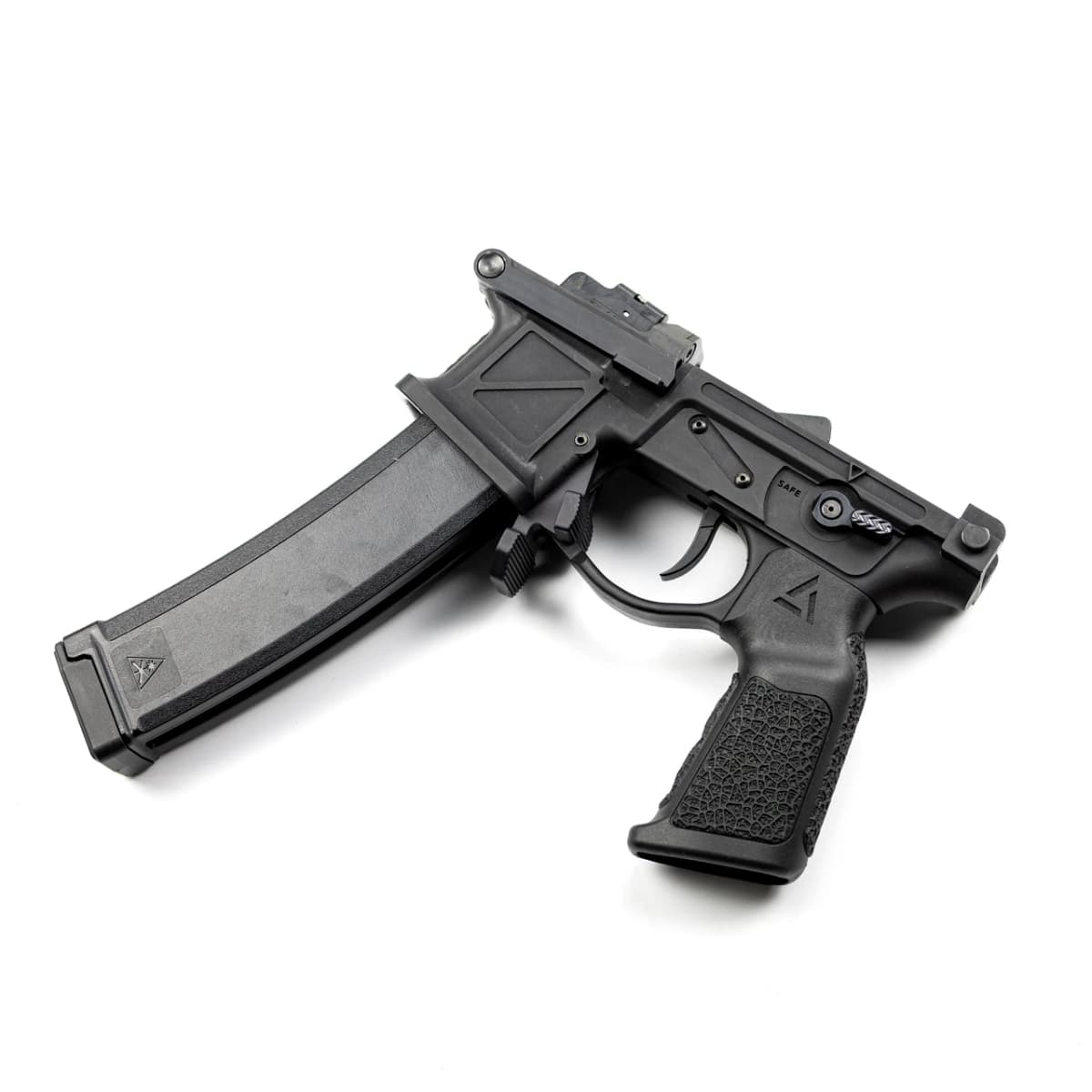
Buy in this order. First the conversion lower, because it is what opens the AR-15 trigger aftermarket on the Stribog at all: the billet Lingle Industries GEN 2 for durability, or the A3 Industries polymer lower to save money. Second the trip conversion, because it is the part that actually makes an FRT function: the turnkey Skunkwerks machining service on an SP9A1, or the DIY 3DP Tac Sol sled on a roller-delayed SP9A3. Third the FRT itself, the Partisan Disruptor, which drops in once the host is converted. The HB Industries short-stroke buffer is a cheap reliability and reset-speed add-on, and the Franklin Armory BFSIII SP-S1 is the entirely separate no-machining binary path covered further down.

Two things decide the total. Your host model sets the trip route (SP9A1 versus SP9A3), and your budget sets billet versus polymer lower and turnkey versus DIY trip. Model the platform in the rifle builder to see the rest of the Stribog upgrade path, and for the broader SP9A1 and SP9A3 accessory list beyond the trigger, our Stribog accessories guide covers optics, braces, and controls.

Stribog Forced Reset: The Three Paths
Budget FRT chain
~$540A3 lower + 3DP sled + Partisan FRT
Turnkey FRT chain
~$830Lingle + Skunkwerks + Partisan FRT
Binary drop-in
$450Franklin SP-S1, no machining

Get Stribog Build Guides and PCC Part Picks

New forced reset paths, conversion parts, and Stribog upgrades land here first.

Free targets, drill cards, and weekly reviews by email. Follow our Facebook for daily builds and gear picks.

Follow

The Stribog FRT Stack, Ranked

The four parts that make forced reset run in a Stribog, the binary alternative, and the buffer that speeds reset. The order tracks the decision each part drives, from the trigger you install down to the cheap reliability upgrade.

1

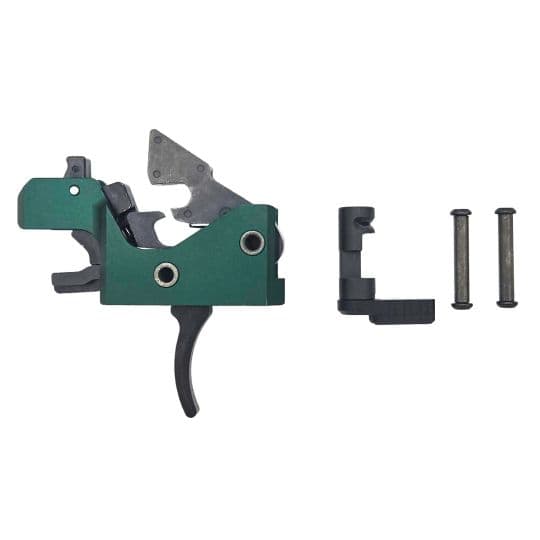
Partisan Triggers Disruptor FRT

Best forced reset trigger to install in the converted Stribog

$250.00Save 17%
View at OpticsPlanet
  • +Proven 3-position AR-15 FRT cassette, drop-in once the host is converted
  • +Clean forced reset in Enhanced mode; tool-steel and 4140 chromoly wear surfaces
  • +Ships with anti-walk pins, which the Stribog's cyclic loads require
  • Only force-resets after the Stribog upper is trip-converted; the trigger alone does nothing on a stock bolt
  • Gritty semi-auto break versus mil-spec
  • Wants an M16-profile carrier and H2/H2.5-class buffer behavior, which interacts with the conversion's trimmed buffer
2

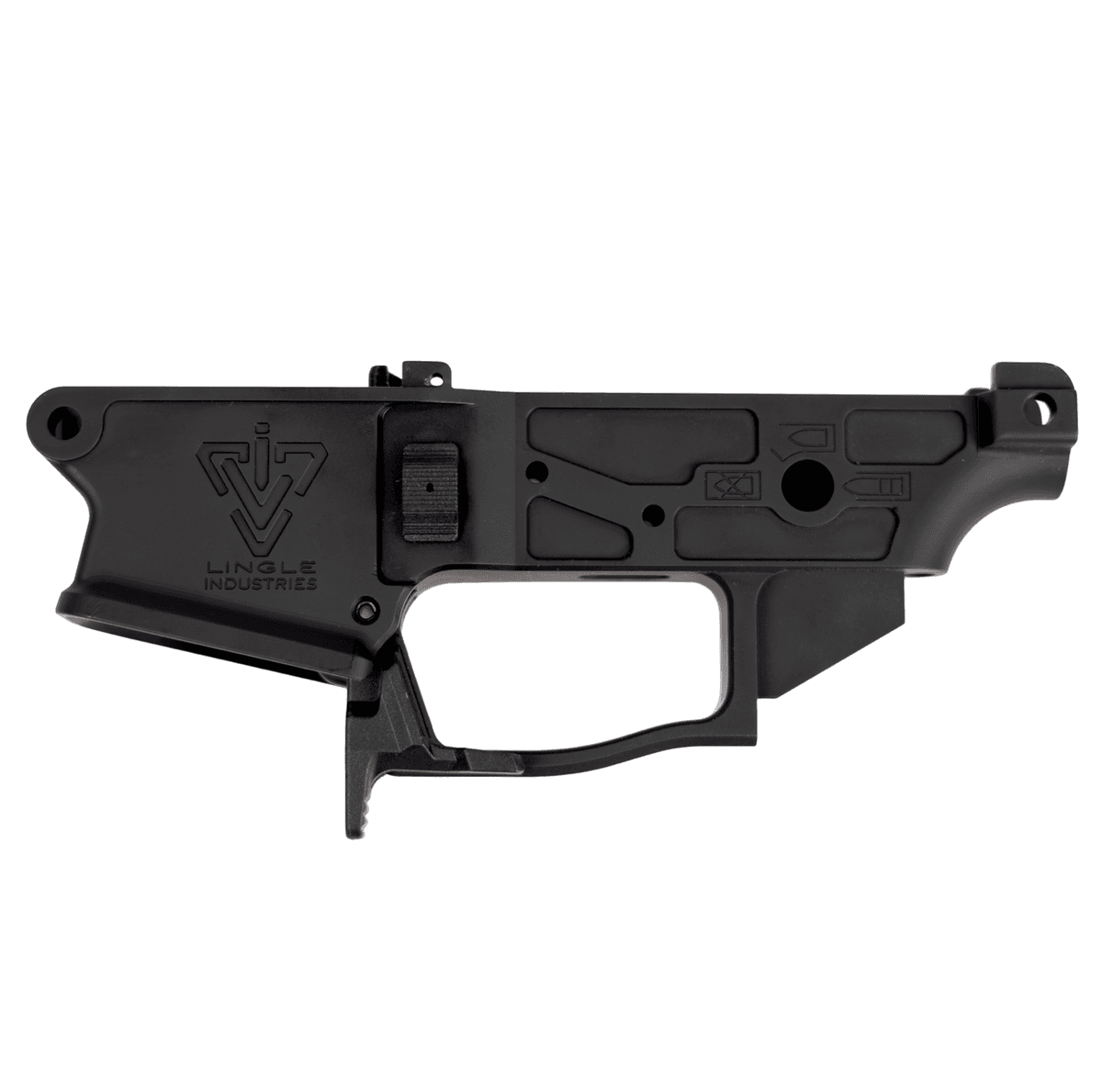
Lingle Industries GEN 2 Stribog Scorpion Lower

Best conversion lower to accept an AR fire control group (premium)

$330
Buy Direct from Lingle Industries
  • +Billet 7075 aluminum, more durable than the polymer A3 lower
  • +Takes CZ Scorpion EVO magazines (Magpul PMAG 35 EV9)
  • +Opens the AR-15 trigger and FRT aftermarket on the Stribog
  • Roughly double the price of the A3 polymer lower
  • Small-batch; often out of stock
  • Does not run CZ Gen3/'3+' brand magazines
3

A3 Industries Stribog Polymer Lower (CZ Scorpion Mags + AR FCG)

Best budget conversion lower

$189.95Save 5%
Buy Direct from A3 Industries
  • +Cheapest way onto the AR-FCG conversion path at roughly $200
  • +Glass-reinforced Zytel polymer; ships with aluminum bolt release
  • +PSA 35-round Scorpion mags feed reliably without modification
  • 9mm Stribog only; not 10mm or 45 ACP
  • Single-stage AR triggers only; two-stage will not reset
  • Polymer reads less premium than the Lingle billet lower
4

Skunkwerks Stribog SP9A1 Forced Reset Conversion Service

Best turnkey bolt trip conversion (SP9A1)

$200
Buy Direct from Skunkwerks
  • +Turnkey mail-in service: the shop cuts the upper for FRT reset clearance and fits a steel trip connector
  • +Steel trip is more durable than a printed sled
  • +07 FFL with 02 SOT, so SBR-registered hosts can be shipped in
  • SP9A1 only; roller-delayed A3 owners use the separate trip route
  • You still supply the aftermarket lower and the FRT separately
  • No refinishing of machined areas in the base price
5

3DP Tac Sol Stribog SP9A3 FRT Trip Sled

Best budget DIY bolt trip (SP9A3 roller-delayed)

$40
Buy Direct from 3DP Tac Sol
  • +Cheapest way into a Stribog forced-reset build at $40
  • +PET-CF sled interfaces the SP9A3 bolt with the FRT reset lever
  • +Fits the smoother roller-delayed A3, the preferred FRT host
  • PET-CF is less durable than a Skunkwerks steel trip
  • Requires an aftermarket lower plus owner-fitted upper and buffer work
  • Sold as-is with no install support
6

Franklin Armory BFSIII SP-S1 Stribog Binary Trigger

Best no-machining alternative (binary, not FRT)

$449.99
View at OpticsPlanet
  • +The only faster-fire trigger that drops into a factory Stribog: no aftermarket lower, no upper machining, no trip
  • +Three-position selector preserves normal semi-auto
  • +Franklin lists fitment for most 9mm Stribog A1/A3/A3S
  • Binary (fire on pull and release), a categorically different mechanism from a forced reset trigger
  • Banned in Washington and other binary-restricted states where FRTs remain legal
  • Most expensive single Stribog trigger upgrade
7

HB Industries Stribog Short Stroke Buffer

Best cheap reliability and reset-speed tuning part

$31
Buy Direct from HB Industries
  • +Cheapest high-impact internal upgrade at $31
  • +Closes the case-behind-bolt failure path and speeds bolt return
  • +Faster bolt return aids trigger reset on FRT builds
  • Not compatible with Gen 1 9mm bolts (two recoil rods)
  • Semi-auto only; do not pair with the Franklin BFSIII binary
  • A recoil-reduction buffer, not the trimmed trip-clearance buffer a conversion produces; the two are different parts

Affiliate links - purchases support this site at no extra cost to you. (?)

Step 1: The Conversion Lower (Lingle vs A3)

The conversion lower is the gate to the entire AR-15 trigger aftermarket on a Stribog. The factory lower runs Grand Power's own trigger group; an aftermarket lower swaps that for a standard AR-15 fire control pocket, which is what an FRT needs to live in. Neither lower is serialized, so both ship without an FFL: the Stribog upper is the serialized part you keep.

The Lingle Industries GEN 2 lower is the premium pick at about $330, machined from billet 7075 aluminum and more durable than polymer, and it feeds from CZ Scorpion EVO magazines (the Magpul PMAG 35 EV9 is the recommended mag) while accepting a standard AR-15 fire control group. Its AR-15 compatibility is the trigger, not the magazine; this is a Scorpion-mag lower, not an AR-15-mag lower. Two caveats matter: it does not run CZ Gen3 or "3+" brand magazines, and it is small-batch, so it is often out of stock. The A3 Industries polymer lower is the budget route at roughly $200, built from glass-reinforced Zytel with an aluminum bolt release, and PSA 35-round Scorpion magazines feed it without modification. The A3 is 9mm-only and single-stage AR triggers only, but for an FRT build that is exactly what you want. Critically, both lowers only get you semi-auto by themselves. Neither enables an FRT until the upper is trip-converted in Step 2.

Step 2: The Bolt Trip Conversion (Skunkwerks vs 3DP)

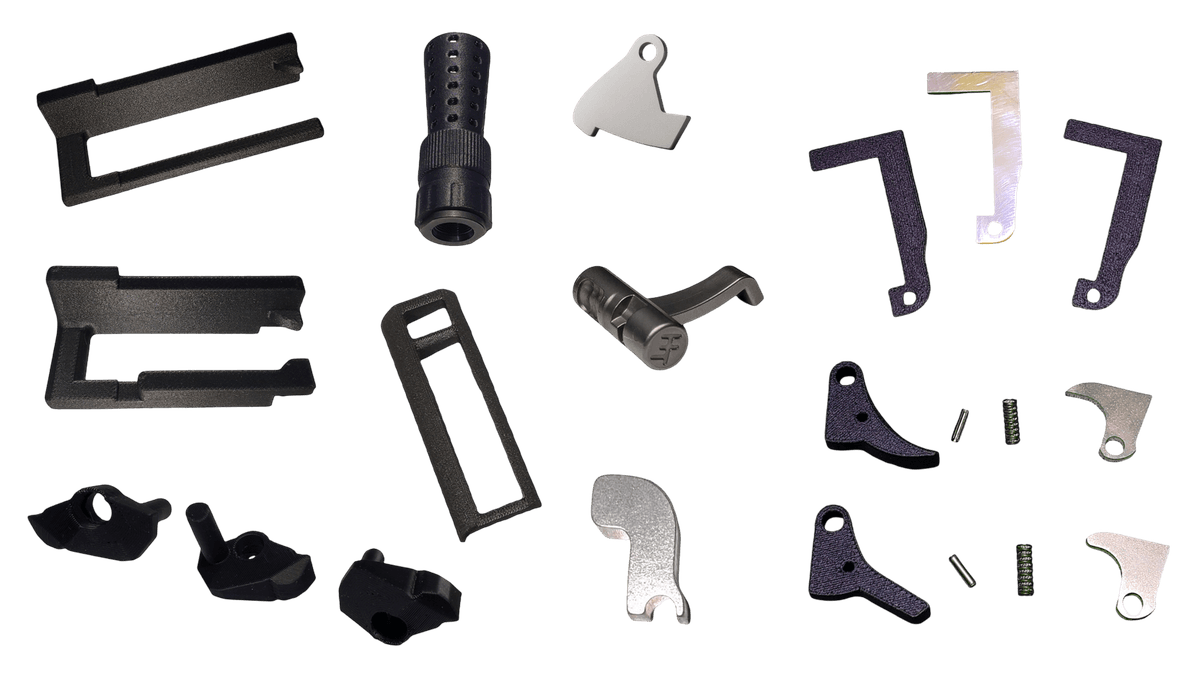
The trip conversion is the part that actually makes forced reset function, and it is the step most Stribog FRT writeups skip. An AR-15 FRT resets off the bolt carrier's trip surface as it returns to battery. The Stribog bolt is short and flat and presents no such surface, so the upper is machined for reset clearance and a trip is fitted that gives the bolt a way to trip the reset lever. The buffer is trimmed for trip clearance during the same work.

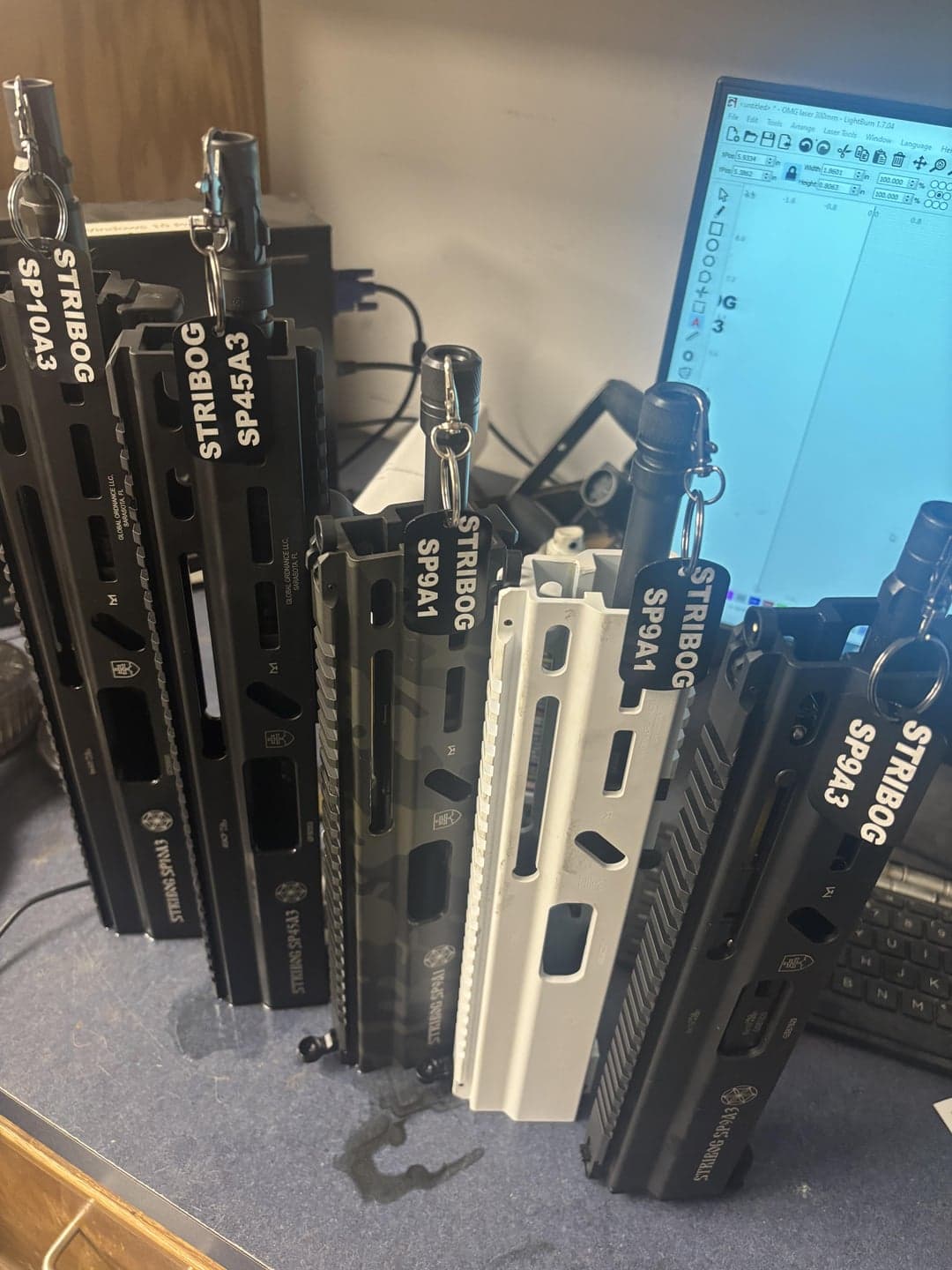
There are two routes, and your host model picks for you. The Skunkwerks Stribog SP9A1 Forced Reset Conversion is the turnkey path at $200: a mail-in service where the shop cuts the upper and fits a steel trip connector, more durable than a printed part. Because Skunkwerks holds an 07 FFL with an 02 SOT, SBR-registered hosts can be shipped in. The 3DP Tac Sol SP9A3 FRT Trip Sled is the DIY route at $40: a PET-CF sled that interfaces the roller-delayed A3 bolt with the FRT reset lever, sold as-is with no install support and less durable than steel. You still supply the aftermarket lower and the FRT separately in both cases.

If you are choosing which Stribog to build on, pick the SP9A3. Its roller-delayed action slows and smooths the recoil impulse, which keeps the trigger from outrunning the bolt, while the direct-blowback SP9A1 has a harsher, faster impulse more prone to bolt bounce and hammer follow under forced reset. The A3 is the better FRT host; the SP9A1 is workable with the Skunkwerks conversion. For how the reset mechanism itself works across platforms, the Super Safety guide covers forced reset selectors and reset timing in depth.

Step 3: Install the Forced Reset Trigger

With the lower and the trip conversion in place, the FRT itself is the easy part. The Partisan Disruptor ($299.99) is a proven 3-position AR-15 FRT cassette that drops into the converted host. It gives a clean forced reset in Enhanced mode off tool-steel and 4140 chromoly wear surfaces, and it ships with anti-walk pins, which the Stribog's cyclic loads genuinely require. The semi-auto break is gritty compared to a mil-spec trigger, which is the normal tradeoff for a cassette FRT.

One tuning note carries over from the AR world: the Disruptor wants an M16-profile carrier and H2 to H2.5-class buffer behavior, which interacts with the trimmed buffer the conversion produces. That is why the trip conversion and the trigger are a matched decision, not two independent purchases. Confirm your state allows FRTs before ordering, since roughly 15 jurisdictions ban them.

The No-Machining Alternative: Franklin BFSIII SP-S1 Binary

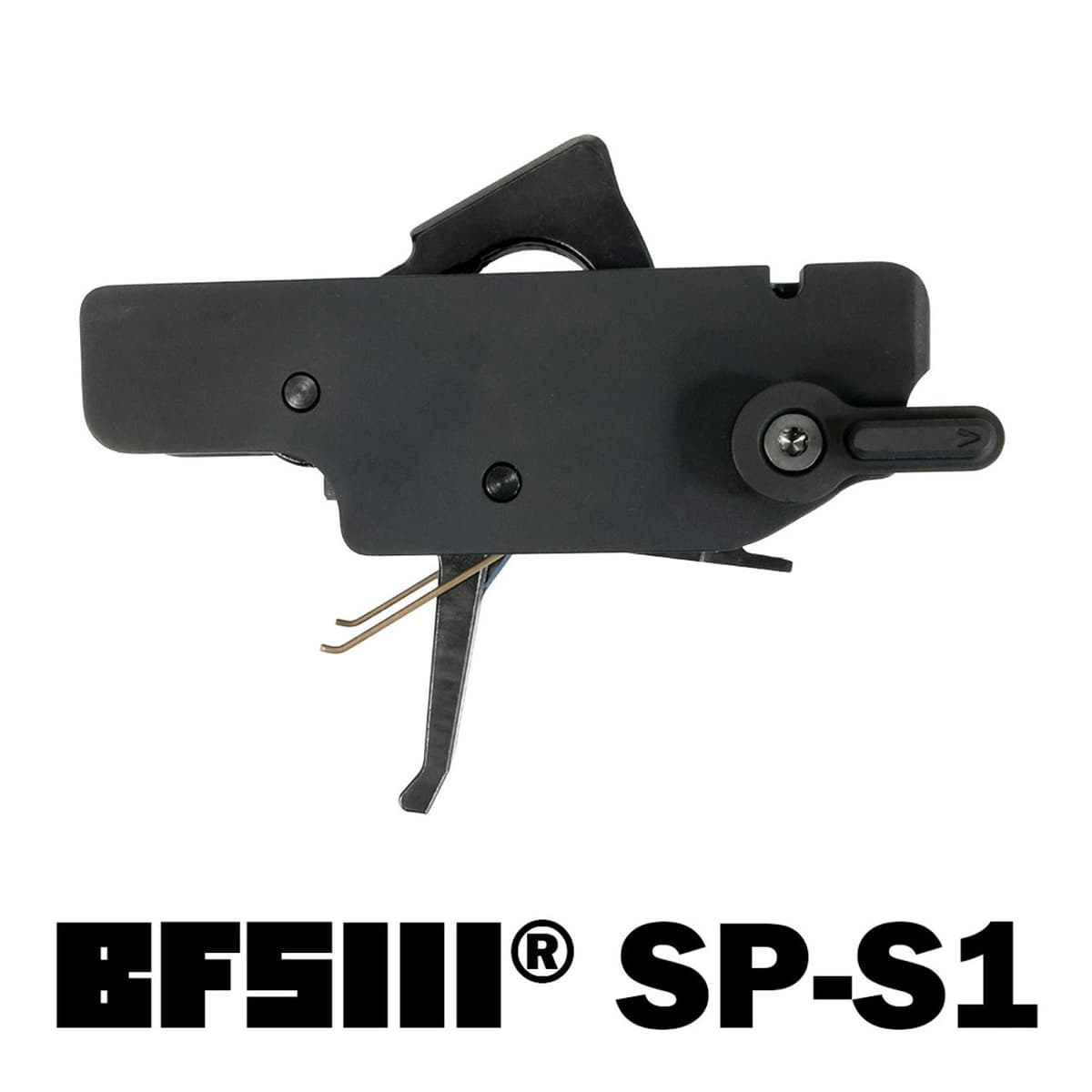
If the three-part conversion is more work than you want, the Franklin Armory BFSIII SP-S1 ($449.99) is the only faster-fire trigger that drops straight into a factory Stribog. No aftermarket lower, no upper machining, no trip: it installs in the stock host and its three-position selector preserves normal semi-auto. Franklin lists fitment for most 9mm Stribog A1, A3, and A3S hosts, and it runs more smoothly on the roller-delayed A3.

The catch is that a binary trigger is a categorically different mechanism from a forced reset trigger. It fires one round on the pull and a second on the release, where an FRT fires one round per function and resets off the bolt. That mechanical difference is also a legal difference: binary triggers are banned in Washington and other binary-restricted states where FRTs remain legal, so the two categories are not interchangeable. Pick the path your state allows first. For the wider binary landscape across platforms, see our best binary triggers guide.

Two Paths to Faster Fire

Forced Reset Chain

Binary Drop-In

Aftermarket lower
Required
Not needed (advantage)
Upper trip / machining
Required
Not needed (advantage)
Trigger action
One per pull
Pull + release
Entry cost
~$540+
$449.99
State gate
FRT-ban states
Binary-ban states (WA)
The binary skips the conversion; the FRT is legal in binary-restricted states like Washington. Your state law decides which path is even on the table.

Reliability and Reset Speed: The HB Industries Buffer

The HB Industries Stribog Short Stroke Buffer ($31) is the cheapest high-impact internal upgrade on the platform. It closes the case-behind-bolt failure path and speeds bolt return, and that faster return aids trigger reset on an FRT build. It drops in across the Gen 2 Stribog line in about five minutes. It is not compatible with Gen 1 9mm bolts, which use two recoil rods.

Two things to keep straight. First, this is a recoil-reduction buffer, not the trimmed trip-clearance buffer the Skunkwerks or 3DP conversion produces; they are different parts solving different problems, and you keep the conversion's buffer on an FRT host. Second, run the HB Industries buffer on the semi-auto and FRT builds only. Do not pair it with the Franklin BFSIII binary, since HB Industries advises against it.

FRT Legality: Federal vs State

A forced reset trigger is legal federally and restricted in a list of states, so the answer depends on where you live. The mechanism fires one round per trigger function, which means it is not a machine gun and not an NFA item: no tax, no stamp, no registration on the trigger itself. The 2025 DOJ settlement covers rifles and grip-forward pistols, and the Stribog is grip-forward, so a Stribog FRT sits on the same federal footing as a rifle FRT.

State law is the gate that matters for most builders. FRTs are banned in roughly 15 jurisdictions, including California, Colorado, Connecticut, Delaware, Hawaii, Illinois, Maryland, Massachusetts, Minnesota, Nevada, New Jersey, New York, Oregon, Rhode Island, and Washington DC. Verify your state and local law before you order. If your Stribog is registered as an SBR, Skunkwerks' 02 SOT lets you ship the host in for the conversion. Note the split with the binary path: the Franklin SP-S1 is banned in Washington state, where FRTs remain legal, so a legal FRT build and a legal binary build are not the same map.

The Bottom Line

A Stribog FRT works only as a three-part chain: an AR-fire-control lower, a bolt trip conversion, then the FRT. Buy them as one decision, in that order.

Build on the roller-delayed SP9A3, pair a conversion lower (Lingle billet or A3 polymer) with a trip (Skunkwerks turnkey or 3DP DIY sled), and install the Partisan Disruptor. If the machining is more than you want, the Franklin BFSIII SP-S1 binary drops into a factory host with no conversion, as long as your state allows binaries. Model the rest of the build in the rifle builder, and read the full FRT buyer's guide for the broader forced reset landscape.

Frequently Asked Questions

Can you put a FRT in a Stribog?
Yes, but not by dropping one in. A Grand Power Stribog cannot run an AR-15 forced reset trigger natively. You need three things: an aftermarket AR-fire-control lower (Lingle Industries billet aluminum at about $330, or the A3 Industries polymer lower at roughly $200), a bolt trip conversion so the short flat Stribog bolt trips the FRT reset lever (Skunkwerks' $200 mail-in machining service for the SP9A1, or a $40 3DP Tac Sol trip sled you fit yourself on the SP9A3), and an actual AR-15 FRT such as the Partisan Disruptor ($299.99). The lower alone only runs standard semi-auto AR triggers.
Why won't an AR-15 FRT just work in a Stribog with an aftermarket lower?
An AR-15 forced reset trigger resets off the AR bolt carrier's trip surface as the carrier returns to battery. The Stribog bolt is short and flat and has no such surface, so a bare FRT in a Lingle or A3 lower will not force-reset. The enabling step is machining the upper for reset clearance and fitting a steel trip connector (Skunkwerks) or a trip sled (3DP Tac Sol) that gives the bolt a way to trip the reset lever. The buffer is also trimmed for trip clearance as part of that conversion.
SP9A1 or SP9A3 for a forced reset build?
The roller-delayed SP9A3 is the better FRT host. Its delayed action slows and smooths the recoil impulse, which keeps the trigger from outrunning the bolt. The direct-blowback SP9A1 has a harsher, faster impulse that is more prone to bolt bounce and hammer follow under forced reset. Skunkwerks sells its turnkey conversion for the SP9A1, while the A3 path is typically handled with a fitted trip sled like the 3DP Tac Sol SP9A3 sled.
Can you legally own a FRT in a Stribog?
Federally, a forced reset trigger fires one round per trigger function and is not a machine gun. The 2025 DOJ settlement covers rifles and grip-forward pistols, and the Stribog is grip-forward, so it sits on the same footing as a rifle FRT. There is no NFA tax or stamp on an FRT. State law is the constraint: roughly 15 jurisdictions ban FRTs, including California, Colorado, Connecticut, Delaware, Hawaii, Illinois, Maryland, Massachusetts, Minnesota, Nevada, New Jersey, New York, Oregon, Rhode Island, and Washington DC. Verify federal and state law before you buy. If your Stribog is registered as an SBR, Skunkwerks' 02 SOT lets you ship it in for the conversion.
What's the difference between the Franklin SP-S1 and a forced reset trigger?
The Franklin Armory BFSIII SP-S1 ($449.99) is a binary trigger: it fires one round on the pull and a second on the release. A forced reset trigger fires one round per function and uses the bolt to force a mechanical reset. The SP-S1 is the only faster-fire option that drops straight into a factory Stribog with no aftermarket lower and no machining, which makes it the simplest path. The tradeoff is legality: binary triggers are banned in states like Washington where FRTs are still legal, so the two categories are not interchangeable.