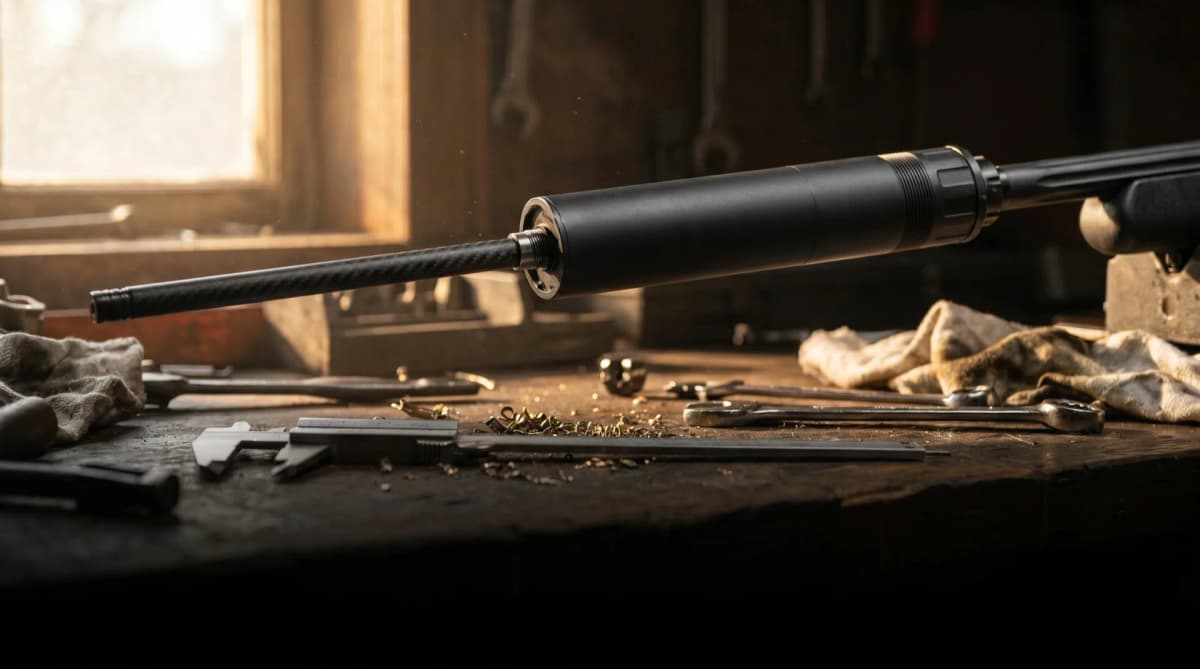
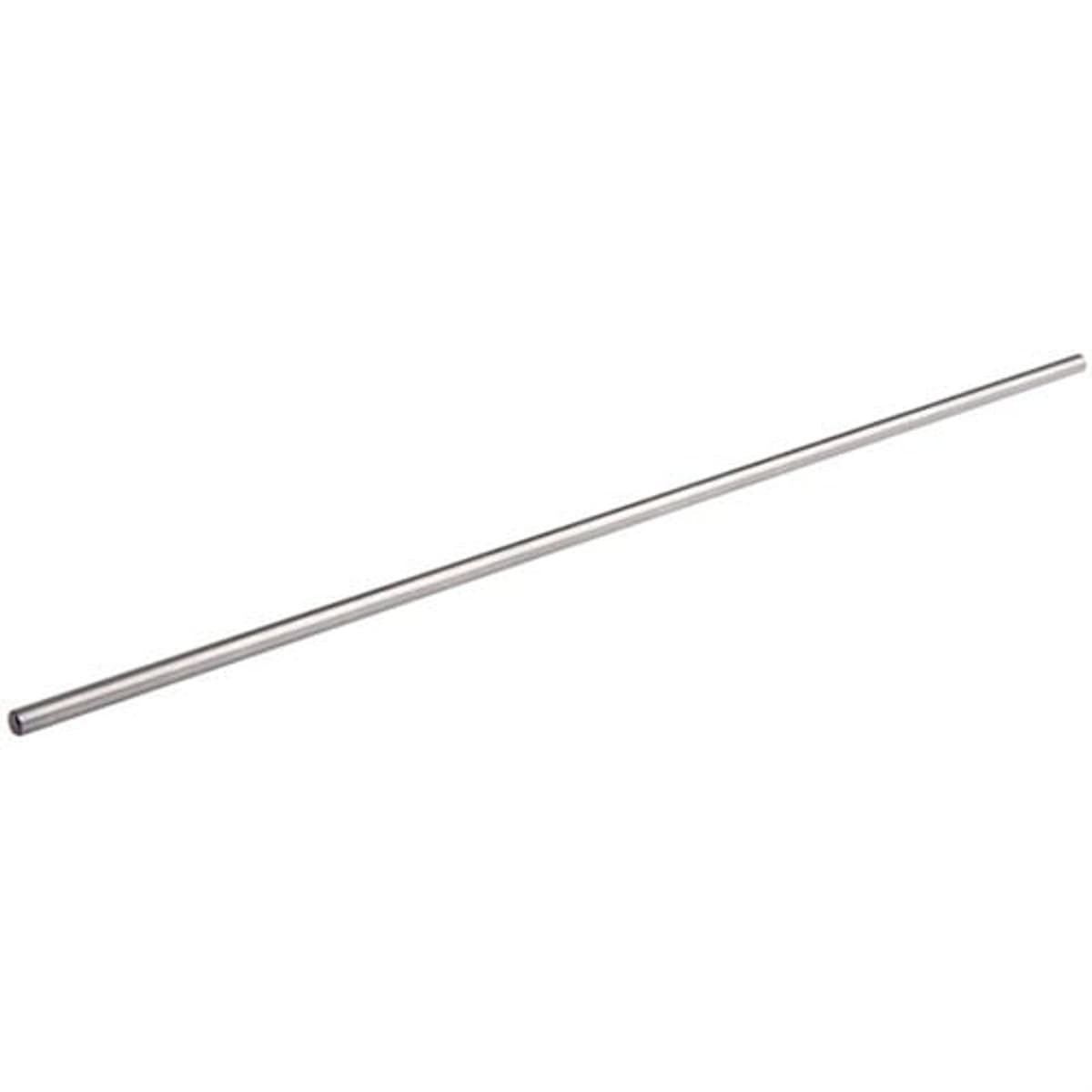
Suppressor Alignment Rod Guide 2026: When You Need One & What Size header image
Gear
June 4, 2026
Suppressor Alignment Rod Guide 2026: When You Need One & What Size

A suppressor alignment rod is a caliber-specific gage you push through a mounted can to verify the bore and suppressor are concentric before firing. This guide covers when a rod is worth the check, how to size one to your caliber, and which rods are worth buying.

[ < Back to guides ]
SuppressorsToolsBuying guide

Suppressor Alignment Rod Guide 2026: When You Need One & What Size

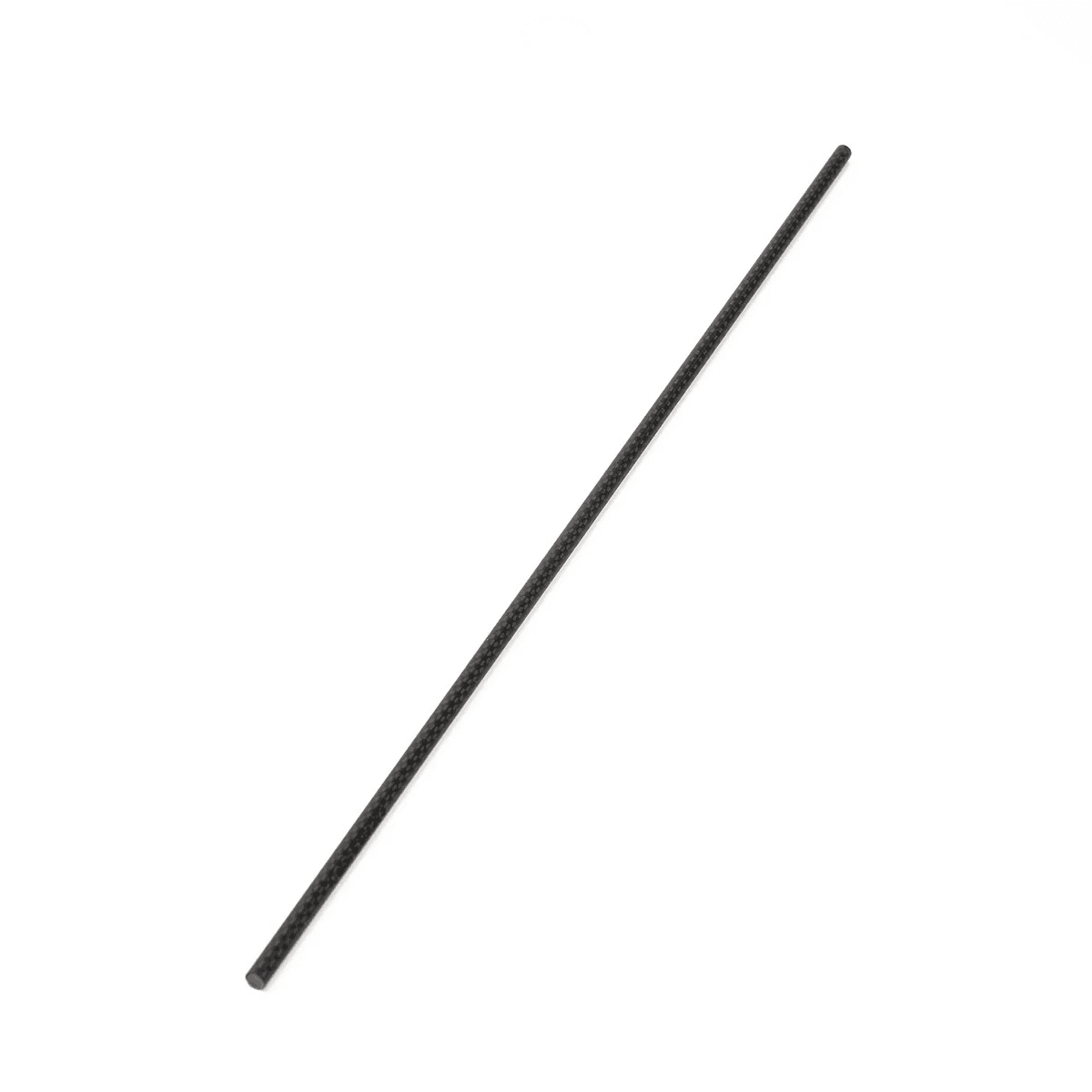
A suppressor alignment rod is a caliber-specific gage you push through a mounted can down to the muzzle to confirm the bore and the suppressor are concentric before you fire. It catches the one failure mode that destroys a can instantly: a baffle strike from a mount that sits off-axis. This guide covers exactly when a rod is worth the check, how to size one to your bore, the difference between carbon-fiber and steel rods, and the eight rods worth buying, from the $34.99 Kratos to the hardened-steel Geissele.

By AB|Last reviewed June 2026

When Do You Actually Need a Suppressor Alignment Rod?

You need a rod any time the geometry between your bore and your can changes and you cannot otherwise confirm they are concentric. A $35 to $79 rod is the cheapest insurance you can buy against a baffle strike, which is a bullet clipping the inside of the suppressor and destroying an $800 to $1,500 can in a single round. The check takes under a minute and costs nothing once you own the rod.

There are four moments where running a rod is non-negotiable:

New suppressor
Why It Can Throw Alignment OffA new can has its own thread and bore tolerances; verify before the first shot.
New muzzle device
Why It Can Throw Alignment OffBrake, flash hider, or QD mount shoulder squareness sets where the can indexes.
New host or barrel
Why It Can Throw Alignment OffThread concentricity to the bore varies barrel to barrel, even within a brand.
New adapter stack
Why It Can Throw Alignment OffMixed muzzle-device-to-can adapters compound small errors across each interface.

If you are running the same can on the same muzzle device you have already fired suppressed without issue, a re-check is optional. The rod earns its keep on the first assembly of any new combination. If you are still selecting the can itself, our suppressor buying guide walks through the NFA process and how to match a can to your host before you ever reach the alignment step.

Best Suppressor Alignment Rods

Ranked by straightness tolerance, caliber coverage, material durability, and value. Each rod is a caliber-specific concentricity gage you push through a mounted can to catch misalignment before it strikes a baffle.

1

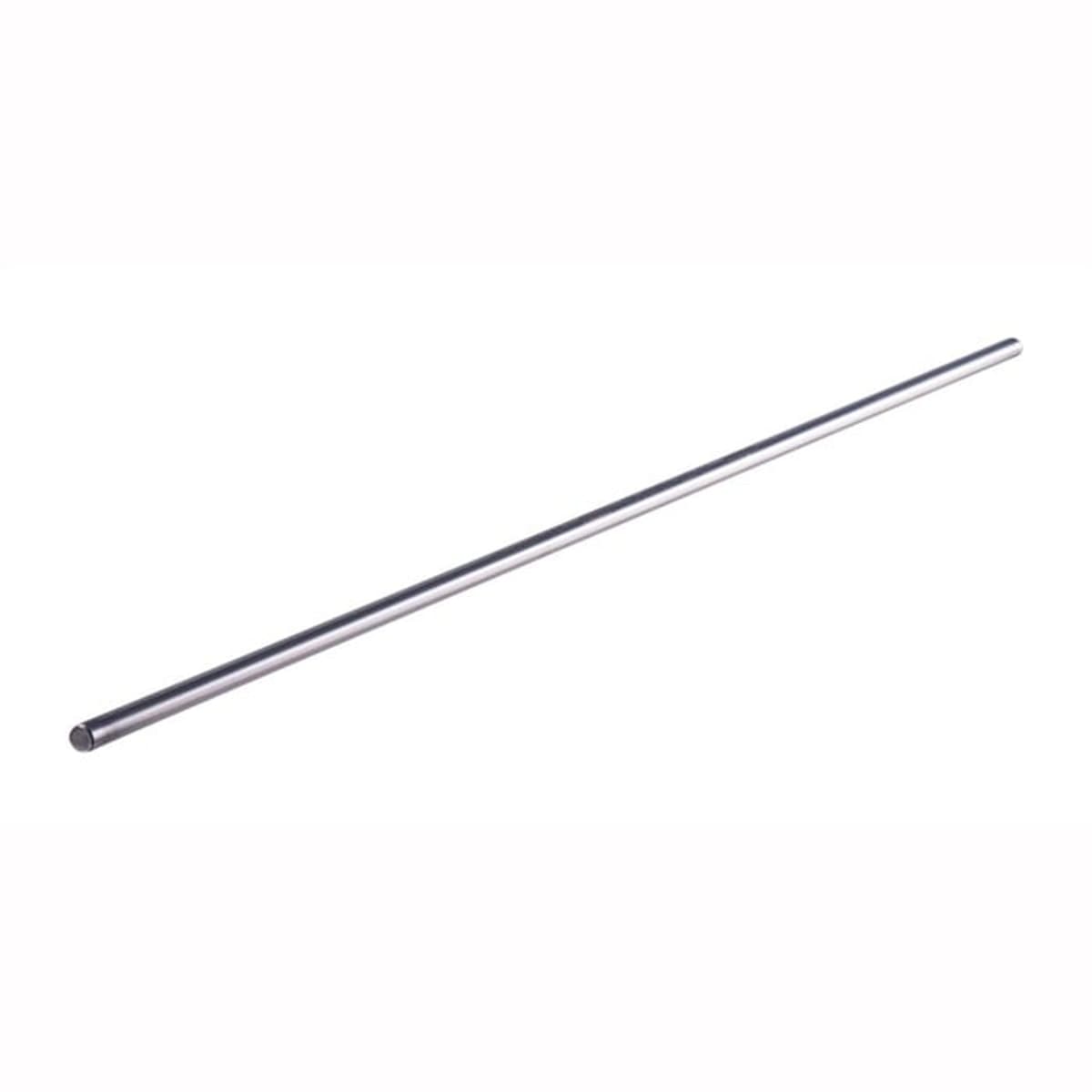
Geissele Suppressor Alignment Rod

Best overall

$79
View at OpticsPlanet
  • +Hardened steel holds tolerance over years of armorer use
  • +Tightest published straightness spec in the category at 0.001 inch
  • +Caliber-specific sizing for an accurate pass-fail read
  • Steel can take a set if dropped or stored loose, skewing readings
  • One rod per caliber; no multi-caliber kit
  • Costs more than carbon-fiber rods at the same caliber
2

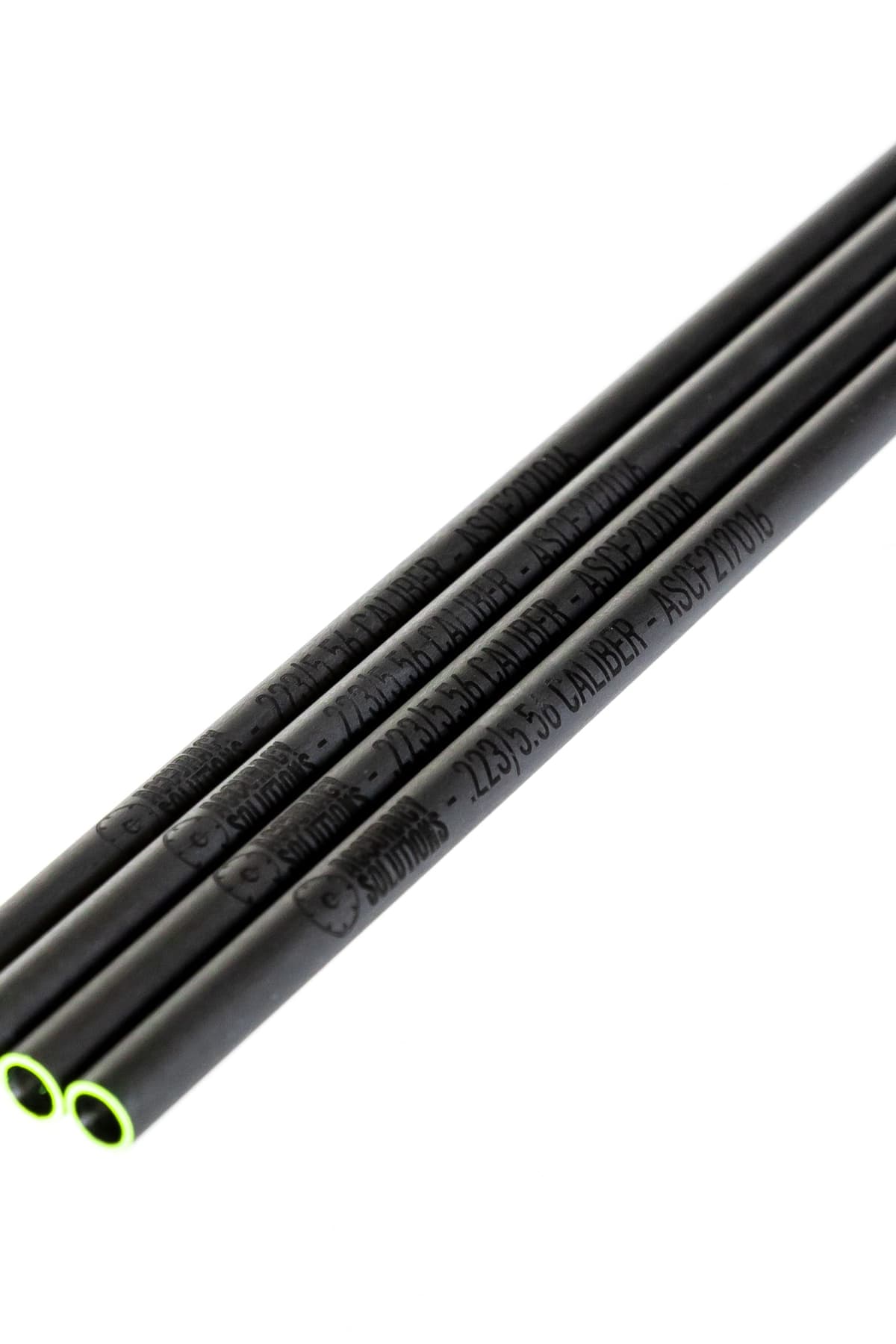
Accuracy Solutions Carbon Fiber Bore Alignment Rod

Best value carbon fiber, broad caliber range

$49
Buy Direct from Accuracy Solutions
  • +Broad caliber lineup, including rimfire and pistol calibers
  • +Carbon fiber cannot scratch the bore or crown
  • +Volume pricing makes a multi-caliber set affordable
  • Direct purchase only; no major-retailer listing
  • Carbon fiber flexes more than hardened steel on long rods
  • One rod per caliber rather than a bundled kit
3

Kratos Design Group Suppressor Alignment Rod

Best budget

$34
Buy Direct from Kratos
  • +Lowest price in the category without cutting the 0.001 inch spec
  • +Storage tube and caliber engraving included
  • +Broad caliber lineup covers rifle and pistol cans
  • Direct purchase only; no major-retailer listing
  • Carbon fiber is less durable than hardened steel over years of use
  • Fixed 15 in length with no custom options
4

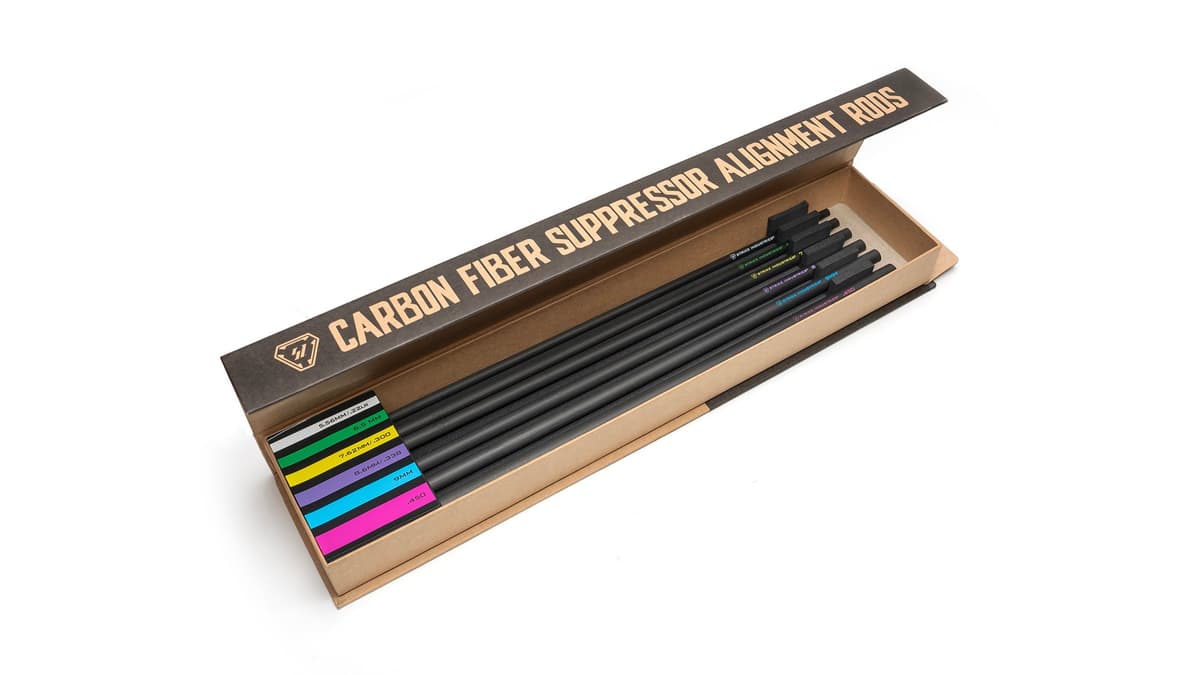
Strike Industries Carbon Fiber Suppressor Alignment Rods (Send-It Sticks)

Best multi-caliber set

$99
View at OpticsPlanet
  • +One purchase covers six common suppressed calibers
  • +Carbon fiber will not mar the bore or crown
  • +Widely stocked through OpticsPlanet
  • 0.003 inch straightness is looser than steel gages at 0.001 inch
  • Pay for six rods even if you only run one or two calibers
  • No rimfire-only or sub-caliber options in the set
5

SureFire Bore Alignment Rod

Best for SOCOM-mount hosts

$104
View at OpticsPlanet
  • +Built by the maker of the suppressor mount you are checking
  • +Stainless steel durability for repeated use
  • +Caliber range extends to .338 and .408 magnum bores
  • Most expensive rods in the category at $99 to $239
  • Steel can take a set if mishandled, skewing readings
  • One rod per caliber; no multi-caliber kit
6

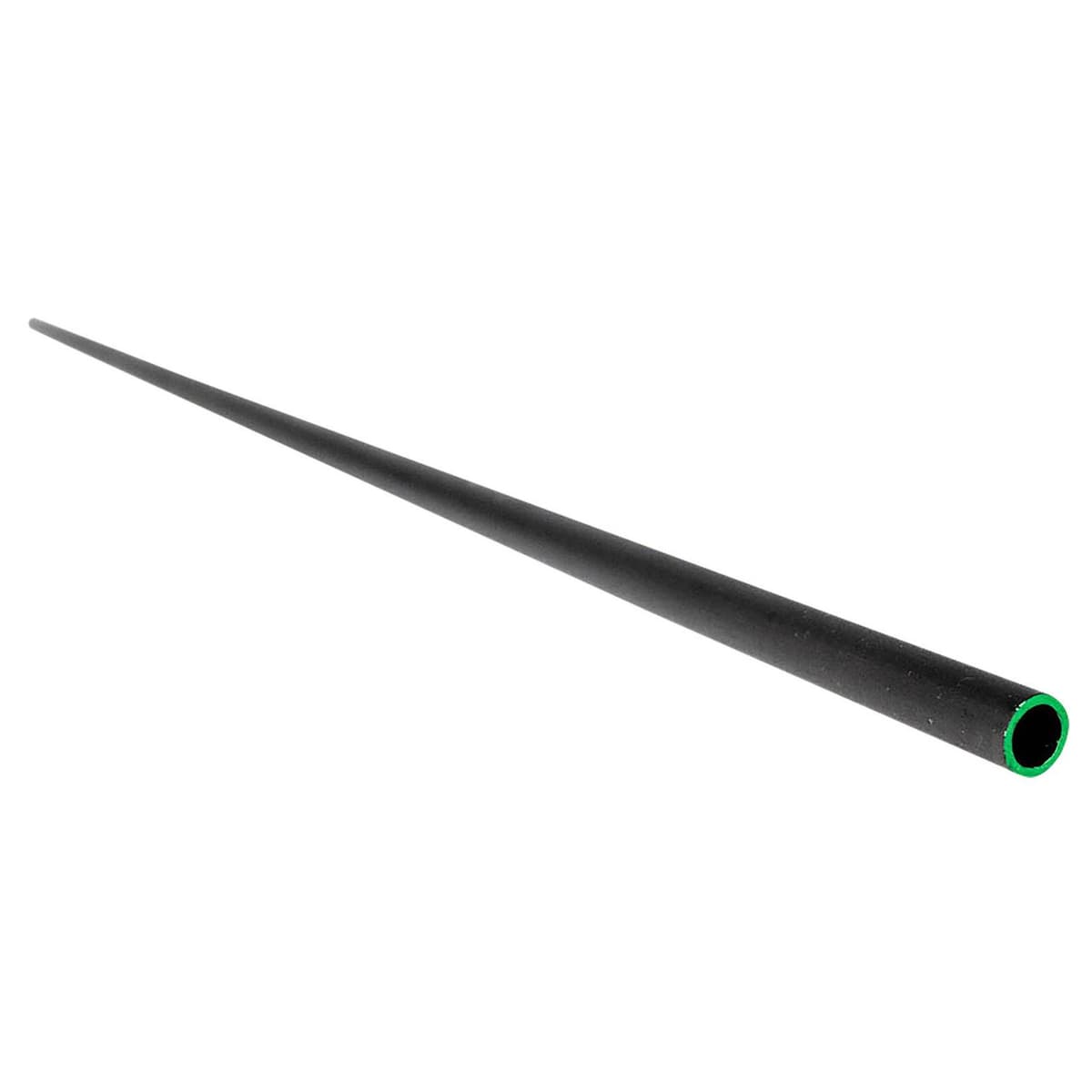
HUXWRX Carbon Fiber Alignment Rod

Best visibility

$48
View at OpticsPlanet
  • +Bright green rod is the easiest in the category to read
  • +Carbon fiber will not scratch the bore or crown
  • +Mid-range pricing at $48
  • Fewer caliber options than Accuracy Solutions or Kratos
  • No rimfire or pistol-caliber rod in the lineup
  • Carbon fiber less durable than steel for fleet use
7

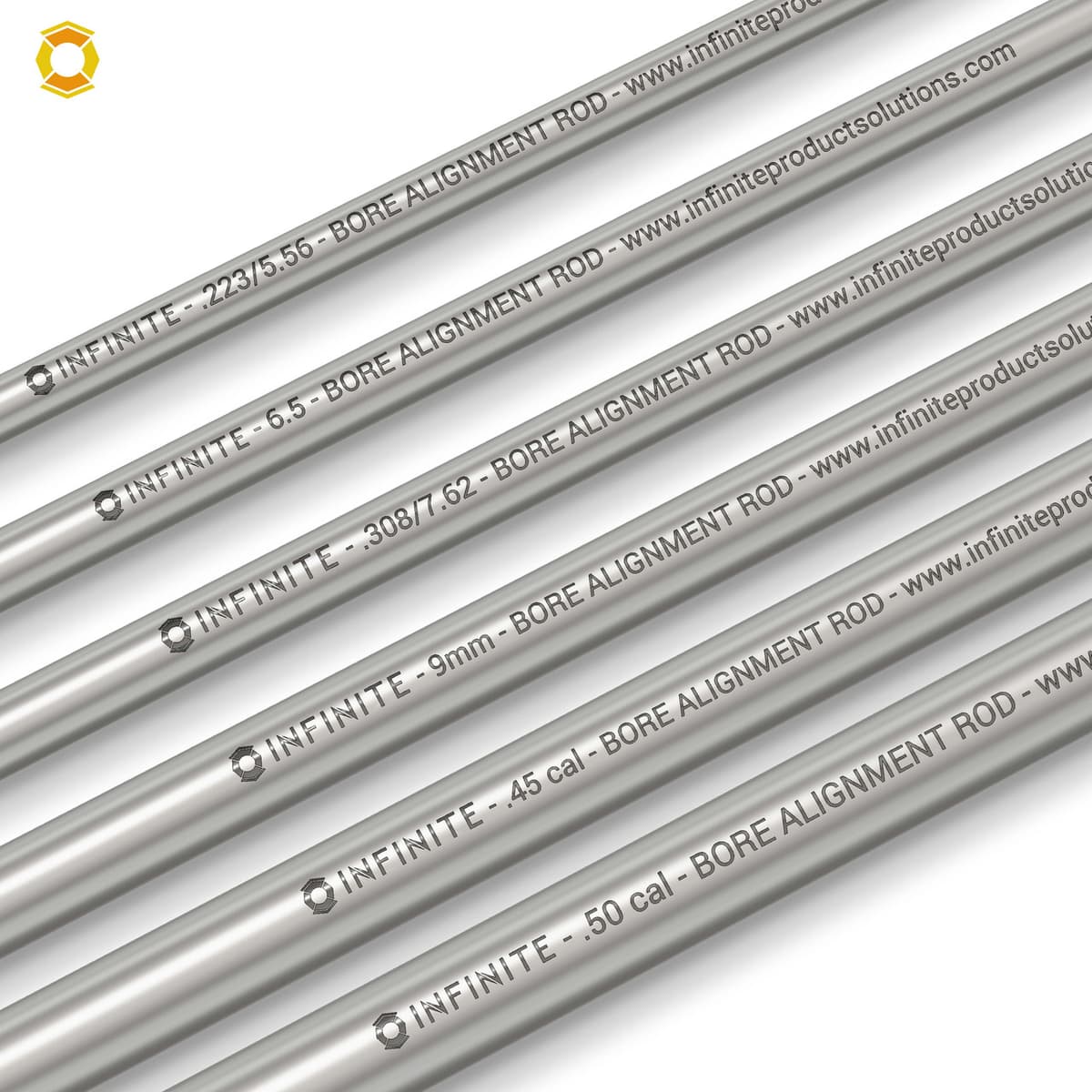
Infinite Product Solutions 17-4 Stainless Bore Alignment Rod

Best value steel

$74
View at OpticsPlanet
  • +Hardened stainless durability at a mid-tier price
  • +Will not flex under hand pressure like carbon rods
  • +Caliber range spans rimfire-adjacent to magnum bores
  • Steel can mar a crown if dragged carelessly
  • Pricier than the $35 carbon-fiber budget rods
  • One rod per caliber; no bundled kit
8

StingerWorx Carbon Fiber Suppressor Alignment Rod

Best for odd calibers and long hosts

$49
Buy Direct from StingerWorx
  • +Deepest caliber and length menu in the category
  • +Only practical source for many oddball calibers
  • +Long-length options reach full-size rifle hosts
  • Direct purchase only; no major-retailer listing
  • Carbon fiber less durable than steel for fleet use
  • Pricing climbs with longer rods

Affiliate links - purchases support this site at no extra cost to you. (?)

What Size Alignment Rod Do You Need?

Size the rod to your bore caliber, not your suppressor's bore. This is the single most common buying mistake. A 5.56 host uses a .223/5.56 rod even when the can is a multi-caliber .30, because the rod has to ride the actual bore that the bullet travels, not the larger internal bore of the suppressor. Buy the rod that matches the barrel.

5.56 / .223
Rod Size.22 / 5.56
Also Covers.223 Wylde, .224 Valkyrie
.308 / 7.62
Rod Size.30 / 7.62
Also Covers.300 Blackout, .308 Win, 7.62x39
9mm
Rod Size9mm / .355
Also Covers.357 SIG bores
.45 ACP
Rod Size.45 / .452
Also Covers.45 cans on pistol hosts
.22 LR
Rod Size.22 LR rimfire
Also CoversDedicated rimfire cans

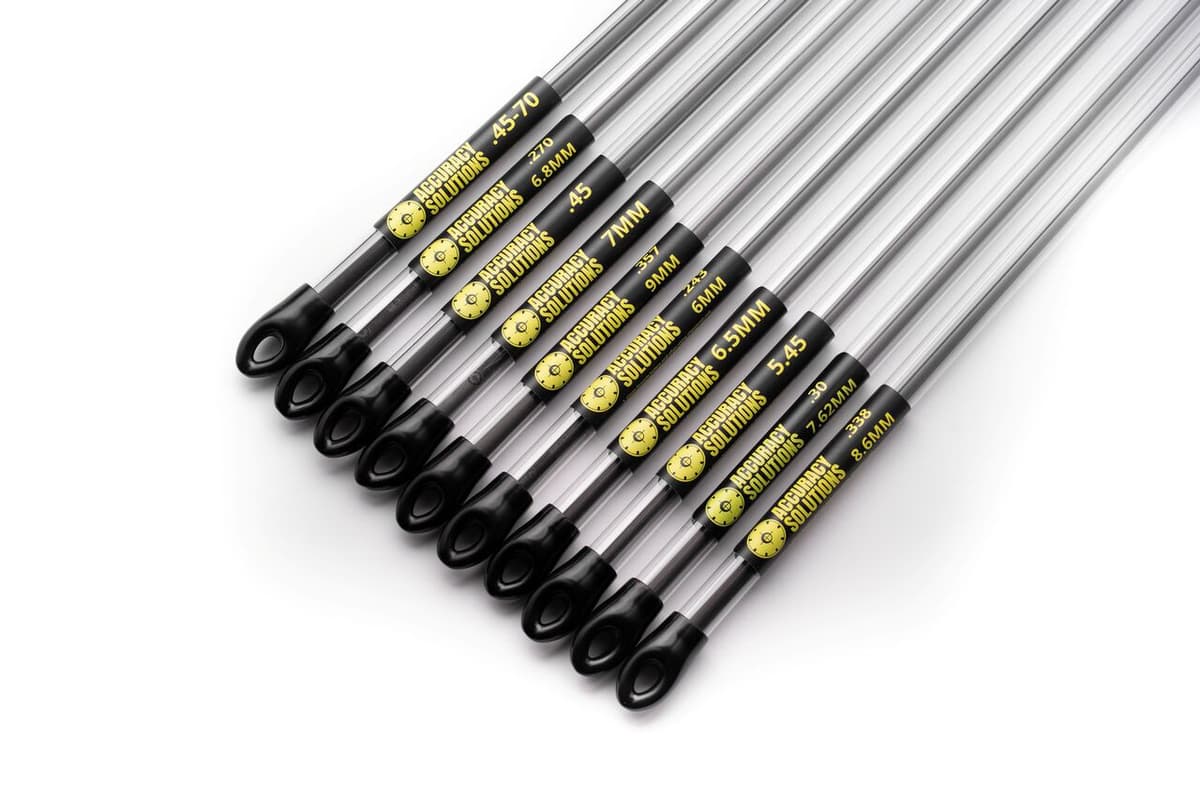
For most owners, a .223/5.56 and a .30/7.62 rod cover the bulk of the AR and bolt-gun world. The .30/7.62 rod doing double duty across .308 and .300 Blackout is why it is the second rod most people buy. Beyond those, the deeper menus matter: Accuracy Solutions and StingerWorx carry especially deep lineups, with 5.45mm, 6mm, 6.5mm, 6.8mm, .338, and rimfire sizes for odd hosts; StingerWorx runs deepest, all the way to .50. If you only want one purchase to cover everything common, the Strike Industries Send-It Sticks six-rod set spans .223/5.56 through .45.

The rod check is the last step in host prep, after you have set your muzzle device and mount. Our suppressor compatibility guide covers the thread pitch, mount pattern, and barrel prep that all feed into whether the rod passes clean on the first try.

What an Alignment Rod Checks, and What Causes Misalignment

An alignment rod checks one thing: bore-to-suppressor concentricity. When you push the rod through the mounted can and it reaches the bore with no contact, the thread centerline, muzzle-device shoulder, and mount are all square enough that a bullet will pass through the baffle stack without clipping it. If the rod stops, drags, or deflects, one of those interfaces is off-axis and firing risks a strike.

What the rod catches

  • Thread centerline not concentric to the bore
  • Muzzle-device shoulder cut out of square
  • Direct-thread mount that indexes off-axis
  • Adapter stack error compounding across interfaces

What it does not catch

  • Suppressor internal baffle wear or erosion
  • Carbon buildup inside the can
  • Whether your mount is torqued to spec
  • Whether threads are cut to the correct pitch

Misalignment originates in the stack of parts between the bore and the can. The most frequent culprit is the muzzle device: threads cut off-center, an out-of-square shoulder, or an off-axis internal bore on a brake or flash hider all push the can's centerline away from the bullet's path. A new muzzle device is the single most common reason a previously-aligned setup goes off, which is why our muzzle device guide treats shoulder squareness and timing as buying criteria, not afterthoughts. Mixed adapter stacks are the second culprit: every muzzle-device-to-can adapter you add is one more interface that can introduce offset, and the errors stack rather than cancel.

This is also a go/no-go gage, not a measurement tool. It tells you pass or fail, not by how much. A rod that drags is a stop sign: do not fire, pull the can, and trace the offset back through the mount, the muzzle device, and the threads before reassembling and re-checking.

Carbon Fiber vs Steel: Which Rod Material Should You Buy?

Both materials work; the tradeoff is durability against bore safety. Steel rods hold the tightest straightness and shrug off years of repeated use, but a bent steel rod lies to you and a hard rod can mar a crown if it drags. Carbon-fiber rods cannot scratch rifling or the crown and resist taking a set, but they flex more on long lengths. For a single home user checking one or two hosts, carbon fiber is the safer, cheaper pick. For a high-volume armorer running the same rods across a fleet, hardened steel lasts longer.

Straightness
Carbon Fiber0.001 in (Accuracy Solutions, Kratos)
Hardened Steel0.001 in (Geissele); SureFire spec not published
Bore safety
Carbon FiberNon-marring, will not scratch crown
Hardened SteelCan mar a crown if dragged carelessly
Durability
Carbon FiberResists taking a set; flexes on long rods
Hardened SteelResists wear; can take a set if dropped
Price
Carbon Fiber$34.99 to $50
Hardened Steel$75 to $134
Best for
Carbon FiberSingle home user, one or two hosts
Hardened SteelArmorer, high-volume fleet use

The straightness number is where this gets decided. The convenience-tier carbon rods publish the loosest spec: the Strike Industries Send-It Sticks set and the HUXWRX rods both hold 0.003 inch, which is well inside what a pass-fail concentricity check needs but looser than the tightest gages. Geissele, Accuracy Solutions, and Kratos each publish 0.001 inch. For a single rod where the reading has to be exact, the Geissele's hardened steel and the Accuracy Solutions carbon fiber both hit 0.001 inch and are the two picks that matter. Compare the full spec sheet for every rod in our component catalog before you commit.

After a Clean Check: Mount, Fire, and Maintain

A clean rod pass is the green light to shoot, not the end of can care. Once the rod confirms concentricity, torque the mount to spec, fire, and then build the maintenance habit that keeps the can running. Carbon and lead buildup accumulate fastest on rimfire and pistol cans, and a fouled can changes how the rod reads on the next check, so cleaning and alignment are linked. Our suppressor cleaning guide covers the disassembly, solvents, and intervals by caliber.

If you are buying the 5.56 can these rods verify, our roundup of the best 5.56 suppressors for 2026 ranks the cans by weight, sound reduction, and mount system, and every one of them benefits from a .223/5.56 rod check on the first assembly. Pair the right can with a one-minute alignment check and you remove the single most expensive failure mode in suppressor ownership.

Frequently Asked Questions

Do I really need a suppressor alignment rod?
You need one any time the geometry of your suppressor mount changes and you cannot otherwise confirm the bore and can are concentric: a new suppressor, a new muzzle device, a new host, or any mixed adapter stack. A single caliber-correct rod like the Geissele ($79) or the budget Kratos ($34.99) is cheap insurance against a baffle strike that can destroy an $800 to $1,500 can instantly. If you are running the same can on the same proven muzzle device you have already fired suppressed, a re-check is optional.
What is a suppressor alignment rod?
A suppressor alignment rod is a precision-ground rod, sized just under your bore diameter, that you insert through a mounted suppressor down to the muzzle to verify the bore and the suppressor's internal bore are concentric. If the rod passes cleanly to the bore with no contact, the can is aligned; if it stops or drags against a baffle, the mount is off-axis and firing risks a baffle strike. Carbon-fiber rods (Accuracy Solutions, Kratos) are non-marring; steel rods (Geissele, SureFire) are more durable and hold tighter tolerance.
What size alignment rod do I need?
Buy a rod that matches your bore caliber, not your suppressor's bore. A 5.56 host uses a .223/5.56 rod even if the can is a multi-caliber .30. Common sizes are .22/5.56, .30/7.62 (covers .308 and .300 Blackout), 9mm, and .45. Makers like StingerWorx and Accuracy Solutions also offer 5.45mm, 6.5mm, 6.8mm, .338, and rimfire .22 LR rods. For a multi-caliber collection, the Strike Industries Send-It Sticks six-rod set ($99.95) covers .223/5.56 through .45 in one purchase.
What does an alignment rod check, and what does it not check?
An alignment rod checks bore-to-suppressor concentricity: thread centerline alignment, muzzle-device shoulder squareness, and mount-to-bore alignment, which together cause baffle strikes when they are off. It does not check suppressor internal condition, baffle wear, carbon buildup, mount torque value, or whether your threads are cut to spec. It is a go/no-go concentricity gage, not a full inspection tool.
How do you check suppressor alignment without a rod?
The field methods are less reliable than a rod. You can shine a bore light from the breech and visually inspect whether the bullet's path is centered through the baffles, or fire a single round into a known backstop and inspect the can's end cap and baffles for fresh contact marks. Both are guesswork compared to a $35 to $79 rod that gives a direct pass-fail before any round is fired. A rod is the only method that catches misalignment before it can damage the can.
What causes suppressor misalignment?
Misalignment comes from the stack of parts between the bore and the can: threads cut off-center or not concentric to the bore, a muzzle device with an out-of-square shoulder or off-axis internal bore, a direct-thread mount that does not index squarely, or a mixed adapter stack (muzzle-device-to-can adapters) that compounds small errors. Each interface adds potential offset, which is why a new muzzle device or a new adapter is exactly when you re-check with a rod.
Are carbon fiber or steel alignment rods better?
Both work; the tradeoff is durability versus bore safety. Steel rods like the Geissele ($79), which publishes a 0.001 inch straightness spec, and the heat-treated stainless SureFire ($105) resist wear over years of armorer use, but a bent steel rod gives false readings and a hard rod can mar a crown if dragged. Carbon-fiber rods like Accuracy Solutions ($49.99) and Kratos ($34.99) are non-marring and resist taking a set, but flex more on long rods. For a single home user, carbon fiber is the safer, cheaper pick; for a high-volume armorer, hardened steel lasts longer.
Can the ATF come to your house if you have a suppressor?
As an individual registrant, no, not without a warrant, probable cause, or your consent. The Fourth Amendment applies to private NFA owners. The misconception that the ATF can perform warrantless inspections stems from the rules for licensed dealers (FFLs), who can be inspected once a year during business hours. Suppressor ownership still requires NFA registration and a NICS background check, and under the OBBBA the federal making and transfer tax on suppressors is now $0, but that did not change your Fourth Amendment protections as a private owner.