ATF Cuts NFA Fingerprints & Photos: July 2026 Proposed Rule
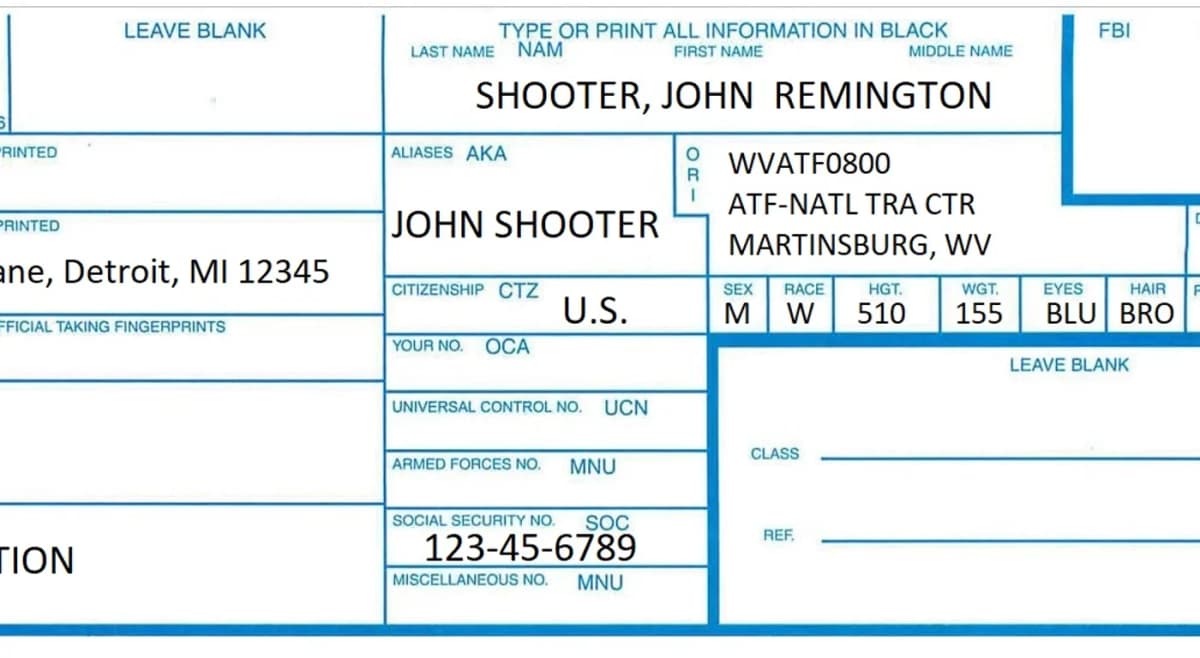
ATF filed a Notice of Proposed Rulemaking on July 2, 2026 that would cut the fingerprint and photograph burden on Form 1, 4, and 5 applications. Individuals would drop from two FD-258 cards to one and could submit a scan of a government-issued ID instead of the passport-style photo. NFA responsible persons on trusts and legal entities would be exempt from fingerprints unless the FBI specifically requests them. The rule publishes to the Federal Register on July 6, 2026; comments close October 5, 2026.
Key Takeaways
- →One fingerprint card, not two. Individual makers and transferees on Forms 1, 4, and 5 would submit a single FD-258, matching what Form 7 GCA license applicants already file.
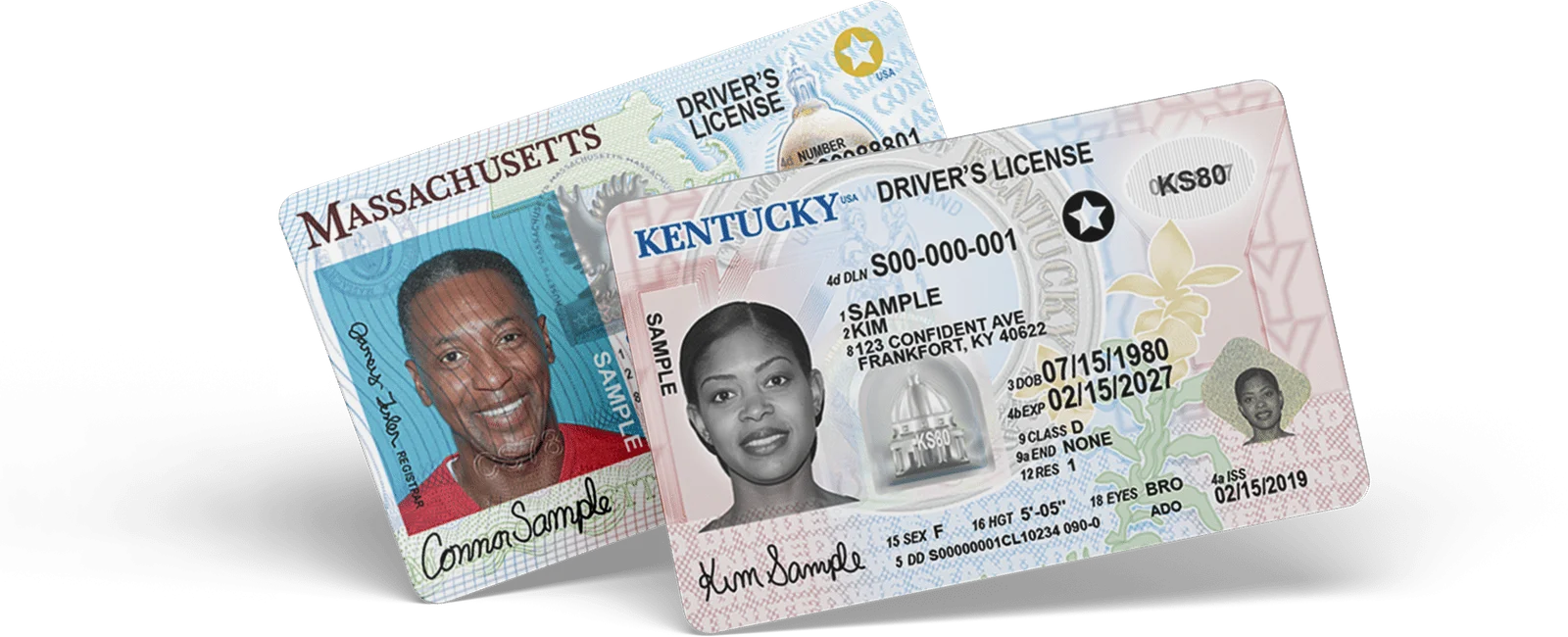
- →Photo ID becomes an option. A scan or photo of an unexpired government-issued ID (driver license, state ID, passport) could be submitted instead of the 2-inch-by-2-inch passport-style photograph on Forms 1, 4, 5, and 23.
- →Trust responsible persons exempt. NFA trust and legal-entity RPs would not submit fingerprint cards at all unless ATF needs one to complete the FBI background check, which the preamble notes runs at roughly one percent of NICS checks.
- →Codifies electronic fingerprints. The rule writes into 27 CFR parts 478 and 479 that ATF accepts EFT (electronic fingerprint transmission) submissions, ending ambiguity that pushed some applicants back to paper FD-258 cards.
- →Not final yet. RIN 1140-AA63; Docket ATF-2026-0397. Federal Register publication is July 6, 2026, comments close October 5, 2026. Current fingerprint and photo requirements remain enforceable until ATF publishes a final rule.
Why ATF Is Cutting the Paper Now
The fingerprint and passport-photo requirement was originally a 1930s-era identity verification tool. When the National Firearms Act took shape, a two-card FD-258 submission plus a recent passport photo was the practical way to get an applicant into FBI files for a background check. Nearly a century later NICS runs almost every check from a name-based database query, and the FBI only reaches back for a fingerprint image on roughly one percent of NFA applicants according to ATF's preamble. The identity artifacts an applicant hands ATF have drifted well behind what the FBI actually uses.
How much of that identity material ATF should be holding at all became a live question in August 2026, when the agency confirmed a cybersecurity incident that senior Justice Department officials designated a major incident. ATF says the compromised system was standalone and that eForms was not affected, but the rule cuts the number of fingerprint cards ATF holds and lets applicants hand over a photo-ID copy rather than a fresh passport-style photograph. Every identity artifact the agency stops collecting is one that cannot leak later, which is the same argument running through the broader fight over ATF record retention.
The larger context is the post-OBBBA acquisition pipeline. The One Big Beautiful Bill Act, signed July 2025 and effective January 1, 2026, zeroed the federal making and transfer tax on suppressors, SBRs, SBSs, and AOWs while leaving the $200 stamp on machine guns and destructive devices. That change combined with an eForm pipeline running Form 4 approvals in days moved the practical bottleneck off the tax and off the wait, and onto the paper. Every Form 4 that clears in a week still requires the buyer to sit for a fingerprint session and mail a passport photo they may not otherwise own. If the fingerprint and photo proposal finalizes, first-time suppressor buyers essentially file digital paperwork end to end.
This NPRM is separate from the six deregulatory rules ATF dropped in May 2026. Those covered Form 20 interstate travel, CLEO notification, joint spousal registration, safe transport under 18 U.S.C. 926A, machine gun transfers between qualified licensees, and Special Occupational Tax per business activity. For the full breakdown of that package see our coverage of the six May 2026 NPRMs. The fingerprint-and-photo rule is the seventh piece of the same deregulatory posture and touches every NFA transaction rather than the categories the May tranche cleaned up.
Individual Applicants: One Card and an ID Photo
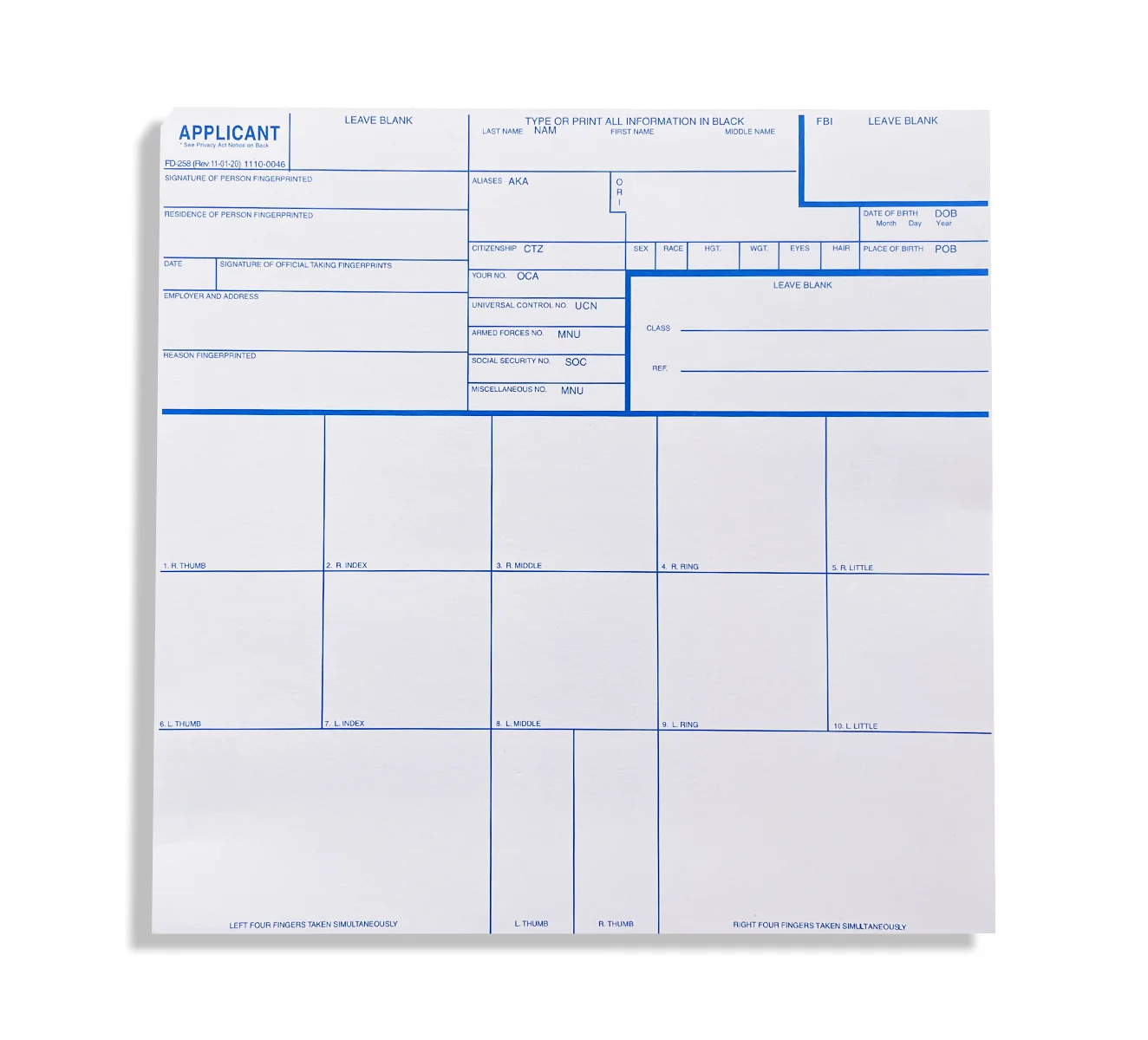
Under current 27 CFR 478 and 479, an individual filing Form 1 (make), Form 4 (transfer), or Form 5 (tax-exempt transfer) submits two properly completed FD-258 fingerprint cards and one 2-inch-by-2-inch passport-style photograph taken within the previous year. The rule cuts that to one FD-258 card plus a photo or scan of an unexpired government-issued identification document.
The single-card standard matches Form 7 GCA license applications, which have long required only one card. ATF frames the two-card requirement in the preamble as a legacy artifact rather than a background-check need: one card goes to FBI for matching against criminal history files, the second historically stayed on file with ATF for audit purposes that the digital application flow has already displaced. The codified acceptance of EFT (electronic fingerprint transmission) submissions is written into the same section so eForm filers can transmit prints digitally without the ambiguity that has pushed some applicants back to paper cards.
The government-ID photo substitution matters most for first-time buyers. A passport photo is a $10 to $15 trip to a drug store or a UPS Store for a specific 2-inch-by-2-inch print, and the current rule requires it be taken within the last year. Substituting a scan of a driver license or passport card removes both the cost and the freshness gate for every filing. ATF retains authority in the proposed text to request a current photograph in the specific circumstances where identity verification is at issue, but that is the exception, not the default step.
NFA Trusts and Legal Entities: Fingerprints Effectively Gone
For NFA trusts and legal entities, the proposal is closer to a full exemption than a reduction. Under the 2016 Final Rule 41F, every responsible person on a trust or entity Form 1, 4, or 23 submits two fingerprint cards, a passport photo, and mails a copy of the application to the local CLEO. The July 2026 NPRM would exempt those NFA responsible persons from fingerprint submission entirely unless ATF specifically needs a card to complete the FBI background check.
The mechanical reason is preemption. Federal statute limits how ATF can require fingerprints for NFA responsible persons who are not GCA licensees, and the FBI already runs a name-based NICS check that only rarely calls for a fingerprint image. The preamble puts that figure at roughly one percent of applicant checks. Under the proposed language, ATF would request a single fingerprint card only when the FBI flags a specific applicant for a fingerprint-based comparison. Every other trust or entity RP files an ID photo and moves on.
The practical effect on gun trusts is large. Multi-RP trusts currently multiply the fingerprint burden by the number of responsible persons; a family trust with three RPs today ships six fingerprint cards and three passport photos per Form 1 or Form 4. Under the proposal, that same trust ships zero fingerprint cards on the front end and three ID photos, with a one-card follow-up only if FBI needs it for a specific person. If you are still deciding between individual and trust filings, the fingerprint calculus is the biggest single reason the rule matters. Our how-to-buy-a-suppressor guide walks the choice between individual and trust filings under current rules, and the suppressor buying guide covers the acquisition path end to end.
Suppressors Ready for the Cleaner Form 4
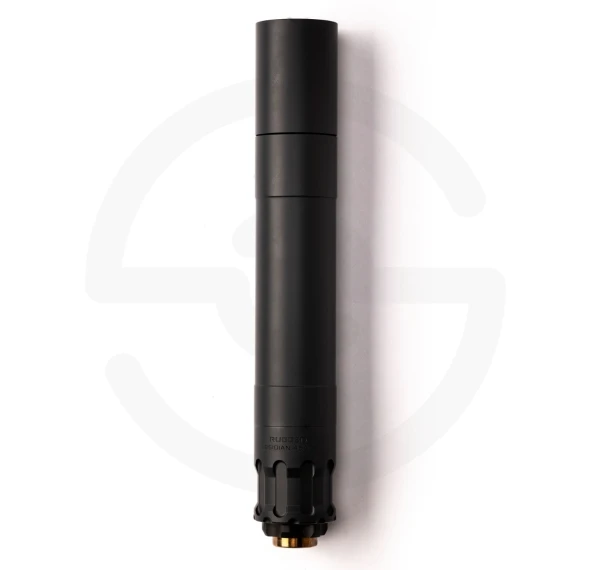
Rugged Obsidian 45
- .45 cal rated
- Modular length
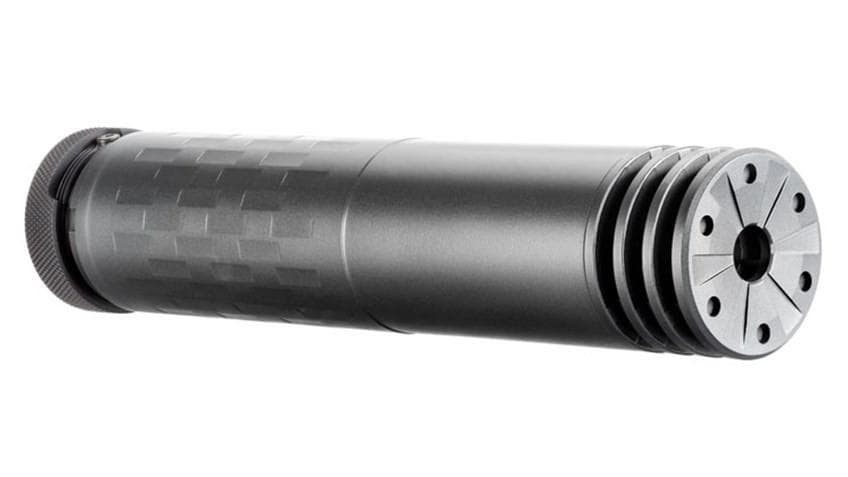
SilencerCo Omega 300
- .30 cal rated
- Direct thread + QD
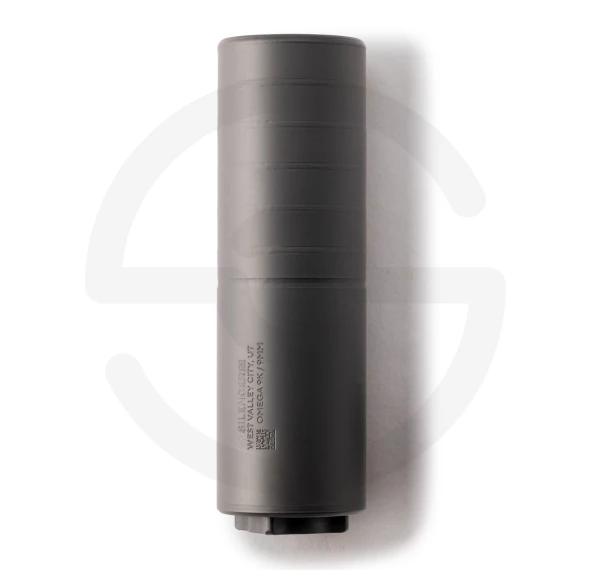
SilencerCo Omega 9K
- 9mm + .300 BLK rated
- 4.54 inches
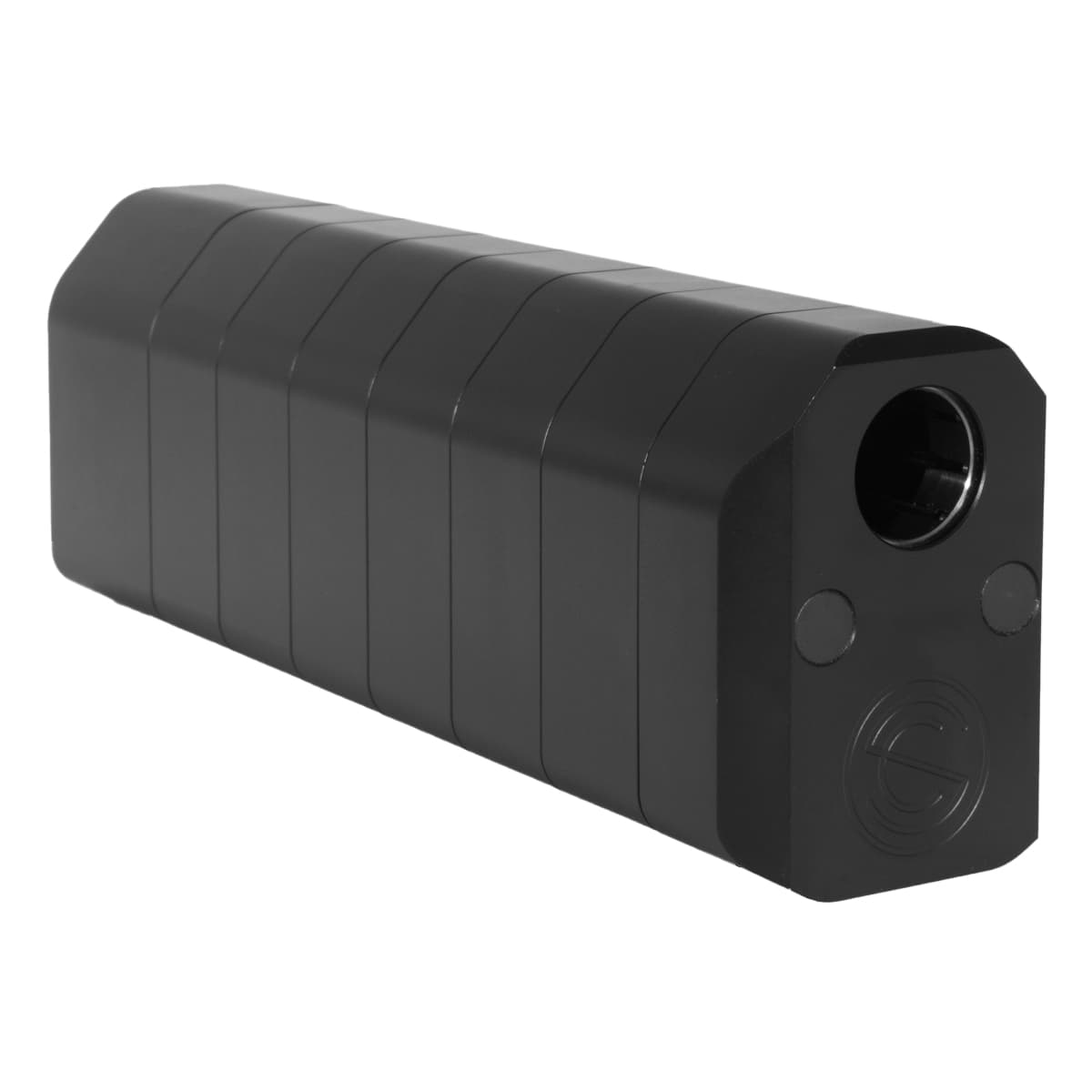
SilencerCo Salvo 12
- 12 gauge, 2.75 and 3 inch shells
- Modular 6 / 8 / 10 / 12 inch lengths
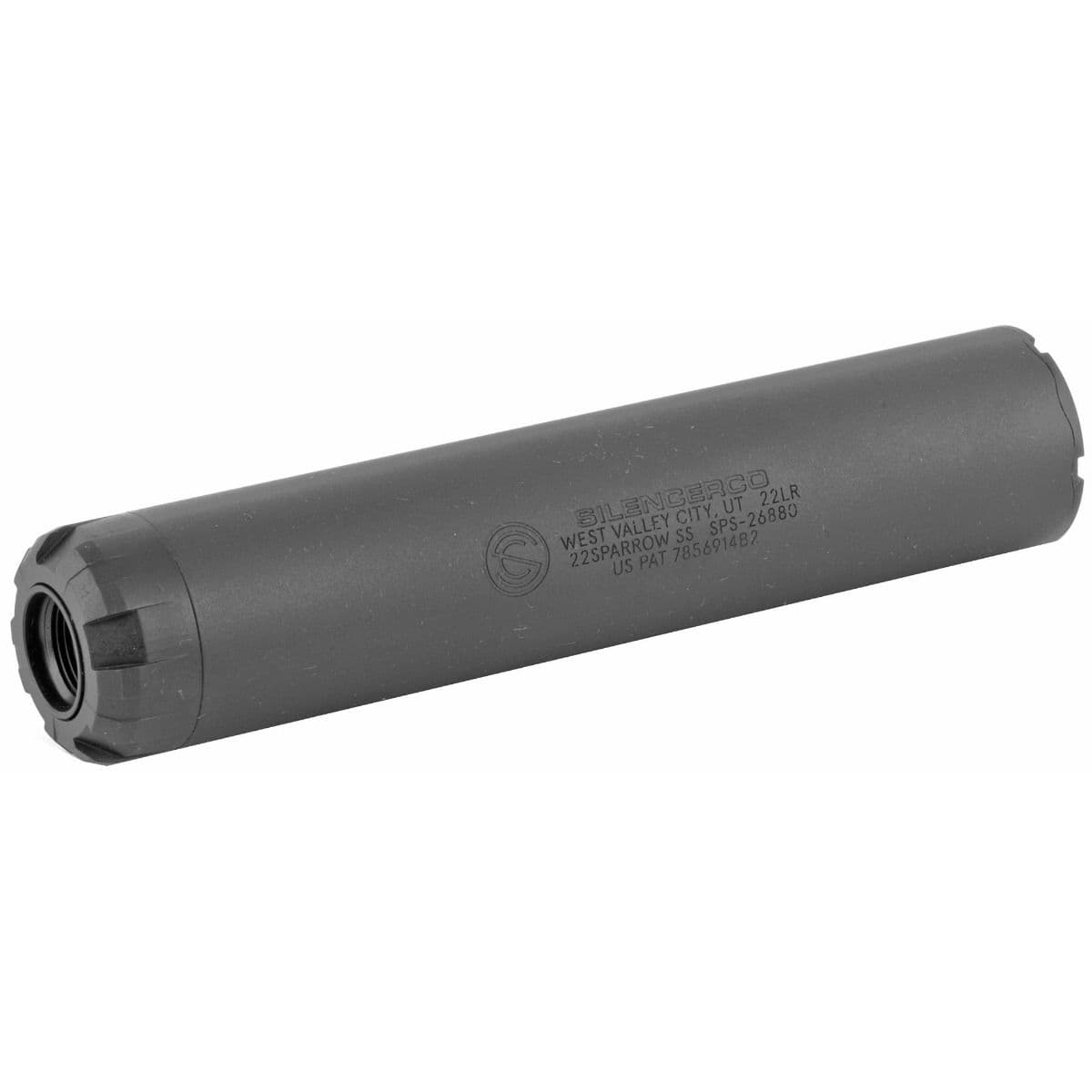
SilencerCo Sparrow 22
- 6.5 oz, 5.08 in length
- 17-4 / 316 stainless monocore
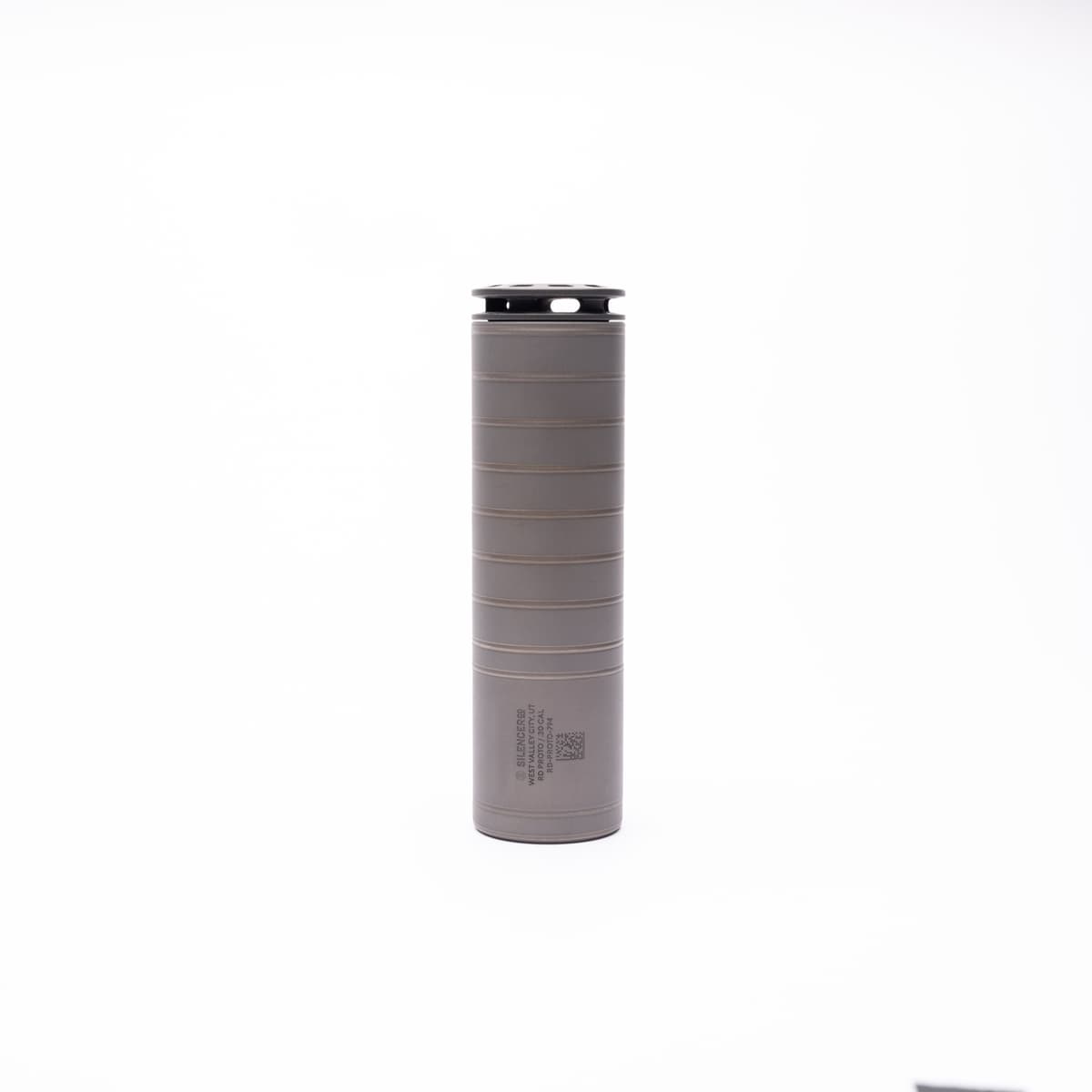
SilencerCo Scythe Ti
- .223 Rem and 5.56 NATO through .300 RUM
- 6.16 in
Affiliate links (?)
What the Rule Does Not Change
The NPRM is procedural, not substantive. Every gate that keeps prohibited persons out of the NFA registry stays in place. NICS still runs on every applicant and every responsible person. ATF still assesses whether possession is lawful in the applicant's state and locality. Form 4 approvals still require a licensed dealer transfer, and Form 1 approvals still require the applicant to hold registration before making the firearm. Nothing in the proposal touches 18 U.S.C. 922 or the underlying Gun Control Act framework.
CLEO notification is a separate rule. That step is subject to its own May 2026 NPRM (RIN 1140-AA65) that would delete paragraph (c) of 27 CFR 479.62 and 479.84. Until that rule becomes final, applicants still mail a complete copy of Form 1, 4, or 23 to the local chief law enforcement officer regardless of what the fingerprint-and-photo rule does. Form 20 travel authorization is likewise unchanged by this rule; interstate NFA travel still requires Form 5320.20 approval until the parallel May 2026 rule finalizes.
The $200 tax on machine guns and destructive devices is untouched. OBBBA zeroed the making and transfer tax on suppressors, SBRs, SBSs, and AOWs, and this rule does not revisit tax policy. State-level bans and possession rules also remain independent of the federal fingerprint requirement; a suppressor filing that clears ATF still cannot land in a possession-banned state.
Citation Details
| Field | Value |
|---|---|
| RIN | 1140-AA63 |
| Docket No. | ATF-2026-0397; ATF 2025R-14P |
| Rule Title | Fingerprint and Photograph Requirements for Firearms Applications |
| CFR Sections | 27 CFR parts 478 and 479 |
| Forms Affected | ATF Forms 1, 4, 5, 7, 23, and 5630.7 |
| Filed | July 2, 2026 |
| Federal Register | Publication July 6, 2026 |
| Comments Close | October 5, 2026 |
| Status | Notice of Proposed Rulemaking (not final) |
Track the Final Rule
We will send a single email when RIN 1140-AA63 converts to a final rule, plus coverage of any modifications ATF makes in response to comments. No speculation, just published-rule notifications.
Frequently Asked Questions
▶Is the ATF fingerprint and photo change in effect now?
▶Do NFA trust applicants still need to submit fingerprints under the proposal?
▶Can I submit a photo ID instead of the 2x2 passport-style photograph?
▶How does this rule relate to OBBBA and the $0 NFA tax?
▶Does the rule change background checks or NICS?
▶How do I submit a comment on RIN 1140-AA63?
▶Does the proposal apply to FFL, importer, or SOT applications?
Bottom Line
RIN 1140-AA63 is the paperwork half of the post-OBBBA suppressor picture. OBBBA and the eForm pipeline turned the first two friction points (tax and wait time) into non-issues for individuals; this rule attacks the third one, the paper artifacts an applicant sits down to produce. If it finalizes as written, an individual Form 4 for a suppressor becomes a digital submission with a single fingerprint card and an ID scan, and a multi-RP trust submits zero fingerprint cards by default. The rule does not change who can buy an NFA firearm or how ATF vets applicants; it changes what an applicant hands over during vetting.
The constitutional pressure on the same regime is climbing. The Fifth Circuit held in June 2026 that suppressors are “Arms” protected by the Second Amendment; see our coverage of the Fifth Circuit suppressors-as-arms ruling for the doctrinal frame and the circuit split teeing the question up for the Supreme Court. Between OBBBA on the tax side, this rule and the May 2026 tranche on the procedural side, and Comeaux on the doctrinal side, the acquisition path for suppressors and SBRs has changed more in twelve months than in the prior forty years.
Not every 2026 change to the NFA pipeline cuts paperwork. On the making side, ATF's eForm 1 now asks applicants to upload photographs of the parts they intend to use to build a suppressor; see our coverage of the Form 1 parts-photo request for why the combination-of-parts definition makes that prompt harder to answer than it looks.
Nothing in this NPRM is in effect today. Two FD-258 cards and a passport photo are still required for every Form 1, 4, and 5 submission, and every responsible person on a trust or entity still submits the full packet. If the rule affects your buying plans, submit a comment on the docket before October 5, 2026. If you are still picking a host for the cleaner pipeline, the best 5.56 suppressors of 2026 guide walks current options, the best SBRs of 2026 guide covers factory and Form 1 candidates, and the rifle builder lets you spec a suppressor-ready platform end to end. On the pistol side, the new Magnum Research DE50THR is the first factory suppressor-ready .50 AE Desert Eagle, if you want a bigger-bore host for the streamlined Form 4 pipeline.

Comment Mechanics and Deadline
Comments on RIN 1140-AA63 must be received or postmarked on or before October 5, 2026. File through regulations.gov by searching Docket No. ATF-2026-0397 or RIN 1140-AA63, or mail written comments to ATF Rulemaking Comments, Mail Stop 6N-518, Office of Regulatory Affairs, 99 New York Ave NE, Washington, DC 20226. Reference the docket and RIN in the subject line. Comments received after midnight Eastern on the deadline date are not accepted.
Comments that engage the specific regulatory text carry more weight than form letters. Areas ATF is likely to focus on when writing the final rule: what qualifies as an unexpired government-issued ID for the photo substitution, how the conditional single-card requirement for NFA RPs should be triggered and documented, whether the codified EFT language covers all current eForm pathways, and how the single-card standard interacts with FD-258 quality-control rejections. If you have first-hand experience with an FD-258 rejection or a current passport-photo rejection, the docket is where that experience becomes part of the administrative record.