ATN TICO 6 Launch: 6th-Gen Thermal Clip-On from $1,205
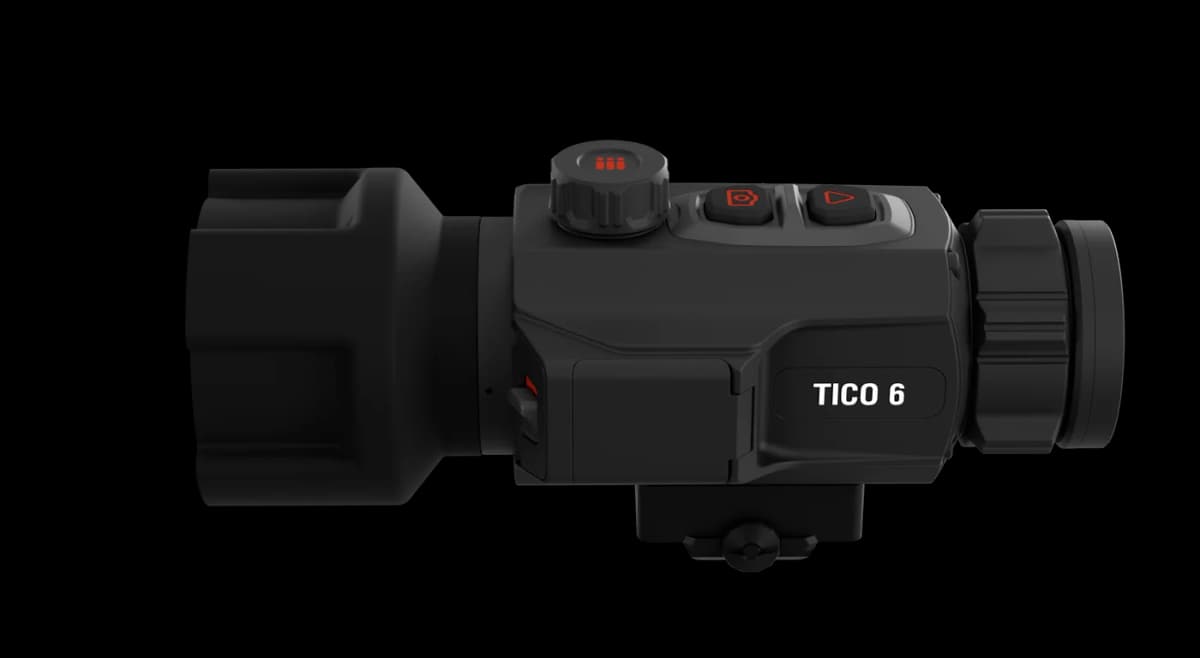
ATN drops the TICO 6 thermal clip-on with a new 6th-generation thermal core, onboard SharpIR AI image processing, 50 Hz refresh, 64 GB recording, and three sensor tiers starting at $1,205. Mounts in front of any day optic with no re-zero, turning your daytime LPVO or red dot into a night-capable rig.
Key Takeaways
- →Three SKUs: 256x192 at $1,205, 384x288 at $2,415, 640x512 at $4,285 MSRP. All share the 6th-generation core, SharpIR processor, and 50 Hz refresh.
- →NETD & pitch: 12-micron pixel pitch on every model. NETD rated ≤20 mK on the 256, ≤18 mK on the 384 and 640.
- →Display: 0.32-inch 800x600 OLED on the 256; upgraded 0.49-inch 1920x1080 OLED on the 384 and 640.
- →Runtime & storage: Up to 8 hours on a user-replaceable 18650 cell, 64 GB onboard for recording, and Wi-Fi streaming to ATN's app.
- →1x clip-on: Mounts in front of your day optic. No re-zero, no change to eye relief, your existing reticle stays in play. Weighs 1.24 lbs.
What the TICO 6 Actually Is
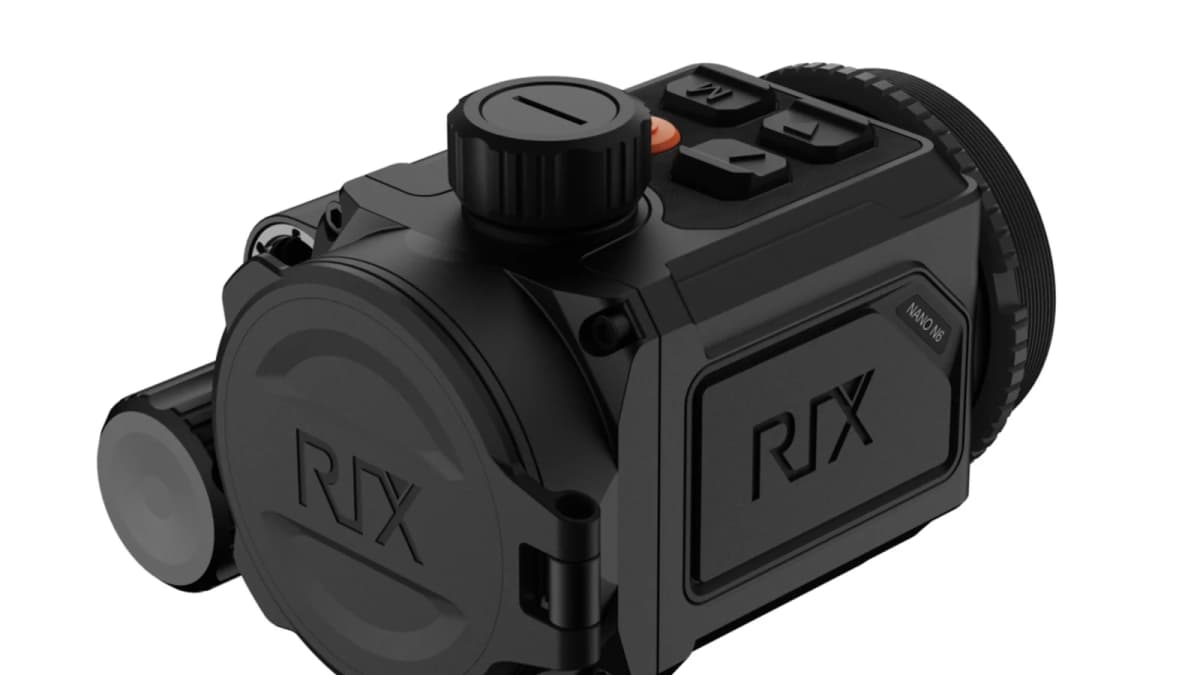
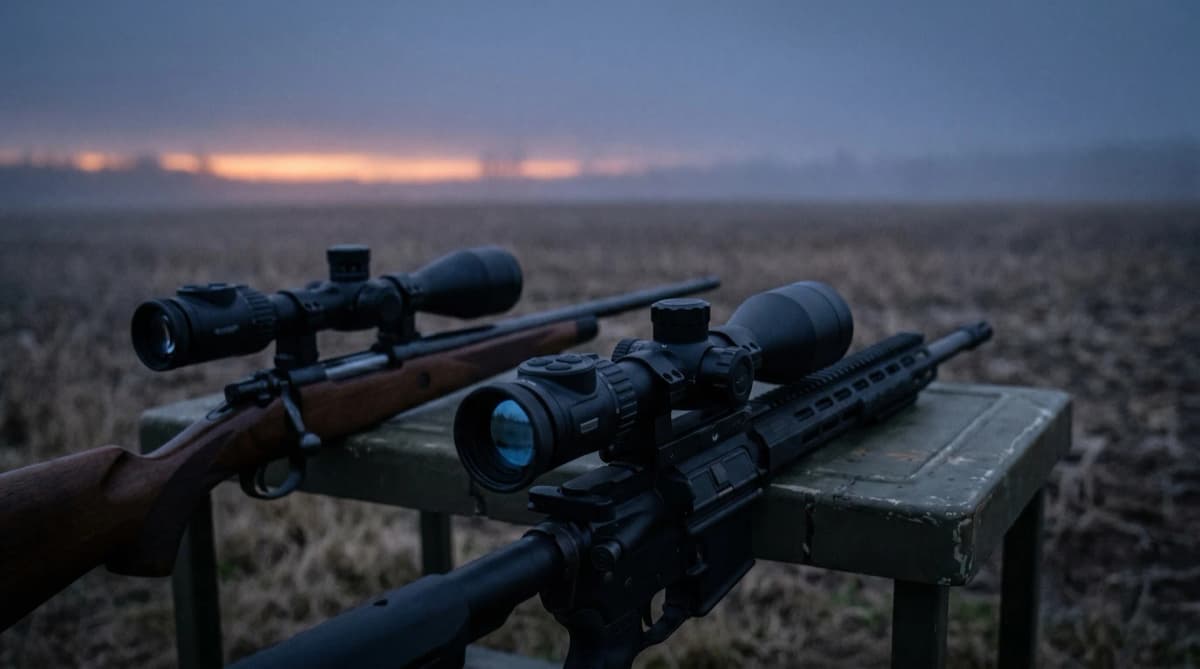
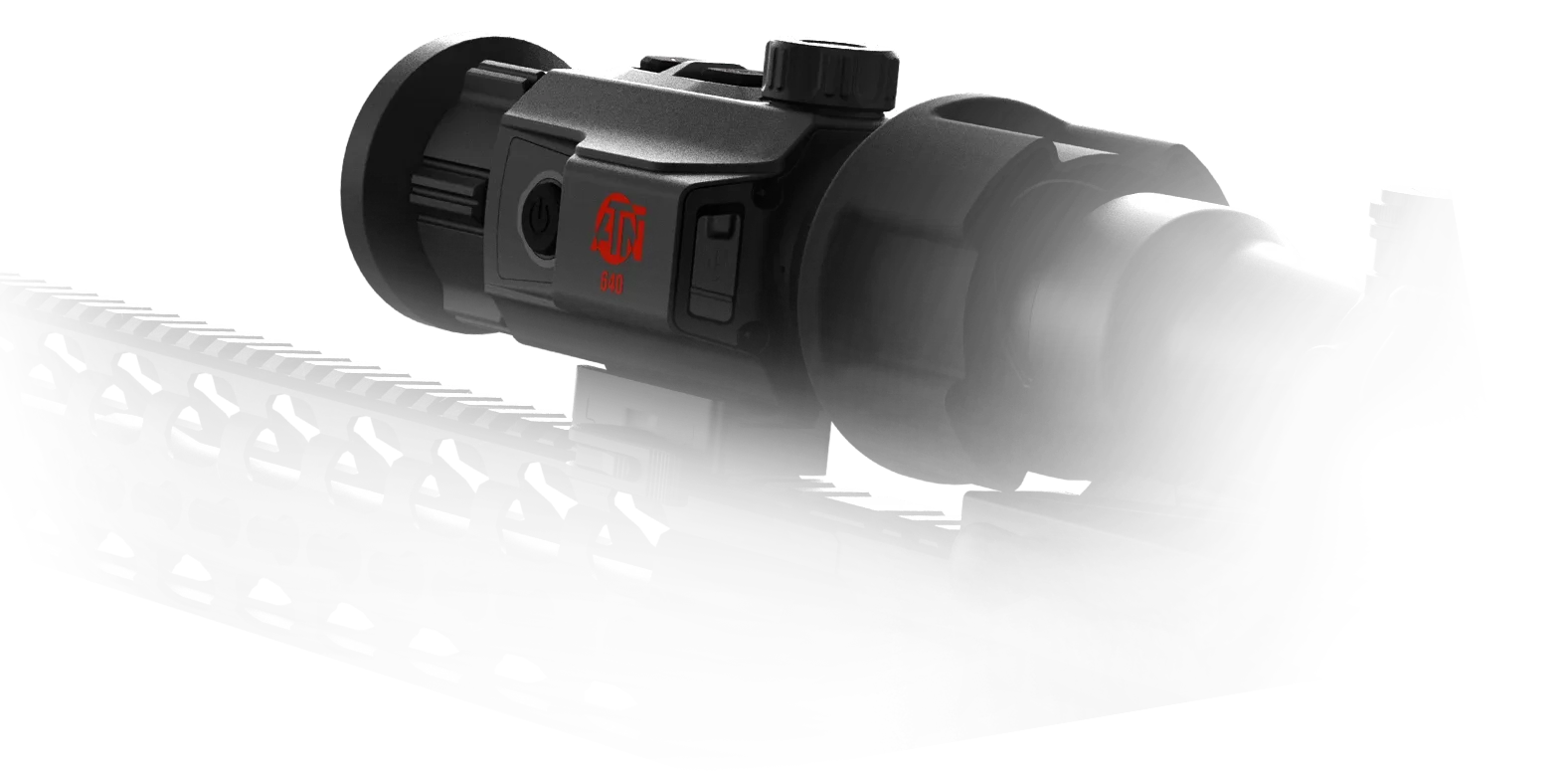
The ATN TICO 6 is a 1x thermal clip-on that mounts in front of the host day optic on the rifle's top rail. The thermal image is projected onto the front element of your day scope, and you continue to aim through your existing LPVO, prism, or red dot. The host scope's reticle, eye relief, and zero all stay in place; the only addition to the sight picture is the thermal overlay. That construction is why the TICO line has always sold well to hog and predator hunters who already own a daytime carbine and want night capability without building a dedicated thermal rifle from scratch.
The new piece on the TICO 6 is the 6th-generation thermal core. ATN has rebuilt the engine around a 12-micron pixel pitch across all three sensor sizes and paired it with an onboard image processor branded SharpIR. The 50 Hz refresh rate matches the standard for serious thermals at this price point, replacing the slower frame rates that defined budget clip-ons two product cycles ago. For shooters comparing clip-on architecture to dedicated thermal scopes, our AR-15 clip-on thermal mounting and zero guide covers rail rigidity, optical alignment, and the boresight workflow that applies to the TICO 6 the same way it does to the Pulsar Krypton and SIG Echo.
Picking Between the 256, 384, and 640
The three TICO 6 models split on sensor resolution and display hardware, not feature set. The $1,205 256x192 model is the first sub-$1,500 ATN clip-on with the 6th-gen core, and it uses a smaller 0.32-inch 800x600 OLED. The $2,415 384x288 and $4,285 640x512 models step up to a 0.49-inch 1920x1080 OLED and tighten the NETD rating from ≤20 mK to ≤18 mK, which translates to noticeably crisper edges on warm targets against warm backgrounds (think summer hogs in 80-degree night air, where thermal contrast collapses).
For predator and hog work inside 200 yards, the 256 is the real story here. The sensor and display do the job for the typical shot distances most hunters actually take, and the $1,205 price point puts a 6th-gen thermal clip-on inside reach of someone who could not justify a $3,000 Pulsar or SIG Echo. The 384 is the sweet-spot SKU for mixed predator and deer hunting out to about 300 yards. The 640 is the right call only when detection range past 400 yards is the primary requirement, which is a hog-from-a-treestand or ranch-management profile, not a typical hunter.
Compare Thermal Clip-Ons
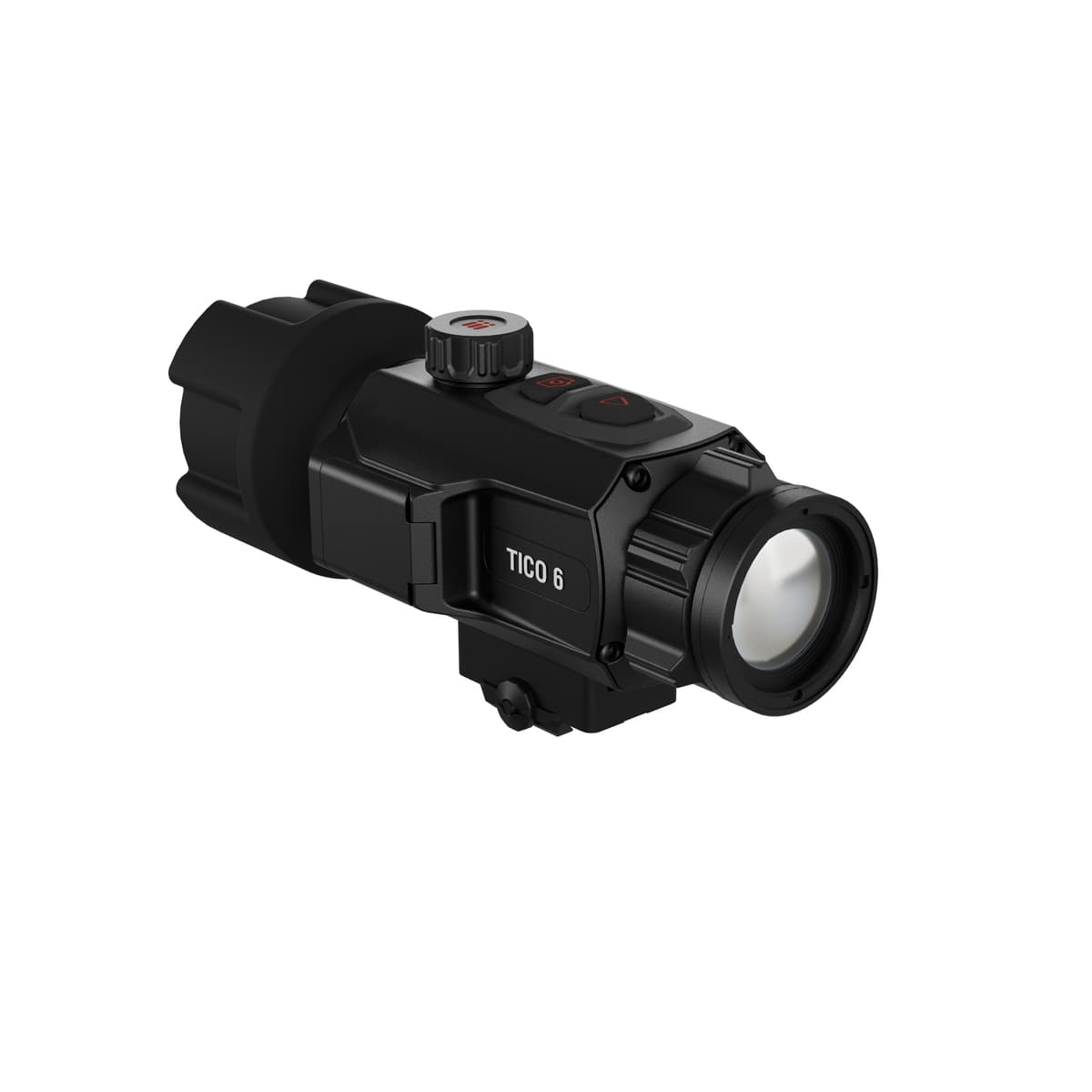
ATN TICO 6 256-192 Thermal Clip-On
- 256x192 sensor (12um, 50Hz, <=20mK)
- 1x clip-on, 1500m detection
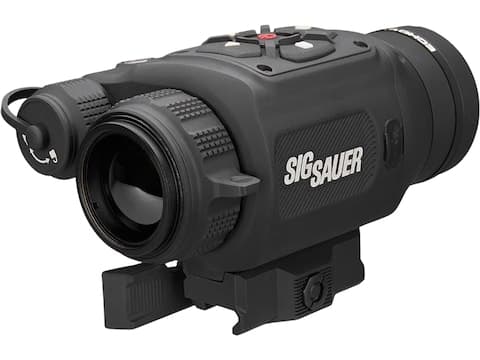
Sig Sauer Echo CV25 Clip-On Thermal
- 640x512 sensor (12um, 50Hz, 20mK)
- 25mm objective, 17 deg FOV
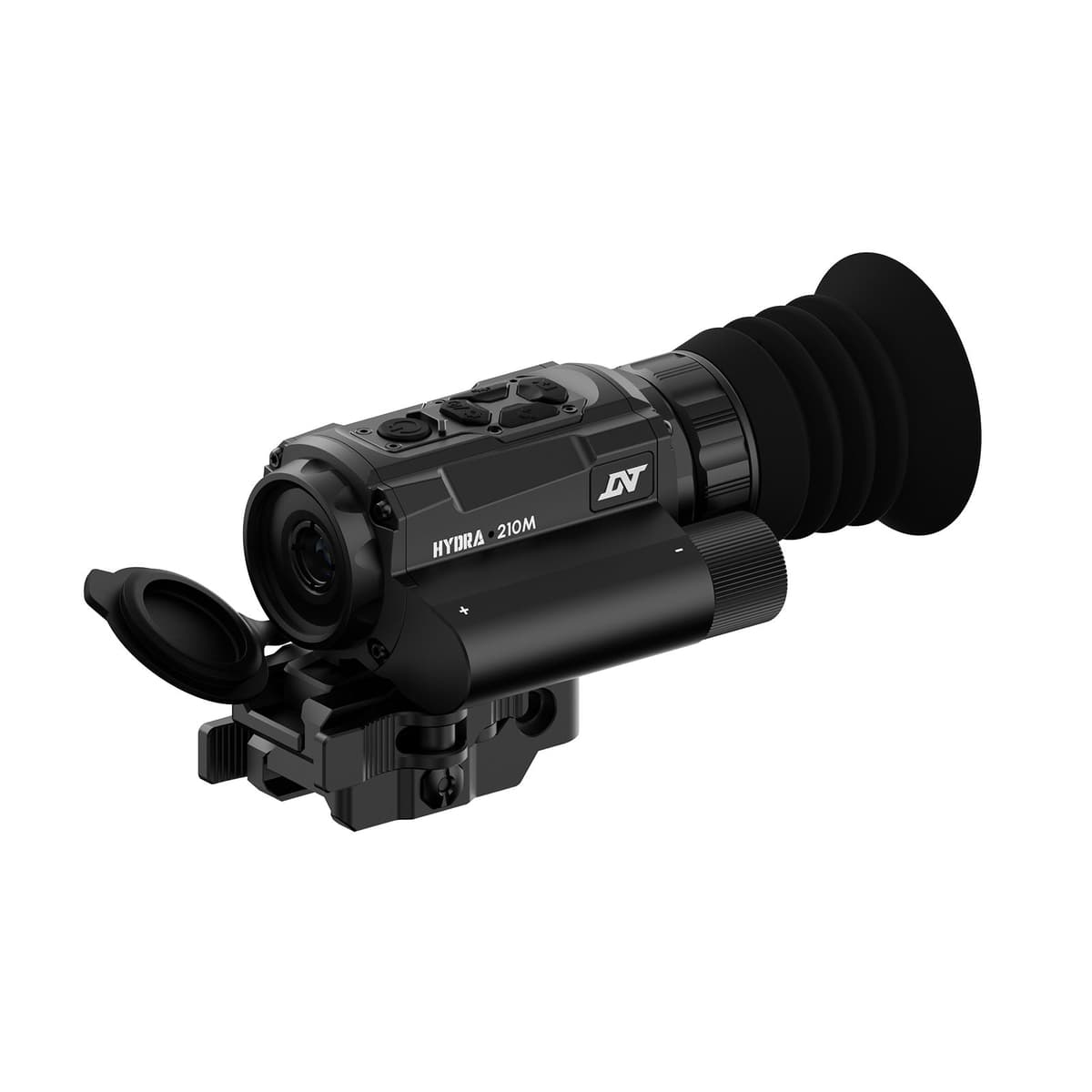
DNT Optics HYDRA-Mini HS210M
- 256x192 thermal sensor, 10 mm lens, <=18 mK NETD
- 1x base magnification, 30.7 x 23 yd field of view at 100 yd
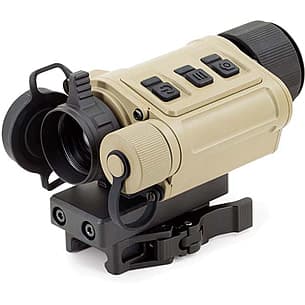
InfiRay Outdoor RH25 V2 (Rico Micro)
- 640x480 sensor (12um, 60Hz, ≤15mK)
- 25mm f/1.0 lens, 1375 yd detection
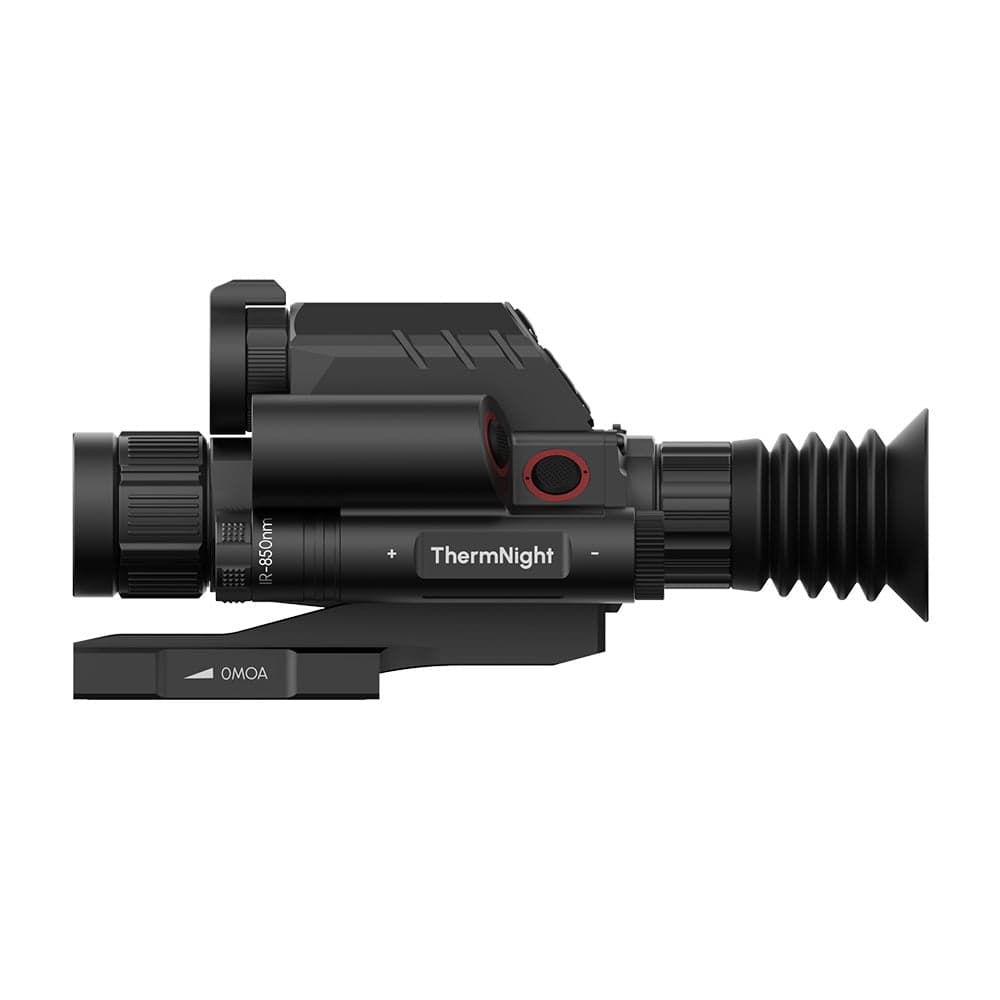
DNT Optics ThermNight TNC225R
- 256x192 thermal (12um) + 1920x1080 Sony Starvis2 day/night camera
- Thermal 3-12x, night vision 5-20x, 1,200-yard laser rangefinder
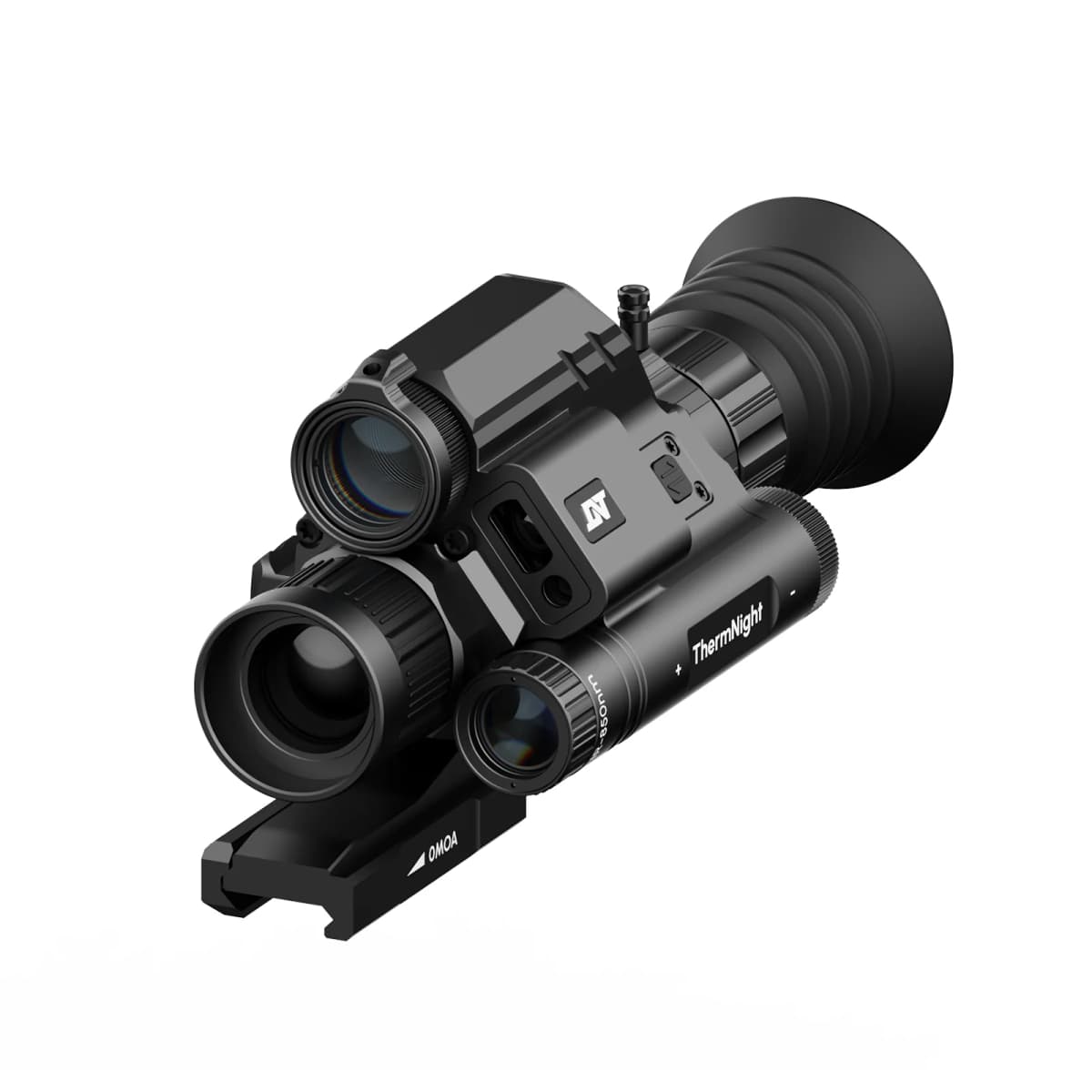
DNT Optics ThermNight TNC335R
- 384x288 thermal (12um) + 1920x1080 Sony Starvis2 day/night camera
- Thermal 2.5-10x, night vision 5-20x, 1200-yard laser rangefinder
Affiliate links (?)
ATN TICO 6 Specifications
- Sensor (256 model)256x192, 12-micron pitch, ≤20 mK NETD
- Sensor (384 model)384x288, 12-micron pitch, ≤18 mK NETD
- Sensor (640 model)640x512, 12-micron pitch, ≤18 mK NETD
- Refresh Rate50 Hz (all models)
- Display (256)0.32-inch OLED, 800x600
- Display (384 / 640)0.49-inch OLED, 1920x1080
- Magnification1x clip-on (host optic provides magnification)
- Image ProcessorSharpIR onboard AI
- Onboard Storage64 GB
- RecordingVideo + audio, Recoil Activated Video
- ConnectivityBuilt-in Wi-Fi streaming
- Battery18650 rechargeable, replaceable, up to 8 hrs
- Weight1.24 lbs
- MSRP (256)$1,205
- MSRP (384)$2,415
- MSRP (640)$4,285
How It Stacks Up Against the Krypton, Echo, and Rattler
The premium clip-on bracket is owned by three units. The Pulsar Krypton 2 FXG50 (640x480 12-micron, 50mm objective, roughly $4,500) has the longest detection range thanks to its larger objective lens, and it remains the right call for ranchers and outfitters working past 500 yards. The SIG Echo CV25 (640x480 12-micron, 25mm objective, about $3,000) is the lightest and longest-running of the category at 9 hours per battery. The AGM Rattler V3 TC35 ($4,200 range with the LRF model) bundles a built-in laser rangefinder.
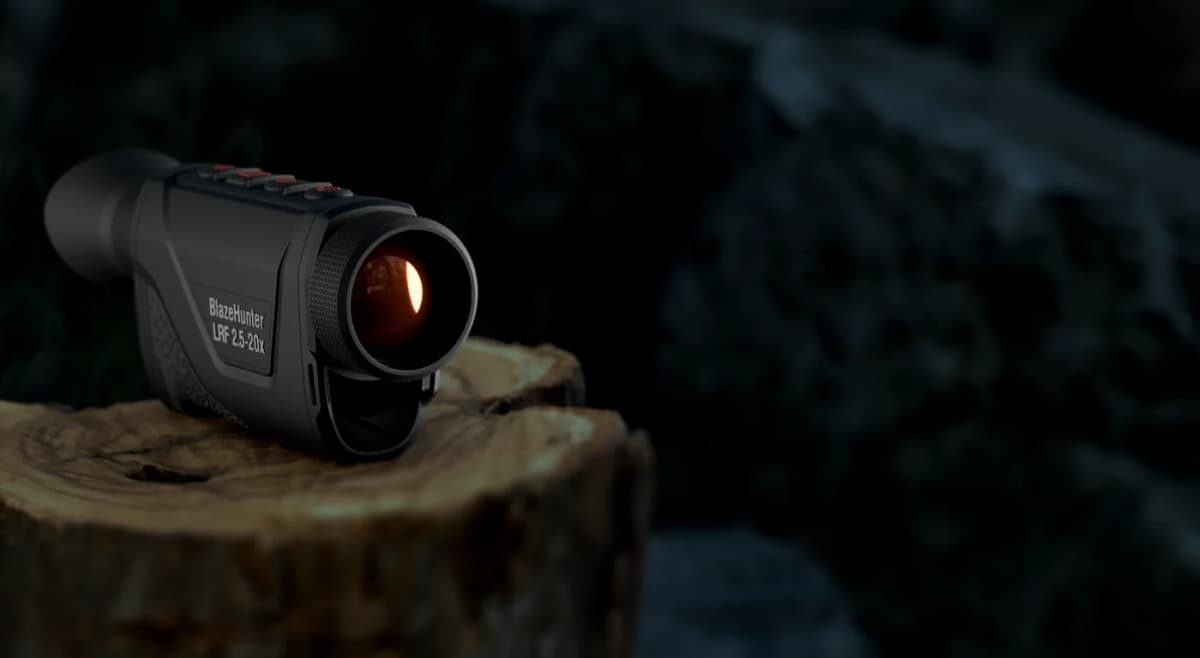
The TICO 6 640 at $4,285 lands inside the Krypton bracket on price and out-features it on display resolution (1920x1080 vs Krypton's 1024x768), onboard storage, and the SharpIR processor. The trade is detection range: Pulsar's 50mm objective still pulls in more thermal signal at long distance. For most hog and predator hunters inside 300 yards, the TICO 6 640 is the more feature-dense buy. The story is more interesting at the 256 tier, where the $1,205 price has no direct equivalent in the category; the next-cheapest current-gen clip-on is more than double that. For mounting workflow and zero confirmation that applies to any of these units, our Vortex Veil 400 thermal scope coverage walks through the same image-quality and detection-range tradeoffs from the dedicated thermal scope angle. For the handheld scanner that pairs with a clip-on on a night hunt, ATN's Blaze Series Gen 6 monoculars cover the detection half of the same setup from $569. Side by side spec comparison across the full thermal catalog lives in the thermal optics catalog.
Mounting It on Your AR
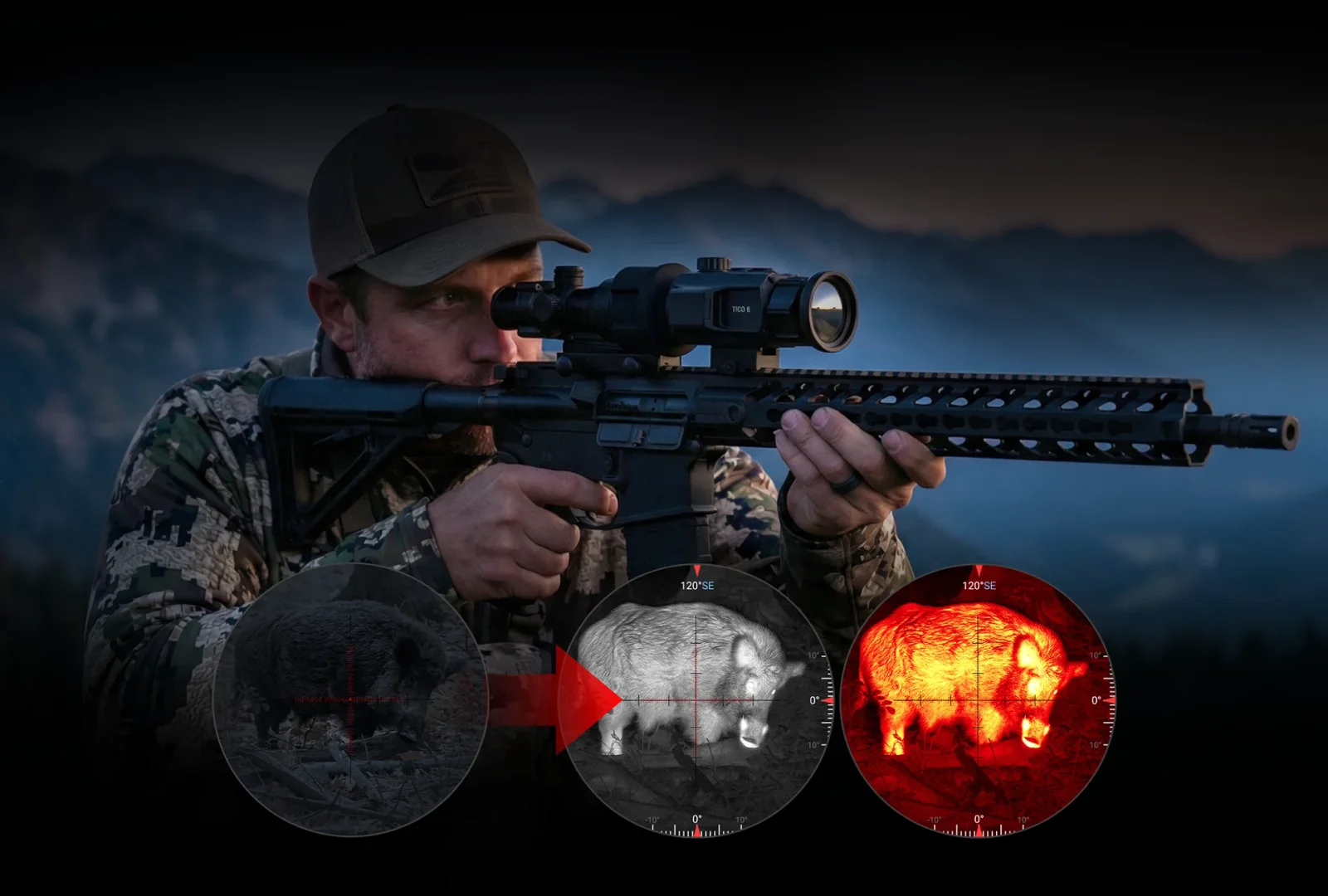
A clip-on lives on the top rail in front of the day optic, and the rail under it has to be one continuous Picatinny section. The TICO 6 is 1.24 lbs, which is light for the category but still a meaningful cantilevered load on a receiver-only mount. The fix is to keep the clip-on entirely on a free-float handguard with at least 6 to 8 inches of uninterrupted top rail and to avoid spanning the receiver-to-rail joint, which is the standard failure mode for clip-on point-of-impact shift. The 1x design means your existing day-scope zero carries over, but a 3-round confirmation group at 100 yards is mandatory after first install and after any time the clip-on is removed and re-mounted.
The TICO 6 pairs cleanly with most LPVOs and prism scopes you can mount on a quality 1.93-inch or 1.54-inch mount. For shooters building a dedicated suppressed predator or hog rig around the clip-on, start the configuration in our rifle builder to pick the host carbine, free-float handguard, day optic, and muzzle device that work together with a clip-on out front. A 14.5- to 16-inch barrel with a suppressor or linear comp keeps unburnt powder blast off the thermal sensor window, which is the second most common cause of degraded clip-on image quality after rail flex.
Stay Updated on Thermal Releases
Get notified when the TICO 6 hits OpticsPlanet and Optics Trade inventory and when street pricing settles below MSRP. We also cover hands-on reviews of clip-on thermals, dedicated thermal scopes, and the mounting hardware that makes them work.
Frequently Asked Questions
▶How much does the ATN TICO 6 cost?
▶Does the ATN TICO 6 require re-zeroing my day scope?
▶What is the difference between the 256, 384, and 640 TICO 6 models?
▶How long does the ATN TICO 6 run on a single battery?
▶What is SharpIR and Hot Point Tracking on the TICO 6?
▶How does the TICO 6 compare to the Pulsar Krypton 2 FXG50?
Bottom Line
The TICO 6 256 at $1,205 is the most aggressive price ATN has ever taken on a current-generation thermal clip-on, and the 6th-gen core, SharpIR processor, and 50 Hz refresh make the spec sheet competitive with units that cost twice as much in earlier product cycles. For the hunter who already owns a daytime carbine with an LPVO and wants night capability without rebuilding a second rifle, the 256 is the entry point that did not exist 18 months ago. The 384 is the right buy for mixed predator and deer work out to about 300 yards. The 640 is the long-range answer if you can justify the $4,285.
For the broader category context, the AR-15 clip-on thermal guide compares the Krypton, Echo, Rattler, and TICO lines against each other on detection range, runtime, and mounting workflow, and our thermal clip-on vs scope guide ranks the TICO 6 256 against dedicated coyote scopes by budget tier. To configure the host rifle that feeds a clip-on properly, the rifle builder walks through the barrel, handguard, optic, and muzzle device choices that make a thermal clip-on hold zero in the field.