Proof Research PXT Barrels: 2X Life via Exponential Twist
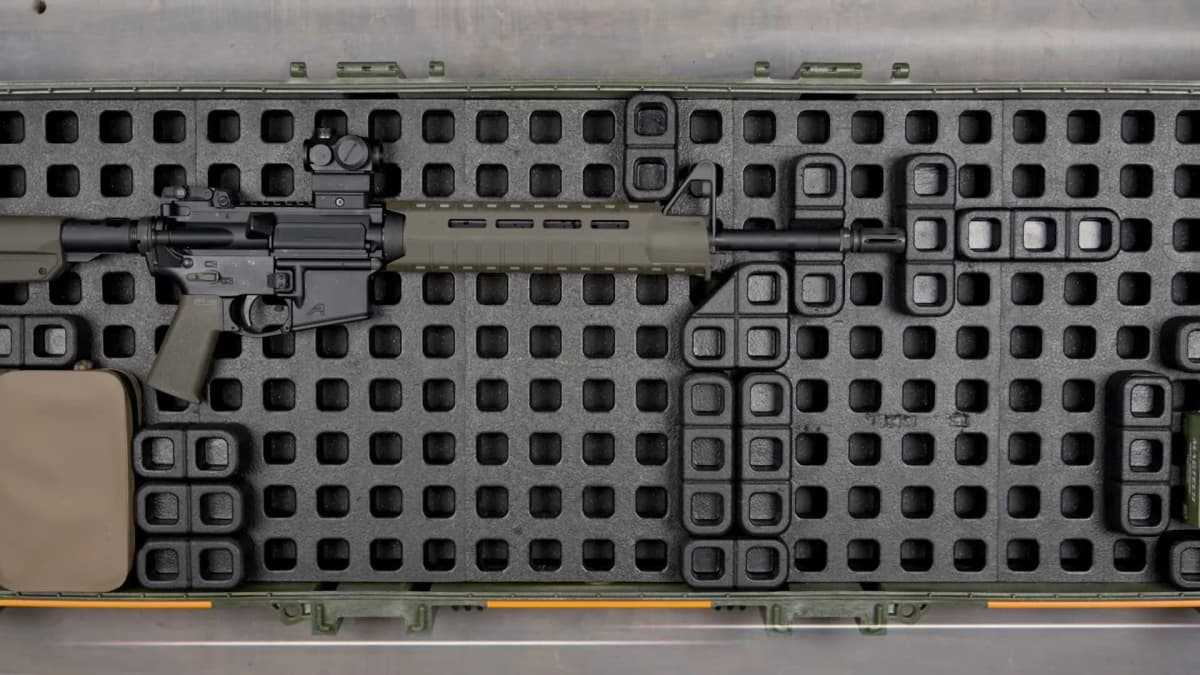
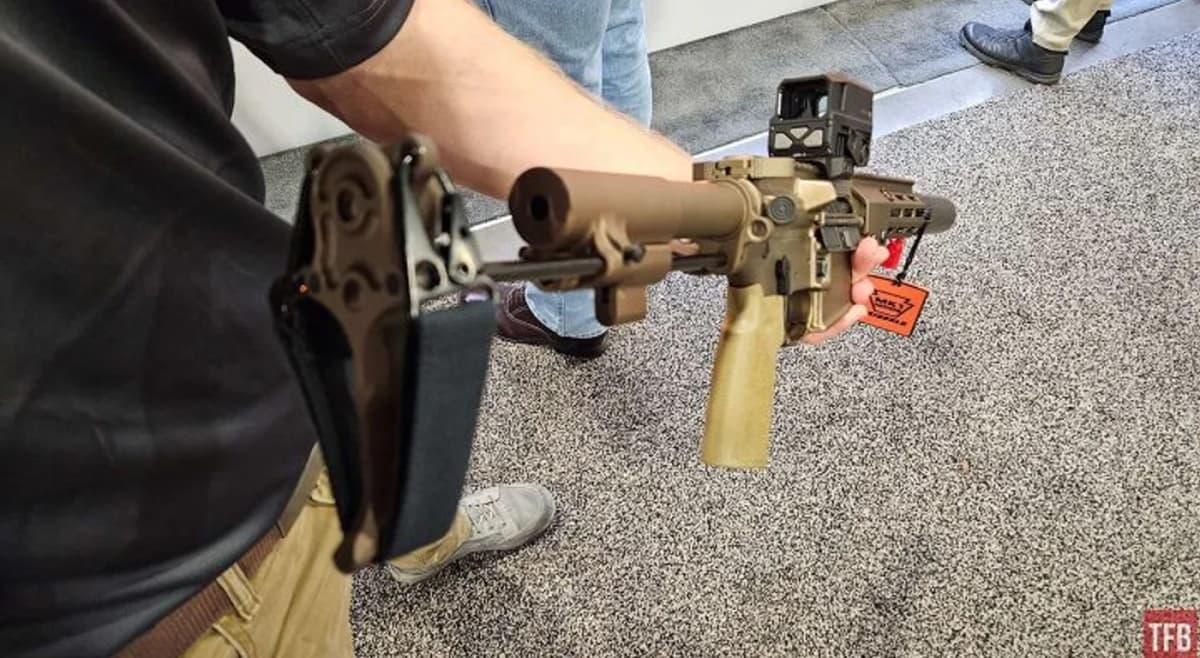
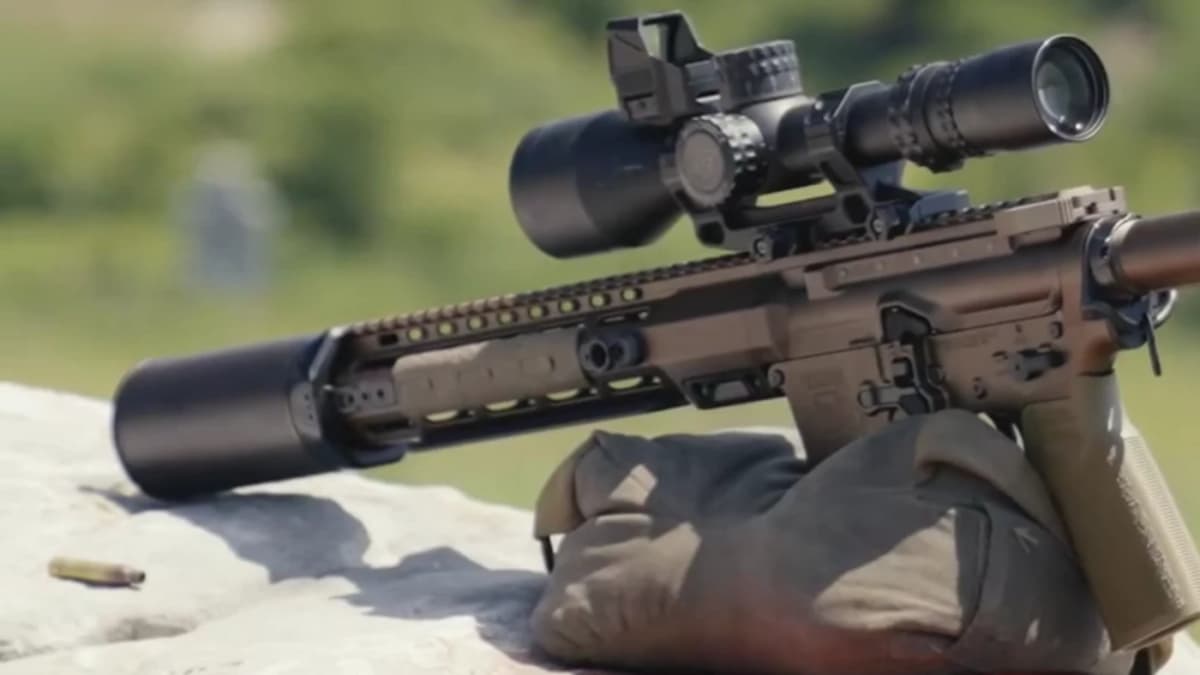
PROOF Research announced PXT (Proof Exponential Twist) on May 20, 2026: a progressive-twist, radius-rifled barrel system that claims 30-100% longer barrel life, 20-50% tighter groups, and a ~30% reduction in bullet engraving force. Available now in AR-15 carbon fiber and steel barrels, bolt-action blanks, pre-fit barrels, and factory Elevation FDX and Elevation MTR rifles.
Key Takeaways
- →Progressive Twist: Rifling starts at 1:250 to 1:500 at the breech and accelerates to the marked finish twist (such as 1:7.5) before the muzzle, cutting the initial engagement angle by 95-98%.
- →Barrel Life 30-100% Longer: The high end was demonstrated using 7mm Backcountry Peak Alloy cases at approximately 80,000 psi versus the conventional 62,000 psi ceiling.
- →AR-15 Lineup: Carbon fiber barrels at $1,349 in .223 Wylde, 6 ARC, and 6.5 Creedmoor; stainless steel at $899 in 6 ARC only. Lengths 11.5" to 24", 5/8-24 thread, .750" gas journal.
- →Bolt-Action Calibers: .22 Creedmoor, 6.5 Creedmoor, 6.5 PRC, 7mm PRC, 7mm Backcountry, and 300 PRC, available as blanks, pre-fit barrels, and factory in the Elevation FDX and Elevation MTR.
- →Military Roots: Technology was developed under medium-caliber cannon work starting in 2018, then adapted for small arms with Army Research Labs (CRADA) andUSSOCOM HICAR program involvement.
What PXT Actually Is
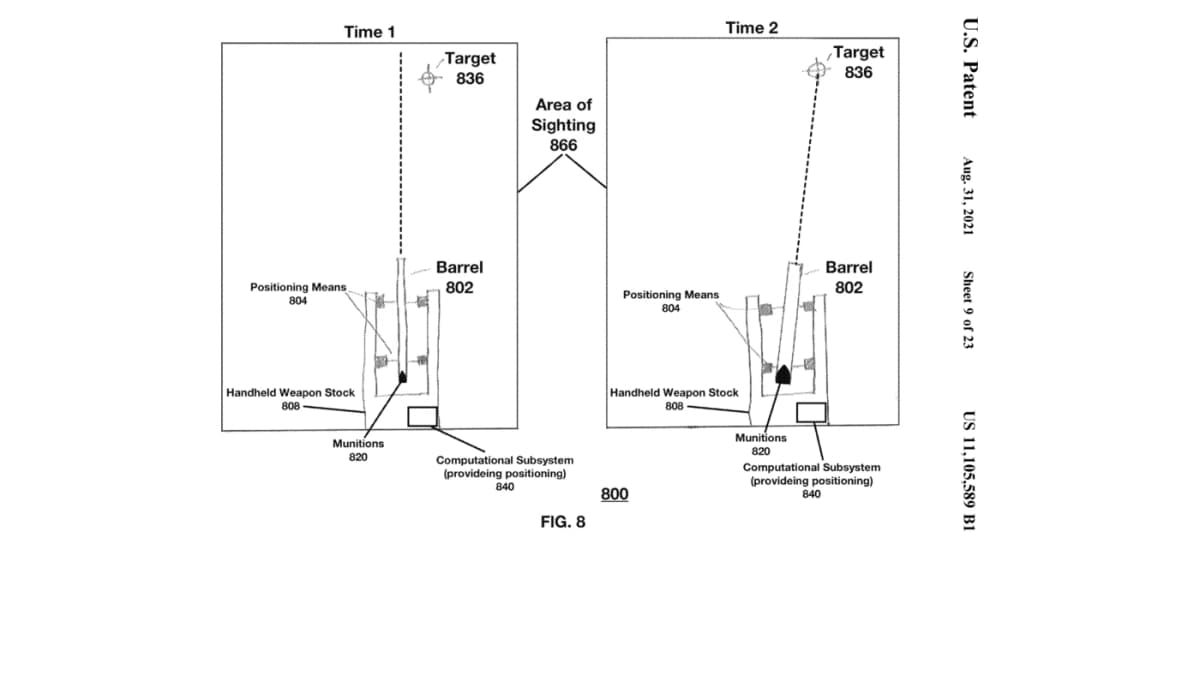
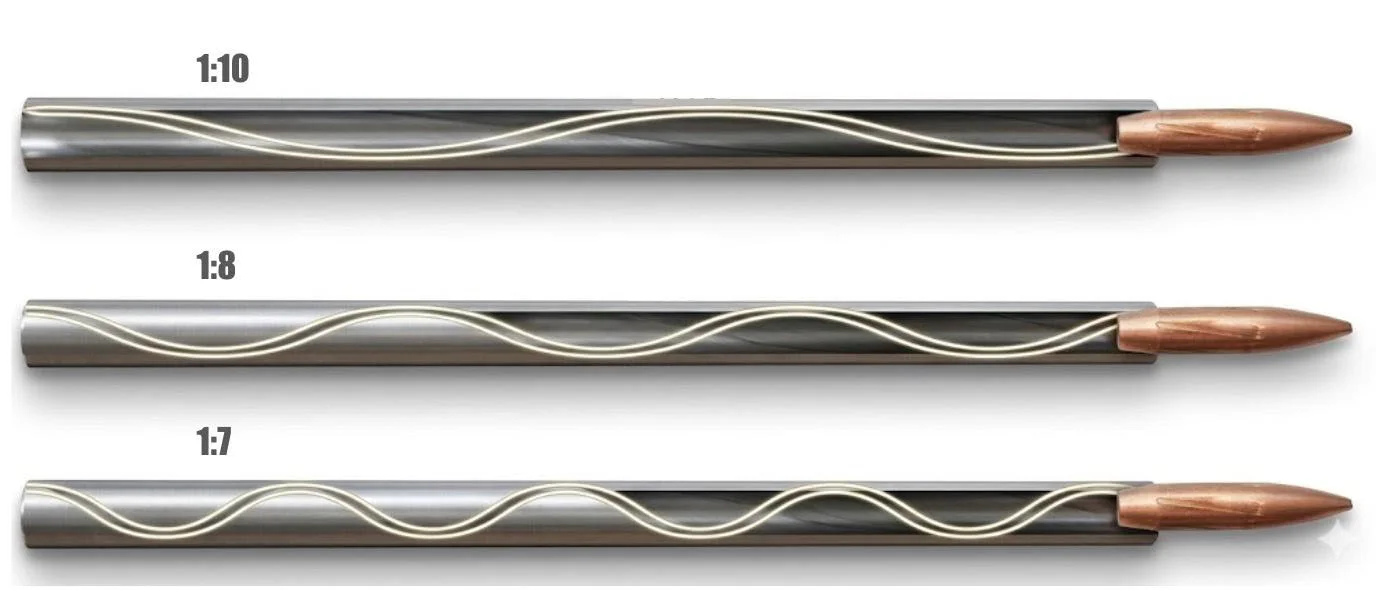
PXT (PROOF Exponential Twist) is a rifling system, not a barrel material. PROOF redesigned both the twist rate profile and the cross-section of the rifling itself. A conventional barrel has a constant twist rate (1:7, 1:8, 1:10) cut with sharp-edged lands that bite the bullet jacket the instant the projectile leaves the case; our twist rate stability calculator shows how those finish rates map to bullet stability. PXT does the opposite: it starts almost completely straight at the breech, with an initial twist rate measured between 1:250 and 1:500, then accelerates to the finish twist (the rate stamped on the barrel) by the time the bullet reaches the muzzle.
The lands themselves use a smooth radius profile rather than sharp corners. The combination drops the initial bullet engagement angle by 95-98% compared to a conventional barrel. In practical terms, that means the jacket is not slammed into spinning the moment it leaves the case mouth; it engages gradually, the pressure spike at the throat flattens, and the jacket shows less damage downrange. PROOF reports an approximately 30% reduction in engraving force, which is the physical work the powder charge has to do to make the bullet start rotating.
The Numbers PROOF Is Publishing
PROOF is putting three specific performance claims on the record. Barrel life improves 30-100%, depending on barrel length, caliber, and pressure. The headline 2X figure comes from 7mm Backcountry testing with Peak Alloy cases at approximately 80,000 psi, well above the standard SAAMI 62,000 psi ceiling that most cartridges live under. The throat is the part of a barrel that wears first, so reducing the heat and pressure spike at the throat is the lever that extends accuracy life. PROOF backs this up with Cooperative Research and Development Agreement testing with Army Research Labs and ongoing involvement in USSOCOM's Hypervelocity Improved Capability Assault Rifle (HICAR) program.
The second claim is 20-50% group size reduction across multiple ammunition types and lot variations. That is the spread, not the average: PROOF is saying a PXT barrel is less sensitive to which lot of factory match ammo you feed it. For a shooter who cannot stockpile a single lot of Hornady ELD-M or Federal Gold Medal Match, that is a useful property. The third claim is reduced felt torque on recoil, which makes more sense once you understand the engagement angle change: spinning the bullet over a longer engagement distance means less rotational impulse hits the rifle in any single moment.
These numbers are PROOF's own published figures, not independent test data from a third party. As an early review site like our AR-15 barrel rankings and competitive shooters get rounds on PXT barrels, the real-world numbers will firm up. But the underlying engineering, lower pressure spike at the throat plus smoother engagement, lines up with what we already know about why barrels die.
PXT AR-15 Barrels: Carbon Fiber vs. Steel
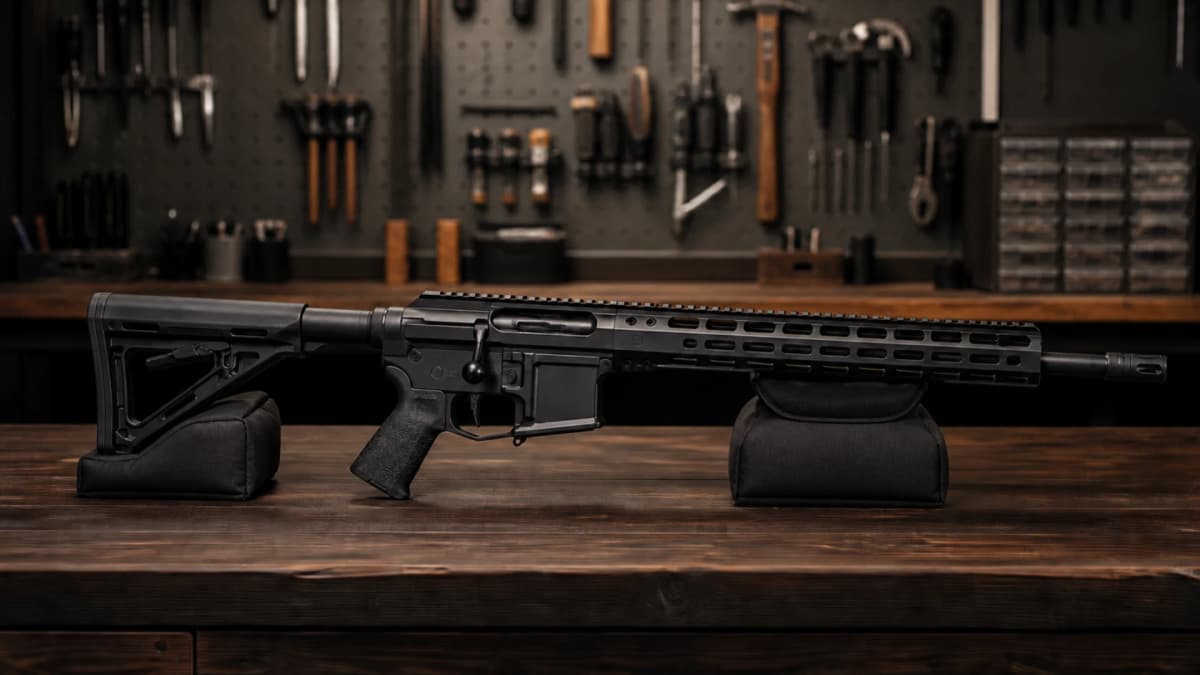
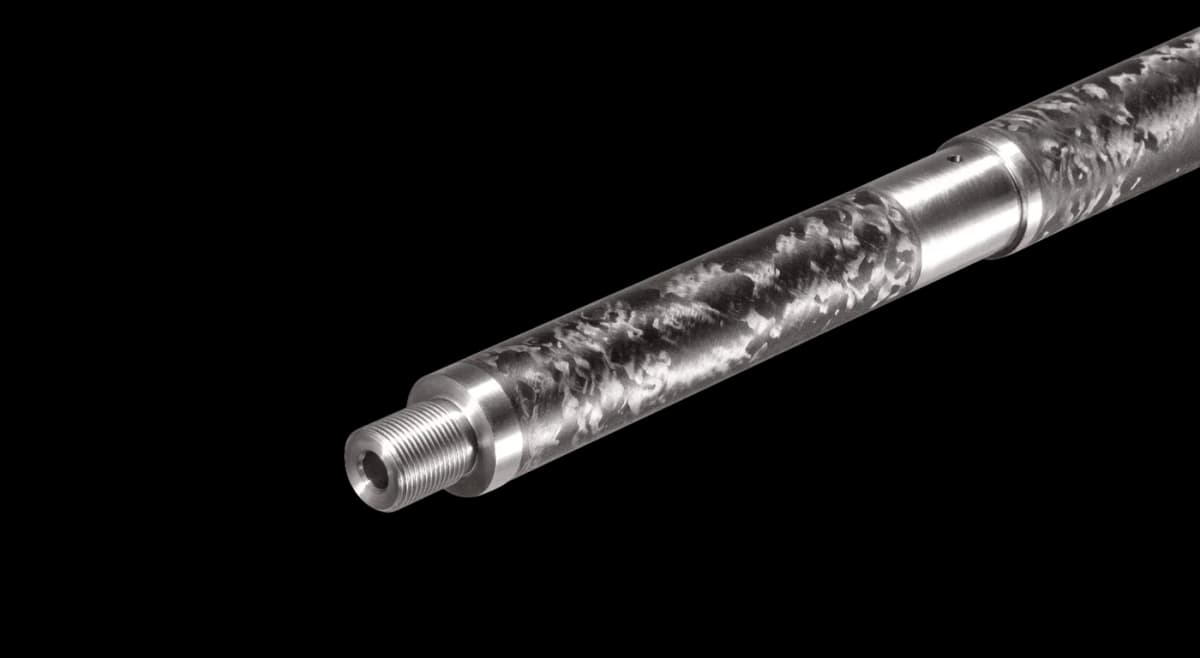
The AR-15 lineup splits into two tiers. The carbon fiber PXT barrels are $1,349 MSRP and chambered in .223 Wylde, 6 ARC, and 6.5 Creedmoor. Lengths run 11.5" through 24" with carbine, mid, intermediate, and rifle-length gas systems and twist options of 7, 7.5, and 8 PXT. Weight runs from 1 lb 5 oz (the 11.5" carbon) up to 3 lb 2 oz on the longest variants, which PROOF says is up to 64% lighter than a comparable steel profile. The aerospace-grade carbon fiber wrap over the steel liner is what PROOF has built its reputation on; PXT just changes how the steel core is rifled.
The stainless steel PXT AR option is $899 MSRP, 6 ARC only, 14.5" through 20", in 7.5 PXT twist. That is the price- accessible entry into the PXT lineup, and it makes sense as a 6 ARC build because 6 ARC's case capacity and pressure profile chew through throats faster than 5.56 does. If you are running a 6 ARC barrel hard in a precision AR or a competition gun, the extended throat life is the buying argument. For pure .223 Wylde duty or training guns, the carbon fiber tier wins on weight and the steel option does not exist yet.
All PXT AR barrels ship fully chambered with a 5/8-24 muzzle thread (standard for .224 caliber rifles using popular muzzle devices) and a .750" gas journal, except the longest Rifle +2 variants which step up to .875". They drop into a standard stripped upper. Pair the carbon fiber 11.5" or 14.5" with a quality AR-15 build in our builder and you have a 6 lb fighting carbine with a 30,000-round accuracy life on the upper end of the claim. For background on which barrel length matches your role, see the AR-15 barrel length guide and the 5.56 ammo selection guide for ammo pairing.
PXT Bolt-Action: Blanks, Pre-Fits, and Factory Rifles
The bolt-action side of the launch is where the high-pressure barrel life story matters most. At launch PROOF is offering PXT in .22 Creedmoor, 6.5 Creedmoor, 6.5 PRC, 7mm PRC, 7mm Backcountry, and 300 PRC. Three of those (6.5 PRC, 7mm PRC, 300 PRC) are the magnum cartridges that traditionally eat barrels in 1,500 to 2,500 rounds. 7mm Backcountry is the outlier, designed specifically around the higher pressure ceiling that brass case alloy now allows, and it is also the caliber PROOF used to demonstrate the 2X barrel life figure with Peak Alloy cases.
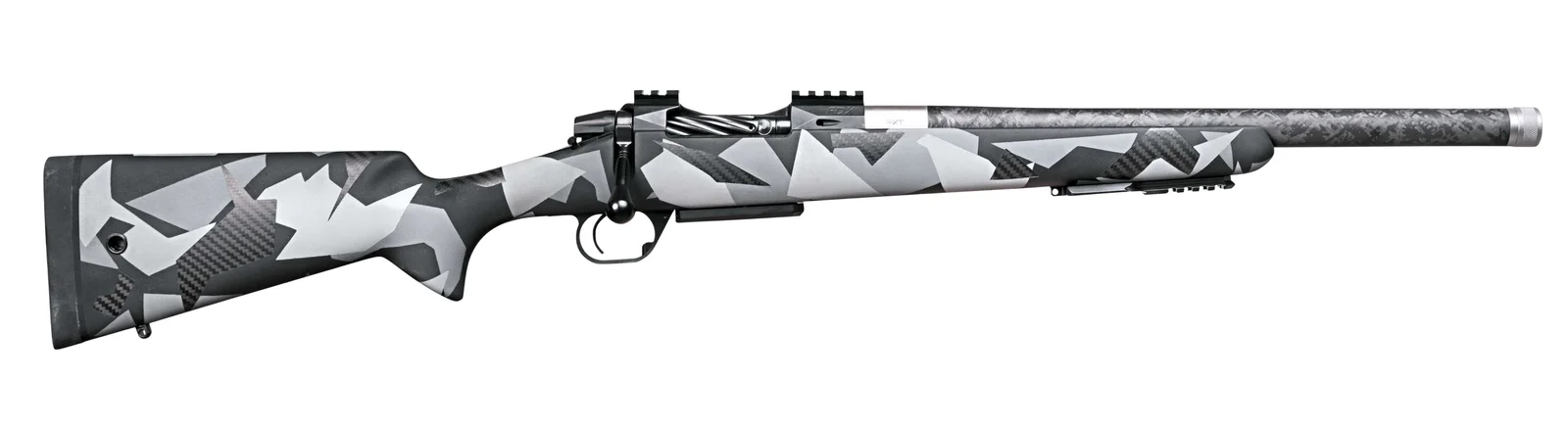
Format options are PXT bolt-action blanks for a gunsmith chamber-and-fit job, PXT pre-fit barrels for the Zermatt Origin and similar prefit-compatible actions, and factory installation on the PROOF Elevation FDX and Elevation MTR rifles. For most buyers the pre-fit or the complete rifle is the path; the blank is for custom builds where the smith is setting headspace and threading from scratch.
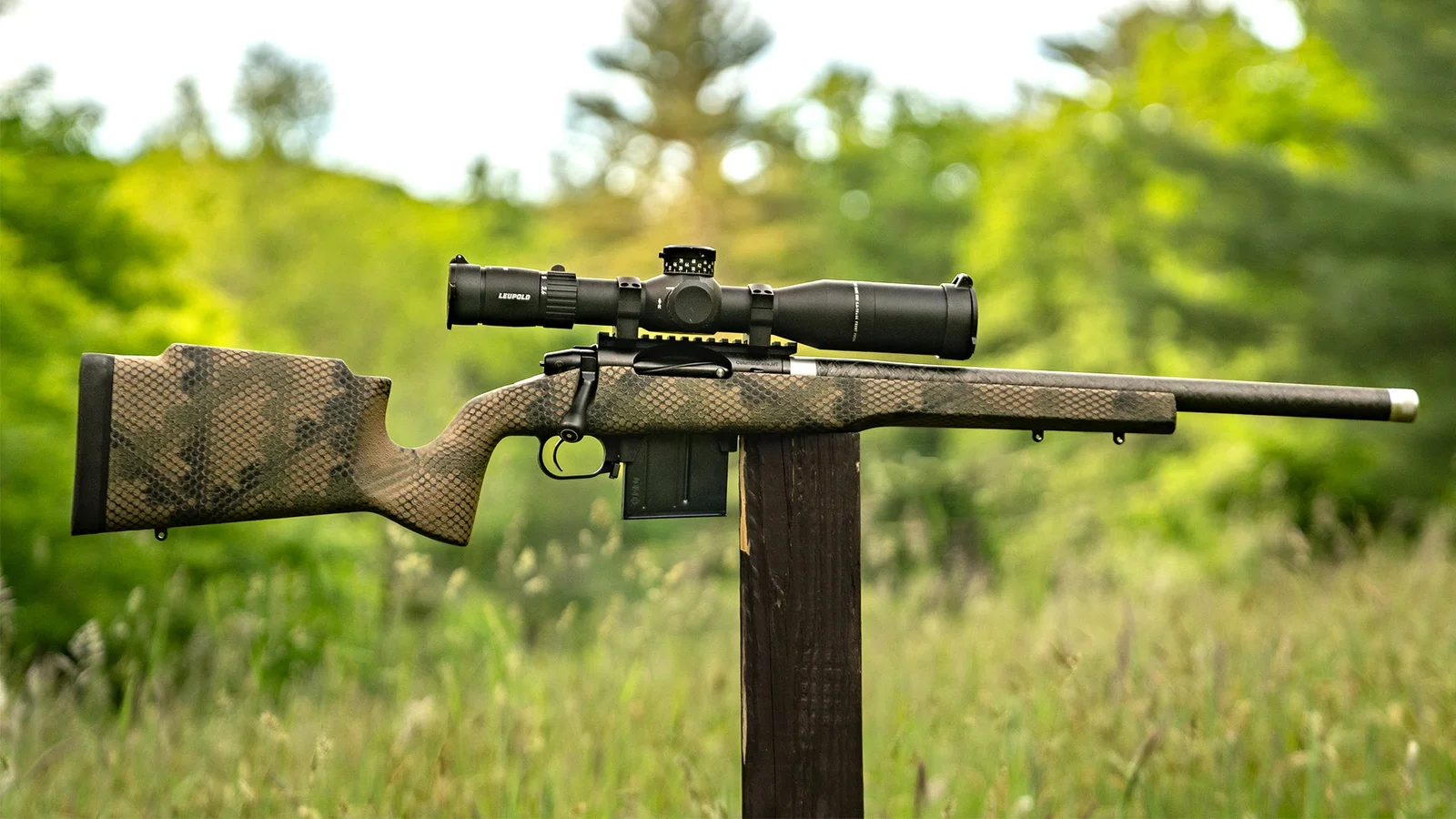
One operational note worth flagging: PROOF explicitly tells owners not to run Copper Creek Cartridge Co. 22 Creedmoor ammunition through any PXT barrel. The load runs above the pressure margin PROOF designed the PXT chamber around. Every other ammunition source PROOF lists as compatible, including standard factory match loads and reloads worked up to published data. Ammunition manufacturers have not yet built loads optimized to take advantage of PXT's pressure headroom, which is a sign there is more performance to come once Hornady, Federal, and the smaller match houses build PXT- specific loads.
Where the Technology Came From
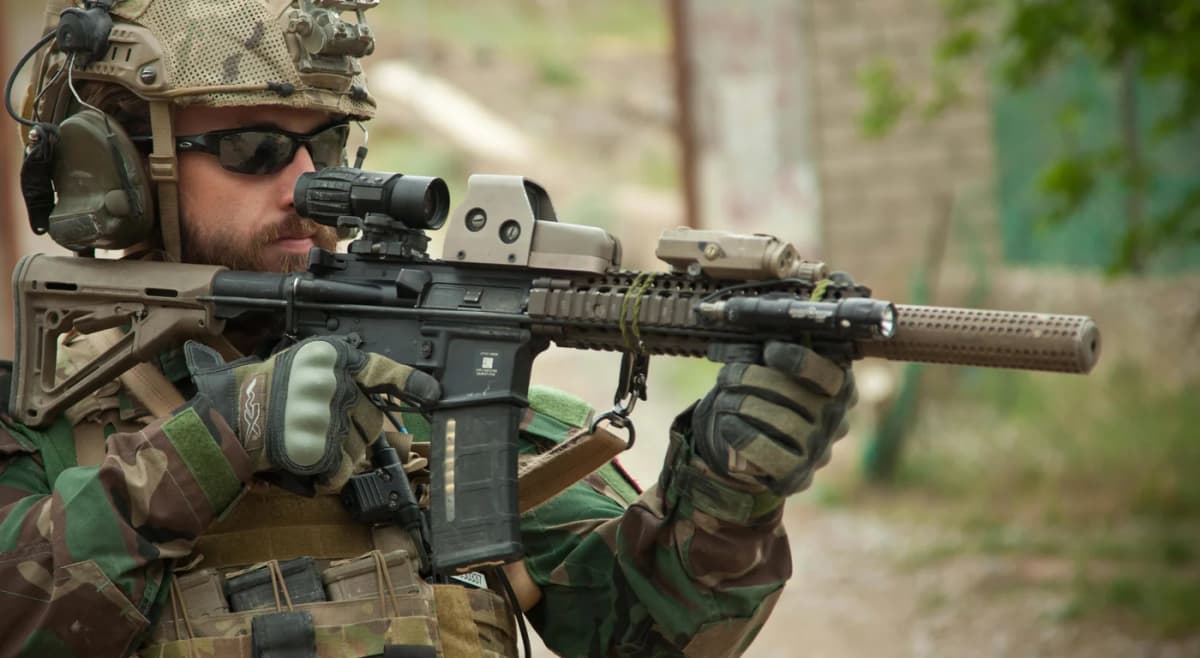
PXT did not start as a sporting product. PROOF began the underlying work in 2018 on medium-caliber cannon barrels under defense contracts, then continued development in 2021 with a broader contract that pushed the technology toward small arms. The military application list reads as you would expect for a technology designed to extend high-pressure barrel life: short barreled rifles, designated marksman rifles, sniper weapon systems, and belt-fed machine guns. PROOF is also named in USSOCOM's Hypervelocity Improved Capability Assault Rifle (HICAR) program documentation as a potential barrel technology enabler.
That defense lineage matters because it explains the testing regime behind the headline numbers. A sporting barrel that wears out in 3,000 rounds is acceptable to a PRS shooter. A squad automatic weapon barrel that wears out in 3,000 rounds is a logistics problem. The combination of progressive twist and radius rifling was tuned against testing standards that are stricter than what the commercial market typically demands. The commercial PXT launch is, in effect, PROOF taking a technology that proved itself for military applications and offering it to civilian shooters at the same MSRP tier as its prior generation barrels.
Precision Optics for PXT Bolt-Action Builds
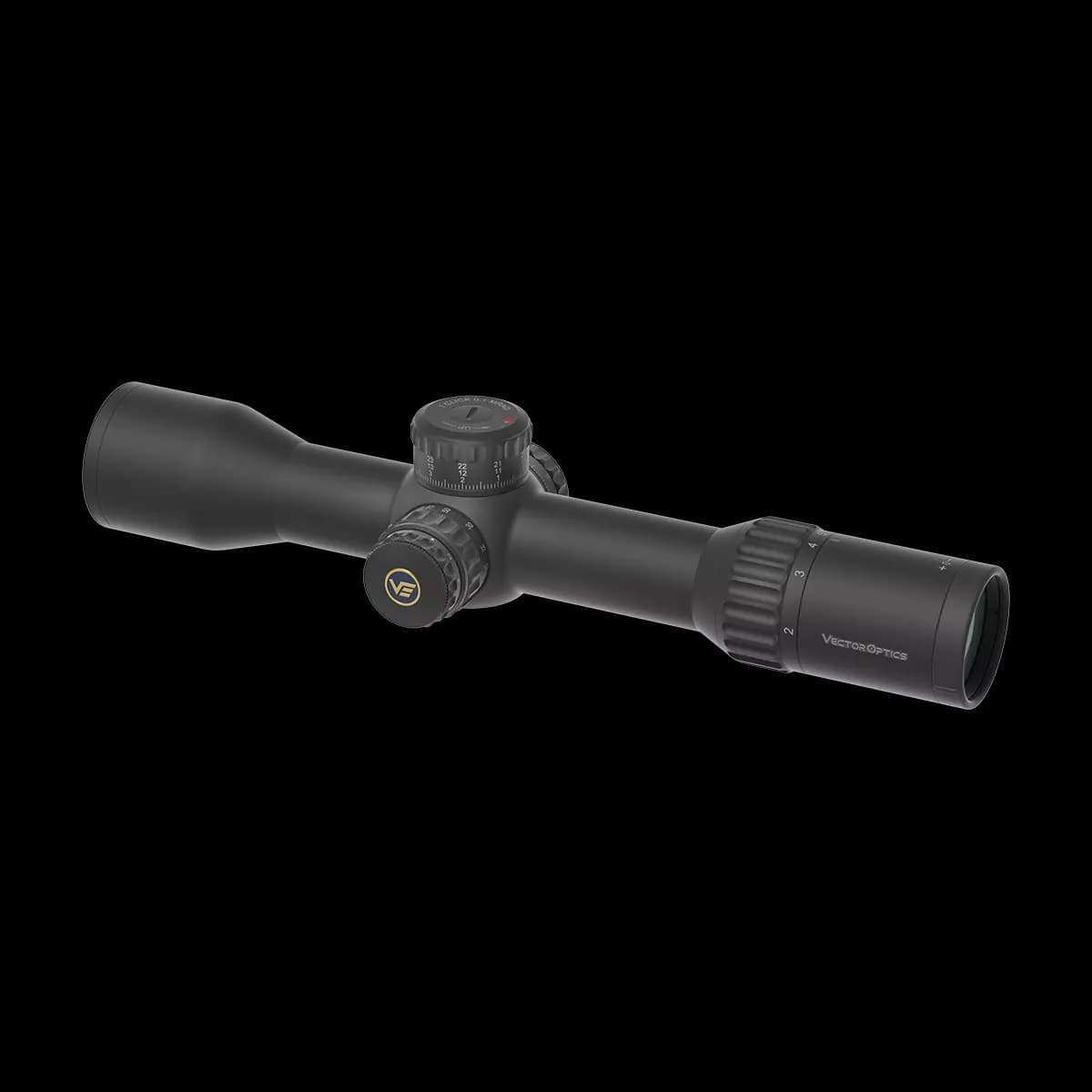
Vector Optics Continental 2-12x44 RAR FFP
- 2-12x44 FFP
- VET-RAR2 reticle
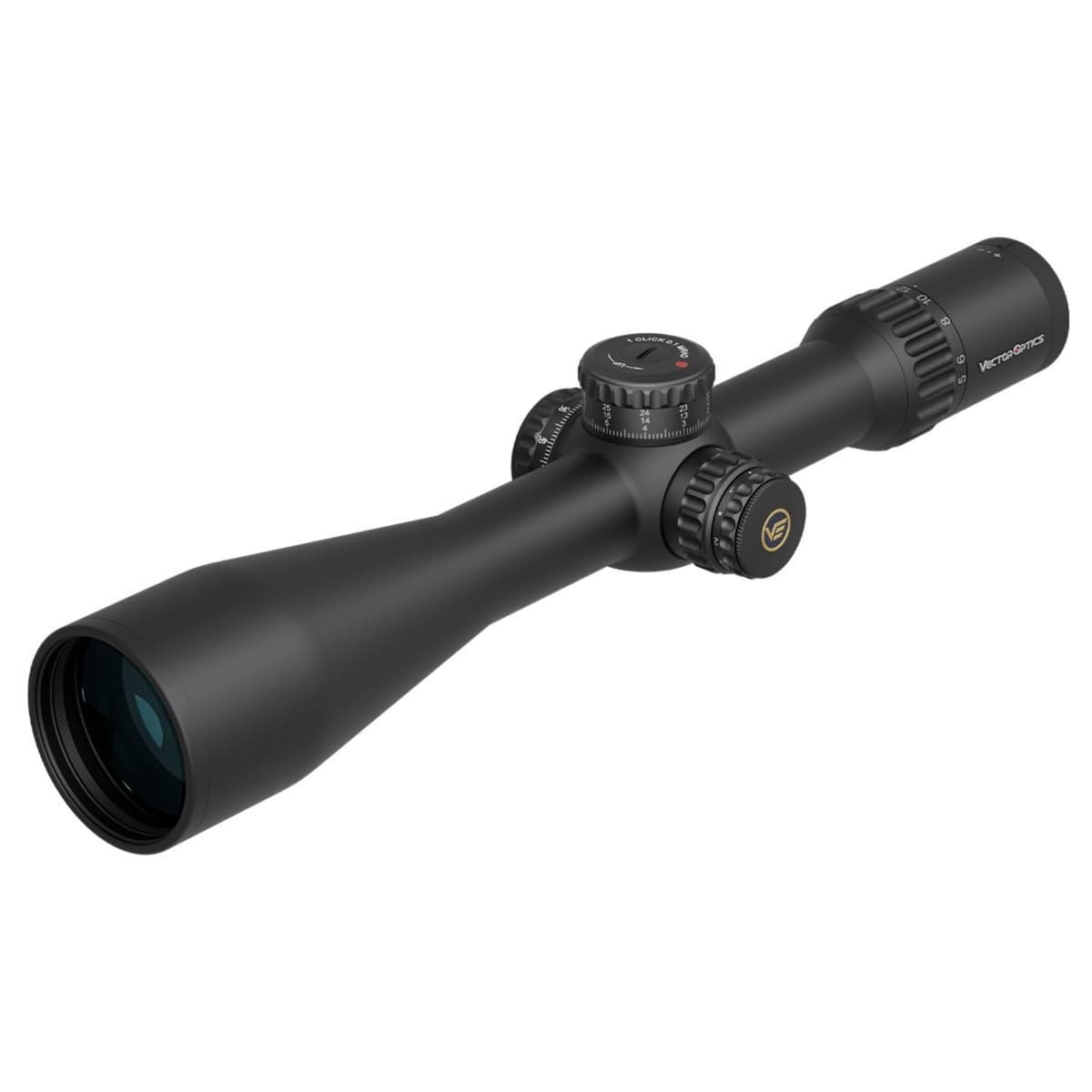
Vector Optics Continental 5-30x56 FFP
- 5-30x56mm FFP
- VCT-34FFP MIL reticle
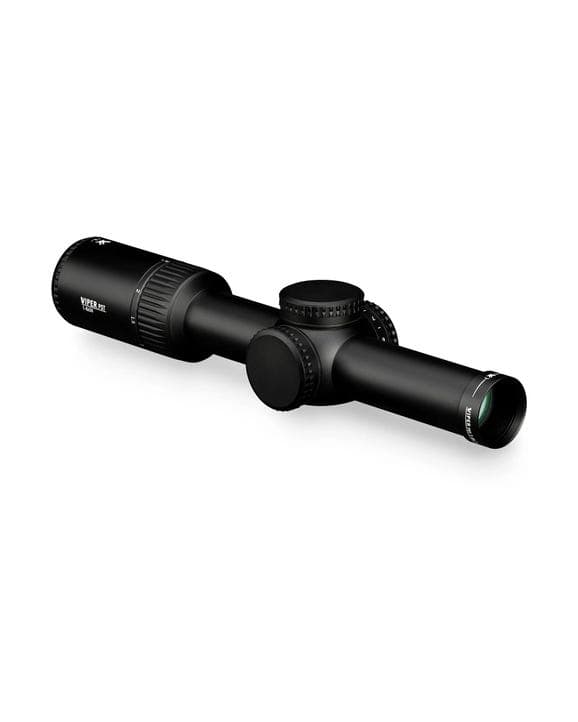
Vortex Viper PST Gen II 5-25x50
- 5-25x magnification
- First focal plane
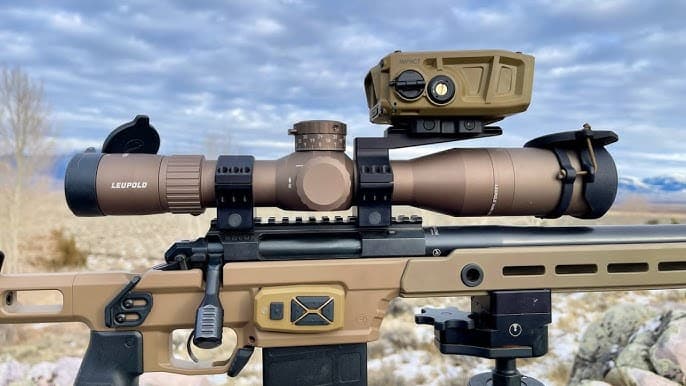
Leupold Mark 5HD 3.6-18x44
- 3.6-18x magnification
- First focal plane
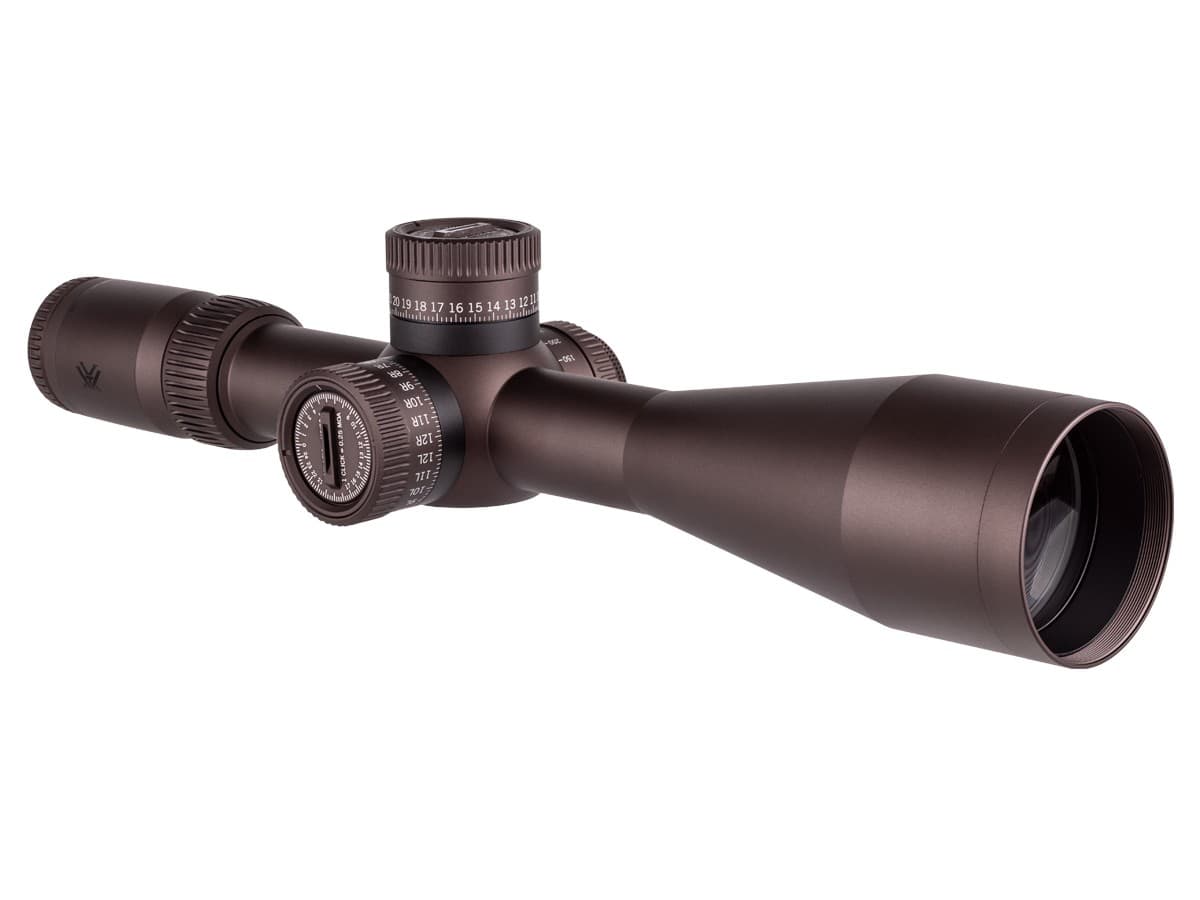
Vortex Razor HD Gen III 6-36x56 FFP
- 6-36x magnification
- 56mm objective
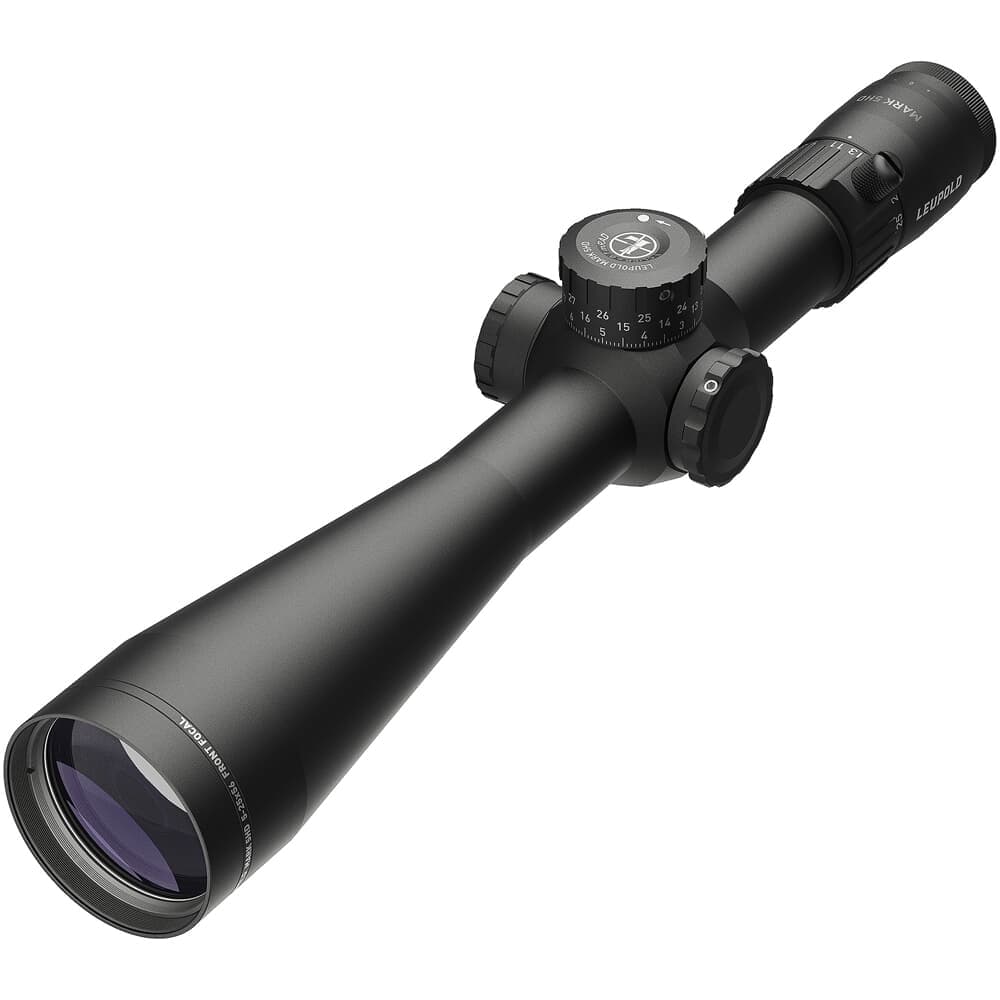
Leupold Mark 5HD 5-25x56 PR2-MIL
- 5-25x magnification
- 56mm objective
Affiliate links (?)
Pricing and Availability Summary
- PXT AR Carbon Fiber$1,349 (.223 Wylde, 6 ARC, 6.5 CM)
- PXT AR Stainless Steel$899 (6 ARC only)
- AR Barrel Lengths11.5" - 24" (carbine, mid, int, rifle gas)
- AR Twist Options7, 7.5, 8 PXT
- AR Muzzle Thread5/8-24
- AR Gas Journal.750" (.875" on Rifle +2)
- Bolt Calibers.22 CM, 6.5 CM, 6.5 PRC, 7 PRC, 7 BC, 300 PRC
- Factory RiflesElevation FDX, Elevation MTR
- Engraving Force Reduction~30%
- Barrel Life Gain30-100%
- Group Size Improvement20-50% (across lots and ammo types)
- Pressure Headroom~80,000 psi capable vs 62,000 psi conventional
- Ammunition WarningDo NOT use Copper Creek 22 Creedmoor
- AnnouncementMay 20, 2026
- ManufacturerPROOF Research, Columbia Falls, MT
Stay Updated on PROOF PXT
We will be tracking PXT barrel availability, independent accuracy testing, and dealer stock as PROOF rolls out the full lineup. Subscribe for hands-on PXT coverage, AR-15 and precision rifle build guides, and barrel buying comparisons.
Frequently Asked Questions
▶What does PXT stand for?
▶How much do PROOF PXT AR-15 barrels cost?
▶What calibers are PROOF PXT bolt-action barrels available in?
▶Does PXT actually make a barrel last longer?
▶Can I shoot my existing ammunition through a PXT barrel?
▶Is PXT worth the price over a standard PROOF carbon fiber barrel?
Bottom Line
PXT is the first time in a long while a major barrel maker has changed the rifling itself rather than the material wrapped around it. PROOF spent six years developing this under defense contracts before bringing it to the commercial market, and the published numbers (30% lower engraving force, 30-100% longer barrel life, 20-50% group reduction) are large enough to matter even if real-world testing trims them. The fact that PROOF held the carbon fiber AR price at $1,349, the same band as the prior generation, means PXT is not a price-tier upgrade; it is what you get now when you order a PROOF carbon AR barrel.
The cleanest buy case is a 6 ARC AR build (either tier) or one of the magnum bolt-action calibers (6.5 PRC, 7mm PRC, 7mm Backcountry, 300 PRC) where the doubled throat life changes the round-count math. For a .223 Wylde training gun, the carbon fiber PXT is still worth it because the MSRP did not move, but the headline barrel-life numbers do not stretch as dramatically at lower pressures. Look at the rest of our best AR-15 barrels guide for how PROOF stacks up against Criterion, Geissele, Daniel Defense, and other premium options, or browse the full barrel catalog for current pricing across vendors. For a real-world look at premium AR-15 accuracy and barrel life, see our Daniel Defense M4A1 RIS III review, which tested a comparable factory rifle to 20,000 rounds. For the case side of the high-pressure ammunition story, see the Shell Shock .338 Lapua NAS3 launch coverage, which uses a nickel-alloy plus stainless-steel two-piece case to push velocity ceilings in a parallel direction to what PXT is doing on the barrel side.