Key Takeaways
- →September 30 ruling: U.S. District Judge Kari A. Dooley granted a preliminary injunction against Connecticut's convertible-pistol sales restriction.
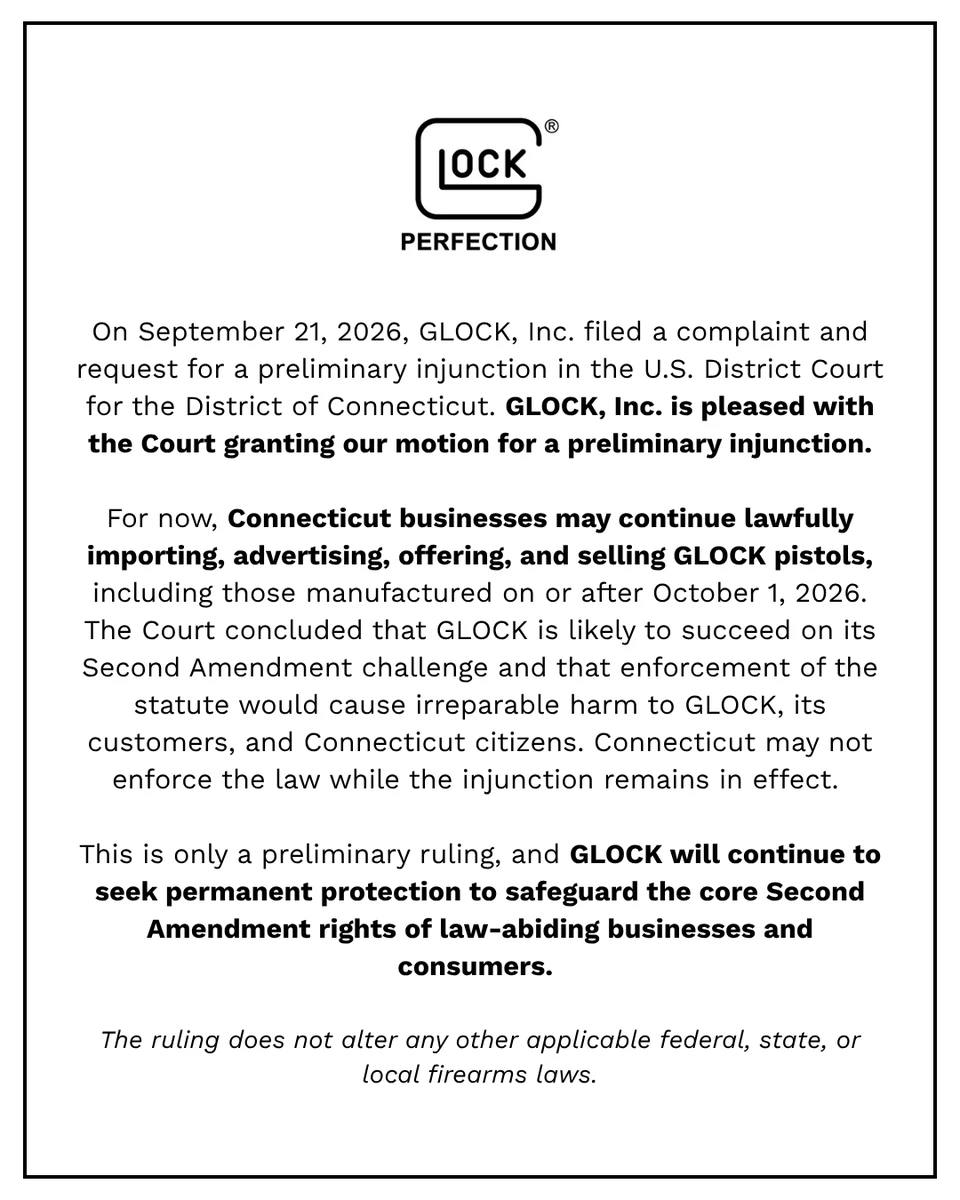
- →New production included: Glock's October 1 statement says Connecticut businesses can keep selling its pistols, including those made on or after October 1, 2026.
- →Manufacture date matters: Public Act 26-41 targets covered pistols made on or after October 1, 2026, rather than every pistol sold after that date.
- →Limited relief: The order blocks Section 3(a)'s sales restriction. Other firearm laws still apply, and the ruling is preliminary.
- →Coverage is disputed: The court did not decide whether SlimLine or Series VI pistols fall outside the definition. The statute names a design, not a model list.
Connecticut Glock Sales Can Continue
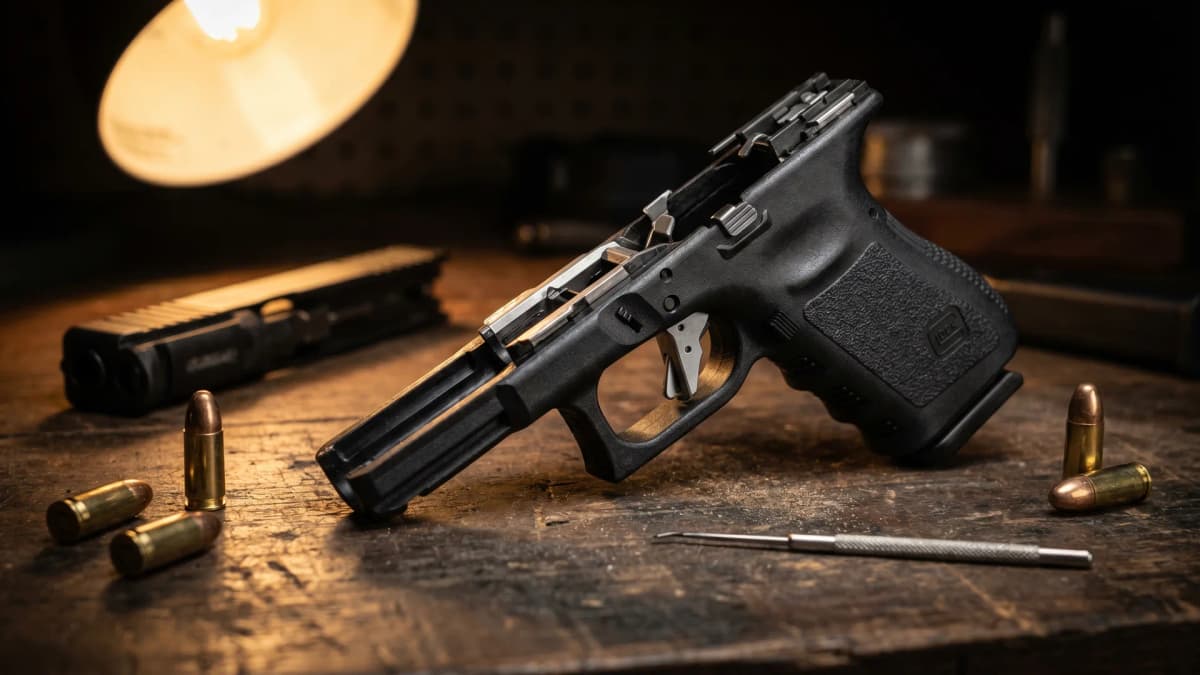
A federal judge blocked Connecticut's convertible-pistol sales ban on September 30, 2026, before its October 1 effective date. The ruling lets businesses continue selling covered pistols while the injunction remains in effect.
Glock confirmed the result in its October 1 announcement. The company said Connecticut businesses may keep importing, advertising, offering, and selling Glock pistols, including those manufactured on or after October 1.
Why the Court Blocked the Ban
Judge Dooley found that the challengers were likely to win their Second Amendment claim and would suffer irreparable harm without relief. Connecticut failed to show that the restriction fit the nation's historical tradition of firearm regulation.
The ruling covers two cases filed September 21: Glock, Inc. v. Griffin, No. 3:26-cv-01525, and National Shooting Sports Foundation Inc. v. Griffin, No. 3:26-cv-01528. Shadow Systems and Blue Trail Range joined NSSF's case. The court heard both motions on September 29 and granted relief the next day.
The court rejected the state's comparison to historic laws that tested firearms for safety and to restrictions on machine guns. A semiautomatic pistol sold for lawful use does not become a machine gun simply because someone could later alter it illegally. NSSF welcomed the ruling on October 1 as a hold on the ban while the constitutional challenge proceeds.
Follow Gun Law Changes
Get updates on court rulings and state firearm laws.
What Public Act 26-41 Actually Restricts
Section 3(a) targets covered pistols manufactured on or after October 1, 2026. It makes knowingly importing, advertising, selling, offering, or exposing those pistols for sale a Class D felony. The court's separate enforcement order blocks that provision.
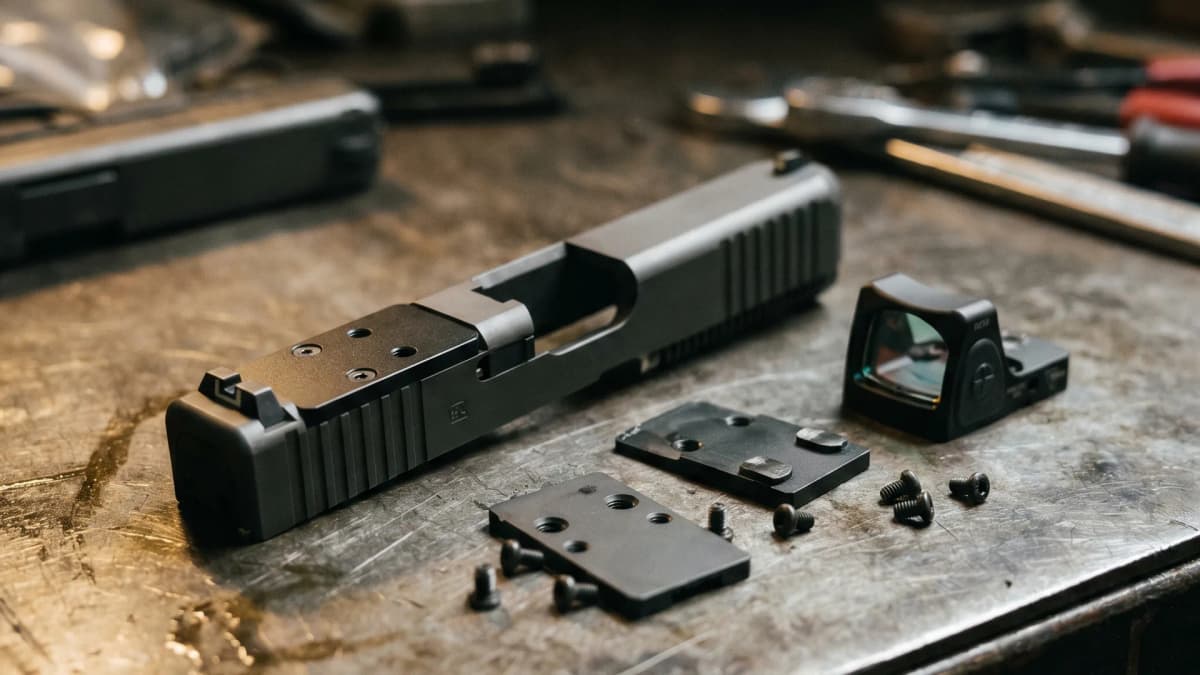
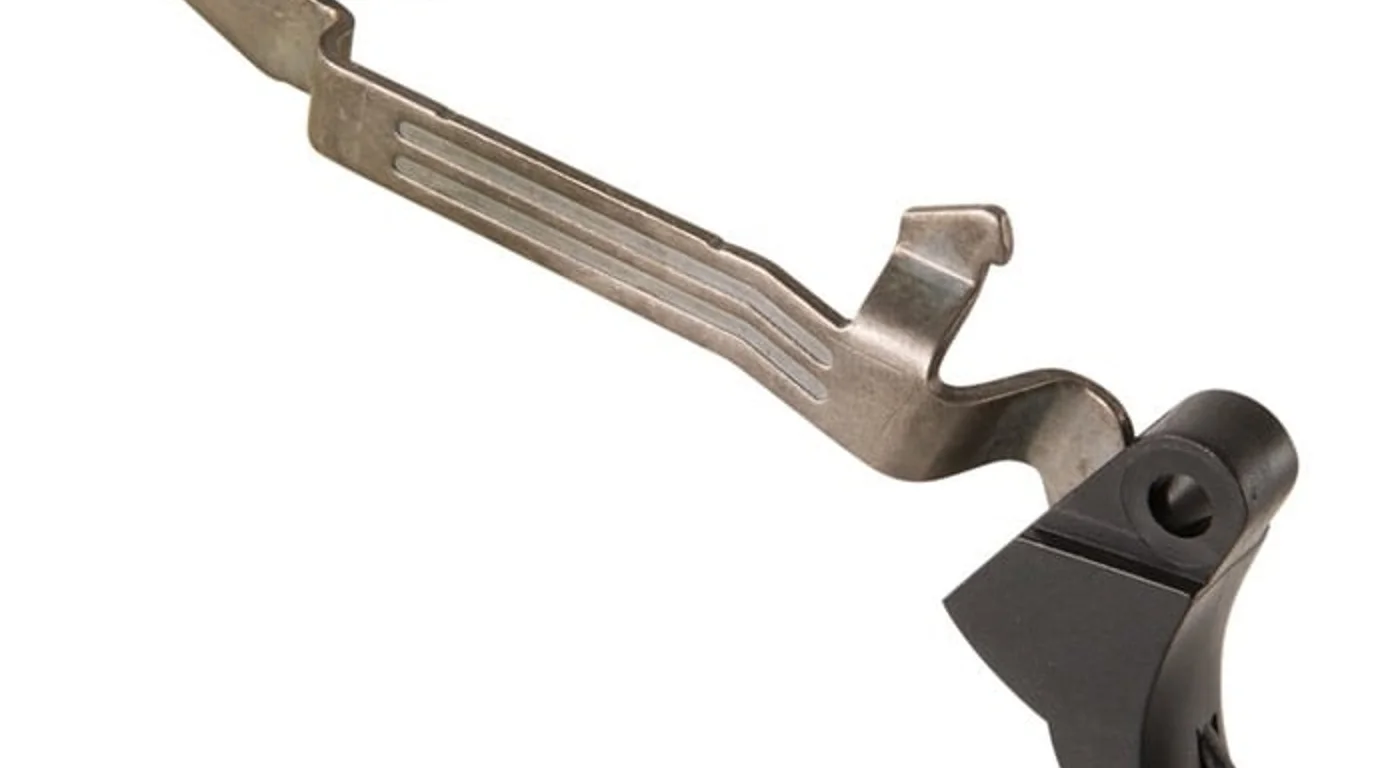
Governor Ned Lamont approved Public Act 26-41, originally H.B. 5043, on May 26, 2026. Its definition centers on a cruciform trigger bar, a trigger linkage with a cross-shaped sear surface. A pistol falls within the definition when it can be readily altered by hand or with a common household tool to accept a pistol converter that enables automatic fire.
The definition excludes hammer-fired semiautomatic pistols. It also excludes pistols with a molded frame tab or other material shielding the cruciform trigger bar, unless that material can be readily removed. Section 3(b) separately exempts otherwise lawful transfers between two people who are not licensed gun dealers.
The act names a design, not a catalog of models. It does not place Glock generations, Slimline pistols, the V Series, Gen 6, the PSA Dagger, or Shadow Systems in or out by name. In the injunction opinion, Judge Dooley wrote that the court need not decide whether Glock SlimLine or Series VI pistols fall outside the definition. Counsel for the state said that assessment was underway. Those families stay disputed until a court, the statute, or a state agency says otherwise.

Pistol Optics
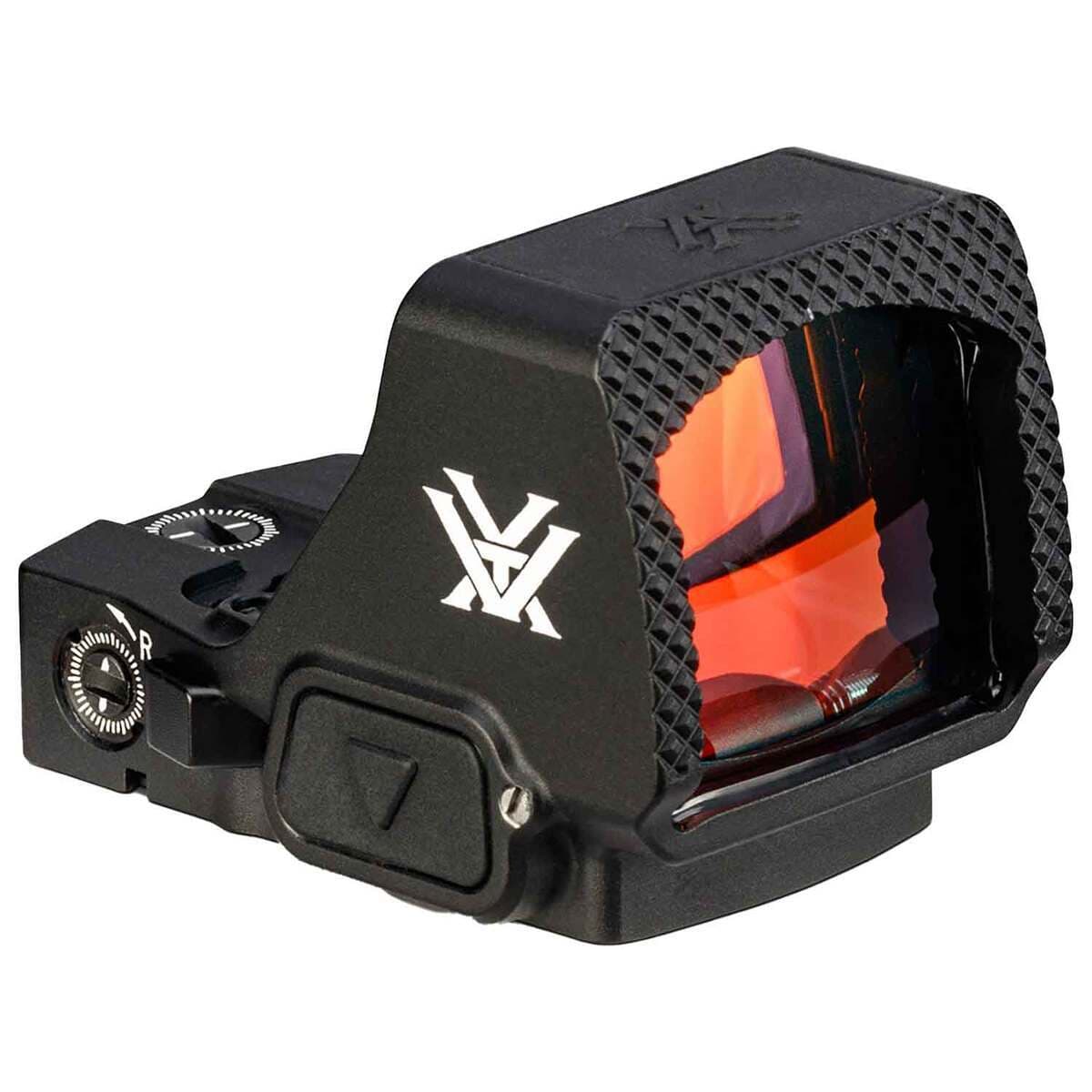
Vortex Defender-XL Micro Red Dot
- 2/5/8 MOA red dot
- DeltaPoint Pro footprint
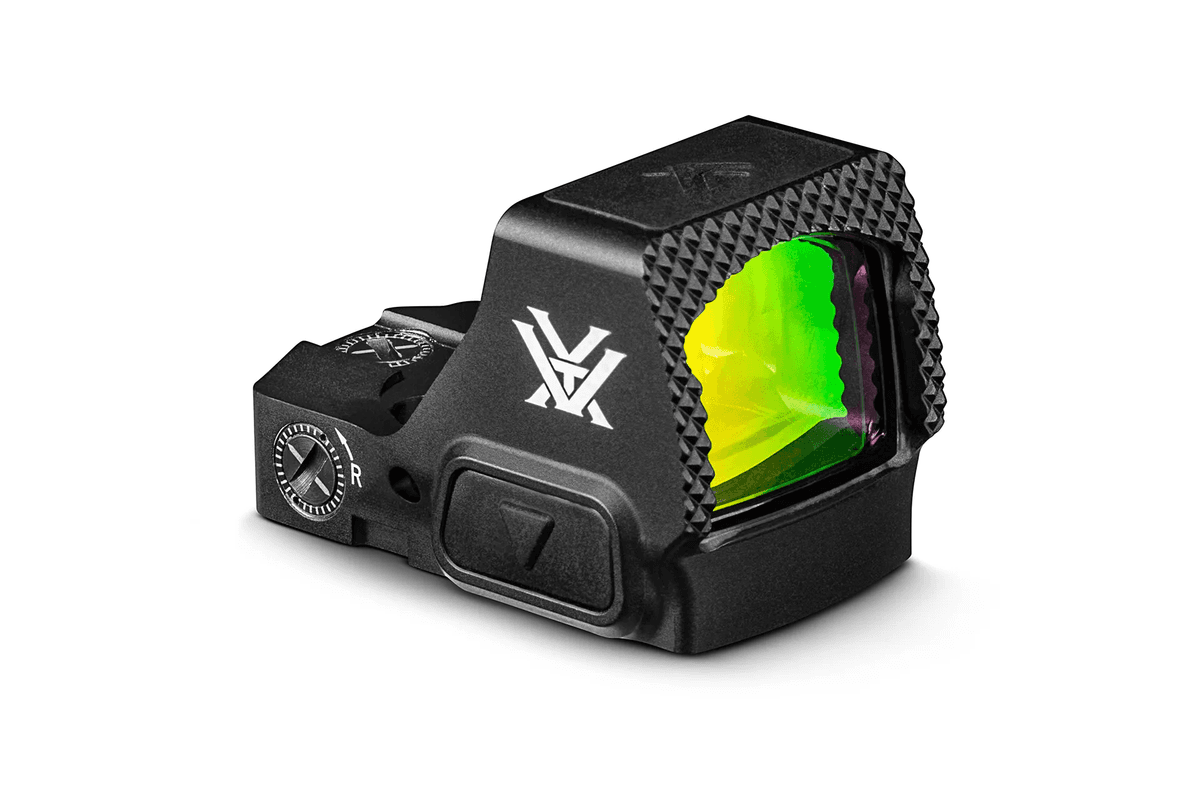
Vortex Defender-ST Micro Red Dot
- 3 or 6 MOA red dot
- DeltaPoint Pro footprint
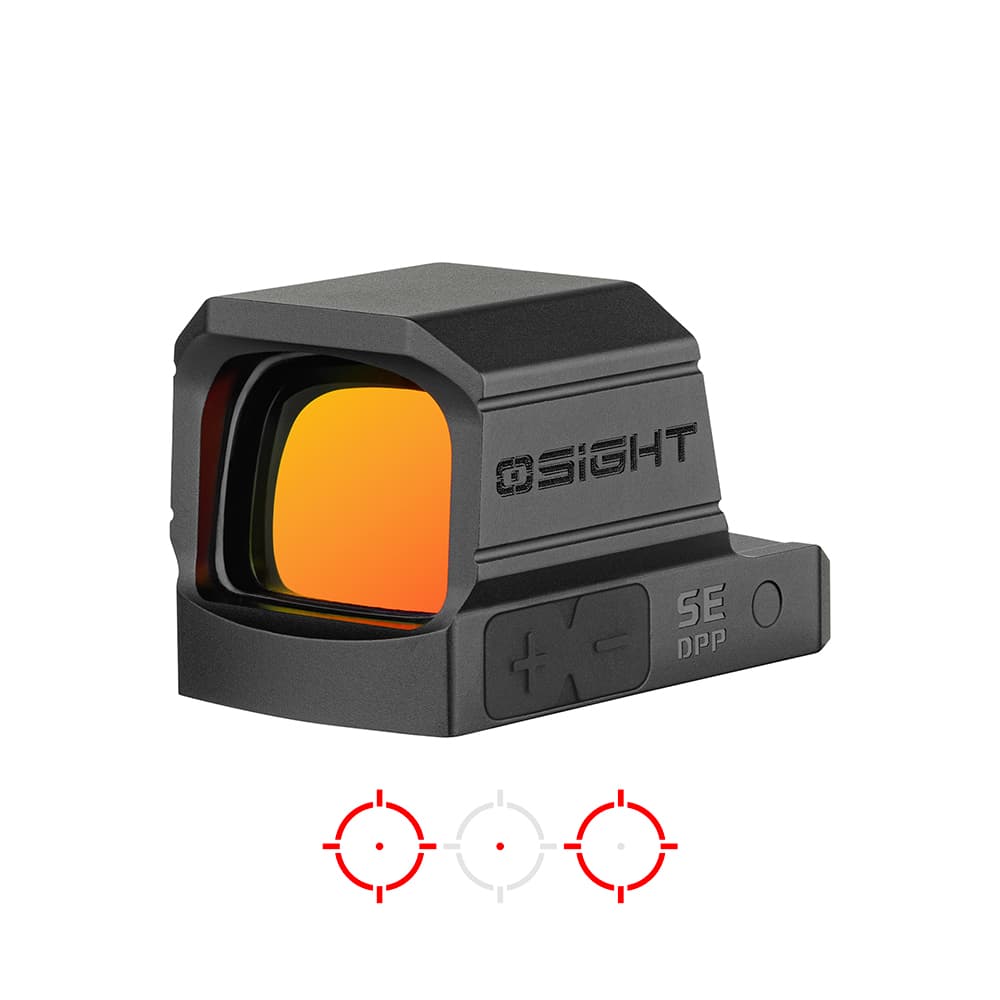
Osight SE DPP Enclosed Red Dot
- 2 MOA dot + 32 MOA circle MRS
- Enclosed emitter, DeltaPoint Pro footprint
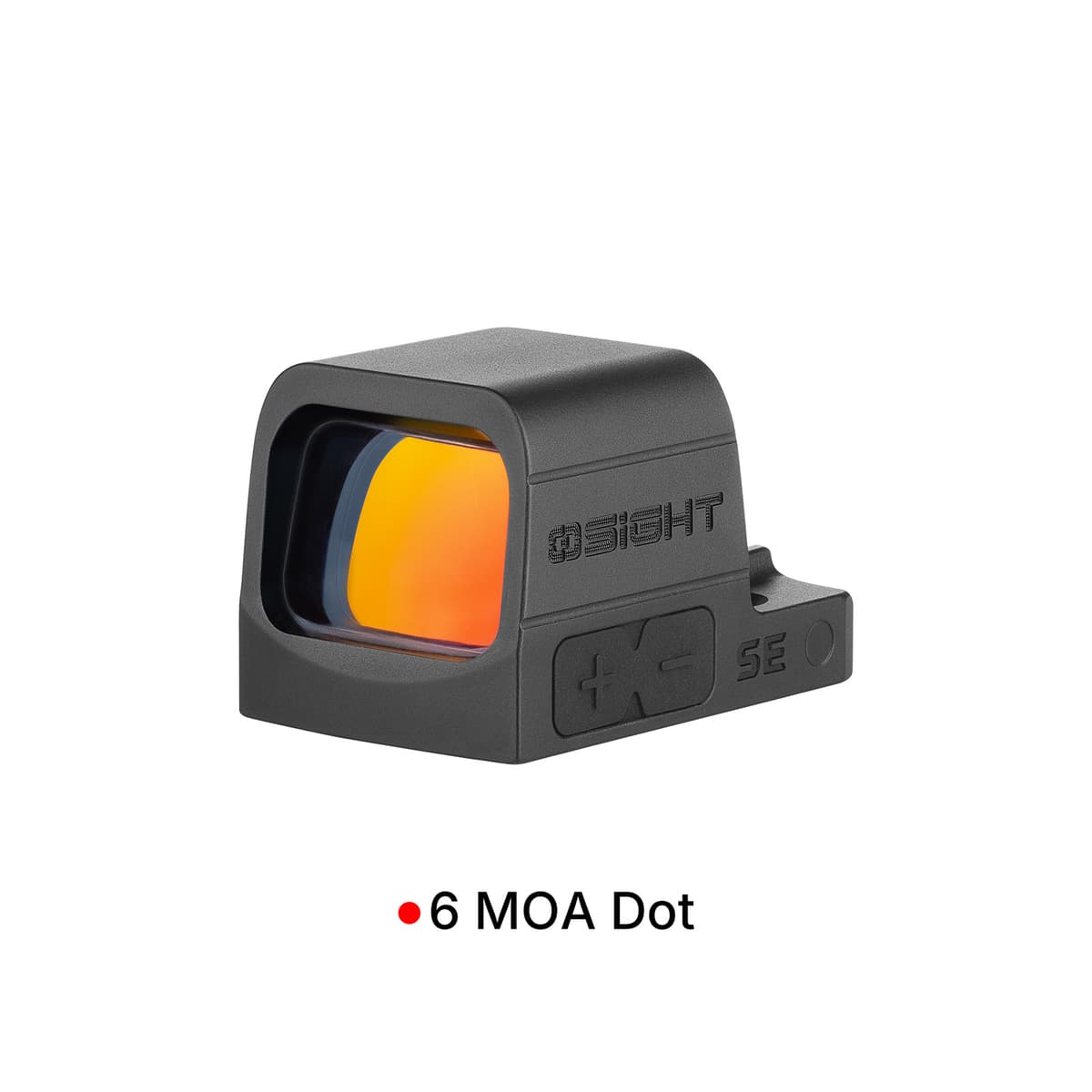
Osight SE Enclosed (6 MOA Red)
- 6 MOA red dot
- Enclosed emitter, RMSc footprint
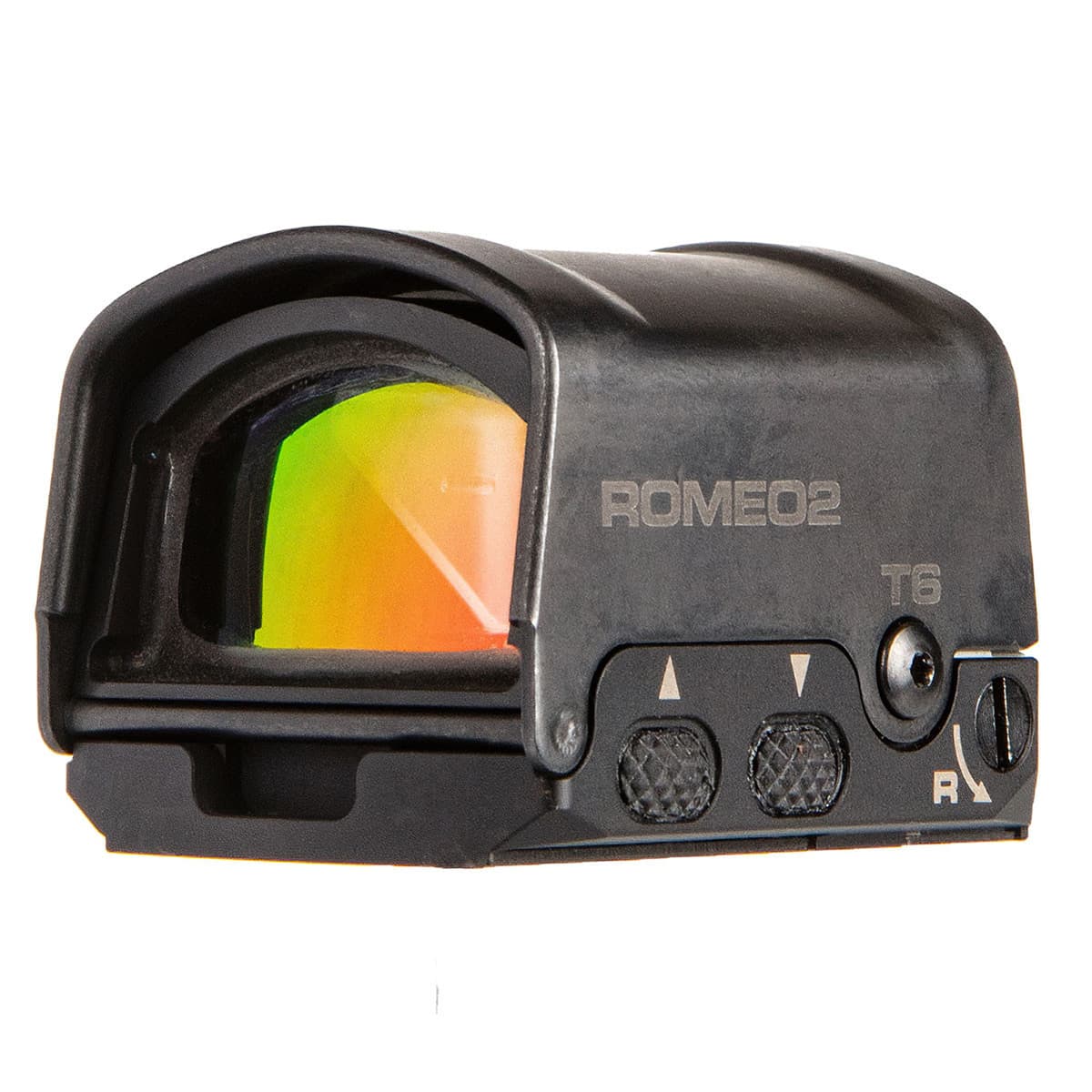
SIG SAUER ROMEO2 Circle/Dot (SOR21000)
- Circle/Dot reticle
- Full enclosure included
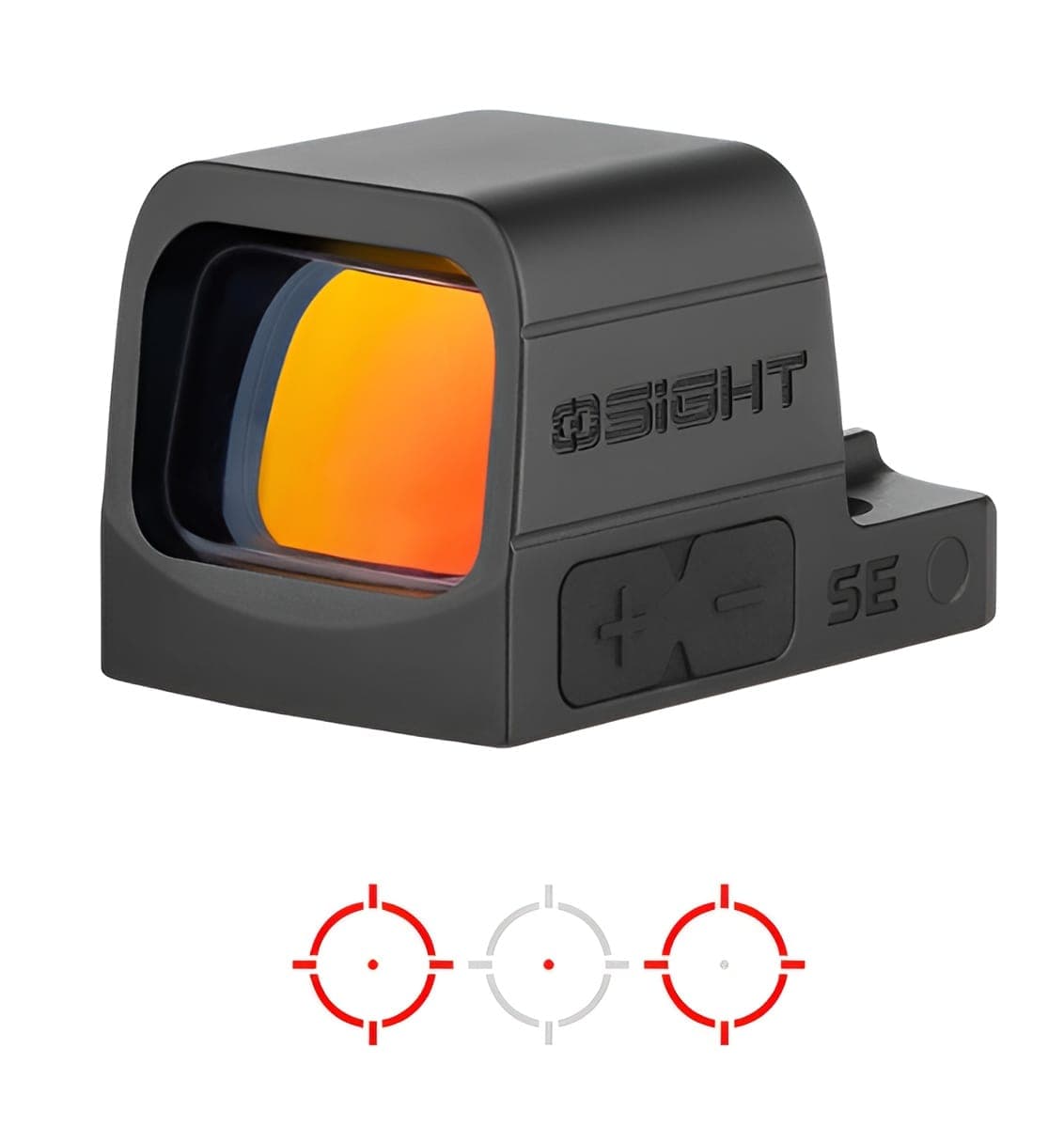
Osight SE Enclosed (2 MOA + 32 MOA Red MRS)
- 2 MOA dot + 32 MOA circle MRS
- Enclosed emitter, RMSc footprint
Affiliate links (?)
What This Means for Connecticut Buyers
A Glock buyer can continue with a lawful purchase while the injunction is in effect. Glock's statement says other federal, state, and local firearm laws still apply. The ruling does not remove permit, background-check, magazine, or other requirements that apply to a particular purchase.
The convertible-pistol sales provision does not order existing owners to surrender their pistols. Even before the injunction, its manufacture date left pistols made before October 1 outside Section 3(a). The distinction matters for both new production and older inventory.
Hammer-fired pistols remain outside the act's convertible-pistol definition. Our 1911 guide and 2011 guide compare two hammer-fired families. Use the compare tool to assess size and features; purchase eligibility still depends on Connecticut's other firearm laws.
A Preliminary Win, With the Cases Still Open
This is a pause in enforcement, not a final judgment removing the law. Glock says it will keep seeking permanent protection. The restriction stays blocked while the preliminary injunction remains in effect; a later court order could change that status.
The order applies to the Connecticut defendants. Separate challenges to the Maryland Glock ban and California's AB 1127 proceed under their own laws and cases.