Virginia Gun Sales Hit Record: AR-15 Background Checks Double Before July 1 Ban
Virginia background checks topped 75,000 in May 2026, more than double May 2025, as gun shops report selling AR-15s, standard-capacity magazines, and NFA items at record pace ahead of the July 1 assault weapons ban. Virginia ranked second in the nation for NFA checks in May.
Key Takeaways
- Virginia logged more than 75,000 NICS background checks in May 2026, more than double the 35,571 recorded in May 2025.
- Virginia ranked second in the nation for NFA background checks in May, driven by suppressor and short-barreled-rifle purchases.
- Gun shops report AR-15s, standard-capacity magazines, and stripped lowers selling out weekly, with about half of stock pre-ordered.
- HB 217/SB 749 takes effect July 1 and bans the sale and transfer of semi-auto rifles and pistols with listed features, plus magazines over 15 rounds; existing owners are grandfathered.
- Suppressors are federal NFA items and are not affected by the Virginia state ban; the federal NFA tax has been $0 since January 1, 2026.
The Numbers
Virginia ran 75,376 NICS background checks in May 2026 according to FBI figures, against 35,571 in May 2025. That is more than a doubling year over year. The Virginia State Police counted roughly 72,956 for the month and NSSF-adjusted data landed near 74,959; every measure tells the same story. The spike is not a one-month anomaly. March 2026 hit 79,846 checks versus 47,069 in March 2025, and April 2026 ran 72,011 against 40,343 a year earlier.
The cumulative picture is the clearest signal. Virginia recorded 340,611 background checks through May 2026 per Virginia State Police data. For all of 2025 the state logged 499,198. At the current pace, 2026 is on track to blow past the full-year 2025 total well before the fourth quarter. The buying wave aligns cleanly with the legislative calendar: Gov. Abigail Spanberger signed HB 217/SB 749 on May 14, 2026, and the law takes effect July 1.
Virginia also landed in the top five states nationally for long gun checks in May 2026 and ranked second in the nation for NFA checks. For a state that is neither the largest nor historically the highest-volume gun market, both rankings reflect a concentrated, deadline-driven rush rather than ordinary seasonal demand.
What Buyers Are Stocking Up On
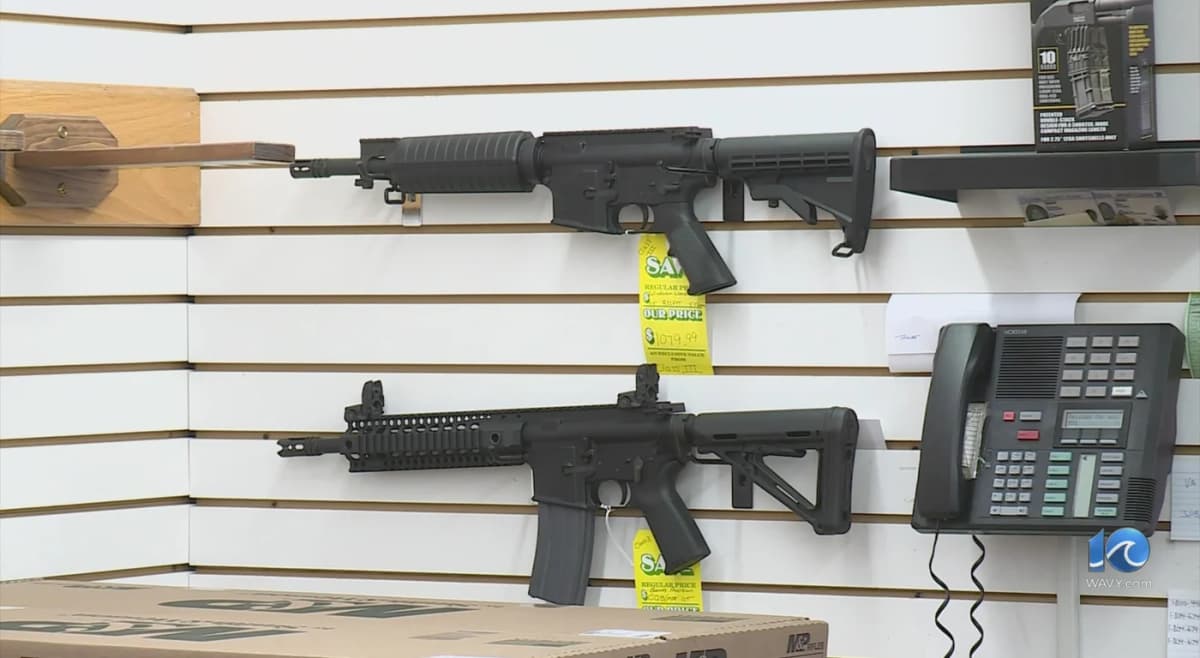
Buyers are concentrating on the exact items HB 217/SB 749 takes off the shelf July 1: complete AR-15s, standard-capacity magazines, and stripped lower receivers. James Sprouse, manager at Ginger Mafia Tactical in Vinton, told WDBJ7 the shop has been moving at least a dozen firearms every other day, including suppressors, and that half of his stock is pre-ordered. “For the last, I'd say, three months, we've been running hard,” Sprouse said. “The second we get them in, they're out the door.”
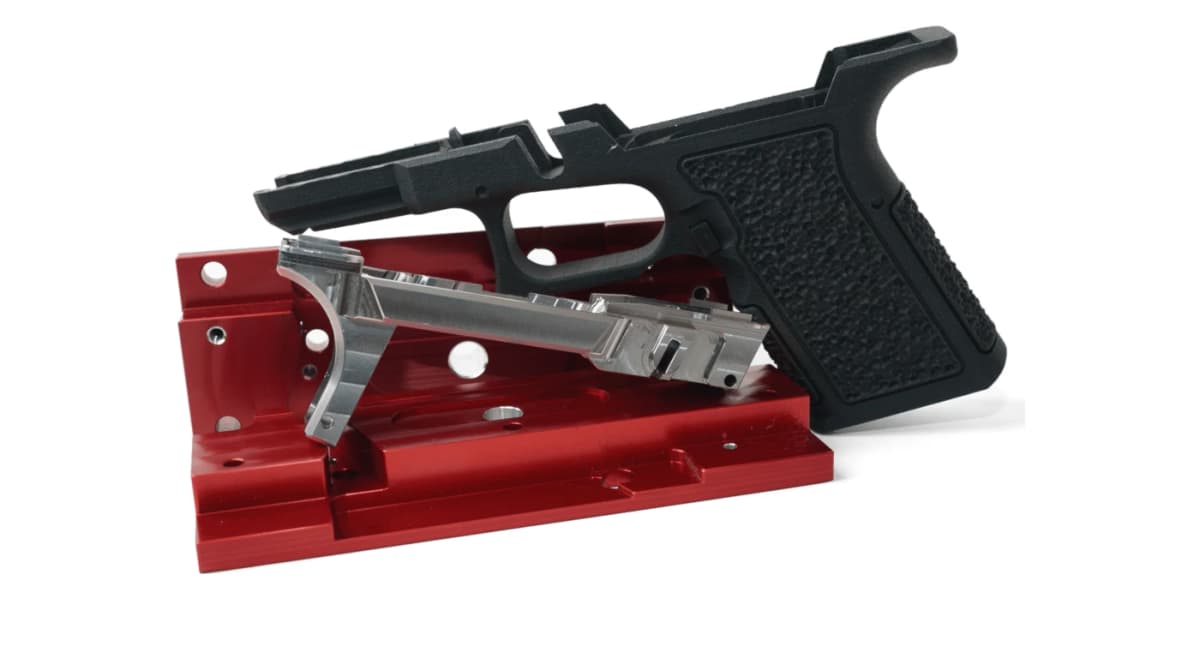
Stripped lowers are the tell. Trey Boyd, co-owner of Tactical Operations Vault, said the shop's stripped lowers are “completely wiped out” on a weekly basis. A stripped lower transferred before July 1 is a firearm on a 4473 and a documented pre-ban purchase, which is why they clear faster than almost anything else. Boyd framed the broader stakes plainly: “Firearms that have a magazine capacity of more than 15 rounds, we won't be able to have anymore, which is a majority of your weapons nowadays.”
Standard-capacity magazines are the highest-velocity accessory because they are the least reversible category in the law. A rifle can be reconfigured to a featureless build and stay in Virginia commerce; a 30-round PMAG over the 15-round cap cannot be reduced or re-manufactured after the cutoff. For the deadline-driven buying order on rifles, mags, and lowers, see our Virginia buyer's guide. If you are configuring an AR-15 before July 1, our rifle builder will map the exact parts list to take to a Virginia FFL.
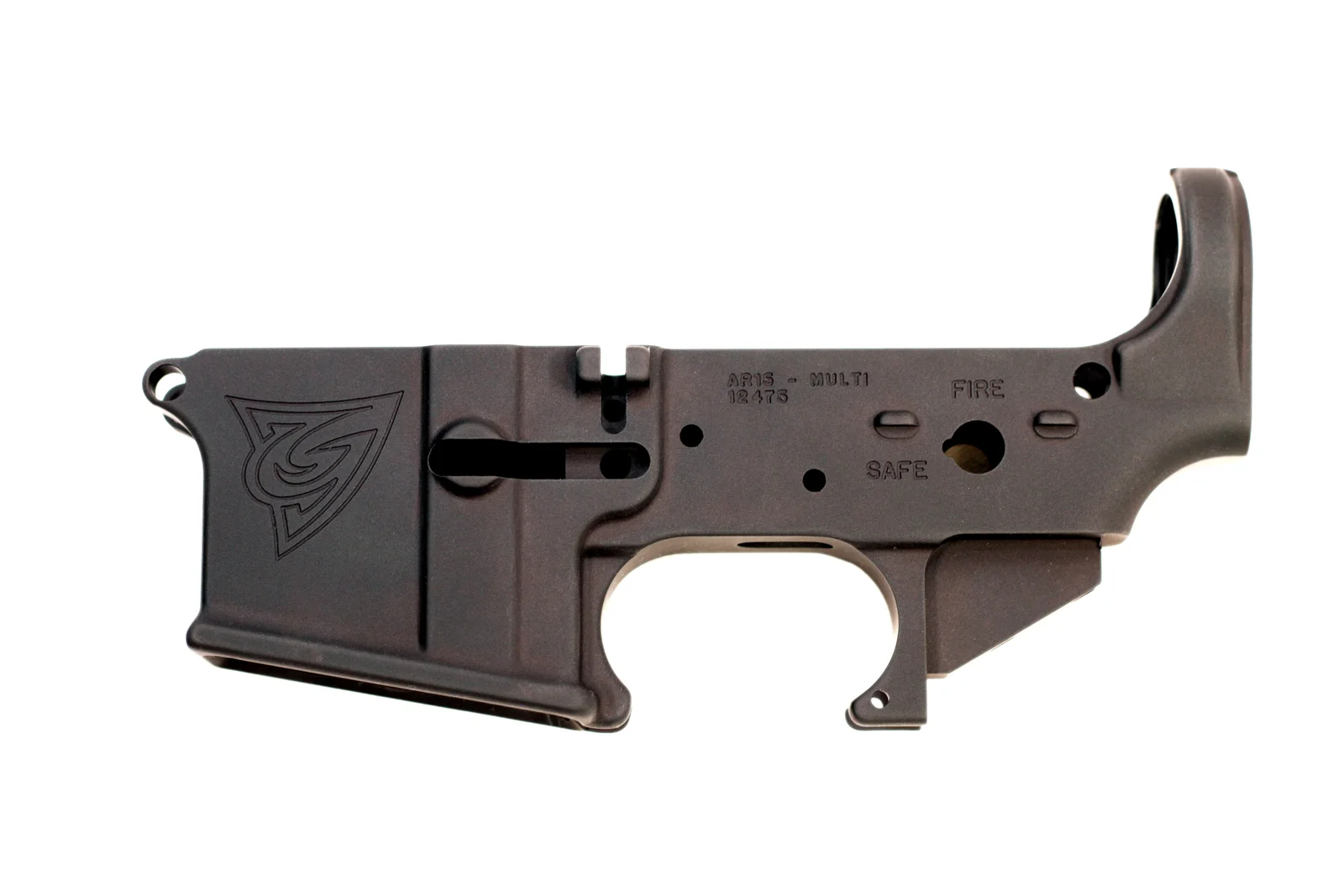
Stripped AR-15 Lowers: Aero, Anderson, PSA
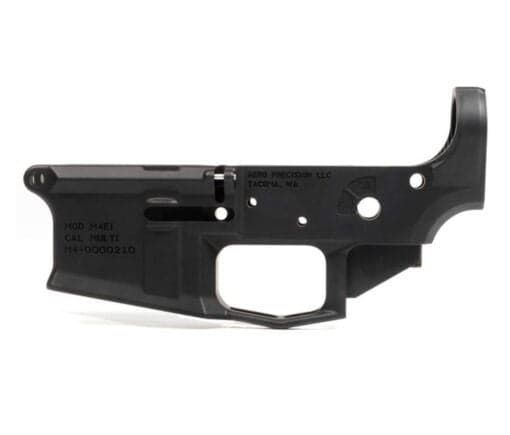
Aero Precision M4E1 Stripped Lower Receiver
- 7075-T6 forged aluminum
- Integrated trigger guard
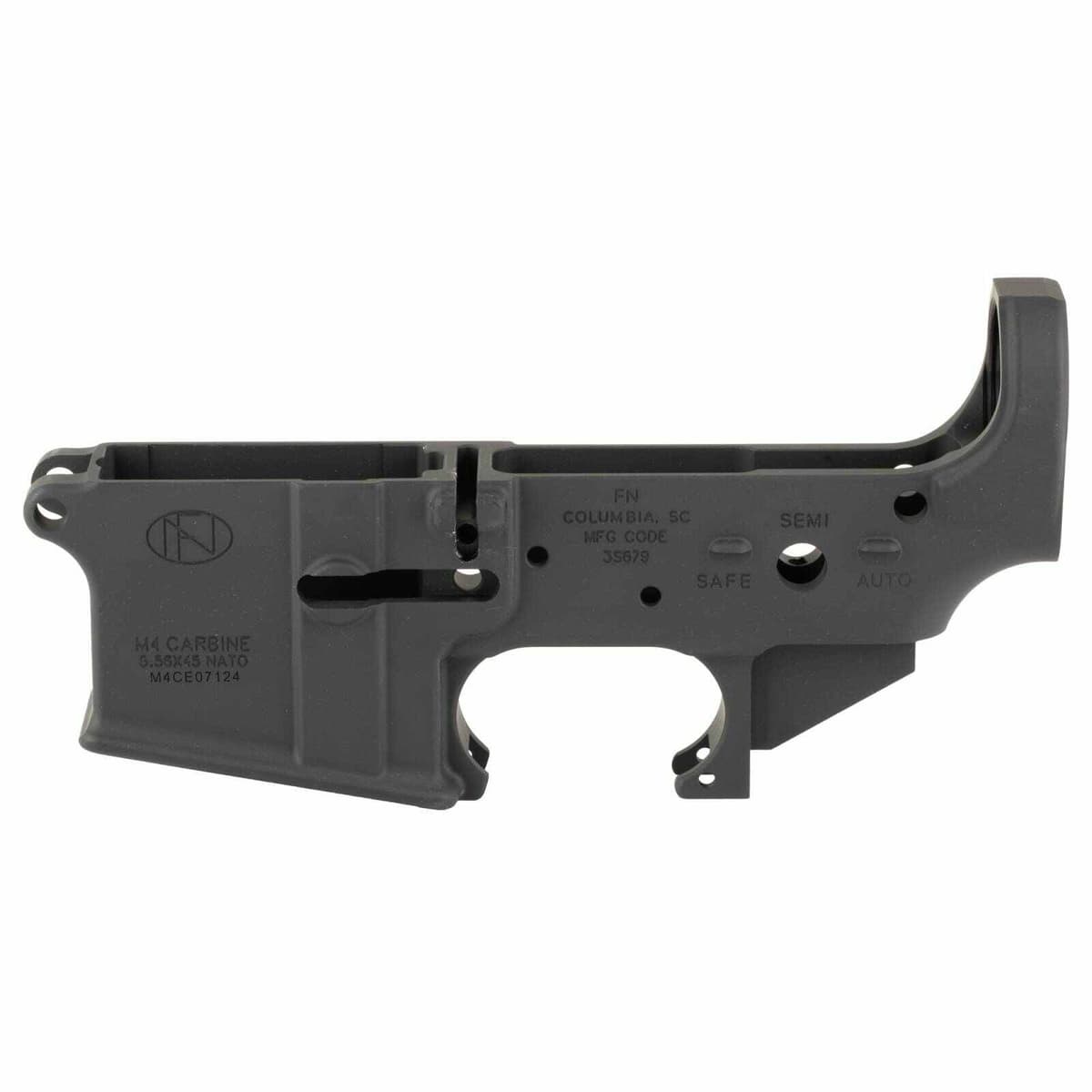
FN 15 Military Collector M4 Stripped Lower Receiver
- 7075-T6 forged, machined and broached to mil-spec
- FN M4 military-production roll markings
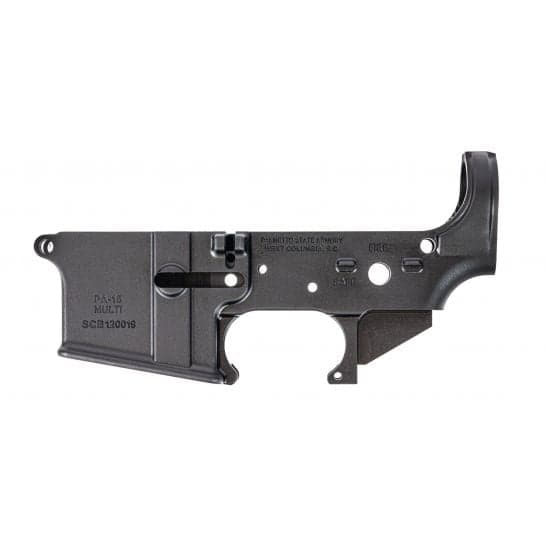
PSA Stealth Stripped Lower Receiver
- 7075-T6 forged aluminum
- Mil-spec dimensions
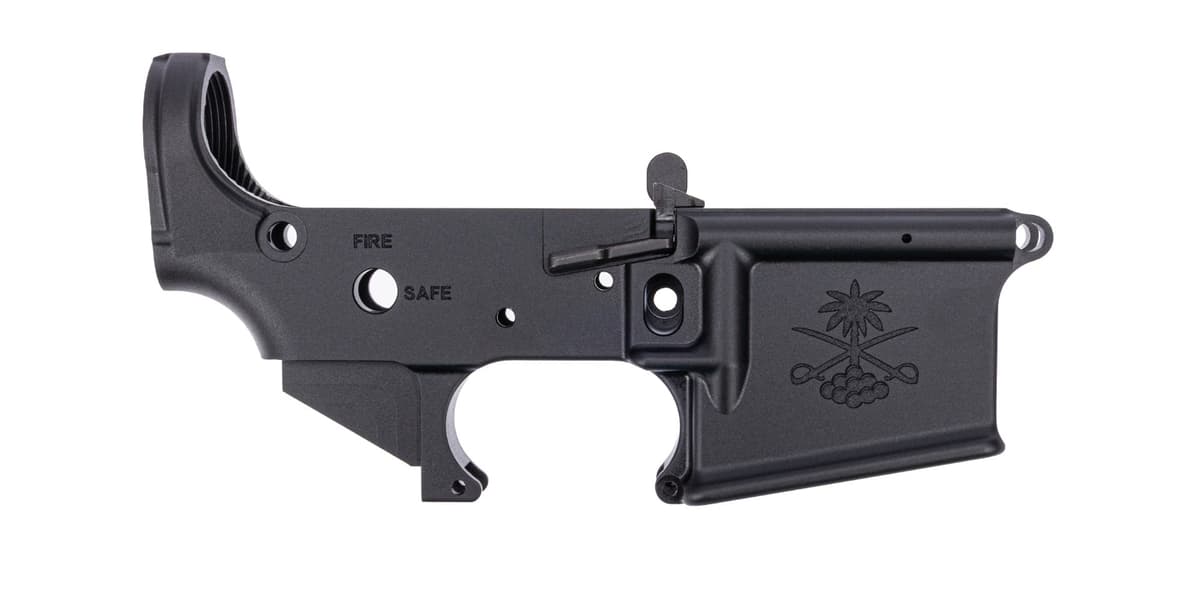
PSA Sabre-15 Ambi Lower Receiver
- Stripped AR-15 lower receiver
- 7075-T6 aluminum
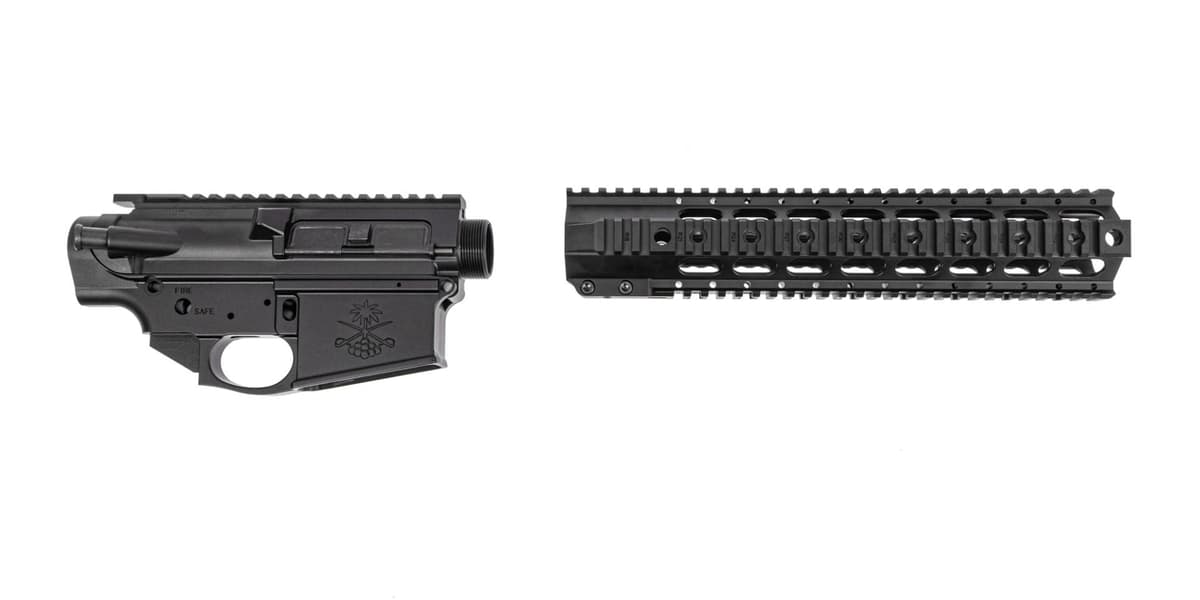
PSA Sabre-10 Builder Set (12.5" Quad Rail, Black)
- Matched Sabre-10 upper and lower receivers
- 12.5-inch black quad-rail handguard
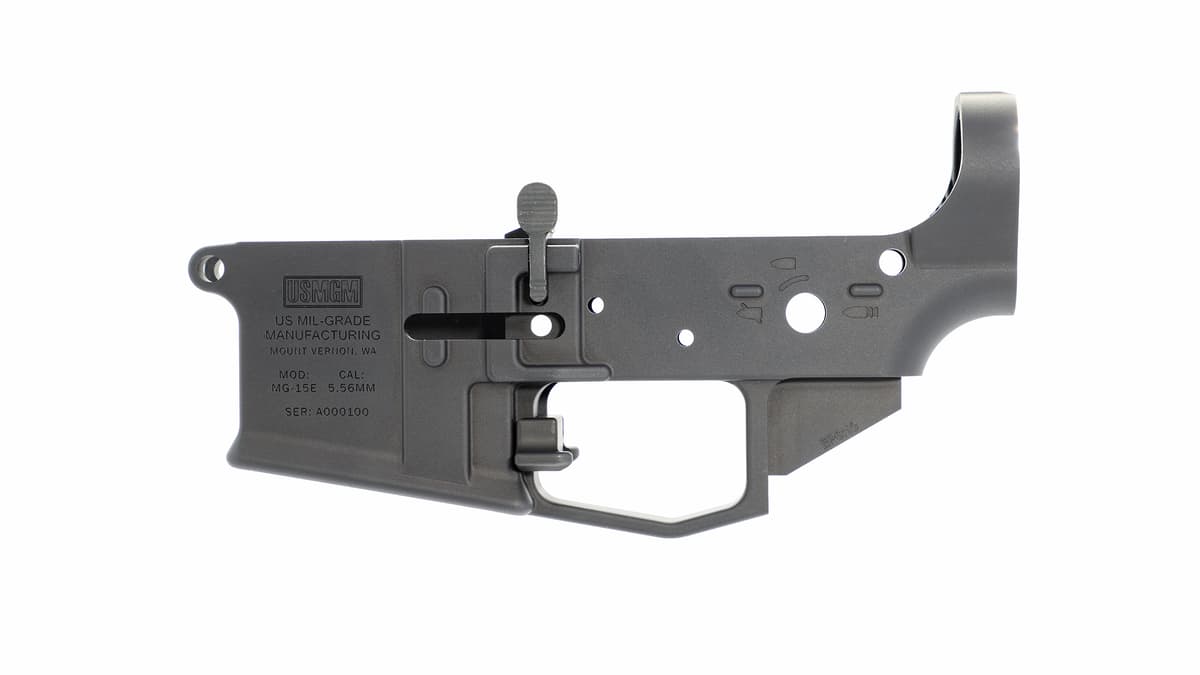
USMGM MG-15E Stripped Lower Receiver
- Billet 7075 aluminum, 9.3 oz
- SAEBR symmetrical ambi bolt catch and release
Affiliate links (?)
The Law: What Happens July 1
HB 217/SB 749 bans the sale, purchase, import, manufacture, and transfer of “assault firearms” in Virginia starting July 1, 2026. The definition is feature-based: semi-automatic rifles or pistols carrying features such as a pistol grip, collapsible stock, or threaded barrel combined with a magazine capacity over 15 rounds, plus standalone magazines over 15 rounds. Spanberger signed the bill on May 14, 2026.
Current owners are grandfathered. Firearms and magazines lawfully possessed before July 1 stay legal to keep; the prohibition is on new sales, transfers, imports, and manufacture. A violation is a misdemeanor carrying up to 12 months in jail and a $2,500 fine. The practical effect is a hard line on the calendar: anything a buyer wants on a Virginia 4473 has to clear before July 1. For the full statutory text, feature list, and exclusions, see our full coverage of HB 217/SB 749.
Stay Updated on Virginia Gun Laws
Get notified about court rulings, enforcement updates, and what the ban means for Virginia gun owners. We cover industry news, new product launches, and hands-on reviews.
Suppressors: Not Part of the State Ban
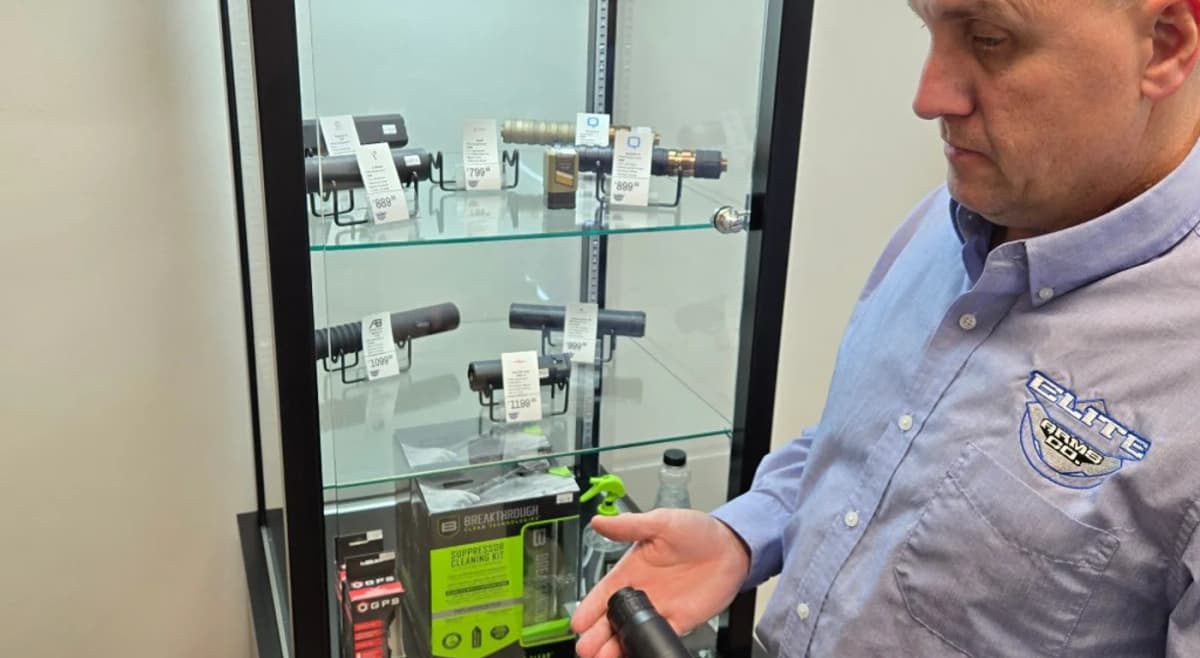
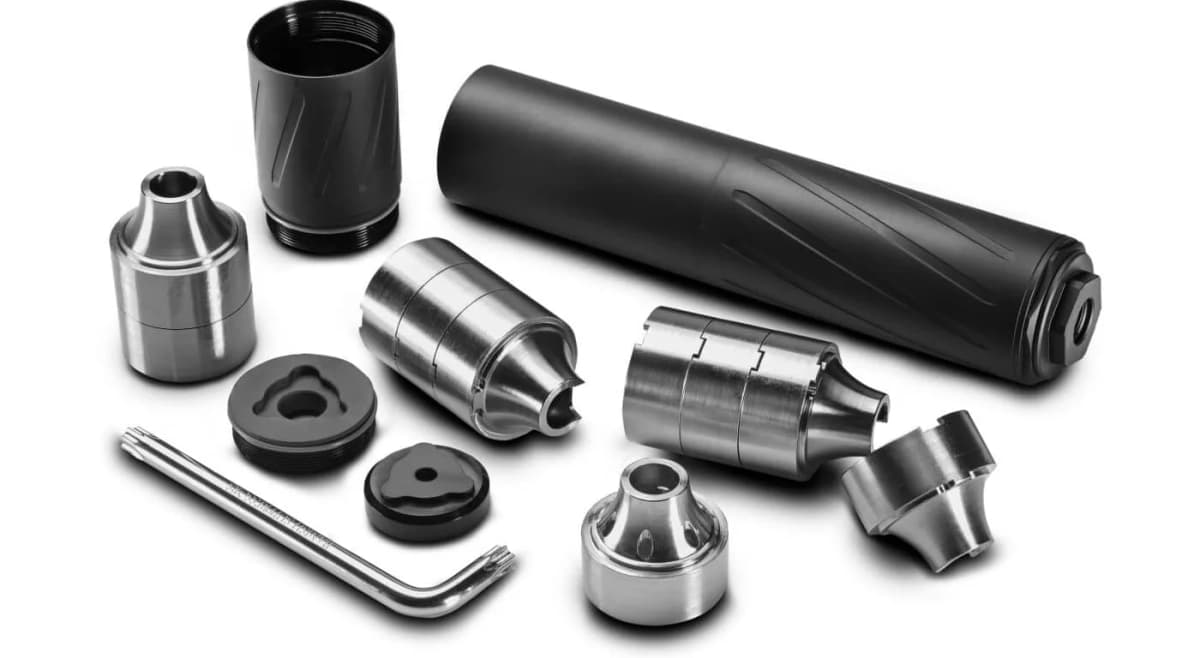
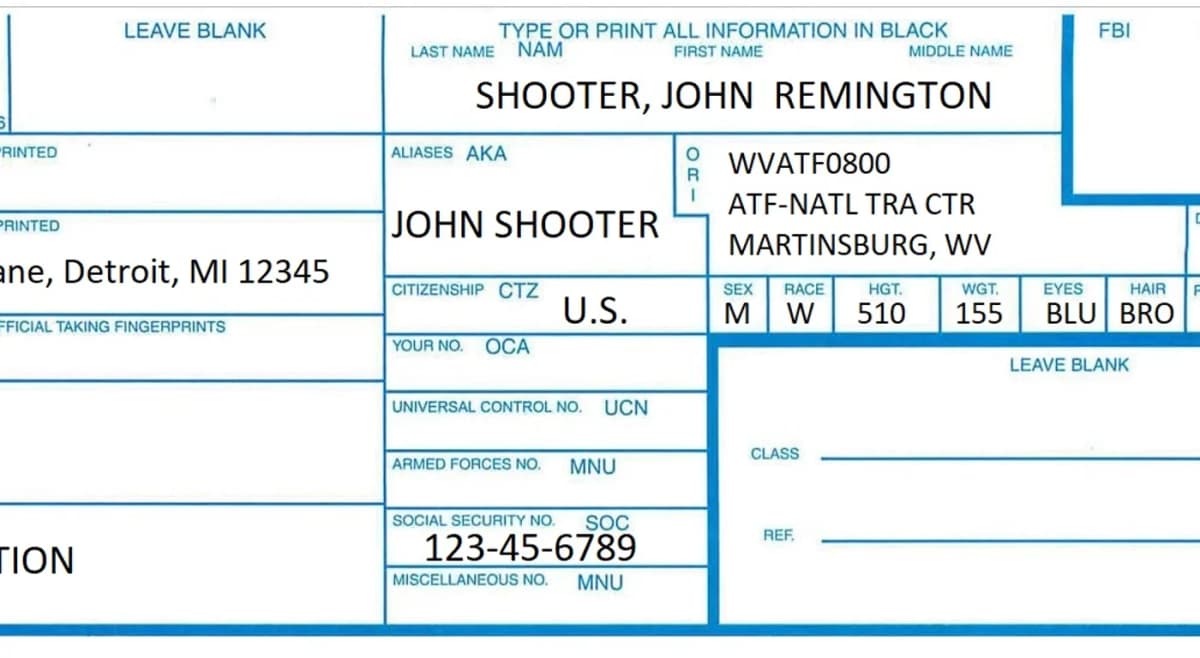
Suppressors are not banned by HB 217/SB 749. They are federally regulated National Firearms Act items, not “assault firearms” under Virginia law, so the July 1 cutoff does not touch them. A Virginia resident can still buy and register a suppressor after the ban takes effect through the standard ATF Form 4 process. That distinction matters for buyers reading the NFA ranking and assuming cans are on the chopping block. They are not.
The reason Virginia jumped to second in the nation for NFA checks is a separate national trend stacked on top of the local panic. The federal NFA tax on suppressors, SBRs, SBSs, and AOWs has been $0 since January 1, 2026 under the One Big Beautiful Bill Act, signed July 4, 2025. ATF eForm approvals on suppressors and SBRs are now running in days to a few weeks, not the long waits of prior years. A zero-cost stamp and a fast approval pipeline pull buyers into the NFA market nationwide; Virginia's deadline-driven climate amplified it into a top-two ranking.
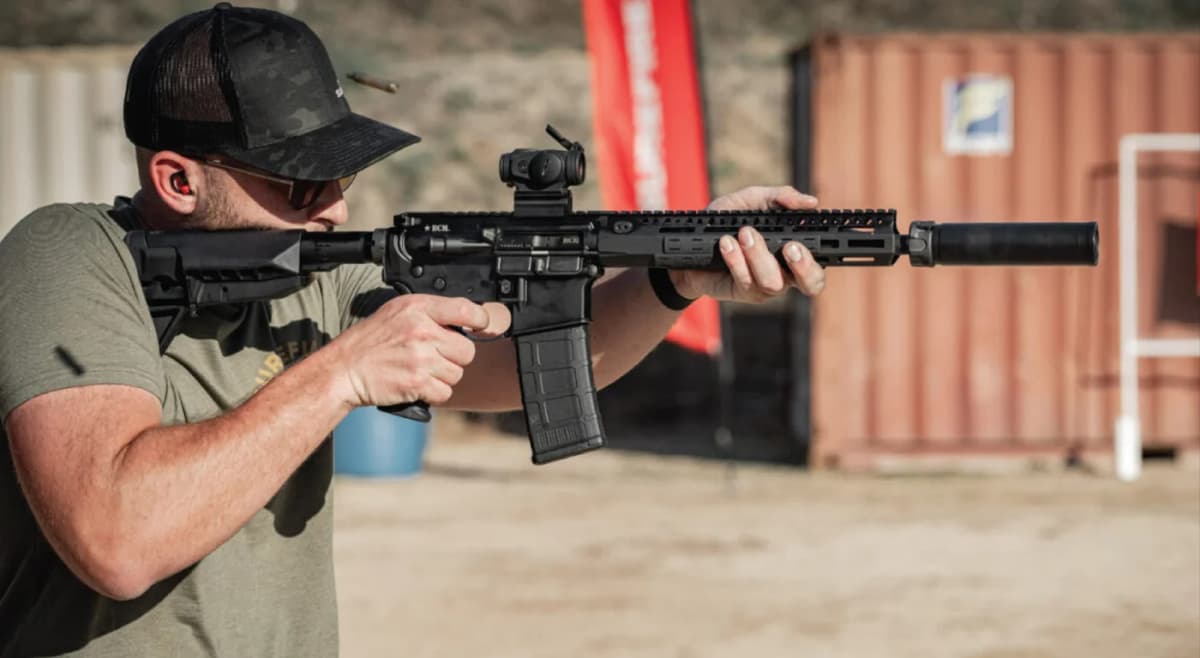
The host rifle is the constrained item, not the can. A buyer who wants a suppressed setup should lock in the threaded-barrel rifle before July 1 and run the suppressor on its own federal timeline. For the mount, caliber, and length tradeoffs, see our suppressor buying guide.
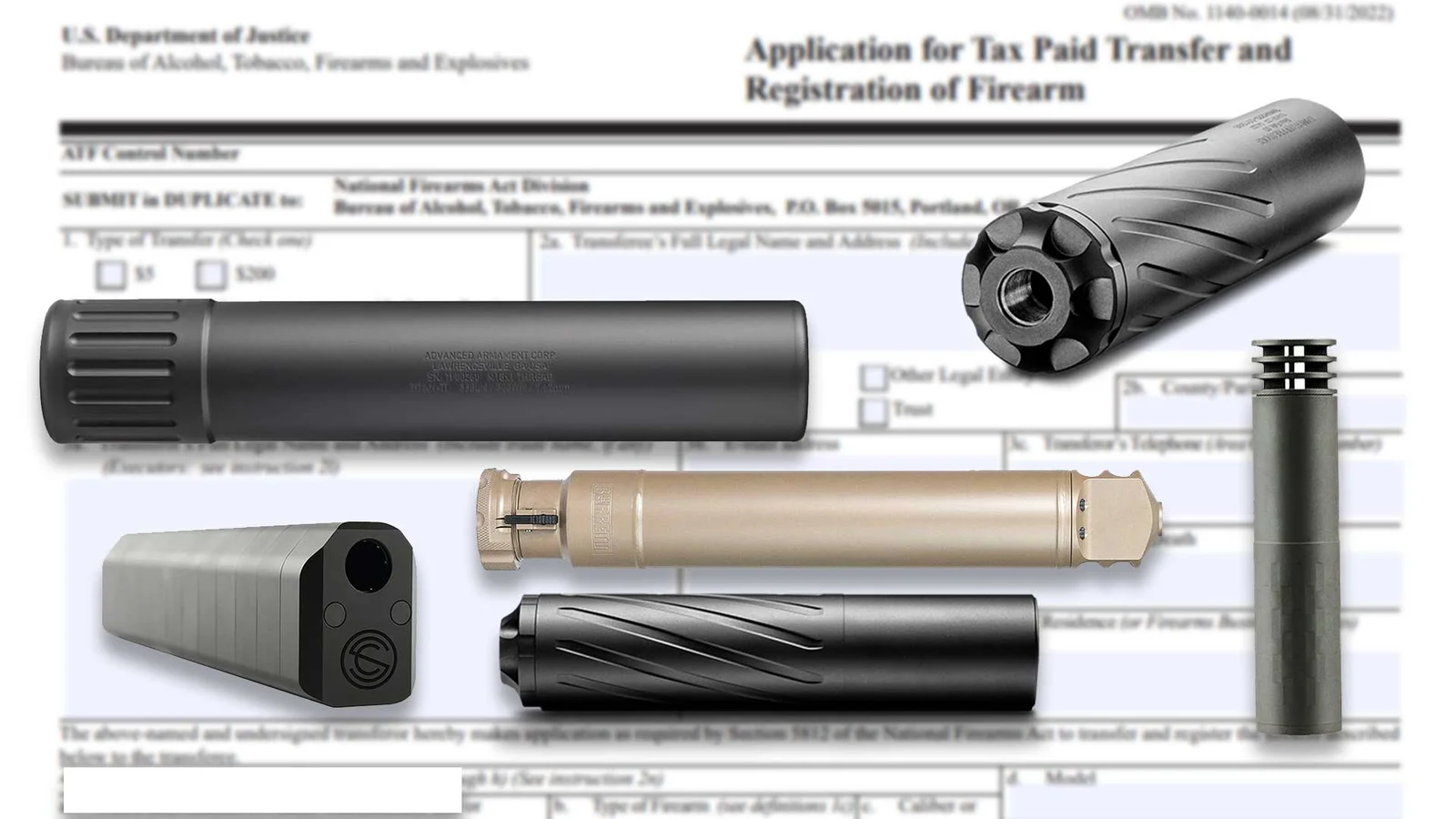
Suppressors: $0 Stamp, Days-Not-Months Approvals
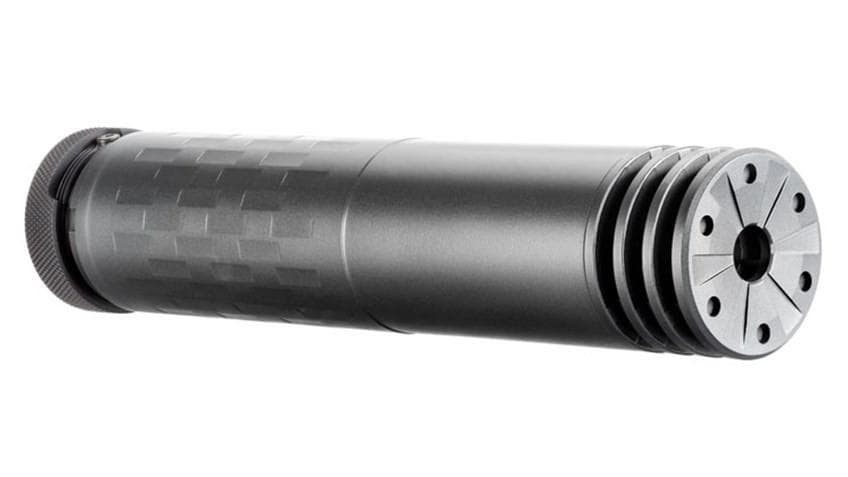
SilencerCo Omega 300
- .30 cal rated
- Direct thread + QD
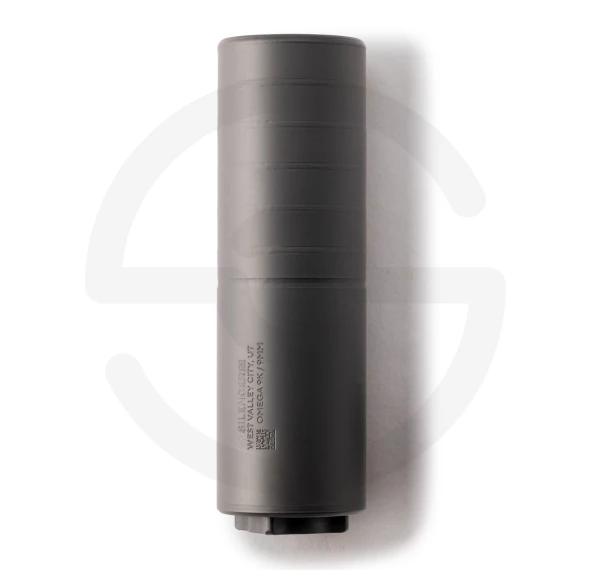
SilencerCo Omega 9K
- 9mm + .300 BLK rated
- 4.54 inches
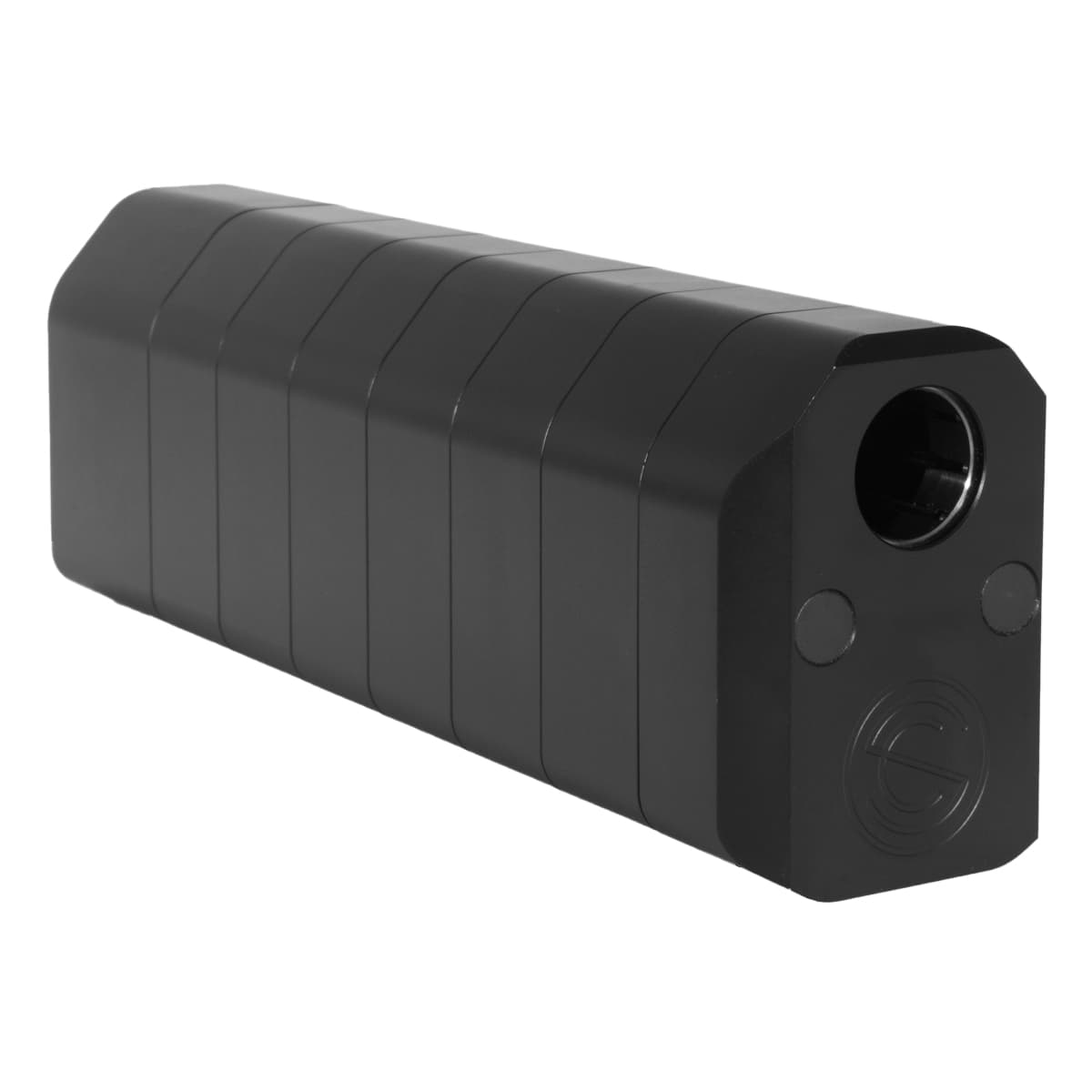
SilencerCo Salvo 12
- 12 gauge, 2.75 and 3 inch shells
- Modular 6 / 8 / 10 / 12 inch lengths
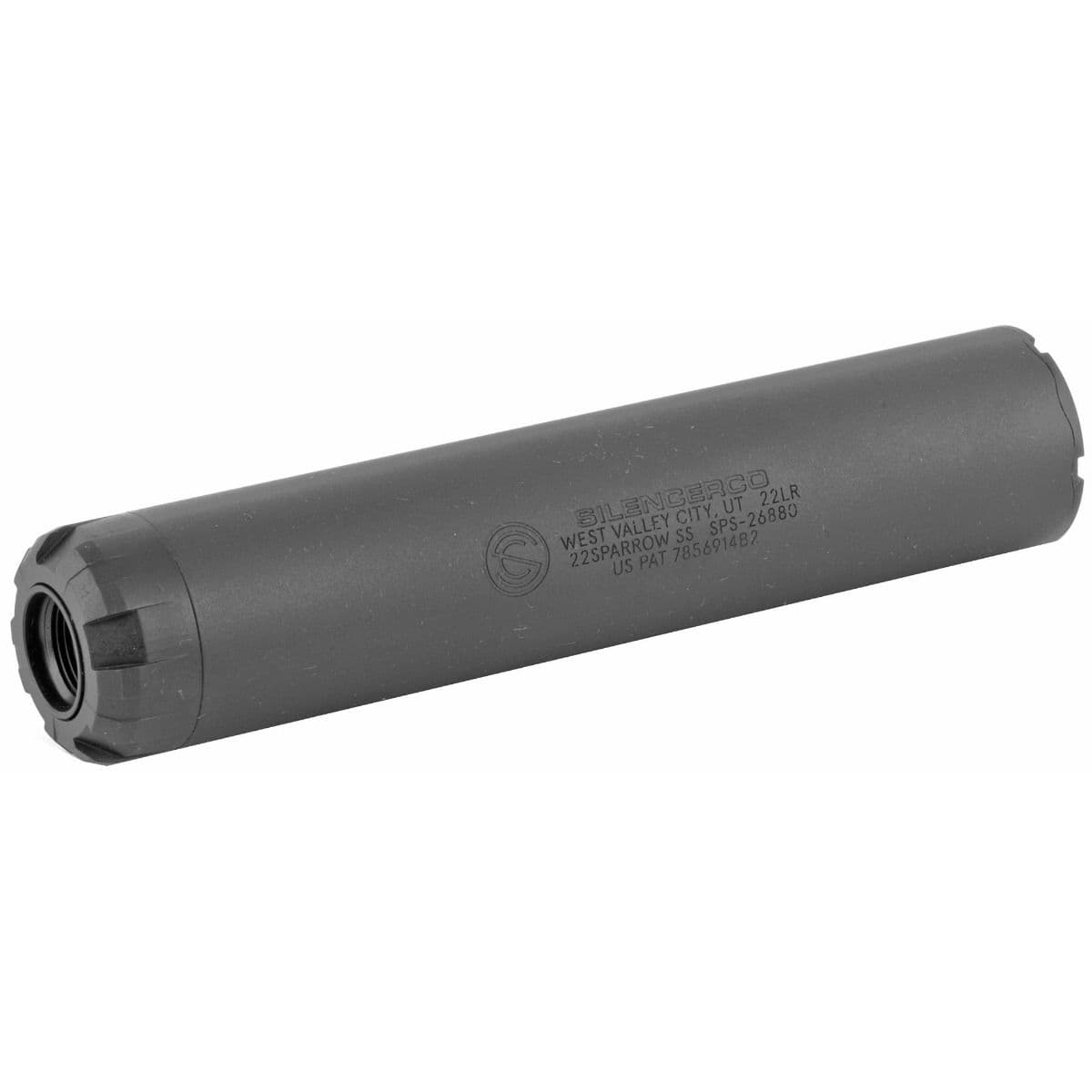
SilencerCo Sparrow 22
- 6.5 oz, 5.08 in length
- 17-4 / 316 stainless monocore
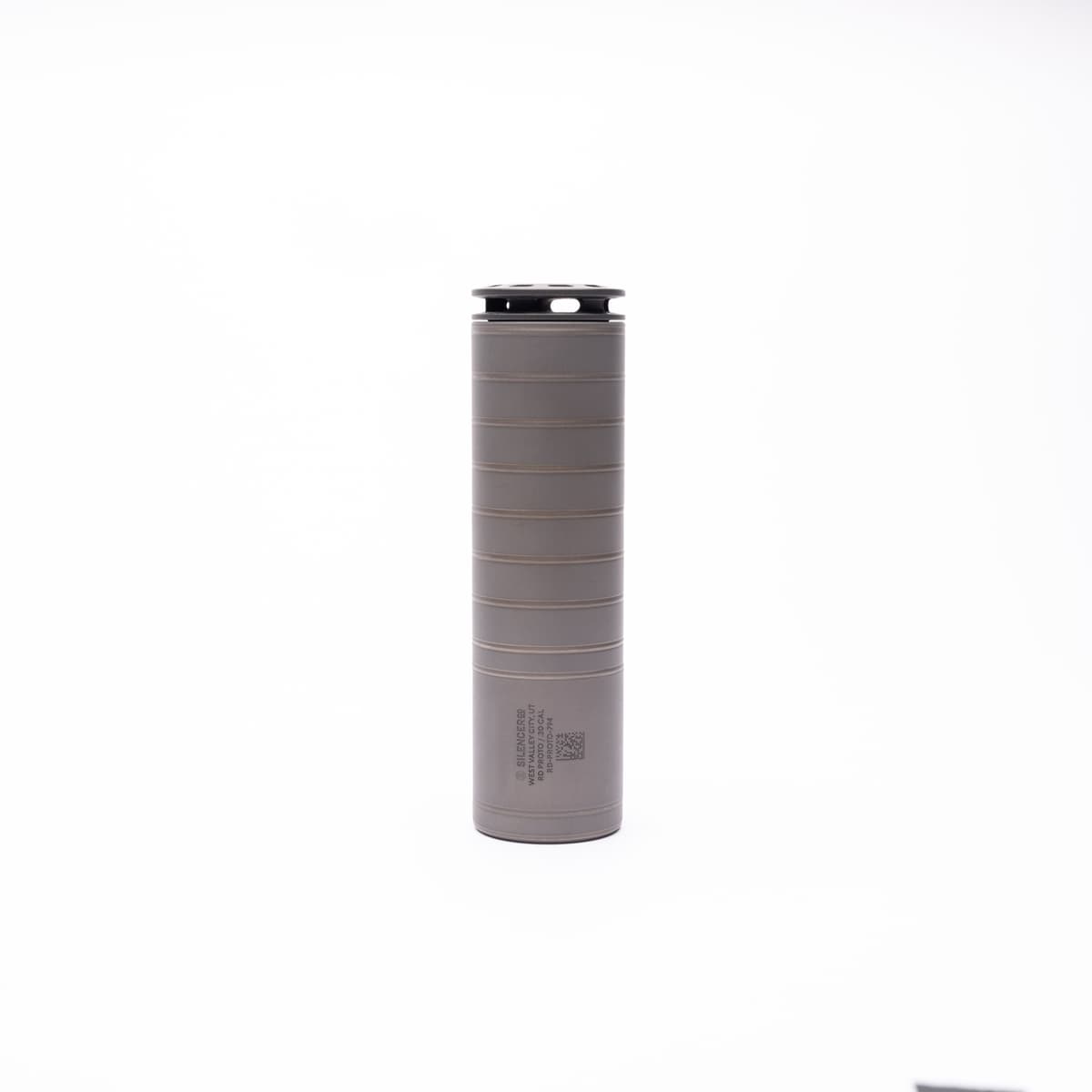
SilencerCo Scythe Ti
- .223 Rem and 5.56 NATO through .300 RUM
- 6.16 in
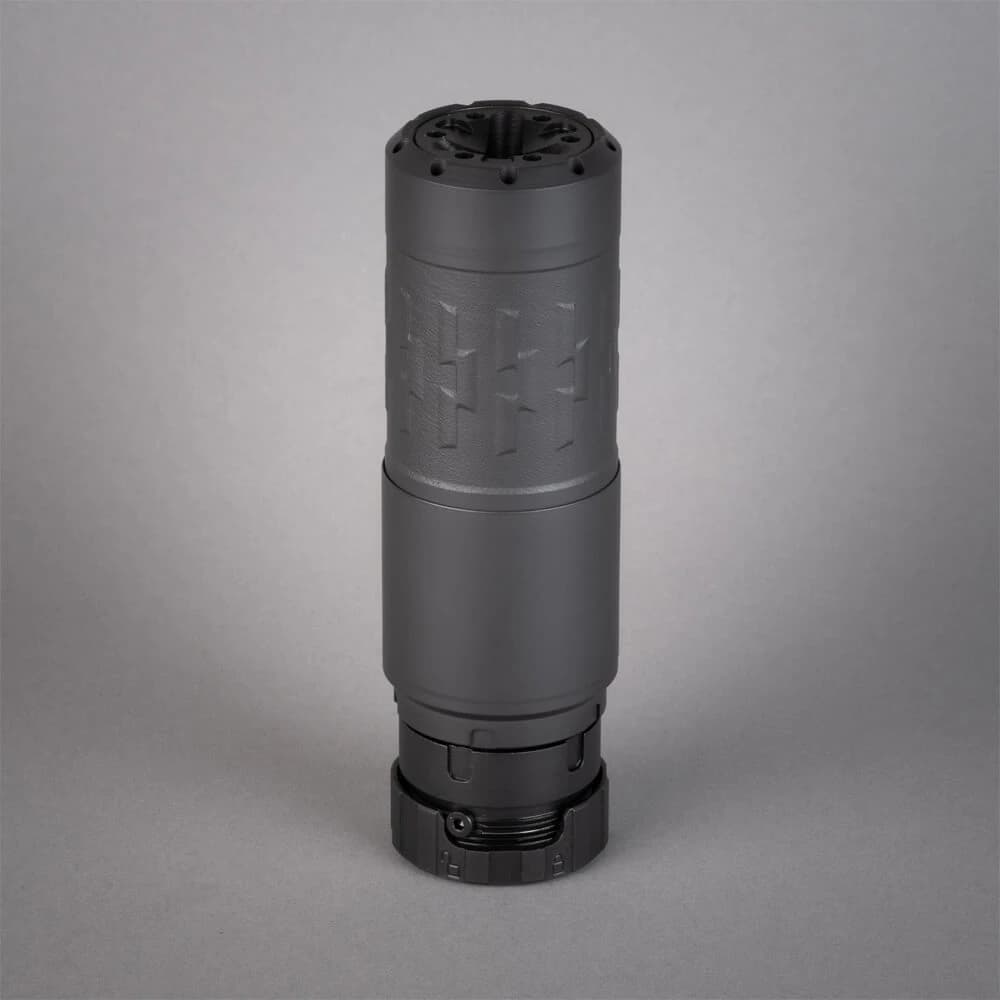
SilencerCo Velos LBP 556K
- .223 Rem and 5.56 NATO
- 4.76 in
Affiliate links (?)
Legal Challenges and Enforcement
The legal counterattack started within hours of the signing. The NRA, Second Amendment Foundation, Firearms Policy Coalition, and Gun Owners of America all filed lawsuits the same day, framing the ban as a Second Amendment violation under the Bruen and Heller line of cases. Harmeet Dhillon, head of the DOJ Civil Rights Division, posted “See you in court!” immediately after the signing, signaling federal interest in the litigation.
Enforcement is fractured at the local level. Ten Virginia Commonwealth Attorneys have publicly stated they will not enforce the law in their jurisdictions, which leaves prosecution discretion uneven across the state. A Lynchburg Circuit Court filing seeks an injunction to block background checks during private firearm sales, one of the procedural fronts in the broader fight. None of these challenges has paused the July 1 effective date, so retailers and buyers are operating on the assumption that the statute takes effect on schedule.
What This Means for Gun Shops
Virginia dealers are running a compressed sell-through window and a hard inventory cliff. The immediate effect is the surge Sprouse and Boyd describe: product moving as fast as it lands, half of it pre-ordered, stripped lowers wiped out weekly. The harder problem arrives July 2, when a large share of a typical dealer's rifle and magazine inventory becomes unsellable in Virginia. Boyd's point that magazines over 15 rounds cover “a majority of your weapons nowadays” is the inventory reality, not hyperbole.
Shops that survive the transition will pivot to what stays legal: featureless rifles, bolt and pump actions, sub-15-round pistols, 15-round magazines, and the NFA business that the state ban never touched. Suppressors in particular are a durable revenue line given the $0 federal stamp and fast eForm approvals. The 45-day window between the signing and the effective date is a revenue spike followed by a structural contraction in the modern-sporting-rifle category, and dealers are stocking accordingly.
Standard-Capacity Magazines
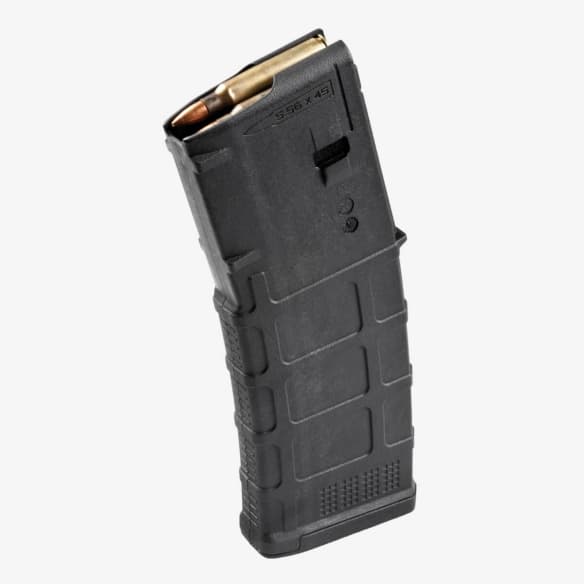
Magpul PMAG 30 AR/M4 GEN M3
- 30 rounds
- 5.56/.223
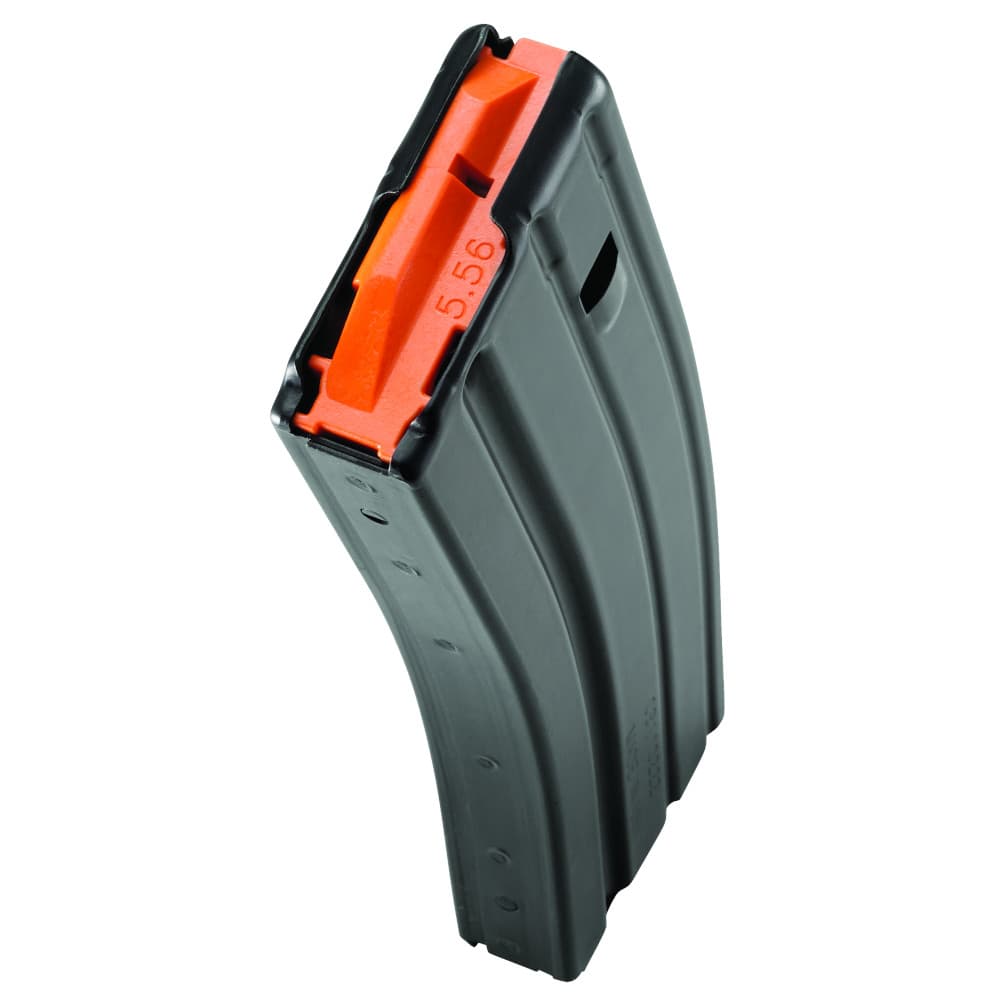
DURAMAG SPEED 30-Round Aluminum Magazine
- 30 rounds
- 6061-T6 aluminum
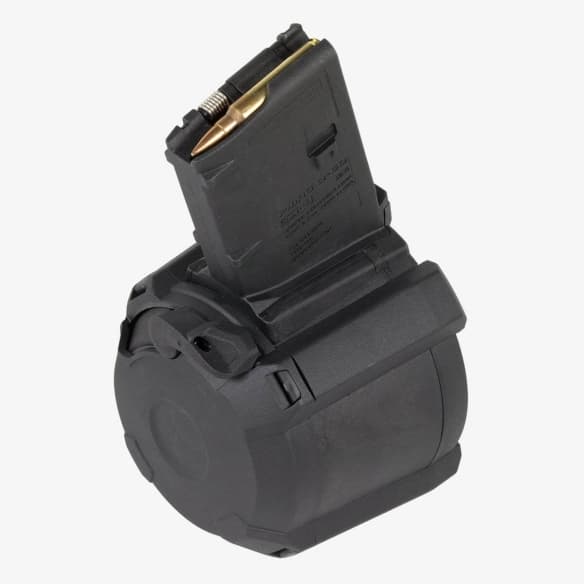
Magpul D-60 Drum Magazine
- 60 rounds
- Polymer construction
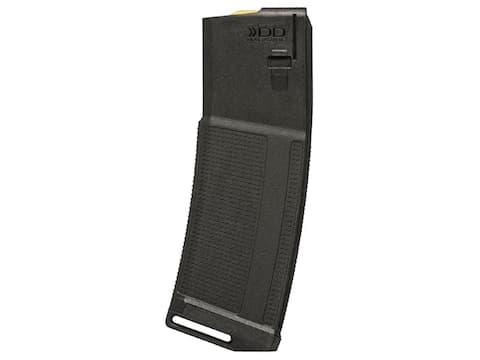
Daniel Defense 32-Round Magazine
- 32 rounds
- 5.56/.223

Daniel Defense 32-Round Magazine 12-Pack
- 12 magazines
- 32 rounds each
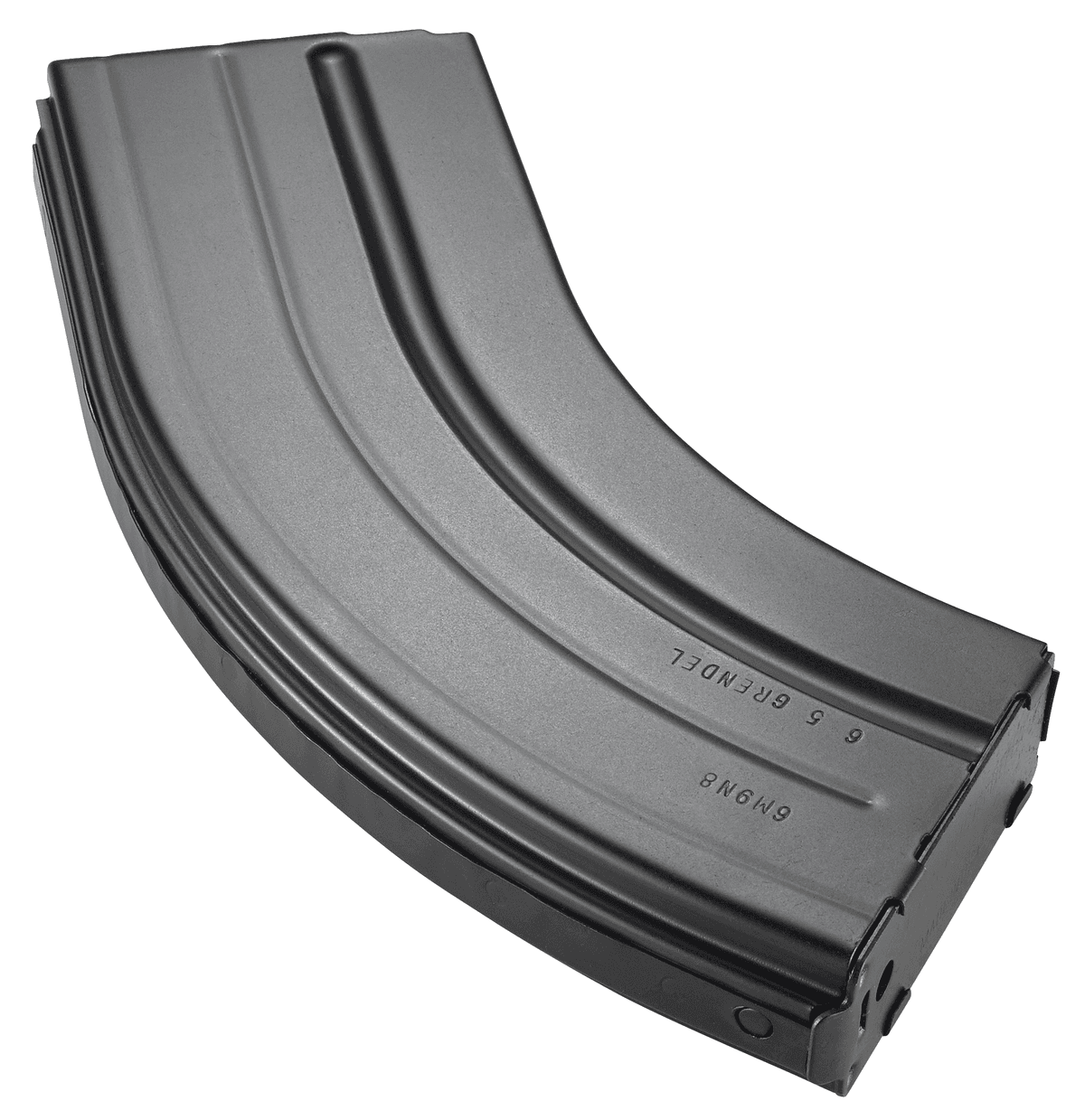
DURAMAG SS 6.5 Grendel 26-Round Magazine
- 26 rounds
- 6.5 Grendel
Affiliate links (?)
Analysis
The Virginia data is a textbook demonstration of how a pending ban manufactures the demand it intends to suppress. Doubling background checks year over year, a top-five long gun ranking, and a number-two NFA ranking are the market pricing in a deadline, not a sudden change in what Virginians want to own. The grandfather clause is the mechanism: because pre-July-1 purchases stay legal, every week before the cutoff is a rational buying opportunity, and the market behaves accordingly.
The NFA spike is the most instructive piece. It is partly local panic and partly a national structural shift, the $0 stamp and fast eForm approvals, that has nothing to do with Virginia law. Reading the second-place NFA ranking as evidence that suppressors are banned gets the story backwards. The cans are fine; the threaded-barrel hosts are the regulated item. Law professor Jonathan Turley captured the political dynamic in remarks to Breitbart, suggesting Spanberger may prove to be “the greatest pro-gun influencer since Charlton Heston.” The sales figures are the evidence for that line.
For buyers, the takeaway is unchanged by the litigation: plan against the statute as written, because none of the four lawsuits will resolve before July 1. Anything documented on a Virginia 4473 or invoice before the cutoff is grandfathered. For the full pre-cutoff buying order, see our Virginia buyer's guide. The durable state-compliant platform options are also covered in our Virginia-legal tactical firearms guide.
Update June 25, 2026: A Lancaster County Circuit Court judge granted a preliminary injunction in Crump v. Katz, blocking enforcement of the ban through at least December 31, 2026. The July 1 deadline that drove the sales surge documented above is no longer the enforcement cutoff. See our Crump v. Katz injunction coverage for the ruling and what it means for the buying window.