Illinois HB4471 Glock Ban: What It Does and Pistol Alternatives
Illinois HB4471, the Responsible Gun Manufacturing Act, cleared the House Gun Violence Prevention Committee on a 9-5 party-line vote on May 20, 2026. The bill bans any semiautomatic pistol with a cruciform trigger bar that can be readily altered to accept a machine gun conversion device. Glock is the only major brand whose production pistols meet that internal definition. Here is what the bill covers, what is explicitly excluded, and the striker-fired pistols Illinois residents can still buy if the law passes the full legislature.
Key Takeaways
- Bill status: Passed Gun Violence Prevention Committee 9-5 on May 20, 2026; held on Second Reading - Short Debate in the Illinois House. Not yet law.
- What is banned: Manufacture of a convertible pistol by any person, and sale or transfer by an Illinois-certified licensee (FFL). Individual purchase, receipt, and possession are not directly regulated.
- Brand impact: Glock is the only major striker-fired manufacturer using a cruciform trigger bar. Sig P320, S&W M&P, HK VP9, Springfield Hellcat, Walther PDP, FN 509, Canik, and CZ P-10 use segmented designs and fall outside the definition.
- Possession: Currently owned Glocks remain lawful to possess. The restriction is on supply, not on existing ownership.
- Penalty: Civil penalty of $10,000 (first violation) or $25,000 (second), payable to the Illinois State Police. Certified dealers face license suspension on first offense, revocation on second. The introduced bill had felony language; the May 20 amendment replaced it with this civil scheme.
What HB4471 Actually Says
HB4471 defines a "convertible pistol" as any semiautomatic pistol with a cruciform trigger bar that can be readily altered by hand or with common household tools so that it can be converted into a machine gun by the installation or attachment of a switch. The statutory definition specifically excludes hammer-fired semiautomatic pistols. As amended on May 20, 2026 the Act makes it unlawful for any person to manufacture a convertible pistol and unlawful for an Illinois-certified licensee (FFL) to sell, offer to sell, exchange, give, transfer, or deliver one. Purchase, receipt, and possession by an individual owner are not on the prohibited-acts list.
The bill is patterned on the California law that takes effect July 1, 2026, plus comparable statutes already passed in Maryland and Connecticut. The drafting intent, per sponsor Rep. Justin Slaughter (D-Orland Park), is to address the proliferation of illegal auto-sear switches commonly referred to as "Glock switches." Chicago Police report recovering roughly 1,300 modified Glocks used in crimes; the bill targets the upstream supply of convertible-pistol hosts rather than the switches themselves, which are already a federal felony under 18 U.S.C. 922(o) and a Class 2 felony under existing Illinois law.
The introduced version of HB4471 imposed Class 2 and Class X felony penalties on the new offenses. The May 20 committee amendment replaced that scheme with civil penalties payable to the Illinois State Police: $10,000 for a first violation, $25,000 for a second. For certified dealers, the Illinois State Police may suspend the dealer license after a first-offense hearing and shall revoke the license after a second offense. There is no felony charge or prison term in the amended bill text for the new offenses HB4471 creates; the regulatory enforcement mechanism is civil monetary penalty plus dealer-license consequence.
Why the Cruciform Trigger Bar Is the Test
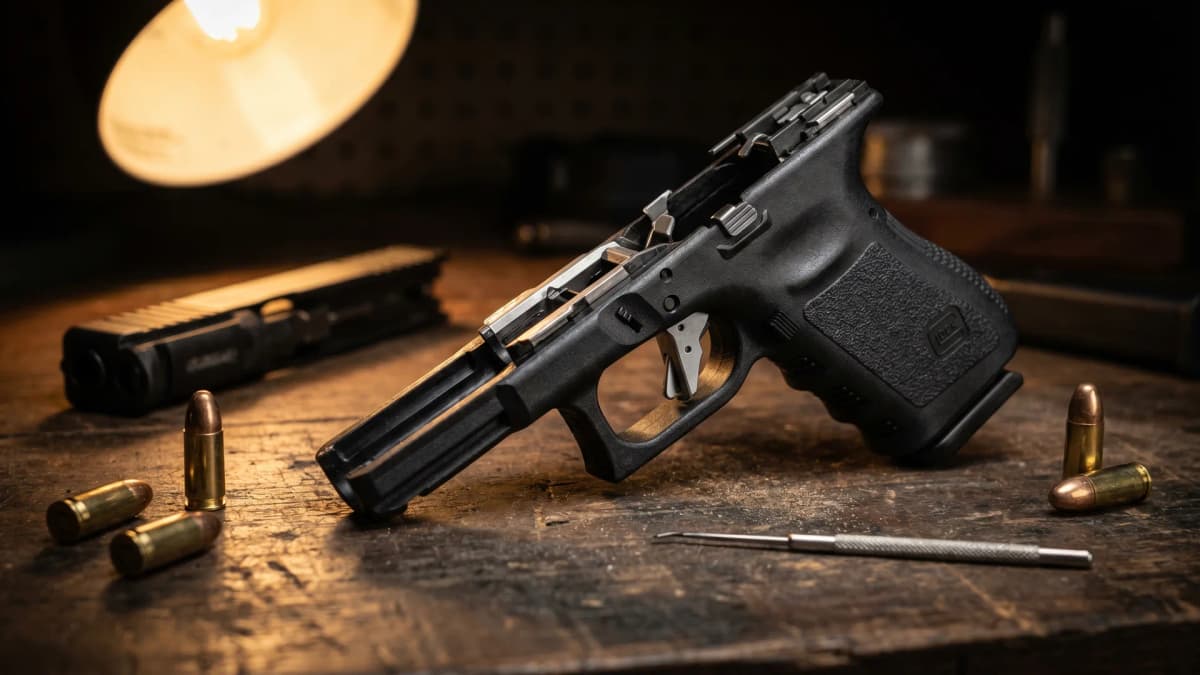
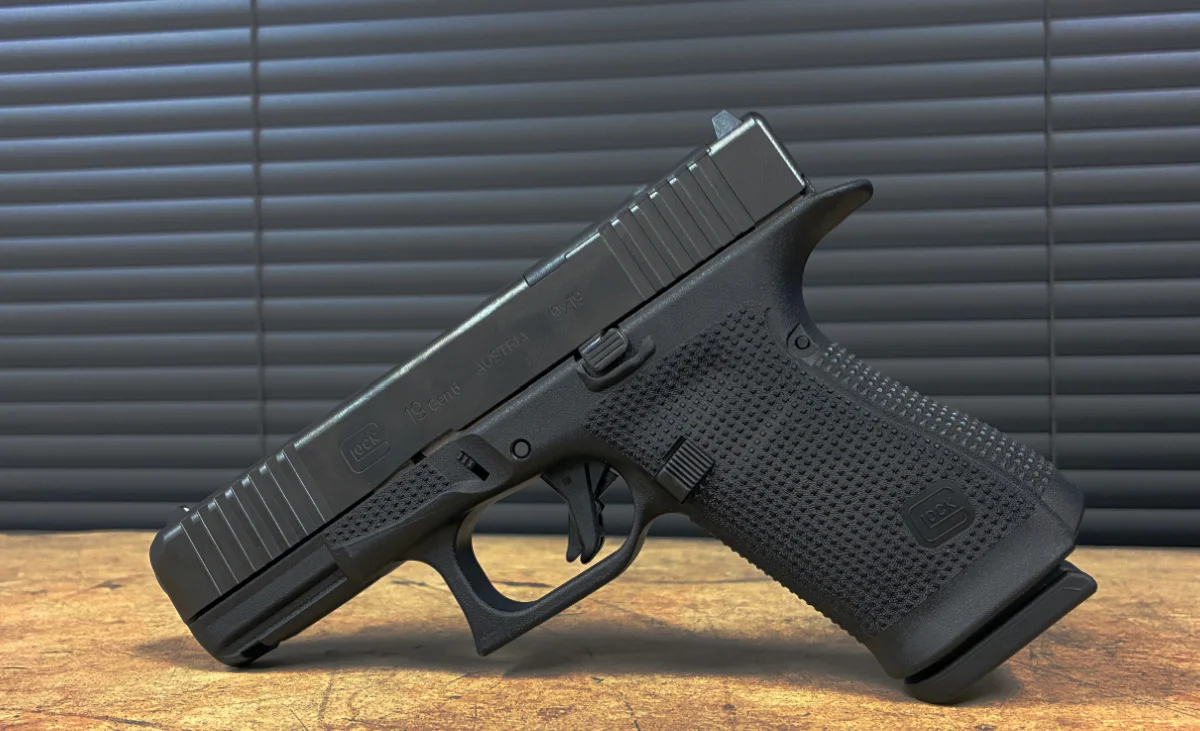
A cruciform trigger bar is a single cross-shaped piece of stamped or machined steel that ties the trigger to the striker. It is the defining internal feature of every factory Glock pistol from Gen1 through Gen6 and the new V-series. The cross arms ride against the connector and the firing pin safety on one side and the trigger spring on the other. An auto-sear switch attaches to the rear of the slide and uses that cruciform geometry to hold the trigger bar down through the firing cycle, allowing the pistol to fire repeatedly under a single press.
Segmented trigger bar designs do not provide a continuous surface for a switch to ride against. Sig P320 uses a two-piece trigger bar with a separate disconnector. Smith & Wesson M&P uses a leaf-spring sear bar with a segmented sear linkage. HK VP9 uses a roller-style connector and an articulated trigger bar. None of those designs allow a drop-in switch to function in the same way a Glock-pattern switch does, which is the engineering reason the bill draws the line at the cruciform geometry.
Glock-pattern clones present a closer case. The PSA Dagger and Shadow Systems pistols use trigger bars functionally equivalent to the OEM Glock part. Under HB4471 as drafted, the test is the physical geometry of the trigger bar and whether the pistol can be readily converted with common tools, not the brand. Counsel for any Illinois FFL trying to determine whether a specific clone falls inside or outside the definition should review the trigger bar in hand against the statutory test rather than relying on a brand-based rule of thumb.
Which Pistols Are Affected
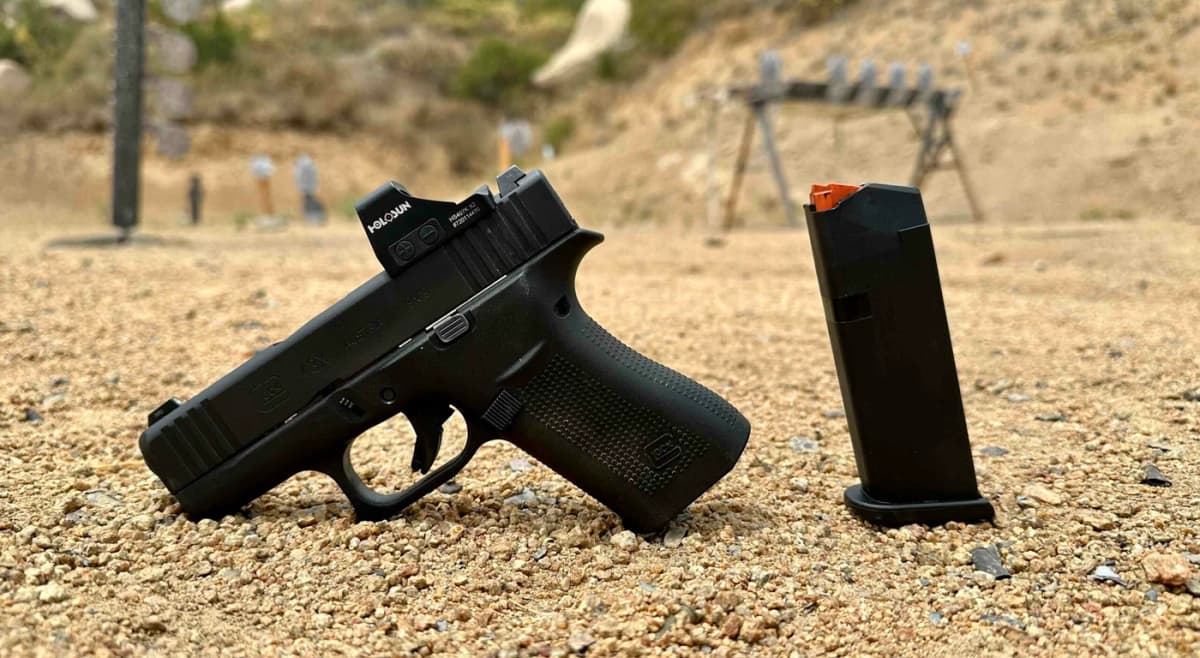
The clean answer is that the entire Glock production line meets the HB4471 definition. That includes the G17, G19, G19X, G19 MOS, G26, G34, G43X, G44, G45, G47, G48, G49 and every other model in Generations 3 through 6 and the new V-series. MOS variants (Modular Optic System) do not change the trigger bar geometry and are equally covered. The Glock 44 in .22 LR uses a hybrid design but retains the cruciform layout and is included as written.
Glock-pattern aftermarket pistols that ship with functionally identical trigger bars are at risk of being swept in. PSA Dagger (Compact, Full, Micro), Shadow Systems pistols (MR920, XR920, DR920, CR920), and the Ruger RXM (which is built to accept Glock 19-pattern magazines and uses Glock-compatible fire-control internals) are the most common. Aftermarket trigger bars sold for Glock retrofit, such as those from Apex Tactical and Overwatch Precision, are themselves Glock-cruciform parts and are included in scope; the bill does not contain a parts carve-out for standalone trigger bars sold for replacement.
The bill text excludes hammer-fired pistols by name, which means Beretta 92 series (including 92X, 92FS, 92G Elite LTT), CZ-75 family (P-09, Shadow 2, TS3), Sig P226 and P229 series, FN High Power, and every 1911 and 2011 variant fall outside the definition regardless of any other consideration. Hammer-fired is the brightest line in the statute.
Which Pistols Are Not Covered
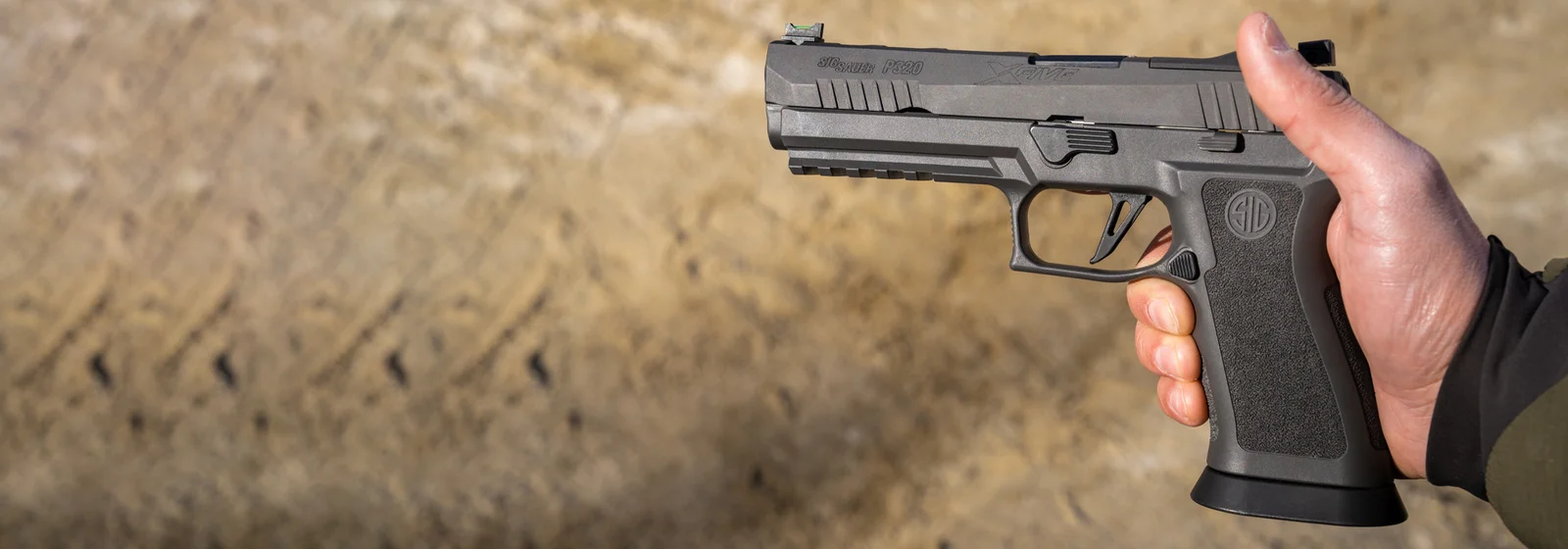
Every major striker-fired manufacturer other than Glock uses a segmented or non-cruciform trigger bar and falls outside HB4471. The clean list, by brand, of striker-fired duty pistols that remain legal to sell, transfer, and import into Illinois if the bill passes: Sig Sauer P320 family (full, compact, X-Carry, XFive Legion, Spectre Comp, AXG Pro), Sig Sauer P365 family (P365, P365X, P365 XL, P365 X-Macro, P365 Fuse), Smith & Wesson M&P M2.0 (full, compact, Performance Center), Smith & Wesson M&P 5.7, Springfield Armory Hellcat and Hellcat Pro, Springfield Echelon, Springfield XD and XD-M Elite, HK VP9 (full, OR, SK, VP9SK), Walther PDP (full, compact, F-Series, Match), FN 509 (Tactical, LS Edge, CC Edge), FN Reflex, Canik METE SFT and TP9, CZ P-10 (S, C, F), Beretta APX A1, and Stoeger STR-9.
The category most affected is the value-tier striker-fired market that Glock dominates. For an Illinois buyer who would have bought a $549 Glock 19 Gen5, the closest one-for-one replacements at the same price point are the Sig P320 Compact ($599-$649), Smith & Wesson M&P 9 M2.0 Compact ($599), and Springfield Echelon 4.0F ($679). All three carry similar capacity, similar dimensions, and factory optic cuts that match the Glock MOS feature set.
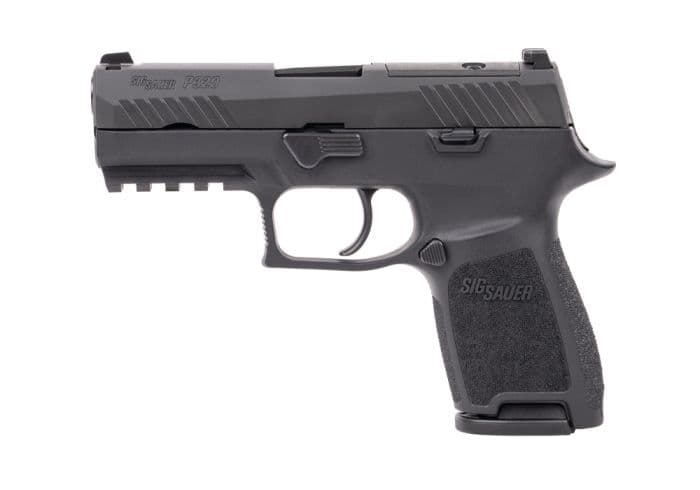
SIG P320 Compact
Closest one-for-one Glock 19 duty replacement; segmented trigger bar, optic-ready
Versatile mid-size P320 balancing concealability and capacity
- +Perfect balance of size and capacity
- +Concealable yet comfortable to shoot
- +Full P320 modularity and aftermarket
- −Shorter sight radius than full-size
- −Grip may print for deep concealment
- −Not as compact as subcompact options
Affiliate links (?)
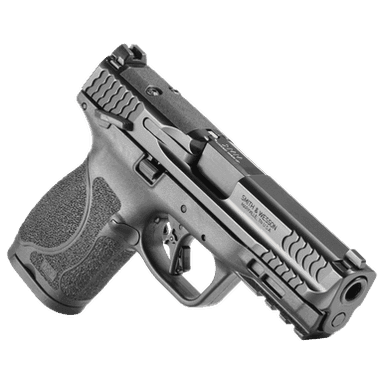
Smith & Wesson M&P M2.0 Compact
Value-tier compact 9mm; segmented sear linkage, $599 price band
Flat-face trigger compact duty pistol with aggressive grip texture and interchangeable palmswell inserts
- +Excellent flat-face trigger for a factory striker gun
- +Aggressive texture provides superior grip in all conditions
- +Palmswell system fits more hand sizes than competitors
- −Aftermarket support smaller than Glock/SIG ecosystem
- −Optic-ready model requires separate purchase
- −Grip texture may be too aggressive for some carry positions
Affiliate links (?)
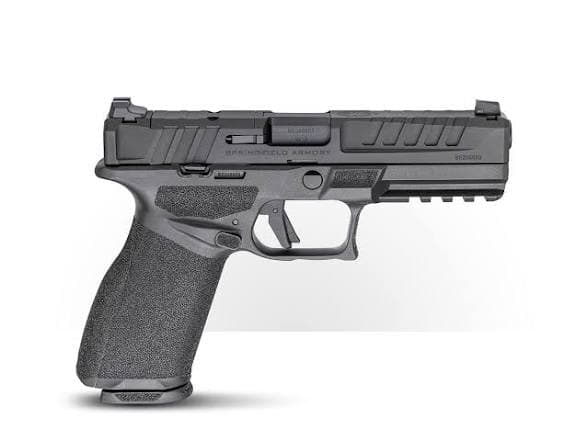
Springfield Echelon
Modular full-size 9mm with serialized COG chassis and VIS direct-mount optic cut
Full-size duty pistol with serialized COG chassis and VIS universal optic mounting
- +VIS mounts 30+ red dots directly, no adapter plate needed
- +Optic sits closer to the bore than any plate-based system
- +Double-sear redundancy addresses P320 uncommanded-discharge concerns
- −Aftermarket trigger and slide ecosystem still maturing (2023 launch)
- −Magazines cost more than Glock factory mags ($45-$55)
- −Holosun 509T and Aimpoint ACRO mount via an adapter plate, not the direct VIS pins
Affiliate links (?)
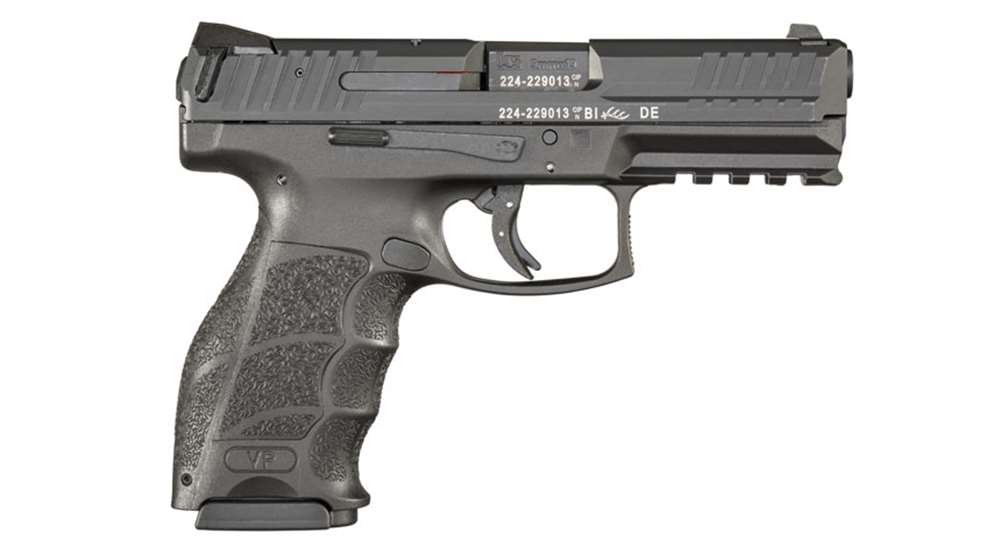
HK VP9 OR (Original)
Mid-tier full-size duty pistol with the cleanest factory trigger in the category
Original VP9 Optics Ready, still in production alongside the A1, uses the same plate system and 17-round VP9 mags
- +Deepest HK striker aftermarket of any model: Grayguns, Primary Machine, Anarchy, Tyrant
- +Shares magazines with VP9A1 F, so existing mags carry forward
- +Match OR Slide Conversion Kit converts standard VP9 to optic-ready with suppressor sights
- −Original trigger bar is not as slick as the A1 nickel-Teflon variant
- −No factory magwell; competition shooters will add one
- −Finger grooves on the front strap bother some shooters
Affiliate links (?)
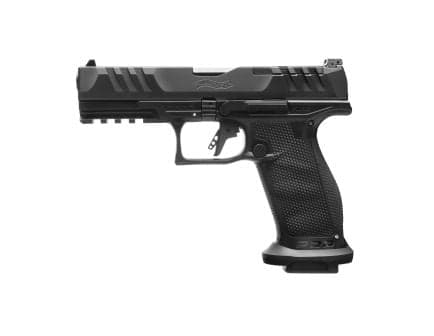
Walther PDP Full Size 5"
Full-size duty 9mm; Performance Duty Trigger and SuperTerrain serrations
Full-size PDP with 5" barrel and Walther's Performance Duty Trigger
- +Best factory striker-fired trigger available
- +5-inch barrel for competition-grade velocity and accuracy
- +Multi-footprint optic plates for easy red dot swaps
- −5" barrel limits concealment to OWB only
- −Smaller aftermarket than Glock or SIG
- −Fewer holster options compared to market leaders
Affiliate links (?)
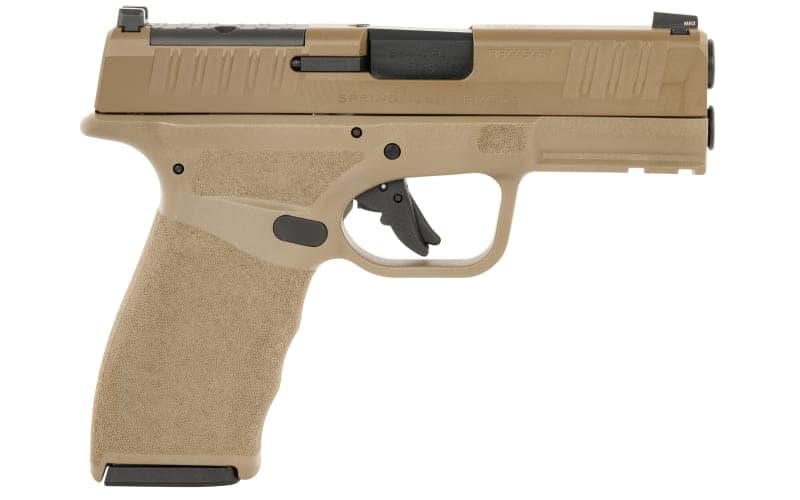
Springfield Hellcat Pro
Subcompact carry; 15-round flush mag, optic-cut slide, $599
Best-in-class capacity micro-compact with 15+1 in a sub-compact frame
- +Best-in-class capacity for its size
- +Factory optic cut eliminates slide milling
- +Comfortable grip texture for all-day carry
- −Shield RMSc footprint limits optic choices
- −Smaller aftermarket than Glock/SIG
- −3.7-inch barrel limits velocity vs 4-inch compacts
Affiliate links (?)
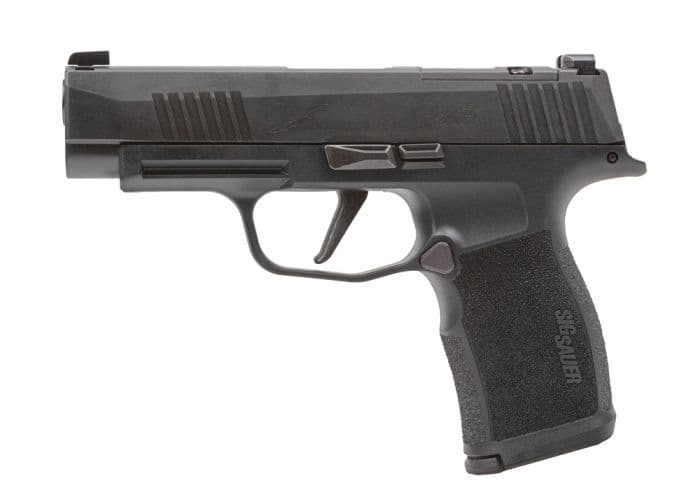
SIG P365 XL
EDC carry option; 12-15 round capacity, segmented trigger bar outside HB4471
Extended P365 with optic-ready slide and accessory rail
- +Optic-ready from factory
- +Accessory rail for compact lights
- +Extended grip improves shooting comfort
- −Slightly larger than base P365
- −Shield footprint limits optic choices
- −Extended grip may print in light clothing
Affiliate links (?)
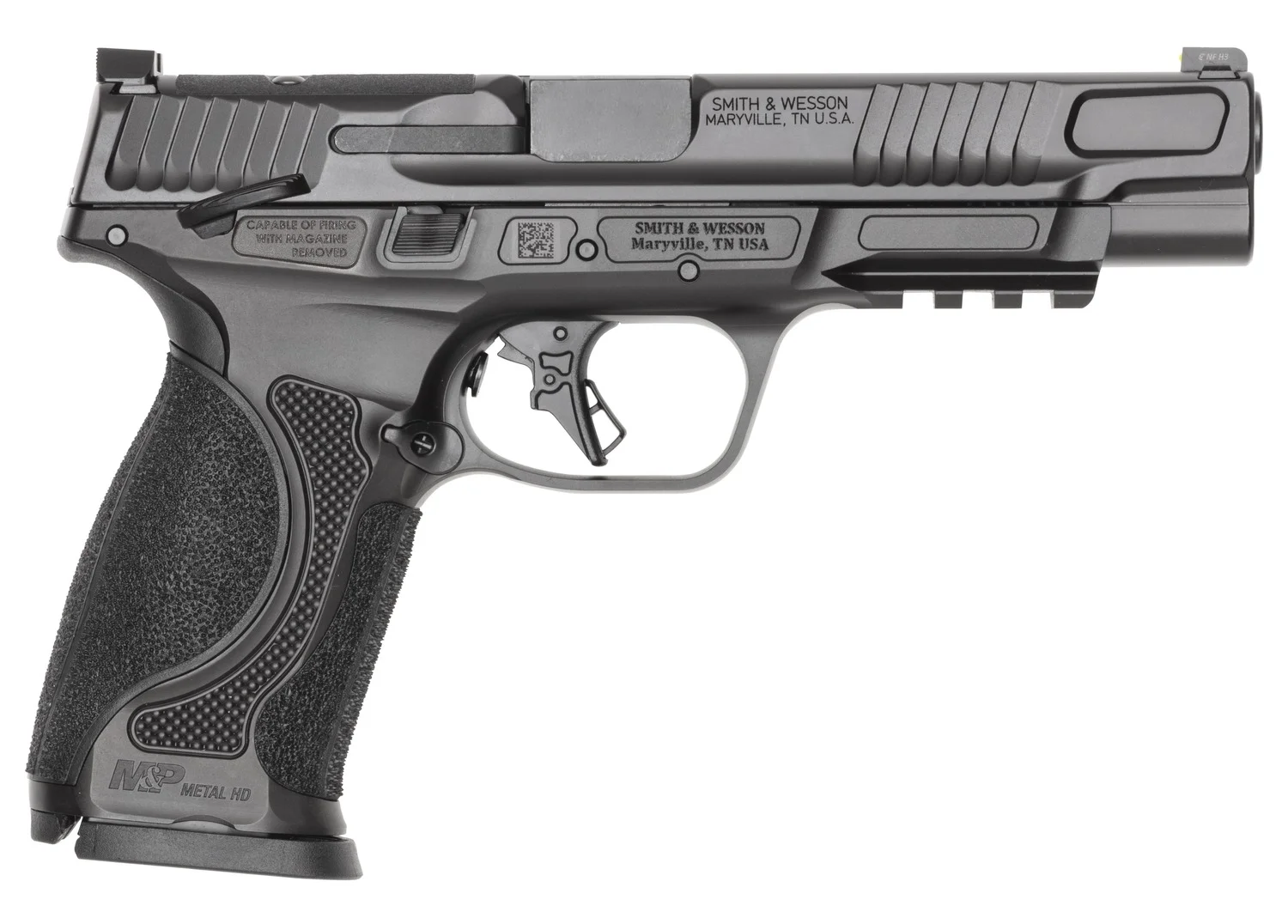
Sig P320 Factory Magazines
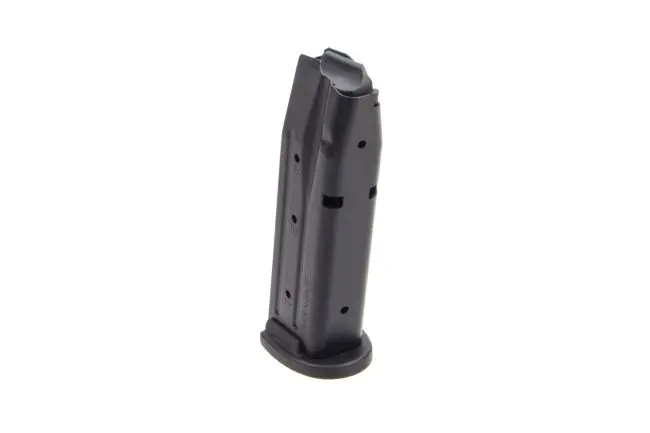
SIG P320 Full-Size 17-Round Magazine
- 17 rounds
- 9mm
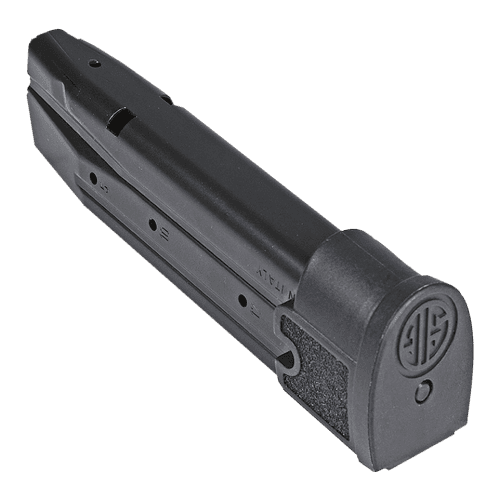
SIG P320 Extended 21-Round Magazine
- 21 rounds
- 9mm
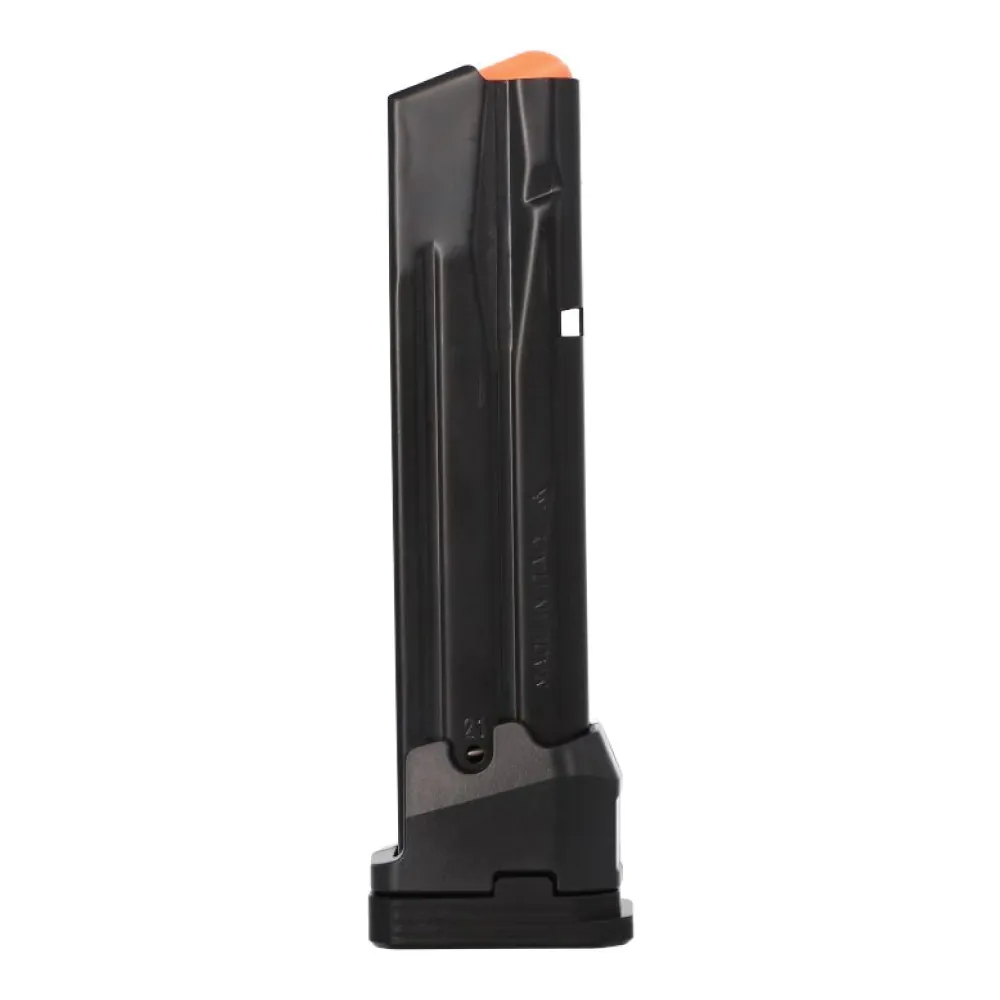
SIG P211/P320 23-Round Extended Magazine
- 23 rounds
- 9mm
Affiliate links (?)
S&W M&P Factory Magazines
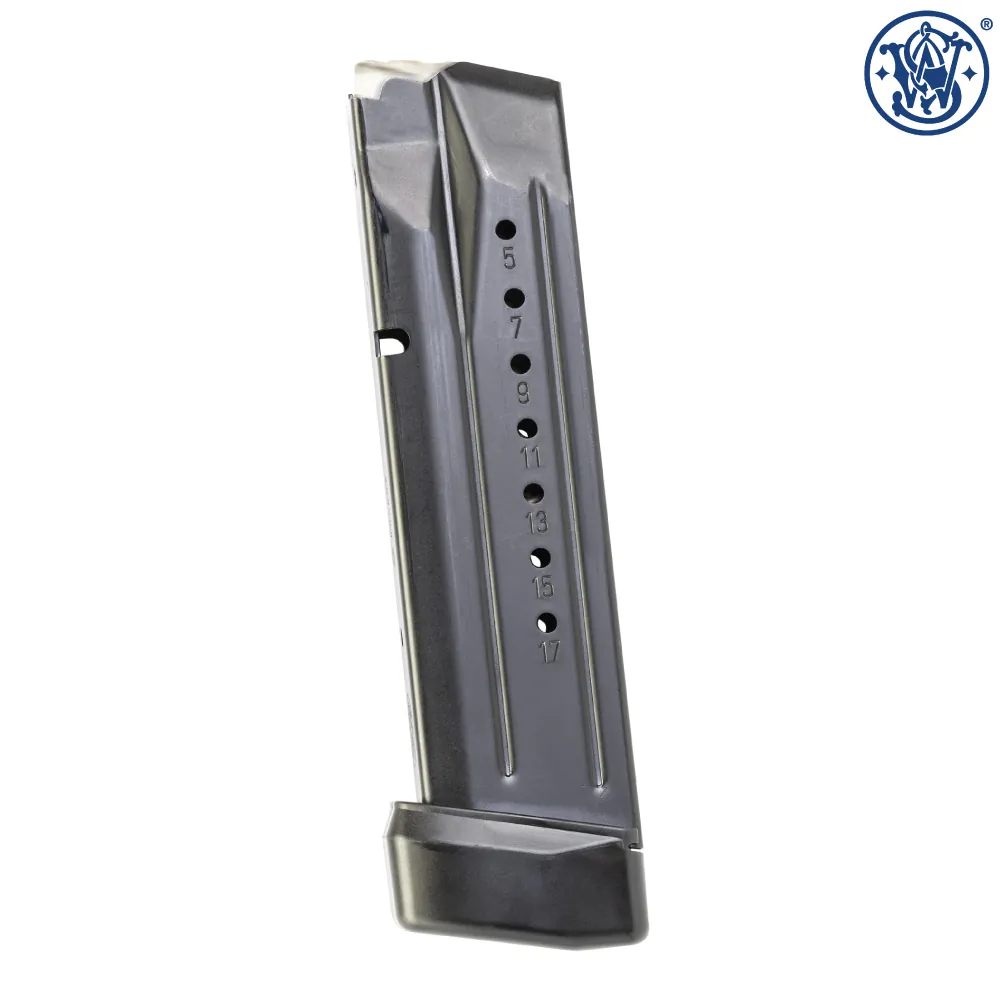
S&W M&P M2.0 Full Size 9mm 17rd Magazine
- 17-round capacity
- 9mm Luger
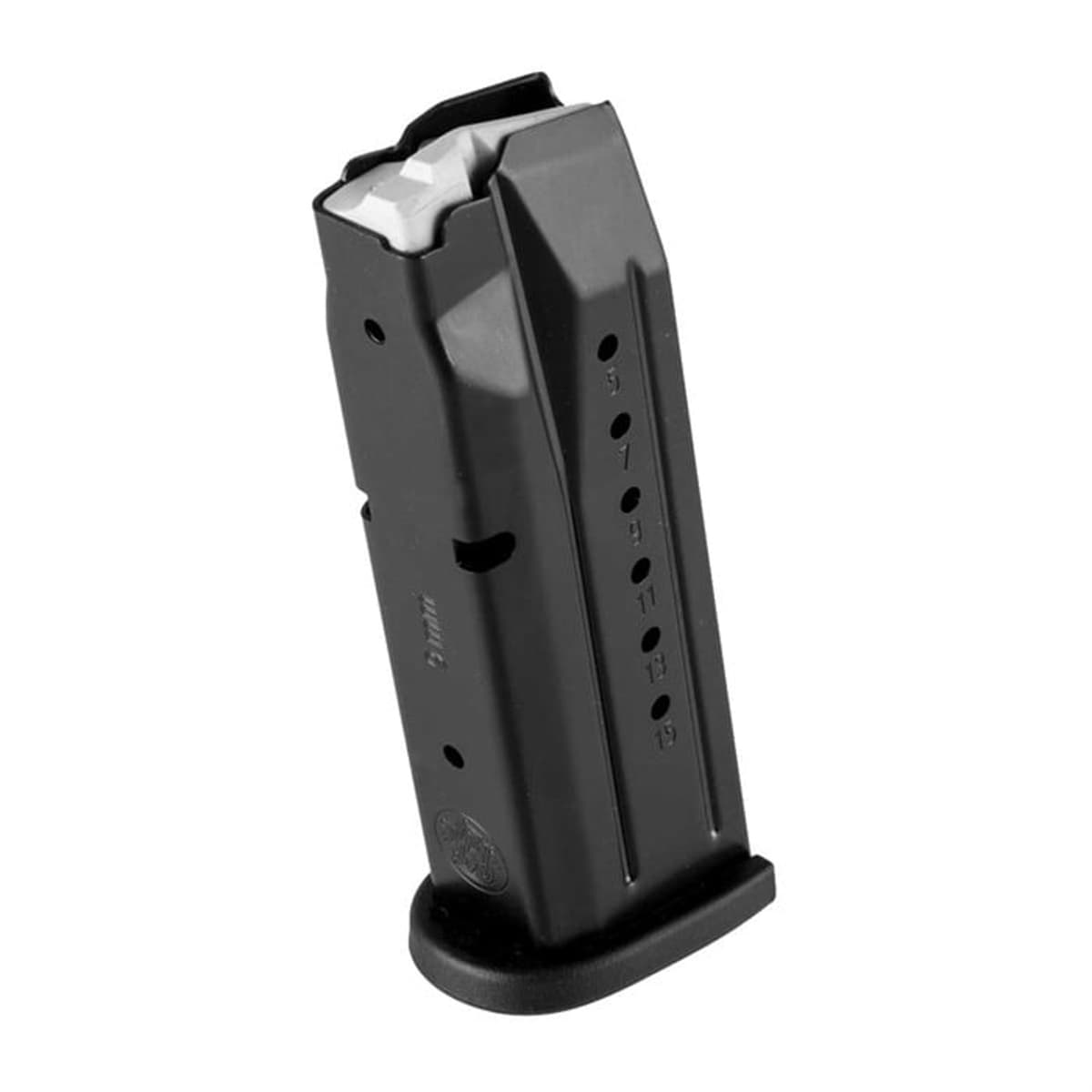
S&W M&P M2.0 Compact 9mm 15rd Magazine
- 15-round capacity
- 9mm Luger
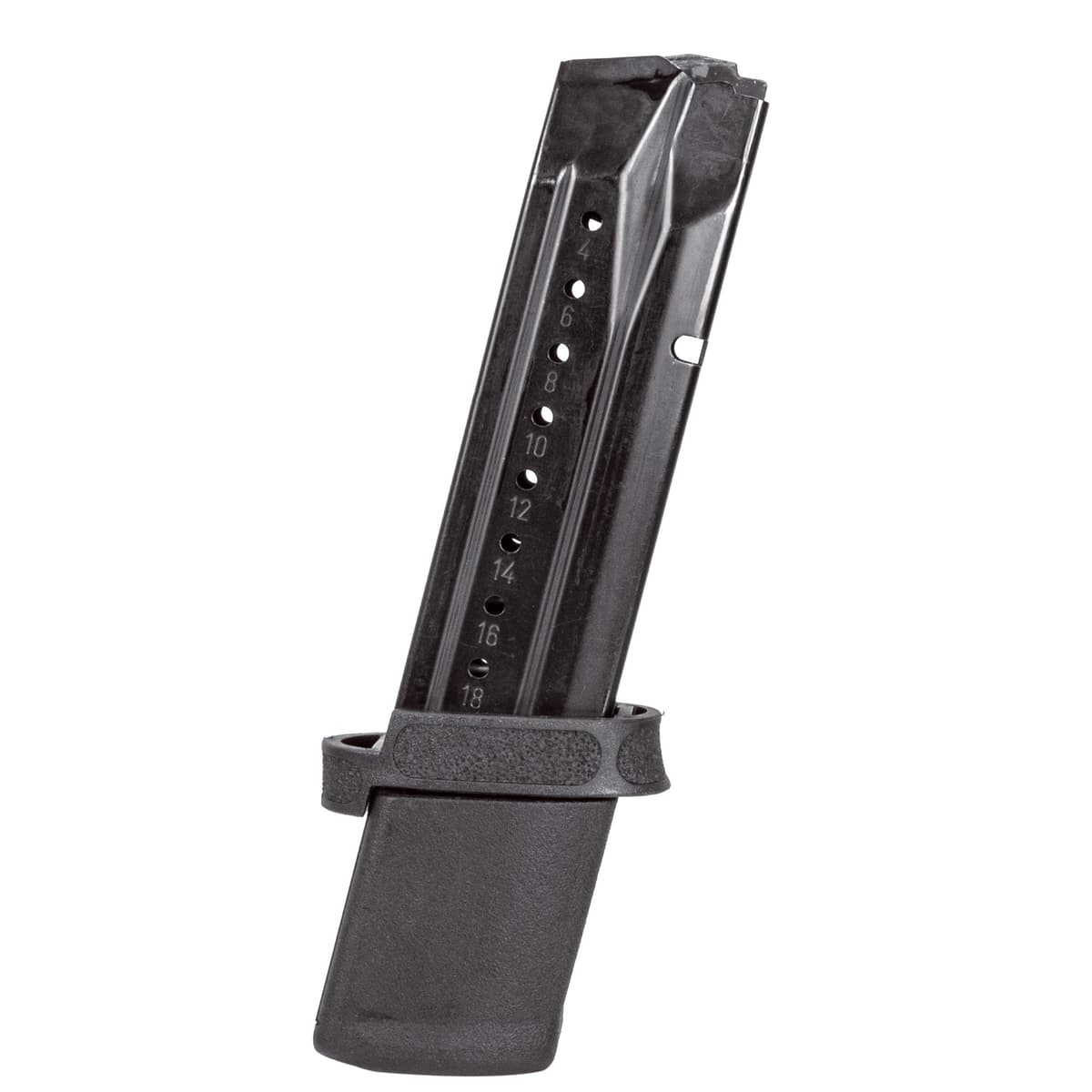
M&P 9mm 23-Round Magazine
- 23 rounds
- 9mm
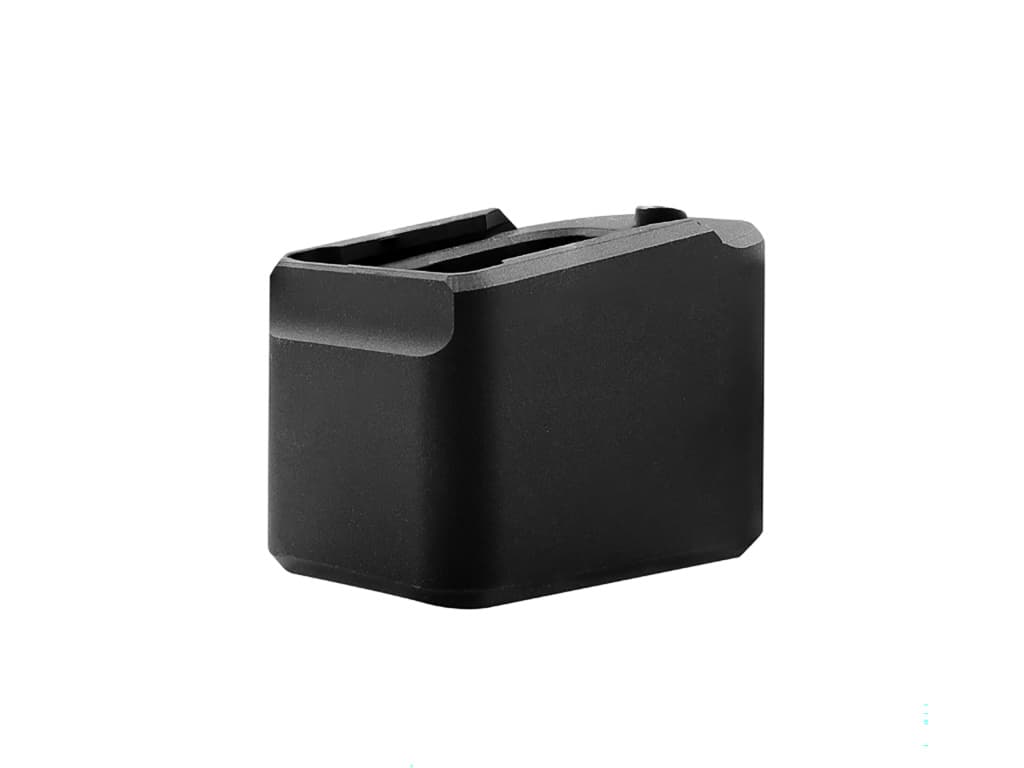
XS Sights +5 Magazine Extension (M&P 2.0)
- +5 rounds on the factory spring
- Aircraft-grade aluminum, Black Nitride
Affiliate links (?)
How HB4471 Compares to California, Maryland, and Connecticut
Illinois is the fourth state to advance a cruciform-trigger ban. California AB 1127 was signed in 2025 and takes effect July 1, 2026; it uses the same definitional approach and bans new sales of pistols with the design while grandfathering existing owners. Maryland and Connecticut passed comparable statutes earlier in 2026. Connecticut's convertible-pistol sales restriction was blocked on September 30, 2026. That preliminary injunction allows sales to continue, including pistols made on or after October 1, while the Connecticut cases proceed. The pattern is consistent: target the underlying pistol design rather than the switches themselves, on the theory that supply restriction on convertible hosts will compress the switch-conversion market downstream.
The legal posture is also consistent. Each statute is expected to face a Second Amendment challenge under Bruen's text-and-history standard. The NRA has filed suit in California; similar litigation is anticipated in Maryland and Connecticut. Plaintiffs will argue that Glocks are in "common use" for lawful purposes and that banning their sale is therefore presumptively unconstitutional. The state defendants will argue that the ban targets a specific dangerous feature (the convertibility geometry) rather than the firearm class as a whole, distinguishing the law from Bruen-vulnerable full-platform bans.
For Illinois buyers, the practical effect is the same whether HB4471 passes or is enjoined: the broader regulatory direction is unfavorable to Glock-pattern pistols in blue-state markets. Building a non-Glock striker-fired daily-carry around a Sig P320 or M&P M2.0 is a hedge against further legislative action regardless of how HB4471 specifically resolves.
Track HB4471 and Related Legislation
We will publish an update when HB4471 receives a House floor vote, when companion Senate language is filed, and if Gov. Pritzker signs. Drop your email for the brief on every material status change, plus comparable legislation in other states.
Frequently Asked Questions
▶What is Illinois HB4471 and what does it ban?
▶Does HB4471 ban my Glock if I already own one?
▶Which pistols use a cruciform trigger bar and are therefore covered?
▶Which striker-fired pistols are not covered by HB4471?
▶Has HB4471 been signed into law?
▶What is the penalty for violating HB4471 if it becomes law?
▶If HB4471 passes, what should an Illinois resident buy instead of a Glock?
▶Will the Sig P320 be banned under HB4471 because it has been involved in uncommanded discharges?
Bottom Line
HB4471 is the highest-impact state-level handgun bill of the 2026 cycle for Illinois residents. As written, it terminates new Glock sales in Illinois without affecting existing ownership, and it leaves the rest of the striker-fired market untouched. The bill has cleared committee but has not passed the full House, the Senate, or the governor's desk; the timeline for any final enactment is uncertain.
The practical posture for Illinois buyers depends on whether you already own a Glock and whether you want one. Current Glock owners face no immediate change. Prospective buyers can either complete a Glock 4473 now while the bill moves through the legislature, with the understanding that the future of new Glock sales in Illinois is genuinely in question, or shift their next pistol purchase to a Sig P320, S&W M&P, Springfield Hellcat, Walther PDP, or HK VP9 and remove the regulatory exposure entirely. For concealed carry, the Sig P365 XL and Springfield Hellcat Pro are the closest matches to a Glock 43X or 48 in footprint and capacity, both outside HB4471.