Key Takeaways
- →Two Lawsuits, One Day: The DOJ sued Virginia and California on July 1, 2026, arguing both states' new gun sales bans violate the Second Amendment.
- →Virginia Target: SB 749, which bans the commercial sale, manufacture, import, purchase, and transfer of AR-15-style rifles and magazines over 15 rounds.
- →California Target: AB 1127, the “Glock ban” that stopped dealer sales of cruciform-trigger-bar pistols on July 1, plus the state's Handgun Roster.
- →The Argument: Both suits apply the Bruen text-and-history test, arguing millions of Americans own these firearms lawfully and no historical law bans their commercial sale.
- →Timing: The suits landed one day after the Supreme Court agreed to hear Viramontes v. Cook County, and one week after Wolford v. Lopez struck down Hawaii's carry restriction.
DOJ Also Challenges the Federal Handgun Age Ban
On September 18, DOJ announced a separate OLC opinion on handgun sales to adults ages 18–20. It addresses federal criminal enforcement against dealers, while the lawsuits below challenge state restrictions.
What Happened on July 1
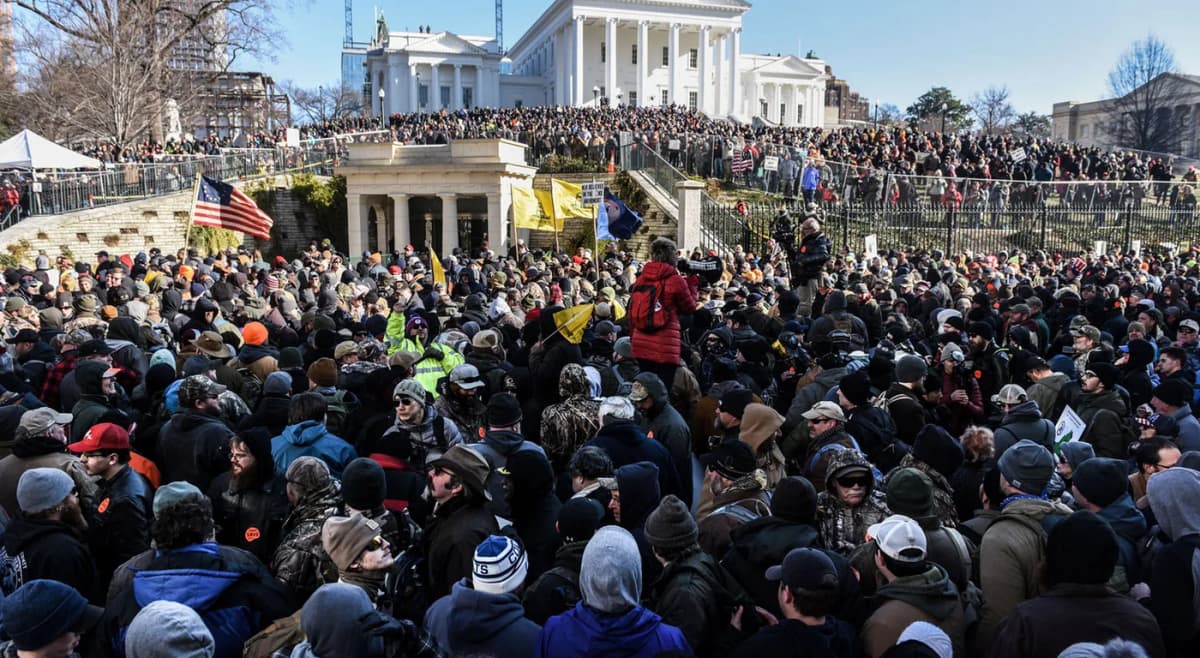
The Justice Department filed two separate federal lawsuits on July 1, 2026, the same day both Virginia's and California's new gun sales restrictions took effect. In Virginia, the DOJ sued the Commonwealth and the Virginia Department of State Police in the U.S. District Court for the Eastern District of Virginia, targeting SB 749's ban on selling AR-15-style rifles. In California, the DOJ sued the state and Attorney General Rob Bonta in the U.S. District Court for the Central District of California, targeting AB 1127's ban on selling Glock-style pistols and the state's separate Handgun Roster law.
“The Constitution is not a suggestion, and the Second Amendment is not a second-class right,” acting Attorney General Todd Blanche said in the announcement. Harmeet Dhillon, Assistant Attorney General for the Civil Rights Division, filed both complaints and had warned each state in advance: she told Virginia Governor Abigail Spanberger in April that the DOJ would sue if she signed SB 749, and she gave California until 5 p.m. on June 30 to enter pre-suit negotiations. Attorney General Bonta rejected the offer in a two-page letter defending the law as a “commonsense handgun design safety” measure. Dhillon responded on X: “See you in court.”
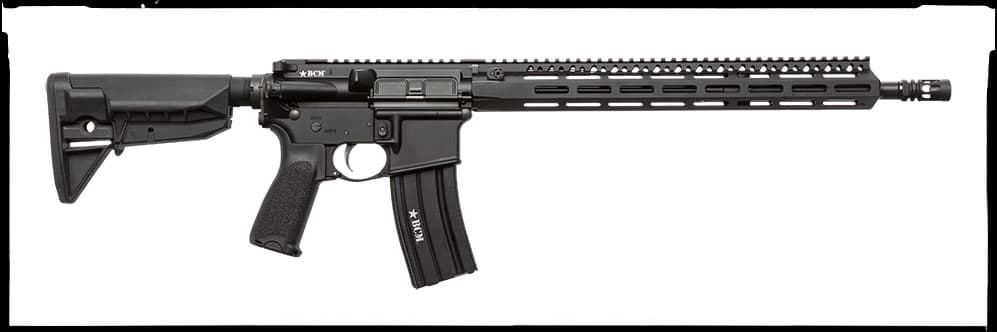
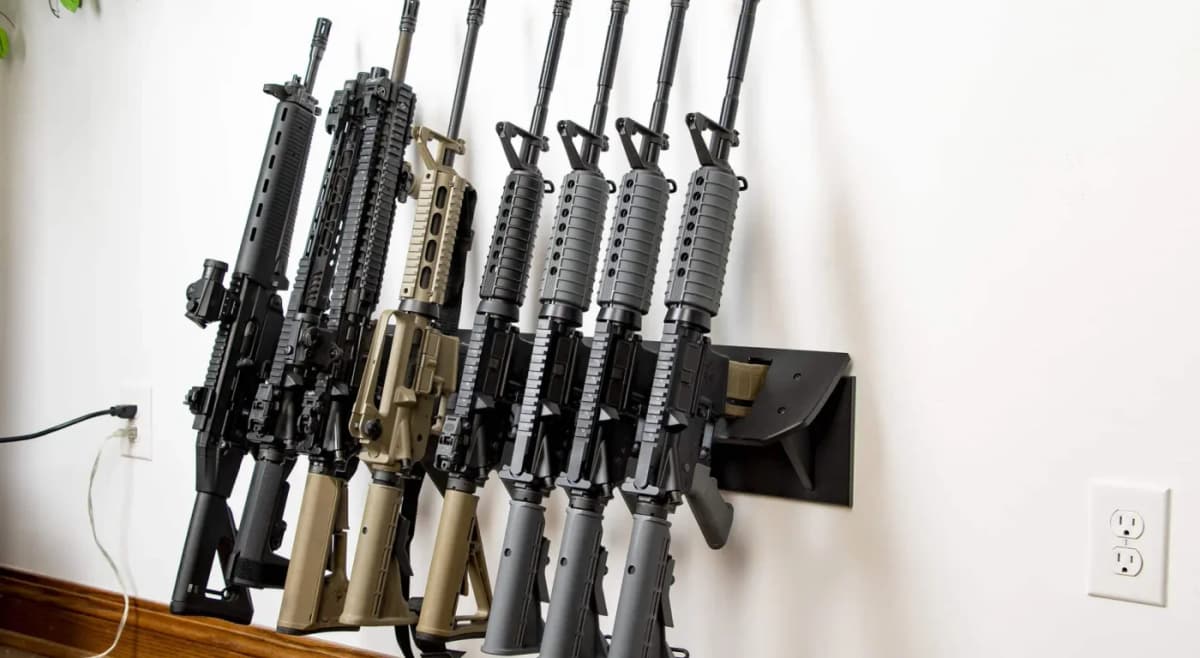
BCM RECCE-16 MCMR
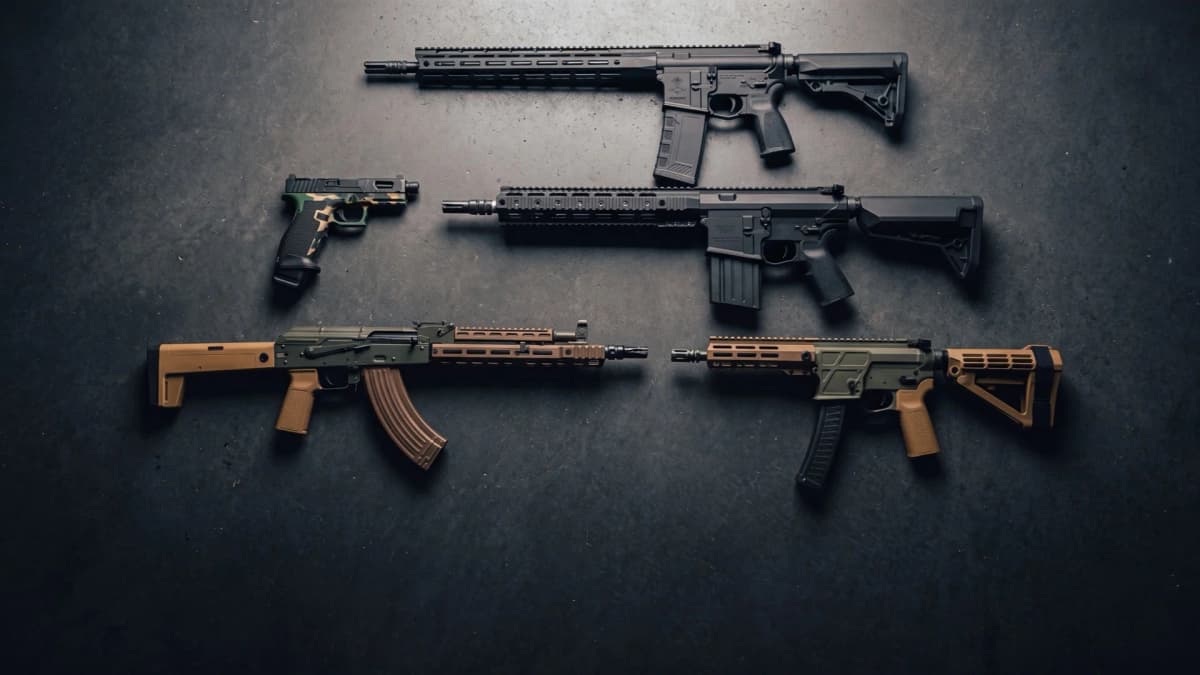
Representative duty-configured AR-15, the rifle category at the center of the Virginia suit
Combat-proven mid-length gas system with cold hammer forged barrel
- +Conservative BCM configuration with strong parts support
- +Professional-grade quality control with rigorous testing standards
- +Mid-length gas system provides smooth operation and reduced component wear
- −Premium pricing range reflects professional-grade components
- −Government profile barrel is heavier than lightweight alternatives
- −Not designed for sub-MOA precision shooting applications
Affiliate links (?)
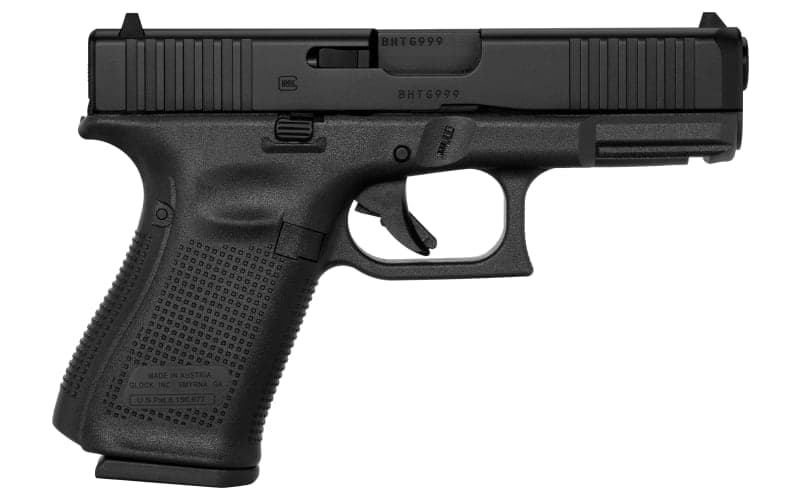
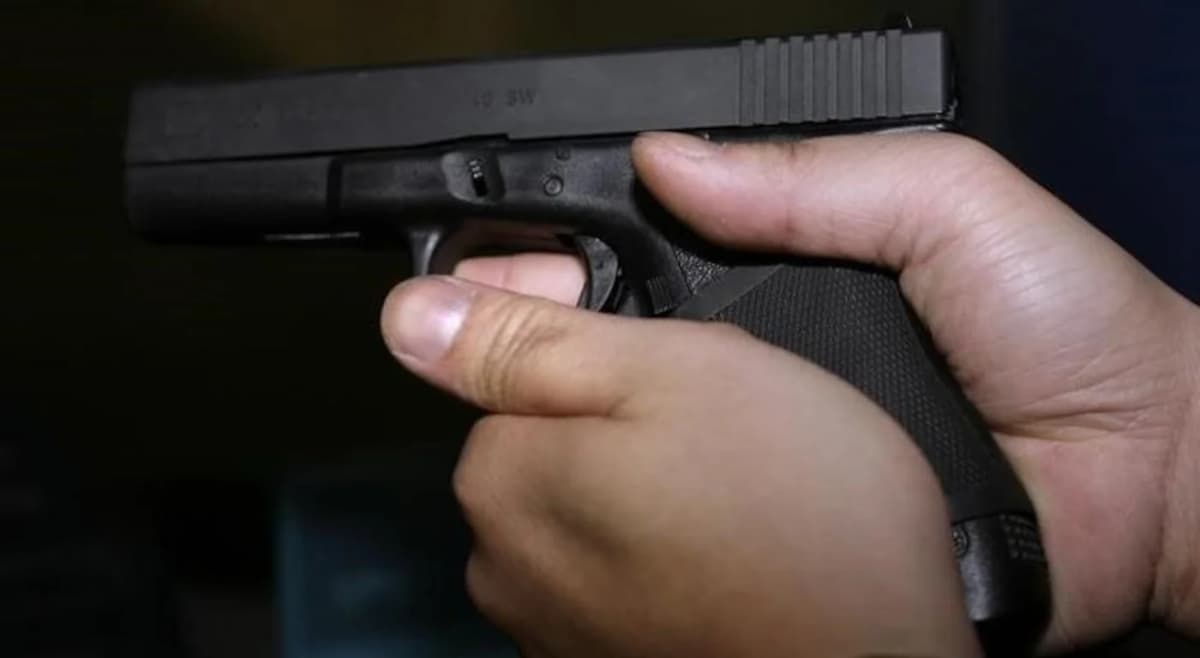
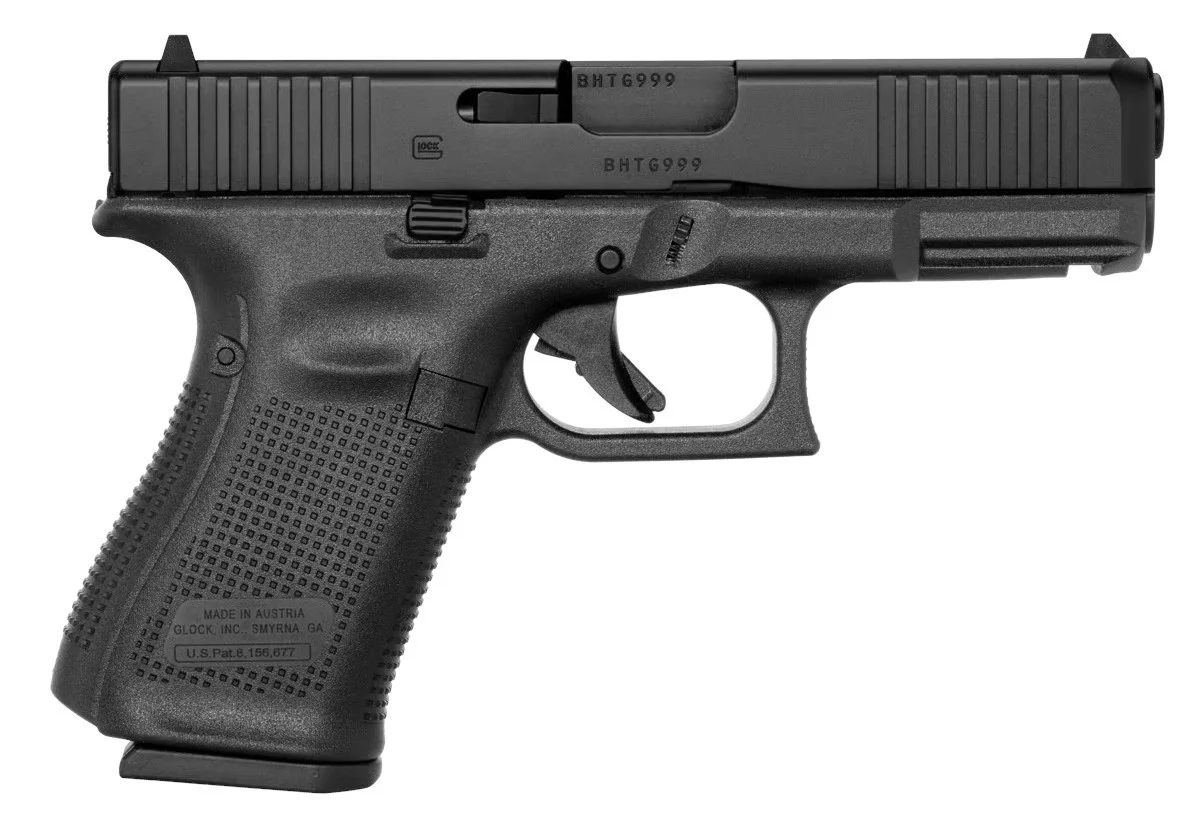
Glock 19 Gen5
Representative Glock, the compact-frame family targeted by California's AB 1127 dealer ban
The most popular Glock - compact size with full capability
- +Perfect balance of size and capacity
- +Concealable yet shootable
- +Accepts G17 magazines for extra capacity
- −Jack of all trades, master of none
- −Grip angle polarizing for some
- −Factory sights basic
Affiliate links (?)
The Virginia Lawsuit: SB 749 and the AR-15 Sales Ban
SB 749 makes it a Class 1 misdemeanor, punishable by up to a year in jail and a $2,500 fine, to import, sell, manufacture, purchase, or transfer a firearm the statute defines as an “assault firearm,” a category that includes AR-15-style rifles, plus any magazine holding more than 15 rounds. Governor Spanberger signed the bill, sponsored by state Senator Saddam Salim, in May 2026. The DOJ complaint names both the Commonwealth of Virginia and the Virginia Department of State Police as defendants, arguing that when state troopers enforce the ban, they engage in a “pattern or practice” of depriving Virginians of a constitutional right under 34 U.S.C. § 12601, the same federal statute the DOJ used against the Los Angeles County Sheriff's Department over CCW permit delays, a case that settled in August 2026 with a four-year reporting agreement.
The complaint leans on Virginia's constitutional history to make its point, opening with a reminder that Virginian James Madison drafted the Bill of Rights and that Virginia was the eleventh state to ratify it in 1791. It then applies the Supreme Court's two-step Bruen test: because the Second Amendment's plain text covers the conduct of buying and selling firearms, SB 749 is presumptively unconstitutional unless Virginia can show a historical tradition of banning the commercial sale of a commonly owned weapon. The DOJ argues no such tradition exists, citing National Shooting Sports Foundation data showing at least 28 million AR-style rifles in circulation and independent surveys estimating 16 to 24.6 million Americans have owned one. A newer 2026 National Firearms Survey estimates 40 million AR-15-type rifles and 26.4 million current owners of an AR-15 or another similarly styled semi-automatic rifle. The complaint asks the court to declare SB 749 unconstitutional and permanently enjoin its enforcement.
The suit directly challenges Bianchi v. Brown, the 2024 Fourth Circuit decision that upheld Maryland's assault weapons ban and currently controls federal courts in Virginia. The DOJ acknowledges the conflict up front and asks the court to find Bianchi wrongly decided, pointing to Justice Kavanaugh's 2025 statement that there is a “strong argument” Bianchi was wrong and Justice Thomas's dissent calling the AR-15 “the most popular rifle in America.” For the broader context on how Virginia's ban reached this point, including the signing, the state court injunctions, and the six-lawsuit pileup, see our Virginia assault weapons ban coverage.
Why Virginia's Ban Has Two Different Answers Right Now
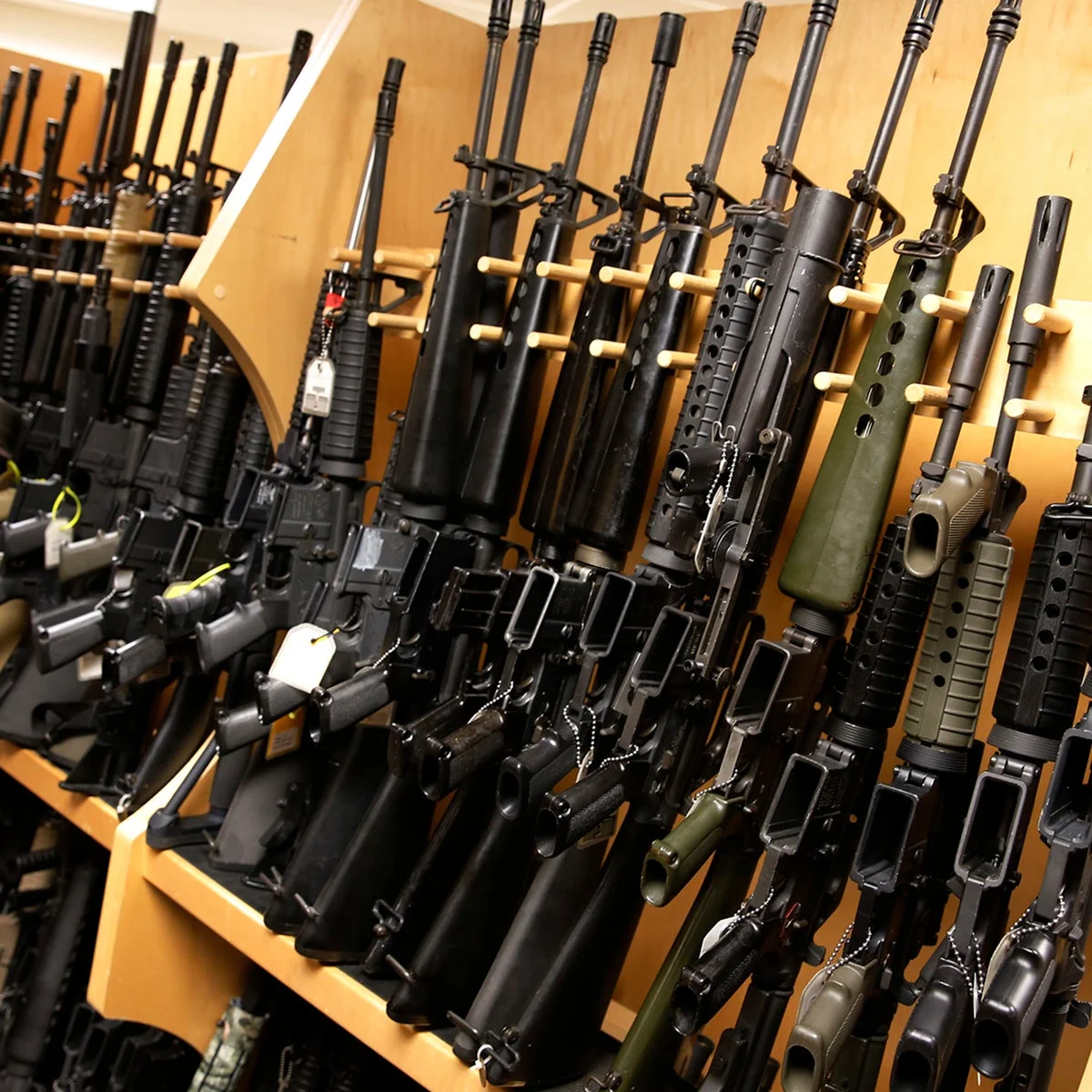
Whether SB 749 is actually enforceable on any given day in Virginia depends on where you are standing. Two circuit court judges issued preliminary injunctions before July 1: a Lancaster County judge in Crump v. Katz on June 25, and a Washington County judge days later in a case brought by state Senator Bill Stanley. Because the superintendent of Virginia State Police is a named defendant in the Lancaster County case, the Attorney General's office has directed VSP not to enforce the ban anywhere in the state while that injunction stands. The Washington County order separately blocks the Commonwealth's Attorneys in six named localities: Washington, Chesterfield, Frederick, York, Giles, and Chesapeake counties. Two other lawsuits, in Spotsylvania and Fauquier counties, have not produced an injunction; a Spotsylvania judge denied one outright.
Attorney General Jay Jones's office maintains that outside of VSP and those six named localities, “the new laws remain in force,” meaning a local prosecutor not named in either injunction could theoretically still bring a charge. Gun rights advocates have called that position confusing in practice, since gun shops in most of the state are currently selling AR-15s and standard-capacity magazines without state police interference. The DOJ's federal lawsuit does not wait for the state cases to sort this out; it separately asks a federal judge for a preliminary injunction blocking enforcement statewide while the case proceeds, which would settle the patchwork with a single order rather than county-by-county litigation. Jones has said his office will appeal the state injunctions and continue to defend the ban. For the full injunction timeline and what it means for Virginia gun buyers today, see our Virginia AWB blocked coverage and the best VA-legal tactical firearms guide for what still transfers through Virginia FFLs if enforcement resumes.
The California Lawsuit: AB 1127 and the Handgun Roster
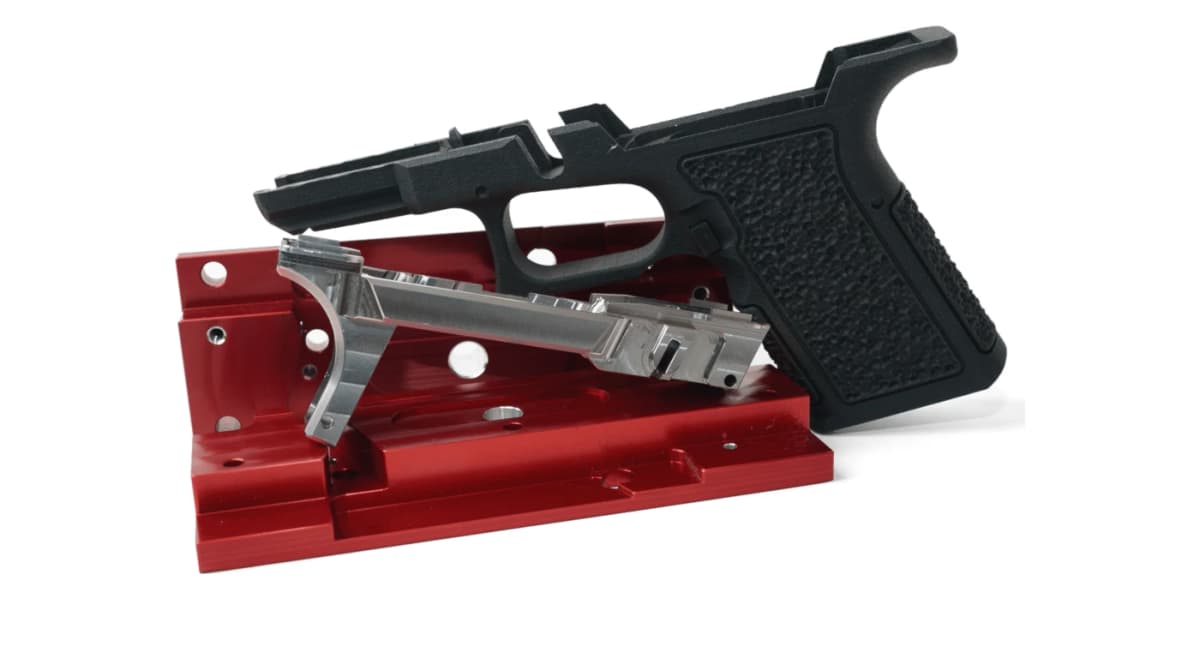
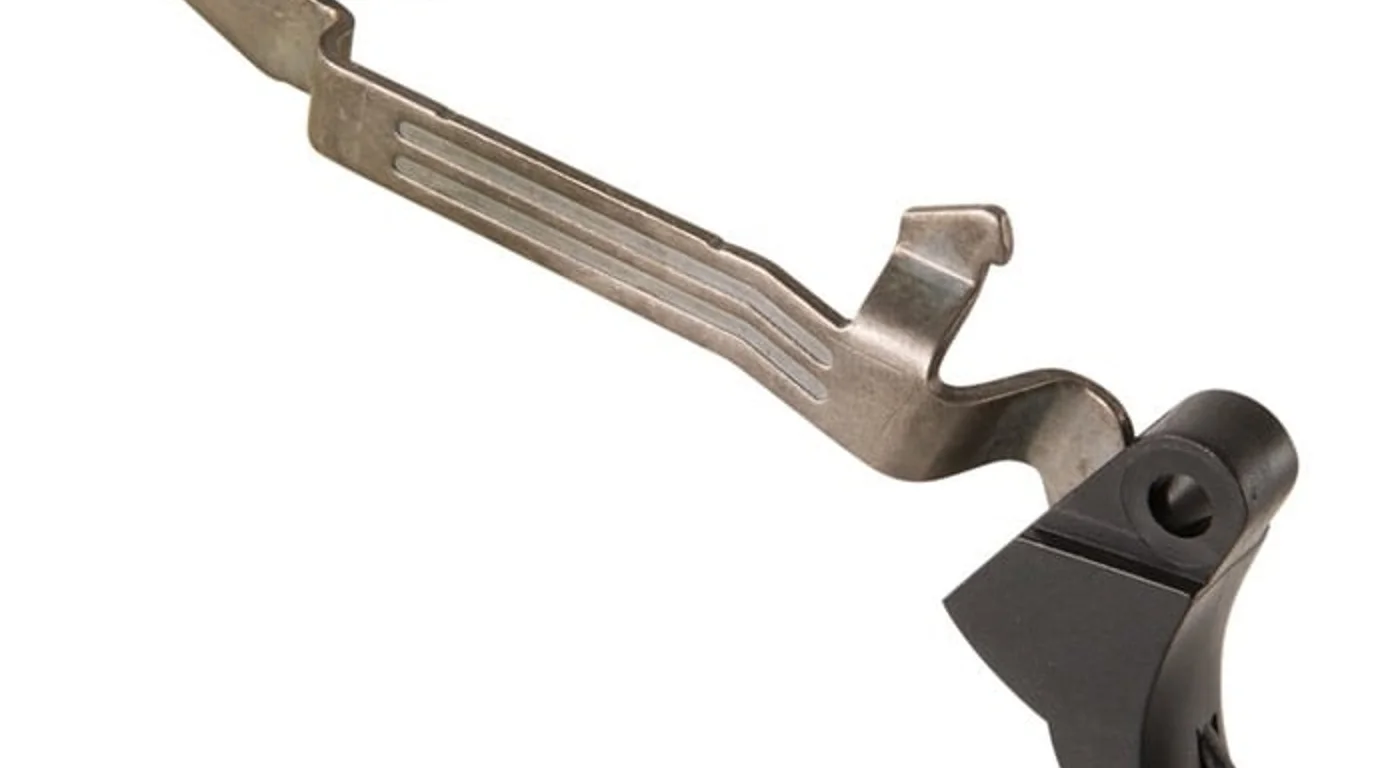
AB 1127, authored by Assemblymembers Jesse Gabriel and Catherine Stefani and signed by Governor Newsom in October 2025, targets what the law calls a “machinegun- convertible pistol”: any semiautomatic pistol with a cruciform trigger bar that a Glock switch can convert to fire automatically with a single trigger pull. The dealer sales ban took effect July 1, 2026; Penal Code 27595(c)(1) exempts covered pistols delivered to a dealer before January 1, 2026, so shops can still sell that older inventory at retail but cannot replenish covered pistols for ordinary retail sale. Because the cruciform trigger bar design is specific to Glock and its clones, the law removed more than 30 Glock models from California's Handguns Certified for Sale roster. The Sig P320, Smith & Wesson M&P, HK VP9, and other striker-fired pistols with different trigger bar geometry are unaffected. A coalition of gun-rights groups and San Diego County dealers has since moved for a preliminary injunction against AB 1127, with a hearing set for September 4, 2026.
The DOJ complaint also challenges California's broader Handgun Roster law, which requires any pistol sold in the state to include features such as a chamber-load indicator and a magazine-disconnect mechanism, and until recently required microstamping technology that no manufacturer has been able to reliably produce. The complaint states that as a result, no new handgun models were added to the roster between 2013 and 2023. A separate, ongoing injunction already blocks enforcement of the roster's microstamping requirement; the DOJ suit argues the roster scheme as a whole still unconstitutionally limits Californians' access to “state-of-the-art” handguns protected by the Second Amendment. Maryland passed a nearly identical cruciform-trigger-bar ban in SB 334 last year; see our Maryland Glock ban coverage for how that law and its own federal challenge compare.
Governor Newsom's office rejected the DOJ's framing. Spokeswoman Diana Crofts-Pelayo said “these laws save lives” and that California would not be “intimidated” into abandoning its safety requirements. Bonta's office said it would “review the complaint and respond as appropriate in court.” For the full list of what California FFLs can still transfer under AB 1127 and the state's feature-based rifle restrictions, see the best California-legal tactical firearms guide.
AR-15 Magazines to Stock Up On
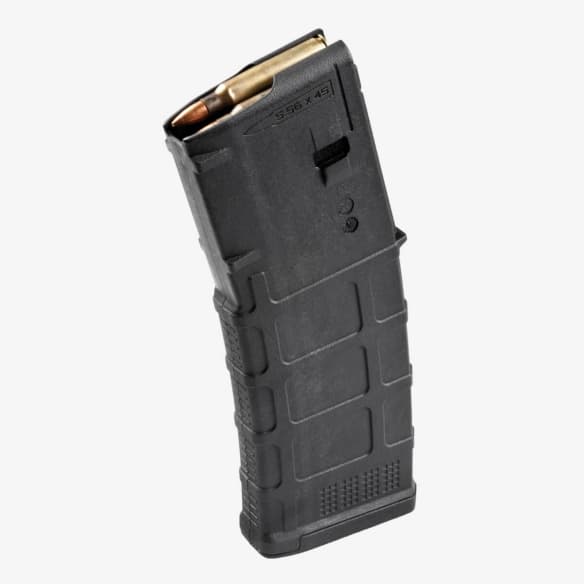
Magpul PMAG 30 AR/M4 GEN M3
- 30 rounds
- 5.56/.223
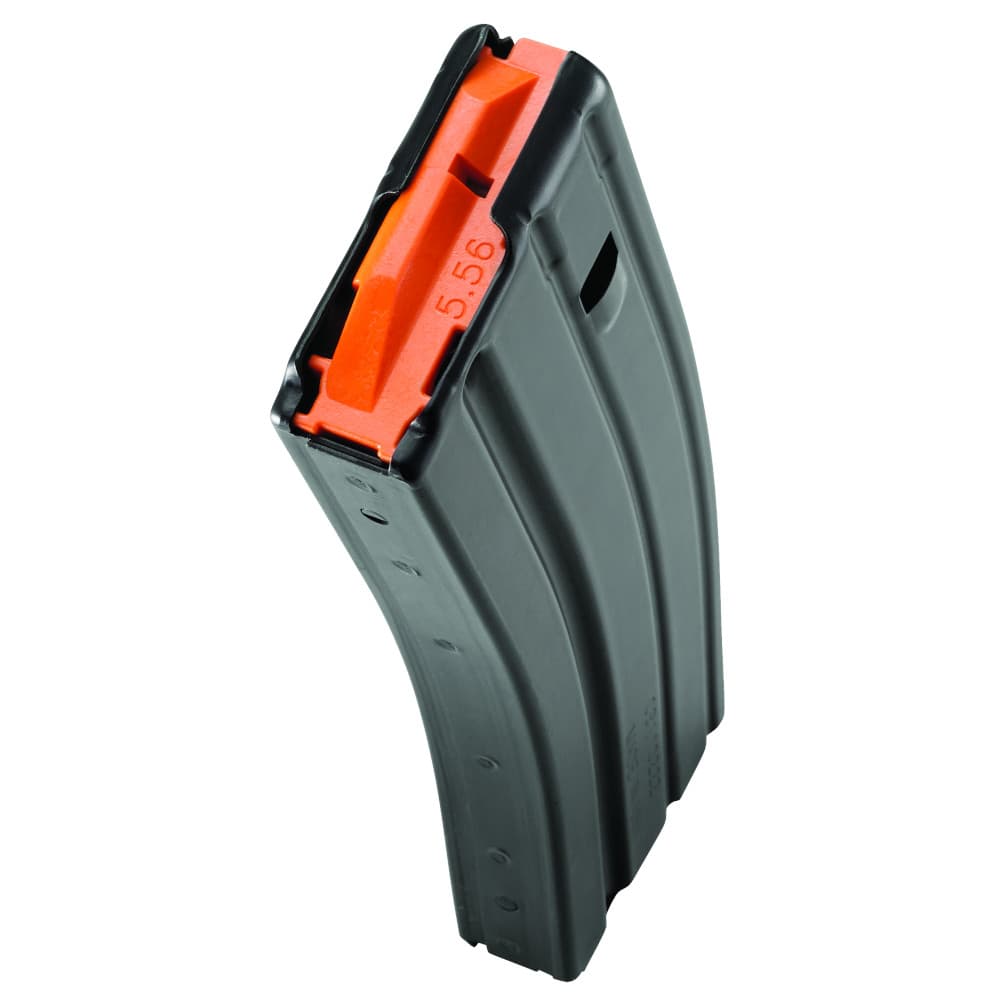
DURAMAG SPEED 30-Round Aluminum Magazine
- 30 rounds
- 6061-T6 aluminum
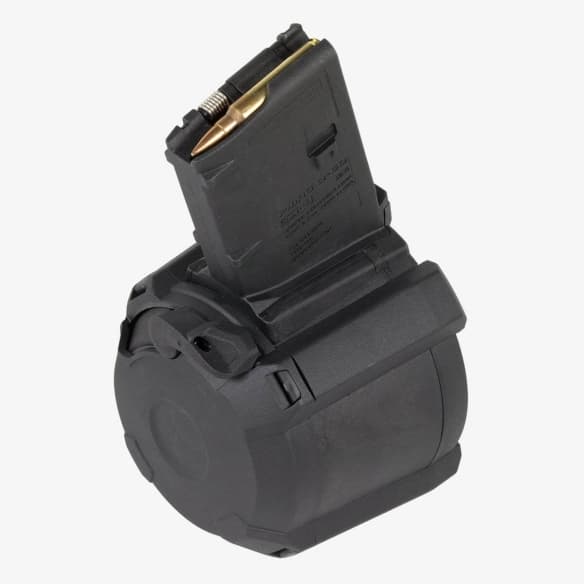
Magpul D-60 Drum Magazine
- 60 rounds
- Polymer construction
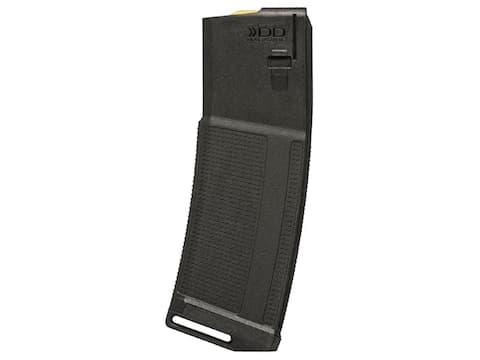
Daniel Defense 32-Round Magazine
- 32 rounds
- 5.56/.223

Daniel Defense 32-Round Magazine 12-Pack
- 12 magazines
- 32 rounds each
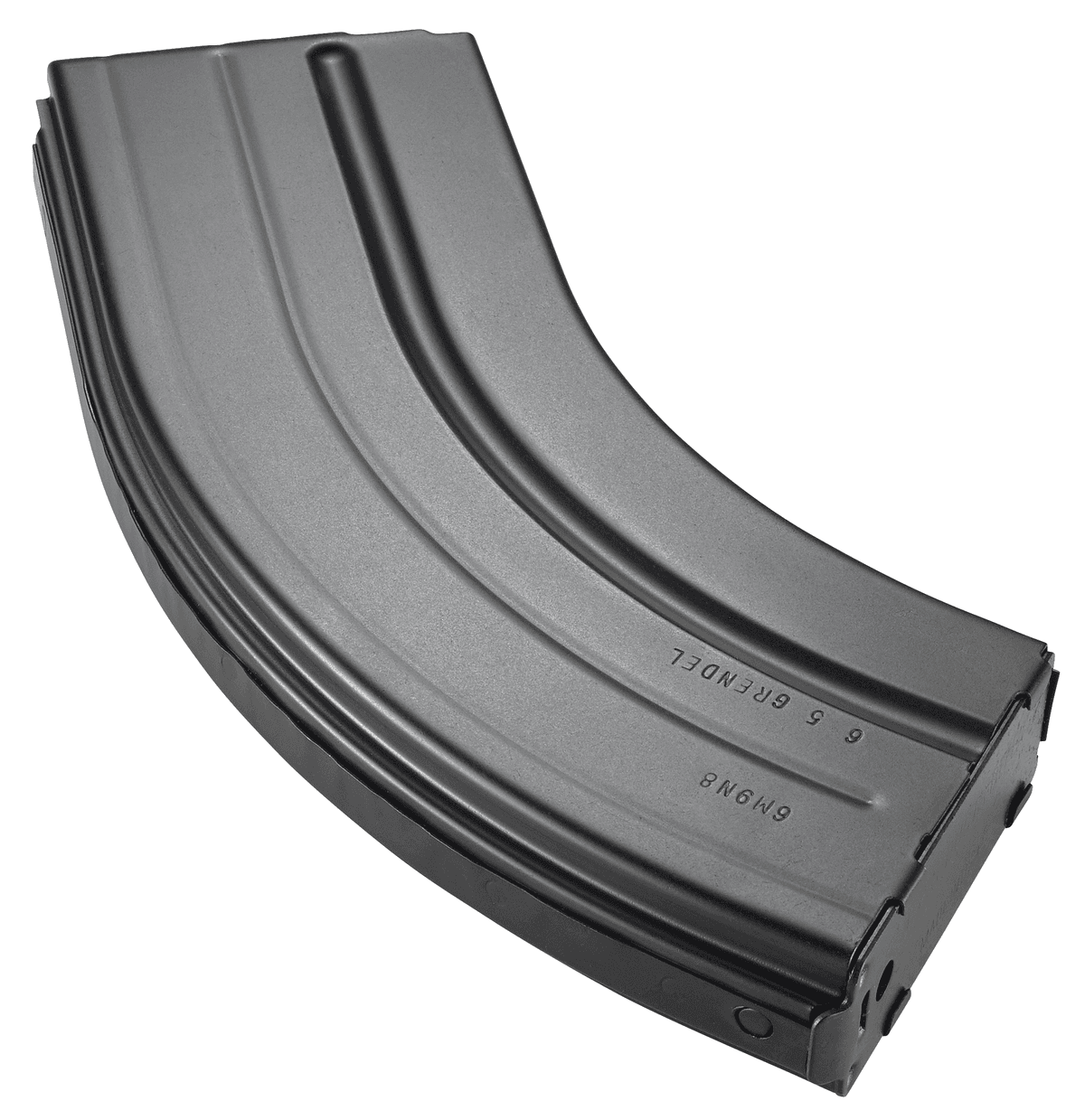
DURAMAG SS 6.5 Grendel 26-Round Magazine
- 26 rounds
- 6.5 Grendel
Affiliate links (?)
Part of a Bigger Second Amendment Push
These lawsuits are the newest piece of a rapidly moving Second Amendment docket. On June 30, one day before the DOJ filed suit, the Supreme Court granted certiorari in Viramontes v. Cook County and Grant v. Higgins, agreeing to decide whether the Second and Fourteenth Amendments protect the right to own AR-15-style rifles nationwide. Oral arguments begin in the fall 2026 term, with a ruling expected by June 2027. The DOJ suits against Virginia and California apply the same Bruen framework the Supreme Court will use in Viramontes, but they do not wait for that case to resolve; both ask federal district judges to block enforcement now. For the full breakdown of what Viramontes covers and which states it could affect, read our Supreme Court AR-15 ban coverage. For the opposite posture, DOJ walking away from a pro-Second Amendment case, see our coverage of DOJ dropping the post office carry appeal.
One week earlier, on June 25, the Supreme Court ruled 6-3 in Wolford v. Lopez that Hawaii's default rule requiring carry permit holders to get a property owner's express consent before entering private property open to the public violated the Second Amendment, a ruling that also struck down similar laws in California, Maryland, New Jersey, and New York. Gun rights groups have pointed to Wolford as evidence the Court's current majority is receptive to Second Amendment claims across multiple fact patterns, not only carry restrictions. Hannah Hill of the National Foundation for Gun Rights called the timing “perfect” for the DOJ to file suit against additional state gun laws.
Reactions and What Happens Next
Virginia House Minority Leader Terry Kilgore welcomed the suit, saying the state is now “using taxpayer dollars to defend an unconstitutional gun ban against the United States itself.” The National Association for Gun Rights and the National Foundation for Gun Rights both praised the filings. Spanberger's office defended SB 749, saying the governor “firmly believes that firearms designed to inflict maximum casualties do not belong in our communities, near our kids and schools, or on Virginia's streets.” Neither state has signaled it will settle; both attorneys general have said they intend to defend their laws in court.
Both cases now move into the standard federal litigation track: the DOJ's request for a preliminary injunction will be briefed and argued in the coming weeks, likely followed by expedited hearings given the active harm the DOJ alleges gun owners face daily under both bans. A ruling on the preliminary injunction request in either case could come well before Viramontes reaches oral argument, making these suits the faster-moving track for gun owners in both states to watch. Configure a build with the platforms discussed here using the rifle and pistol builder, or check current compatibility rules against your state in the featureless AR-15 build guide.
Track Both Lawsuits as They Move
We will publish injunction rulings, briefing schedules, and analysis as the Virginia and California cases move through federal court, plus coverage of every other major Second Amendment case working through the system in 2026.
Frequently Asked Questions
▶What did the Justice Department sue Virginia and California over?
▶Is Virginia's AR-15 ban actually enforceable right now?
▶What is California's AB 1127 'Glock ban'?
▶Does AB 1127 affect Sig, Smith & Wesson, or other brands?
▶What is the DOJ's legal argument in the Virginia case?
▶How does this relate to the Supreme Court taking up Viramontes v. Cook County?
▶Can I buy an AR-15 in Virginia or a Glock in California right now?
Bottom Line
The DOJ's July 1 lawsuits against Virginia and California mark the first time the federal government itself, rather than gun rights groups, has sued a state directly over a firearm sales ban since the Bruen ruling in 2022. Both suits use the same legal playbook: apply the Bruen common-use test, argue millions of Americans already own the restricted firearm, and ask the court to enjoin enforcement while the case proceeds. Virginia gun buyers face a confusing patchwork where enforcement already varies by county; California gun buyers face a Glock sales ban with no current injunction against it.
Neither lawsuit changes current law on its own. Virginia dealers should continue to follow whatever guidance applies in their specific locality until a federal or state appellate court rules. California dealers cannot sell covered Glock models regardless of how the DOJ case proceeds, at least until a court blocks AB 1127. Both cases will likely produce rulings on preliminary injunction requests well before the Supreme Court hears Viramontes v. Cook County in the fall, making them the two fastest-moving Second Amendment fights to watch through the rest of 2026.