Maryland Glock Ban Stands After Sept. 25 PI Denial
Key Takeaways
- •Maryland Governor Wes Moore signed SB 334 on May 26, 2026, banning the future sale and transfer of semiautomatic pistols with cruciform trigger bars starting January 1, 2027.
- •Every standard Glock pistol uses a cruciform trigger bar. PSA Dagger, Ruger RXM, and Shadow Systems models are named in the NRA complaint as likely affected.
- •Current Maryland owners are grandfathered. No surrender required. Immediate family transfers remain permitted.
- •On September 25, 2026, Judge Richard D. Bennett denied the plaintiffs' preliminary-injunction motions from the bench in Bathras v. Moore. The ban remains set for January 1, 2027. The ruling is not a final merits decision.
- •Maryland State Police must publish a prohibited pistol list before January 1, 2027. The scope of the ban depends on how those regulations define specific models.
What SB 334 Actually Bans
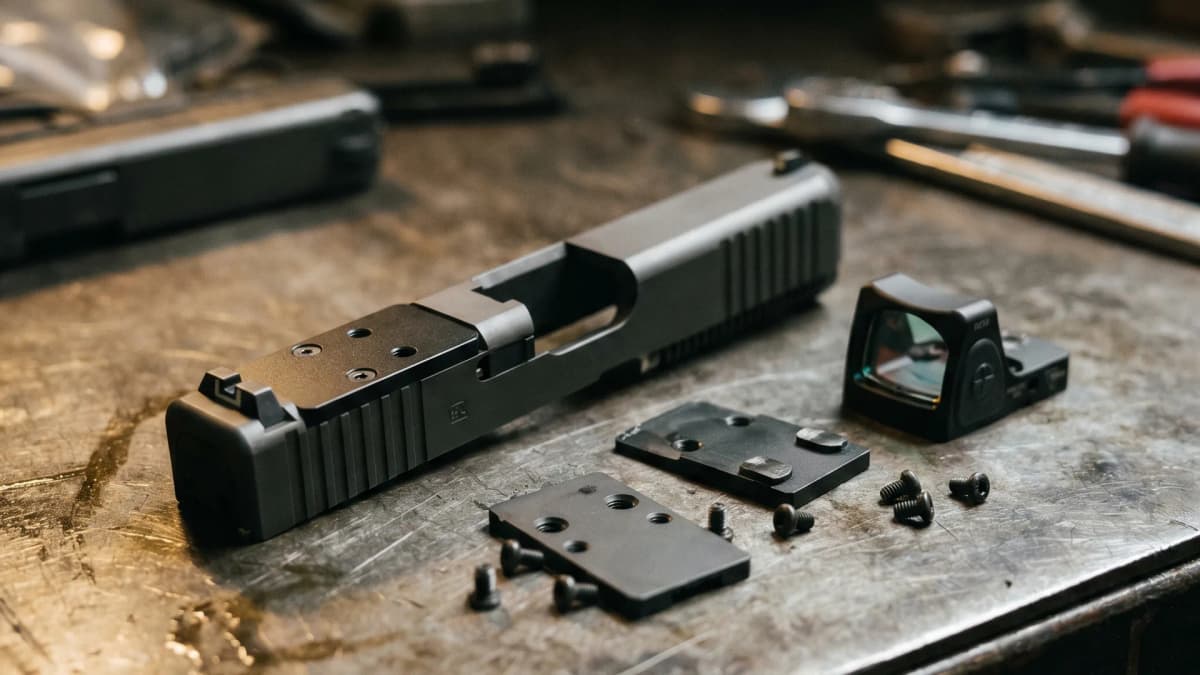
Maryland SB 334 creates a new category of prohibited firearm: the "machine gun convertible pistol." The law defines this as any semiautomatic pistol with a cruciform trigger bar that can be converted into a machine gun by attaching a pistol converter as a replacement for the slide's backplate, without any additional machining. The prohibition covers manufacturing, selling, offering for sale, purchasing, receiving, and transferring such a pistol. It takes effect January 1, 2027.
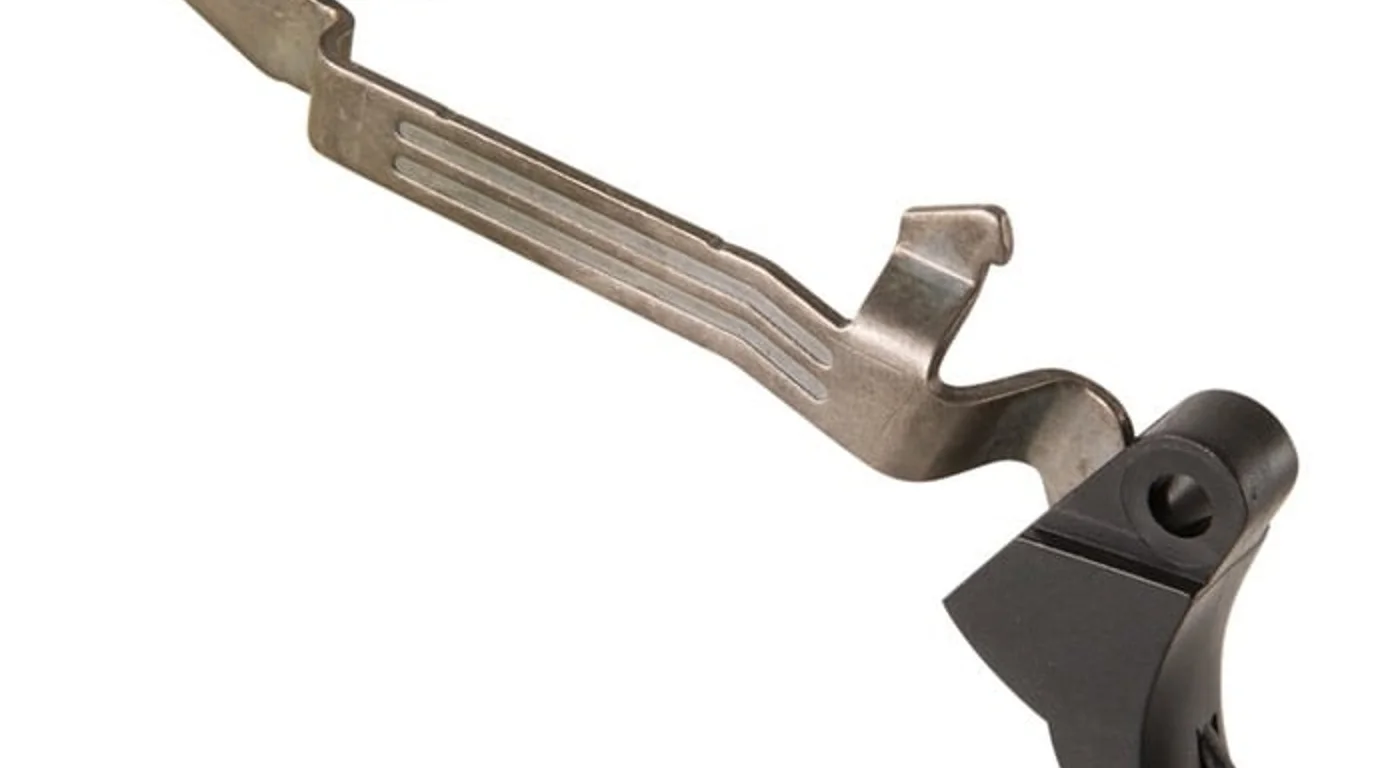
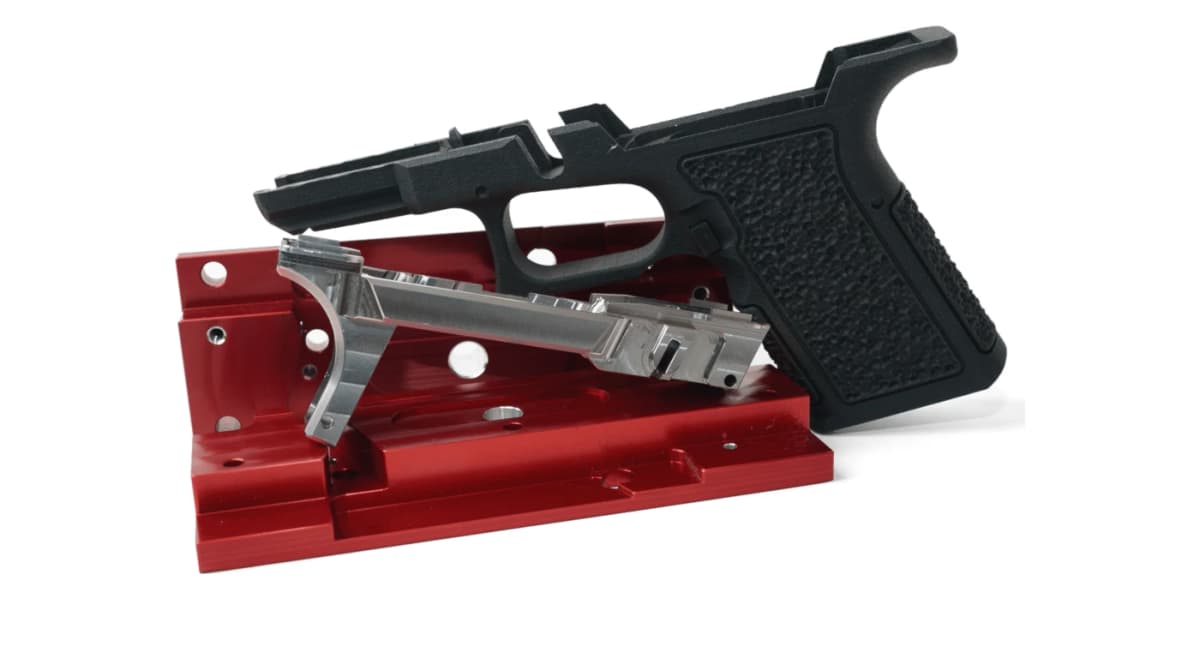
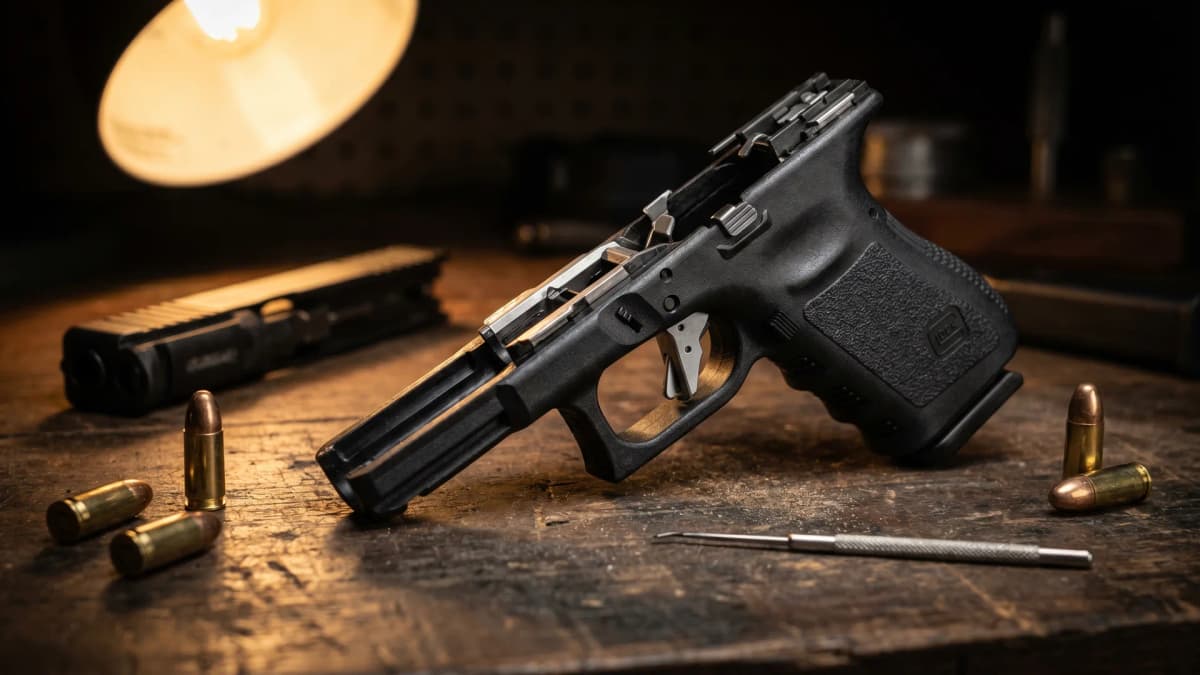
The cruciform trigger bar is the internal mechanism that actuates the striker in most modern striker-fired pistols. Standard Glocks use this design, as do many clones and competitors built around Glock-compatible parts. The law explicitly carves out hammer-fired pistols and striker-fired pistols with shielded trigger bars. Law enforcement officers, both active and retired, receive an exemption, as do gunsmithing operations and sales between immediate family members of grandfathered firearms.
Glock switches, the conversion devices the law is designed to address, are already illegal under federal law and Maryland state law. SB 334 goes further by targeting the host pistol's internal design rather than the illegal add-on device. The Maryland State Police are required to publish a list of prohibited pistol models before January 1, 2027. Until that list is published, the precise scope of which non-Glock pistols fall under the definition remains subject to regulatory interpretation.
Which Pistols Are Affected
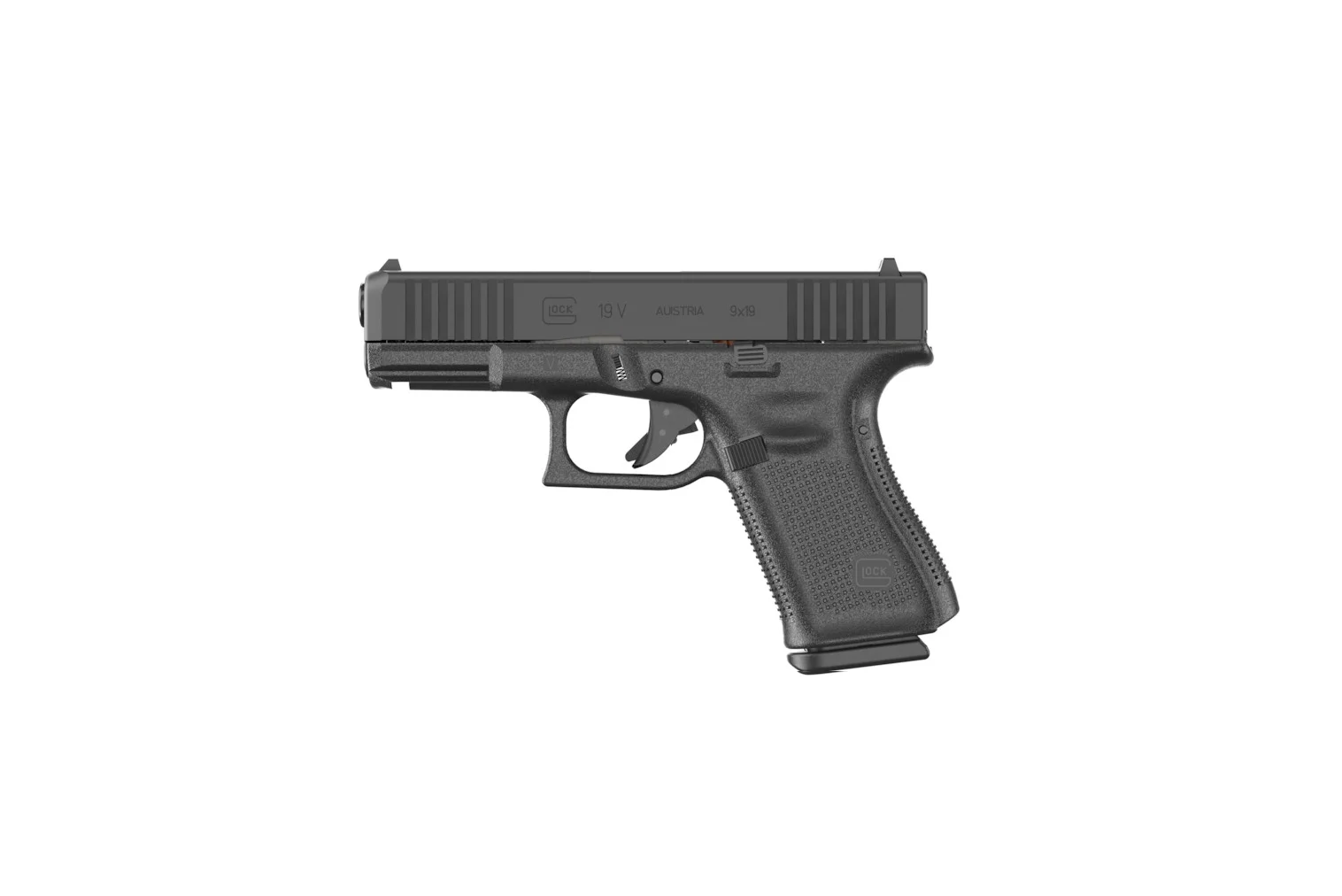
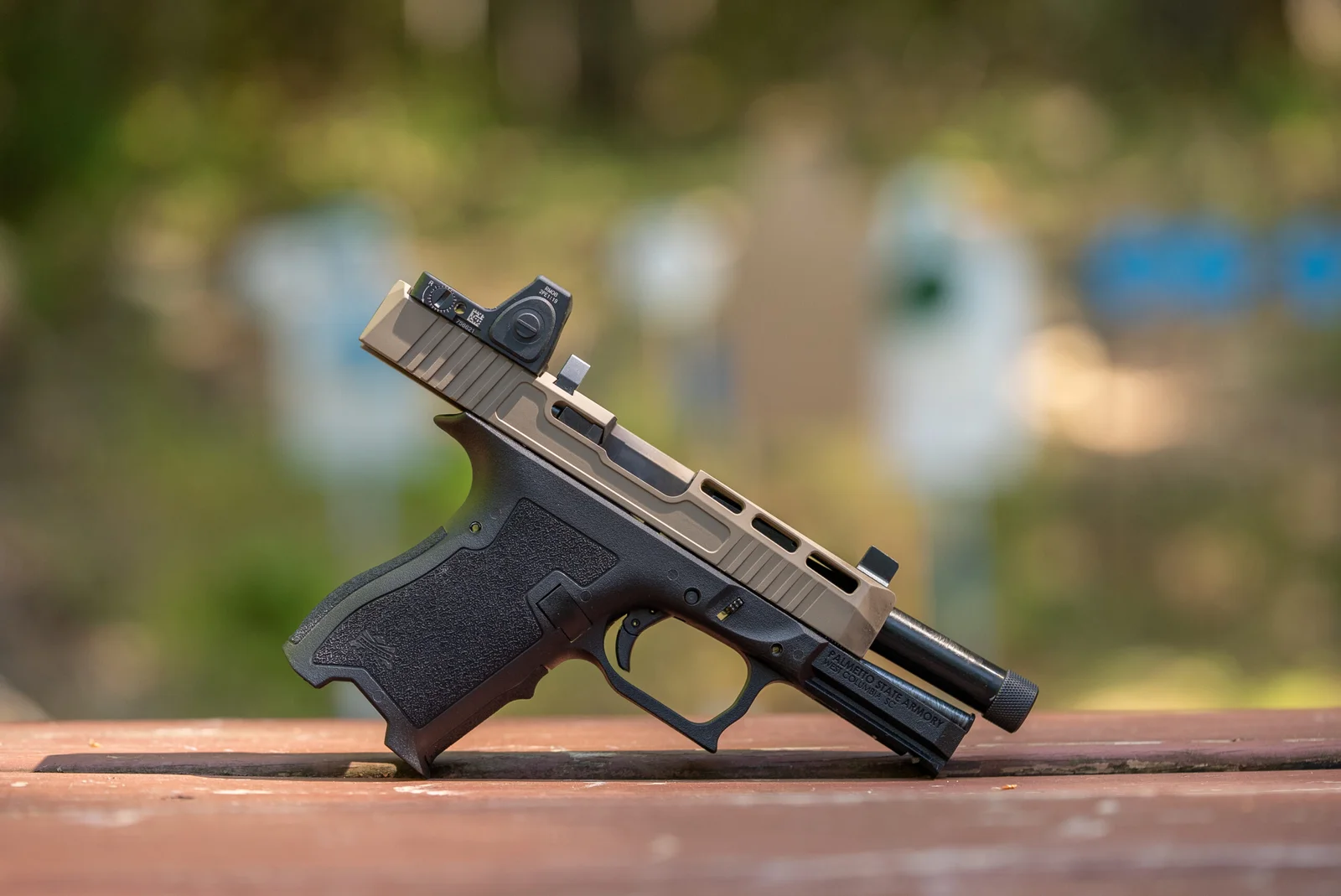
The NRA's federal complaint filed May 26, 2026 names Glock pistols, the Palmetto State Armory Dagger, the Ruger RXM, and multiple Shadow Systems models as examples of commonly owned semiautomatic pistols that share the cruciform trigger bar design and would likely fall under the ban's definition. These are not fringe products. The PSA Dagger is a sub-$400 Glock-compatible pistol that competes directly with the Glock 19 on price and features. The Ruger RXM, reviewed in our Ruger RXM review, is Ruger's Glock 19-compatible entry built around Glock Gen3 magazines and aftermarket compatibility.
The critical unknown is the Maryland State Police's prohibited pistol list. The statute defines the offense by design characteristic, not by brand name. A pistol manufacturer that uses a cruciform trigger bar but adds a blocking tab to the frame that requires tools to remove may or may not be swept in, depending on how regulators interpret "common household tools" in the statute's language. Hammer-fired pistols like the Beretta 92G, CZ 75, and SIG P226 are explicitly excluded because they use a different internal mechanism. The SIG P320, which uses a striker mechanism but a different trigger bar geometry, may also escape the definition, though that determination rests with State Police regulators drafting the prohibited list.
Maryland residents shopping for a semiautomatic pistol before the ban and existing owners who plan to sell or transfer their Glock-compatible pistol after December 31, 2026 need to understand this timeline. Sales, purchases, and transfers that complete before January 1, 2027 are legal under current Maryland law. Transfers after that date, even between private parties, are prohibited unless they involve immediate family members of a grandfathered owner.
Pistol Carry Gear
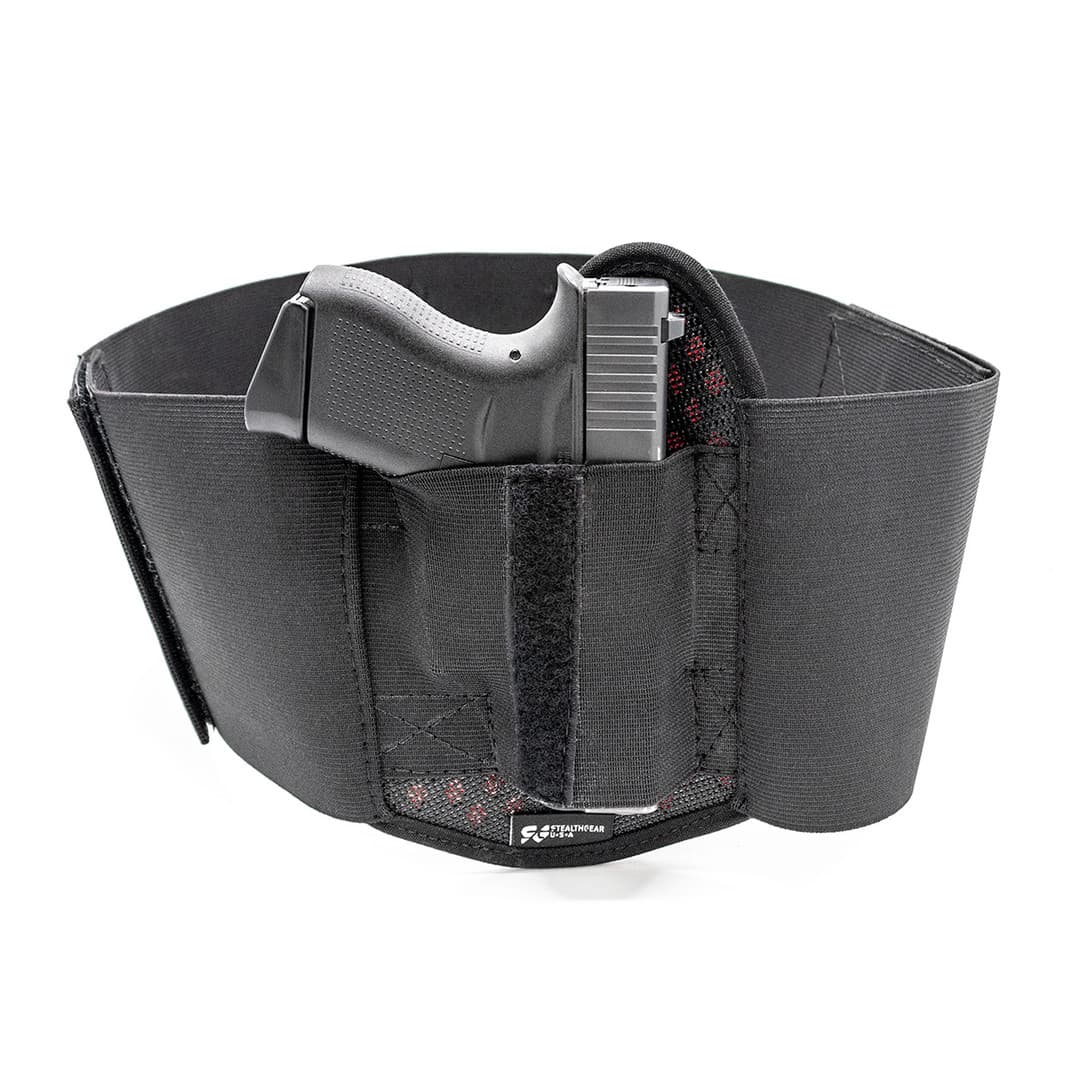
Ventcore Belly and Thigh Holster
- Belly band / thigh carry
- Ventcore platform
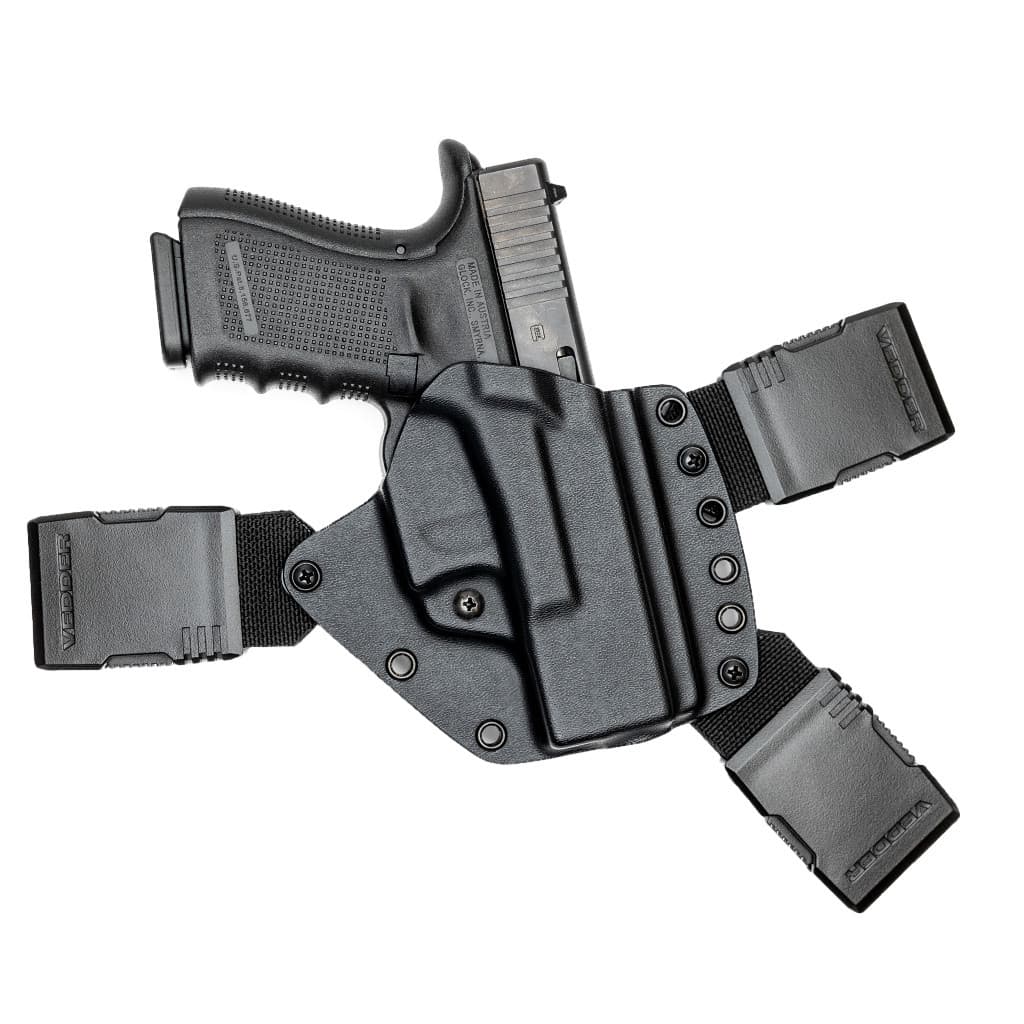
EverTrek Chest Holster
- Chest carry
- .080-inch Kydex shell, nylon harness
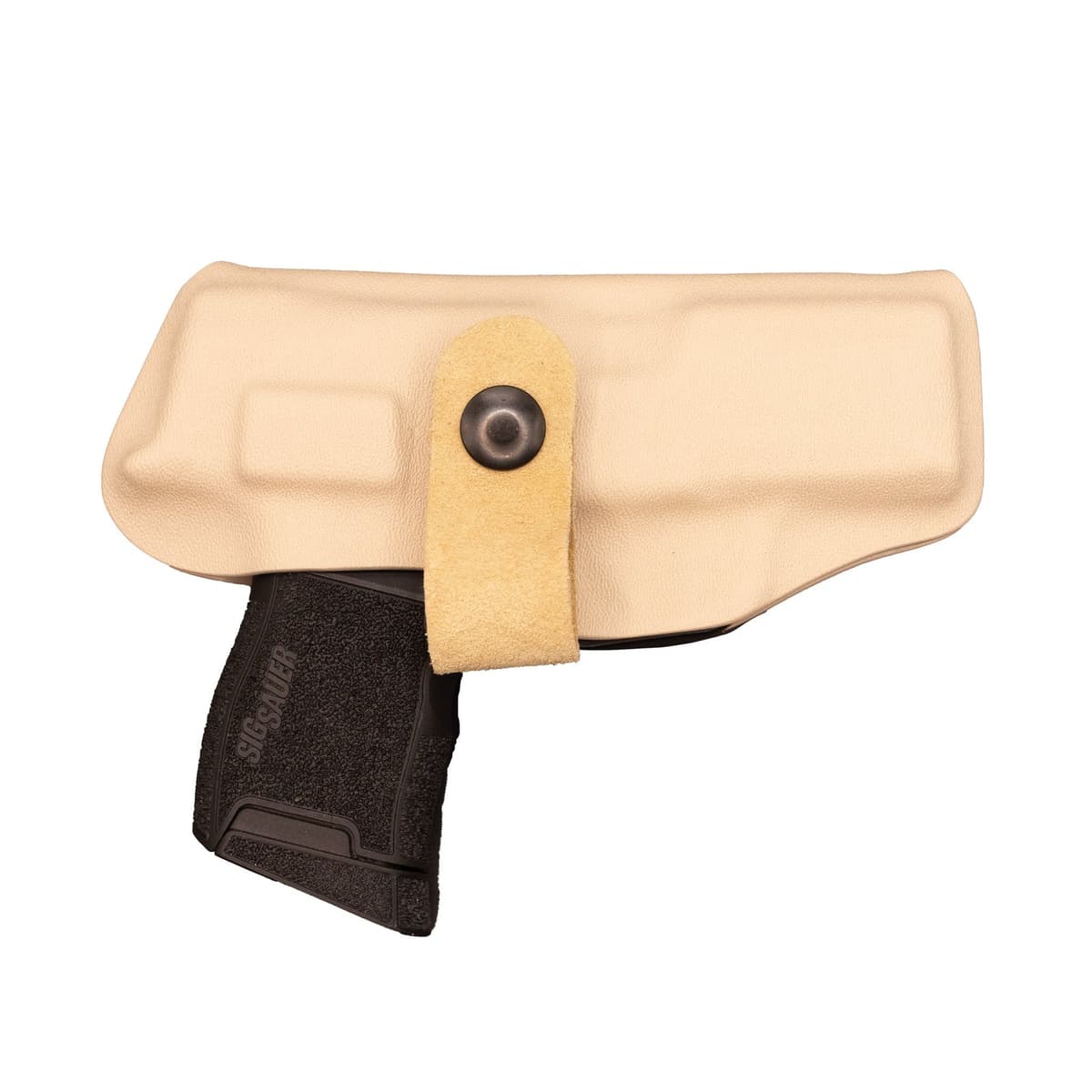
Flashbang Bra Holster
- Bra holster
- Center carry

Marilyn Holster
- Bra holster
- Side/underarm carry

MD-4 Holster (Universal Medium)
- IWB/pocket
- Latex-free synthetic rubber
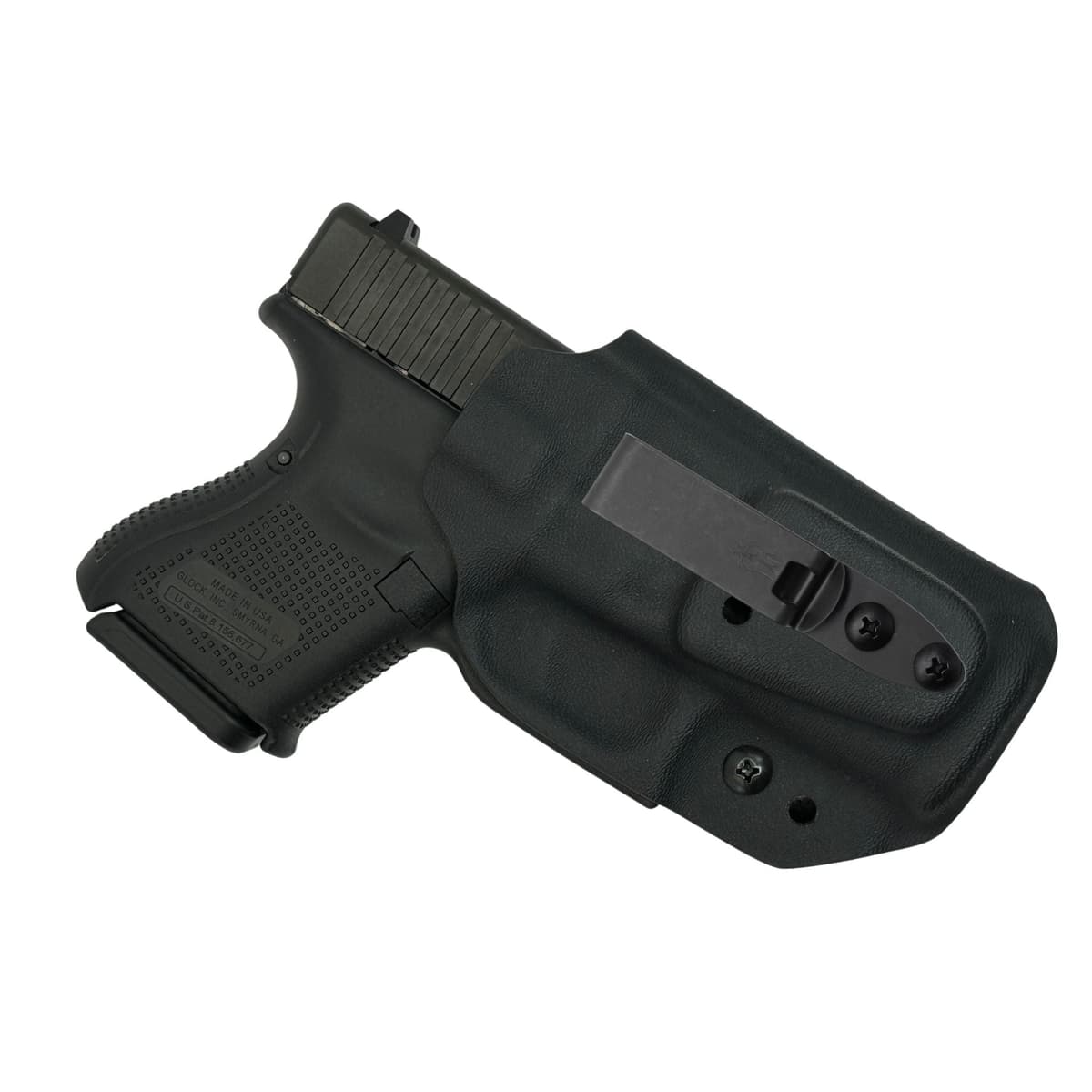
Betty 2.0 IWB Holster
- IWB
- Molded shell
Affiliate links (?)
The Federal Lawsuit: NRA, FPC, and SAF vs. Maryland
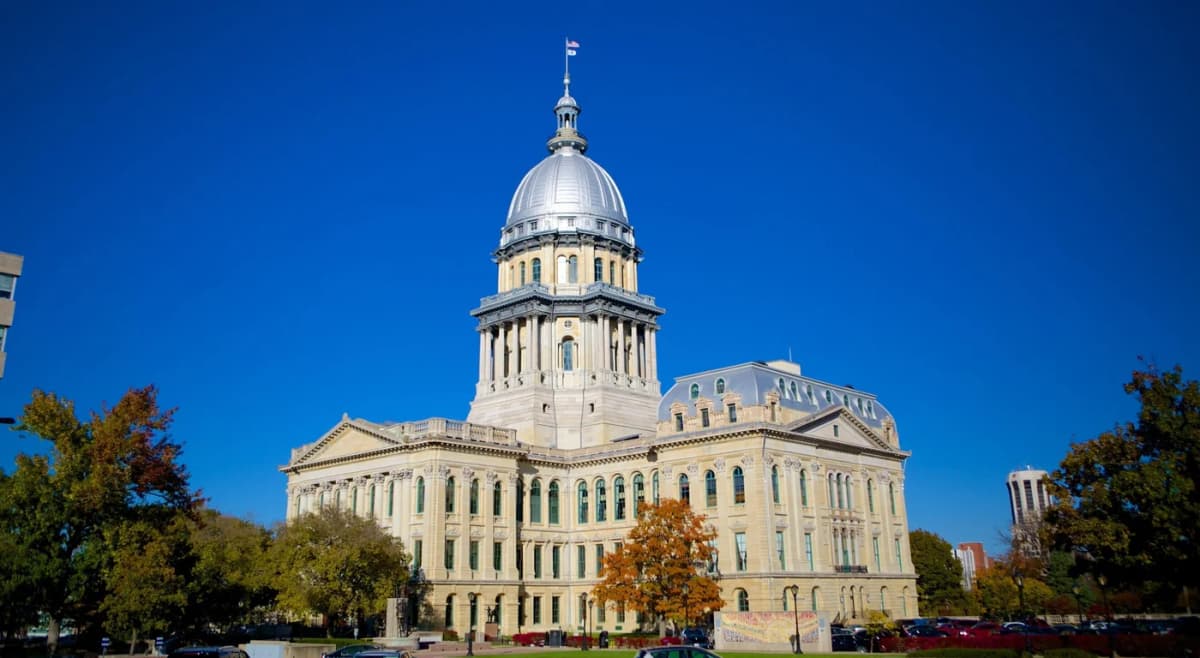
Within hours of Governor Moore signing SB 334 on May 26, the National Rifle Association, the Firearms Policy Coalition, and the Second Amendment Foundation filed Bathras v. Moore in the U.S. District Court for the District of Maryland. The defendants are Governor Moore, Attorney General Anthony Brown, and Acting Maryland State Police Superintendent Michael Jackson. The complaint argues SB 334 violates the Second and Fourteenth Amendments.
The core argument draws directly from the Supreme Court's 2022 decision in New York State Rifle and Pistol Association v. Bruen and the 2008 decision in District of Columbia v. Heller. The complaint states that Glock and Glock-style pistols are "among the most popular firearms in the nation" and are therefore "in common use" for lawful purposes, which is the constitutional test Heller established for protected arms. The complaint further notes that Glock switches are already illegal under 26 U.S.C. 5845(b) and Maryland's existing rapid-fire trigger activator law, making SB 334's broad ban on the underlying pistol an unconstitutional remedy for a problem already covered by existing law.
On September 25, 2026, Judge Richard D. Bennett denied the plaintiffs' preliminary-injunction motions from the bench. WBAL reported that the judge found the plaintiffs had not met the legal standard for an injunction and put the case on an accelerated track. Attorney General Anthony Brown said the same day that the oral ruling leaves SB 334 in place while the case proceeds, with a written opinion to follow. The denial is not a judgment on the merits. The prohibition remains scheduled for January 1, 2027 unless a later court order or appeal changes that date.

California First, Maryland Second
Maryland is the second state to enact a machine gun convertible pistol ban. California Governor Gavin Newsom signed a similar law in October 2025, also targeting pistols whose internal design accommodates backplate-replacement conversion devices. Connecticut had a comparable bill under consideration at the time of Maryland's signing, and Governor Ned Lamont approved it as Public Act 26-41 on May 26, 2026. Connecticut's sales restriction was blocked on September 30, 2026. The preliminary injunction lets sales continue, including pistols made on or after October 1, while the cases proceed. The legal logic driving all four states is the same: rather than targeting only the Glock switch add-on, which is already federally illegal, these laws restrict the host firearm's sale and transfer if the host design permits conversion.
Gun-rights organizations challenged California's law as well. A federal judge in San Diego denied a preliminary injunction in that case. Maryland's September 25 denial leaves SB 334 on the January 1, 2027 calendar while the merits continue. Both laws are structured similarly enough that a later appellate decision in one jurisdiction could influence the other.
For Maryland residents comparing their state's regulatory environment to Virginia's recent assault weapons ban, the mechanics differ significantly. Virginia's HB 217/SB 749, signed by Governor Spanberger in May 2026, targets semiautomatic rifles and pistols meeting a feature test and magazines over 15 rounds, and takes effect July 1, 2026. Maryland's SB 334 specifically targets pistol internal design and does not cover magazine capacity or rifle features. For a full breakdown of Virginia's law, see our Virginia assault weapons ban coverage.
What Maryland Glock Owners Need to Know
Current Maryland owners of Glock and Glock-compatible pistols keep their firearms. SB 334 includes no surrender requirement, no registration mandate, and no grandfather clause that expires. A Maryland resident who legally purchased a Glock before January 1, 2027 can continue to possess it indefinitely.
The restrictions activate at the point of transfer. After January 1, 2027, a covered pistol cannot be sold, gifted, purchased, or transferred in Maryland, with the exception of transfers to immediate family members. The statute defines immediate family as a spouse, child, stepchild, parent, stepparent, sibling, or stepsibling. That family member must not be otherwise prohibited from possessing a firearm under federal or state law.
Maryland residents considering a purchase of a Glock-compatible pistol should complete the transaction before December 31, 2026, provided they have a lawful purpose and comply with all existing Maryland firearm purchase requirements including a 7-day waiting period. For those looking at alternatives that may not fall under the ban's definition, hammer-fired designs such as the Beretta 92G, CZ P-09, and SIG P226 are explicitly excluded. The Glock Gen5 vs. Gen6 comparison guide covers the mechanical differences between current Glock generations, both of which use the cruciform trigger bar and both of which are likely covered by SB 334's definition. For a side-by-side comparison of affected and unaffected pistol platforms, the best 9mm pistols guide covers performance across the broader service-pistol field, but it is not an SB 334 eligibility list and includes covered Glock models. Use this article's design criteria before treating any ranked pistol as an unaffected alternative. The compare tool can stack specifications directly.
Stay Updated on Gun Law Changes
We track federal and state gun law developments as they happen. Get alerts on lawsuit outcomes, regulatory list publications, and new product coverage that matters to your build.
The Constitutional Path Forward
The NRA complaint's Second Amendment argument follows the test the Supreme Court established in Bruen: if a firearm is in common use for lawful purposes, the government must demonstrate the restriction is consistent with the historical tradition of firearm regulation in the United States. Glock-style pistols are, by any reasonable measure, in common use. Glock is among the largest-selling handgun lines in the country, law enforcement agencies across all 50 states carry them, and Glock-pattern clones such as the PSA Dagger have sold in volume across the civilian market.
The state's argument will likely focus on the conversion device angle, asserting that pistols "readily convertible" to machine gun fire occupy a different legal category. The Maryland legislature's intent was explicitly to address machine gun conversions without waiting for federal enforcement of the existing Glock switch prohibition. Whether that argument survives Bruen scrutiny, which requires a historical analog rather than a compelling interest balancing test, is the central legal question the U.S. District Court for the District of Maryland will face.
The September 25 bench ruling closed the first path to pausing the ban before January 1, 2027. It did not decide whether SB 334 survives Heller and Bruen. The case remains active on an accelerated schedule. Absent later relief, the manufacture, sale, purchase, receipt, and transfer prohibition still takes effect on January 1, 2027.
California passed a nearly identical cruciform-trigger-bar ban in AB 1127, and on July 1, 2026 the Justice Department sued California directly over it, alongside a separate federal suit against Virginia's AR-15 sales ban. See our DOJ lawsuit coverage for how the federal government's Bruen argument against California's Glock ban compares to Maryland's SB 334 fight.
For Maryland residents watching the Virginia situation as well, our Virginia pre-ban buying guide covers a similar decision framework for a different regulatory structure. Maryland's January 2027 effective date gives more lead time than Virginia's July 1, 2026 cutoff.