Key Takeaways
- →SOCOM Replaces Mk17 SCAR-H: The LMT MK24 Mid-Range Gas Gun, Assault begins fielding before the end of fiscal year 2026, ending a 17-year run for the SCAR-H, which was first issued to combat units in 2009.
- →Quick-Change Multi-Caliber: A single 14.5-inch carbine swaps between 7.62 NATO and 6.5 Creedmoor in roughly a minute via LMT's monolithic MRP upper and factory barrel extension, with zero retention across swaps.
- →$92M LMT Contract: LMT Defense won the MRGG-A contract in August 2025 under a 10-year IDIQ ceiling that covers rifles, spare parts, accessories, training, and engineering support. The rifle weighs approximately 9.2 lb bare.
- →MARS-H Ambi Lower, MRP Monolithic Upper: Fully ambidextrous controls, AR-pattern manual of arms, and a monolithic upper that integrates the handguard rail for a continuous optics platform. Fire controls match the M4.
- →Civilian Reference Rifles Exist: The LMT MWS MRGG-A Reference Rifle (14.5" SBR, ~$5,200) and the LMT MWS MARS-H 6.5 Creedmoor (20", ~$4,199) share the MRP upper, MARS-H lower, and quick-change barrel system with the deployed MK24.
What the LMT MK24 Is
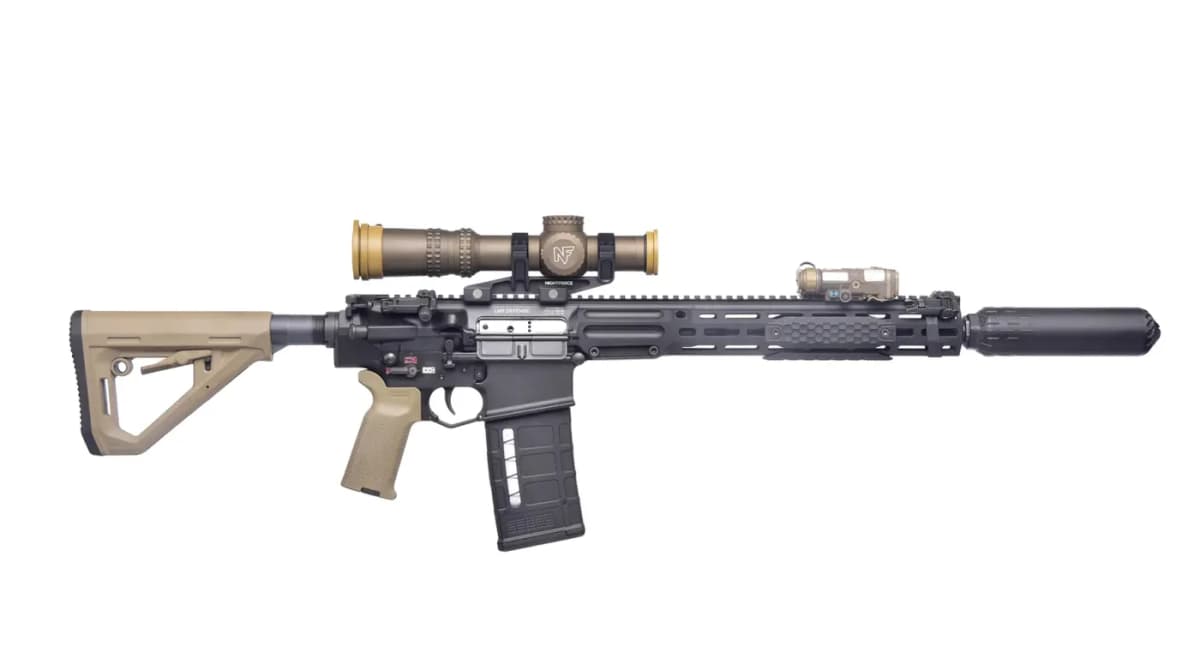
The LMT MK24 is U.S. Special Operations Command's designation for the Mid-Range Gas Gun, Assault (MRGG-A), a 14.5-inch AR-pattern carbine that swaps between 7.62x51mm NATO and 6.5mm Creedmoor in about a minute. SOCOM's program manager confirmed initial deliveries will begin before the end of fiscal year 2026, which closes September 30. The rifle ends the operational career of the Mk17 SCAR-H, the 7.62 carbine SOCOM first fielded to combat units in 2009.
LMT Defense, based in Eldridge, Iowa, won the MRGG-A contract in August 2025 under a 10-year indefinite-delivery, indefinite-quantity agreement with a $92 million ceiling. The contract scope covers rifles, spare parts, accessories, user training, and engineering modifications, which is what SOCOM and LMT both describe as a deployment package rather than a bare rifle order. The MK24 itself weighs approximately 9.2 pounds without optic, accessories, or magazine.
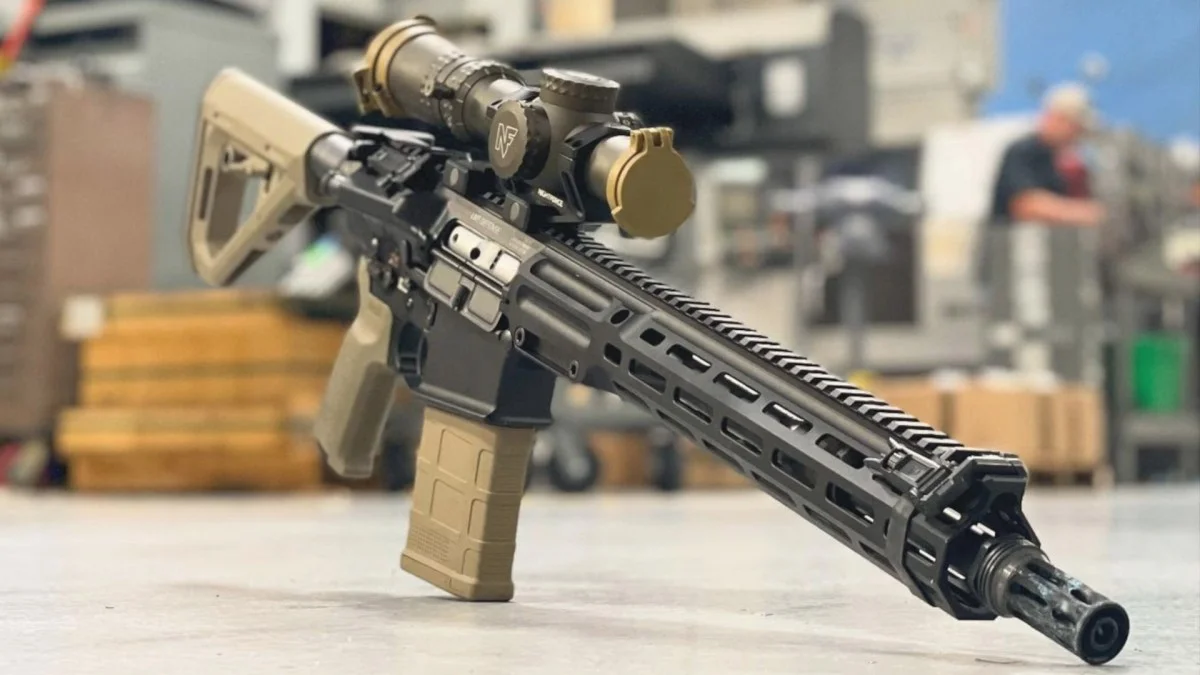
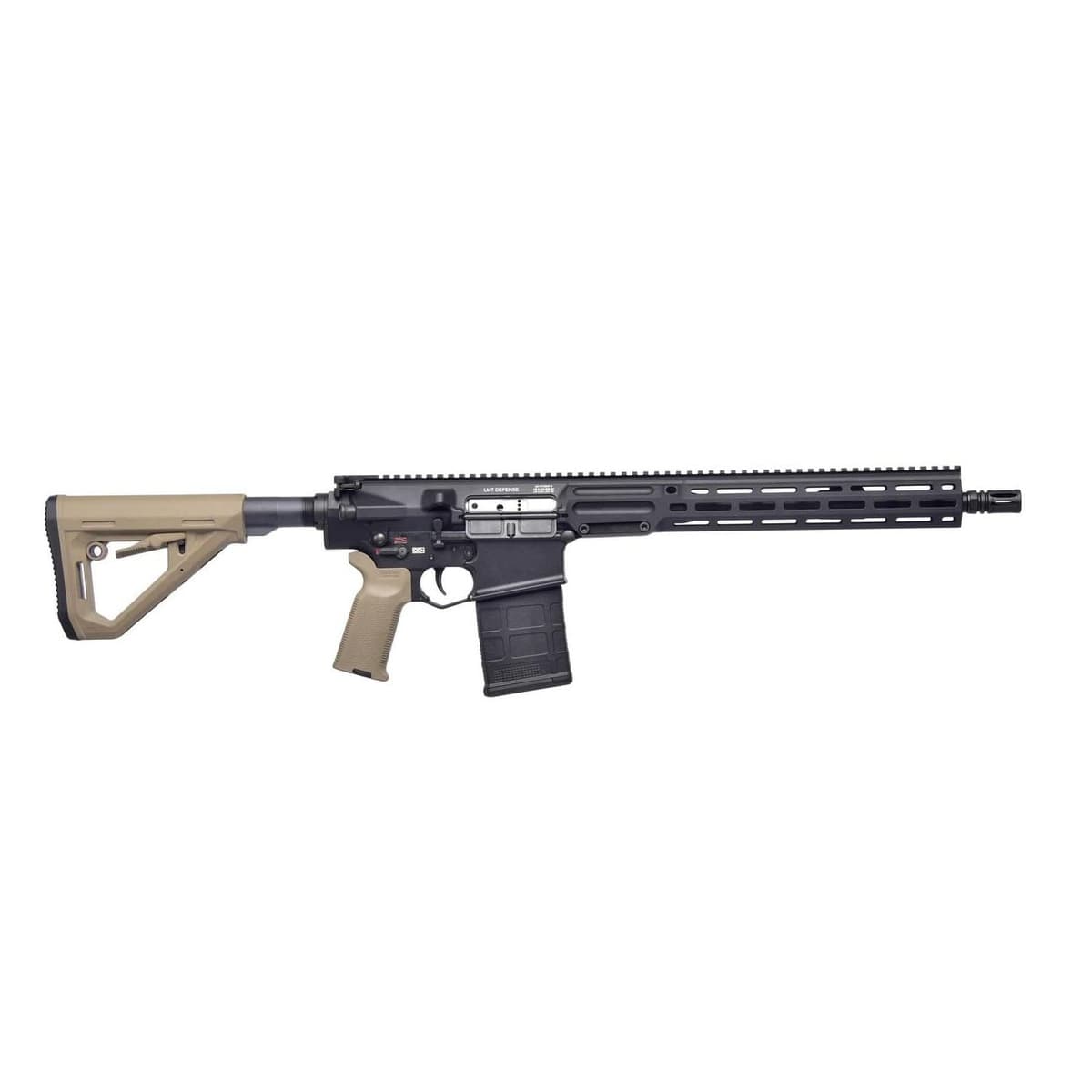
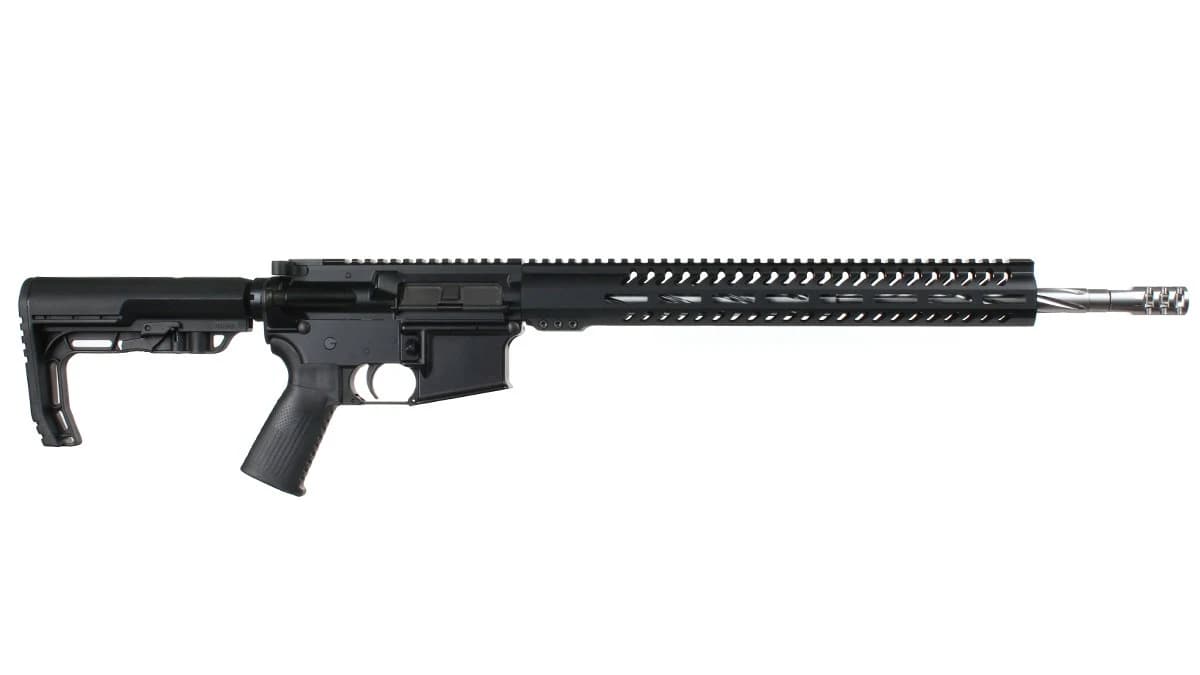
LMT MWS MRGG-A Reference Rifle 6.5 Creedmoor 14.5" SBR
Civilian reference rifle that mirrors the SOCOM MK24 14.5-inch 6.5 Creedmoor carbine
Civilian reference rifle matching SOCOM's MRGG-A contract carbine. Factory SBR.
- +Reference rifle associated with the SOCOM MRGG-A contract rifle (2025)
- +Monolithic upper provides the stablest optics mounting surface in class
- +MARS-H ambidextrous controls carried over from the deployed configuration
- −Roughly $5,200 price point before optic and accessories
- −Loses ~200 fps vs a 20-inch MRGG-S for pure distance work
- −Lower production volume than the MWS MARS-H limits availability
Affiliate links (?)
Why SOCOM Is Retiring the SCAR-H
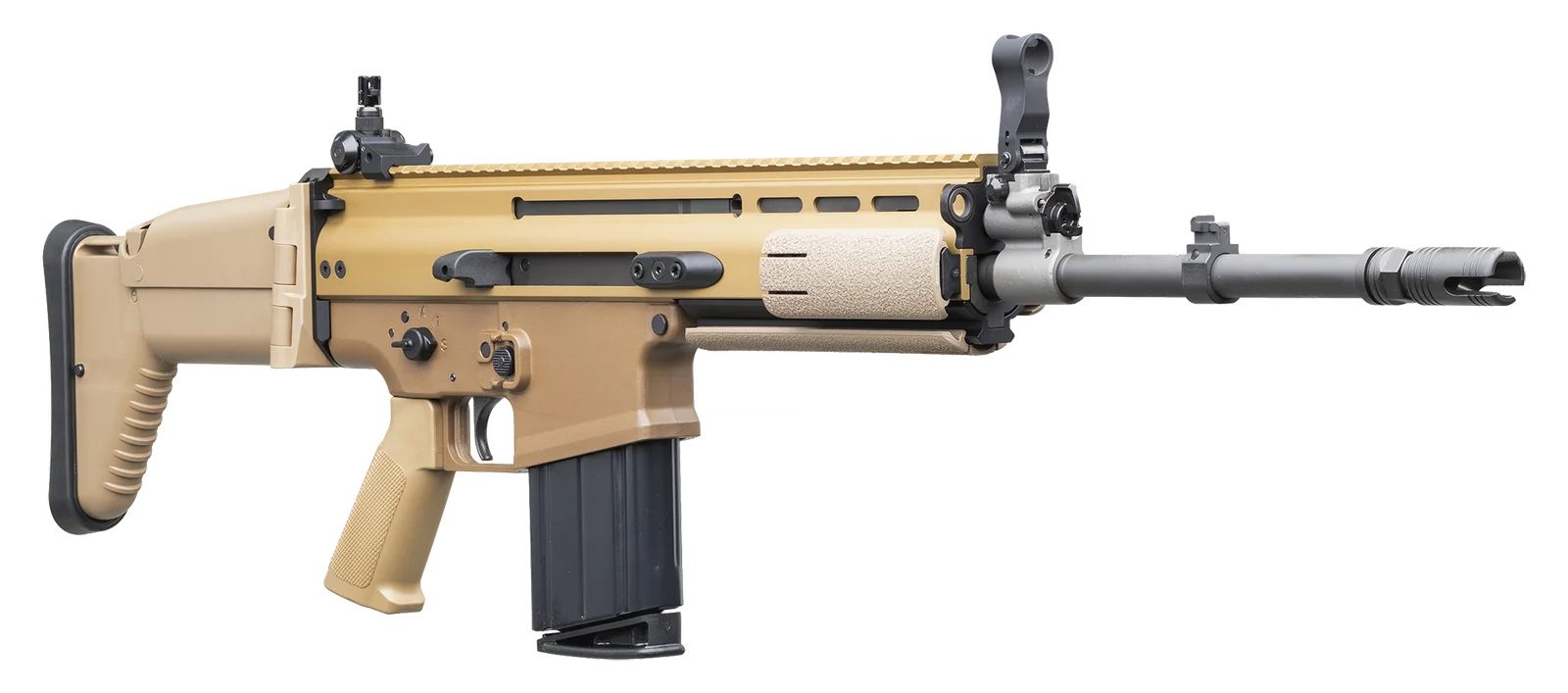
SOCOM picked the MK24 to consolidate two problems the SCAR-H could not solve. The first is training and parts overhead. The SCAR-H uses its own short-stroke piston operating group, its own ergonomics, and its own accessory language, none of which transfer cleanly from the M4 carbine that every other SOF rifle and most partner-force rifles already use. The MK24 keeps M4-pattern fire controls, an AR-pattern manual of arms, and AR-standard stock, grip, and rail interfaces, so an operator coming off an M4 picks it up without retraining. Separately, FN's next-generation commercial SCAR updates the legacy platform with bilateral controls, a hydraulic buffered carrier, and an AR-pattern grip interface.
The second is caliber flexibility. SOF teams routinely operate alongside partner forces whose ammunition stocks are 7.62 NATO, while their own engagement profile increasingly demands the ballistic reach of 6.5 Creedmoor past 600 yards. The MK24 swaps between the two using LMT's quick-change barrel system, which SOCOM and LMT both describe as a roughly one-minute operation with zero retention across swaps. A single weapon now covers the 7.62-only logistics case and the 6.5 CM extended-range case without a second rifle. For the ballistic side of why SOCOM keeps standardizing on 6.5 CM for DMR work, see our 6.5 Creedmoor tactical guide.
Stay Updated on the LMT MK24
We'll track MK24 fielding milestones, civilian MWS availability for the MRGG-A Reference Rifle and MARS-H 6.5 Creedmoor, and how the platform stacks up against the Geissele MRGG MK1. Get launch coverage, hands-on reviews, and new-product alerts in your inbox.
Inside the MWS Architecture: Monolithic Upper, MARS-H Lower
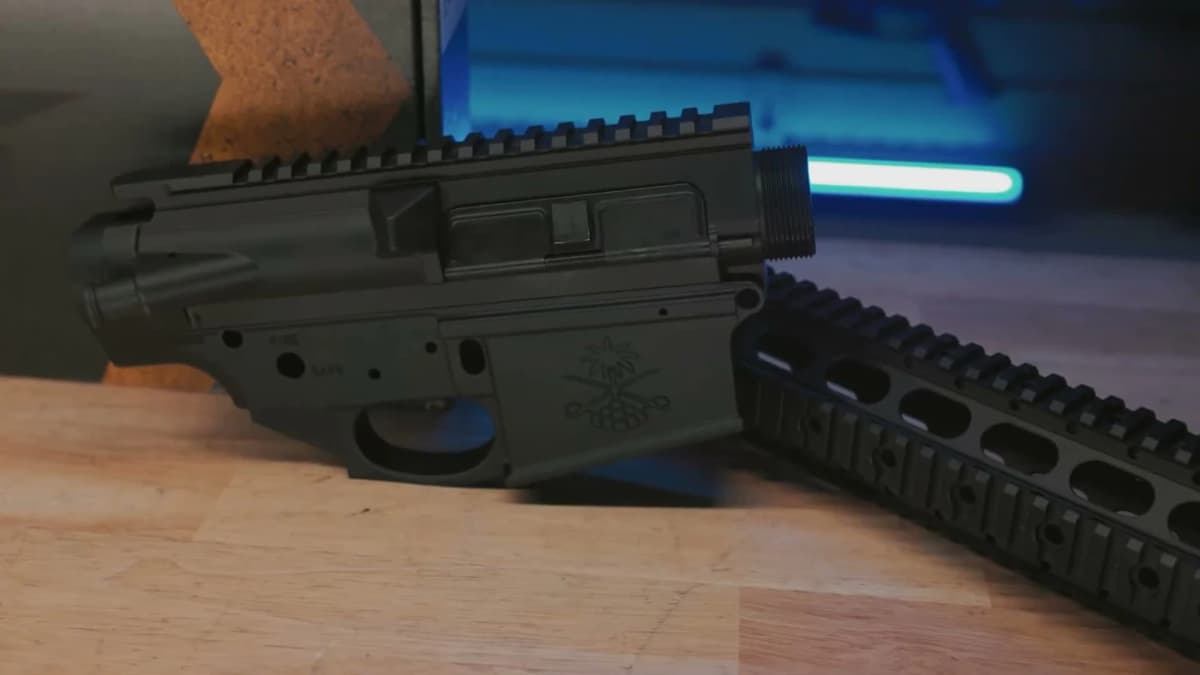
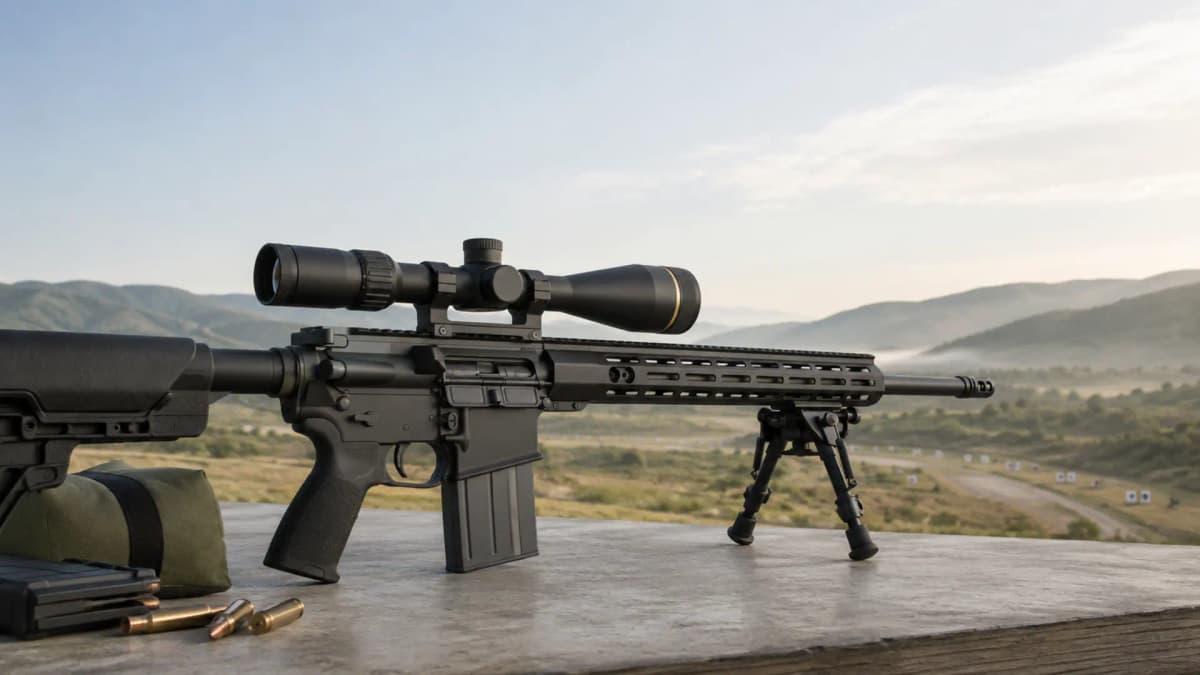
The MK24 is built on LMT's Modular Weapon System (MWS), the same architecture as the civilian LMT MWS MARS-H and MRGG-A Reference Rifle. The upper is a monolithic MRP unit machined from a single 7075-T6 aluminum billet, which integrates the handguard rail into the upper receiver and eliminates the upper-to-handguard mating surface. That continuous rail is what gives the platform a single uninterrupted optics mounting surface, and it is also what enables the quick-change barrel system: the barrel locks into the upper through a factory barrel extension that retains zero across swaps.
The lower is the MARS-H, LMT's fully ambidextrous large-frame lower. Bolt catch, bolt release, magazine release, and safety all run from either side, which matters most in close-quarters work and for shooters who switch shoulders behind cover. Magazines are SR-25/DPMS pattern, the dominant family for 7.62 NATO and 6.5 Creedmoor AR-10s, so a single magazine inventory covers both calibers. The fire controls and overall manual of arms match the M4 carbine, which is the entire training argument for picking the MK24 over a SCAR replacement built on its own ergonomic language.
6.5 Creedmoor vs 7.62 NATO: Why Both Calibers
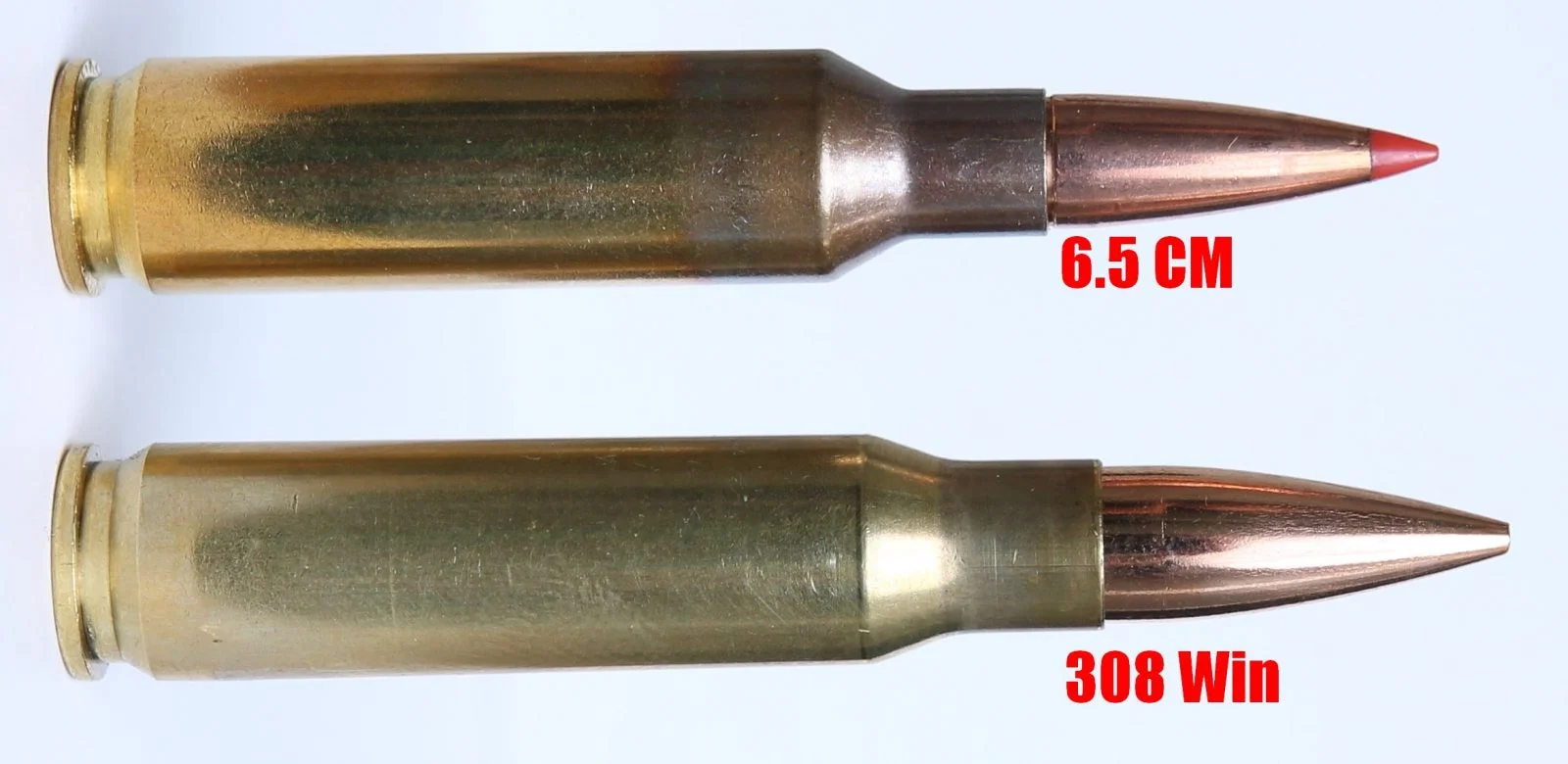
6.5 Creedmoor is the ballistic upgrade, 7.62 NATO is the logistics anchor. From a 14.5-inch barrel, 6.5 CM with a 140-grain match load leaves the muzzle at roughly 2,510 fps and stays supersonic past 1,200 meters, with about 28 percent less wind drift than .308 in a 10 mph crosswind. That extended-range advantage is why SOCOM already replaced .308 with 6.5 CM in the SR-25 and M110 DMR platforms in 2019, and it is the same logic driving the MK24's 6.5 CM barrel option for distance engagements.
7.62 NATO is what partner forces and host-nation logistics chains actually stock at scale. SOF teams routinely run alongside militaries whose ammunition supply is 7.62 NATO end to end, and a single-caliber 6.5 CM rifle would force operators to either carry their own ammunition forward or accept the round their partners actually have. The MK24's quick-change barrel removes that tradeoff. Inside 300 yards the two calibers behave similarly; past 600, 6.5 CM is meaningfully better, with recoil roughly 40 percent lower, which matters more in a semi-auto where fast follow-up shots are a core advantage of the platform.
LMT MK24 (MRGG-A) Specifications
- Calibers7.62x51mm NATO, 6.5mm Creedmoor (quick-change)
- Barrel Length14.5 inches
- Weight (bare)Approx. 9.2 lb (no optic, magazine, or accessories)
- Upper ReceiverMonolithic MRP, 7075-T6 billet
- Lower ReceiverMARS-H, fully ambidextrous
- RailUninterrupted full-length Picatinny top
- MagazineSR-25/DPMS pattern AR-10
- Fire ControlsM4-pattern manual of arms
- Barrel Swap TimeApprox. 1 minute (operator level, zero retained)
- Contract10-year IDIQ, $92M ceiling (awarded August 2025)
- ManufacturerLMT Defense (Eldridge, Iowa)
- ReplacesMk17 SCAR-H (fielded 2009)
- Initial FieldingBefore end of FY2026 (Sept 30, 2026)
Civilian LMT MWS MARS-H: The 20-Inch DMR Sibling
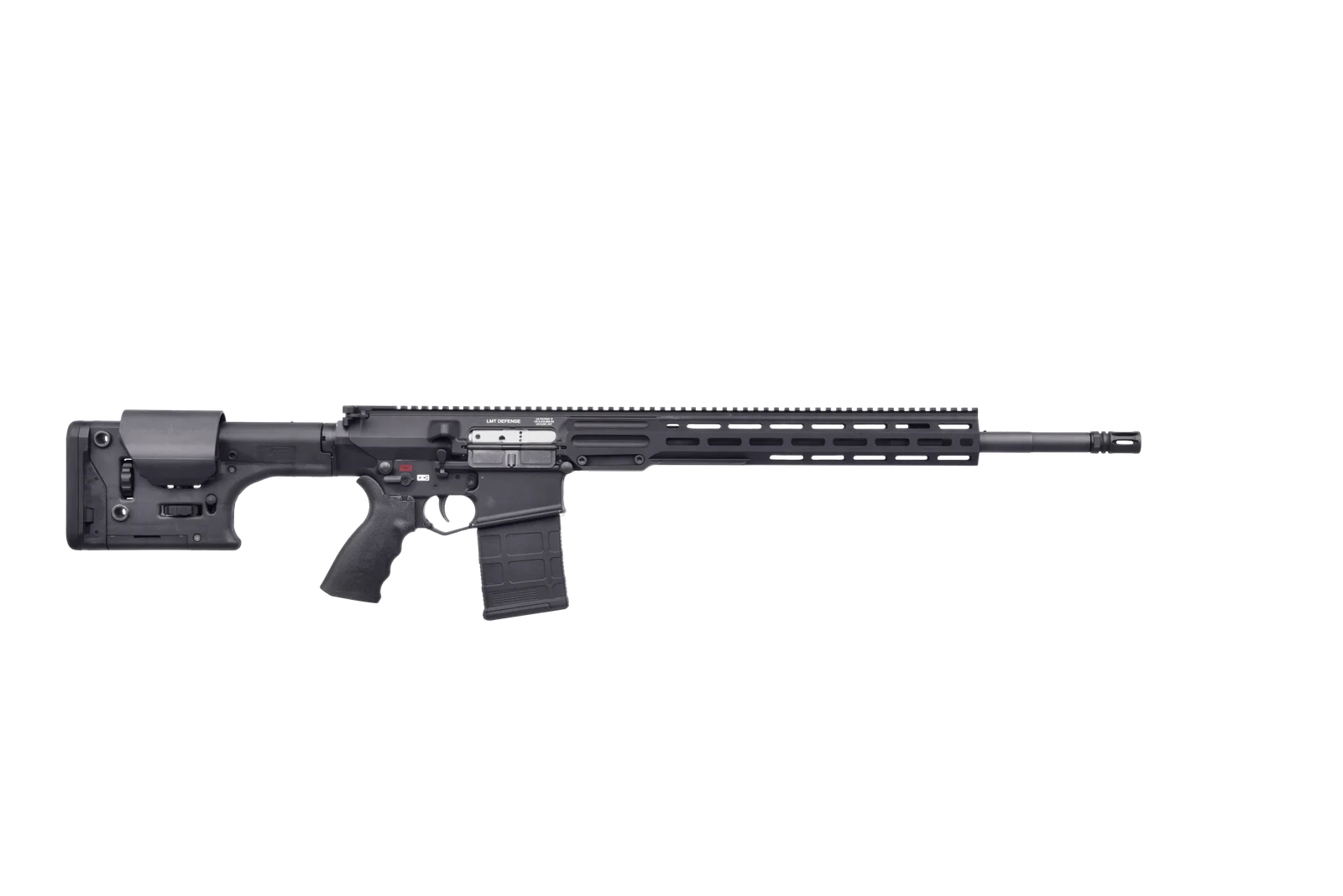
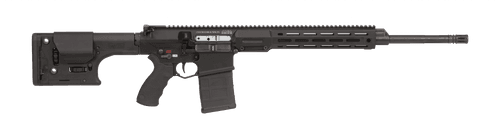
For buyers who do not want the SBR paperwork of the MRGG-A Reference Rifle, the LMT MWS MARS-H 6.5 Creedmoor 20-inch is the non-NFA option from the same MWS family. It shares the monolithic MRP upper, MARS-H ambidextrous lower, and quick-change barrel system with the MK24, then trades the carbine barrel for a 20-inch stainless 1:8 5R that picks up roughly 100-200 fps on identical loads. UK and New Zealand military adoption of the MWS platform gives it the strongest QA validation in the 6.5 CM AR-10 segment. Use our rifle builder to spec optic, suppressor, and bipod choices around either MWS configuration.
LMT MWS MARS-H 6.5 Creedmoor 20"
Non-SBR DMR sibling of the MK24, same monolithic MRP upper and MARS-H lower in a 20-inch 6.5 Creedmoor
Monolithic-upper 6.5 Creedmoor precision rifle with quick-change barrel and MARS-H ambidextrous lower.
- +Strongest QA validation in the 6.5 CM AR-10 segment
- +Quick-change barrel enables caliber swaps across MWS chamberings
- +Fully ambidextrous controls for left-handed or multi-shoulder use
- −Heaviest rifle in this class at roughly 10 lbs unloaded
- −Highest price before optics and accessories
- −Overbuilt for shooters without a committed precision use case
Affiliate links (?)
DMR Optics, Suppressors, and Support Gear
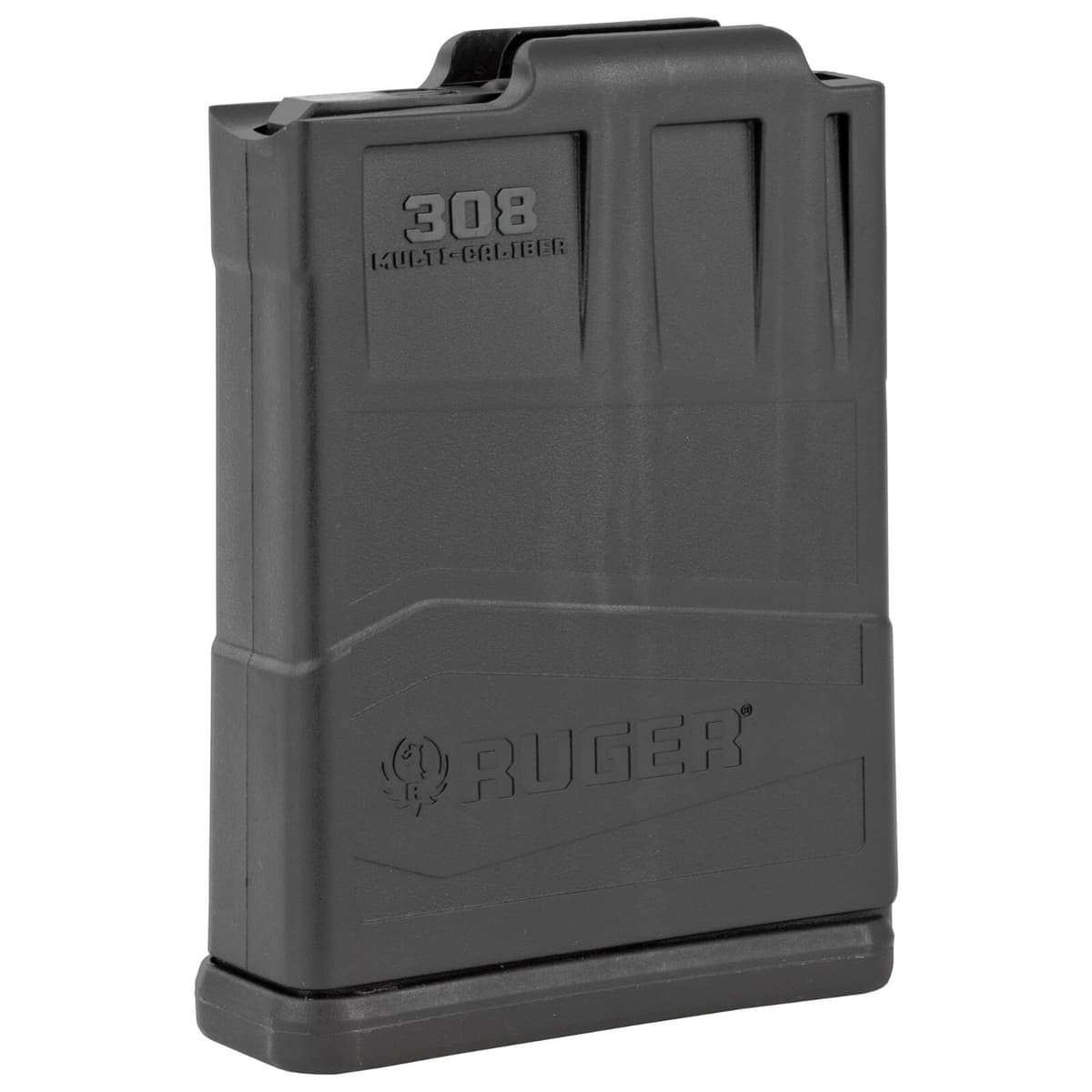
Ruger AI-Style 10-Round Magazine (.308 / 6.5 Creedmoor)
- 10-round capacity
- AICS short-action pattern
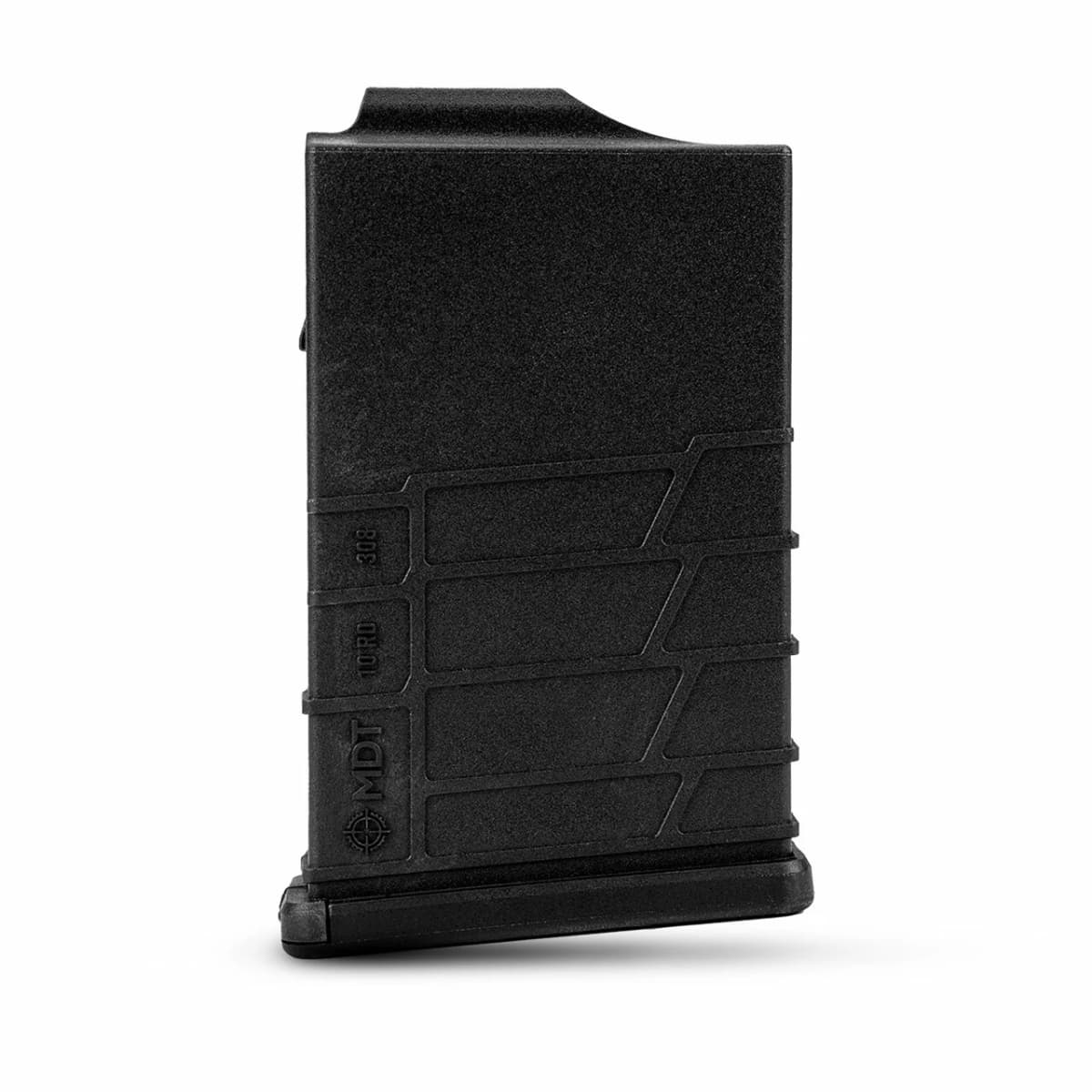
MDT Polymer AICS .308/6.5 Creedmoor 10-Round Magazine
- 10-round capacity
- AICS short-action pattern
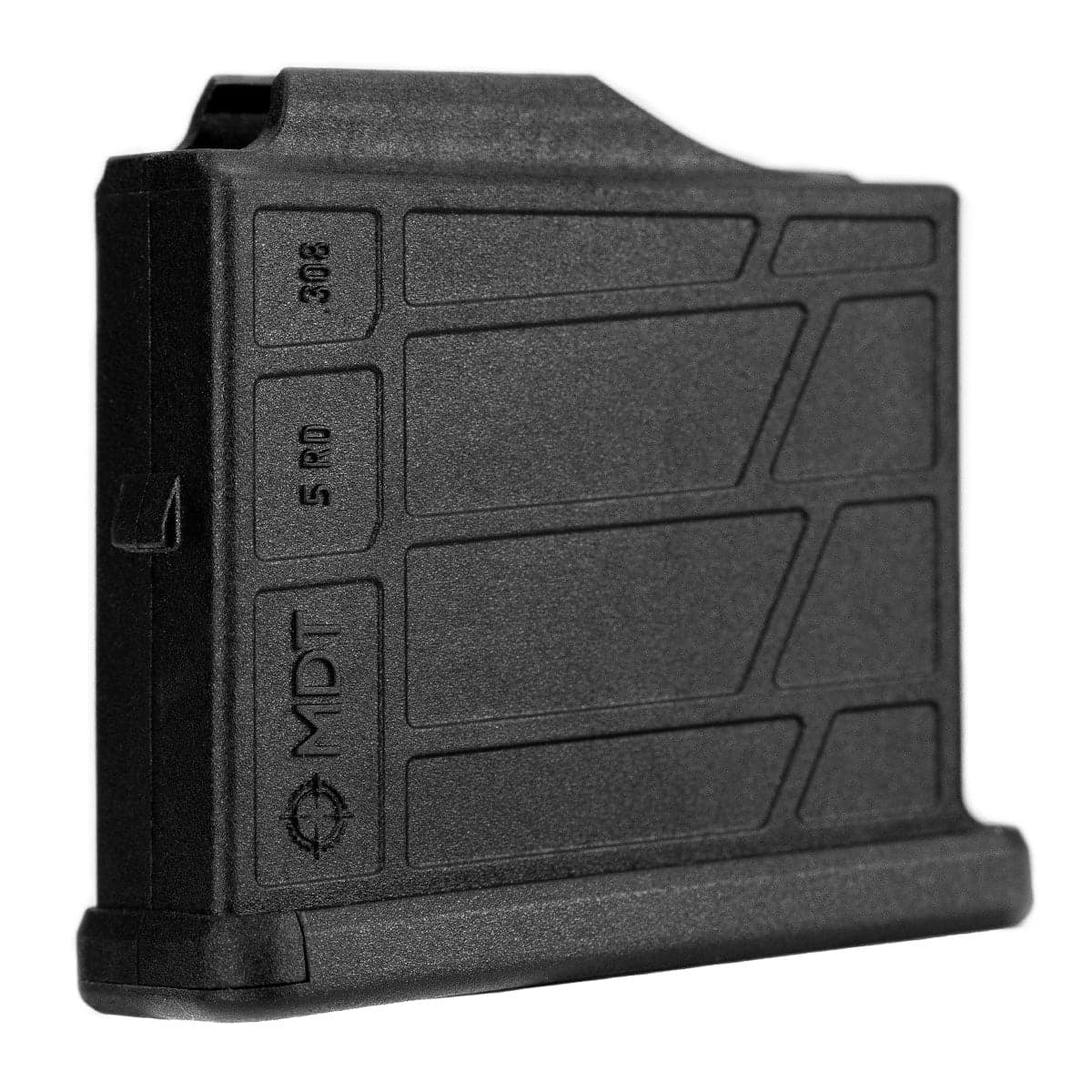
MDT Polymer AICS .308/6.5 Creedmoor 5-Round Magazine
- 5-round capacity
- AICS short-action pattern
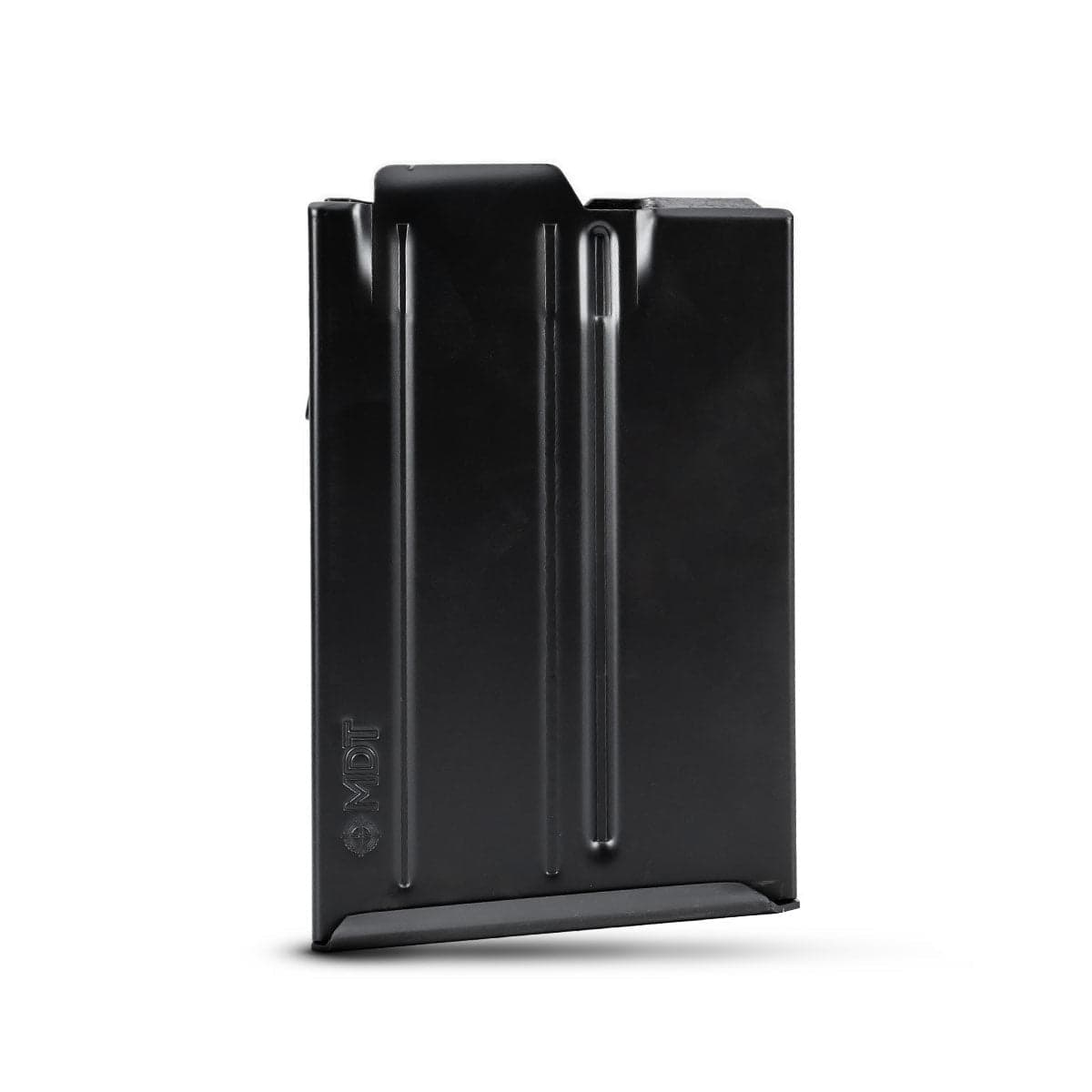
MDT Metal AICS .308/6.5 Creedmoor 10-Round Magazine
- 10-round capacity
- AICS short-action pattern
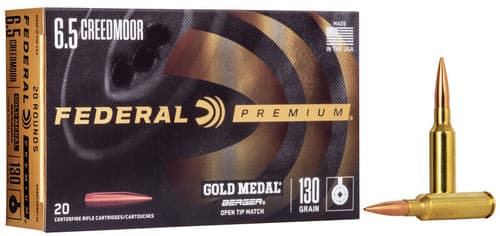
Federal Gold Medal 130gr Berger AR Hybrid OTM 6.5 Creedmoor
- 130 grain Berger AR Hybrid OTM
- 6.5 Creedmoor
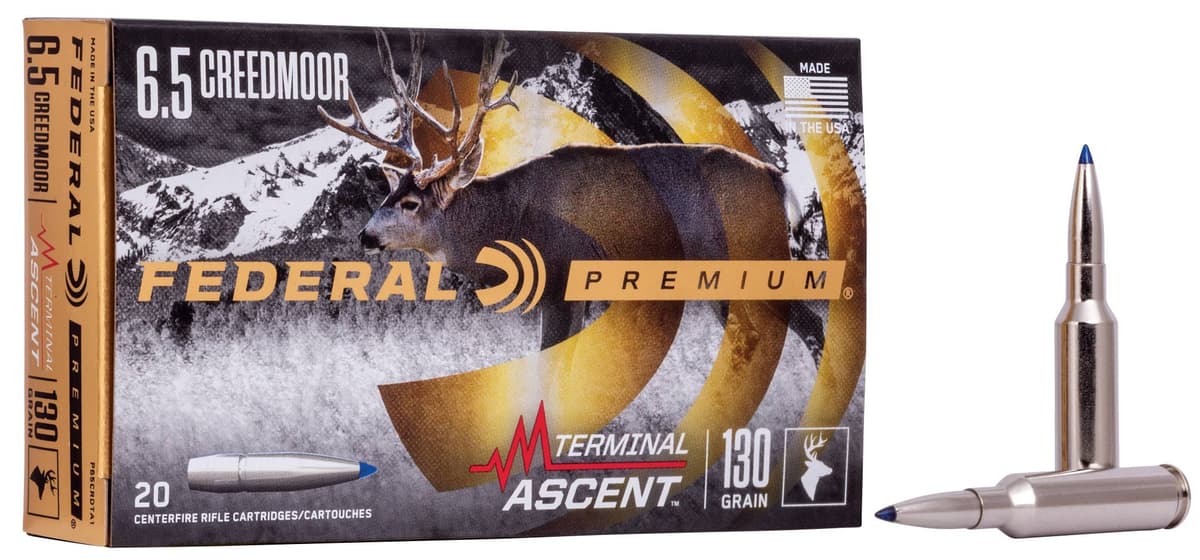
Federal Terminal Ascent 130gr 6.5 Creedmoor
- 130 grain Terminal Ascent
- 6.5 Creedmoor
Affiliate links (?)
Where the MK24 Sits Against the Rest of the SOCOM Pipeline
The MK24 is the assault-variant carbine, not the full SCAR-replacement story. SOCOM split the Mid-Range Gas Gun program into two tracks: MRGG-A (Assault), which LMT won in August 2025 and which produces the 14.5-inch MK24, and MRGG-S (Sniper), which Geissele Automatics won in 2023 under a $29M ceiling and which produces a 20-inch 6.5 Creedmoor precision rifle sold civilian as the Geissele VSASS MRGG MK1. The two tracks together cover the carbine and sniper roles the SCAR-H and SR-25/M110 families previously handled separately, with 6.5 CM as the common caliber across both.
The MK24 also lands in the same news week as FN's own SCAR-replacement strategy, since FN positioned the new FN ARKA as an AR-ergonomic accompaniment to the improved SCAR MK2 rather than as a SCAR replacement. The MK24 takes a different path to the same problem: SOCOM is not buying a new piston-AR, it is going to a DI MWS platform that already shares an ecosystem with the M4. For the LMT MRP upper architecture that underpins the MK24, see our coverage of LMT's Hybrid MRP uppers at SHOT Show 2026.
Frequently Asked Questions
▶What is the LMT MK24?
▶Who builds the MK24?
▶Why is SOCOM replacing the SCAR-H with the MK24?
▶What is the difference between MRGG-A and MRGG-S?
▶Can civilians buy the LMT MK24?
▶How fast can the MK24 swap barrels between 7.62 NATO and 6.5 Creedmoor?
▶What weighs in at 9.2 pounds, the rifle or the deployment package?
▶Does the LMT MK24 use SR-25 magazines?
Bottom Line
The LMT MK24 closes the SCAR-H chapter for SOCOM by collapsing two roles, partner-force-compatible 7.62 NATO carbine and 6.5 Creedmoor extended-range carbine, into a single rifle with a quick-change barrel and an AR-pattern manual of arms. LMT built the platform on the MWS architecture the company has been selling to civilians and US allies for years, which is why the deployed MK24 has direct civilian analogs in the catalog: the LMT MWS MRGG-A Reference Rifle for buyers who want the actual 14.5-inch SBR configuration, and the LMT MWS MARS-H 6.5 Creedmoor 20-inch for buyers who want the same monolithic upper and ambidextrous lower without the NFA paperwork.
The bigger story is what the MK24 says about US service-rifle direction. Two SOCOM contracts (MRGG-A to LMT, MRGG-S to Geissele) have now standardized on 6.5 Creedmoor as the long-range cartridge of choice, on AR-pattern ergonomics as the SOF baseline, and on monolithic-upper modularity as the architecture. The SCAR-H's retirement after 17 years of operational service marks the end of the parallel-platform era for SOCOM. To see how 6.5 CM AR-10s line up at consumer price points, see our best 6.5 Creedmoor rifle guide, or compare LMT MWS configurations against the Geissele and Daniel Defense alternatives.