Key Takeaways
- →BCA brand: ATF lists Bear Creek Arsenal LLC as the manufacturer licensee and "BEAR CREEK ARSENAL / MOORE PRECISION ARMS" as the trade name at the same Sanford, North Carolina facility.
- →Upmarket position: MPA explicitly calls its target customer the "mid-market precision shooter," putting the brand above the entry-level market that made BCA famous.
- →Higher-spec package: The launch rifles use spiral-fluted 416R stainless barrels, forged receivers, muzzle brakes, and a 3.5-pound single-stage trigger.
- →Live-fire QC: MPA says every rifle is fired and inspected before shipment. Its .22 ARC MPA-1087 also ships with the serialized target used to function-test that exact rifle.
- →No MOA guarantee yet: MPA uses precision and match-grade language, but its current AR-15 and product pages do not publish a numerical accuracy guarantee.
Moore Precision Arms Is a Bear Creek Arsenal Brand
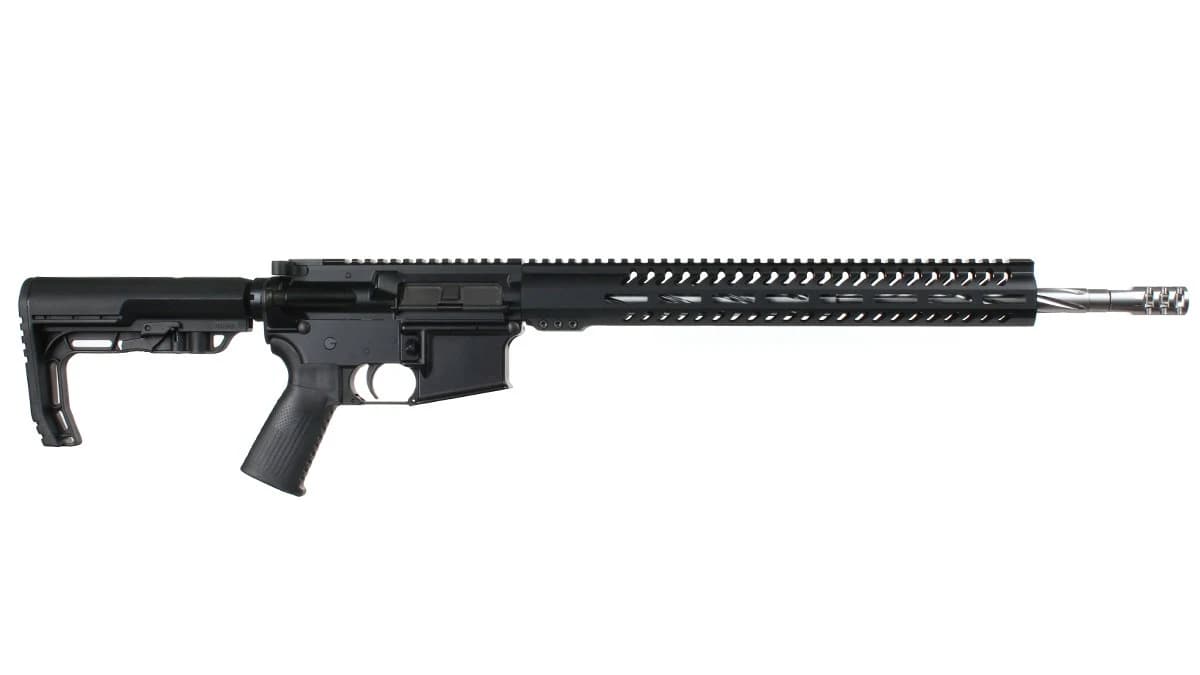
Bear Creek Arsenal has a new name in the market: Moore Precision Arms. The branding is separate, the website is separate, and the rifles are positioned above the bargain end of the AR market. The manufacturer behind them is not a mystery.
ATF's FFL eZ Check lists Bear Creek Arsenal LLC as the license name and Bear Creek Arsenal / Moore Precision Arms as the trade name. The premises are 310 McNeill Road in Sanford, North Carolina, the same facility associated with BCA. Moore Precision Arms also says its rifles are assembled, torqued, fired, inspected, and function-tested in Sanford.
MPA's own privacy policy identifies the business as Moore Precision Arms, LLC at that same Sanford address. For buyers, the practical relationship is simple: MPA is BCA's new precision-focused house brand, not an independent rifle maker that merely contracts BCA for production.
The Moore Name Predates Bear Creek Arsenal
The choice of "Moore" is not random premium-brand naming. Bear Creek Arsenal's own company history starts with Moore Machine in 1971, when the operation was a two-person machine shop. Moore Machine spent the following decades manufacturing parts and components before the company created Bear Creek Arsenal in 2013 to sell firearms under its own consumer brand.
BCA also describes itself as a Moore family-owned business and has identified Eugene Moore as president and CEO. Moore Precision Arms therefore reaches back to the identity the manufacturing business used before Bear Creek Arsenal existed.
That history gives MPA a useful story to tell. BCA can create some distance from the budget reputation attached to the Bear Creek name without pretending the machining operation behind the rifles appeared yesterday.
What MPA Is Selling
MPA describes its AR-15s as rifles for the mid-market precision shooter: someone moving beyond an entry-level AR who does not want to replace the barrel and trigger immediately. That positioning shows up in the component package.
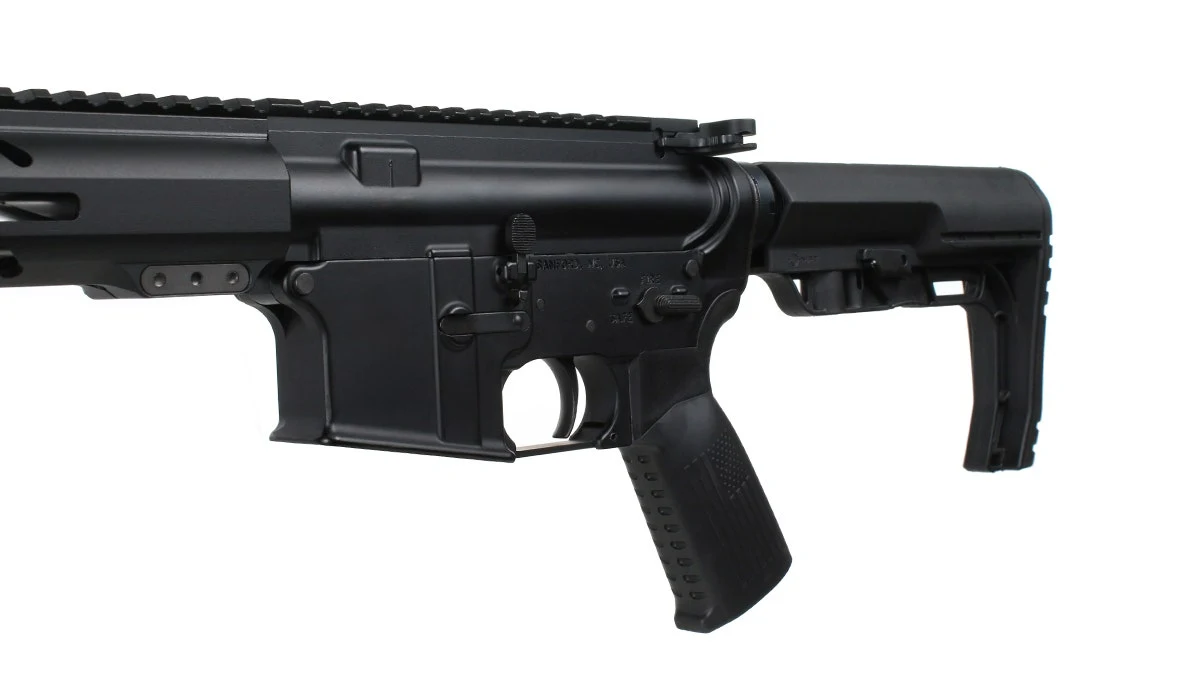
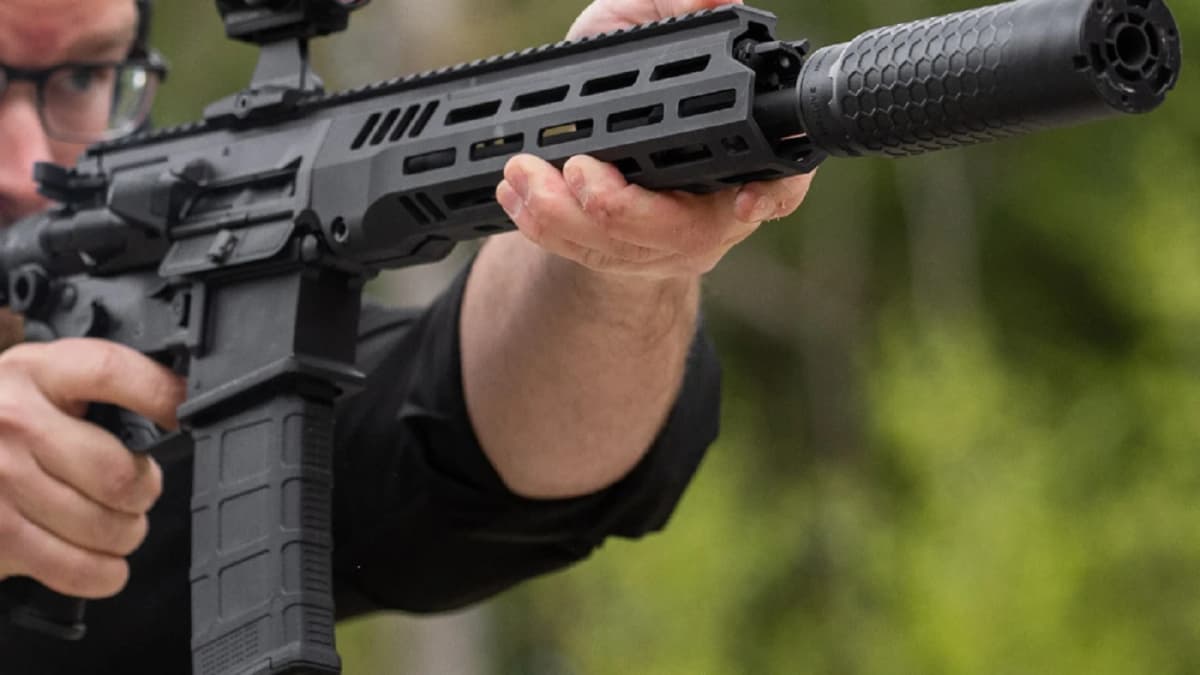
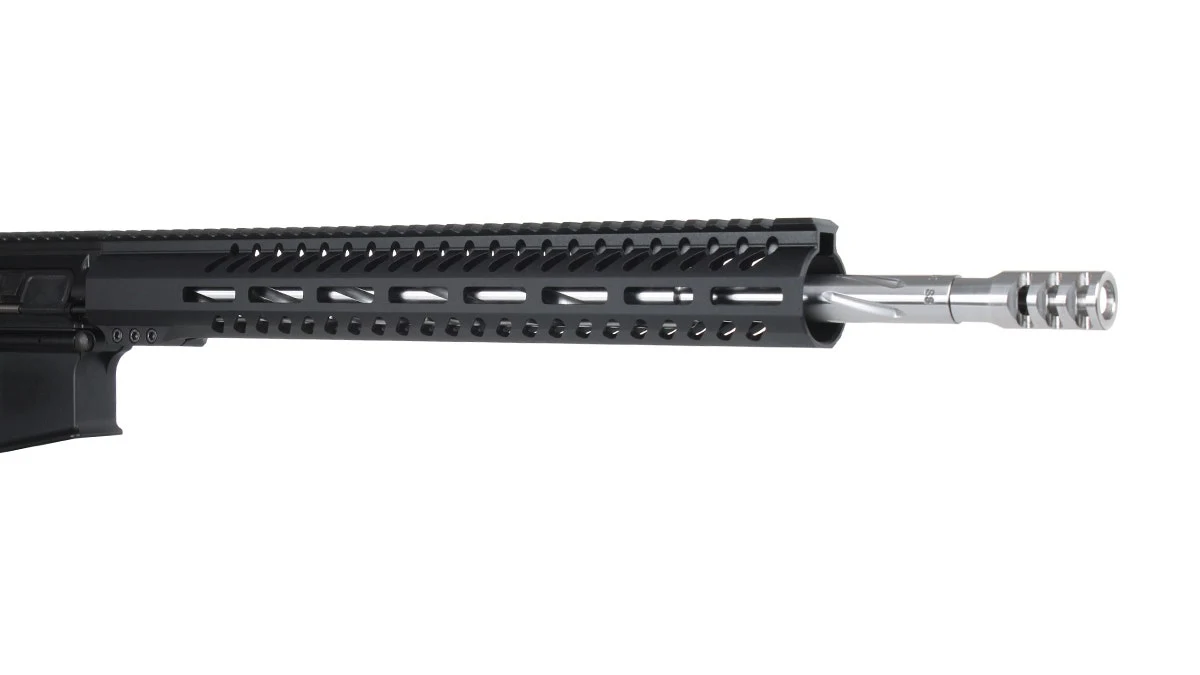
The 18-inch MPA-1015 is chambered in .223 Wylde and uses a heavy-profile, spiral-fluted 416R stainless barrel with a 1:8 twist and mid-length gas system. The launch price on MPA's site is $845. The 18-inch MPA-1087 moves to .22 ARC with a spiral-fluted 416R barrel, 1:7 twist, rifle-length gas, and a $865 launch price.
Both are built around forged receivers and MPA's 3.5-pound single-stage trigger. MPA says the trigger uses a 6061 aluminum housing, S7 tool-steel internals, and anti-walk pins. The company is also launching AR-10 rifles rather than limiting the new name to one AR-15 configuration.
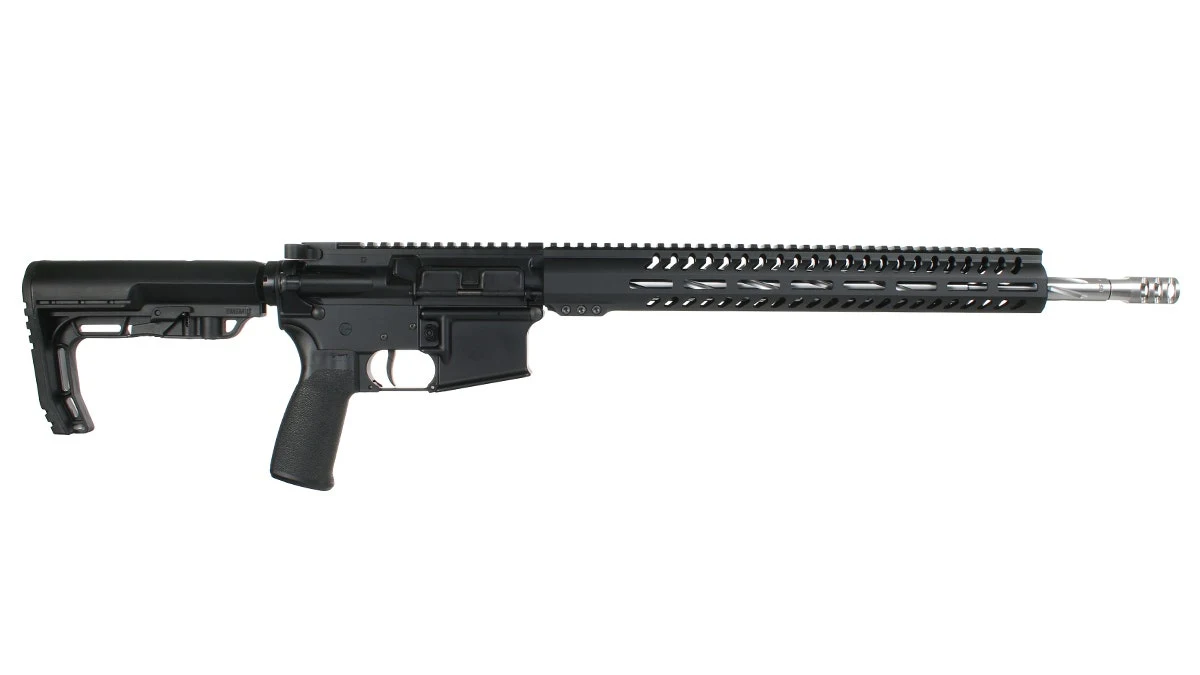
On paper, this puts MPA much closer to the middle of the market than the cheapest BCA sale rifle. For context, see our best AR-15 rifles guide and our breakdown of what actually matters in an AR-15 barrel.
Every MPA Rifle Is Fired Before It Ships
The most meaningful claim in MPA's launch material is not the spiral fluting. It is the inspection process. MPA says every rifle is fired and inspected before shipment after factory assembly and torque checks.
The .22 ARC MPA-1087 goes a step further and ships with the serialized target used to function-test the exact rifle. That is not the same thing as an accuracy certification, but it does give the buyer a physical record that the individual gun was fired before it left Sanford.
This matters because BCA's problem has never been an inability to make inexpensive AR parts. It has been consistency. A premium BCA offshoot only becomes interesting if the better component list is paired with better process control.
AR-15 Components to Compare With MPA
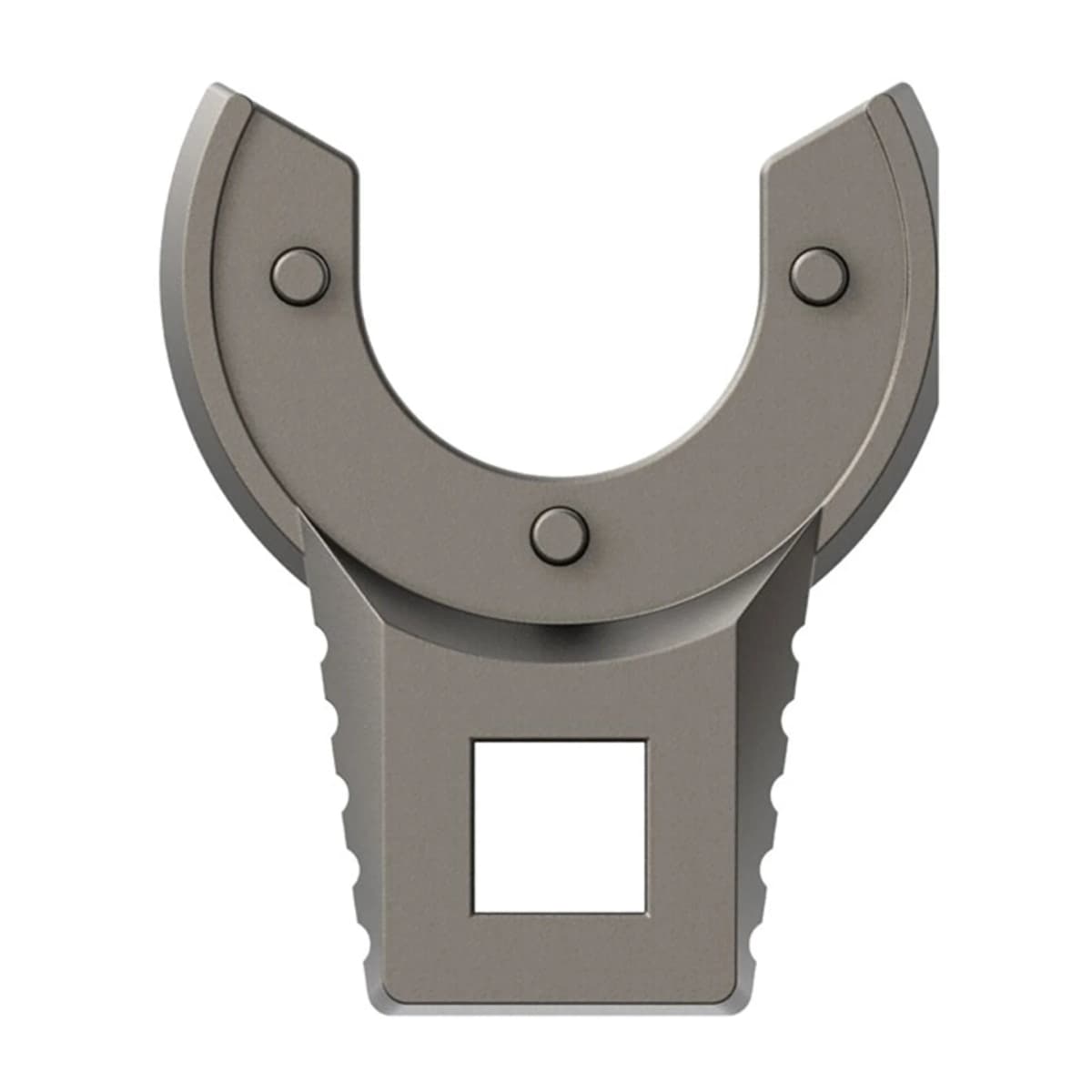
CMC AR-15 Barrel Nut and Wrench Kit
- Mil-spec AR-15 barrel nut included
- 4140 steel wrench
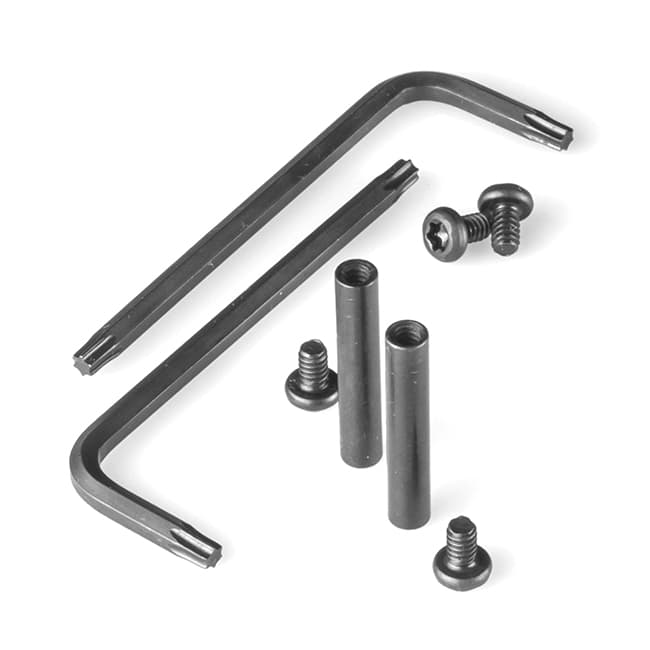
KNS Precision .154 Non-Rotating Trigger/Hammer Pins
- KNS P/N NRTHP-154
- .154-inch standard AR-15 small-pin size
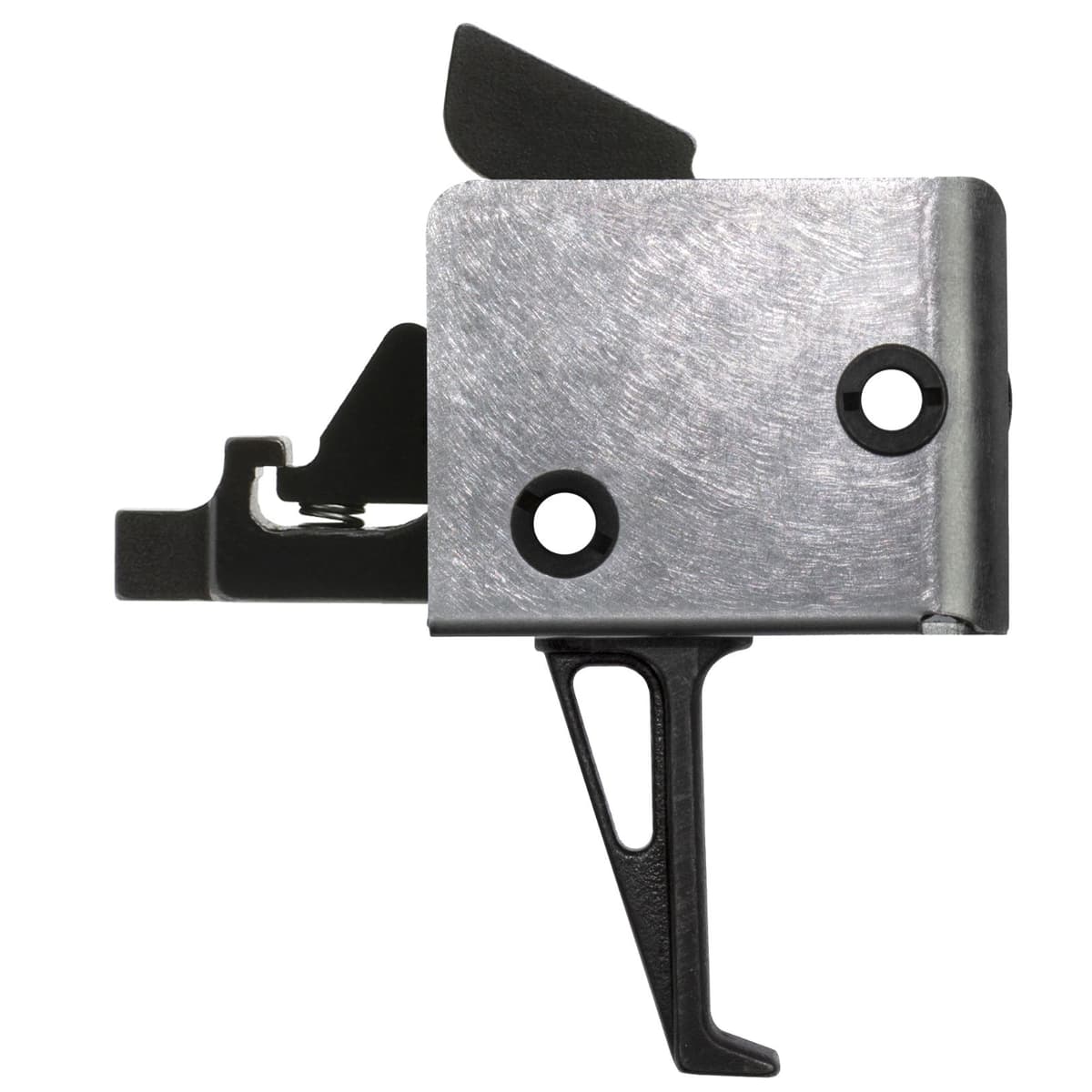
CMC AR-15/AR-10 Two Stage Flat Trigger
- Two stage
- Flat trigger bow
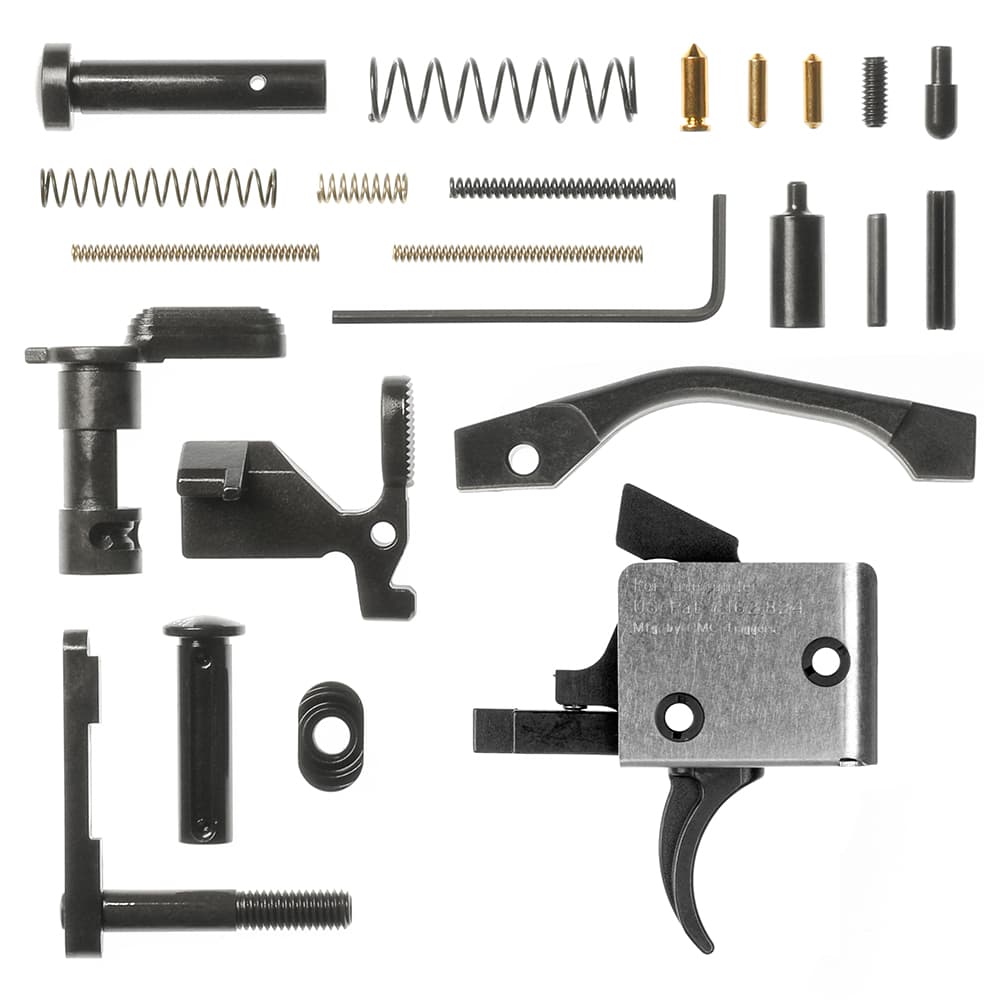
CMC AR-15 Lower Parts Kit with 3.5 lb Curved Trigger
- CMC 3.5 lb single-stage curved drop-in trigger included
- 18 pieces
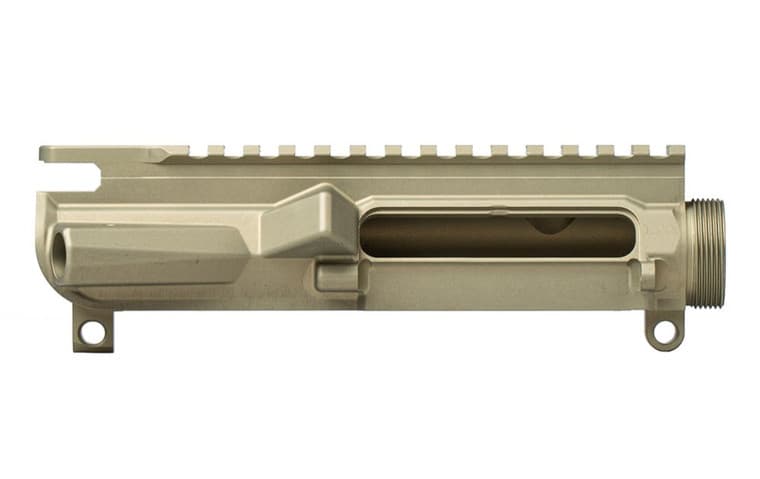
Aero Precision M4E1 Stripped Upper Receiver
- 7075-T6 forged aluminum
- M4 feed ramps
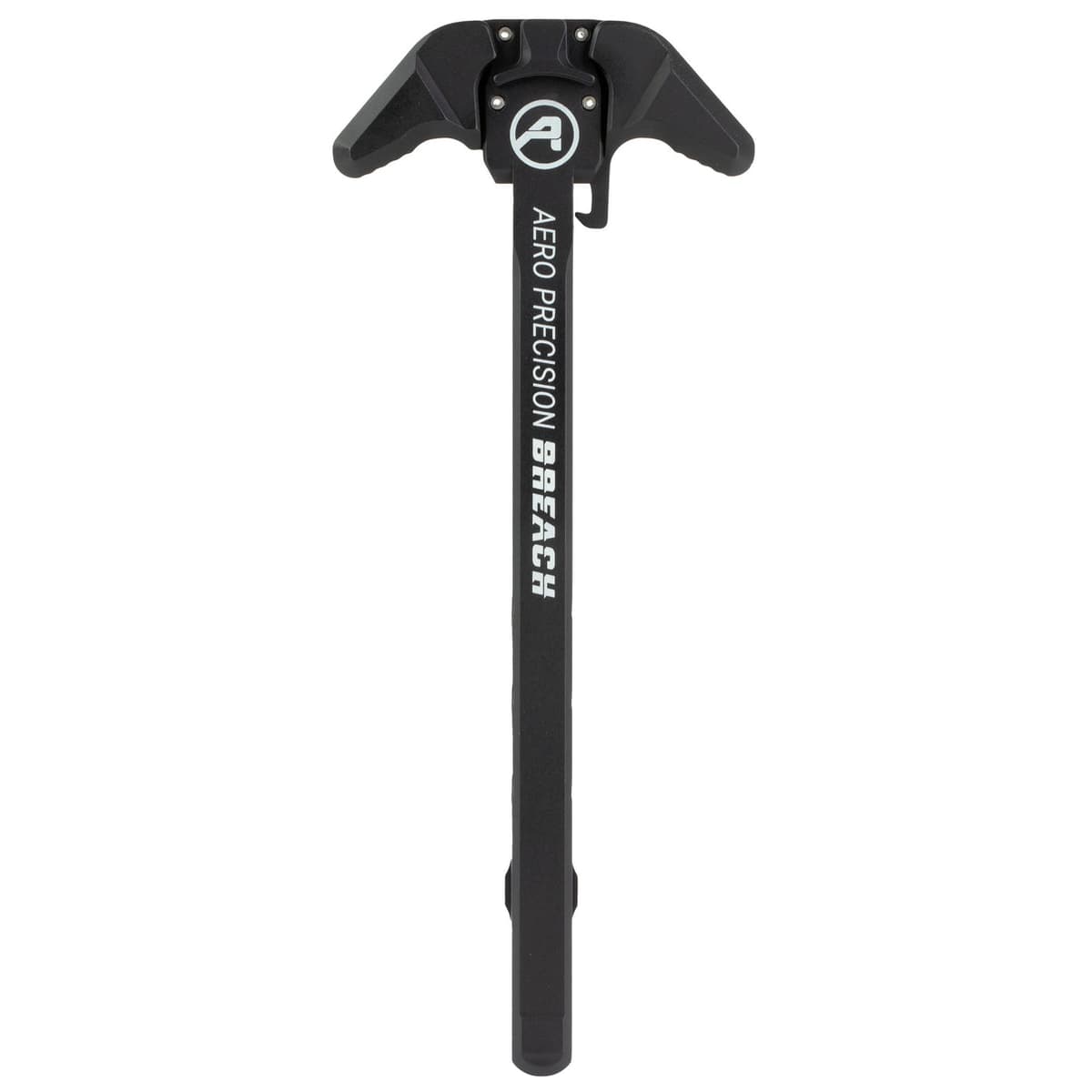
Aero Precision BREACH Ambidextrous Charging Handle (AR-15, Large Lever)
- Gas Deflection Shelf
- Ambidextrous
Affiliate links (?)
Why BCA Needed a Different Name
Bear Creek Arsenal has spent years training buyers to expect very low prices. That is a powerful position when the goal is moving $200 uppers and inexpensive complete rifles. It becomes a liability when the company wants the same customer to spend close to four figures on a precision-oriented AR.
The budget reputation creates a price ceiling. A better barrel, trigger, and inspection process can improve the rifle, but the buyer still sees the BCA roll mark and compares the price to the cheapest BCA product in memory.
Moore Precision Arms is the solution to that brand problem. The Sanford factory, vertical integration, and machining history stay in place while the customer-facing identity starts over with a different promise. Instead of selling an expensive BCA, the company can sell an MPA.
That strategy is common outside firearms and makes just as much sense here. The difficult part is earning the new name. Our AR-15 brand comparison is built around consistency and QC as much as specifications, and those are exactly the areas MPA has to prove.
The Missing Specification Is an Accuracy Standard
MPA repeatedly uses "precision" and "match grade" language for its rifles and barrels. It does not currently publish a 1-MOA, sub-MOA, five-shot group, or other numerical accuracy guarantee on the AR-15 category page or the MPA-1015 and MPA-1087 product pages.
That does not make the rifles inaccurate. It simply means the most important claim attached to the brand still has to be measured rather than read from a specification sheet.
The test is straightforward: multiple match loads, proper five-shot groups, enough rounds to see whether the barrel holds performance as it heats, and a close look at assembly details such as gas-block alignment, carrier-key staking, headspace, and receiver fit. We also want to know whether MPA rifles go through inspection steps that ordinary BCA rifles do not.
Track Moore Precision Arms
Get coverage of MPA model changes, published QC claims, and other rifle-industry launches.
Our Take
Moore Precision Arms makes sense. Bear Creek Arsenal has the factory, the machining history, and the scale to build rifles above its bargain tier. What it did not have was a brand that buyers naturally associate with an $800-plus precision AR.
The Moore name gives BCA a clean way to move upmarket while tying the new brand back to Moore Machine and the company's pre-BCA history. The component package is also meaningfully better than a bare-bones entry-level AR: 416R barrels, upgraded triggers, factory assembly, and live-fire inspection are all relevant changes.
MPA still has to earn the name. The public launch material establishes a different component package and a live-fire inspection claim, but it does not establish a measured accuracy standard or a documented QC process that differs from BCA's budget line. If you want to compare the factory package against a component build, the Rifle Configurator builder is the useful comparison.