Key Takeaways
- →Issued November 13, 2026: Florida Attorney General James Uthmeier declared Fla. Stat. § 790.222, the 2018 bump-fire-stock ban, unconstitutional under the Second Amendment.
- →FRTs named directly: The opinion lists short and forced reset triggers, trigger-lightening kits, and buffer weights and springs among the components the statute sweeps in.
- →No enforcement, no defense: The opinion says § 790.222 cannot be lawfully enforced by Executive Branch officials and that the Attorney General's office will not defend a conviction under it.
- →Still on the books: The opinion is advisory. The statute has not been repealed, and violating it is still a third-degree felony on the books; the 2026 repeal bill HB 6021 died in committee on March 13, 2026.
- →Federal law unchanged: The 2025 DOJ settlement with Rare Breed Triggers still governs FRTs federally, and it does not reach grip-fed handguns.
What the Opinion Means for FRTs in Florida
Forced reset triggers are legal in Florida according to the state's Attorney General. On November 13, 2026, Attorney General James Uthmeier issued a formal legal opinion concluding that Florida's bump-fire-stock ban, Fla. Stat. § 790.222, violates the Second Amendment and “cannot be lawfully enforced by Executive Branch officials in Florida.” The opinion names short and forced reset triggers among the components the statute reaches, and states that his office will not defend a conviction under it.
Before the opinion, Florida sat in an uncomfortable middle ground. Section 790.222 does not name forced reset triggers, but its definition of a bump-fire stock covers any conversion kit, tool, accessory, or device used to alter a firearm's rate of fire to mimic automatic fire, or to raise it beyond what a shooter can achieve unassisted. That language likely reached an FRT, a forced-reset selector, and a binary trigger, and a violation is a third-degree felony. The opinion removes the state's chief legal officer from that fight, but it does not erase the statute.
For the statute-cited answer to are forced reset triggers legal in Florida, see the state page. The FRT laws by state table lists the 15 jurisdictions that still restrict FRTs.
What the Attorney General's Opinion Says
The opinion answers one question of law: whether the bump-fire-stock prohibition in § 790.222 contravenes the Second Amendment. Uthmeier concluded that it does. He applied the two-step test from New York State Rifle & Pistol Association v. Bruen (2022): the components the statute bans are bearable arms covered by the Second Amendment's plain text, and the state cannot point to a historical tradition of banning them.
On the first step, the opinion leans on Garland v. Cargill (2024), where the Supreme Court held that a semiautomatic rifle with a bump stock is not a machine gun because it fires one round per function of the trigger. It rejects the “dangerous and unusual” argument, noting that bump stocks are built for common semiautomatic platforms including the AR-15, and groups them with trigger-lightening kits, buffer weights and springs, and short or forced reset triggers as widely available parts that improve a firearm's firing characteristics. On the second step, it finds no tradition of banning accessories that only change how quickly a trigger resets.
Florida Bump-Stock Opinion at a Glance
| Issued by | Florida Attorney General James Uthmeier |
| Date | November 13, 2026 |
| Statute | Fla. Stat. § 790.222, bump-fire stocks prohibited |
| Enacted | SB 7026 (2018), Marjory Stoneman Douglas High School Public Safety Act |
| Penalty on the books | Third-degree felony |
| Conclusion | Violates the Second Amendment; cannot be lawfully enforced by Executive Branch officials |
| Convictions | Attorney General's office will not defend a conviction under § 790.222 |
| Devices named | Bump stocks; short and forced reset triggers; trigger-lightening kits; buffer weights and springs |
| Legal effect | Advisory opinion; statute not repealed, no court ruling |
What the Opinion Does Not Do
The opinion does not repeal § 790.222. Florida Attorney General opinions are advisory: they state the legal position of the state's chief legal officer, but they do not change the text of a statute or bind the courts. The bump-fire-stock ban stays in the Florida Statutes until the Legislature repeals it or a court strikes it down.
The Legislature has already passed on one chance. HB 6021, which would have repealed § 790.222 during the 2026 session, died in the House Criminal Justice Subcommittee on March 13, 2026. Until a repeal bill passes or a court rules, the opinion is the stated position of the Attorney General's office, not a change to the law itself.
The opinion also does not vacate past convictions. It commits the Attorney General's office not to defend them; anyone already convicted under § 790.222 would still have to raise the constitutional question in court. Uthmeier framed the opinion as a response to people being arrested and prosecuted under the 2018 law over trigger enhancements.
Follow Florida FRT and Trigger Law Changes
Get state-law updates on forced reset triggers, binary triggers, and suppressors in your inbox.
What It Means for FRTs, Selectors, Binary Triggers, and Bump Stocks
Every device class that § 790.222 arguably reached is covered by the opinion, because it concludes the whole prohibition is unconstitutional rather than carving out one product. In practice that puts four kinds of parts back on the table for Florida owners.
- Forced reset triggers. Drop-in FRTs such as the Rare Breed FRT-15L3 and the Triggered Company Partisan Disruptor replace the fire control group and mechanically force the trigger forward after each shot. The opinion names them. Setup matters: buffer weight, carrier, and gas all affect reliability, which the AR-15 FRT tuning guide covers.
- Forced-reset selectors. The AS Designs Arc-Fire and Atrius forced reset selector replace the safety instead of the trigger, so a mil-spec or cut trigger stays in the rifle. They sit in the same legal class as FRTs; the super safety guide explains which triggers they require.
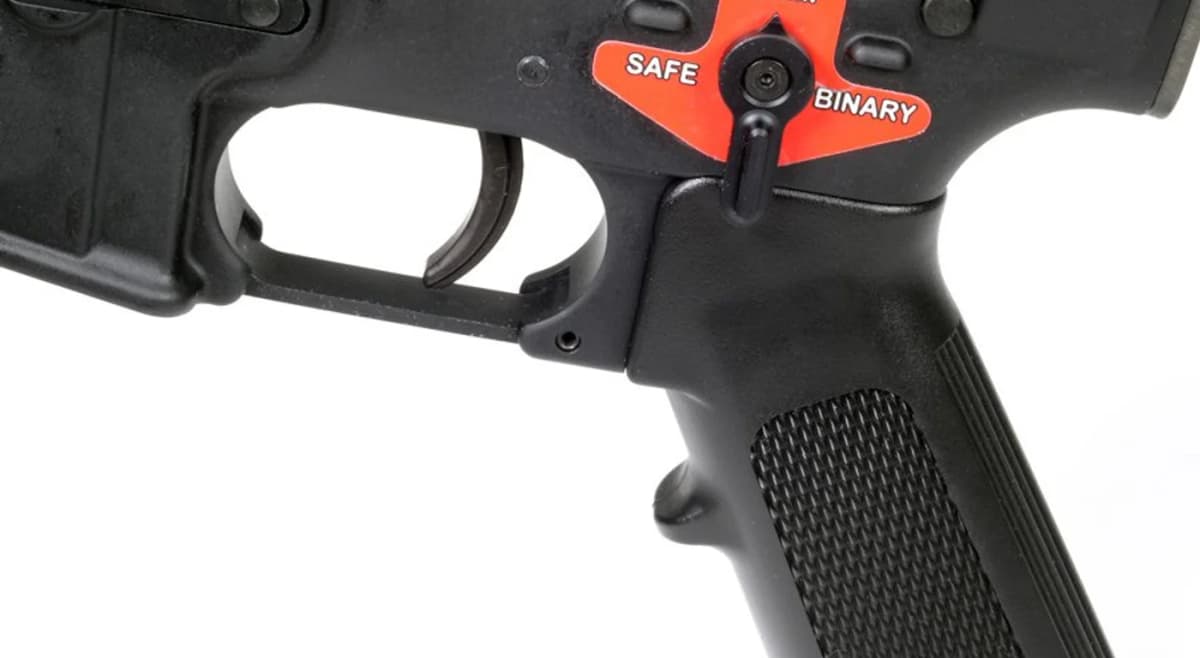
- Binary triggers. A binary fires once on the pull and once on the release. Section 790.222 never named them, and it is the only Florida statute that could reach one, so the opinion moves binaries to legal along with FRTs. The best binary triggers guide and the Florida binary trigger page cover the hardware and the state status.
- Bump stocks. The device the 2018 law was written for is the centerpiece of the opinion, which relies on Cargill to conclude a bump-stock rifle is not a machine gun.

Not every gun takes every device. The FRT compatible guns list covers which hosts have a forced-reset option, and the FRT buyer's guide ranks the AR-15 options head to head.
Forced Reset Triggers and Selectors
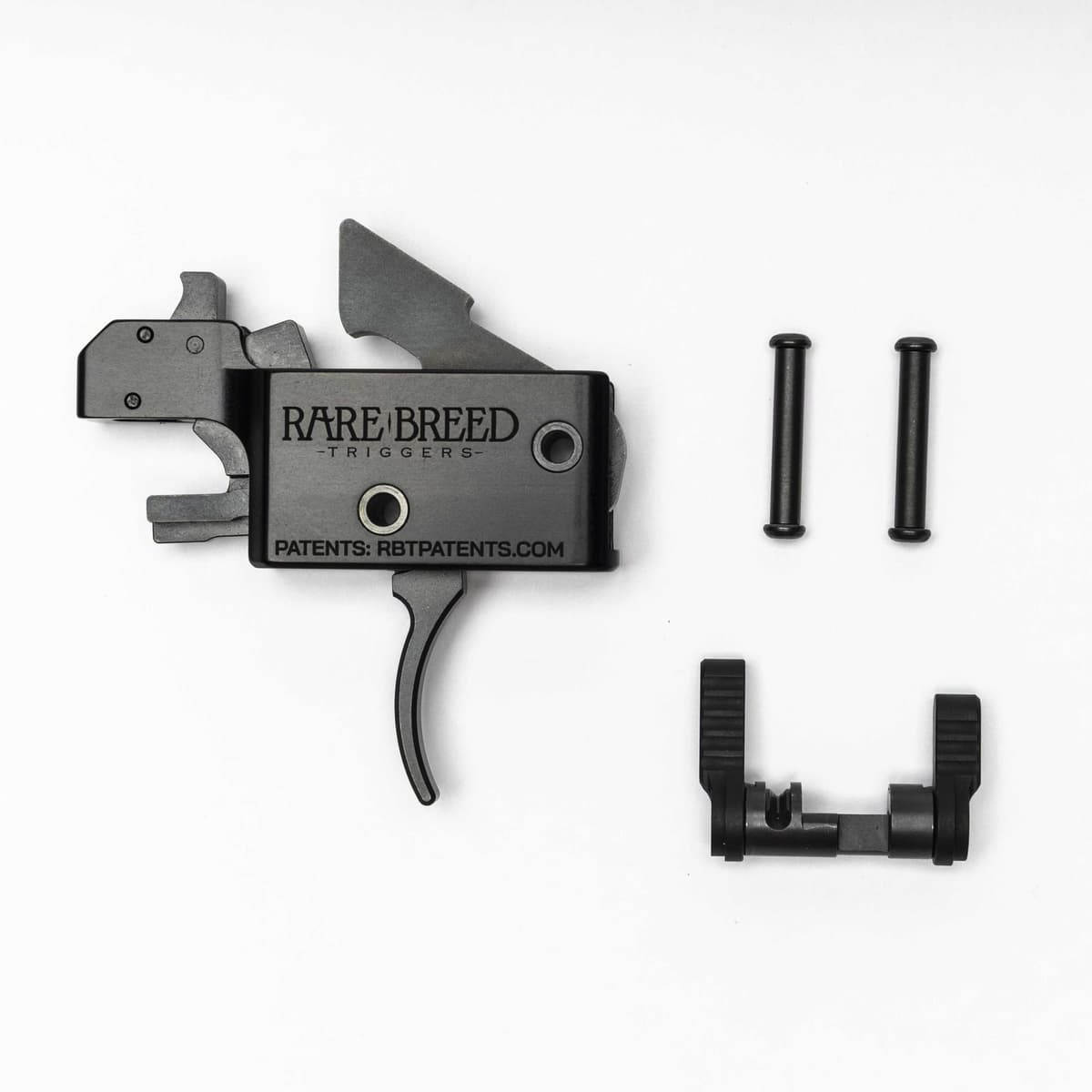
Rare Breed Triggers FRT-15L3
- 4-4.5 lb semi / 5.5-6 lb FRT pull
- Forced reset
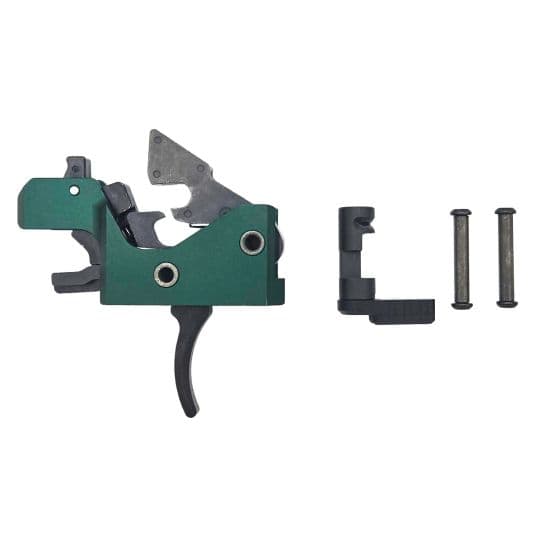
The Triggered Company Partisan Disruptor FRT
- 3.75-4.1lb pull
- Forced reset
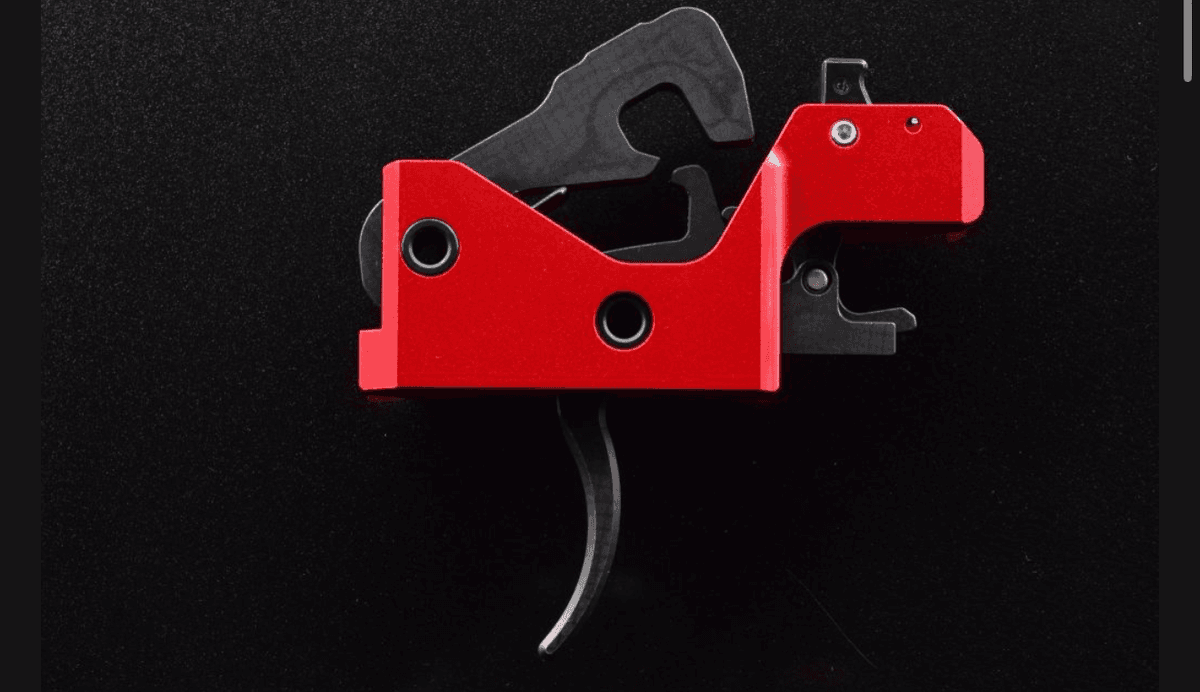
The Triggered Company LAT FRT
- 3-3.5 lb pull
- Forced reset (ARSE)
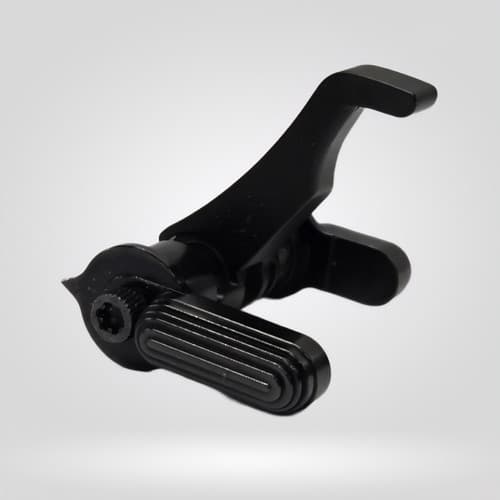
AS Designs Arc-Fire V2 Ambi Kit (0-90-180)
- 0/90/180 throw
- Ambidextrous
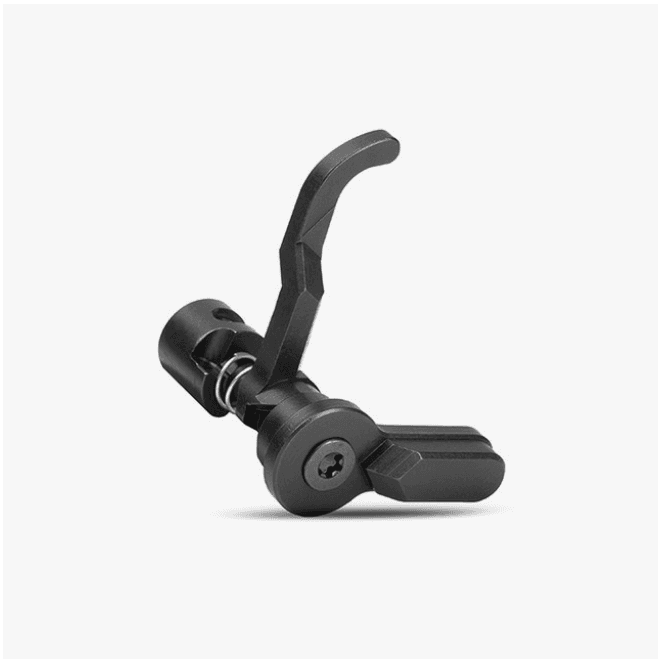
Atrius Development Forced Reset Selector
- 90-degree throw
- Right-hand only
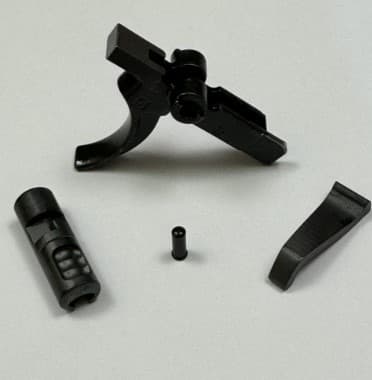
Mars Trigger Position AR FRT Super Safety
- 3-position selector
- 4140 Alloy Steel
Affiliate links (?)
Federal Law Still Applies
The Florida opinion settles nothing at the federal level, and it does not need to for rifle owners. A forced reset trigger is built to fire one round per function of the trigger, which is why FRTs sell as ordinary parts rather than registered NFA items. The May 2025 Department of Justice settlement with Rare Breed Triggers ended federal enforcement against eligible Rare Breed FRT-15 and Wide Open Trigger devices on rifles and grip-forward pistols.
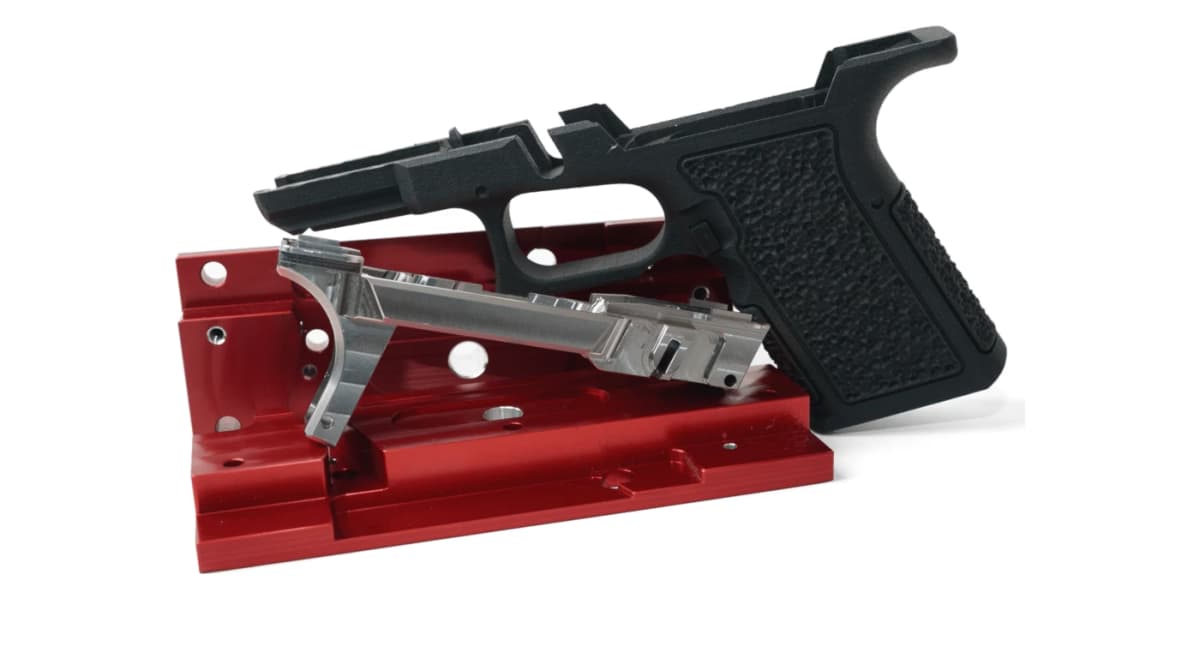
That settlement is not a device-specific federal approval of other makers' forced-reset designs, and it does not extend to grip-fed handguns such as Glocks, where the magazine loads into the hand that pulls the trigger. Federal status for those pistol FRTs is less settled than for rifles, as the Glock FRT guide explains.
Florida also preempts local firearm rules under Fla. Stat. § 790.33, which occupies the whole field of firearm and ammunition regulation, so a county or city cannot add its own FRT ban.
Makers Are Shipping to Florida
AS Designs, maker of the Arc-Fire forced-reset selector, announced after the opinion that it is now shipping all of its products to Florida. Each maker sets its own shipping policy, and those lists are company decisions rather than statements of law, so check a seller's current terms before ordering.