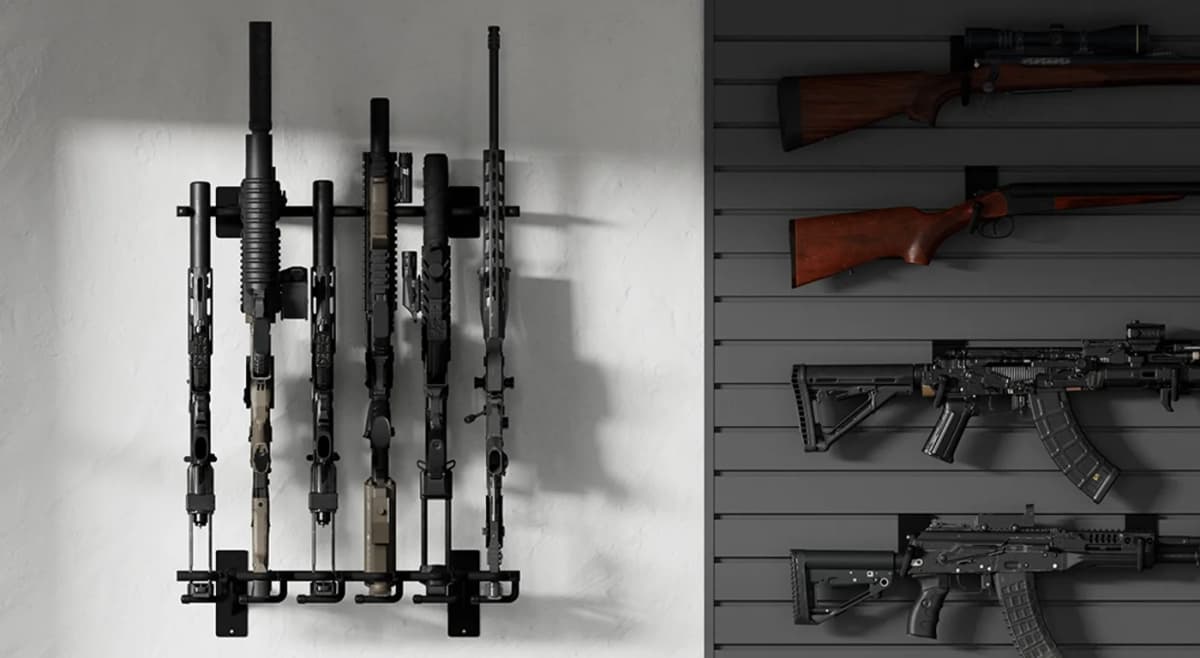
Key Takeaways
- →Five new Democratic trifectas: Minnesota, Pennsylvania, Wisconsin, Michigan, and Nevada now have Democratic governors and legislatures for 2027, with Arizona projected to join if its House lead holds.
- →Minnesota is first in line: its gun package with an assault weapons sales ban passed the state Senate in 2026, and Gov.-elect Amy Klobuchar says she will sign it.
- →Pennsylvania long guns: private long-gun sales need no background check today. Democrats want to expand checks, ban ghost guns, and pass a red flag law.
- →December 2, 2026: the Supreme Court hears its AR-15 cases, which will shape Virginia's 2026 ban (blocked by state-court injunctions) and any new state ban.
- →Federal threat is slower: incoming Judiciary chair Jamie Raskin wants private-sale background checks, but a filibuster and a Trump veto stand in the way until 2029.
Which States Are Now at Risk for Gun Control
The states where new gun control can actually pass in 2027 are Minnesota, Pennsylvania, Wisconsin, Michigan, and Nevada, where Democrats won the governorship and both legislative chambers on November 3, 2026, according to the National Conference of State Legislatures and the Associated Press. Arizona is the sixth if unofficial counts hold. Democrats needed control of all three pieces to move a bill, and in each of these states a Republican chamber or governor had been the block.
Control is not the same as a ban. A trifecta can pass anything its own caucus will vote for, so the useful question is what each party has already put on paper. The table below lists the bills Democrats named before or right after the election.
- MinnesotaControl in 2027New Democratic trifectaGun bills on the tableSF4067: assault weapon and large-capacity magazine sales ban, passed the Senate 34-33
- PennsylvaniaControl in 2027New Democratic trifecta (first since 1993)Gun bills on the tableGhost gun ban, background checks on more sales, red flag law, switch ban
- WisconsinControl in 2027New Democratic trifecta (first since 2010)Gun bills on the tableRed flag law and universal background checks
- NevadaControl in 2027New Democratic trifecta (governor flipped)Gun bills on the tableBills Gov. Lombardo vetoed twice: under-21 semi-auto ban, polling-place gun ban
- MichiganControl in 2027Democratic trifecta restoredGun bills on the tableUniversal checks, red flag, and storage already law since 2023
- ArizonaControl in 2027Projected Democratic trifecta (House count unfinished)Gun bills on the tableNo published gun package; Hobbs no longer facing a GOP legislature
| State | Control in 2027 | Gun bills on the table |
|---|---|---|
| Minnesota | New Democratic trifecta | SF4067: assault weapon and large-capacity magazine sales ban, passed the Senate 34-33 |
| Pennsylvania | New Democratic trifecta (first since 1993) | Ghost gun ban, background checks on more sales, red flag law, switch ban |
| Wisconsin | New Democratic trifecta (first since 2010) | Red flag law and universal background checks |
| Nevada | New Democratic trifecta (governor flipped) | Bills Gov. Lombardo vetoed twice: under-21 semi-auto ban, polling-place gun ban |
| Michigan | Democratic trifecta restored | Universal checks, red flag, and storage already law since 2023 |
| Arizona | Projected Democratic trifecta (House count unfinished) | No published gun package; Hobbs no longer facing a GOP legislature |
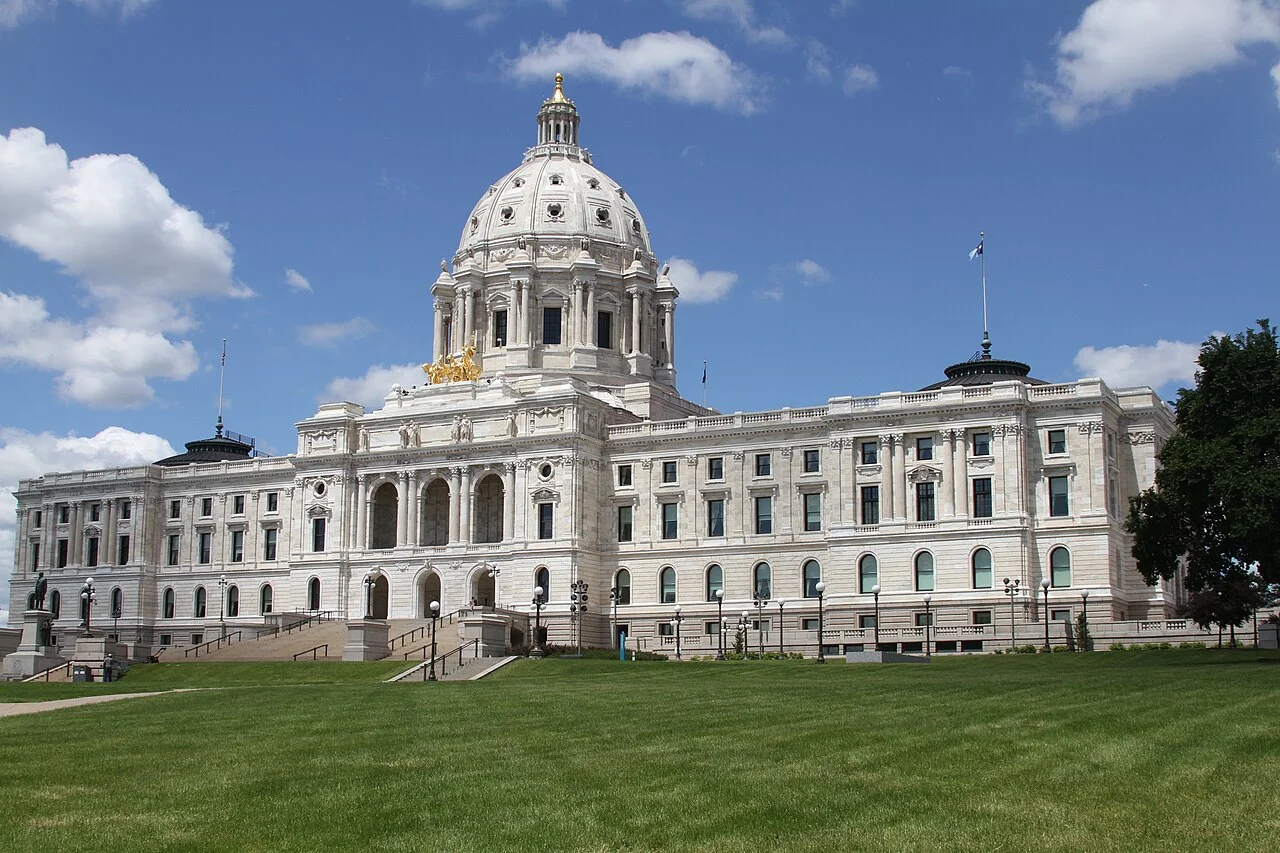
Minnesota: An Assault Weapons Ban One Vote Away
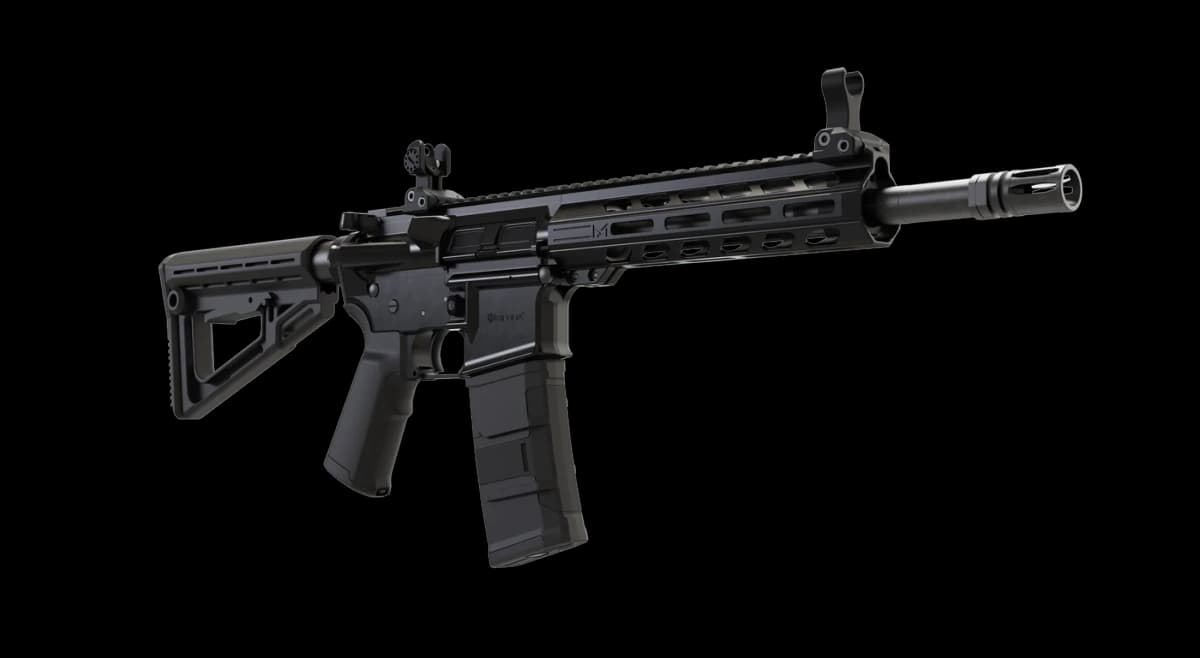
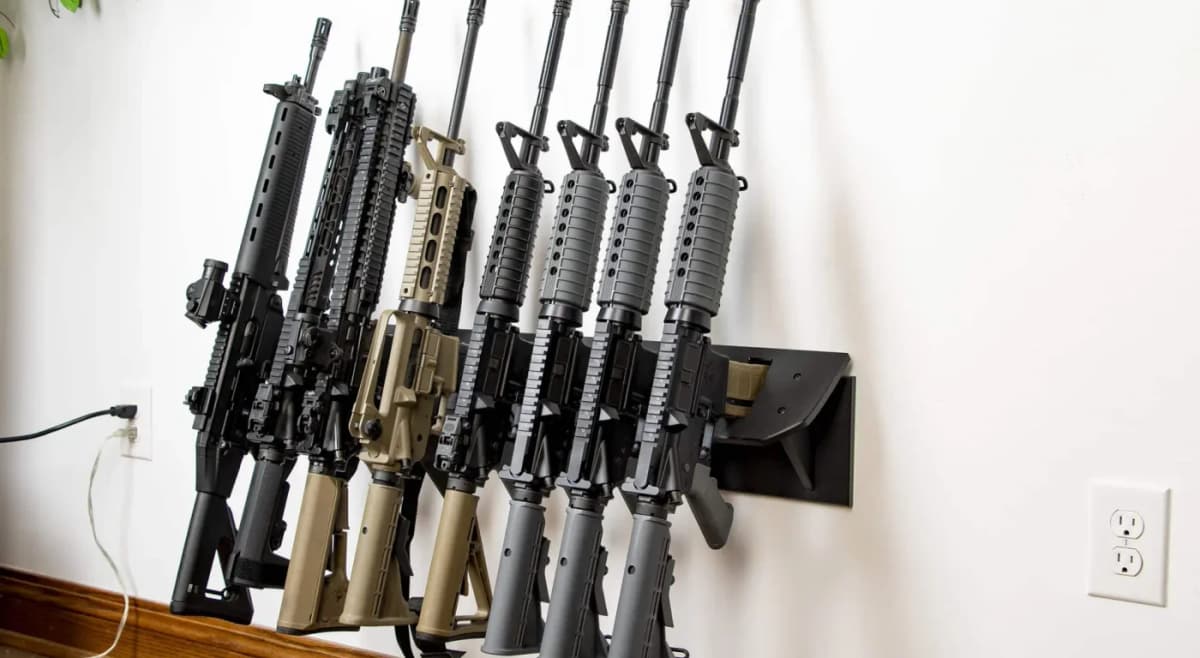
Minnesota is the highest-risk state because its bill is already written and has already cleared one chamber. SF4067, a gun package that includes a ban on the sale of semiautomatic military-style assault weapons and large-capacity magazines, passed the state Senate 34-33 on May 4, 2026. Republican House Speaker Lisa Demuth held it in the tied House, and it never received a floor vote. Democrats took the House outright on November 3.
Gov.-elect Amy Klobuchar closed the question on election night: "we will get that gun safety vote, and I will sign that bill." She tied it to the August 2025 Annunciation Catholic Church shooting in Minneapolis. Minnesota has no feature-based ban today. It defines "semiautomatic military-style assault weapons" by named models and requires a transferee permit or transfer report to buy one, but it does not restrict pistol grips, adjustable stocks, or threaded barrels.
Pennsylvania: Long-Gun Background Checks and a Red Flag Law
Pennsylvania Democrats have said exactly what they will pursue with their first trifecta since 1993: a ban on homemade "ghost guns," background checks on more types of gun sales, a red flag law, and a ban on the conversion devices known as switches. Gov. Josh Shapiro won reelection and Democrats flipped the state Senate, which Republicans had held for more than three decades.
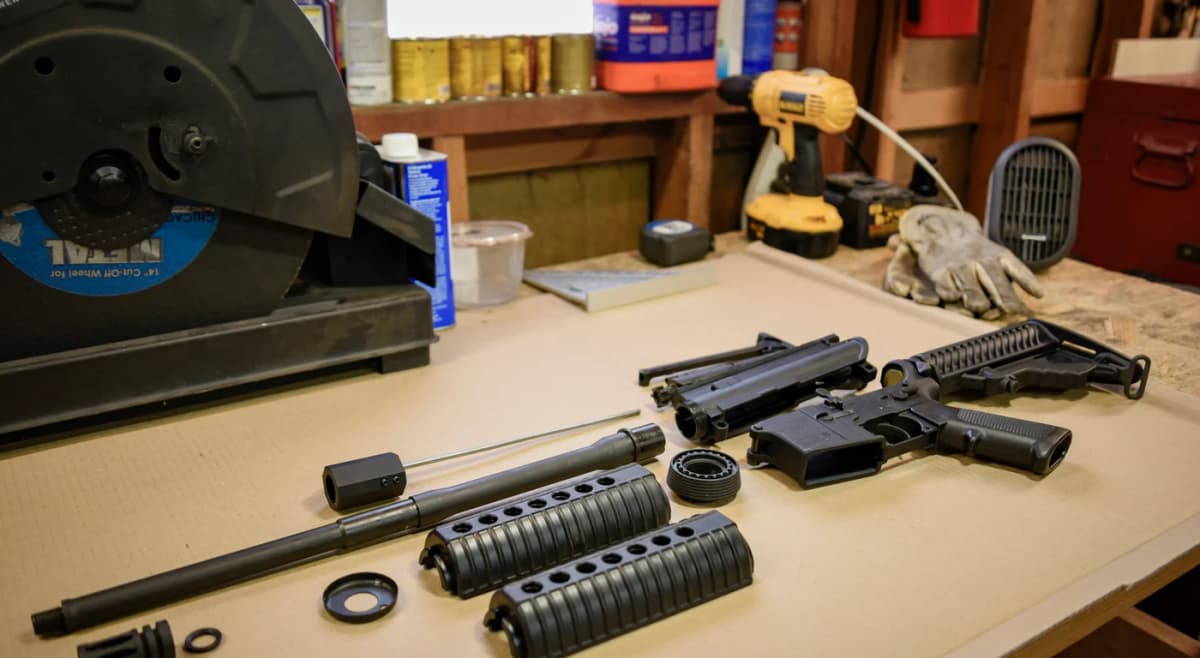
The background check change is the one most gun owners will feel. Under 18 Pa.C.S. 6111, a private handgun sale already has to go through a licensed dealer or a county sheriff, but a private sale of a standard-length rifle or shotgun between two eligible Pennsylvania residents needs no check at all. Expanding checks means that AR-15 sold to a neighbor would run through a dealer counter. Switches are already machine guns under federal law, so a state ban adds a second, state-level charge.
Stay Updated on State Gun Bills
We track gun bills in Minnesota, Pennsylvania, Wisconsin, and Nevada as they move, plus the Supreme Court's AR-15 cases. One email a week, no noise.

Wisconsin: Red Flag Law and Universal Background Checks
Wisconsin Democrats plan to pass a red flag law and universal background checks for gun purchases, according to their legislative leaders' post-election agenda. It is the party's first trifecta in Wisconsin since 2010: Democrat David Crowley won the governor's race and Democrats flipped both the Assembly and the Senate under maps the state Supreme Court ordered redrawn in 2024.
Neither proposal bans a firearm. A universal background check law routes private sales through a dealer, and a red flag law lets a judge order guns removed from a person found to be a danger. With Republicans in the minority in both chambers for the first time in 16 years, they no longer decide which bills reach the floor.
Nevada: The Vetoed Bills Come Back
Nevada's risk is the bills Gov. Joe Lombardo already vetoed. The Legislature was Democratic throughout his term, and he blocked every gun bill that reached his desk in both 2023 and 2025. Democrat Aaron Ford beat him on November 3, which turns a veto into a signature.
The 2025 vetoes are the likely starting list. AB 245 would have barred people under 21 from possessing certain semi-automatic rifles and shotguns and made selling one to them a category B felony. SB 89 would have barred people convicted of hate crimes from possessing firearms, and AB 105 would have banned guns at and near polling places. Nevada already bans unserialized "ghost gun" frames and receivers.
Michigan and Arizona: Lower Immediate Risk
Michigan carries less new risk because its last trifecta already passed the big items. Gov. Gretchen Whitmer signed universal background checks for all firearms and a safe storage law in April 2023 and a red flag law in May 2023, after the Michigan State University shooting. Democrats restored the trifecta by flipping the state House, and Jocelyn Benson replaces Whitmer, but local analysts expect leftover bills, not a headline gun package.
Arizona is a projection, not a result. Gov. Katie Hobbs won reelection, and unofficial election-night counts had Democrats positioned to win 21 of 30 Senate seats and 38 of 60 House seats, which would give Arizona its first Democratic trifecta. Arizona Democrats have not released a gun package, and the NRA already calls the state a former pro-gun stronghold.
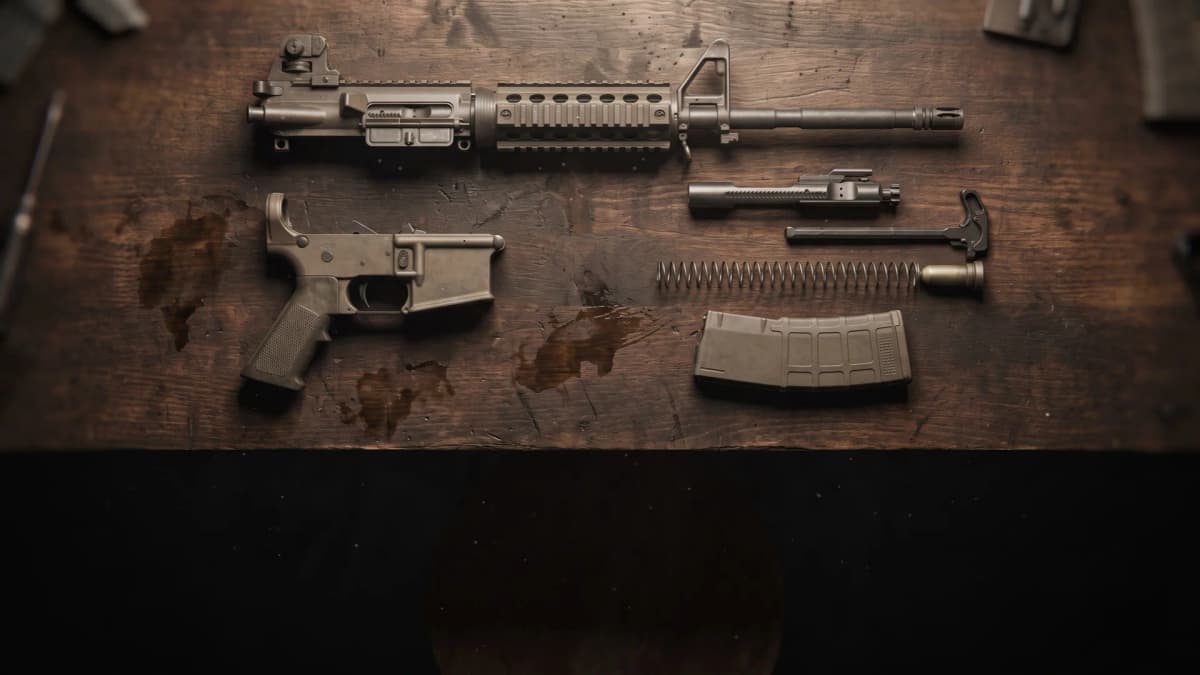
Stripped AR-15 Lowers: The Serialized Part a Ban Targets
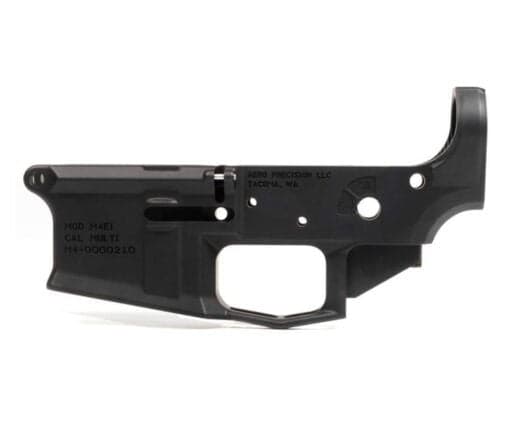
Aero Precision M4E1 Stripped Lower Receiver
- 7075-T6 forged aluminum
- Integrated trigger guard
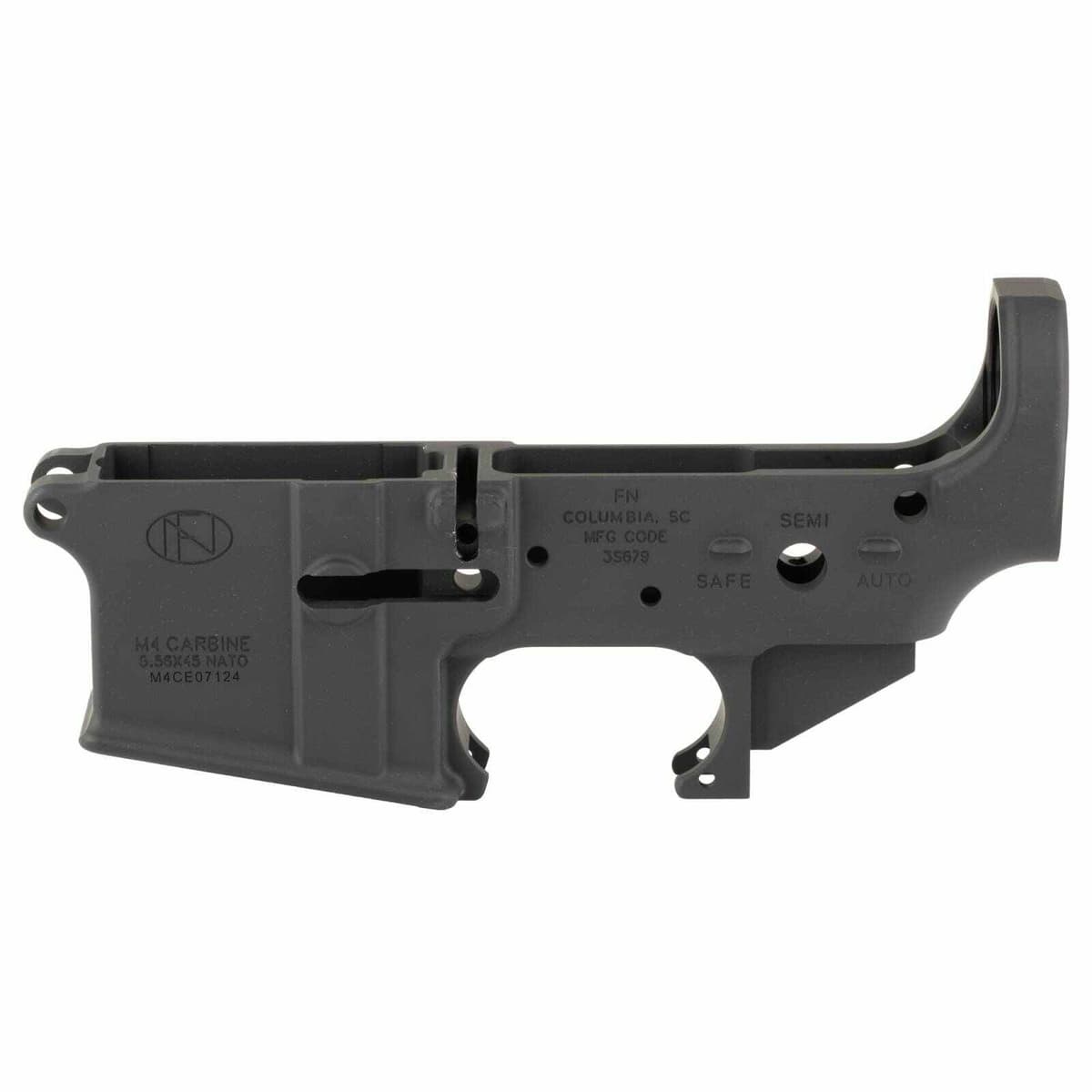
FN 15 Military Collector M4 Stripped Lower Receiver
- 7075-T6 forged, machined and broached to mil-spec
- FN M4 military-production roll markings
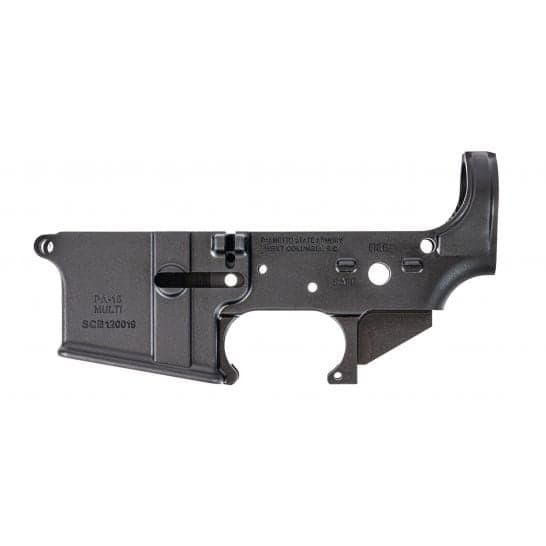
PSA Stealth Stripped Lower Receiver
- 7075-T6 forged aluminum
- Mil-spec dimensions
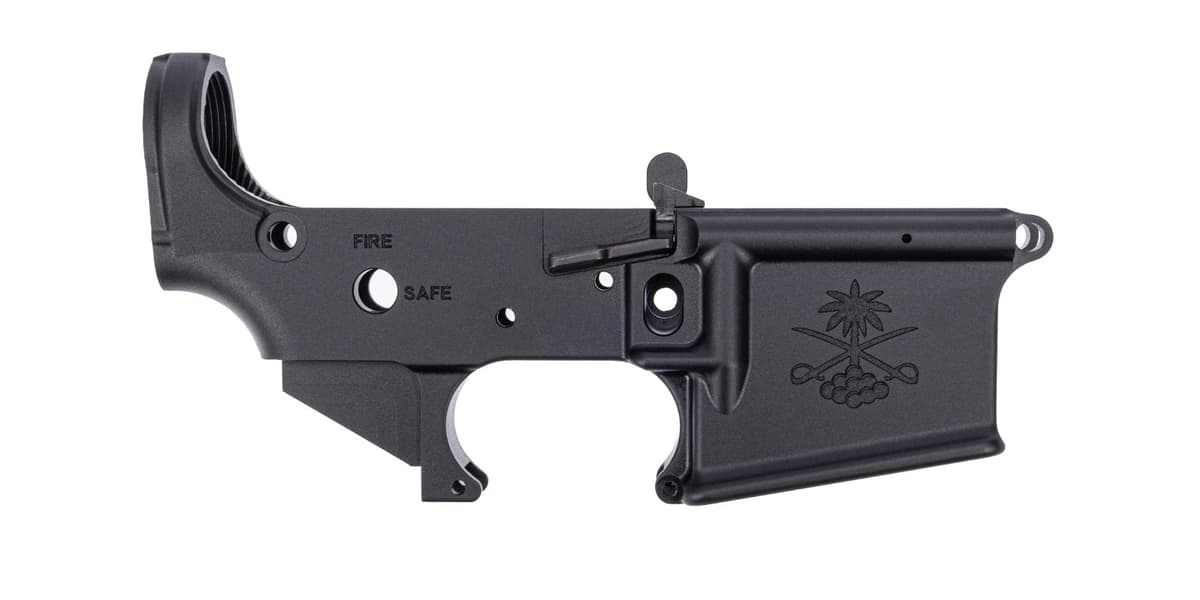
PSA Sabre-15 Ambi Lower Receiver
- Stripped AR-15 lower receiver
- 7075-T6 aluminum
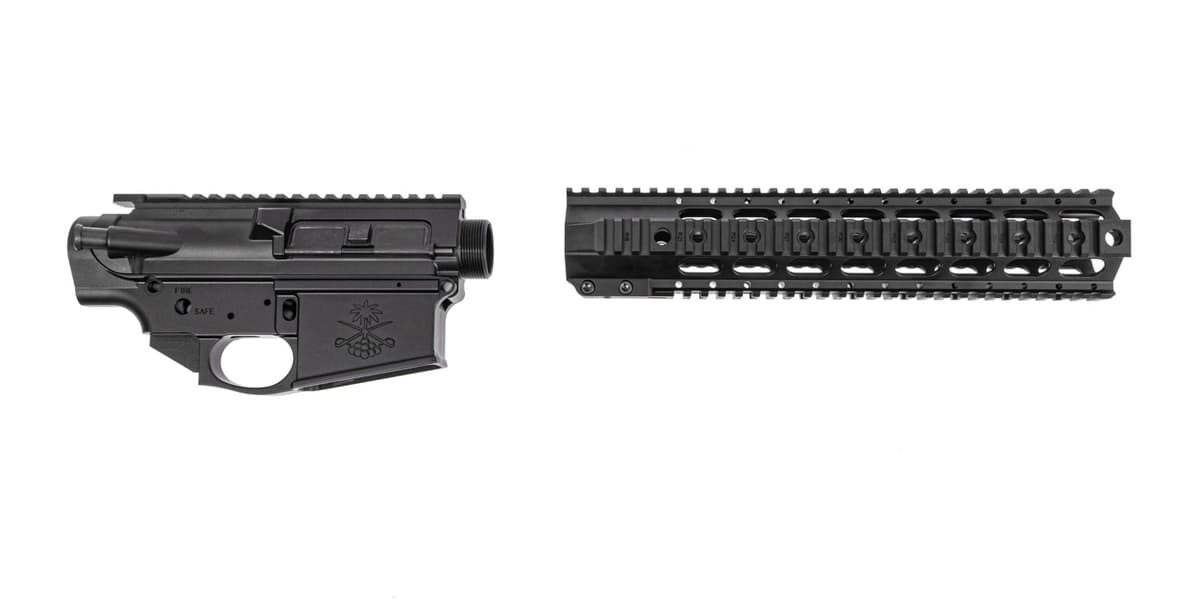
PSA Sabre-10 Builder Set (12.5" Quad Rail, Black)
- Matched Sabre-10 upper and lower receivers
- 12.5-inch black quad-rail handguard
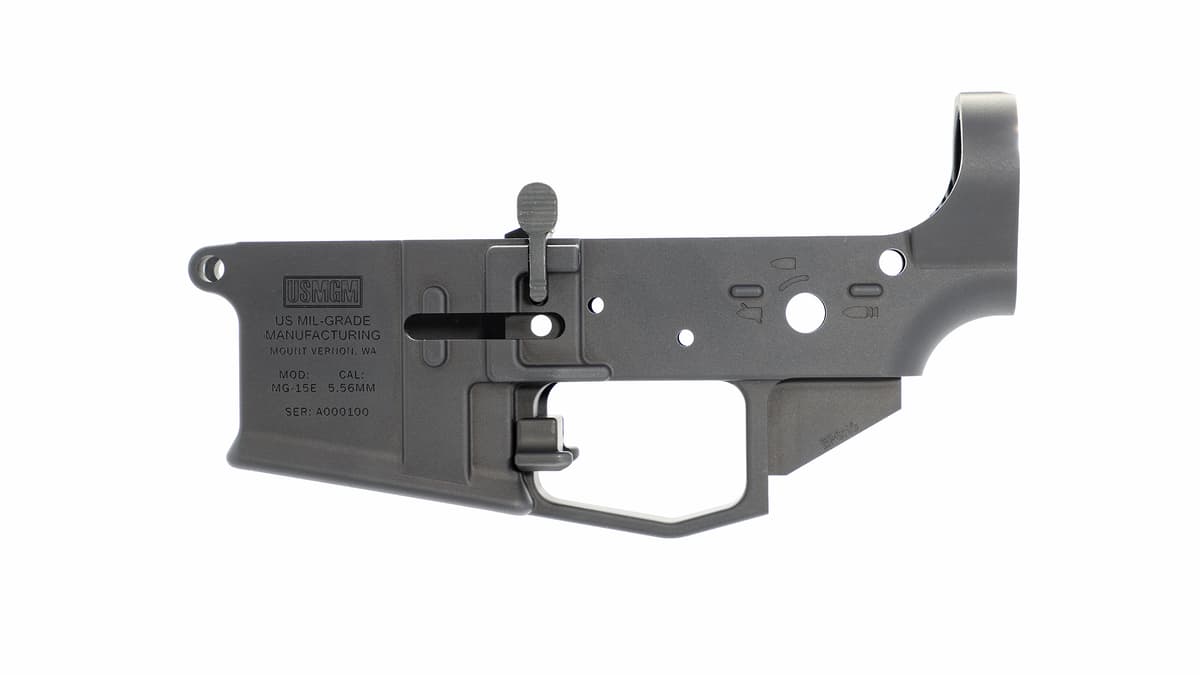
USMGM MG-15E Stripped Lower Receiver
- Billet 7075 aluminum, 9.3 oz
- SAEBR symmetrical ambi bolt catch and release
Affiliate links (?)
States Where a Democratic Governor Now Holds the Veto
In Georgia, Ohio, Iowa, and Texas, Democrats won the governor's office but not the full legislature, so any gun control bill still has to clear a Republican chamber, which makes passage unlikely. The bigger change runs the other direction: pro-gun expansions now face a governor's veto. Georgia elected Keisha Lance Bottoms, who backs red flag and expanded background check laws, and Ohio elected Amy Acton, who supports the same. Iowa elected Rob Sand, and Texas elected Gina Hinojosa while Democrats also took the Texas House.
New Hampshire flips the pattern. Republican Gov. Kelly Ayotte won reelection, but Democrats took both chambers at or near veto-proof margins, with a projected 15-9 Senate one seat short of a supermajority. North Carolina Democrats also won the state House.
Republicans also lost veto-proof supermajorities in Florida, both chambers in Missouri, and the state Houses of Indiana, Kansas, Ohio, and South Carolina. In Florida, Gov.-elect Byron Donalds still has Republican majorities and has supported revisiting the state's under-21 purchase ban and its red flag law.
What Virginia Shows About What Happens Next
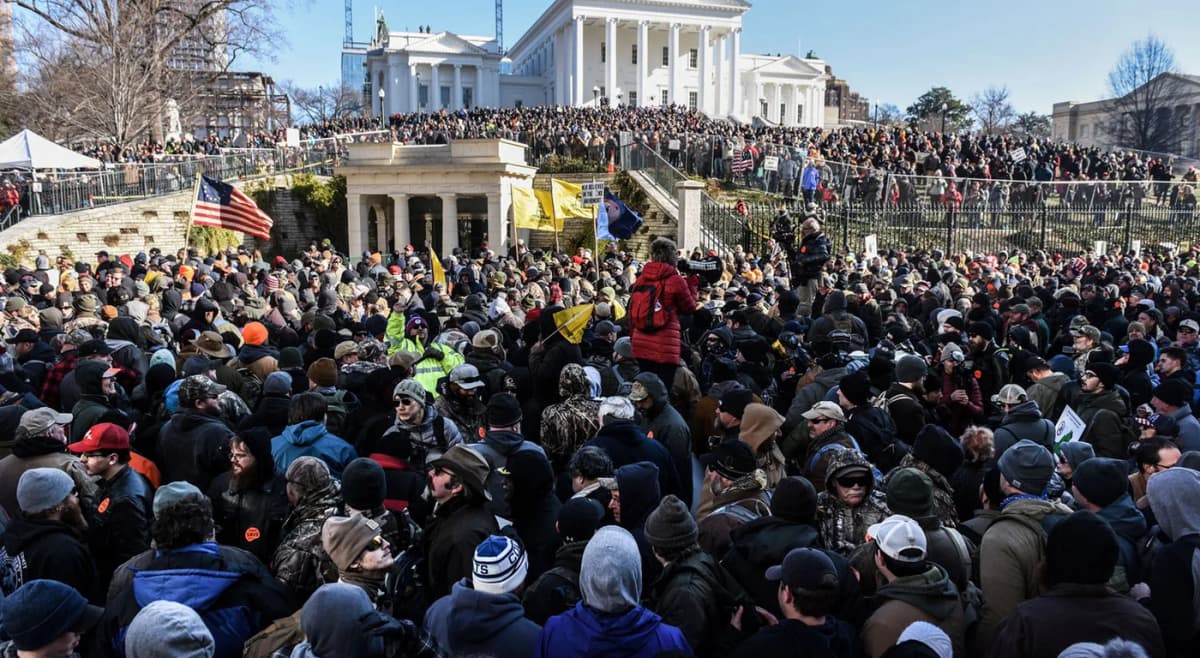
Virginia is the template for a new trifecta and the courts. Its Democrats won full control in November 2025 and passed HB 217 and SB 749, which Gov. Abigail Spanberger signed May 14, 2026. The law bans the sale, purchase, import, manufacture, and transfer of listed semi-automatic rifles and pistols and of magazines over 15 rounds, and was set to take effect July 1. Buyers moved first: Virginia logged more than 75,000 NICS checks in May 2026, double the year before.
The ban has not been enforced. Two Virginia circuit courts enjoined it, the Washington County injunction runs statewide as of July 21, 2026, and in August the state and federal cases were stayed pending the Supreme Court. The Court granted review in Grant v. Higgins (No. 25-566), consolidated it with Viramontes v. Cook County (No. 25-238), and set argument for December 2, 2026. A Minnesota ban passed in 2027 lands directly under that ruling. Our state-by-state assault weapon feature tracker shows which states already enforce a feature ban.
The Federal Sidebar: Raskin and Universal Background Checks
Rep. Jamie Raskin, the likely next House Judiciary Committee chair, named background checks on private gun sales as a priority in an Election Day interview with The Baltimore Banner. On November 5, the National Association for Gun Rights described that as a promise of "universal gun registration." The word registration does not appear in the published interview. On October 29, 2026, Raskin was one of five lawmakers leading 189 members of Congress on a Supreme Court amicus brief defending lawmakers' authority to pass assault weapons laws.
The registration argument is still worth understanding. Federal law bars a national registry of ordinary guns, the FBI destroys an approved buyer's NICS record within 24 hours, and the last House-passed version of this bill (H.R. 8, 227-203, March 2021) stated it does not authorize a national firearms registry. But a universal check puts every private sale on a Form 4473, the dealer keeps it, and closed dealers ship their records to ATF, which already holds roughly 1.3 billion record images. A 2013 National Institute of Justice memo said universal checks depend on "requiring gun registration" to work. Our breakdown of what ATF actually knows about the guns you own covers that paper trail in detail.
The federal bill is unlikely to become law before 2029. Democrats hold roughly 54 Senate seats as of November 5, short of the 60 needed to break a filibuster, and President Trump has said he will veto Democratic bills he considers extreme. The state bills above face neither obstacle, which is why they matter more for 2027. If you are buying a first rifle in one of those states, our first gun guide, AR-15 lower receiver rankings, and AR-15 magazine picks cover the parts a sales ban reaches first.
AR-15 Magazines
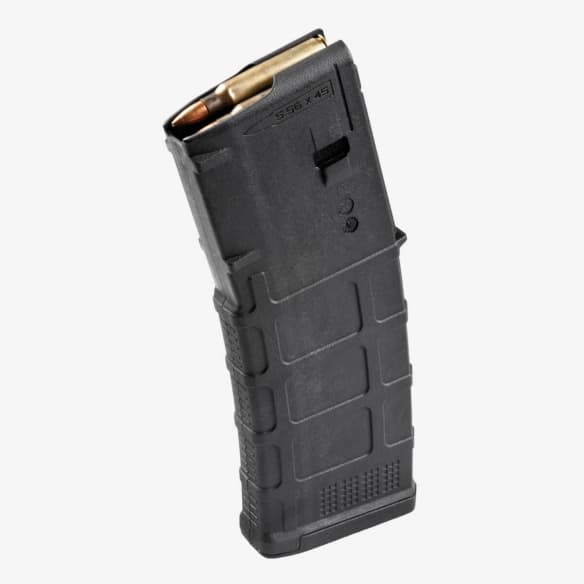
Magpul PMAG 30 AR/M4 GEN M3
- 30 rounds
- 5.56/.223
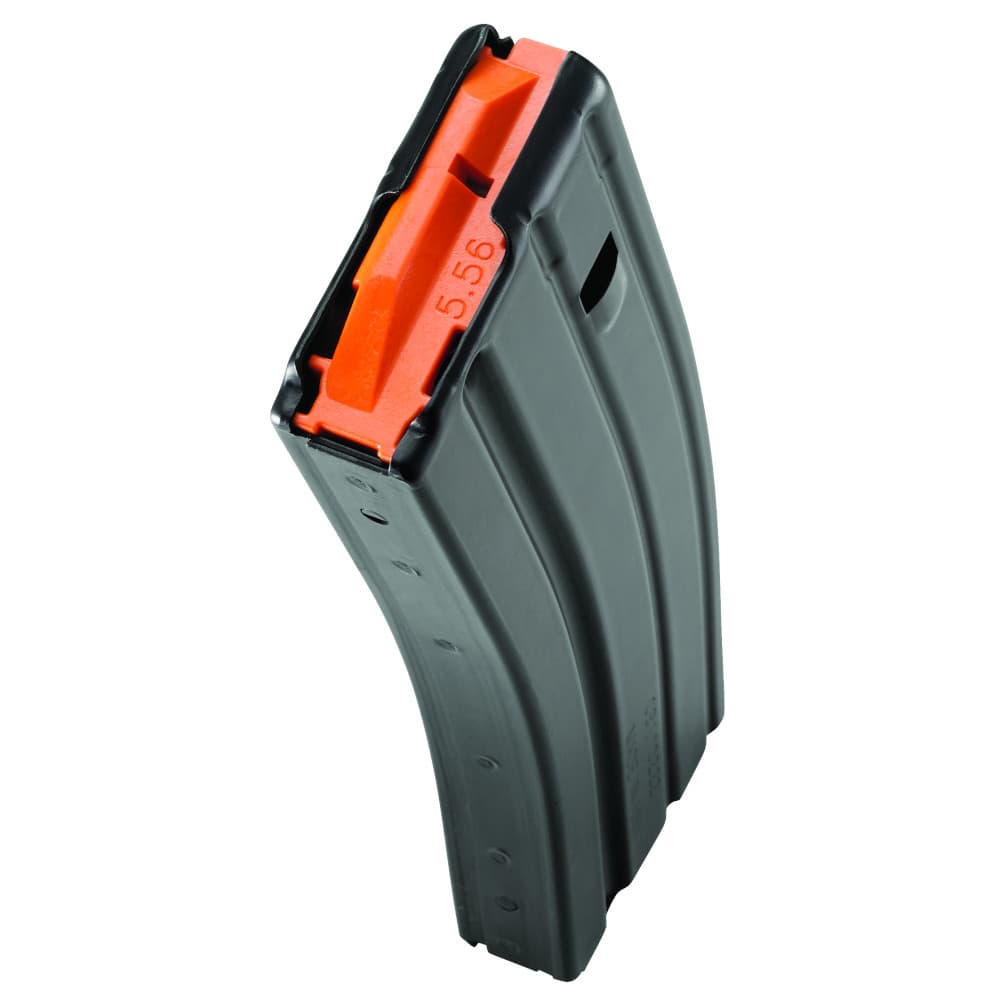
DURAMAG SPEED 30-Round Aluminum Magazine
- 30 rounds
- 6061-T6 aluminum
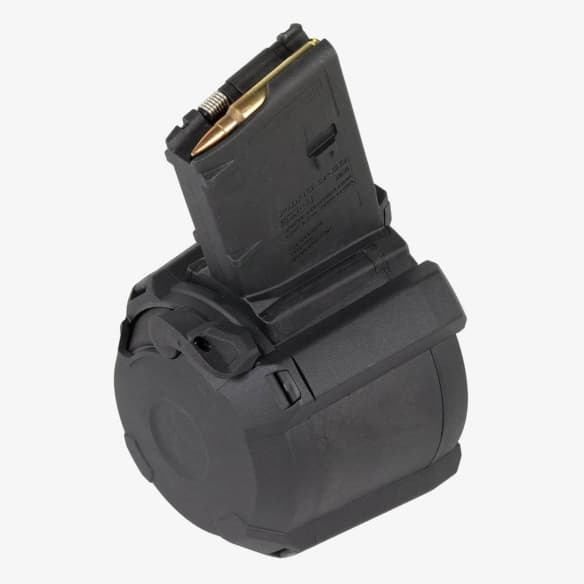
Magpul D-60 Drum Magazine
- 60 rounds
- Polymer construction
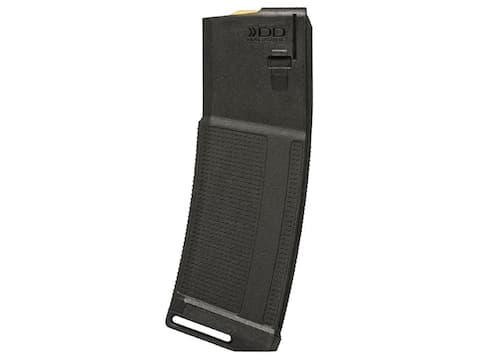
Daniel Defense 32-Round Magazine
- 32 rounds
- 5.56/.223

Daniel Defense 32-Round Magazine 12-Pack
- 12 magazines
- 32 rounds each
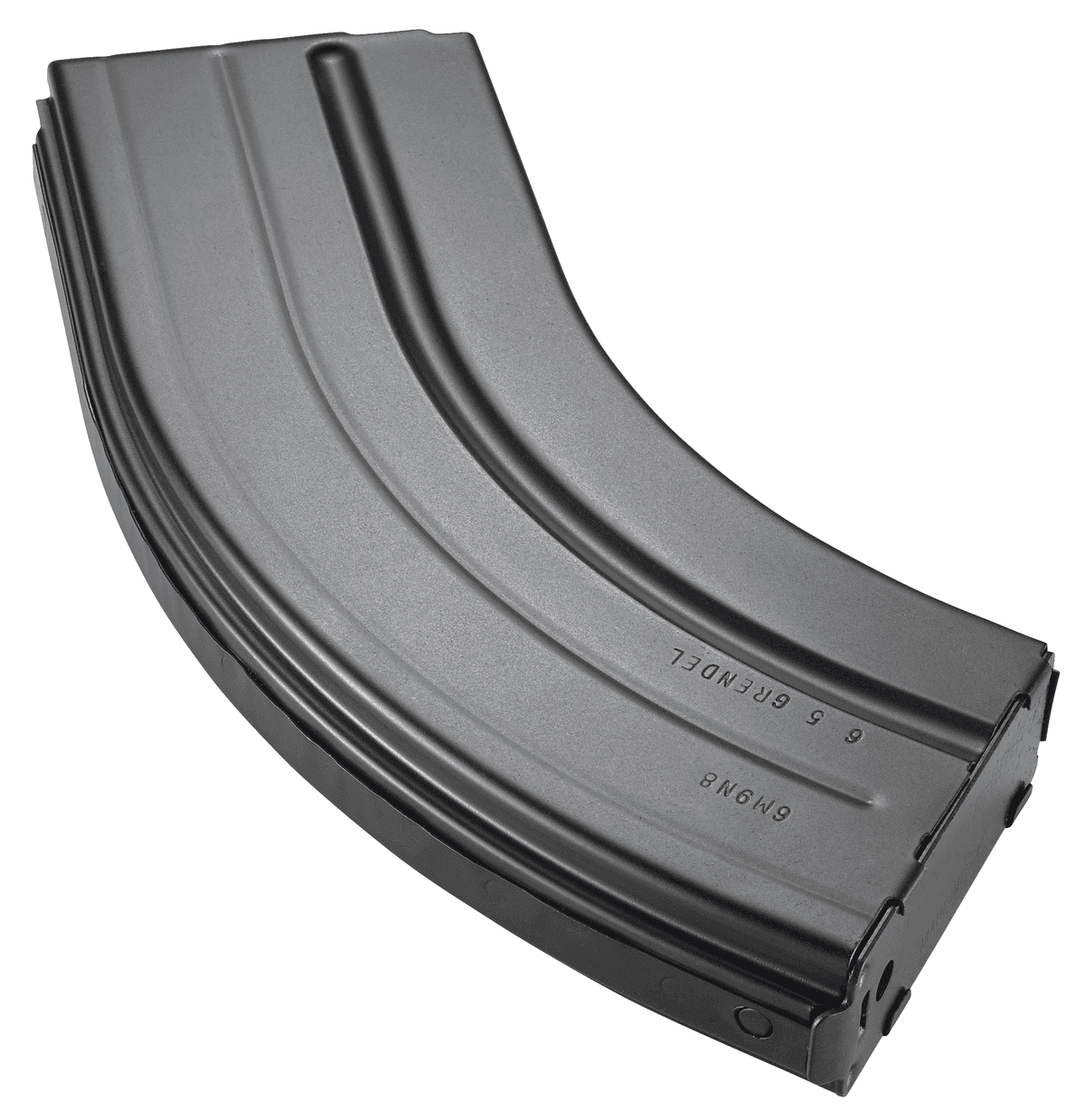
DURAMAG SS 6.5 Grendel 26-Round Magazine
- 26 rounds
- 6.5 Grendel
Affiliate links (?)