Key Takeaways
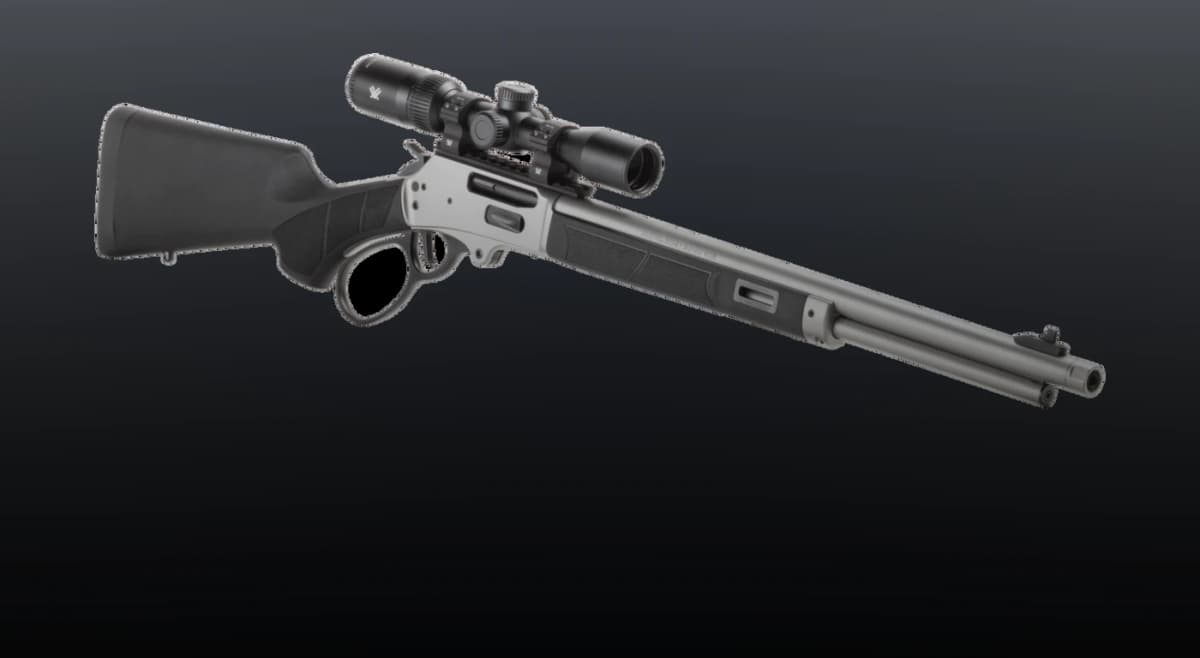
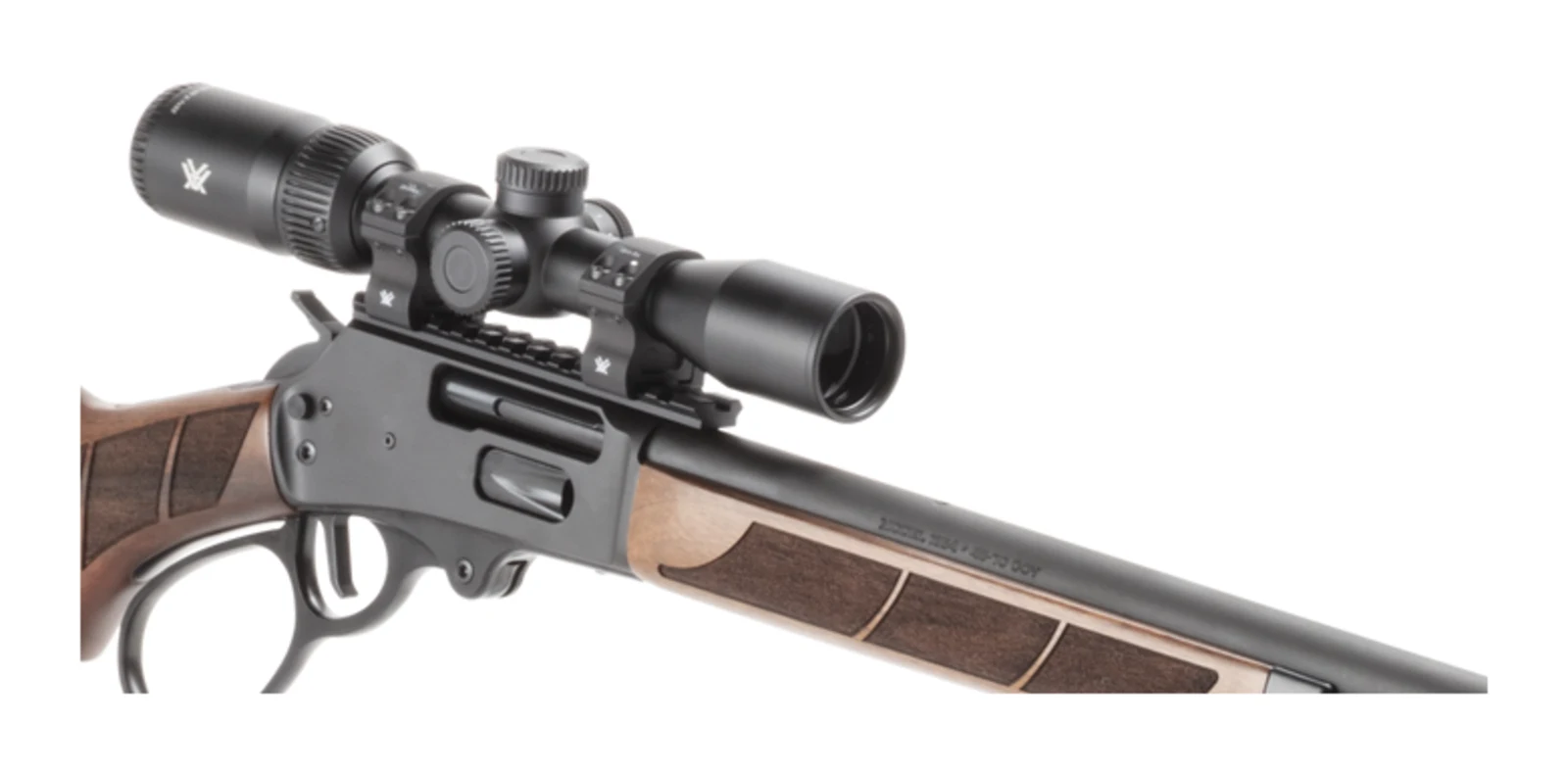
- →Four new SKUs: Model 1854 Scoped Combo in .30-30 Win (14824, 14825) and .45-70 Govt (14827, 14829), each with a Vortex Crossfire HD 2-7x32 mounted in Vortex Pro rings.
- →$1,479 and $1,579 MSRP: stainless synthetic models list at $1,479, walnut at $1,579, exactly $80 over the equivalent rifle sold without glass.
- →The glass is the value: the Crossfire HD 2-7x32 with the illuminated Dead-Hold 2A BDC reticle carries a $229.99 MSRP and streets near $190, so $80 buys the scope, the rings, and factory mounting.
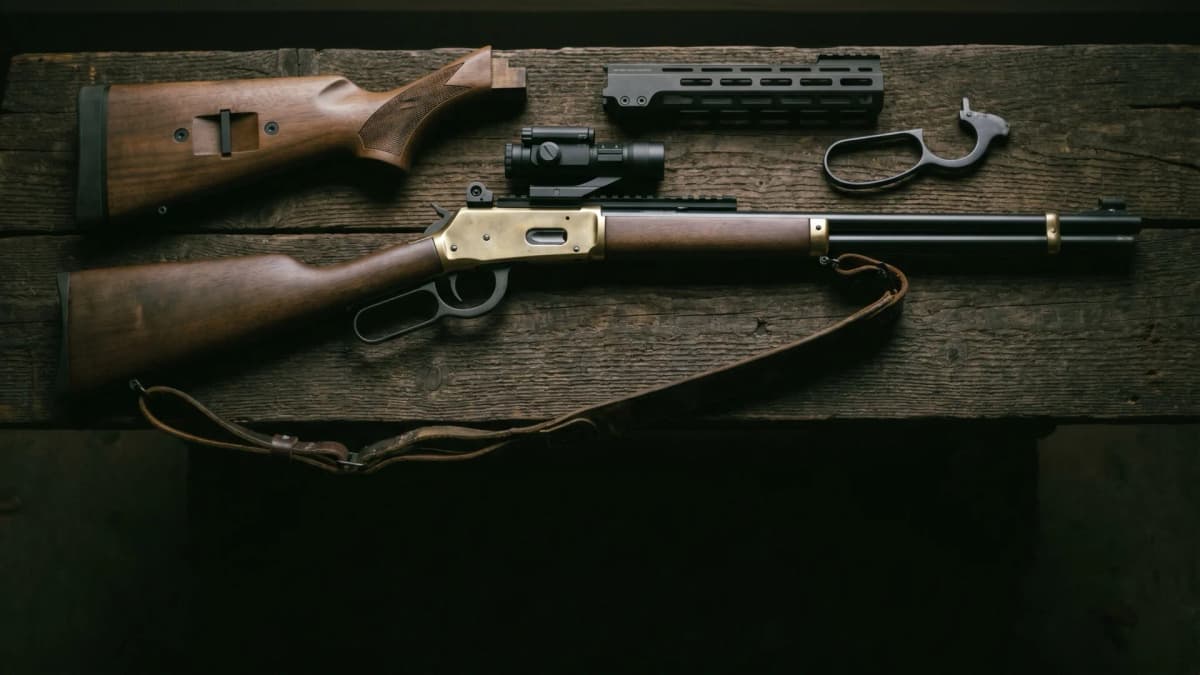
- →Shared build sheet: 20-inch threaded 410 stainless barrel, forged stainless receiver, Picatinny optics rail, 6+1 tubular magazine, flat-face trigger, gold-bead front sight, large-loop lever, 37.8 inches overall.
- →Two furniture options: stainless synthetic models carry three M-LOK slots on the forend; walnut models get textured grip panels and a blacked-out receiver.
Smith & Wesson Model 1854 (.30-30 Win)
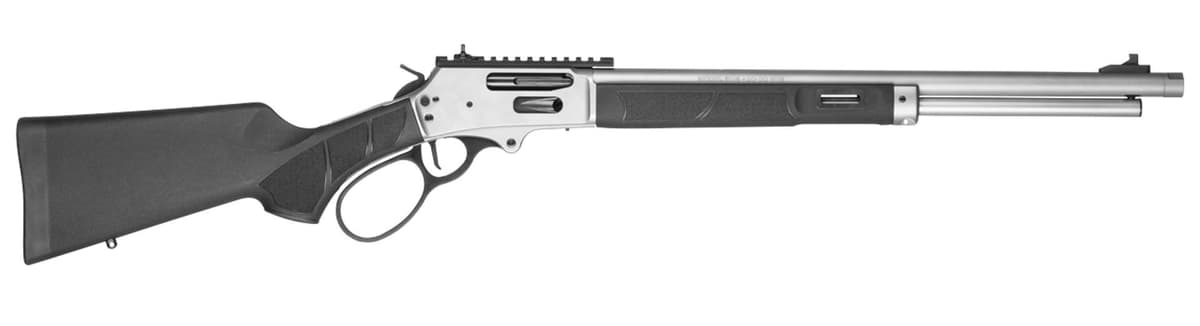
The .30-30 rifle underneath the Scoped Combo, with the same 20-inch threaded barrel and Picatinny rail
S&W's 1854 in the classic deer chambering. 20-inch threaded 410 stainless barrel, forged stainless receiver, Picatinny optics rail, 6+1 tubular magazine, three M-LOK slots on the polymer forend, gold-bead front sight, large-loop lever, cross-bolt safety. SKU 14205.
- +Factory Picatinny rail mounts a scope or red dot with no drilling, tapping, or scout base
- +Threaded 20-inch barrel from the factory, uncommon on traditional .30-30 levers
- +M-LOK forend slots accept slings, bipods, and lights without aftermarket clamps
- −MSRP is well above a Marlin 336 Classic or a base Henry in the same chambering
- −Tubular magazine restricts .30-30 to flat or polymer-tipped bullets
- −Polymer forend and stock will not appeal to buyers who want a traditional wood deer rifle
Affiliate links (?)
What Smith & Wesson Actually Launched
Smith & Wesson announced four Model 1854 Scoped Combo packages on July 29, 2026, two in .30-30 Winchester and two in .45-70 Government, each shipping with a Vortex Crossfire HD 2-7x32 riflescope already mounted in Vortex Pro Riflescope Rings. The stainless synthetic versions list at $1,479 MSRP and the walnut versions at $1,579.
Every one of the four shares the same mechanical package: a 20-inch threaded 410 stainless barrel, a forged stainless-steel receiver with an integrated Picatinny optics rail, a 6+1 fixed tubular magazine, a smooth large-loop lever, a modern flat-face trigger, a gold-bead front sight, a cross-bolt safety, and integrated sling mounting points. Overall length is 37.8 inches, and Smith & Wesson lists all four Scoped Combo packages at 113.6 ounces.
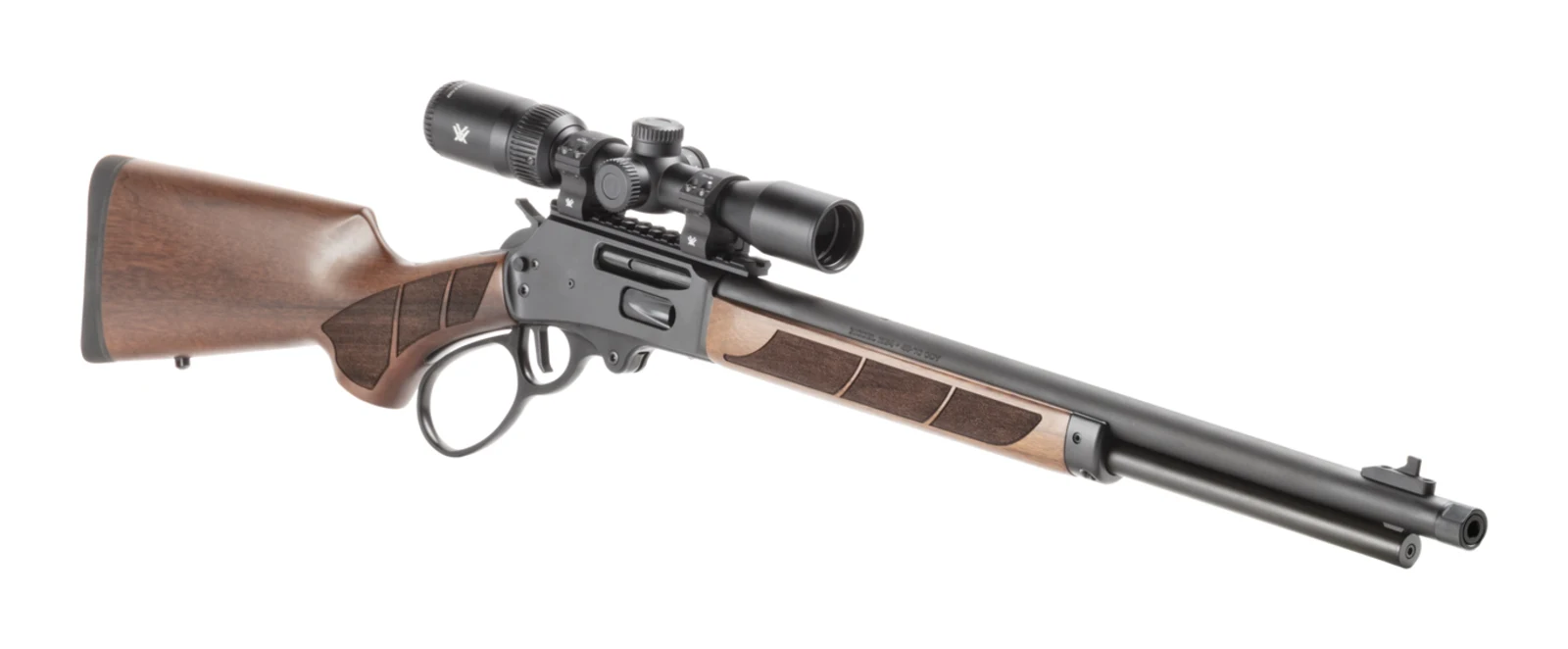
The furniture is what separates the pairs. Stainless synthetic models carry three M-LOK compatible accessory slots on the forend for a sling stud, bipod, or light. Walnut models swap to wood with textured grip panels and a blacked-out Armornite receiver, aimed at buyers who want the rifle to look like a deer gun rather than a modern carbine. Neither configuration changes the action, the barrel, or the optics rail.
What the Vortex Crossfire HD 2-7x32 Brings
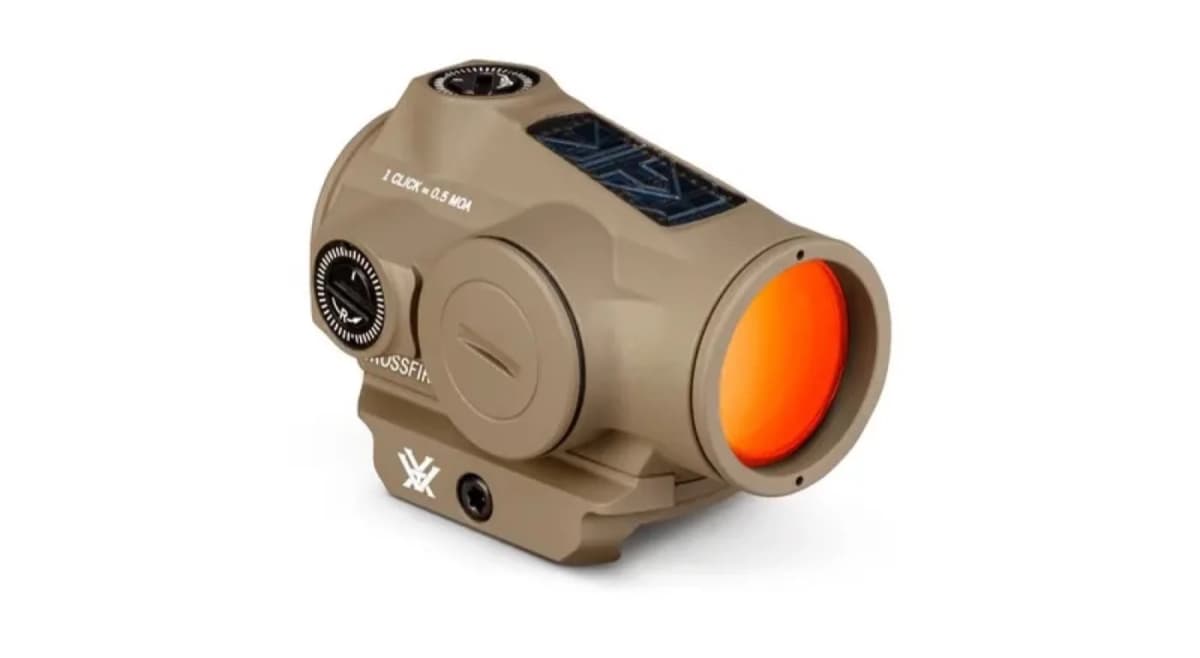
The Crossfire HD 2-7x32 is a second focal plane hunting scope with an illuminated Dead-Hold 2A BDC (MOA) reticle, an 11.2-inch body, a 1-inch maintube, and a 15.7-ounce weight. Vortex lists it at $229.99 MSRP; it sells for about $189.99 on its own.
A 2-7x range on a 32mm objective is the right specification for this rifle rather than a compromise. Two power is wide enough to take a hog moving inside 50 yards, seven power covers the far end of what .30-30 and .45-70 will honestly do, and the small objective lets the scope sit low over the bore where it clears the lever action's ejection path and leaves the gold-bead front sight visible underneath. The short 11.2-inch body matters on a 37.8-inch carbine, where the 3-9x50 scopes that dominate this price bracket crowd the eyepiece toward the shooter's face.
The illuminated center is the meaningful part of this specific variant. Vortex sells the same scope with a plain V-Plex reticle for $159; the illuminated Dead-Hold 2A BDC costs $30 more and adds holdover marks plus a lit center for the first and last minutes of legal light. The whole line carries the Vortex VIP unlimited, unconditional, transferable lifetime warranty. For where this glass sits against the rest of the field, our best deer hunting scope guide ranks it against Leupold, Burris, and the higher Vortex tiers.
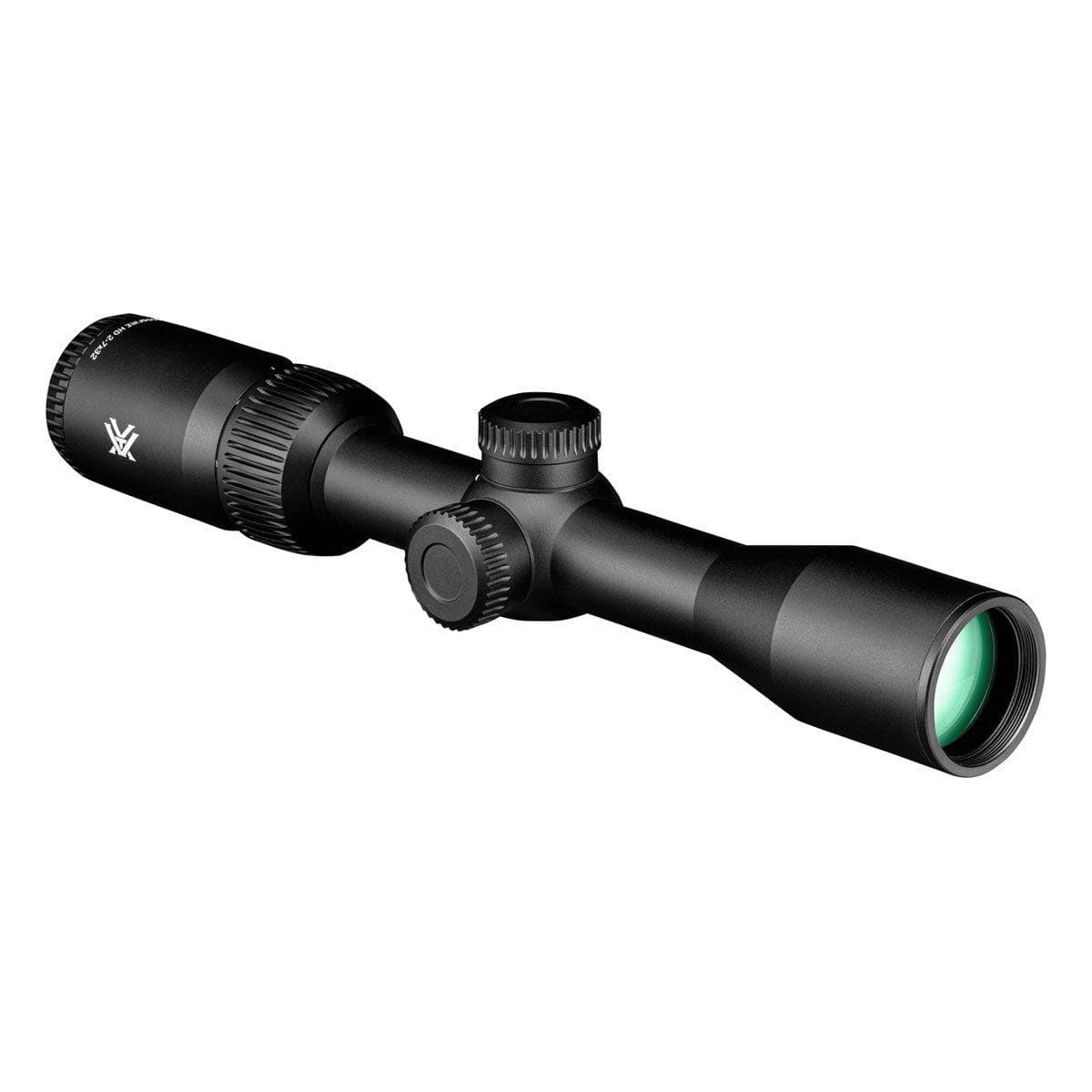
Vortex Crossfire HD 2-7x32
The exact optic Smith & Wesson factory-mounts on the Scoped Combo packages
Compact 2-7x32 lever-gun and brush scope with an illuminated Dead-Hold 2A BDC reticle.
- +Short 11.2-inch body and 15.7 oz weight suit lever guns and light carbines better than a 3-9x50
- +Illuminated center dot is genuinely useful at dawn and dusk for $30 over the V-Plex version
- +32mm objective mounts low, clearing lever-action ejection and leaving iron sights usable
- −7x tops out well short of what an open-country rifle wants
- −32mm objective gathers less light than the 40mm and 50mm scopes at similar money
- −Second focal plane; the BDC holdovers only track at maximum magnification
Affiliate links (?)
Is the Scoped Combo Worth the $80?
Yes, if a 2-7x hunting scope was already the plan. The Scoped Combo costs exactly $80 more than the same rifle sold without glass, in both furniture options: $1,479 against $1,399 for the stainless synthetic, and $1,579 against $1,499 for the Traditional Walnut. That $80 covers a scope with a $229.99 MSRP, the Vortex Pro rings, and the factory mounting labor.
Even measured against street pricing rather than list, the math holds. The bare .30-30 sells for about $1,299 and the scope for about $189.99, so assembling the same combination yourself costs more than the $80 premium and leaves you buying rings separately.
Buy the bare rifle instead when the glass is the point. A 2-7x tops out well short of what open country wants, the 32mm objective gathers less light than the 40mm and 50mm scopes at similar money, and second focal plane holdovers only track at maximum magnification. Anyone planning a Viper HD, a VX-Freedom, or a low-power variable is paying $80 for a scope they will pull off and sell. Everyone else is getting the cheapest correct optic for this rifle at a discount.
Model 1854 Scoped Combo Lineup
All Four Scoped Combo Packages
| SKU 14824, .30-30 Win, stainless synthetic | $1,479 MSRP |
| SKU 14825, .30-30 Win, walnut | $1,579 MSRP |
| SKU 14827, .45-70 Govt, stainless synthetic | $1,479 MSRP |
| SKU 14829, .45-70 Govt, walnut | $1,579 MSRP |
| Optic (all four) | Vortex Crossfire HD 2-7x32, illuminated Dead-Hold 2A BDC (MOA) |
| Rings | Vortex Pro Riflescope Rings |
| Barrel | 20 in, threaded, 410 stainless |
| Capacity | 6+1 fixed tubular magazine |
| Receiver | Forged stainless steel with Picatinny optics rail |
| Trigger | Modern flat-face |
| Front sight | Gold bead |
| Overall length | 37.8 in |
| Weight (all four packages) | 113.6 oz |
Hunting Scopes for Lever Guns
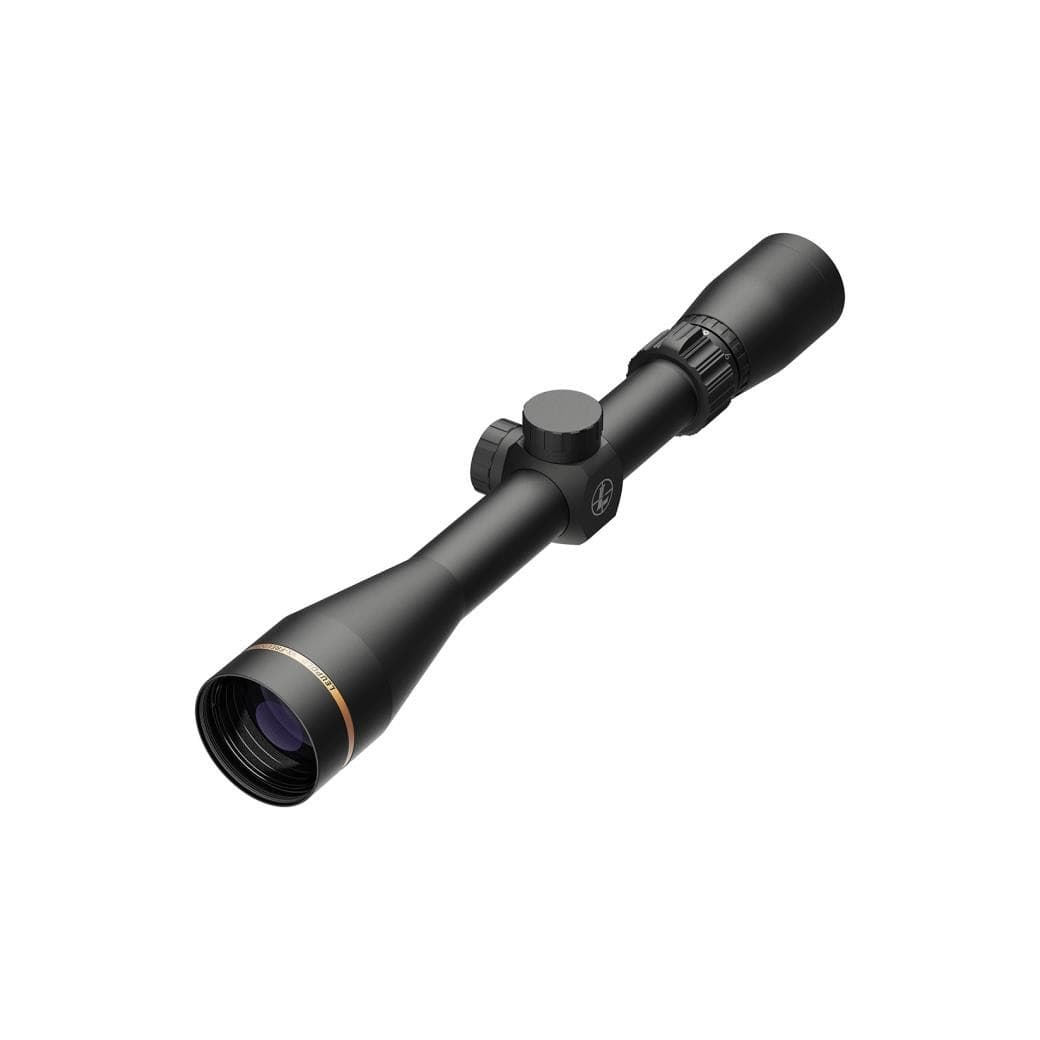
Leupold VX-Freedom 3-9x40
- 3-9x magnification, 40mm objective
- 1-inch maintube, second focal plane

Trijicon Huron 3-9x40
- 3-9x magnification, 40mm objective
- 1-inch maintube, second focal plane
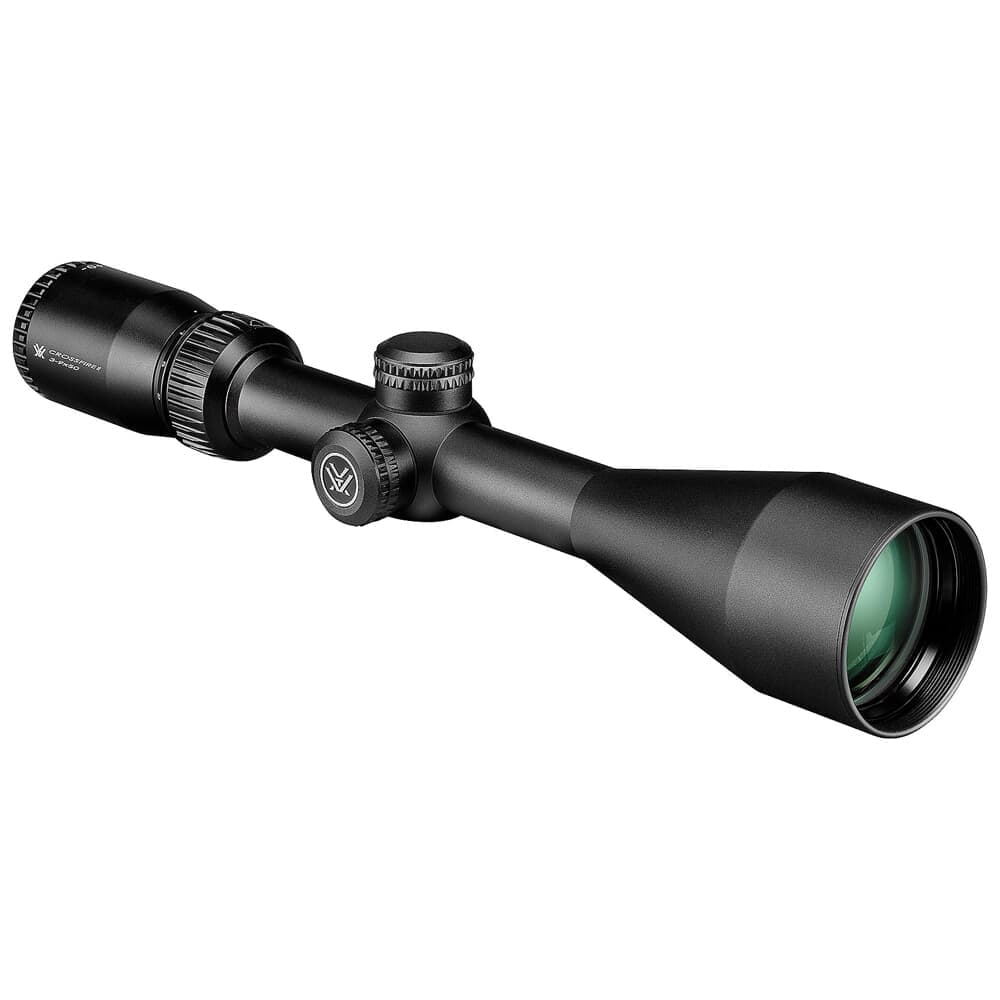
Vortex Crossfire II 3-9x50
- 3-9x magnification, 50mm objective
- 1-inch maintube, second focal plane
Vortex Crossfire HD 2-7x32
- 2-7x magnification, 32mm objective
- 1-inch maintube, second focal plane
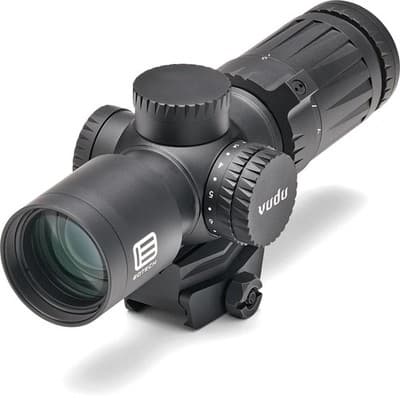
EOTech Vudu 3-9x32 SFP
- 3-9x magnification
- Second focal plane
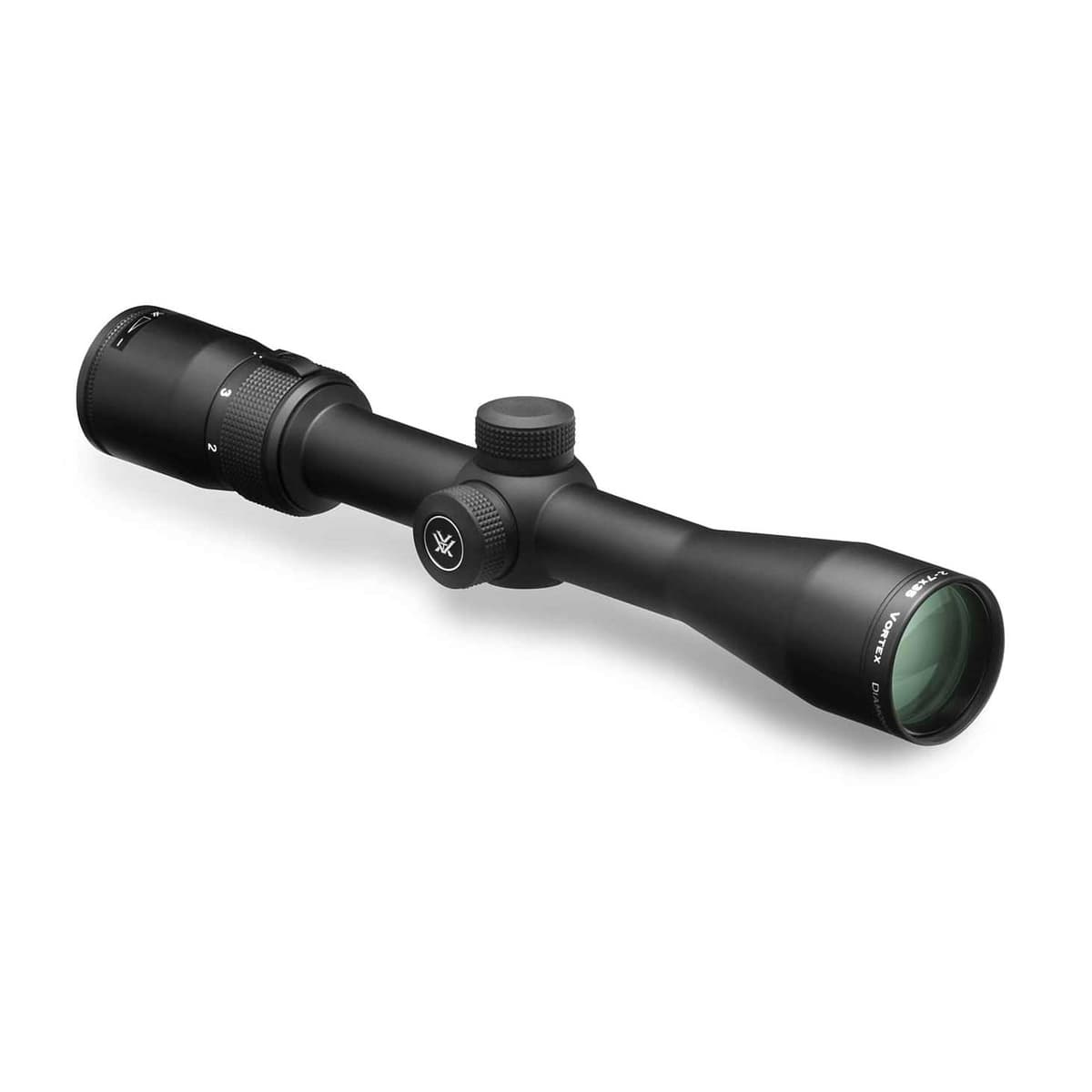
Vortex Diamondback 2-7x35 Rimfire
- 2-7x magnification, 35mm objective
- V-Plex (MOA) reticle, second focal plane
Affiliate links (?)
Where the 1854 Sits Against Marlin and Henry
The factory Picatinny rail is the 1854's structural argument against a Marlin 336 or a Henry side gate. Those rifles eject to the side and take a scope without drama, but the receiver arrives drilled and tapped rather than railed, so the buyer still sources a base and rings and torques them. Smith & Wesson machines the rail into the forged stainless receiver instead. Selling the rifle with the scope already sitting in Vortex Pro rings on that rail is the logical end of the same design decision.
Where the 1854 loses is price against tradition. Marlin's 336 Classic and Henry's side gate rifles sell for meaningfully less in .30-30 with walnut and blued steel, and the Marlin 1895 SBL covers the .45-70 tactical lane with a factory rail of its own. The 1854 also keeps the constraint every tubular-magazine lever gun has: flat-nose or polymer-tipped bullets only, since pointed spitzers rest on the primer of the round ahead. Our best lever action rifle guide ranks these platforms head to head across every caliber, and the best deer hunting rifle guide covers where a lever gun beats a bolt action for whitetail. You can also compare these rifles side by side on specs and price.
The .45-70 version is the more interesting of the two chamberings here. Out of a 20-inch tube it is a 150-yard cartridge that hits far harder than any of the handgun rounds the 1854 originally launched with, which puts it on elk, hogs, and black bear where a heavy flat-nose bullet at close range is the whole point. The bare .45-70 rifle (SKU 14204) lists at 113.6 ounces against 120 ounces for the bare .30-30 (SKU 14205), so the big bore is the lighter of the two and the recoil is honest.
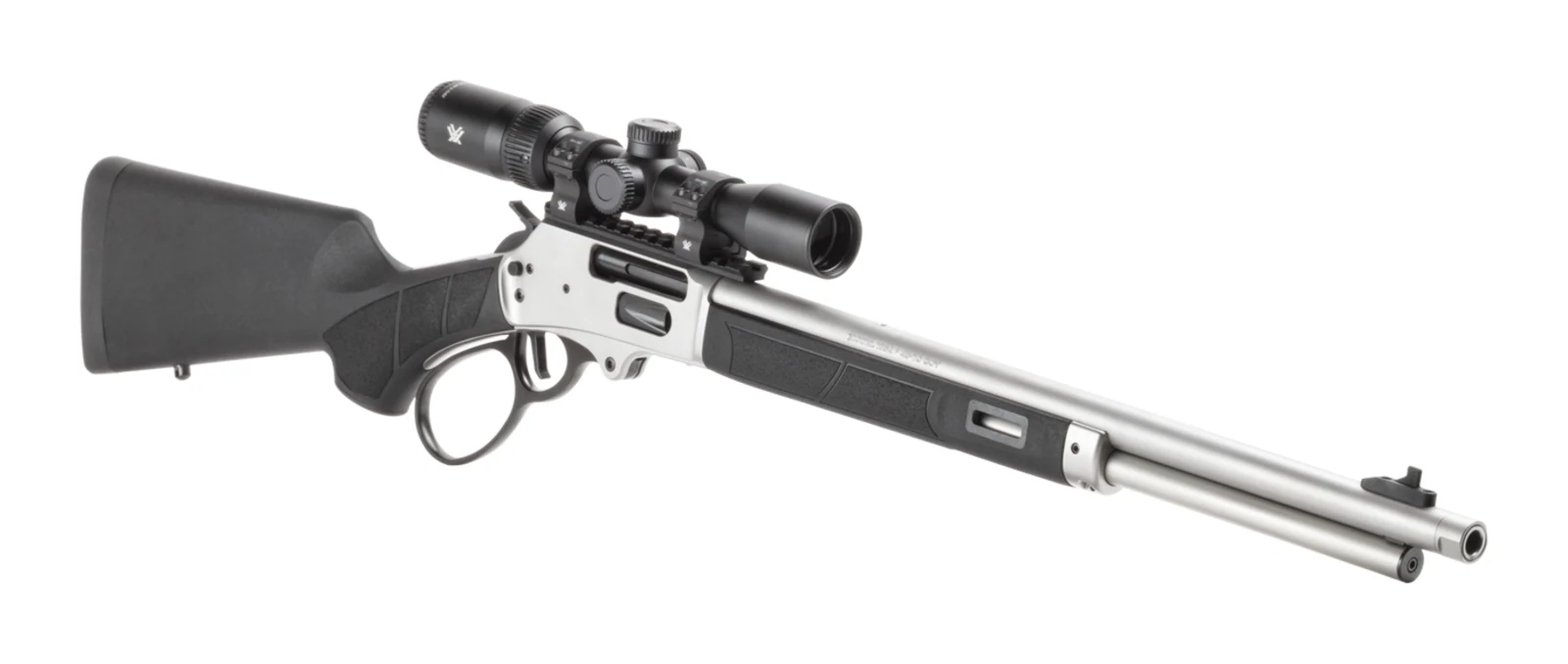
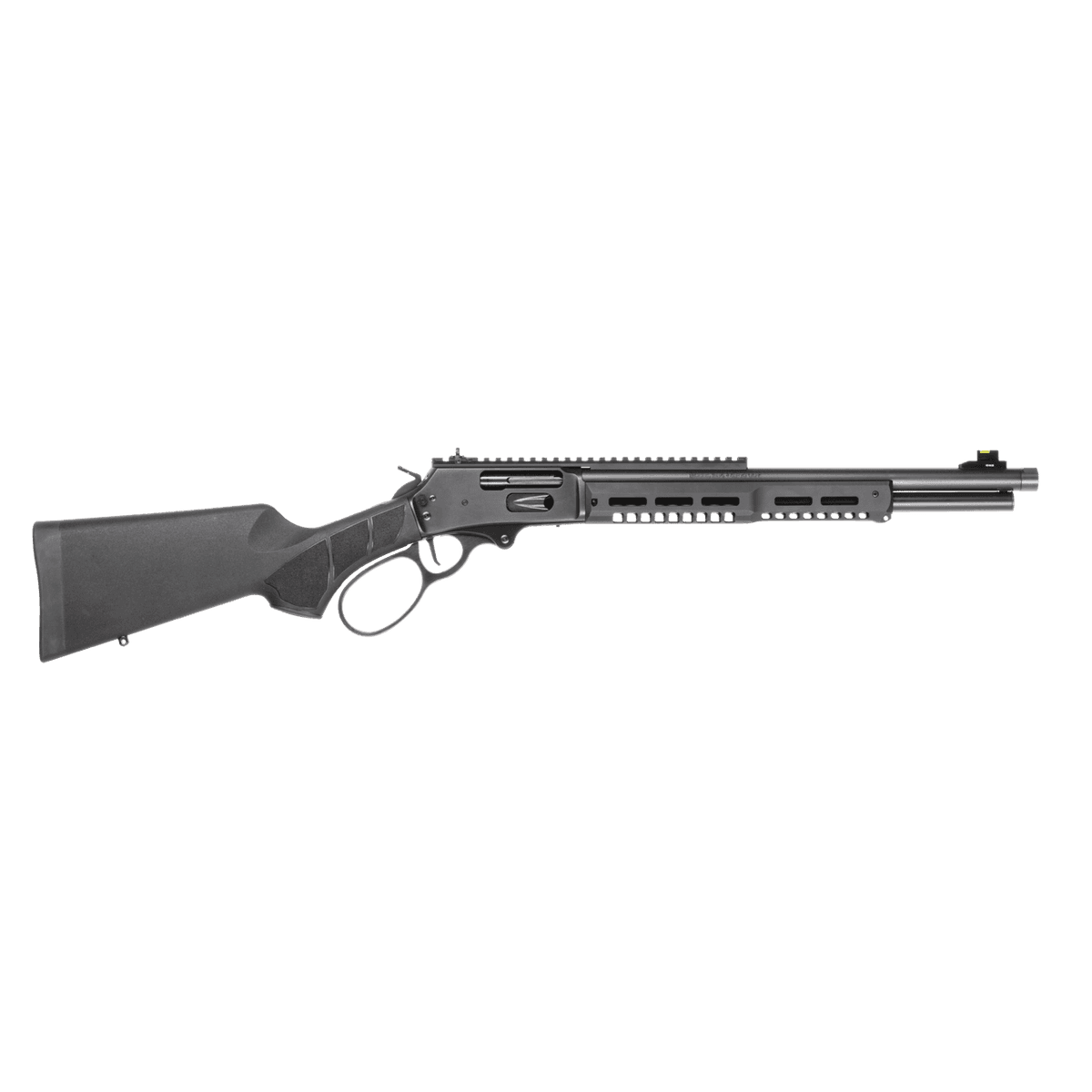
Smith & Wesson Model 1854 (.45-70 Govt)
The .45-70 rifle underneath the Scoped Combo, 7.1 lb bare with a factory Picatinny rail
S&W's 1854 in .45-70 Government. 20-inch threaded 410 stainless barrel, forged stainless receiver, Picatinny optics rail, 6+1 tubular magazine, M-LOK forend slots, gold-bead front sight, large-loop lever, cross-bolt safety. SKU 14204.
- +Factory Picatinny rail takes a scope directly, no scout mount or drilled-and-tapped base
- +Threaded 20-inch barrel from the factory on a big-bore lever
- +7.1 lb bare is lighter than the .30-30 version of the same rifle
- −.45-70 recoil out of a 7.1 lb rifle is stout, especially with heavy hunting loads
- −MSRP undercuts almost nothing; Henry and Marlin big-bores sell for similar money with wood
- −Tubular magazine restricts .45-70 to flat-nose or polymer-tipped bullets
Affiliate links (?)
Stay Updated on Lever Action Releases
We cover new lever gun launches, optics pairings, and hunting rifle pricing as it moves. One email when something actually changes.