Key Takeaways
- →90,000-Hour Battery: The switch from CR1632 to CR2032 takes rated runtime from 13,000 hours to 90,000 hours at brightness level four, and 27,000 hours at maximum brightness.
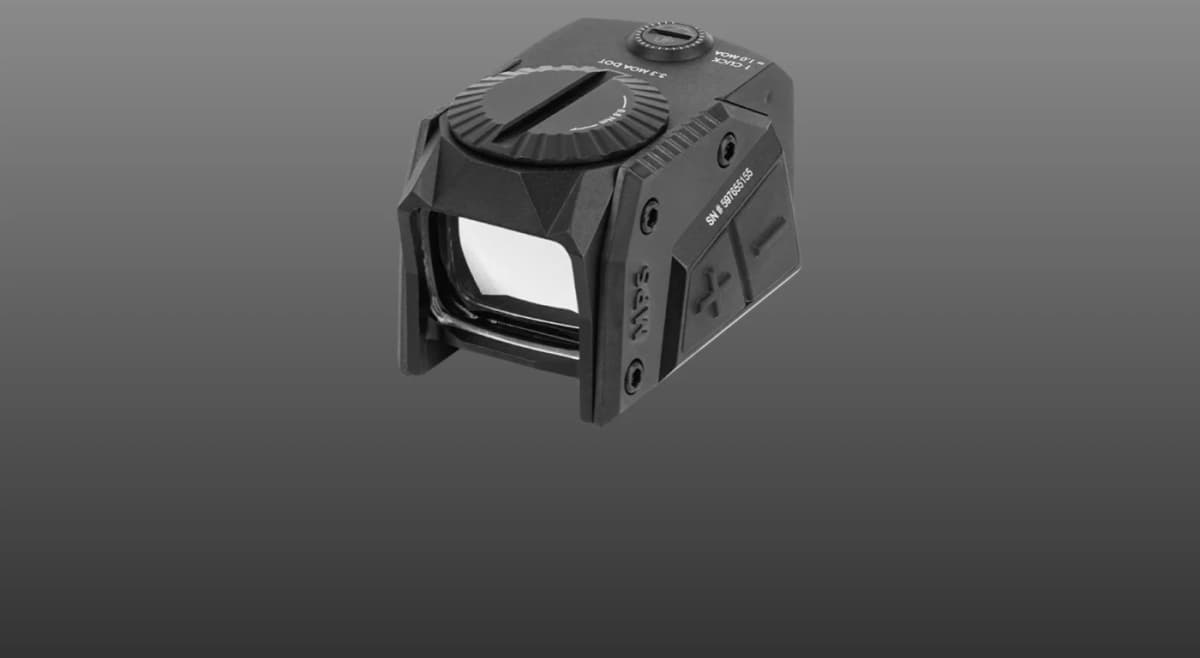
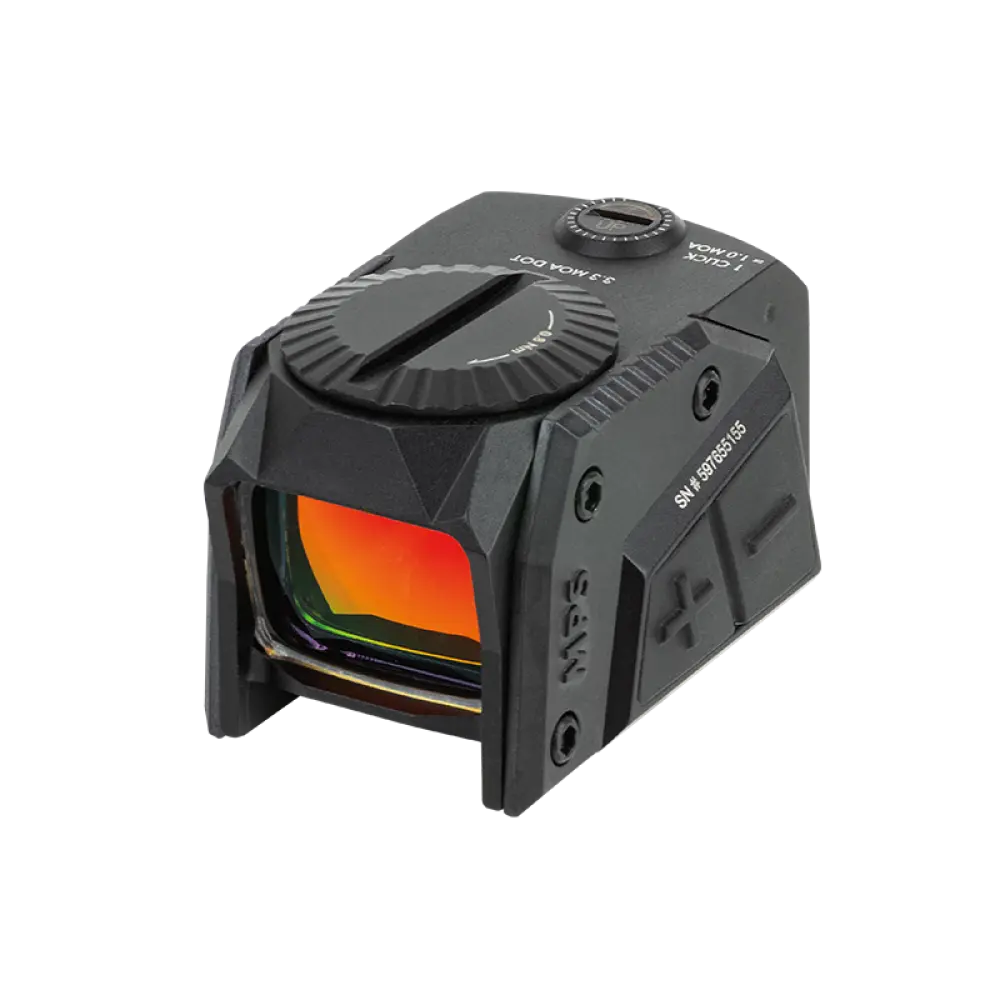
- →Same Dot, Same Footprint: 3.3 MOA red dot on the Aimpoint ACRO footprint, unchanged from the original MPS, so any mount already rated for the first MPS carries over.
- →Reinforced Housing: All-metal body with a metal hood over the glass, submersible to 35 meters, rated from -40degF to 140degF.
- →Revised Controls: Oversized side buttons for gloved operation, a magnetic battery cover that retains the cell during installation, and a button lockout engaged by holding both buttons three seconds.
- →Pricing: $631.99 MSRP under item number 8700000040, identical to the original MPS. Made in Germany.
Steiner MPS 2.0
Enclosed-emitter ACRO-footprint pistol dot with 90,000-hour runtime
Second-generation enclosed ACRO-footprint pistol dot running up to 90,000 hours on a CR2032
- +90,000 hour runtime at brightness level 4 beats the Aimpoint ACRO P-2's 50,000 hours
- +Enclosed emitter avoids the lint and debris blockage that ends open-emitter optics
- +Drops onto any plate or slide cut already rated for the original Steiner MPS
- −2.32 oz is heavier than the original MPS and well above open-emitter micros like the RMR
- −The larger CR2032 tray adds bulk over the original MPS CR1632 design
- −ACRO-pattern optics sit taller than RMR-pattern ones, so suppressor-height sights and holster fit need checking
Affiliate links (?)
What Changed From the Original MPS
The MPS 2.0 is an iteration, not a redesign. Steiner kept the 3.3 MOA dot, the ACRO footprint, the eight-setting brightness ladder, the 1 MOA clicks, and the 90 MOA of windage and elevation travel. What changed is the power system, the housing, and the controls.
One addition that Steiner's marketing does not lead with: the MPS 2.0 manual lists two item numbers, 8700000040 for the 3.3 MOA version and 8700000042 for a 2 MOA version. The original MPS was sold as a 3.3 MOA optic only, so shooters who wanted a finer dot for precision work now have one inside the MPS line.
The original MPS shipped in 2021 with a CR1632 rated at 13,000 hours. That was the single most cited complaint against it, because the CR1632 is both shorter-lived and harder to source than the CR2032 that most of the category runs. The 2.0 moves to CR2032 and jumps to a rated 90,000 hours at brightness level four. Steiner also publishes a 27,000-hour figure at maximum brightness, which is the more useful number if you leave a duty optic cranked up.
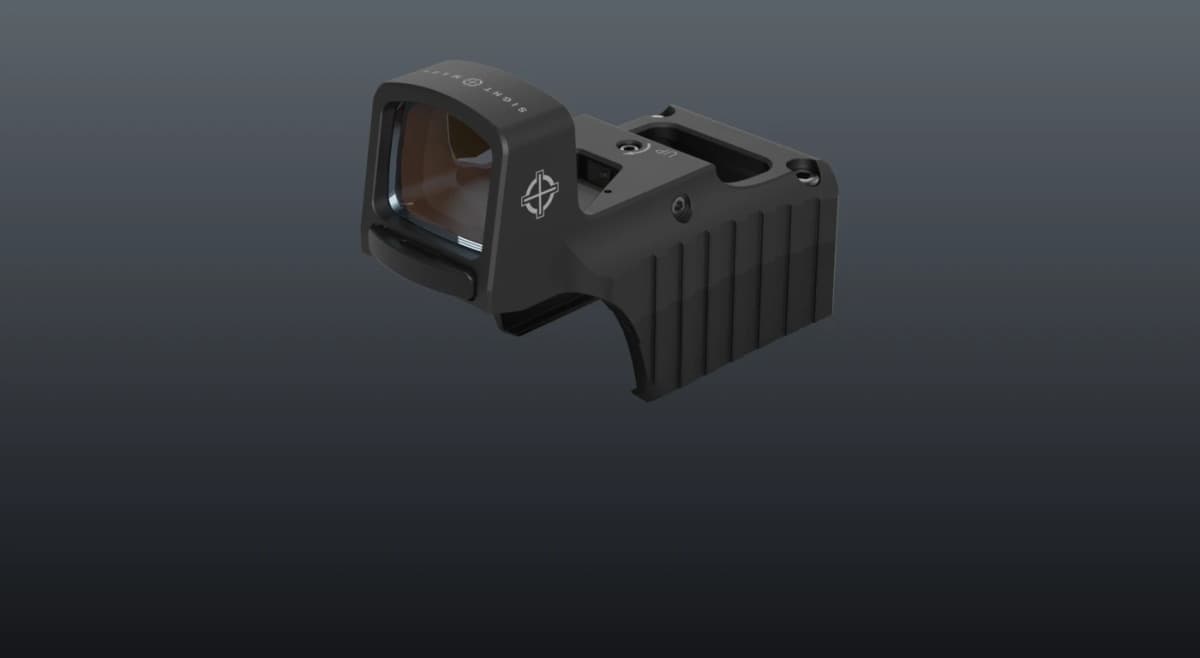
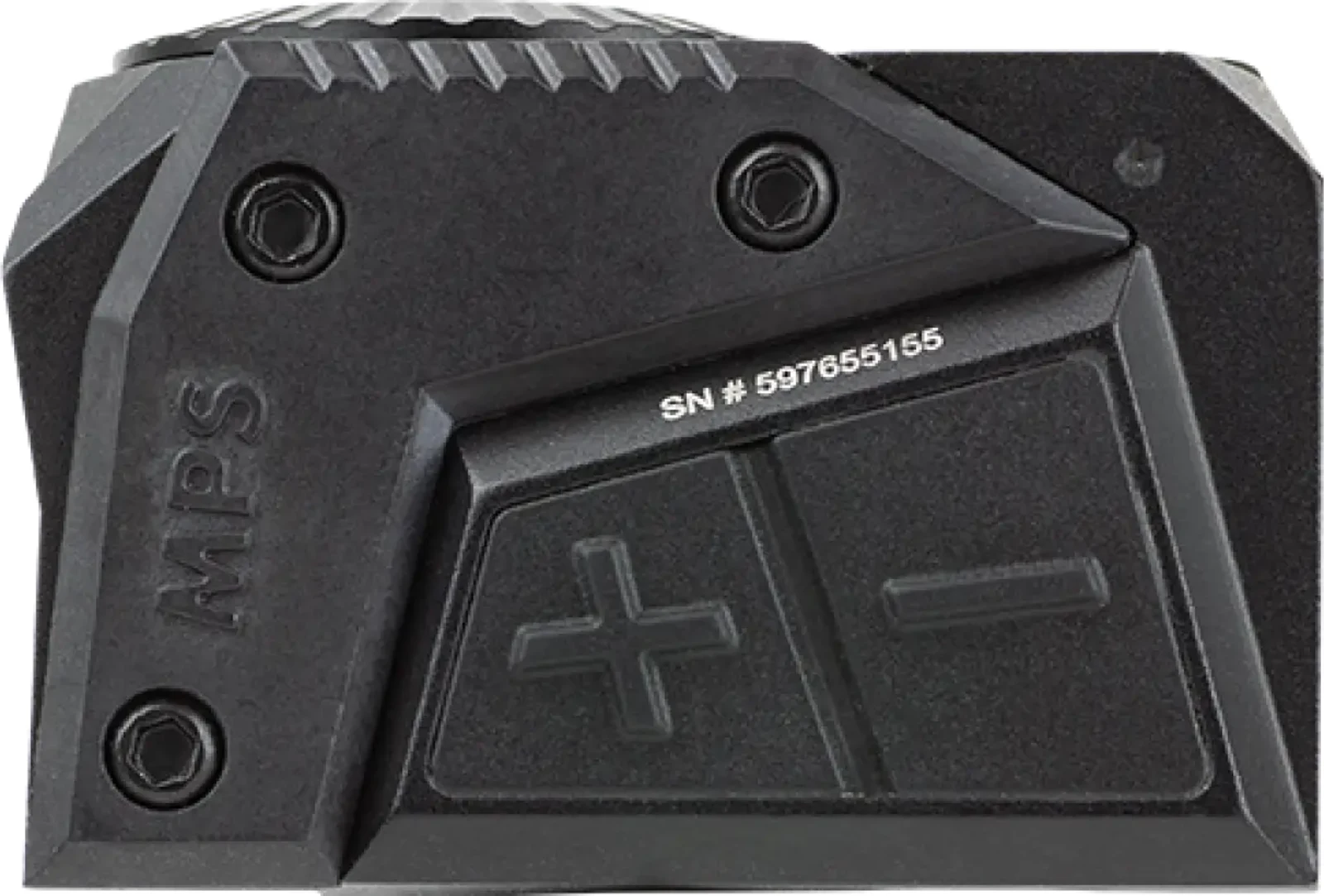
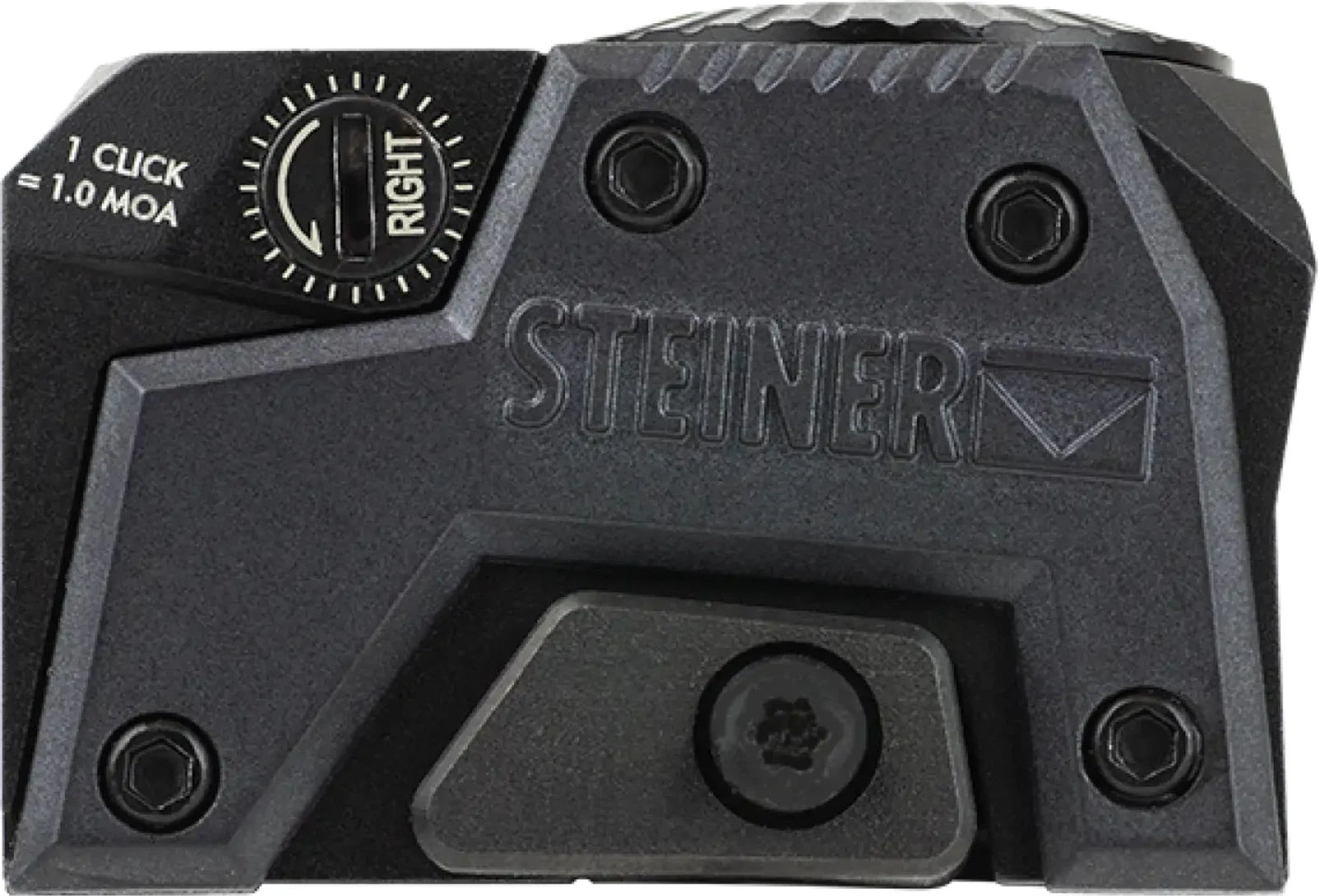
The housing picked up reinforced sidewalls and a metal hood standing proud of the glass, and the cross-bolt clamping piece that secures the optic to the mount is longer and squarer than the first generation. The side buttons grew substantially, which is the change you notice first in photos: the original MPS used narrow recessed slots set into an angled panel, and the 2.0 replaces them with two large rectangular pads carrying molded plus and minus symbols, sized to be worked with gloves on. Weight went up accordingly, from 2.05 oz to 2.32 oz.
The Battery Change Is the Point
The CR2032 swap is the reason to care about this release. It solves two problems at once: rated runtime goes up nearly sevenfold, and the cell becomes one you can buy at a gas station. The CR2032 is what the Aimpoint ACRO P-2, Trijicon RCR, and Vortex Defender series already use, so the MPS is no longer the odd optic in the safe that needs its own battery on the shelf.
Steiner paired that with a magnetic battery cover. The magnet holds the cell against the cover while you thread it back in, which removes the failure mode where the battery drops out and lands somewhere in the carpet while you are working over a mounted optic. The optic ships with a 15-hour auto shutoff, which you can disable by holding both buttons for ten seconds. Steiner notes one catch in the manual: disabling auto-off also disables the highest brightness level, a deliberate tradeoff to protect battery life. A separate button lockout, engaged by holding both buttons for three seconds, prevents brightness changes from a bumped button in a holster.
Two of the eight brightness settings are night-vision compatible. That count is unchanged from the first MPS and sits below the Aimpoint ACRO P-2, which offers four NV settings. If you run a pistol behind night vision regularly, that gap is worth checking against your device before you commit.
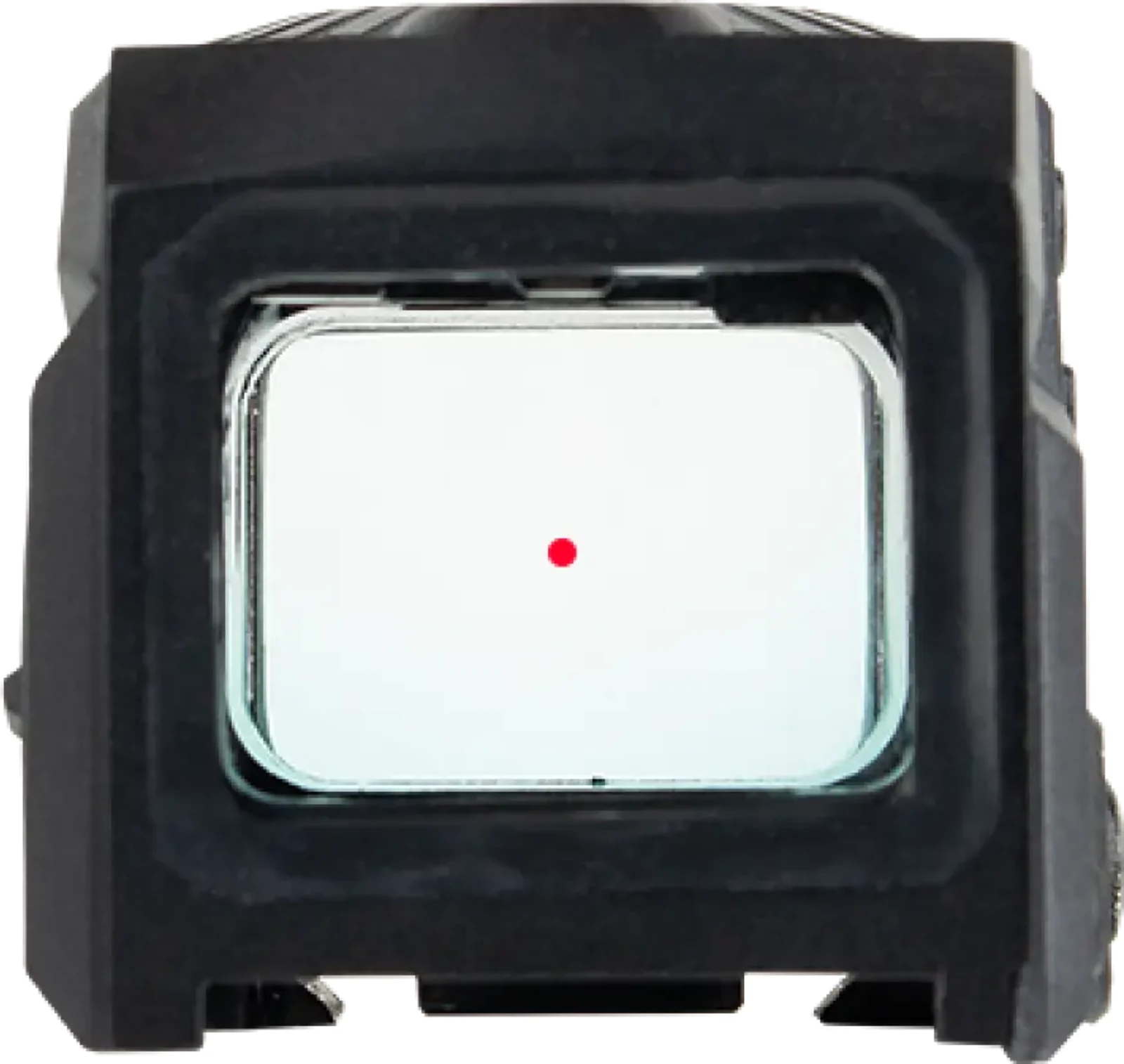
Enclosed-Emitter Pistol Optics
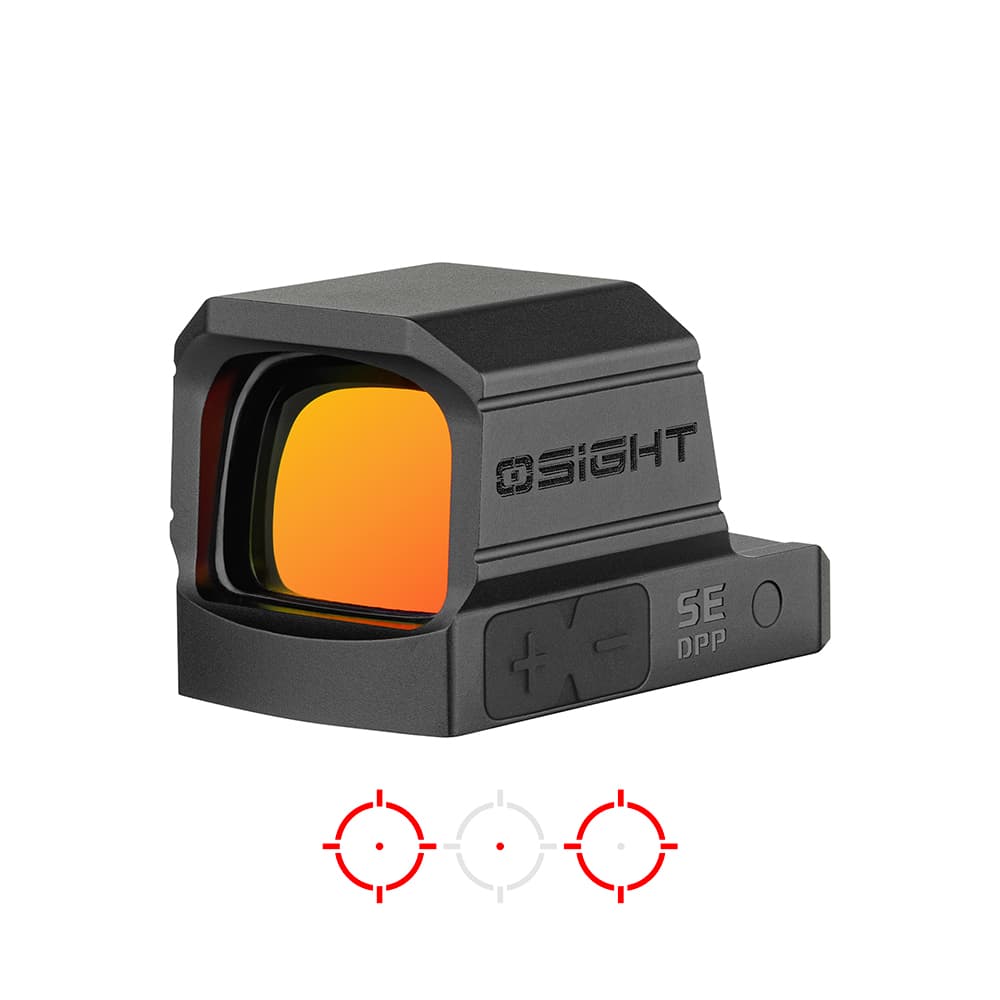
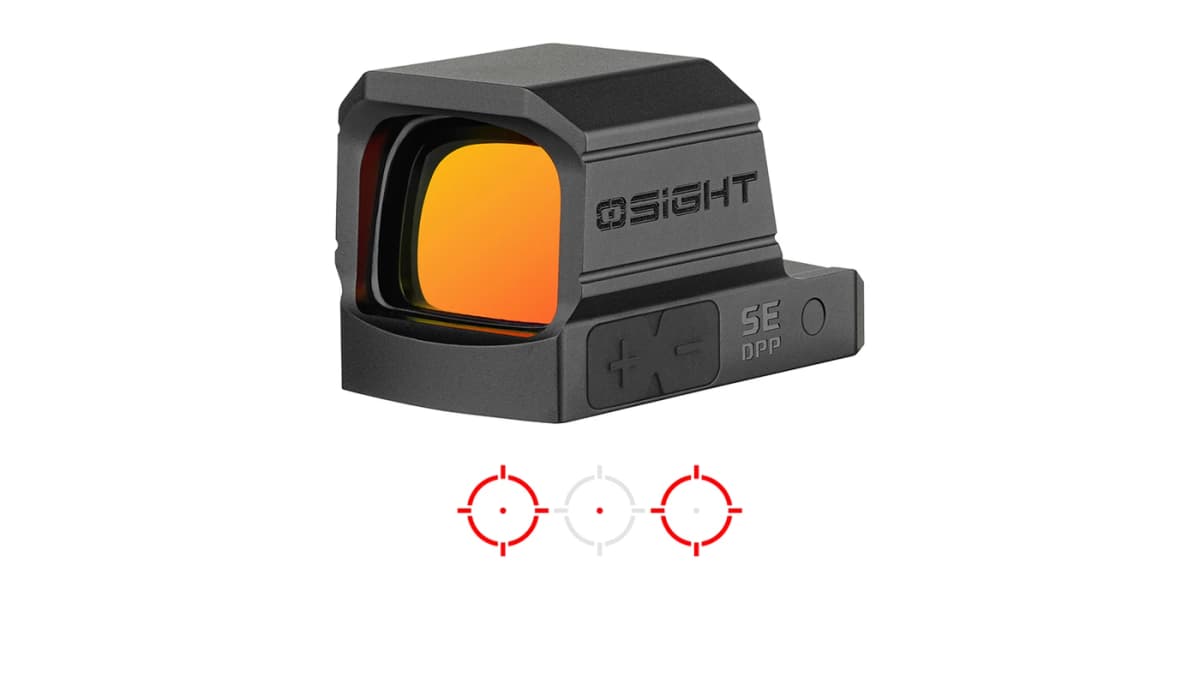
Osight SE DPP Enclosed Red Dot
- 2 MOA dot + 32 MOA circle MRS
- Enclosed emitter, DeltaPoint Pro footprint
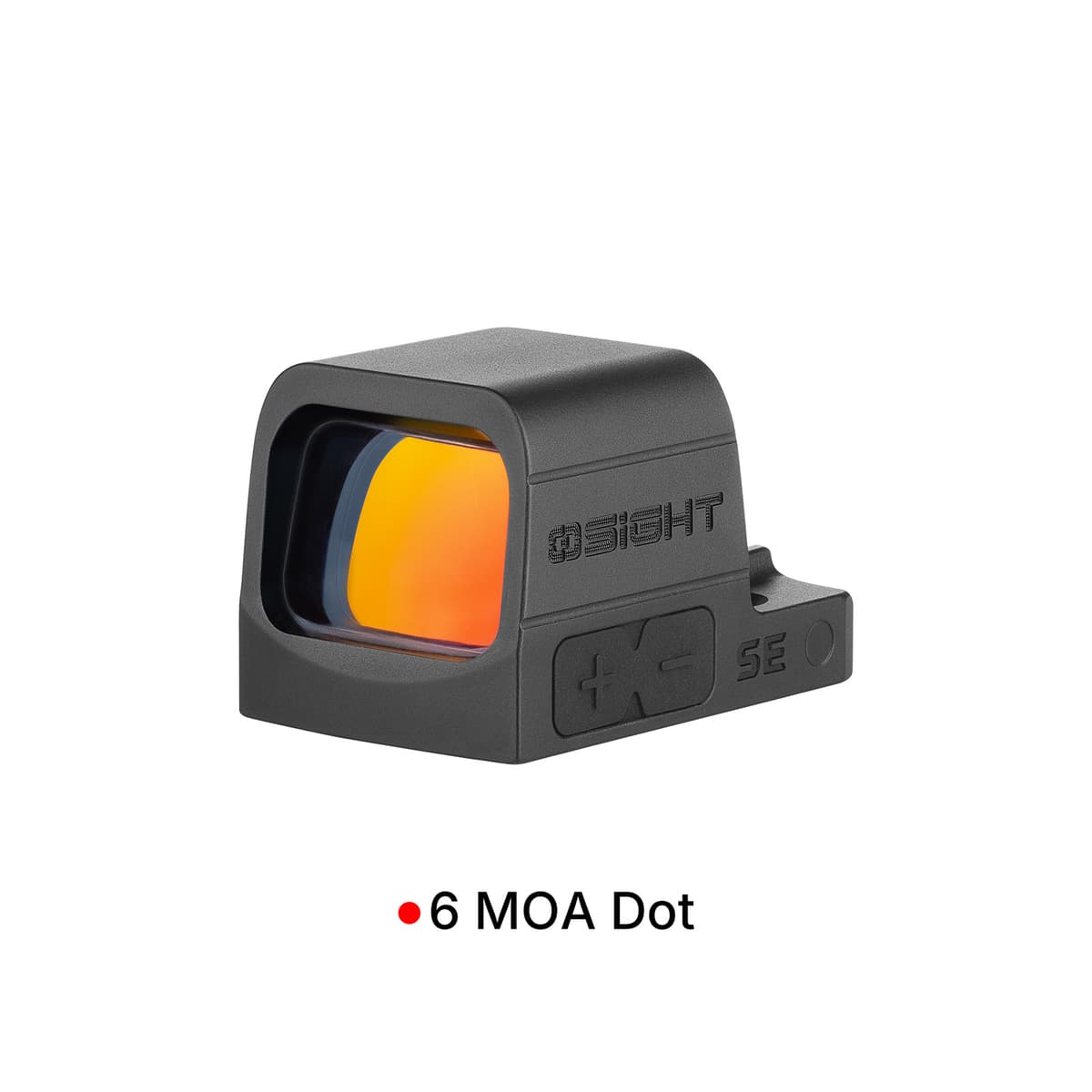
Osight SE Enclosed (6 MOA Red)
- 6 MOA red dot
- Enclosed emitter, RMSc footprint
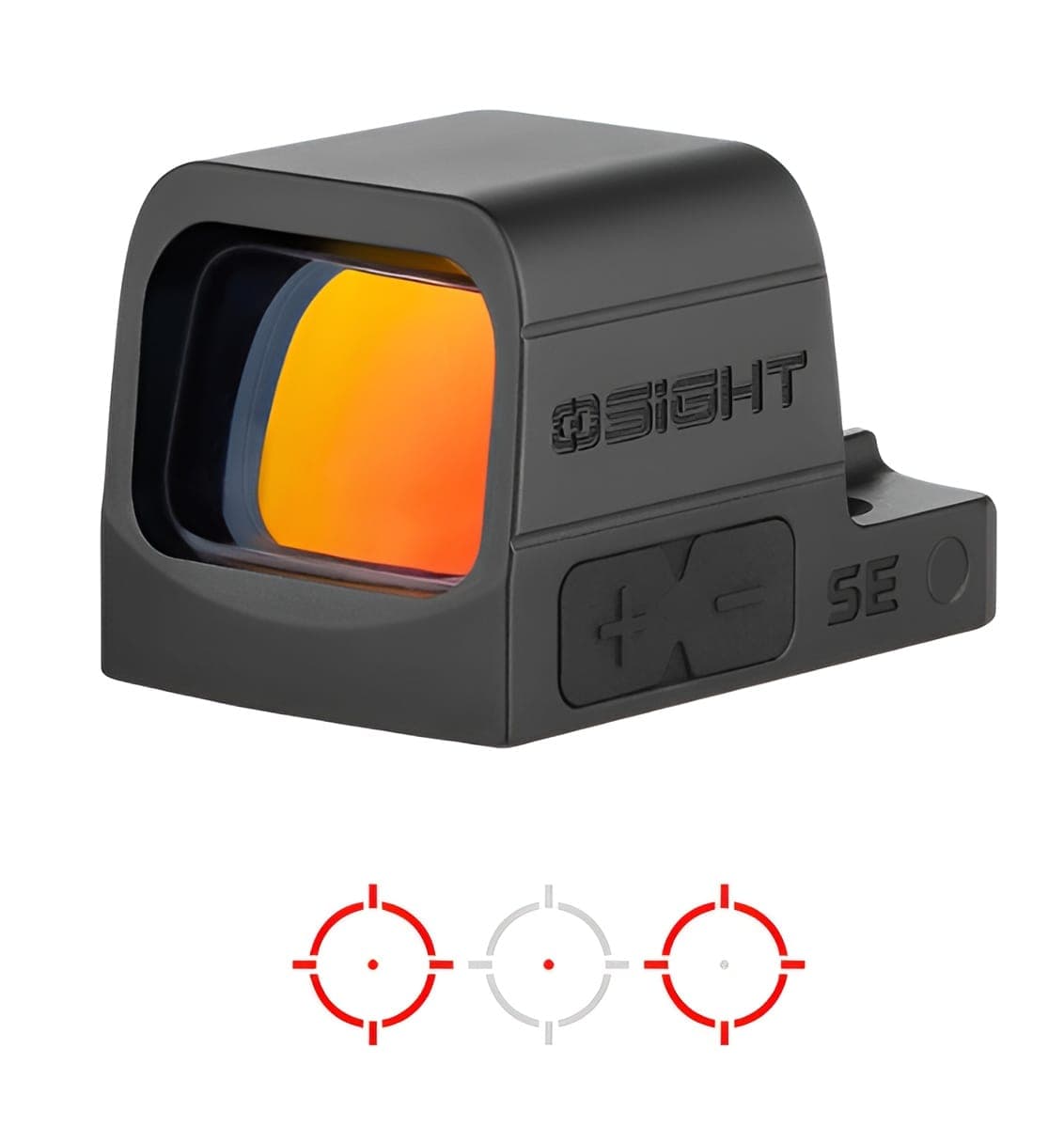
Osight SE Enclosed (2 MOA + 32 MOA Red MRS)
- 2 MOA dot + 32 MOA circle MRS
- Enclosed emitter, RMSc footprint
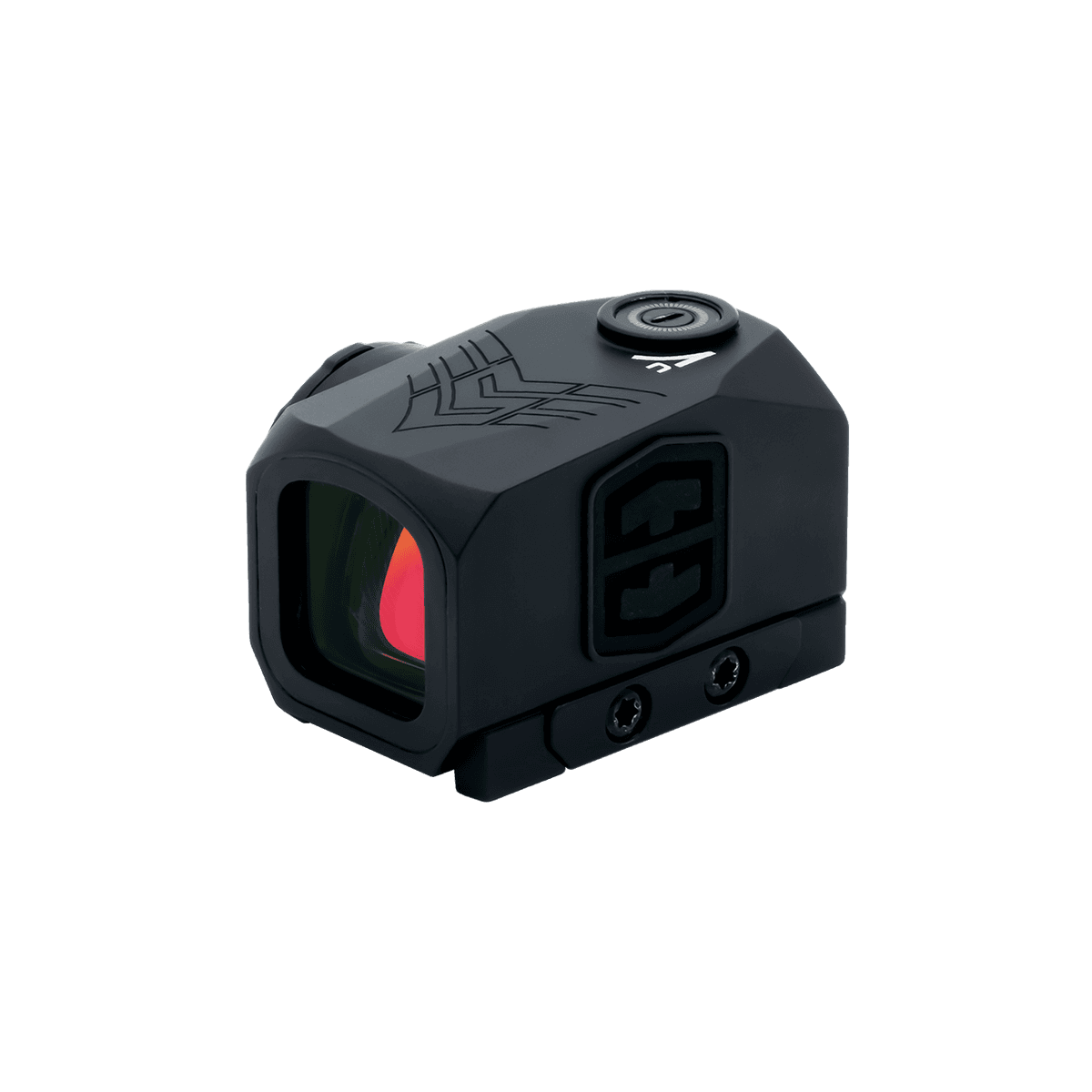
Swampfox Kraken Closed Emitter
- 3 MOA red or green dot
- RMR + Glock MOS plates included
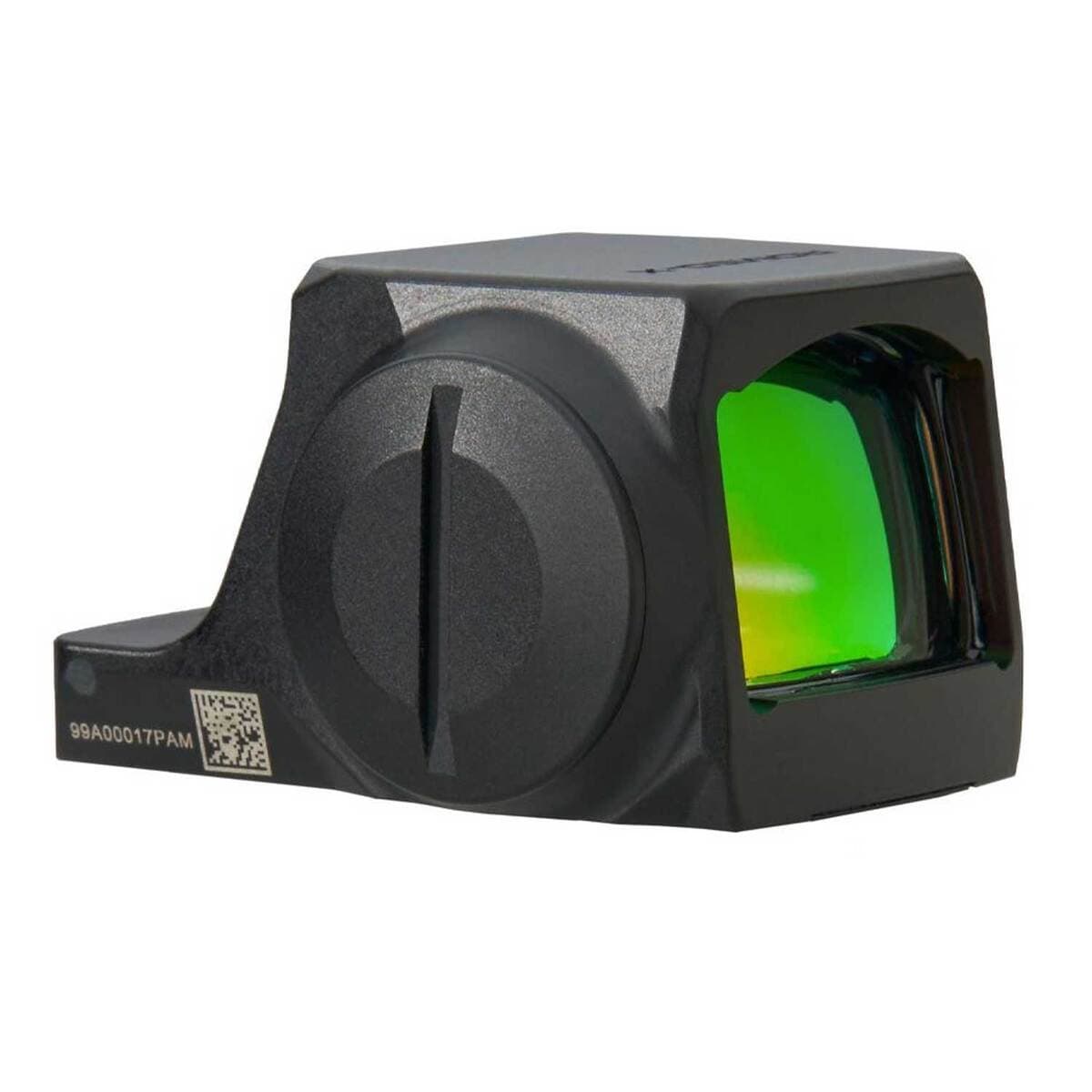
SIG ROMEO-X Compact Enclosed
- 3 MOA / 6 MOA / Circle Dot
- Enclosed emitter
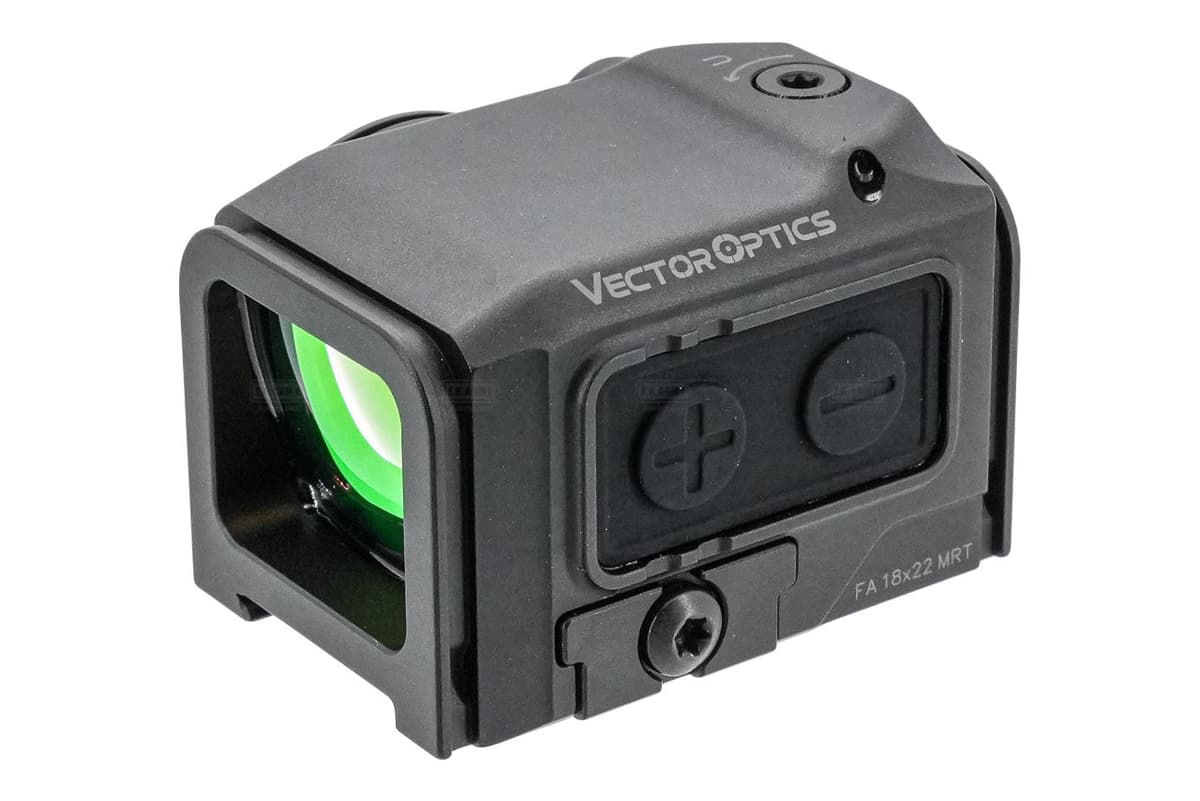
Vector Optics Frenzy FA Enclosed (SCRD-M75)
- 2 MOA dot / 65 MOA circle
- 18x22mm enclosed window
Affiliate links (?)
Steiner MPS 2.0 Specifications
Steiner MPS 2.0
| Reticle | 3.3 MOA or 2 MOA red dot |
| Magnification | 1x |
| Objective Lens | 21 x 16 mm |
| Battery | CR2032 |
| Battery Life | 90,000 hrs @ level 4; 27,000 hrs @ max |
| Brightness Settings | 8 manual (6 day/night, 2 NV) |
| Click Value | 1 MOA |
| Elevation Travel | 90 MOA |
| Windage Travel | 90 MOA |
| Weight | 2.32 oz |
| Footprint | Aimpoint ACRO |
| Waterproof | 35 meters |
| Operating Temperature | -40degF to 140degF |
| Auto Shutoff | 15 hours (can be disabled) |
| Parallax | Fixed at 25 m |
| Dimensions | 45 x 31.6 x 31.9 mm |
| Item Number | 8700000040 (3.3 MOA); 8700000042 (2 MOA) |
| MSRP | $631.99 |
| Country of Manufacture | Germany |
Steiner MPS 2.0 vs Aimpoint ACRO P-2
The MPS 2.0 beats the Aimpoint ACRO P-2 on rated battery life by a wide margin, 90,000 hours against 50,000, and runs a slightly smaller 3.3 MOA dot against the ACRO's 3.5 MOA. Both are enclosed-emitter optics on the same ACRO footprint, both are submersible to 35 meters, and both run a CR2032, so plate and slide cut compatibility is identical between them.
The ACRO P-2 holds two measurable advantages. It is lighter at 2.2 oz against 2.32 oz, and it carries four night-vision settings against the Steiner's two. It has also been on the market longer, which matters if you weight accumulated field reporting over spec sheets. Current catalog pricing runs $710 for the ACRO P-2, and the two optics sit in the same bracket at MSRP.
The practical read: if you are choosing between them today and runtime is your deciding factor, the MPS 2.0 is the stronger spec sheet. If you want the optic with the longest field history in the enclosed ACRO category, that is still Aimpoint. Our ranked pistol red dot guide covers how both compare against RMR and RMSc footprint options, and you can compare specs side by side if you are cross-shopping footprints.
Availability and Footprint Notes
The MPS 2.0 carries a $631.99 MSRP under item number 8700000040, the same MSRP as the original MPS, and Steiner builds it in Germany. That holds the MPS line in the same bracket as the Aimpoint ACRO P-2 rather than moving it upmarket for the longer runtime.
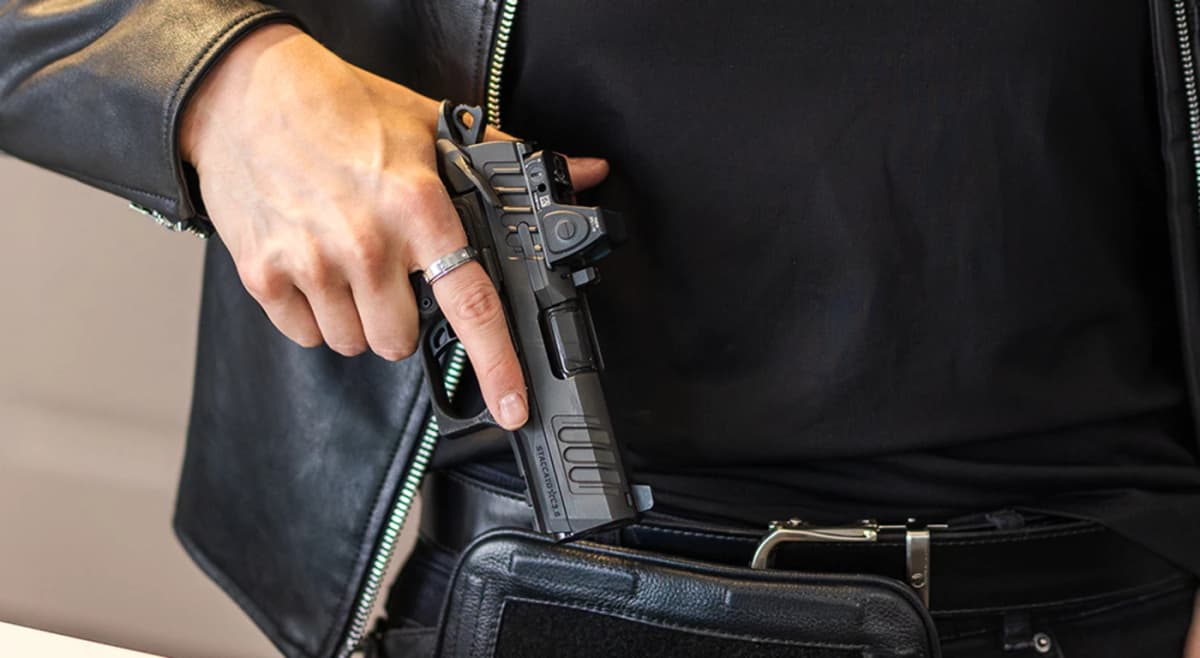
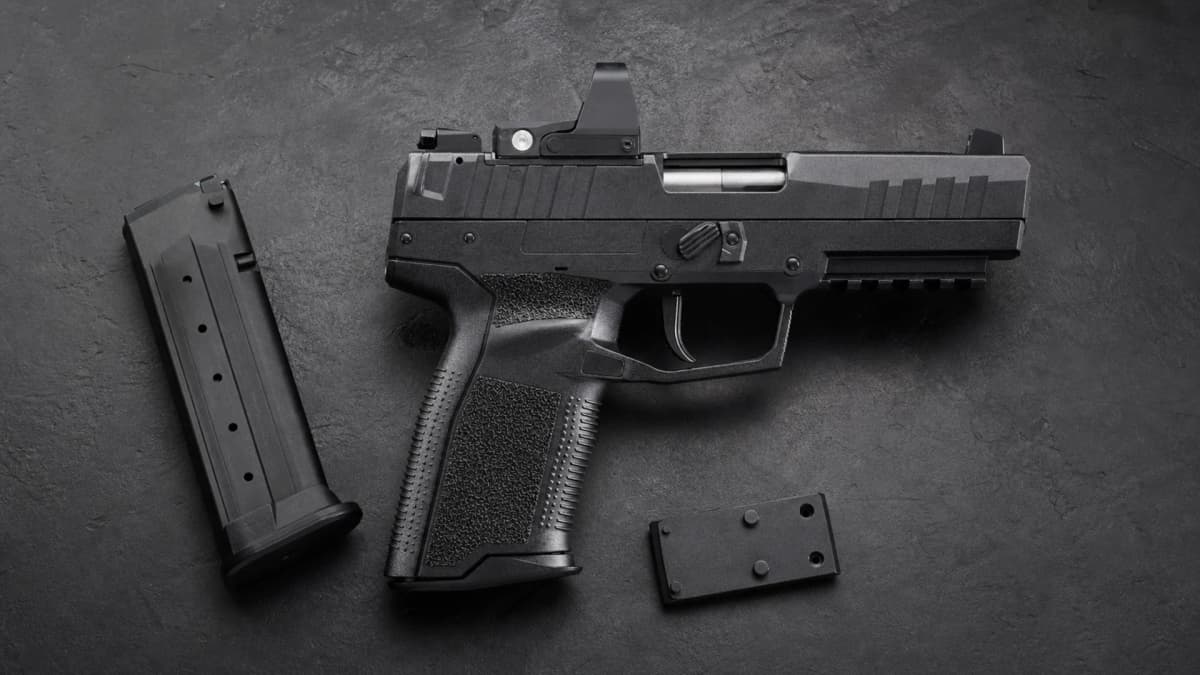
The ACRO footprint is the constraint worth understanding before you buy. It is not interchangeable with the RMR or RMSc cuts that dominate optics-ready slides, so the MPS 2.0 either needs a factory ACRO cut or a dedicated ACRO adapter plate. Pistols with direct ACRO support or readily available plates include the SIG P320, Glock MOS models, the CZ P-10 series, HK VP9, Walther PDP, Springfield Echelon, and Staccato. If your slide is cut for an RMR, an ACRO-pattern optic adds plate height that an RMR-footprint dot would not.
One detail that trips people up: the Steiner MPS recoil lug is marginally wider than the Aimpoint ACRO's, so ACRO and MPS are not perfectly interchangeable across every plate. Plate makers widened the lug slot by about 0.002 inches once the MPS reached wide release, and most current plates list Aimpoint ACRO and Steiner MPS together. Older ACRO-only plates that predate the MPS can run tight. Buy a plate that names the Steiner MPS rather than assuming the footprint label is enough.
Stay Updated on Pistol Optics
We cover new red dot releases, footprint compatibility changes, and hands-on results as optics reach dealers.
Frequently Asked Questions
▶What is the Steiner MPS 2.0?
▶What is the difference between the Steiner MPS and the MPS 2.0?
▶What battery does the Steiner MPS 2.0 use?
▶What pistols does the Steiner MPS 2.0 fit?
▶Is the Steiner MPS 2.0 better than the Aimpoint ACRO P-2?
▶Is the Steiner MPS 2.0 night vision compatible?
Bottom Line
The MPS 2.0 fixes the two things people actually complained about on the first MPS: the short-lived CR1632 and the small buttons. Getting 90,000 rated hours out of a standard CR2032, while holding the same $631.99 MSRP, moves the MPS from a value alternative to the ACRO P-2 into a genuine spec-sheet leader in the enclosed ACRO category.
The tradeoffs are real and worth naming. It is the heaviest of the three optics in this comparison at 2.32 oz, it carries two night-vision settings against the ACRO P-2's four, and the ACRO platform has the longer track record in the field. For a carry or duty gun with an ACRO cut where you want to mount the optic and stop thinking about the battery, this is the strongest argument Steiner has made in the category. Shooters running competition pistols in Carry Optics should weigh the added weight against the runtime benefit, since match guns get charged between stages anyway.