Key Takeaways
- →Live September 1, 2026: Varusteleka's US shipping policy took effect on that date. American orders now ship from a warehouse inside the United States instead of crossing from Helsinki.
- →No customs step on the parcel: A shipment that originates inside the United States is not an import, so the order is not itself subject to duty or a customs entry.
- →One to three business days: Published US policy for processing and shipping an order, excluding weekends and US public holidays.
- →Follows the de minimis suspension: The US suspended duty-free treatment for low-value shipments from all countries on August 29, 2025, which made cross-border orders ordinary dutiable imports.
- →Announced through Forgotten Weapons: Ian McCollum published "Announcing Varusteleka's US Expansion" to his 3.2-million-subscriber Forgotten Weapons channel.
What Changed on September 1
Varusteleka now fills United States orders from a warehouse inside the United States. The company's US shipping policy, effective for orders placed on or after September 1, 2026, states that goods are shipped directly from the US warehouse, that orders are typically processed and shipped within one to three business days excluding weekends and US public holidays, and that shipping is free above a published order threshold.
The practical difference is where the border sits. Until now, an American buying a Finnish field shirt was importing it personally: the parcel crossed as its own shipment and cleared US customs on arrival, with whatever duty applied to that item riding on the order. A parcel that ships from inside the country is not an import at all. Whatever import formalities apply now happen upstream, before the goods reach the warehouse, and what lands on the doorstep is a domestic package.
Why a US Warehouse, and Why Now
The timing tracks a tariff rule change rather than a sales milestone. The United States suspended duty-free de minimis treatment for low-value shipments from all countries on August 29, 2025, following an executive order signed on July 30 of that year. China and Hong Kong had already lost the exemption on May 2, 2025. Before that, a low-value parcel entered the country duty-free with minimal paperwork, which is the mechanism that had kept buying directly from a European retailer cheap.
Once the exemption lapsed, those parcels became ordinary dutiable imports requiring a customs filing, and several product categories carry additional tariff measures on top of the base rate. Duty on a single jacket is a rounding error to a carrier and a real number to a customer. Holding stock stateside moves that formality off the individual order and upstream of the customer entirely, which is the only version of this a retailer can sell against.
What Varusteleka Actually Makes
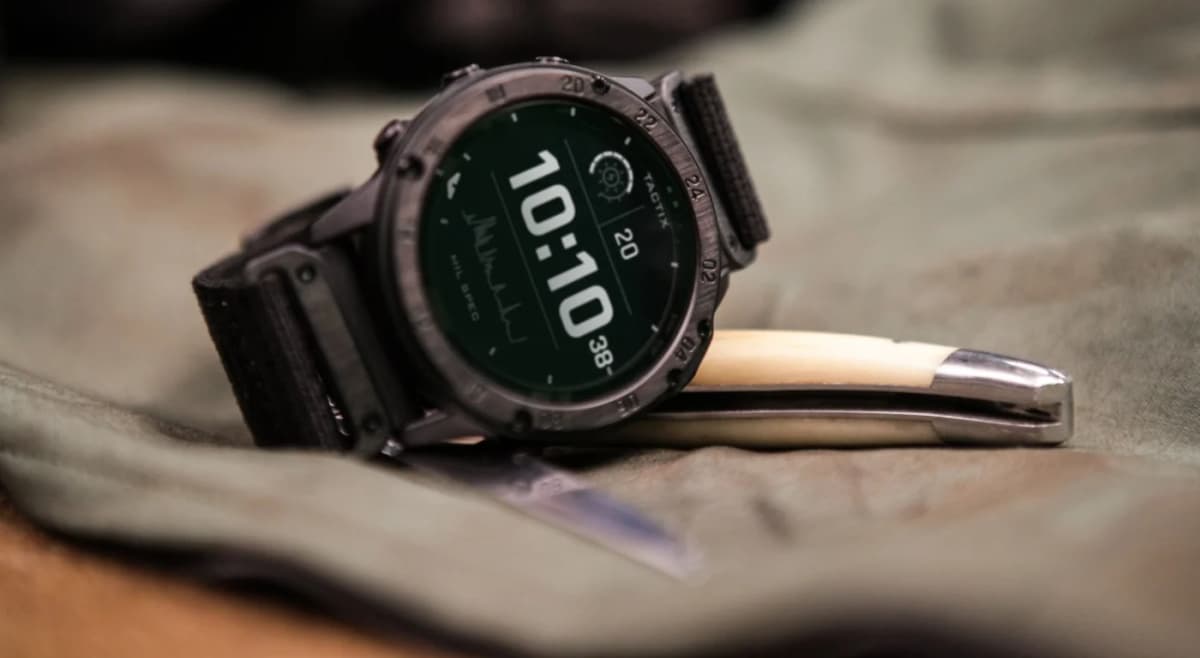
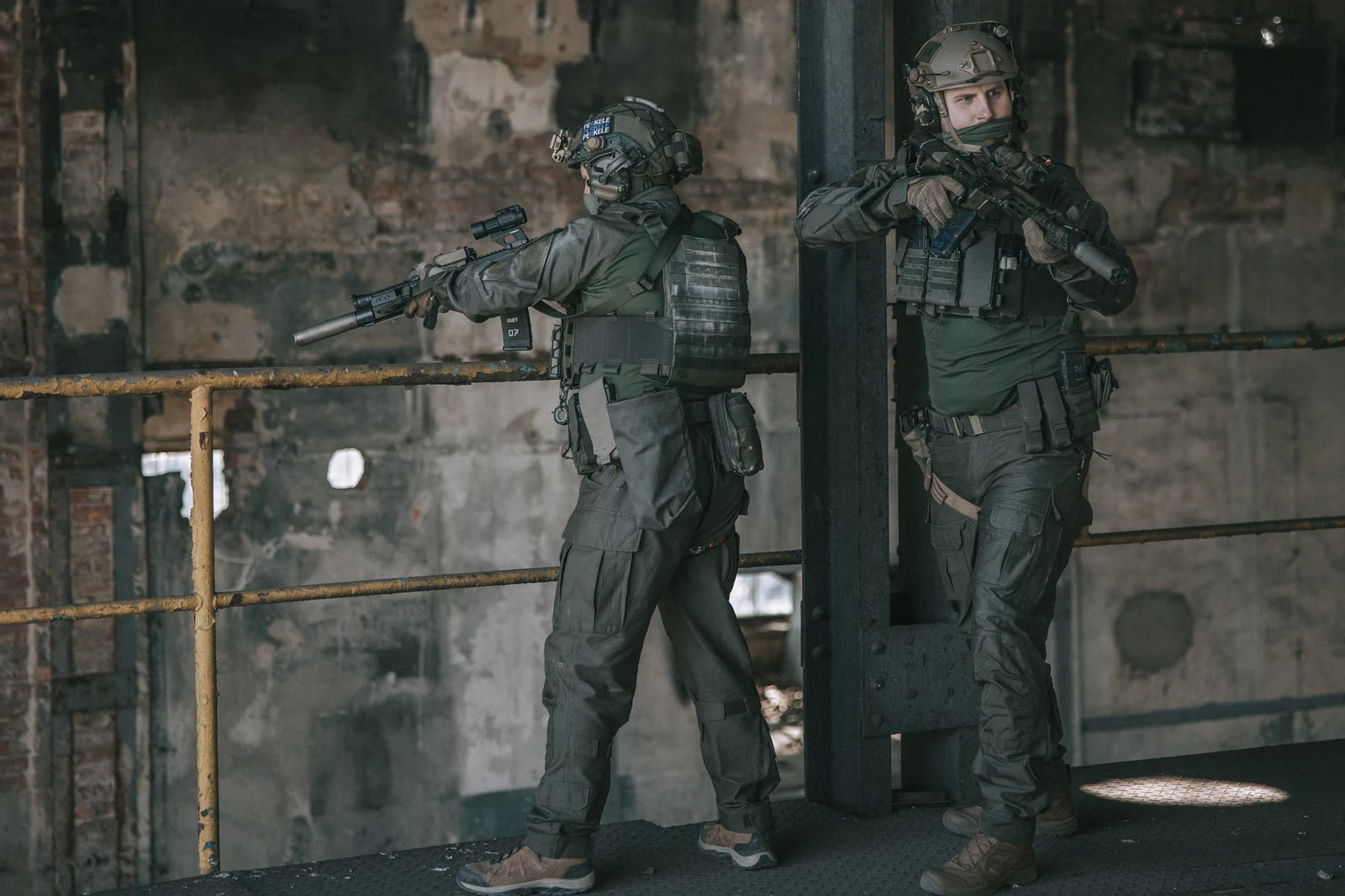
Varusteleka started in 2003 as a Helsinki military surplus dealer and built its early reputation on unusually blunt product copy, the kind that told you a surplus jacket smelled like a basement. It has since become a manufacturer. By its own 2023 figures the company ran a turnover of 20.4 million euros with more than 70 employees, and shipped 926,496 products to 91 countries.
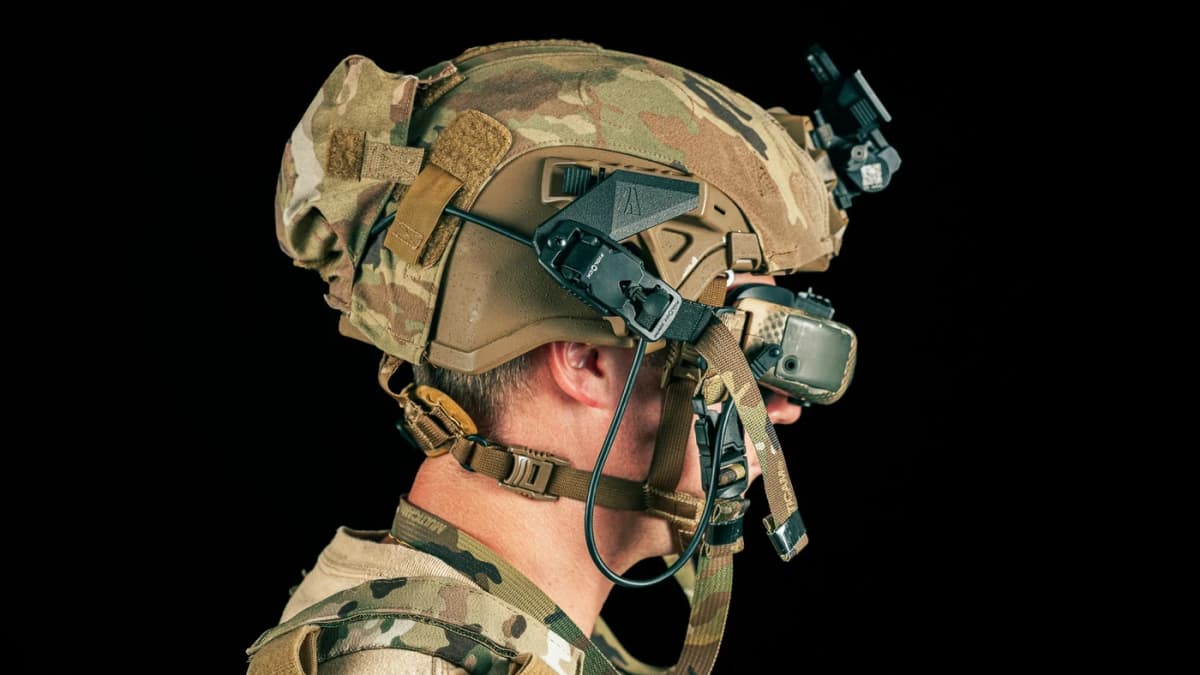
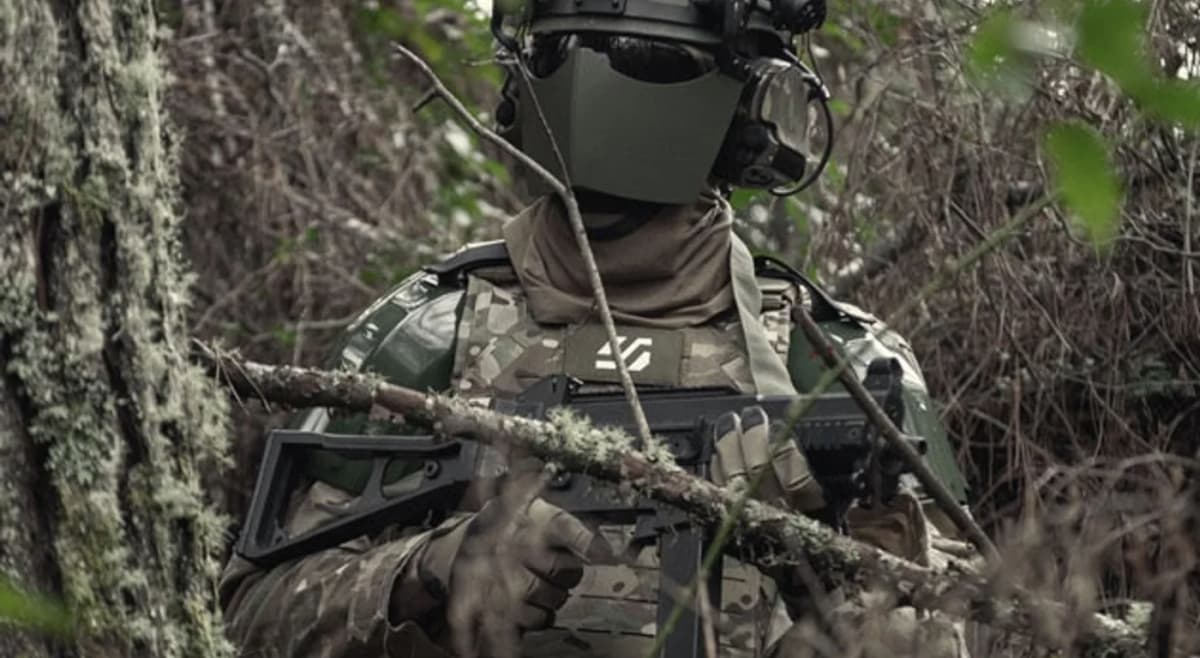
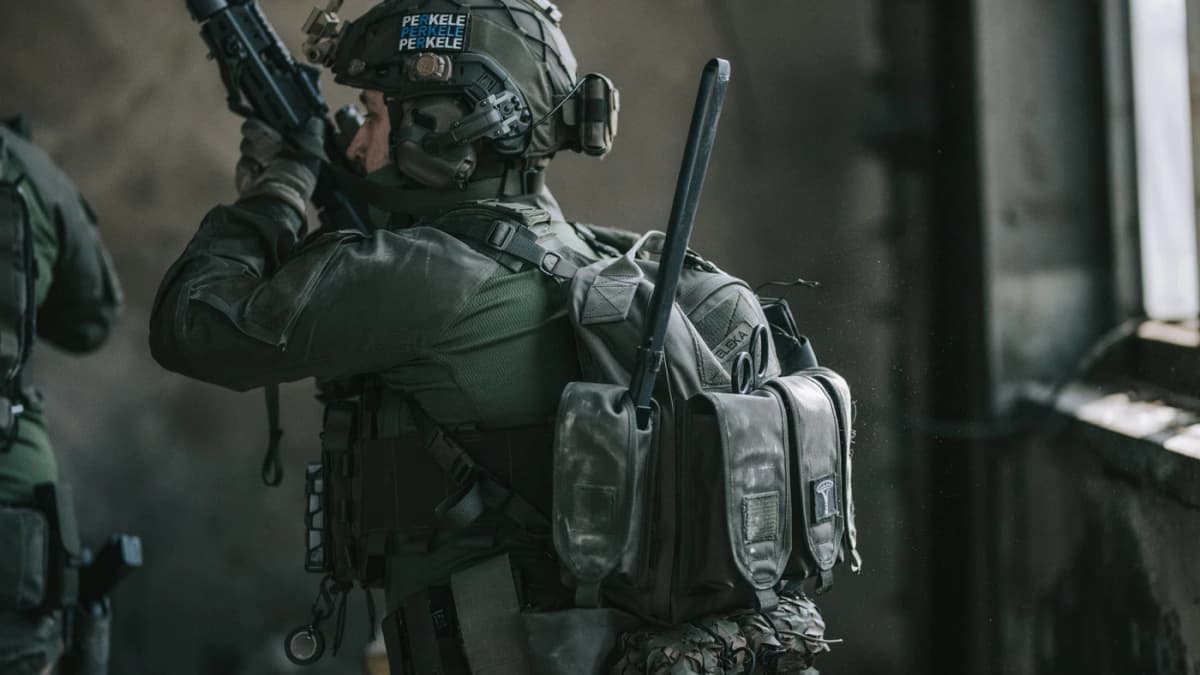
The in-house lines are Sarma for general outdoor use and Sarma TST for military and law enforcement users. The line is visibly built around Finnish military equipment: the layering numbers and the M05 camouflage patterns are the Finnish Defence Forces' own. Varusteleka describes its own products as designed for demanding military operators and says they also draw law enforcement officers, reservists, and outdoorspeople.
On manufacturing, the company's own wording is more measured than the marketing shorthand that circulates around it. Varusteleka states that it is in the process of moving all production to Europe and that most of this has already been completed, citing supply chain security and production transparency. Items that are EU-made carry a Made in EU marking on the listing, which is the reliable way to check a specific piece rather than assuming the whole catalog qualifies.

What This Means for American Buyers
The gear was always available; what changes is the distance and the duty. An order no longer crosses an ocean and a customs queue to reach a doorstep, which takes international transit and clearance time out of the delivery estimate entirely. The duty that a cross-border order carried since August 2025 now sits upstream of the order, rather than attaching to one jacket at the border.
Two things still deserve a look before ordering. Returns are governed by a separate Return and Refund Policy rather than the shipping policy, so read that document rather than assuming a domestic warehouse means domestic returns handling. Carrier coverage also has documented exclusions: the policy notes that some locations and address types may be excluded based on carrier availability or product restrictions.
If you are assembling field kit around a rifle rather than buying clothing alone, the load-carriage side is where the two catalogs meet. A sling is the one piece of soft goods that changes how a carbine handles under a pack, and our ranked AR-15 sling guide covers the two-point and convertible designs that work with a plate carrier. For cold and wet season work where the clothing decision and the rifle decision are the same decision, the deer hunting checklist runs through the full field loadout, and the long range shooting primer covers the positional gear that pairs with it.
Slings and Load Carriage
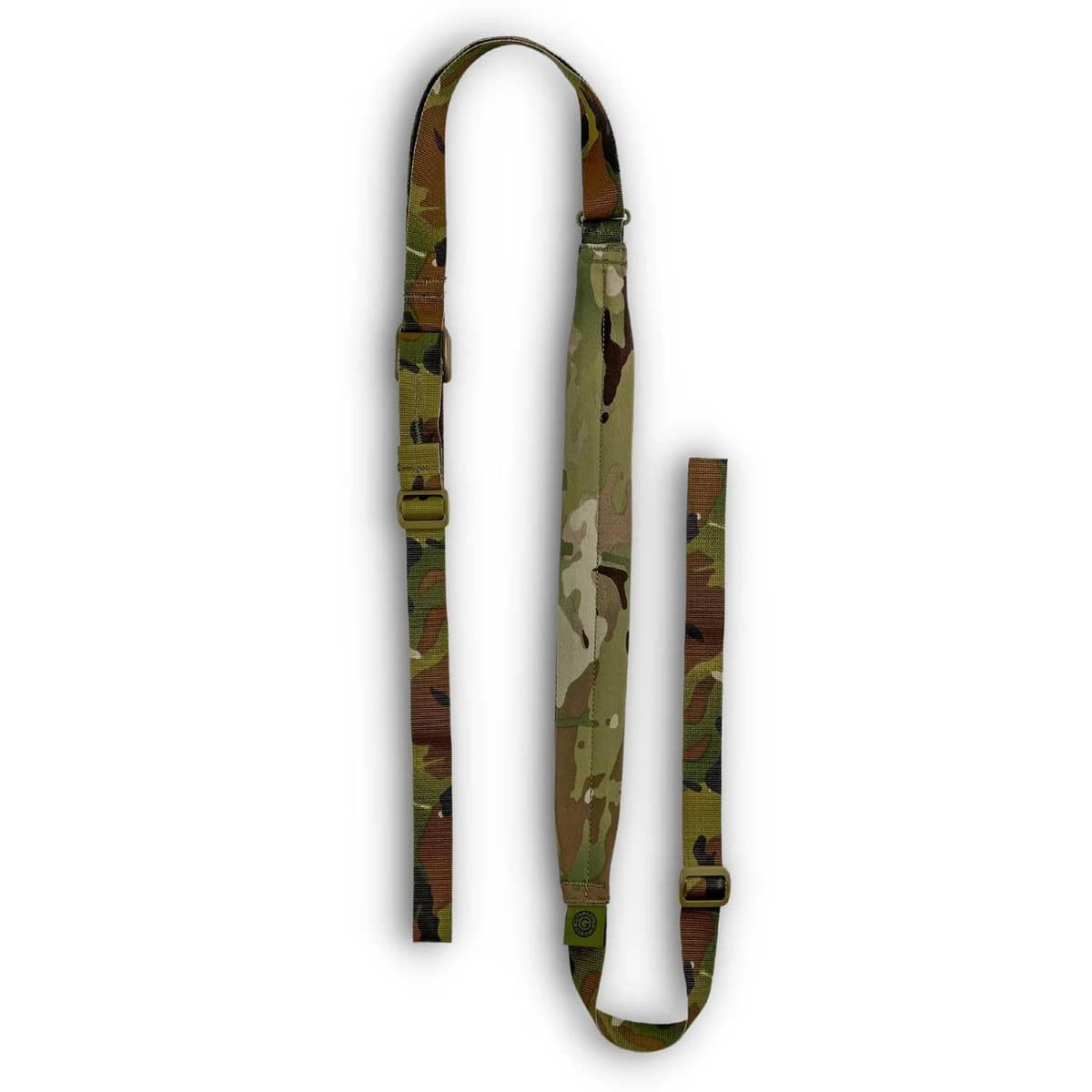
GBRS Group Second Best Sling
- 2.7 oz
- 40" of travel on the forward lead
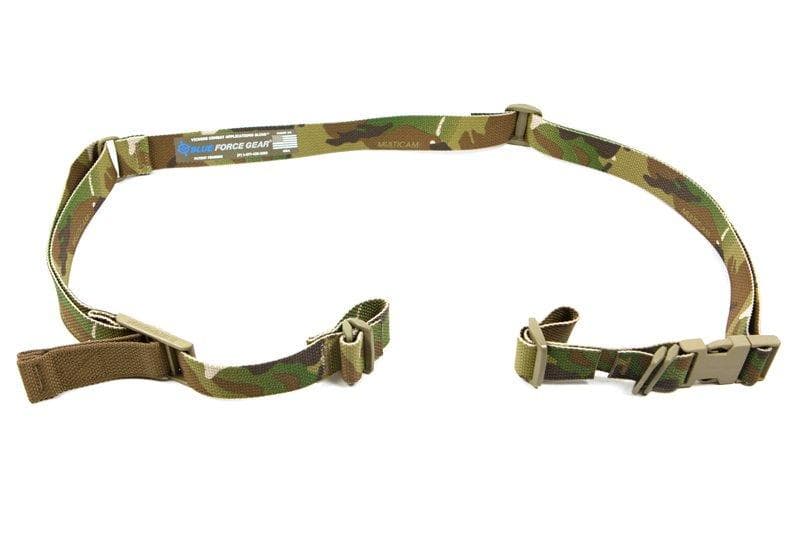
Blue Force Gear Vickers Sling
- Padded shoulder section
- Quick-adjust slides
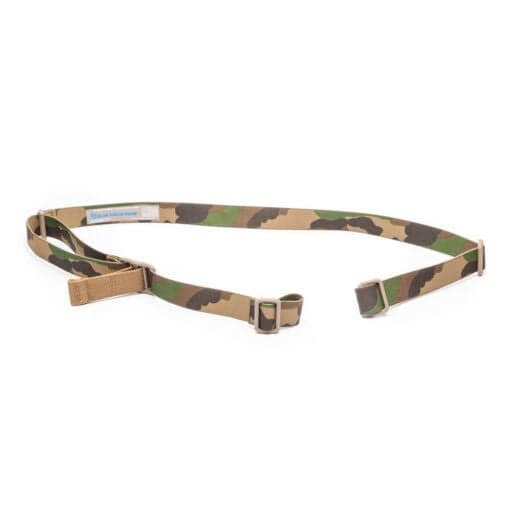
Blue Force Gear Vickers Unpadded Sling
- Lightweight nylon
- Quick-adjust slides
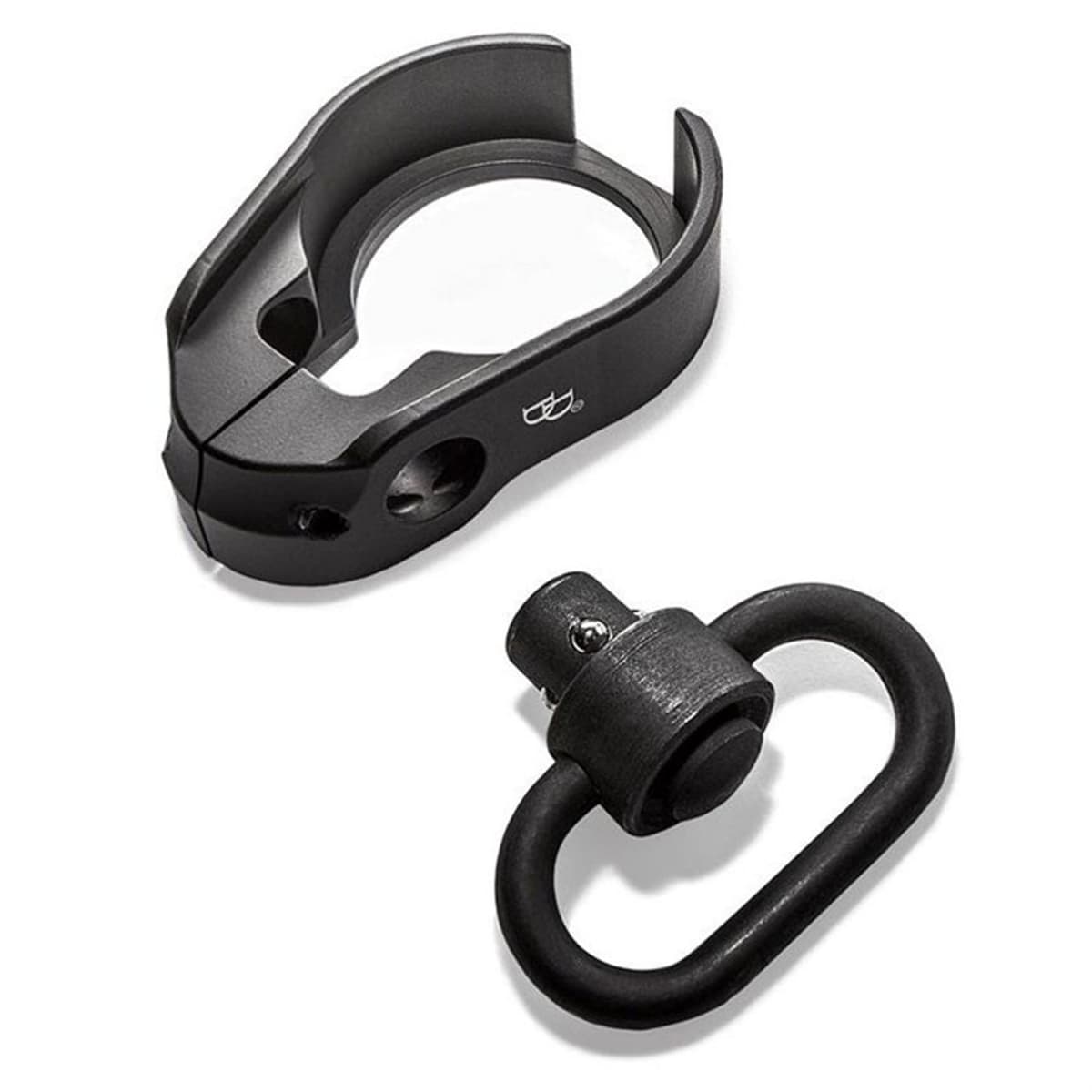
Daniel Defense Carbine Sling
- Nylon webbing
- GRIP-N-RIP adjustment pull
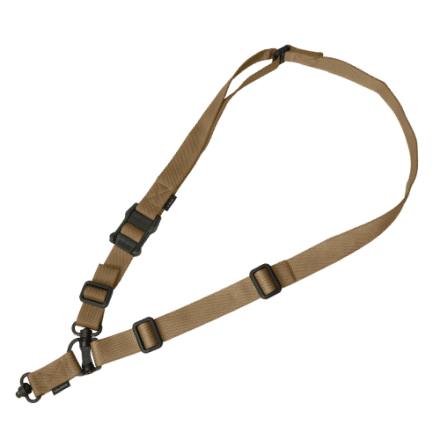
Magpul MS4 Dual QD Sling
- Dual QD swivels
- Convertible design
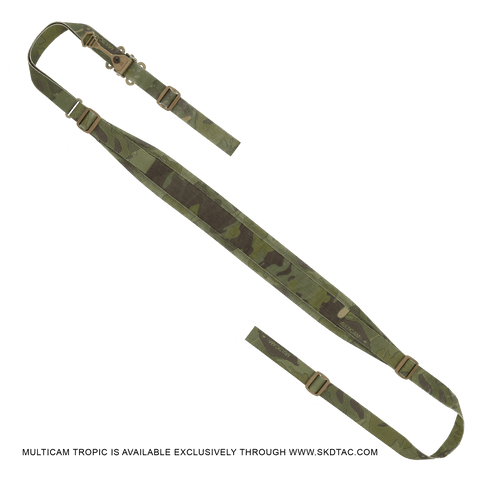
Ferro Concepts Slingster
- Padded section
- Silent adjustment
Affiliate links (?)
Stay Updated on Gear and Industry Moves
Launches, tariff changes, and distribution news that affect what you can actually buy, sent when it happens.