Key Takeaways
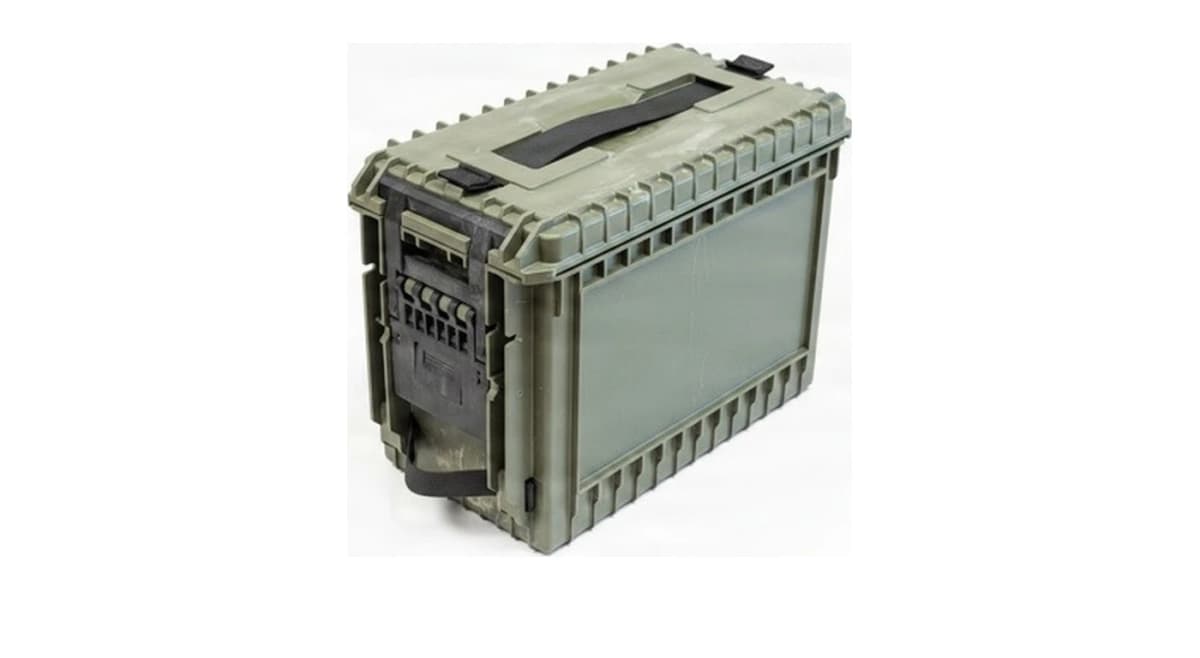
- →What It Is: Two lightweight polymer ammunition containers, or PACs, held inside a steel outer pack. It is called SixPAC because it was built for 6.8mm.
- →The Wirebound Box Is Gone: SixPAC drops the wood wirebound overpack, which had to be assembled by hand, frequently required remediation, was susceptible to mold, and depended on chemical wood preservative treatments.
- →Weight: The polymer inner tactical containers are expected to weigh about half of the legacy steel M2A2.
- →Supply Base: More than 800 injection molders in the United States are likely capable of producing the polymer inner packs, against a far narrower base for wirebound wood.
- →Status: Soldiers tested the system through 2024 and 2025. The polymer design is still in refinement, including a patent-pending polymer rectangular container, or PRC.
- →What You Can Buy Now: A Grade 1 surplus steel M2A1 runs $17.99 with a genuine gasket seal, and the polymer MTM AC50C runs $15.99.
What the SixPAC Actually Is
The SixPAC is two lightweight polymer ammunition containers held inside a single steel outer pack. The Army calls each polymer container a PAC, and the system takes its name from the 6.8mm ammunition it was designed around. The U.S. Army Combat Capabilities Development Command Armaments Center unveiled it on August 26, 2026 at Picatinny Arsenal, New Jersey, and describes it as the first major overhaul of small caliber ammunition packaging since World War II.
The split is deliberate. The polymer inner pack is the tactical container, the one a soldier actually picks up and carries to a position, so it is optimized for weight and for cheap high-volume manufacturing. The steel outer pack is the logistics container, the one that rides a pallet, so it is optimized for density and durability. Steel lets more containers and more ammunition fit on a pallet than the wood overpack it replaces, and steel has a substantially larger supplier base than wirebound wood.
The Armaments Center is starting with 6.8mm and plans to adapt the architecture across multiple legacy small caliber ammunition production lines once it is proven there. That is the part with long-term consequences: 5.56 and 7.62 are legacy small caliber lines.
Why the Wood Wirebound Box Is Being Retired
The wirebound box was the problem SixPAC was built to solve. It had to be assembled manually, it frequently required remediation, and it was susceptible to mold. Keeping it serviceable meant chemical wood preservative treatments, which carry their own environmental cost and their own supply chain exposure if a treatment chemical becomes hard to source.
None of that is a new complaint. What changed is the combination behind it: supply chain vulnerabilities, rising costs, and a requirement to operate across widely varying climates pushed the Army to re-evaluate packaging it had otherwise left alone for roughly eighty years. Wood is a commodity with a thin qualified supplier base for this application, hand assembly does not scale on demand, and mold remediation is labor spent on a container that gets discarded.
Removing the wirebound box also removes the last consumable step in the chain. A steel outer pack and injection molded polymer inner packs are both machine-made, both dimensionally repeatable, and neither one needs a chemical treatment to survive storage.
Half the Weight of the Legacy M2A2
The inner tactical polymer containers are expected to weigh about half of the legacy steel M2A2. That is the headline number, and it lands on the soldier first. Ammunition weight is fixed, so every ounce saved on the container is an ounce that comes off an already weight-burdened load, or an ounce of ammunition that can be carried instead.
The second-order effect is platform reach. On light watercraft and aircraft, weight decides whether a platform can launch at all and how agile it is if it has to fight. Soldiers who handled the SixPAC during testing made the point directly, noting that aboard watercraft or aircraft every ounce counts and that lighter packaging means more ammunition on board.
The trade is the one every shooter who has compared a steel can to a polymer one already knows. Steel resists puncture and crushing better than polymer does, which is exactly why the Army kept steel for the outer pack that takes handling abuse on a pallet and moved polymer inboard where weight matters more than impact resistance. The same logic drives the buying decision on the civilian side, and our ammo can guide ranks both materials on it.
Polymer Was Not the Obvious Choice
Polymer is less proven in U.S. military packaging than it is in other countries, and the reason is the mission profile rather than the material. The U.S. has to be ready to fight anywhere on short notice, across climates with different failure modes, and the packaging has to hold up in all of them after years in storage. A polymer that passes in one environment and embrittles in another fails the standard.
The team tested several materials and collected feedback from user communities before settling on a polymer inner pack with a steel outer pack. The specific polymer came out of earlier container work and has considerable headroom, according to mechanical engineer and polymer designer Edward Lucas, who framed the material itself as a moving target.
The practical read is that the polymer is not locked. The team intends to keep evaluating alternatives if something more advantageous shows up, which is a different posture from standardizing on one compound and freezing the drawing.
800 Injection Molders: the Supply Chain Argument
More than 800 injection molders in the United States are likely capable of producing the polymer inner packs. That number is the real argument for the design, and it is a procurement argument rather than an engineering one. A wide qualified base means competition on price, lower barriers to entry for new suppliers, and no single point of failure when one plant goes down.
The manufacturing footprint is what makes that possible. Polymer inner packs are formed largely through injection molding, with most components produced from a single custom mold rather than a dedicated fabrication line. The same press runs other products when the mold is swapped out, so a supplier does not need to build a plant around ammunition packaging to bid on it. That is the opposite of the wirebound box, where the tooling and the labor were specific to the box.
Injection molding also automates cleanly, which is the other half of the cost story. Hand assembly sets a floor on unit cost and a ceiling on surge capacity. Molding removes both.
Where the Program Stands
Soldiers had hands on the SixPAC throughout 2024 and 2025, and the feedback was largely positive. The polymer inner pack design is still being refined, with ongoing evaluation of options including the patent-pending polymer rectangular container, or PRC. The Armaments Center plans to keep investing in multiple PAC designs rather than converging on one immediately.
It also plans to publish what it learns. Performance requirements, dimensional constraints, and lessons learned are to be shared with industry, which is how you get 800 molders to actually bid rather than 800 molders who theoretically could. The program lead on the packaging effort is Senior Scientific Technical Manager for Packaging Jason Runell, working with program lead Andriy Vasiyschouk, steel outer pack lead designer Nick Baxter, and small caliber packaging supervisor Karl Weiss.
No fielding date, unit cost, capacity figure, or seal rating has been published for the SixPAC.
What This Means for Ammo Cans You Can Buy
Nothing changes today. The Army has announced no change to current M2A1 or M19A1 production and no date for the legacy line transition, so the Grade 1 surplus steel cans on dealer shelves are the same cans they were last month. A Grade 1 M2A1 is $17.99 and a Grade 1 M19A1 is $15.99.
The longer arc is worth understanding, though, because the surplus market runs on whatever the military stopped using. Steel .50 cal and .30 cal cans are cheap and abundant precisely because the military built enormous quantities of them for decades. If SixPAC propagates across legacy small caliber lines the way the Armaments Center intends, the containers that eventually reach surplus dealers are a different shape: a steel outer pack sized for pallet density, and polymer inner packs that were never meant to be the durable half of the pair.
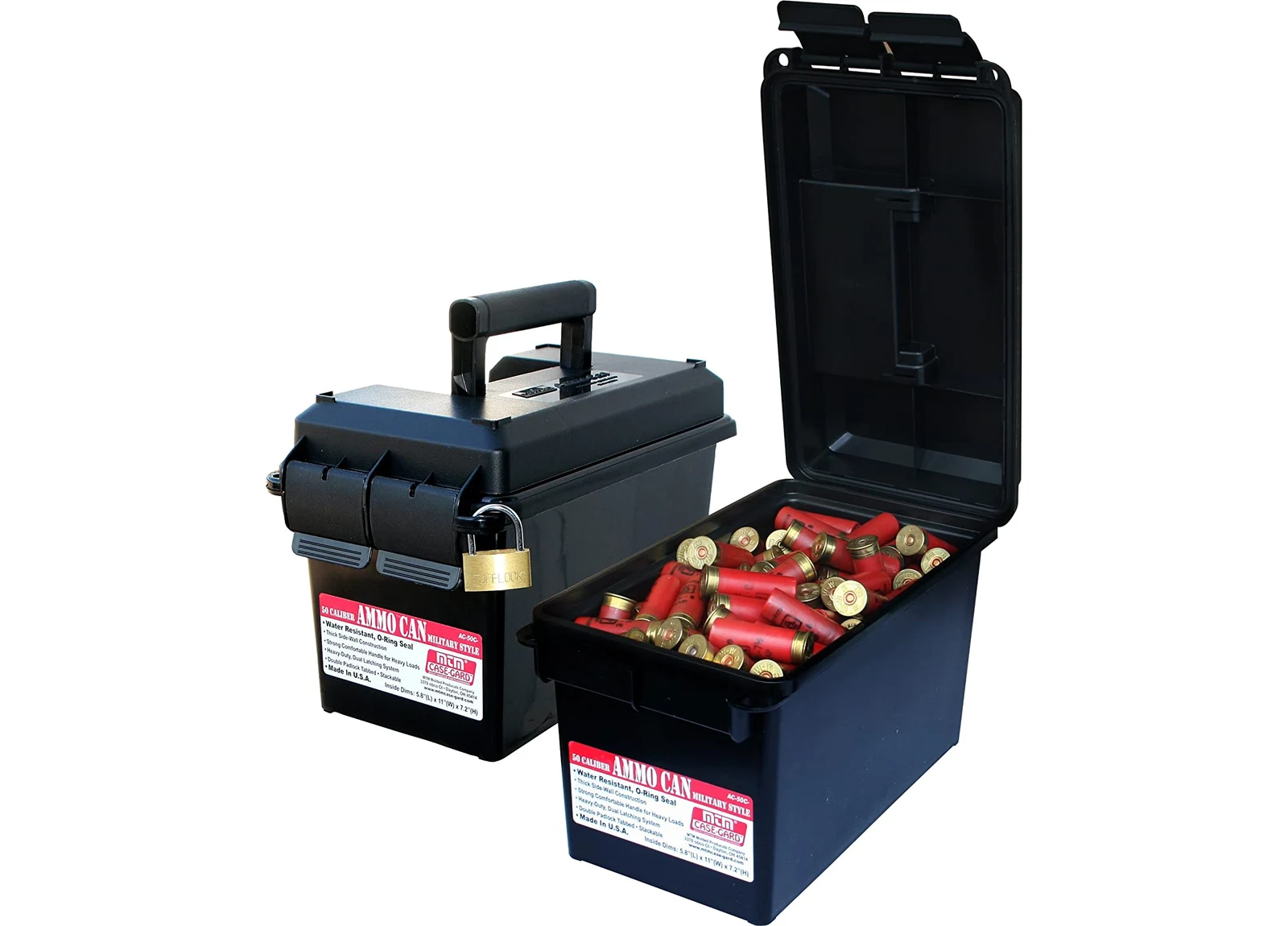
If the SixPAC design brief appeals to you, the commercial equivalent already exists and costs less than a tank of fuel. The MTM AC50C copies the .50 cal surplus footprint in polymer at $15.99, using a tongue-and-groove O-ring seal, dual latches, and a body that cannot rust. MTM rates it at roughly one-third the weight of a steel .50 cal can. The honest limit is the same one the Army worked around by keeping steel outboard: water-resistant is not submersible, and polymer punctures more easily than seam-welded steel.
Buy steel for the cans that sit sealed for years and rarely move, and polymer for the working cans that ride to the range in a truck bed. Whichever you pick, the ammunition inside fails from humidity and corrosion long before it fails from age, so pair the can with a desiccant canister and store it somewhere with a stable temperature. If those cans live in a vehicle, sealed storage and secured storage are different problems, and our car gun safe guide covers the second one. For what to actually put in them, our 5.56 ammo guide breaks down training, defense, and match loads.
Ammo Cans Available Now
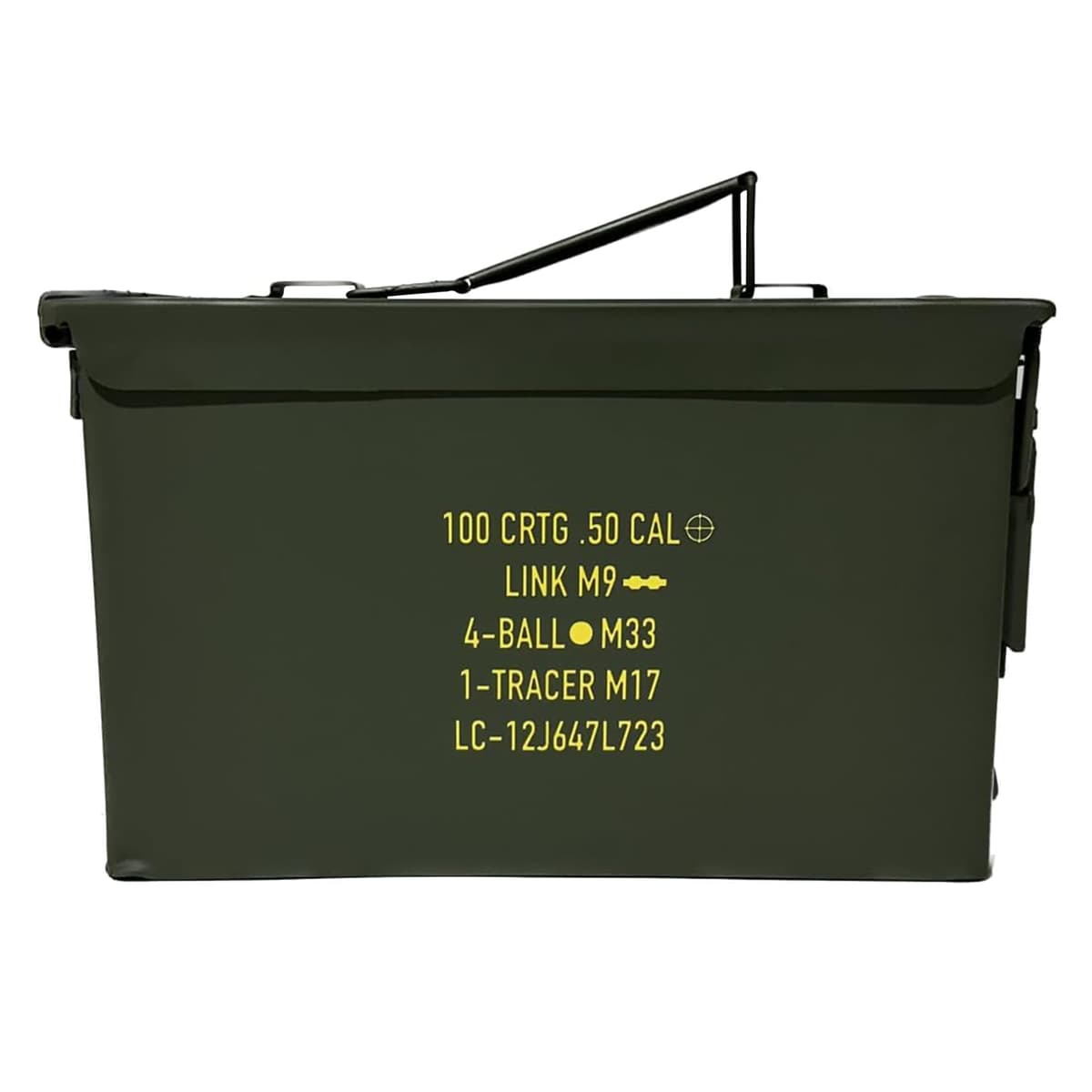
M2A1 .50 Cal Steel Ammo Can (Mil-Surplus, Grade 1)
- Interior 11 x 5.5 x 7 in
- Seam-welded carbon steel body
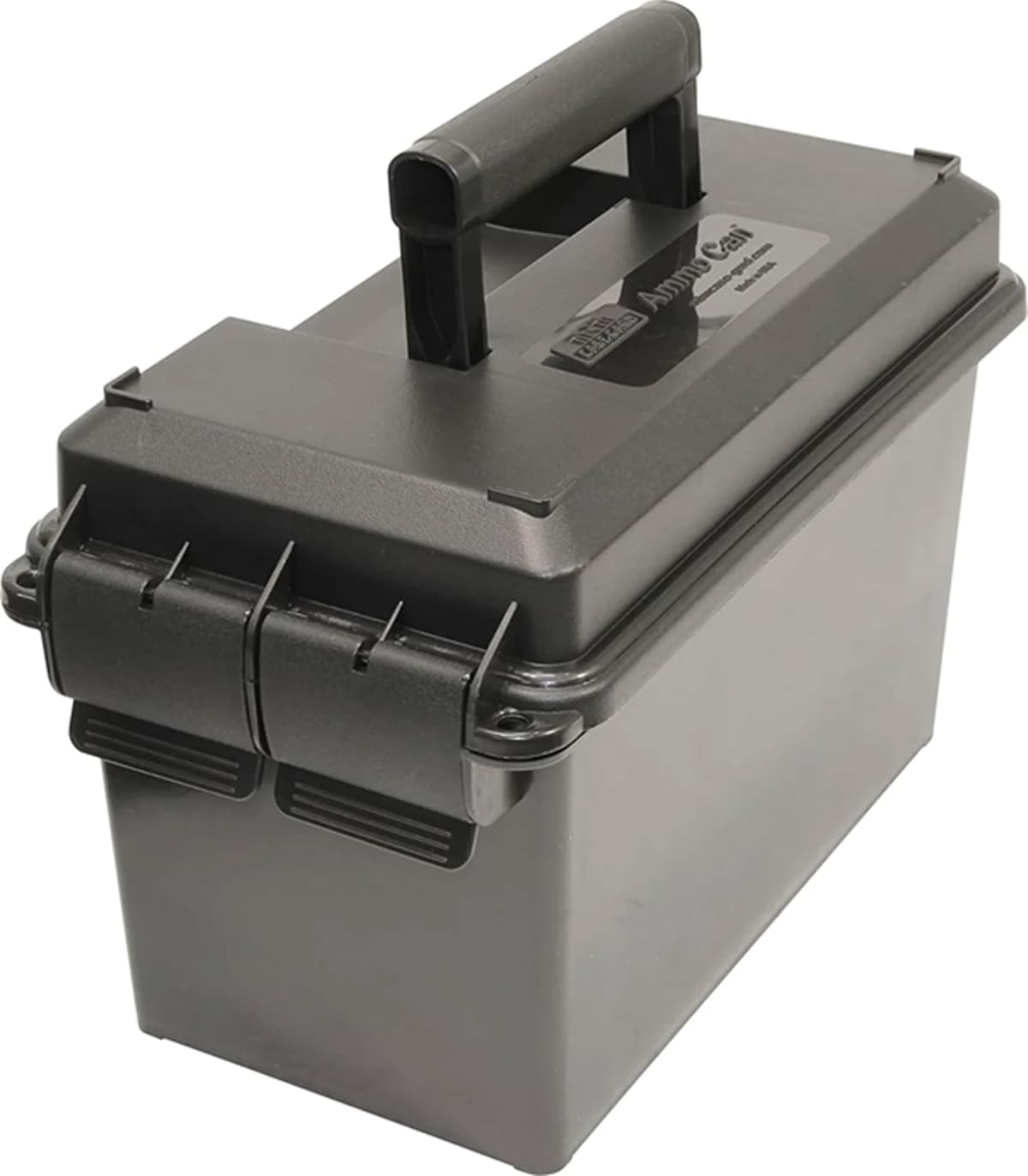
MTM AC50C .50 Caliber Ammo Can
- Exterior 13.5 x 7.4 x 8.5 in
- Rugged polypropylene, USA made
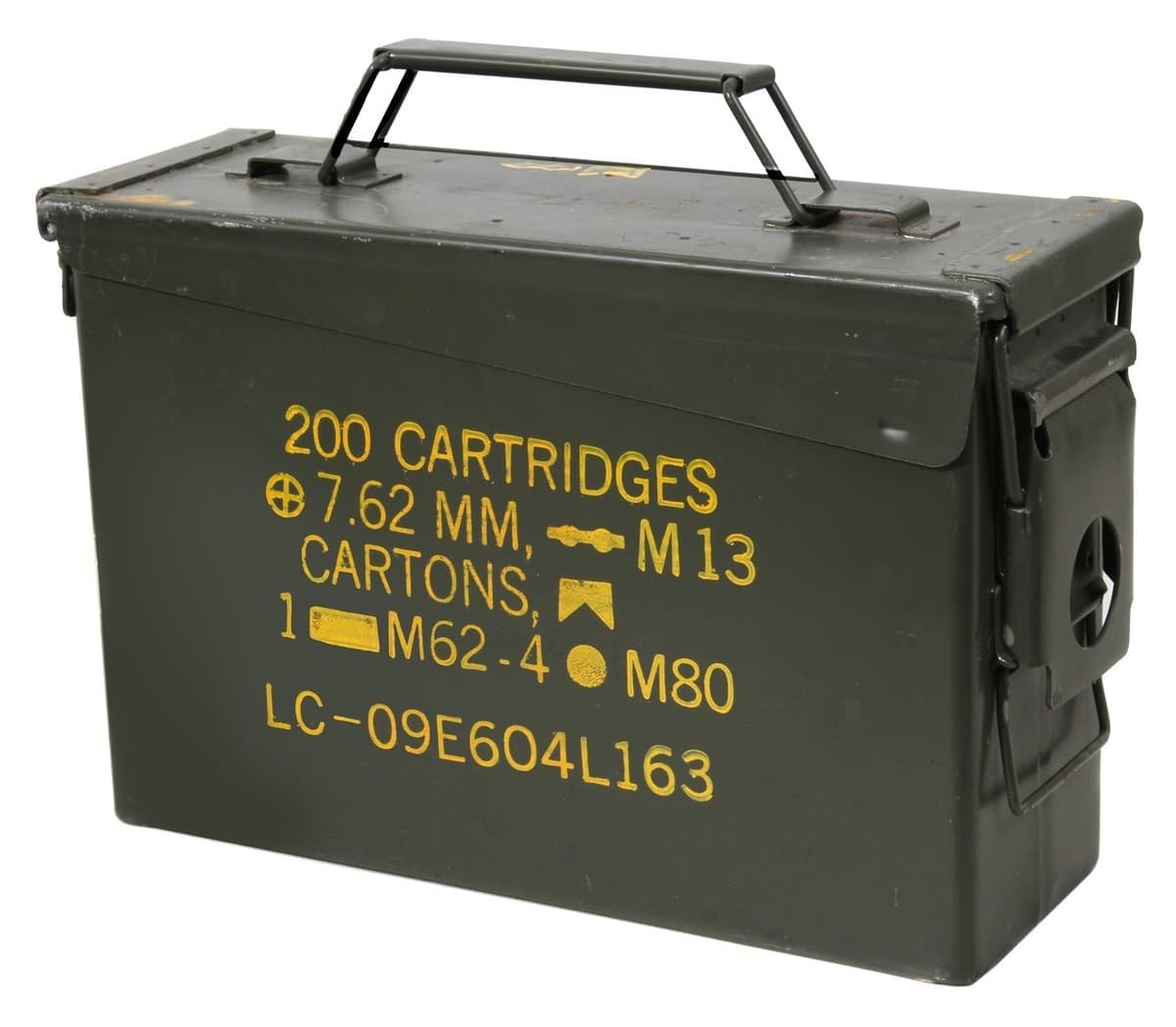
M19A1 .30 Cal Steel Ammo Can (Mil-Surplus, Grade 1)
- Interior ~10 x 3.5 x 6.75 in
- Seam-welded carbon steel body
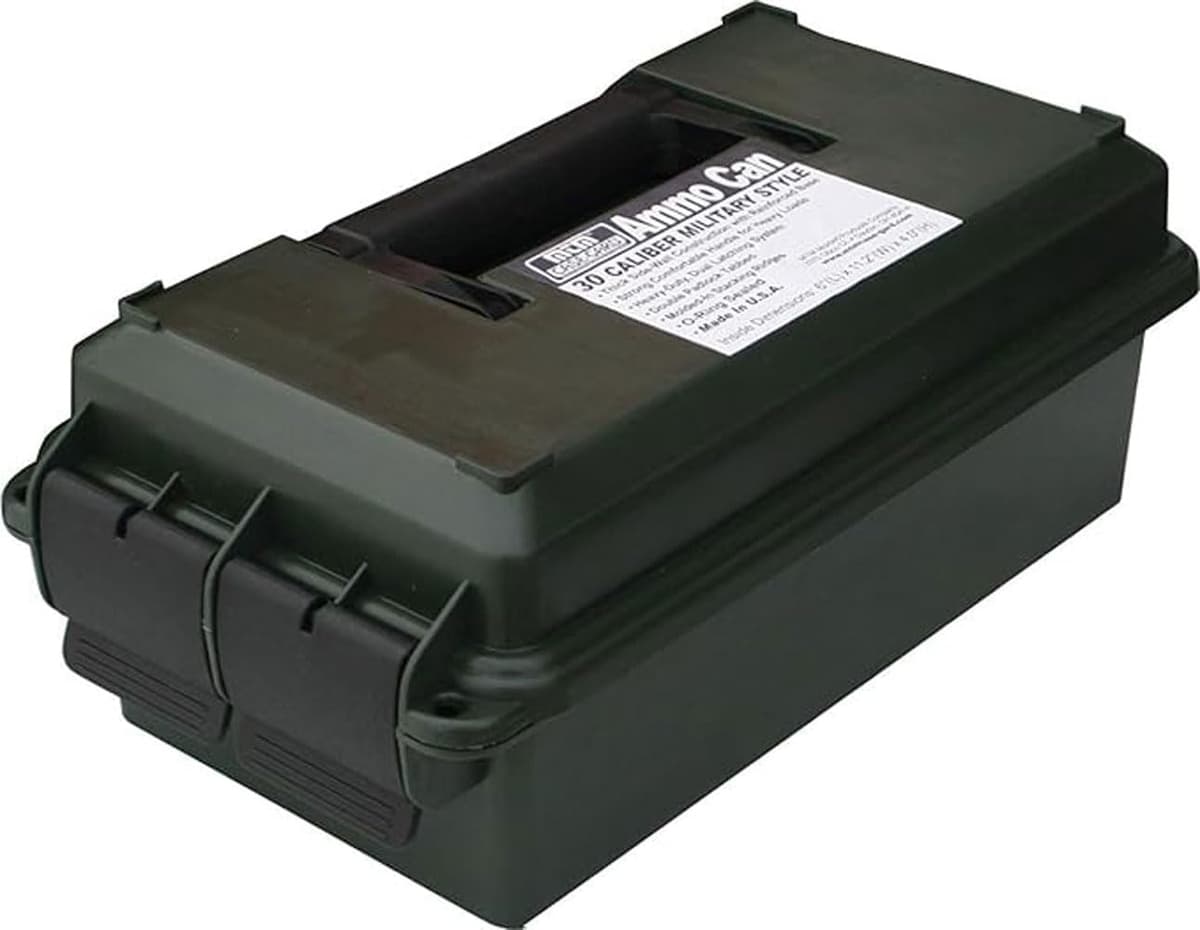
MTM AC30C .30 Caliber Ammo Can
- Exterior 13.5 x 7.4 x 5.1 in
- Rugged polypropylene, USA made
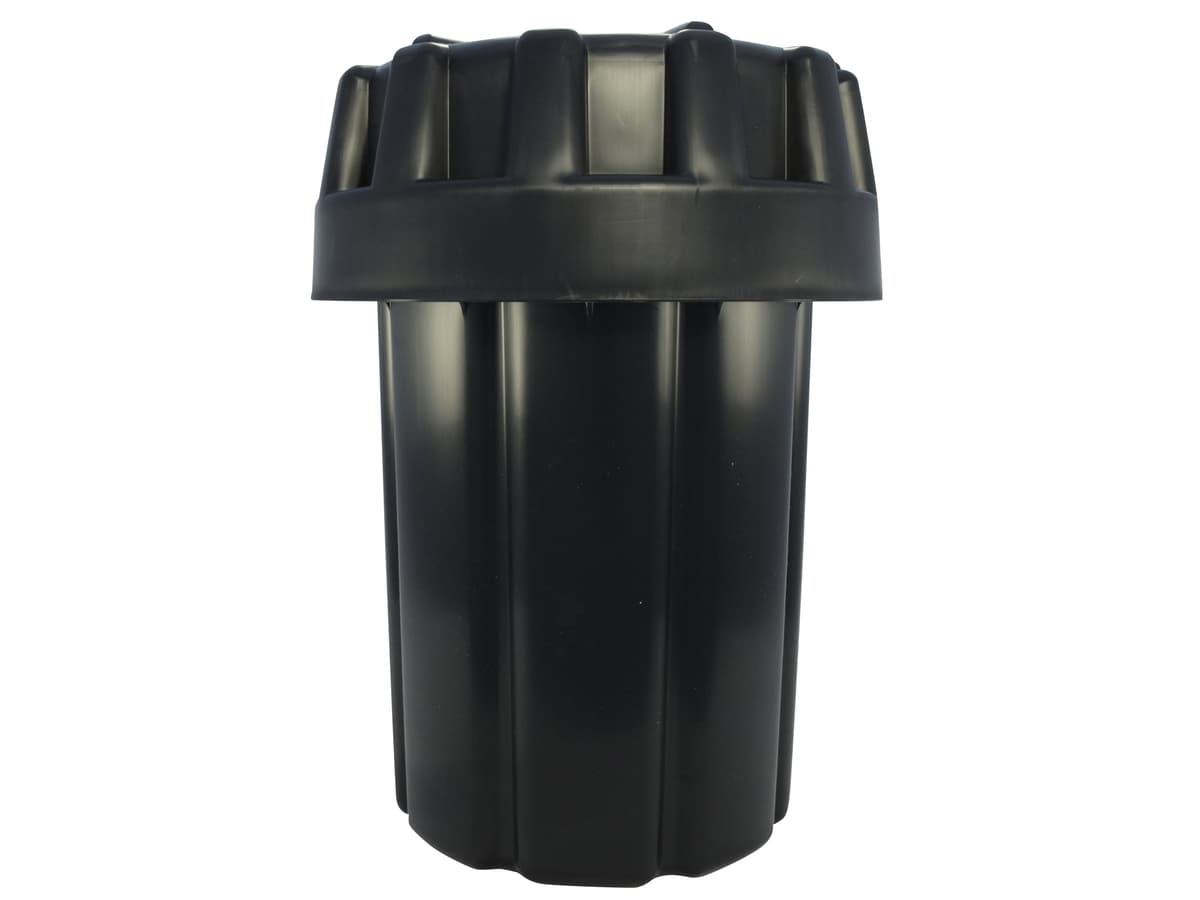
MTM SAC Survivor Ammo Can
- Interior 7 in dia x 12.4 in tall
- Double O-ring screw-down lid (6 stainless screws)
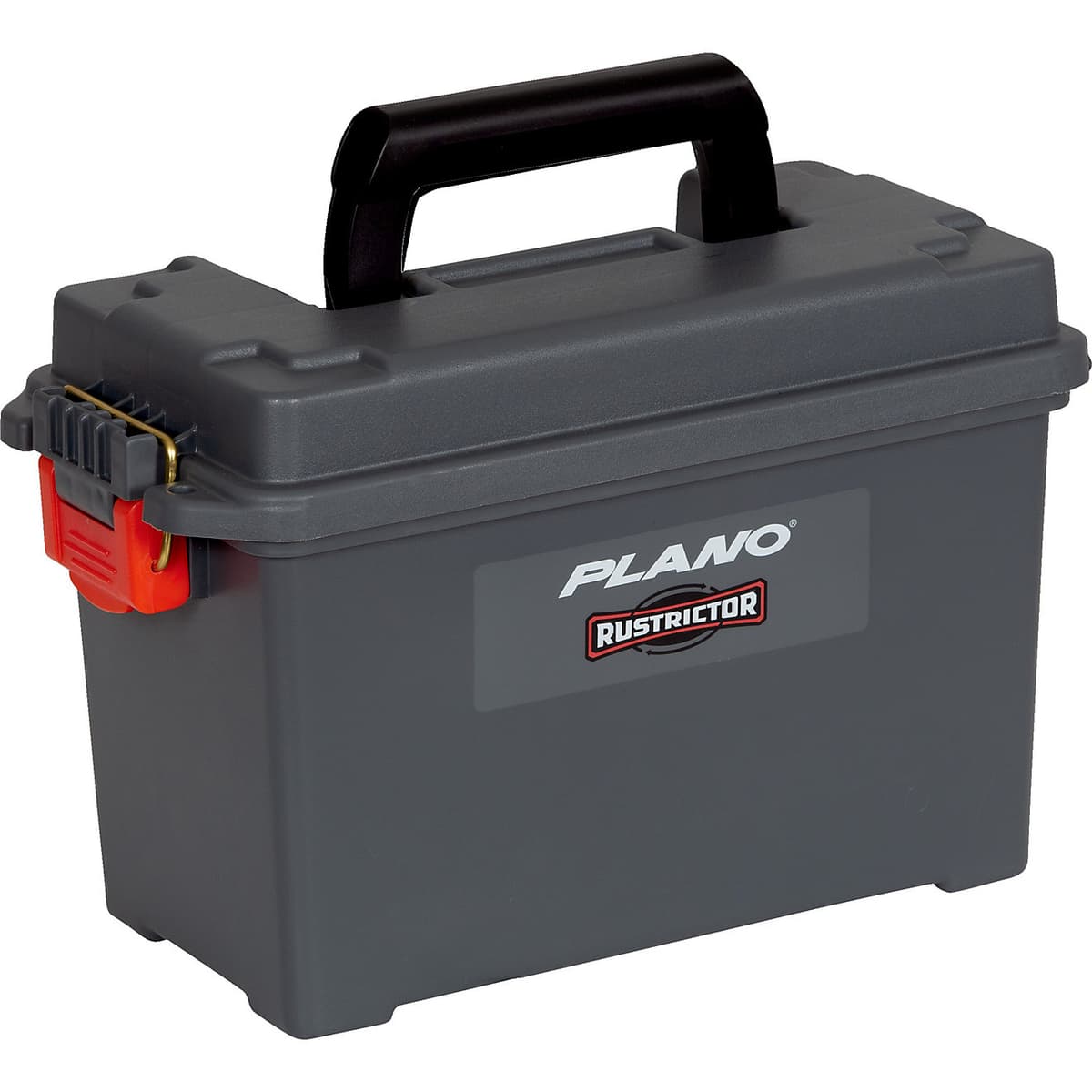
Plano 1612 Rustrictor Field/Ammo Box
- Exterior 15 x 8 x 10 in
- Interior ~12.5 x 6 x 8.5 in
Affiliate links (?)
Get the SixPAC Specs When the Army Publishes Them
No fielding date, unit cost, or seal rating has been released. Subscribers get the numbers and what they mean in the weekly dispatch.