Mini 4K
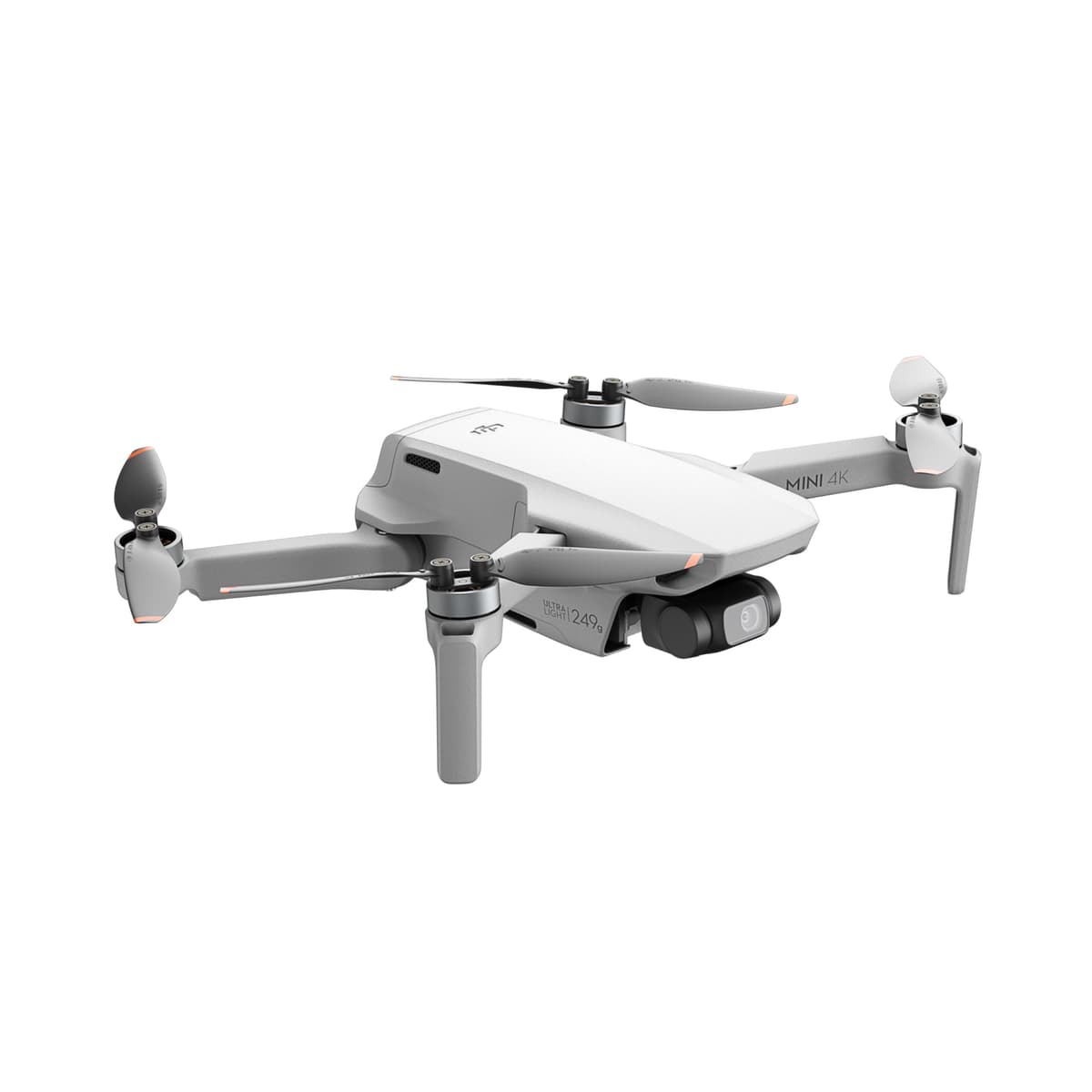
246 g camera drone with a 3-axis gimbal and a 10 km link. Under the 250 g line, so recreational flying needs no FAA registration.
- Price
- $299
- Weight
- 8.7 oz
- Brand
- DJI
- Category
- Drone & FPV Gear
Featured in
Features
- •246 g takeoff weight, no FAA registration for recreational use
- •1/2.3-inch 12 MP CMOS, 4K/30fps video
- •3-axis mechanical gimbal
- •DJI O2 transmission, up to 10 km (FCC)
- •31-minute max flight time, 2,250 mAh battery
- •Level 5 (10.7 m/s) wind resistance, 4,000 m ceiling
Overview
The Mini 4K exists because of a number: 246 g. Staying under 250 g at takeoff keeps recreational flights out of FAA registration and Remote ID entirely, which is the single largest piece of friction between buying a drone and flying one. Everything else on the aircraft is built around holding that weight while still being useful.
The camera is a 1/2.3-inch 12 MP CMOS shooting 4K at 30fps on a real 3-axis mechanical gimbal, not electronic stabilization. That gimbal is what separates footage you can use from footage that looks like a phone taped to a toy. DJI O2 transmission runs the live feed out to 10 km under FCC rules, the 2,250 mAh pack is rated at 31 minutes, and the airframe holds position in Level 5 wind at 10.7 m/s with a 4,000 m service ceiling. Folded, it is 138 by 81 by 58 mm, which is a jacket pocket.
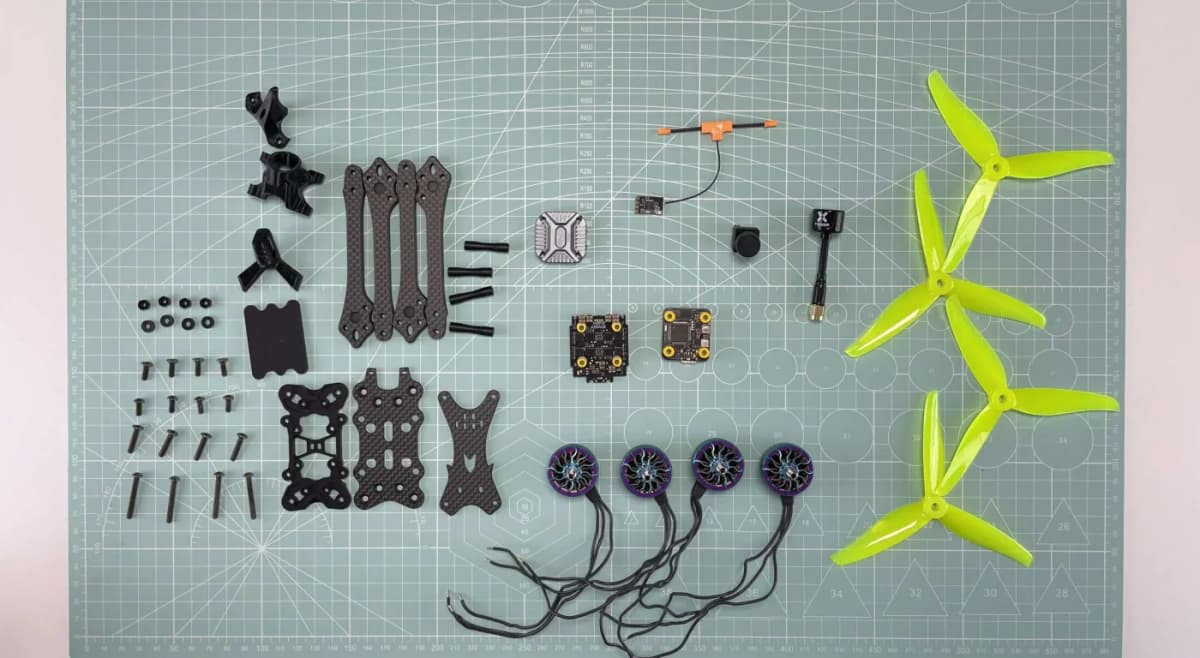
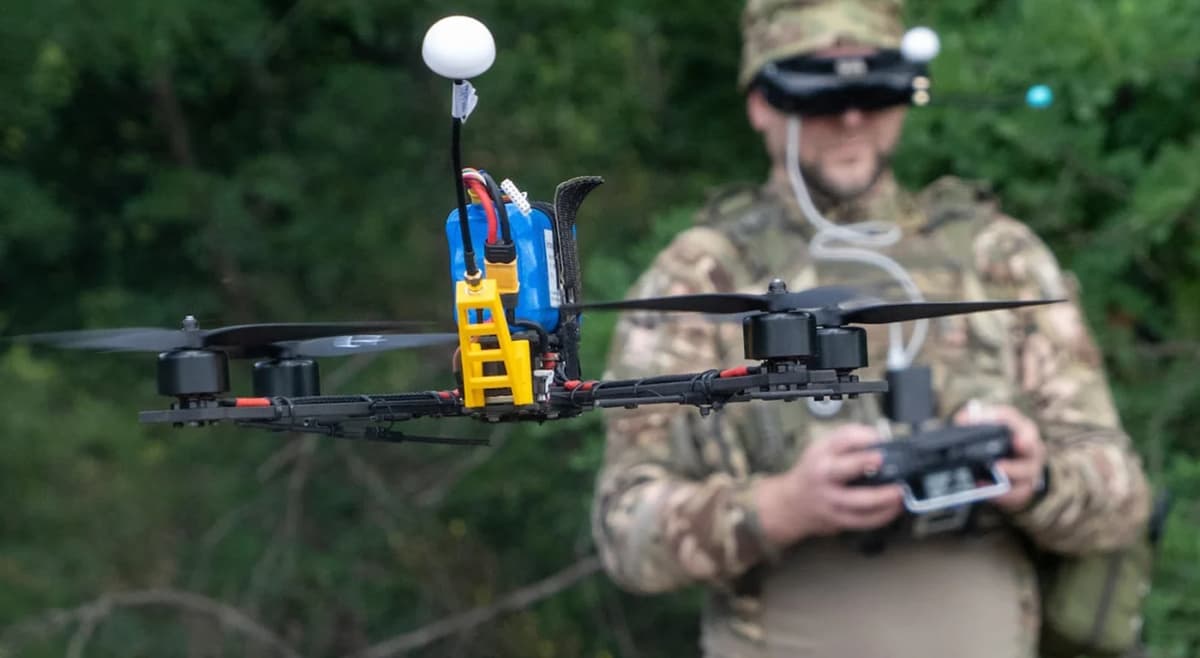
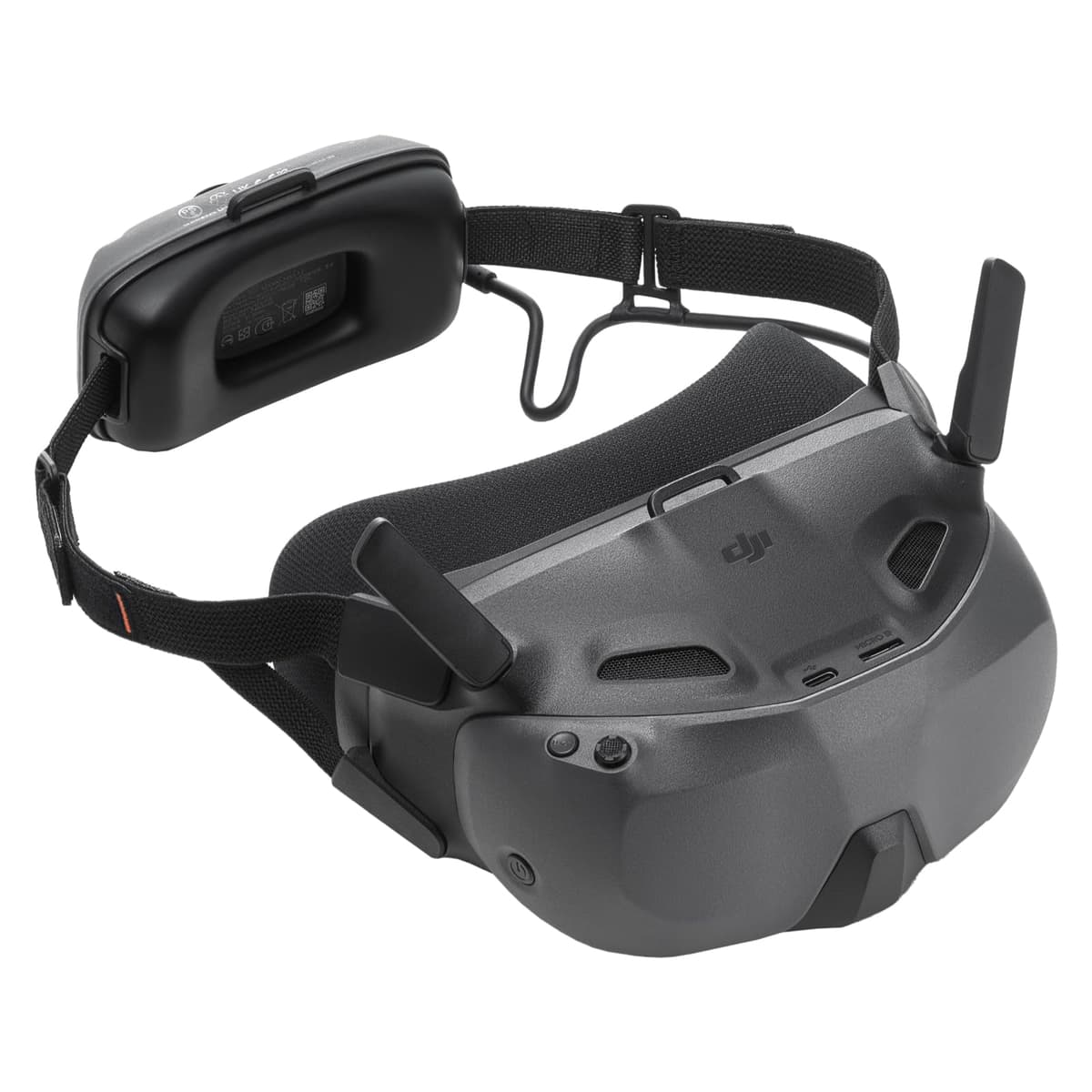
Understand what it is not. This is a GPS-stabilized camera platform flown from a phone screen with one-tap takeoff, hover, and return-to-home. It is the opposite of an FPV quad: no goggles, no acro, no manual throttle. It also carries only downward obstacle sensing, so it will not dodge a tree branch. For aerial photography, property and terrain survey, or scouting ground you are about to walk, it is the most capable thing available at $299 that keeps recreational flying out of the registration and Remote ID system; commercial and other non-recreational use still requires registration.
Key Features
- 246 g takeoff weight keeps recreational flights exempt from FAA registration and Remote ID
- 1/2.3-inch 12 MP CMOS shooting 4K 3840x2160 at 30fps
- 3-axis mechanical gimbal, not electronic stabilization
- DJI O2 transmission with up to 10 km FCC range
- 31-minute maximum flight time on a 2,250 mAh battery
- Level 5 (10.7 m/s) wind resistance and a 4,000 m service ceiling
- One-tap takeoff and landing, GPS hover, and Smart Return to Home
Pros
- +Under 250 g, so recreational flying skips registration and Remote ID
- +True 3-axis mechanical gimbal at the entry price point
- +31-minute flight time is long for a sub-250 g airframe
- +Folds to 138x81x58 mm and travels in a jacket pocket
Cons
- −1/2.3-inch sensor gives up detail and low-light range to the 1/1.3-inch Mini 4 Pro
- −Downward obstacle sensing only; nothing forward or lateral
- −Older DJI O2 link rather than the O4 used on current flagships
- −Commercial or non-recreational use still requires Part 107 and registration
Detailed Specifications
- takeoffWeight
- 246 g
- foldedDimensions
- 138 x 81 x 58 mm
- unfoldedDimensions
- 245 x 289 x 56 mm
- sensor
- 1/2.3-inch CMOS, 12 MP effective
- videoResolution
- 4K 3840x2160 at 24/25/30fps; 2.7K and FHD to 60fps
- gimbal
- 3-axis mechanical (tilt, roll, pan)
- transmission
- DJI O2, up to 10 km (FCC)
- operatingFrequency
- 2.400-2.4835 GHz and 5.725-5.850 GHz
- Battery Type
- 2,250 mAh (17.32 Wh)
- Runtime
- 31 minutes maximum
- windResistance
- 10.7 m/s (Level 5)
- serviceCeiling
- 4,000 m (2,000 m with propeller guards)
- obstacleSensing
- Downward
Similar Products
Build Your Custom Configuration
Add the Mini 4K to your build and see how it enhances your platform.