Key Takeaways
- →The exchange rate inverted: a $200 to $1,000 FPV drone flying 5 to 15 km now destroys vehicles worth a thousand times more, and the aircraft is built from hobby components.
- →Drones do most of the damage: RUSI found in February 2025 that tactical UAVs account for 60 to 70 percent of damaged and destroyed Russian systems.
- →The front is 10 to 15 km deep: movement, resupply, and casualty evacuation are all interdicted inside that band, which Ukraine formalized as the Drone Line on March 3, 2025.
- →Countermeasures stack and none of them close it: jamming, fiber immunity to jamming, acoustic detection, netting, interceptor drones, and finally guns.
- →The hardware is civilian: the goggles, radios, frames, and camera drones are the same parts sold to hobbyists, which is why fiber-guided drone use has since been reported in Lebanon, Gaza, Mali, and Myanmar.
What Changed: The Cost of Killing a Vehicle Collapsed
The single change that defines 21st-century drone warfare is economic. A first-person-view quadcopter built from hobby parts costs $200 to $1,000 and flies 5 to 15 kilometers, according to CSIS analyst Kateryna Bondar, and that aircraft reliably destroys armored vehicles, artillery pieces, and supply trucks worth hundreds of times more. Nothing about the physics is new. What is new is that the precision-guided munition now costs less than the fuel in the target.
The effect on the battlefield is measurable. A Royal United Services Institute report published in February 2025, Tactical Developments During the Third Year of the Russo-Ukrainian War, found that tactical uncrewed aerial vehicles accounted for 60 to 70 percent of damaged and destroyed Russian systems. That is more than every other weapon in the Ukrainian arsenal put together, delivered by aircraft that get expended one per attempt.
Volume followed the economics. Bondar puts Ukrainian production at roughly 800,000 drones in 2023, 2 million in 2024, and up to 5 million projected for 2025. CSIS analyst Samuel Bendett estimated that Russia utilized up to 4 million uncrewed aircraft in the year leading up to May 2025. These are consumable munitions with manufacturing curves, not aircraft programs with fleet counts.
What did not change is the infantry underneath. The rifles, the optics, and the load-bearing gear on both sides look much as they did in 2022, which our breakdown of the small arms of the Ukraine war covers in detail. The drone did not replace the rifleman. It made reaching the rifleman with anything larger than a rifle very difficult. The visual result is now being copied by games; our Bodycam Locked & Loaded analysis breaks down how one current shooter recreates FPV control, body-camera movement, trench terrain, and realistic gun handling.
The Drone Classes Doing the Work
Six classes of aircraft carry almost all of the load, and they do genuinely different jobs. Lumping them together as “drones” is the fastest way to misread the war.
Drone classes in the Russia-Ukraine war
| FPV strike drone | Hobby racing frame, brushless motors, explosive charge. $200 to $1,000, 5 to 15 km, expended per attempt |
| Fiber-optic FPV | Same airframe, spool of glass fiber instead of a radio link. Immune to jamming, heavier and slower |
| Mavic-class quadcopter | Commercial camera drone, about $2,000. Reconnaissance, artillery spotting, and small munition drops |
| Heavy multirotor bomber | The Baba Yaga family: R18, Kazhan, Nemesis, Vampire. Four to eight rotors, up to a 15 kg warhead, thermal cameras, flown mostly at night |
| Fixed-wing deep strike | Shahed-136 and the Russian-built Geran-2. One-way attack drone reaching strategic depth, not a battlefield weapon |
| Interceptor drone | Fast quad or fixed-wing built to ram other drones. Sting: around $2,100, 343 km/h, 25 km, 10,000 ft ceiling |
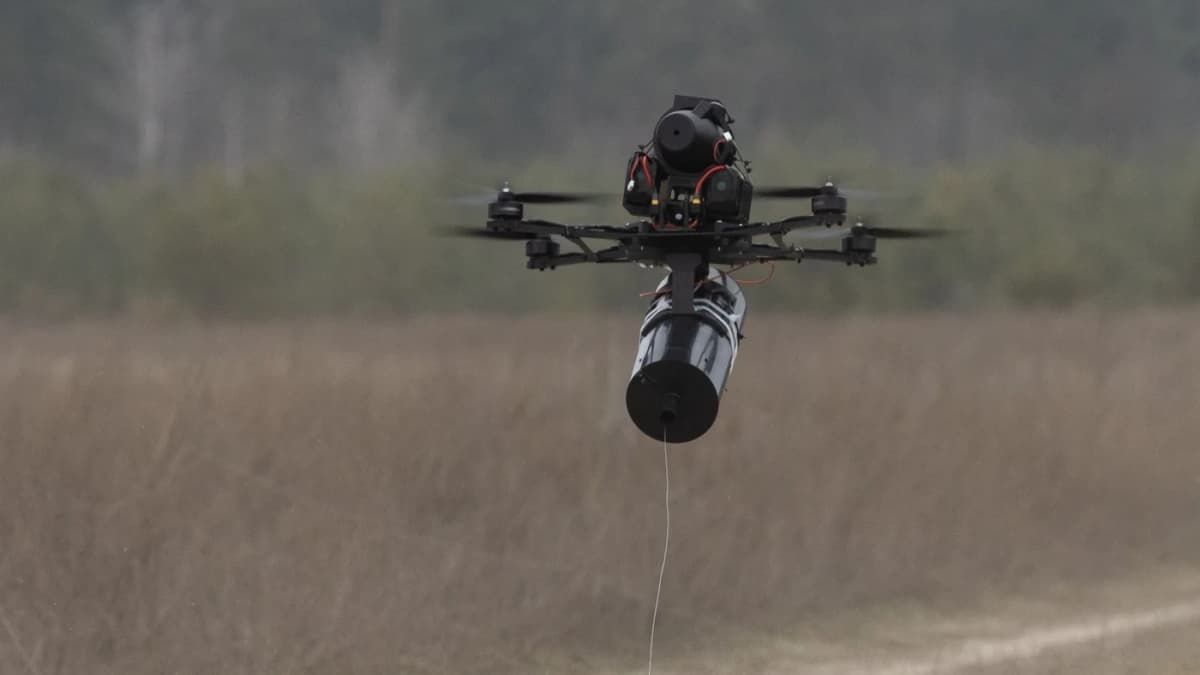
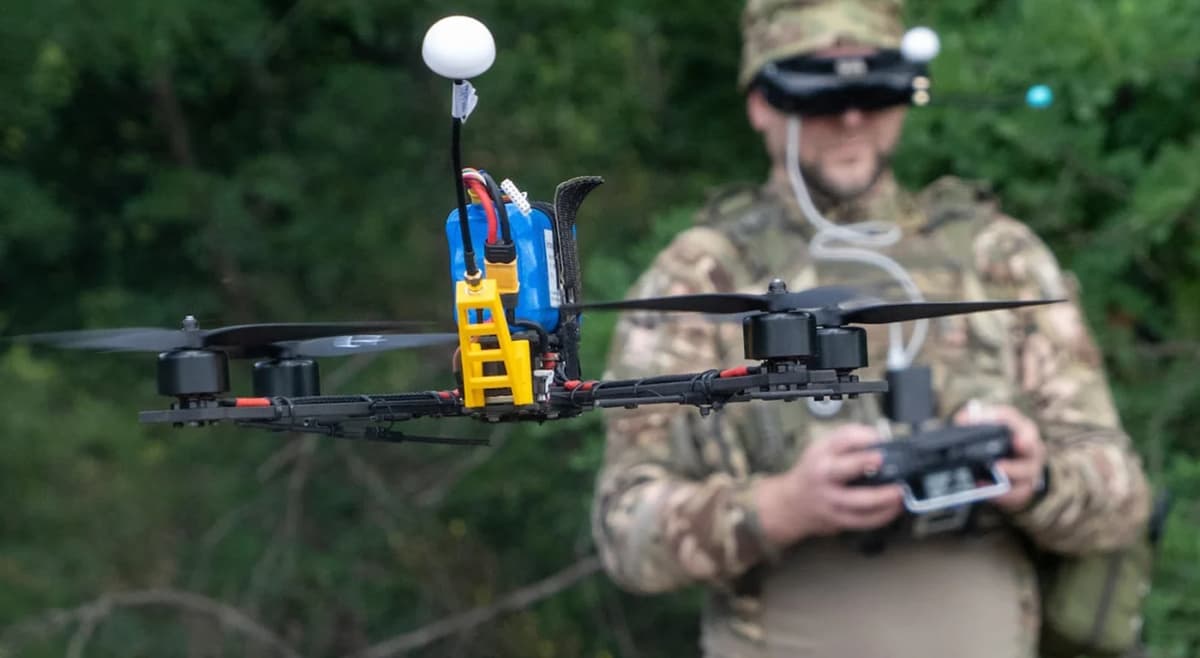
FPV strike drones are the core of the system. They are racing quadcopters with a warhead zip-tied to the front, flown manually into the target by a pilot wearing goggles several kilometers away. Frames grew with the mission, from 7-inch aircraft early in the war to 13-inch models built to haul heavier charges. Every one of them is a one-way trip.
Fiber-optic variants replace the radio link with a spool of optical fiber that pays out behind the aircraft, which makes them immune to every jammer regardless of output. Russia fielded them first in spring 2024 and Ukraine followed, and the tradeoff is real: more weight, less speed, and a cable that snags. The mechanics, the spool ranges, and why the fiber does not tangle are covered in our fiber optic drone explainer.
Mavic-class quadcopters are unmodified commercial camera drones, roughly $2,000 apiece, and they are the eyes. They hover, they film, they correct artillery, and cheap models drop grenades and modified mortar rounds through open hatches. They are also what most civilians picture when they hear the word drone, which is why the civilian and military supply chains are the same supply chain.
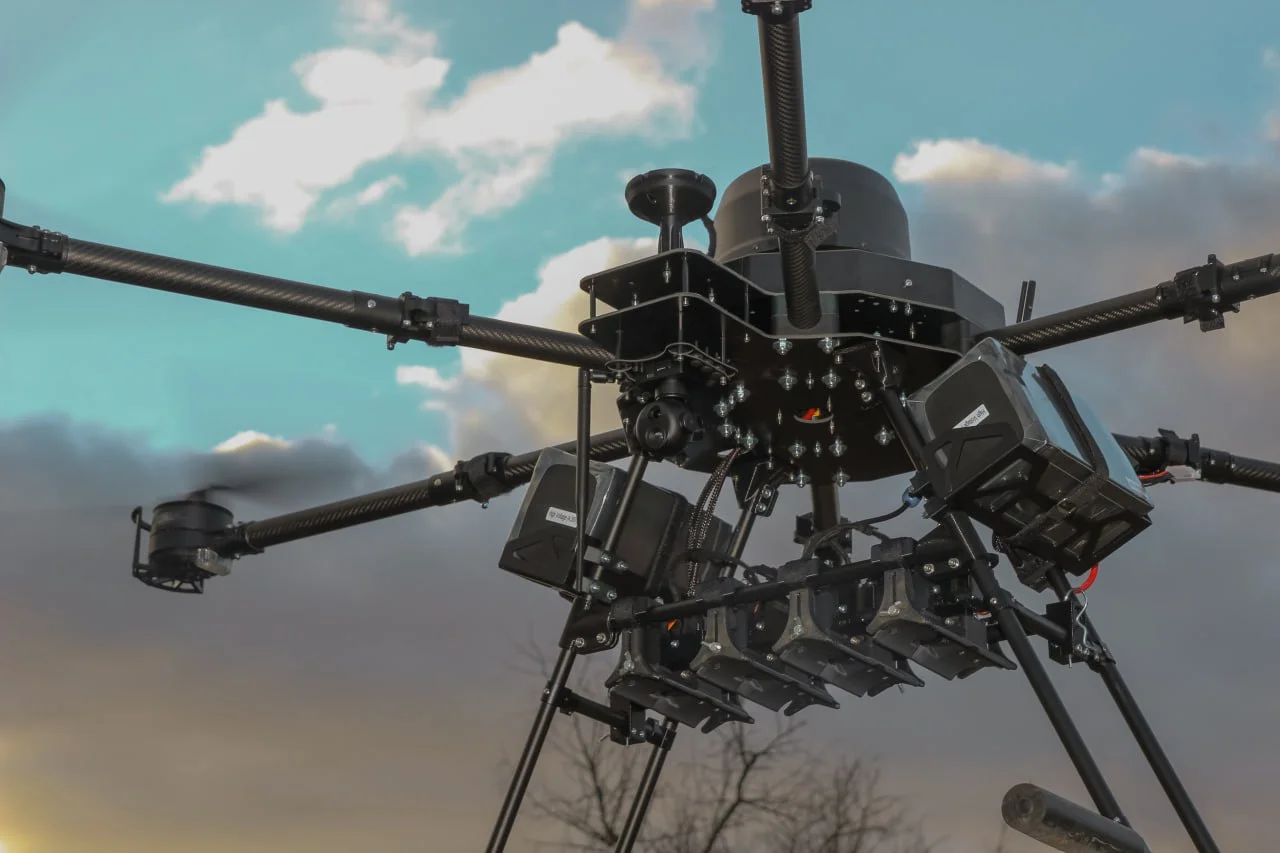
Heavy multirotor bombers, known collectively by the Russian nickname Baba Yaga, are agricultural-sprayer-derived airframes with four, six, or eight rotors carrying up to a 15 kilogram warhead. The family includes the Aerorozvidka R18, the Kazhan, the Nemesis, and the Vampire. They fly primarily at night using thermal cameras, and they double as motherships, extending the range and battery life of smaller drones by acting as airborne signal repeaters.
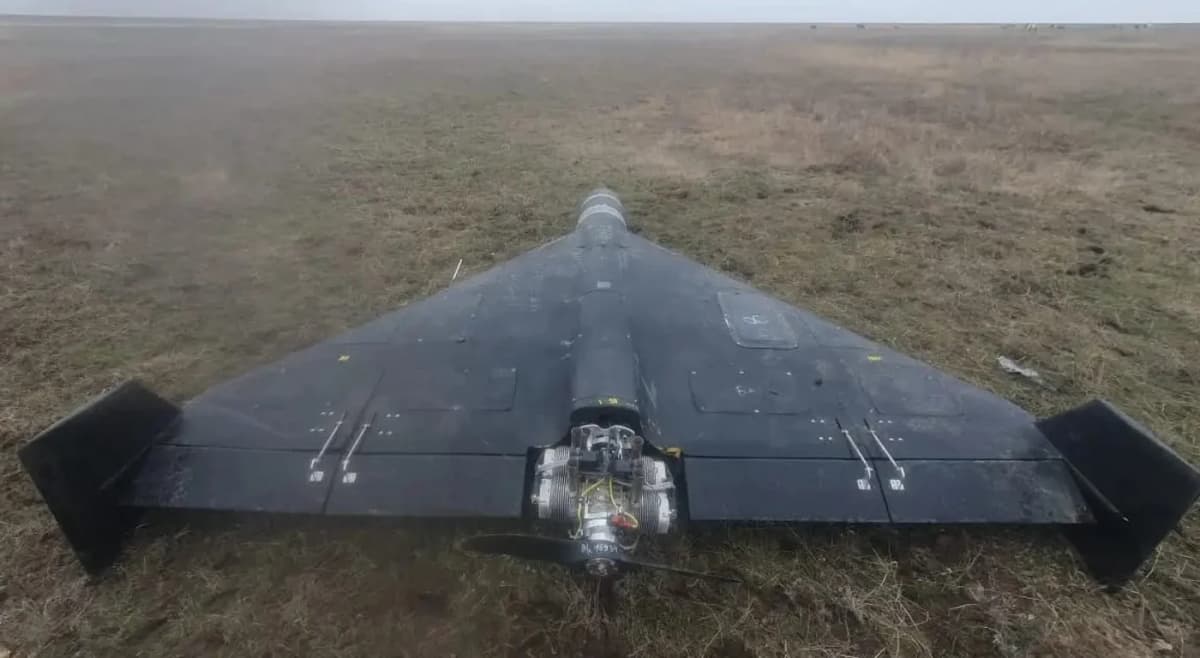
Fixed-wing deep-strike drones are a different weapon entirely. The Shahed-136, produced in Russia as the Geran-2, is a one-way attack aircraft with a 50 kg warhead and a range measured in the thousands of kilometers, launched in mass raids at cities and infrastructure rather than at trenches. Its specifications, guidance, and cost estimates are broken out in our Shahed drone explainer.
Interceptor drones are the newest class and the one that changed air defense arithmetic. The Sting, built by the Ukrainian volunteer manufacturer Wild Hornets, costs around $2,100, reaches 343 km/h, cruises at 10,000 feet, and engages out to 25 kilometers. It entered service in 2024 and scored its first publicly confirmed success in April 2025.
Modern Drone Tactics: The Reconnaissance-Strike Loop
Modern drone tactics are built on a loop, not a weapon. A persistent observer aircraft holds overhead and finds something. A strike crew a few kilometers back launches an expendable aircraft at it. The whole cycle closes in minutes, and it repeats for as long as batteries and airframes hold out. Every serious development since 2023 has been an attempt to shorten that loop or to break someone else's.
Russia built an institution around exactly that goal. The Rubicon Center for Advanced Unmanned Technologies was established on August 2, 2024 by order of Defense Minister Andrei Belousov, and analysis by the Foreign Policy Research Institute describes its focus as reducing the time required between locating and striking targets, with emphasis on targeting drone teams and logistics further behind the front line rather than infantry in contact. Killing the other side's drone crews is now a primary mission, not a byproduct.
Ukraine answered with organization of its own. The Drone Line project launched on March 3, 2025, scaling the country's leading unmanned units, the RAROG, K-2, Phoenix, and Achilles regiments along with Madyar's Birds, into a system explicitly built to hold a 10 to 15 kilometer kill zone in front of the infantry and integrate uncrewed systems with the troops holding ground.
The third tactical layer is drone-versus-drone. Interceptors chase reconnaissance quadcopters and one-way attack drones in flight, and heavy multirotors carry repeaters that push friendly control links deeper. Air superiority in this war is contested a couple of thousand feet up by aircraft that cost less than a used car.
The Kill Zone: Why the Front Line Is Now 15 Kilometers Deep
The kill zone is the band on either side of the line of contact where drones interdict anything that moves, and it runs roughly zero to 10 or 15 kilometers back and zero to 2,000 or 3,000 feet up, in Samuel Bendett's description of where hundreds of thousands of uncrewed aircraft operate each month. Terrain, weather, and the quality of the local drone units move the boundary, but the shape is consistent along the whole front.
What that depth destroys is logistics. Trench warfare has always depended on the ability to move ammunition, food, water, and wounded men through the ground immediately behind the line. When that ground is watched continuously and struck within minutes, a supply run becomes a combat operation. Rotation becomes a combat operation. Casualty evacuation becomes a combat operation, frequently one that has to wait for darkness or weather.
The countermeasure is civil engineering. Ukraine planned anti-drone netting along roughly 600 kilometers of front-line roads critical for military logistics and medical evacuation, announced by Deputy Prime Minister Oleksii Kuleba on March 15, 2026 at a cost of more than 12.8 billion hryvnias, about $300 million. Russia built the same thing first: a 2-kilometer mesh netting tunnel over the road linking Bakhmut and Chasiv Yar, reported in February 2025, with netting hung from 15 to 20 foot poles so an FPV drone entangles its propellers on the terminal dive.
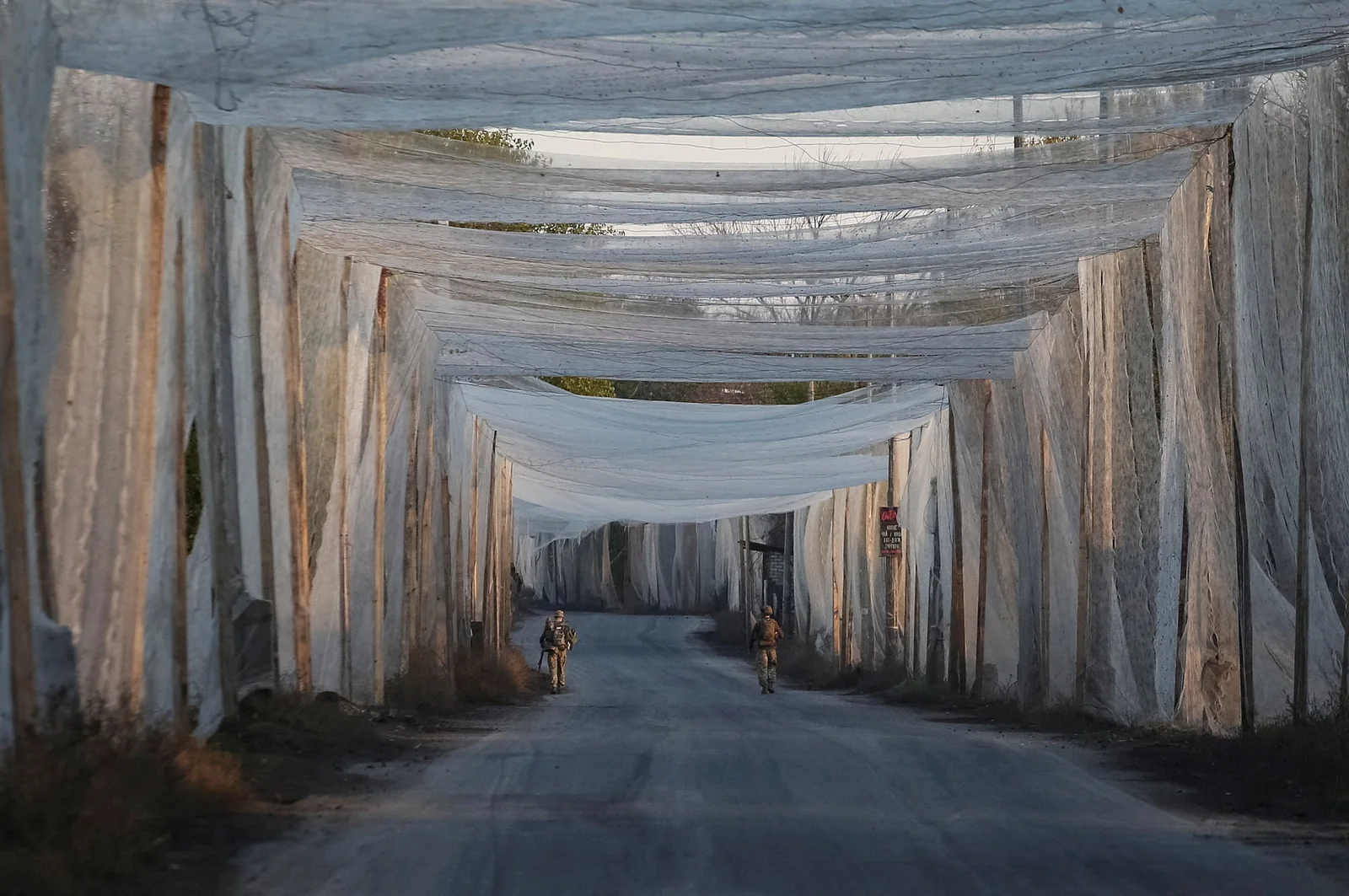
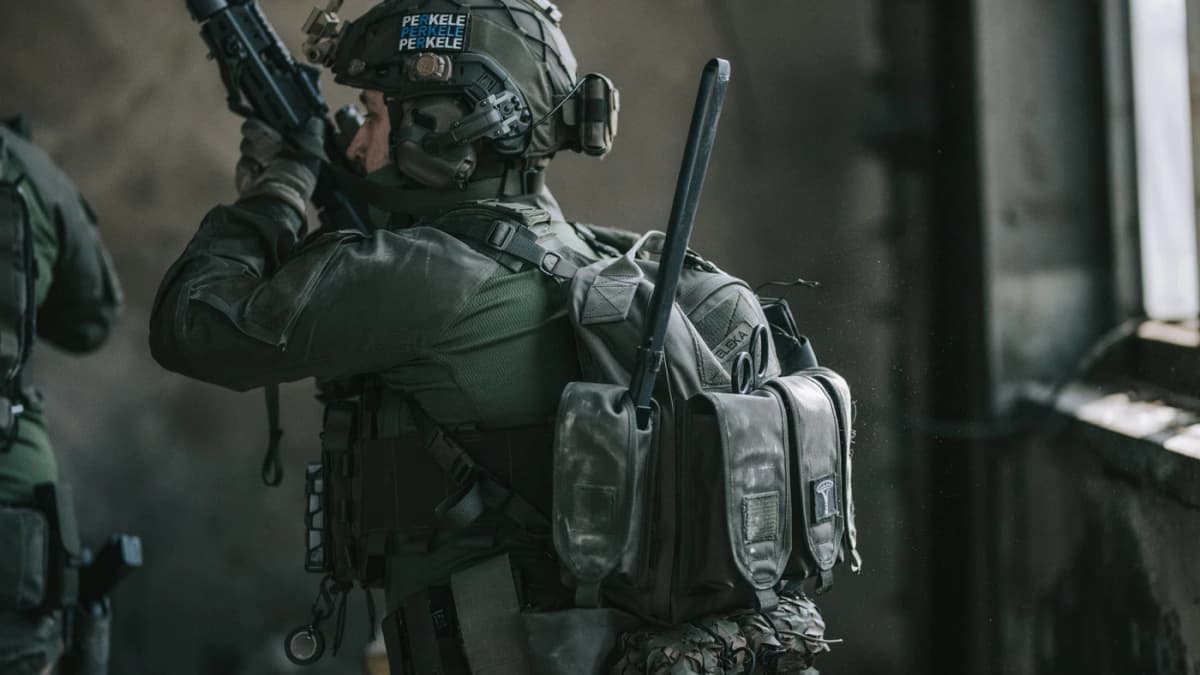
The soldier moving through that band carries the consequences on his body. Helmet, plate carrier, tourniquets, and the squad drone kit have all been rebalanced around the assumption of constant aerial observation, which is the through-line of our Ukrainian infantry loadout breakdown.
The Countermeasure Ladder: Jamming, Acoustics, Nets, Guns
There is no single counter to a small drone, so both sides run a ladder of partial answers. Each rung defeats a category of threat and drives the opponent onto the next rung, which is the loop that has driven every development in this war since 2023.
Electronic warfare comes first because it is the cheapest per engagement. Jammers flood the control and video frequencies until the pilot loses the aircraft, and they have gone from theater assets to squad equipment, bolted to vehicle roofs and trench parapets and carried in backpacks. Against a standard radio FPV drone, jamming works.
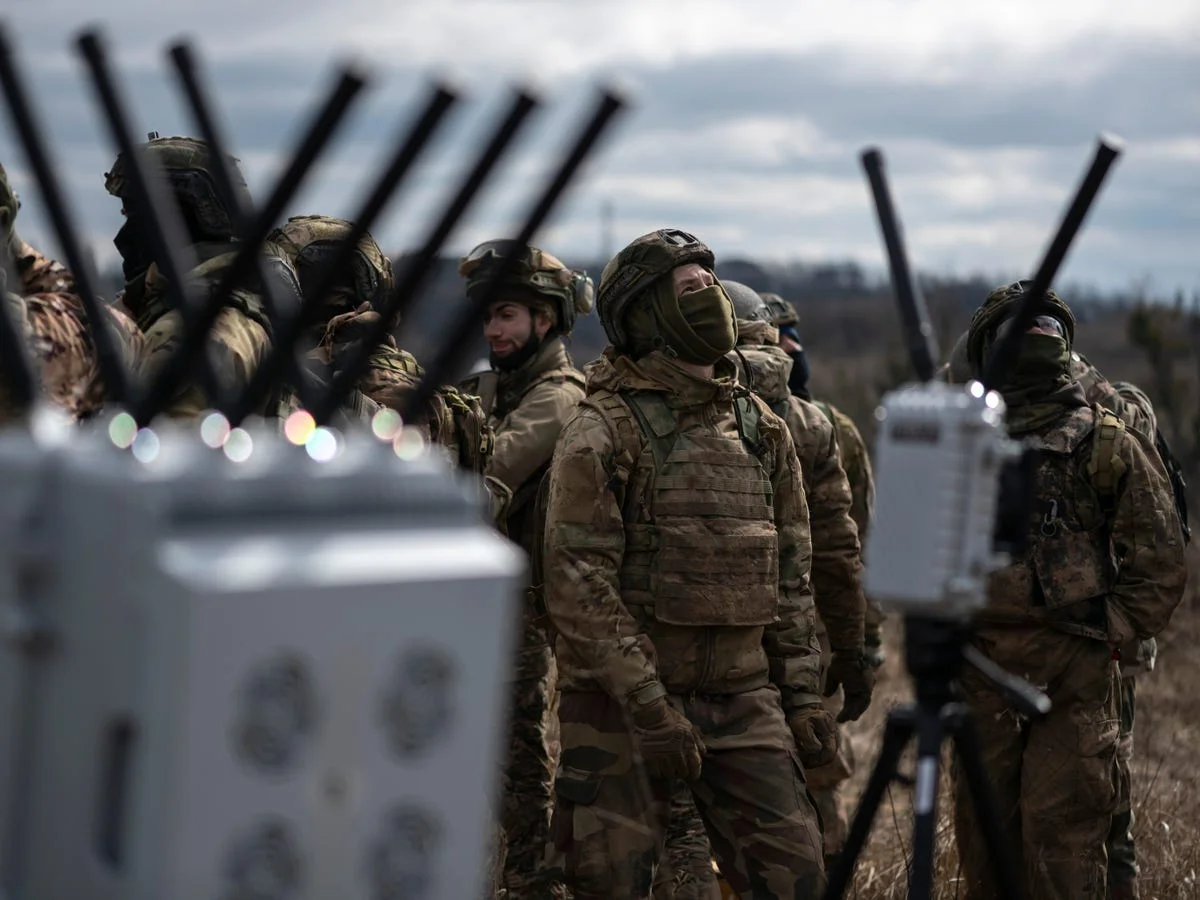
Fiber optics defeat that entire rung. A control link running through glass has no frequency to flood, so a jammer at full output does nothing while the drone flies into the vehicle carrying it. That single property is why fiber drones exist despite being heavier, slower, and more expensive, and it is why the answer to them is physical rather than electronic.
Acoustic detection covers the sensing gap. Ukraine's Sky Fortress network has deployed more than 14,000 acoustic sensors, each built for roughly $400 to $1,000, listening for the engine signatures of cruise missiles and uncrewed aircraft and running them through machine-learning classifiers. The system fuses acoustic data with radar and pushes firing solutions to mobile teams with tablets and anti-aircraft guns. It has been credited with helping intercept 80 of 84 incoming drones in one mass raid, and about 20 percent of targets entering Ukrainian airspace are tracked on acoustic data alone.
Physical hardening is the rung that scales. Netting over roads, cages over vehicles, and mesh over dugout entrances all work on the same principle: the drone has to arrive, and a propeller in a net is a drone on the ground. It is unglamorous and cheap per meter, and it is now going up along whole road networks rather than over individual positions.
Interceptor drones flipped the air-defense math. Shooting down a Shahed built for a few tens of thousands of dollars with a Patriot round costing more than $3 million is a losing trade repeated a few hundred times a night. Interceptors at $3,000 to $5,000 apiece reversed it, and over Kyiv in February 2026 they accounted for more than 70 percent of Shahed downings.
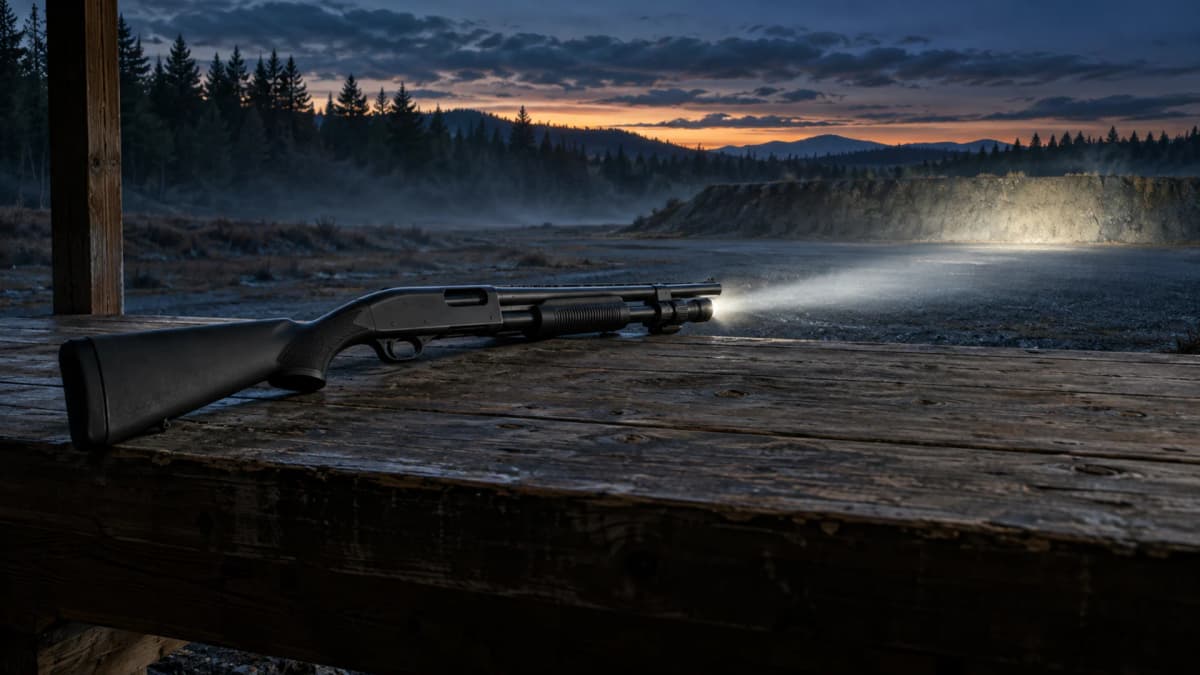
Guns are the last rung and they never went away. Small arms and shotguns remain the answer when a drone is inside the last few hundred meters, which is why optics makers started building for the problem. EOTech announced the HWS CUAS counter-drone holographic sight in August 2026, with lead references calibrated to a drone crossing at 30 mph. The optic requirements for a small, fast, high-angle target are the same ones our holographic sight comparison and tactical semi-auto shotgun rankings sort for: a big window, a heads-up mount, and a pattern that forgives the lead. A Montana startup is attacking the same lead problem from the weapon end instead of the sight: the AWS Fulcrum Barrel moves the bore itself at trigger pull, and the company names counter-drone work as a target application.
The Civilian Hardware Overlap
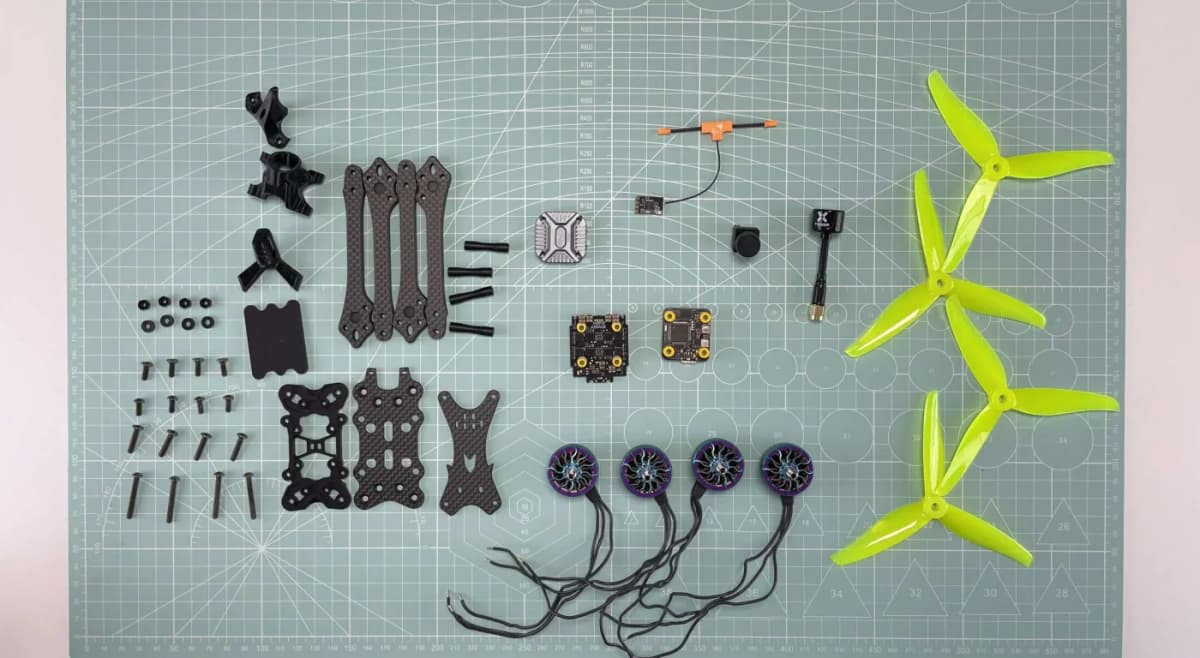
The reason this technology spread so fast is that almost none of it is restricted. A strike drone is a racing quadcopter, an ExpressLRS radio, a set of goggles, and a lithium pack, and every one of those parts ships to hobbyists from the same factories; our FPV drone build guide walks through the full parts list. The pilot training path is a free simulator and a ready-to-fly starter kit. That is why fiber-optic drone use has since been reported in Lebanon, Gaza, Mali, and Myanmar: the barrier was never the hardware.
The convergence runs in both directions. Adaptiv Defense now sells a helmet harness that clips FPV goggles to ARC rails and leaves the night vision shroud free, which is a piece of purpose-built military kit engineered around a consumer goggle. You can see the same crossover in our component catalog, where FPV goggles and camera drones now sit alongside optics and night vision.
The Civilian Side of the Same Hardware
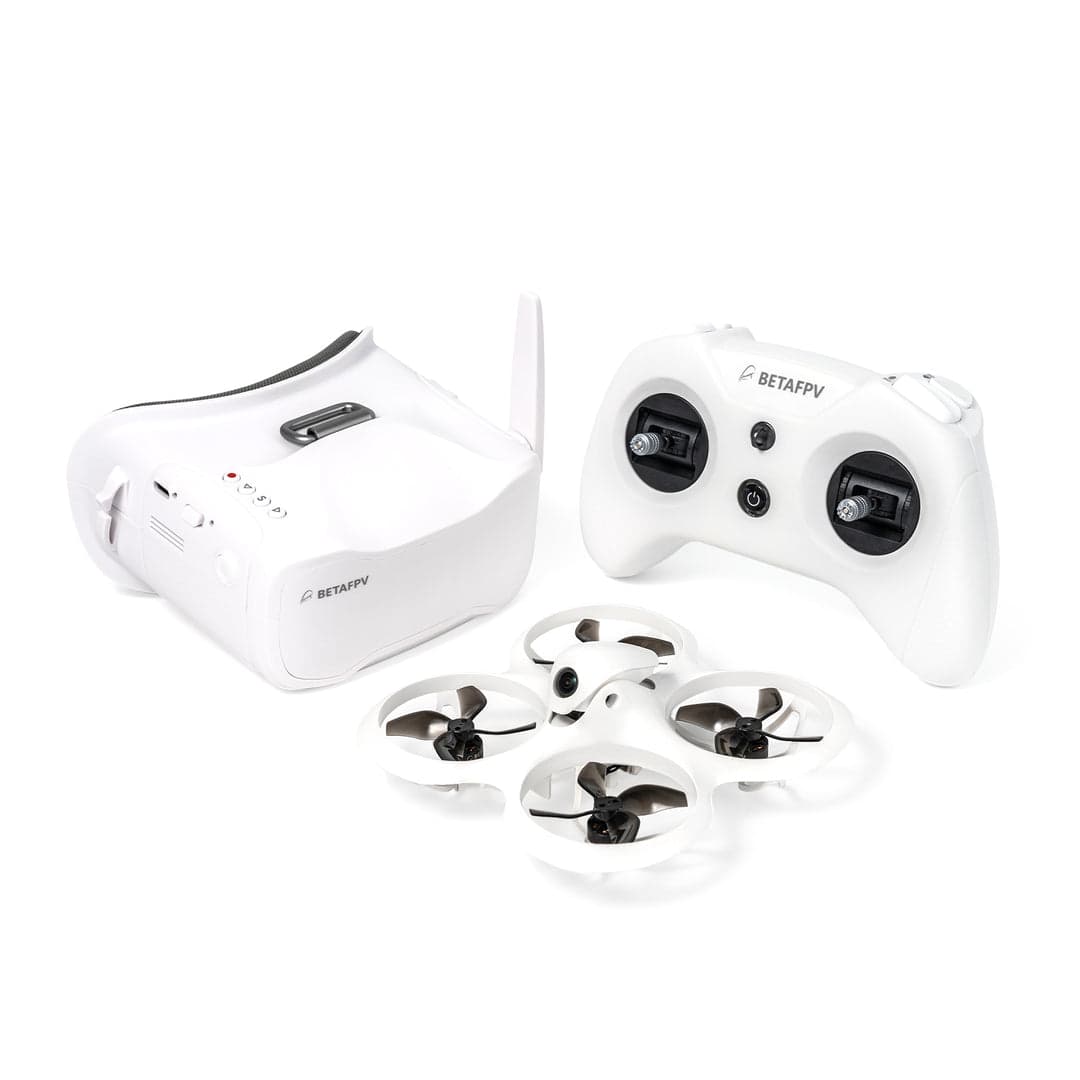
Cetus X FPV Kit (Betaflight FC)
- Quad, LiteRadio 3 transmitter, VR03 goggles, four batteries, and charger in one box
- Betaflight FC version runs stock open-source firmware with Angle, Horizon, and Air modes
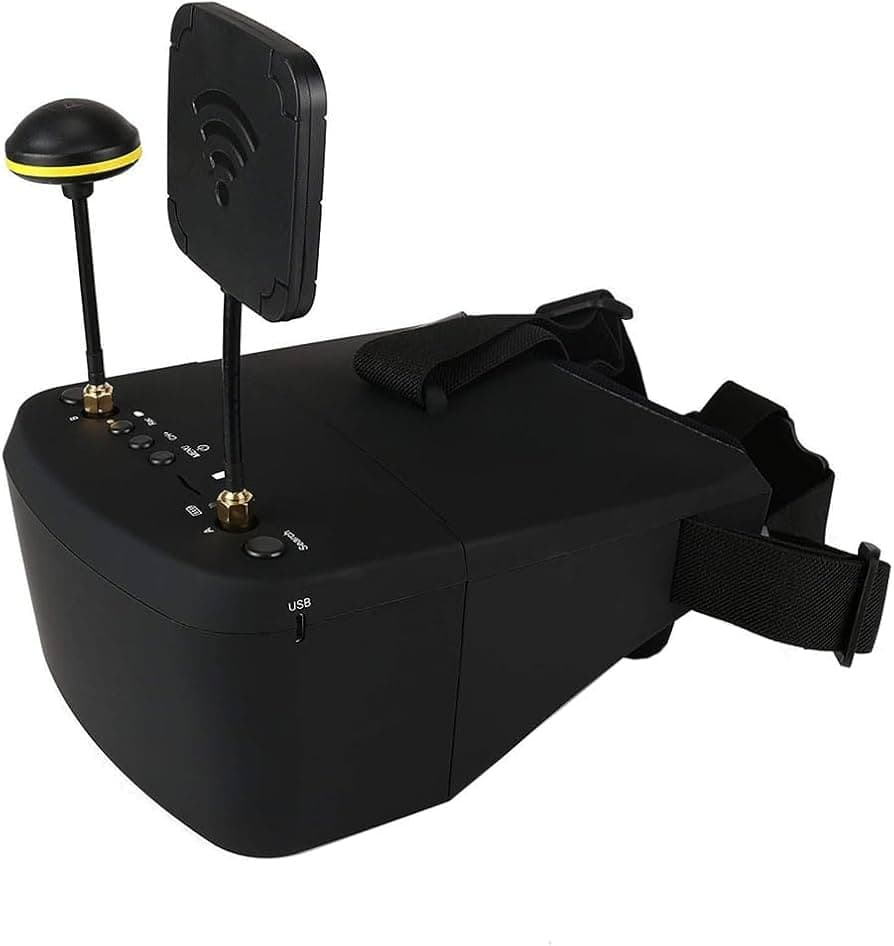
EV800D FPV Goggles
- 5-inch 800x480 LCD with an 82-degree field of view
- 5.8 GHz receiver covering 40 channels including RaceBand
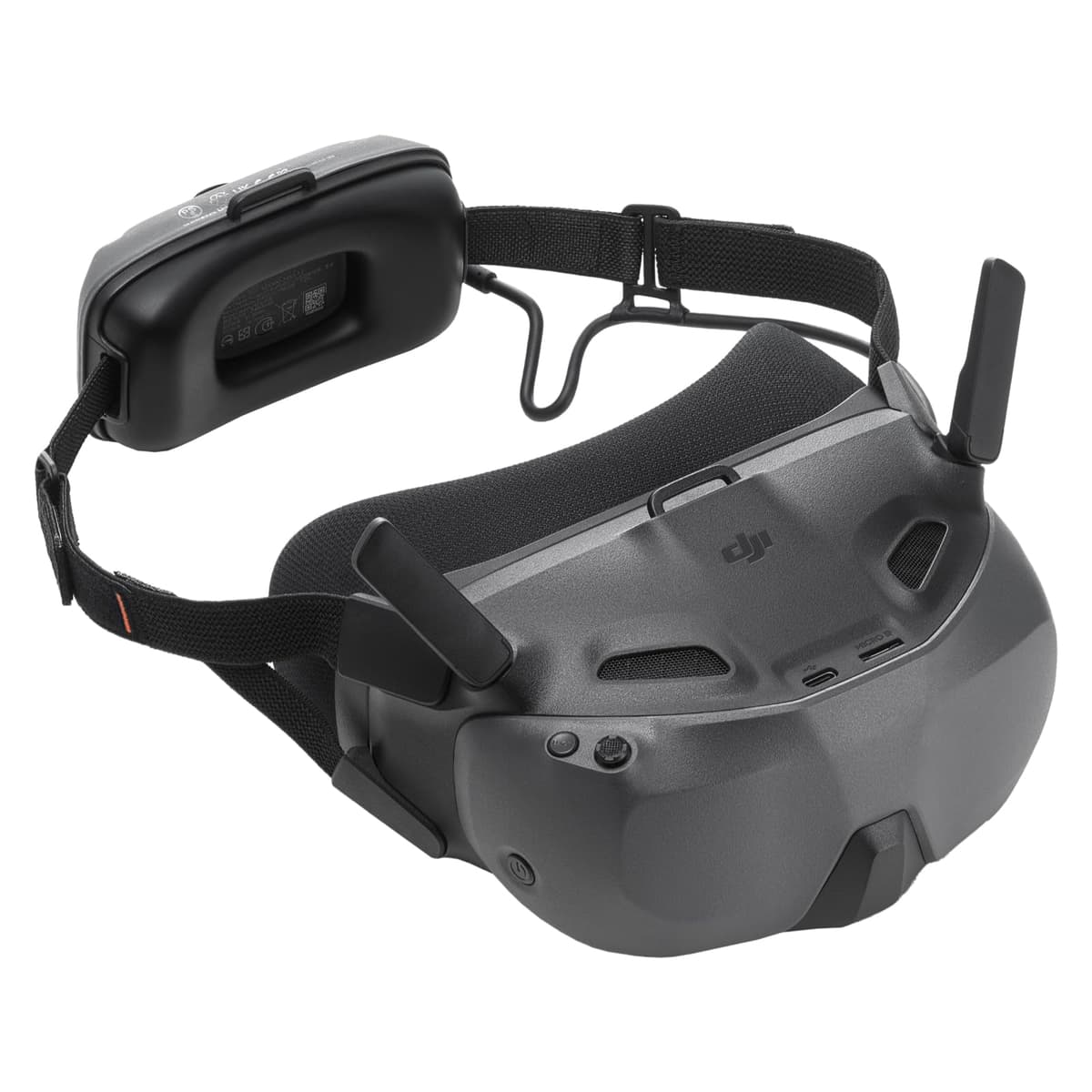
Goggles N3
- Single 3.5-inch 1920x1080 LCD, 54-degree FOV, up to 60 Hz
- O4 transmission, 31 ms minimum latency with Avata 2 at 1080p/100fps
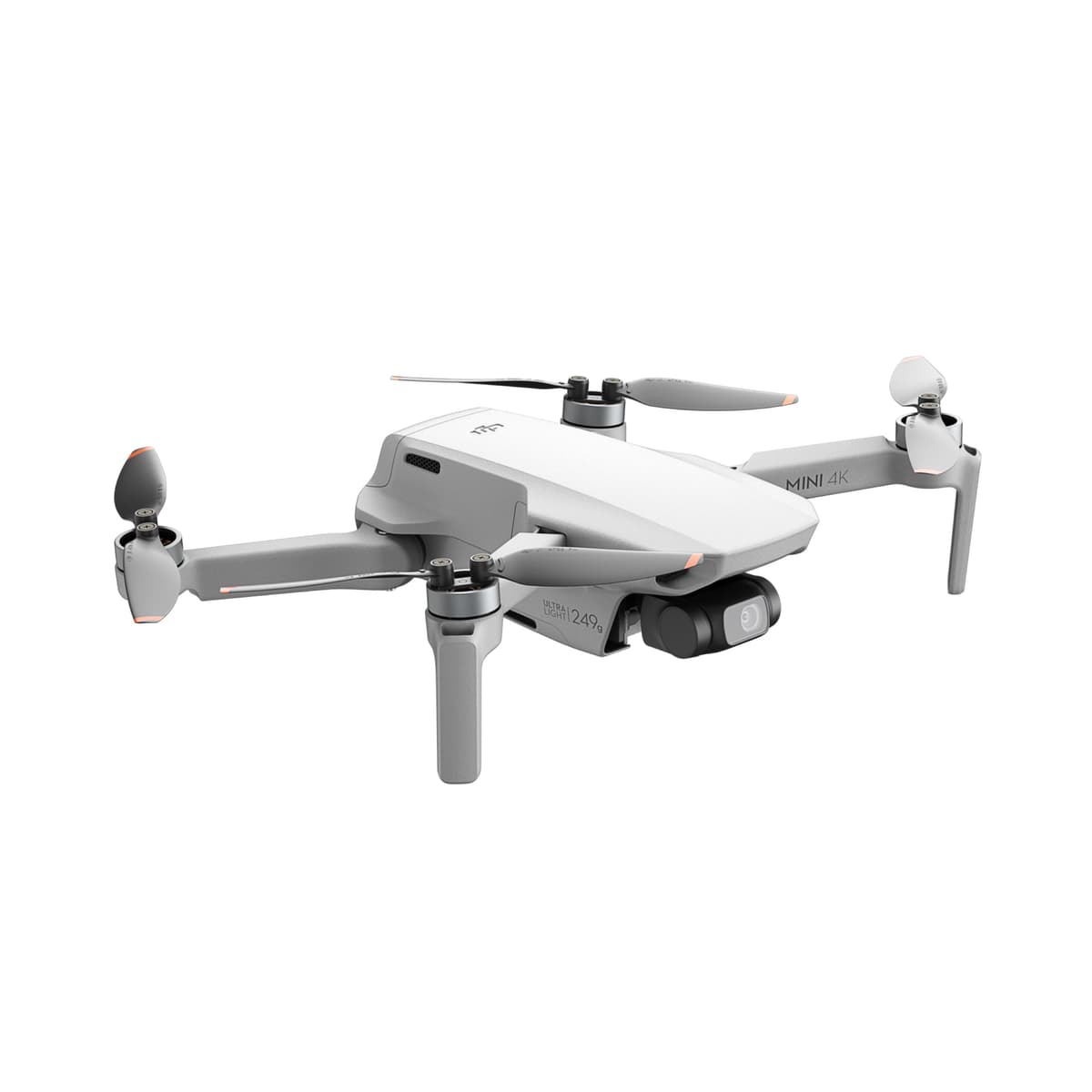
Mini 4K
- 246 g takeoff weight, the class the FAA exempts from recreational registration
- 1/2.3-inch 12 MP CMOS shooting 4K at 30fps on a 3-axis mechanical gimbal
Affiliate links (?)
What Drone Warfare Means for US Readers
The near-term US relevance is defensive and institutional rather than tactical. The Pentagon stood up Joint Interagency Task Force 401 to centralize counter-small-UAS work across the department and federal partners, and in May 2026 the task force announced a pilot deploying directed energy systems, high-energy lasers and high-power microwave, to five installations: Fort Huachuca in Arizona, Fort Bliss in Texas, Naval Base Kitsap in Washington, Grand Forks Air Force Base in North Dakota, and Whiteman Air Force Base in Missouri. JIATF-401 director Brigadier General Matt Ross framed the program plainly: “There is no silver bullet to address this challenge.”
For individuals, the legal position is narrow and worth stating precisely. Federal law treats an uncrewed aircraft as an aircraft, and shooting at one can be charged as a federal felony under 18 U.S.C. 32, carrying a fine and up to 20 years. Counter-drone authority is delegated to designated agencies, federal since 2018 and extended to certified state, local, tribal, and territorial law enforcement by an interim final rule effective July 1, 2026, and property owners are not on that list. State remedies are civil rather than kinetic. Our breakdown of the law on shooting down a drone works through the federal statute and the state-by-state privacy and trespass picture.
What does transfer to a civilian rifle or shotgun is the hardware logic, not the mission. A fast unmagnified sight with a large window, a mount tall enough to keep the head up rather than buried behind the receiver, and thermal or night capability for detection are the same requirements that make sense for hogs, coyotes, and low-light home defense. Our EOTech buying guide and thermal scope rankings cover both halves, and you can stack a sight and mount on a build to check height and clearance before spending anything.
Stay Updated on Drone and Counter-Drone Tech
We cover counter-UAS optics, FPV hardware, and the gear side of drone defense as it lands.