Holosun HE512C-GD
Large-window enclosed reflex with gold 2 MOA dot and 65 MOA circle multi-reticle
- Price
- $260
- Weight
- 6.8 oz
- Brand
- Holosun
- Category
- Optics

Featured in
Features
- •2 MOA gold dot + 65 MOA circle
- •Solar + CR2032
- •50,000 hour battery
- •Large 0.91 x 1.26 inch window
Capability Boosts
Recommended For
+24 more
More optics guides & articles
Guides


Overview
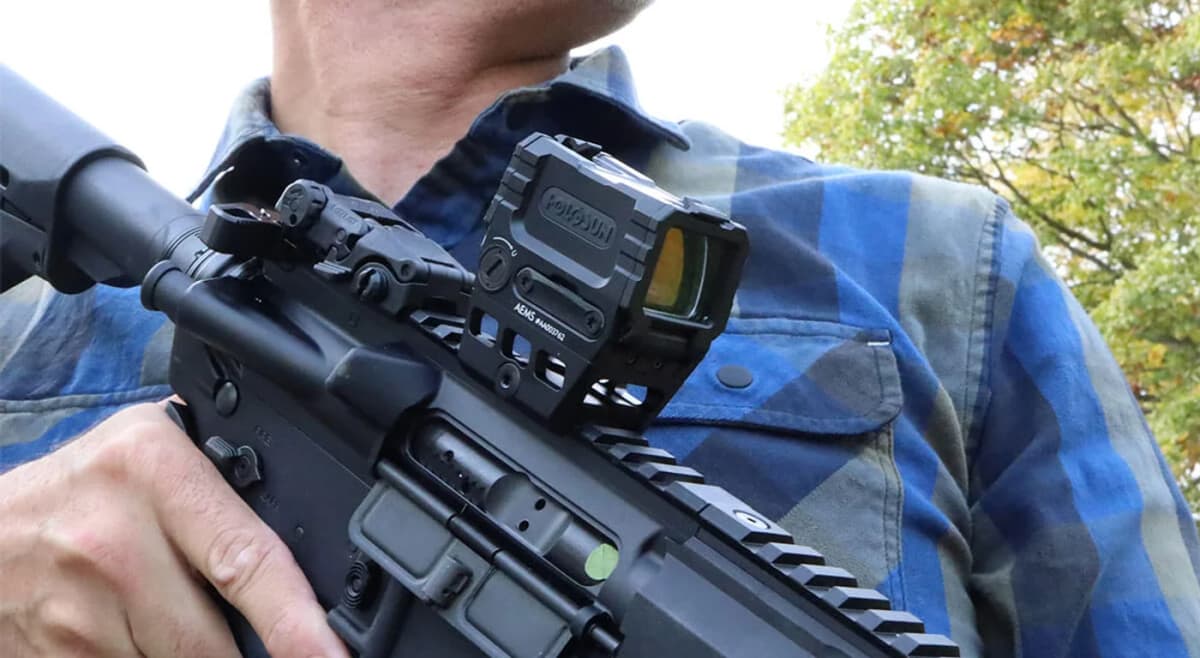
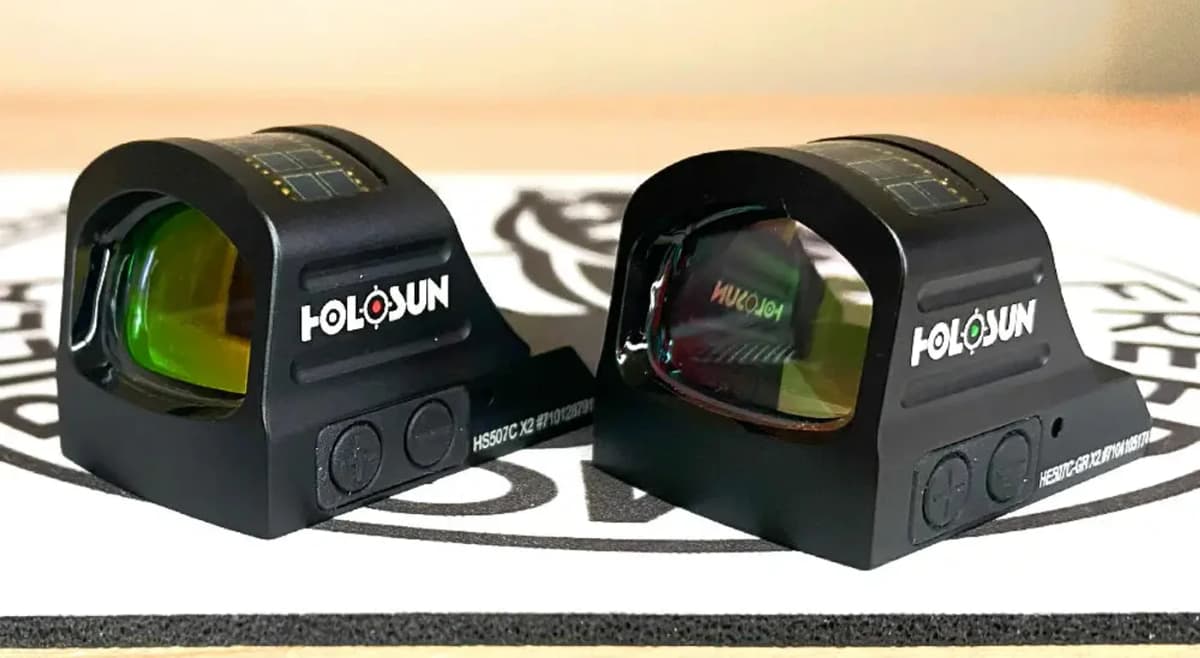
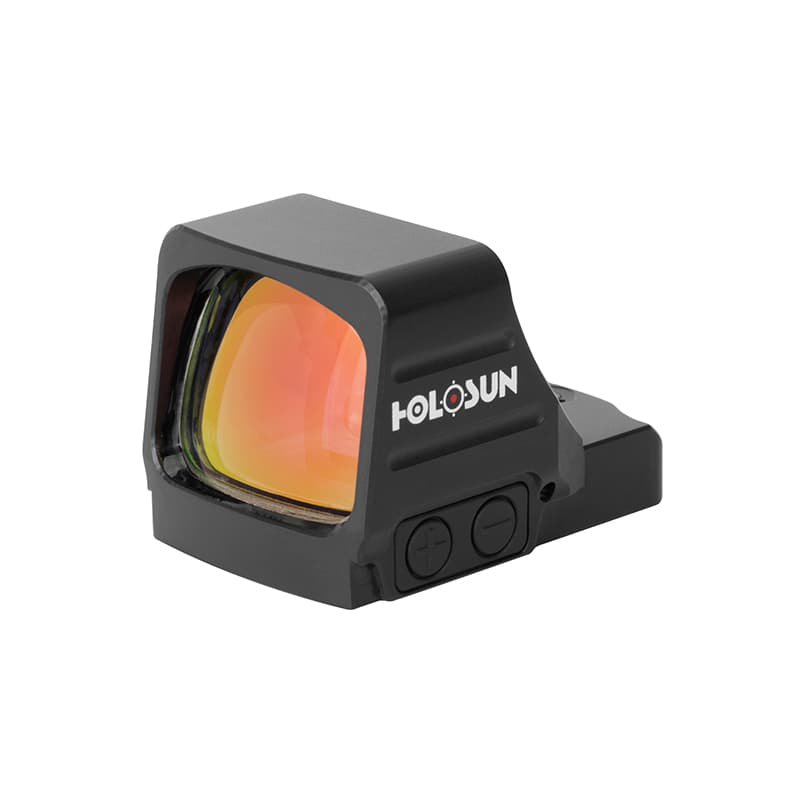
The Holosun HE512C-GD is the gold-LED variant of the 512C large-window enclosed reflex. Holosun's gold LED is rare in the rifle red dot category and produces a warmer reticle that some shooters prefer over green or red, particularly in mixed lighting.
The multi-reticle system switches between a 2 MOA dot, a 65 MOA ring, or both combined. The 0.91 x 1.26 inch window matches the 510C-GR and is large enough for both-eyes-open shooting and rapid target acquisition. CR2032 battery life is 50,000 hours at moderate brightness, supplemented by the solar panel.
For shooters who want a 510C-class sight picture but prefer an enclosed housing and a gold reticle over the standard green or red, the 512C-GD is the answer. Trade-offs vs. the 510C-GR: higher weight, and limited availability because the model is no longer listed in Holosun's current rifle-sight lineup. It sits below the 510C-GR's typical price point and remains one of the more affordable large-window Holosun enclosed reflex options with multi-reticle.
Key Features
- Multi-reticle: 2 MOA gold dot, 65 MOA gold ring, or both combined
- Solar failsafe supplements 50,000-hour CR2032 battery
- 0.91 x 1.26 inch viewing window
- 12 brightness settings (10 daylight, 2 night vision compatible)
- Shake Awake motion-activated power management
- IP67 dust and water resistance
Pros
- +Rare gold LED is easier on the eye than red in mixed lighting
- +Large window for both-eyes-open shooting
- +Solar plus CR2032 dual power
- +Multi-reticle covers both speed and precision
- +Sub-$300 price for a multi-reticle large-window reflex
Cons
- −No longer listed in Holosun's current rifle-sight lineup, though still stocked at retail
- −Nearly 2 oz heavier than the 510C-GR at the same window size
- −IP67 sealing rather than full IP68
- −Heavier than micro red dots at 6.77 oz
- −Gold LED is divisive; some shooters strongly prefer red or green
Setup & Operation
Step-by-step procedures for setting up, operating, and maintaining the Holosun HE512C-GD.
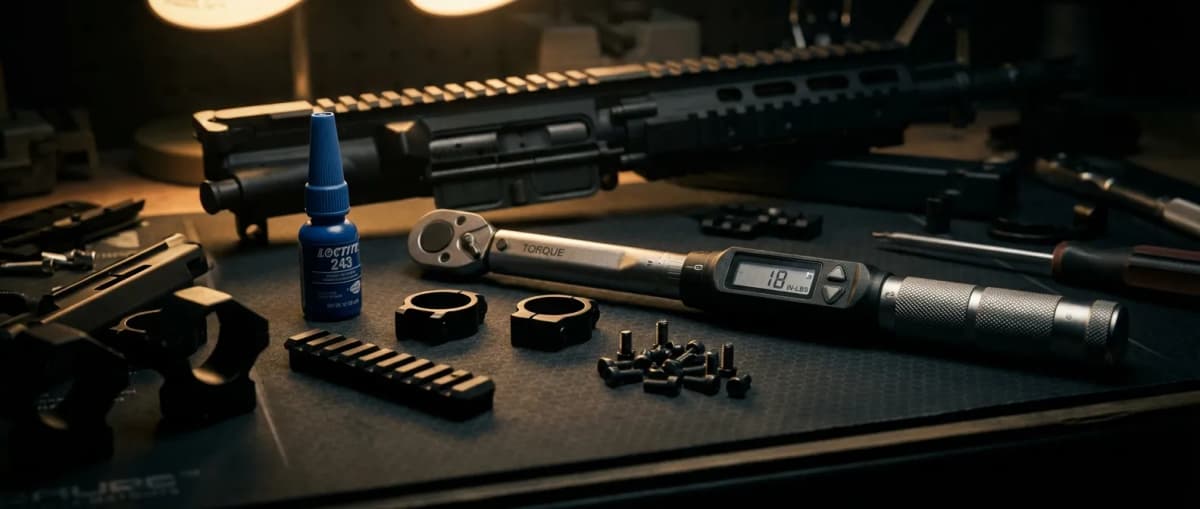
Mount the HE512C-GD on a Picatinny Rail
The 512C clamps to the rail with a single small Torx screw drawing a clamp jaw against the slot, and Holosun specifies 0.5 Nm, roughly 4.4 inch-pounds. That reads low next to the 1.7 to 2.2 Nm on Holosun's own HS403B, and the reason is the hardware: this is a fine-thread screw closing a clamp, not a crossbolt nut carrying the load in tension. Treat the number as correct rather than as a typo.
The practical problem is measuring it. Most 1/4 inch torque drivers bottom out around 10 inch-pounds and will not register 4.4, and the Torx wrench in the box measures nothing at all. Use a driver that actually reads in that range, or set it by feel and confirm the sight does not move. Unload the firearm and engage the safety before the optic goes near it.
- • Included Torx wrench, or a Torx bit and a torque driver that reads down to 0.5 Nm (4.4 in-lbs)
- • Cleared, unloaded firearm
- 01
Open the Torx screw
Take the included Torx wrench and back the Torx screw out until the cross bolt clears enough for the mount to drop over the rail.
- 02
Seat the mount
Set the mount on the rail so it sits properly. Holosun's instruction is that the mount has to be installed properly before anything gets tightened.
- 03
Tighten the Torx screw to 0.5 Nm
Tighten the Torx screw to Holosun's specified 0.5 Nm, about 4.4 inch-pounds. This is a small screw closing a clamp, so the figure is genuinely that low and overtightening it strips the head or the threads long before it improves the hold. If your driver does not read that low, snug it and check that the sight will not rock fore or aft on the rail.
- 04
Confirm the clamp before you shoot it
Grab the sight and try to rock it on the rail. Any perceptible movement means the screw needs to come back up. Re-check it after the first range session, since a fresh clamp settles.
For mounting, dismantling, or maintenance the firearm must be unloaded and the safety engaged. Holosun puts that ahead of every other instruction in the manual.
Swap the CR2032 Battery Compartment
The 512C's battery compartment comes out as a unit on a clamp handle, so there is no Torx screw and no tool involved. Pull the handle out, rotate it counterclockwise, and the whole compartment lifts free.
An o-ring rides on the compartment and is what backs the IP67 rating and the nitrogen fill. Holosun rates the 512C at up to 50,000 hours on one CR2032 at brightness setting 6 with the circle dot reticle running, which is worth noting next to the HE503C-U, where the same 50,000 hour figure applies to the dot alone and the circle dot drops to 20,000.
- • One CR2032 3V lithium battery
- • Cleared, unloaded firearm
- 01
Release the clamp handle
Pull the clamp handle out from the side of the sight and rotate it counterclockwise.
- 02
Pull the compartment free
Pull on the handle to draw the battery compartment completely out of the housing.
- 03
Seat the new cell to the marked polarity
Remove the old CR2032, drop a fresh one into the compartment following the marked polarity, and check the o-ring for cuts or grit while the compartment is out.
- 04
Close it in reverse order
Slide the compartment back in, rotate the clamp handle clockwise, and push the handle back flat to lock it.
Use CR2032 cells only. Do not short circuit the cell, swallow it, or throw it into fire.
Zero the HE512C-GD
Elevation sits on top of the sight and windage on the right side, both slotted screws turned with the enclosed tool. Each click is 0.5 MOA, which the manual states as 13 mm at 100 meters, and total travel is plus or minus 1.4 m at 100 meters, or plus or minus 50 MOA.
Both axes run the opposite of rifle scope habit. Clockwise on the elevation screw lowers point of impact, and clockwise on the windage screw moves it left.
- • Enclosed slotted tool
- • Zeroing target
- 01
Set up the tool
Position the blade of the enclosed screwdriver in the slot of the adjustment screw. Each click left or right is 0.5 MOA.
- 02
Correct elevation
Turn the elevation screw on top counterclockwise to raise point of impact and clockwise to lower it. At 50 yards a 0.5 MOA click is about 1/4 inch, so a group printing 2 inches low takes 8 clicks counterclockwise.
- 03
Correct windage
Turn the windage screw on the right side counterclockwise to move point of impact right and clockwise to move it left.
- 04
Confirm with a fresh group
Fire another group and repeat the correction until it centers on point of aim. Confirm from the position you actually shoot from, since a sight zeroed off a bag and then run offhand will show the difference.
If a screw will not rotate further you have reached the plus or minus 50 MOA adjustment limit. Holosun's caution is that over rotation can damage the sight. Running out of travel before you reach zero points at a rail or mount that is not square to the bore.
Switch Reticles, Modes, and the Sleep Delay
The 512C's two buttons are on the left side of the sight, not the top. A single press of "+" or "-" powers it on in auto mode, where the solar cell sets reticle intensity from ambient light. Holding "+" for 3 seconds drops it into manual mode, and holding "+" for 3 seconds again puts it back in auto. Manual mode carries 12 settings, 10 for daylight and 2 for night vision devices, out of 13 positions counting off.
The gold reticle switches by button hold. Holding "-" for 3 seconds steps through dot, then circle, then circle dot. The 65 MOA circle and the 2 MOA dot are the only two elements; which of them is lit is the only thing that changes.
- 01
Cycle the reticle
Hold "-" for 3 seconds. Each hold advances one step through dot, circle, and circle dot.
- 02
Switch between auto and manual brightness
Hold "+" for 3 seconds to leave auto mode for manual, and hold "+" for 3 seconds again to return to auto. In manual mode each press of "+" raises the setting one level and "-" lowers it.
- 03
Enter sleep delay programming
Hold "+" for 10 seconds. The dot begins blinking, and the blink count reports the step currently selected.
- 04
Pick the delay
Press "+" or "-" to move one step per press through four options: 10 minutes, 1 hour, 12 hours, or never. The LED blinks once to confirm each press, and setting the delay to zero disables the shutoff.
- 05
Save and exit
Press "+" and "-" simultaneously to confirm the new setting and exit time adjustment mode.
Factory sleep delay is 10 minutes of no movement, and the motion sensor brings the sight back on a slight movement or any button press. Pressing "+" and "-" together powers the sight off by hand.
Detailed Specifications
- Reticle
- 2 MOA dot / 65 MOA ring / both, switchable gold LED
- Magnification
- 1x
- Battery Type
- CR2032 with solar failsafe
- Battery Life
- 50,000 hours
- nightVisionCompatible
- Yes (2 NV settings)
- Waterproof Rating
- IP67
- weight
- 6.77 oz
- Length
- 3.35 inches
- width
- 1.63 inches
- height
- 1.7 inches
- Objective Diameter
- 0.91 x 1.26 inch window
- operatingTemp
- -22°F to 140°F
- countryOfOrigin
- China
Video Reviews

Pairs Well With
Top matches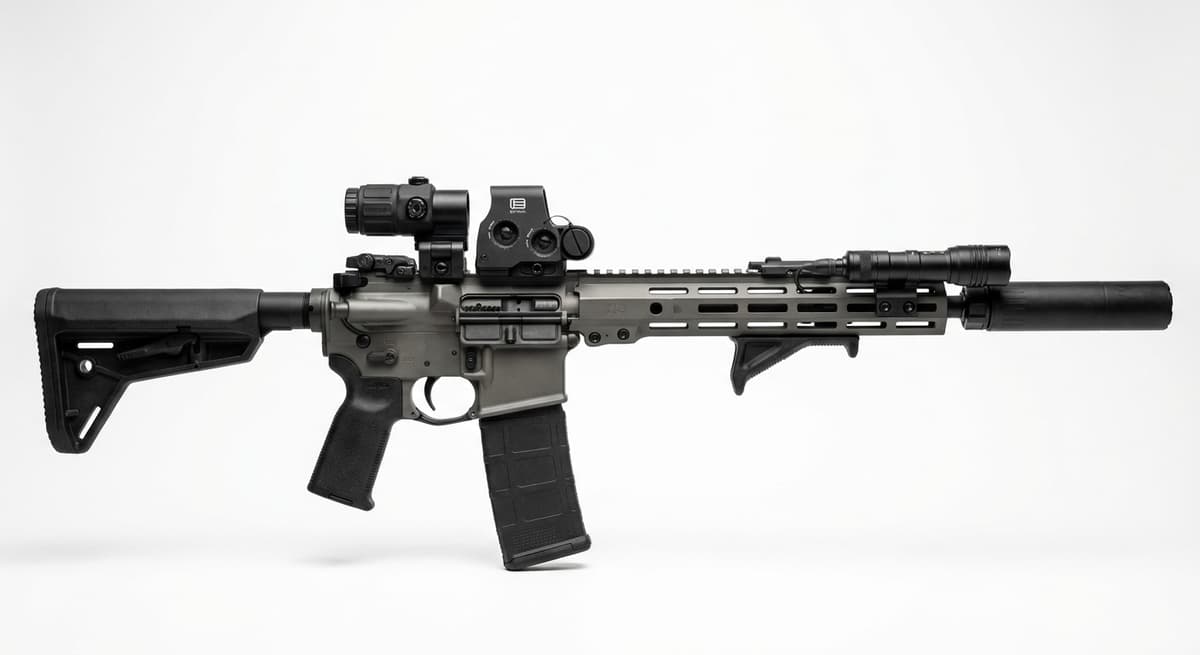
Custom
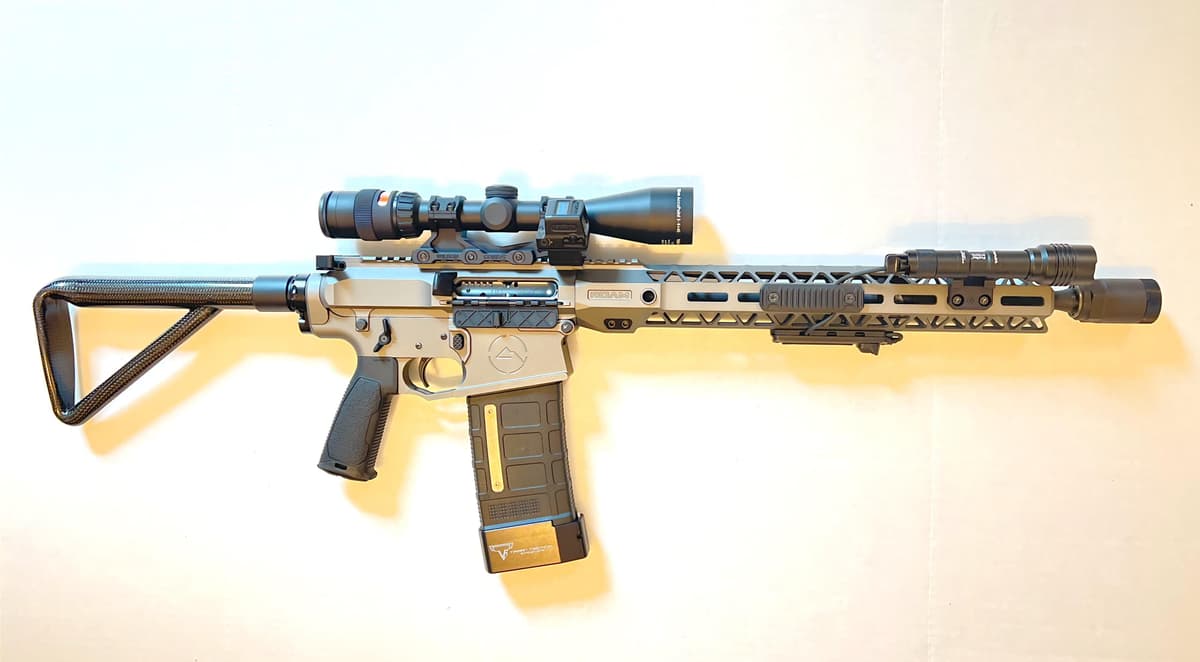
Custom AR-15 (Build From Scratch)
1 shared compatibility tags
Custom
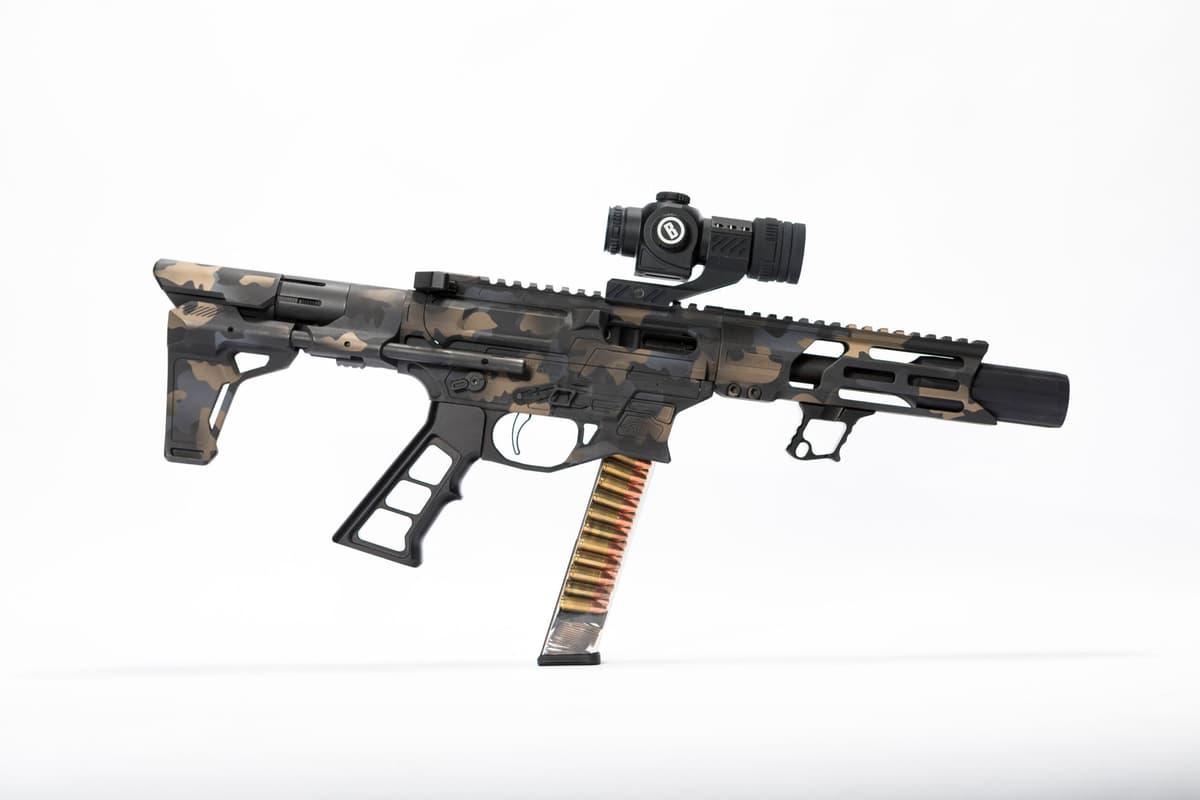
Custom AR-9 (Build From Scratch)
1 shared compatibility tags
Henry Repeating Arms
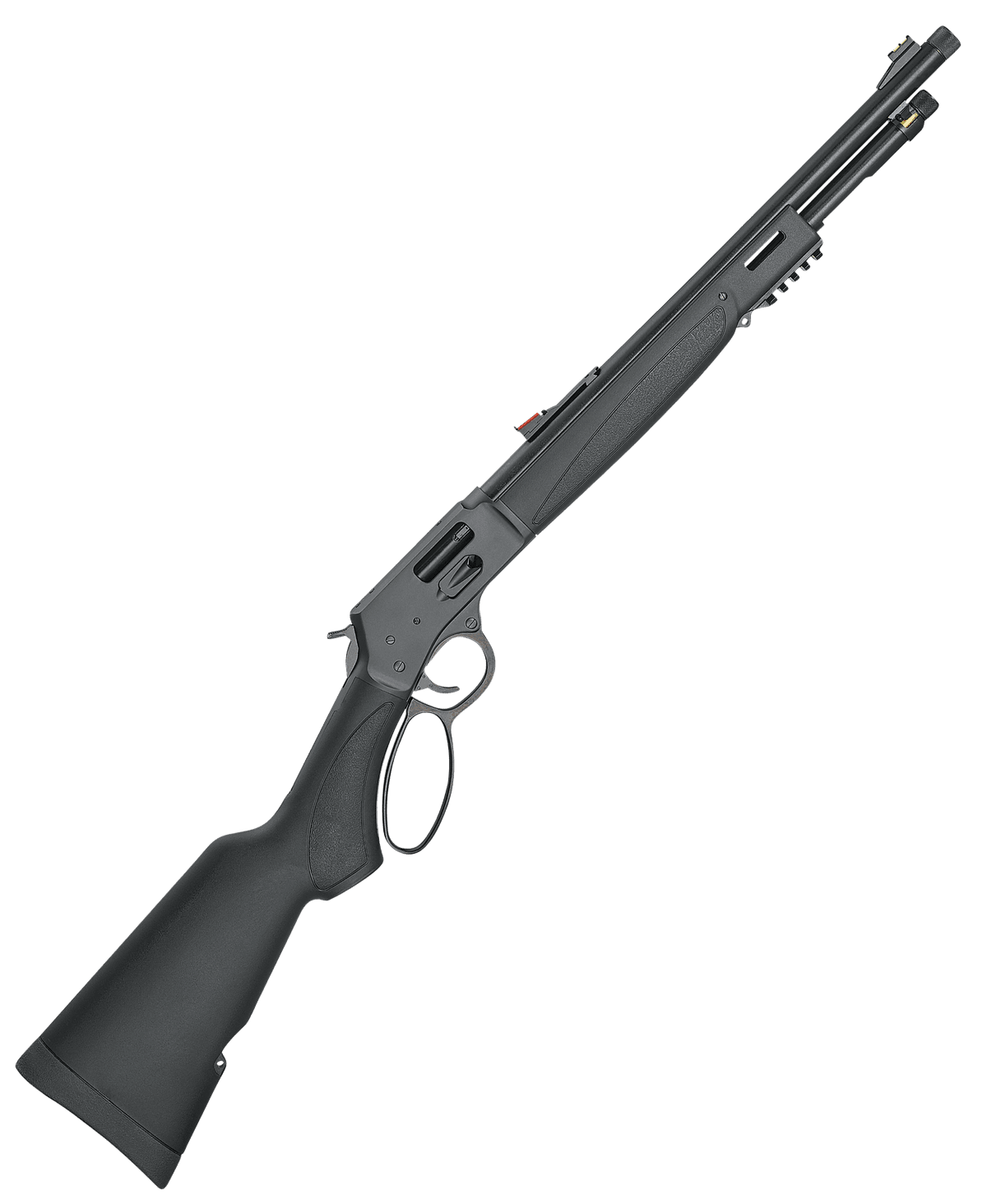
Henry Big Boy X Model (.357 Magnum)
1 shared compatibility tags
Kalashnikov USA
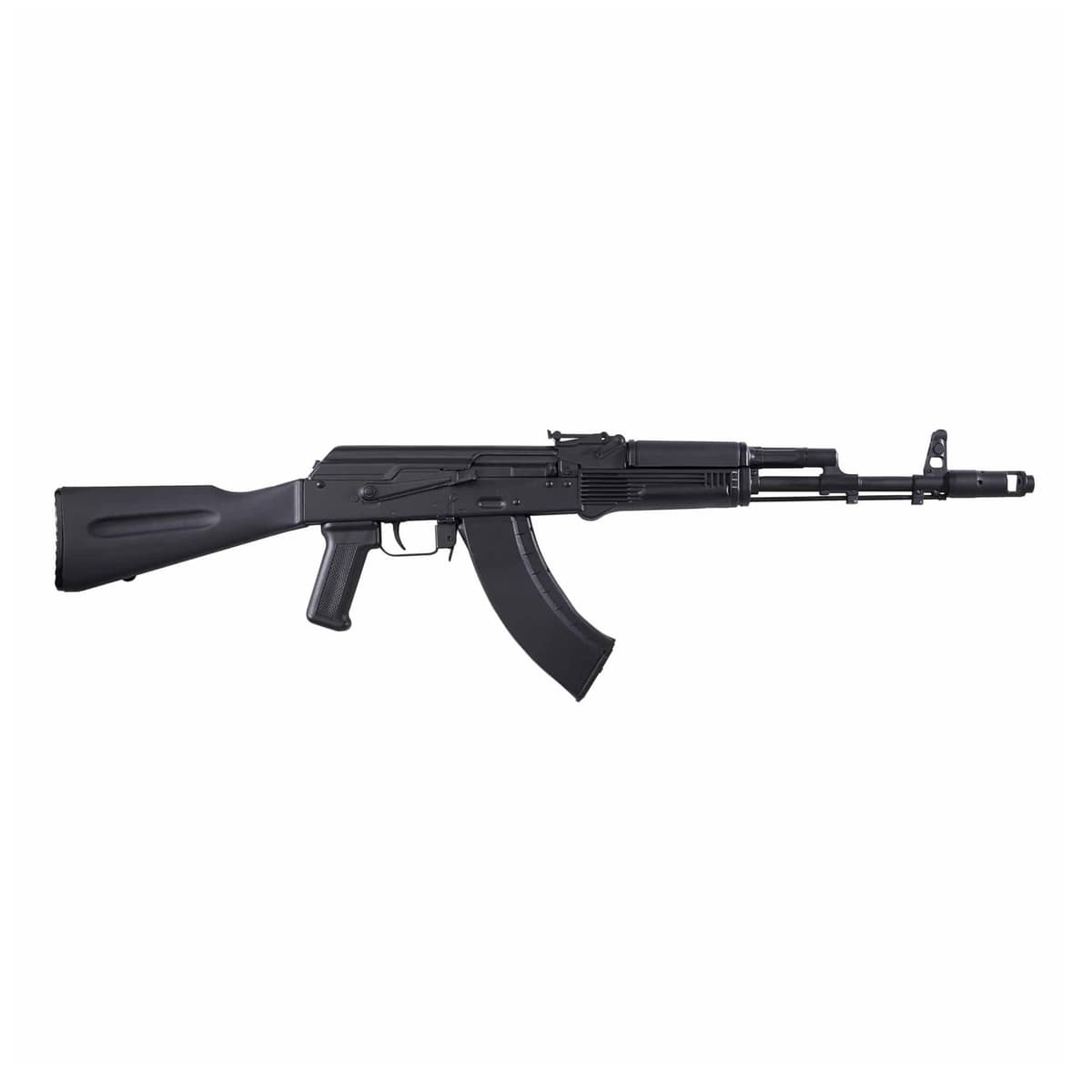
Kalashnikov USA KR-103
1 shared compatibility tags
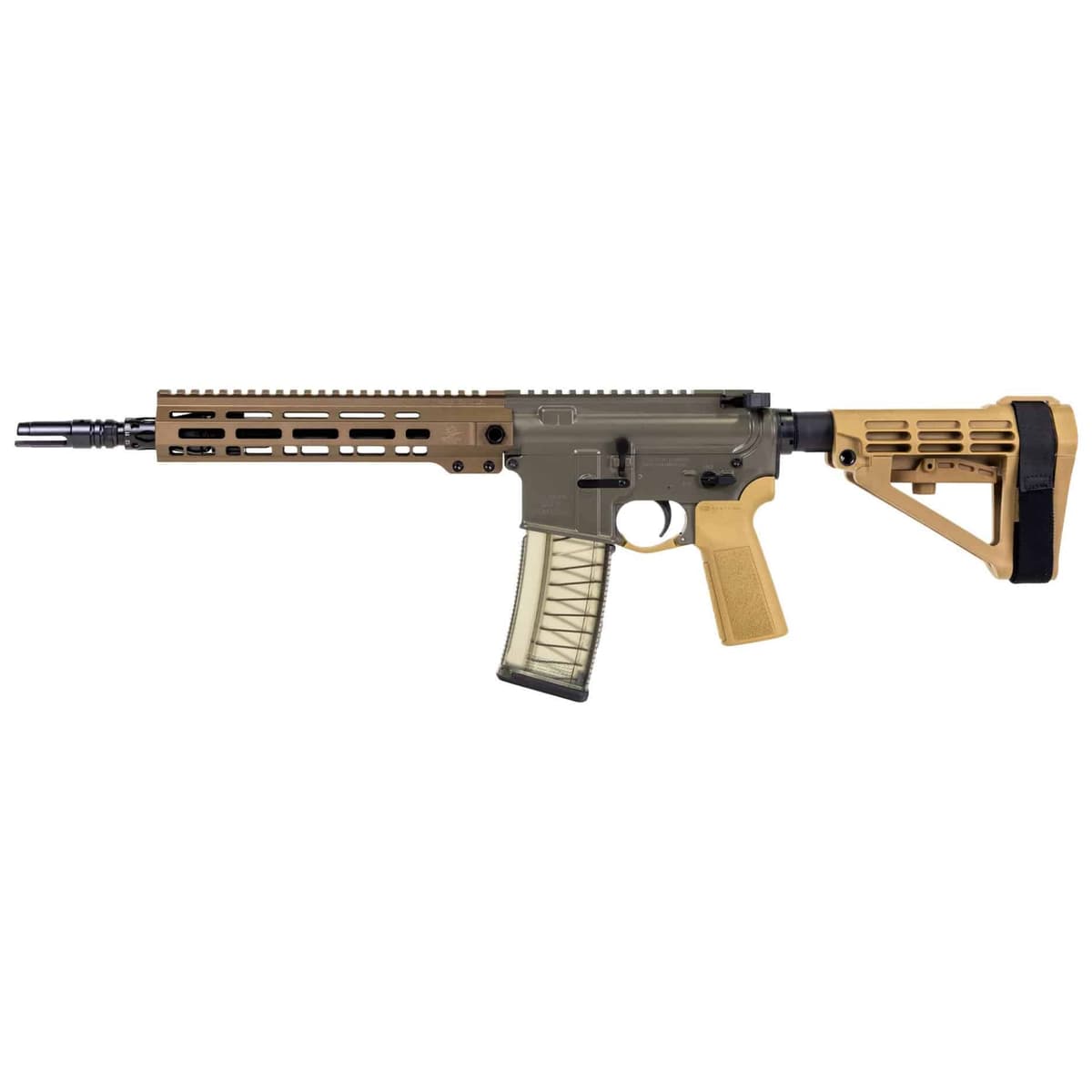
Palmetto State Armory
PSA Sabre-15 Forged 11.5" 5.56 Pistol
1 shared compatibility tags
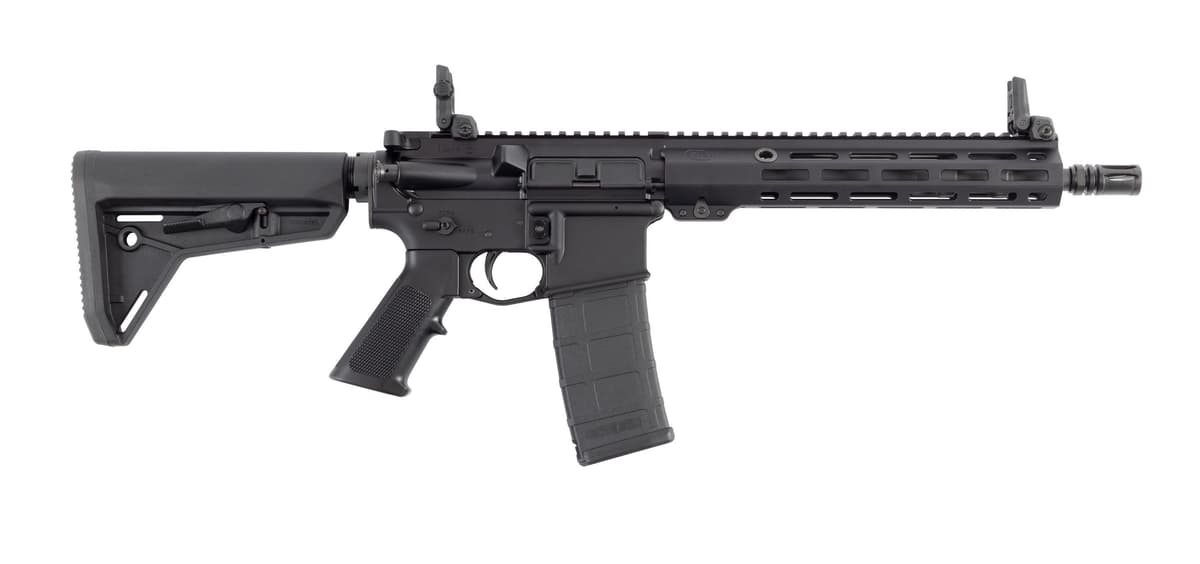
Colt
Colt EPR II Patrol 11.5" SBR (LE6933-EPRII)
1 shared compatibility tags
Similar Products


Compatible Platforms
Compatibility Tags
Build Your Custom Configuration
Add the Holosun HE512C-GD to your build and see how it enhances your platform.