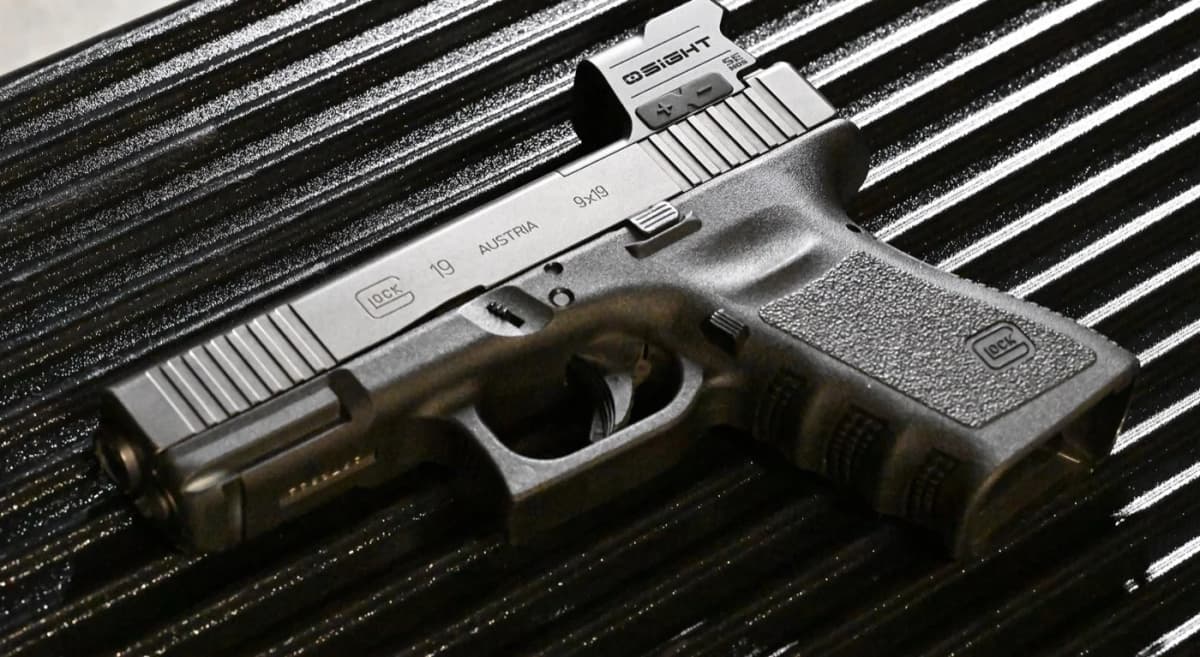
Osight SE Enclosed (6 MOA Green)
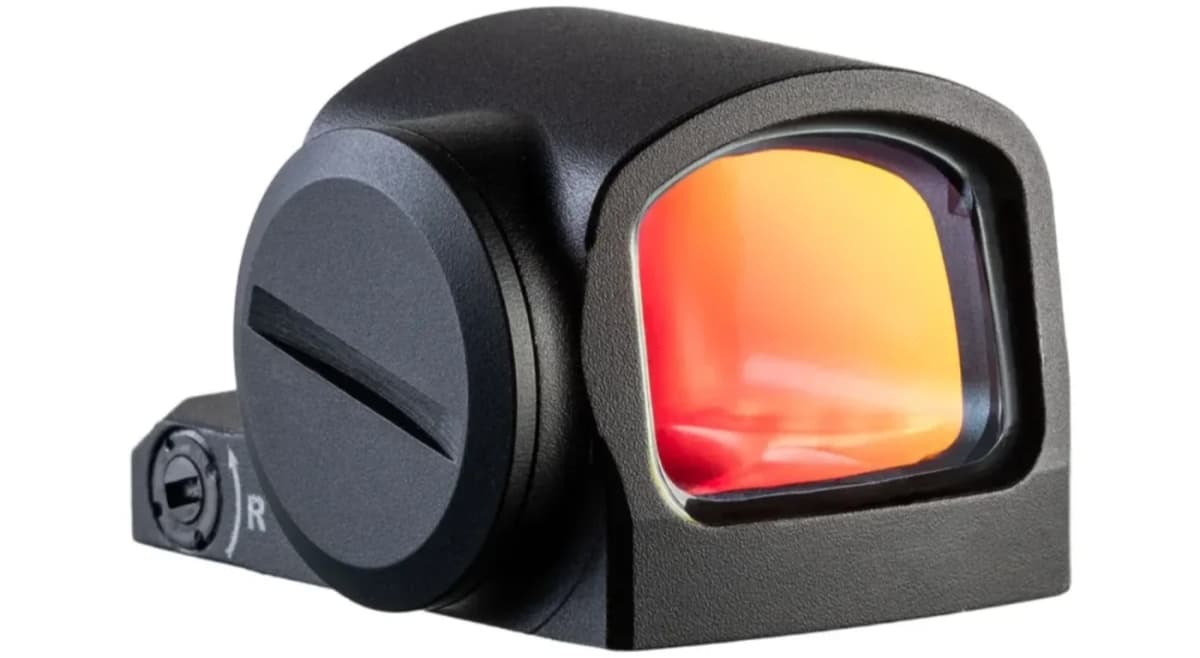
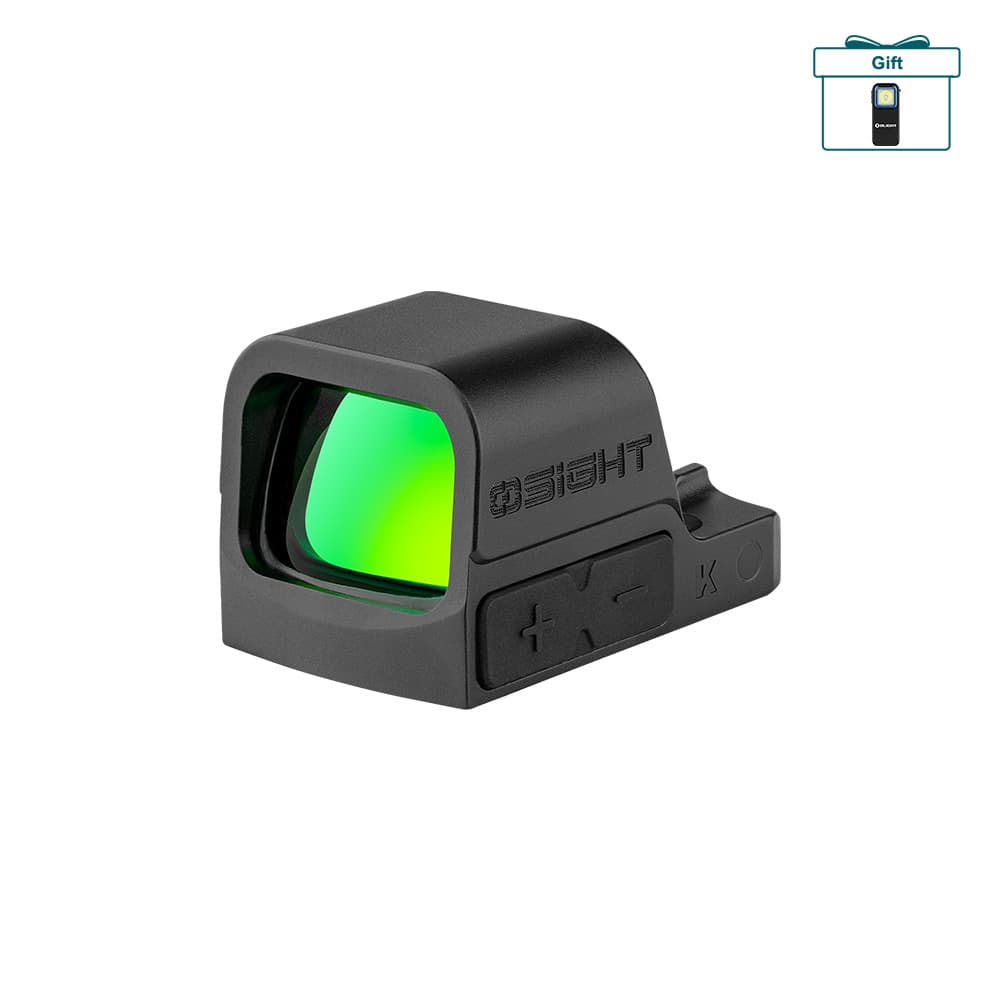
Enclosed-emitter green dot on the RMSc footprint with a side-loading battery and a 75,000-hour runtime, at a value price.
- Price
- $200
- Weight
- 1 oz
- Brand
- Osight
- Category
- Pistol Optics

Featured in

Best Glock 43X Upgrades 2026: Optics, Triggers, Mags & Barrels Ranked
guide · gear · 12 min read

Best Glock 48 Upgrades & Accessories 2026: Optics, Triggers, Mags & Barrels Ranked (Holosun, Radian, Streamlight)
guide · gear · 12 min read

Best Springfield Hellcat Accessories 2026: Upgrades Ranked for Hellcat & Hellcat Pro (Holosun, Apex, Powder River, True Precision)
guide · gear · 13 min read
Primary Arms CLx Optics: 4 New Budget Sights for June 2026
article · news · May 17, 2026
Features
- •6 MOA green dot
- •Enclosed emitter
- •RMSc footprint
- •Side-loading CR1620
- •75,000 hr battery life
Capability Boosts
Recommended For
+24 more
Where to Buy
Compare current prices and availability from retailers we work with.
Some retailer data is older. Verify price and stock before buying.
Osight SE 6 MOA Reflex Green Dot Sight w/ Enclosed Optic Black
Price History
90-day low $159.99More Glock guides & articles
Guides
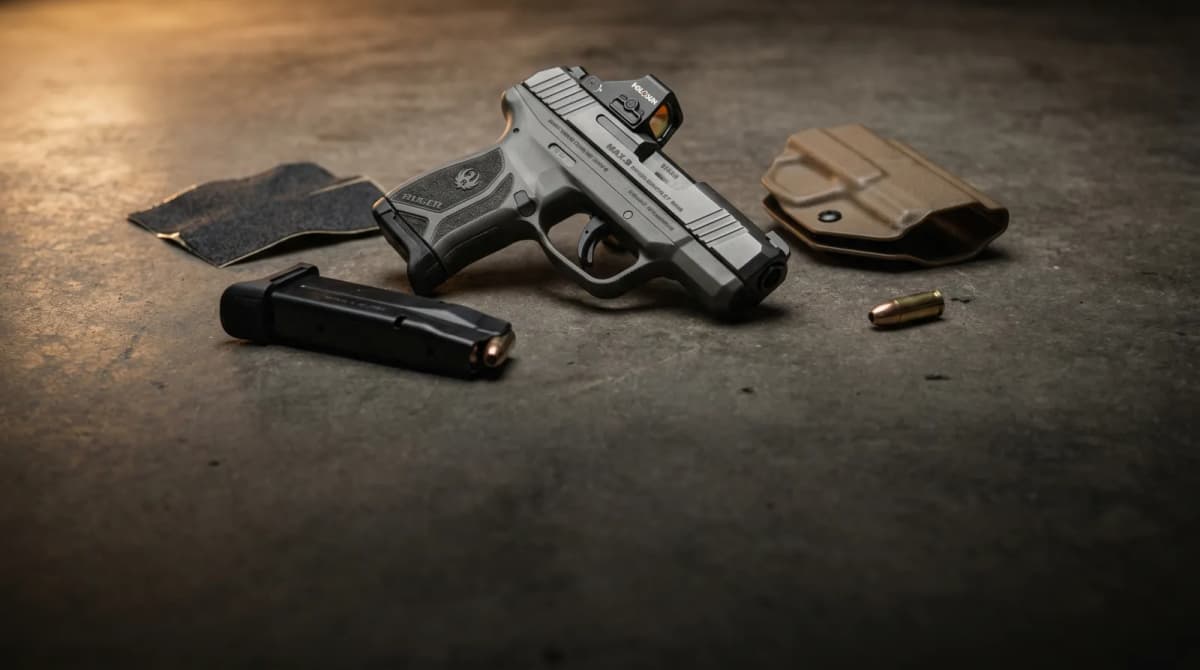
Best Ruger Max-9 Accessories 2026: Optics, Sights, Magazines & Holsters Ranked (Holosun, Swampfox, Night Fision, Galloway)
guide · gear · 11 min read
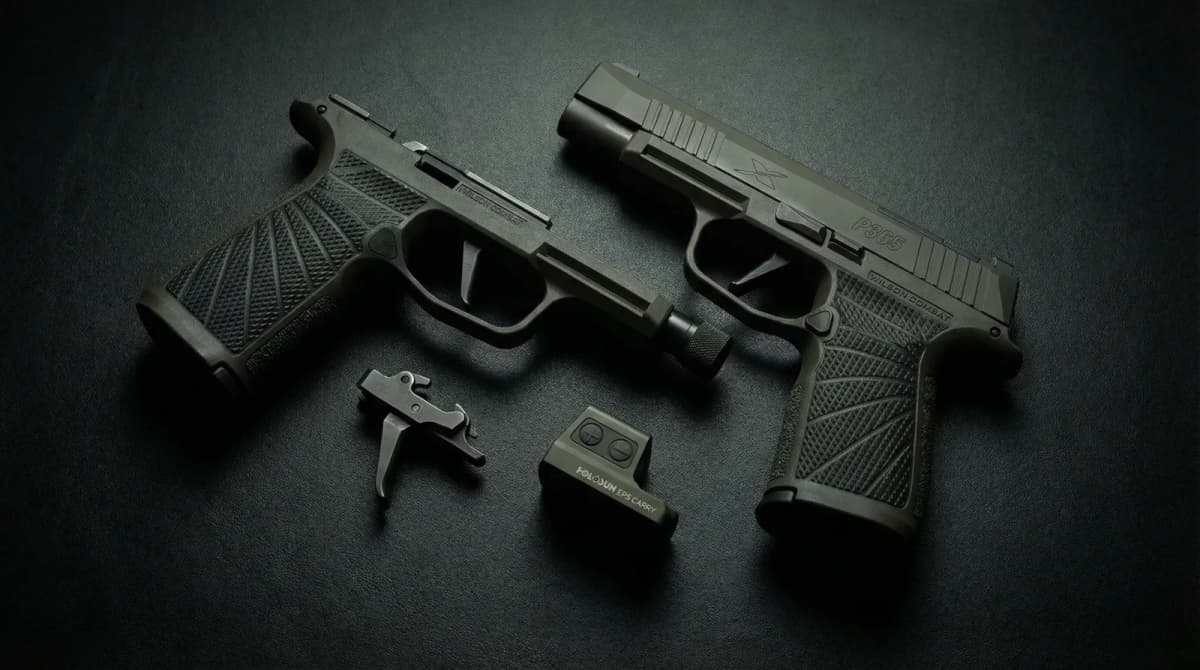
Best P365 Upgrades 2026: Grips, Triggers, Optics (Macro/XL/X)
guide · gear · 14 min read
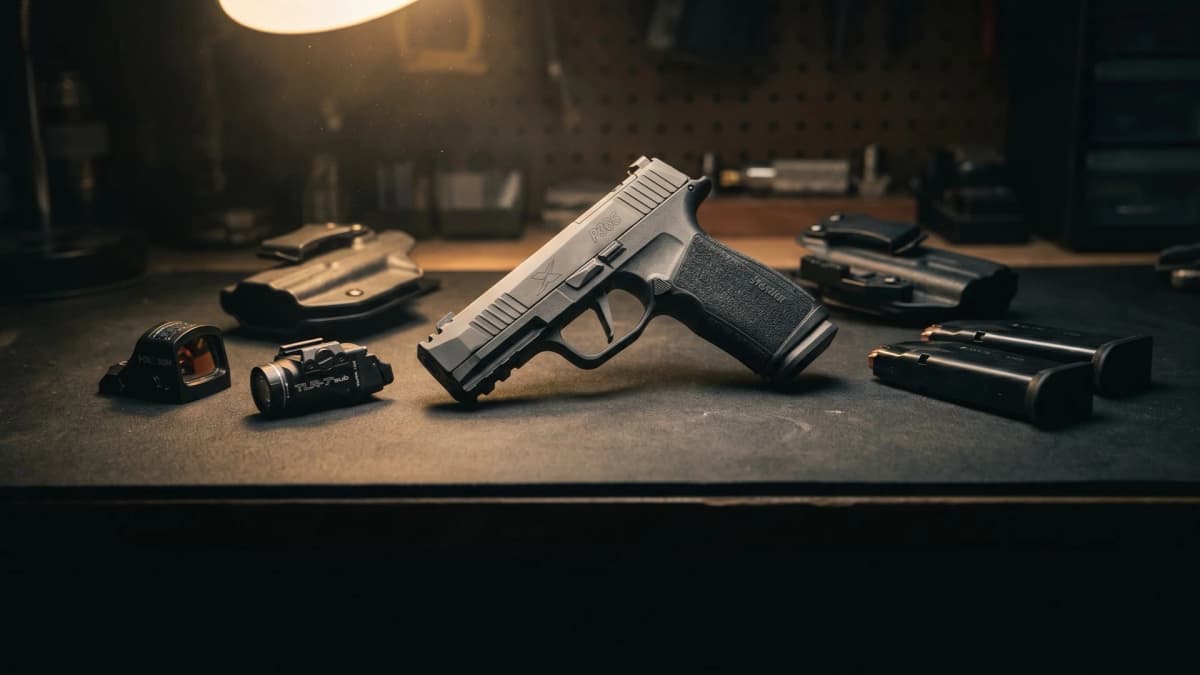
Best P365 X-Macro Upgrades 2026: Optics, Grips, Lights & Holsters Ranked
guide · gear · 12 min read

Overview
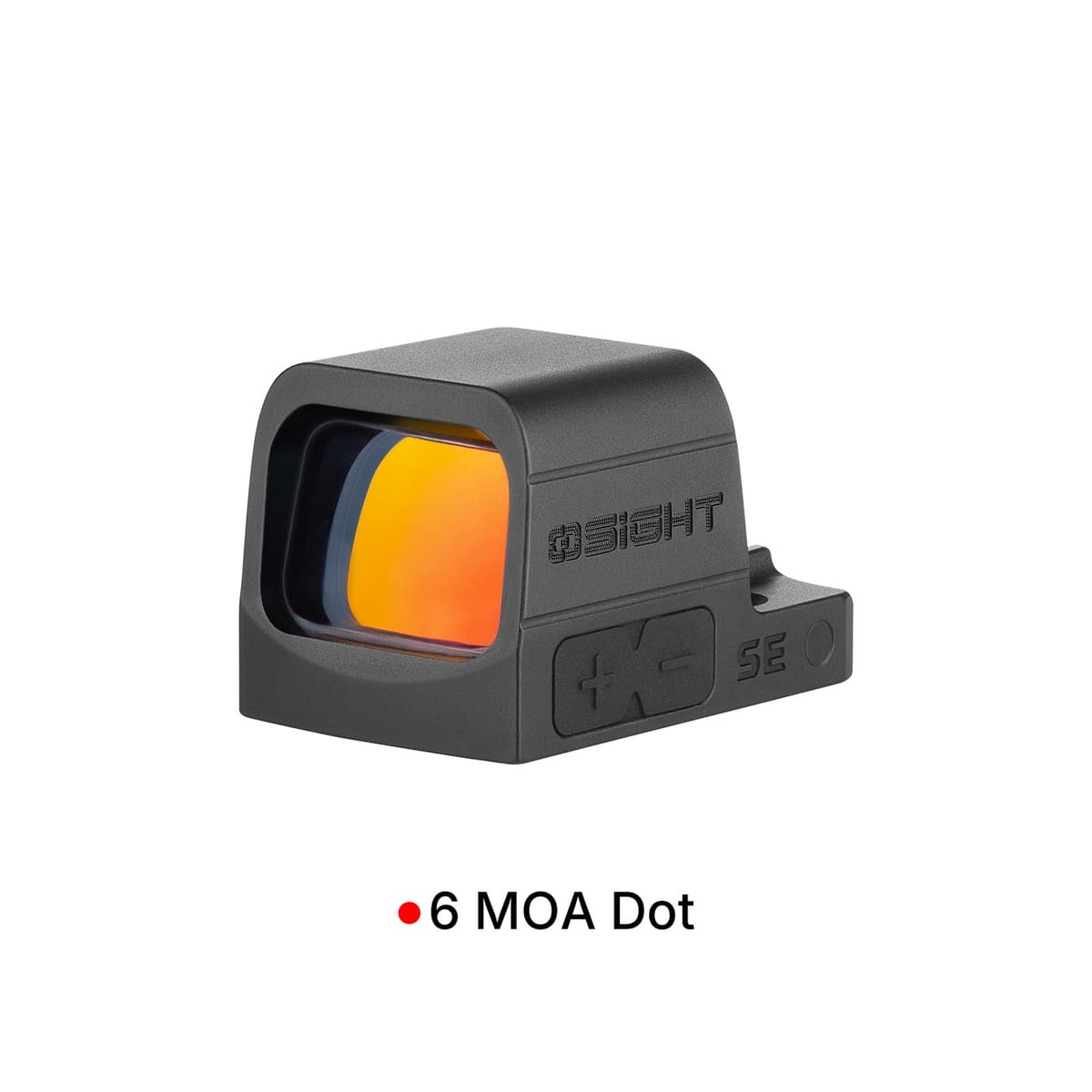
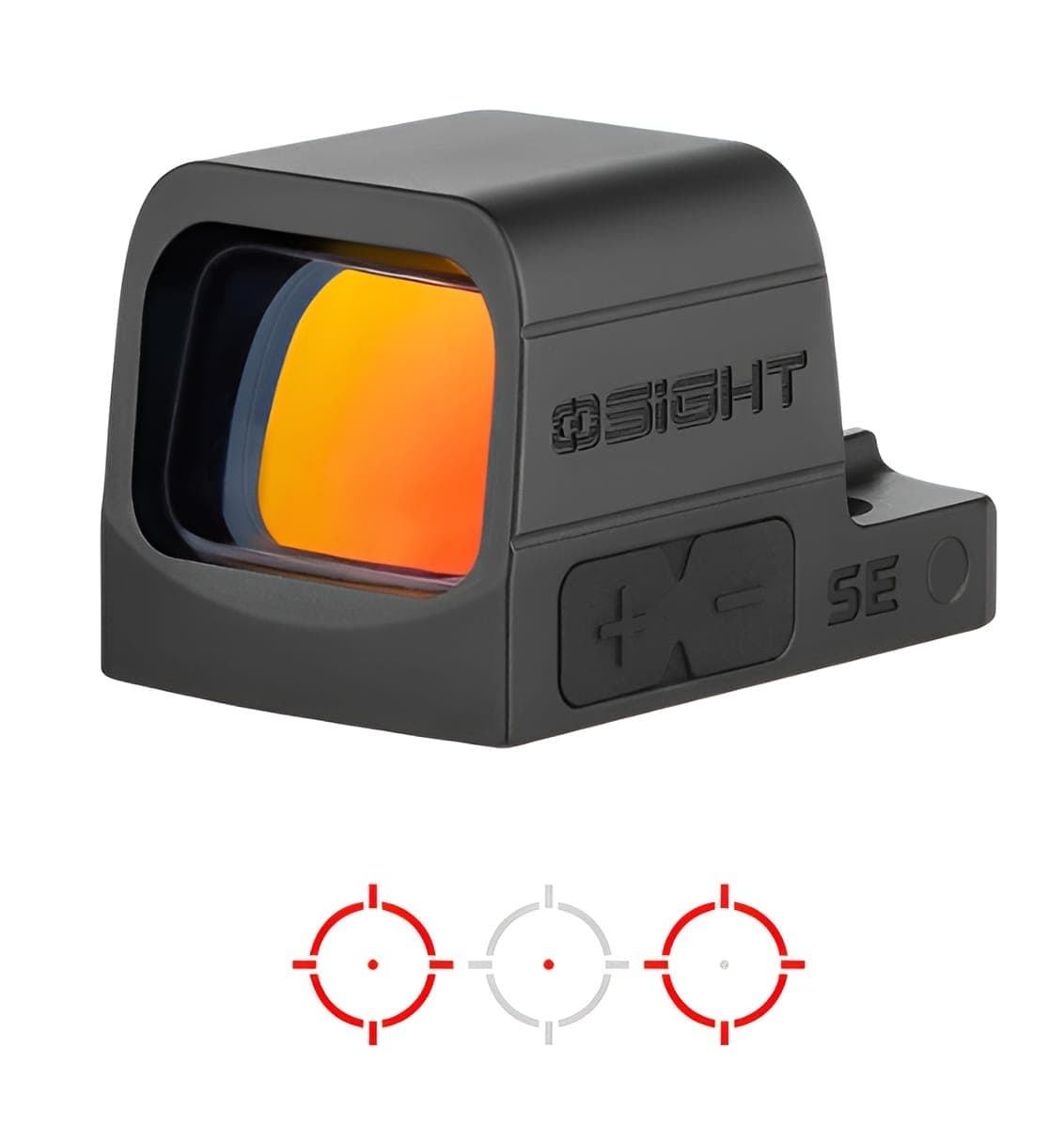
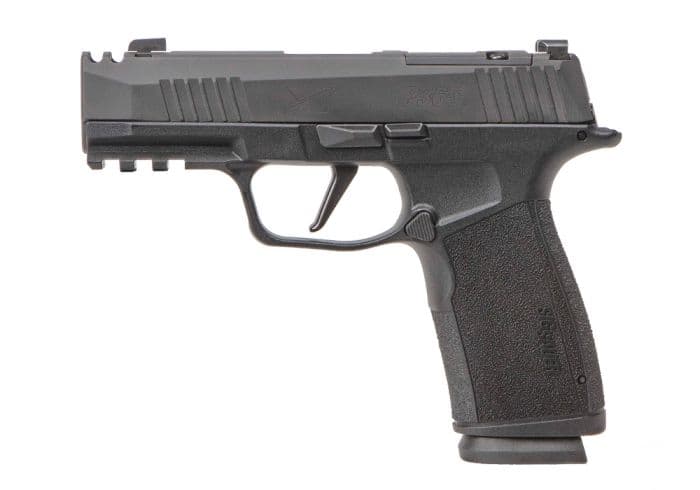
The Osight SE is a value-priced enclosed-emitter red dot on the Shield RMSc footprint, built specifically for slim pistols like the SIG P365 XL and Glock 43X/48 MOS. Osight is a Phoenix, Arizona-headquartered sister brand of Olight, and the SE undercuts the Holosun EPS Carry and Holosun SCS Carry by more than $100 while matching their core carry features: enclosed emitter, side-loading battery, and IPX7 waterproofing.
The SE uses a 7075 aluminum housing and a 6 MOA green dot on an aspherical lens that Osight rates as parallax-free with zero distortion. Green dots are easier for most shooters to acquire in daylight than red, and the enclosed window blocks pocket lint and holster debris from fouling the emitter, which is the primary durability weakness of open-emitter carry optics. Weight is 0.97 oz, making it one of the lightest enclosed micro optics on the market.
The side-loading CR1620 battery is a meaningful carry feature. You can swap batteries without pulling the optic off the slide, preserving zero. Osight rates runtime at 75,000 hours, which is roughly 8.5 years of continuous use and well beyond the EPS Carry (50,000 hours) and SCS Carry (Solar + CR1632). Eight daylight plus two NV brightness settings cover standard carry and low-light use. Adjustments are 1 MOA per click.
For shooters who want an enclosed emitter on a carry pistol but cannot stomach the $350-400 Holosun price point, the Osight SE is the first credible value option. Tradeoffs: Osight has a shorter track record in optics than Holosun or Trijicon, and the single 6 MOA dot reticle is less versatile than the EPS Carry's green dot options or the 507K's multi-reticle system.
Key Features
- Enclosed 7075 aluminum housing protects the emitter from debris
- 6 MOA green dot for fast daylight acquisition
- Side-loading CR1620 battery preserves zero through changes
- 75,000-hour battery life at typical brightness
- Aspherical lens Osight rates as parallax-free
- 8 daylight + 2 night-vision brightness settings
- IPX7 waterproof rating
- Shield RMSc footprint fits P365 XL, G43X/48 MOS, and other slim slides
- 0.97 oz weight, 1.59" x 0.98" x 0.97"
Pros
- +Enclosed emitter at roughly one-third the price of the EPS Carry
- +Green dot is easier to pick up in daylight than red
- +Side-loading battery preserves zero during changes
- +75,000-hour runtime exceeds most competitors
- +Lightest enclosed RMSc-footprint optic on the market
Cons
- −Osight has limited long-term reliability track record in pistol optics
- −Single 6 MOA reticle, no dot/circle/MRS options
- −IPX7 rating is one step below the IP68 ratings on premium competitors
- −Less aftermarket holster and mounting accessory ecosystem than Holosun or Trijicon
- −No solar failsafe
Setup & Operation
Step-by-step procedures for setting up, operating, and maintaining the Osight SE Enclosed (6 MOA Green).
Mount the Osight SE GN on an RMSc Slide
The SE GN carries the Shield RMSc footprint and goes straight onto an optics-ready slide cut on that pattern. Osight specifies medium-strength (blue) threadlocker on the mounting screws and 15 to 17 inch-pounds of torque on each one.
Screw selection is the real work here, because the box ships seven different lengths across four thread pitches: three each of M3 by 10.5 mm, M3 by 11.5 mm, M4 by 9.4 mm, M4 by 10.5 mm, #6-32 by 0.433 in, #6-40 by 0.374 in, and #6-40 by 0.449 in, plus two spare battery compartment screws and the adjustment tool. Your slide's cut determines which pair is correct, and running an adapter plate changes the answer: in that case Osight defers to the plate manufacturer's installation instructions rather than its own.
- • Torque driver capable of 15 to 17 in-lbs
- • Blue (medium-strength) threadlocker
- • Mounting screws from the included screw box
- • Cleared, unloaded pistol
- 01
Clear the pistol and pick the screw
Drop the magazine, lock the slide back, and confirm the chamber is empty. Then match the thread pitch and length to your slide cut from the seven options in the screw box. Dry-fit before committing so you know the screw engages the threads without bottoming out.
- 02
Apply blue threadlocker
Put non-permanent, medium-strength (blue) threadlocker on the mounting screws. Osight makes this a requirement for proper mounting rather than a suggestion.
- 03
Seat the optic and torque to 15 to 17 inch-pounds
Set the SE GN flat on the RMSc cut and tighten each screw to 15 to 17 inch-pounds, alternating between them in small increments so the sight pulls down square.
- 04
Let the threadlocker cure before shooting
Give the threadlocker its full cure time per the bottle before live fire, then verify the optic cannot be rocked by hand and that the pistol cycles normally.
If your setup needs an adapter plate, follow the plate manufacturer's torque and threadlocker instructions instead of Osight's. A plate puts a second screw interface in the stack with its own spec, and applying the optic's 15 to 17 inch-pounds to a plate screw rated lower is how plates get stripped.
Power the Optic and Set Brightness
A CR1620 ships installed behind an insulating film. Pull that film before the first use or nothing will happen when you press a button.
The SE GN powers up on a press of either button and powers down on both buttons held together for more than half a second. Motion sensing is on from the factory, which means the sight also wakes itself on movement and shuts itself off after three minutes without any. Brightness runs 10 levels: 1 and 2 are night vision settings, 3 through 10 are daylight, and 10 is the brightest. A memory function restores your last brightness level, motion sensing state, and on/off state after the sight powers down, so the gun comes out of the safe the way you left it.
- 01
Remove the insulating film
Pull the insulating film out of the battery compartment before first use. The CR1620 is already in the tray behind it.
- 02
Power on and off
Press either button to turn the optic on. To shut it down by hand, press the "+" and "-" buttons simultaneously and hold for more than 0.5 seconds.
- 03
Set the brightness level
Press "+" to step up and "-" to step down through the 10 levels. Levels 1 and 2 are the night vision settings and 3 through 10 are daylight. The reticle flashes once when you reach the floor or the ceiling, which is the sight telling you there is nothing further in that direction.
- 04
Toggle motion sensing
With the optic on, double press and hold the "-" button for more than 3 seconds. The reticle flashes once when motion sensing is enabled and twice when it is disabled.
Osight calls motion sensing the optimum setting for battery life and ease of use, and leaving it on is the right default for carry. Turning it off means the sight stays lit until you shut it down by hand, which is a deliberate choice for a nightstand gun and a battery drain everywhere else.
Zero the Osight SE GN
The elevation turret sits on top of the housing and the windage turret on the side, both driven by the adjustment tool in the box. Each click is 1 MOA for windage and elevation alike, which is about 1 inch at 100 yards, 1/2 inch at 50 yards, and 1/4 inch at 25 yards. Total travel is plus or minus 35 MOA.
The 6 MOA dot changes how you read a group. A dot that size covers roughly 1.5 inches at 25 yards, so it will blanket a small aiming point entirely. Use a target with a defined edge or a larger aiming square and read your correction off the measured center of the group rather than off what looked centered behind the dot.
- • Included Osight adjustment tool
- • Zeroing target
- 01
Fire a group at your zero distance
Shoot a 3 to 5 round group from a stable position at the distance you intend to zero. For a carry pistol, 10 to 25 yards covers the realistic envelope; at 25 yards one click is 1/4 inch.
- 02
Correct elevation
Put the included adjustment tool in the elevation turret on top of the housing and rotate as shown in the manual's figure. Each click is 1 MOA, so a group 2 inches low at 25 yards needs 8 clicks of correction.
- 03
Correct windage
Move to the windage turret on the side of the housing and apply the same 1 MOA per click math to your horizontal error.
- 04
Confirm with a fresh group
Shoot another group and repeat until it centers on point of aim. Confirm from the grip and stance you actually shoot from, not just off a rest.
Osight shows turret rotation direction in a figure rather than stating it in text, so make the first correction small, shoot it, and confirm the group moved the way you expected before dialing anything large. Total travel is only plus or minus 35 MOA, so wasted clicks in the wrong direction cost you real range.
Replace the CR1620 Battery
The SE GN uses a side-loading battery tray, so the cell changes with the optic still bolted to the slide and the zero untouched. That is the practical argument for this sight over an enclosed dot that has to come off to be fed.
The number that matters is the torque cap on the tray screw: no more than 2.5 inch-pounds. That is a sixth of what the mounting screws take, and running the same driver setting on both is how the tray screw gets stripped. Osight puts two spare battery compartment screws in the box, which tells you how often it happens.
Low battery announces itself: the reticle flashes three times within one second, repeating at one-minute intervals, once voltage drops below 2.2V. That is a replace-it-now signal, not a suggestion.
- • Included Osight tool
- • One CR1620 3V lithium battery
- 01
Remove the battery compartment screw
Back out the battery compartment screw on the side of the housing with the included tool. The optic stays on the slide for this.
- 02
Pry the tray open
Use the included tool to pry the battery tray open and slide it out of the housing.
- 03
Swap the cell
Remove the old CR1620 and drop in a fresh 3V CR1620 lithium cell oriented the same way the old one sat.
- 04
Seat the tray flush
Install the battery tray and press it flush with the main unit. A tray that will not sit flush is not seated, and forcing the screw on a proud tray bends it.
- 05
Tighten to no more than 2.5 inch-pounds
Tighten the battery compartment screw to a torque not exceeding 2.5 inch-pounds. This is the only screw on the optic with a ceiling rather than a target.
Pull the battery for long-term storage, and keep the optic out of a parked vehicle or anywhere that can exceed 70C. Osight also rates the housing IPX7 to 1 meter, which covers rain and a dunk, not seawater or other corrosive liquids.
Detailed Specifications
- Reticle
- 6 MOA green dot
- Magnification
- 1x
- Battery Type
- CR1620 (side-loading)
- Battery Life
- 75,000 hours
- Waterproof Rating
- IPX7
- weight
- 0.97 oz
- Length
- 1.59 inches
- width
- 0.98 inches
- height
- 0.97 inches
- Mount Type
- Shield RMSc footprint
- clickValue
- 1 MOA per click
- brightnessSettings
- 8 daylight + 2 NV
Pairs Well With
Top matches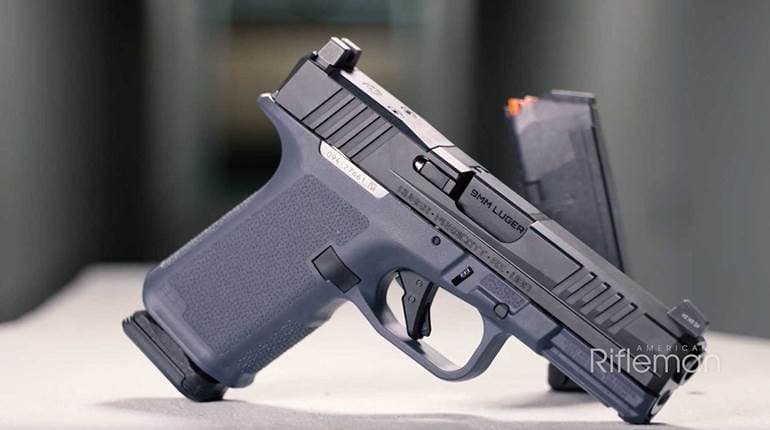
Ruger
Ruger RXM
1 shared compatibility tags
Palmetto State Armory
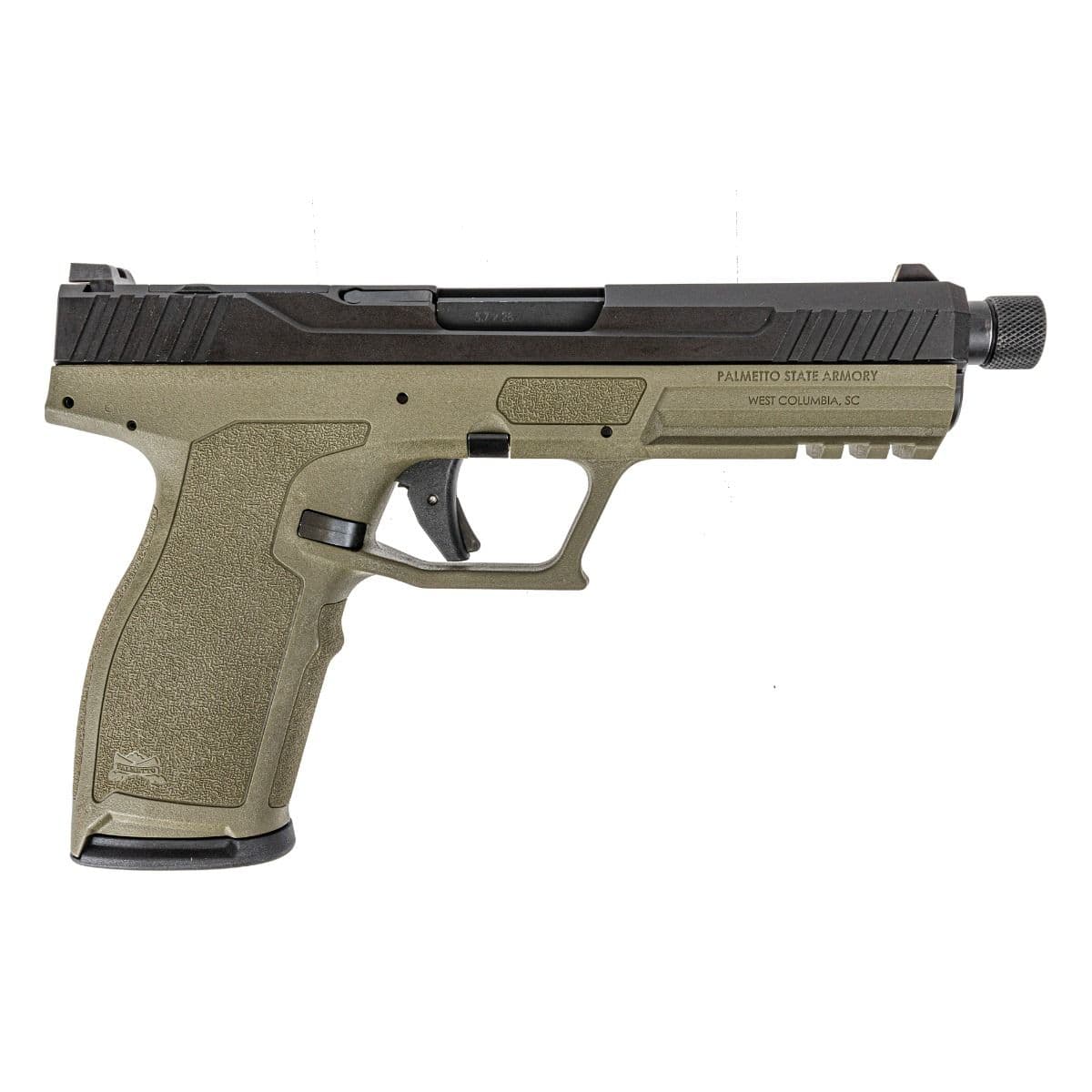
PSA 5.7 Rock Optics Ready Threaded Pistol
1 shared compatibility tags

FN America
FN 309 MRD
1 shared compatibility tags

Canik
Canik METE SFT
1 shared compatibility tags
SIG Sauer
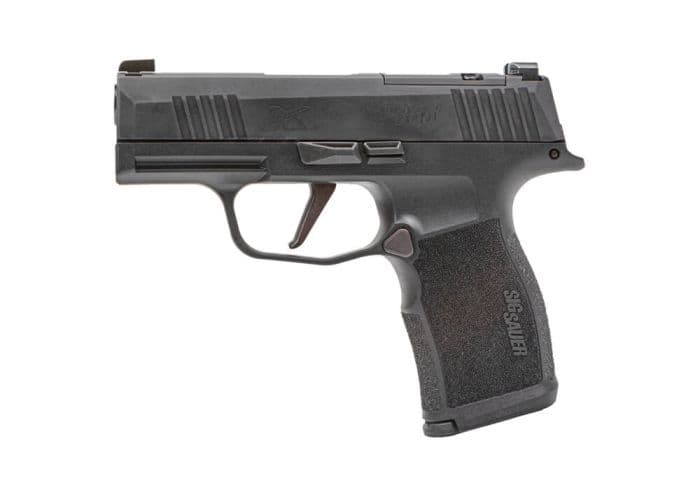
SIG P365X
2 shared compatibility tags
SIG Sauer
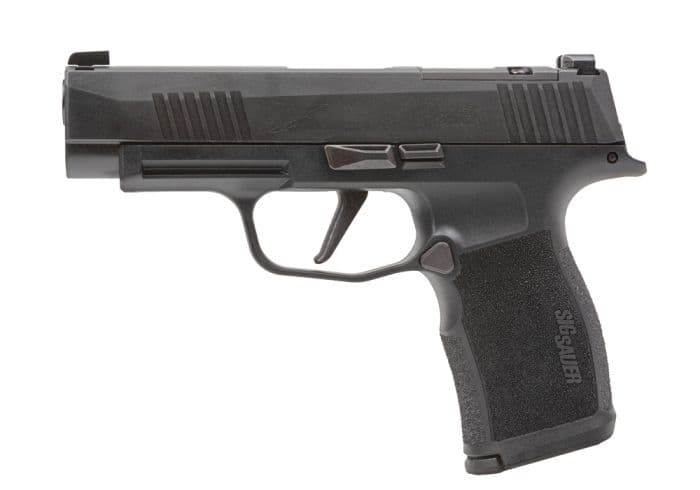
SIG P365 XL
2 shared compatibility tags
Similar Products
Compatible Platforms


Compatibility Tags
Build Your Custom Configuration
Add the Osight SE Enclosed (6 MOA Green) to your build and see how it enhances your platform.