Streamlight ProTac HL-X
- ✓1,000 lumens
- ✓50,000 candela

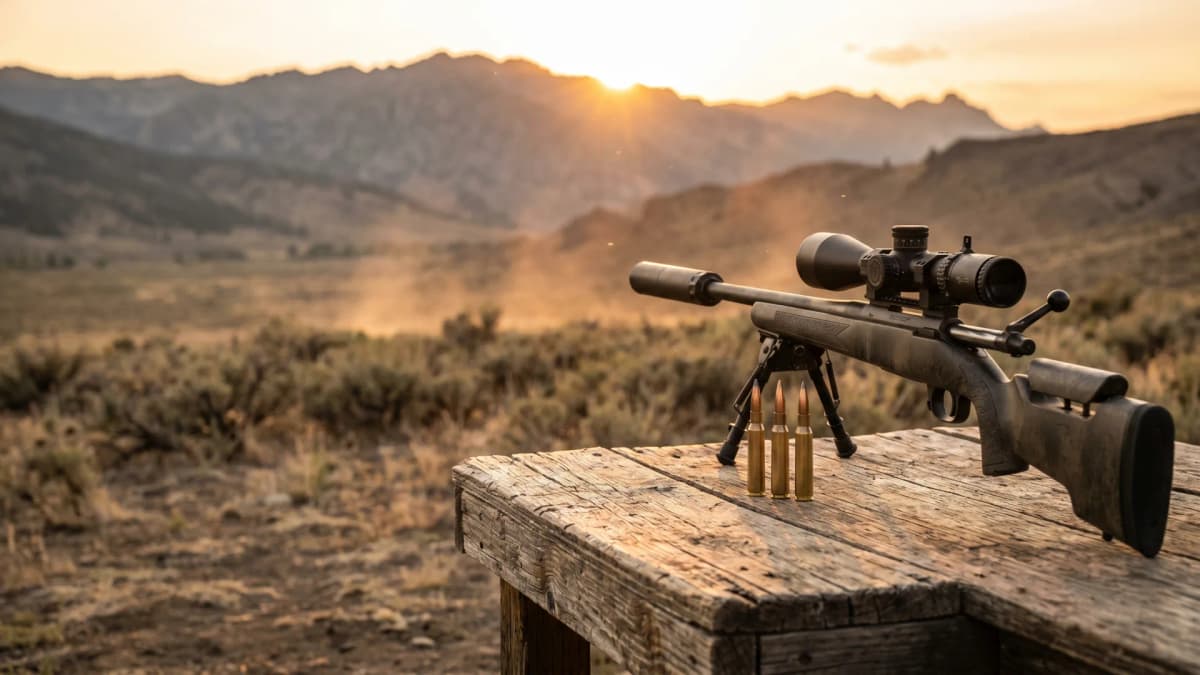
8.6 Blackout is a necked-up 6.5 Creedmoor that fires heavy .338 subsonic bullets through a fast-twist barrel on the standard .308 bolt face. Here is the host, barrel, bolt, die, suppressor, and ammo reality in 2026, plus when it beats 300 Blackout and 338 ARC.
8.6 Blackout is the big-bore answer to .300 Blackout: a necked-up 6.5 Creedmoor case that throws heavy .338 subsonic bullets through a fast-twist barrel for the heaviest downrange thump that still runs hearing-safe under a can. It headspaces on the standard .308 bolt face, so it drops into AR-10/DPMS and Remington 700-pattern rifles with no proprietary bolt. SAAMI standardized the cartridge in 2026. This guide covers what 8.6 actually is, the twist-rate split, the complete-rifle hosts, the barrel and bolt to build one yourself, why the suppressor must be .338-rated, the honest ammo reality, and exactly when 8.6 beats 300 Blackout and 338 ARC.
8.6 Blackout is a .338-caliber subsonic cartridge built on a shortened, necked-up 6.5 Creedmoor case. Kevin Brittingham's team at Q designed it to do for the AR-10 what .300 Blackout did for the AR-15: deliver heavy subsonic projectiles from a short barrel that stay below the speed of sound and run genuinely hearing-safe when suppressed. The bullet is the headline. At 0.338 inch and 285 to 350 grains, an 8.6 subsonic load carries far more mass and momentum downrange than a 220gr .300 Blackout subsonic, which is the entire reason the cartridge exists.
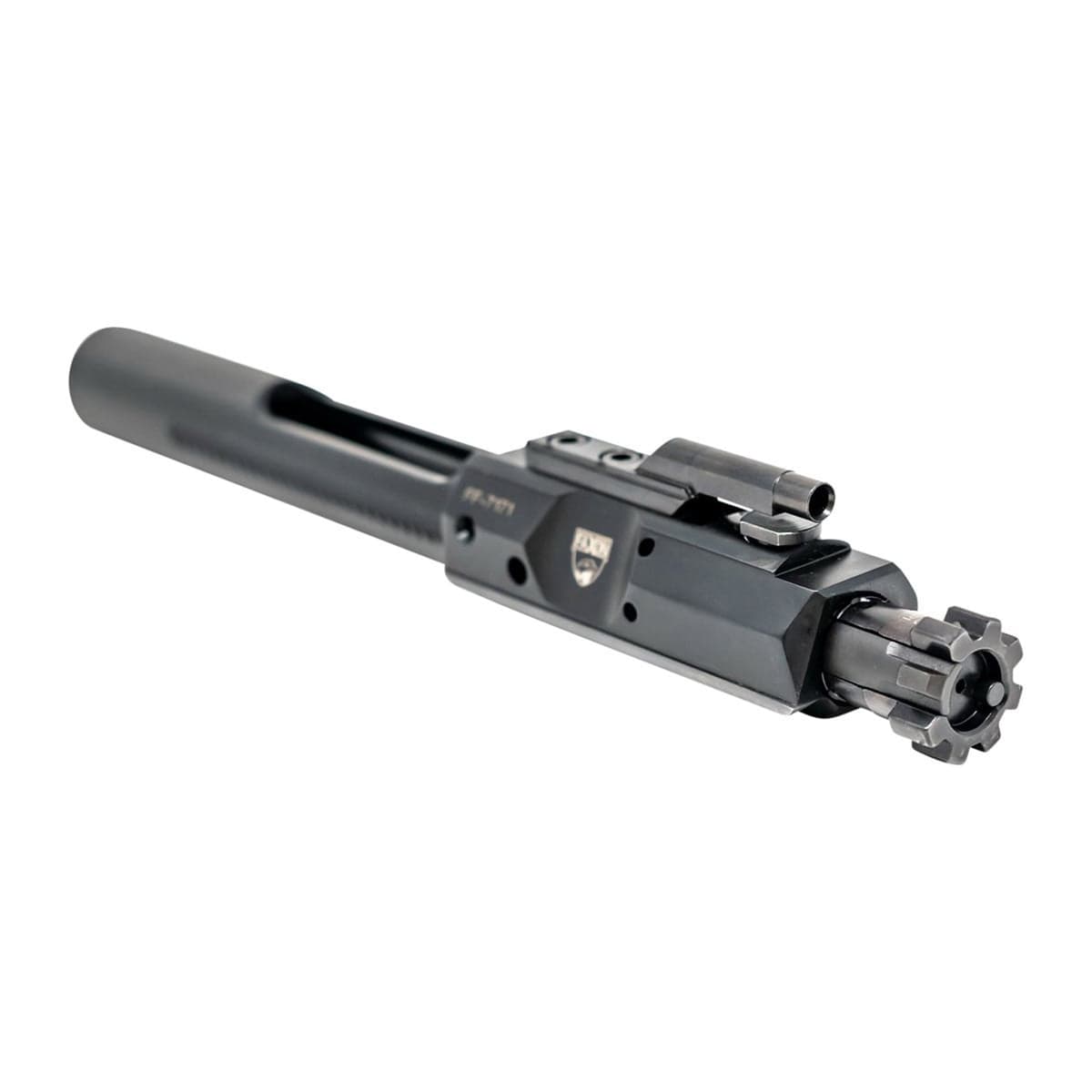
Because the case is a 6.5 Creedmoor derivative, 8.6 Blackout shares the 6.5 Creedmoor case head and headspaces on the standard .308 bolt face. There is no proprietary bolt. Any quality DPMS-pattern .308 bolt carrier group chambers and runs it, which keeps the cartridge inside the mainstream large-frame AR ecosystem: SR-25 magazines, standard .308 lowers, common buffer hardware. This is the most misunderstood fact about 8.6, and it is the opposite of .338 ARC, which is an AR-15 cartridge that requires a 6.5 Grendel Type 2 bolt. SAAMI accepted and standardized 8.6 Blackout in 2026, setting a maximum average pressure of 62,000 psi and a 200gr reference load.
What makes 8.6 work is the twist rate, and this is where the market is genuinely split. Q's original design and most of the AR-pattern barrels shipping today run an extremely fast 1:3 twist to stabilize the long, heavy subsonic .338 bullets. SAAMI's 2026 standardization adopted a 1:6 reference twist for broader bullet compatibility, and some newer SAAMI-spec barrels (including a Faxon bolt-action option) now ship in 1:6. Both twists stabilize the heavy subsonic loads the cartridge is designed around, so do not treat 8.6 as universally 1:3. Check the spec on the specific barrel you buy. For the AR-15 cartridge that pioneered this short-barrel subsonic recipe, see our 300 Blackout guide.
Sling, light, backup sights, and QD mounts, the upgrades most builders add first.
Affiliate links (?)
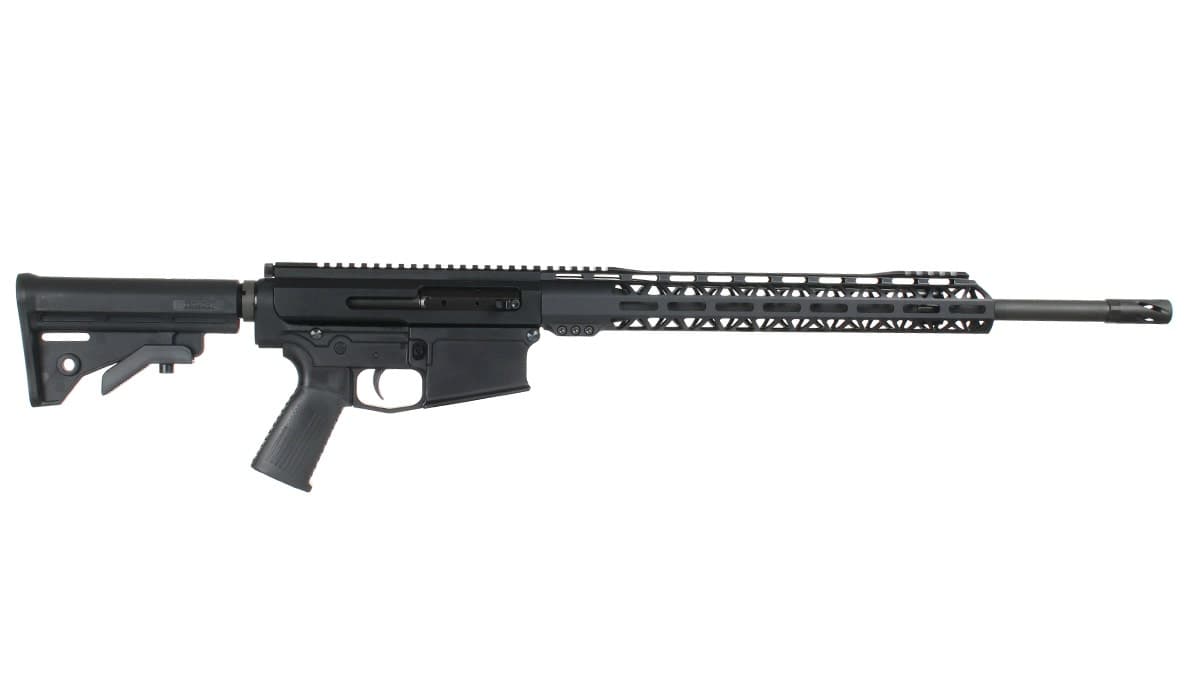
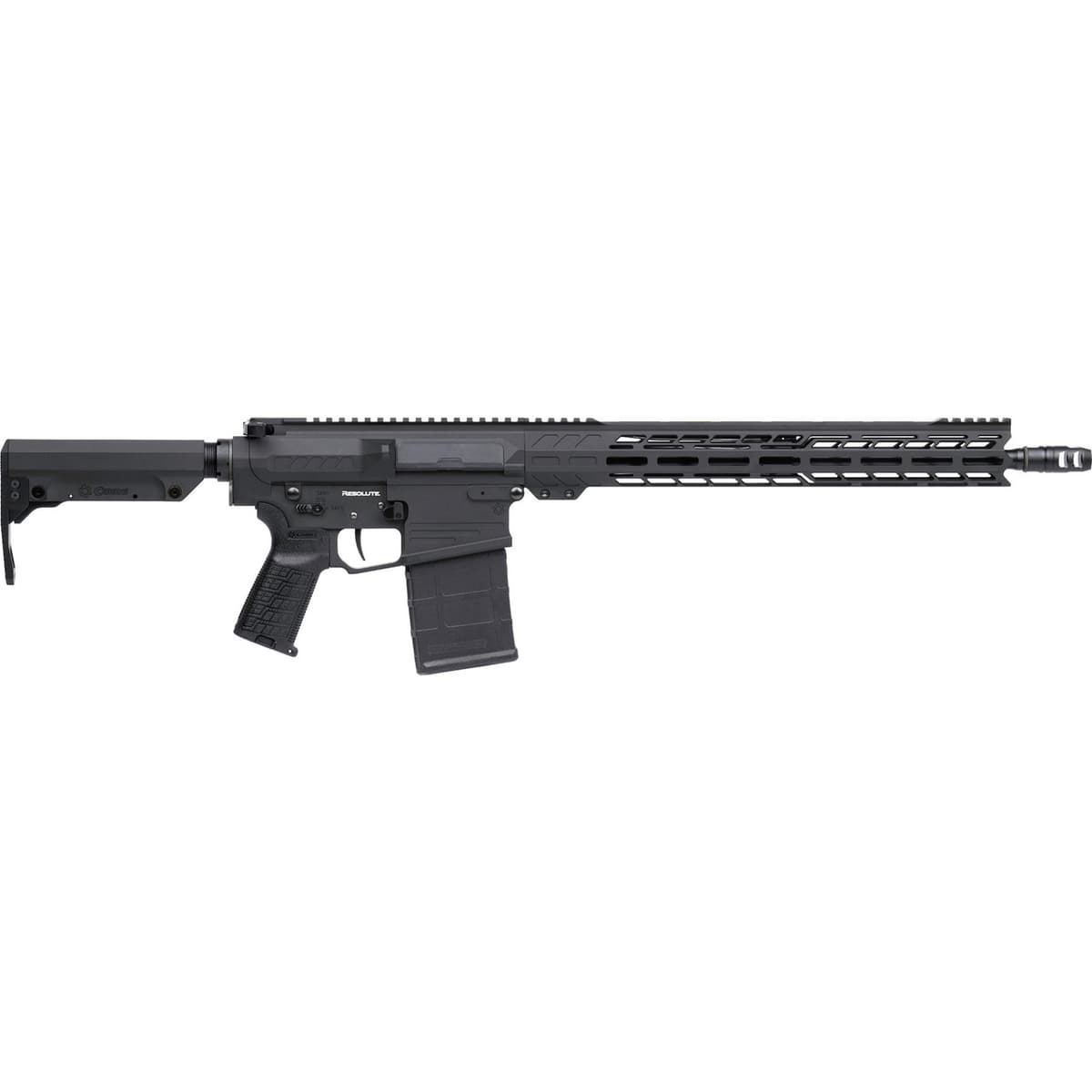
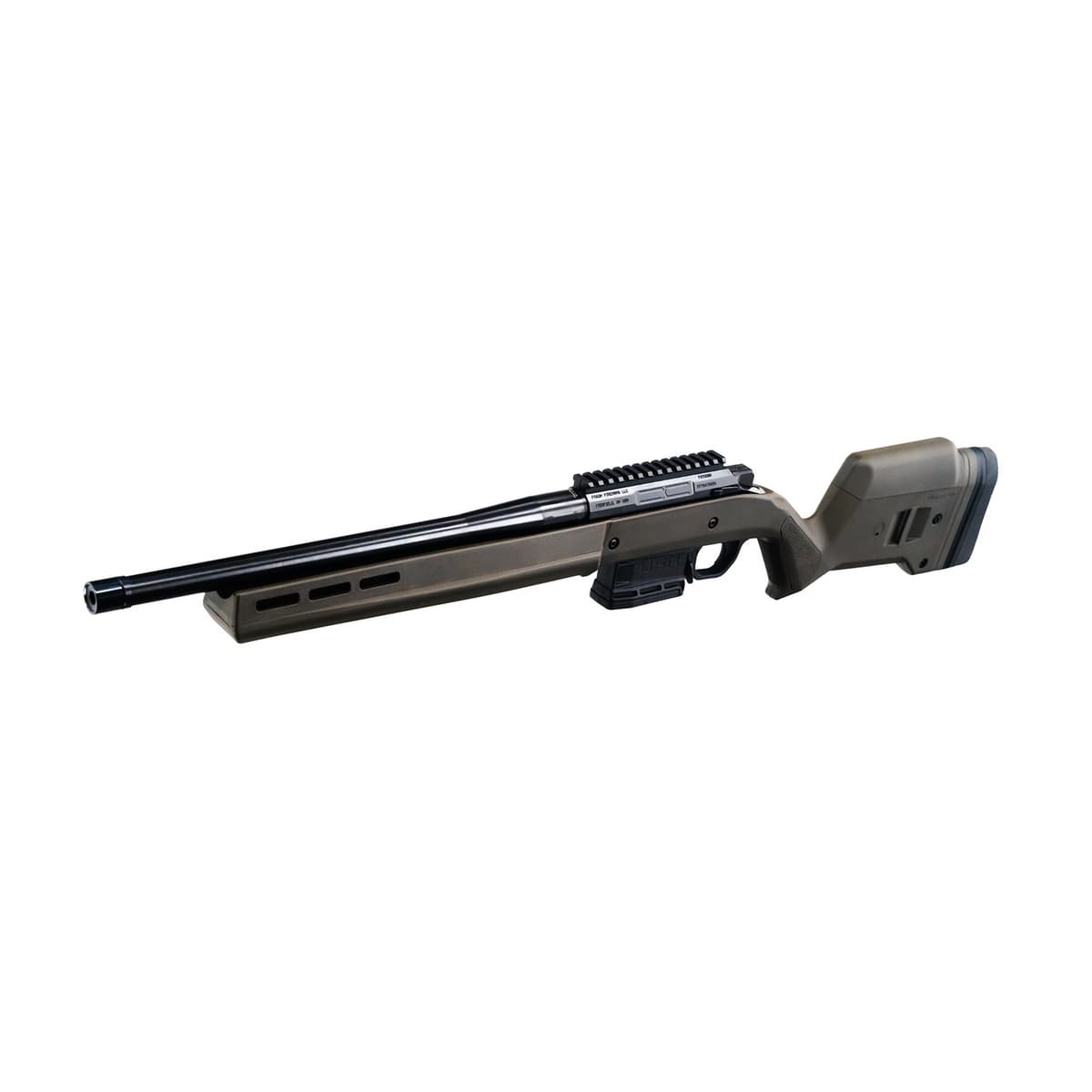
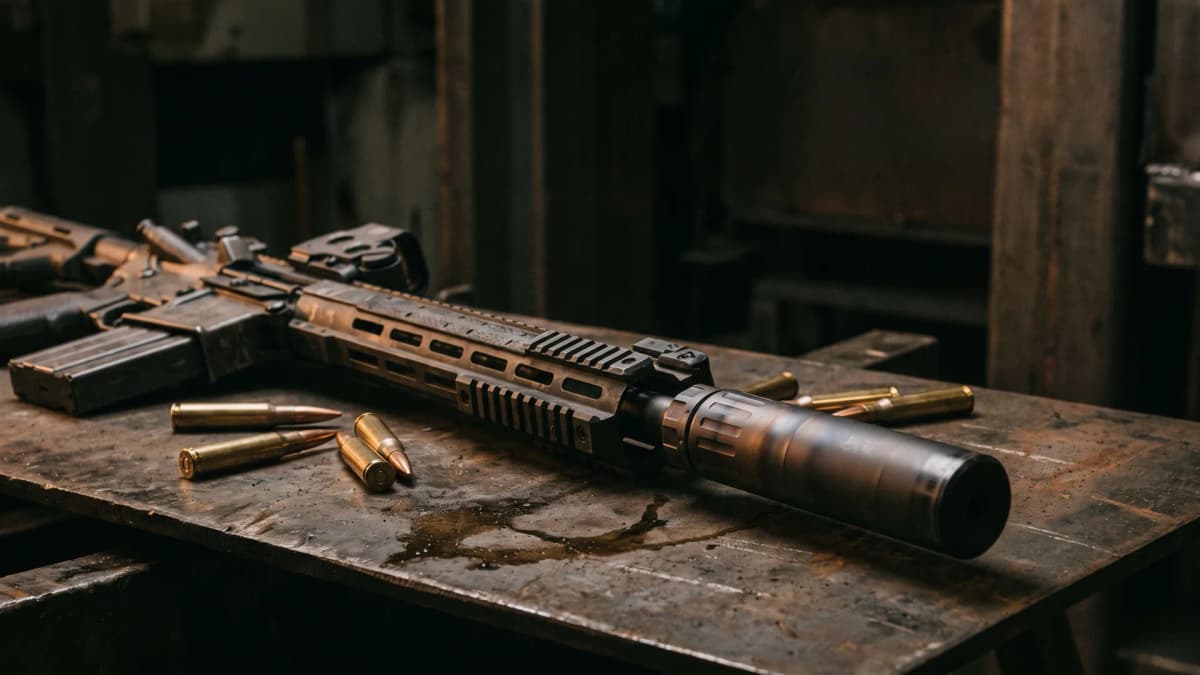
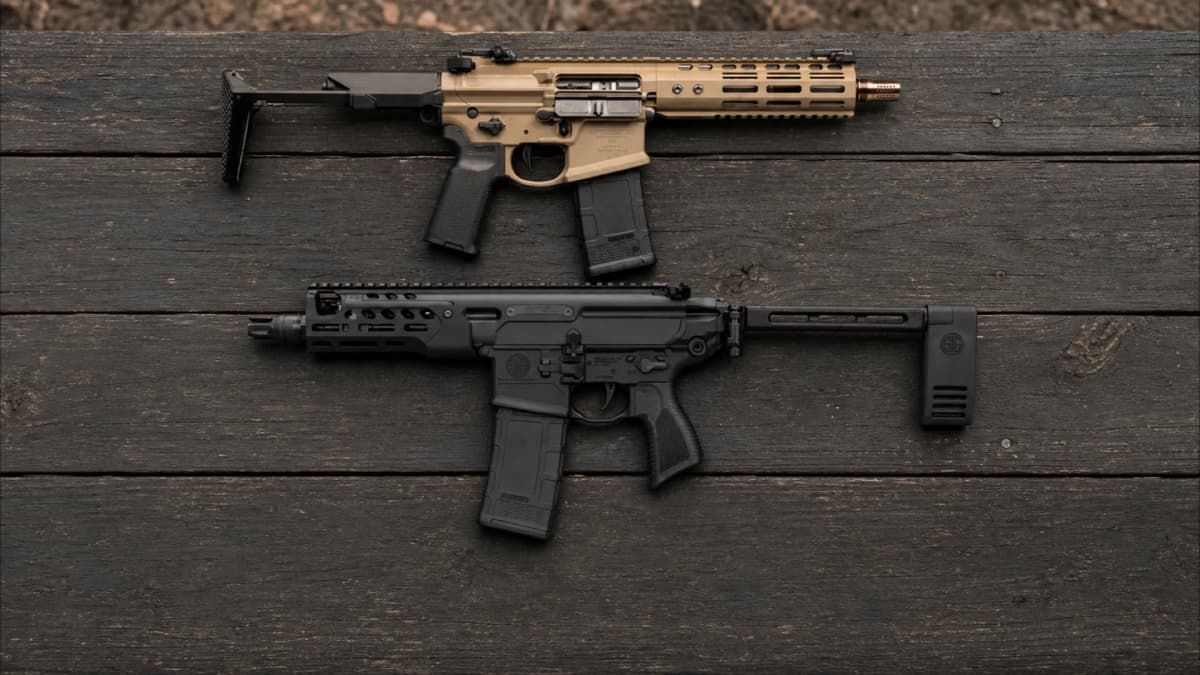
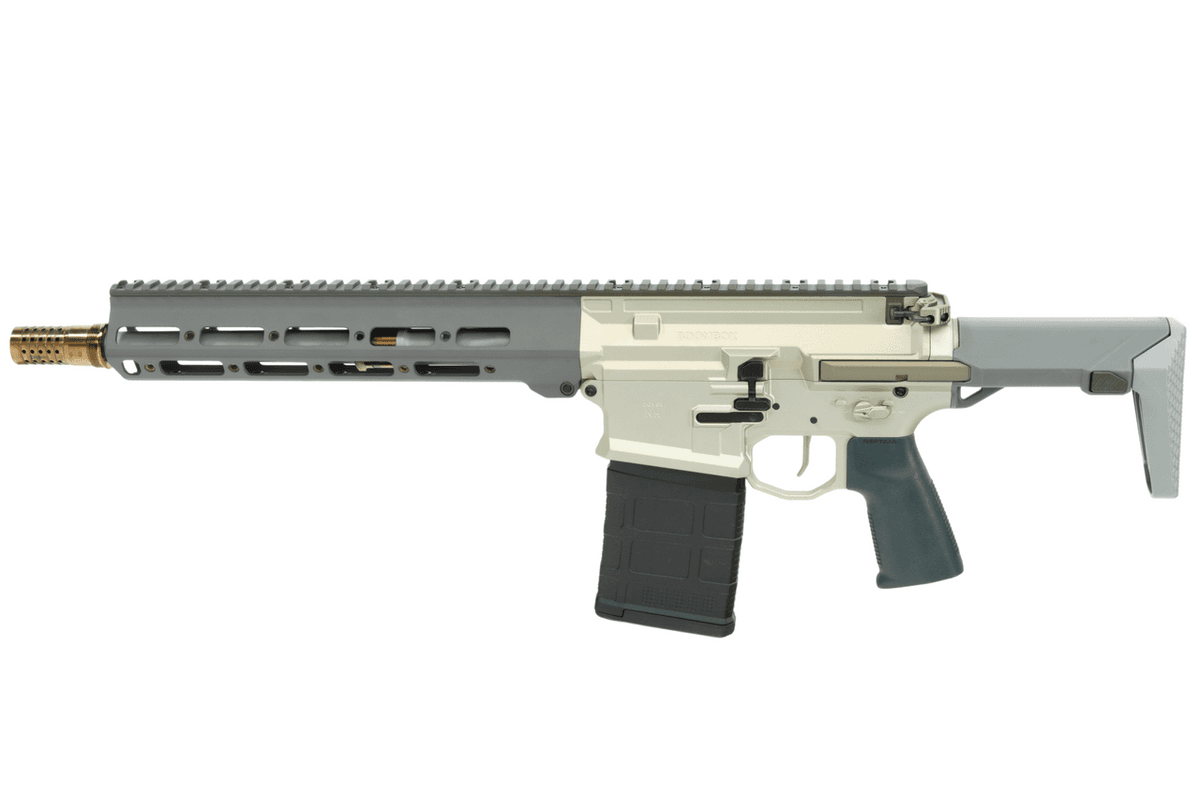
The fastest path into 8.6 is a complete rifle, and there are exactly two actions to choose between. A semi-auto AR-10 gives you follow-up speed and feeds from standard SR-25 (DPMS-pattern) magazines; a bolt action on a Remington 700 footprint gives you the quietest possible mechanical signature and feeds from AICS precision magazines. Both run the standard .308 bolt face, so neither needs anything exotic. One caveat on the value pick: the BC-10's muzzle is threaded M18x1.5, the 8.6/Q house standard, which is uncommon in the US suppressor world. Budget for an M18x1.5 mount or a thread adapter so your .338-rated can actually indexes to it. Want to spec a large-frame AR-10 build around an 8.6 barrel and BCG instead? Start in our rifle builder.
Cheapest complete 8.6 Blackout host
Mid-tier factory semi-auto host
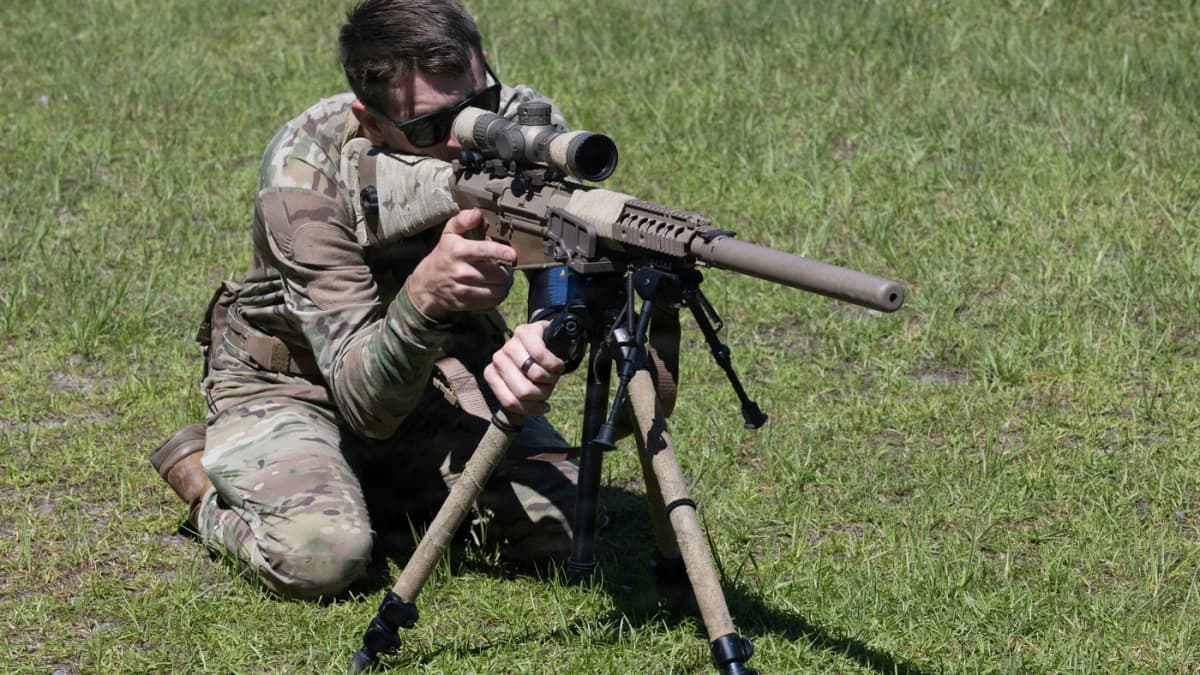
Bolt-action host for hunters
Purchasing through these links may generate a commission that supports this site at no extra cost to you.
Affiliate links - purchases support this site at no extra cost to you. (?)
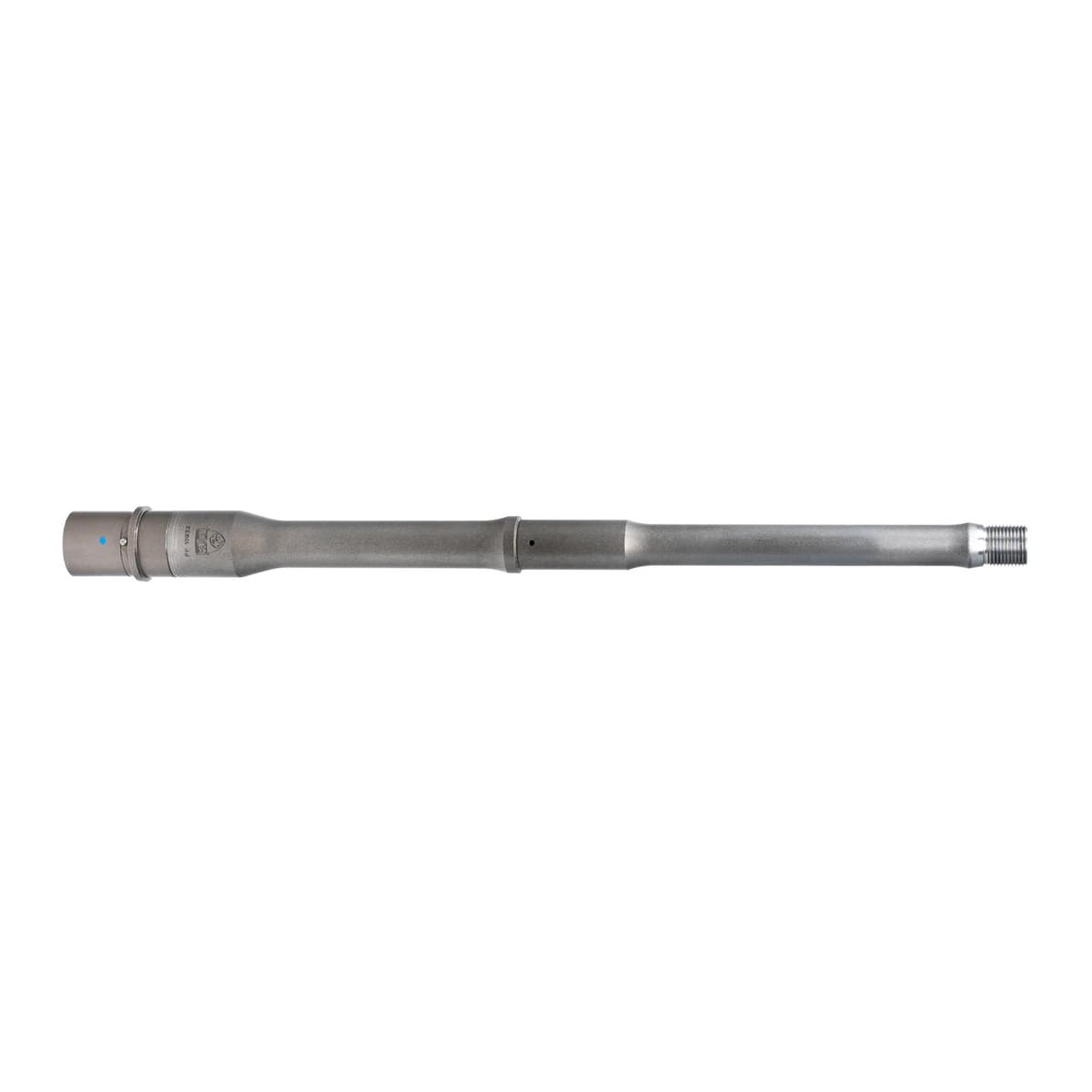
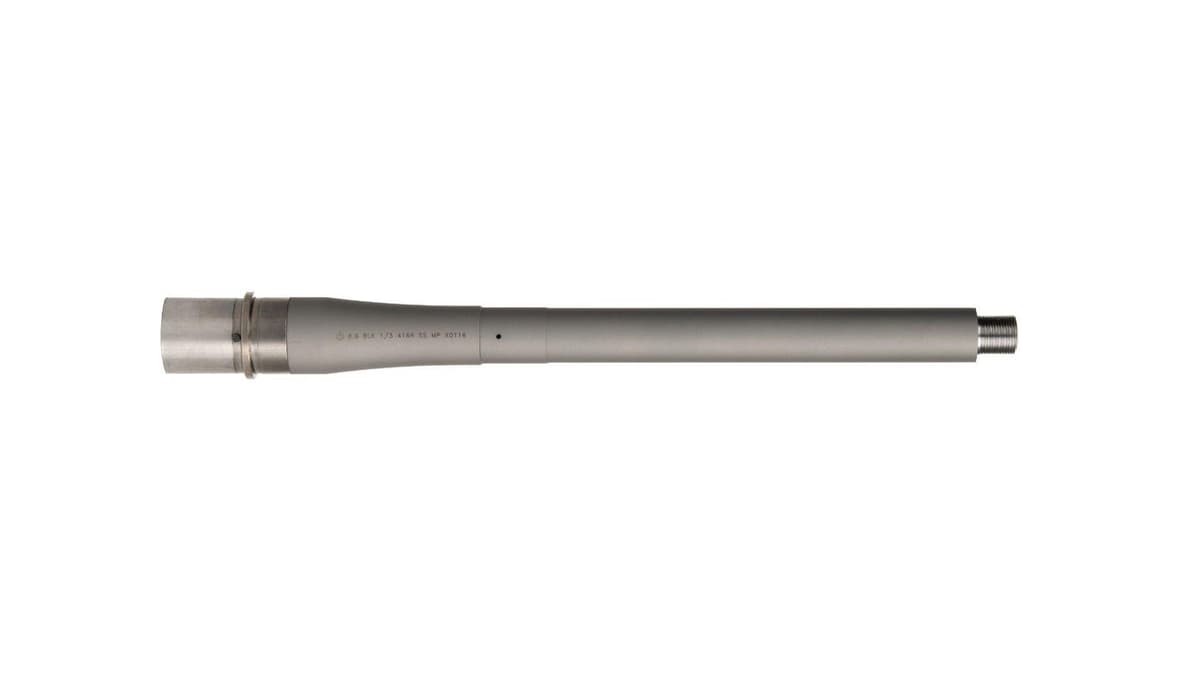
Because 8.6 lives on the standard .308 bolt face, building an upper is a barrel swap, not a re-engineering project. You need a fast-twist 8.6 barrel, any quality DPMS-pattern .308 BCG, and the rest of a normal AR-10 upper (upper receiver, gas system, handguard). A 16-inch barrel keeps the rifle off the NFA; a 12.5-inch barrel is the compact suppressed length but pushes you into a braced pistol or a Form 1 SBR. The single load-bearing spec to verify is the muzzle thread: Faxon and Bear Creek 8.6 barrels use M18x1.5, while Ballistic Advantage uses 5/8x24, and your .338-rated can has to match one of them.
No-NFA length for a semi-auto build
Compact suppressed-subsonic length on a 5/8x24 thread
The bolt for an 8.6 build (no dedicated bolt exists)
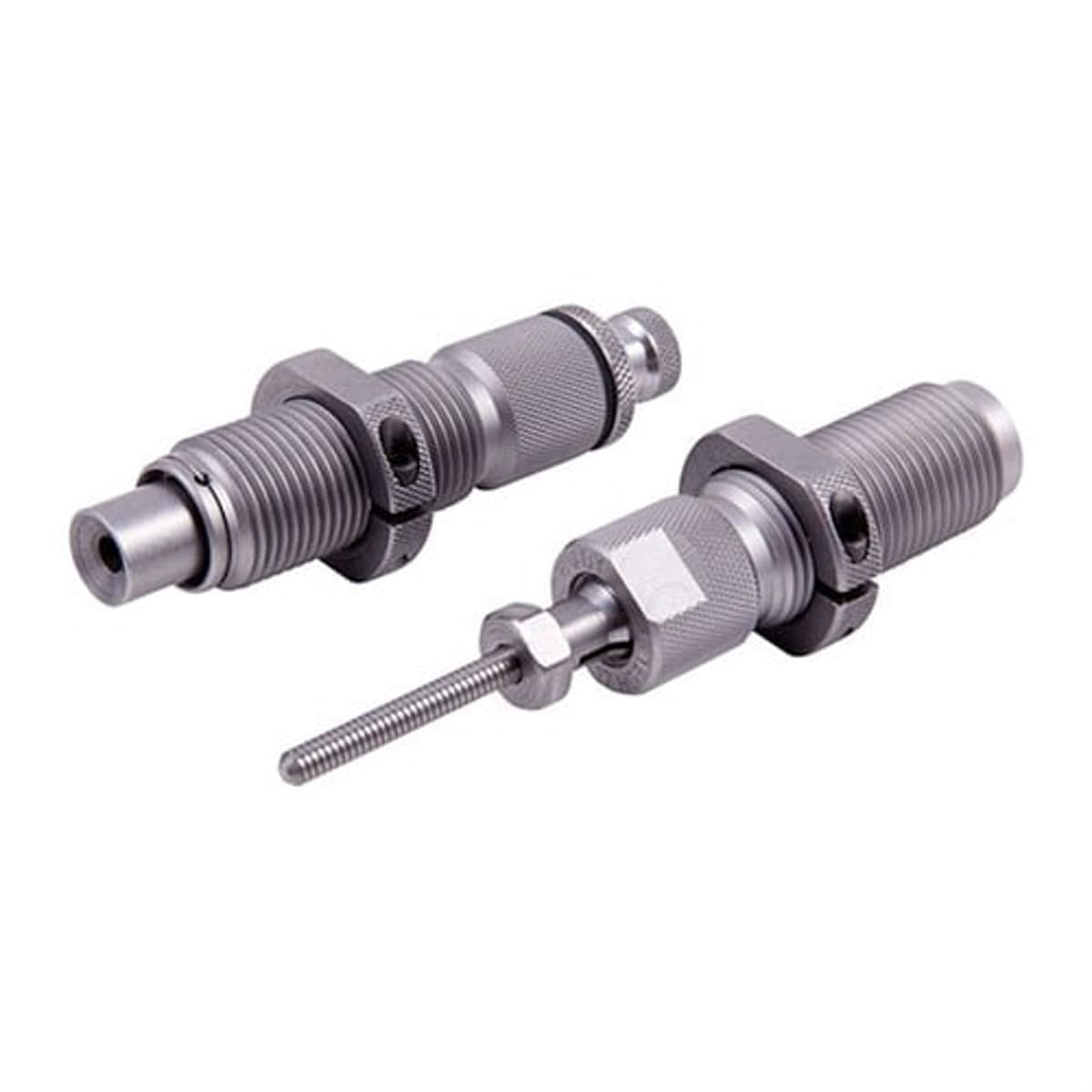
Most-available die set; reloading is the realistic feed path
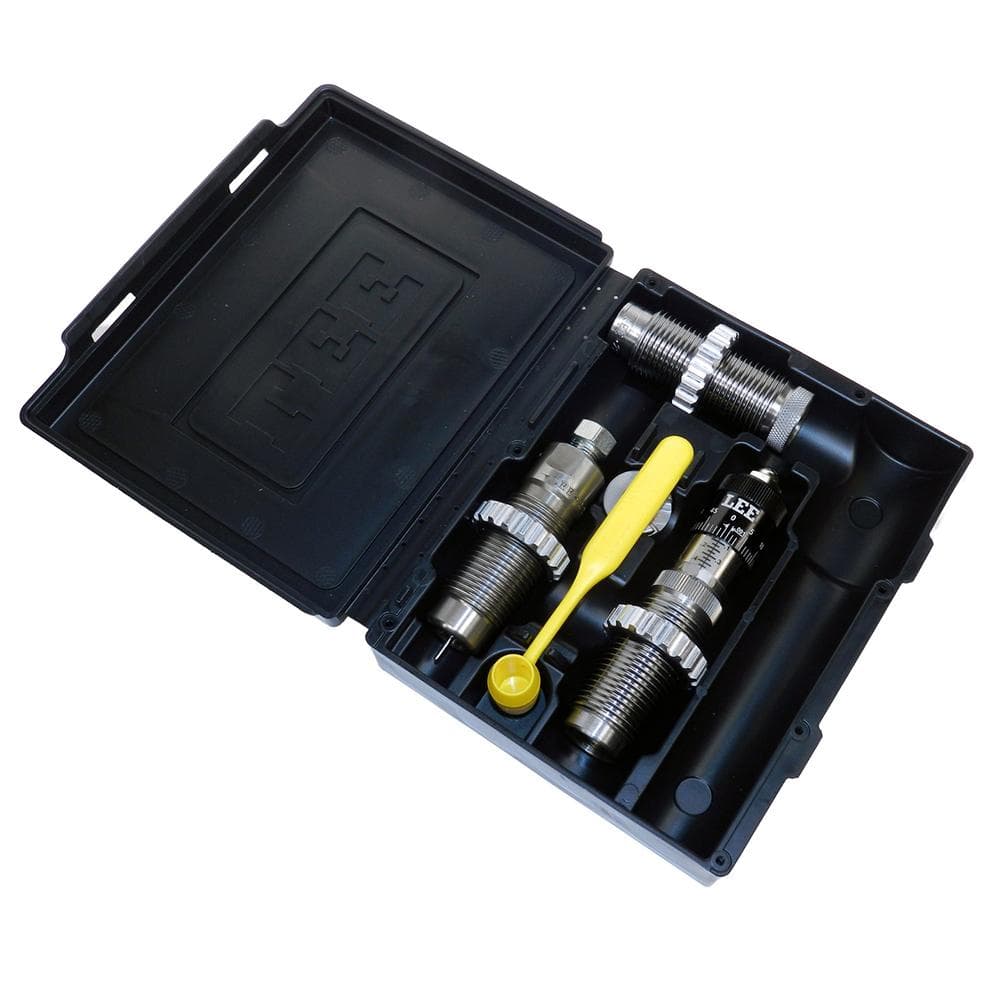
Best-value die set, includes factory crimp die
Purchasing through these links may generate a commission that supports this site at no extra cost to you.
Affiliate links - purchases support this site at no extra cost to you. (?)
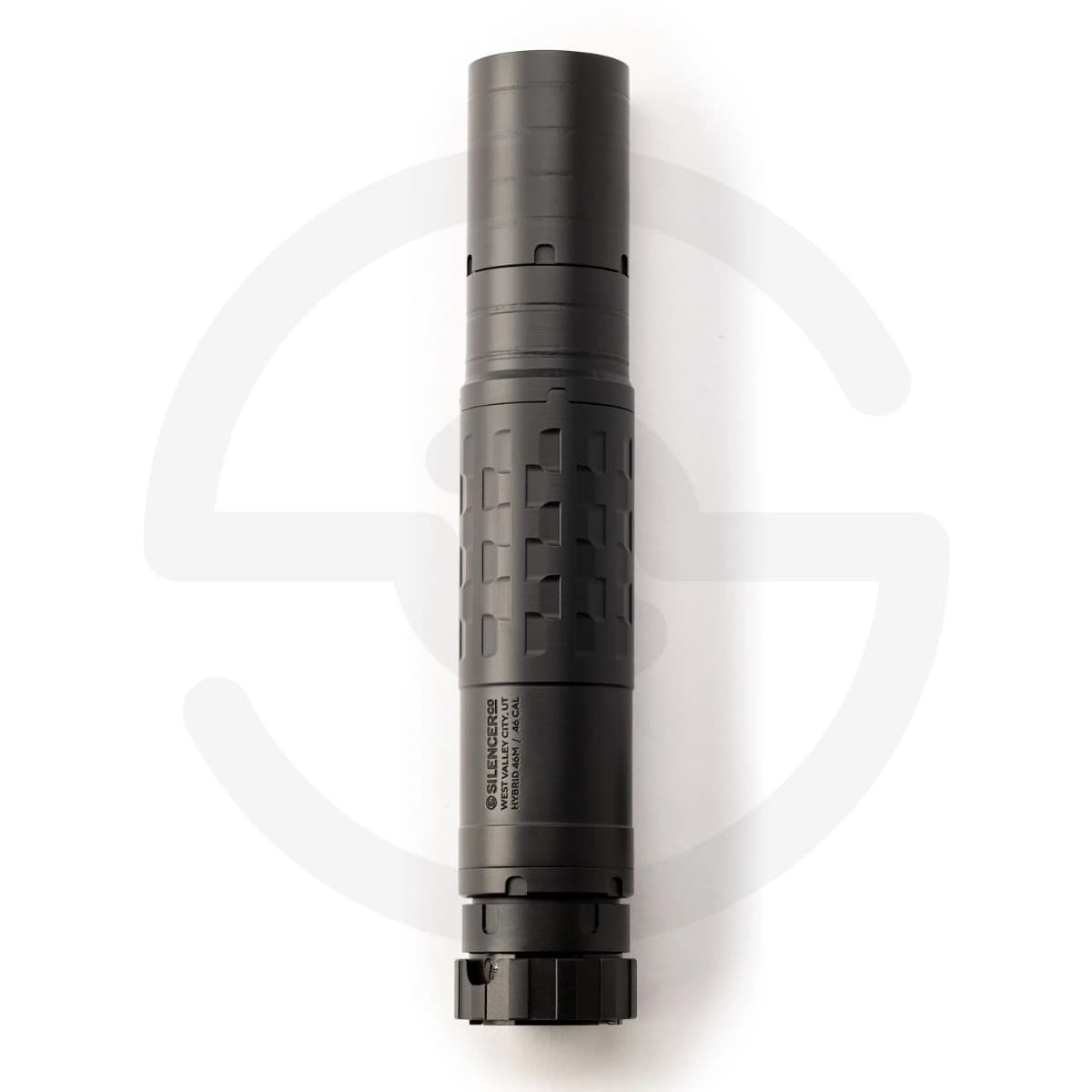
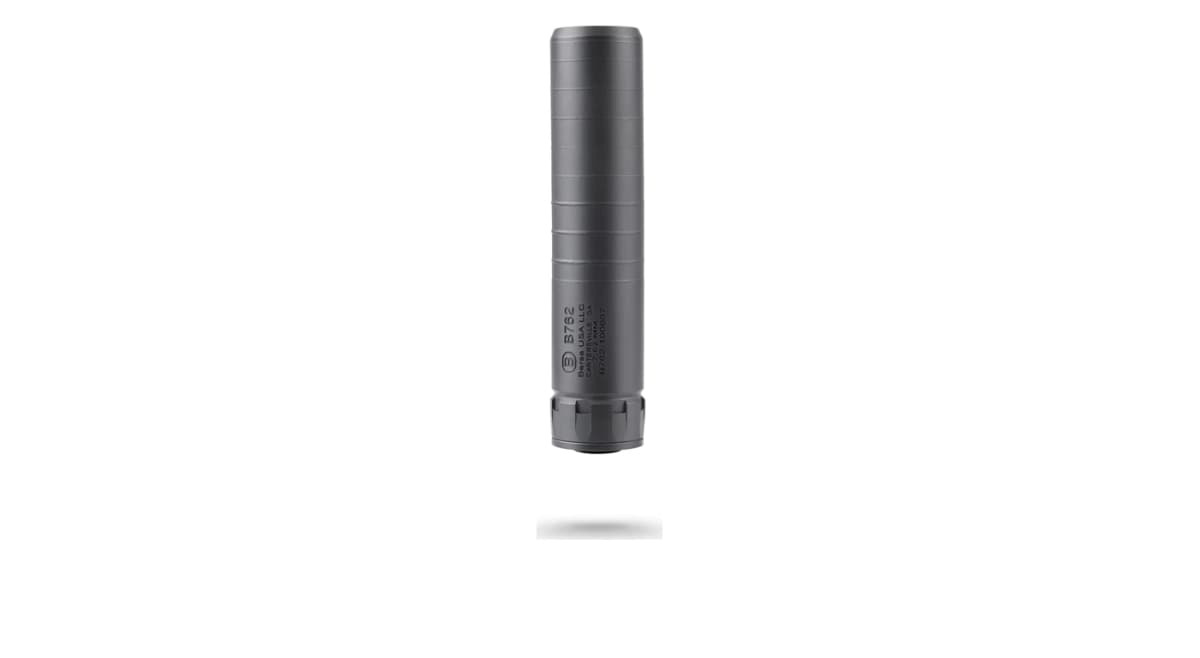
8.6 Blackout fires a .338-inch bullet, so the suppressor must be rated for a .338 bore. This is not negotiable and it is the most common dangerous mistake people make coming from .300 Blackout. A .30-caliber can (Dead Air Nomad 30, Nomad-L, and the rest of the .30-cal field) has a bore too small for a .338 projectile and is not rated for the cartridge. Running 8.6 through a .30-cal can risks a baffle strike. Only .338-rated cans are safe: the SilencerCo Hybrid 46M below, plus the Q Short Chop, Dead Air Nomax 33, BANISH 338, Rugged Alaskan360, and YHM Bad Larry .338. Match the mount to your muzzle thread as well: most .338 mounts are built for 5/8x24, so an M18x1.5 host like the value-pick BC-10 needs an M18x1.5 mount or a thread adapter before a can screws on. The good news on the paperwork: under OBBBA the federal transfer tax on a suppressor is $0 as of 2026, and eForm 4 approvals are running days to a couple of weeks, not months.
Best .338-rated suppressor pairing
Modular .46-bore can that runs everything from 9mm and .45 ACP up to .45-70 Gov, .458 SOCOM, and .338 Lapua Magnum
Affiliate links (?)
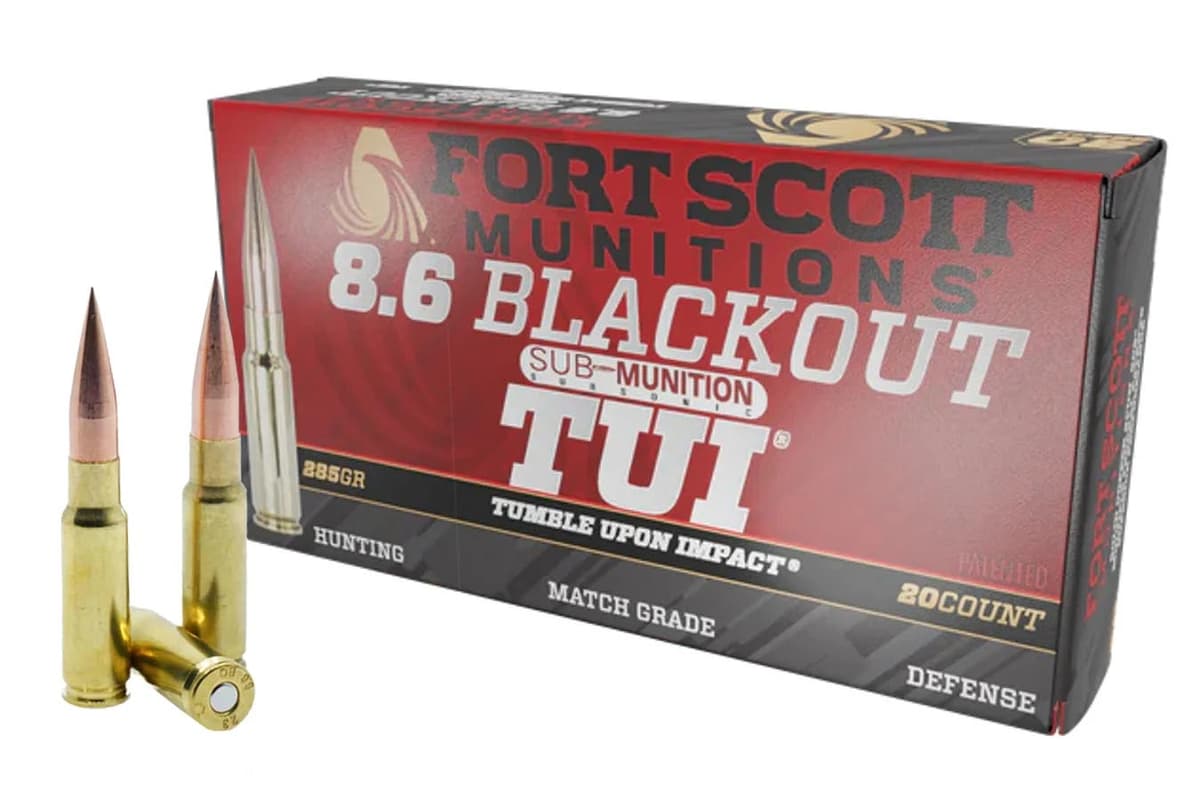
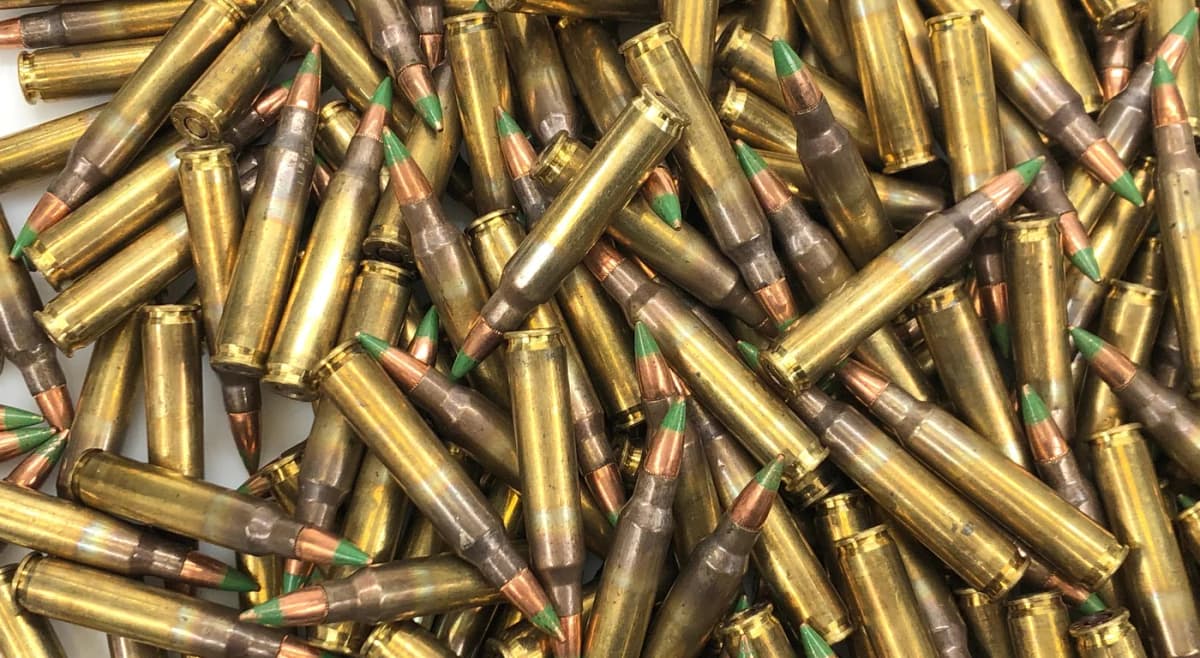
Here is the honest answer most launch coverage skips: 8.6 Blackout ammunition is expensive, scarce, and out of stock more often than not. No major manufacturer, not Hornady, not Federal, not Black Hills, loads factory 8.6. The supply comes from a handful of specialty makers (Fort Scott, Gorilla, Phantom Defense, Steinel) running lean inventory, and out of stock is the default state. Real-world pricing sits around $1.89 to $2.70 per round for subsonic and $2.75 to $3.90 for supersonic. If you are buying into 8.6, plan on reloading. Hornady and Lee both make 8.6 dies (in the build section above), and reloading is the realistic feed path for anyone shooting volume.
One of the few 8.6 subsonic loads kept in stock
Subsonic 8.6 Blackout load with a CNC-machined solid copper Tumble Upon Impact bullet, tuned for short-barrel suppressed builds.
Affiliate links (?)
These three cartridges chase the same goal, the heaviest possible subsonic bullet that stays hearing-safe under a can, but they live on different platforms and trade off in predictable ways. The short version: 300 Blackout for most people, 338 ARC for the AR-15 shooter who wants more, and 8.6 Blackout when you specifically want maximum subsonic .338 terminal performance and accept the cost.
300 Blackout is the default and the right answer for the overwhelming majority of shooters. It runs in a standard AR-15 on the same bolt and magazines as 5.56, achieves full powder burn from a 9-inch barrel, and has the cheapest and most available subsonic ammo of the three. If you want a compact suppressed carbine or PDW, this is where you start. Our 300 Blackout guide covers barrel length, gas tuning, and suppressor pairing in depth.
338 ARC is the middle ground and still an AR-15 cartridge. It uses a 6.5 Grendel Type 2 bolt and Grendel-pattern magazines to push a .338 bullet with meaningfully more energy than 300 Blackout, all inside a standard small-frame AR. It is the move for the AR-15 owner who wants more subsonic thump without stepping up to a large frame. The 338 ARC explainer breaks down the bolt, magazines, and uppers it needs.
8.6 Blackout is the big-bore endgame. It throws the heaviest .338 subsonic bullets of the three and hits hardest downrange, but it requires a large-frame AR-10 or a bolt action, a .338-rated can, and the most expensive, hardest-to-find ammo on the market. The launch of halo hardware like the Q Boombox at SHOT Show 2026 put 8.6 in the spotlight, but the practical calculus has not changed: pick 8.6 only when maximum subsonic .338 performance is the specific goal and the cost and reloading commitment are acceptable.
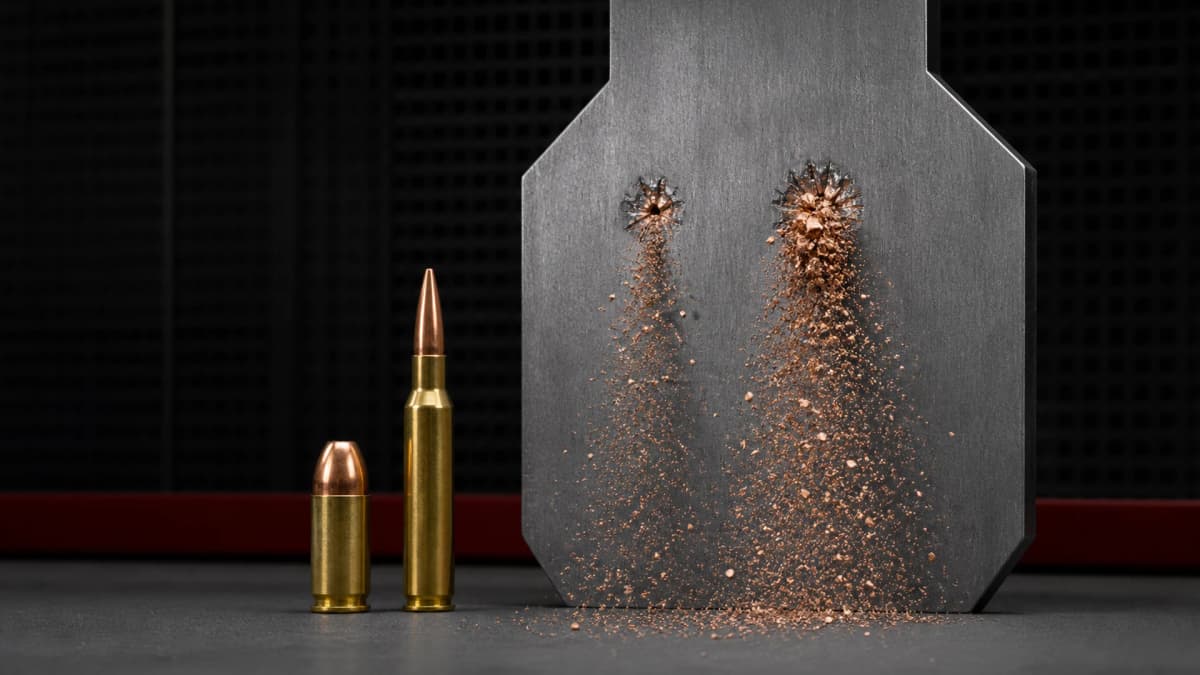
300 BLK vs 8.6 BLK: The Two Extremes
300 Blackout
VS8.6 Blackout
| Cartridge | Platform | Best For | Main Tradeoff |
|---|---|---|---|
| 300 Blackout | AR-15 | Compact suppressed carbines, most shooters, cheapest entry | Lightest .30-cal subsonic bullet of the three |
| 338 ARC | AR-15 (Grendel bolt) | AR-15 owner wanting more energy than 300 BLK without a large frame | Needs a Grendel bolt and Grendel-pattern mags |
| 8.6 Blackout | AR-10 / Rem 700 | Maximum subsonic .338 terminal performance | Large frame, .338-rated can, expensive and scarce ammo |
The Verdict
Buy 8.6 Blackout only when maximum subsonic .338 performance is the specific goal and you accept the ammo cost and the reloading commitment.
8.6 Blackout is a genuinely impressive cartridge: the heaviest subsonic .338 bullets in a magazine-fed rifle, on the standard .308 bolt face, no proprietary anything. The cheapest way in is the Bear Creek Arsenal complete rifle, and the can that makes it worth owning is a .338-rated SilencerCo Hybrid 46M. But the ammo reality is the gatekeeper. If you are not committed to reloading and you do not specifically need .338 subsonic mass, 300 Blackout does the suppressed job for a fraction of the cost and hassle, and 338 ARC splits the difference on an AR-15. Spec your large-frame build in the rifle builder before you commit.

Avid shooter with 10+ years of experience including competition shooting, and an associate member of the Professional Outdoor Media Association (POMA). Built 10+ AR-pattern rifles and several handgun platforms for home defense, competition, and suppressed night shooting.
This page contains affiliate links. Purchases through these links support the site at no extra cost to you. Read the affiliate disclosure
Continue exploring with these related resources

The AR-10 has a pattern-confusion problem the AR-15 never had. Here are the upgrades that matter on a DPMS / LR-308 rifle, and the parts buyers get wrong.

Ten .308 Winchester rifles ranked across AR-10, battle-rifle, and bolt-action platforms, matched to hunting, DMR, precision, and battle-rifle use cases with current specs and prices.

Verified PS90 upgrade picks ranked by impact-per-dollar. HB Industries low profile optic mount, extended charging handle, URBAN-ERT hybrid sling, Dorin Delrin mag rollers, FN OEM 50-round mags, plus a how-to-actually-suppress-a-PS90 walkthrough covering Shaw 10.4 in SBR barrels, Dorin threaded shrouds, and 5.7-rated cans (HUXWRX FLOW 22 Ti, Dead Air Mask HD, GSL P-90).
Related articles and industry updates

Liberty Ammunition launched SPIKE 2.0 on June 11, 2026, with a one-piece brass case that fixes the original SPIKE's feeding problems in pocket pistols with unsupported chambers. 55-grain copper hollow point, 1,500 fps, 275 ft-lbs, and now usable in the LCP Max, Bodyguard 2.0, Glock 42, and Sig P238. $45.99 per 20-round box.

CZ revives the mini-Mauser as the 600+ Carbine: a 5.5 lb wood-stocked bolt-action in .223, 7.62x39, and .300 Blackout. 18.5-inch barrel, M14x1 threaded muzzle, iron sights, interchangeable-barrel mini action, and a 1 MOA guarantee.

A roundup of the published Taurus RPC reviews. The roller-delayed 9mm PDW shoots flat, prints sub-2-inch groups at 25 yards, and has run reliably in early testing, all for $939.99 ($1,098.99 braced), undercutting the Springfield Kuna by $200. We cover the verdict, the criticisms, and how it compares.