Key Takeaways
- →.338 ARC is a short-range, heavy-bullet cartridge. It fits a 2.260-inch maximum overall length and is built around both supersonic hunting loads and heavy subsonic loads.
- →Subsonic energy is the main advantage. Hornady rates the 307-grain Sub-X at 1,050 fps and about 752 ft-lbs, roughly 1.5 times the energy of a 220-grain .300 Blackout subsonic load.
- →The supersonic range is useful, not long. The 175-grain HP Match load is best viewed as a roughly 200-yard carbine load; 6mm ARC remains the better distance cartridge.
- →Factory ammunition now covers five loads. Hornady lists 170-, 175-, 215-, and 307-grain loads, and Frontier adds a 285-grain subsonic FMJ.
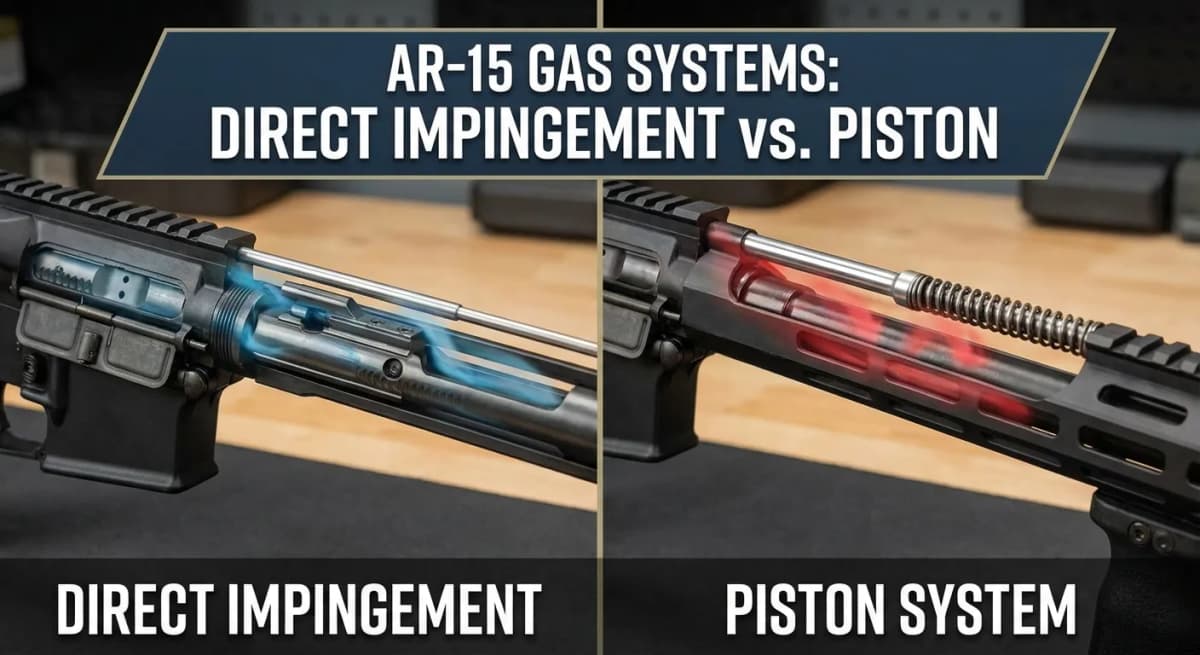
- →Bolt and magazine fit are separate. Choose the host first, then use the BCG and magazine pattern its maker specifies.
What Is .338 ARC?
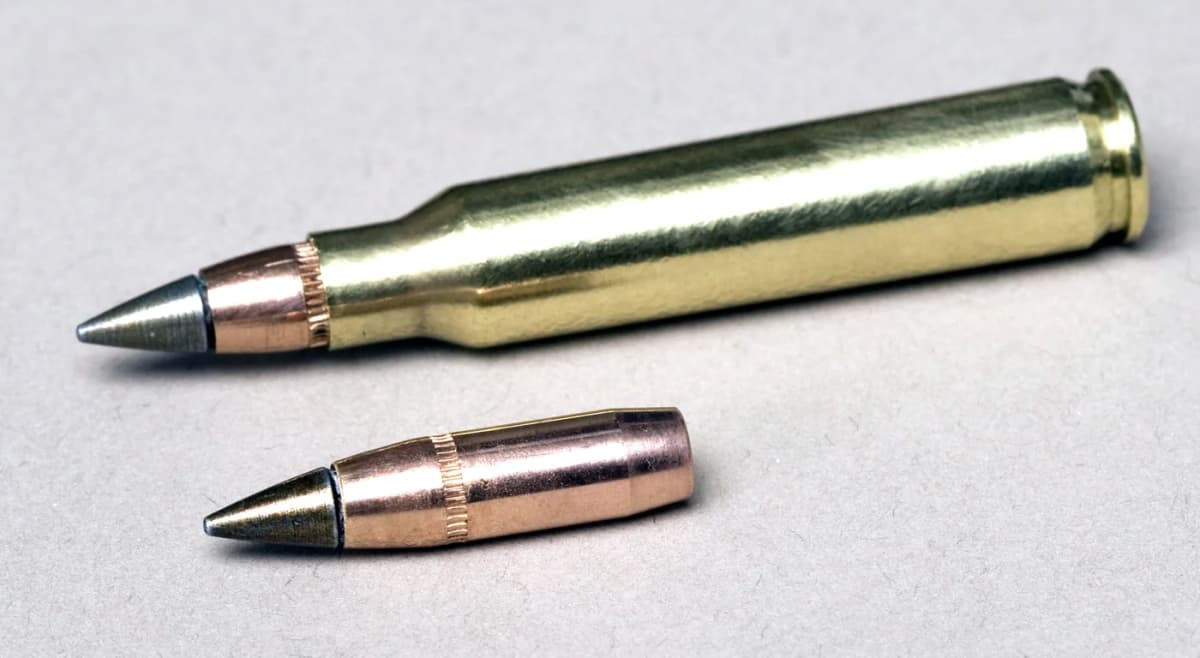
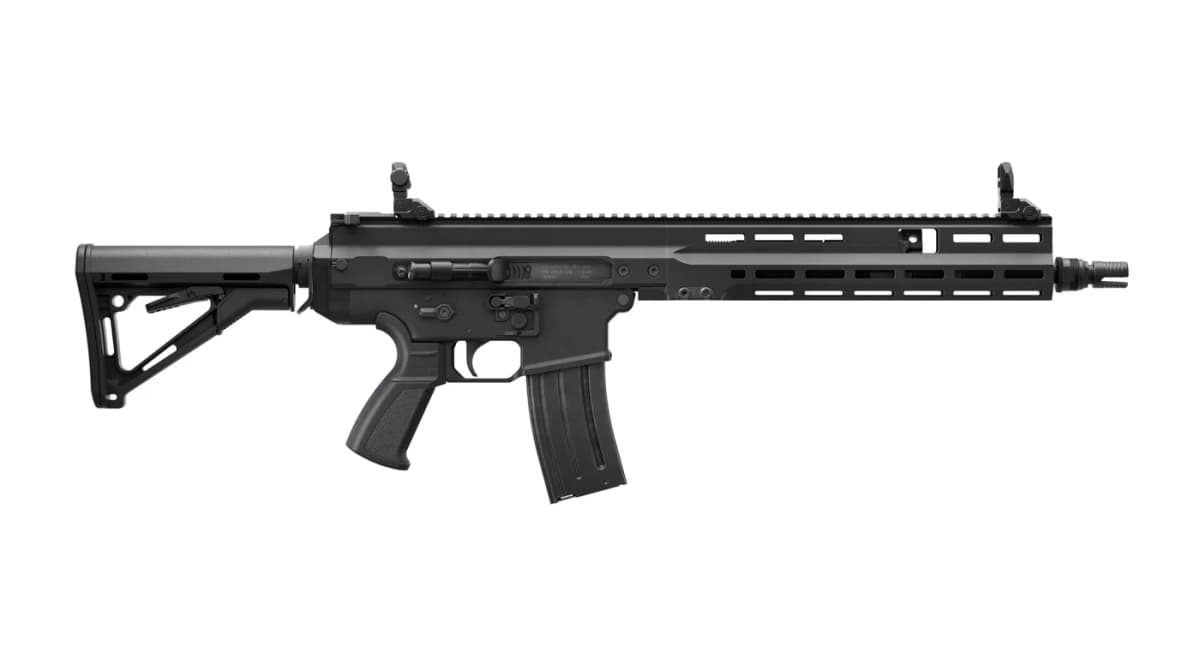
.338 ARC is Hornady's heavy-bullet cartridge for compact AR-pattern and bolt-action hosts. Hornady developed it from the 6.5 Grendel parent case, the same case family behind 6mm ARC, then opened the neck for a .338-inch bullet. SAAMI accepted the cartridge in January 2025. The current drawing sets a 2.260-inch maximum overall length, a 52,000 psi maximum average pressure, and an optional 1:8 right-hand rifling twist.
Those dimensions explain the cartridge's purpose. A 2.260-inch round fits the overall-length envelope used by compact AR-pattern magazines, while the larger bullet makes room for projectiles from 170 to 307 grains. The lighter loads retain supersonic speed for hunting and predator work. The heavy loads stay below the speed of sound for suppressed shooting.
SAAMI defines the cartridge and chamber. It does not declare every AR bolt, carrier, lower, or magazine interchangeable. Treat those firearm parts as separate host-maker decisions, not as a promise hidden in the cartridge drawing.
.338 ARC Ballistics and Ammo
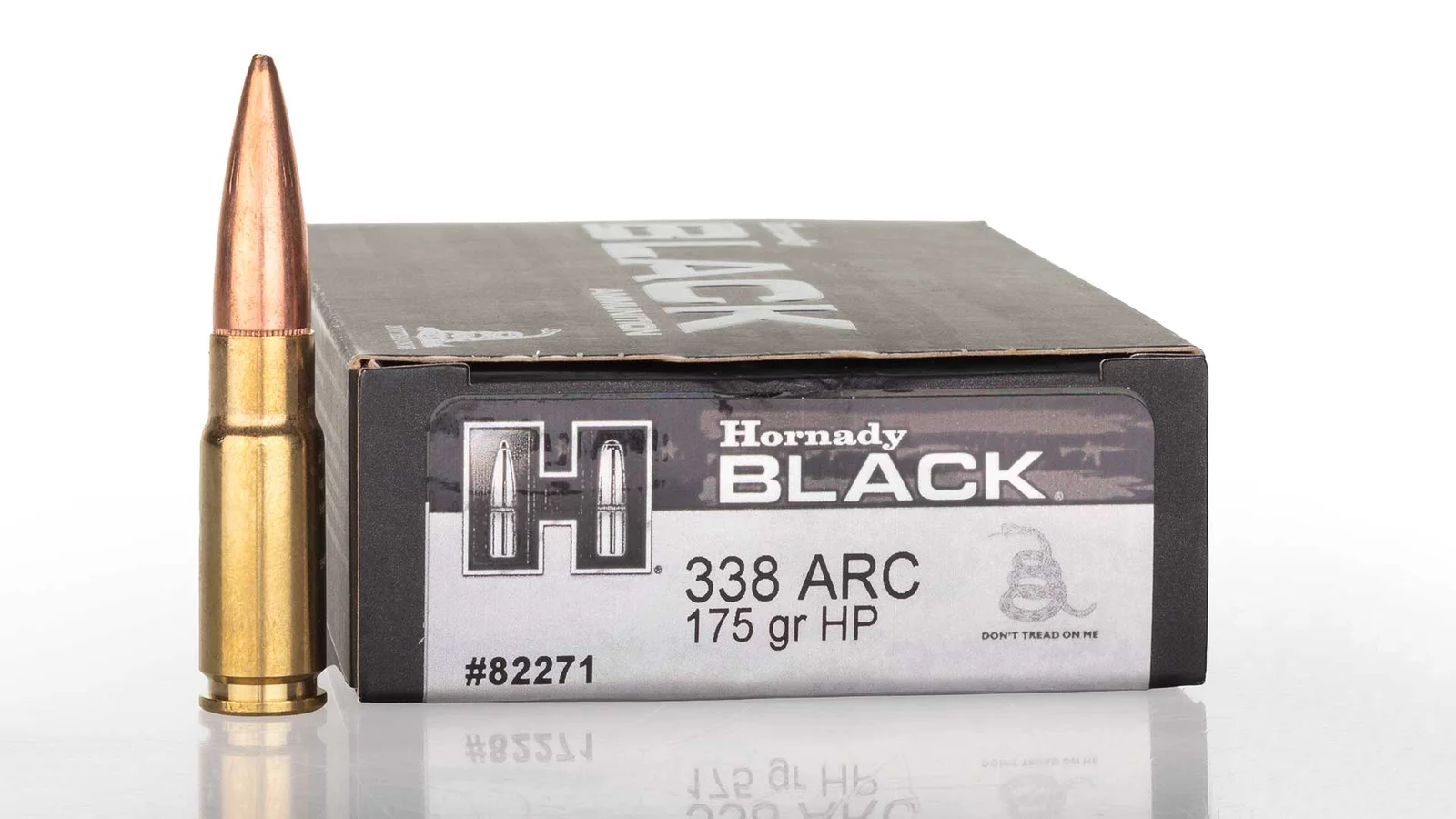
The current factory lineup is broader than the original two-load launch. Hornady's 2026 catalog lists three supersonic loads and the 307-grain Sub-X, while Frontier lists a 285-grain subsonic FMJ. All published velocities below come from a 16-inch test barrel, so expect a different result from a shorter host.
| Load | Velocity | Published Role |
|---|---|---|
| 170 gr MonoFlex | 2,075 fps | Lead-free medium game |
| 175 gr HP Match | 2,075 fps | General-purpose supersonic |
| 215 gr FTX | 1,900 fps | Medium game |
| 307 gr Sub-X | 1,050 fps | Expanding subsonic |
| 285 gr Frontier FMJ | 1,050 fps | Subsonic training |
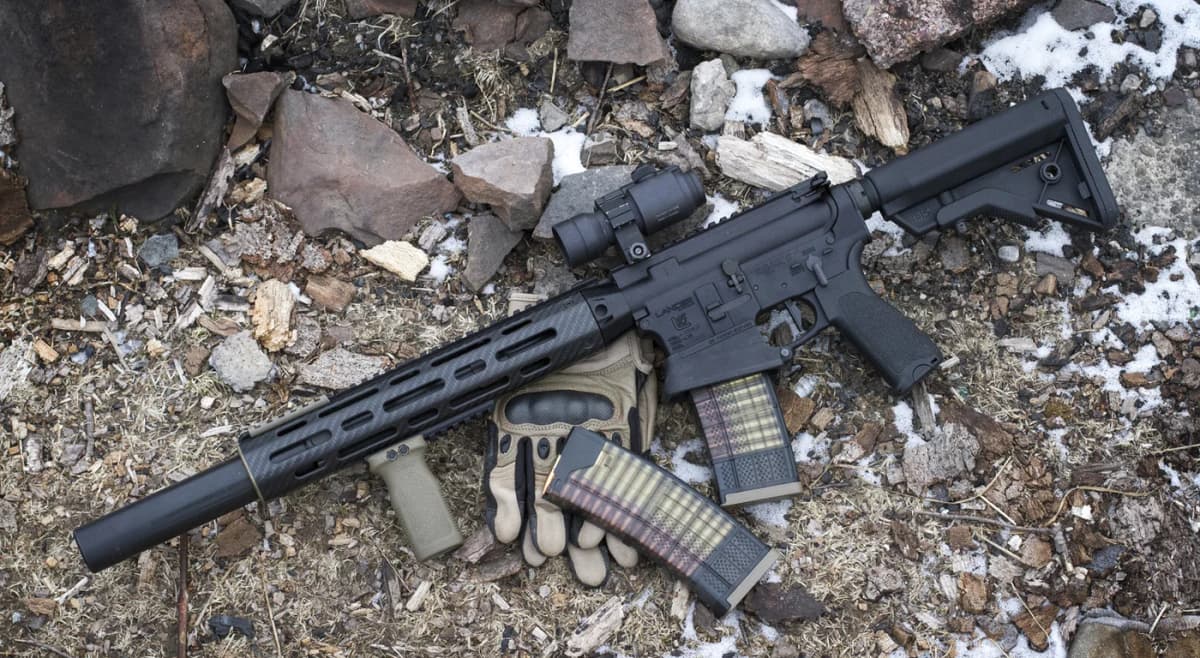
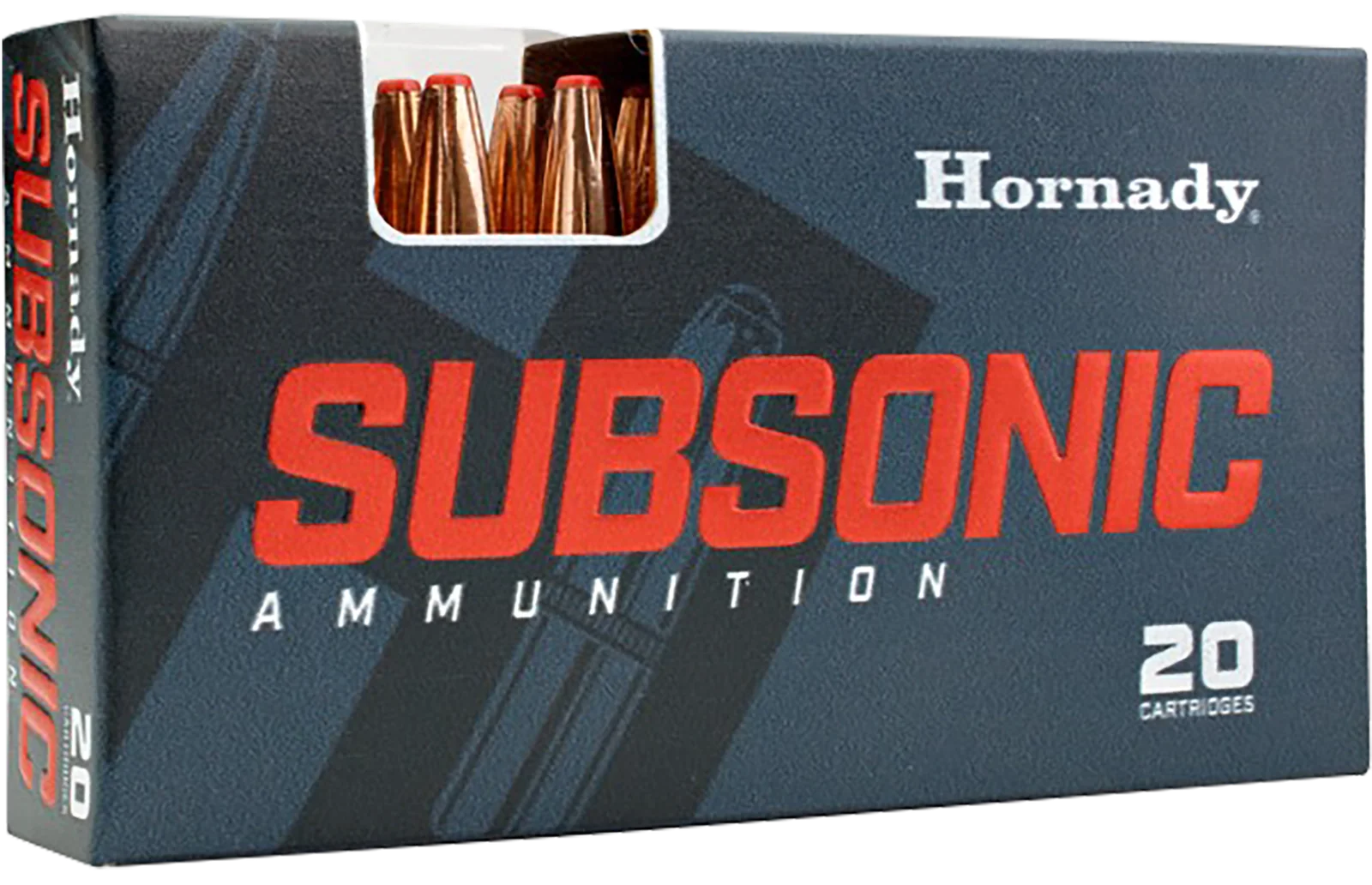
The 307-grain Sub-X is the cartridge's clearest advantage. At Hornady's published 1,050 fps, it starts near 752 ft-lbs. The polymer-tipped bullet is designed to expand at subsonic impact speeds. That combination gives a suppressed hunter more energy and frontal area than a common 220-grain .300 Blackout subsonic load, but it does not erase the need for close-range shot placement and a load-specific zero.
.338 ARC Effective Range
Use roughly 200 yards as the practical ceiling for the 175-grain HP Match load and roughly 100 yards for the 307-grain Sub-X. Those are planning limits, not guarantees. The real limit changes with the target, impact-velocity requirement, barrel length, weather, zero, and the distance at which you can place the shot.
Hornady's published 175-grain trajectory shows why the supersonic load belongs in a carbine role. With a 200-yard zero, it is 4.2 inches high at 100 yards and 16.3 inches low at 300. That is manageable inside 200 yards, but the drop and wind penalty grow quickly after that. A 6mm ARC or 6.5 Grendel load with a higher ballistic coefficient is the better tool when distance is the main job.
Subsonic range is shorter because the bullet never has much speed to spare. Confirm actual velocity from your barrel, build a drop chart for the exact load, and verify it on the range before using the rifle on game.
.338 ARC vs .300 Blackout
Choose .338 ARC when the goal is more energy from a heavy subsonic bullet. Choose .300 Blackout when host choice, ammunition breadth, magazine capacity, and component depth matter more. The comparison changes with the load, so the table uses the two factory subsonic roles instead of treating either cartridge as one fixed number.
Subsonic Role Comparison
.338 ARC
.300 Blackout
- Example bullet
- 307 gr Sub-X (advantage)
- 220 gr subsonic
- Muzzle energy
- ~752 ft-lbs (advantage)
- ~500 ft-lbs
- Bullet diameter
- .338 in (advantage)
- .308 in
- Factory ecosystem
- Newer and narrower
- Mature and broad (advantage)
- Best fit
- Maximum subsonic energy
- General suppressed AR use
If you already own a reliable suppressed .300 Blackout, .338 ARC is a specialized second system, not an automatic replacement. Our .300 Blackout guide covers that cartridge's ballistics and use cases in full.
What Is .338 ARC Comparable To?
.300 Blackout is the closest comparison in purpose. Both serve compact suppressed rifles with subsonic and supersonic ammunition. .338 ARC pushes the heavy-bullet side farther. .300 Blackout gives up some subsonic energy in return for a much older and broader ecosystem.
6mm ARC solves a different problem. Its lighter, high-BC bullets hold velocity and resist wind at distance. Choose it for targets well past normal carbine range. .350 Legend also serves hunting, but its straight-wall case is aimed at states whose hunting rules favor that cartridge shape. Check the current law where you hunt; .338 ARC is not a straight-wall substitute.
8.6 Blackout uses the same bullet diameter in a larger rifle action. It supports heavier bullets and more energy, but it needs a large-frame host. Our 8.6 Blackout explainer covers that larger system.
Two .338 ARC Host Patterns Matter
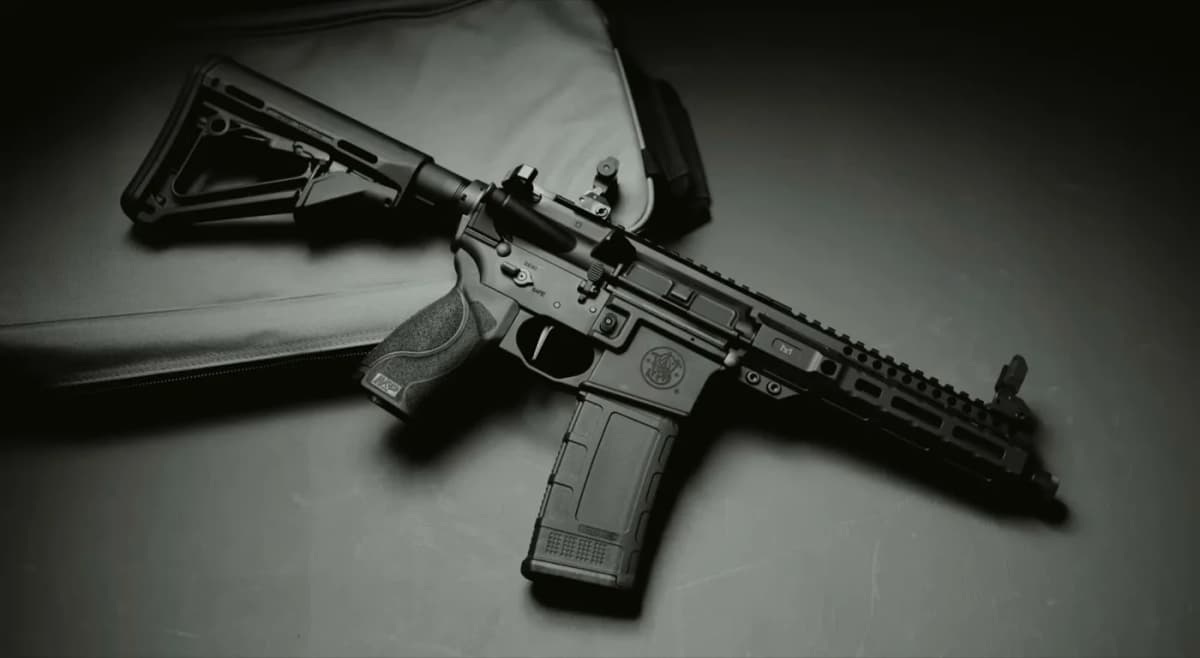
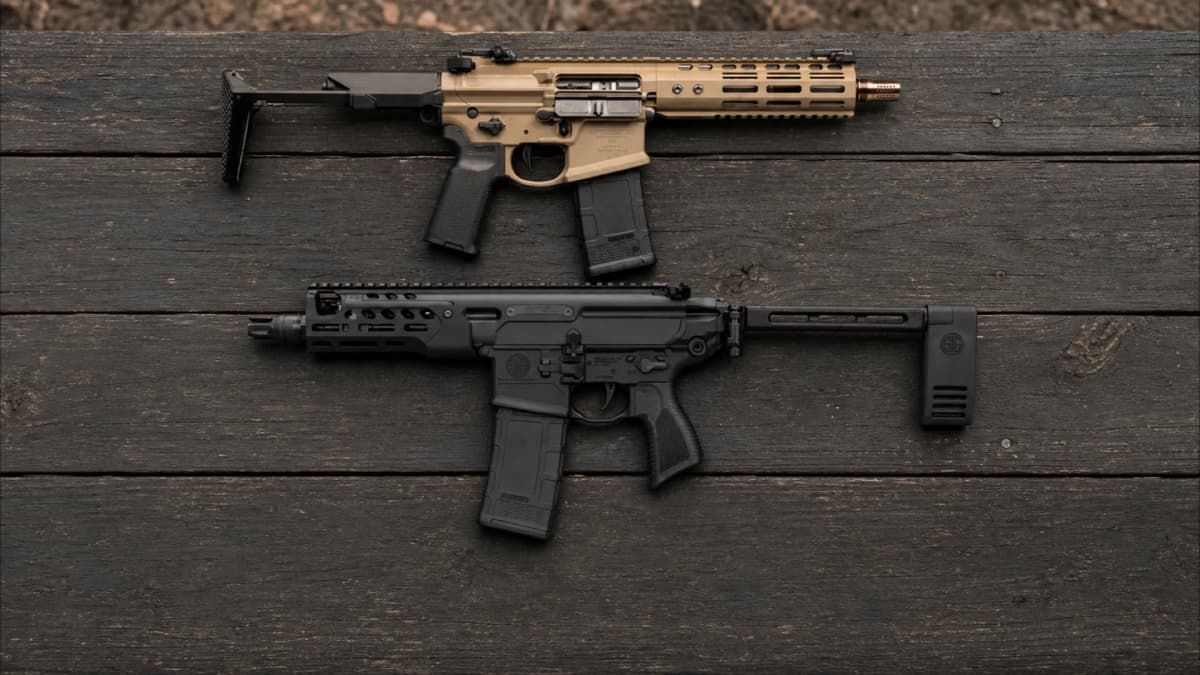
Check the chamber, bolt or BCG, and magazine separately before assembling a .338 ARC host. A shared case-head family can support a bolt choice, but it says nothing by itself about feed-lip shape, cartridge stack, follower geometry, or magwell pattern.
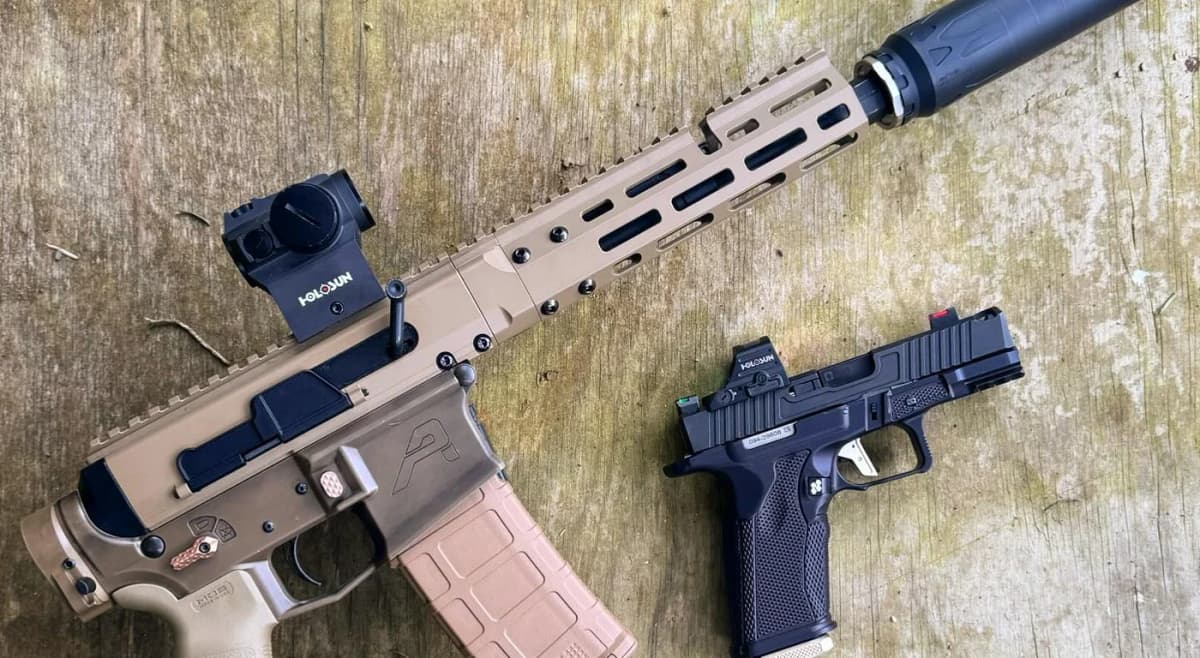
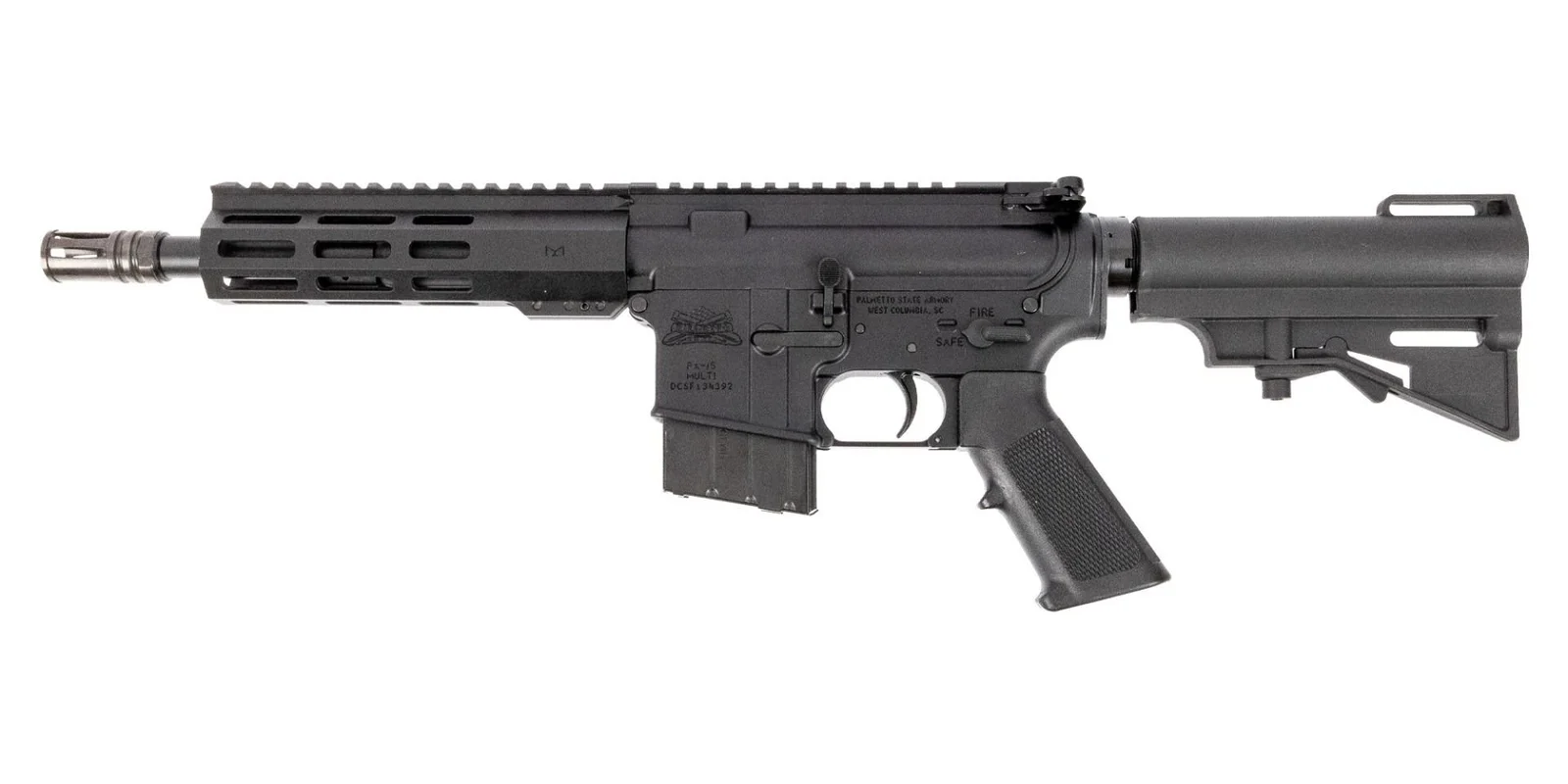
PSA's standard-lower .338 ARC pistol is a useful documented example: PSA lists a nitrided 6.5 Grendel-family BCG and supplies a 10-round .400 Legend magazine. PSA's Sabre IC receiver uses a different system: an ICAR magwell and Magpul PMAG 25 ICAR. Use the bolt and magazine listed for the chosen host.
The .338 ARC guide to uppers, barrels, bolt/BCG, and magazine choices owns the build decision. Follow the instructions for your exact host and verify headspace before firing a newly assembled upper. Once that host is set, use the AR builder to finish the compatible accessory setup.
Use a Suppressor Rated for .338 ARC
A .338-inch bullet cannot pass safely through a .30-caliber bore. Use only a suppressor whose manufacturer explicitly rates the exact model, mount, and configuration for the cartridge or for an appropriate .338-caliber pressure class. Thread pitch alone does not establish bore clearance or a firing schedule.
Dead Air's current fitment guide, for example, explicitly lists .338 ARC for the Mojave 9 in semi-automatic use within its published energy limit. The included piston is for a tilting- barrel pistol, so a fixed-barrel .338 ARC host still needs a maker-documented fixed mount. For a 5/8x24 host, Dead Air lists the DA412 P-Series fixed mount for the Mojave 9. The suppressor compatibility guide explains how to verify those limits without guessing from the caliber printed on the box.
Mojave 9 with DA412 for 5/8x24 Hosts
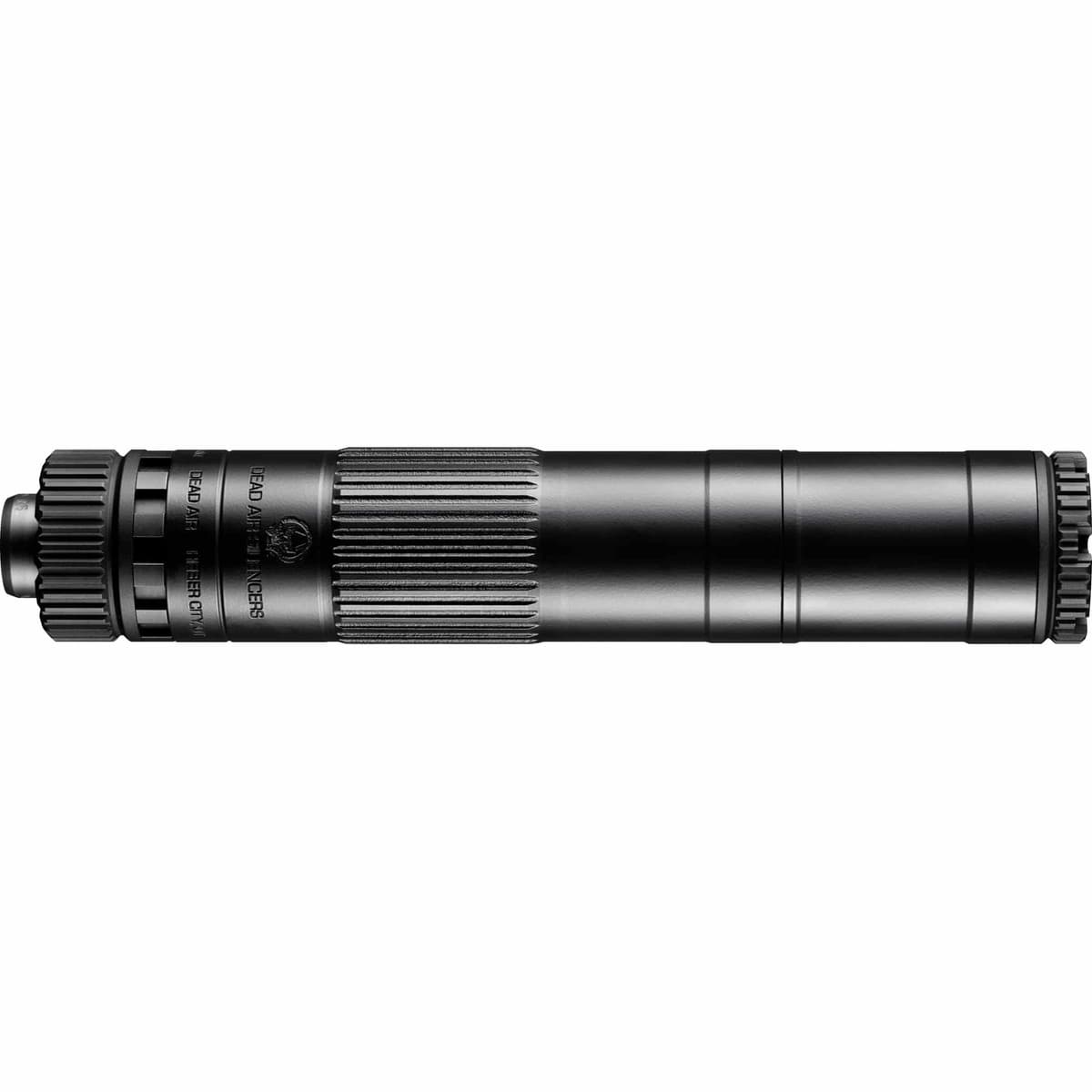
Dead Air Mojave 9
- 9mm bore
- 5.89 or 7.64 inches
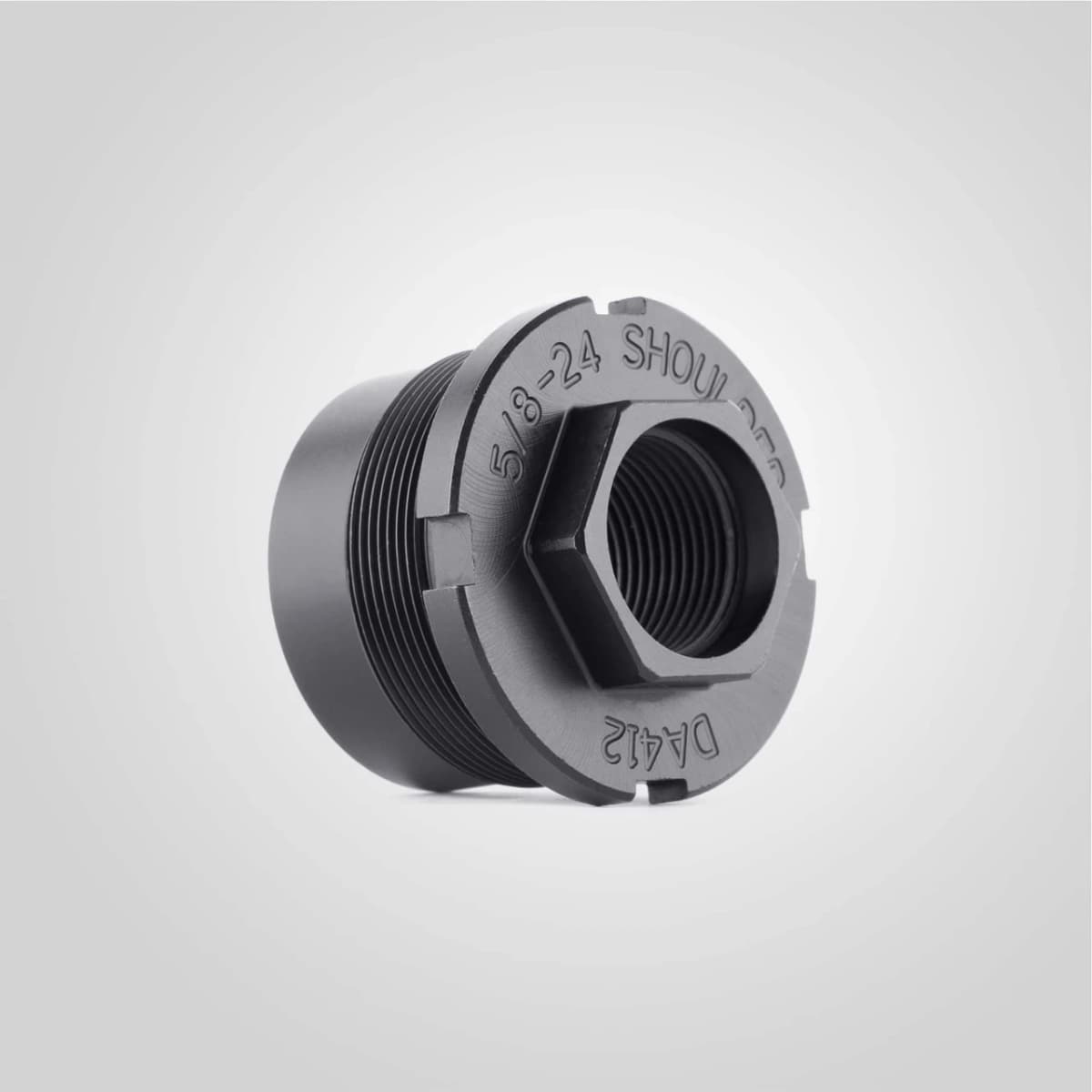
Dead Air P-Series Fixed Mount 5/8x24 (DA412)
- 5/8-24 host thread
- Dead Air P-Series suppressor rear interface
Affiliate links (?)
Who Should Choose .338 ARC?
Choose .338 ARC for a dedicated suppressed hunting or predator host when more subsonic energy matters more than ammunition and component breadth. The strongest case is close-range use with the 307-grain Sub-X, followed by medium-game use with the current supersonic hunting loads.
Skip it for high-volume practice, general home-defense use, or distance shooting. Keep .300 Blackout if you already have a proven suppressed system and do not need the extra subsonic energy. Choose 6mm ARC or another high-BC cartridge when wind and drop beyond normal carbine range matter more than bullet mass.
Get New Cartridge and Ammo Updates
Follow new factory loads, host documentation, ballistic data, and field reports as the .338 ARC ecosystem develops.
Frequently Asked Questions
▶What is .338 ARC?
▶What is .338 ARC good for?
▶What is .338 ARC comparable to?
▶Is .338 ARC more powerful than .300 Blackout?
▶What is the effective range of .338 ARC?
▶What .338 ARC ammo is available?
▶Does .338 ARC use a 6.5 Grendel bolt and magazine?
Bottom Line
Choose .338 ARC for heavy subsonic energy at close range in a compact host.
The cartridge now has a useful five-load ammunition range and a current SAAMI drawing. Its limits are just as clear: short practical range, a younger ecosystem, and host-specific bolt and magazine requirements. Decide on the cartridge from its ballistics and use case, then use the build guide to verify every part in the host.