Key Takeaways
- →Two New SKUs: NAS³ Primed Cases in .308 Winchester/7.62x51mm NATO and 5.56 NATO/.223 Remington, shipping now direct from Shell Shock Technologies in packs of 250 through 5,000.
- →.308 Pricing: $220 for 250 cases, scaling to $820 for 1,000 and $3,900 for 5,000. That is $0.88 per case at the entry tier and $0.78 at the top.
- →5.56 Pricing: $135 for 250 cases, scaling to $520 for 1,000 and $2,450 for 5,000, or $0.54 down to $0.49 per case.
- →Priming Costs About a Dime: The unprimed NAS³ equivalents are $199.45 and $112.50 per 250, so the factory primer adds roughly 8 to 9 cents per case at every pack size.
- →Two-Piece Construction: Nickel-alloy body on a stainless-steel head, rated up to 50% lighter than brass with about twice the tensile strength, greater elasticity, and corrosion resistance.
What Shell Shock Launched
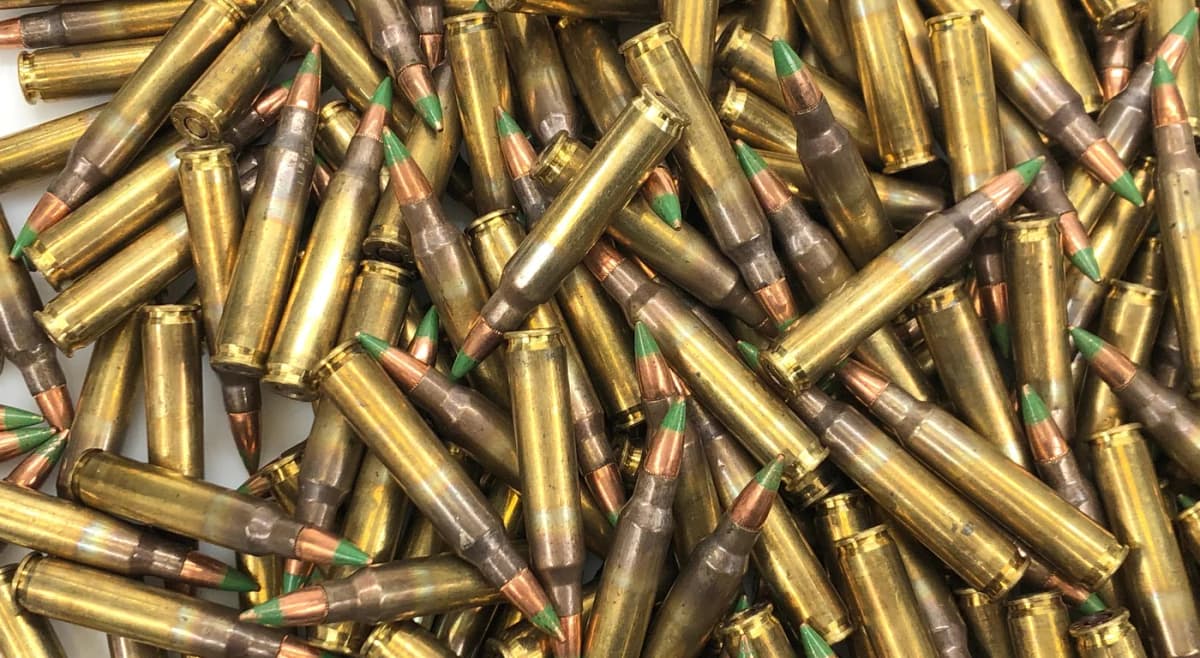
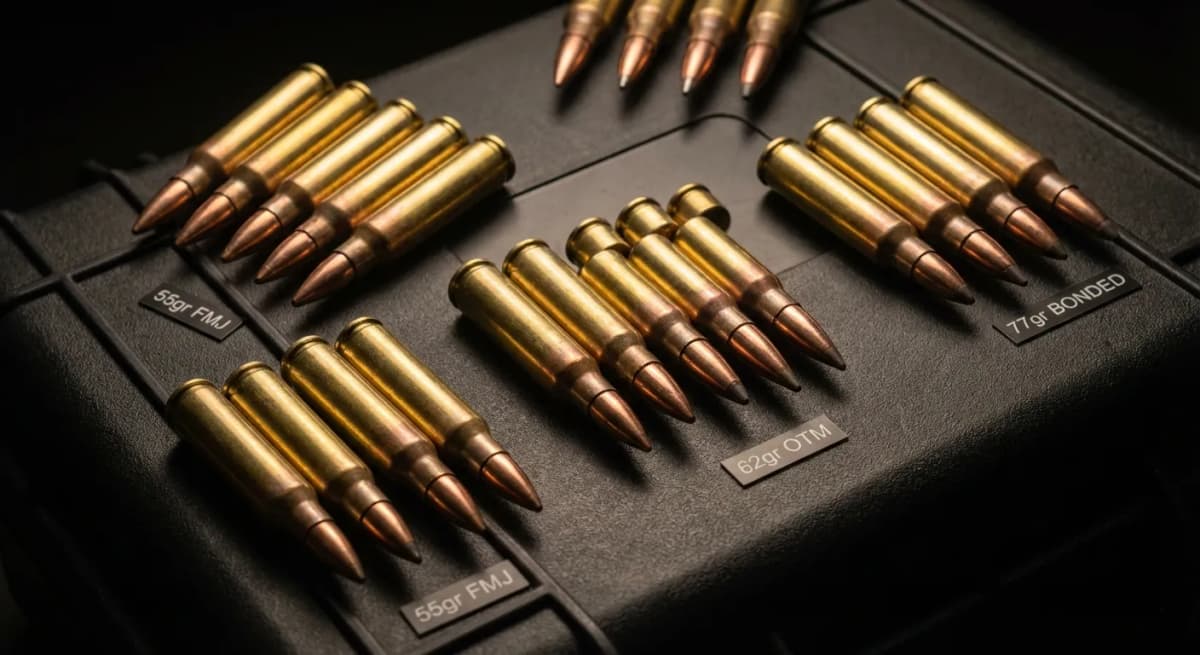
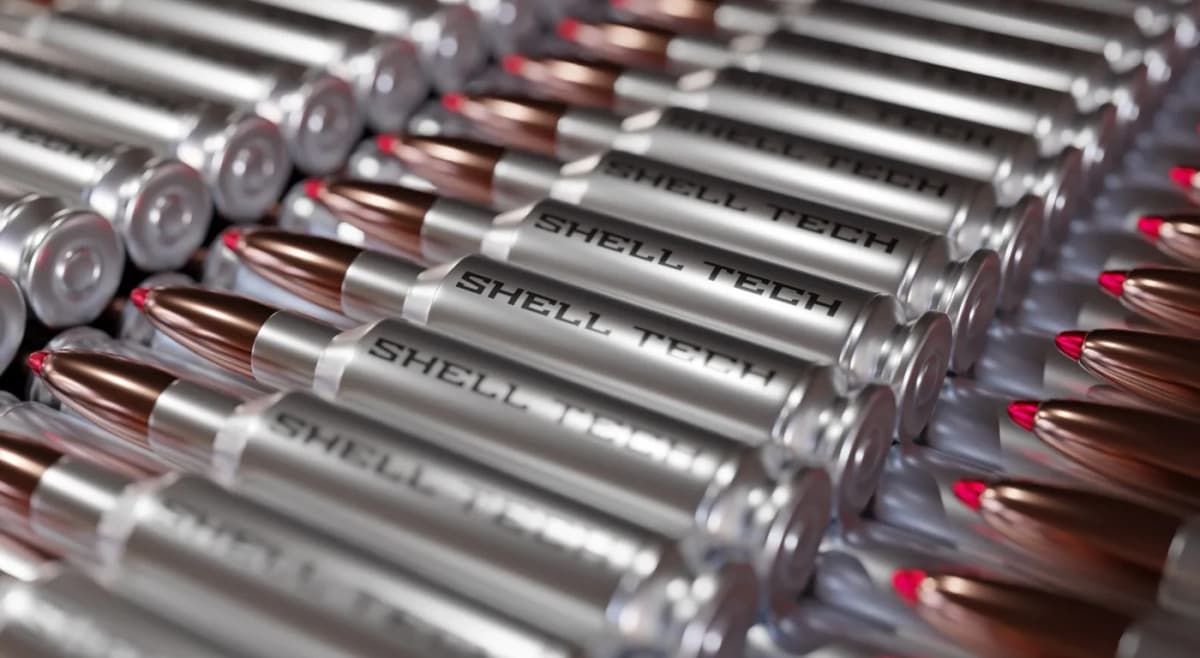
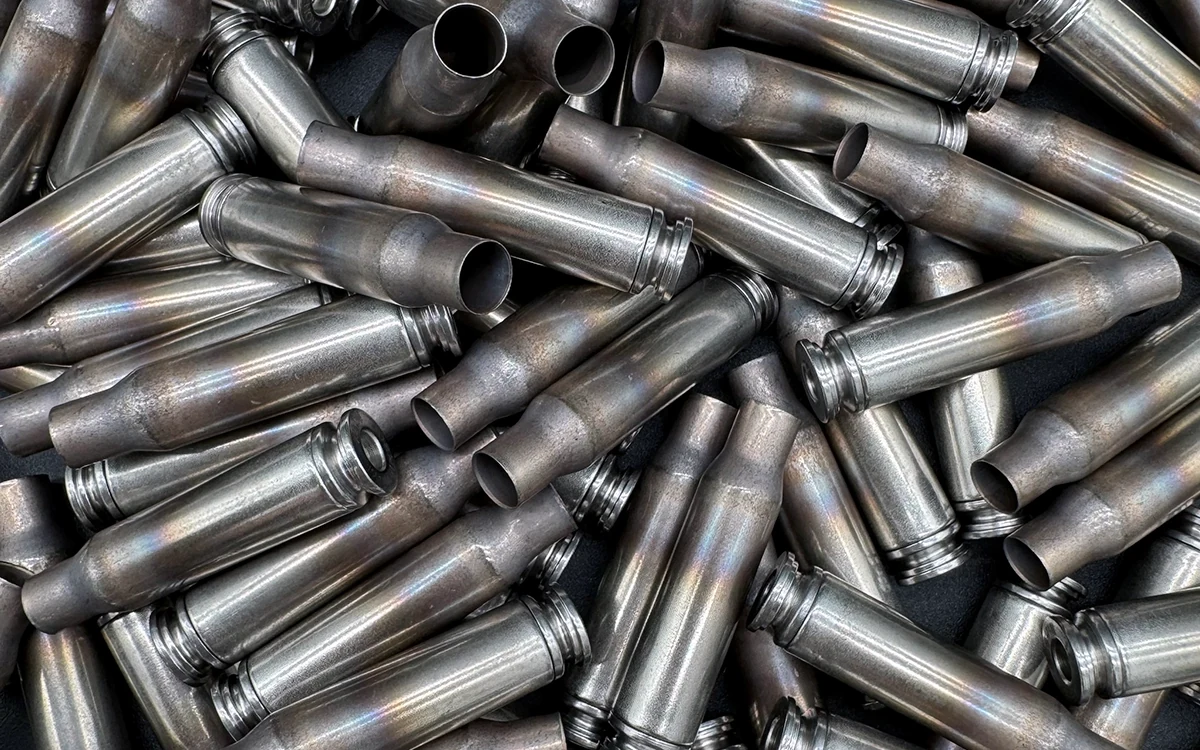
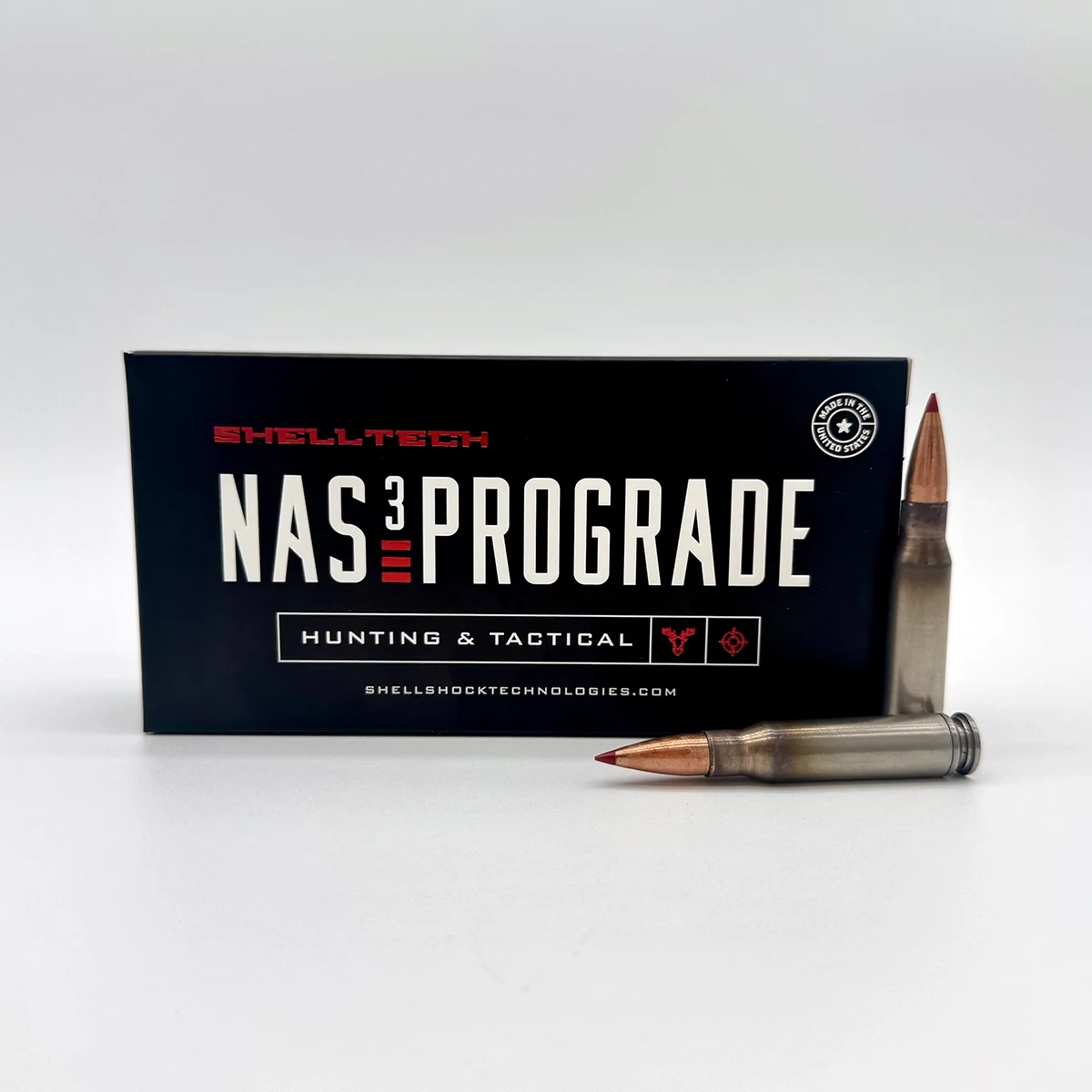
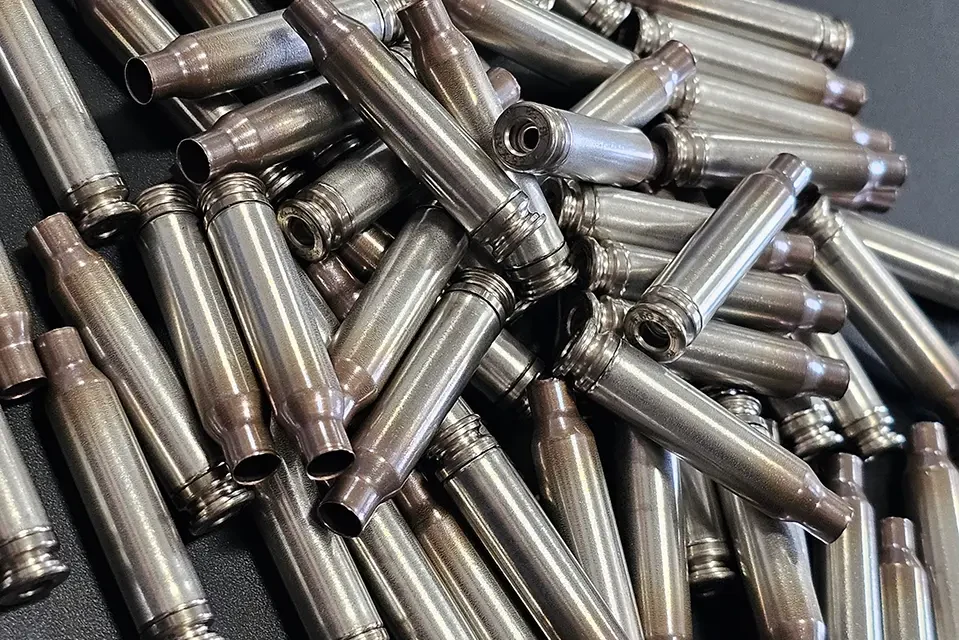
Shell Shock Technologies added factory-primed NAS³ cases in .308 Winchester/7.62x51mm NATO and 5.56 NATO/.223 Remington to its component line on July 30, 2026. Both are available now at shellshocktechnologies.com in pack sizes from 250 to 5,000, with the .308 starting at $220 per 250 and the 5.56 at $135 per 250. The cases use the same two-piece NAS³ architecture the company already sells unprimed: a proprietary nickel-alloy body paired with a stainless-steel head, which Shell Shock rates at up to 50% lighter than drawn brass with roughly twice the tensile strength and greater elasticity.
The product is narrow on purpose. It is not new metallurgy, a new caliber, or a new loaded round. It removes one bench step. A handloader who buys these opens the bag, charges, and seats, with no priming pass over 250 or 1,000 cases first. Peter Foss, Shell Shock's Managing Partner and CEO, framed the two calibers as answering different problems: “The .308 and 5.56 markets ask for different things, one rewards consistency at distance, the other rewards reliability at volume.”
What Factory Priming Actually Costs
The premium for factory priming is 8 to 9 cents per case, and it stays flat across the pack ladder. Shell Shock's unprimed .308 NAS³ cases are $199.45 per 250 against $220 primed, a $20.55 difference, or $0.082 a case. The unprimed 5.56 cases are $112.50 per 250 against $135 primed, a $22.50 difference, or $0.09 a case. At the 5,000 tier the gap holds: $3,464.95 unprimed versus $3,900 primed in .308, and $2,000 versus $2,450 in 5.56.
Two things follow from that. First, this is a labor trade, not a component discount, so the buying decision comes down to whether a priming pass over a few thousand cases is worth a dime each to skip. Second, the unprimed line still runs deeper: both unprimed rifle cases offer a 10,000-count pack ($6,824.95 in .308, $3,900 in 5.56) that the primed line does not, so the highest-volume buyers stay on the unprimed ladder.
NAS3 Primed Case Pricing and Specs
Shell Shock NAS3 Primed Cases: Verified Pricing
| .308 / 7.62x51mm, 250 cases | $220.00 |
| .308 / 7.62x51mm, 500 cases | $430.00 |
| .308 / 7.62x51mm, 1,000 cases | $820.00 |
| .308 / 7.62x51mm, 1,500 cases | $1,200.00 |
| .308 / 7.62x51mm, 3,000 cases | $2,355.00 |
| .308 / 7.62x51mm, 5,000 cases | $3,900.00 |
| 5.56 NATO / .223 Rem, 250 cases | $135.00 |
| 5.56 NATO / .223 Rem, 500 cases | $267.50 |
| 5.56 NATO / .223 Rem, 1,000 cases | $520.00 |
| 5.56 NATO / .223 Rem, 1,500 cases | $765.00 |
| 5.56 NATO / .223 Rem, 3,000 cases | $1,500.00 |
| 5.56 NATO / .223 Rem, 5,000 cases | $2,450.00 |
| Construction | Nickel-alloy body, stainless-steel head |
| Weight vs brass | Up to 50% lighter |
| Tensile strength | About 2x brass |
| Availability | Now, direct from the manufacturer |
| Manufacturer | Shell Shock Technologies, Eubank, KY |
The .308 Case: Weight and Consistency at Distance
The .308 argument is carry weight plus dimensional consistency. Shell Shock points at uniform wall thickness and tight dimensional tolerances as the mechanism for tighter velocity spreads at standard SAAMI pressures, and at the up-to-50% case weight reduction as the reason a loaded round costs the shooter less to carry. The case is a large share of a loaded .308 round's weight, so the saving shows up on a pack rather than on a bench.
The buyers who benefit are precision rifle competitors shooting enough volume that case cost per firing matters, hunters walking a full load in, and duty users running high round counts through gas guns. Velocity spread claims are the ones to verify yourself, which means chronographing the first 20 rounds off a new case lot before you trust the load. If you are choosing between rolling your own and buying factory, our best .308 ammo guide covers the match and hunting loads worth beating, and the reloading press guide covers the throughput math that decides whether a 250-count or a 3,000-count pack is the right first order.
Chronographs for Load Development
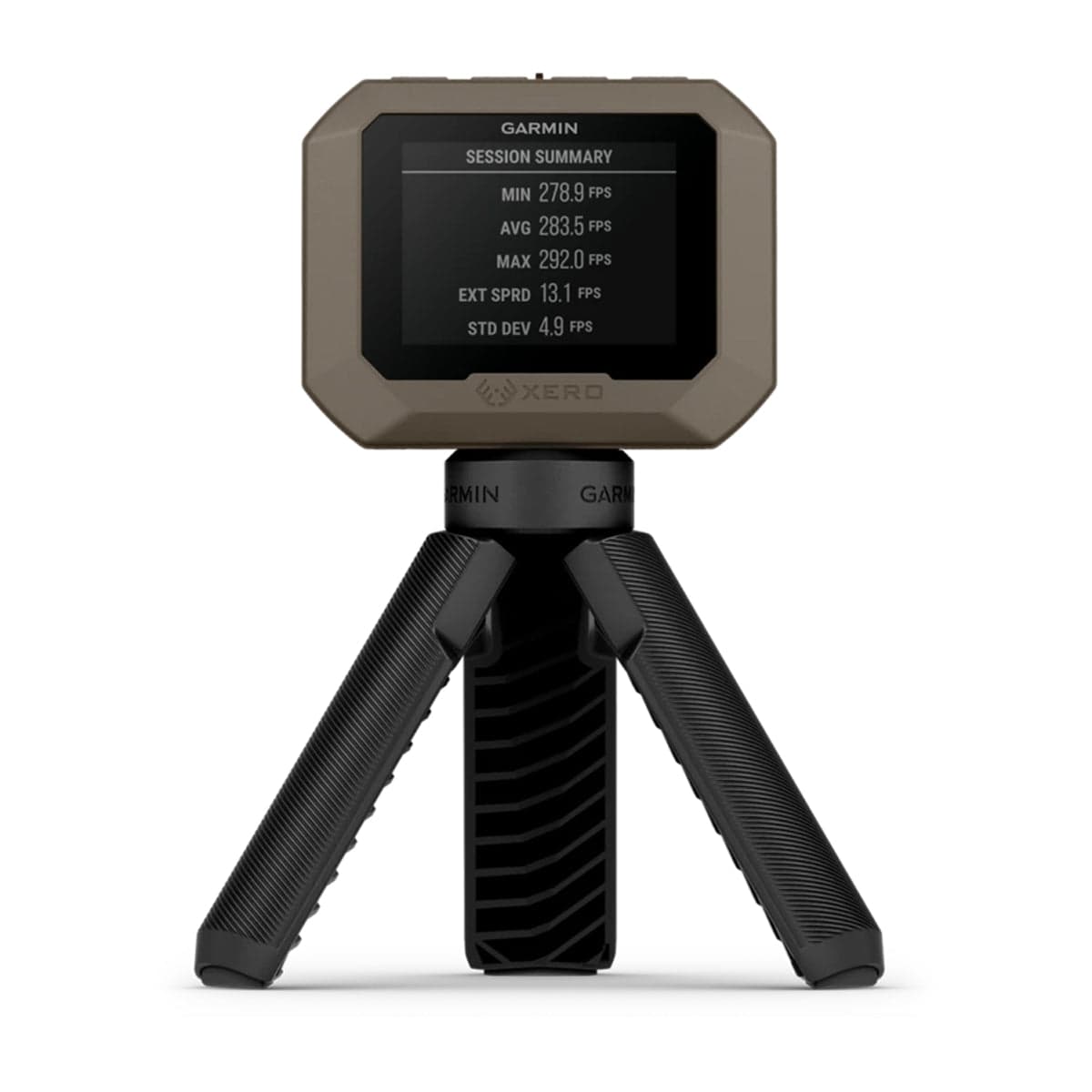
Xero C1 Pro Chronograph
- Doppler radar, no skyscreens
- 100 to 5,000 fps range
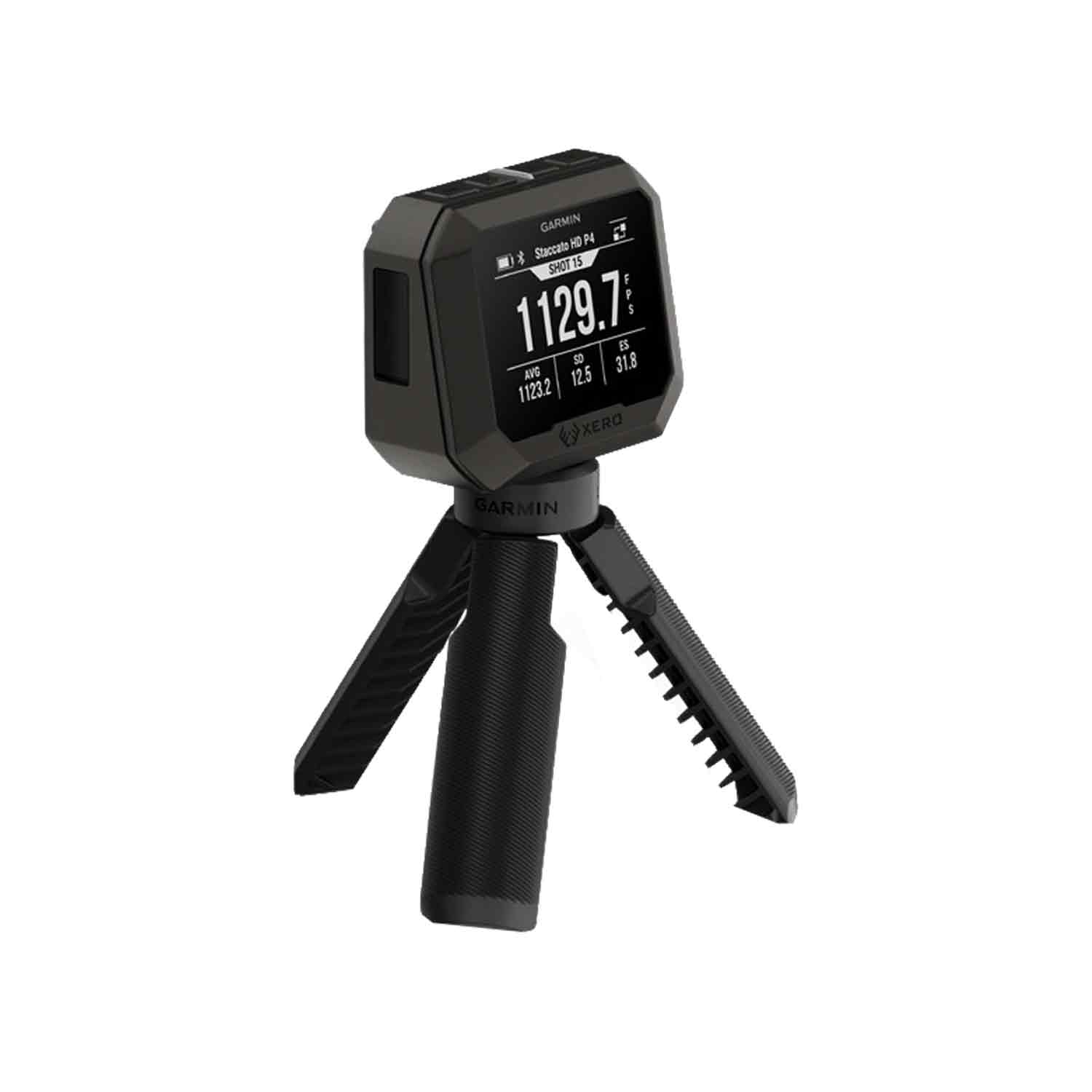
Xero C2 Chronograph
- Doppler radar, rapid-fire capable
- 100 to 5,000 fps range
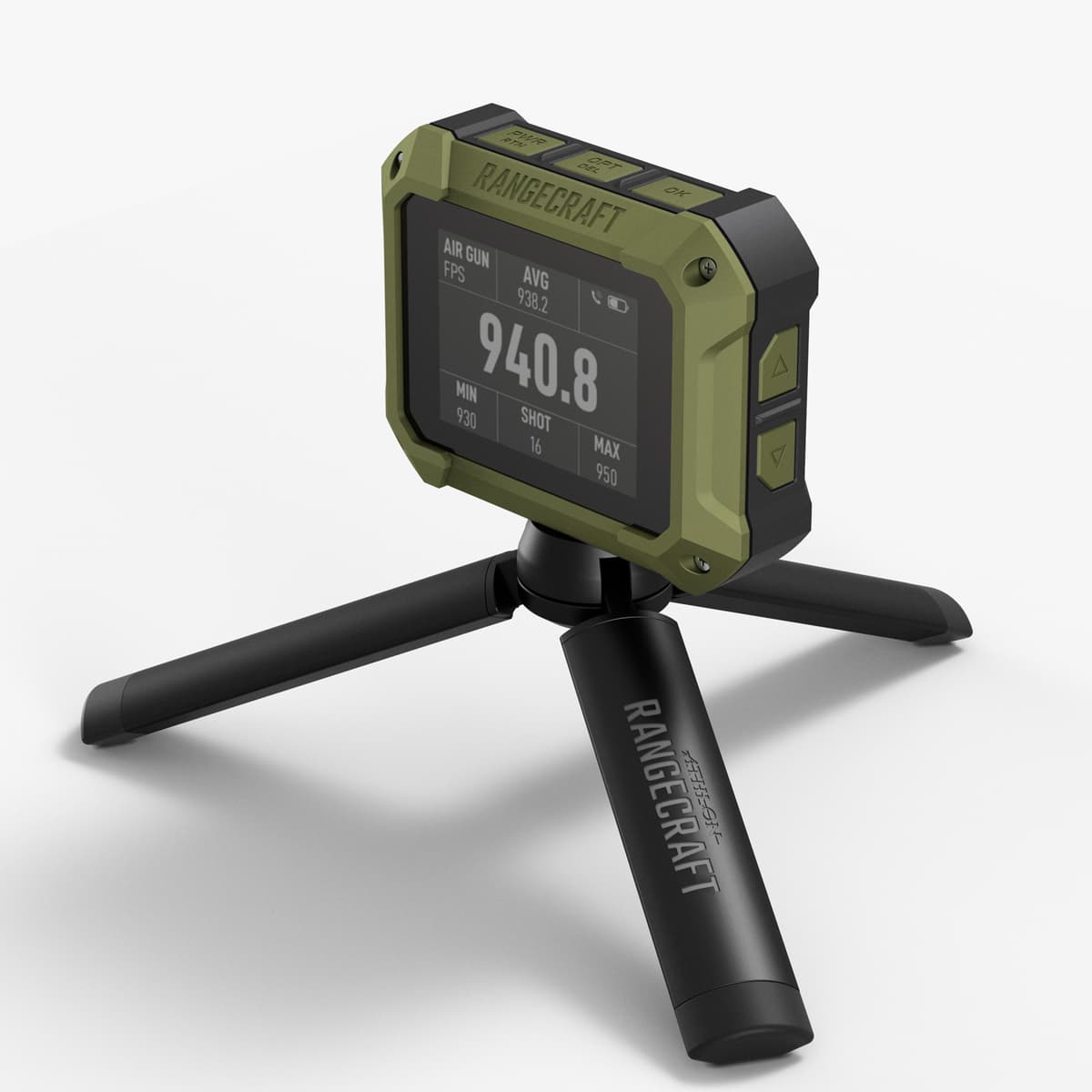
Rangecraft Velocity Pro Radar Chronograph
- Doppler radar, no skyscreens
- 65 to 5,000 fps range
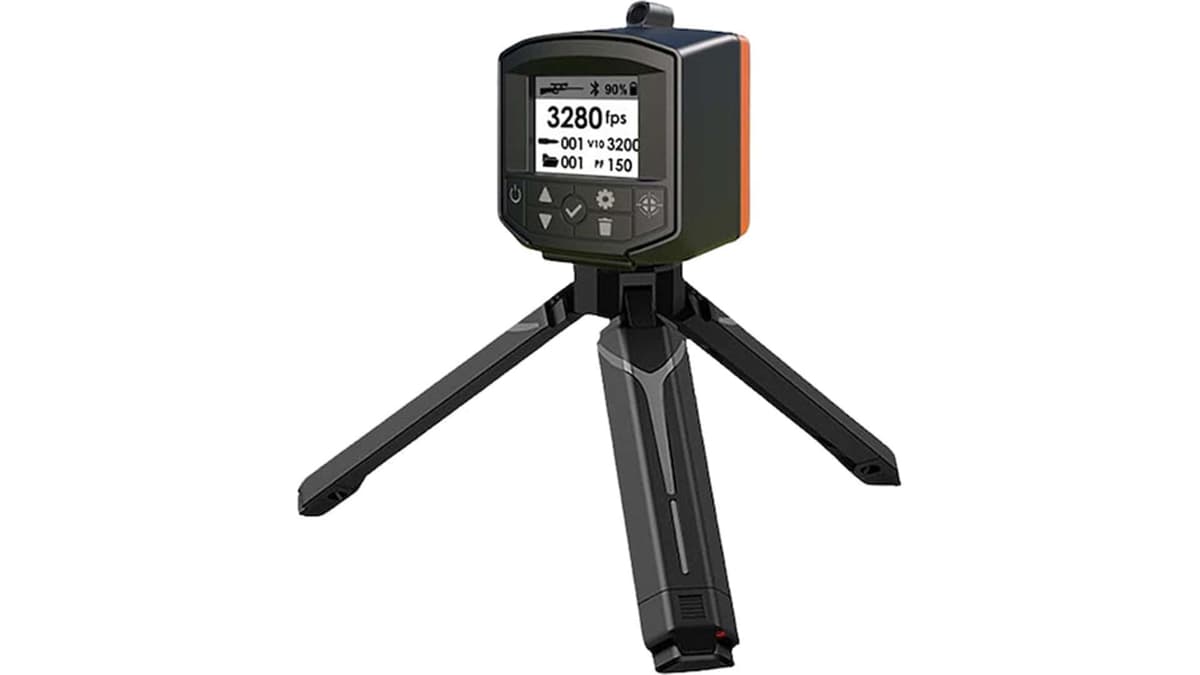
LabRadar LX Doppler Radar Chronograph
- Doppler radar, 61.220-61.440 GHz
- 65 to 5,000 fps range
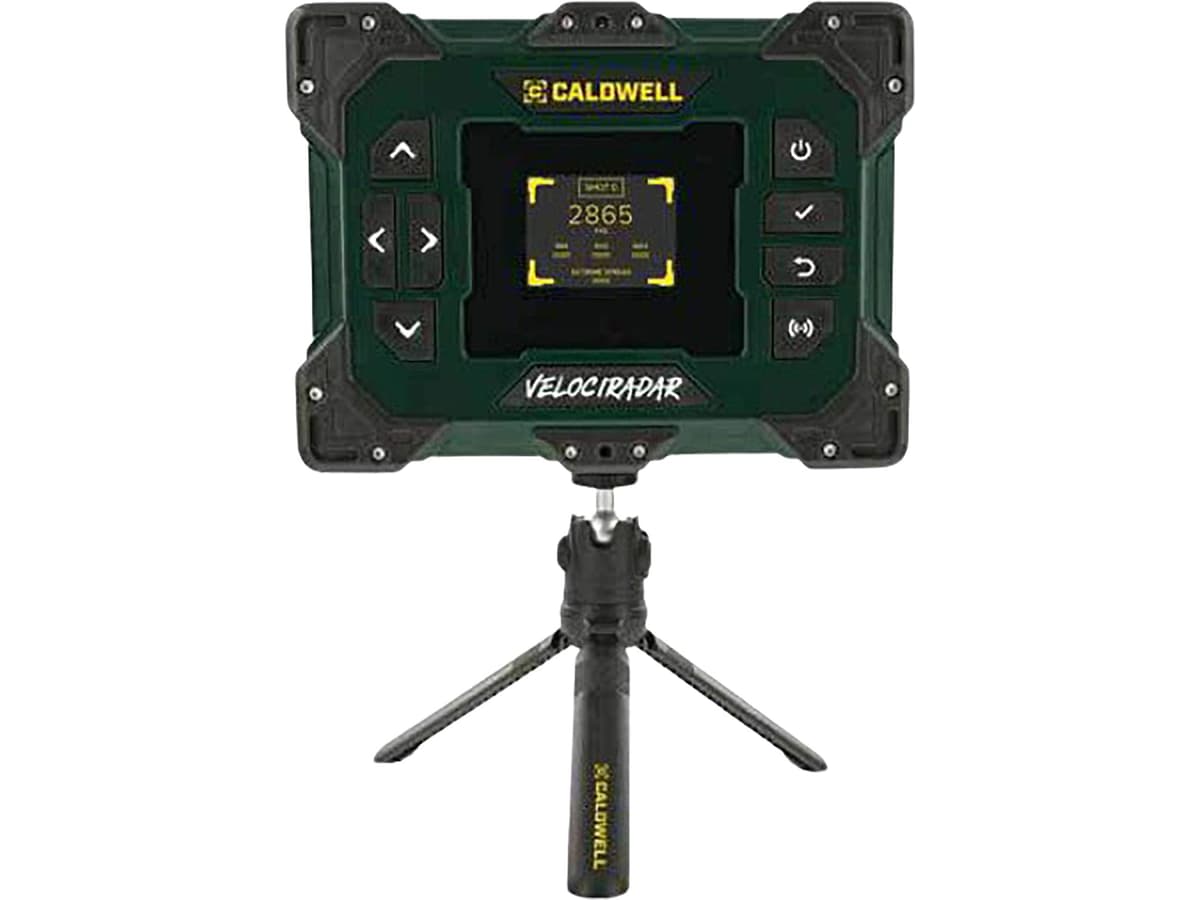
VelociRadar Chronograph
- Chirp radar (FMCW)
- 250 to 4,500 fps range
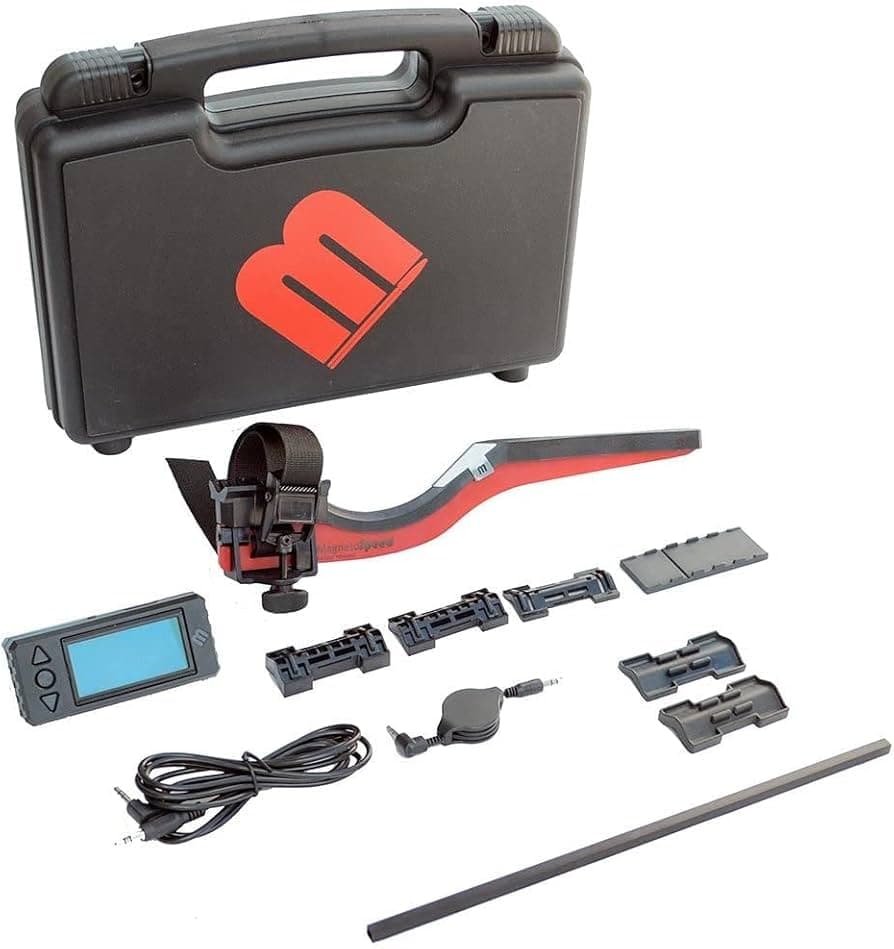
V3 Ballistic Chronograph
- Electromagnetic barrel-mount
- Fits 0.5-2 in barrel/suppressor
Affiliate links (?)
The 5.56 Case: Volume Shooters and AR Cycling
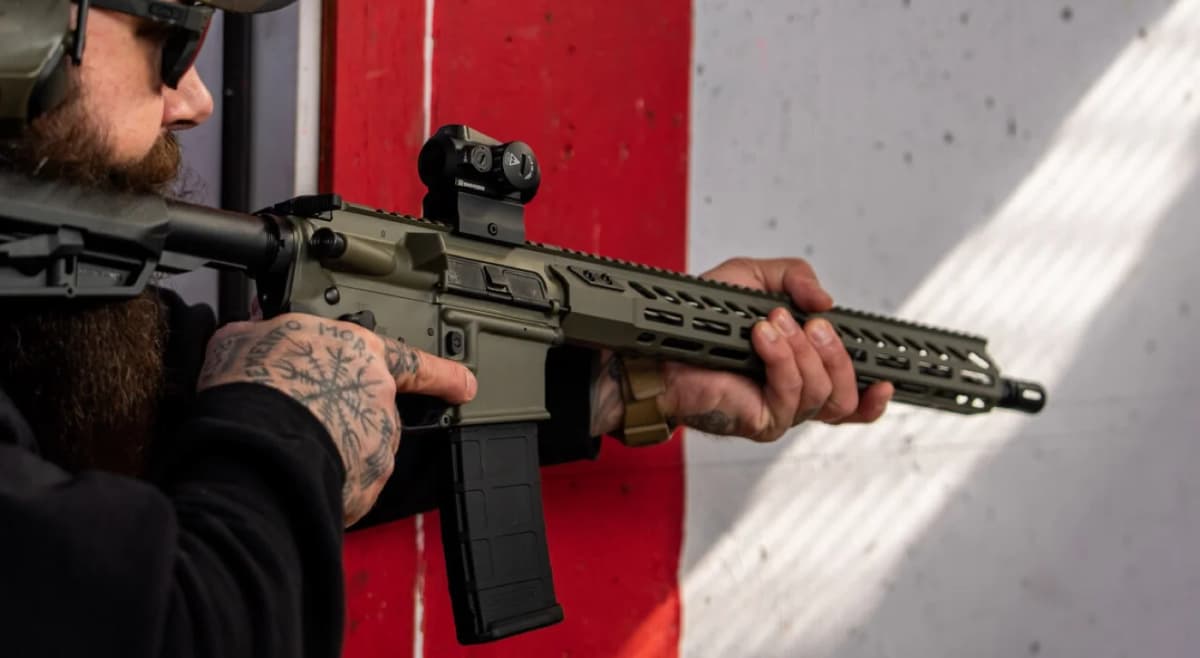
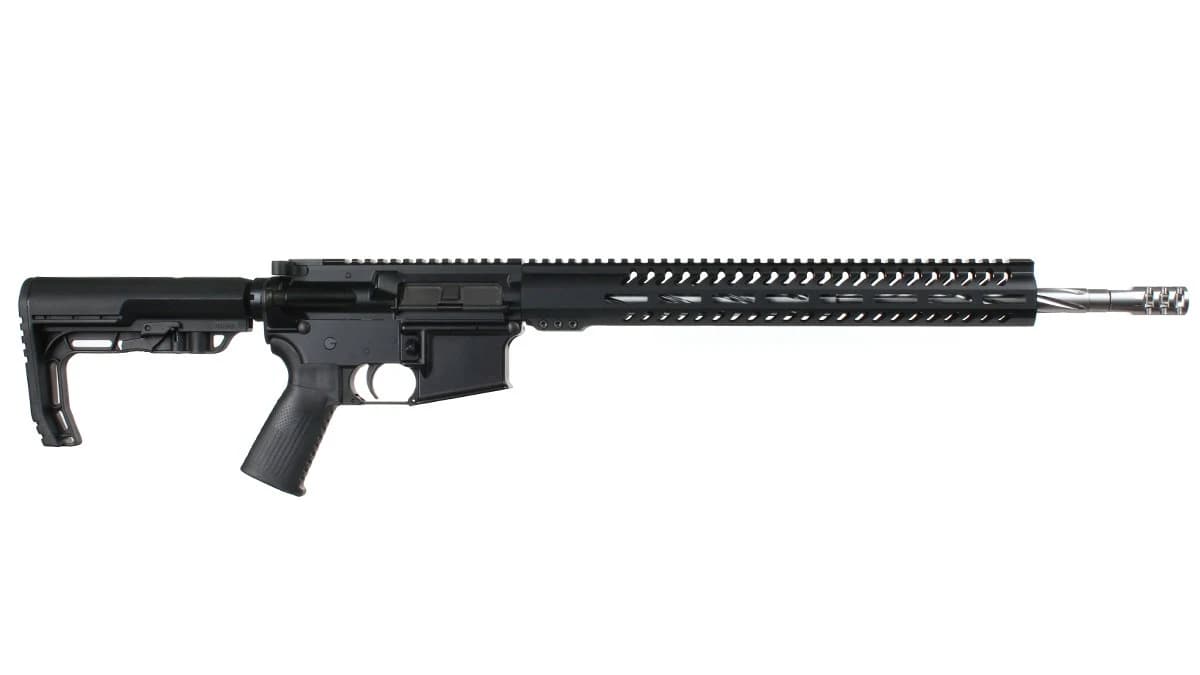
The 5.56 argument is throughput. Shell Shock built this one for AR-15, M4, and similar modern sporting rifles, and aims it at competitive marksmen running extended strings, varmint hunters, and law enforcement and military users qualifying at scale. The claims that matter for a gas gun are the ones Shell Shock puts on the case itself: enhanced lubricity, no abrading or fouling of the extractor and ejector, and clean cycling and extraction through rapid-fire strings, plus the same weight reduction applied to a case count measured in thousands.
At $0.54 a case in the 250-count pack and $0.49 at 5,000, the 5.56 primed case sits well above once-fired brass and above most bulk new brass, so the economics only close if the case survives more firings than brass does or the weight saving is worth paying for outright. The projectile range Shell Shock cites runs from lightweight training bullets to heavier precision and specialized loads, which lines up with the bullet weights covered in our 5.56 ammo selection guide.
Presses for .308 and 5.56 Loading
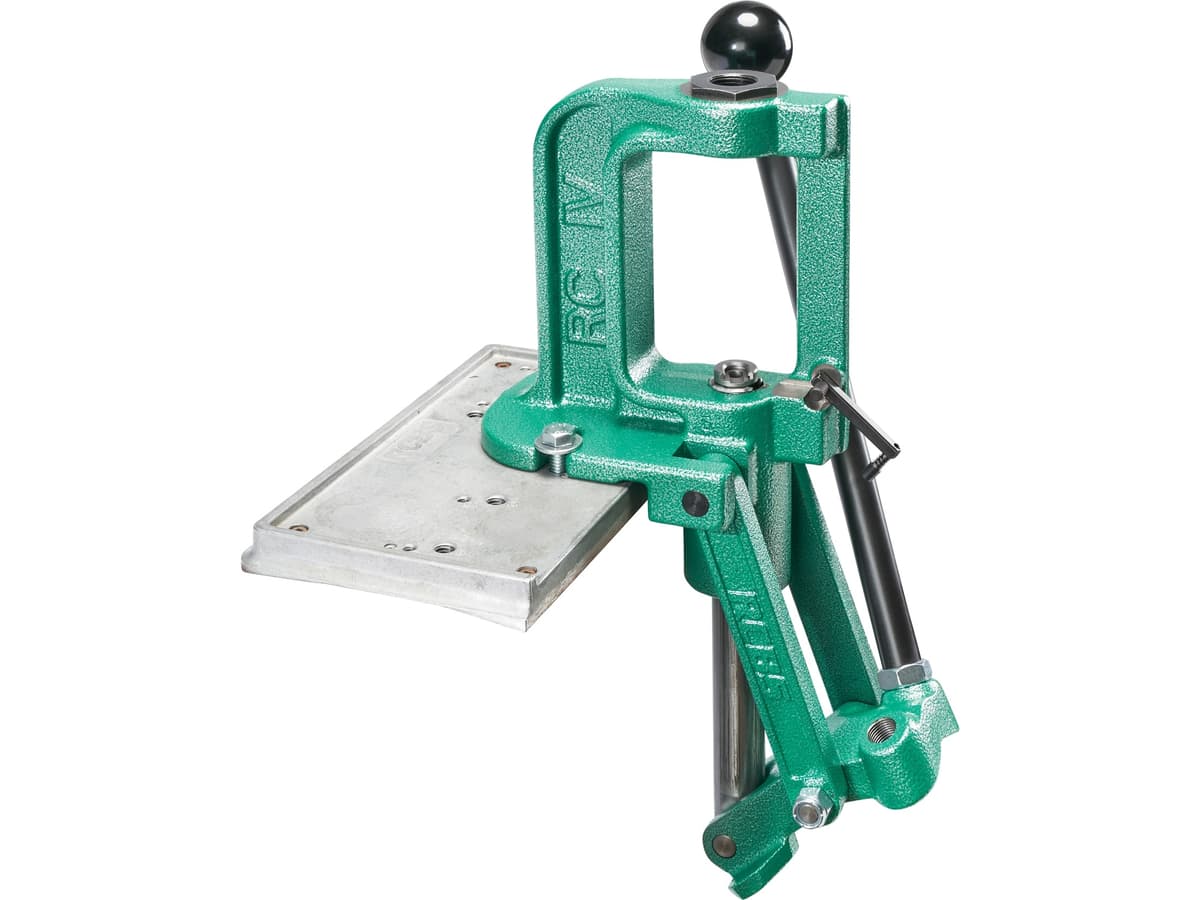
Rock Chucker Supreme Single Stage Press
- Single-stage cast-iron O-frame
- 4.25 in window opening
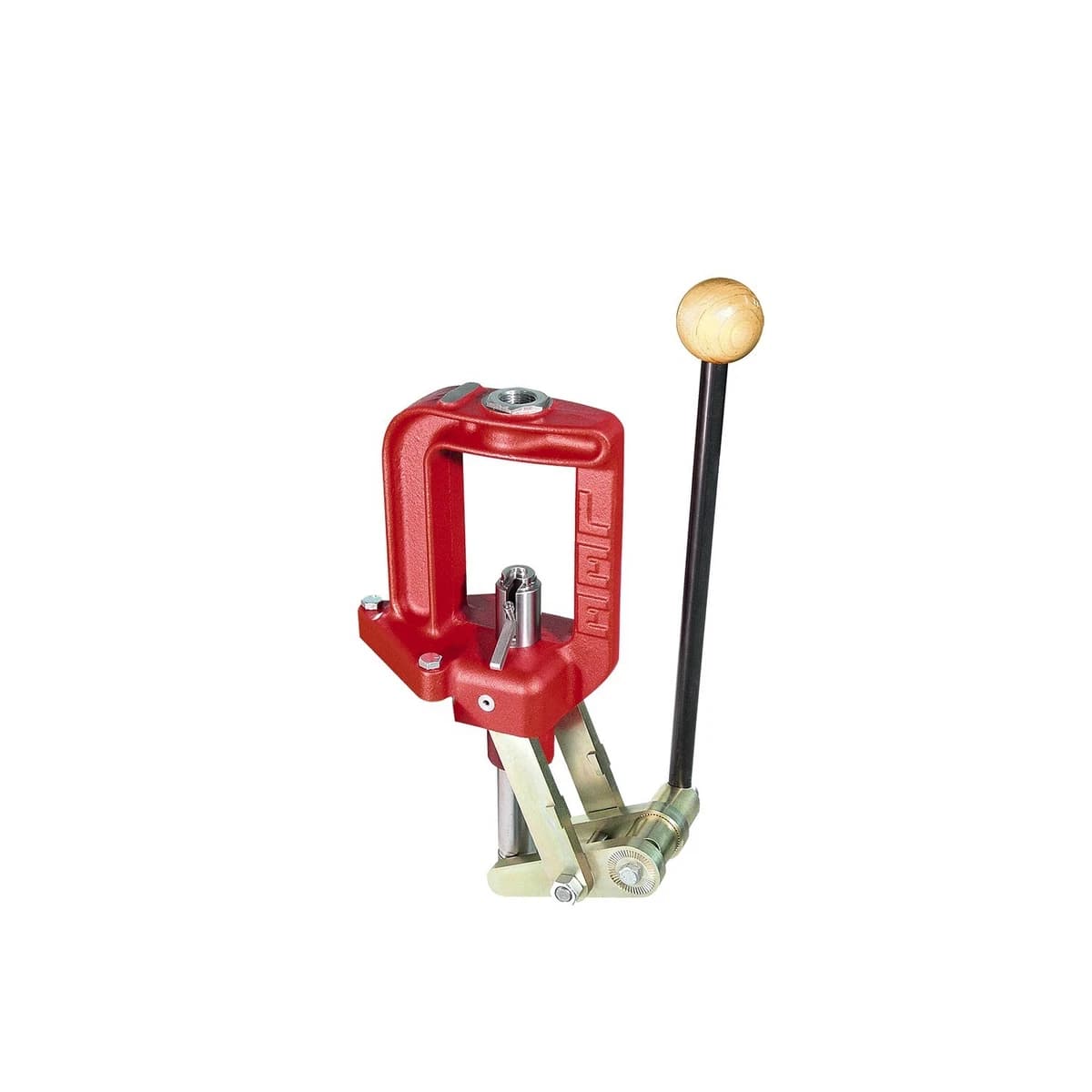
Classic Cast Single Stage Press
- Single-stage cast-iron O-frame
- 1-1/8 in hollow ram, tube primer disposal
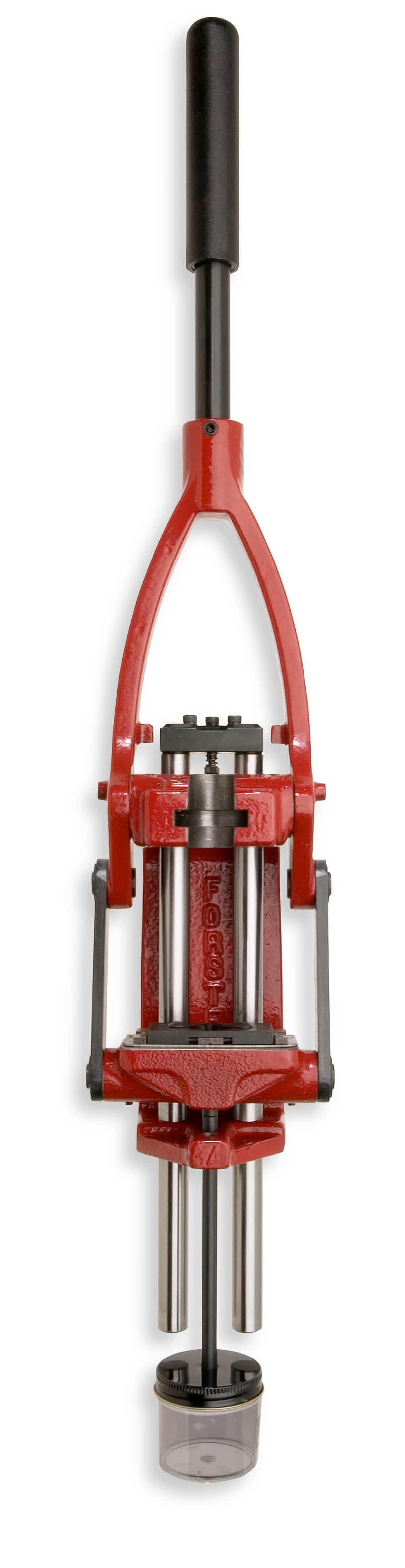
Co-Ax Single Stage Press (B3)
- Single-stage cast-iron O-frame
- Floating self-aligning S-jaws (no shellholder)
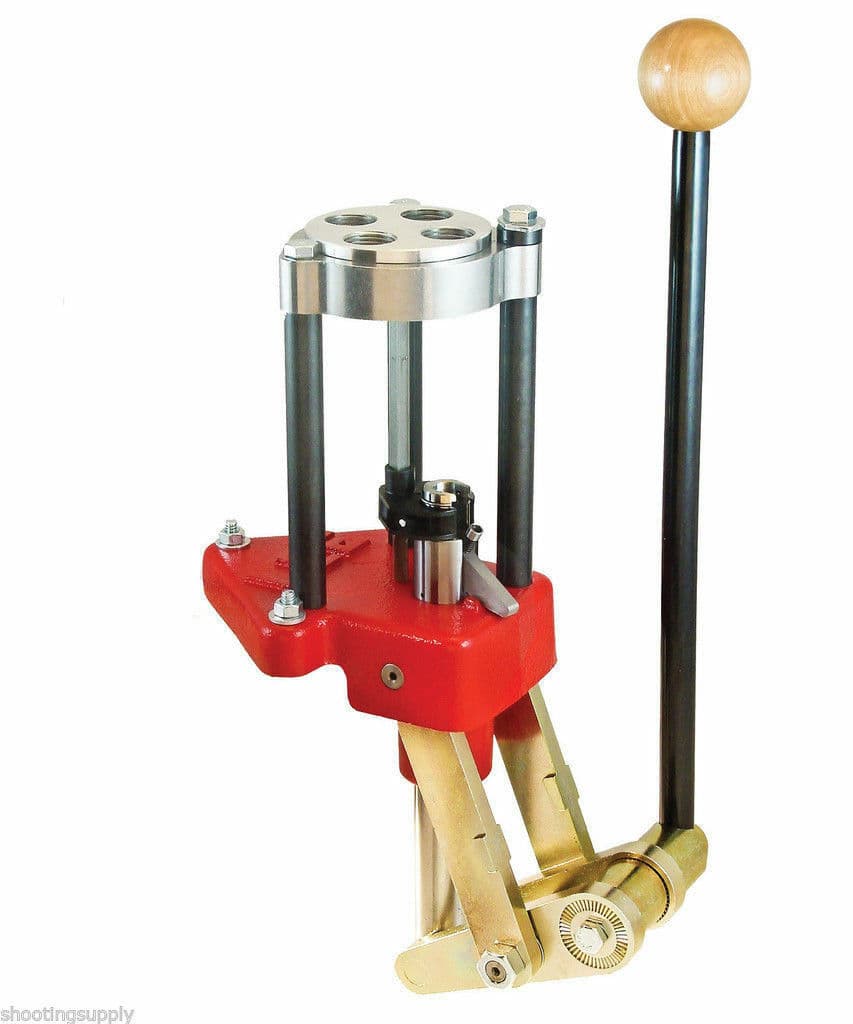
4-Hole Classic Turret Press
- Auto-indexing 4-hole turret
- Cast-iron frame, steel linkage
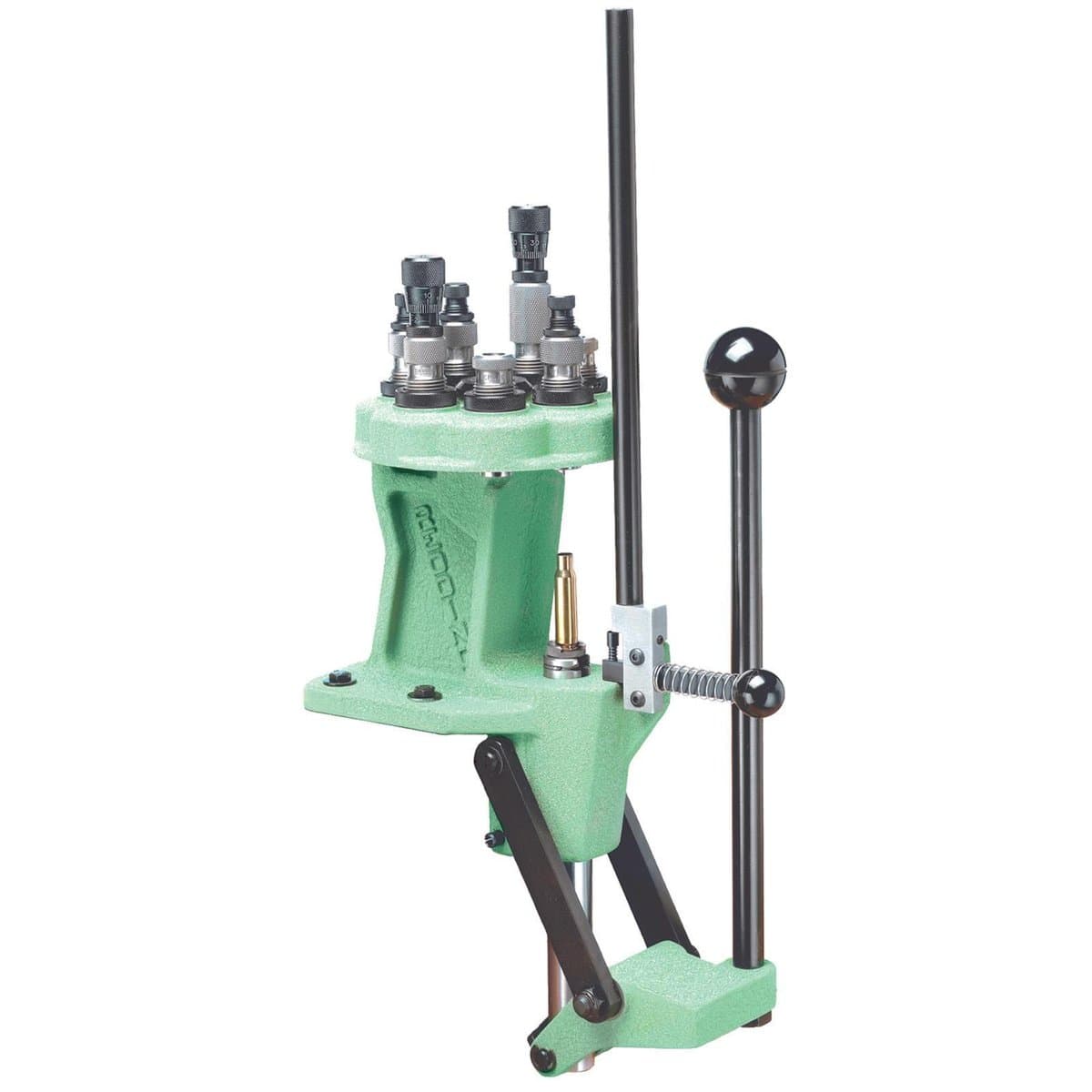
T-7 Turret Press Kit
- Manual-index 7-station turret
- Cast-iron frame and turret head
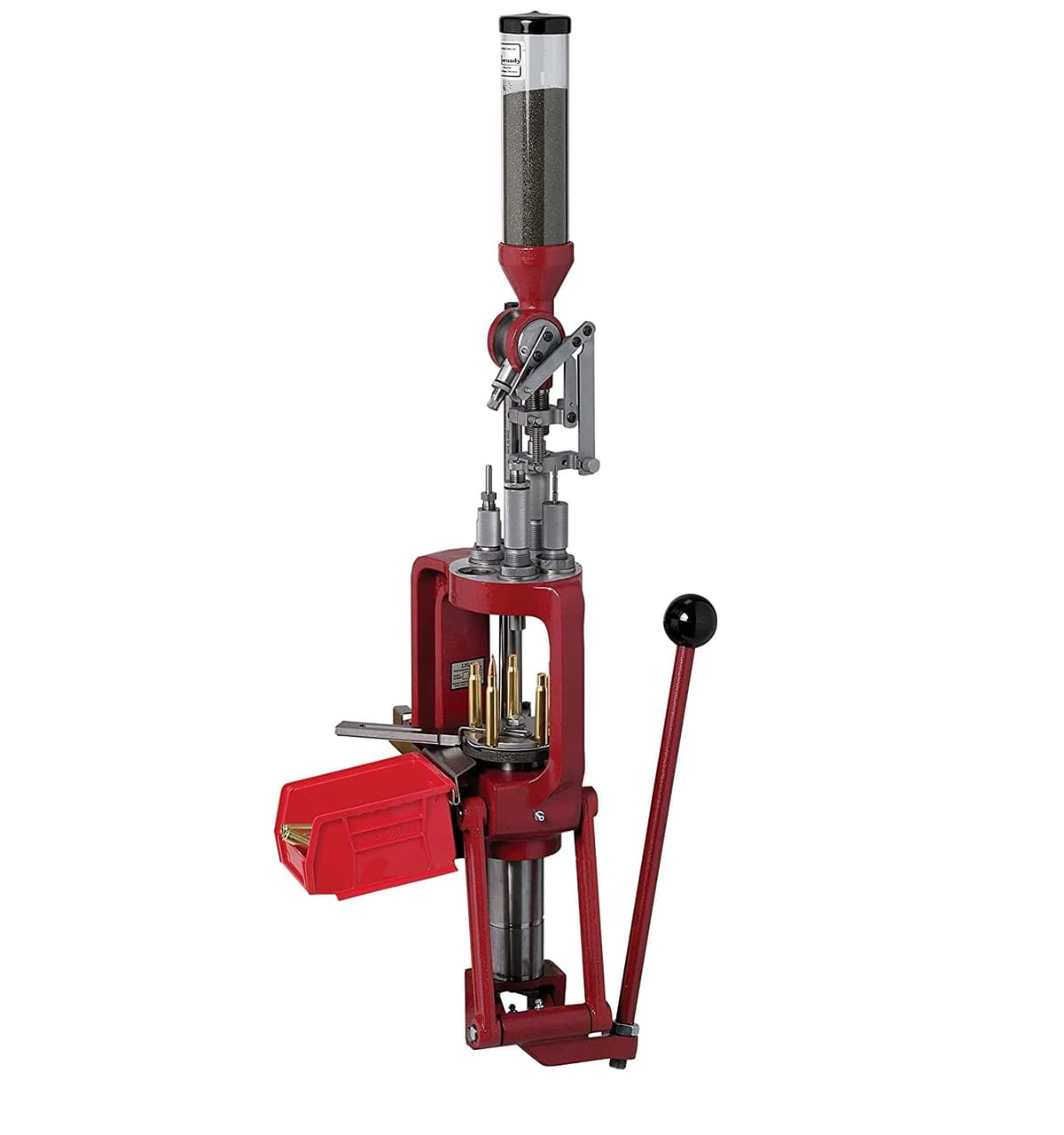
Lock-N-Load AP Progressive Press
- 5-station auto-indexing progressive
- Lock-N-Load die bushing system
Affiliate links (?)
How NAS3 Behaves Differently on the Bench
Three things change when you swap brass for NAS³. The cases eject noticeably cooler, they pick up with a magnet because of the stainless head, and sizing is the open question. On the pistol side, NAS³'s two-piece construction sizes in dedicated S3 Reload dies rather than standard dies, and S3 Reload's published die catalog covers 9mm Luger and .380 ACP only, with the 9mm sizing and flaring set at $85.95. Shell Shock sells the rifle cases on durability and reloadability but does not publish a rifle die requirement alongside them, so settle current .308 and 5.56 resizing guidance with the manufacturer before buying 1,000 cases you intend to load more than once.
For a first order, a 250-count pack is the sane test unit in either caliber. Load 20, chronograph them, and check extraction and primer pocket fit after the first firing before scaling to 1,000. This is the third NAS³ rifle launch in twelve months: Shell Shock released the unprimed .308 cases in August 2025 and the .338 Lapua Magnum NAS³ case in May 2026. Verifying velocity spread is a chronograph job; for the rifles these components feed, our shooting chronograph guide ranks the current radar and optical units, and you can spec the host rifle in the rifle builder.
Stay Updated on Ammunition and Components
We track case, primer, and component launches as they ship, plus the load data and chronograph results that show whether the claims hold. Subscribe for ammunition coverage, precision rifle builds, and component pricing updates.
Frequently Asked Questions
▶What is a NAS3 case?
▶How much do Shell Shock NAS3 primed cases cost?
▶Is it worth buying primed cases instead of unprimed?
▶Can you reload NAS3 rifle cases?
▶Are NAS3 primed cases compatible with standard .308 and 5.56 load data?
▶Who makes NAS3 ammo?
Bottom Line
The clearest buy case is a handloader already running NAS³ rifle cases who wants the priming step gone for about a dime a case. At $220 per 250 in .308 and $135 per 250 in 5.56, the primed cases are priced as a convenience tier on top of an existing component, not as a new value proposition, and the unprimed ladder stays cheaper and runs to 10,000 for anyone buying at real volume.
For a shooter who has never run NAS³, the 250-count pack is the right entry point, and the questions to answer with your own rifle are velocity spread across the first lot and how the case holds up after the first firing. The weight and corrosion-resistance claims are structural to the design; the accuracy and case-life claims are the ones your chronograph and your loading block settle. For the rifles worth feeding this, see our best .308 rifle guide and the 2026 PRS rifle build guide.