Streamlight ProTac HL-X
- ✓1,000 lumens
- ✓50,000 candela

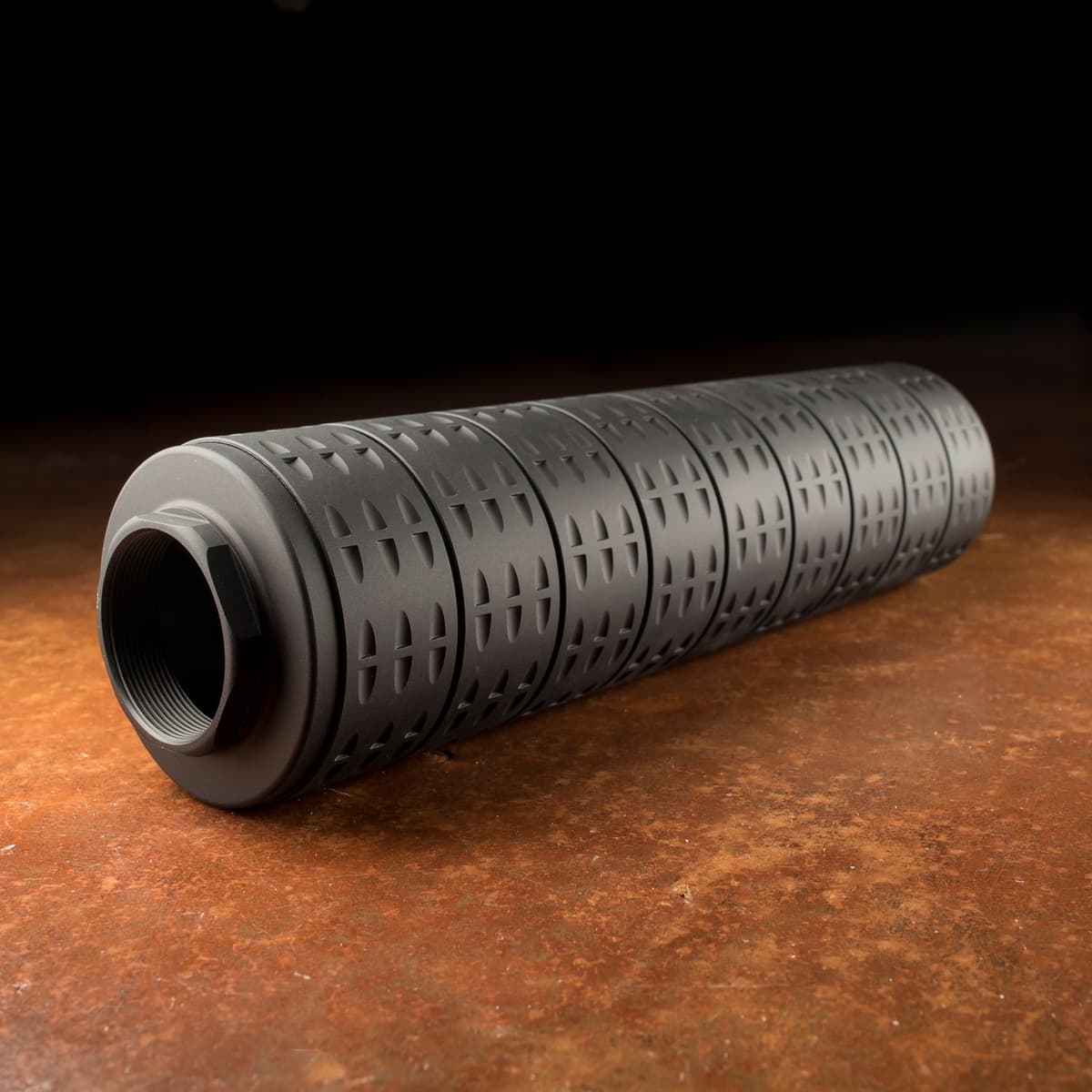
We rank the six 12-gauge suppressors worth buying on weight, sound, mounting and slug compatibility, then explain why shotguns are hard to suppress and how the modular sectioned designs actually work.
Affiliate links (?)
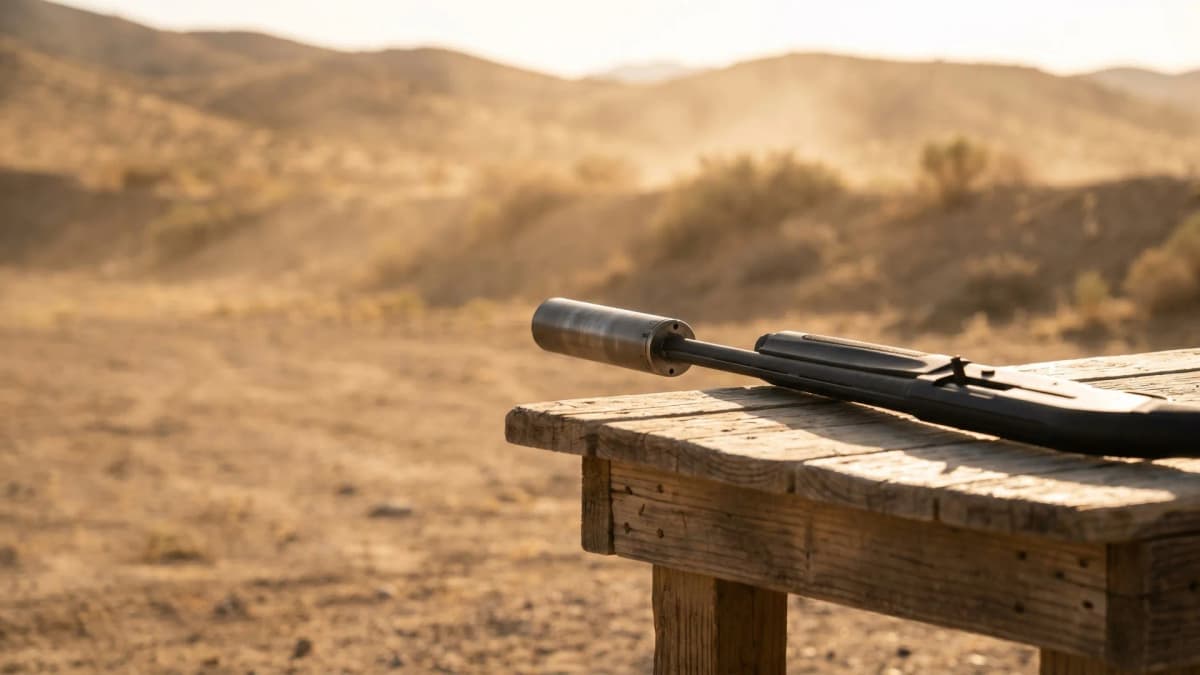
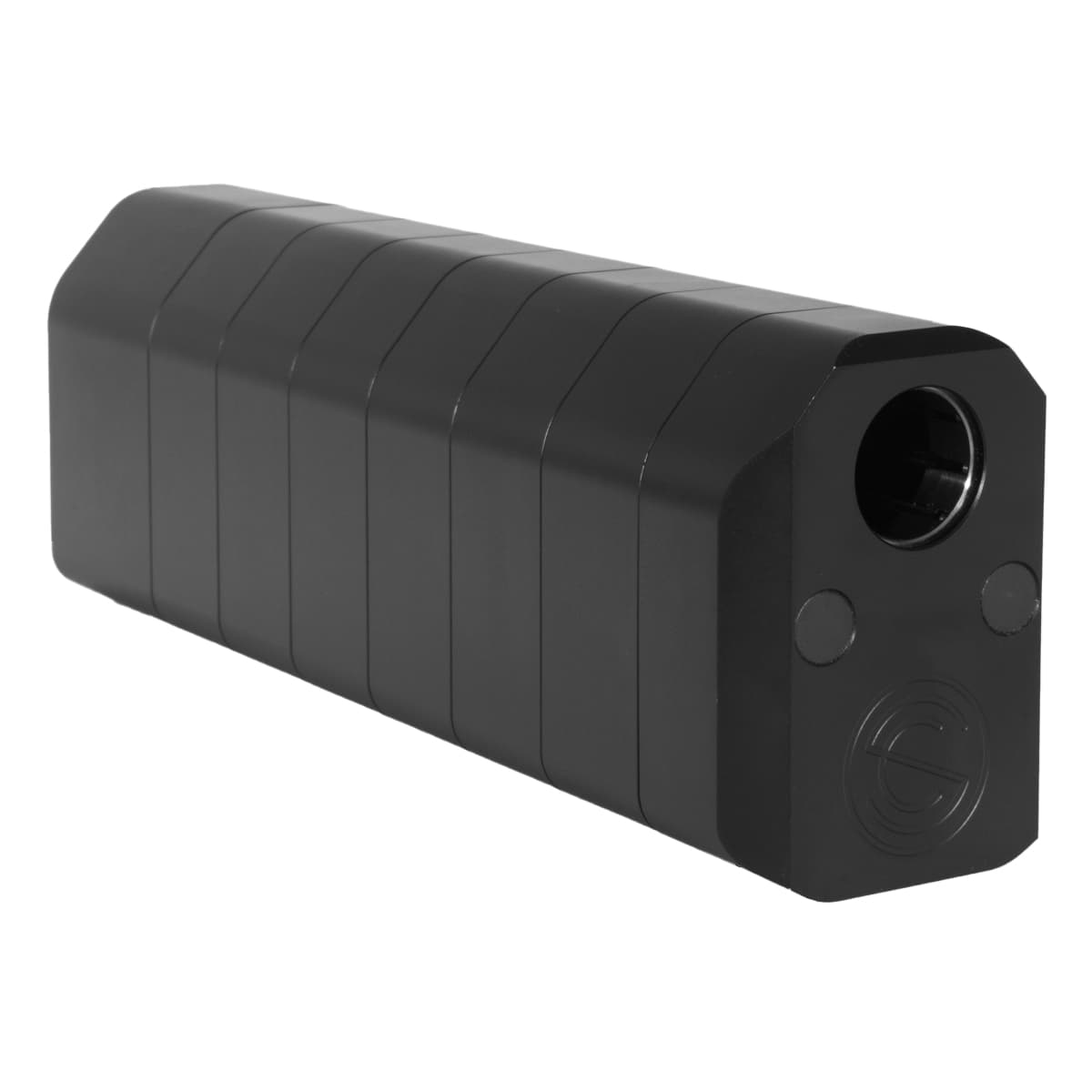
The best shotgun suppressor for most shooters in 2026 is the SilencerCo Salvo 12 ($993). It field-assembles in four lengths, so a single stamp covers a compact home-defense setup and a hearing-safe 136.8 dB full-length wingshooting rig. For hunters who want the lightest hearing-safe muzzle, the all-titanium Silencer Central BANISH 12 ($1,218) is 17.6 ounces and keeps your choke pattern with three included tubes. The Yankee Hill Machine VICTRA-12 ($979.95) is the value play and posts the quietest published full-length number at 135 dB. Those three lead a small field, and all six cans we rank mount to your barrel's factory choke threads rather than a threaded muzzle. With the federal NFA tax now $0 and eForm 4 approvals running days, this is the cheapest and fastest year on record to put a can on a shotgun.
New to the process? Our how to buy a suppressor walkthrough covers the Form 4 path step by step, and the suppressor buying guide hub maps the $0 tax, current eForm waits, and every caliber spoke.
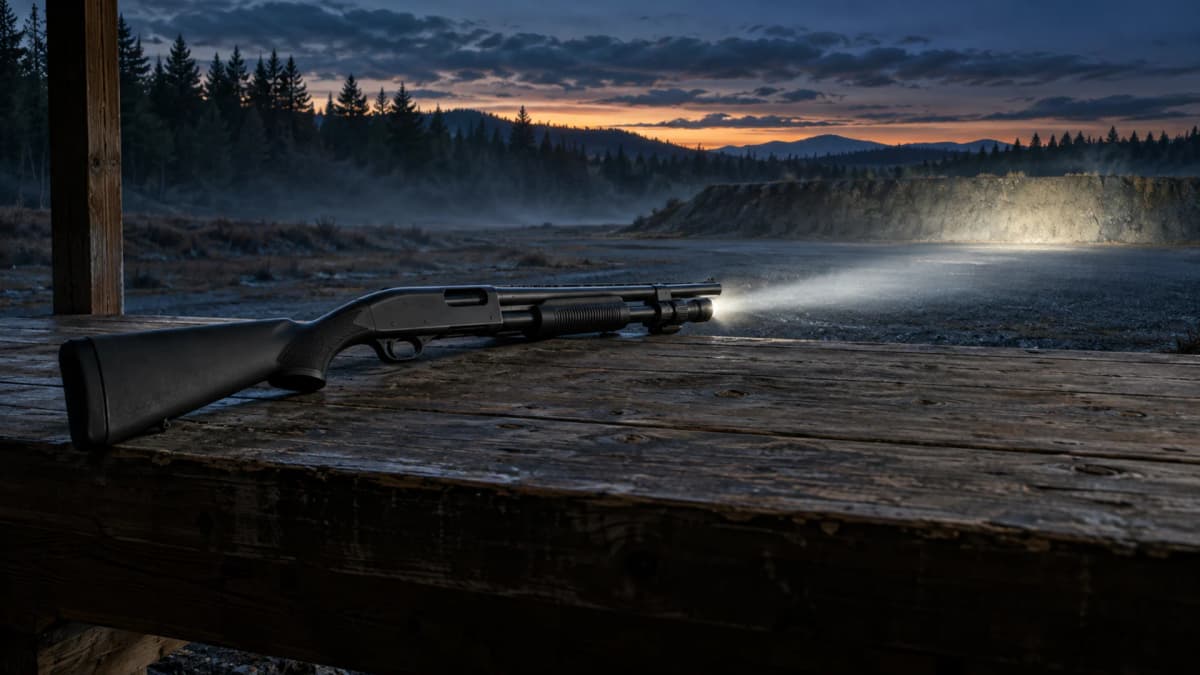
Sling, light, backup sights, and QD mounts, the upgrades most builders add first.
Affiliate links (?)
Ranked on the things that decide a shotgun can: weight on the muzzle, published sound at the ear, mounting compatibility, and whether the can runs slugs or just shot. The Salvo leads on proven track record and configurability; the BANISH wins for hunters on weight; the VICTRA-12 is the value modular. Below them sit three cans for narrower jobs, the most configurable, the cheapest, and the one with no choke restriction. Three of the six publish no metered dB figure, so their sound performance is left unquantified rather than guessed.
These six 12-gauge cans are the shotgun suppressors worth ranking in 2026. They are ranked here on weight, published sound, mounting, load and slug compatibility, and price. Every one mounts to your barrel's factory choke threads rather than a threaded muzzle.
Best overall. The proven, configurable modular standard with the widest dealer support and the lowest street price of the group.
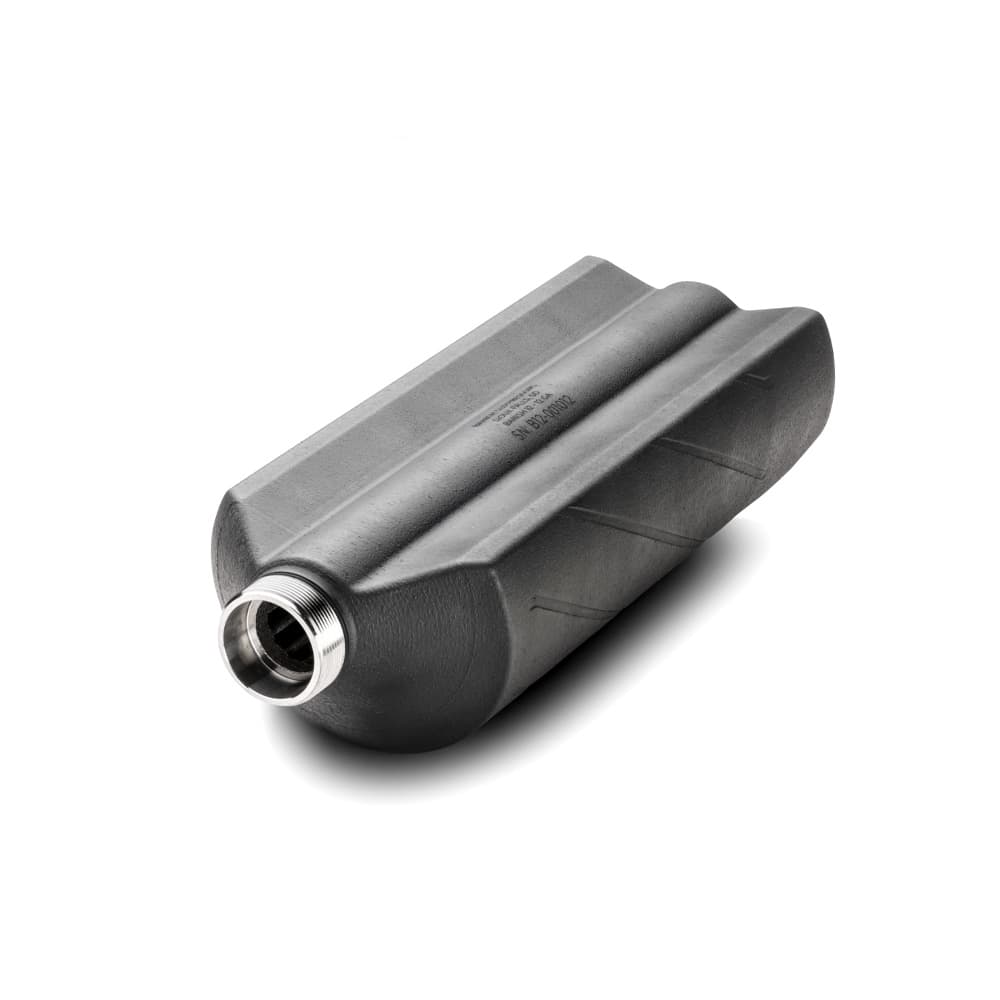
Best for hunting. The lightest fixed-length can at 17.6 oz all-titanium, with three included choke tubes so you keep your pattern.
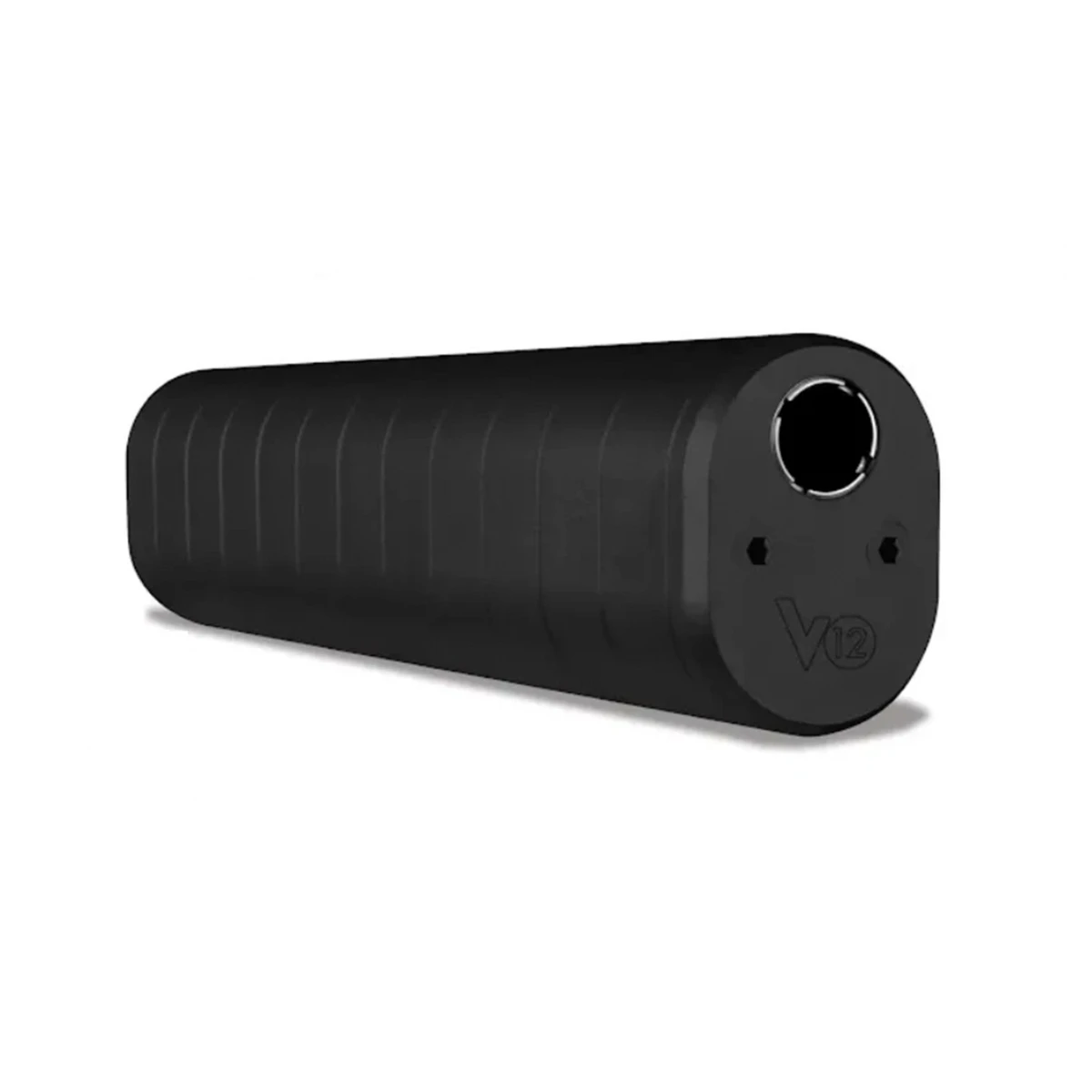
Best value modular. The cheapest modular can and the quietest published full-length number in the field.
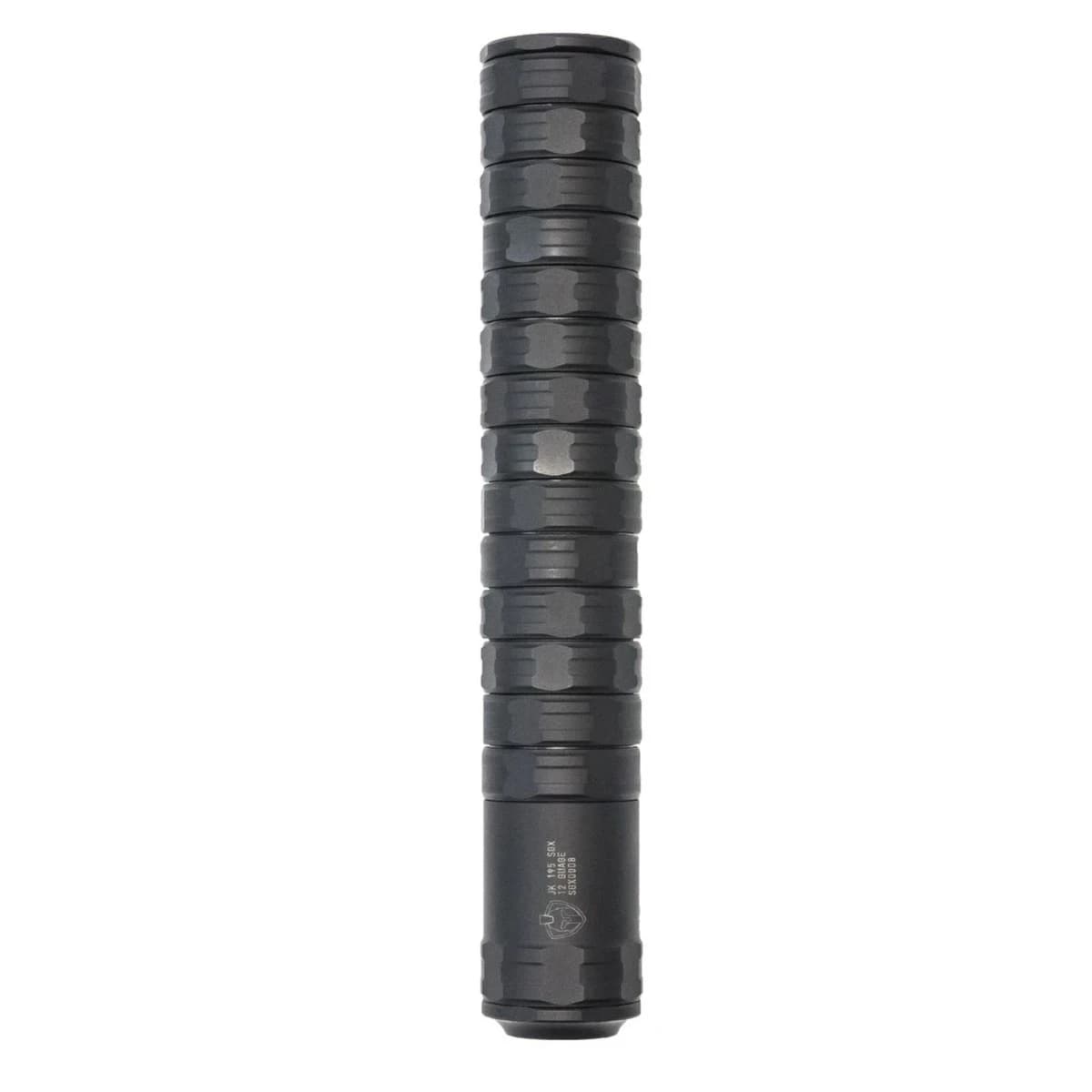
Best for tinkerers. The most configurable can, with the widest length range and the broadest ammo envelope in the field.
Best budget pick and most compact. The lowest cost of entry into a shotgun can, mounting without barrel work.
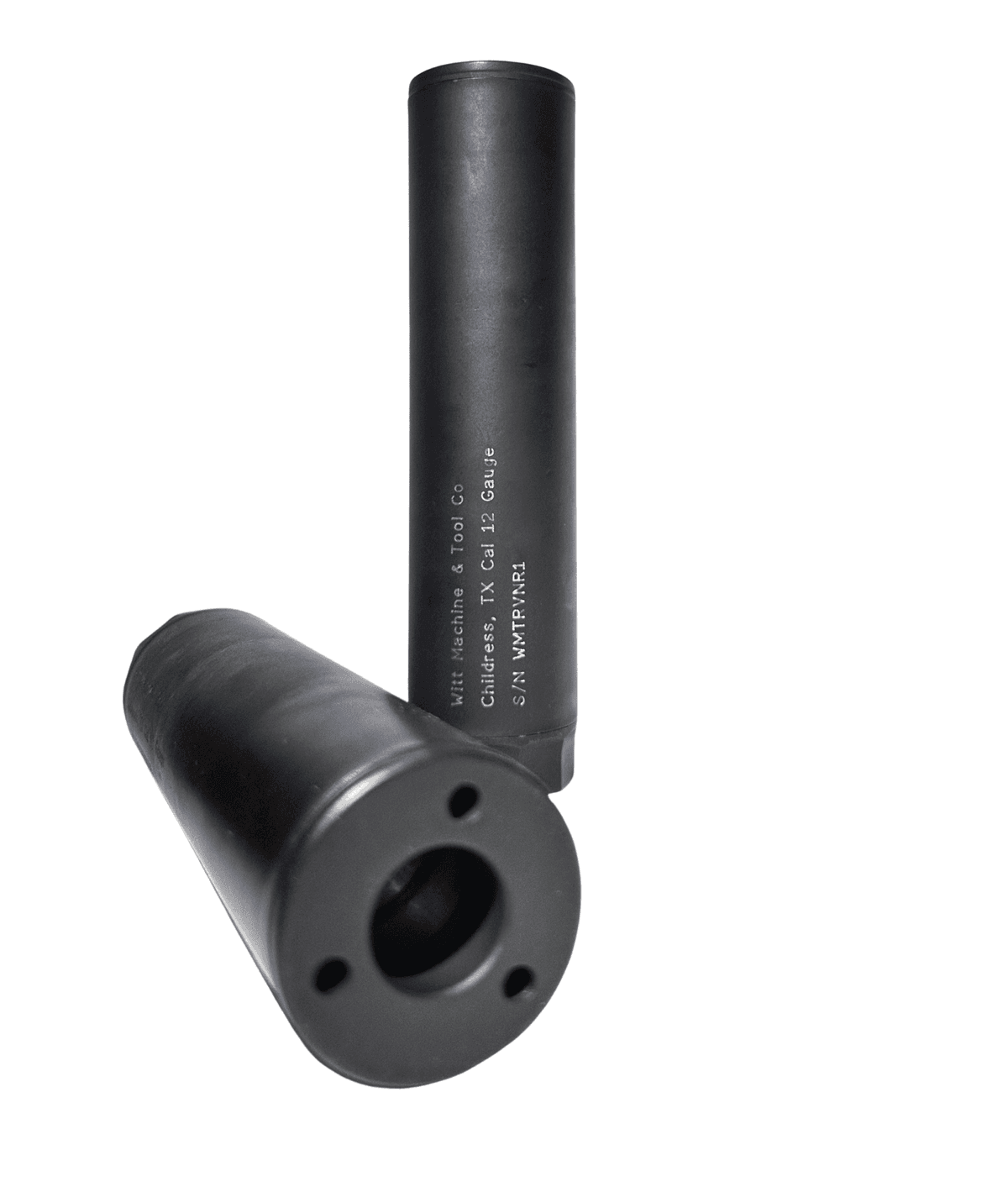
Best for no choke compromises. Runs bird, buck, and slug with no choke restriction on any 3-inch or shorter load, ideal if you switch loads freely.
Affiliate links - purchases support this site at no extra cost to you. (?)
Shotgun suppressors work through two departures from a rifle can: a guided shot-column baffle stack that funnels the plastic wad straight through without clipping it, and an oversized expansion chamber to swallow the far larger gas volume a 12-gauge produces. Both exist because a shotshell does not behave like a bullet. It fires a column of shot inside a plastic wad-cup that expands as it leaves the barrel, and it dumps much more propellant gas than a rifle or pistol, which is also why a shotgun never gets as quiet as a suppressed rifle.
In a rifle can, a single bullet passes cleanly through the bore line of the baffle stack. In a shotgun can, the expanding plastic wad and the shot column behind it can strike the baffles, battering them over time and disrupting the pattern the shooter is trying to throw. The fix is a guided shot-column design: internal rods or trumpet-and-cone baffles that funnel the wad and shot straight through the center of the can rather than letting them clip the suppression surfaces. That guided column is the defining internal difference between a shotgun can and a rifle can. It is also why makers specify cup-style wads and restrict certain loads, the geometry only stays clean when the wad behaves predictably.
Rifle suppressors thread onto a machined muzzle; shotgun cans do not. All six current cans mount to the barrel's factory choke threads, so there is no permanent barrel work to install one. The Salvo uses SilencerCo's Echo-pattern choke adapters, the VICTRA-12 mounts through YHM's VICTRA choke mounts, the Ravener-12 cuts its mount for the common Remington, Mossberg, Benelli, and Beretta patterns, and the Rex SEG12 threads on through a HUB-standard mount and an M22 choke-tube adapter. The BANISH 12 takes this furthest: it ships with three interchangeable BANISH choke tubes in Improved Cylinder, Modified, and Full, so the can replaces your choke while keeping you in control of constriction. Choke mounting is why a shotgun can is a no-gunsmith install, and why you can often still tune your pattern after the can is on.
Every can here is a thread-on suppressor, not an integral barrel. There is a reason. Porting a shotgun barrel to bleed gas without wrecking the shot pattern is genuinely hard, the gas volume demands an oversized tube, and the result is an extremely front-heavy, expensive barrel assembly. The one notable exception is Phoenix Weaponry's integrally suppressed shotgun barrels, a niche barrel-replacement product rather than a can you thread onto your existing gun. For practically every shooter, the choke-mounted thread-on can is the only real path.
Length is a direct trade of suppression against swing weight: a longer can is quieter but heavier and more front-heavy. The Salvo 12 and VICTRA-12 are the two modular cans built around that trade. The Salvo threads together in 6, 8, 10, or 12 inch sections and meters 136.8 dB at the muzzle at full length, rising to about 140.6 dB at its shortest 6-inch setup. The VICTRA-12 swaps rod kits across the same four lengths, posting 135 dB at 12 inches and 141 dB at 6 inches. The JK 195 SGX is the most granular of all, building from 3.375 to 12.2 inches across seven baffle assemblies. The BANISH 12 (8.55 in) and Witt Ravener-12 (6.5 in) are fixed-length cans that pick one point on that curve and stay there. If you want one stamp to cover a compact configuration and a hearing-safe full-length configuration, buy modular. If you know the role and want the lightest or shortest possible package, a fixed can is simpler.
For hunting and clays, yes. At full length the best of these cans run hearing-safe under the 140 dB OSHA impulse threshold, the Salvo 12 at 136.8 dB, the VICTRA-12 at 135 dB, and the BANISH 12 at roughly 138 dB, so you can shoot a 12-gauge without deafening yourself, your dog, or the person in the next blind. Just as important, every can on this list cuts felt recoil and tames the sharp muzzle tone of a shotgun, which is a real quality-of-life win on a high-volume clays day or a long wingshooting morning even before you count the decibels.
The honest caveats keep it from being automatic. Shorter modular configurations cross back over 140 dB (the Salvo hits 140.6 dB at 6 inches, the VICTRA-12 141 dB), so the hearing-safe benefit is configuration-dependent. The cans are expensive ($700 to $1,218) and bulky, hanging weight and length off the muzzle. And because a 12-gauge generates so much more gas than a rifle, a suppressed shotgun is never as quiet as a suppressed rifle. If recoil reduction, muzzle-tone reduction, and hearing-safe field shooting matter to you, it is worth it; if you want a whisper-quiet gun, a shotgun is the wrong starting point.
| Suppressor | Configuration | Published sound | Notes |
|---|---|---|---|
| SilencerCo Salvo 12 | 12 in full length | 136.8 dB at muzzle | Hearing-safe under the 140 dB threshold at full length; climbs to ~140.6 dB at 6 in |
| YHM VICTRA-12 | 12 in full length | 135 dB | Quietest published full-length figure here; rises to 141 dB at 6 in |
| Silencer Central BANISH 12 | 8.55 in fixed | ~138 dB measured | Up to 21 dB reduction with 3 in #2 shot at 1,550 fps |
| JK 195 SGX 12GA | 3.375-12.2 in modular | Not published | JK markets the SGX under Tone Technology rather than a metered number |
| Witt Machine Ravener-12 | 6.5 in fixed | Not published | No metered dB figure released by the manufacturer |
| Rex Silentium SEG12 | 8-baffle modular | Not published | No metered dB figure released by the manufacturer |
If you shoot slugs, four of the six cans are rated for them: the BANISH 12, VICTRA-12, JK 195 SGX, and Rex SEG12. The Salvo 12 is wad-and-shot focused with velocity caps (1,550 fps on 16-inch and longer barrels, 1,350 fps on 10-to-16-inch barrels) rather than a slug optimization, and the Witt Ravener-12 clears slugs only with a cylinder choke installed. Even among the slug-rated cans, choke constriction matters: the VICTRA-12 prohibits high-density shot and slugs through a full or turkey choke, the BANISH 12 restricts steel shot through the Full choke, and the Rex SEG12 imposes no choke restriction at all on 3-inch and shorter loads. If you switch freely between bird, buck, and slug in the same outing, the SEG12 removes the most choke compromises, though it leaves 3.5-inch magnums to the JK 195 SGX.
| Suppressor | Slugs | Load notes |
|---|---|---|
| SilencerCo Salvo 12 | Not the focus | Wad and shot focused; velocity capped at 1,550 fps on 16 in+ barrels, 1,350 fps on 10-16 in. Avoid steel shot in tight chokes. |
| Silencer Central BANISH 12 | Yes | Shot, buck, and slugs in lead, bismuth, and tungsten. Steel shot prohibited through the Full choke. |
| YHM VICTRA-12 | Yes | Wadded shot and slugs with cup-style wads. High-density shot and slugs prohibited through a full or turkey choke. |
| JK 195 SGX 12GA | Yes | Birdshot, buckshot, and slugs with cup-style wads, from 1.75 in mini-shells through 3.5 in magnums. |
| Witt Machine Ravener-12 | Cylinder choke only | Birdshot and buckshot run freely; slugs cleared only with a cylinder choke installed. |
| Rex Silentium SEG12 | Yes | Birdshot, buckshot, and slugs with no choke restriction. Rated for 3 in and shorter hosts; no 3.5 in magnums. |
One thing no maker quantifies: cycling. All six cans are marketed for most pump and semi-auto shotguns, but none publishes gas-system cycling data, and a gas-operated shotgun can be back-pressure sensitive once you add a can. Treat reliable cycling on your specific semi-auto as something to confirm at the range with your loads, not a guarantee printed on a spec sheet.
A shotgun suppressor is an NFA item, bought exactly like any other silencer, and in 2026 that process is cheaper and faster than it has ever been. The federal making and transfer tax on suppressors is now $0 under the One Big Beautiful Bill Act, effective January 1, 2026, so there is no $200 stamp on a shotgun can anymore. eForm Form 4 approvals are running on the order of days to a couple of weeks, not the 6-to-12-month waits that defined the old paper era.
What did not change: the regulatory steps. You still complete a Form 4 transfer through your dealer, pass a NICS background check, submit fingerprints, handle CLEO notification, and the can still gets registered as an NFA item. The $0 tax zeroed the cost, not the paperwork. And state law still governs whether you can own one at all, suppressors are legal in 42 states but banned or restricted in California, Delaware, Hawaii, Illinois, Massachusetts, New Jersey, New York, and Rhode Island. For the full step-by-step on filing, see our how to buy a suppressor walkthrough, and the suppressor buying guide hub for the wider picture. The article on the SHOT Show 2026 suppressor boom covers how the $0 tax stamp drove the whole category, shotgun cans included.
A shotgun can lives in plastic-wad and shot fouling and runs hot on a high-volume day, so a cover earns its keep, our best suppressor covers guide walks through heat and mirage management on the can. If you also run rifles, the best hunting suppressors guide ranks the lightweight .30-caliber cans for bolt guns and AR-10s on the same $0-tax math. And if a KSG or other Kel-Tec bullpup is your host, the best Kel-Tec KSG accessories guide covers the choke adapter that gets a Salvo onto that gun. Browse the full suppressor catalog to compare every can's specs side by side.
The Verdict
Buy the SilencerCo Salvo 12 if you want one proven, configurable can; the BANISH 12 if you hunt and want the lightest hearing-safe muzzle; the VICTRA-12 if value and the quietest published number win.
The 12-gauge suppressor field is small, and the three picks above split cleanly by use case. The Form 4 process is the same for all of them and, with the federal tax now $0 and eForm approvals running days, the cheapest and fastest it has ever been. Pick the can that matches how you shoot, confirm your state allows suppressors, and file the stamp.
The Form 4 buying process step by step, with current eForm wait times and the $0 tax.
The hub: $0 tax, eForm waits, state law, and every caliber spoke in one place.
Lightweight .30-caliber cans for bolt guns and AR-10s, ranked on the same $0-tax math.
Heat and mirage management for a can that runs hot on a high-volume day.
The choke adapter and upgrades that get a Salvo 12 onto a KSG bullpup.
How the $0 tax stamp drove the suppressor surge across every category, shotgun cans included.

Avid shooter with 10+ years of experience including competition shooting, and an associate member of the Professional Outdoor Media Association (POMA). Built 10+ AR-pattern rifles and several handgun platforms for home defense, competition, and suppressed night shooting.
This page contains affiliate links. Purchases through these links support the site at no extra cost to you. Read the affiliate disclosure
Continue exploring with these related resources

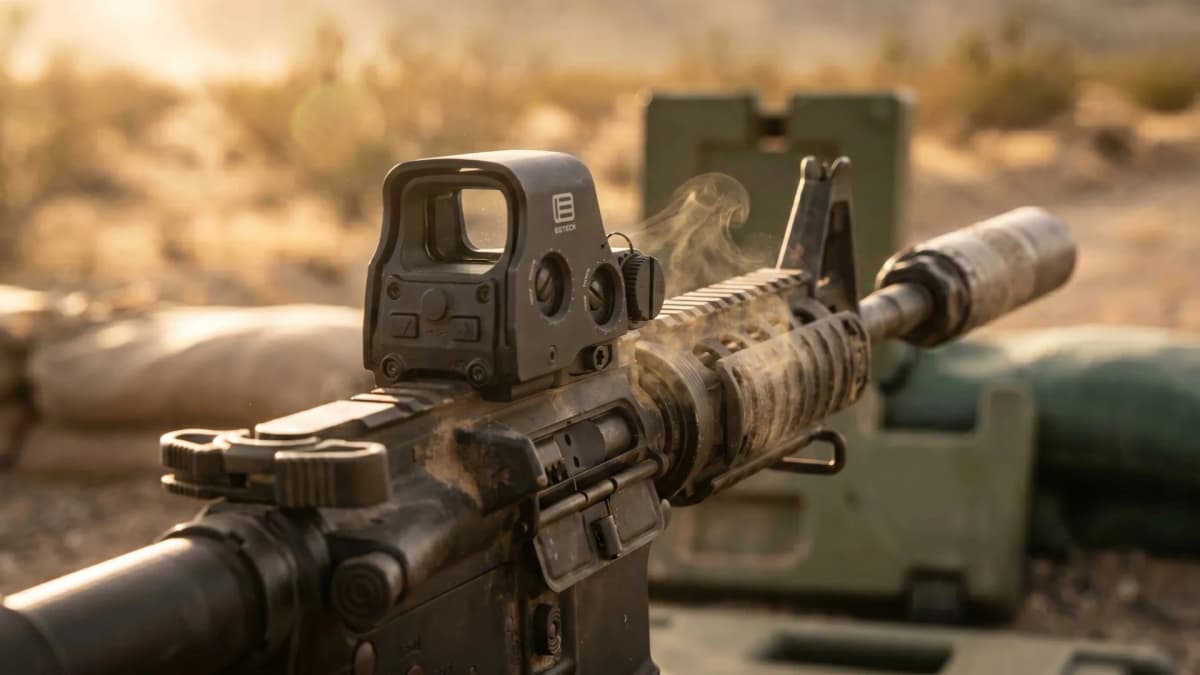
Suppressed AR-15 blowback hits your eyes and airway through the charging handle gap. These ported, sealed, and raised-lip gas-busting handles fix it. Ranked by mechanism and value.

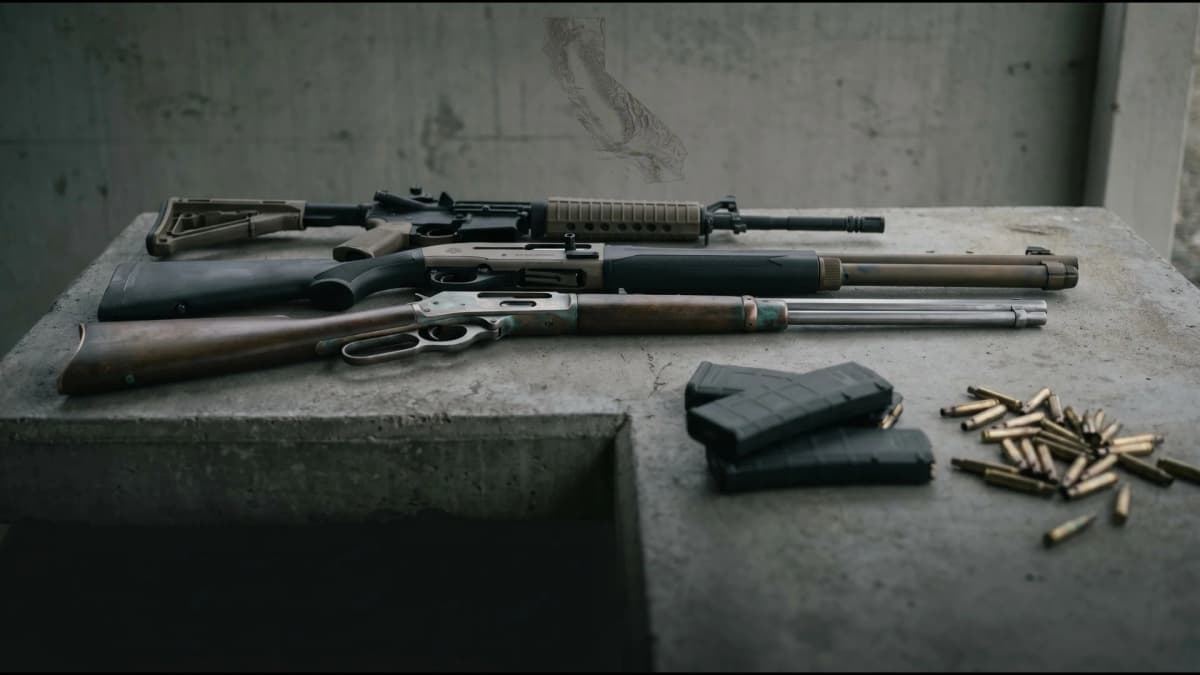
Thirteen tactical firearms still transferable through California FFLs in 2026. Featureless and fixed-mag AR substitutes, semi-auto and pump shotguns, modern tactical lever actions, bolt-action AR-mag rifles, plus AB 1127-safe SIG P365 and S&W M&P 2.0 carry pistols inside the 10-round magazine cap.

Twelve tactical firearms still transferable through Virginia FFLs after SB 749 takes effect July 1, 2026. Ranked by how directly each replaces what the assault firearms ban took off the shelves: featureless and fixed-mag AR substitutes, conventional semi-auto shotguns that clear the shotgun feature test, modern tactical lever actions, manual-action suppressor hosts, plus carry pistols at the 15-round cap.
Related articles and industry updates

Stoeger uses NRAAM 2026 Booth #2813 as the hands-on debut for its 2026 lineup first shown at SHOT Show: the $649 STR-45 Combat .45 ACP (16+1, threaded barrel, suppressor-height sights), the STR-9 Thinline+ with a 19+1 full-size mag taking on the P365-XMACRO, the $949-$999 V7000 over/under, and the M3000 Sporting 30-inch ported semi-auto.

Oil infrastructure attacks, AI-driven semiconductor demand, and geopolitical instability are creating supply chain pressure on ammunition, optics, and emergency gear. Prioritized buying checklist: ammunition, magazines, optics, spare parts, and general emergency preparedness.

Which forced reset trigger fits your platform: a cross-platform router covering the AR-15, AK, MP5, Ruger PC and 10/22, FN PS90, Glock, Canik, and Taurus TX22, plus ranked AR-15 picks (Triggered Company Disruptor, Rare Breed FRT-15L3, Arc-Fire V2, Atrius FRS, Mars Super Safety). Pricing, legality, and which device fits your gun.