Key Takeaways
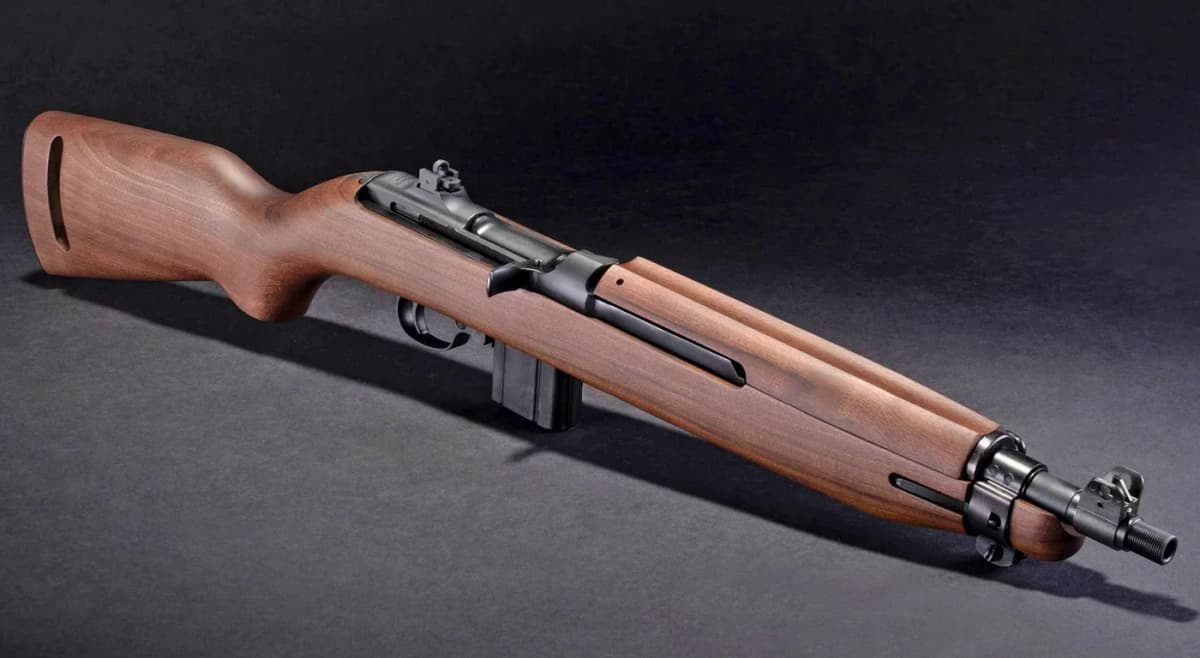
- →Factory shorty: Auto-Ordnance built a 12-inch, sub-5-pound M1 Carbine as a registered SBR with a 1/2x28 threaded muzzle and M-LOK slots in the walnut forend, sold ready to buy rather than as a home Form 1 project.
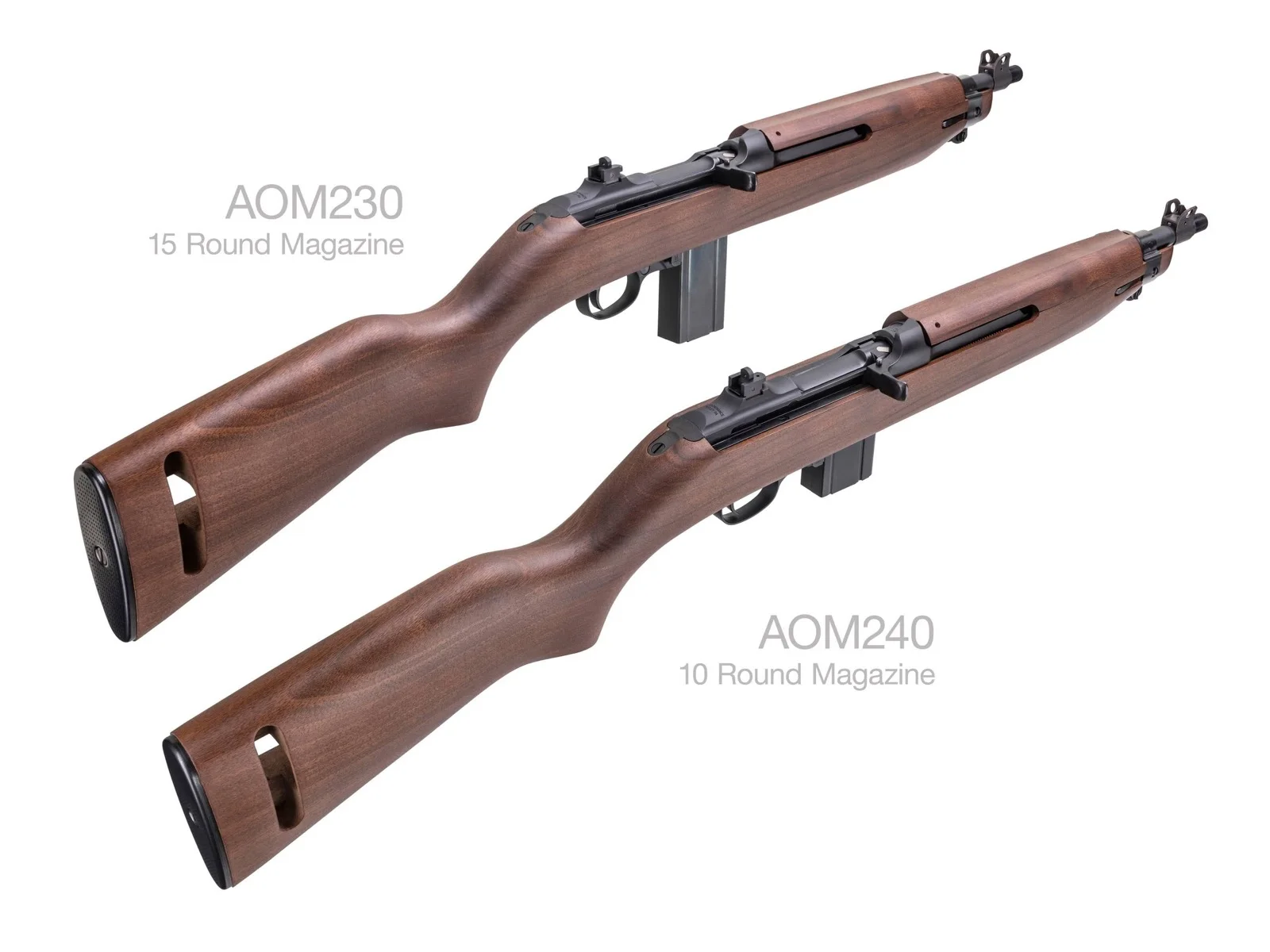
- →Specs: 12-inch barrel, 30-inch overall length, matte-black finish, flip-style rear sight, American walnut stock and handguard, chambered in .30 Carbine, shipped with either a 15-round or 10-round magazine.
- →$0 NFA tax: Under the One Big Beautiful Bill Act the federal making and transfer tax on SBRs is $0 effective January 1, 2026. Form 4, fingerprints, and NFA registration still apply, but eForm approvals now clear in days to weeks, not months.
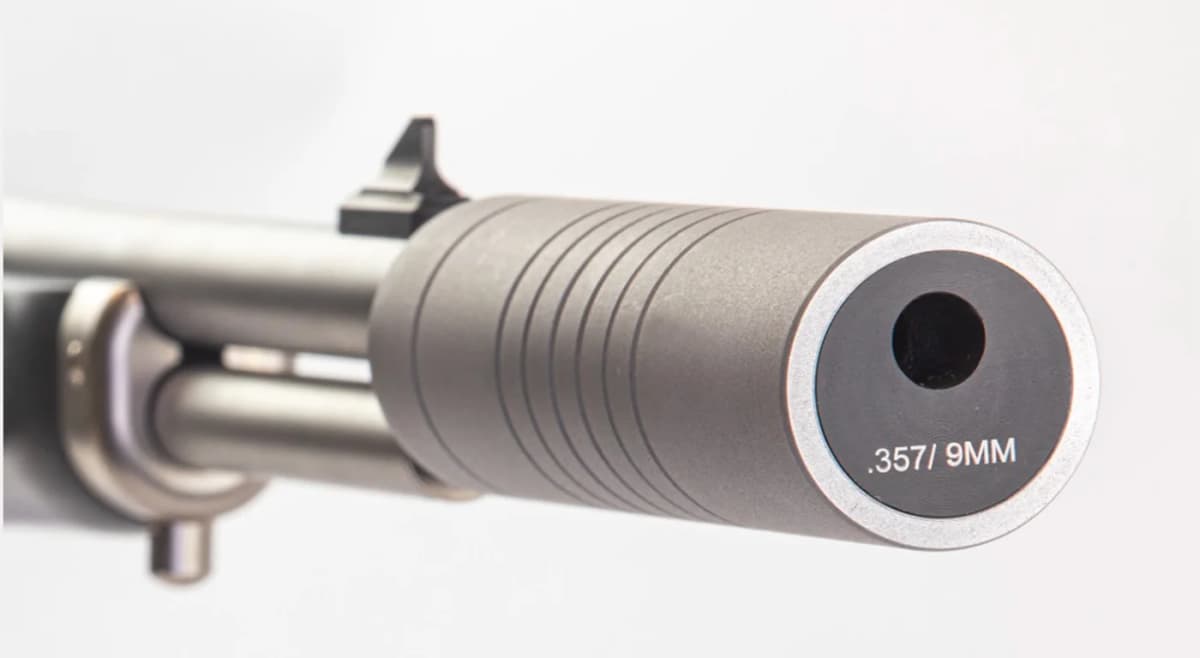
- →Suppressor-ready: The 1/2x28 threaded muzzle takes any can the maker rates for .30-caliber centerfire. Thread pitch alone is not a caliber rating, and .30 Carbine stays supersonic, so the sonic crack remains.
- →Pricing: $1,870 MSRP for both the 15-round and 10-round variants, produced from newly-manufactured parts at Auto-Ordnance's Greeley, Pennsylvania facility under the Kahr Firearms Group.
What Auto-Ordnance Released
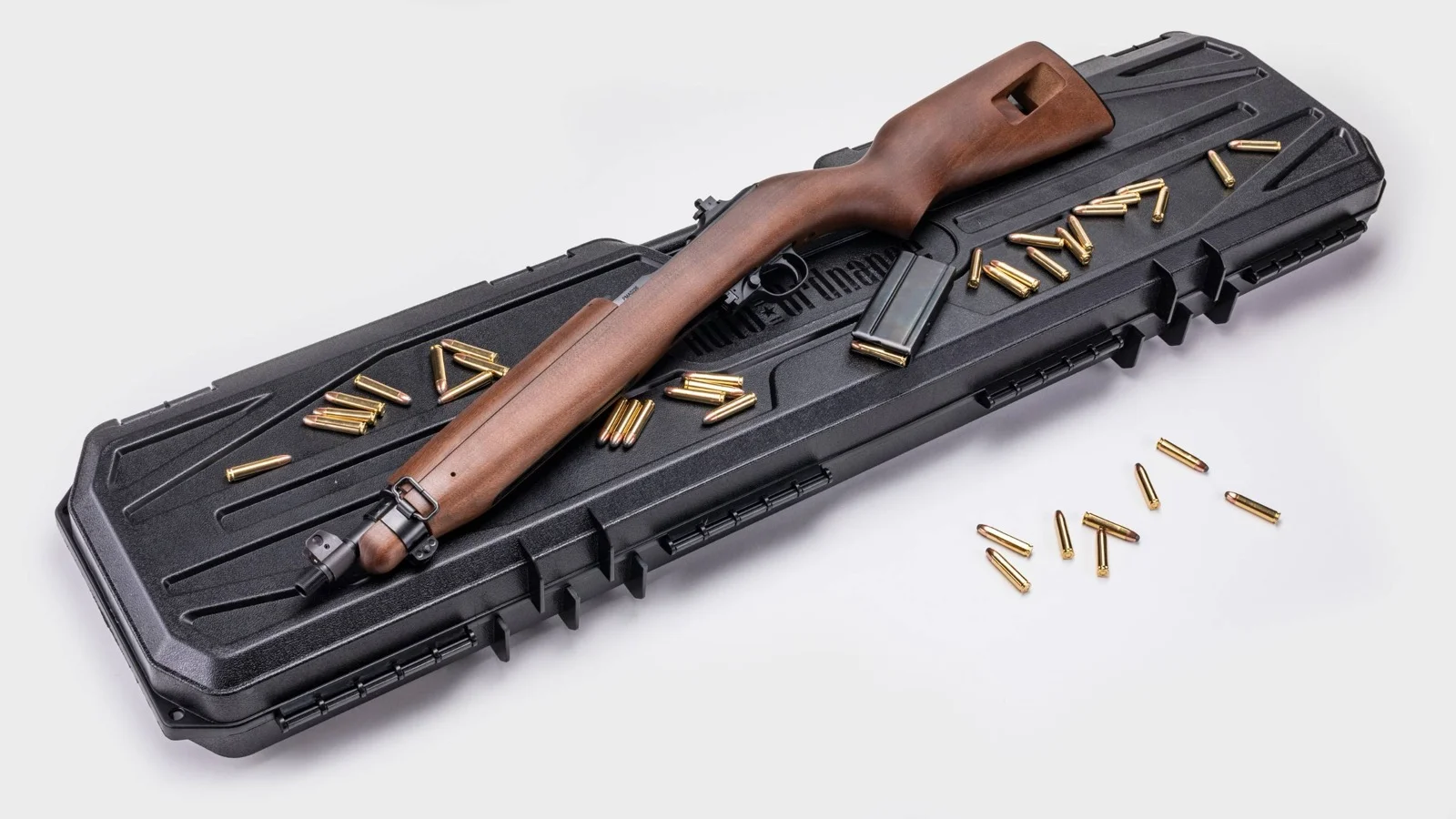
Auto-Ordnance released a factory short-barreled version of the M1 Carbine, chopping the barrel to 12 inches, threading the muzzle at 1/2x28, and cutting three M-LOK slots into the walnut handguard. Overall length lands at 30 inches, weight sits just under 5 pounds, and MSRP for both the 15-round and 10-round magazine variants is $1,870. The rifle registers as an NFA short-barreled rifle and transfers through a Form 4. Auto-Ordnance builds the rifle at its Greeley, Pennsylvania facility using newly-manufactured parts on modern CNC equipment, not surplus receivers.
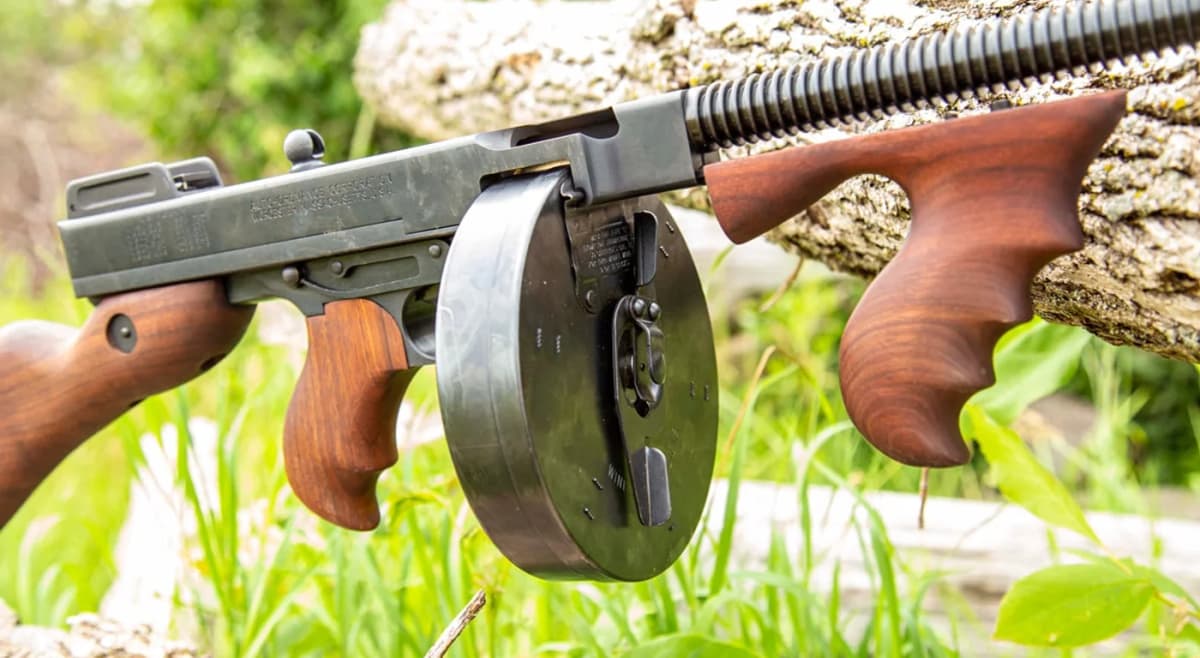
The pitch is the shortest possible route to a suppressor-ready classic. Rather than buying a full-length rifle, filing a Form 1, and having the barrel cut and threaded by a smith, buyers can walk into a dealer, file the Form 4, and take delivery of a rifle that is already configured. A red dot mounts through the receiver with an aftermarket rail, and the M-LOK slots take a hand stop or a weapon light without hunting for a specialty forend. For readers weighing this against a modern-platform SBR, run the numbers in our best SBRs guide. Auto-Ordnance followed this rifle with a short-barreled Thompson that ships with a 50-round drum, which takes the same Form 4 path at more than twice the weight.
Why an M1 Carbine SBR Makes Sense in 2026
The math on short-barreled rifles changed in July 2025. The One Big Beautiful Bill Act zeroed the federal making and transfer tax on SBRs, short-barreled shotguns, suppressors, and any-other-weapons effective January 1, 2026. NFA registration, background checks, fingerprints, and CLEO notification did not go away, but the $200 tax that gated 90 years of NFA collecting is gone. eForm 4 approvals on suppressors and SBRs are now running on the order of a few days to a couple of weeks, not the multi-month waits that dominated the 2010s and early 2020s. That is the environment this rifle enters.
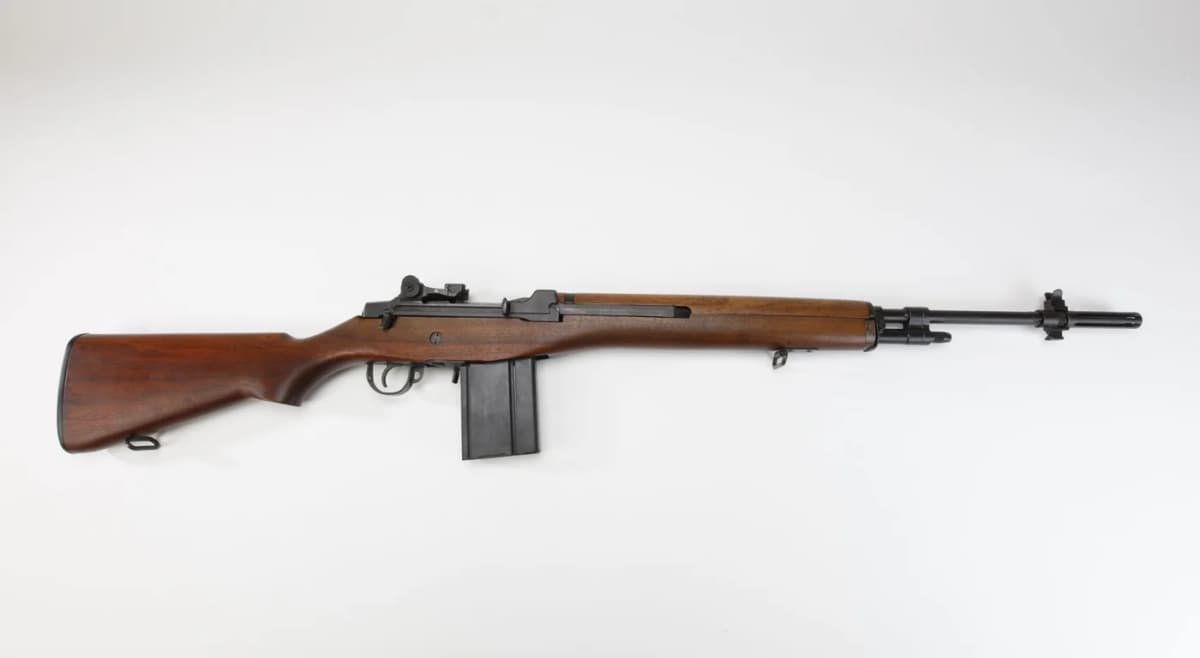
The M1 Carbine format punches above its weight in a shortened configuration. A full-size Carbine already handles like a large pistol-caliber carbine: 5.5 pounds, 35.7 inches, and moderate recoil in a well-balanced package. Chopping the barrel to 12 inches and losing half a pound converts it into a genuinely compact long-gun, close in overall length to a braced AR pistol but with classic ergonomics and no brace-versus-stock ambiguity. It is an NFA SBR, plain and simple. That legal simplicity is what many buyers were waiting for: a lawful shoulder stock, an SBR registration, and no arguments about brace rules that state law, legal in most states, still complicates.
State law still runs the show. Short-barreled rifles are banned outright in a handful of states regardless of federal treatment, and suppressor restrictions map to a similar list. The framework is worth understanding before ordering an SBR: check the state legality matrix for the classes that apply where you live. For readers weighing the paperwork side against a Form 1 build on an existing rifle, our AR pistol to SBR conversion guide walks the eForm 1 process step by step, and the same process applies to a Form 1 built on a full-length M1 Carbine you already own.
Specs and Parts Content
The build sheet is short and traditional. The 12-inch barrel is new, the 1/2x28 muzzle threads are new, the M-LOK slots in the forend are new, and everything else follows the standard M1 Carbine playbook. The rotating-bolt short-stroke gas piston action is the original Winchester design, the flip-style rear sight matches the late-war GI production sight, and the American walnut stock and handguard preserve the visual identity. Metal wears a durable, non-reflective matte-black finish that reads as a modern production coating rather than parkerizing.
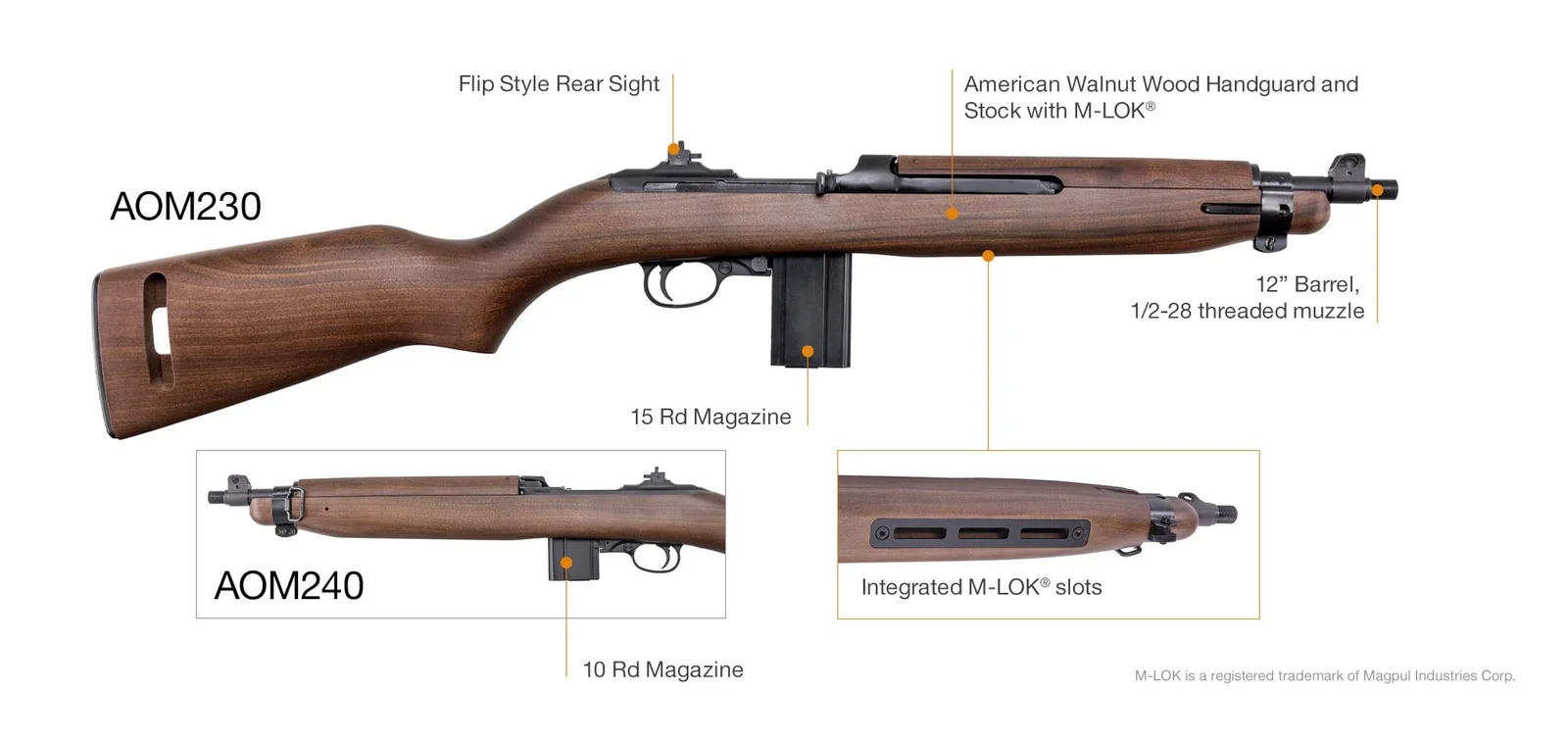
The 15-round detachable box magazine is the original M1 Carbine magazine, and the rifle accepts the 30-round curved magazine that was standardized on the M2 selective-fire variant. Auto-Ordnance lists a 10-round variant at the same MSRP for restricted jurisdictions where 15-round rifle magazines run over the legal limit. The magazine well is unchanged, so buyers can supplement with aftermarket USGI-pattern magazines from KCI, ProMag, and others already in circulation.
Auto-Ordnance M1 Carbine SBR: Specifications
| Chambering | .30 Carbine (7.62x33mm) |
| Barrel length | 12 in |
| Overall length | 30 in |
| Weight | Just under 5 lb |
| Muzzle threads | 1/2x28 |
| Action | Gas-operated, rotating bolt |
| Rear sight | Flip-style aperture |
| Stock | American walnut |
| Handguard | Walnut with 3-slot M-LOK section |
| Finish | Matte black, non-reflective |
| Magazine | 15-round or 10-round detachable box |
| NFA class | Short-Barreled Rifle (Form 4 transfer) |
| Federal transfer tax | $0 (OBBBA, effective 2026-01-01) |
| MSRP | $1,870 |
| Country of origin | USA (Greeley, PA) |
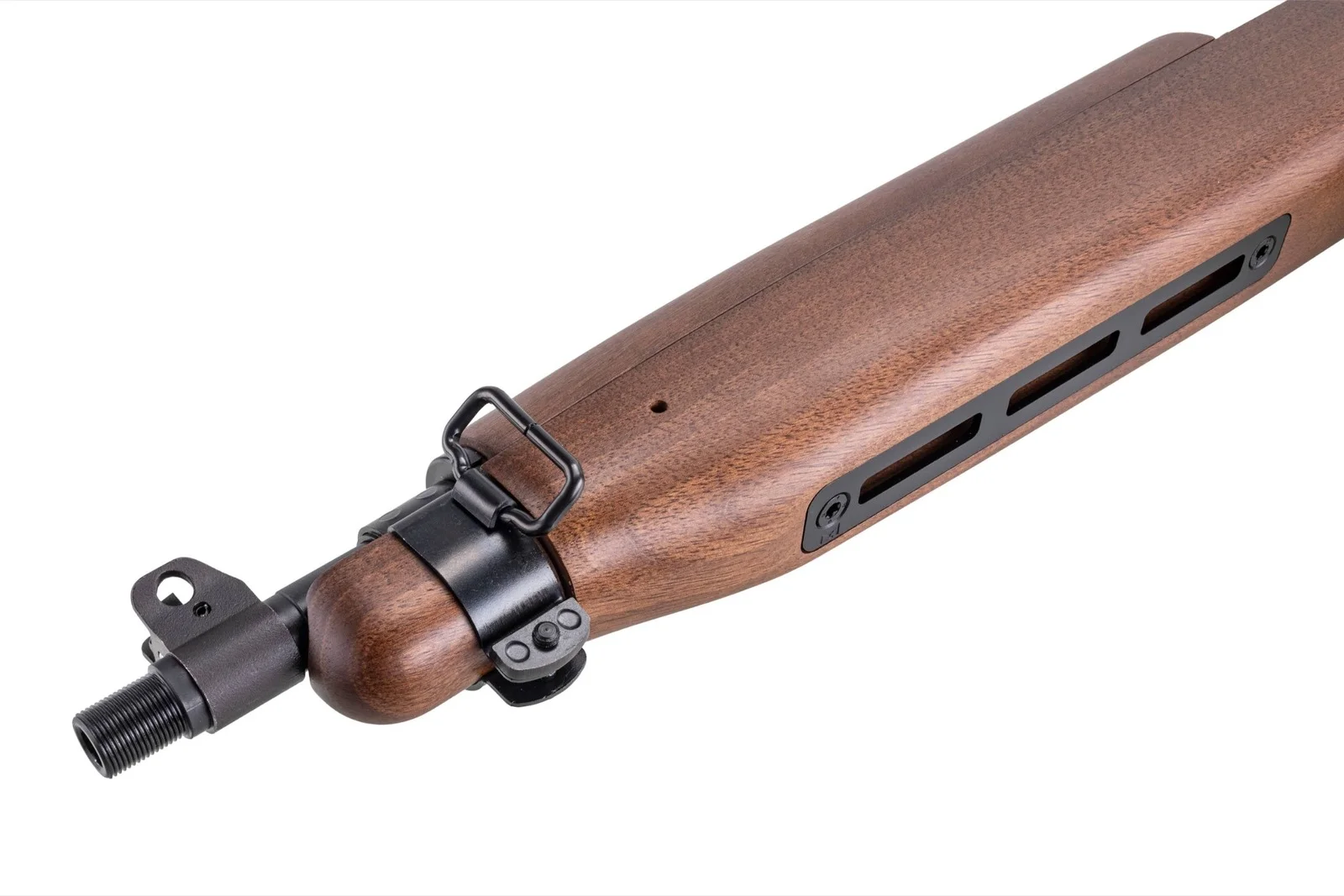
Suppressor selection starts with the manufacturer's rated-caliber list, not the thread pitch. A 1/2x28 muzzle mates with rimfire and 9mm cans as readily as it does with .30-caliber ones, and a .308-diameter bullet fired through a can built for .22 LR or 5.7x28 can strike a baffle or the end cap. Pick a suppressor rated for .30-caliber centerfire rifle, confirm its energy ceiling covers a 110-grain load making roughly 800 to 970 ft-lbs, and check whether it direct-threads at 1/2x28 or needs a mount from its own muzzle-device family, since most .30-caliber rifle cans ship set up for 5/8x24.
.30-Caliber-Rated Suppressors
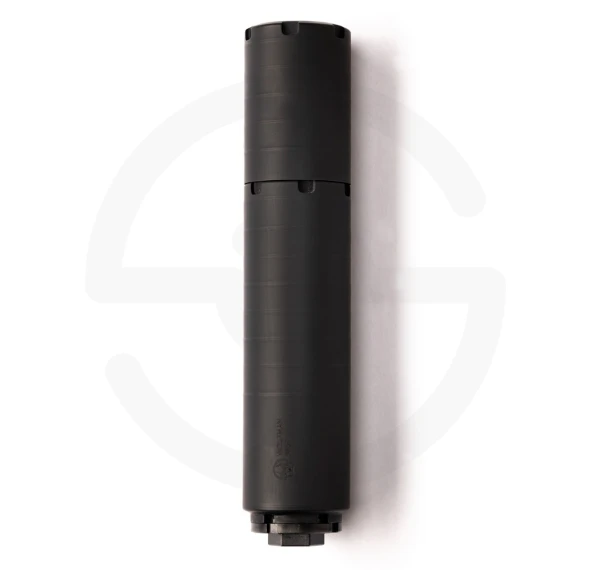
Dead Air Wolfman
- 9mm rated
- Modular 5.13 / 7.5 in length
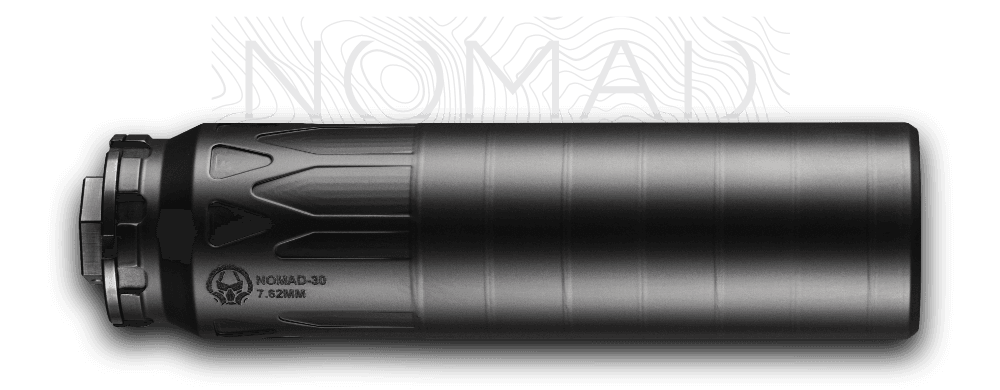
Dead Air Nomad 30
- .30 cal rated
- 5/8x24 fixed mount included
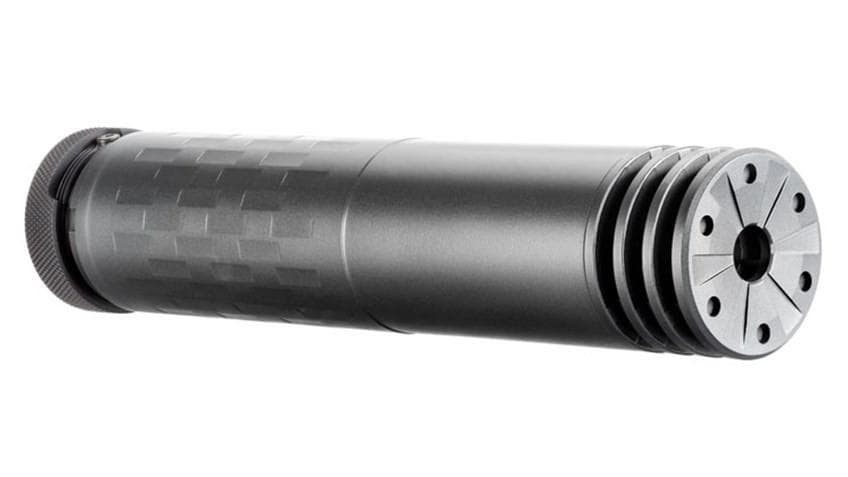
SilencerCo Omega 300
- .30 cal rated
- Direct thread + QD
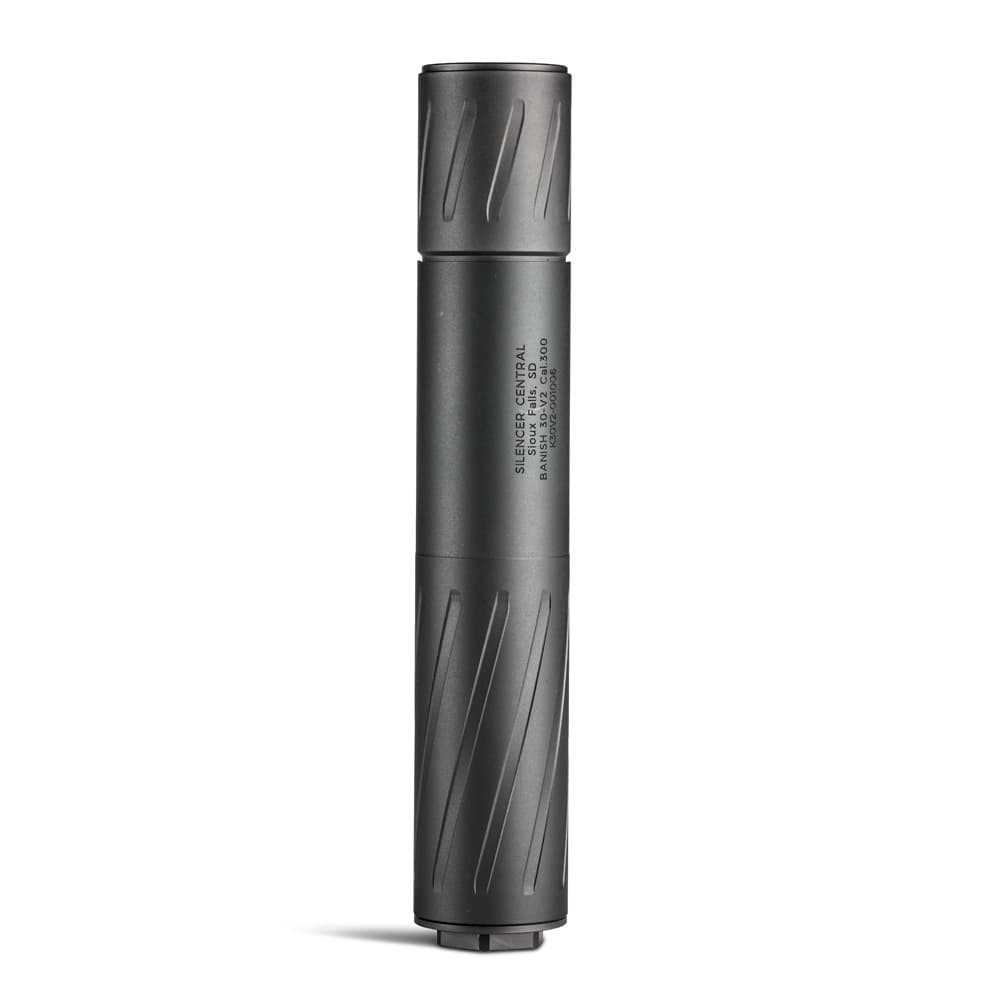
BANISH HNT 30 Ti (Banish 30-V2)
- .17 HMR up to .300 Wby Mag
- 100% titanium
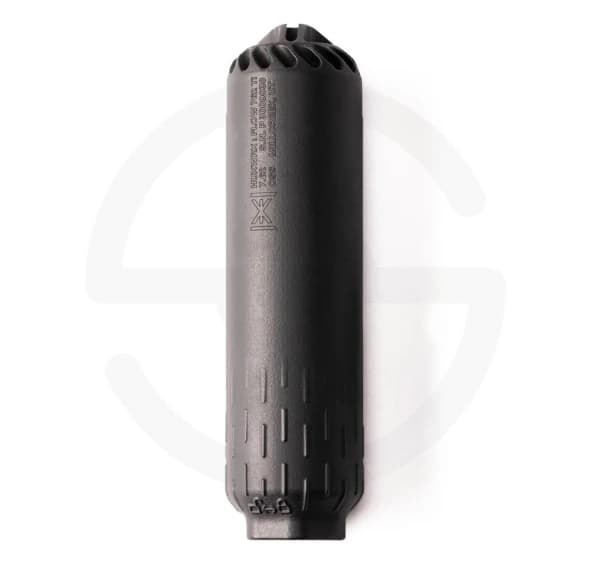
HUXWRX FLOW 762 Ti
- .30 cal rated
- Torque Lock QD
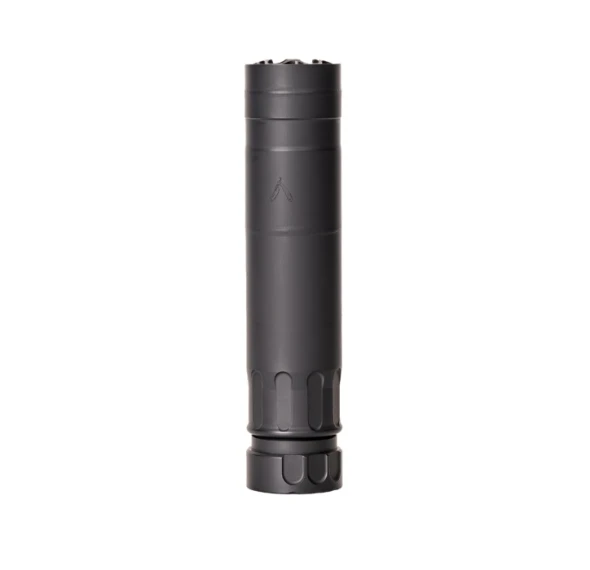
Rugged Razor 7.62
- 7.62 rated
- Dual Taper Lock QD
Affiliate links (?)
Where the M1 Carbine SBR Fits
This is a truck gun and a nightstand gun in the same body. The 30-inch overall length puts it inside the same envelope as most braced AR pistols and short SBRs, and the sub-5-pound weight makes it easier to stage or transport than a full-size 5.56 carbine. The .30 Carbine cartridge is not a substitute for 5.56 NATO on penetration or terminal effect, but it hits harder than any 9mm PCC and does it in a package that a shooter recoils to naturally rather than a polymer chassis with a folding brace. If you are shopping a truck gun broadly, our best truck gun guide ranks the field across chamberings and platforms.
The .30 Carbine round is the constraint that shapes every honest recommendation. Muzzle velocity out of a 12-inch barrel drops below the standard 18-inch load, cutting kinetic energy at the muzzle and at 50 yards. Hornady's 110-grain FTX Critical Defense load is the current civilian recommendation for a defensive round; FMJ from Aguila, Prvi, and Sellier and Bellot is the range option. None of it is cheap, and none of it is as plentiful as 5.56, 9mm, or .223 Remington. Buyers who want a compact rifle they can also train on cheaply should look at 5.56 or 9mm options first; buyers who want the M1 Carbine specifically, in the shortest legal configuration a factory currently ships, get exactly that here.
For the suppressed home defense angle, note that .30 Carbine is supersonic in every commercial loading. A can knocks down muzzle report but the projectile still cracks past the sound barrier, so hearing-safe indoor use is achievable but not sub-sonic-quiet. If silent-as-possible is the goal, a .300 Blackout SBR with sub-sonic loads is a more purposeful platform; our .300 Blackout suppressor guide covers that path directly. The M1 Carbine SBR is the classic option, not the tactical-optimum option.
The NFA Paperwork Path in 2026
The transfer is a Form 4, not a Form 1, because Auto-Ordnance is selling a factory-made SBR rather than a Title I rifle you convert yourself. That means the seller ships the rifle to your dealer, the dealer files the Form 4 on your behalf through eForms, and you take delivery only after ATF approval. Fingerprints, a passport photo, CLEO notification, and NICS still apply. What is new for 2026 is the $0 federal transfer tax and the compressed timeline: eForm 4 approvals on SBRs and suppressors are running on the order of a few days to a couple of weeks, not the multi-month waits the NFA world lived with through the 2010s.
If you already own a full-length Auto-Ordnance M1 Carbine and want the short-barrel configuration without buying a new rifle, the Form 1 route lets you convert the rifle you own. Our suppressor buying guide walks the same eForm pipeline used for SBR approvals; the fields differ but the process, wait, and current approval timelines are comparable. The upside of the Form 4 route Auto-Ordnance is offering is that a professional shop cut, threaded, and profiled the barrel to factory tolerances, and the rifle is ready to run the day it clears.
Red Dots for the M1 Carbine SBR
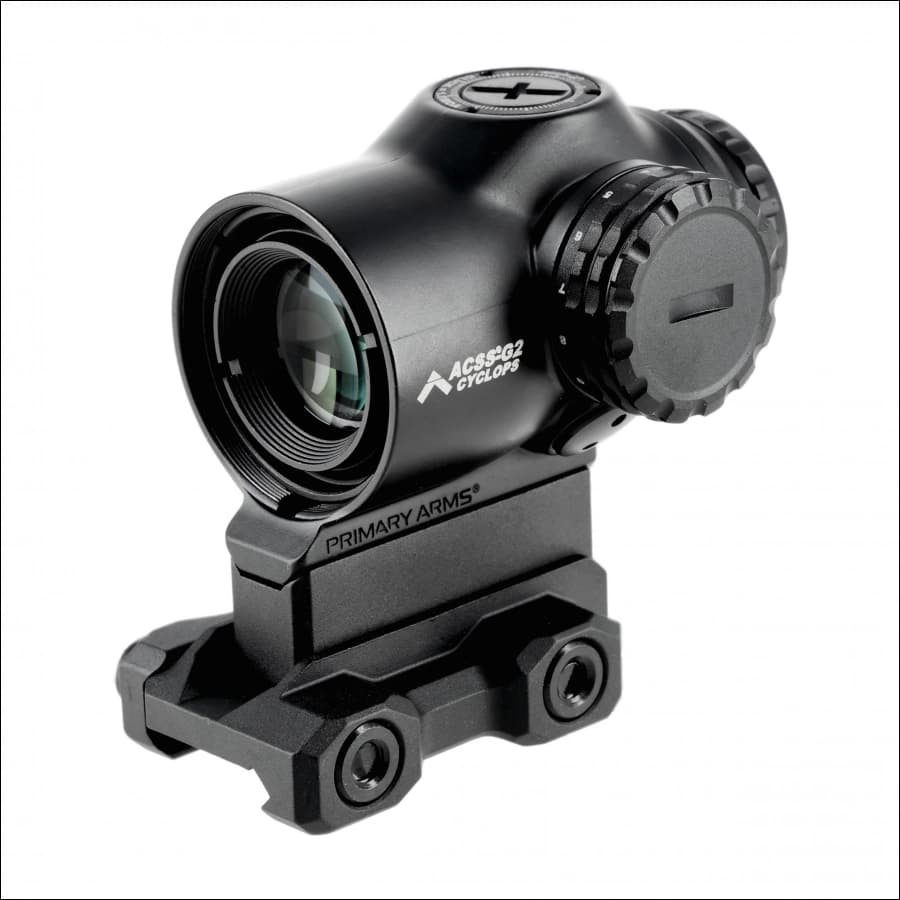
Primary Arms SLx 1X MicroPrismT ACSS Cyclops Gen II (Red)
- Fixed 1x
- Etched ACSS Cyclops Gen II reticle
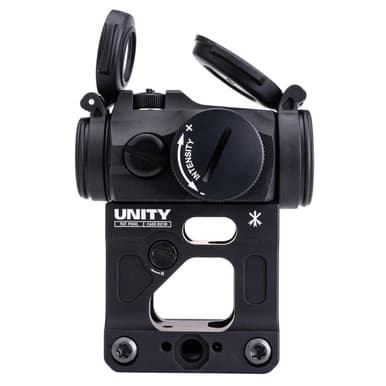
Aimpoint Micro T-2
- 2 MOA dot
- 50,000 hour battery
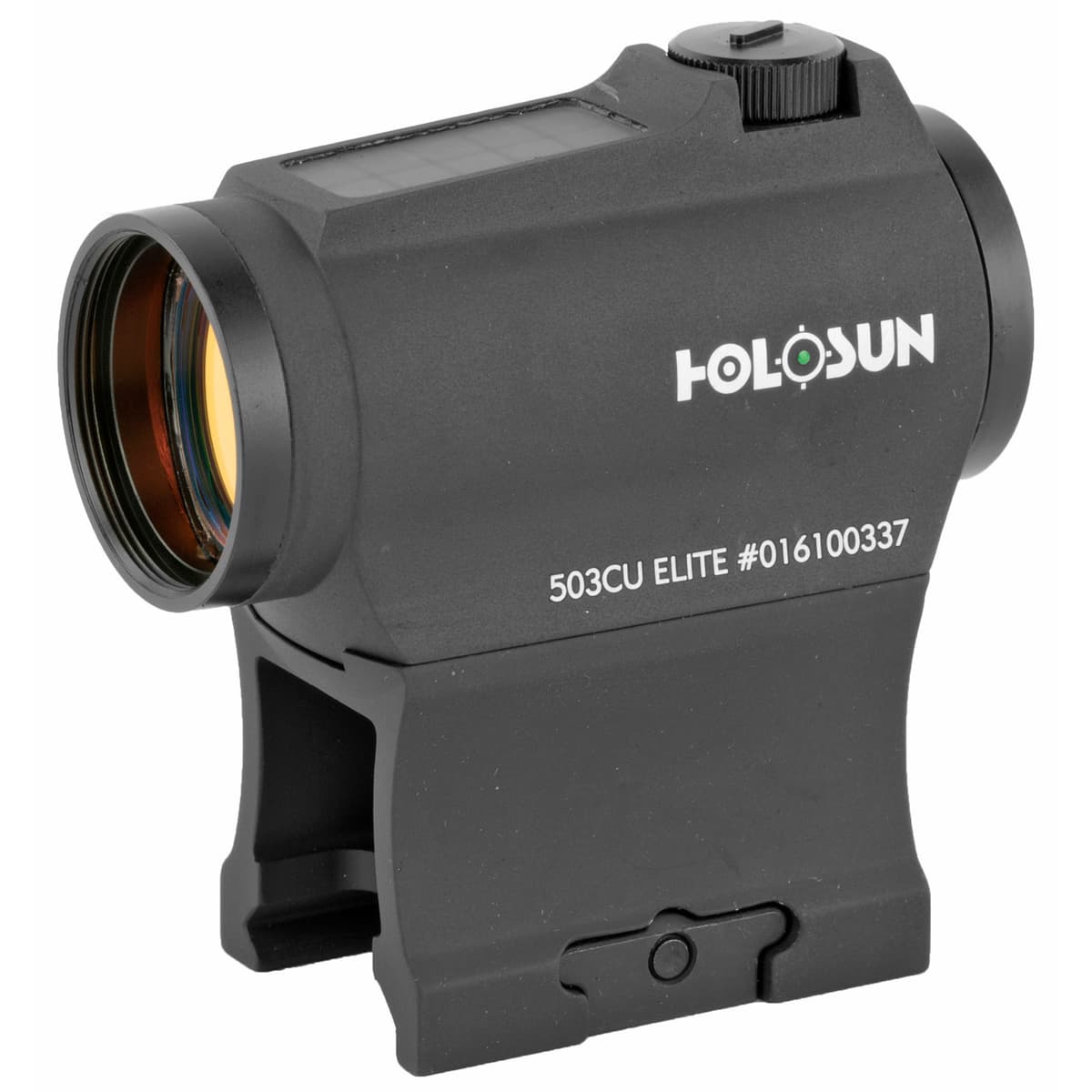
Holosun HE503CU-GR Elite
- 2 MOA dot + 65 MOA circle
- Solar + CR2032
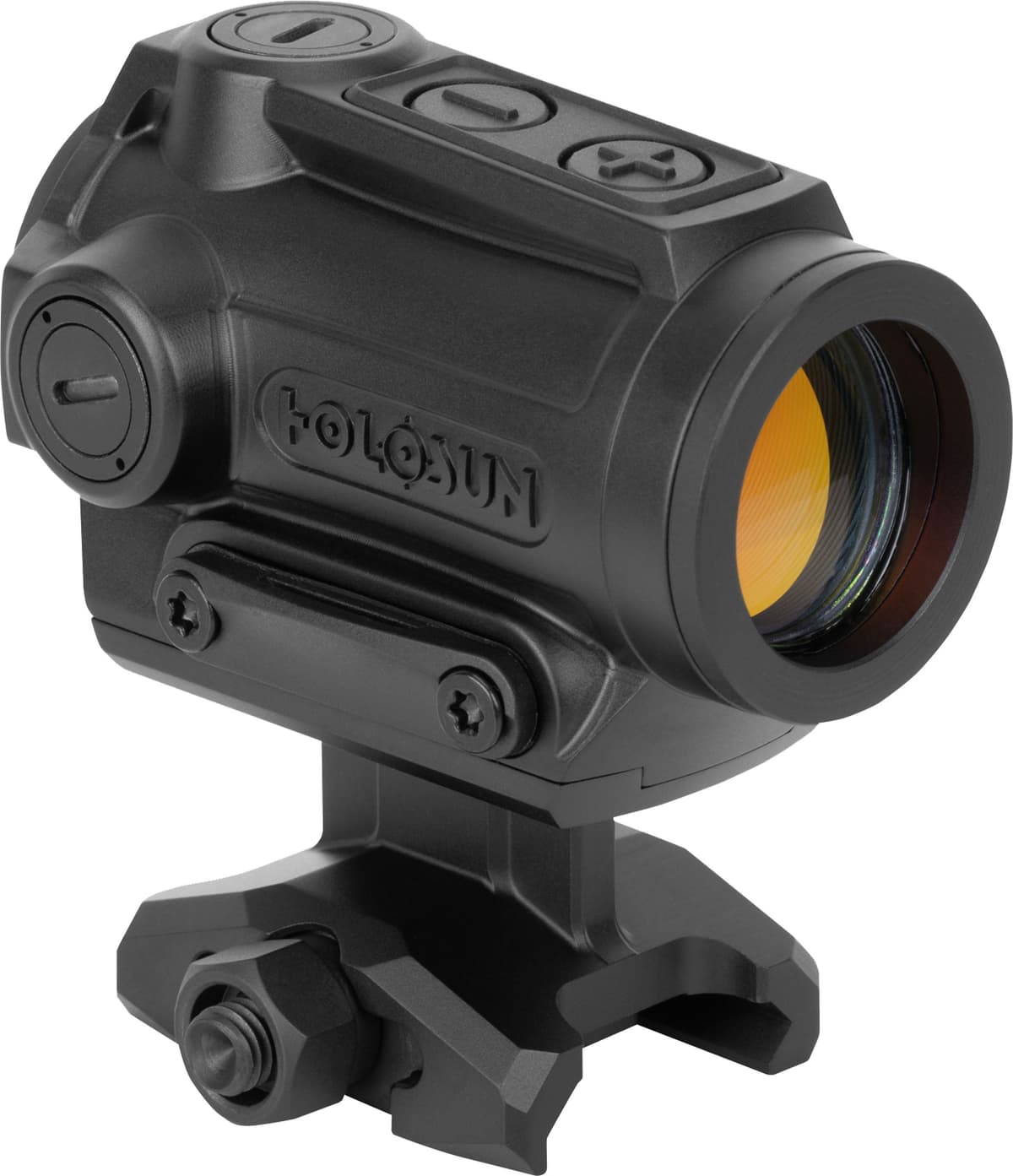
Holosun ARO CORE MRS
- 2 MOA dot + 65 MOA circle MRS
- 22mm window
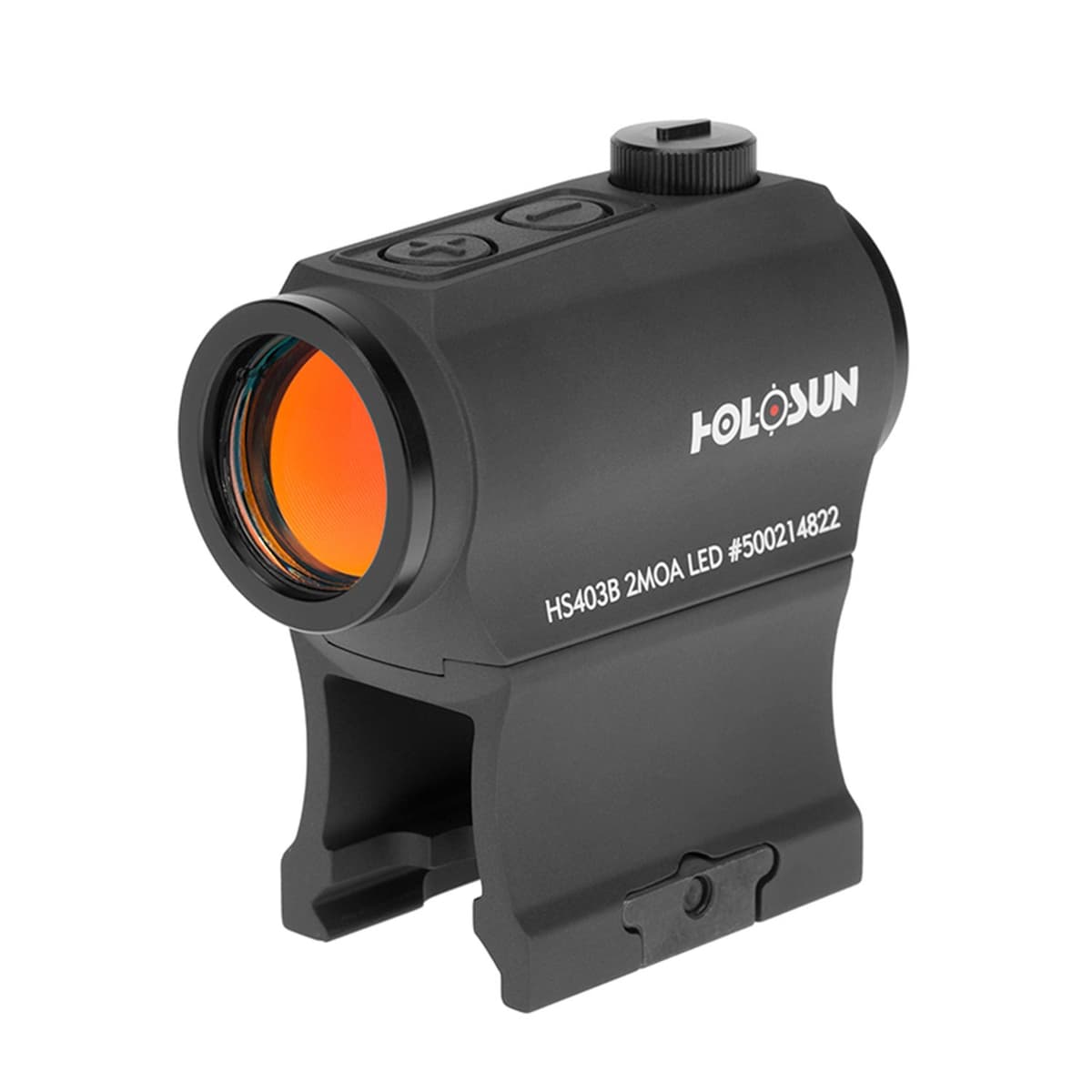
Holosun HS403B
- 2 MOA dot
- CR2032 battery
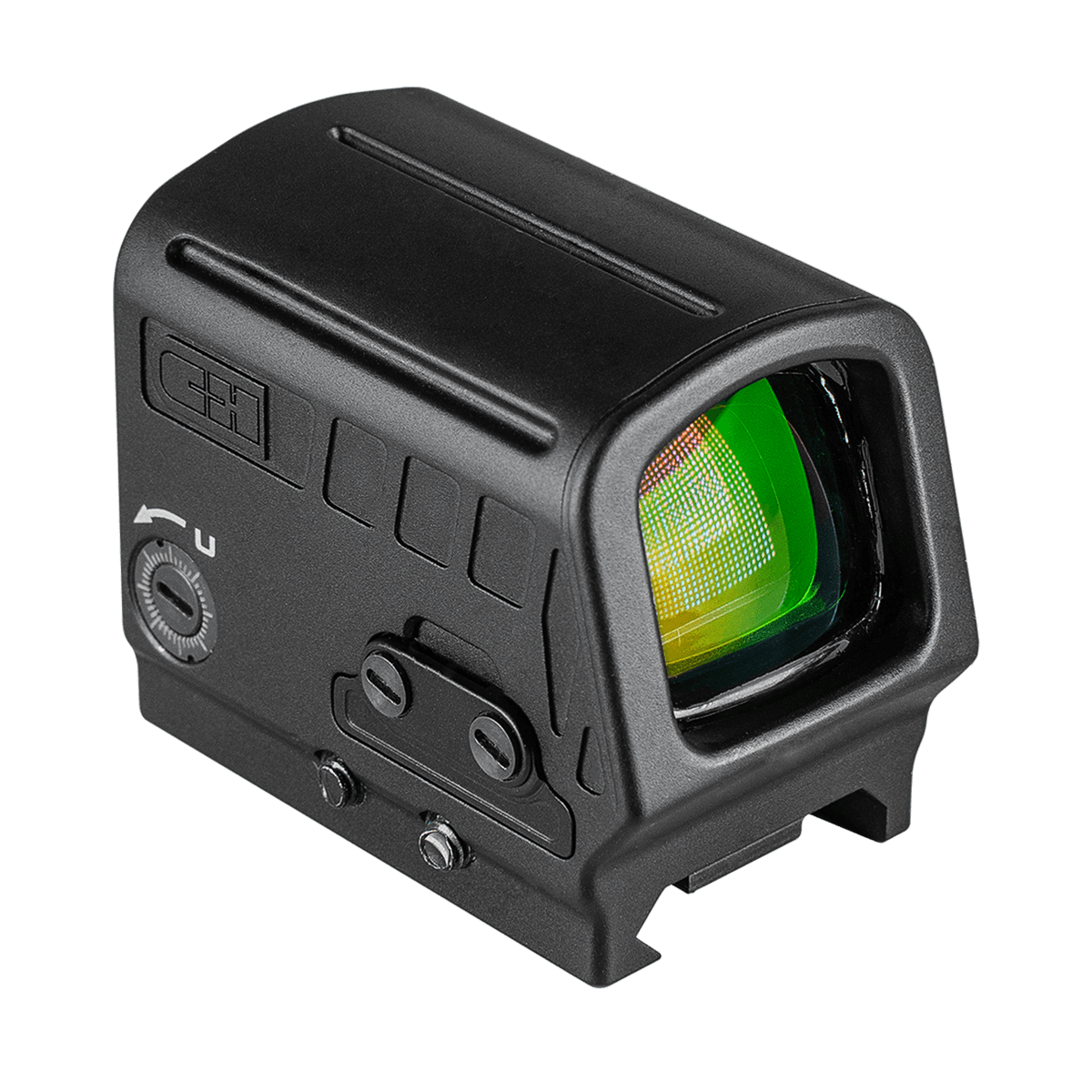
C&H STRYKR Red Dot for FLUX Raider and PDWs
- 3 MOA dot / 33 MOA circle / circle-dot
- 1913 Picatinny mount, 0.76in riser included
Affiliate links (?)
Stay Updated on Classic SBR Releases
Get notified when factory SBRs, suppressor releases, and NFA-relevant guns land. We also cover the current eForm 4 approval timelines and the state-law changes that decide who can buy them.
Frequently Asked Questions
▶What is the Auto-Ordnance M1 Carbine SBR?
▶How is the M1 Carbine SBR different from a standard M1 Carbine?
▶Does the M1 Carbine SBR require an NFA tax stamp?
▶What ammunition does the M1 Carbine SBR use?
▶Can you suppress the Auto-Ordnance M1 Carbine SBR?
▶How much does the Auto-Ordnance M1 Carbine SBR cost?
▶Where is the Auto-Ordnance M1 Carbine SBR made?
Bottom Line
Auto-Ordnance solved a specific problem for a specific buyer: the shooter who wants an M1 Carbine in the shortest legal configuration, from a factory, ready to run. The 12-inch barrel, 1/2x28 threads, M-LOK forend, and factory Form 4 route through NFA deliver that. $1,870 is a real premium over the standard M1 Carbine, and .30 Carbine ammo is not cheap or plentiful, so this is not the value pick for a suppressed truck gun or a multi-hundred-round training platform.
The reason it works as a 2026 release rather than a curiosity is the OBBBA change. Zero federal tax on the transfer and eForm 4 wait times measured in days rather than months move an NFA SBR out of the “if you can wait a year and pay a stamp” category. That is the environment Auto-Ordnance is selling into, and it is what makes a factory M1 Carbine SBR interesting rather than niche. Browse the catalog to compare cans and dots that pair with the 12-inch barrel, or price a suppressed AR SBR alternative in the builder.