Best Steel Targets 2026: AR500 Gongs, Trees & Stands header image
Gear
August 11, 2026
Best Steel Targets 2026: AR500 Gongs, Trees & Stands

Nine AR500 steel target picks ranked across static gongs, IPSC and IDPA silhouettes, self-resetting reactive plates, dueling trees, and spinners, plus the stands and hangers that hold them.

[ < Back to guides ]
Buying guideTrainingRange

Best Steel Targets 2026: AR500 Gongs, Trees & Stands

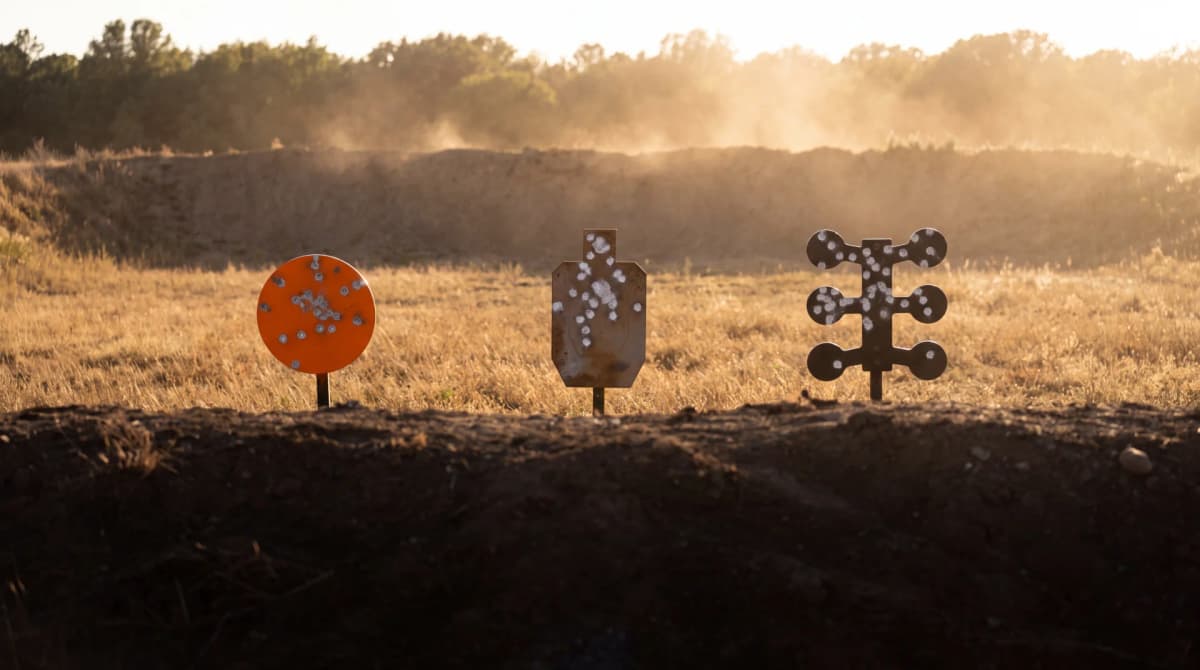
Steel targets pay for themselves in feedback. Paper tells you where the group went after you walk down and look; steel tells you the instant the bullet lands, which is what turns a range session into training. This guide ranks nine AR500 steel targets across static gongs, competition silhouettes, self-resetting reactive plates, dueling trees, and spinners, from a $38.99 gong to a five-plate Texas Star, and covers the two decisions that actually matter: how thick the plate needs to be for your cartridge, and how far back you have to stand.

Paper still has a job. Zeroing, group measurement, and diagnostic work belong on printable sheets, and the free printable targets library covers B-8 repair centers, dot torture, and 50/200 zero sheets. Use steel for speed, transitions, and confirmation once the rifle is already zeroed.

By AB|Last reviewed August 2026

Key Takeaways

  • Best overall: the Precision Targets Round AR500 Steel Gong ($38.99 for the 8-inch, 3/8-inch plate) covers eight diameters and three thicknesses on one listing, rated to .308 and .338 Lapua depending on which thickness you buy.
  • Best reactive system: the Precision Targets Dueling Tree ($469) ships with its stand and uses an AR500 center upright, which is the part that eats every miss.
  • Best under $100: the Jumping Jack ($59.99) is self-resetting steel that needs no stand, hanger, or chain.
  • Thickness rule: 1/4 inch for rimfire and pistol, 3/8 inch for centerfire rifle to .308, 1/2 inch for magnum rifle and high round counts.
  • Distance rule: 10 yards minimum for pistol; for rifle, back up until the bullet is under 2,850 fps at the target, which Precision Targets treats as the real minimum distance.

How to Choose a Steel Target

Pick the target type by what you want the shot to teach you. A static gong is a hit-or-miss indicator and the cheapest steel per square inch, which makes it the right first purchase. A self-resetting reactive target adds movement and removes the walk downrange. A dueling tree or spinner adds a clock and an opponent, which is where steel starts replacing a shot timer as a source of pressure. Buy in that order, because a $774 spinner on a range with no stand and no hangers is a bad first purchase.

  • Static gong
    Best ForZero confirmation, distance work, first steel
    Hardware NeededCrossbar or stand plus two hangers
    TradeoffCheapest steel per inch, no movement
  • Silhouette
    Best ForUSPSA, IDPA, and defensive practice
    Hardware NeededStand rated for a full-size plate
    TradeoffTrains the match sight picture, costs 5x a gong
  • Self-resetting reactive
    Best ForSolo practice with no downrange trips
    Hardware NeededNone on the Jumping Jack and Centerfire Reset
    TradeoffMoving parts wear; plates are small
  • Dueling tree
    Best ForHead-to-head drills and transitions under pressure
    Hardware NeededIncluded on both trees here
    TradeoffHeavy, and the post absorbs your misses
  • Spinner
    Best ForThe hardest common skill test on steel
    Hardware NeededFrame included, assembly required
    TradeoffMost expensive, and unforgiving for new shooters

Then budget for the hardware. Hanging plates are only half a purchase: a gong needs a crossbar and a pair of hangers before it can be shot, and those parts get hit. Reactive targets that carry their own base cost more up front and less afterward. That distinction decides more first-time buys than steel grade does, because a gong ($38.99) plus a bracket stand ($29.99) plus a pair of hangers ($17.99) is the real cost of the first plate.

The Best Steel Targets, Ranked

Ranked by how much usable steel the money buys, how hard the plate is rated, and how much hardware you still have to buy to shoot it: static gongs, IPSC and IDPA silhouettes, self-resetting reactive targets, dueling trees, and spinners.

1

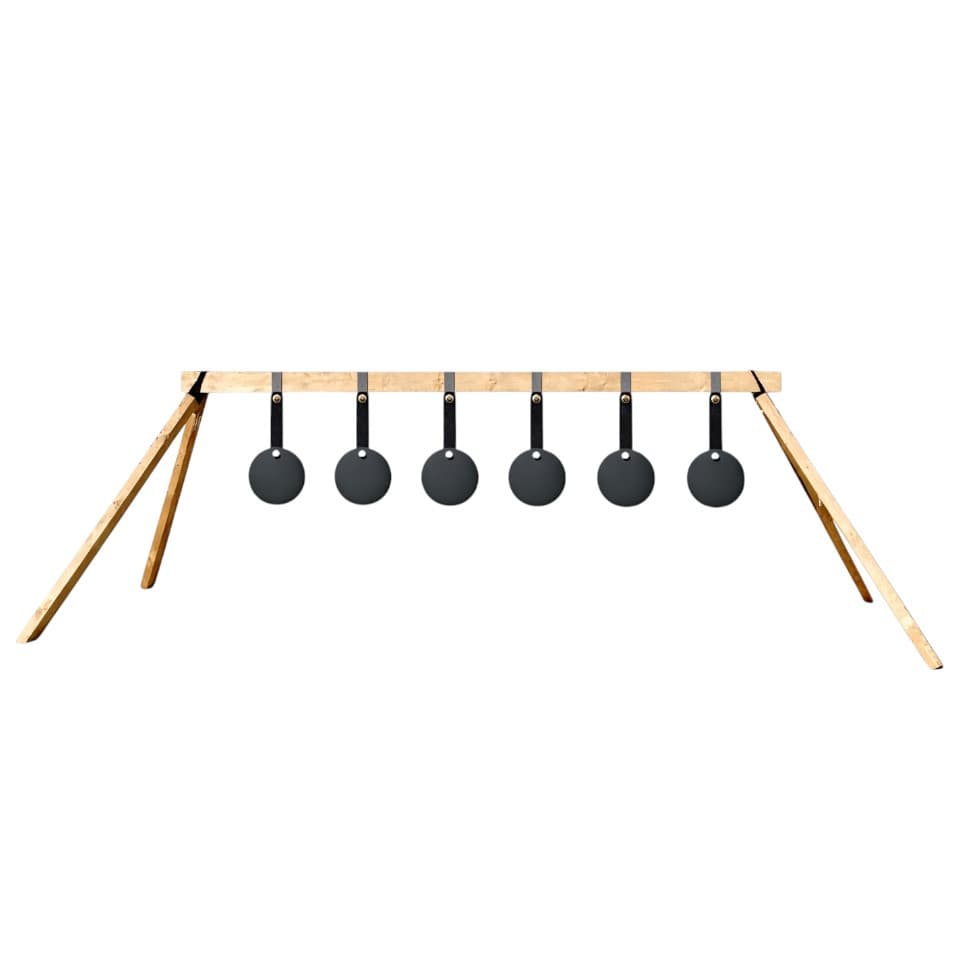
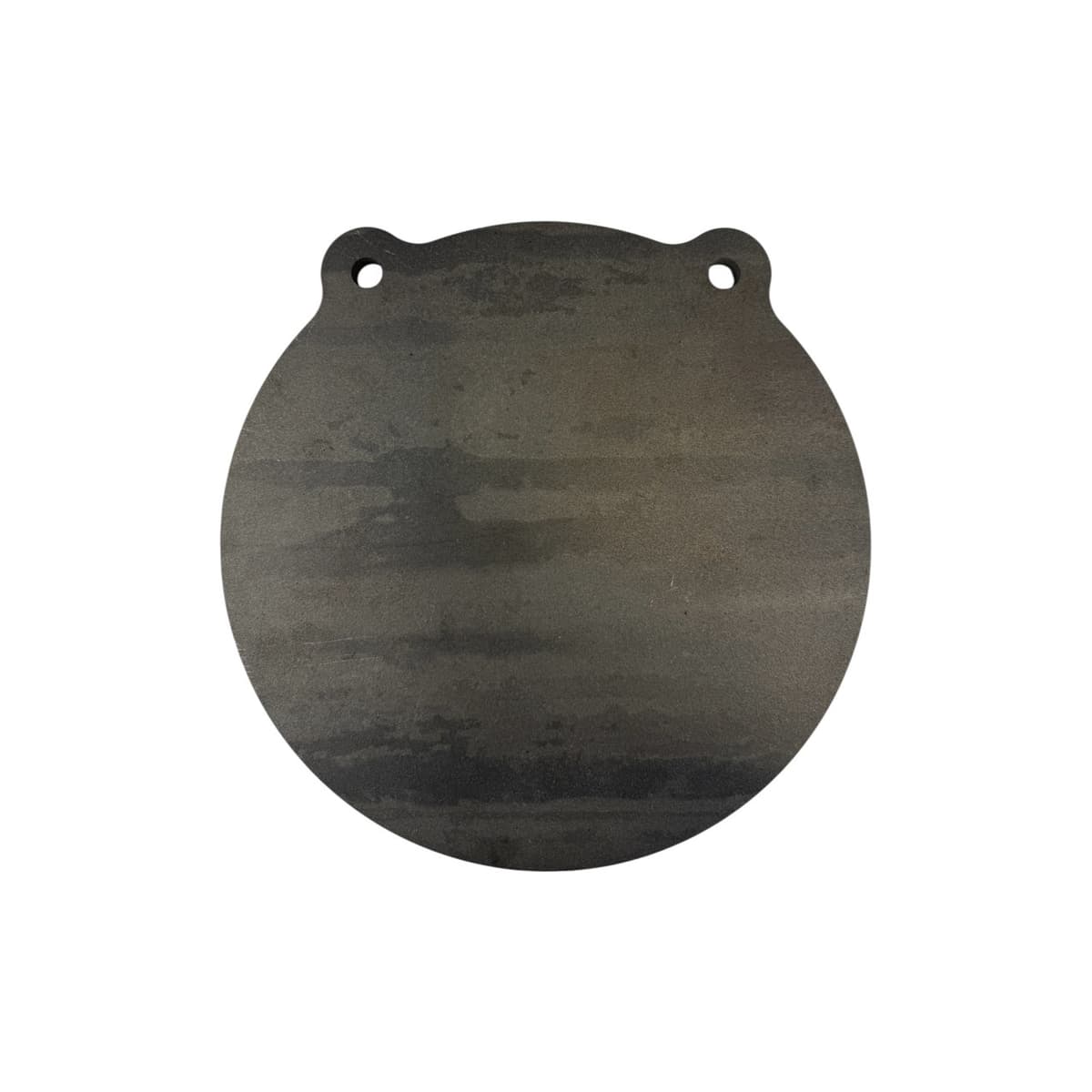
Precision Targets Round AR500 Steel Gong

Best steel target overall

$38
Shop at Precision Targets
  • +Eight diameters from 2 to 14 inches on one listing
  • +1/4, 3/8, and 1/2 inch AR500 thickness options
  • +Maker rates the line to .308 and .338 Lapua depending on thickness
  • Hangers and a stand are separate purchases
  • 1/4-inch versions are pistol and rimfire plates only
  • Small diameters need optics to score past 100 yards
Type: Static gongSteel: AR500Thickness: 1/4in, 3/8in, 1/2inStand: Sold separately
2

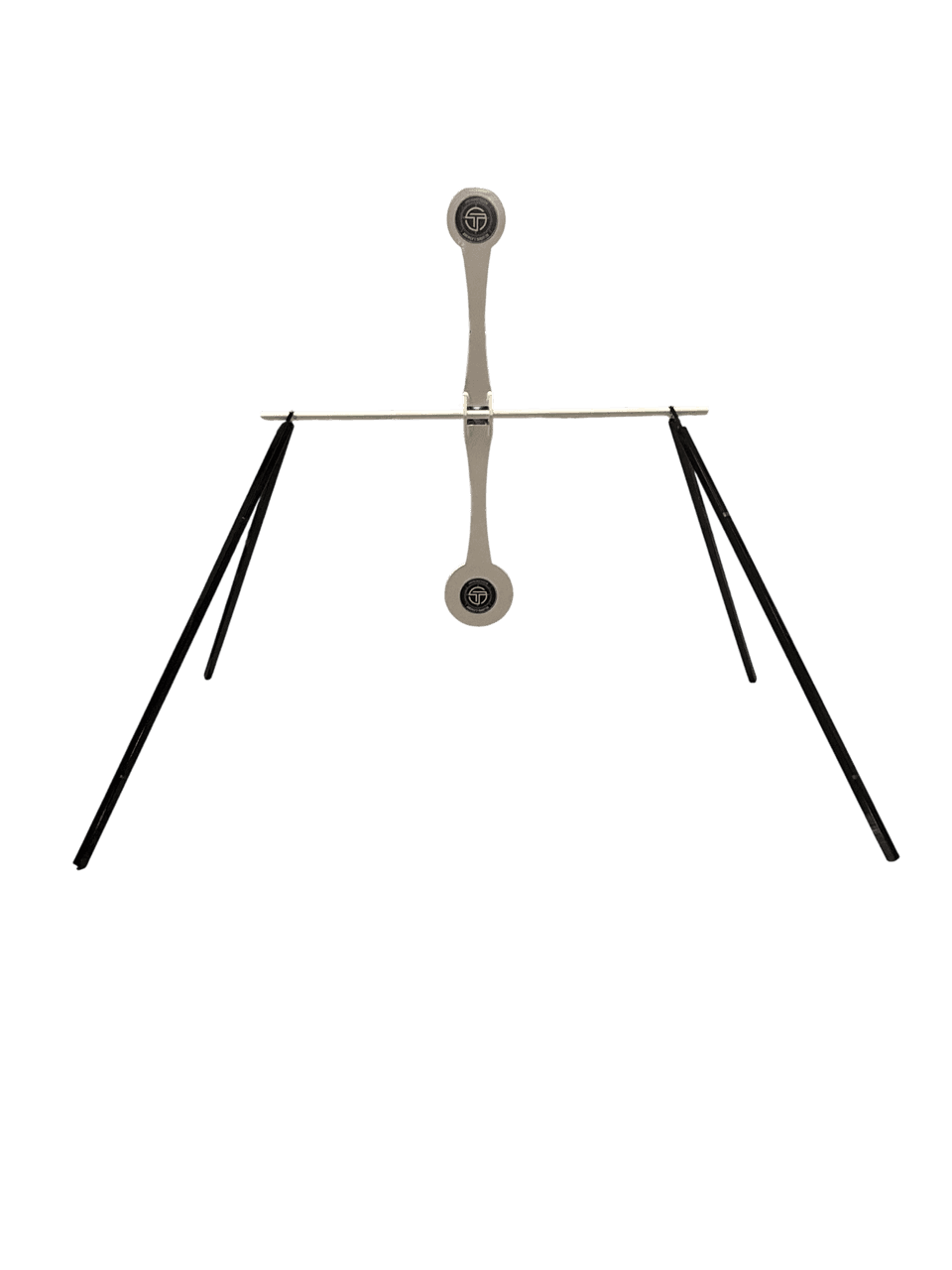
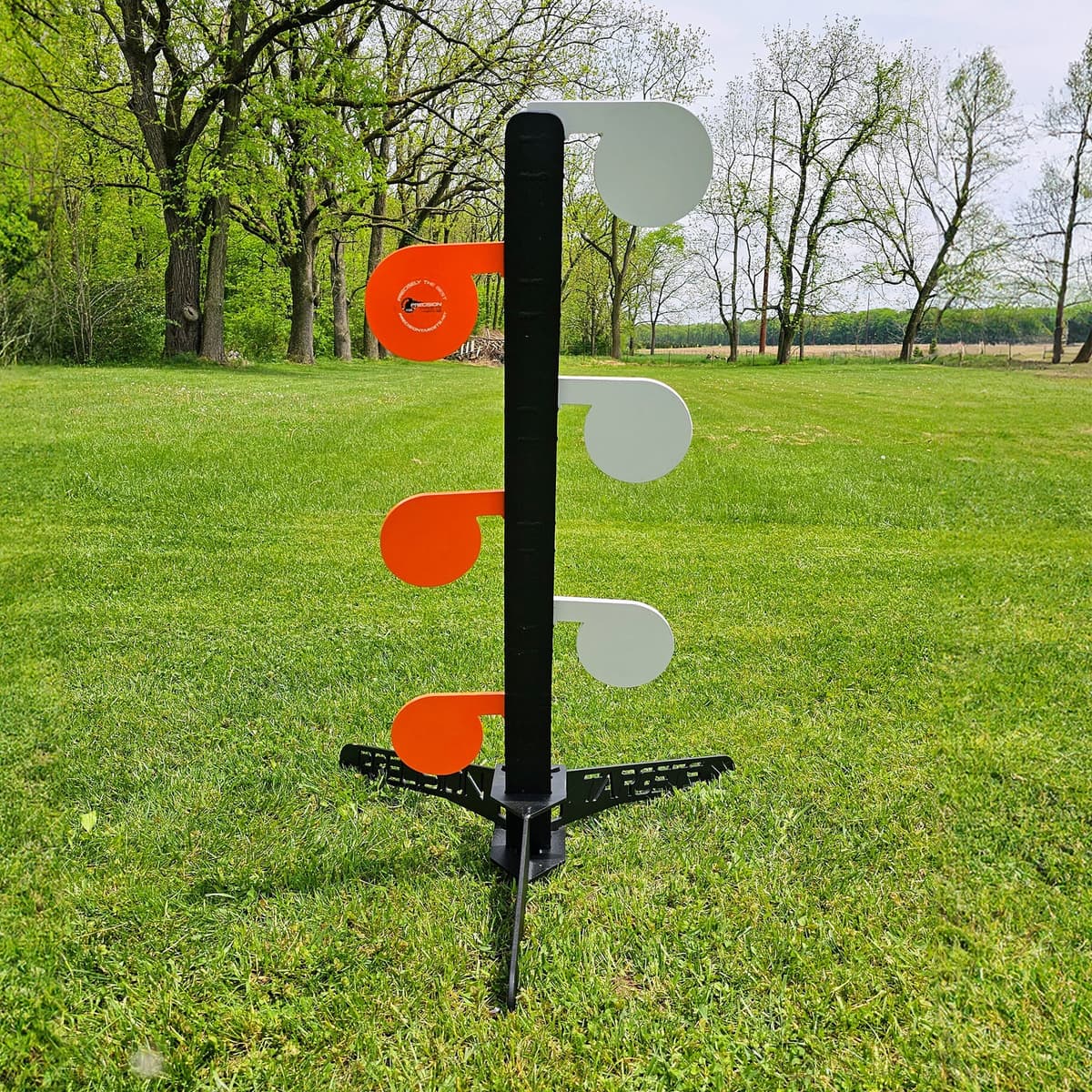
Precision Targets Dueling Tree with Flip-N-Rip Stand

Best reactive target system

$469
Shop at Precision Targets
  • +Stand is included instead of a several-hundred-dollar add-on
  • +Center upright is AR500, not mild steel
  • +Mixed 6/4/2-inch challenge paddle set available
  • 1/4-inch paddle option is a pistol configuration
  • Six plates and a stand are heavy to move alone
  • Costs roughly ten times a single gong of the same steel
Type: Dueling treeSteel: AR500Thickness: 1/4in or 3/8inStand: Included
3

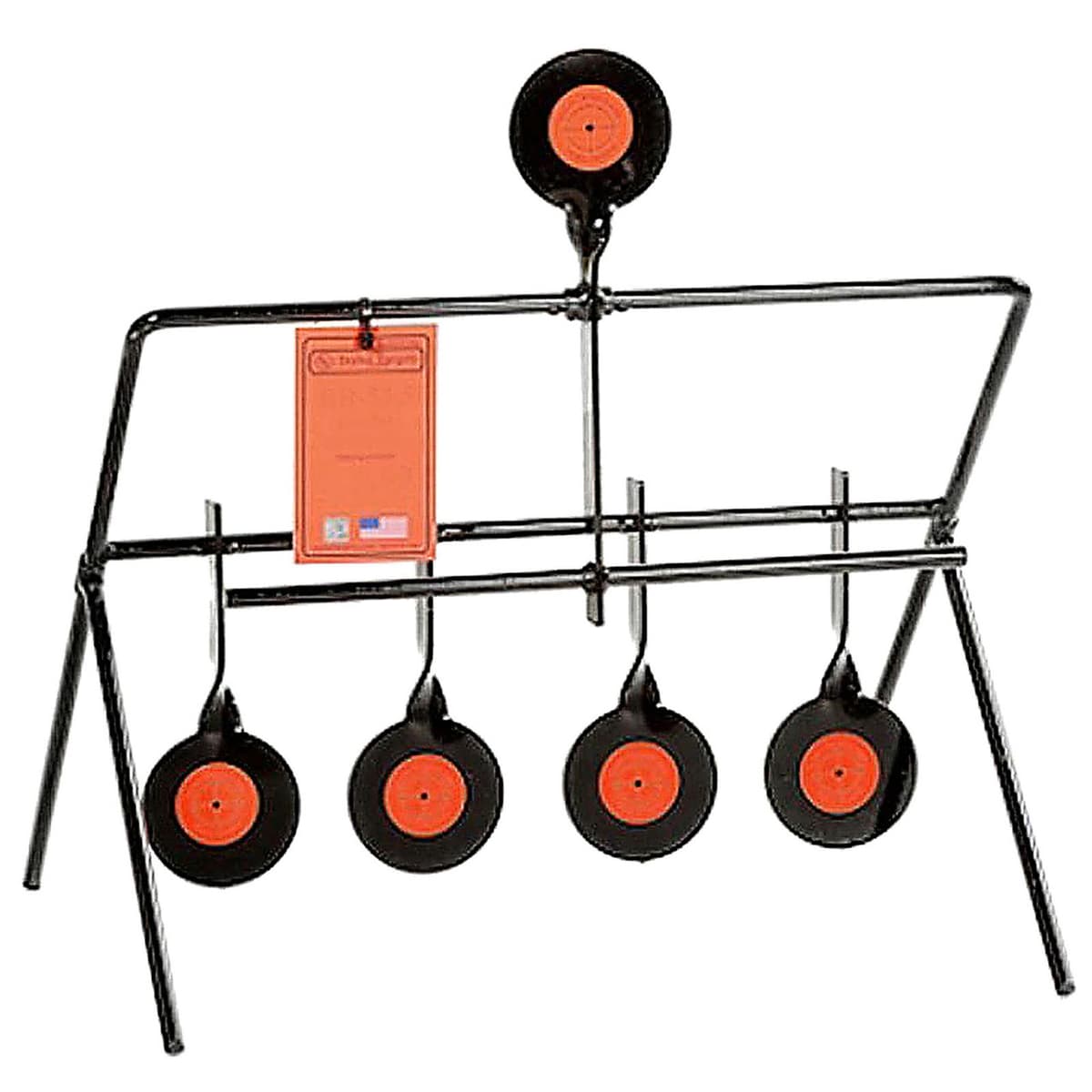
Precision Targets Jumping Jack Reactive Target

Best steel target under $100

$59
Shop at Precision Targets
  • +No mounting hardware of any kind required
  • +Self-resetting, so no downrange trips between strings
  • +Changing position each hit trains real target transitions
  • Sits on the ground, so splatter management is on the shooter
  • It moves, so it needs open space downrange
  • 1/4-inch version is a pistol and rimfire target
Type: ReactiveSteel: AR500Thickness: 1/4in or 3/8inStand: Not required
4

Shooting Targets USA AR500 Gong 3/8in

Best documented AR500 gong

$44
Shop at Shooting Targets USA
  • +477 to 534 Brinell hardness published on the listing
  • +16-inch option is larger than most competing round plates
  • +Mill scale sandblasted off before the plate is cut
  • Hangers and a stand are separate purchases
  • Rounds over 3,000 fps need a 200-yard bay per the maker
  • The 1/4-inch version is a separate listing
Type: Static gongSteel: AR500, 477-534 BHNThickness: 3/8inStand: Sold separately
5

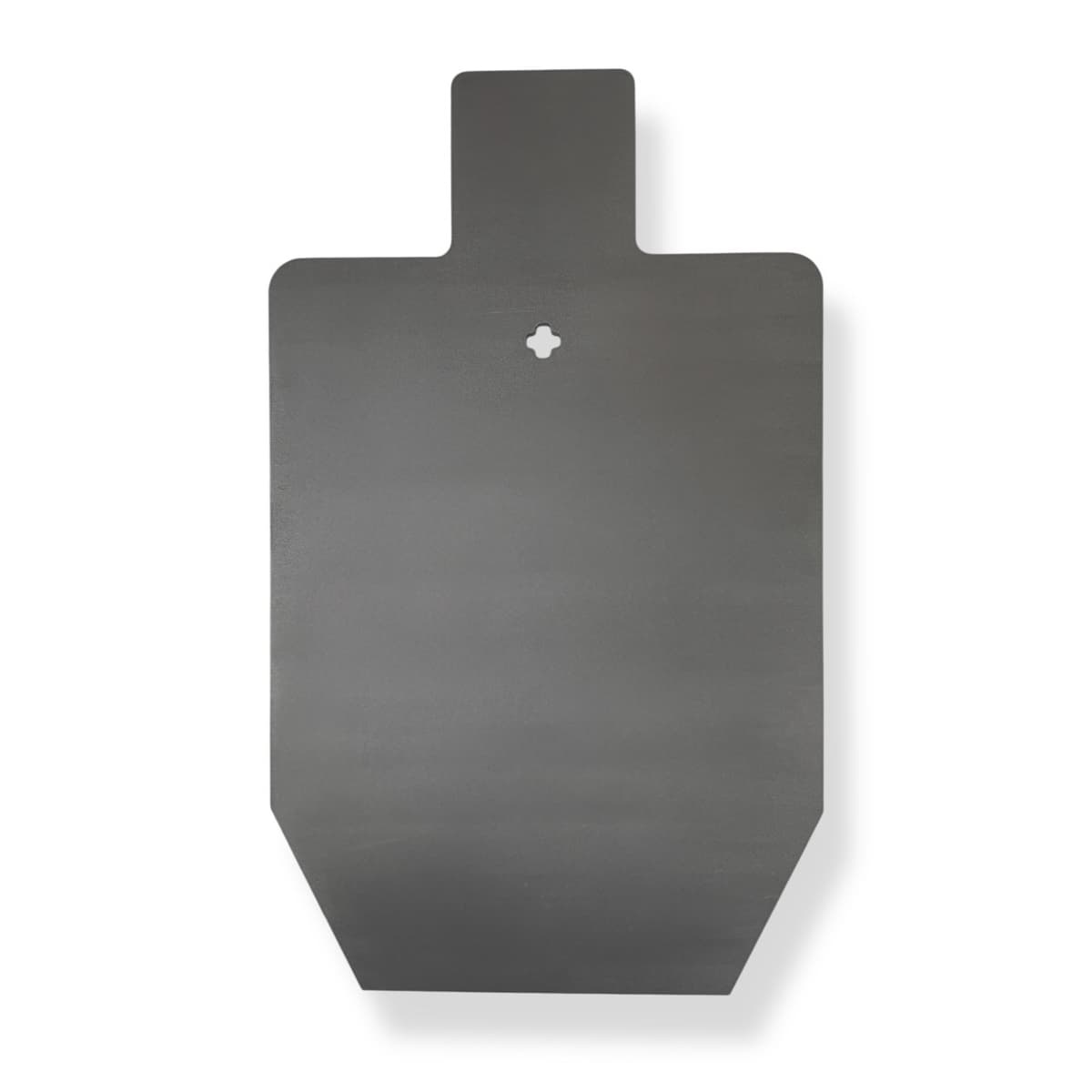
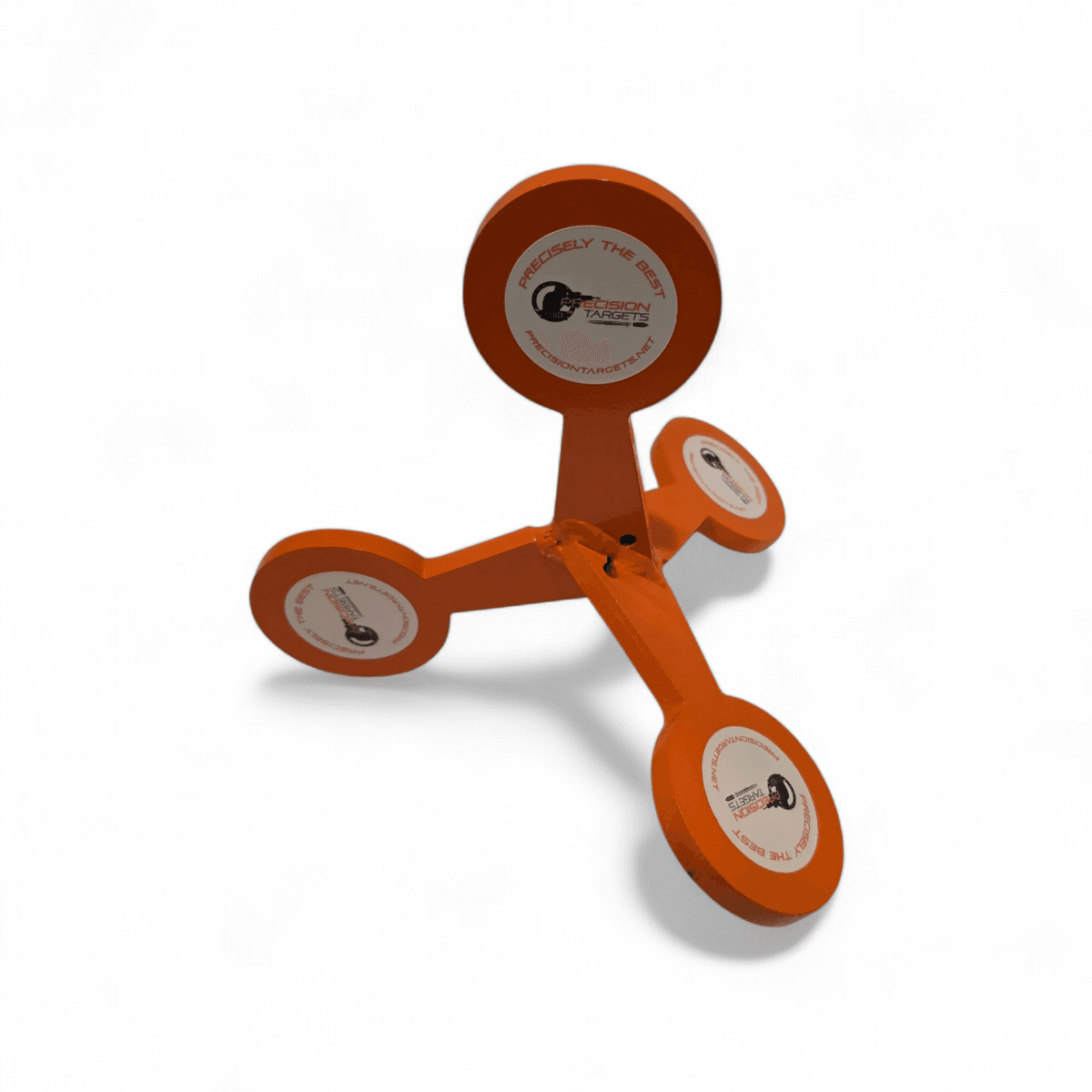
Precision Targets IDPA/IPSC AR500 Silhouette

Best IPSC and IDPA practice silhouette

$229
Shop at Precision Targets
  • +Full-scale profile matches the match-legal cardboard footprint
  • +Reduced scales simulate longer distance on a short range
  • +Maker rates the line to .308 and .338 Lapua depending on thickness
  • Full-scale plate wants a dedicated stand
  • No scoring zones cut or painted into the plate
  • Reactive versions of the same silhouette cost more
Type: SilhouetteSteel: AR500Thickness: 1/4in, 3/8in, 1/2inStand: Sold separately
6

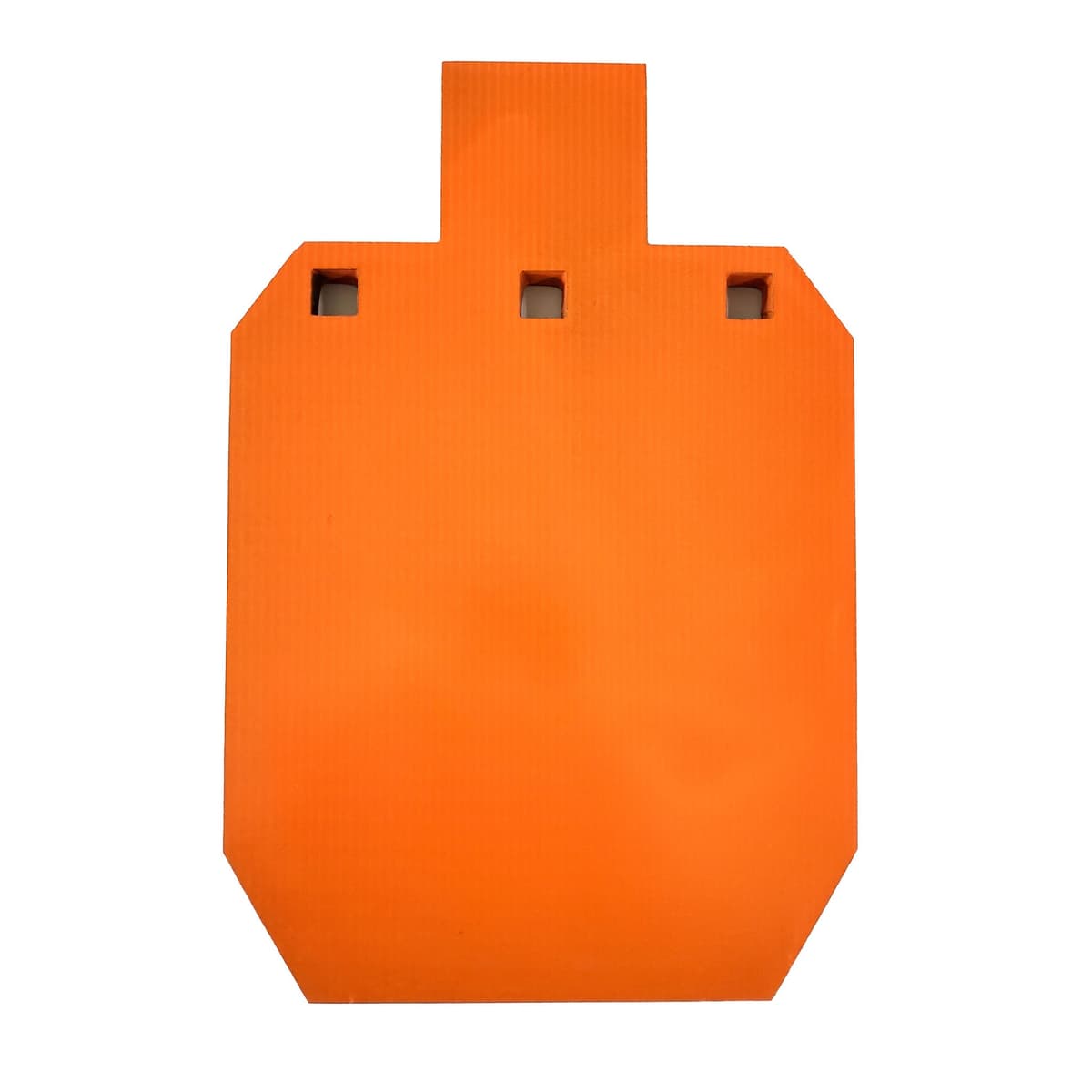
Shooting Targets USA Official IPSC Torso Target

Best competition-zone accuracy trainer

$199
Shop at Shooting Targets USA
  • +Size options are real IPSC scoring zones, not arbitrary scales
  • +A-zone plate at $49.99 is a cheap accuracy standard
  • +3/8-inch AR500 covers rifle work as well as pistol
  • Full-size D zone plate needs a stand rated for its weight
  • No reactive or hostage variant on this listing
  • Hangers are a separate purchase
Type: SilhouetteSteel: AR500Thickness: 3/8inStand: Sold separately
7

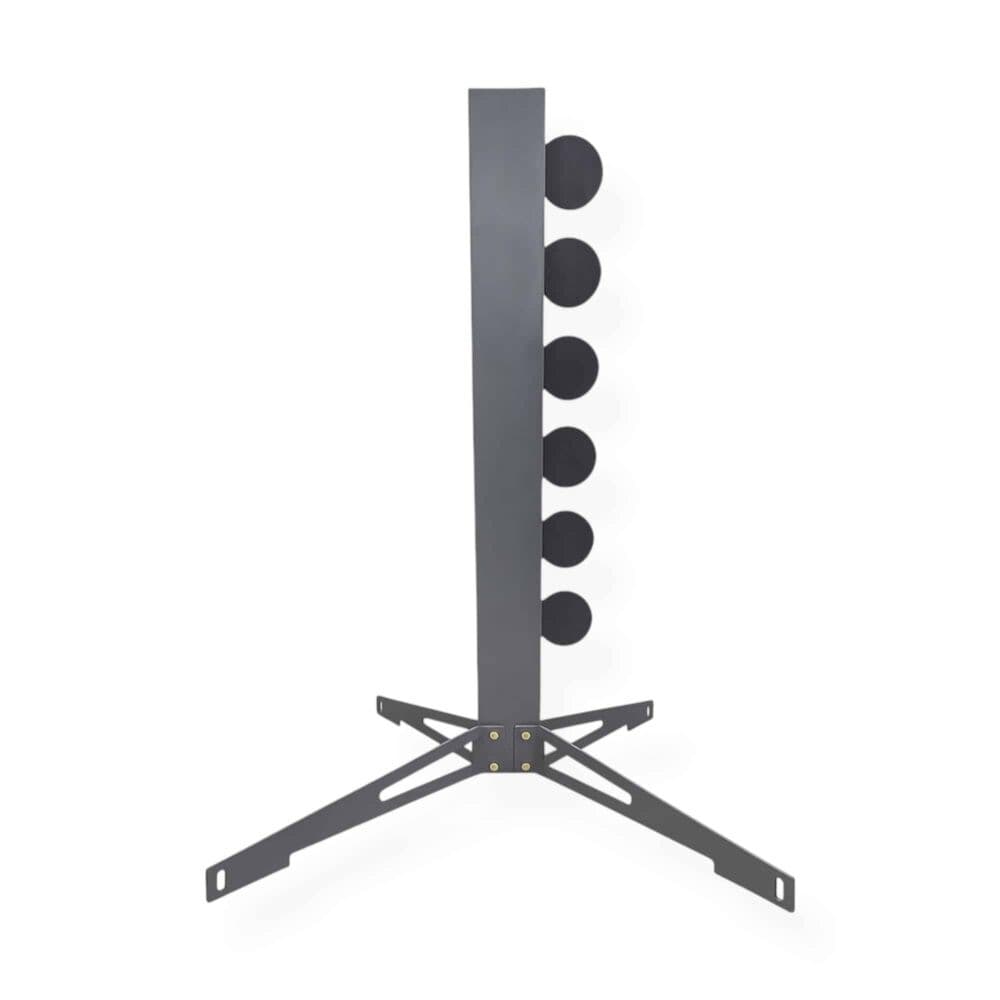
Shooting Targets USA Centerfire Reset

Best portable plate-rack alternative

$74
Shop at Shooting Targets USA
  • +Plate-rack drill at a fraction of a plate rack's price
  • +About 15 pounds, which makes it genuinely portable
  • +Built-in reset plate creates a five-shot scoring sequence
  • 3.5-inch plates are small past pistol distance
  • Moving parts wear where a plain gong has nothing to wear
  • Not a substitute for a full six-plate match rack
Type: Reactive rackSteel: Centerfire ratedPlates: Five 3.5inStand: Not required
8

Shooting Targets USA Dueling Tree

Best dueling tree for a club or commercial range

$449
Shop at Shooting Targets USA
  • +Commercial-weight build for constant high-volume use
  • +Rifle configuration is rated for high-velocity rifle rounds
  • +Base is stable enough to skip staking on flat ground
  • The center post is not rifle rated, so misses cost you
  • 85 pounds is a two-person load
  • Pistol configuration is limited to non-magnum handgun calibers
Type: Dueling treeSteel: SR500Thickness: 3/8in or 1/4inStand: Included
9

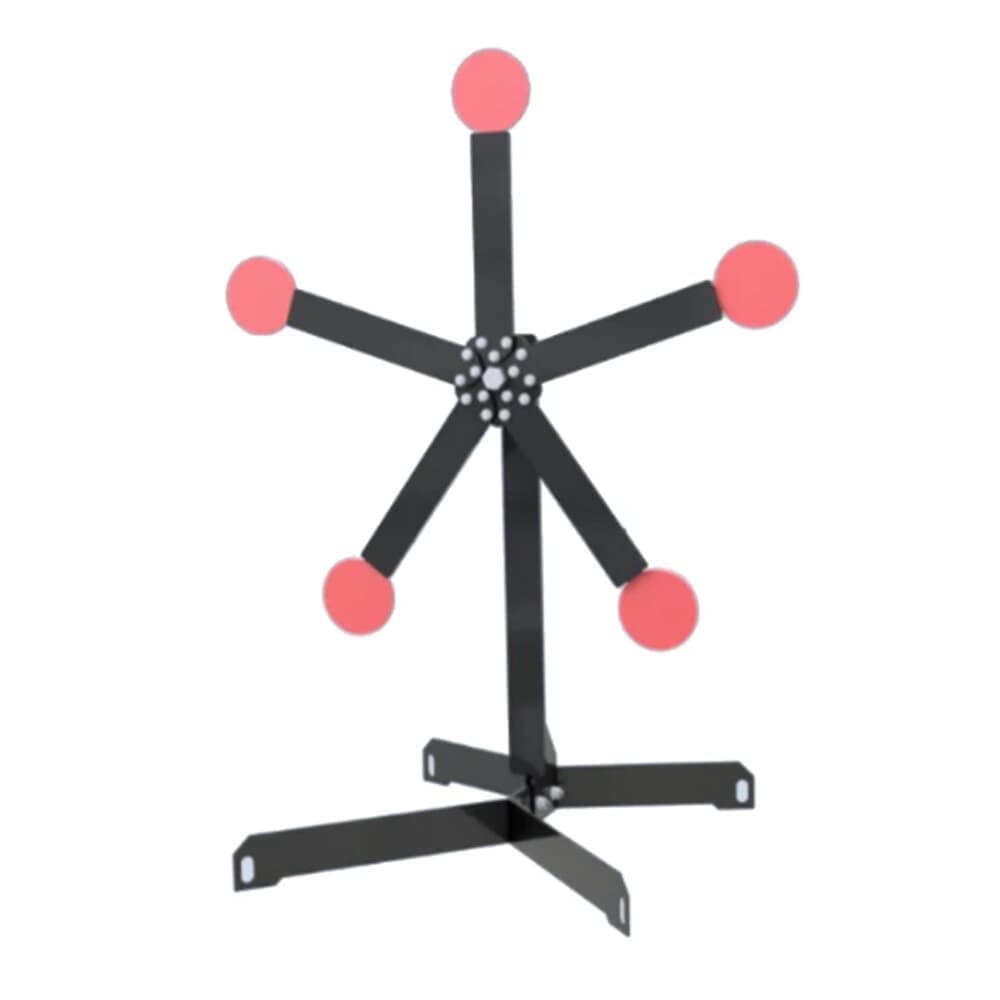
Precision Targets Texas Star

Best spinning target

$774
Shop at Precision Targets
  • +Genuinely difficult in a way static plates cannot replicate
  • +Reversible plates double the life of the expensive parts
  • +Complete package with frame, hardware, and instructions
  • The most expensive way to add steel to a private range
  • Bolt-together assembly takes real setup time
  • 4-inch plates frustrate shooters who cannot clear the star
Type: SpinnerSteel: AR500Thickness: 1/4in or 3/8inStand: Included

Affiliate links - purchases support this site at no extra cost to you. (?)

Get Range Gear and Training Reviews

New steel target systems, drill breakdowns, printable range resources, and gear rankings for shooters who build their own range.

Free targets, drill cards, and weekly reviews by email. Follow us on Instagram and Facebook for daily builds and gear picks.

Follow

AR500 vs AR550: What the Hardness Numbers Mean

AR500 and AR550 differ by roughly 50 Brinell points of hardness, and that gap is the entire argument. AR500 is rated around 500 BHN; Shooting Targets USA publishes 477 to 534 for the plate in its gongs. AR550 sits around 550 BHN, and MGM Targets lists 522 to 545 for the steel it uses. The harder plate resists the pitting and cratering that high-velocity rifle rounds cause, which is why a range that runs rifle in volume can justify the premium. For pistol shooting and moderate rifle use, AR500 is the correct buy and the one every product in this guide uses.

"AR" here means abrasion resistant, not armor. The number is a hardness target, not a caliber rating, and it does not certify anything about a specific cartridge at a specific distance. That is why the useful spec on a listing is the combination of Brinell range, plate thickness, and the maker's own caliber and distance guidance. Shooting Targets USA also sells plate it brands SR500 and rates above 500 BHN; its dueling tree and plate rack use that steel.

  • 1/4 inch
    Cartridges.22 LR, .17 HMR, pistol to .45 ACP
    WhyShooting Targets USA rates its 1/4-inch gong for centerfire handguns up to .45 ACP; it is not a rifle plate
  • 3/8 inch
    Cartridges.223/5.56, 7.62, .243, .260, .30-06, .308
    WhyThe general-purpose rifle thickness and the default for a mixed pistol and rifle range
  • 1/2 inch
    CartridgesMagnum rifle, .338 Lapua, high round counts
    WhyBuys margin against pitting when velocity at impact runs high or the plate sees constant use

Steel Target Safety, Distance, and Placement

The minimum safe distance for steel is 10 yards with a pistol and at least 100 yards with a centerfire rifle, but distance is a proxy for the number that matters. Precision Targets states it plainly: bullet speed trumps distance, and any rifle round still traveling faster than 2,850 fps when it reaches the plate means backing up until it is slower. That is why a fast .223 load can need 125 yards while a .308 is fine at 50. Shooting Targets USA publishes 10 yards for handguns, 100 yards for rifles, and 200 yards for anything leaving the muzzle above 3,000 fps.

Ammunition selection is the other half. Both makers say to never shoot ammunition with steel in or on it, which rules out steel core, armor piercing, and green tip. Precision Targets recommends ball ammunition where possible and notes that soft point and hollow point loads are harder on the plate. Eye protection is not optional at any distance, and everyone on the line needs it, not just the shooter.

Placement decides where the fragments go. Hang plates so they can swing, or mount them at a downward angle: Precision Targets recommends angling targets whenever possible for safer lead deflection and longer target life. A plate bolted rigid and square to the firing line is the worst configuration, because it absorbs the full impact and sends splatter back along the path the bullet arrived on. Edge chipping on AR500 is normal above 2,000 fps and is not the same failure as a crater; a chip sheds material off to the side, while a dished or cratered face can redirect fragments back toward the line. Retire a cratered plate.

Steel Target Stands and Hangers: What Holds the Plate

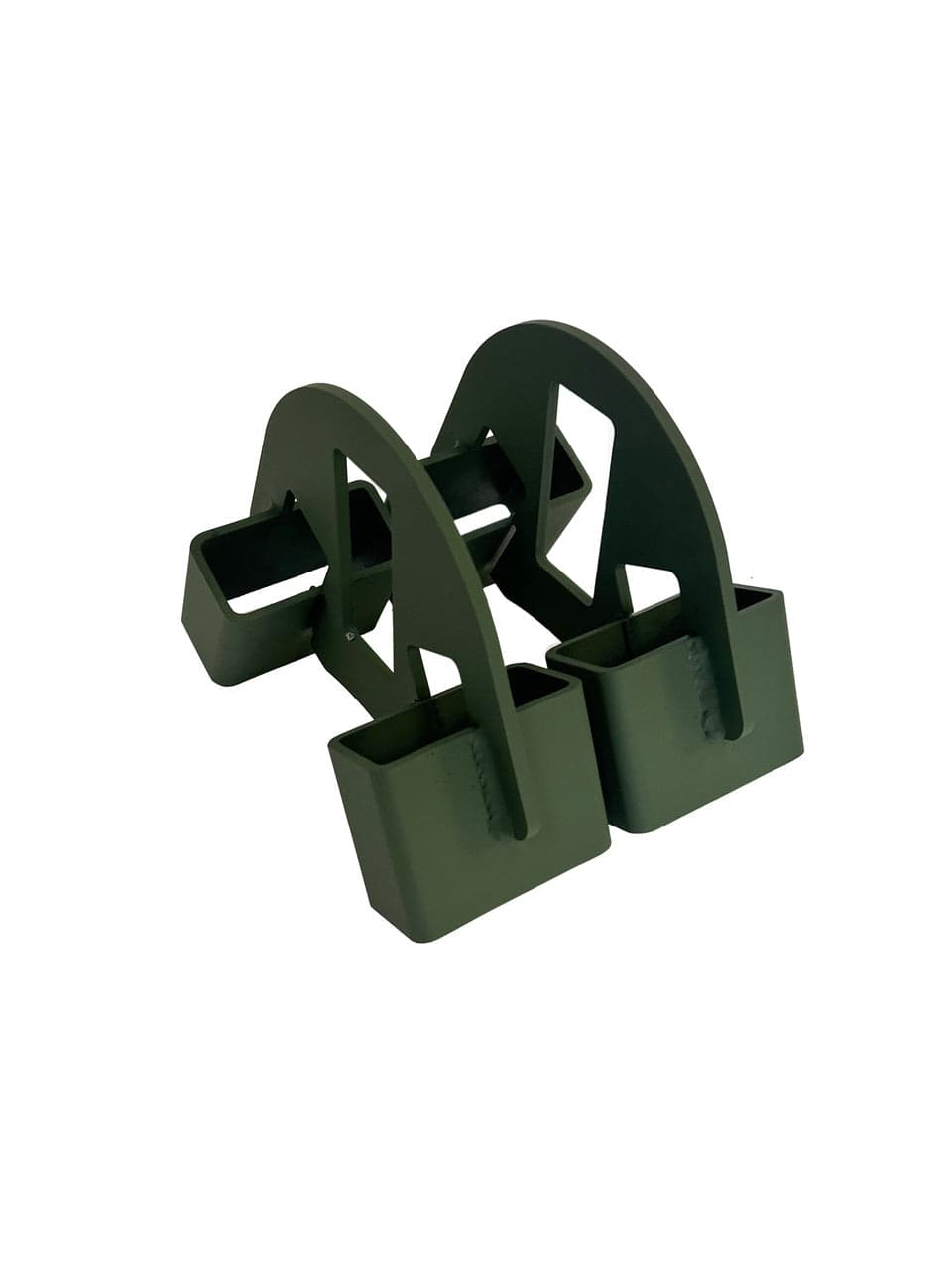
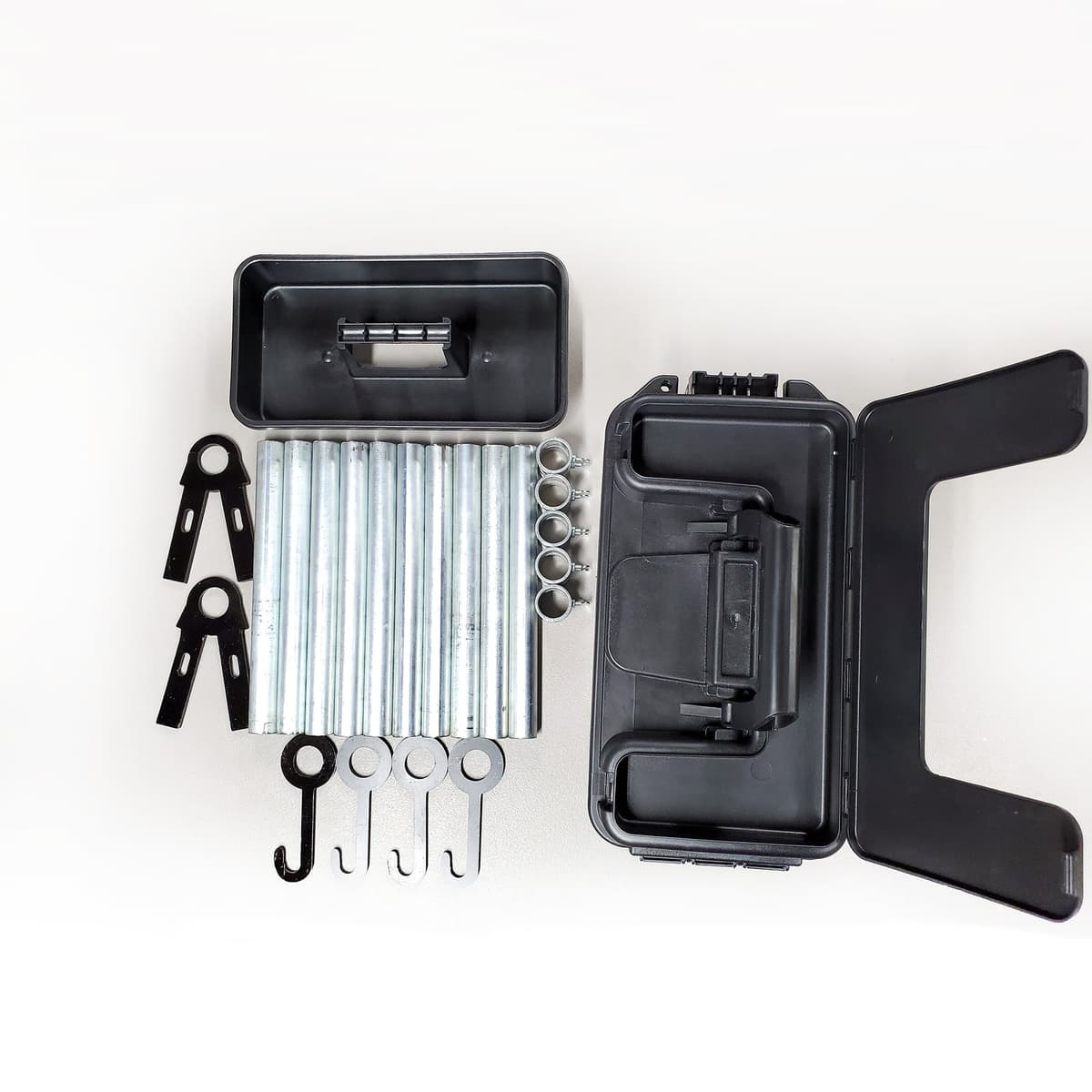
A hanging plate needs a crossbar and two hangers, and both are consumables. The cheapest working setup is a pair of bracket holders plus lumber: the Shooting Targets USA Quick Stands ($29.99) take three 2x4 boards and build a 48 by 36 inch stand, and when a board is shot through you replace three dollars of pine instead of a stand. For a setup that travels, the Precision Targets Grab-N-Go kit ($124.99) packs pre-cut 1-inch conduit, couplers, hooks, and leg brackets into an ammo can that weighs under 13 pounds and assembles in about two minutes.

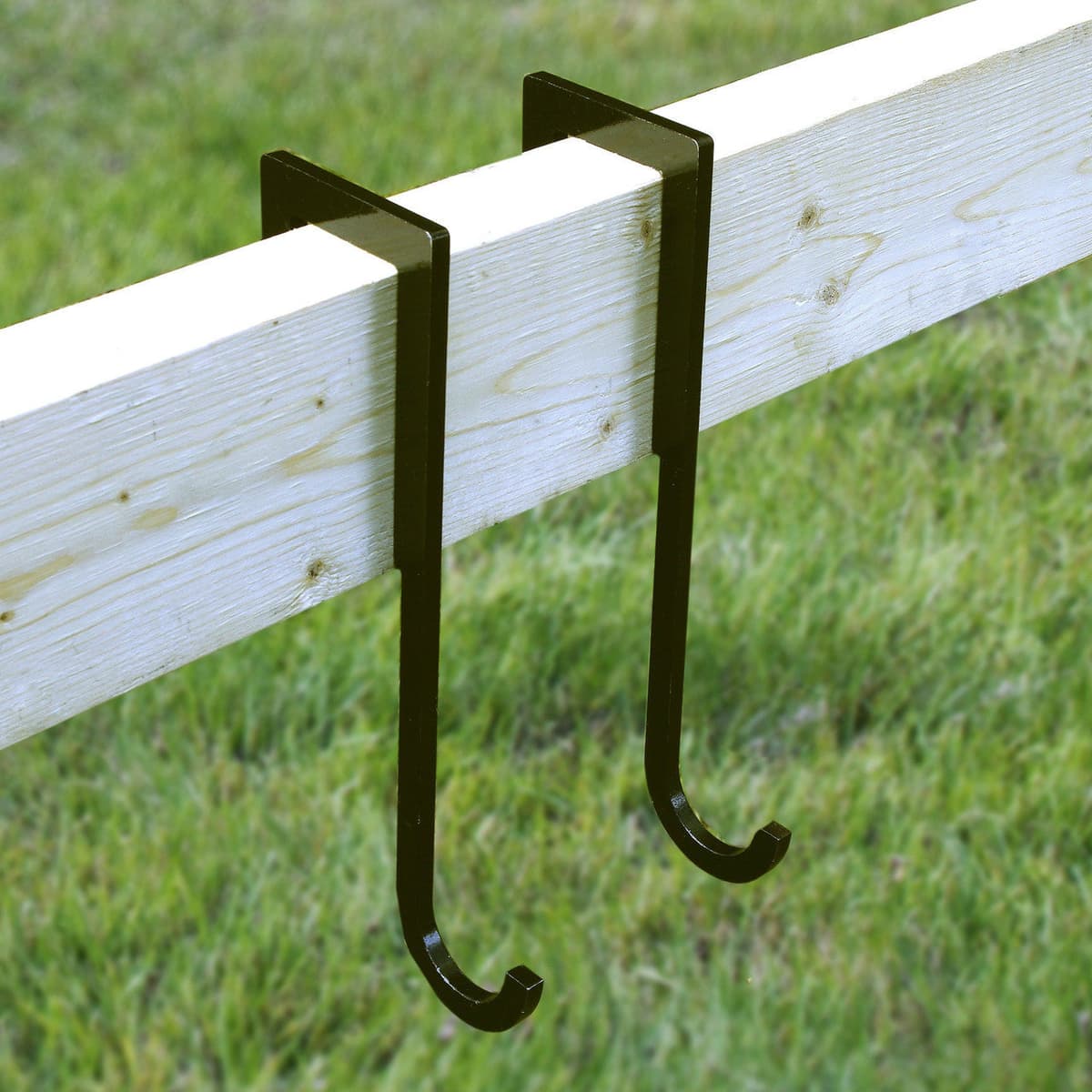
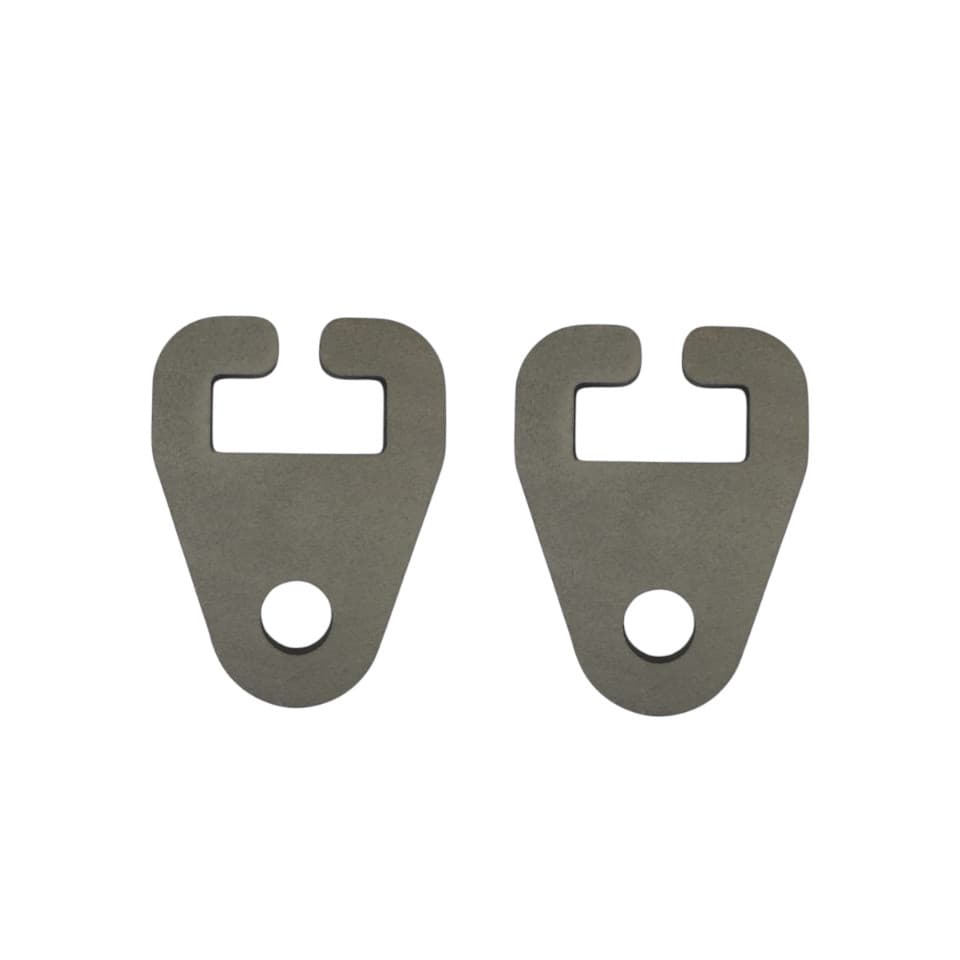
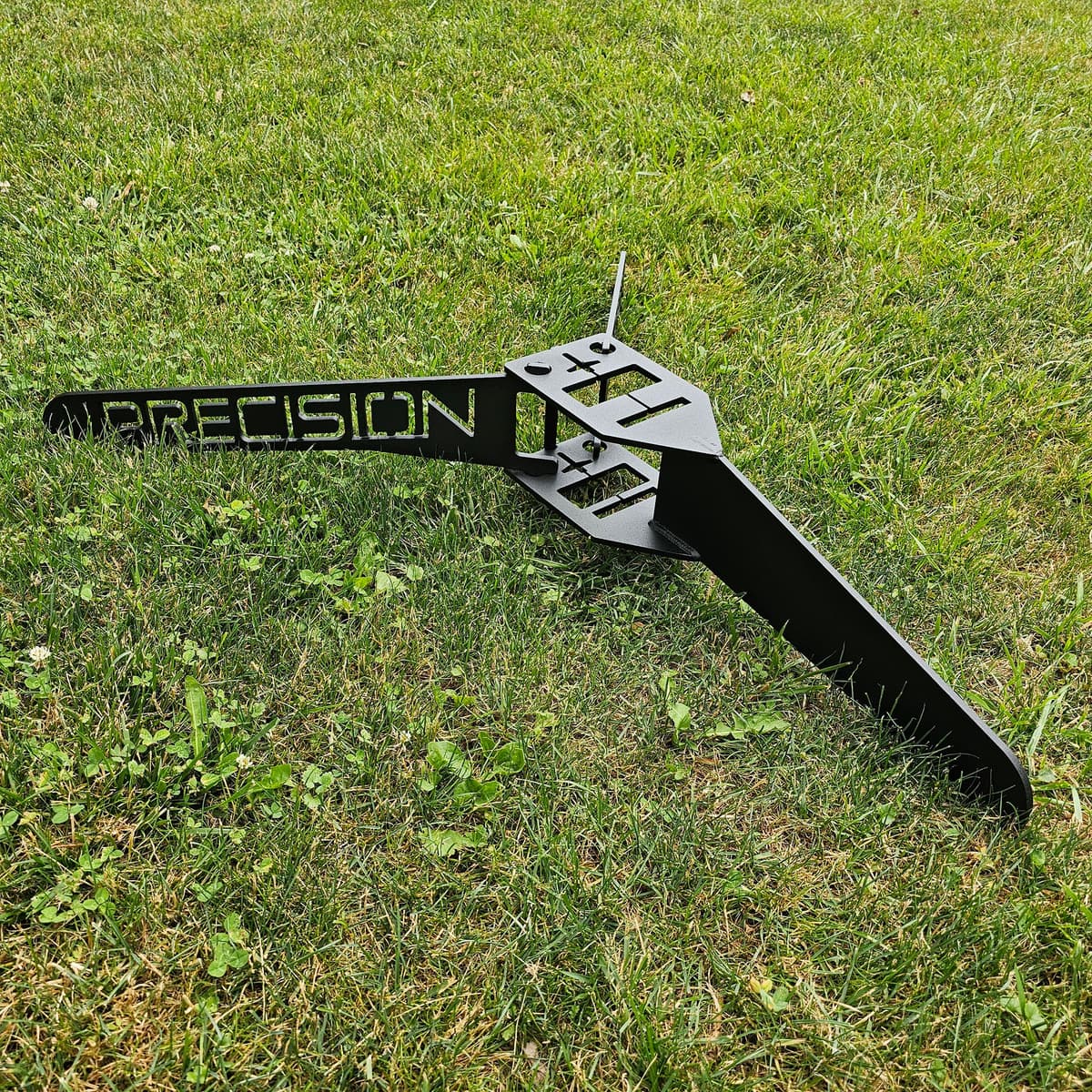
Hangers deserve more thought than they usually get, because the shots that miss the plate hit whatever holds it. AR500 hangers such as the $17.99 pair survive strays that sever chain or bend mild-steel brackets, and they fit any plate drilled with the standard 1/2-inch mounting holes, which covers every gong and silhouette in this guide. Use two per plate so it hangs level and swings predictably. Step up to the Flip-N-Rip frame ($219) only when the range grows into a dueling tree or a Texas Star, since it is the one stand here rated to carry them.

Bracket pair - 1/4in steel - uses 2x4 lumber

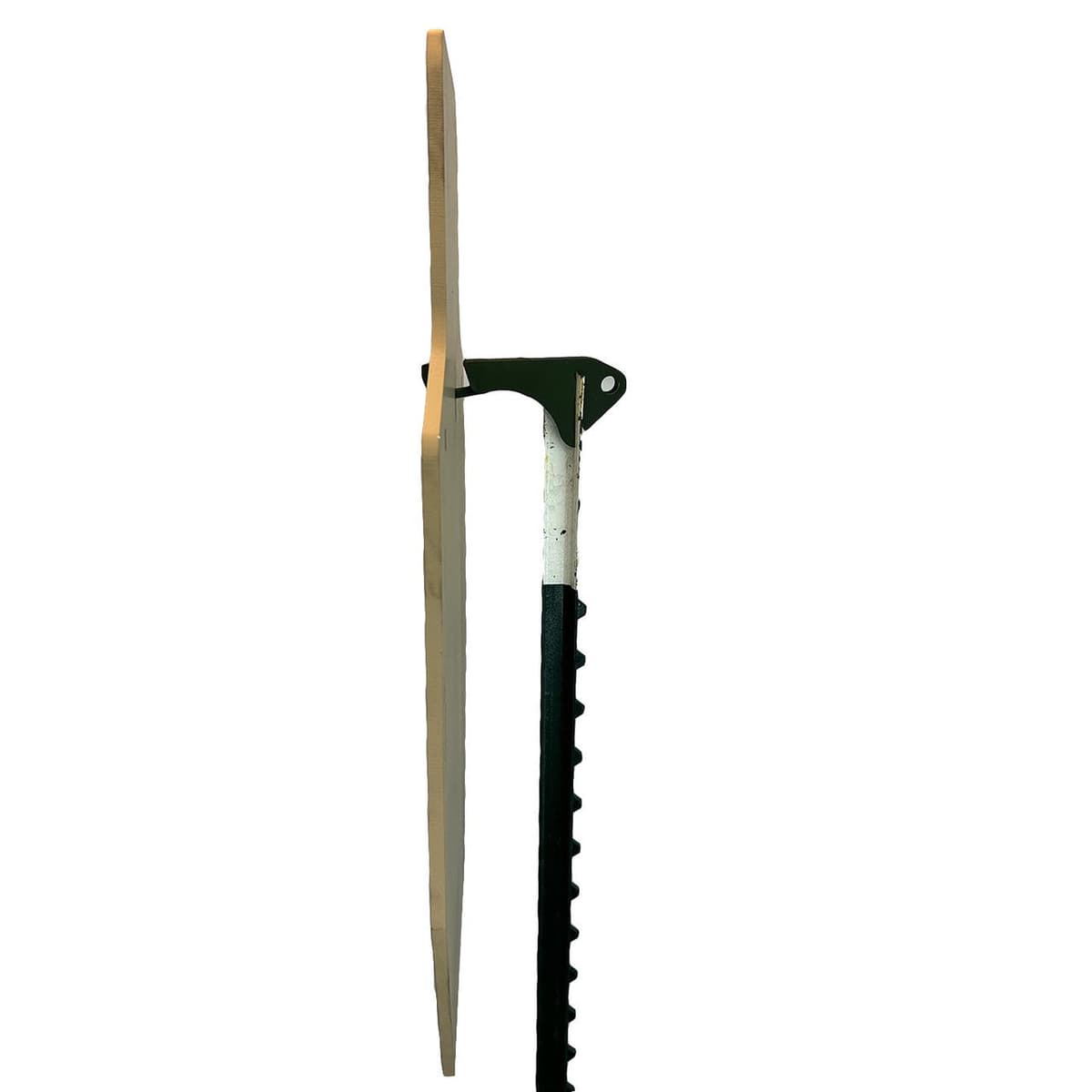
Shooting Targets USA Quick Stands

Cheapest way to stand up steel
  • Two holders per box
  • 48 x 36in setup
  • No staking needed
$29.99 MSRP
Shop at Shooting Targets USA
Hangers - 1/4in AR500 - 1/2in hole fitment

Shooting Targets USA Target Hangers

The hardware that outlives chain
  • 1/4in AR500
  • Universal 1/2in holes
  • Use in pairs
$17.99 MSRP
Shop at Shooting Targets USA
Conduit kit - carry case - under 13 lb

Precision Targets Grab-N-Go Stand Kit

Best portable stand kit
  • Pre-cut conduit
  • Under 13 lb packed
  • Two-minute setup
$124.99 MSRP
Shop at Precision Targets
Frame stand - T-post, 2x4, tree, star

Precision Targets Flip-N-Rip Target Stand

Best stand for reactive systems
  • Carries reactive systems
  • Tool-free
  • Heavy-duty steel
$219.00 MSRP
Shop at Precision Targets

Affiliate links - purchases support this site at no extra cost to you. (?)

Building a Home Steel Range on a Budget

The first steel purchase should be one 8-inch 3/8-inch gong, two AR500 hangers, and a bracket stand. That is under $90 together and it covers rifle zero confirmation, pistol work at 10 yards, and everything in between. Add a second gong in a smaller diameter before adding a second target type, because two plates turn every drill into a transition drill and transitions are where most shooters actually lose time.

The second purchase is a self-resetting reactive target, and the Jumping Jack ($59.99) is the one that needs nothing else to shoot. The third is either a silhouette, if you shoot matches, or a dueling tree, if you shoot with other people. Silhouette buyers should note that the reduced scales are not a budget compromise: a 2/3 scale plate at 20 yards presents roughly what the full-size plate does at 30, which is how a short range trains distance it does not have. Pair the steel with structured shooting drills so the plates measure something, and keep the printable target library in the range bag for the zeroing and diagnostic work steel cannot do.

Two pieces of gear make a steel range work better than another plate would. A spotting scope or binocular earns its place the moment the plates go past 100 yards, because paint splash on a 6-inch gong is invisible from the bench with irons or a low-power optic. And the optic itself decides how small a plate you can honestly call: the zeroing guide covers getting there on paper first, and the range bag guide covers hauling the hangers, wrenches, and spray paint that a steel session actually needs. For the days the range is closed, dry fire practice keeps the trigger work going without burning ammunition.

Keeping Steel Targets Alive

Paint is maintenance, not decoration. A coat of spray paint between strings makes new hits obvious and slows surface corrosion on plate that lives outdoors, and it is the difference between scoring a string and guessing at it. Powder coat from the factory handles the first season; after that, a rattle can and thirty seconds per plate is the entire routine.

Rotate and flip plates before they wear through on one face. Precision Targets builds its Texas Star with reversible plates specifically to double their service life, and the same logic applies to any gong: flip it when one side starts to look tired, since edge chipping rarely carries through to the opposite surface. Check hangers and chain on the same schedule you check the plates, and treat a bent hanger as a replacement rather than a repair. Hardware is the cheap part of a steel range and the part that fails first.

Steel Target FAQ

What are the best steel targets for the money?
An 8-inch, 3/8-inch AR500 gong is the best value in steel targets. The Precision Targets Round AR500 Steel Gong runs $38.99 in that configuration, and the maker rates the line for rifles up to .308 and .338 Lapua depending on which thickness you buy. If you want reactive steel instead, the Precision Targets Jumping Jack ($59.99 in the 3-inch, 3/8-inch version) needs no stand, no hanger, and no chain: it sits on the ground and flips to a new position on every hit.
Is it safe to shoot at steel targets?
Yes, when the plate is hardened, undamaged, hung so it can swing, and shot from a safe distance with the right ammunition. Distance is set by velocity, not by a flat number: Precision Targets says the bullet must be traveling under 2,850 fps when it reaches the plate, which can mean 125 yards for a fast .223 load and 50 yards for a slower .308. Its floor is 10 yards for pistols. Shooting Targets USA asks for 10 yards with handguns, 100 yards with rifles, and 200 yards for anything leaving the muzzle above 3,000 fps, so treat 100 yards as the rifle default and back up from there. Both makers say to never shoot ammunition with steel in or on it, and to wear eye protection every time. Retire any plate with a crater or dish in the face, because a cratered surface can redirect fragments back toward the firing line.
What is the best thickness for steel targets?
3/8-inch AR500 is the general-purpose rifle thickness and the right default for most buyers. Use 1/4 inch for rimfire and pistol calibers, 3/8 inch for centerfire rifle up to .308, and 1/2 inch when magnum rifle cartridges or very high round counts are involved. Precision Targets rates its 1/4, 3/8, and 1/2 inch AR500 plates for rifles up to .308 and .338 Lapua and pistols up to .45 caliber depending on thickness, and Shooting Targets USA sells a 1/4-inch gong for centerfire handguns up to .45 ACP and a 3/8-inch gong for rifle use.
What can I use for steel targets?
Use plate sold as hardened ballistic steel, which means AR500 or harder. Shooting Targets USA publishes a Brinell hardness of 477 to 534 for its AR500 gongs, and manufacturers rate AR550 at roughly 550 Brinell. Mild steel, scrap plate, old propane tanks, and construction offcuts are not targets: they dish and crater at rifle velocity, and a cratered face is what sends fragments back at the shooter rather than out to the sides.
What is the difference between AR500 and AR550 steel targets?
About 50 Brinell points of hardness. AR500 is rated around 500 BHN, with Shooting Targets USA publishing 477 to 534 for its plate, while AR550 runs around 550 BHN and MGM Targets lists 522 to 545 for the steel it uses. The harder plate resists pitting and cratering better under high-velocity rifle hits, at a higher price and slightly lower toughness. AR500 is the right buy for pistol shooting and moderate rifle use; AR550 earns its premium on a range that runs centerfire rifle in volume.
Do I need a stand for steel targets?
Only for hanging plates. Gongs and silhouettes need a crossbar plus hangers, and the cheapest path is the Shooting Targets USA Quick Stands ($29.99), a pair of 1/4-inch steel brackets that take three 2x4 boards. The Precision Targets Grab-N-Go kit ($124.99) packs pre-cut conduit, couplers, hooks, and brackets into an ammo can under 13 pounds. Dueling trees, Texas Stars, and self-resetting targets like the Jumping Jack and the Centerfire Reset come with their own base or need none at all.
How far away should you shoot steel targets with a rifle?
At least 100 yards for centerfire rifle is the safe default, and the real variable is velocity at impact rather than distance itself. Precision Targets frames it directly: bullet speed trumps distance, and any rifle round moving faster than 2,850 fps at the target means backing up until it is slower. That can put a fast .223 load at 125 yards while a .308 is fine at 50. Shooting Targets USA asks for 200 yards with muzzle velocities above 3,000 fps. Pistol shooting is 10 yards minimum at both makers.
Why do steel targets need to be angled or hung on chains?
So fragments go down and away instead of back at you. Precision Targets recommends mounting targets on an angle whenever possible for safer lead deflection and longer target life, and a hanging plate does the same job by swinging with the impact and shedding energy. A plate bolted rigidly and square to the firing line is the worst case: it takes the full impact, wears faster, and sprays splatter back along the line the bullet arrived on.

The Verdict

Start with an 8-inch 3/8-inch AR500 gong ($38.99), two AR500 hangers, and a bracket stand, then add reactive steel once the basics are hanging.

The Precision Targets Round AR500 Steel Gong is the best first purchase because one listing covers a 2-inch precision challenge and a 14-inch rifle plate in three thicknesses. When you want the target to move, the Jumping Jack ($59.99) is self-resetting steel that needs no hardware at all, and the Centerfire Reset ($74.99) puts a five-plate rack drill into a 15-pound package. For two shooters, the Precision Targets Dueling Tree ($469) includes its stand and uses AR500 for the upright that absorbs the misses; clubs running steel every weekend should buy the heavier Shooting Targets USA tree instead. Whatever you hang, respect the numbers the makers publish: 10 yards with a pistol, under 2,850 fps at the plate with a rifle, no steel-core ammunition, and eye protection on everyone.