Labor Day gun deals are live through Monday. See the deals
Browning M1919 FRT Install: Appalachian Arms Kit Fitment header image
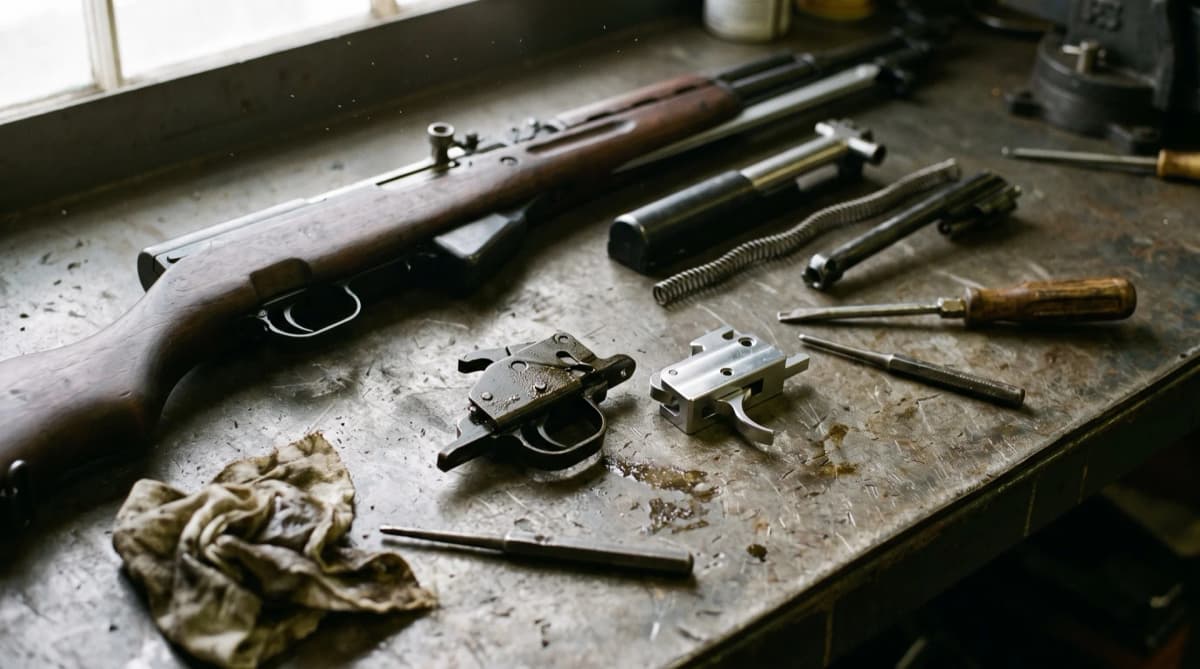
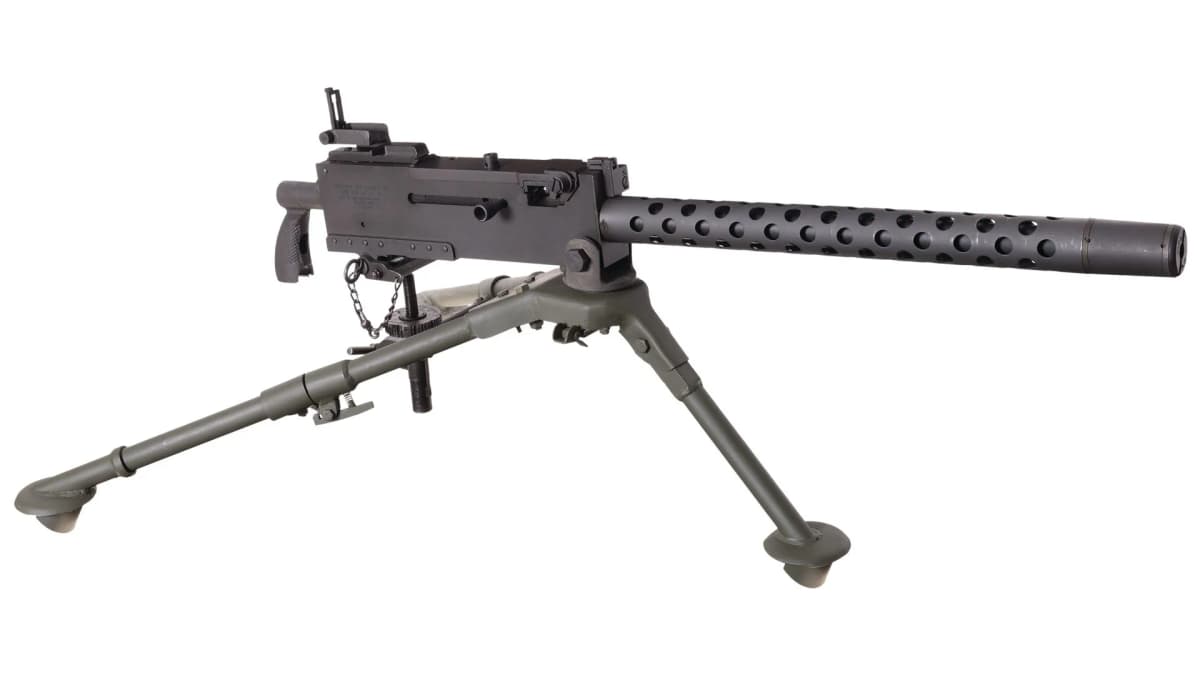
Image credit: rockislandauction.com
Gear
September 8, 2026
Browning M1919 FRT Install: Appalachian Arms Kit Fitment

Fitment, host prerequisites, timing-gauge checks, install scope, and state legality for the Appalachian Arms forced reset set on a semi-auto Browning M1919 or M1917.

[ < Back to guides ]

Browning M1919 FRT Install: Appalachian Arms Kit Fitment

An M1919 FRT is a four-part fire-control swap, not a drop-in cassette. The Appalachian Arms Browning 1917 and 1919 FRT is specified for semi-automatic Model 1917 and 1919 A4 and A6 guns. What decides whether it works on your gun is not the trigger. It is two conditions already built into the host, an intact barrel-extension T-post and a bolt machined for semi-auto sears, plus a pair of timing gauges that tell you whether the gun is safe to fire afterward. This guide covers the fitment window, the install scope, the two gauge checks, and where a Browning reset setup actually fails.

By AB|Last reviewed September 2026

Key Takeaways

  • The set to know: the Appalachian Arms Browning 1917 & 1919 FRT at $299.99, specified for semi-auto Model 1917 and 1919 A4/A6 hosts in any caliber, with 7.62x51, .30-06, and 8mm Mauser named.
  • You are buying four parts and two gauges: a stainless trigger, disconnector, disconnector spring, and sear, plus the .120 and .030 timing gauges that verify the install.
  • Two host conditions gate the sale: the barrel extension’s T-post must be intact and untrimmed, and the bolt must be machined to accept semi-auto sears. Guns already running KMP trigger parts should take the set as a drop-in.
  • The .120 gauge is the safety check: with it in place the sear must not drop. If it does, timing is too fast and Appalachian Arms warns an out-of-battery detonation is possible.
  • Budget a gunsmith: Appalachian Arms recommends professional installation and instructs owners to set headspace and check timing afterward, every time the barrel or barrel extension moves.

The Browning 1917 and 1919 Forced Reset Set

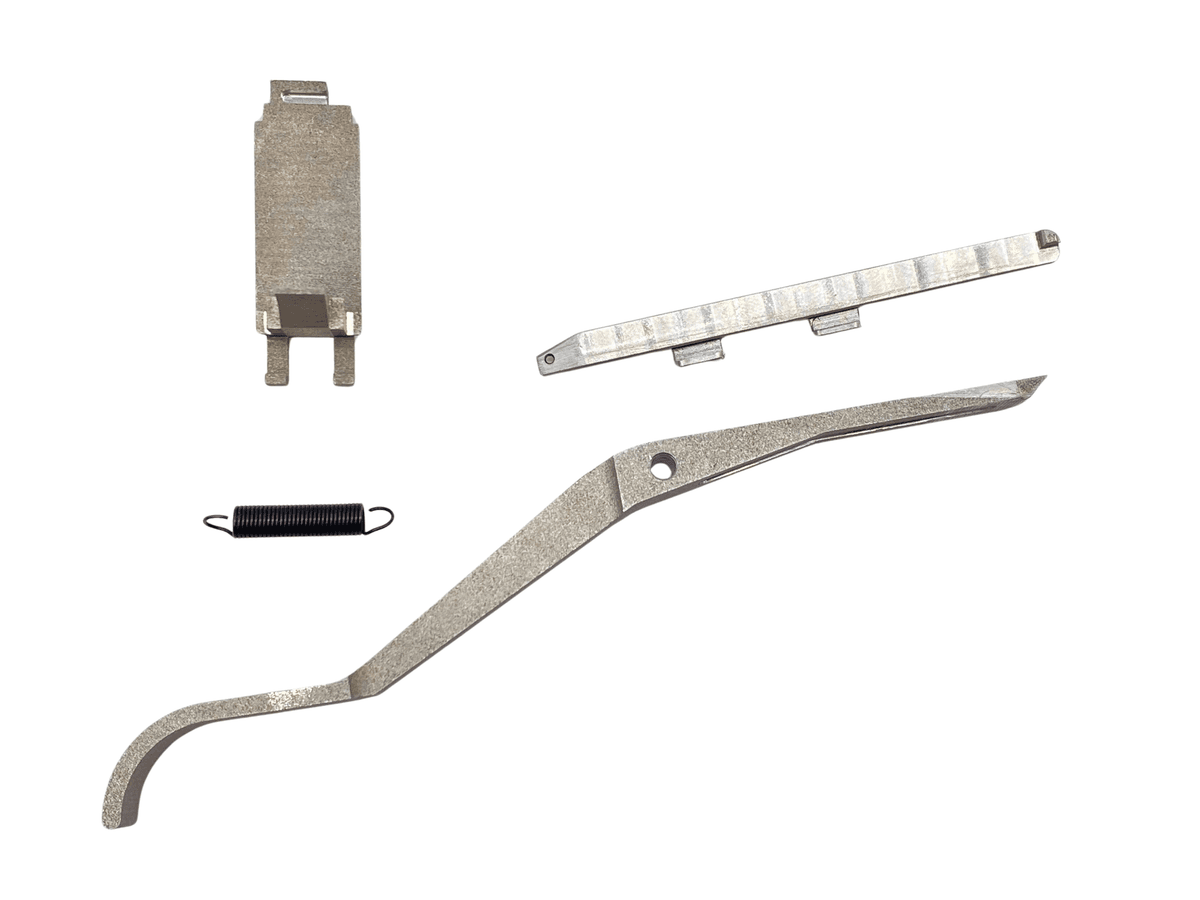
Appalachian Arms sells a stainless trigger, disconnector, disconnector spring, and sear as one set, with the .120 and .030 timing gauges needed to verify the install. It is specified for semi-automatic Model 1917 and 1919 A4/A6 hosts in any caliber.

1

Appalachian Arms Browning 1917 & 1919 FRT Self-Install Kit

Semi-auto Browning Model 1917 and 1919 A4/A6 hosts that meet the barrel-extension and bolt prerequisites

$299
View Deal
  • +Ships the trigger, disconnector, disconnector spring, and sear as one matched set
  • +Includes both the .120 and .030 timing gauges that verify the install is safe
  • +Stainless steel parts throughout
  • Appalachian Arms recommends a professional gunsmith perform the installation
  • Headspace and timing must be set and checked after installation
  • 1928 fitment is untested; the maker did not have one to test on

Prices and availability can change.

Affiliate links - purchases support this site at no extra cost to you. (?)

Which Semi-Auto 1919 Builds Can Accept the Appalachian Arms Kit

The Appalachian Arms Browning 1917 & 1919 FRT ($299.99) fits semi-automatic Browning Model 1917 and 1919 guns, in the A4 and A6 configurations, and Appalachian Arms states it functions in any caliber, naming 7.62x51, .30-06, and 8mm Mauser. The 1928 sits outside that claim: the company says the trigger may work in one but it did not have a 1928 on hand to test. Treat that as the boundary of what the maker will stand behind rather than as a quiet yes.

Two conditions on the host decide the fitment, and neither is something the trigger can fix. The first is the T-post on the rear of the barrel extension. It must be intact and it must not have been trimmed, because Appalachian Arms states the reset mechanism needs it to function. The second is the bolt, which has to be machined to accept semi-auto sears. Appalachian Arms gives owners one shorthand for clearing both: a gun already fitted with KMP trigger parts should take its set as a drop-in.

That shorthand exists because semi-auto Brownings come from many manufacturers and builders, and Appalachian Arms says as much in its own install documentation: it cannot guarantee function without modification across all of them, though no modifications were needed on any of the guns it tested. For the broader picture of which platforms have a forced reset path at all, our FRT compatible guns guide maps the field, and the forced reset trigger buyer’s guide is the hub for how the category works across hosts.

A useful sanity check before you order: caliber is not the fitment variable here. Appalachian Arms states the trigger works in the 1917 and 1919 in any caliber, which is why the same set covers a .30-06 gun and an 8mm Mauser gun. That is the opposite of how caliber works on an AR-pattern FRT, where a .308 host’s carrier and buffer weight change the reset behavior enough that assumptions do not carry over from a 5.56 gun. Our AR-10 FRT build guide works through that .308 case in detail.

Installation, Prerequisites, and Timing on a Browning FRT

Installing the set is a four-part swap on a host that already meets the T-post and semi-auto-sear prerequisites, and the job is not finished until headspace is set and both timing gauges pass. Appalachian Arms recommends a professional gunsmith install the trigger, and publishes a video for owners who take it on themselves. The set replaces the trigger, disconnector, disconnector spring, and sear as a group, all in stainless steel, and it ships with the .120 and .030 gauges you need to verify the result. The install is the easy half of the job.

The half that matters is what comes after. Appalachian Arms instructs owners to set headspace and check timing after installation, and to do it again any time a new barrel extension goes in or the barrel moves. Timing on this trigger is fixed: on a full-auto Browning the operator sets it with the timing screw on the lock frame, and the company states that screw is no longer used in that manner on a semi-auto host. The only adjustment left is filing the disconnector lugs or the sear legs, which is exactly the kind of irreversible metal removal you want a smith doing rather than discovering you needed halfway through. In testing, Appalachian Arms found its trigger usually times around .08, the middle of the allowable range, so a gun that passes both gauge checks needs no filing at all.

  • .120
    The sear does NOT drop and the firing pin stays held in the bolt.
    ProcedureClear the gun, place the gauge between the barrel extension and trunnion, release the bolt forward, pull the trigger.
    What a failure meansSear drops and firing pin falls: timing is too fast, and Appalachian Arms warns you could experience an out-of-battery detonation.
  • .030
    The sear drops and the firing pin moves forward.
    ProcedureClear the gun, place the gauge between the barrel extension and trunnion, release the bolt forward, pull the trigger.
    What a failure meansNothing happens: timing is too slow and the gun may not operate properly.

Read the two checks as a bracket rather than a pass/fail pair. The .120 gauge asks whether the gun can fire before the action is closed, and Appalachian Arms calls it the most important part of confirming the firearm is safe to fire. The .030 gauge asks the opposite question, whether the sear releases late enough that the gun will not run. A build that passes the first and fails the second is unreliable. A build that fails the first is dangerous, and it stops being a range trip until a smith has moved the timing.

Why a Browning FRT Setup May Fail to Reset

Every reset failure Appalachian Arms documents is a host condition, not a trigger defect, and there are three to check in order. The first is the barrel extension. Appalachian Arms is explicit that the T-post on its rear must be intact and must not be trimmed for the reset mechanism to function, and it calls that out on both its product page and its install guide. No amount of trigger work compensates for a trimmed post.

The second is the bolt. It has to be machined to accept semi-auto sears, which is a condition of the build rather than a tuning adjustment. A bolt cut for a different trigger group, or not cut at all, is not going to hold and release the way the set expects. Appalachian Arms’ KMP shorthand is the practical test here: if your gun already runs KMP trigger parts, the bolt work is done and the set should drop in.

The third is timing, and it is the one the included gauges are built to catch. If the sear does not drop with the .030 gauge in place, the timing is set too slow and the company says the gun may not operate properly. The fix is filing the disconnector lugs or the sear legs, because the lock frame’s timing screw no longer sets timing on a semi-auto host. If your host is a different platform entirely and the reset problem looks like a fire-control geometry problem rather than a barrel-extension one, our 1911 FRT guide covers another host where the reset parts are fitted to the gun rather than dropped in as a cassette.

M1919 FRT Legality: Federal Footing and State Checks

The National Firearms Act reaches a weapon that fires more than one round per single function of the trigger. A forced reset trigger is built to fire exactly one, which is why these sell as ordinary parts rather than registered NFA items. The 2025 DOJ settlement with Rare Breed Triggers and the related court order cover eligible Rare Breed FRT-15 and WOT devices; they are not blanket federal approval for every forced reset design, and no device-specific federal ruling exists for the Appalachian Arms set. What a semi-automatic Browning in a rifle configuration does avoid is the separate grip-fed handgun question that clouds the pistol kits elsewhere in this category. Registered transferable machine guns are a separate legal category, and nothing on this page applies to them.

State law is the harder gate, and it restricts or bans FRTs in sixteen jurisdictions regardless of the federal position. Check your own state in the matrix before you order rather than working from a secondary list, because the secondary lists in this category are wrong often enough to matter in both directions.

A vendor’s no-ship list is a shipping policy, not a statute, and neither it nor this guide is legal advice. Confirm current law with qualified counsel before you possess, install, transfer, or ship one.

Get Forced Reset Install Guides and Host Coverage

New FRT fitment guides, non-AR host coverage, and legal updates when they publish.

Free targets, drill cards, and weekly reviews by email.

Browning M1919 FRT FAQ

Will an M1919 FRT fit every semi-auto Browning build?
No. The Appalachian Arms Browning 1917 & 1919 FRT is specified for semi-automatic Model 1917 and 1919 A4 or A6 guns, and it clears two hardware gates before it clears the receiver. The T-post on the rear of the barrel extension must be intact and untrimmed, and the bolt must be machined to accept semi-auto sears. Appalachian Arms says a gun already running KMP trigger parts should take its set as a drop-in. The 1928 is untested because the company did not have one to test on.
What calibers does the Browning 1919 forced reset trigger work in?
Any caliber the host is chambered in. Appalachian Arms lists 7.62x51 (.308 Winchester), .30-06, and 8mm Mauser by name and states the trigger works in the Browning 1917 and 1919 in any caliber. Chambering is not a fitment variable on this set; the barrel-extension T-post and the bolt are. The caliber that does matter is the one your headspace was set up for, and that gets re-checked after the install either way.
How is the Appalachian Arms Browning trigger timed?
Timing on this trigger is fixed. On a full-auto Browning the operator sets timing with the timing screw on the lock frame; Appalachian Arms states that screw is no longer used that way on a semi-auto host, and its trigger can only be adjusted by filing the disconnector lugs or the sear legs. Company testing put the timing at roughly .08, in the middle of the allowable range. The two included gauges are how you confirm your own gun landed there.
What do the .120 and .030 timing gauges actually check?
They bracket the safe window from both ends. Clear the gun, place the .120 gauge between the barrel extension and the trunnion, release the bolt forward, and pull the trigger: the sear must NOT drop and the firing pin must stay held in the bolt. If it drops, timing is too fast and Appalachian Arms warns you could experience an out-of-battery detonation. Repeat with the .030 gauge and the sear should drop and the firing pin should move forward. If it does not, timing is too slow and the gun may not run.
Do I need a gunsmith to install a Browning 1919 FRT?
Appalachian Arms recommends a professional gunsmith install the trigger, and publishes a video for owners who choose to do it themselves. Either way the company instructs you to set headspace and check timing after installation, and to re-check both any time you fit a new barrel extension or move the barrel. That is the part of the job that is not optional, and it is why an unfamiliar owner should hand the gun to a smith rather than the trigger set to a bench block.
Is an M1919 FRT legal in every state?
No. A forced reset trigger fires one round per function of the trigger, which is why it is sold as an ordinary part rather than an NFA item, and the 2025 DOJ settlement with Rare Breed Triggers ended federal enforcement against Rare Breed's FRT-15 and WOT devices. That settlement is not a device-specific federal approval of the Appalachian Arms set or any other maker's design. State law is the harder gate and restricts or bans FRTs in sixteen jurisdictions regardless of federal status, so check the state matrix for your own state before you order.

The Bottom Line

Buy the Appalachian Arms Browning 1917 & 1919 FRT if your semi-auto host has an intact barrel-extension T-post and a bolt cut for semi-auto sears. Check those two things before you check your wallet.

The buying decision is not which trigger, it is whether your gun is a candidate. A build running KMP trigger parts is the easy yes. A 1928 is untested. Everything else comes down to the T-post and the bolt, and both are things you can inspect before you spend anything. Budget a gunsmith on top of the $299.99 set, set headspace after the install, and run both gauge checks before the gun sees a loaded belt.