Key Takeaways
- →FRTs Get a Sanctioned Class: Firearms Action Shooting Trials will score forced reset triggers and registered machine guns together in a new Auto-Rifle division.
- →Three Equipment Rules: registered machine gun or FRT, heavy barrel or belt-fed upper, and a bipod that stays mounted for the entire match.
- →First Match: FAST-ID presented by X-Tech Tactical runs October 9-11, 2026 at Parma Rod and Gun Club in Idaho, with registration through Practiscore.
- →Everyone Shoots One: Red Right Hand is sponsoring a stage where competitors in every division, not just Auto-Rifle, run an auto-rifle.
- →Entry Cost: an FRT starts around $275, which puts a division-legal rifle well under transferable machine gun money.
What the Auto-Rifle Division Requires
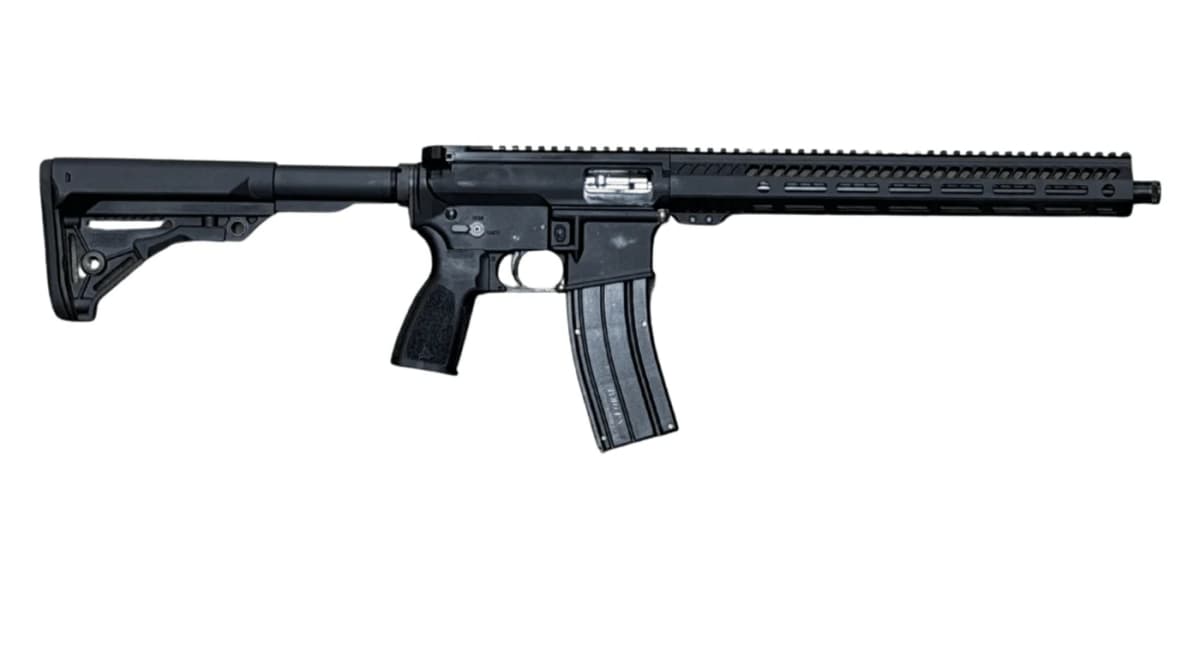
The Auto-Rifle division has three equipment rules. The rifle must be either a registered machine gun or equipped with a forced reset trigger. It must have either a heavy barrel or a belt-fed upper. And a bipod must remain mounted to the auto-rifle throughout the match. Firearms Action Shooting Trials published those requirements with the announcement on July 28, 2026.
The first rule is the significant one. USPSA, IDPA, and the three-gun circuit all build divisions around single-shot cadence and capacity, and an FRT does not fit any of those boxes cleanly even though it fires one round per trigger pull. Registered transferable machine guns have subgun matches, but transferables trade in five and six figures, which keeps that field small by price alone. Putting both in one division means an AR-15 with a $275 trigger shoots against a registered receiver, and the trigger is the cheap part of the build.
The second and third rules exist to keep the division honest about what an auto-rifle is. A heavy barrel or belt-fed upper means the gun has to carry the weight that sustained fire demands, so nobody shows up with a lightweight carbine and an FRT to game the class. The bipod requirement is stricter than it first reads: it stays mounted for the whole match, including stages where you never deploy it. That is weight and bulk you carry through every position change, which is exactly the trade a real automatic rifleman makes.

Heavy Barrel or Belt-Fed: Picking the Upper
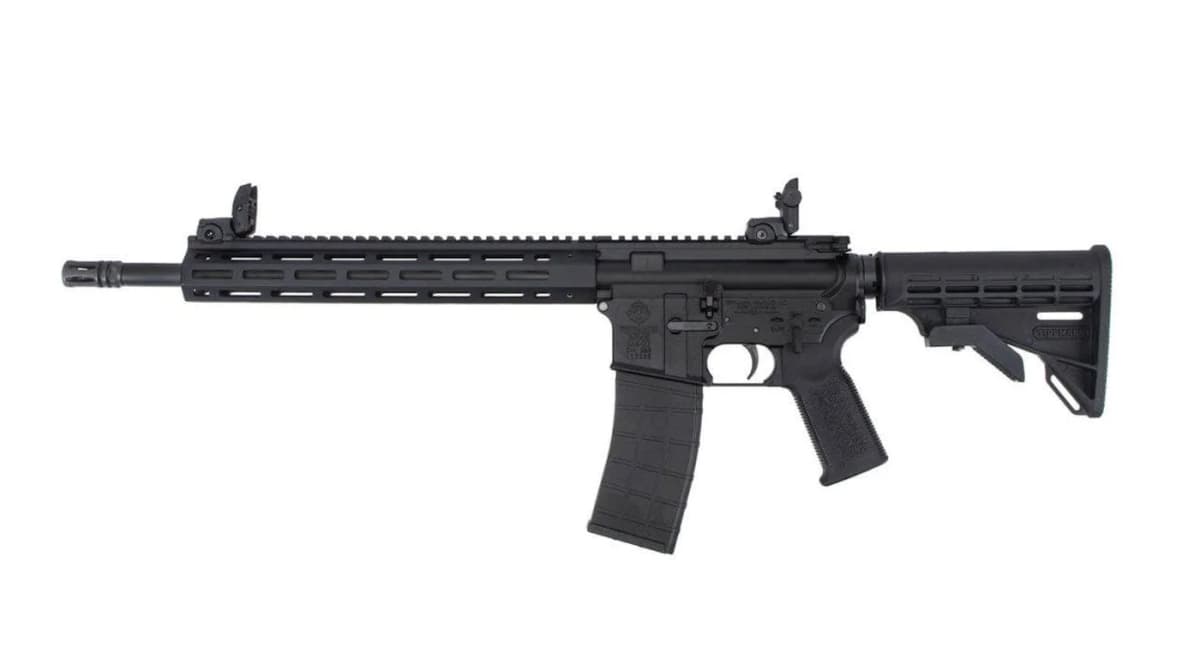
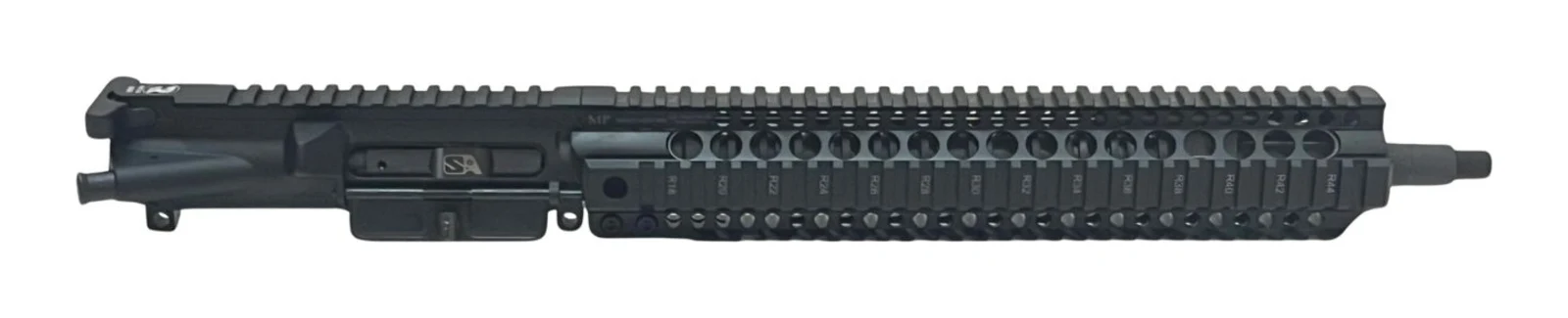
A heavy-barrel upper is the cheaper and more available of the two qualifying paths. Red Right Hand, the company sponsoring the all-division auto-rifle stage at FAST-ID, builds its Squad (Auto) Rifle upper around an 18 inch .980 HBAR chrome-lined 4150 CMV barrel in 5.56 NATO with a 1/7 twist, a mid-length gas system, an A2 flash hider, and the company's heat mitigation system. Buyers pick one of three operating systems: Riflespeed gas control, a non-adjustable heat transfer block, or a Superlative Arms short-stroke piston. Price depends on that configuration, and current lead time is 6 to 8 weeks on the base builds, longer if you spec the Superlative Arms piston. That is a purpose-built answer to the heavy-barrel rule rather than a general-purpose upper that happens to qualify.
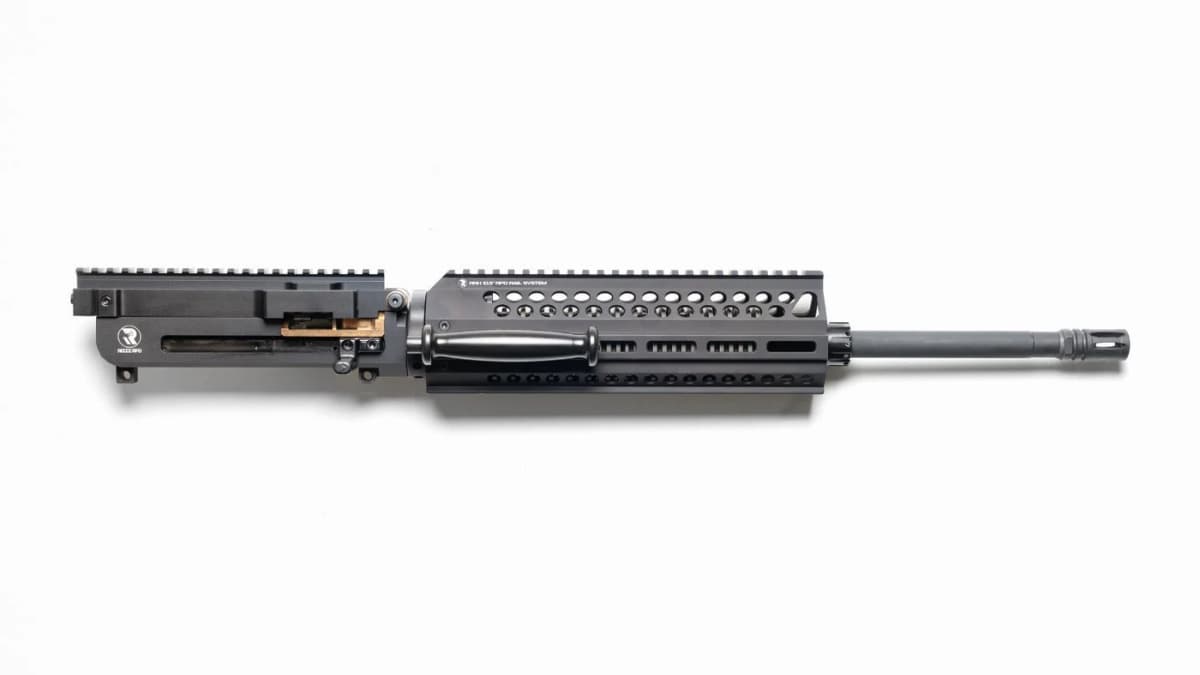
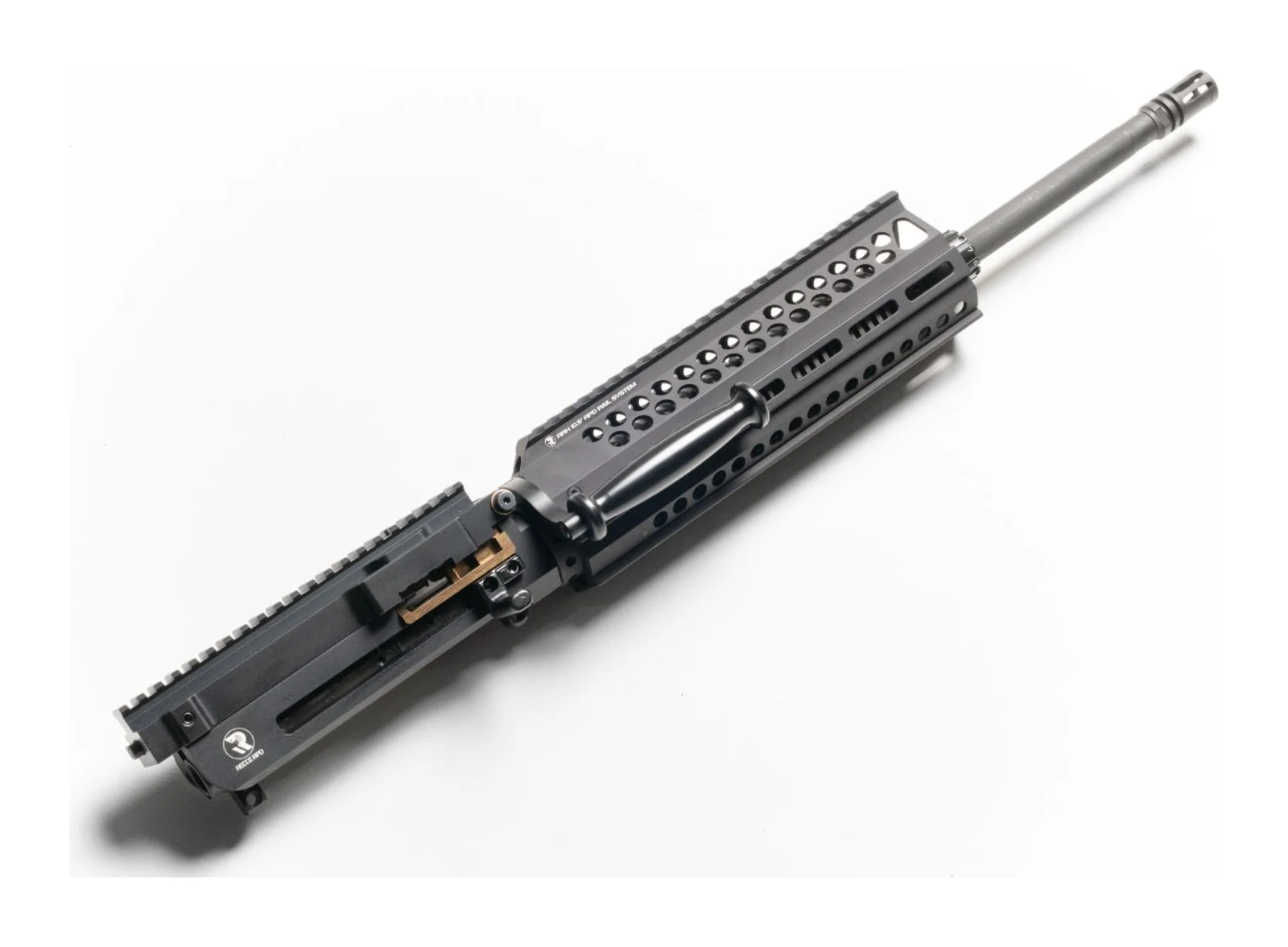
The belt-fed path is the one people show up to watch. Red Right Hand's RECCE RPD pairs a Lima6 belt-fed upper receiver with an 18 inch .980 HBAR chrome-lined barrel, a 10.5 inch RPD rail system with carry handle, Riflespeed gas control, and a heavy-duty 316 stainless nitride gas tube. Lead time is 12 to 16 weeks from order, so anyone planning a belt-fed rifle for the October match needed to order months ago. FightLite's DFX belt-fed upper, which we covered from SHOT Show 2026, is the other route into a belt-fed AR.
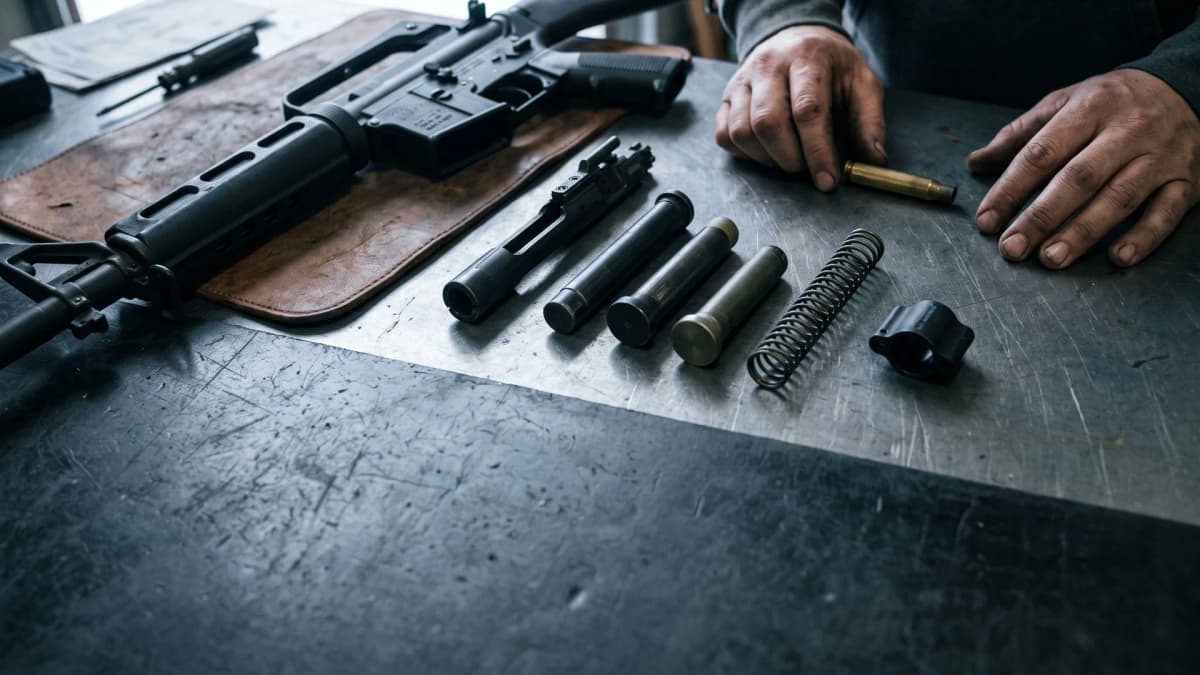
If you are assembling either configuration from parts, our civilian IAR build guide covers the automatic-rifle setup in detail, including heavy-barrel selection, heat management, and the belt-fed options. Getting an FRT to run reliably on a heavy gun is its own problem, and the AR-15 FRT tuning guide is the buffer-weight and gas-block reference for that work.
The Trigger: What Qualifies and What It Costs
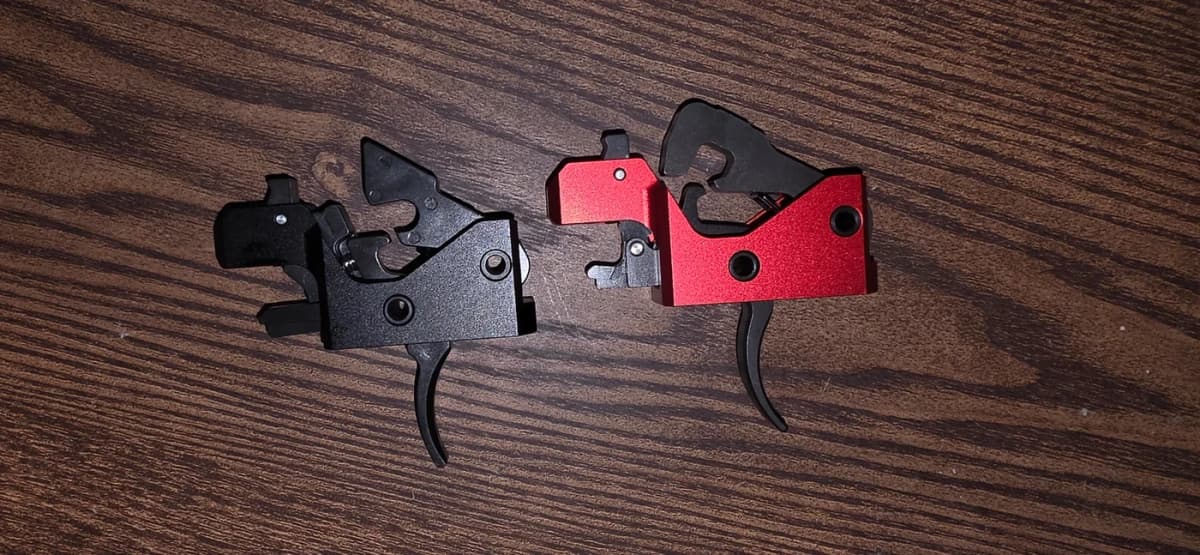
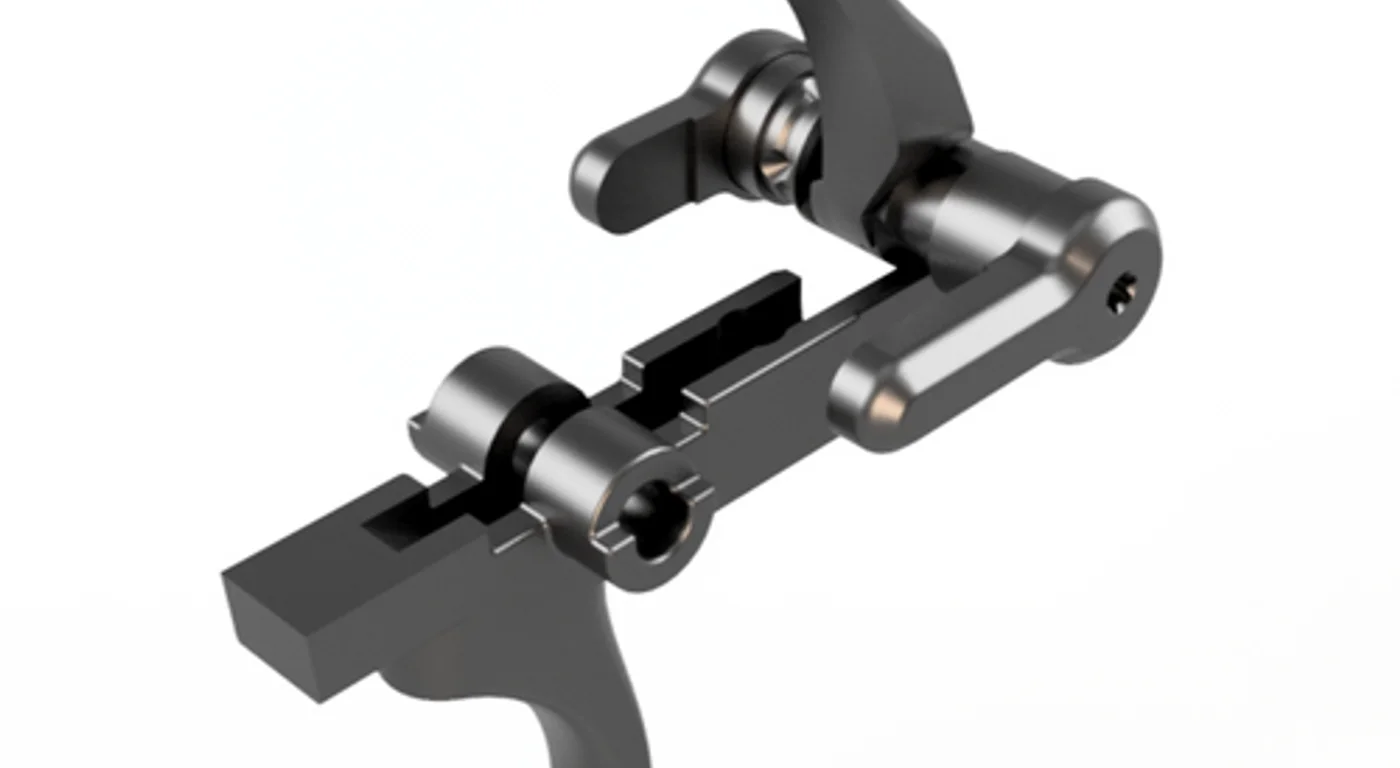
Any forced reset trigger that fits your lower qualifies, and the AR-15 has the deepest field. The Triggered Company Partisan Disruptor is the value pick at $275 with a 3.75 to 4.1 lb pull, and the Rare Breed FRT-15L3 runs $450 and ships with an ambidextrous three-position safety. Both are drop-in cassettes for mil-spec lowers. Both also need a full-auto-profile bolt carrier group, and buffer weight depends on the build: an H2 or H3 is the usual starting point on carbine-length systems, a 20 inch A2 rifle setup takes a standard rifle buffer, and the FRT-15L3 will also run an A5 system. That carrier-and-buffer stack is the cost line most first-time FRT buyers miss.
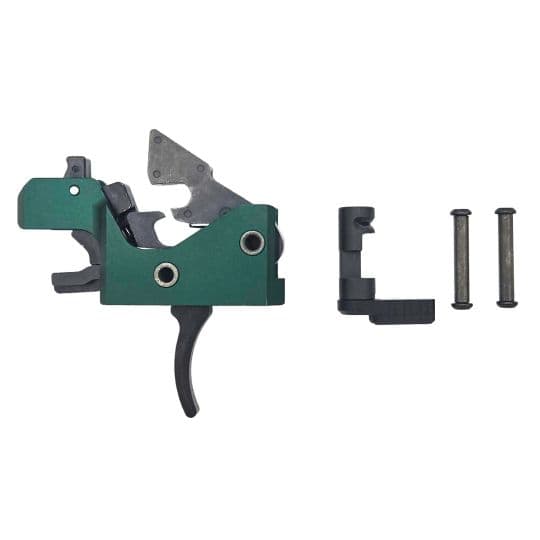
The Triggered Company Partisan Disruptor FRT
Division-qualifying FRT for an AR-15 auto-rifle build at the lowest entry price
Drop-in forced reset trigger with 3-position safety for rapid follow-up shots
- +Significantly faster follow-up shots vs standard triggers
- +Easy drop-in installation (torx wrench + included anti-walk pins)
- +Durable 17-4 stainless steel and 4140 chromoly construction
- −Take-up ahead of the wall is gritty out of the box on newer revisions
- −Stock selector is oversized, non-ambidextrous, and less positive than milspec (the SBW ambi selector fixes this)
- −Only 1-year warranty
Affiliate links (?)
Division-Qualifying Forced Reset Triggers
The Triggered Company Partisan Disruptor FRT
- 3.75-4.1lb pull
- Forced reset
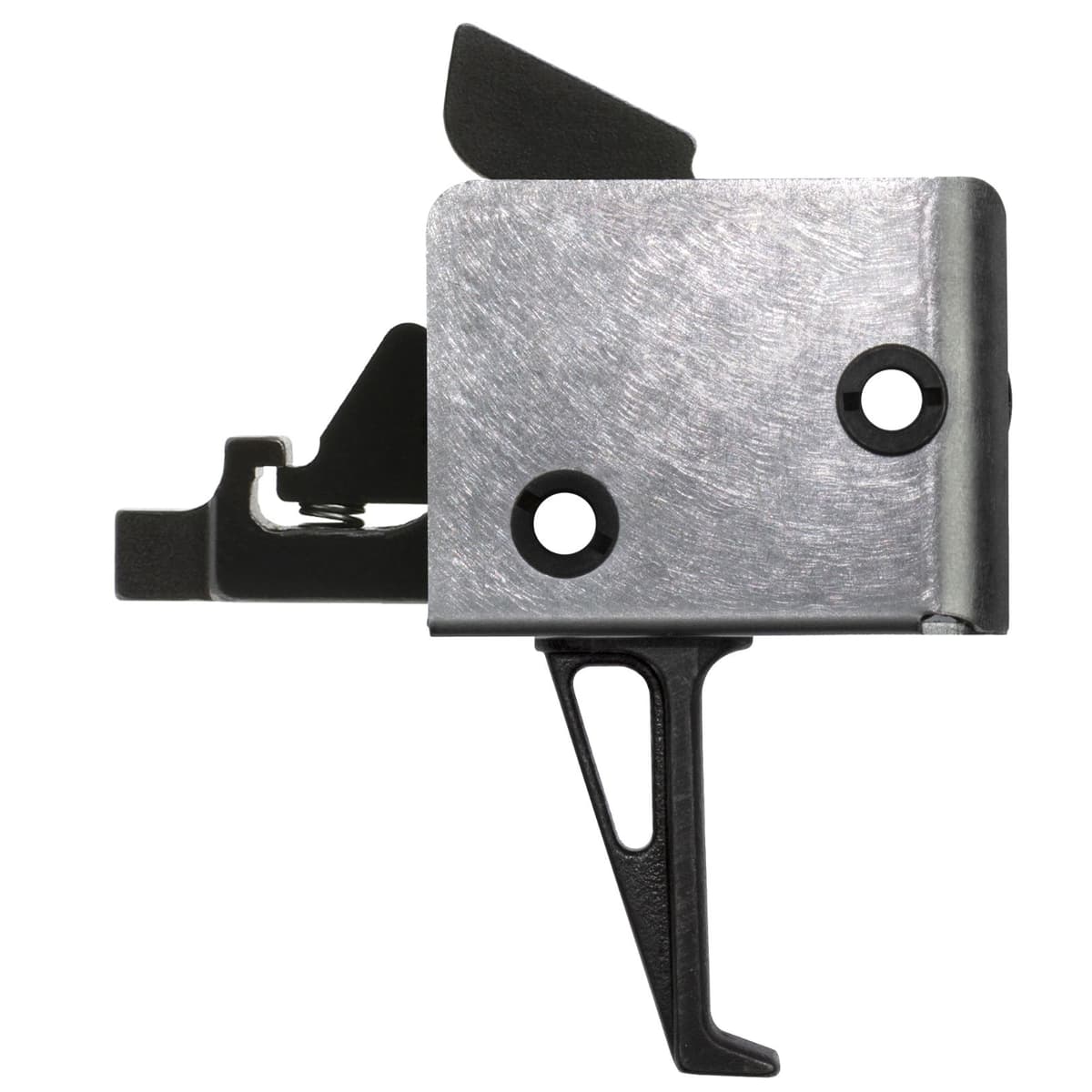
CMC AR-15/AR-10 Two Stage Flat Trigger
- Two stage
- Flat trigger bow
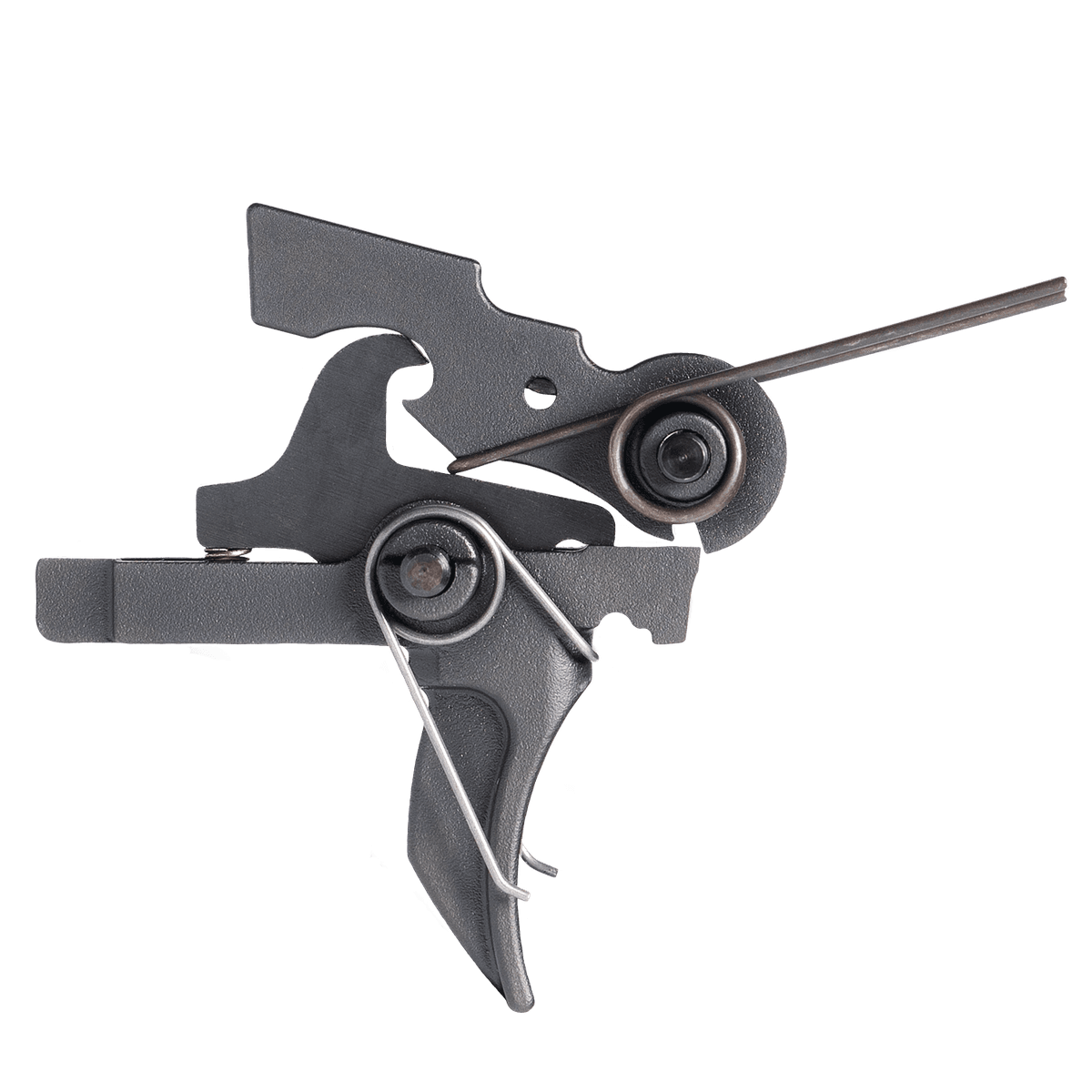
CMC AR-15/AR-10 Single Stage Component Trigger - CCT
- Single stage
- Combat Curved (CCT) bow
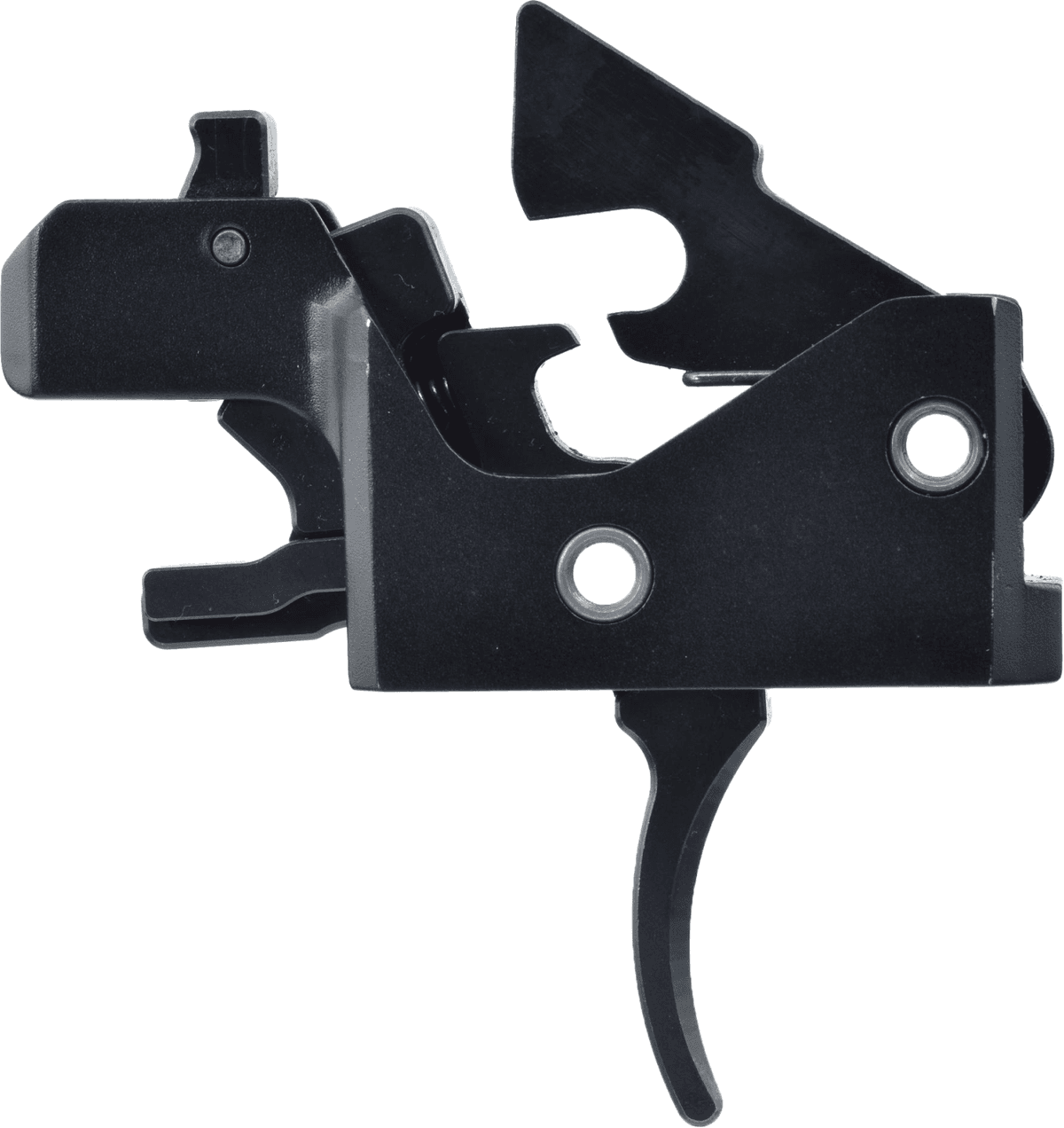
The Triggered Company Disruptor FRT Ambi
- 3.7-4.1 lb pull
- Forced reset
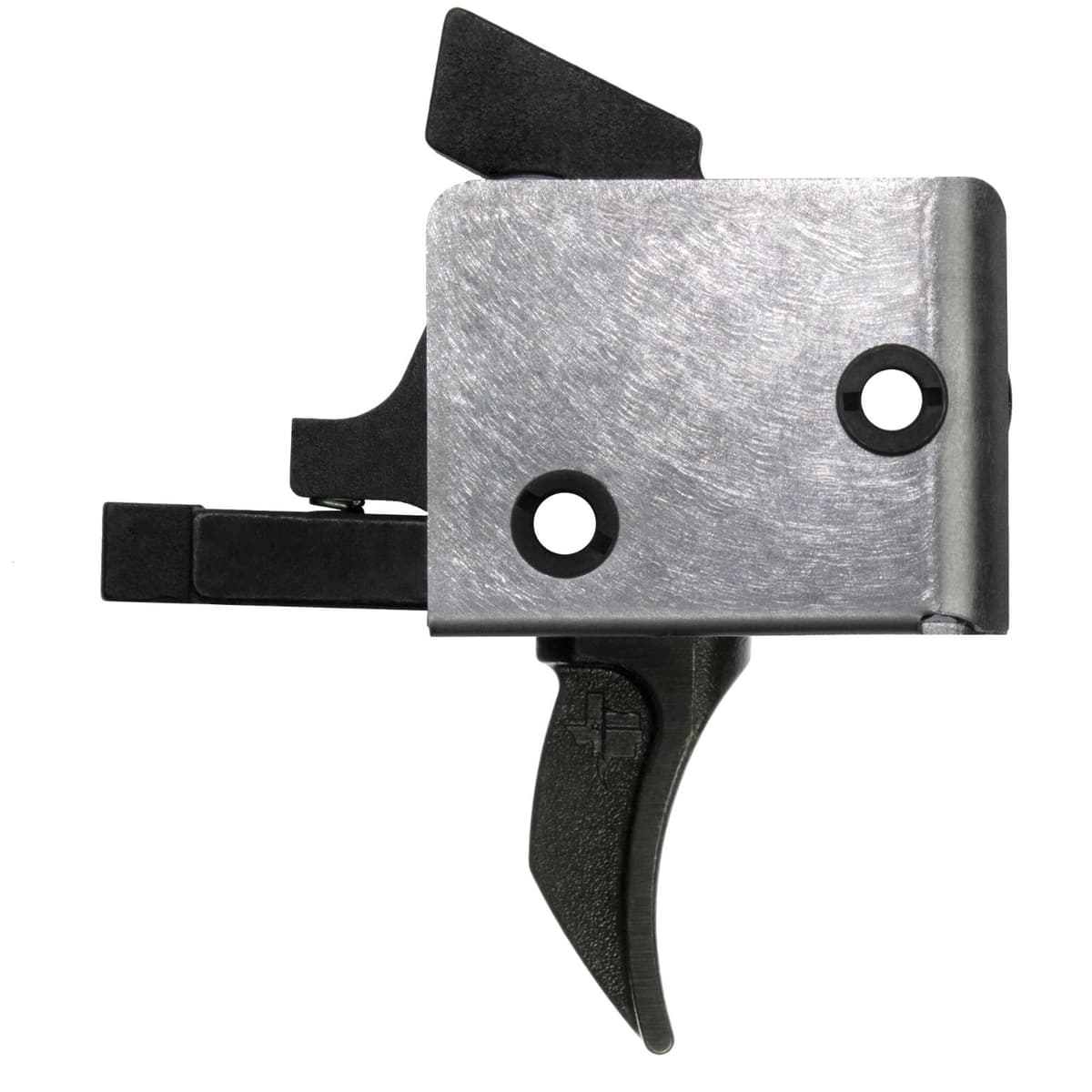
CMC AR-15/AR-10 Single Stage Trigger - CCT
- Single stage
- Combat Curved (CCT) bow
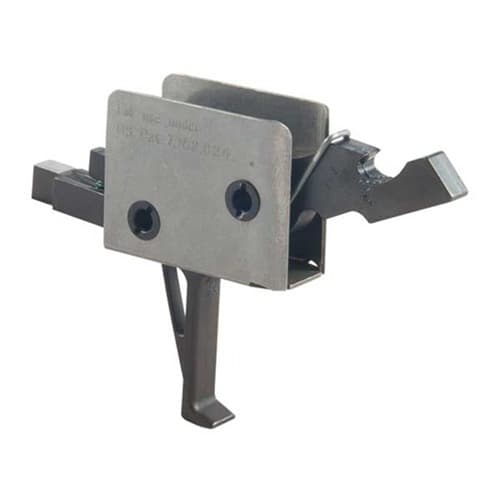
CMC Single Stage Trigger
- Single stage
- 3.5lb pull
Affiliate links (?)
The Bipod Rule Changes the Build
The bipod stays on the gun for the entire match, so pick for weight and mounting security rather than for the bench. A heavy barrel and a belt-fed upper are already carrying real mass, and a bipod that adds another pound of aluminum to the front of a rifle you move between positions for six-minute stages is a different calculation than one you clamp on for a prone stage and forget about.
Sling-stud and M-LOK mounted bipods keep the profile tight, and picatinny clamps trade weight for repeatable lockup. Because the requirement is mounted rather than deployed, the legs fold and stay folded for most of a FAST stage, which pushes the decision toward units that stow flat and do not snag on barricades. Our rifle builder will show which bipods clear the handguard and rail setup you are actually running.
Bipods for an Auto-Rifle Build
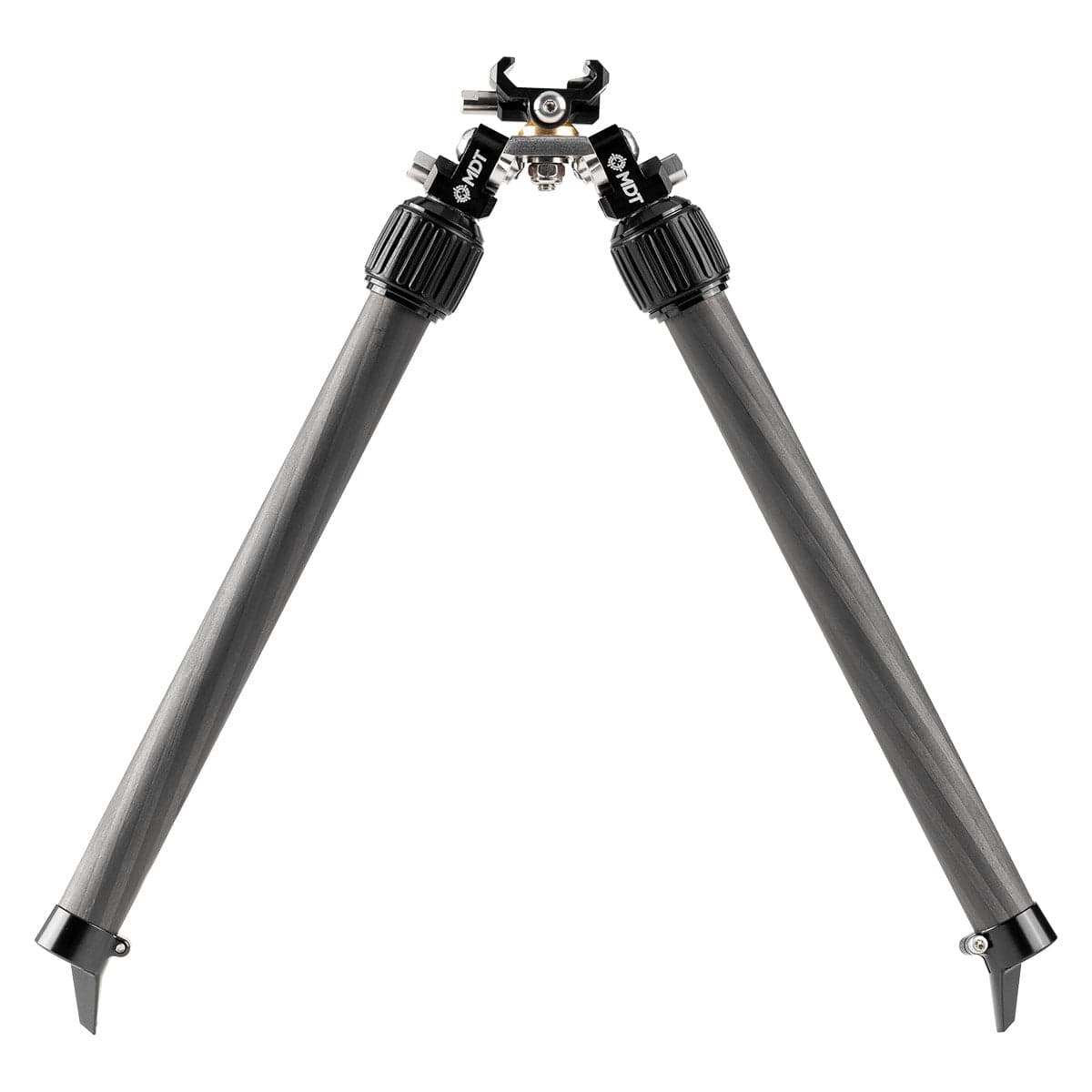
MDT BackCountry Bipod (Picatinny)
- Picatinny mount
- 7.5 to 14.3 inch height
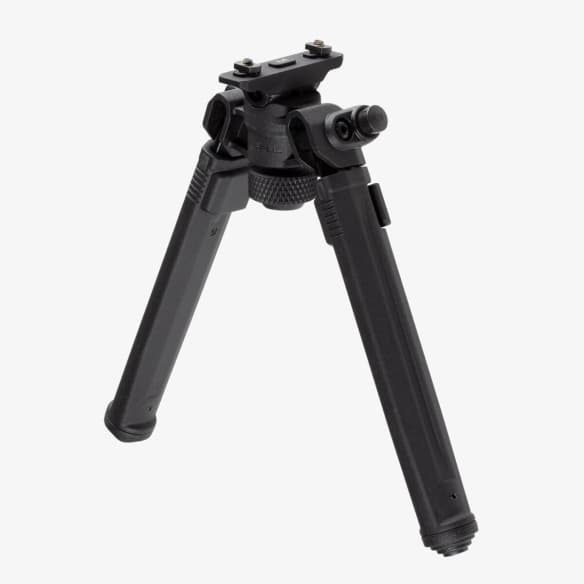
Magpul Bipod (M-LOK)
- M-LOK direct mount
- 6.8" to 10.3" extension
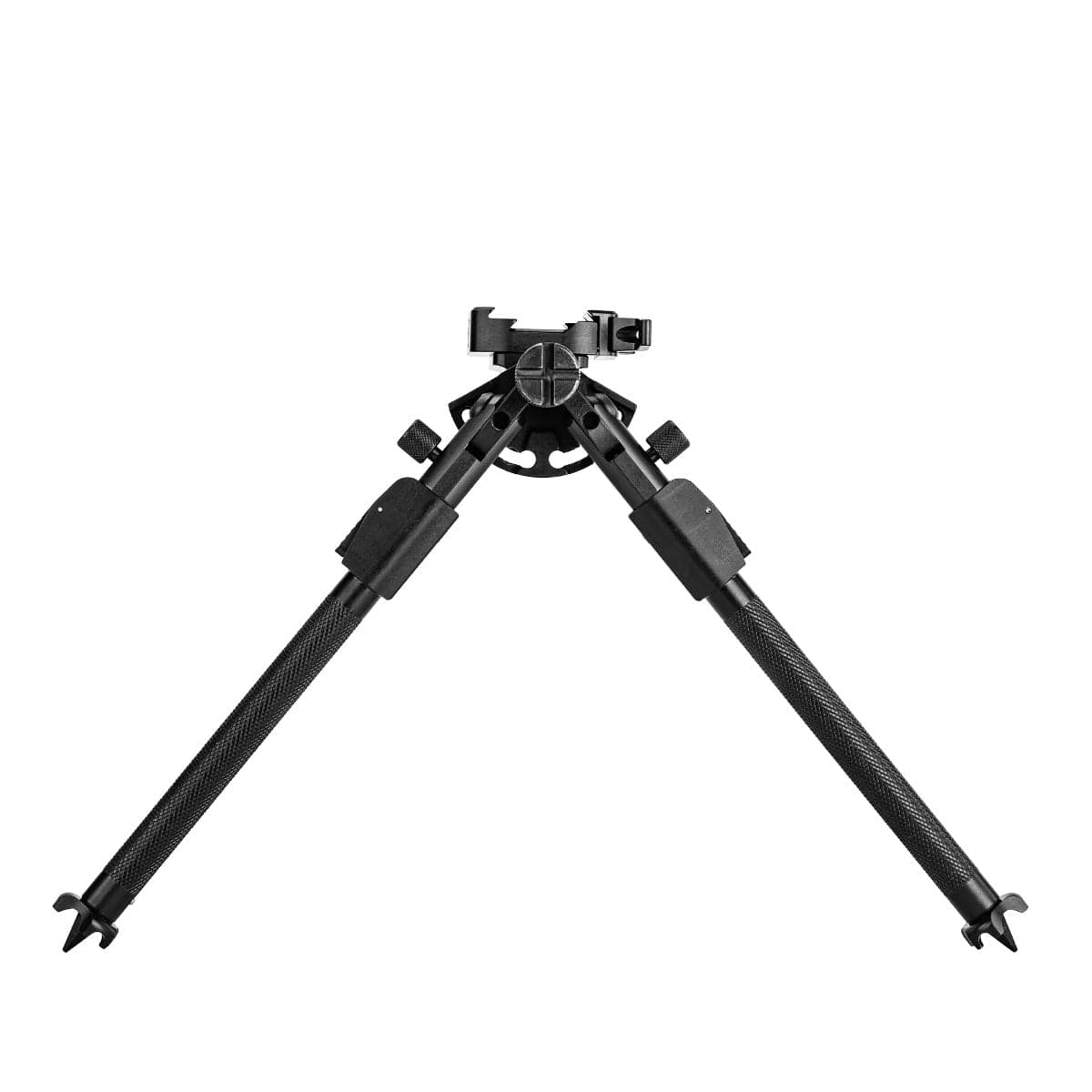
MDT CKYE-POD GEN3 Single Pull Bipod
- 6" to 15" height range
- ARCA and Picatinny attachment
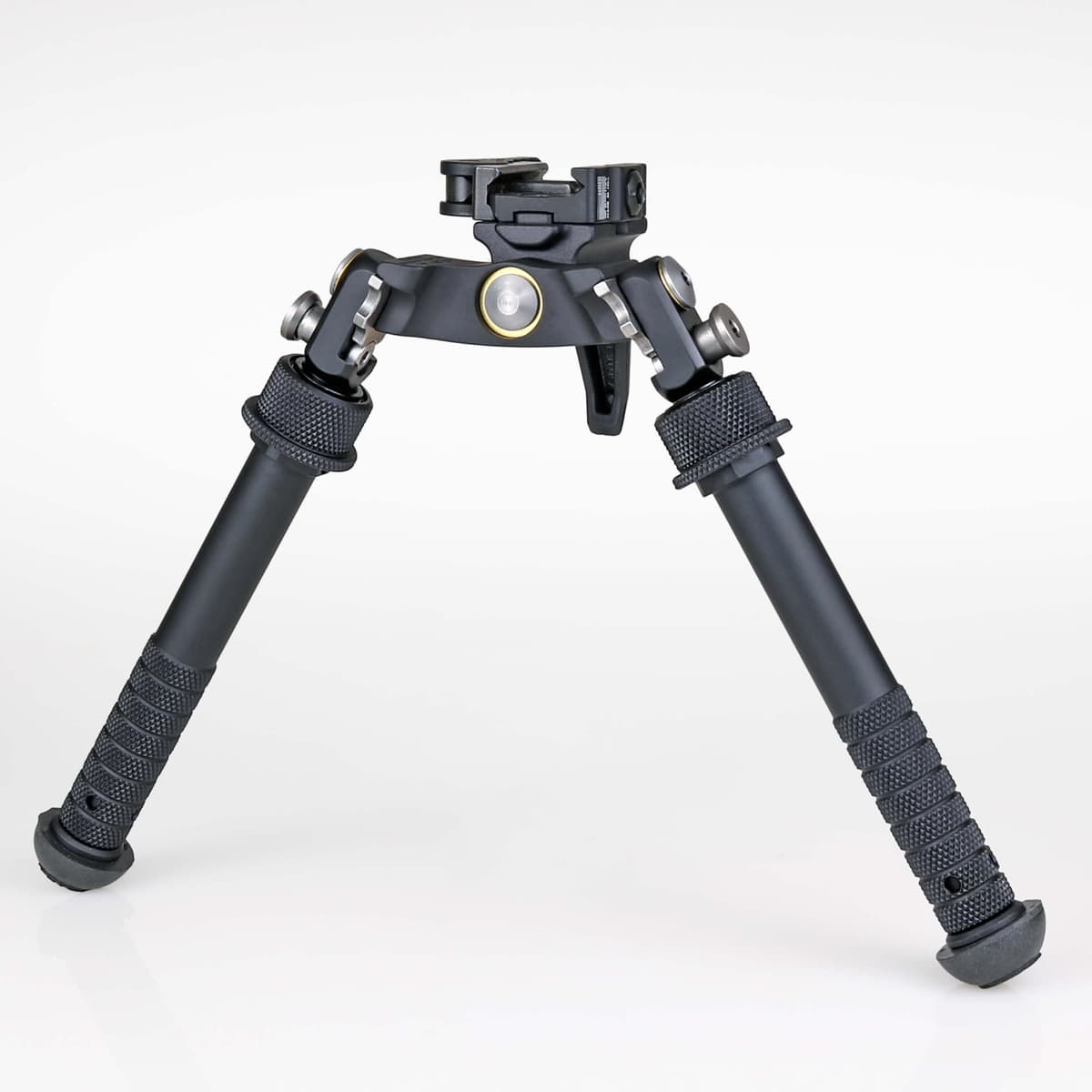
Atlas CAL BT65-LW17 Gen. 2 Bipod
- 5.1" to 9.4" height range
- ADM-170-S Picatinny lever mount
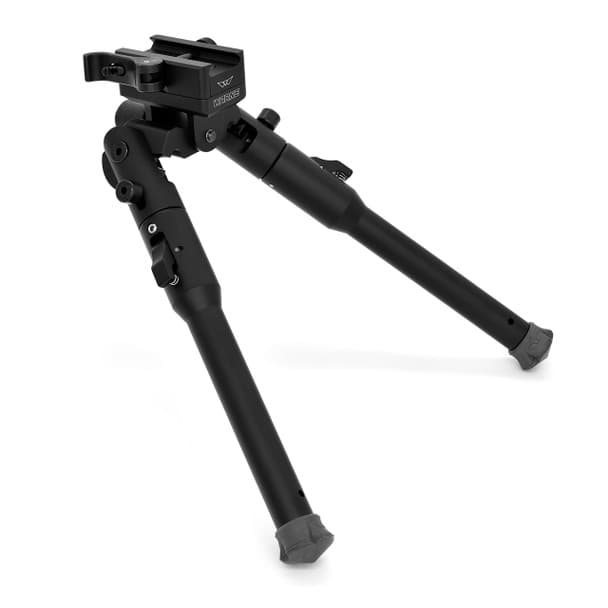
Warne Skyline Lite Bipod
- M-LOK, Picatinny, and ARCA options
- Modular feet interface
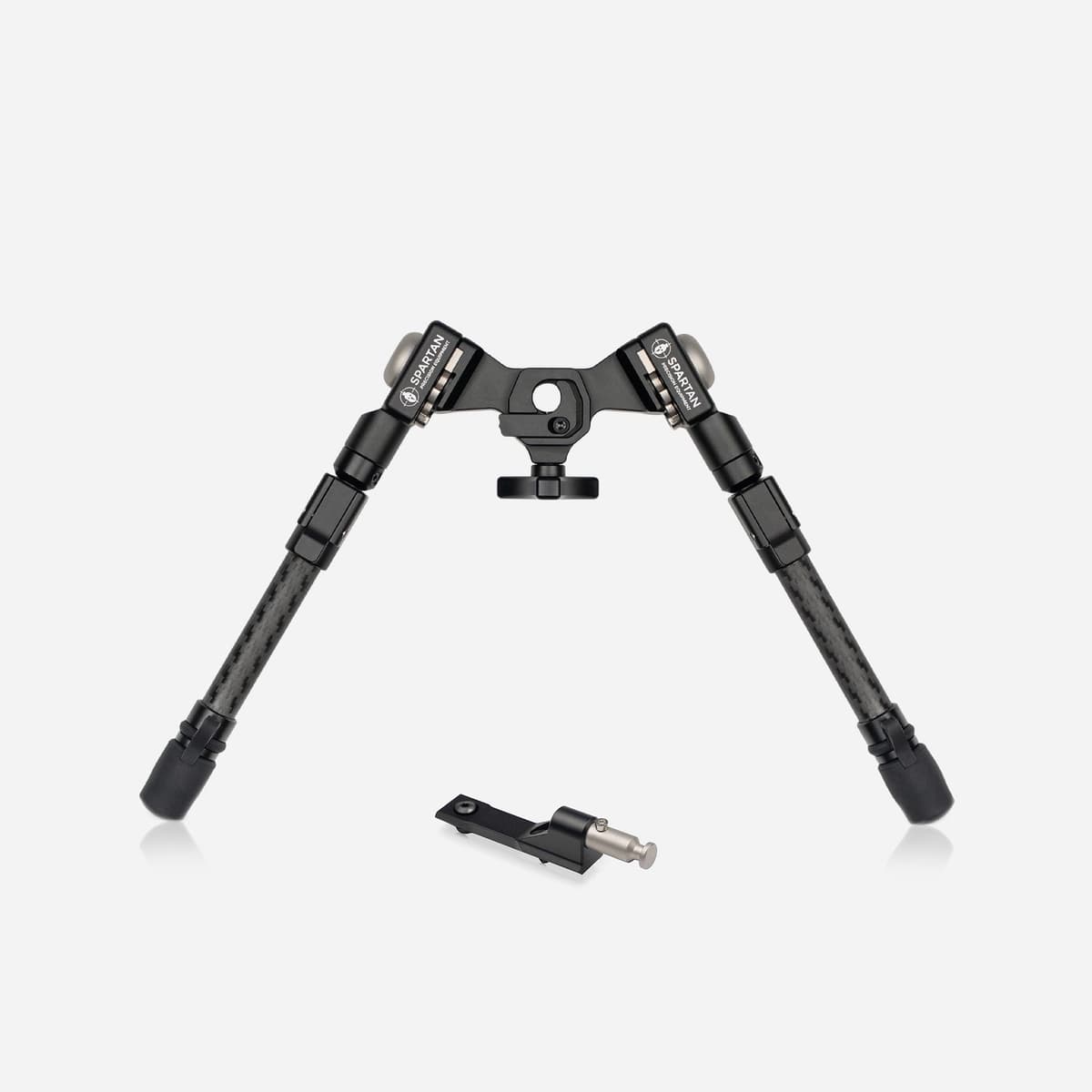
Spartan Precision Valhalla Gen 2 Bipod
- 4.75" to 8.25" height range
- 5 leg-pitch positions (0/45/90/135/180)
Affiliate links (?)
What a FAST Match Actually Looks Like
FAST stages run long. Par times reach six minutes, stages carry a 50 to 80 round minimum, and coaching is allowed, which is unusual in action shooting and tells you the format is built around problem solving rather than raw speed. Rifle targets include mandatory shots out to 600 yards, with most engagements between 100 and 400 yards. Pistol shots at 25 to 50 yards are common. Prizes are awarded by random draw rather than by finish, so the podium is not the reason to show up.
That format is why the Auto-Rifle equipment rules make sense together. A 50 to 80 round minimum across a six-minute par time on targets from 100 to 600 yards is a sustained-fire problem, which is what a heavy barrel and a bipod are for. FRT-equipped rifles have historically been range toys with no scoring context; this is a course of fire that actually asks the hardware to do the job it was built for.
FAST is in its first year and runs two match types: 2-gun events with six divisions (Armored, Gray Man, Irons, Minuteman, Mobile Infantry, and Trooper) and rifle-only events with theme-specific divisions, including a Retro rule set and an Intergalactic one. Auto-Rifle is the newest addition to that lineup.
FAST-ID: The First Auto-Rifle Match
The division debuts at FAST-ID presented by X-Tech Tactical, running October 9-11, 2026 at Parma Rod and Gun Club in Idaho. Registration is through Practiscore.
Red Right Hand is sponsoring a stage where every competitor gets to run an auto-rifle regardless of which division they entered. That is the smarter half of this announcement. A new division at a first-year match series has an obvious cold-start problem, since almost nobody owns a bipod-equipped heavy-barrel FRT rifle yet. Putting an auto-rifle in the hands of the Irons and Minuteman shooters for one stage is how a division recruits its second-year field.
Stay Updated on FRT Competition
We cover forced reset trigger releases, competition rule changes, and the gear that qualifies for new divisions. Get it when it drops.
Where FRTs Stand Legally
Forced reset triggers are legal to own federally following a May 2025 Department of Justice settlement, which resolved the federal case over Rare Breed's FRT-15 and keeps eligible FRTs from being treated as machine guns under federal law. An FRT fires one round per trigger pull; it uses the bolt carrier's rearward travel to mechanically drive the trigger back into reset, and the trigger locks until the bolt returns to battery.
State law is where owners actually get caught out, and several states restrict or ban these triggers regardless of the federal position. Check state law for your own state before ordering and again before traveling to a match, since you answer to the rules where the rifle physically is. Idaho, host of the first Auto-Rifle match, does not restrict them. For which platforms have a shipping FRT at all, our FRT compatible guns guide is the current router.
Registered machine guns are the other qualifying path and carry their own rules. Transferables remain restricted to the pre-1986 registry, which is what keeps prices in the five and six figures and why an FRT-equipped rifle is the realistic entry into this division.
Frequently Asked Questions
▶What does the FAST Auto-Rifle division require?
▶Do you need a machine gun to shoot the Auto-Rifle division?
▶Can you legally own a FRT trigger?
▶Are forced reset triggers legal right now?
▶Can you buy a FRT trigger?
▶Can you put a FRT on any gun?
Bottom Line
Forced reset triggers now have a scored division to shoot in, and that matters more than one match in Idaho suggests. Equipment classes are how shooting sports turn a category of hardware into a category of shooters. USPSA Carry Optics did it for slide-mounted red dots, and Precision Rifle Series did it for chassis guns and heavy barrels.
The practical entry cost is lower than the division sounds. An FRT at $275, a qualifying heavy-barrel upper, a bipod, and the full-auto carrier and heavy buffer the trigger needs puts a division-legal rifle together for a fraction of what a registered receiver costs. Build the buffer and gas setup first, because an FRT that short-strokes will not get you through a 50 to 80 round stage inside the par time. Start with our FRT buyer's guide for the trigger, then the tuning guide for the rest.