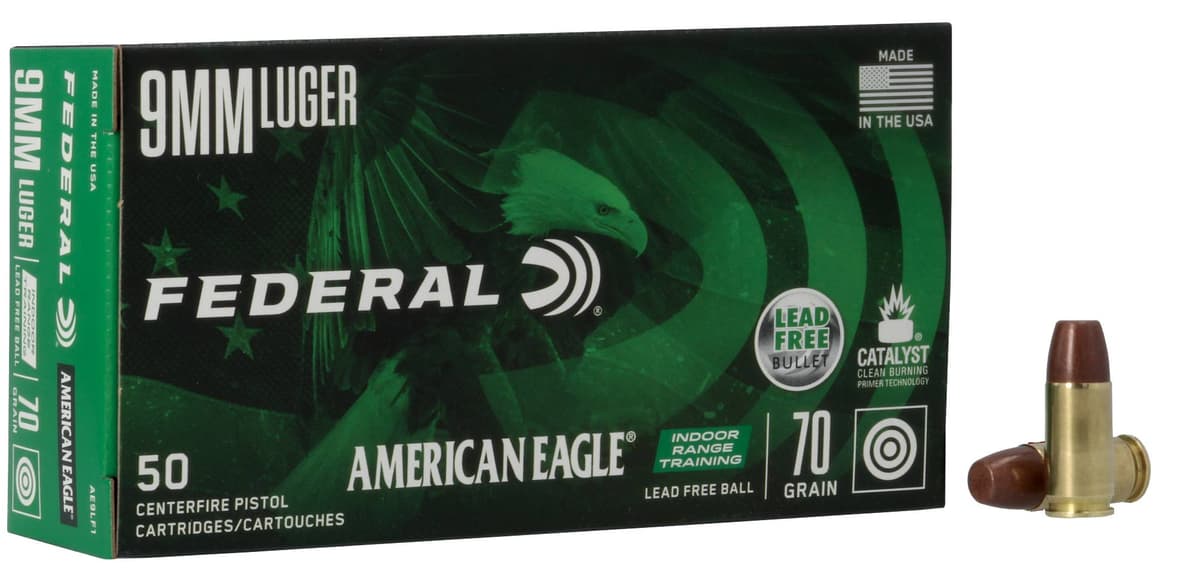
Federal American Eagle IRT Lead Free 9mm 70gr
Most common pistol caliber
- 9mm
- 70gr IRT
- Lead-free primer
5% off at checkout
$31.49 CatalogShop at Ammunition Depot
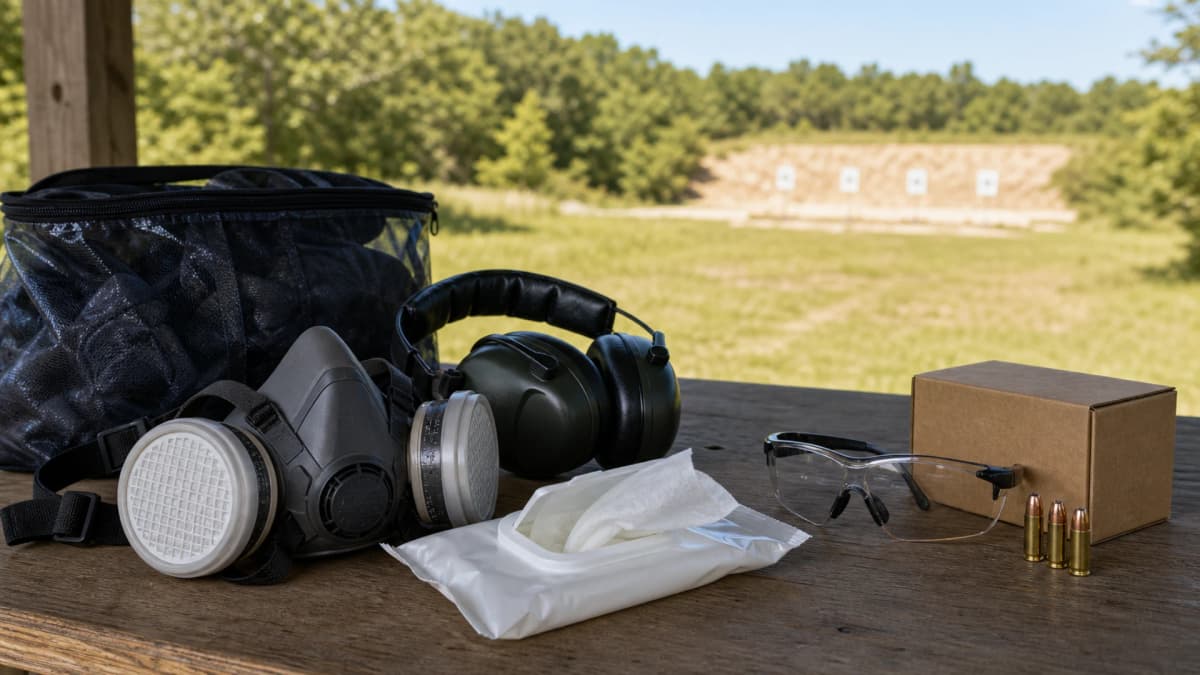
A range-to-home protocol for reducing airborne lead, hand-to-mouth exposure, and lead dust carried home on clothing and gear.
Affiliate links (?)
Shoot outdoors, and clean your hands, forearms, and face with lead-removal soap or wipes before you eat or drive home. Those two habits cover the two routes that matter: what you breathe on the firing line, and the residue you carry out on your skin, clothes, and boots.
General risk-reduction guidance, not individualized medical advice or a substitute for an occupational lead-control program.
Before shooting: choose an open outdoor line or a well-controlled indoor range, use verified lead-free ammunition when practical, and pack lead-removal cleaning supplies plus a closed bag for dirty gear.
On the line: stay out of smoke moving back toward you, keep contaminated hands away from your face, and do not eat, drink, or smoke.
Before home: clean your hands, forearms, and face; contain dedicated clothes and boots; shower promptly; and wash the range load separately.
Inhalation can be the largest direct exposure route at a firing range, because primer discharge and exposed projectile lead can create fine particles and fumes in the shooter's breathing zone. Both halves of the cartridge feed it: the primer and the projectile, including an exposed bullet base. An ordinary full-metal-jacket bullet is not automatically a lead-free cartridge.
Skin contact is a different problem with a different fix. Inorganic lead crosses intact skin poorly compared with inhalation or ingestion, but residue on your fingers can move straight to food, the mouth, your phone, the steering wheel, and household surfaces. Clothes, boots, bags, and firearm cases carry that chain into the house. Control the residue and you close the route.
Shoot outdoors whenever you have the choice. Open air usually disperses contaminants better than an enclosed bay, though an outdoor firing line is not zero-risk: a roof, side walls, overhead baffles, an unfavorable wind, a crowded line, or rapid strings can all hold smoke and residue near your face.
Indoors, look for uniform airflow from behind the shooter toward the target, dedicated exhaust, and negative pressure that keeps range air out of occupied rooms. A clean-looking lobby and a generic claim about filtration prove nothing about those controls. Smoke or visible haze moving back toward the line, stagnant air, ventilation alarms, or staff who cannot describe inspection and maintenance are all reasons to pack up and shoot somewhere else.
Verify both halves of the cartridge: a lead-free projectile and a lead-free primer. An enclosed-base or total-metal-jacket bullet may reduce exposed projectile lead, but its primer may still contain lead. The distinction matters most indoors, and the 9mm range ammunition guide explains where TMJ helps and where its protection stops.
When the training plan calls for hard-target breakup, the frangible ammo guide explains the construction difference and ranks exact 9mm and .223 Remington training loads.
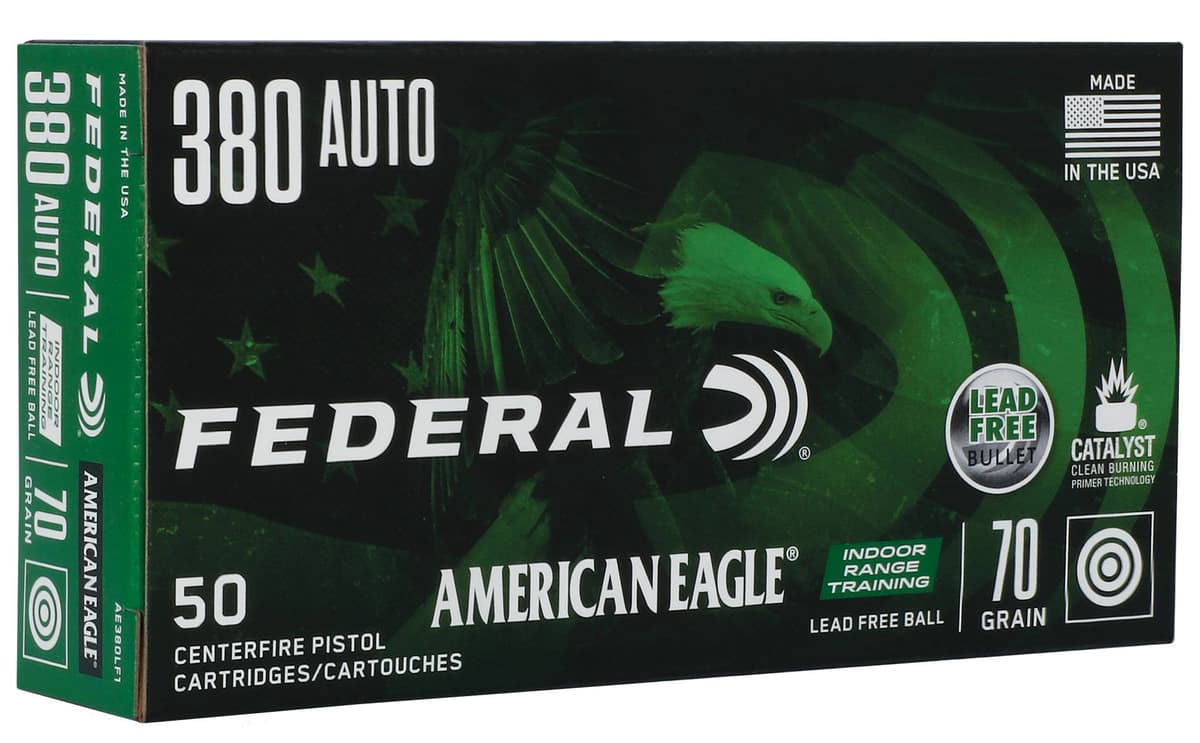
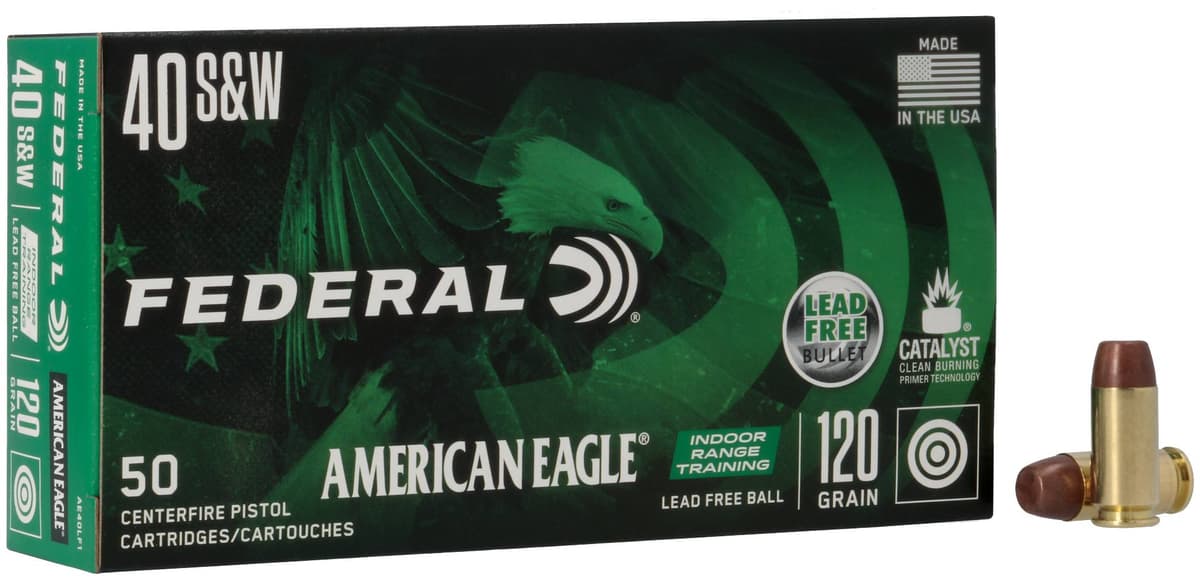
The picks below clear both tests. Federal American Eagle IRT Lead Free covers 9mm, 380 Auto, 40 S&W, and 45 Auto with a completely lead-free projectile and Catalyst lead-free primer. Federal BallistiClean BC223NT5 does the same job for 223 Remington with a 42-grain frangible projectile.
Function-check and re-zero before you trust either one. These loads can recoil, cycle, and strike differently from your normal ammunition, so test the exact load in the exact firearm, and confirm the range permits frangible ammunition before you show up with the BallistiClean 223 load.
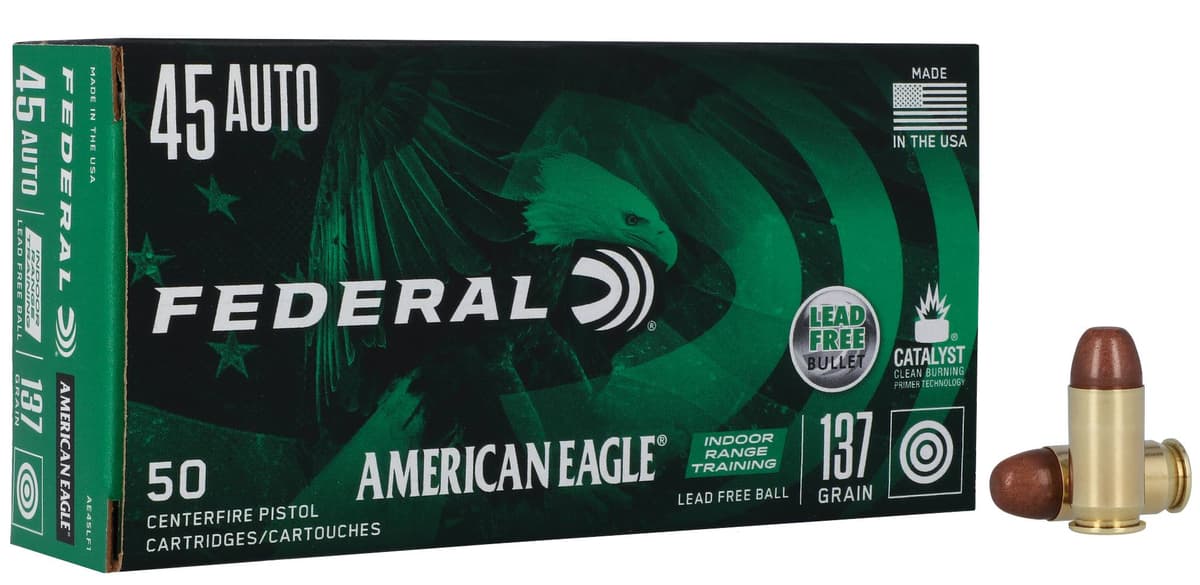
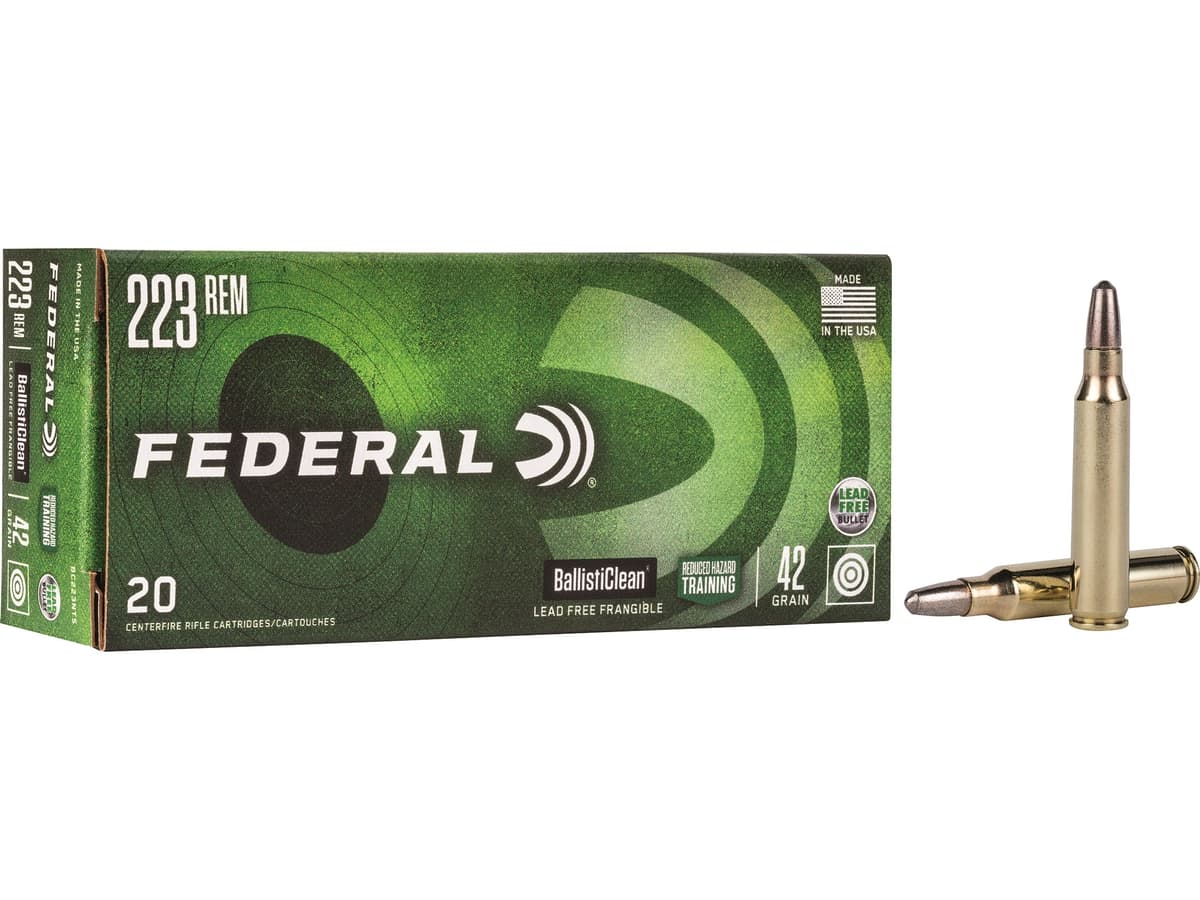
Affiliate links - purchases support this site at no extra cost to you. (?)
Run a flow-through or low-back-pressure suppressor when you have the option. It vents more gas forward and cuts the contaminated blowback directed toward your face compared with a high-back-pressure suppressor on the same host. Obvious gas-to-face is the signal to change the suppressor, change the host, retune, or stop the string. Pair that setup with outdoor airflow or effective range ventilation.
HUXWRX measures this directly with an airtight Nox Box that isolates gas coming from the rifle's ejection port. Its 64-round test protocol tracks carbon monoxide, hydrogen cyanide, and ammonia. The published charts show the FLOW-Through suppressor producing far less toxic-gas blowback than the two conventional suppressors tested, with its trace staying much closer to the unsuppressed baseline.
Backpressure is the spec that drives all of this, and the 5.56 suppressor guide covers where each design lands on it. Airflow still does the heavy lifting. Suppressors can reduce impulse noise, but residual muzzle and action noise can still damage hearing, so keep the right hearing protection on every range trip.
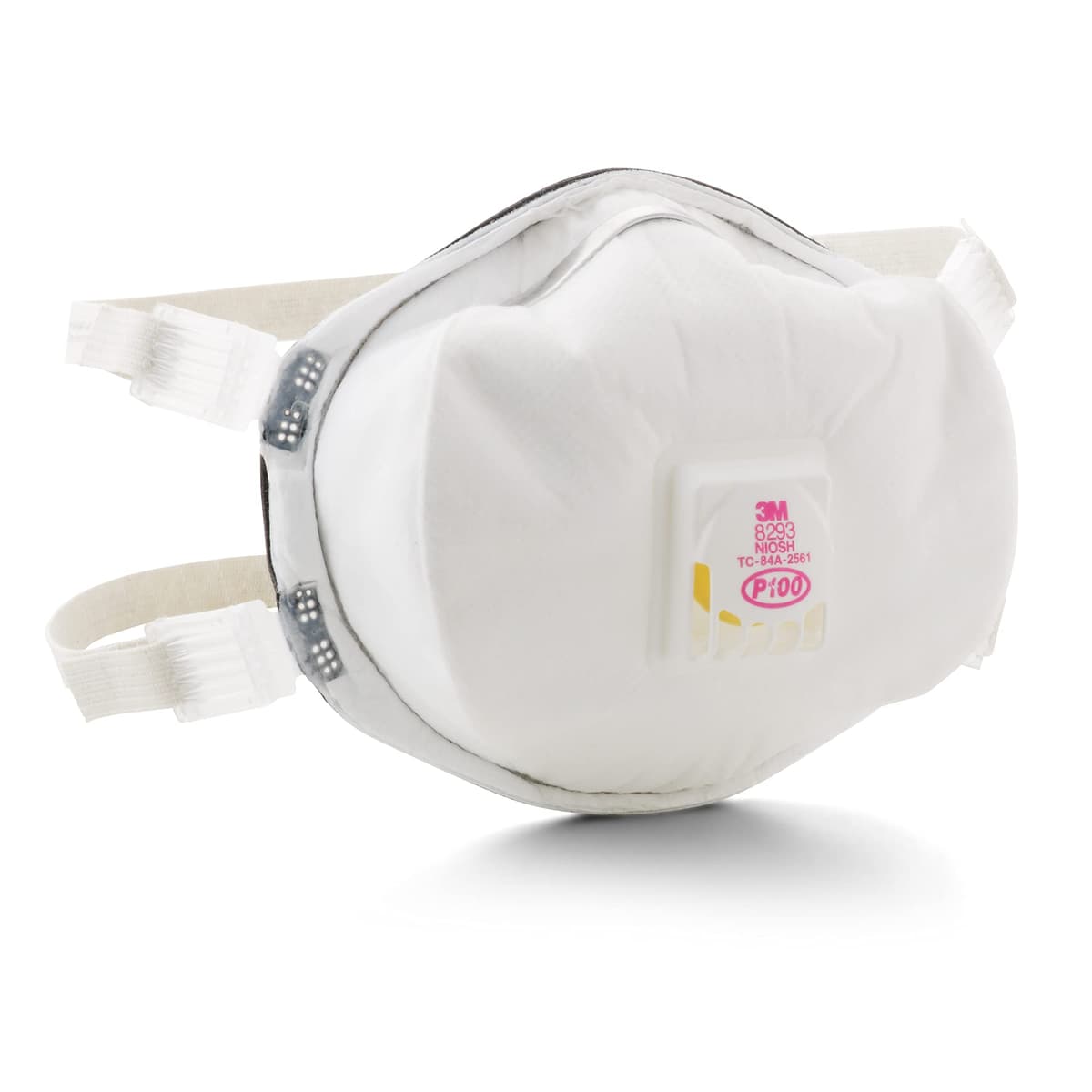
If you must shoot indoors, pick a well-ventilated range and add a genuine NIOSH-approved P100 respirator for airborne lead particles. Wearing one correctly is the whole job:
A P100 captures particles, including airborne lead dust and fume. It does not filter carbon monoxide, hydrogen cyanide, or ammonia. Strong ventilation and a flow-through or low-back-pressure suppressor are what reduce those gases in your breathing zone.
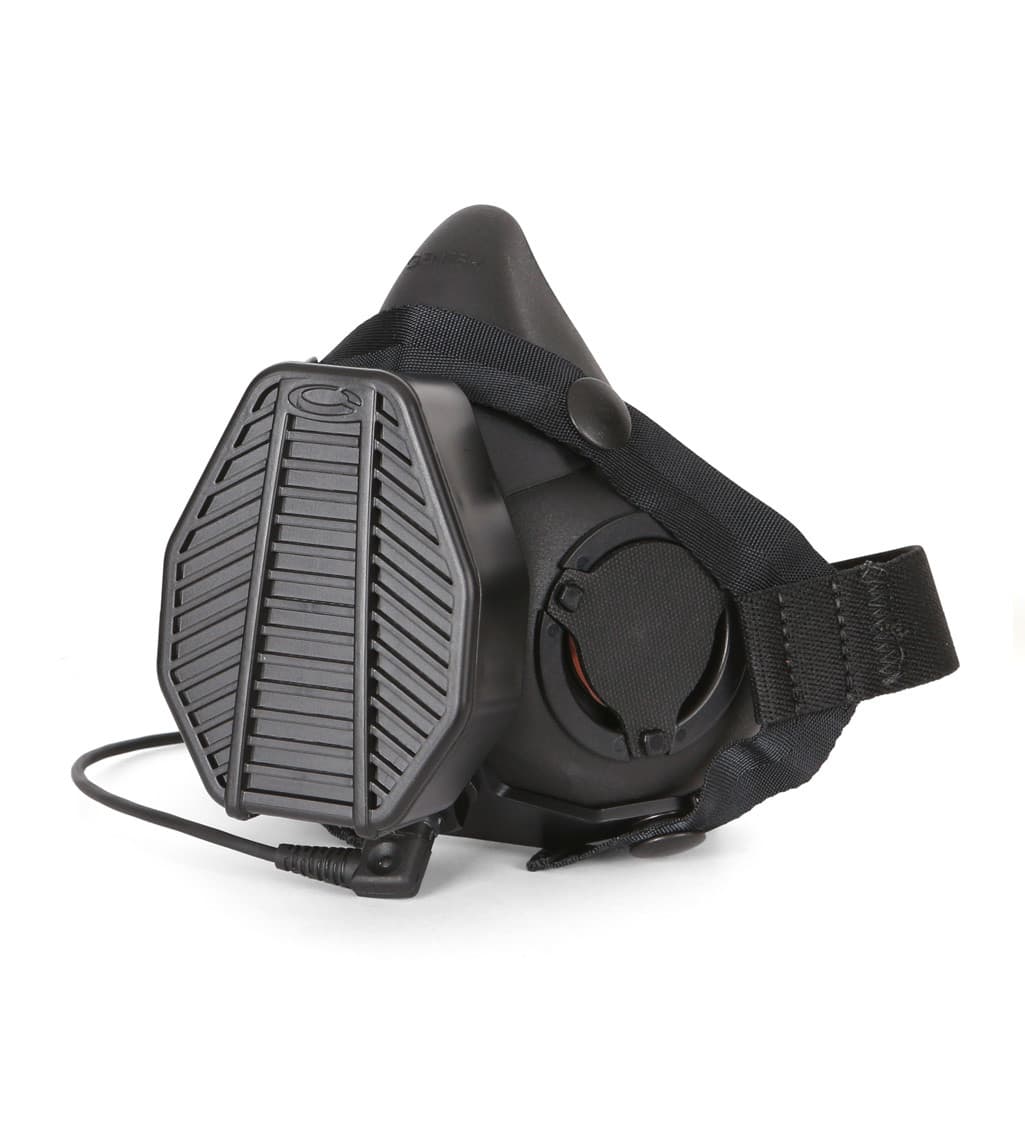
Buy the 3M 6297 or the GVS Elipse for a reusable NIOSH P100, or the 3M 8293 if you want the disposable version. The Ops-Core SOTR is the purpose-built weapon-interface option, and Gentex states that it is not NIOSH approved. None of these products protects against every gas or vapor.
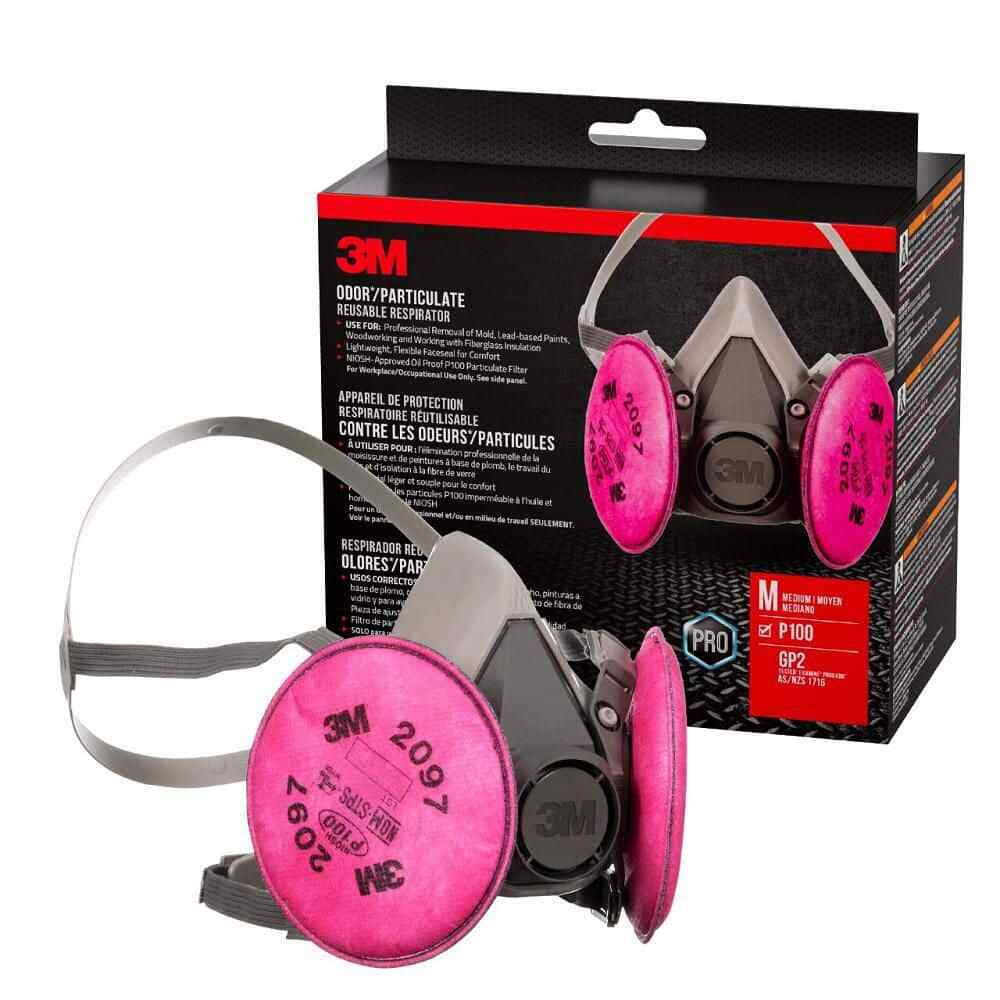
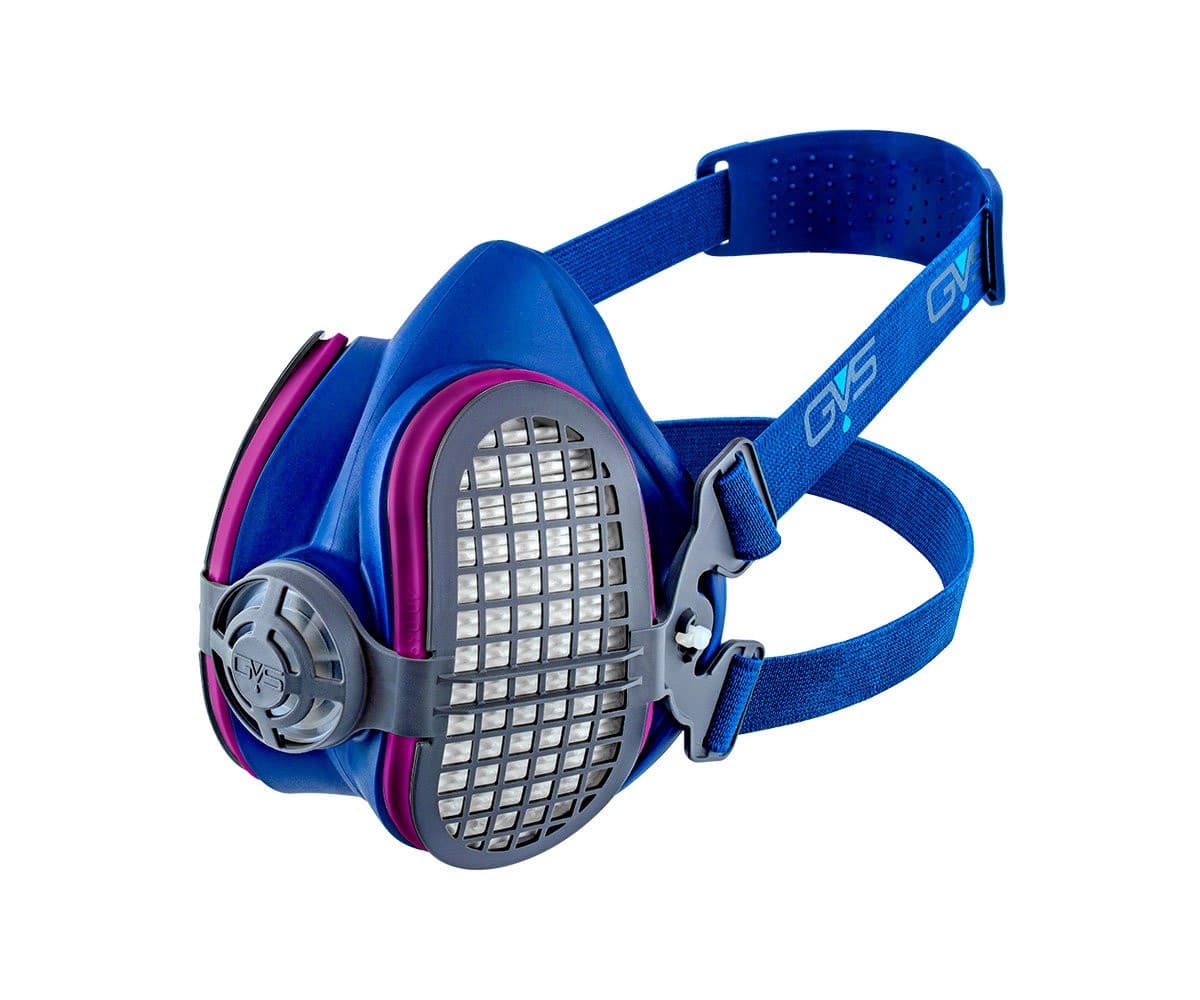
Affiliate links - purchases support this site at no extra cost to you. (?)
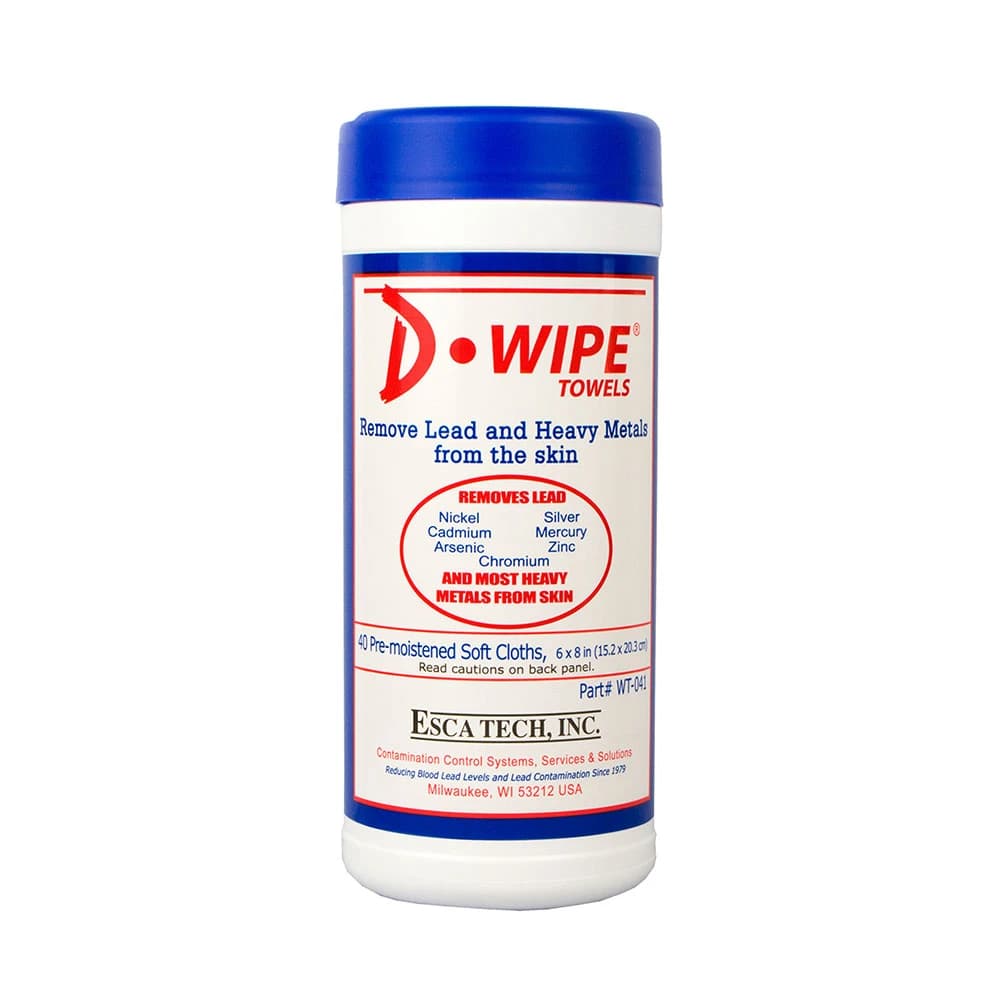
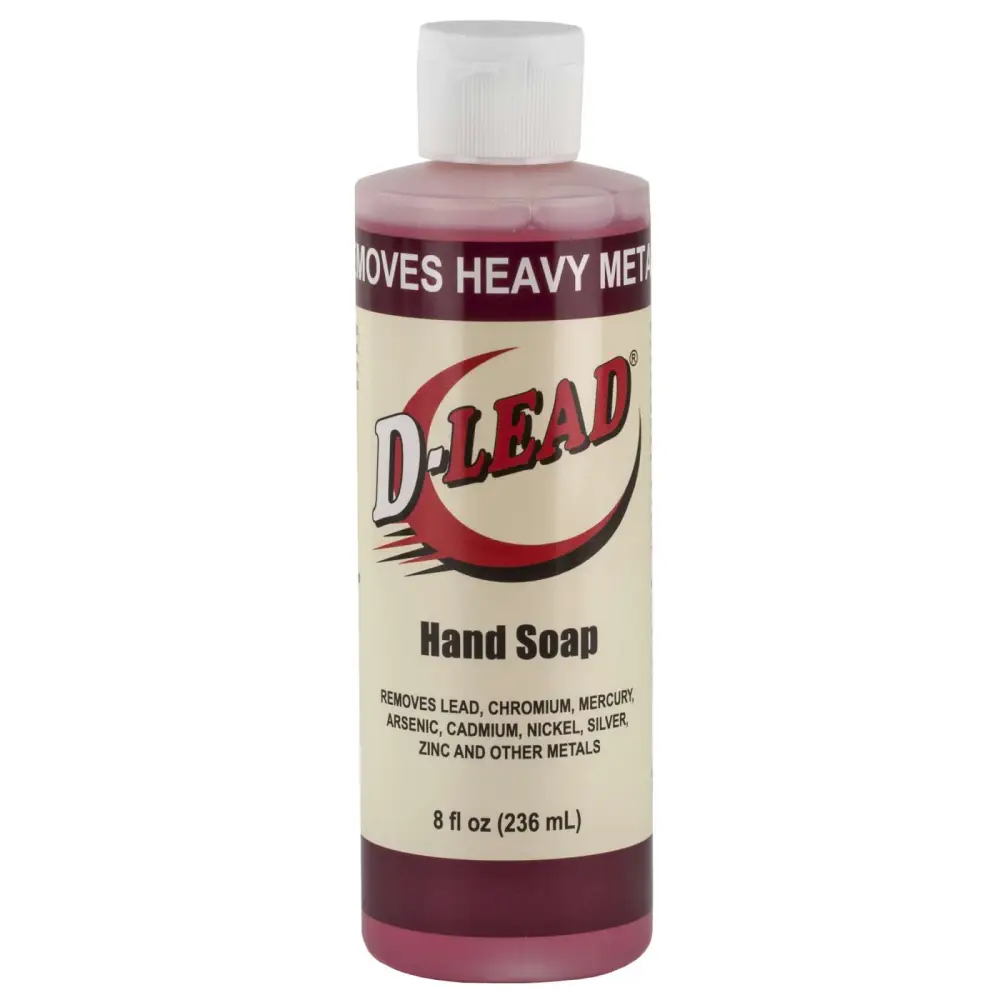
Keep D-Wipe or Hygenall LeadOff in the range bag; both are labeled for skin. D-Lead Hand Soap is the rinse-off choice at a sink, and D-Lead also sells body wash, laundry detergent, and hard-surface wipes for the later steps in the routine. Keep the surface wipes off skin and follow each label.
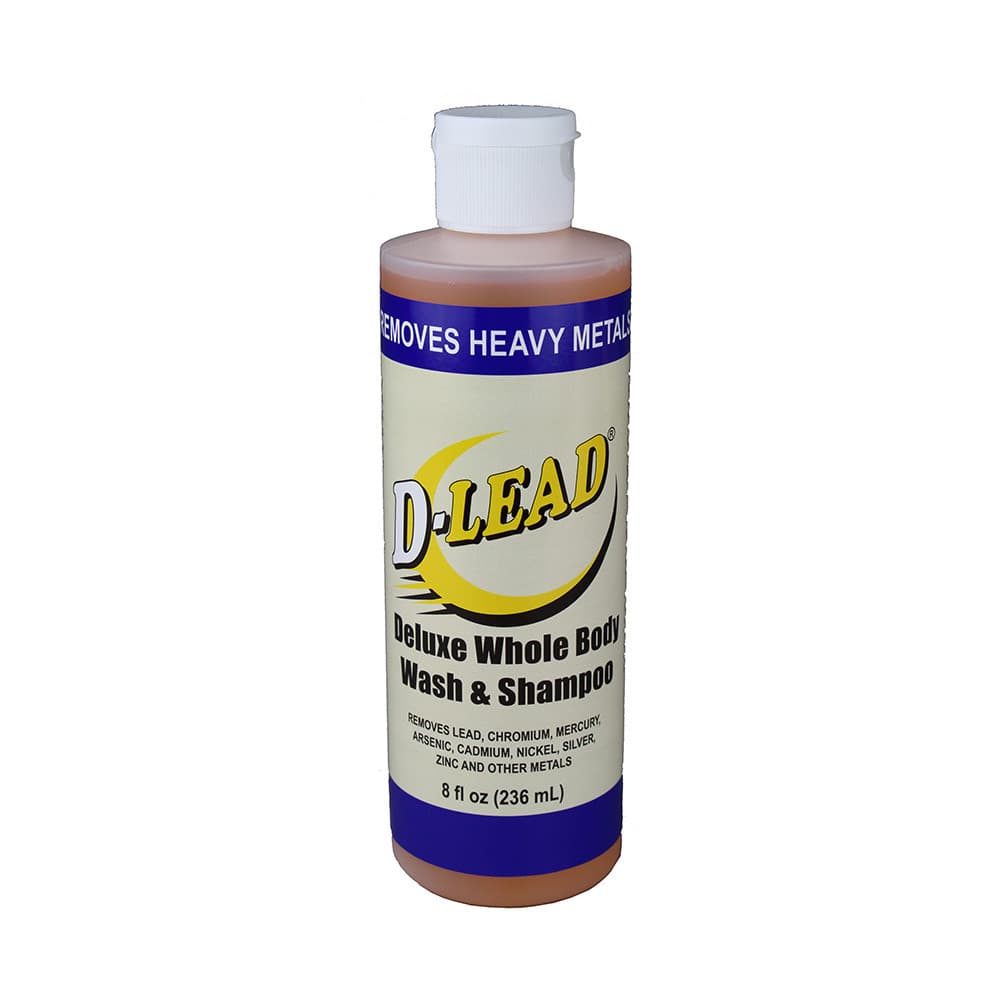
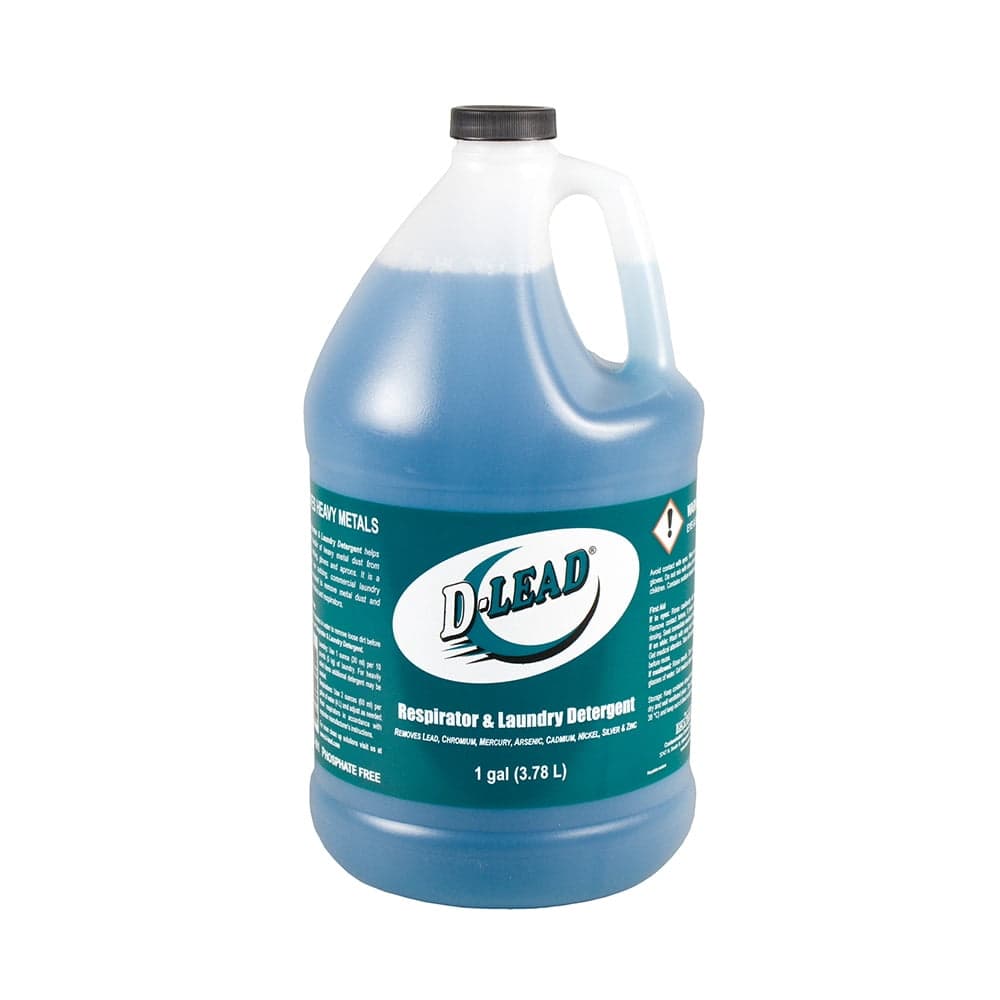
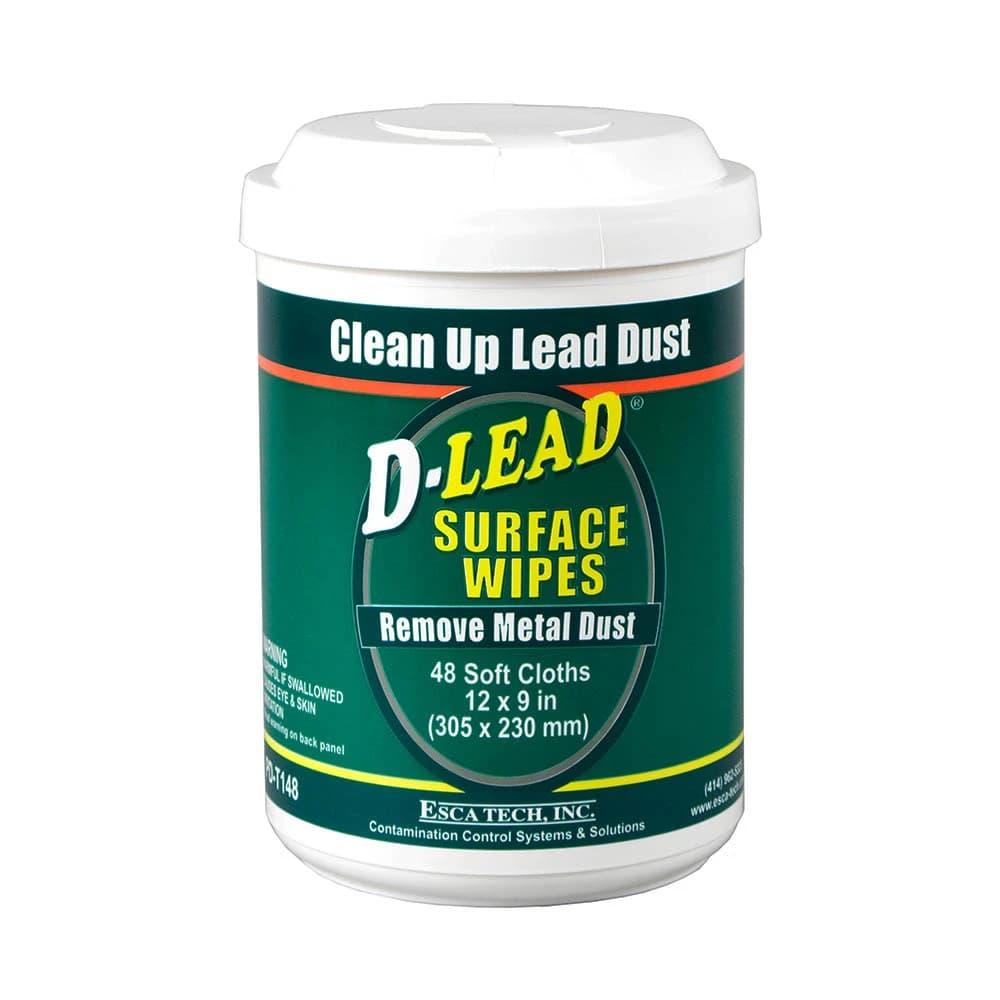
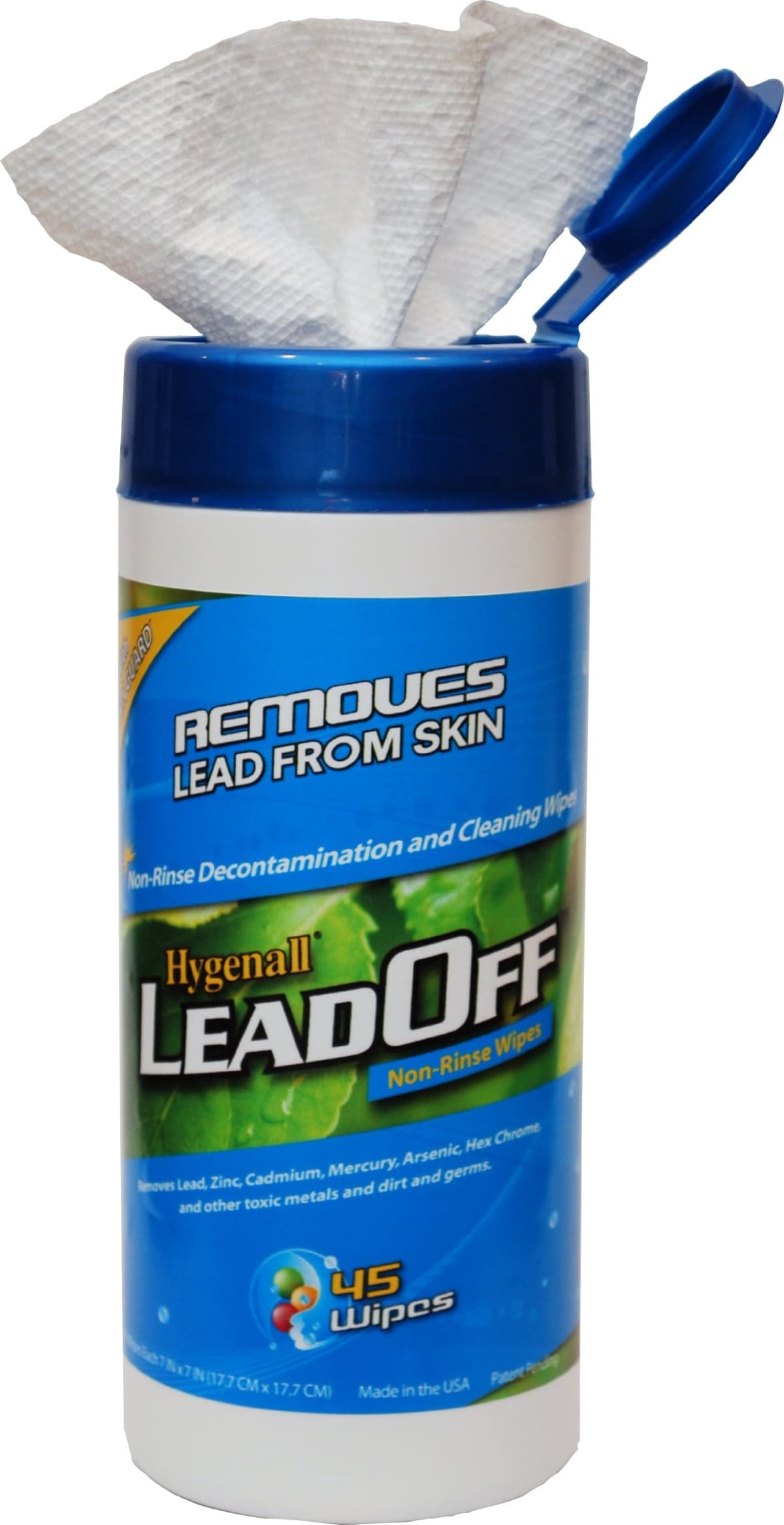
Affiliate links - purchases support this site at no extra cost to you. (?)
Keep dedicated range clothes and boots, because they draw the clean-to-dirty boundary for you. Change out of them before you enter the living space, and where the facility and privacy allow, contain the outer layer and footwear before getting into the vehicle. Used items go into a closed bag or container, not onto a car seat and not back in with the rest of your range bag.
Pack that separation before the trip. The range bag checklist is where you stage lead-removal wipes, clean bags, and a change layer so the plan survives a rushed departure. At home, shower and wash your hair promptly, before normal household contact. Public-health guidance supports prompt, thorough washing; it does not require cold water or show that hot water opens pores and drives inorganic lead into the body.
Clean residue off hard floors and household surfaces with wet methods, and use appropriately selected HEPA equipment on fabrics or carpets. Dry sweeping, compressed air, and an ordinary shop vacuum can put settled dust back into the air.
Bullet-trap service, sweeping firing areas, casting bullets, tumbling brass, and some reloading tasks can create concentrated dust or fumes well beyond the exposure from firing alone. Use wet methods or properly selected HEPA equipment, keep the work out of living areas, and never use compressed air to clear residue.
Firearm and suppressor cleaning need the same ventilation and residue control, because gloves only protect the skin beneath them. The firearm cleaning guide covers the maintenance products and methods; add the dirty-gear containment and hand-to-mouth controls you already run after live fire.
Make the clean-to-dirty boundary absolute when children or a pregnant person shares the home. Lead can harm reproduction, pregnancy, a fetus, breastfed infants, and children. CDC lists firing-range shooting among lead-related hobbies that pregnant people should avoid. Anyone who is pregnant or trying to conceive should avoid the exposure and discuss their situation with a clinician.
Keep range bags, footwear, laundry bags, and cleaning supplies away from children. Do not hand the range laundry to a pregnant household member, and do not carry a dirty outer layer into a bedroom, nursery, or shared seating area before it is contained.
Get a venous blood lead test, because feeling fine tells you nothing about your controls. Lead exposure may cause no clear symptoms, and a venous blood lead test is the standard way to assess recent exposure. CDC/NIOSH says any detectable blood lead reflects exposure. It lists 3.5 micrograms per deciliter as the adult blood lead reference value, which identifies results above the population reference percentile. It is not a safe-versus-dangerous cutoff, and the right follow-up depends on the person and result.
Frequent or high-volume shooters, indoor-range users, suppressor users, reloaders, bullet casters, range cleaners, people who are pregnant or trying to conceive, and anyone worried about take-home exposure should ask a clinician for a baseline venous test. CDC/NIOSH does not give a testing interval for recreational shooters, so set the repeat timing with that clinician based on the result and your continuing exposure.
New range protocols, shooting drills, maintenance guidance, and evidence-backed gear coverage.
Control the air first, stop hand-to-mouth transfer on the line, and keep range residue out of the vehicle and home.
Outdoor shooting, verified lead-free ammunition, effective indoor ventilation, and a disciplined range-to-home routine work as a system, and none of them makes exposure zero. Baseline and clinician-timed follow-up venous tests are how you find out whether absorbed lead stays low over time.

Avid shooter with 10+ years of experience including competition shooting, an associate member of the Professional Outdoor Media Association (POMA), and a member of the National Shooting Sports Foundation (NSSF) and Safari Club International (SCI). Built 10+ AR-pattern rifles and several handgun platforms for home defense, competition, and suppressed night shooting.
This page contains affiliate links. Purchases through these links support the site at no extra cost to you. Read the affiliate disclosure
Continue exploring with these related resources
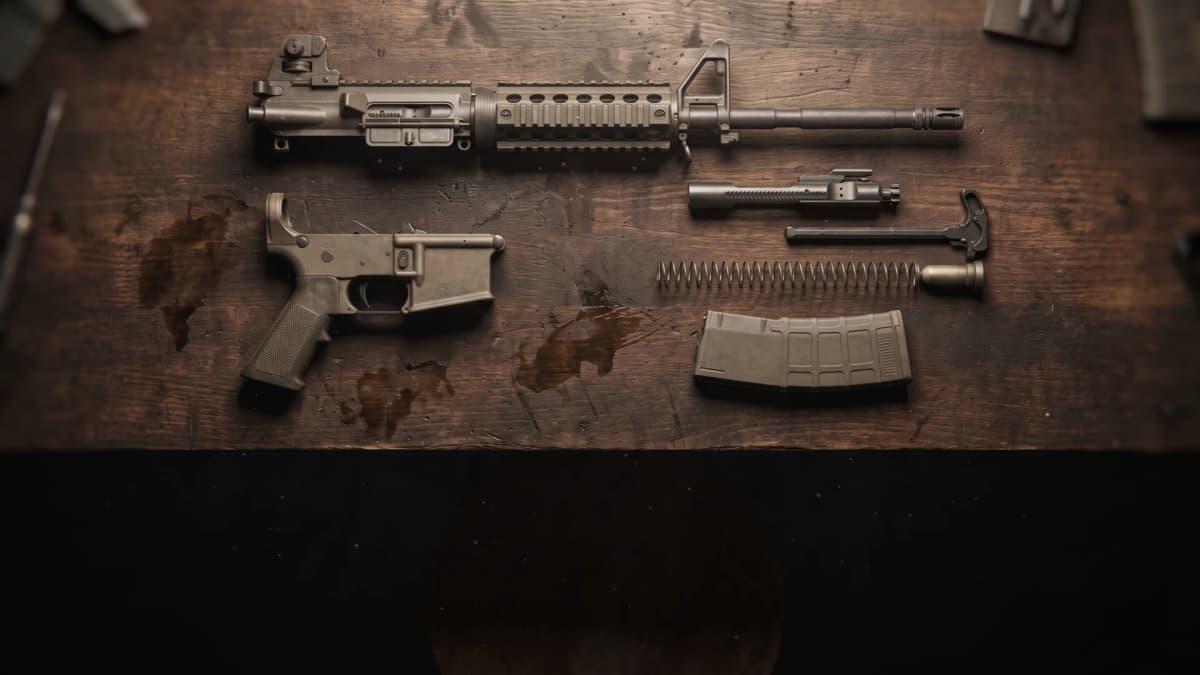
A clickable AR-15 parts diagram covering all 22 parts, from bolt carrier group to buffer tube, with an exploded view, a controls walkthrough for loading and reloading, and a first-time setup checklist.
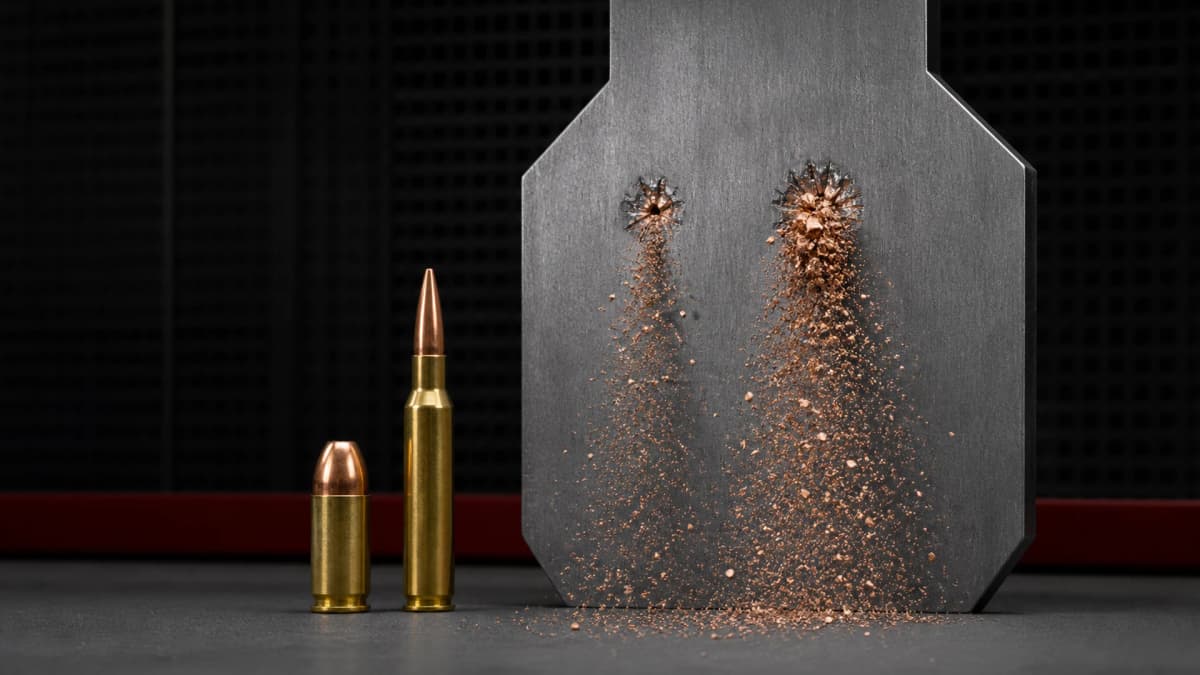
True frangible ammunition is specialist training ammunition for approved close steel, indoor ranges, and shoot houses. This guide explains how powdered-metal bullets break up on hard targets, where that behavior helps, and why a proven defensive hollow point remains the safer default for home defense.
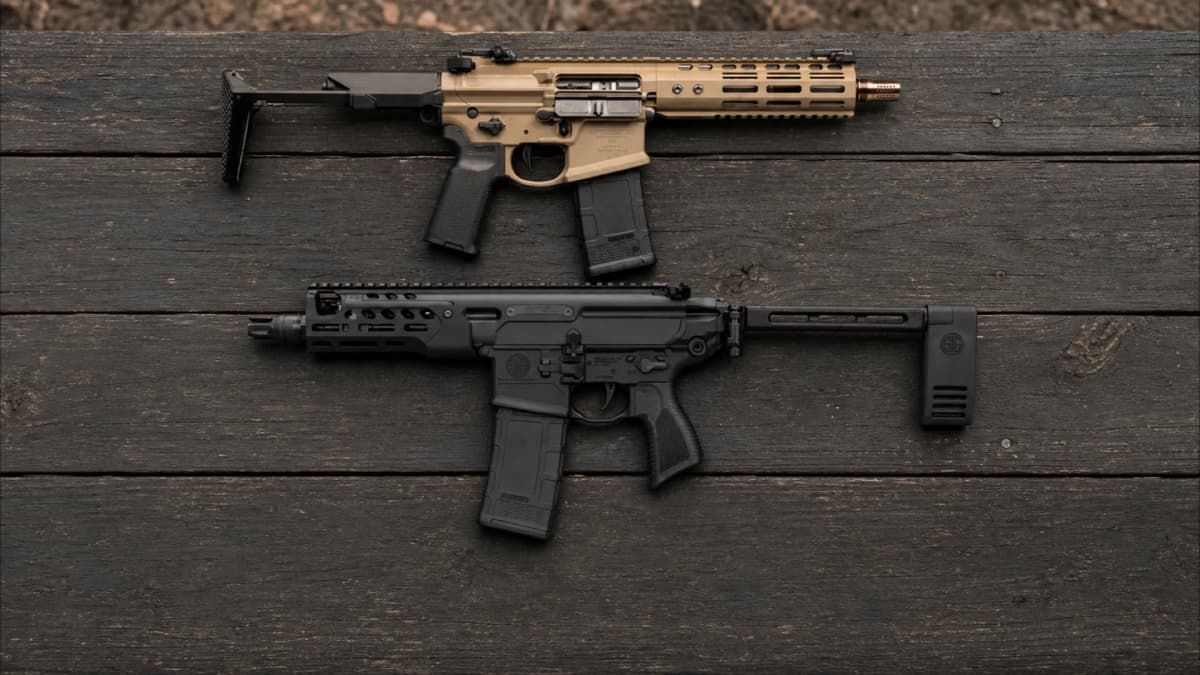
Ten current .300 Blackout firearms ranked across standard rifles, braced pistols, factory SBRs, suppressed packages, and bolt actions for distinct buyer needs.
Related articles and industry updates
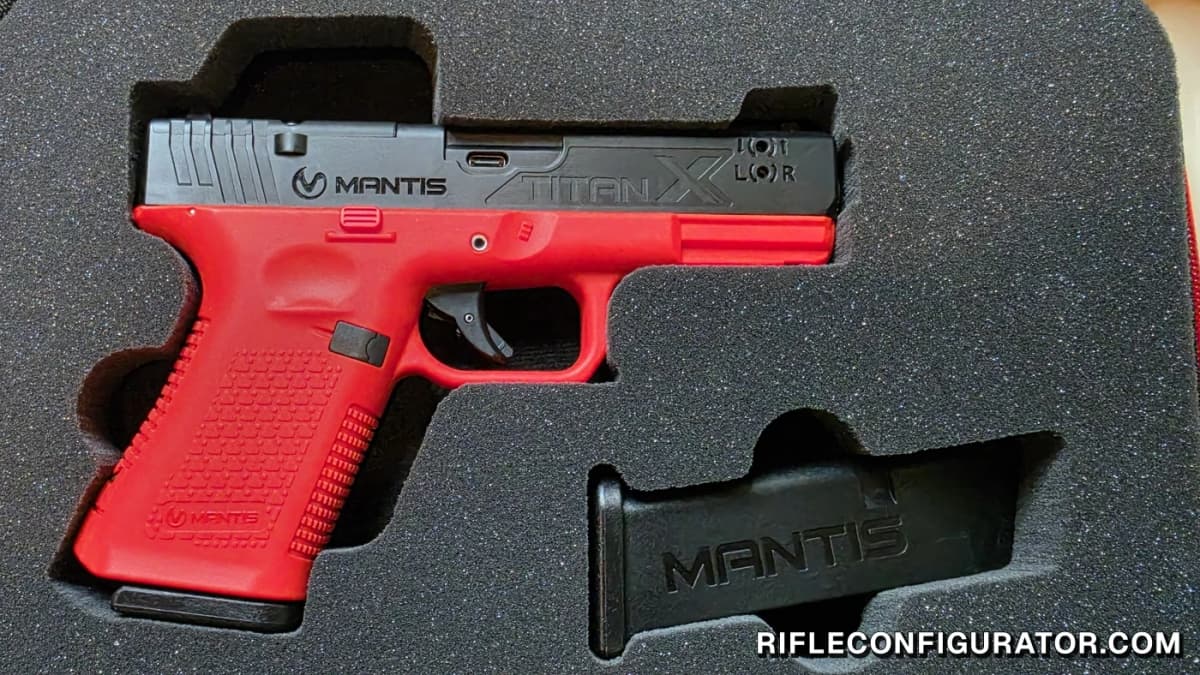
Hands-on with the Glock 19 Mantis TitanX: a 4 lb Glock-style trigger, droppable weighted mags, and MantisX trigger-press analytics in an inert trainer. The fixed slide is the one real limit.
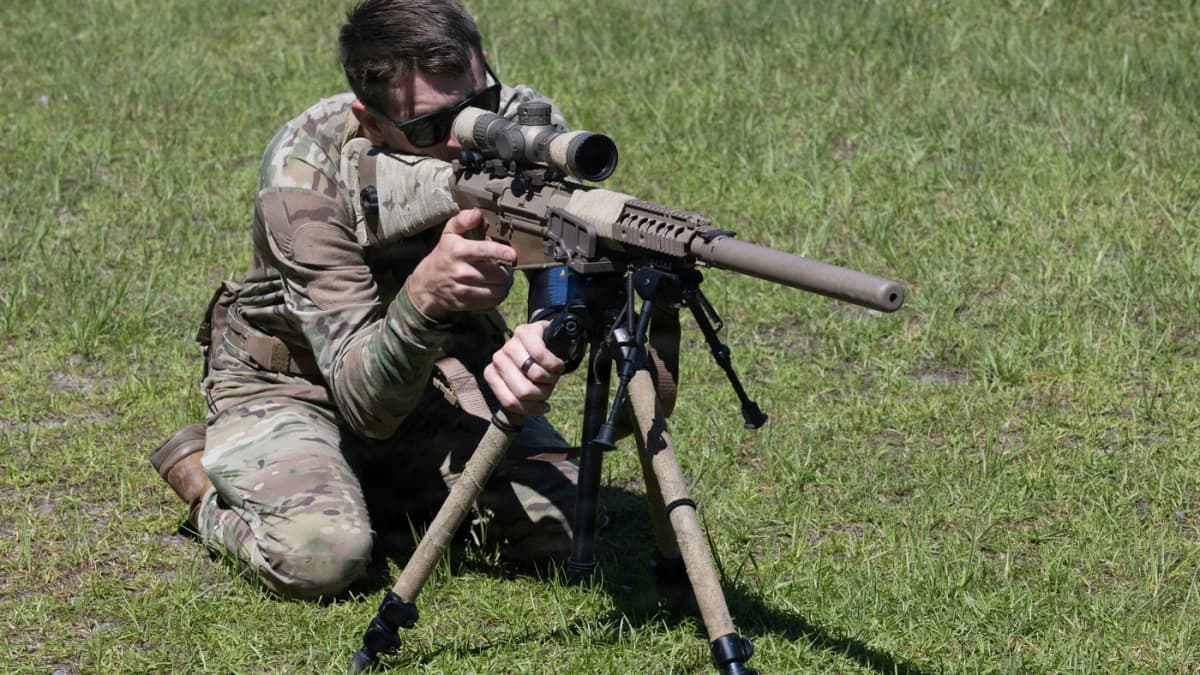
The Army awarded Knight's Armament a $49,997,842 firm-fixed-price IDIQ for M110 Semi-Automatic Sniper Systems, variants, accessories, spares, and training, running to September 10, 2031. One bid was solicited and one received.
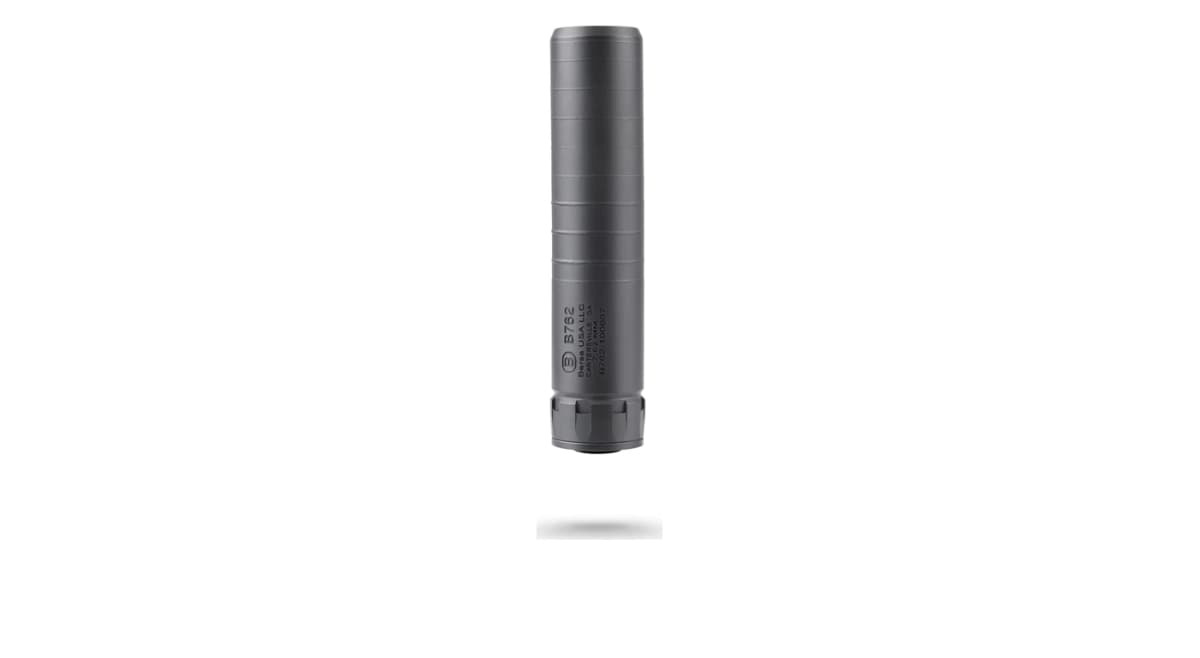
Bersa USA is shipping four WhisperTech suppressors: the 4.5 oz titanium B22 rimfire, the modular B9 with an included piston, the Inconel 718 B556, and the nine-caliber B762 that spans 5.56 NATO through .300 Win Mag. Flow-through cores, HUB threads on the two rifle cans, and every dB figure is Bersa's own.