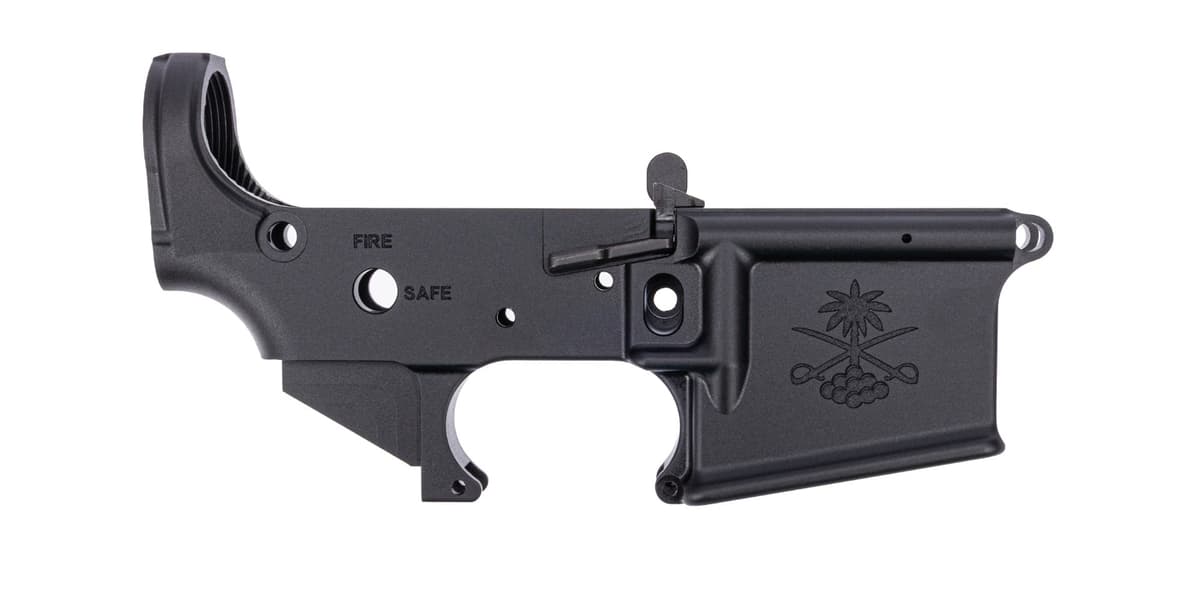
Lower Receivers • $99.99
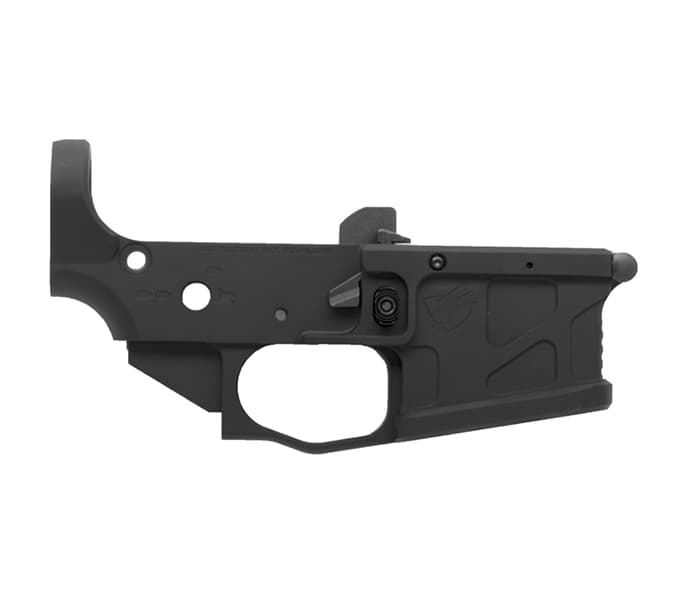
PSA Sabre-15 Ambi Lower Receiver
- Stripped AR-15 lower receiver
- 7075-T6 aluminum
$99.99
Shop at PSA
State Legality MatrixClass Breakdown
Statute-cited, last verified 2026-08-18
Unfinished frames, 80% lowers, and unserialized self-built firearms are restricted in 17 states plus Washington, D.C. California, Colorado, Connecticut, Delaware, Hawaii, Illinois, Maine, Maryland, Massachusetts, Nevada, New Jersey, New York, Oregon, Rhode Island, Vermont, Virginia, and Washington have enacted state rules. Maine's law does not start until January 1, 2027, and Virginia's purchase, transfer, and manufacture provisions start that day while its possession rule waits until July 1, 2027. The other 33 states add no state-specific rule beyond the applicable federal baseline.
Unfinished Frames & Ghost Guns
These statutes do not all do the same job. Hawaii, Nevada, New Jersey, New York, Rhode Island, and the District prohibit the ordinary unserialized product class or reserve manufacture to licensees. California, Connecticut, Illinois, Massachusetts, Oregon, Vermont, and Washington preserve a route through state-issued or federal-licensee serialization. Some regulate the unfinished component at sale, some bar possession after a compliance window, and some focus on the completed private-made firearm. A green state therefore means no added state restriction; it does not answer whether the particular part is a firearm under current federal law.
Defense Distributed v. Blanche changed the federal layer without erasing state law. The August 17, 2026 judgment held 27 C.F.R. §§ 478.11 and 478.12(c) unconstitutional, but it did not vacate the regulations and relief is limited to the protected parties. Colorado, Maryland, Nevada, Hawaii, and Virginia contain clauses tied to federal firearm or serialization status, so the ruling can change how a clause applies without making the whole state statute disappear. Each affected row below identifies the independent state restriction and the federal-reference issue separately.
Where it is restricted
Sixteen jurisdictions currently regulate unfinished frames, private manufacture, or possession of an unserialized completed firearm. A restricted row preserves a serialization or licensed-transfer path; a banned row does not leave an ordinary civilian route for the unserialized class. Maine and Virginia remain legal today and are listed with their enacted 2027 effective dates.
| State | Status | Rule | Statute / Case |
|---|---|---|---|
| California | Restricted | A private maker must obtain a California DOJ serial number before building, and firearm precursor parts use the state's licensed transfer and eligibility process. Effective 2018-07-01. | Cal. Penal Code §§ 29180-29184; §§ 30400-30485 |
| Colorado | Restricted | Unserialized firearms and covered unfinished frames are prohibited, personal manufacture is limited to licensed manufacturers, and potentially functional 3D-printed components are separately barred. Effective 2024-01-01. | Colo. Rev. Stat. § 18-12-111.5; HB26-1144 |
| Connecticut | Restricted | An unfinished frame must be serialized and transferred through the handgun process, and a private maker must obtain and affix a state serial number before completion. Effective 2019-10-01. | Conn. Gen. Stat. §§ 53-206j & 29-36b |
| Delaware | Restricted | Rigby v. Jennings permanently blocks the challenged possession and home-manufacturing bans; restrictions on unfinished-frame distribution, untraceable-firearm sales or transfers, and distributing digital 3D-printing instructions remain enforceable. Effective 2026-09-03. | Rigby v. Jennings, No. 21-1523 (MN), Order ¶¶ 2, 4 (D. Del. Sept. 10, 2026); 11 Del. C. §§ 1459A & 1463; HB 418 (2026) |
| Hawaii | Banned | Hawaii prohibits manufacture, possession, sale, transfer, and acquisition of a ghost gun, subject to licensed-manufacturer and federal-serialization defenses. Effective 2025-06-20. | Haw. Rev. Stat. §§ 134-1 & 134-8(a), (e) |
| Illinois | Restricted | Unfinished frames and privately made firearms must be serialized by an authorized federal licensee before possession, receipt, transport, or transfer. Effective 2022-11-14. | 720 ILCS 5/24-5.1 |
| Maryland | Restricted | Unfinished-frame transfers depend on federal firearm status, while a completed private-made firearm must be marked by a federal licensee and registered with Maryland State Police. Effective 2023-03-01. | Md. Code, Pub. Safety § 5-703 |
| Massachusetts | Restricted | A private maker must obtain a state serial number before manufacture, mark the firearm during assembly, and register it within seven days. Effective 2024-10-02. | Mass. Gen. Laws ch. 140, §§ 121B-121C |
| Nevada | Banned | Nevada prohibits ordinary possession, purchase, transfer, or manufacture of unfinished or completed unserialized firearms outside narrow licensee and antique exceptions. Effective 2022-01-01. | NRS 202.3625-202.364; Sisolak v. Polymer80, 546 P.3d 819 (Nev. 2024) |
| New Jersey | Banned | An unlicensed person may not obtain an unserialized frame or parts kit with the purpose of manufacturing a firearm, and unlicensed firearm manufacture is prohibited. Effective 2018-11-08. | N.J. Stat. §§ 2C:39-9(k), (n) & 2C:58-1 |
| New York | Banned | Only a licensed gunsmith may possess or serialize an unfinished frame or receiver or manufacture a firearm; ordinary possession of a ghost gun is prohibited. Effective 2022-04-26. | N.Y. Penal Law §§ 265.00(32), 265.01(9), 265.07 & 265.10 |
| Oregon | Restricted | An unfinished frame must be serialized by a federal licensee and transferred by a dealer with a background check; unserialized possession is prohibited. Effective 2024-09-01. | Or. Rev. Stat. §§ 166.265-166.267 |
| Rhode Island | Banned | Rhode Island prohibits manufacture, sale, transfer, purchase, possession, or control of a ghost gun or any firearm produced by 3D printing. Effective 2020-06-23. | R.I. Gen. Laws §§ 11-47-2(9) & 11-47-8(e) |
| Vermont | Restricted | Unfinished frames and private-made firearms must be serialized by a federal licensee before possession, transfer, or manufacture. Effective 2025-02-28. | 13 V.S.A. §§ 4083-4084 |
| Washington | Restricted | An unfinished frame must be serialized by a federal licensee; unlicensed manufacture and possession of an untraceable completed firearm are prohibited. Effective 2023-03-10. | RCW 9.41.326-.328 |
| District of Columbia | Banned | Ghost guns are unregistrable, although a qualifying self-made firearm may be serialized before completion and registered through the District's ordinary firearm process. Effective 2023-03-10. | D.C. Code § 7-2502.02(a)(8), (c) |
Contested entries
Courts stay, revive, and sever these laws mid-year, and grandfather clauses change what a ban means in practice. This is where each contested entry stands.
California allows a qualifying personal build only through its pre-build serial-number process. The finished firearm must be marked within ten days, polymer builds require embedded stainless steel, and separate precursor-part rules require vendor processing and an eligibility check. This is a serialization and transfer regime, not a categorical ban on every self-built firearm.
SB23-279 permits transfer to a federal licensee for serialization, but parts of the unfinished-frame rule ask whether federal law requires a serial number. Defense Distributed v. Blanche therefore creates a federal-reference question for protected parties even though Colorado independently bars possession of unserialized completed firearms and unlicensed manufacture. HB26-1144 took effect July 1, 2026 and separately prohibits producing potentially functional firearms, unfinished frames or receivers, magazines, or rapid-fire devices by additive or subtractive 3D printing, subject to licensed-manufacturer and accredited-gunsmithing exceptions.
Connecticut expressly defines an unfinished frame or lower receiver as not being a federal firearm. Sale and transfer nevertheless follow the pistol-and-revolver process and require a serial number; possession is limited to people eligible to possess firearms. Separate § 29-36b requires a serial number before a private maker completes a firearm and bars possession of an unserialized completed firearm subject to statutory exceptions.
The September 10, 2026 order permanently enjoins § 1459A(b), § 1463(a), the manufacture/assembly and causing manufacture/assembly portions of § 1463(b), and § 1463(c)(1). It leaves § 1459A(a), the sale/transfer portions of § 1463(b), and § 1463(c)(2) constitutional and enforceable. Section 1459A(a) covers transport and shipping as well as sale and transfer, with licensed-dealer/manufacturer, serialization, and recordkeeping requirements. HB 418, effective September 3, 2026, adds § 1459A(e) and § 1463(f): qualifying prior owners and new residents have a six-month serialization or permanent-inoperability pathway, including temporary transfers for serialization and a background check on return. The order does not expressly adjudicate those new subsections. This split ruling is neither a blanket ban nor unrestricted permission; federal law and other firearm restrictions still apply.
Hawaii defines a ghost gun as a firearm, frame, or receiver lacking a serial number registered with a federally licensed manufacturer. Section 134-8(e) makes it an affirmative defense that the firearm is not required to have a serial number under the federal Gun Control Act, so federal status after Defense Distributed v. Blanche can affect the defense for protected parties; the state prohibition itself remains in force.
Illinois supplies a licensed serialization path using the licensee's abbreviated FFL number and a unique suffix. The law separately reaches 3D-printed frames and firearms and requires serialization before a printed part becomes readily completable.
Subsection (a)(1) allows purchase, receipt, sale, or transfer of an unfinished frame only when federal law requires it to be serialized and it has been serialized by a licensed manufacturer or importer. Defense Distributed v. Blanche therefore unsettles that transfer clause for protected parties. The completed-firearm rule is independent: a private-made firearm must carry the prescribed FFL-applied mark and be registered with the Secretary.
Massachusetts treats unfinished frames and receivers as firearms for its licensing rules. It prohibits untraceable firearms but preserves a serialized private-manufacture route through the Department of Criminal Justice Information Services, followed by registration.
The Nevada Supreme Court reversed the former permanent injunction in 2024 and upheld the unfinished-frame definition against a facial vagueness challenge. Several statutory safe-harbor clauses refer to a serial number required by federal law, but the completed-firearm manufacture and possession provisions independently prohibit an unserialized build.
New Jersey's offense turns on purpose to manufacture or assemble and reaches a separate frame, receiver, or combination of parts from which an unserialized firearm may readily be made. Ordinary hobbyist manufacture is not available without the state and federal licenses required by chapter 58.
New York reserves serialization and registration to licensed gunsmiths and dealers and separately criminalizes manufacture of a ghost gun or unfinished frame or receiver. A serialized stripped lower transferred through the ordinary firearm channel is distinct from the prohibited unfinished or unserialized class.
Oregon provides a licensed serialization path and applies escalating penalties to repeat violations. The statute separately prohibits an unserialized completed firearm and unlicensed manufacture by specified computer-controlled methods.
The only express manufacturing exception is for federally licensed Type 07 manufacturers. Rhode Island's definition excludes properly marked firearms, so an ordinary serialized receiver is outside the ghost-gun class.
Vermont provides an FFL serialization process and exceptions for transport or transfer solely to obtain a serial number. A first simple-possession violation is civil; transfer or manufacture violations begin as crimes.
Washington allows a federal licensee to mark a frame or receiver but bars ordinary possession, transport, receipt, sale, purchase, and unlicensed manufacture of an unserialized unfinished part. It also restricts digital manufacturing code when distributed or possessed with intent to produce an unfinished frame using a 3D printer or CNC mill.
Every firearm in the District must be registered, and a firearm that remains a ghost gun cannot receive a certificate. Subsection (c) preserves a narrow personal-build route when the maker obtains and affixes a compliant serial number before finishing the frame or receiver and the completed configuration is otherwise registrable.
The enacted law is not yet operative as of this class's August 18, 2026 verification date. It will prohibit possession and transfer of an unserialized unfinished frame, manufacture of an unserialized firearm, and specified CNC or 3D-printer conduct while providing a federal-licensee marking process and a short transport-to-serialization window.
The law is enacted but not operative on the August 18, 2026 verification date. Its purchase and transfer clause requires the item to be deemed a firearm under federal law and serialized, so Defense Distributed v. Blanche creates a federal-reference issue for protected parties. The completed-firearm manufacturing rule is independent. Ordinary possession is not prohibited until July 1, 2027, and new residents receive a 90-day compliance window.
Where it is legal
Thirty-five states are legal today: 33 add no ghost-gun or unfinished-frame statute beyond the applicable federal baseline, while Maine and Virginia have enacted restrictions that do not begin until 2027. Federal prohibited-person, detectable-firearm, and manufacturing-for-sale rules still apply, and the 2022 federal frame-or-receiver regulations remain in force outside the parties protected by Defense Distributed v. Blanche while the case continues.
What to buy
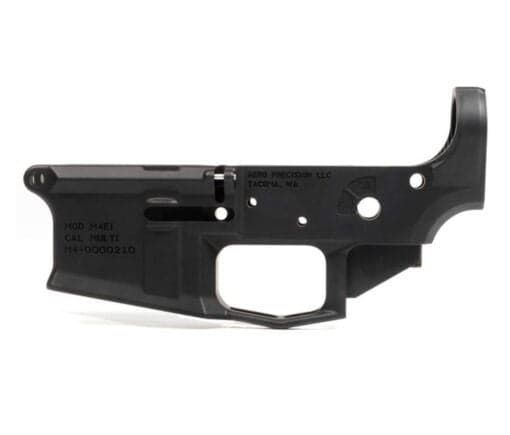
A factory-serialized stripped lower transferred through an FFL avoids the unfinished-part boundary entirely. These are completed AR-pattern receivers with manufacturer serial numbers, not 80% blanks or build kits.
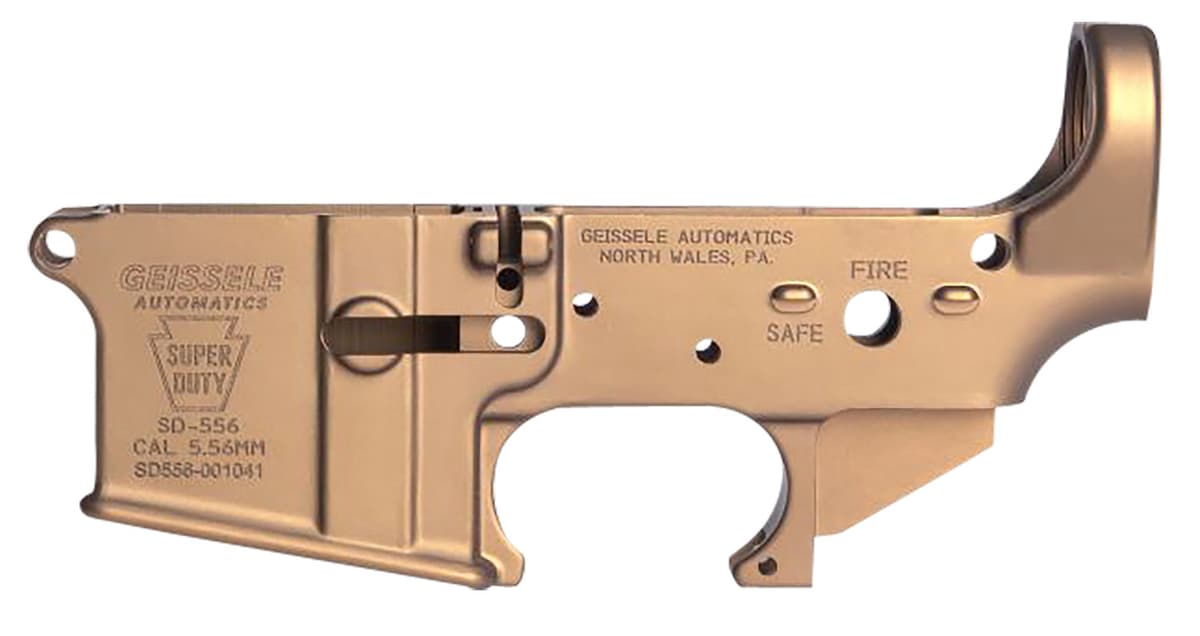
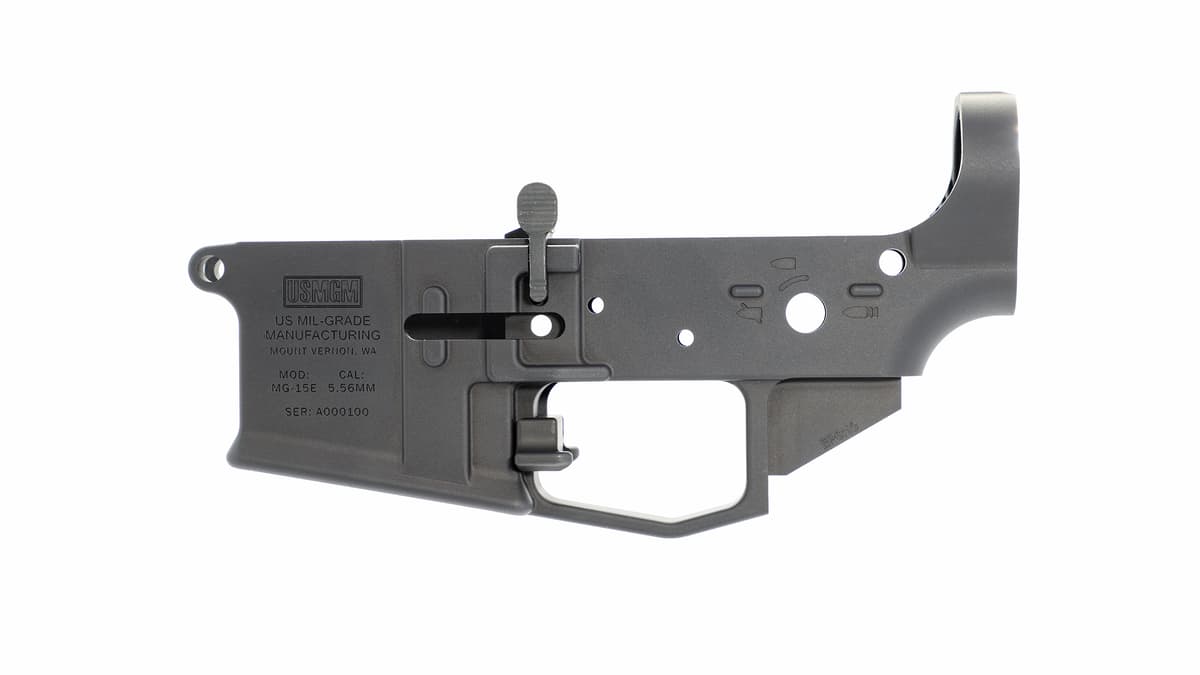
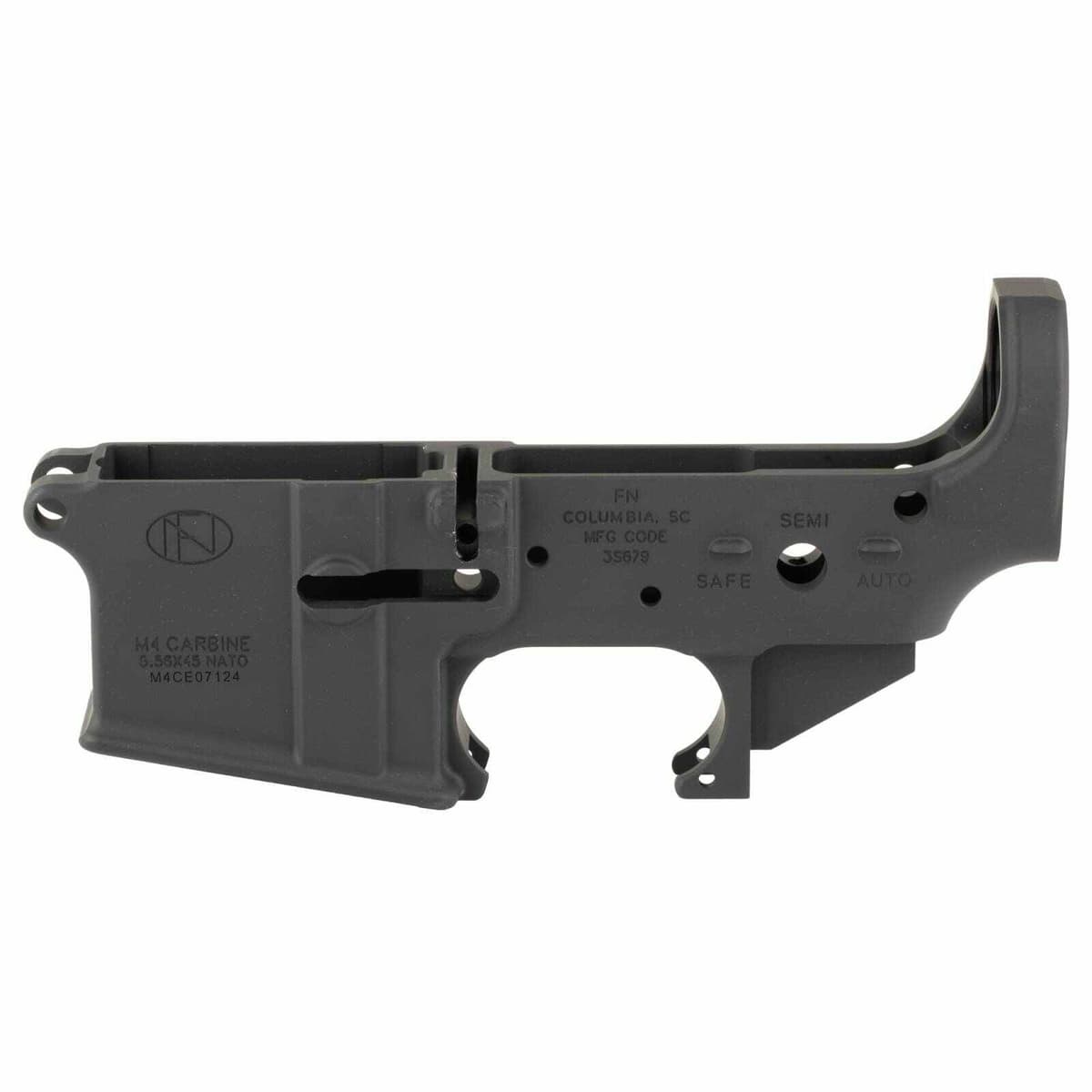
Affiliate links (?)
What to buy
In a restricted state, start with a factory-completed lower carrying the manufacturer's serial number and complete the required dealer transfer. These are serialized receivers, not unfinished 80% lowers, pistol-frame blanks, or do-it-yourself receiver kits.
Affiliate links (?)
Federal law
Federal law does not prohibit making a firearm for personal use, but prohibited-person, detectable-firearm, and unlicensed manufacturing-for-sale rules still apply. On August 17, 2026, Defense Distributed v. Blanche held 27 C.F.R. §§ 478.11 and 478.12(c) unconstitutional, but the judgment did not vacate those regulations and its declaratory and injunctive relief is party-scoped. Buyers outside the protected parties remain subject to the 2022 federal frame-or-receiver rule while litigation continues; state serialization, transfer, possession, and manufacturing laws apply independently.
Federal baseline verified 2026-08-18.
Common questions
Seventeen states plus Washington, D.C. have enacted restrictions: California, Colorado, Connecticut, Delaware, Hawaii, Illinois, Maine, Maryland, Massachusetts, Nevada, New Jersey, New York, Oregon, Rhode Island, Vermont, Virginia, and Washington. Maine's law begins January 1, 2027. Virginia's purchase, transfer, and manufacture rules begin January 1, 2027, and its possession restriction begins July 1, 2027.
Not categorically. The 2022 federal rule treats many readily completable frames, receivers, and weapon-parts kits as firearms requiring serialization and an FFL transfer. Defense Distributed v. Blanche held the relevant definitions unconstitutional on August 17, 2026, but did not vacate them; relief is party-scoped. Federal treatment therefore depends on the product and whether the buyer is protected by the judgment, while state restrictions apply independently.
Federal law generally permits a person who may lawfully possess firearms to make one for personal use, but not to manufacture firearms for sale without a license, make an undetectable firearm, or evade rules governing a part already classified as a firearm. Eighteen state jurisdictions add serialization, transfer, possession, or manufacturing restrictions, so the state row matters before any build begins.
No. A stripped AR-15 lower sold as a completed, factory-serialized receiver is already the regulated firearm component and transfers through an FFL. An 80% lower or unfinished receiver still needs machining before it can function as the receiver. The product recommendations on this page intentionally show completed serialized lowers, not blanks.
No. It addressed two federal regulations, did not vacate them, and granted party-scoped declaratory and injunctive relief. It did not invalidate any state statute. State clauses that expressly depend on federal firearm status may present new interpretation questions, but independent state serialization, possession, and unlicensed-manufacture provisions remain in force.
It depends on the state and the licensee. Illinois, Massachusetts, Oregon, Vermont, Washington, and several other restricted states expressly use a federal-licensee or state-issued serialization process. Nevada, New Jersey, New York, Rhode Island, and Hawaii do not offer the same ordinary hobbyist route for an unserialized build. Check the state row before taking a part to a dealer.