Key Takeaways
- →The holding: Chief Judge Reed O'Connor of the Northern District of Texas ruled on August 17, 2026 that 27 C.F.R. 478.11 and 27 C.F.R. 478.12(c), the two definitions ATF rewrote in its 2022 frame or receiver rule, violate the Second Amendment and are void for vagueness under the Fifth Amendment's Due Process Clause.
- →The history argument: The government offered colonial barrel-proofing and gunpowder storage laws as historical analogues. The court rejected both because their purpose was product safety, while the rule's stated purpose is crime control through tracing, and found no restriction on personal arms manufacture in America across three centuries.
- →The vagueness problem: The rule turns on when a part "may readily be" completed and when it is "clearly identifiable" as an unfinished component, backed by a nonexclusive list of eight factors. The court held that leaves no legal threshold between an unformed block of metal and a regulated receiver.
- →Who is covered: The declaratory judgment reaches Defense Distributed, the Second Amendment Foundation, and every current and future SAF member. The permanent injunction is narrower, covering those parties only as to Defense Distributed's M1911 80% frames and its G80 build kit, unfinished receiver, and grip module.
- →What does not change: The rule is not vacated, the government won summary judgment on all three remaining APA claims, prohibited persons still cannot build, and the seventeen states and District of Columbia with their own ghost gun statutes are untouched.
What the Court Ruled
A federal judge held that the two regulatory definitions at the center of ATF's 2022 ghost gun rule are unconstitutional and barred ATF from enforcing them against the plaintiffs and the Second Amendment Foundation's membership. The August 17, 2026 opinion in Defense Distributed v. Blanche, No. 4:22-cv-00691-O, came from Chief Judge Reed O'Connor in the Northern District of Texas, the same court that first struck the rule down on statutory grounds before the Supreme Court reversed.
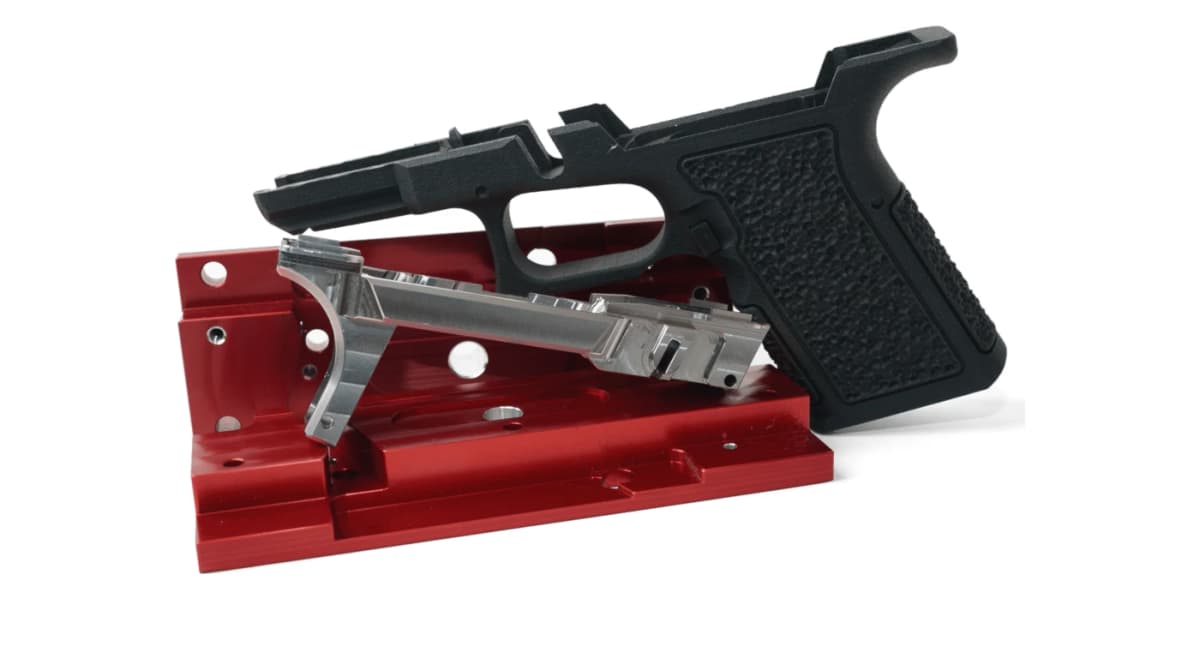
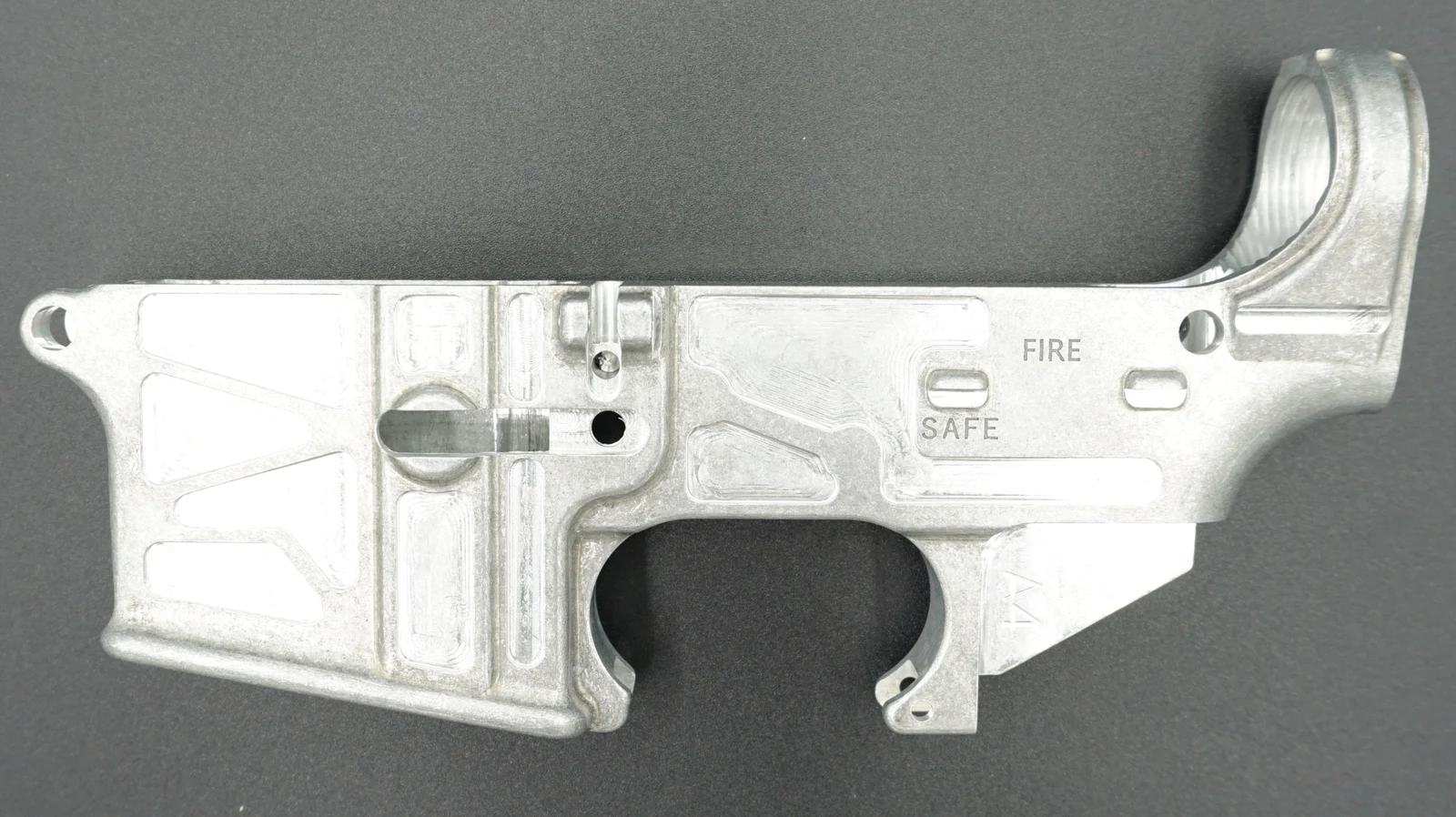
The regulations are 27 C.F.R. 478.11, which extended the definition of "firearm" to weapon parts kits, and 27 C.F.R. 478.12(c), which extended "frame" and "receiver" to a partially complete, disassembled, or nonfunctional frame or receiver that is designed to or may readily be completed. Published at 87 Fed. Reg. 24,652 in April 2022, they broke with a definition that had stood since 1978 and pulled unfinished frames, unfinished receivers, and the kits built around them into federal firearm status for the first time.
The scorecard is split. Plaintiffs won on both constitutional counts, Counts Five and Six. The government won summary judgment on all three surviving Administrative Procedure Act claims, Counts Two, Three, and Four, covering unexplained change of position, failure to consider relevant factors, and the major questions argument that Congress never delegated the authority to redefine "firearm" at all. That split matters more than it looks, because vacatur is an APA remedy and the APA claims are exactly the ones that failed.
Why the Rule Failed the Second Amendment
The rule lost because the government could not produce a historical analogue with a matching purpose. Under Bruen, once the Second Amendment's plain text covers the conduct, the burden shifts to the government to show the regulation fits this nation's historical tradition. Neither side disputed that making or repairing your own firearms is covered conduct, so the entire case came down to what the government could find in the historical record.
It offered two categories: colonial Maine and Massachusetts laws requiring gun barrels to be proof-tested and stamped, and gunpowder inspection, storage, and transport laws from several states. The court read the purpose of each side by side and found them incompatible. Barrel proofing and powder inspection existed so defective barrels would not burst and stored powder would not detonate, a point the government conceded in its own briefing. The frame or receiver rule exists, in its own words, to help law enforcement trace firearms and to keep easy-to-complete firearms away from prohibited persons. Product safety and crime control are not, in the court's phrase, relevantly similar.
Then the opinion went further. It held the rule does not merely lack supporting analogues, it contradicts an affirmative tradition, citing scholarship on self-made arms for the finding that there were no restrictions on the manufacture of arms for personal use in America during the seventeenth, eighteenth, or nineteenth centuries. The opinion walks through colonists' chartered right to import arms and the materials to make them, provincial congresses in 1775 and 1776 urging skilled gunsmiths to arm their neighbors, and British attempts to choke off both imports and domestic production as fresh grievances when the Second Amendment was ratified.
Why the Rule Was Also Too Vague to Enforce
The second holding is the one with teeth for anyone selling or buying parts: the rule never says where the line is. It regulates a frame or receiver that "may readily be completed, assembled, restored, or otherwise converted," and it excludes a forging, casting, printing, extrusion, or unmachined body that has not reached a stage of manufacture where it is "clearly identifiable" as an unfinished component. Neither phrase comes with a threshold.
What the rule supplies instead is a list of eight factors ATF may weigh when deciding whether something is readily convertible: time, ease, expertise, equipment, parts availability, expense, scope, and feasibility. The Federal Register text calls that list nonexclusive, which the court treated as the defect rather than a safety valve. Applying Johnson v. United States, it held the factors fail to establish any generally applicable test and devolve into guesswork and intuition, echoing Judge Oldham's Fifth Circuit concurrence that a lack of concrete examples produces more unpredictability and arbitrariness than the Due Process Clause tolerates. The only concrete examples the rule offers of what is not a receiver are an unformed block of metal, liquid polymer, or other raw material, which leaves everything between raw stock and a finished gun to ATF's judgment.
The government's best defense was that Congress has used "readily" in federal gun law for decades, including in the Gun Control Act's own definition of a firearm, and that courts have repeatedly upheld it. The court drew a distinction: the statutory term describes an already-formed weapon, while the rule applies the same word to a billet or blank packaged with a jig or template. It also noted that most of the cases the government cited construed the National Firearms Act, a statute Congress built to be more onerous and courts have read more expansively than the GCA.
Who the Ruling Actually Protects
Two different remedies came out of this opinion, and they cover different ground. The declaratory judgment is the broader one: it declares 27 C.F.R. 478.11 and 478.12(c) unconstitutional and holds that they cannot be enforced against Defense Distributed, the Second Amendment Foundation, or any of SAF's current or future members. Nothing in that sentence is limited to a particular product.
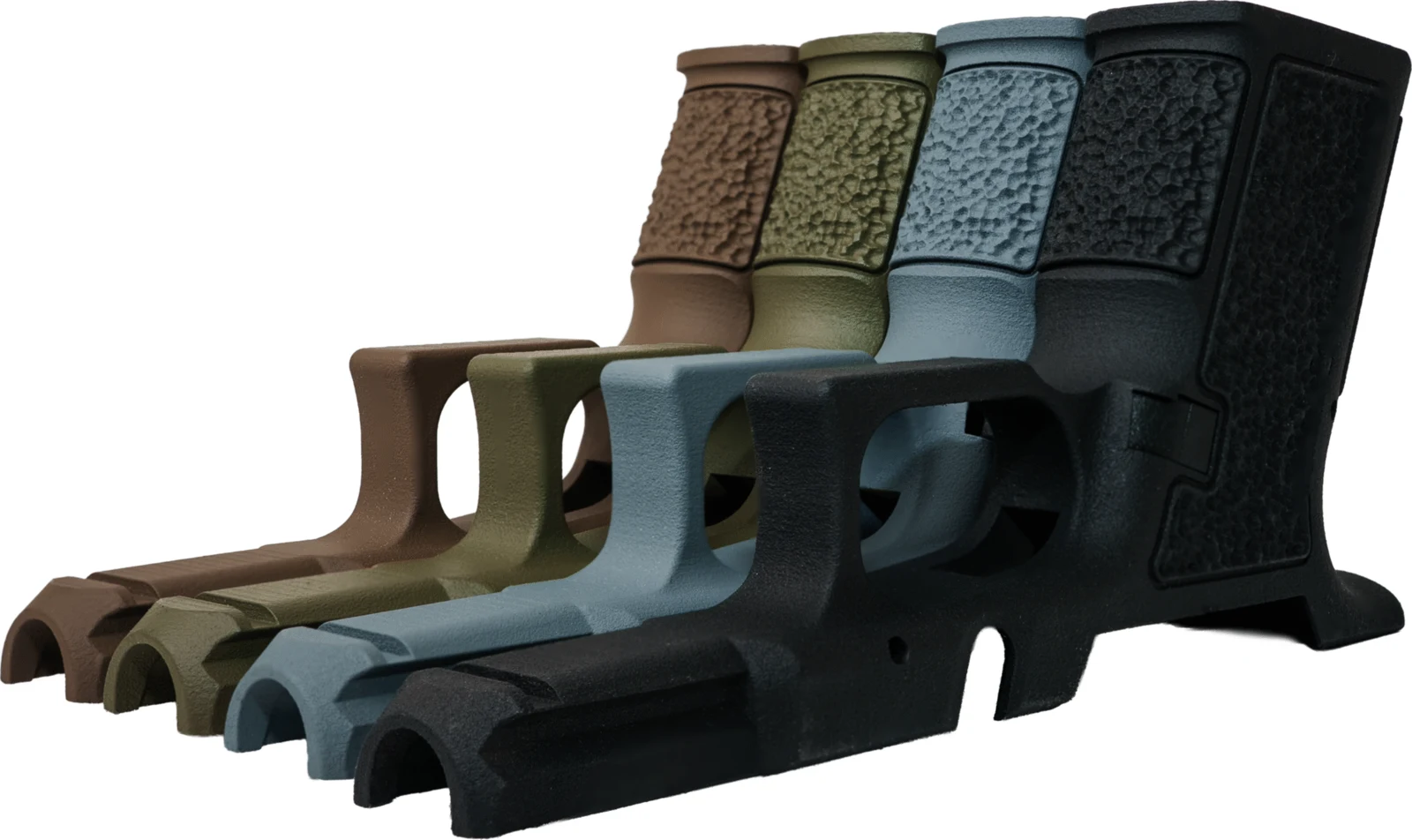
The permanent injunction is deliberately narrower. It bars ATF from enforcing those two regulations against the same parties with respect to Defense Distributed's M1911 80% frames and its G80 build kit, unfinished receiver, and grip module. Federal Rule of Civil Procedure 65 requires an injunction to state in reasonable detail what is restrained, and the court tied the scope to the specific products that established the injury.
What did not happen is a nationwide vacatur. The regulations remain in the Code of Federal Regulations and remain enforceable against everyone outside that group, which is the same structural outcome as the August 2026 NFA registration ruling: a real merits win, delivered through party-specific relief rather than by erasing the regulation. Membership is the practical hook, and it is worth reading the declaration and the injunction as two separate things before assuming either one covers a given purchase.
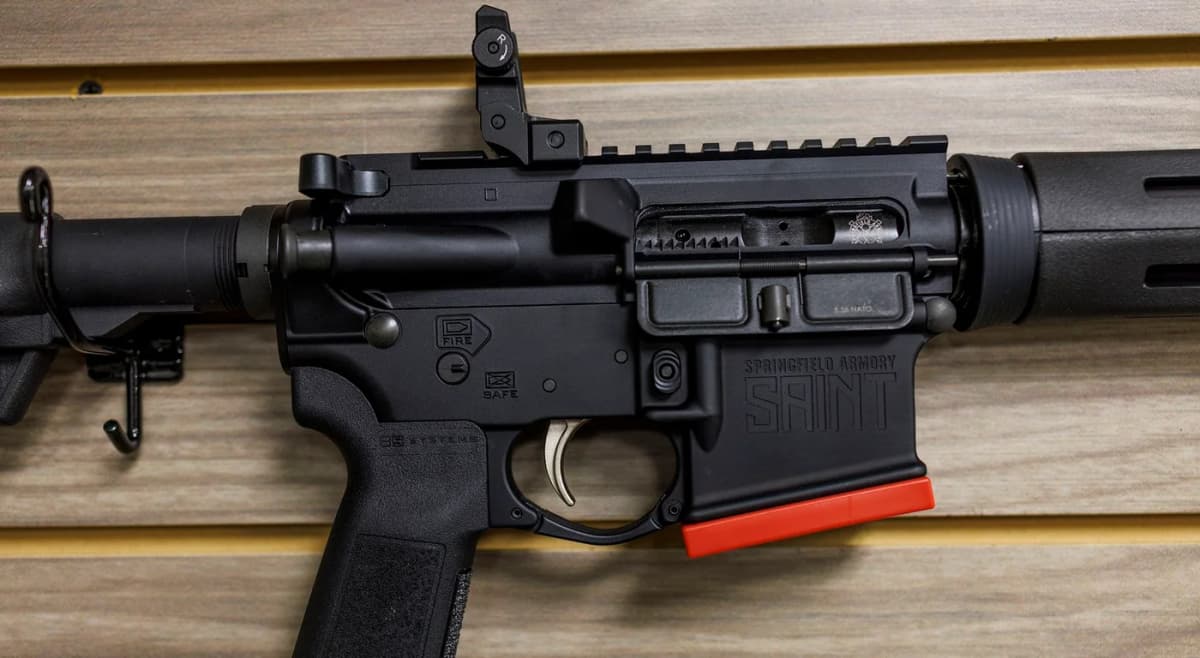
Serialized Stripped Lowers

Geissele Super Duty Stripped Lower Receiver
- 7075-T6 forged aluminum
- Standard mil-spec controls
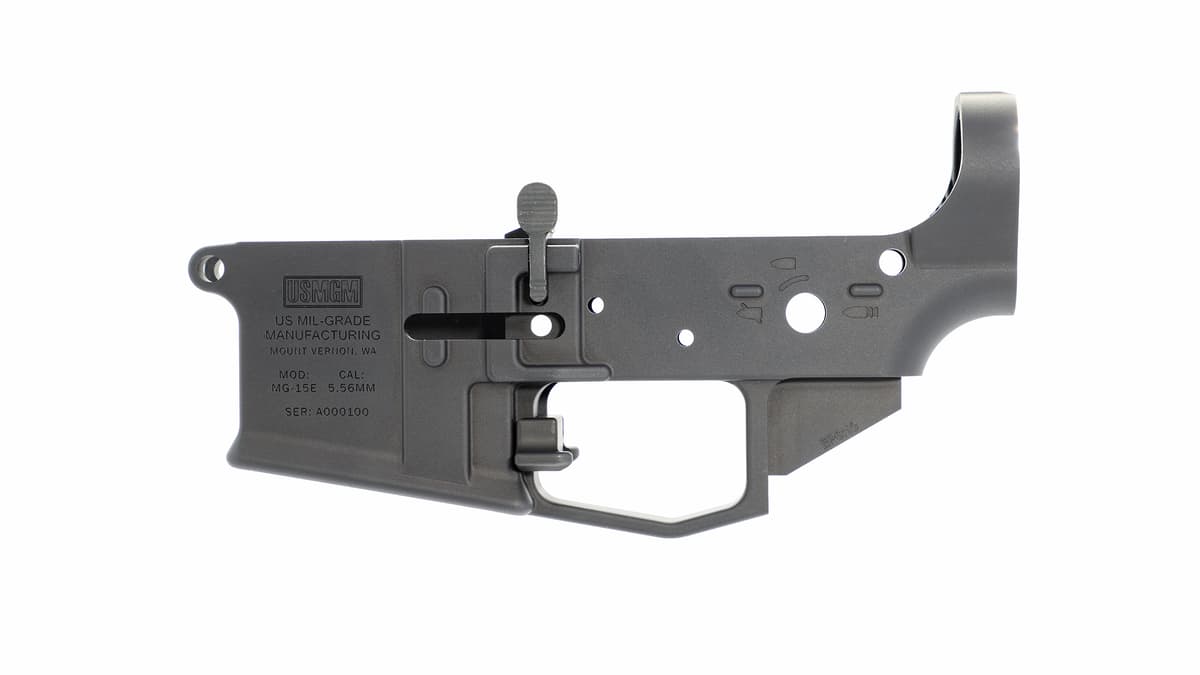
USMGM MG-15E Stripped Lower Receiver
- Billet 7075 aluminum, 9.3 oz
- SAEBR symmetrical ambi bolt catch and release
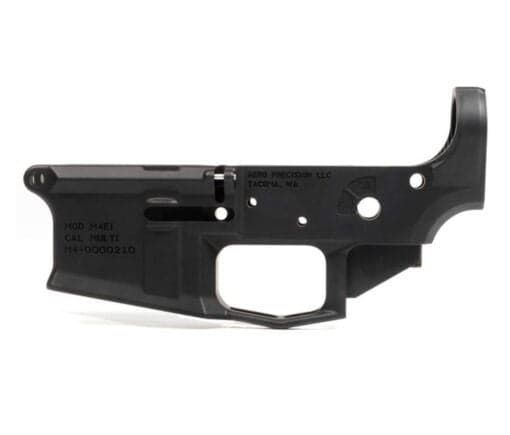
Aero Precision M4E1 Stripped Lower Receiver
- 7075-T6 forged aluminum
- Integrated trigger guard
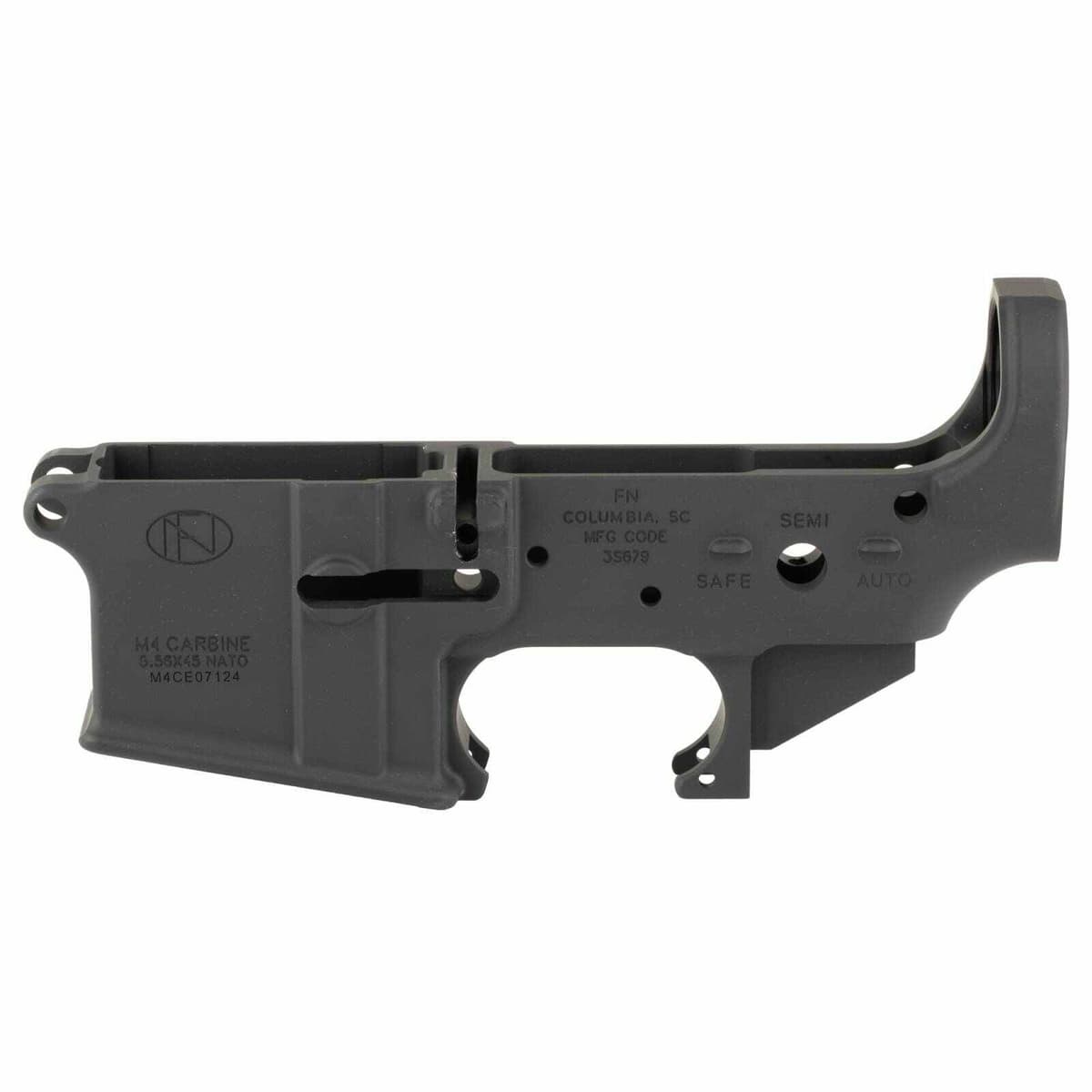
FN 15 Military Collector M4 Stripped Lower Receiver
- 7075-T6 forged, machined and broached to mil-spec
- FN M4 military-production roll markings
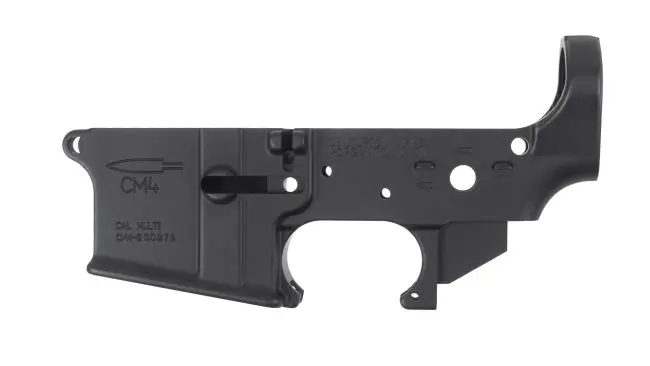
Centurion Arms CM4 Forged Stripped Lower Receiver
- 7075-T6 forged aluminum
- M16 auto pocket (full-auto compatible)
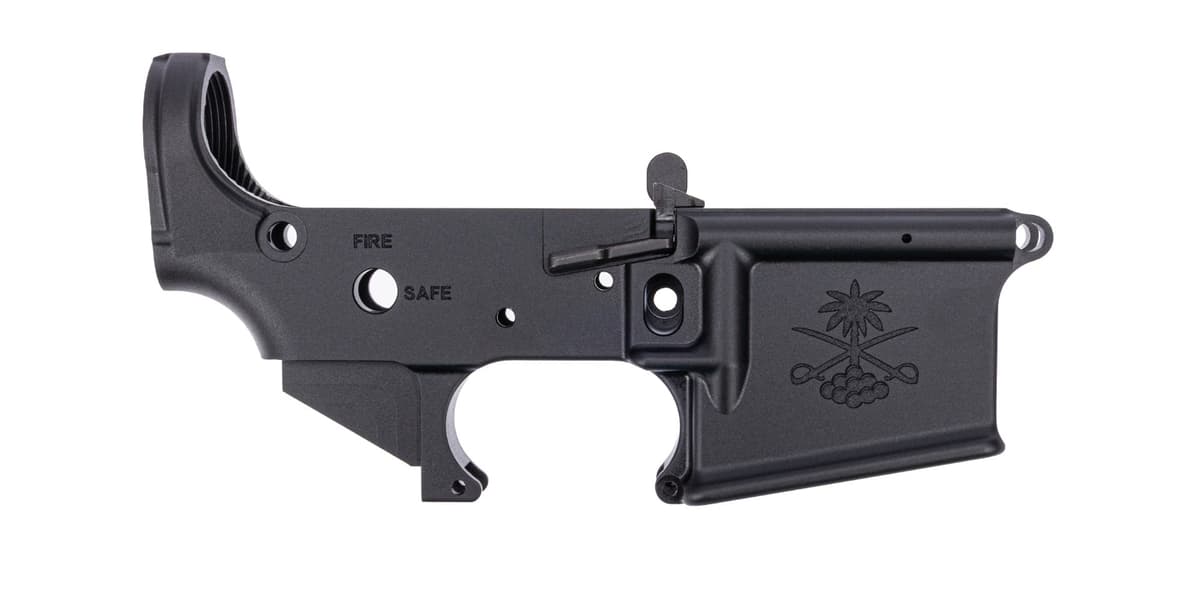
PSA Sabre-15 Ambi Lower Receiver
- Stripped AR-15 lower receiver
- 7075-T6 aluminum
Affiliate links (?)
What Does Not Change
Most of the law around building a rifle at home is untouched. Federal prohibited-person rules still apply, so anyone barred from possessing a firearm is barred from making one. The Undetectable Firearms Act still requires enough metal for a detector to see. Manufacturing firearms for sale still requires a federal license, which is the distinction between a personal build and a business, and the separate ATF engaged-in-the-business rule remains vacated on its own track.
State law is the bigger constraint, and this ruling does nothing to it. Giffords Law Center counts seventeen states plus the District of Columbia with ghost gun statutes: California, Colorado, Connecticut, Delaware, Hawaii, Illinois, Maine, Maryland, Massachusetts, Nevada, New Jersey, New York, Oregon, Rhode Island, Vermont, Virginia, and Washington. They vary in what they reach, from serial number requirements on unfinished frames to background checks on their sale to flat bans on possessing an unserialized firearm, and Colorado now restricts 3D printing firearm components as well. Several are drafted by reference to federal firearm status, so a federal ruling is not a safe proxy for what your state allows. The ghost gun and 80% lower state-law matrix separates serialization rules, transfer limits, possession bans, and future effective dates across all 50 states and D.C. If you build in California or New York, our featureless AR-15 build guide covers the configuration rules that apply on top.
For most builders, the serialized path was always the simpler one and still is. A stripped lower bought through an FFL comes with a serial number, a 4473, and no argument about what stage of manufacture it has reached. Our AR-15 lower receiver rankings break down forged versus billet and the trigger-fit gotchas, and the lower parts kit guide covers what to put in it. To spec the rest of the rifle around one, the rifle builder checks parts compatibility as you go.
What Happens Next
The Justice Department has until roughly mid-October 2026 to appeal. Federal Rule of Appellate Procedure 4(a)(1)(B) gives a government party 60 days from entry of judgment to file a notice of appeal, and none had been filed as of August 18, 2026. The Fifth Circuit has already seen this case once and largely affirmed the earlier judgment against the rule, though on a statutory theory the Supreme Court then rejected.
The reason this opinion is not simply foreclosed by that reversal is that Bondi v. VanDerStok answered a narrower question. It held that the rule was not facially inconsistent with the Gun Control Act's text, and both sides in this round agree it never addressed a constitutional issue. The original plaintiffs, including Jennifer VanDerStok and the Firearms Policy Coalition, dismissed their claims after the remand. Defense Distributed and SAF stayed in and pivoted to the Second and Fifth Amendments, which is the ground the government had never had to defend.
Watch two things from here. The first is whether ATF issues any guidance on how it will handle SAF members, since the declaration covers current and future members and the agency has no practical way to know who joins tomorrow. The second is whether other circuits pick up the vagueness reasoning, which is the more portable of the two holdings because it does not depend on a historical-tradition analysis that courts have applied inconsistently since Bruen.
Track the Frame and Receiver Litigation
We publish a brief every time this case moves: an appeal notice, ATF guidance on who the declaration covers, and any Fifth Circuit action, so you know what the rules are before you buy or build.
Frequently Asked Questions
▶Can you buy 80% lowers anymore?
▶What states have banned 80% lowers?
▶Is it legal to build an 80% lower?
▶Are P80 frames illegal?
▶Does this ruling vacate the frame or receiver rule nationwide?
▶Will the government appeal?
Bottom Line
A federal court has now held that ATF's 2022 frame or receiver definitions violate the Second Amendment and are too vague to enforce, and the vagueness holding is the sharper of the two: a criminal regulation that cannot say where an unfinished part becomes a firearm has not given anyone fair notice. The relief is real and narrower than the headline. The rule is not vacated, the APA claims that could have vacated it failed, and the injunction names four specific Defense Distributed products.
For a builder, the practical guidance today is what it was last week. Check your state statute first, because seventeen states and DC regulate this directly and none of them were before this court. If you want a rifle rather than a legal position, a serialized stripped lower through an FFL still gets you there with no ambiguity about what stage of manufacture it has reached.