
Lower Receivers • $99.99
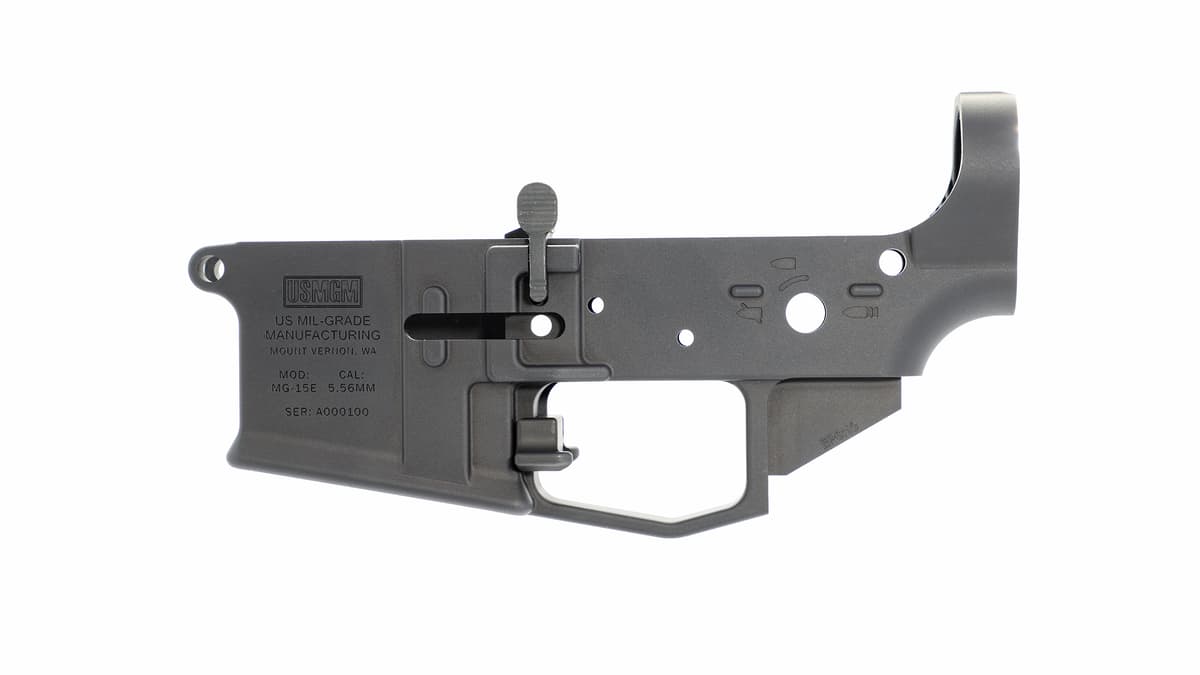
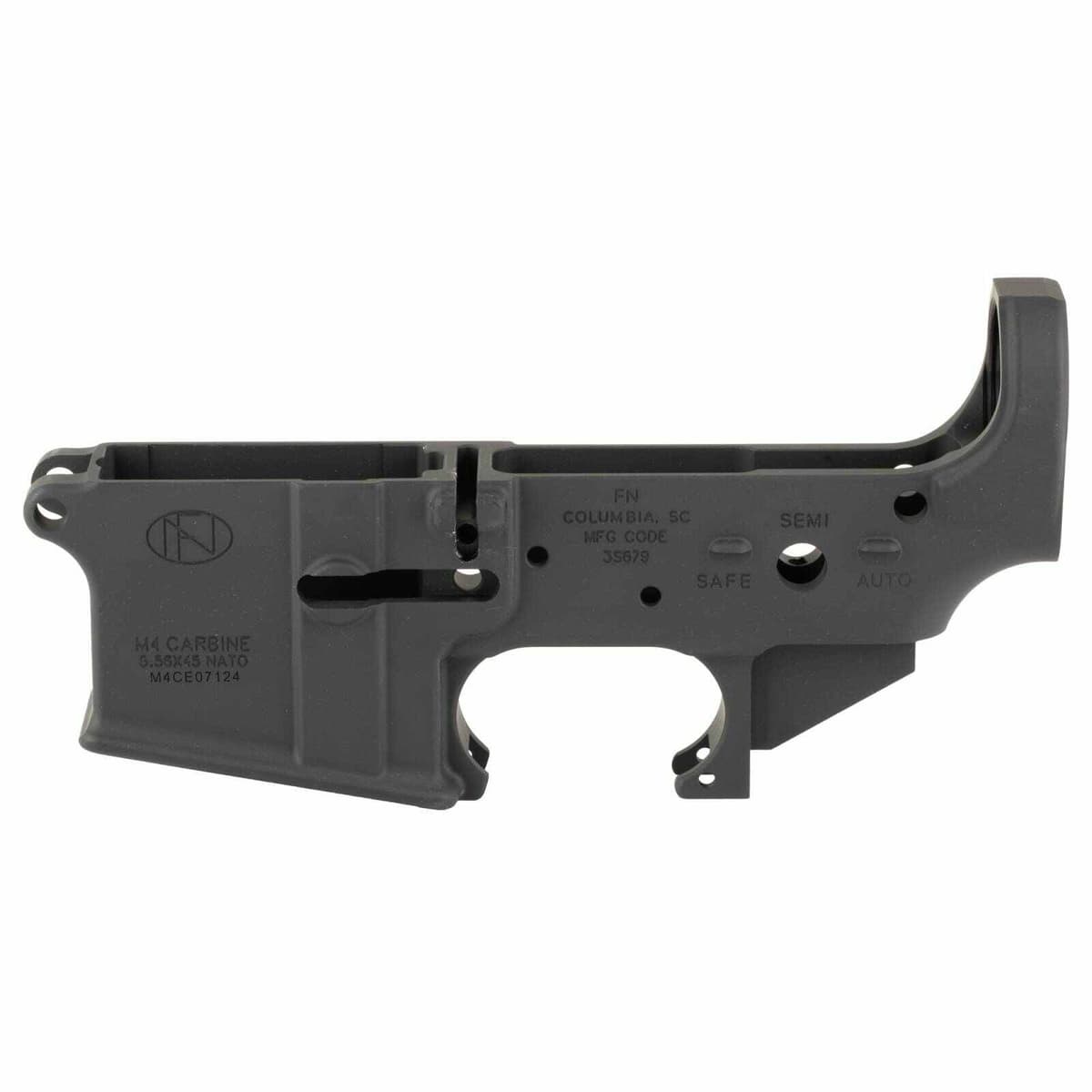
PSA Sabre-15 Ambi Lower Receiver
- Stripped AR-15 lower receiver
- 7075-T6 aluminum
$99.99
Shop at PSA
State Legality MatrixUnfinished Frames & Ghost GunsConnecticut
Statute-cited, last verified 2026-08-18
Restricted
Restricted. An unfinished frame must be serialized and transferred through the handgun process, and a private maker must obtain and affix a state serial number before completion. Effective 2019-10-01.
Controlling law: Conn. Gen. Stat. §§ 53-206j & 29-36b
Contested entry
Connecticut expressly defines an unfinished frame or lower receiver as not being a federal firearm. Sale and transfer nevertheless follow the pistol-and-revolver process and require a serial number; possession is limited to people eligible to possess firearms. Separate § 29-36b requires a serial number before a private maker completes a firearm and bars possession of an unserialized completed firearm subject to statutory exceptions.
Federal law
Federal law does not prohibit making a firearm for personal use, but prohibited-person, detectable-firearm, and unlicensed manufacturing-for-sale rules still apply. On August 17, 2026, Defense Distributed v. Blanche held 27 C.F.R. §§ 478.11 and 478.12(c) unconstitutional, but the judgment did not vacate those regulations and its declaratory and injunctive relief is party-scoped. Buyers outside the protected parties remain subject to the 2022 federal frame-or-receiver rule while litigation continues; state serialization, transfer, possession, and manufacturing laws apply independently.
Federal baseline verified 2026-08-18. Scope: Unfinished firearm frames and receivers, including products marketed as 80% lowers or pistol-frame blanks, plus firearms privately made without a serial number. Serialized stripped receivers transferred as firearms are outside this class's unfinished/unserialized restrictions.
Common questions
Restricted. An unfinished frame must be serialized and transferred through the handgun process, and a private maker must obtain and affix a state serial number before completion. Effective 2019-10-01. Controlling law: Conn. Gen. Stat. §§ 53-206j & 29-36b.
The controlling law is Conn. Gen. Stat. §§ 53-206j & 29-36b. An unfinished frame must be serialized and transferred through the handgun process, and a private maker must obtain and affix a state serial number before completion.
Connecticut's rule took effect 2019-10-01. Connecticut expressly defines an unfinished frame or lower receiver as not being a federal firearm. Sale and transfer nevertheless follow the pistol-and-revolver process and require a serial number; possession is limited to people eligible to possess firearms. Separate § 29-36b requires a serial number before a private maker completes a firearm and bars possession of an unserialized completed firearm subject to statutory exceptions.
Federal law does not prohibit making a firearm for personal use, but prohibited-person, detectable-firearm, and unlicensed manufacturing-for-sale rules still apply. On August 17, 2026, Defense Distributed v. Blanche held 27 C.F.R. §§ 478.11 and 478.12(c) unconstitutional, but the judgment did not vacate those regulations and its declaratory and injunctive relief is party-scoped. Buyers outside the protected parties remain subject to the 2022 federal frame-or-receiver rule while litigation continues; state serialization, transfer, possession, and manufacturing laws apply independently.
What to buy
In a restricted state, start with a factory-completed lower carrying the manufacturer's serial number and complete the required dealer transfer. These are serialized receivers, not unfinished 80% lowers, pistol-frame blanks, or do-it-yourself receiver kits.


Affiliate links (?)