Key Takeaways
- →Two versions: one takes Colt-pattern 9mm magazines, the other (the BCM 9G) takes Glock magazines. Neither magwell accepts the other pattern, so you choose when you buy.
- →Which to buy: Glock for cheap, common magazines; Colt for easier loading at a higher price per magazine and more variation between makers.
- →Direct blowback: Bravo Company confirmed there is no delay system. Recoil depends on bolt mass, buffer weight, and spring rate.
- →BCM 9G specs: forged MK2 upper, factory brace, 1/2x28 threaded barrel, mil-spec trigger, and a standard AR charging handle.
- →Not announced: price, release date, and barrel length. Bravo Company has no product page for the gun yet.
What the BCM9 Is
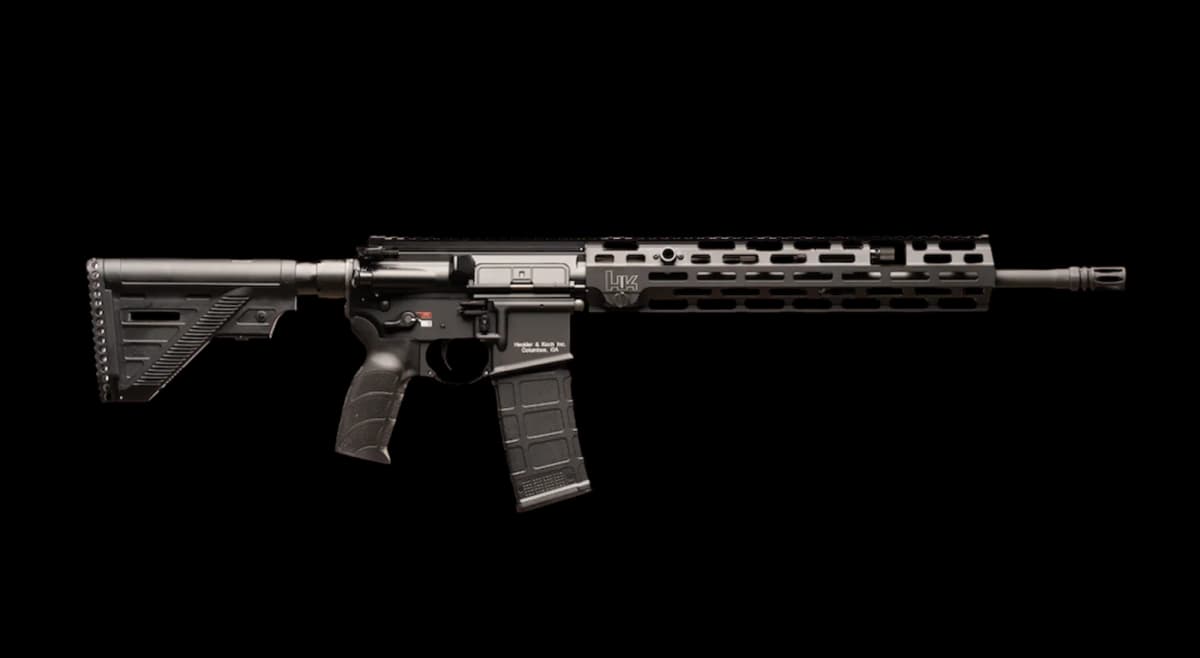
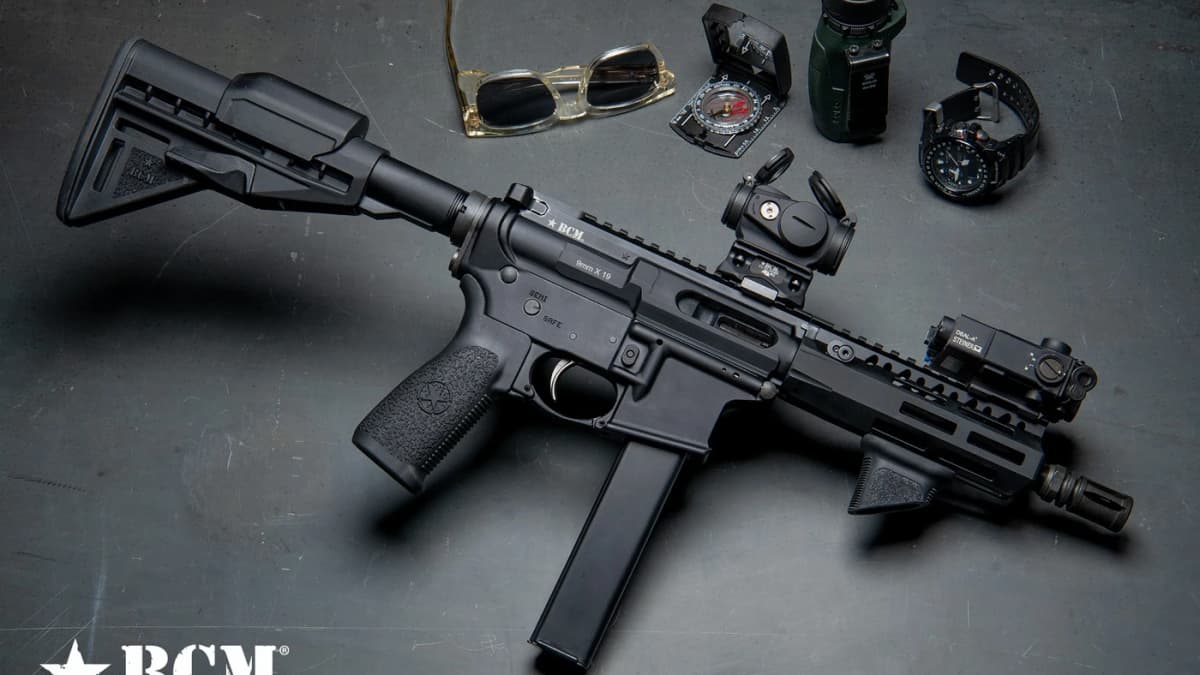
The BCM9 is a 9x19mm AR built on a dedicated 9mm receiver. It is the same type of gun as the CMMG Mk9 and the Aero EPC-9: the lower is machined around a pistol magazine instead of using a 5.56 lower with a magazine adapter.
It is direct blowback and comes in two versions, one fed by Colt-pattern magazines and one fed by Glock magazines. Bravo Company has not published a product page, spec sheet, or price.
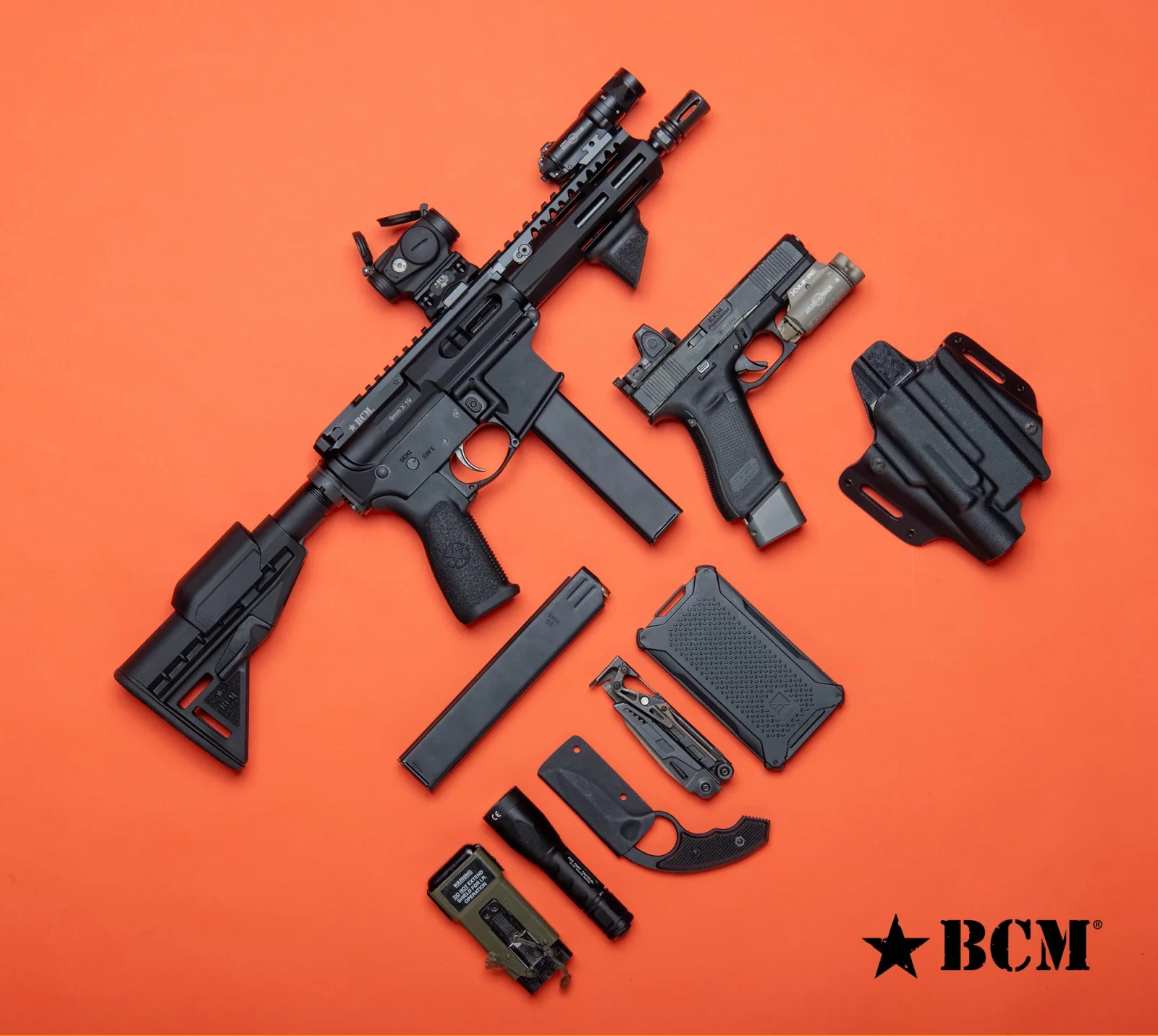
BCM 9G Specs From the First Hands-On Review
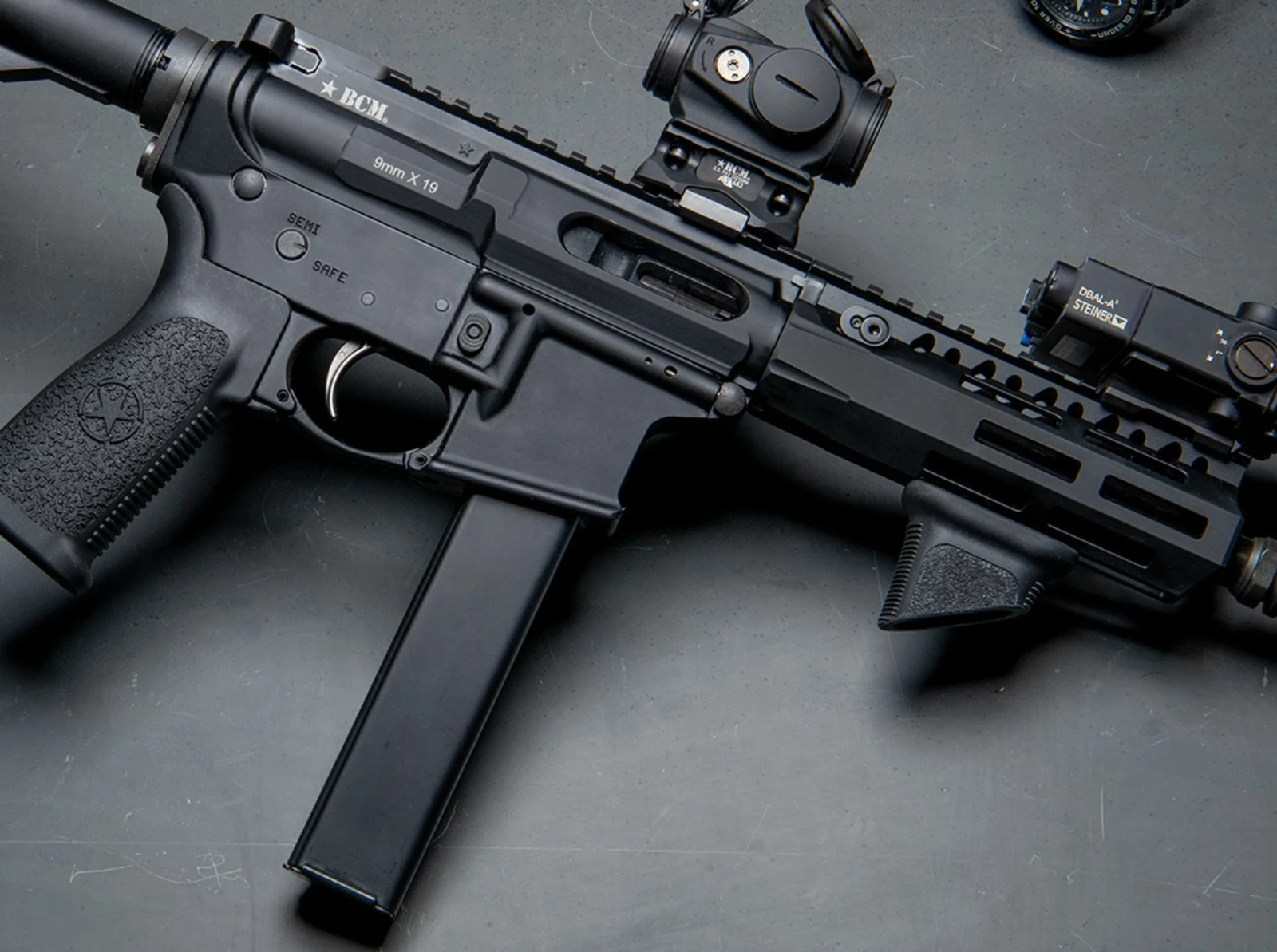
Military Arms Channel's October 14, 2026 review is the first full look at the gun. It names the Glock-magazine version the BCM 9G. It has a forged MK2 upper with no forward assist, a forged lower, and a dark gray finish rather than black.
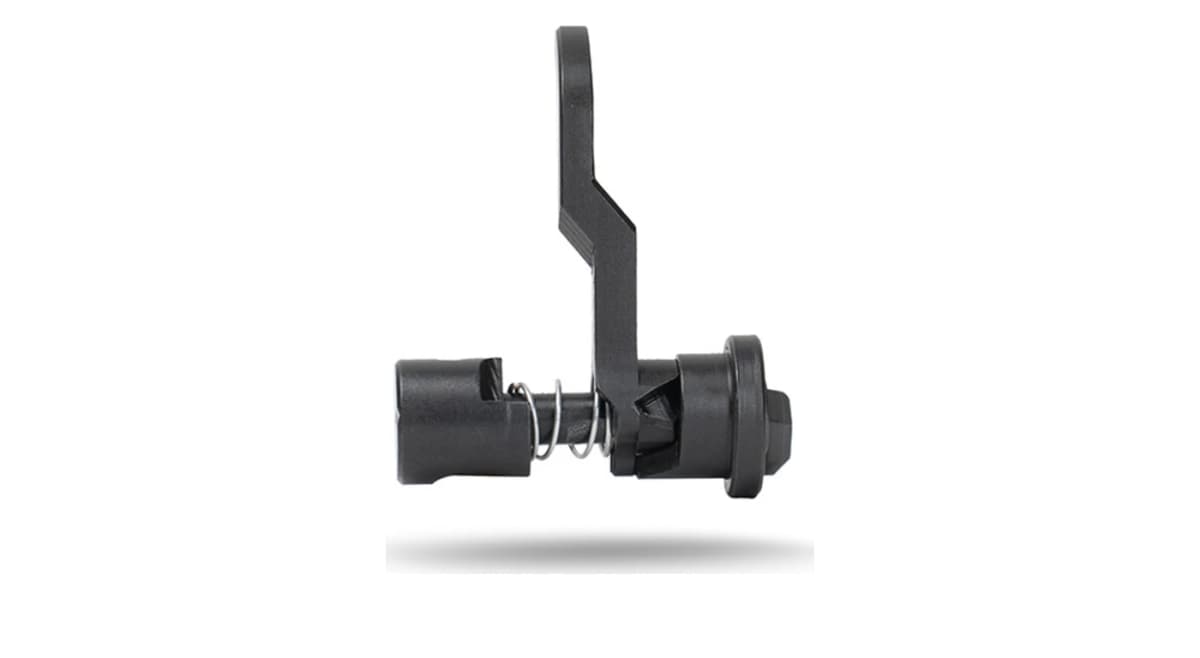
The controls are standard AR-15. There is a bolt catch on the left side only, no right-side bolt release, and no ambidextrous controls. The fire control group is mil-spec, so an aftermarket trigger drops in. The charging handle has an extended latch for right-handed shooters, but it is a standard AR charging handle; the review swaps in a Colt T-handle, so left-handed shooters can use any AR handle they like. The short M-LOK handguard comes with a QD sling mount, there is a second QD point at the rear, and the barrel is threaded 1/2x28. The Gunfighter grip has a new, more aggressive texture.
The bolt follows the design of the Colt 635 SMG from the early 1980s, which put a blowback 9mm bolt in an M16 with a magazine block and modified Uzi magazines. Those magazines are where the Colt pattern comes from. Bravo Company's bolt adds a larger ejector that cuts through the side of the bolt, an anti-rotation key that rides in the gas-key channel, and a chamber area angled and polished into one long feed ramp. For live-fire footage, watch Military Arms Channel's full BCM 9G review.
Colt and Glock Versions
The BCM9 is sold in both AR-9 magazine patterns, as two separate guns. The Glock version is the BCM 9G; the Colt version is a separate model. A Glock magazine seats at an angle and a Colt magazine goes in straight, so neither magwell takes the other pattern and you cannot convert one into the other. Both versions lock the bolt open on the last round. The 9G takes standard Glock 17 magazines and 33-round extended magazines.
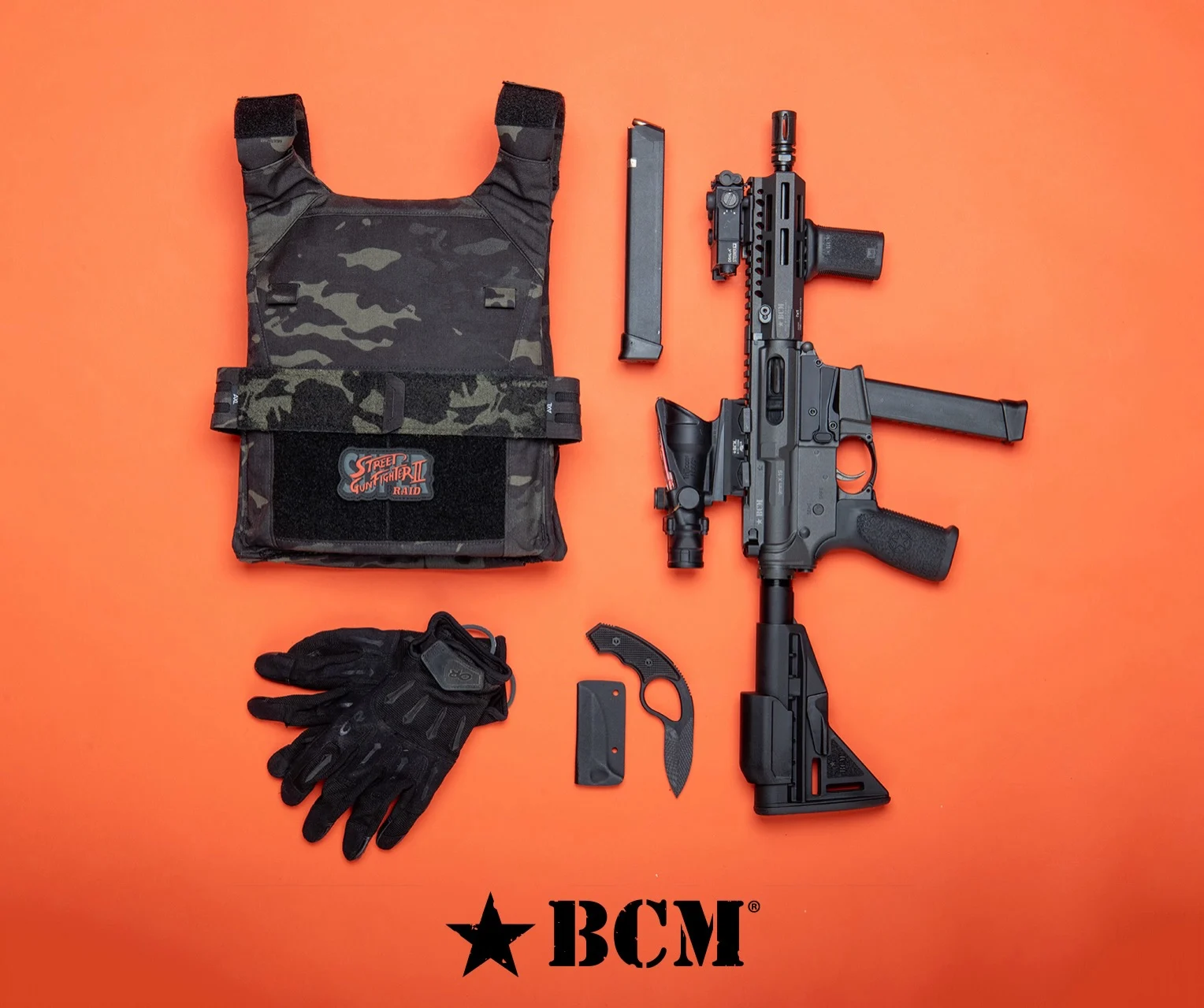
The Glock lower has a bolted side plate that houses the magazine release. Bravo Company built the lower from a mil-spec-pattern forging, which needed extra width at the release, so the plate is a release housing, not a removable magwell.
Which Version to Buy
Buy the Glock version if you want cheap magazines or already carry a Glock. Buy the Colt version if you shoot enough that loading speed matters more than magazine cost.
The difference is how the magazines feed. Colt 9mm SMG magazines present rounds from both columns at the feed lips, so you can thumb-load them to full capacity easily. Glock magazines taper to a single round at the top, and the last several rounds into a 33-rounder take real pressure or a loading tool. You notice this every time you reload between strings at the range.
Colt magazines have their own problem. Only a few companies make them, quality varies, they cost more per magazine, and owners often have to try several brands to find ones that run in their gun. Glock magazines are the cheapest, most widely stocked pistol magazines in the country, and many buyers already own some.
Neither is our first choice for a PCC. We prefer a CZ Scorpion magwell because of the Magpul PMAG 35 EV9: it feeds from both columns like a Colt magazine, so it loads easily, and Magpul makes it in volume, so it is cheap, easy to find, and consistent. That is the main advantage the Daniel Defense PCC has over the BCM9. The Panzer Arms ARP9 chose Glock magazines for the cost reason. See how the rest of the field splits in our best 9mm PCC ranking.
Direct Blowback: How It Recoils and Suppresses
The BCM9 is direct blowback, confirmed by Bravo Company. There is no radial delay, roller delay, or gas piston.
In a direct blowback gun, nothing locks the bolt. Only the weight of the bolt and buffer and the force of the spring hold it closed, so recoil comes as one sharp push rather than the softer impulse of a delayed system. Most AR-9s work this way because it is simple and cheap. Delayed systems cost more to build: CMMG's radial delayed blowback uses rotating bolt lugs to hold the bolt closed slightly longer, the Springfield Kuna and Taurus RPC use rollers, and the SIG MPX uses a gas piston.
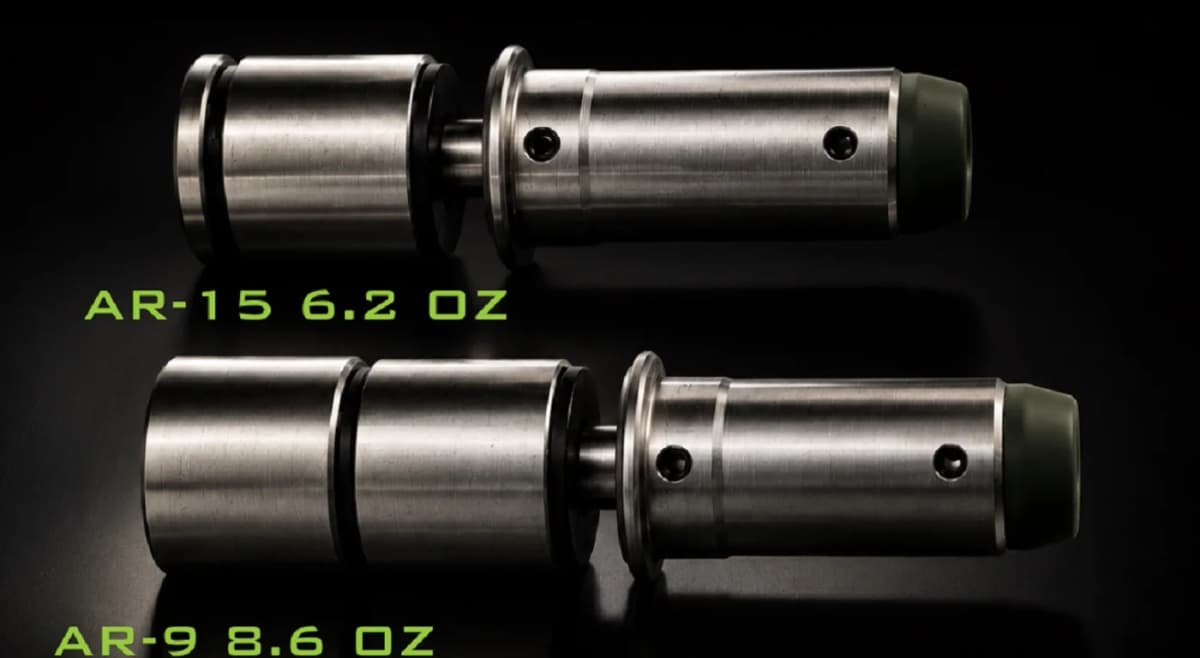
That means the BCM9's recoil depends on how well Bravo Company matched bolt mass, buffer weight, and spring rate. Bravo Company sells a 9mm PCC carbine-length buffer with four steel weights at about 5.4 oz, though the listing does not name the BCM9. Our AR9 build and blowback tuning guide covers how buffer weight and spring pairing change the way a blowback 9mm runs.
It also means the BCM9 will be gassier with a suppressor than a delayed-blowback gun. A blowback action opens early and sends gas back toward the shooter's face, which is why our PCC ranking picks the radial-delayed CMMG Banshee as the best suppressor host. If you plan to run the BCM9 suppressed, expect to adjust the buffer or choose ammunition for it. Our PCC suppressor pairing guide covers which suppressors work best on a short 1/2x28 9mm like this one.
Kyle Defoor's Testing
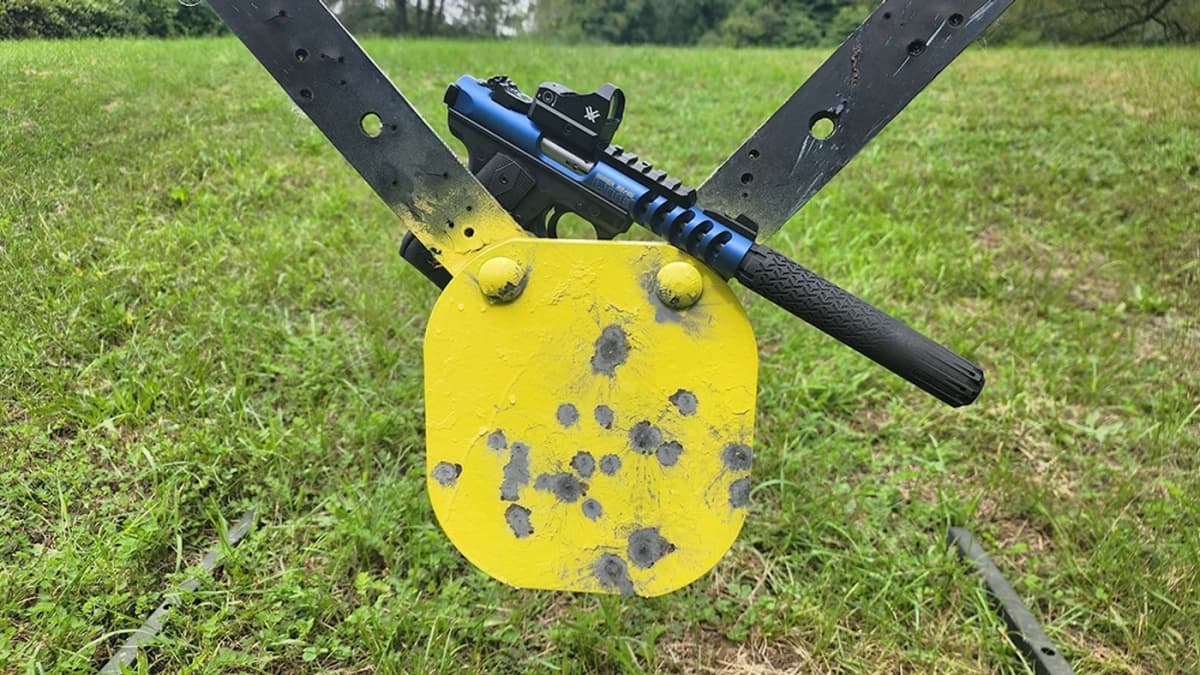
Firearms instructor Kyle Defoor is testing a BCM9 and reports hitting B8 repair centers past 100 yards with a 3x magnifier. The B8 center is the 5.5-inch black used as the standard precision target in pistol and carbine qualifications. He is still choosing a zero distance and is shooting the gun until it malfunctions rather than running a fixed round count. He said he is very impressed with it.
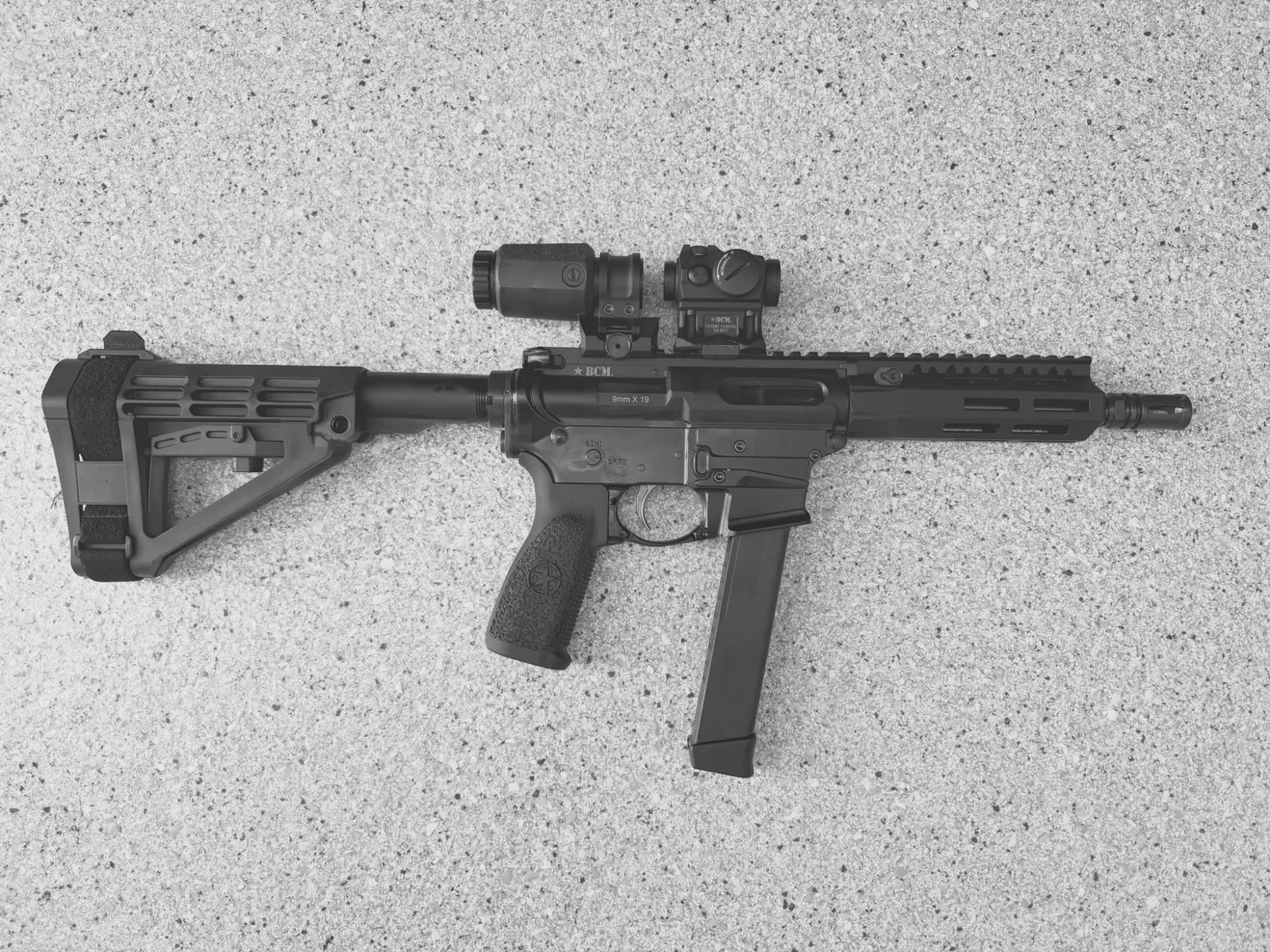
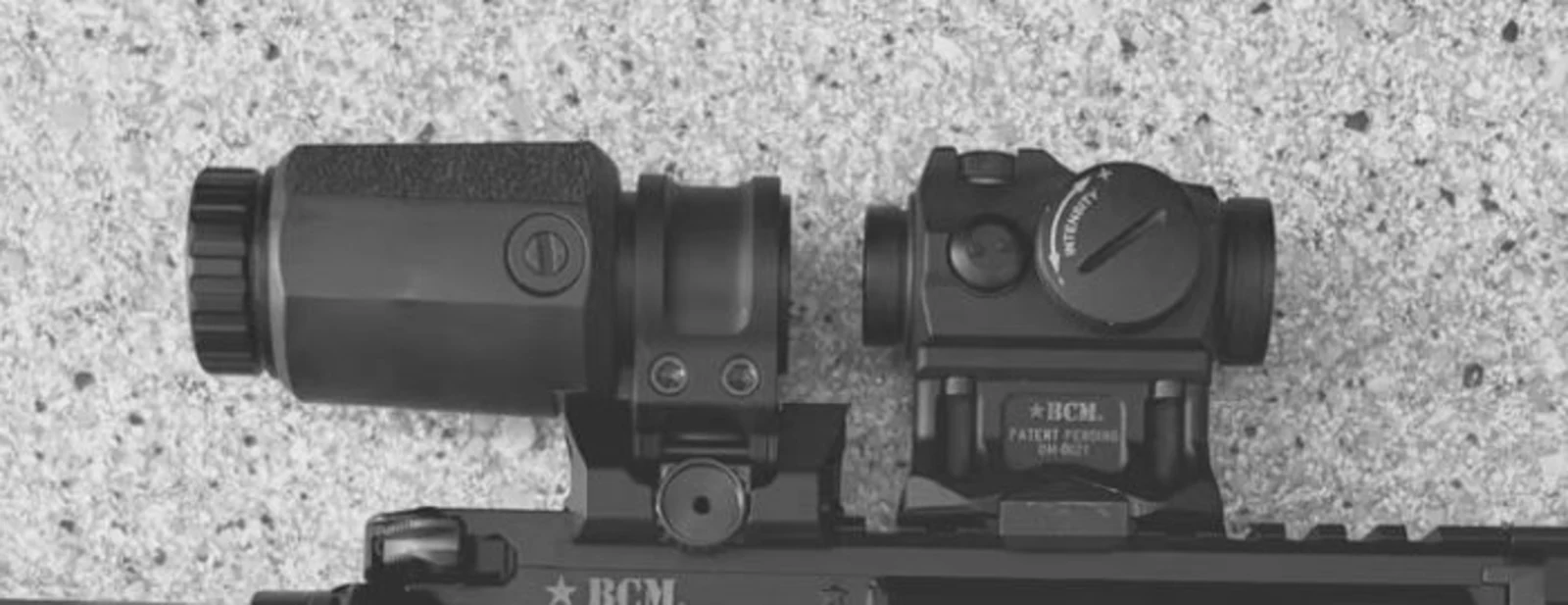
Hitting a 5.5-inch circle past 100 yards is good accuracy for a 9mm carbine. Shooting until the first malfunction is the more useful test on a blowback gun, because buffer tuning decides whether it runs reliably or beats itself up.
BCM9 vs Daniel Defense PCC
The closest competitor is the Daniel Defense DD PCC, an 8.3-inch 9mm sold for $2,046 as either a braced pistol or a factory SBR. That is the same brace-or-stock choice Bravo Company has shown for the BCM9, at about the same barrel length, from a brand at the same price tier.
Both guns are direct blowback. Daniel Defense adds a KynSHOT hydraulic buffer to slow the bolt, which Bravo Company has not claimed for the BCM9. Daniel Defense also uses proprietary parts: its upper and bolt carrier do not interchange with standard AR-9 parts, and its patented ambidextrous charging handle cannot be replaced with a standard AR handle. The BCM9 takes any standard AR charging handle.
The DD PCC's advantage is the magazine. It takes CZ Scorpion pattern magazines and ships with a Magpul PMAG 35 EV9, which loads as easily as a Colt magazine and is as cheap and common as a Glock magazine. Both guns have a standard AR-15 fire control pocket, so aftermarket triggers fit either one; on a blowback 9mm, choose a PCC-rated trigger.
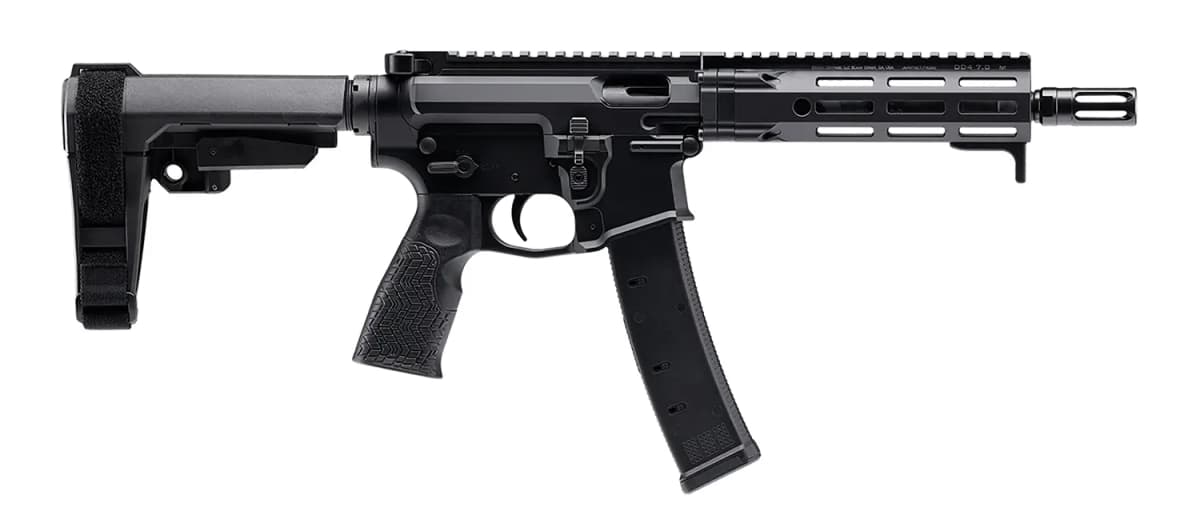
Daniel Defense DD PCC Pistol (8.3")
The short premium 9mm the BCM9 competes with
Title I 8.3" 9mm PCC with an SB Tactical SB3 five-position brace; same barrel and rail as the PCC SBR without NFA paperwork
- +Same barrel, rail, and muzzle hardware as the PCC SBR with no NFA paperwork
- +5.9 lbs bare and 22.5" collapsed
- +AR-15 fire control pocket takes PCC-rated drop-in AR triggers, unlike proprietary-pocket PCCs
- −Proprietary upper and BCG do not interchange with generic AR-9 parts
- −Patented ambidextrous charging handle is platform-only
- −Brace, not a stock, so cheek weld is a compromise
Affiliate links (?)
Shop Current BCM
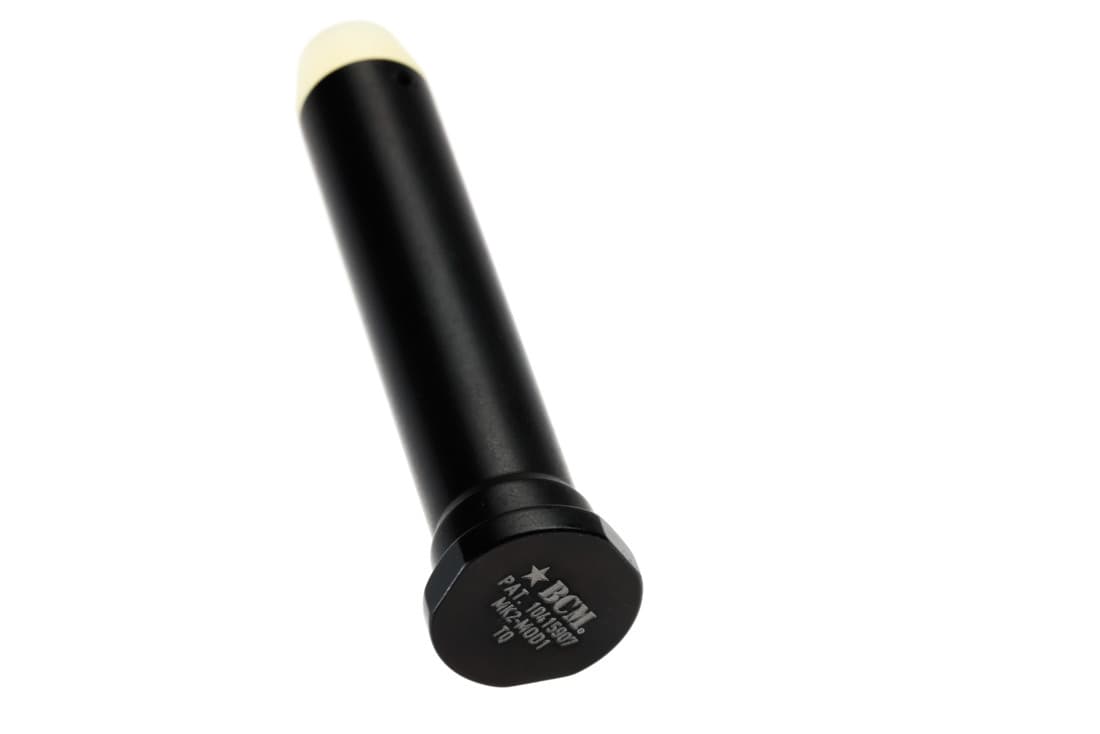
BCM MK2 Buffer Mod 1 T0 (3.8 oz)
- 3.8 oz
- 7075-T6 aluminum body
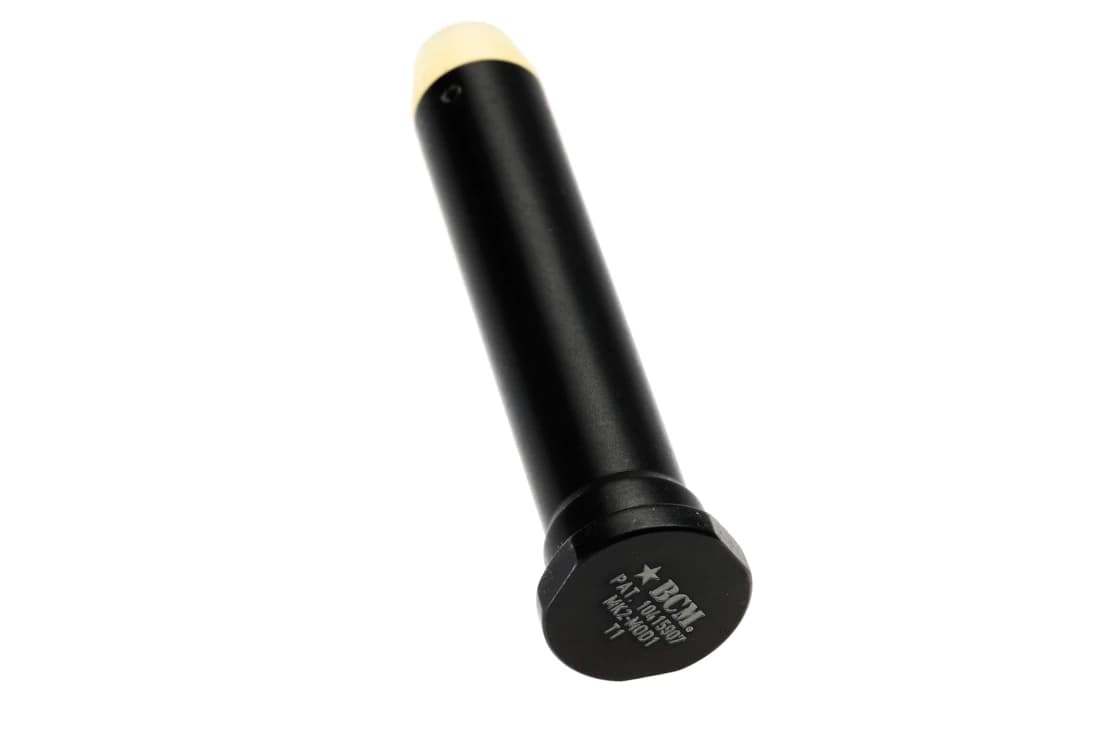
BCM MK2 Buffer Mod 1 T1 (4.7 oz)
- 4.7 oz
- 7075-T6 aluminum body
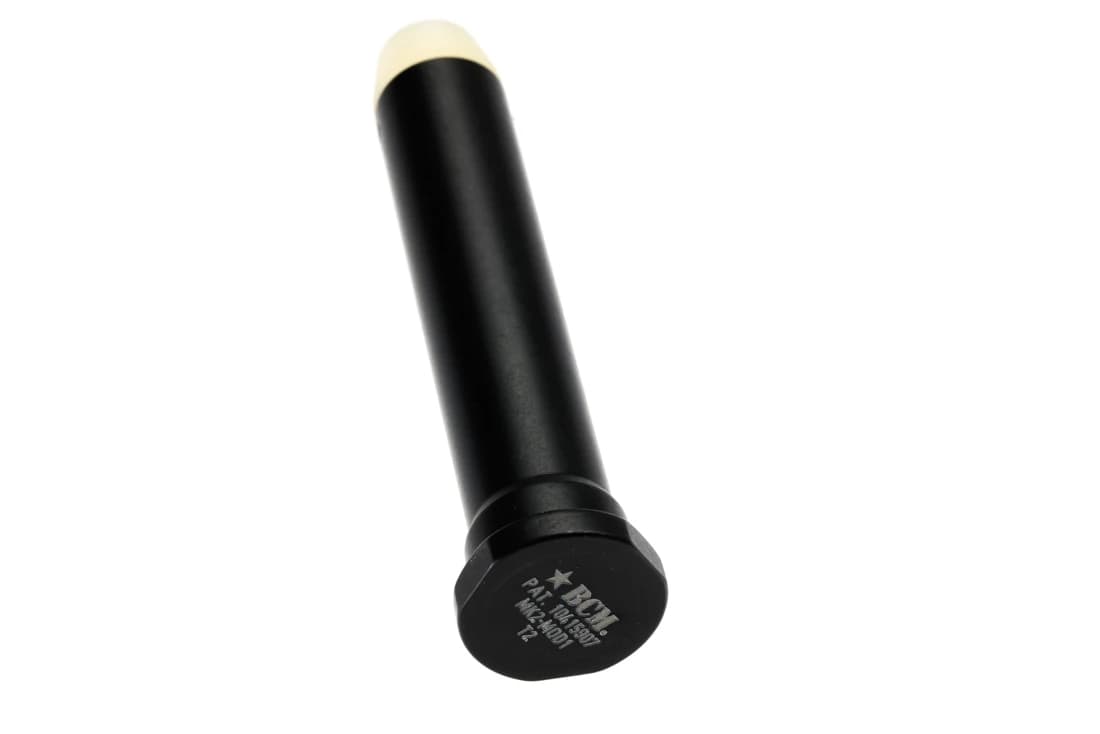
BCM MK2 Buffer Mod 1 T2 (5.6 oz)
- 5.6 oz
- 7075-T6 aluminum body
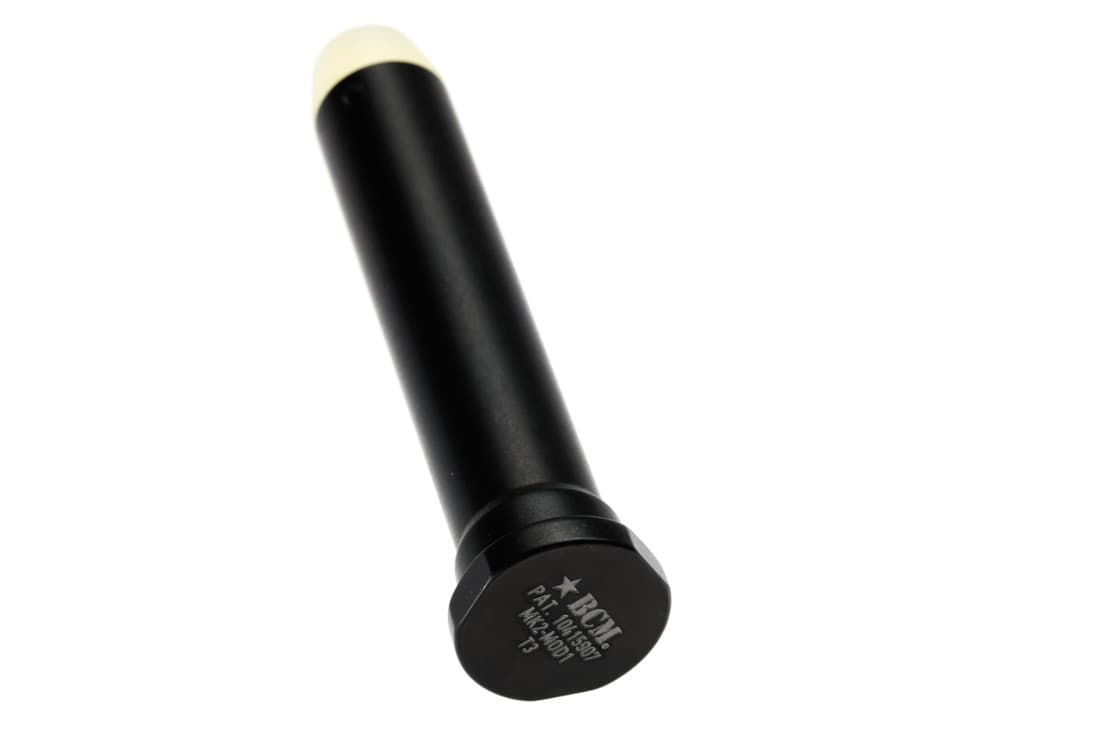
BCM MK2 Buffer Mod 1 T3 (6.5 oz)
- 6.5 oz
- 7075-T6 aluminum body
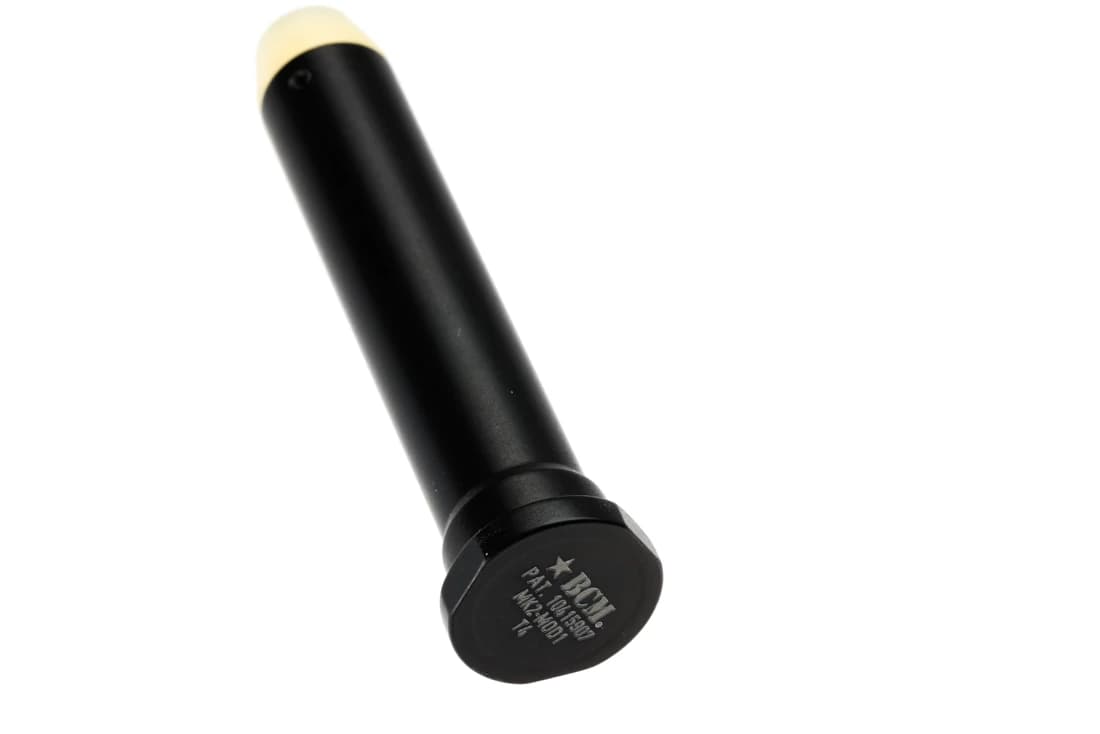
BCM MK2 Buffer Mod 1 T4 (7.4 oz)
- 7.4 oz
- 7075-T6 aluminum body
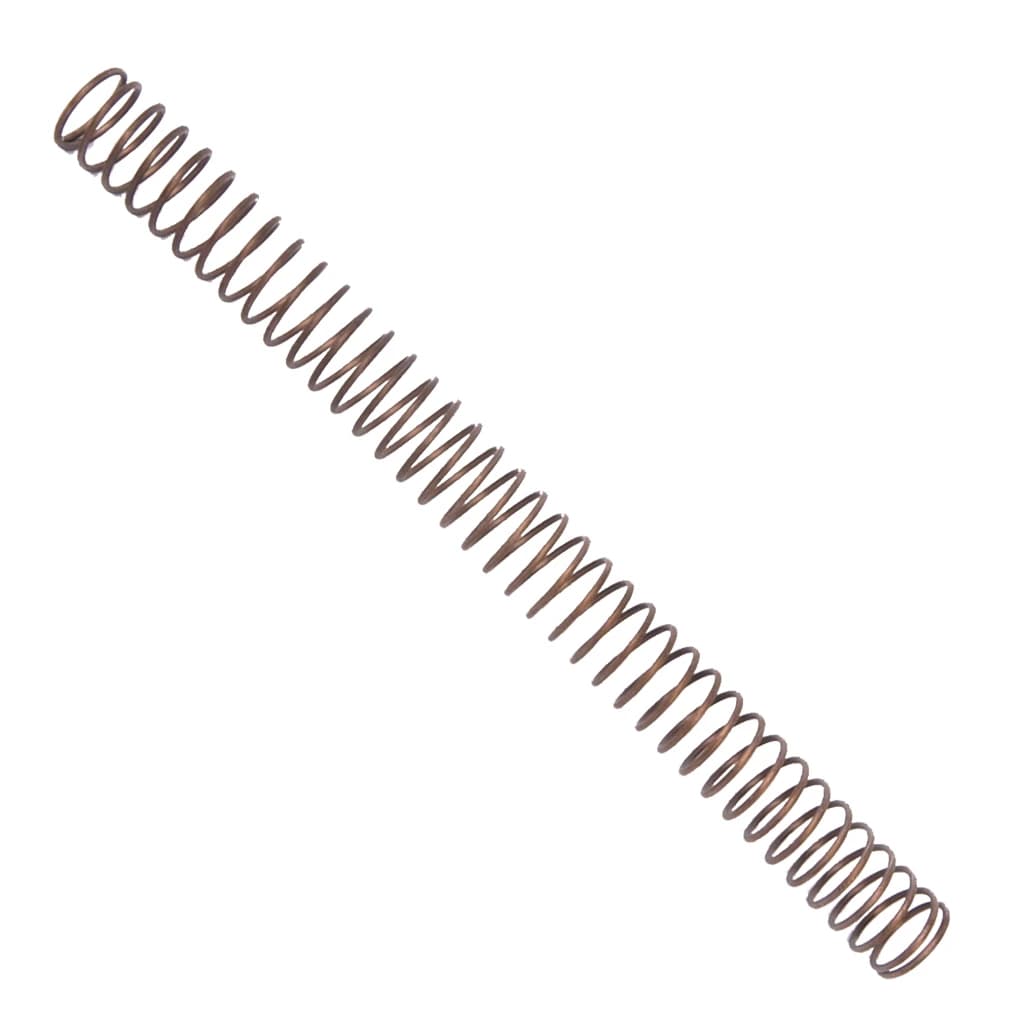
BCM M16 Rifle Action Spring
- M16 rifle-length spring
- Required by BCM MK2 buffers
Affiliate links (?)
Price, Barrel Length, and Release Date
As of October 2026, Bravo Company has not announced a price, barrel length, or release date, or whether the Glock and Colt versions will cost the same or ship at the same time.
Price will decide whether the BCM9 is worth it. Palmetto State Armory, Foxtrot Mike, and Aero already sell direct blowback AR-9s on Glock magazines for less than a premium brand will charge. Bravo Company is charging for its barrels, fire control, and assembly quality, not for a new mechanism. You can compare current PCCs side by side to see where it would fit.
The 9G ships as a pistol with a factory brace. The buffer and spring sit in a standard receiver extension, so any AR brace or stock fits. With a stock on a barrel that short, it is an SBR under federal law. Bravo Company has not said whether a 16-inch carbine is coming.
Stay Updated on the BCM9
Get notified when Bravo Company publishes BCM9 pricing, barrel lengths, and the SKU lineup. We cover PCC releases, hands-on testing, and 9mm suppressor pairings.