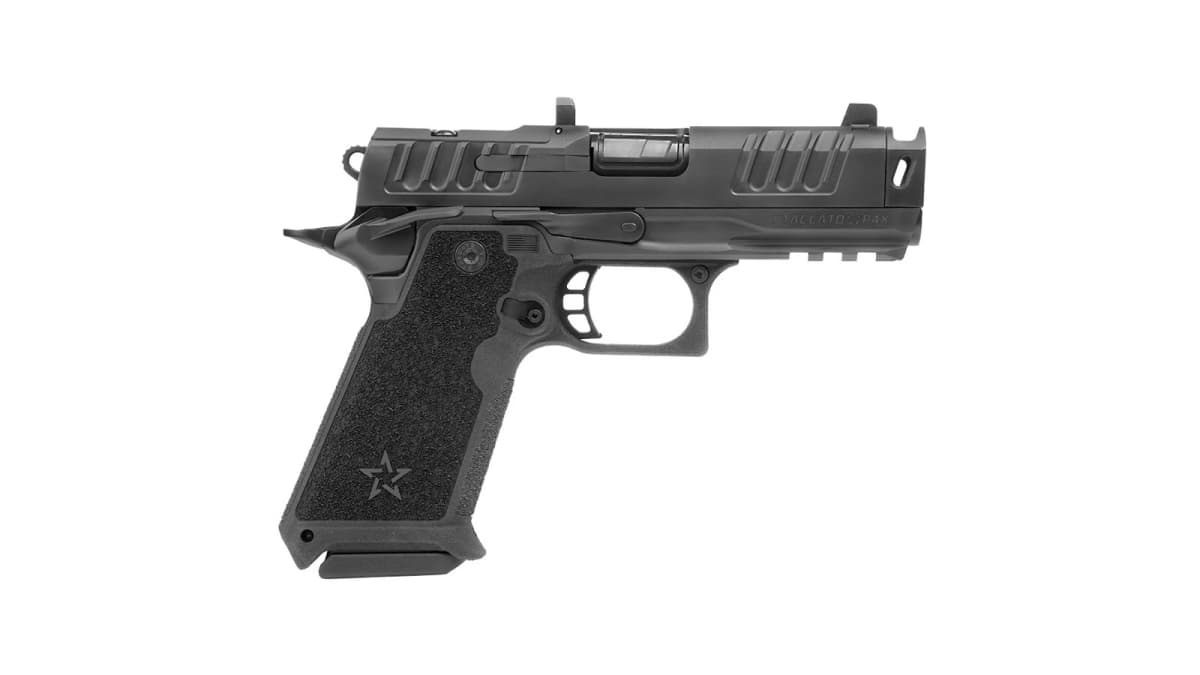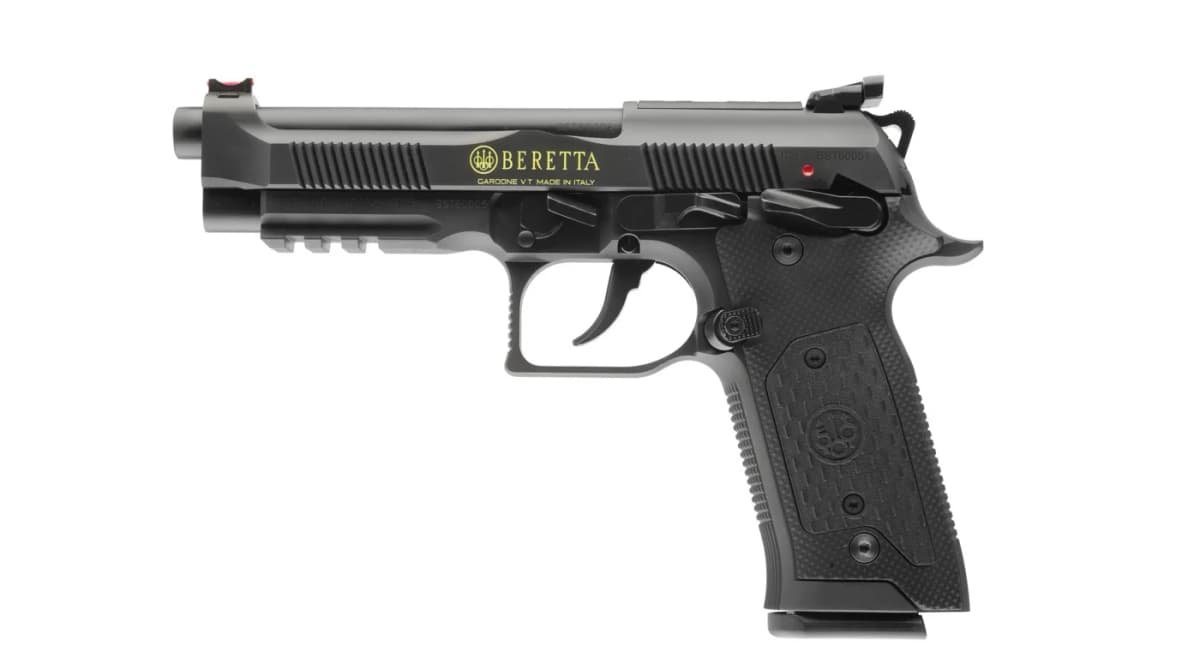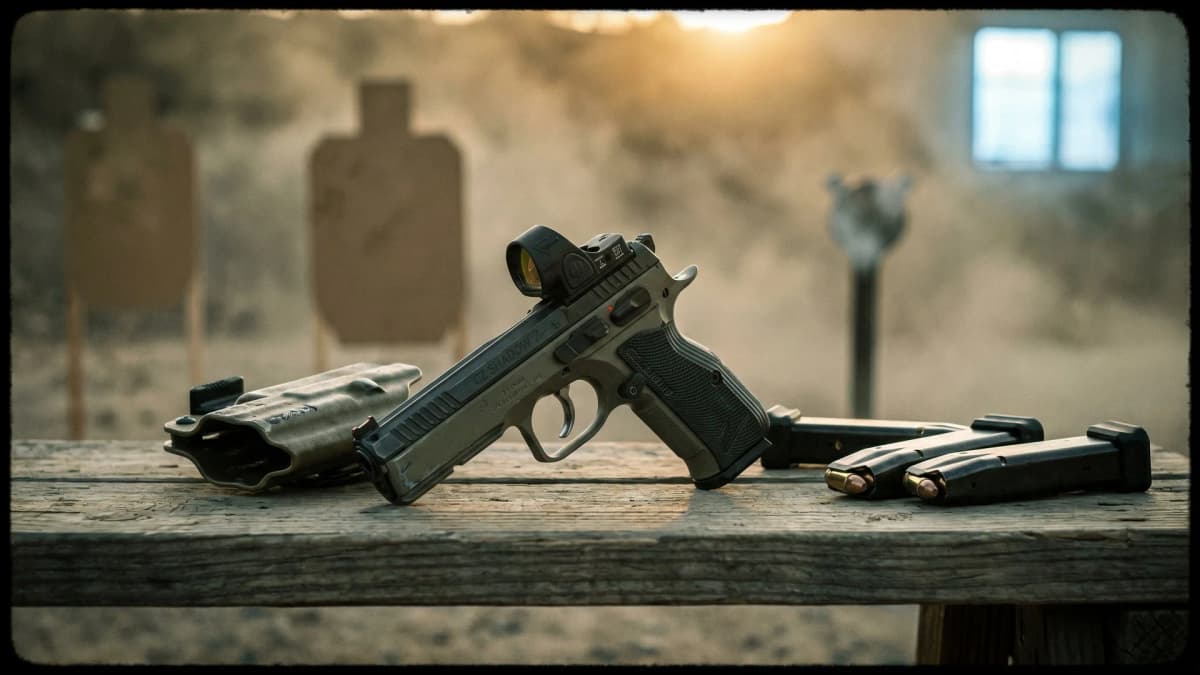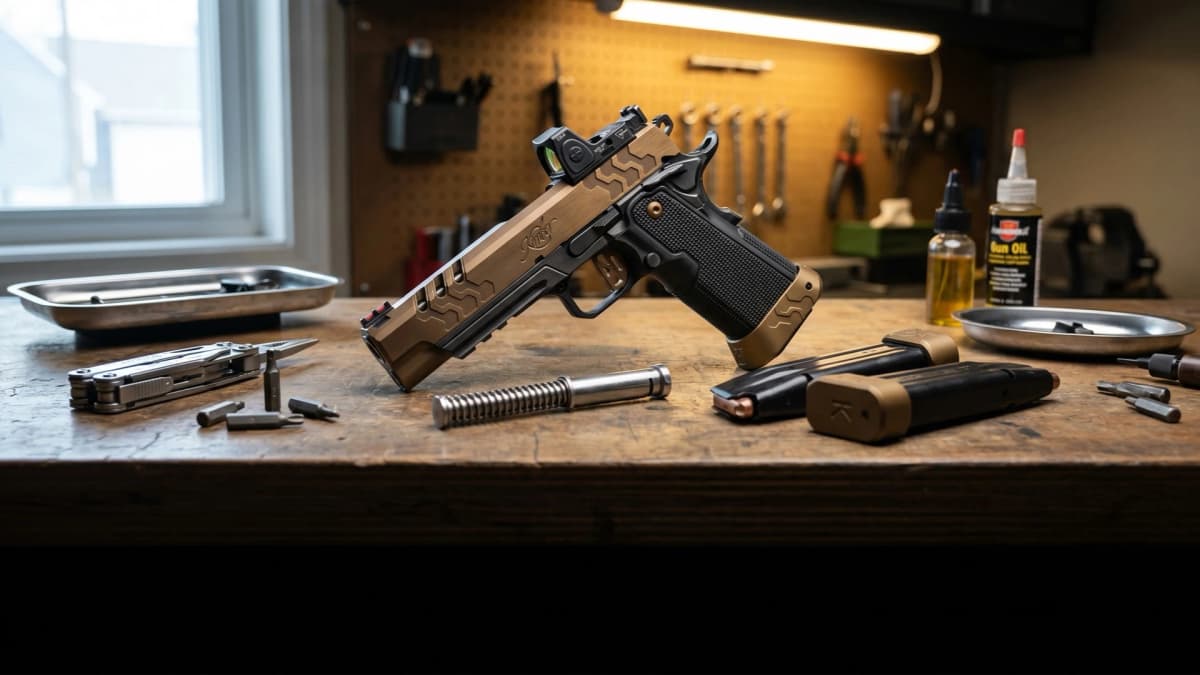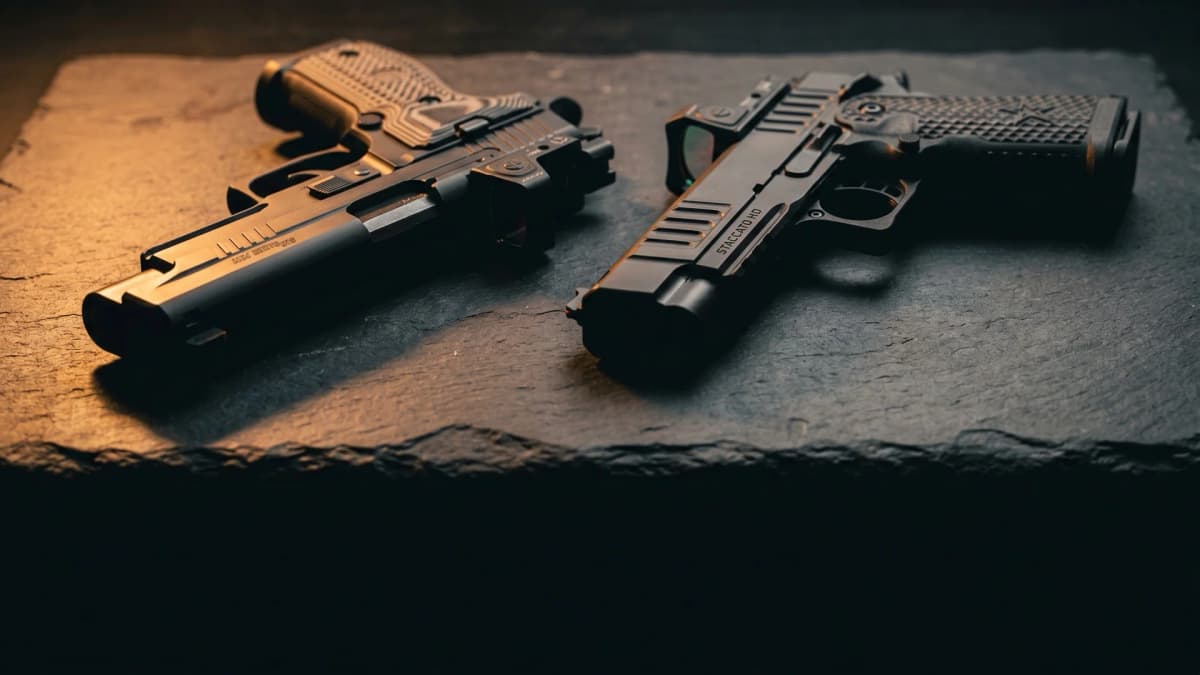
I have put roughly 500 rounds through a P211-GTO, a good share of them on the clock at USPSA-style club matches. It is an incredible 2011. Here is what the gun actually does, which of the GTO trims is worth paying for, and the one change I would make to mine.
Key Takeaways
- →The gun is the real thing: balance is excellent, recoil is minimal, and the straight-pull trigger is good enough that I made hits on a stage I would have missed with a Glock.
- →Buy the comped GTO unless you shoot a division that bans compensators. If you do, buy the non-comped GT5 or GT4 instead.
- →Base trim is the buy at $2,399. Every GTO shares the same barrel, comp, magazine well, and optic cut. The trims above it sell finish, grips, sights, and a factory dot.
- →Go big on the dot. The factory ROMEO-X SIG-LOC PRO window is small for a gun that shoots this flat. A Holosun 507COMP on an adapter plate is the better pairing.
- →The comp is Open-only in USPSA. Appendix D1 is the only handgun division in the March 2026 rulebook that permits a compensator.
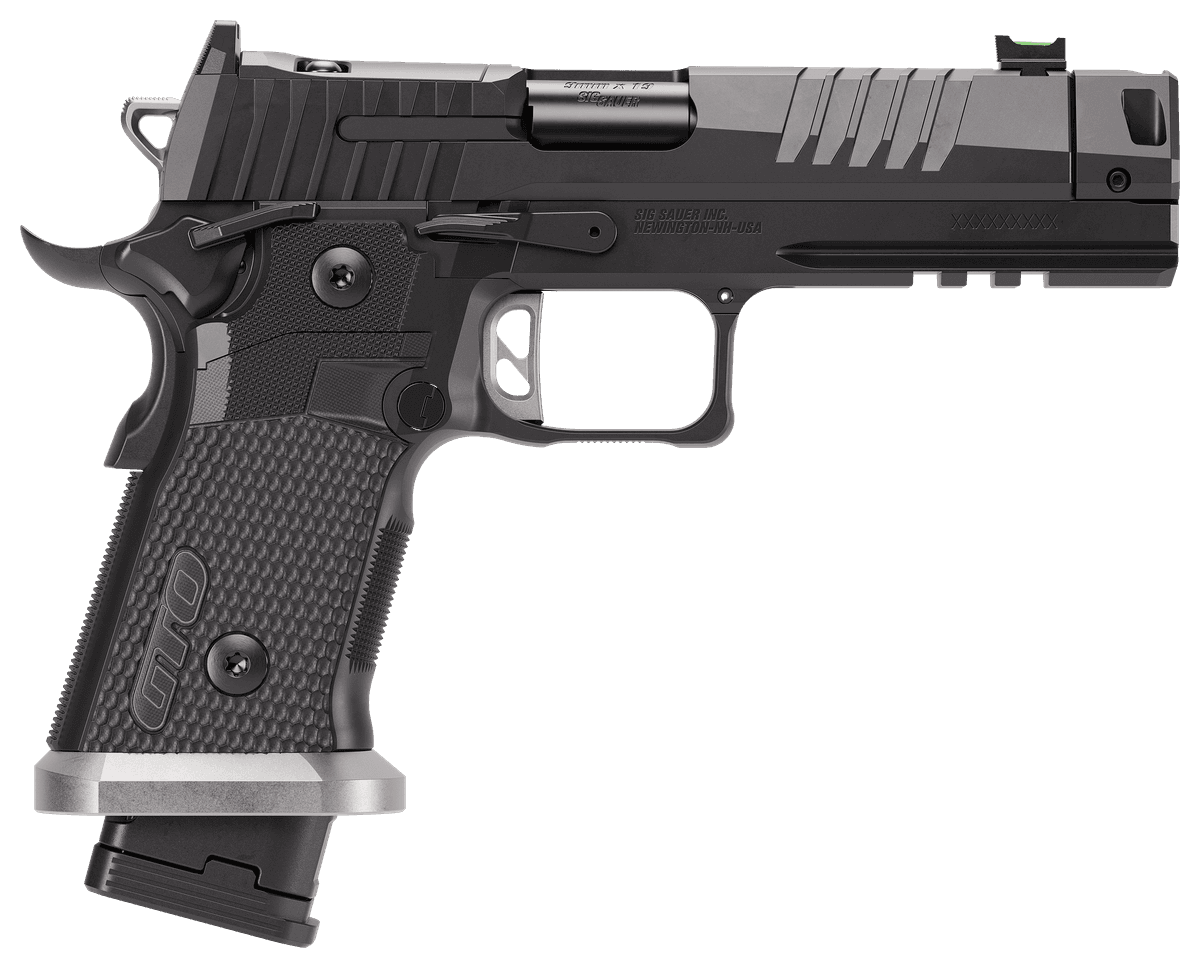
SIG P211-GTO
A factory compensated 2011 that feeds from P320 magazines
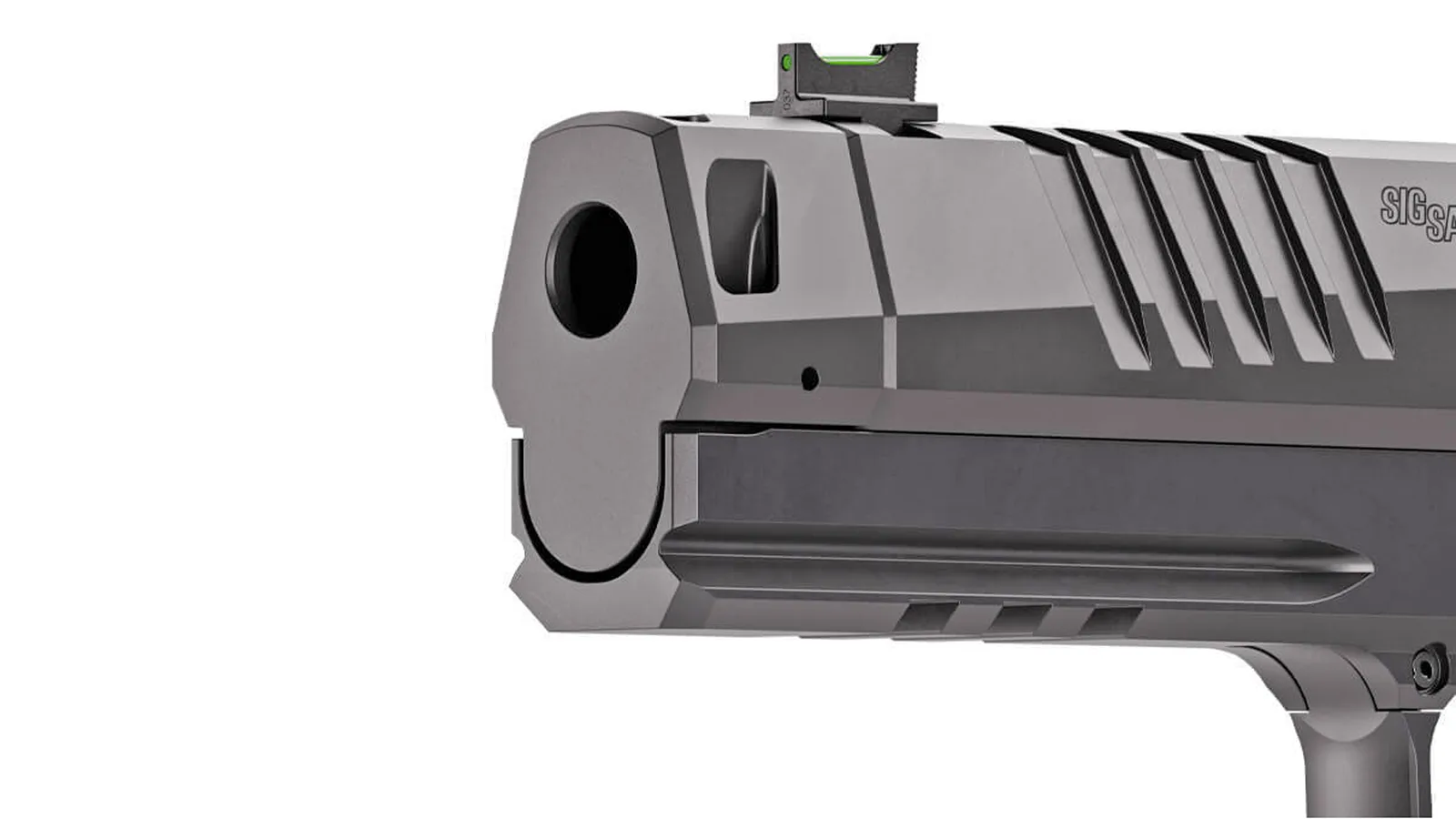
Base optics-ready P211-GTO: 4.4" bull barrel with the Mach3D compensator, P320 magazines, and the entry trim of the GTO family
- +Entry trim of the compensated GTO family, with no finish or optic upcharge
- +Mach3D compensator keeps the gun exceptionally flat for a 9mm
- +Feeds from P320 magazines instead of proprietary 2011 mags
- −Fiber optic front and blacked-out rear are not night sights; the Combat and RXSL trims add XRAY3
- −Any dot that is not a ROMEO-X needs an adapter plate
- −The compensator rules the gun out of most optics divisions in USPSA competition
Affiliate links (?)
The Verdict After 500 Rounds
The SIG P211-GTO is an incredible 2011-style pistol and the cheapest honest way into a factory compensated one. The weight balance is really good, recoil is minimal in the way a heavy comped 9mm should be, and the trigger is legitimately good rather than merely acceptable for a factory gun. In competition it produced hits I would not have made with my Glock, which is the only performance claim in this review I care about.
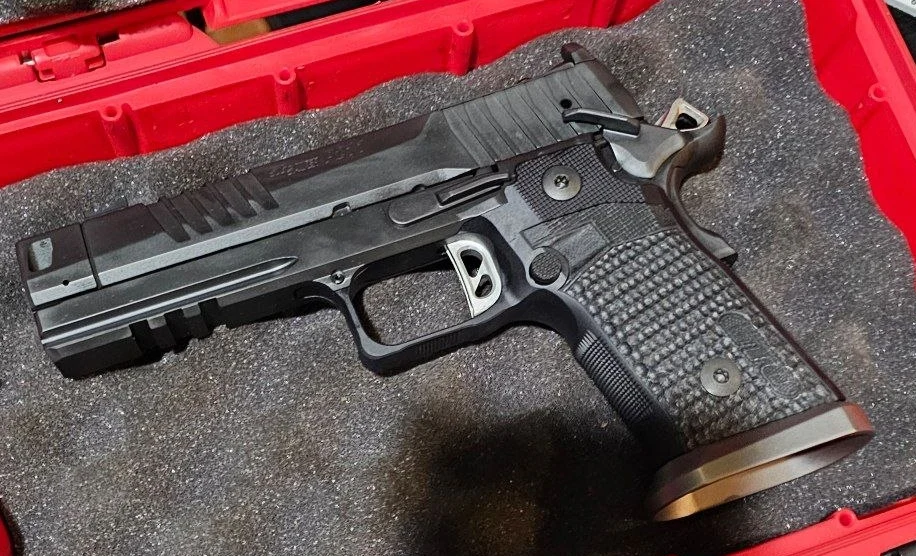
My buying advice is simple: buy the GTO, meaning the compensated version, unless you need the pistol for a competition division that will not let you run a compensator. That single question decides the whole purchase. If the answer is "no compensator," the P211 line still has an answer for you, but it is a different gun.
The one thing I would change is the optic. I run a SIG ROMEO-X SIG-LOC PRO on mine, mounted directly to the SIG-LOC PRO cut, and the window is too small for how flat this gun shoots. On a pistol that barely moves, the dot should stay in view the entire time, and with a compact window it does not. That is a solvable problem, covered further down. SIG's upcoming XRAY5 SIG-LOC PRO is another direct-mount option to watch, with a fixed LED matrix and a different enclosed optical layout.
How the P211-GTO Actually Shoots
The defining trait is balance. The 4.4-inch carbon steel bull barrel and the Mach3D compensator put a lot of mass forward of the trigger guard, and the steel mainframe under the alloy grip module keeps the rest of the gun planted. The result is a pistol that sits still. Muzzle rise is minimal, the gun returns to the same place, and the shooting is less about fighting recoil than about deciding when to break the next shot.
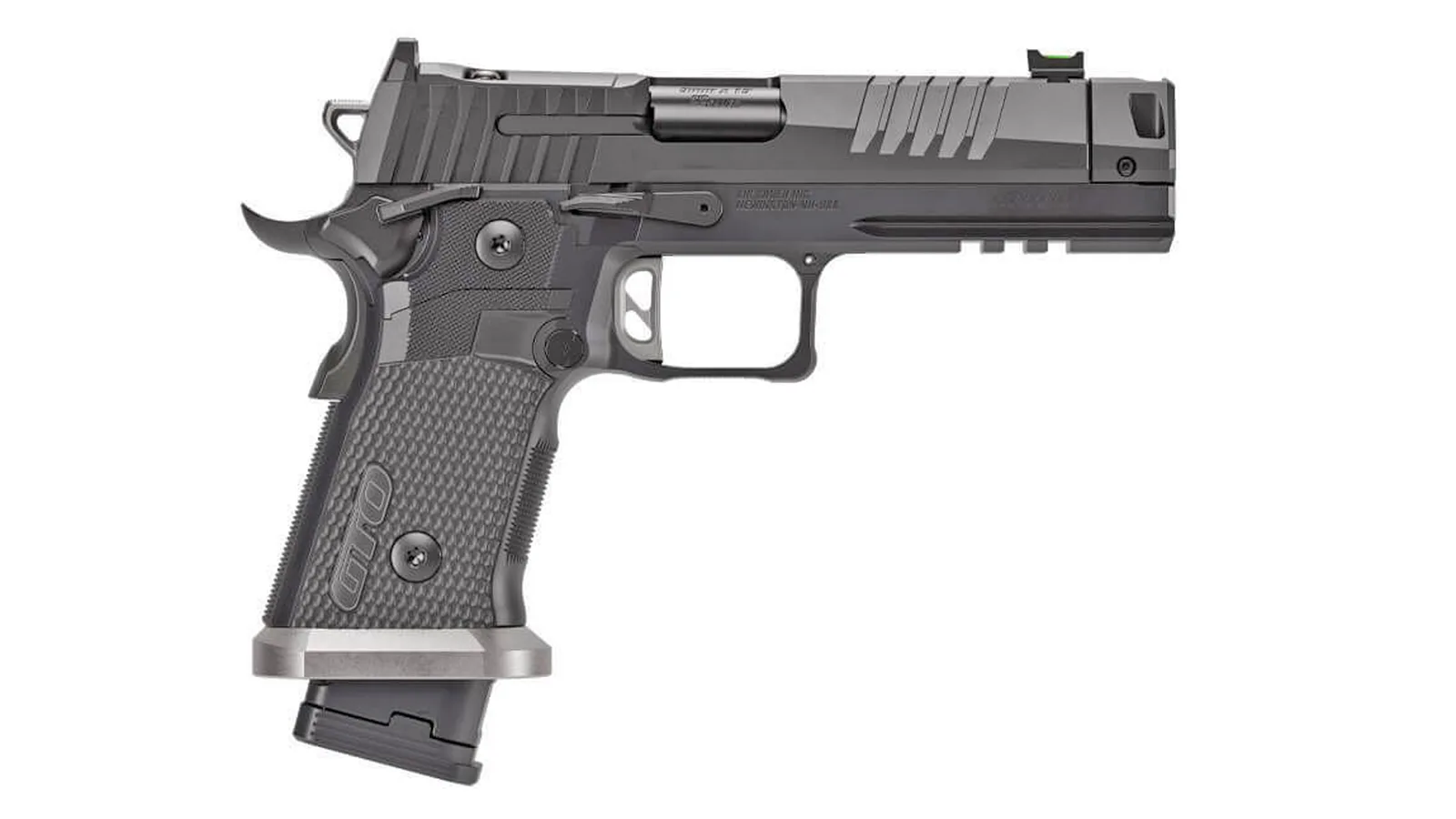
The trigger deserves its own paragraph. SIG lists it as a straight-pull flat trigger breaking between 3.5 and 4 pounds, single action only behind ambidextrous thumb safeties, and it feels like a competition trigger rather than a duty compromise. That combination, a trigger you can actually use and a gun that does not move, is where the performance comes from. During a match I made shots on this pistol that I would not have made with my Glock. Not marginally better hits, shots that would simply not have landed.
The magazine story is the other reason to take this platform seriously. The GTO feeds from SIG P320 magazines rather than proprietary 2011 mags, and it ships with one 23-round and two 21-round steel magazines in the box. Because the P320 is the M17/M18 service pistol, those magazines sit on shelves everywhere and cost a fraction of what 2011-pattern magazines command. For a full breakdown of how that compares against the Glock-magazine approach Staccato took, see our SIG P211 vs Staccato HD comparison.
P320 Magazines That Feed the P211-GTO
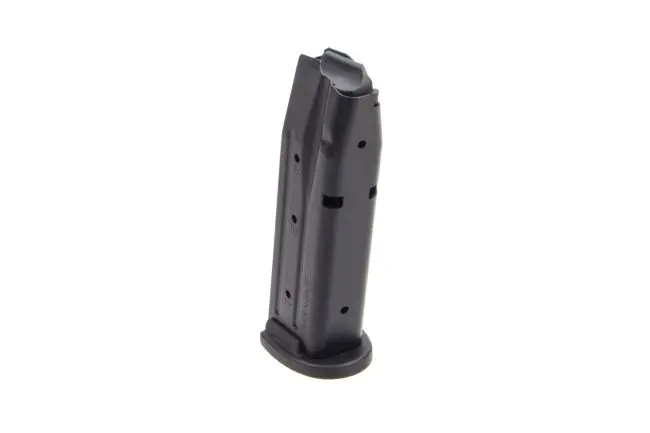
SIG P320 Full-Size 17-Round Magazine
- 17 rounds
- 9mm
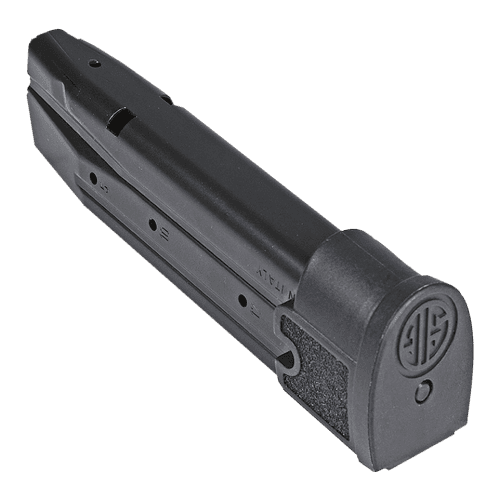
SIG P320 Extended 21-Round Magazine
- 21 rounds
- 9mm
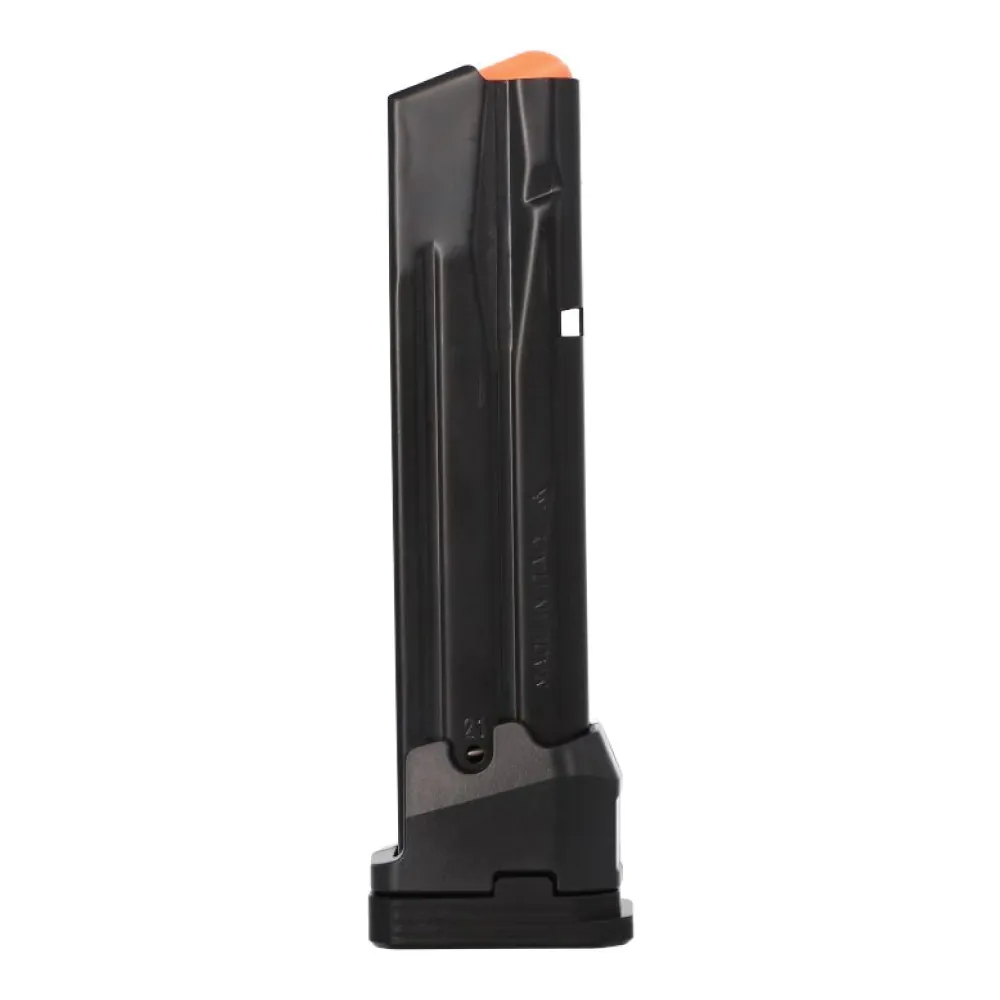
SIG P211/P320 23-Round Extended Magazine
- 23 rounds
- 9mm
Affiliate links (?)
Which P211-GTO Variant to Buy
Buy the base P211-GTO. Every GTO in the lineup is the same gun underneath: a 4.4-inch bull barrel with the Mach3D compensator, the P320 magazine well, ambidextrous safeties, the straight-pull trigger, and the SIG-LOC PRO optic cut. The trims above the base model sell you finish, grip panels, night sights, or a factory-mounted dot. None of them changes how the pistol shoots.
The one upgrade worth considering is the RXSL bundle, and only if you do not already own a red dot. It puts a ROMEO-X SIG-LOC PRO on the slide from the factory, co-witnessed with XRAY3 day and night sights, for about $400 over the base gun. If you own a dot already, that $400 buys a plate with several hundred dollars left over.
| Trim | MPN | What it adds | Retail, Aug 2026 |
|---|---|---|---|
| P211-GTO | 211F-9-GTO | Baseline. Optics-ready, fiber front, blacked-out rear | $2,399 |
| P211-GTO 10-round | 211F-9-GTO-10 | Capacity-restricted states; identical gun otherwise | $2,399 |
| P211-GTO Combat | 211F-9-GTO-CBT | Coyote frame, XRAY3 day/night sights | $2,399 |
| P211-GTO Equinox | 211F-9-GTO-EQ | Two-tone Equinox finish, LOK grips | $2,699 |
| P211-GTO with ROMEO-X SIG-LOC PRO | 211F-9-GTO-B-RXSL | Factory ROMEO-X SIG-LOC PRO, XRAY3 co-witness | $2,799 |
| P211-GTO Spectre Comp | 211F-9-GTO-SC | Custom Works black and gold treatment | $2,799 |
| P211-GTO with ROMEO3 PRO | 211F-9-GTO-R3P | Factory ROMEO3 PRO with an 8 MOA circle option | $2,899 |
Retail figures above are what KYGUNCO and Classic Firearms were asking in August 2026. The 10-round model is not a discount or a downgrade; it is the same pistol built for capacity-restricted states, and it carries the same asking price as the standard gun.
If the compensator is the problem rather than the price, the answer is a different P211 entirely. The broader 2011 field includes SIG's own non-comped models: the P211-GT5 with a 5-inch target-crowned bull barrel and the shorter P211-GT4. Both keep the P320 magazines and the SIG-LOC PRO cut and drop the comp. You can put any of them side by side in the builder to see what mounts on which.
The Red Dot: Go Bigger Than the Factory Option
Put a large-window competition dot on this pistol. I run a SIG ROMEO-X SIG-LOC PRO, the same optic SIG factory-mounts on the RXSL bundle, and the window is the weak point of my setup. The GTO barely moves under recoil, which means a big window would let me keep the dot in view for the entire cycle. With a compact window I lose it and have to find it again, and on a gun this flat that is a self-inflicted wound.
The pick I would make instead is the Holosun 507COMP. Holosun lists a 1.1 by 0.87 inch viewing area, a 2 MOA dot with selectable 8, 20, and 32 MOA circles, a side-loading CR1632 tray so battery changes do not cost you a zero, and a 7075-T6 housing. The wide window and the circle-dot options are exactly what a flat-shooting comped gun wants: fast to pick up on a target transition, precise enough when a stage asks for a tight shot.
Mounting takes one extra part. The P211 slide is machined for SIG's SIG-LOC PRO direct-mount system, which takes a ROMEO-X with no plate at all. The 507COMP uses the RMR footprint, so it needs an adapter. Calculated Kinetics sells a Romeo1Pro DOGTAG plate that it lists as fitting the P211 GTO, offered in RMR, EPS/EPS Carry, and 509T footprint variants; pick the RMR version for the 507COMP. Calculated Kinetics also notes that the GTO co-witnesses with the EPS and RMR footprints but not with the 509T, so if co-witnessing irons matters to you, stay off the 509T plate. Our P211 accessories and upgrades guide covers the full plate and sight matrix, and the pistol red dot guide breaks down footprints and reticles across the wider market.
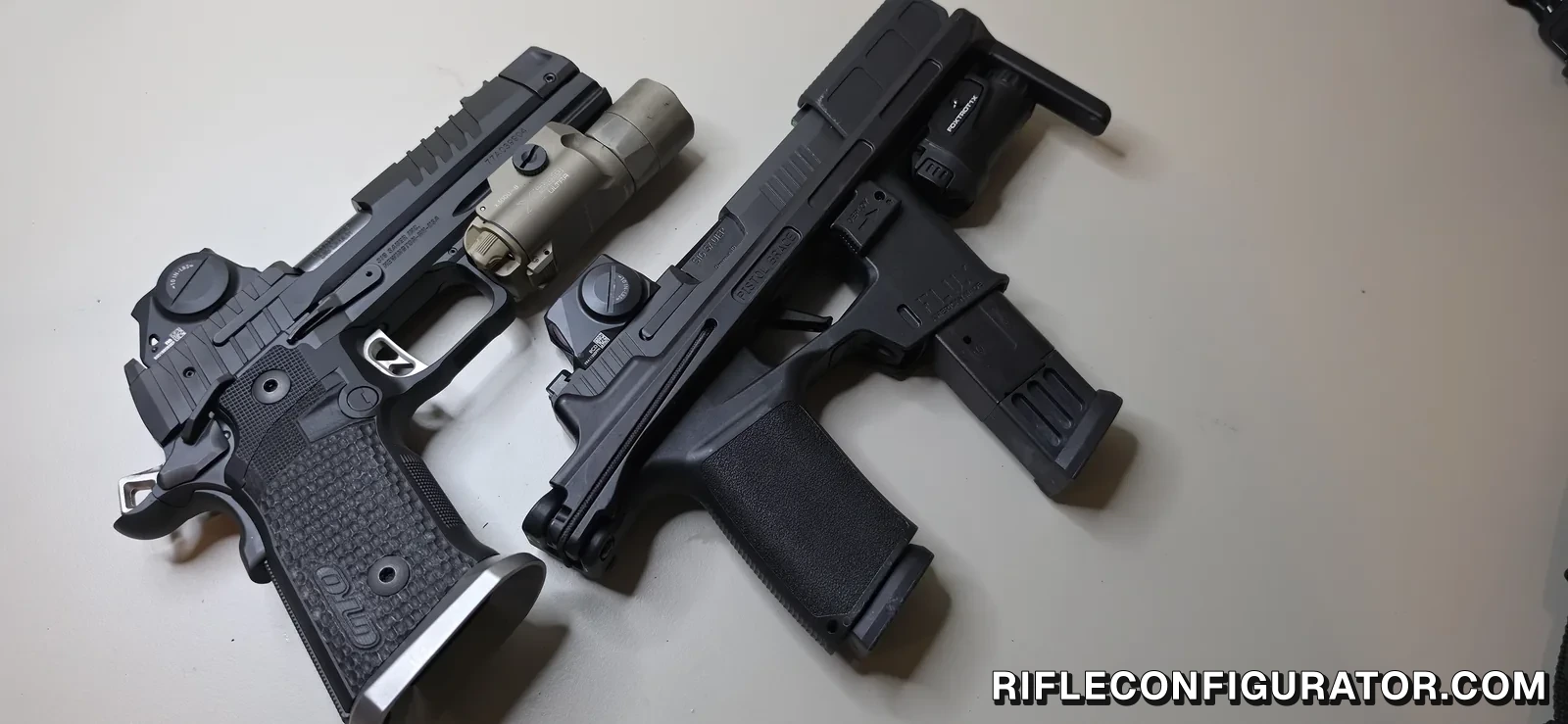
The Setup I Would Build on a P211-GTO
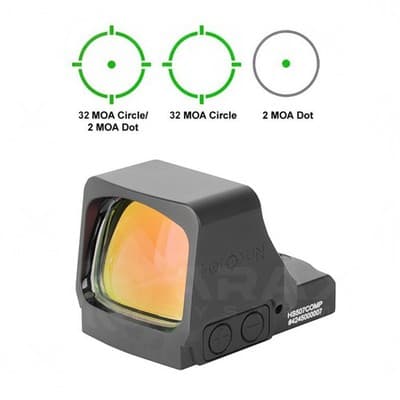
Holosun 507COMP
- Large 1.1 x 0.87 in competition window
- 2 MOA dot + 8/20/32 MOA circle options
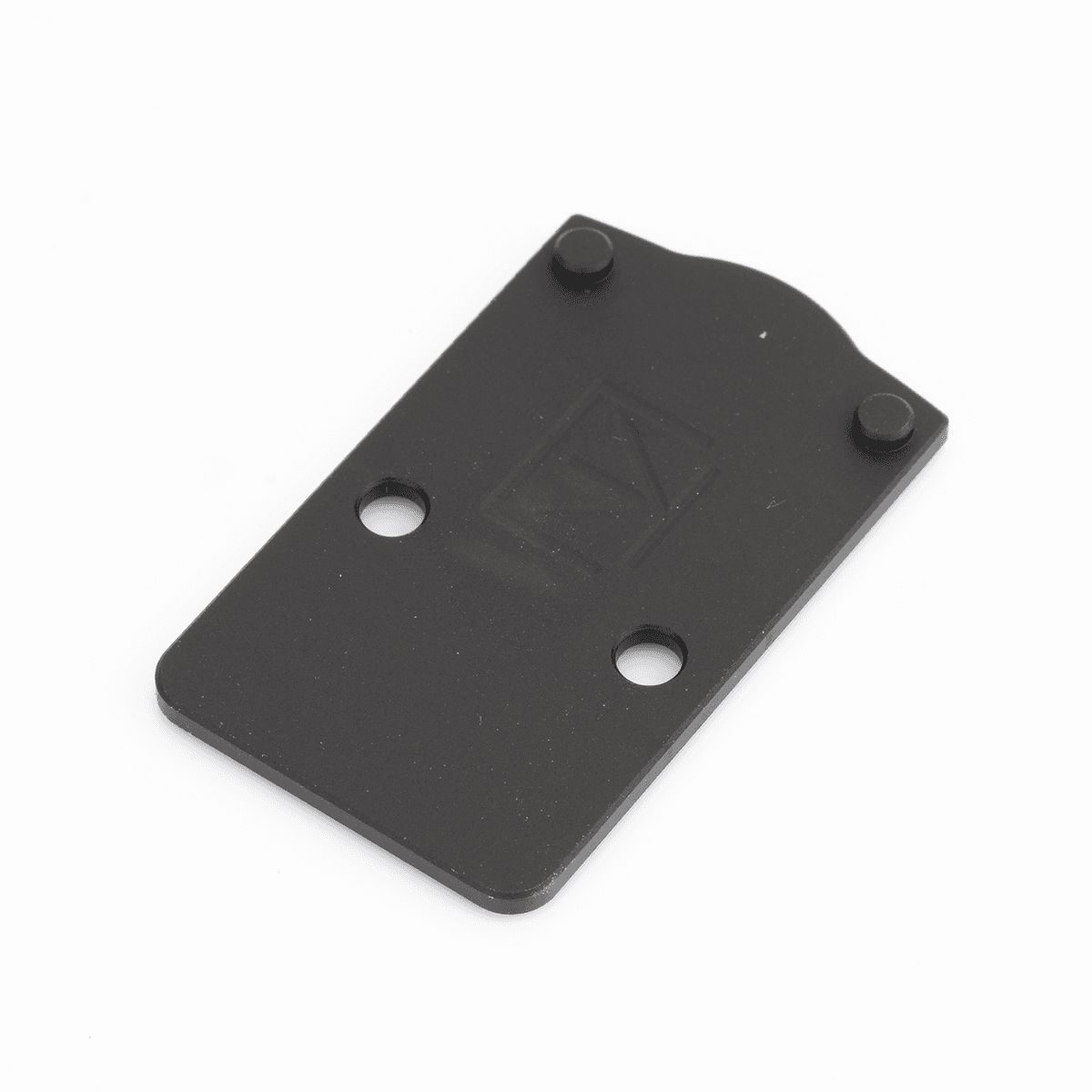
Calculated Kinetics SIG P211 / P320 Romeo1Pro RMR-Holes DOGTAG Optic Plate
- Romeo1Pro cut with RMR holes
- Selectable 509T, EPS/K, and RMR variants
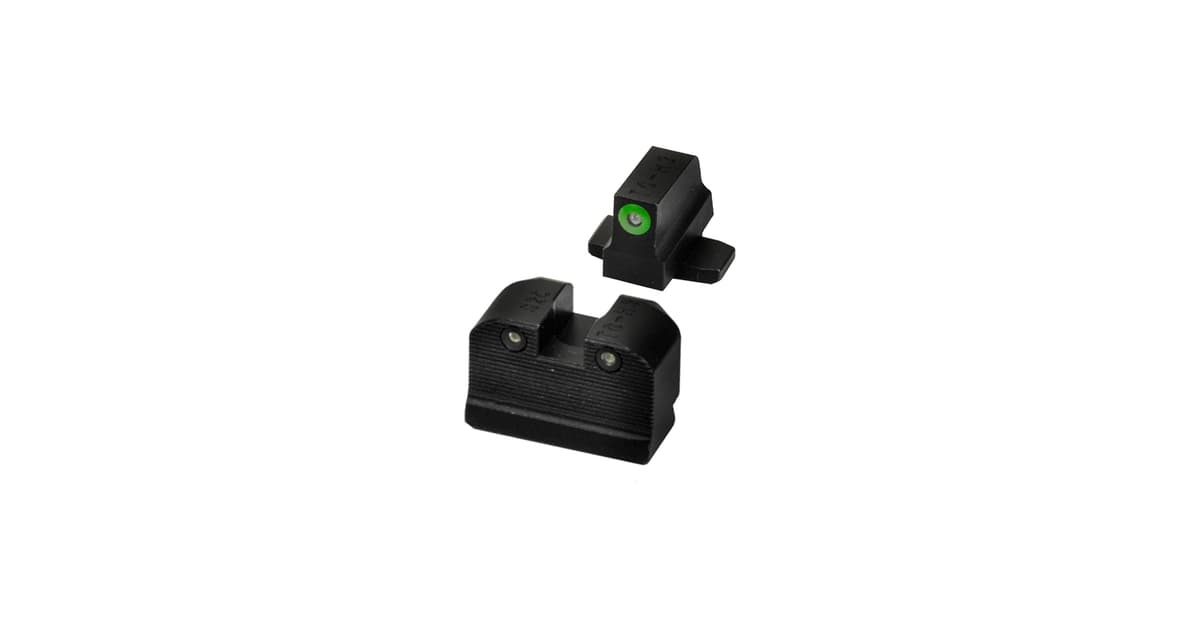
SIG Sauer XRAY3 Suppressor Height Sight Set (P211)
- #8 tritium front sight
- Fluorescent green front ring
SIG P211/P320 23-Round Extended Magazine
- 23 rounds
- 9mm
Affiliate links (?)
Where the Compensator Costs You: USPSA Divisions
Open Division is the only USPSA handgun division that permits a compensator. In the USPSA Competition Rules dated March 2026, Appendix D1 lists Open as "Compensators permitted: Yes" and "Barrel ports permitted: Yes." Every other handgun appendix, Limited (D2), Limited-10 (D3), Production (D4), Single-Stack (D5), Revolver (D6), Carry Optics (D7), and Limited Optics (D9), lists "Compensators permitted: No." There is no compensated Carry Optics division in that rulebook.
That puts a red-dot P211-GTO in Open, where the practical cost is scoring. Appendix D1 sets Open's major power factor floor at 165 and its minor floor at 125, so ordinary 9mm ammunition scores minor against competitors running major loads. Open also allows a 171.25 mm magazine, longer than the 141.25 mm limit Carry Optics and Limited Optics put on a double-stack gun, so the GTO's 23-round magazine is not the constraint. You are simply shooting minor in a major-scored division.
None of that mattered at the club matches I shot it in, and it will not matter to most buyers. But if you are chasing a classification in Carry Optics or Limited Optics, the comp disqualifies the gun and no amount of enjoyment fixes that. That is the entire reason SIG sells the non-comped GT4 and GT5: Appendix D7 requires an optic mounted directly to the slide and caps the pistol at 59 ounces with the optic and an empty magazine inserted, and a non-comped P211 clears both.
SIG P211-GTO Questions
▶Is the SIG P211-GTO worth it?
▶Which SIG P211-GTO variant should you buy?
▶What red dot should you put on a SIG P211-GTO?
▶Can you shoot the SIG P211-GTO in USPSA Carry Optics?
▶What magazines does the SIG P211-GTO use?
▶What is the difference between the SIG P211-GTO and the P211-GT5?
▶Does the SIG P211-GTO come with a red dot?
Bottom Line
Buy the base P211-GTO and spend the optic money on a bigger window.
The compensated GTO is the version of this pistol worth owning. It balances beautifully, it barely moves, the trigger is good, and it runs on magazines you can actually find. Start with the base optics-ready gun at $2,399, skip the cosmetic trims, and put the savings into a wide-window dot such as the Holosun 507COMP with the right adapter plate. The only buyer who should walk past the GTO is the one who needs USPSA Carry Optics or Limited Optics, and that buyer wants a non-compensated P211 instead.