INFITAC OWS-32 at NRAAM 2026: The World's First Optical Waveguide Sight
INFITAC debuted the OWS-32 at the 2026 NRA Annual Meeting in Houston and the sight is now officially available at $549, positioning optical waveguide technology as a third category alongside red dot and holographic sights. A 1.26 x 1.0 inch sight window, seven reticles, 1500-hour CR123A runtime, and zero forward signature. Here is what it actually is and where it sits against Aimpoint, EOTech, and Holosun.
Buy the INFITAC OWS-32
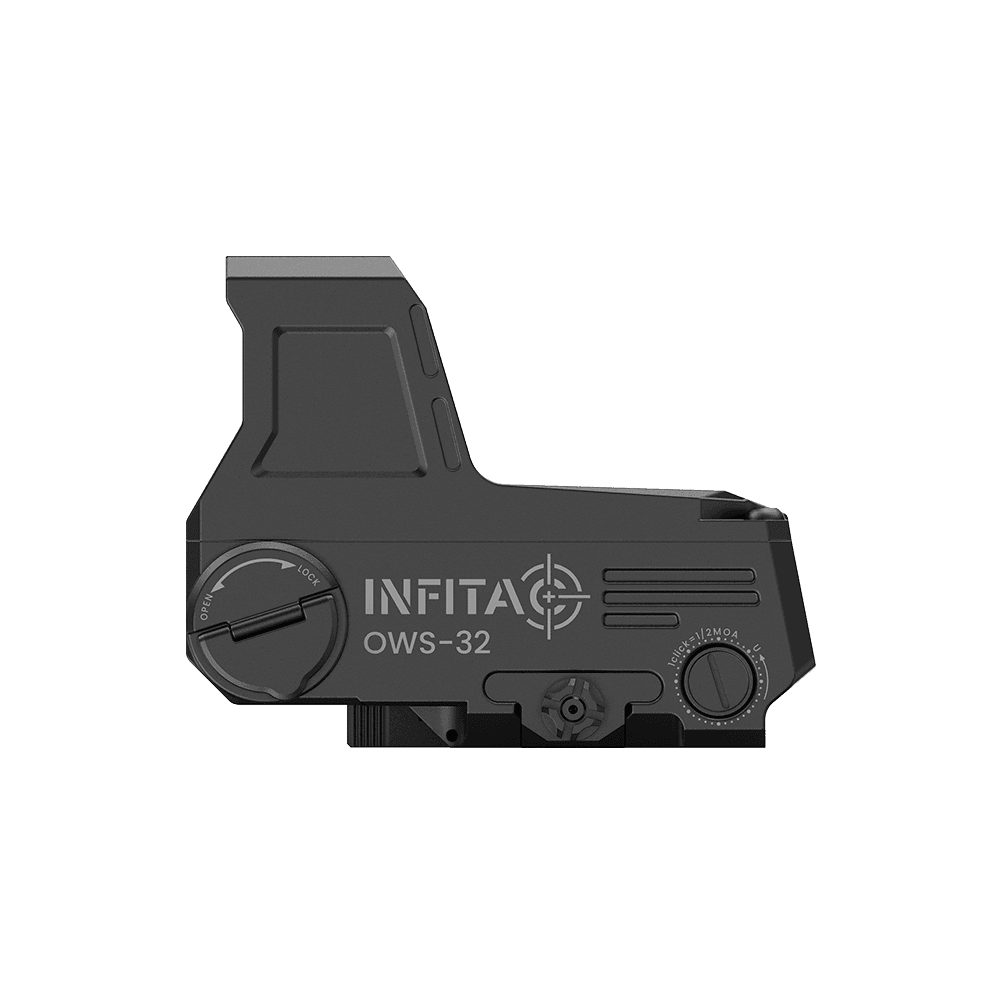
INFITAC OWS-32
First-generation optical waveguide sight with a 1.26 x 1.0 inch window and zero forward light signature.
- +Zero forward light signature versus a projected red dot or holographic reticle
- +Large 1.26 x 1.0 inch window for both-eyes-open shooting
- +1500+ hour CR123A runtime beats EOTech holographic battery life
- −First-generation optic from a manufacturer with no prior daylight-sight track record
- −No third-party torture testing available yet
- −No AWIN or FlexOffers retailer carries it; direct-from-manufacturer only
Affiliate links (?)
Key Takeaways
- →New Category Claim: INFITAC markets the OWS-32 as the world's first optical waveguide sight, a third category beyond red dot and holographic. Internal waveguide routing produces zero forward light signature.
- →Large Window: 1.26 x 1.0 inch viewing window INFITAC rates as parallax-free, no color shift, seven user-selectable reticles stored on the sight.
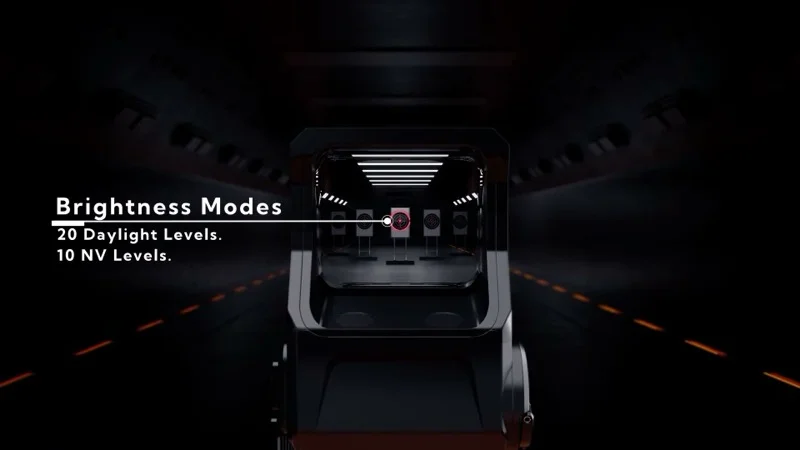
- →Battery and Brightness: 1500-hour runtime on a single CR123A, 20 daylight levels, 10 dedicated NV levels, and InstaWake activation from standby after 10 minutes idle.
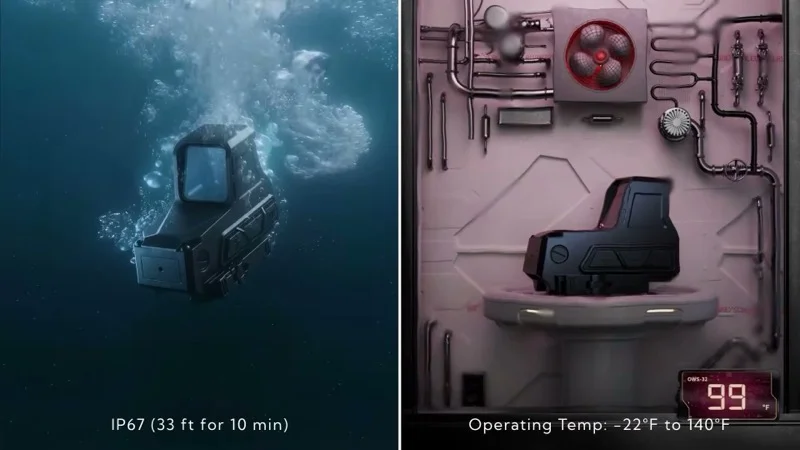
- →Duty Specs: IP67 waterproof to 33 ft for 10 minutes, -22 F to 140 F operating range, AL7075-T6 housing, 1200 g/s-squared recoil rating tested on .338 Win Mag and 12 gauge.
- →Available Now: Debuted at NRAAM 2026 in Houston in April, officially available now at $549 direct from INFITAC.
What Is a Waveguide Sight, Actually?
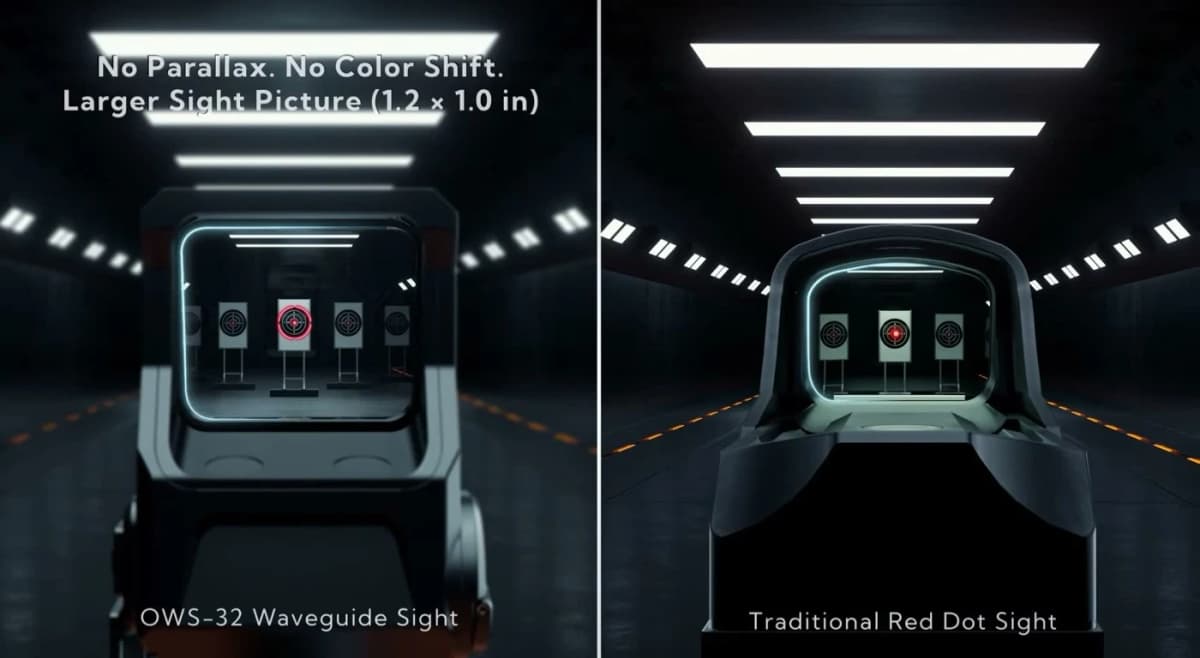
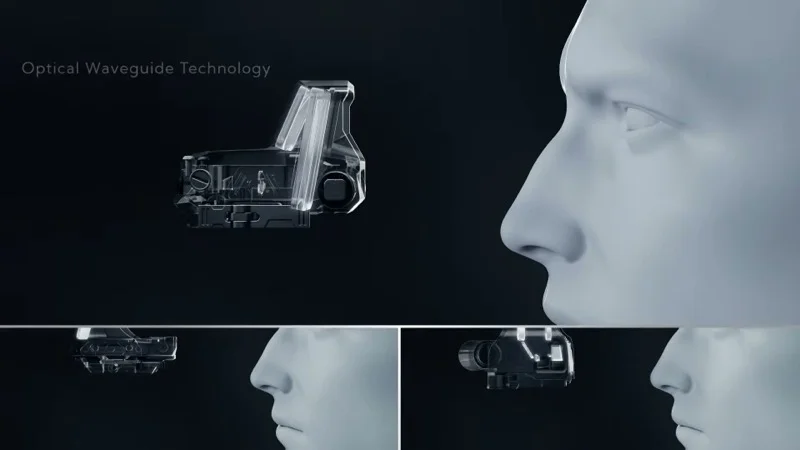
An optical waveguide sight routes the reticle image through an internal optical channel instead of projecting it onto a semi-reflective front lens. The reticle reaches your eye through the waveguide without bouncing light off the outward-facing glass, which is the physical mechanism INFITAC points to when they claim zero forward signature. In a conventional red dot, part of the LED emission always scatters forward through the lens, which is why a dot is faintly visible to someone standing in front of a powered-on sight in low light. A waveguide path removes that leak.
The viewing experience difference matters for shooters too. A holographic sight like the EOTech EXPS3 reconstructs a reticle at the target plane using a laser and hologram, which is why the reticle looks painted on the target. A tube red dot like the Aimpoint T-2 uses a collimated LED. The OWS-32's 1.26 x 1.0 inch window sits between those: closer to EOTech-style field of view than a T-2, without the tinted glass or laser draw. For a full breakdown of these categories and how they compare side by side, see our AR-15 optic selection matrix.
Stay Updated on the OWS-32 and New Optic Tech
Get notified when major retailers pick up the OWS-32 and when we publish our hands-on range review. We also cover EOTech, Holosun, Aimpoint, and Trijicon launches, plus hands-on reviews from SHOT Show and NRAAM.
Sight Picture, Reticles, and Parallax
The OWS-32's viewing window measures 1.26 x 1.0 inches. That puts it in the same bracket as enclosed holographic-style sights like the EOTech EXPS3 (1.20 x 0.85 in) and noticeably larger than tube red dots, which typically expose a roughly 0.8 inch circular opening. A bigger window matters most during transitions and close-range shooting where peripheral awareness and fast pickup dominate over precision. INFITAC also specifies zero parallax across the window, which, if it holds up on the range, eliminates the minor point-of-impact drift that occurs when your head moves off the optical axis on inexpensive red dots.
Seven user-selectable reticles are stored on the sight and cycle without removing the optic. INFITAC has not published individual MOA values, but the launch video shows a spread that appears to include a 2 MOA dot, a circle-dot, and a ranging ring pattern similar to what EOTech and Holosun customers are already used to. For a deeper dive on which reticle patterns suit which missions, check our best AR-15 red dots guide and our Holosun lineup breakdown.
Compare Current Enclosed Sights and Holographics
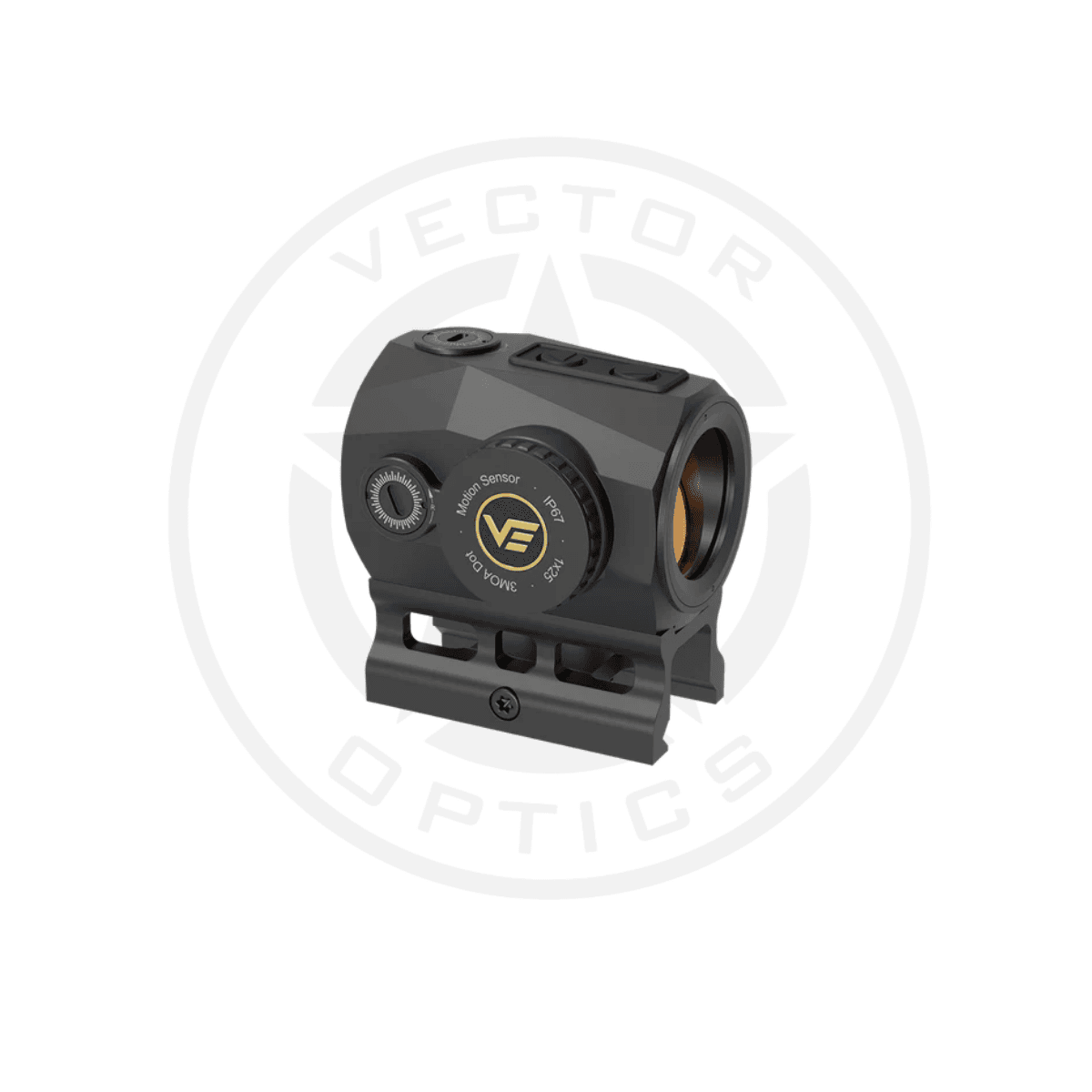
Vector Optics Scrapper Nano 1x25 Enclosed Red Dot
- 3 MOA enclosed dot
- 25mm window
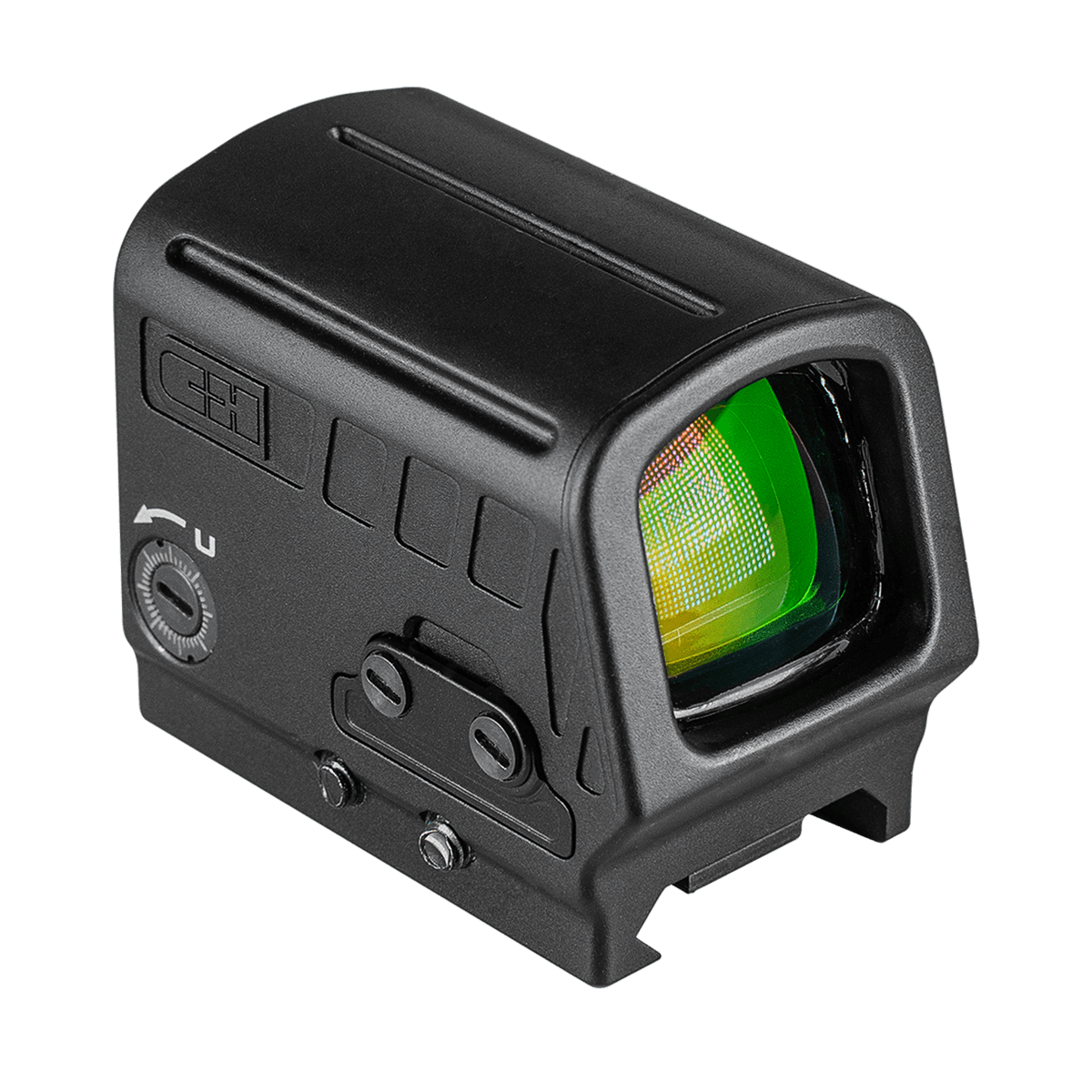
C&H STRYKR Red Dot for FLUX Raider and PDWs
- 3 MOA dot / 33 MOA circle / circle-dot
- 1913 Picatinny mount, 0.76in riser included

EOTech 512
- 68 MOA ring + 1 MOA dot
- 2x AA batteries
Holosun ARO
- 2 MOA dot
- 50,000 hour battery

EOTech XPS2
- Holographic reticle
- 1 MOA dot + 65 MOA ring
Holosun HS403B
- 2 MOA dot
- CR2032 battery
Affiliate links (?)
Power, Controls, and InstaWake
The OWS-32 runs on a single CR123A and is rated for 1500+ hours of runtime, which puts it above EOTech EXPS3 lithium runtime (rated for roughly 1000 hours on a CR123A) but below Aimpoint T-2 territory (50,000+ hours on AA or CR2032). That is the expected tradeoff for an illuminated, large-window sight that consumes more current per hour than a tube red dot. The upside: after 10 minutes of inactivity the sight drops into standby, and InstaWake returns it to full brightness in milliseconds on motion detection or button press. Auto-standby extends effective battery life well beyond the 1500-hour continuous figure for shooters who leave optics mounted between range days.
A single button on the left side handles all brightness and NV control: tap cycles modes, hold toggles auto-brightness. Twenty daylight levels gives fine adjustment for everything from a dim indoor range to direct sun on snow, and the ten dedicated NV levels sit below dot visibility so the dot does not bloom through a PVS-14 or dual-tube system. The shift pattern mirrors what Holosun and EOTech shooters expect, which shortens the learning curve.
Housing, Durability, and Recoil Rating
The OWS-32 housing is machined from AL7075-T6 aluminum, the same aerospace-grade alloy Aimpoint, Trijicon, and the EOTech duty-line use for their housings. IP67 certification means the sight is sealed against dust and submersible to 33 feet for 10 minutes. The -22 F to 140 F operating range covers every realistic US climate, including Alaskan and desert deployments. The 1200 g/s-squared recoil spec was tested on .338 Win Mag and 12 gauge platforms, which is the standard for duty-grade optics: if it survives 12 gauge slug cycling and .338 Win Mag on a bolt gun, it will handle any AR-15 impulse without issue.
The most interesting durability claim is reticle-on-target after a cracked front window, demonstrated in the INFITAC launch video. In a conventional red dot, cracking the front lens typically destroys the optical path because the LED projects off that lens surface. With an internal waveguide, the reticle reaches the eye through a different optical route, so front-glass damage degrades the view but does not erase the aiming point. If INFITAC can reproduce that behavior under third-party abuse testing, it is a meaningful reliability argument over conventional red dots for duty users.
INFITAC OWS-32 Specifications
- TechnologyOptical waveguide
- Window Size1.26 x 1.0 in
- Dimensions3.3 x 2.0 x 2.6 in
- Weight9.88 oz
- Reticles7 user-selectable
- Brightness Levels20 daylight + 10 NV
- Battery1 x CR123A
- Runtime1500+ hours
- Auto-Standby10 min idle + InstaWake
- HousingAL7075-T6 aluminum
- WaterproofIP67 (33 ft / 10 min)
- Operating Temp-22 F to 140 F
- Recoil Rating1200 g/s-squared (.338 WM, 12 ga tested)
- Mount HeightLower 1/3 co-witness
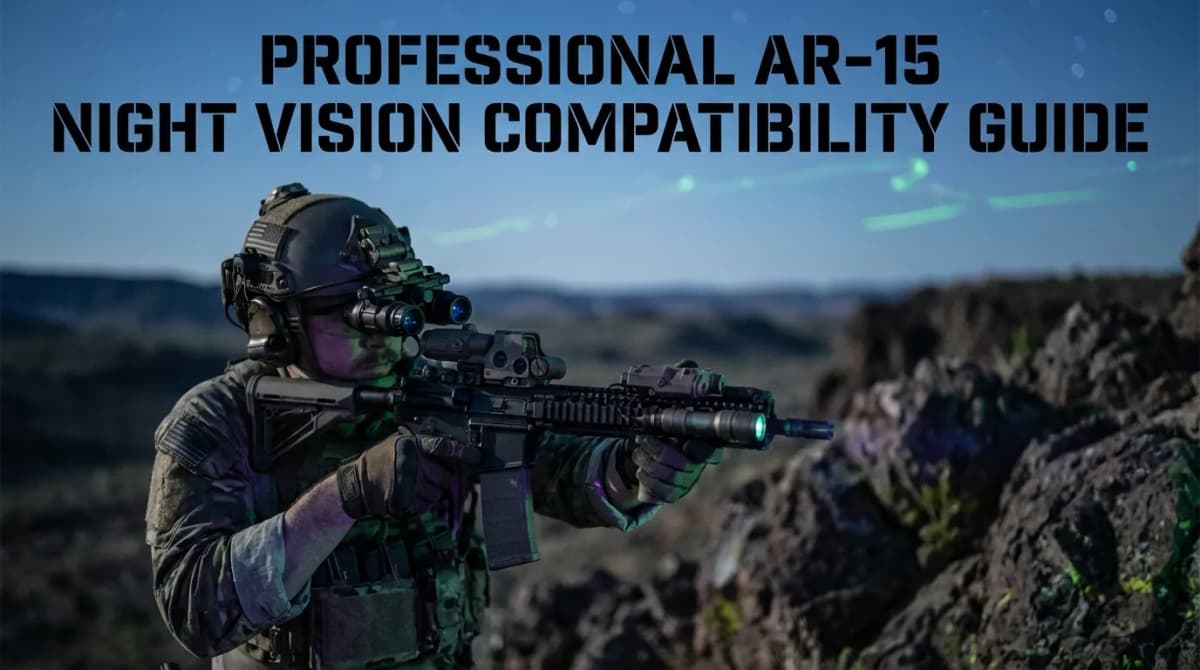
- NV CompatibleYes (PVS-14, GPNVG-18)
- LaunchNRAAM 2026 Houston, available now
- Price$549 (infitacusa.com direct)
- ManufacturerINFITAC LLC (Allen, TX)
Construction and Internal Layout
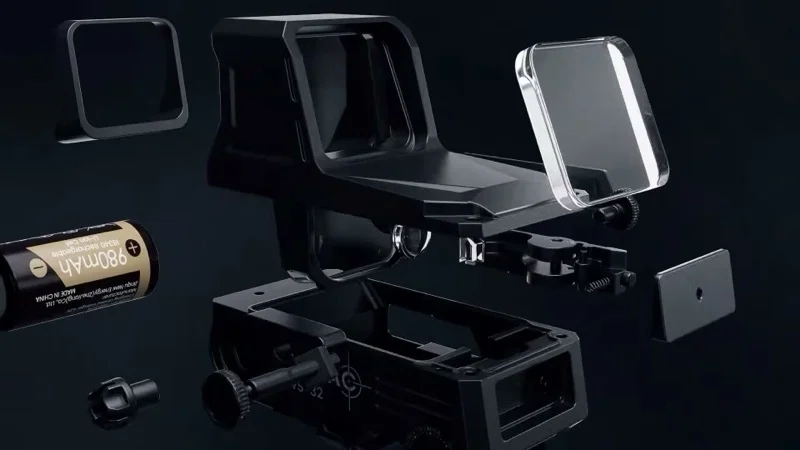
The exploded view INFITAC released shows a rear eyepiece with the waveguide element, the main AL7075-T6 shell, a side-loading battery tray for the CR123A, a standard QD-style mount base, and the front glass cover as a separate, replaceable panel. That last detail matters: if the front window is the most commonly damaged component in real-world use, making it a user-serviceable part lowers the cost of recovering from a drop or scuff. None of that is confirmed yet as a published service part, but the physical design clearly separates structure from glass.
Compatible AR-15 Optic Mounts
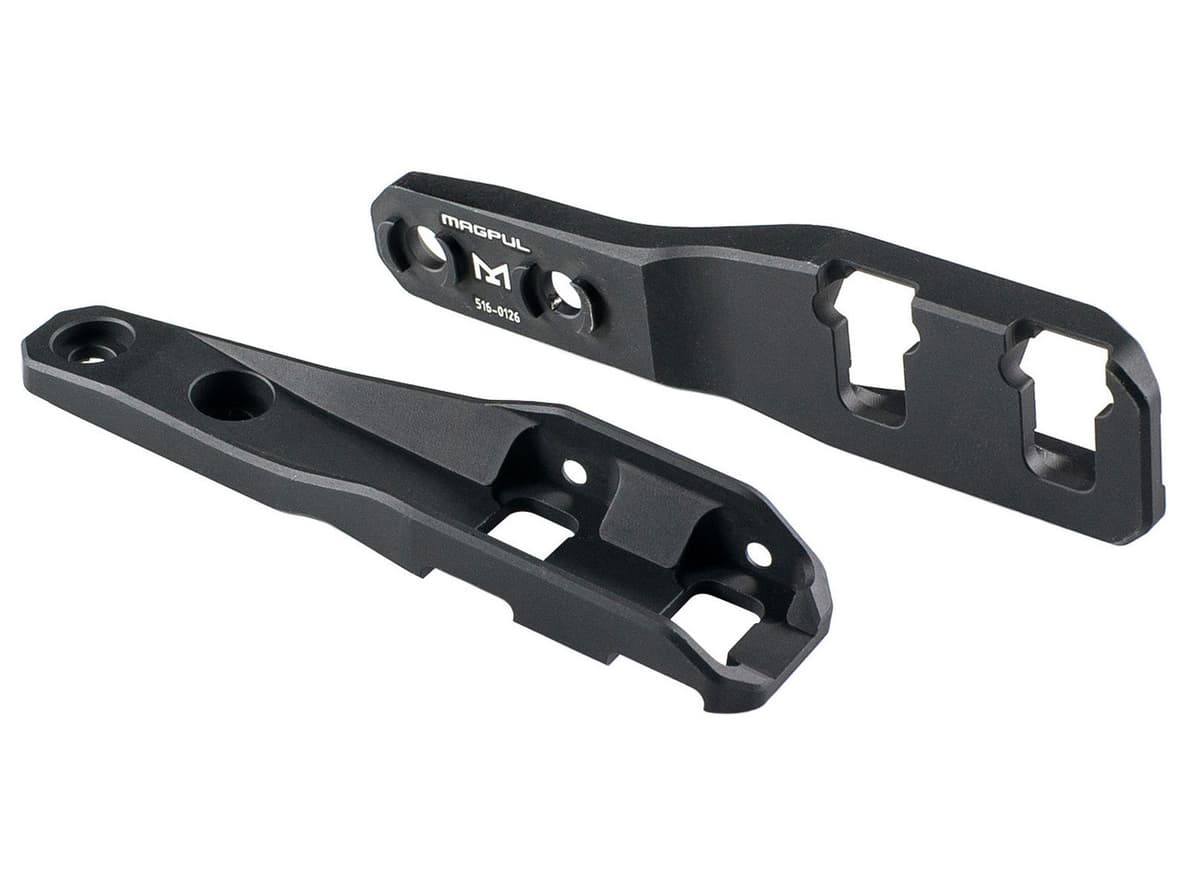
Magpul M-LOK Extended Cantilever Scout Mount
- MAG935
- Scout-pattern light mount
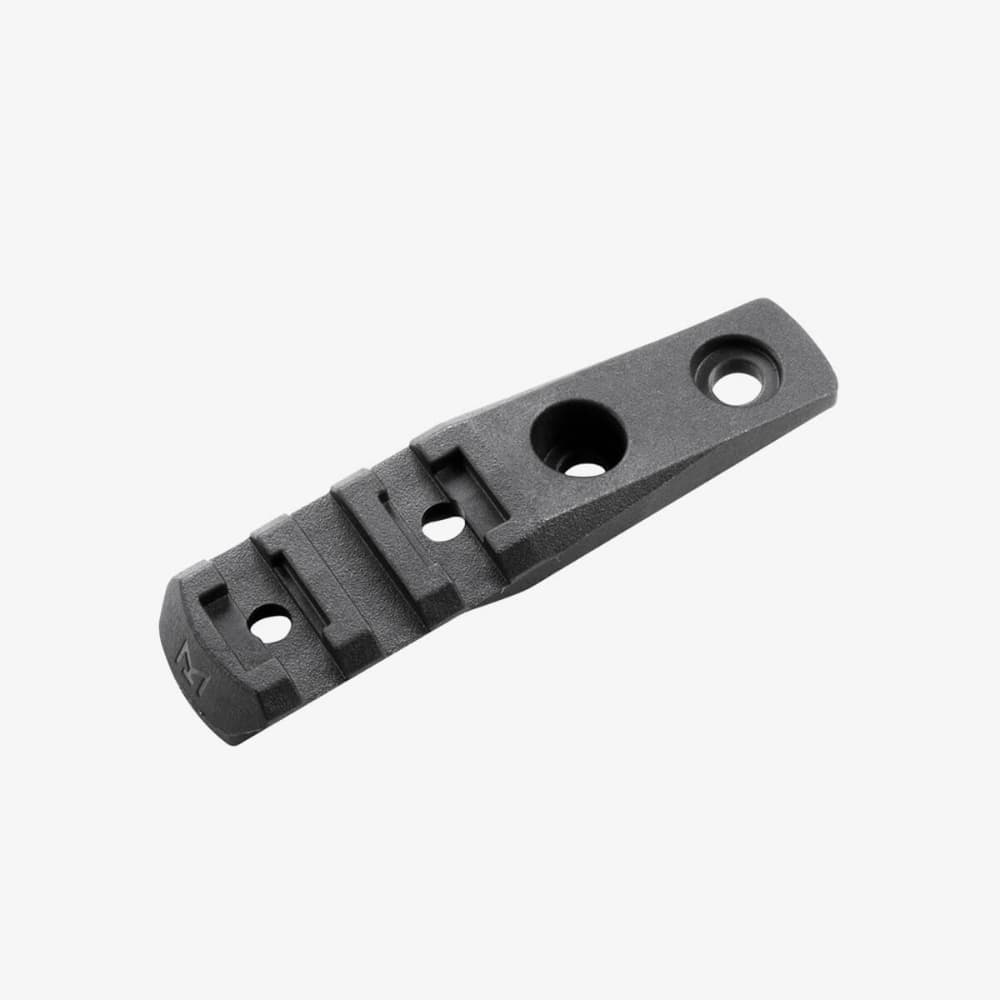
Magpul M-LOK Cantilever Rail/Light Mount, Polymer
- MAG587
- Polymer construction
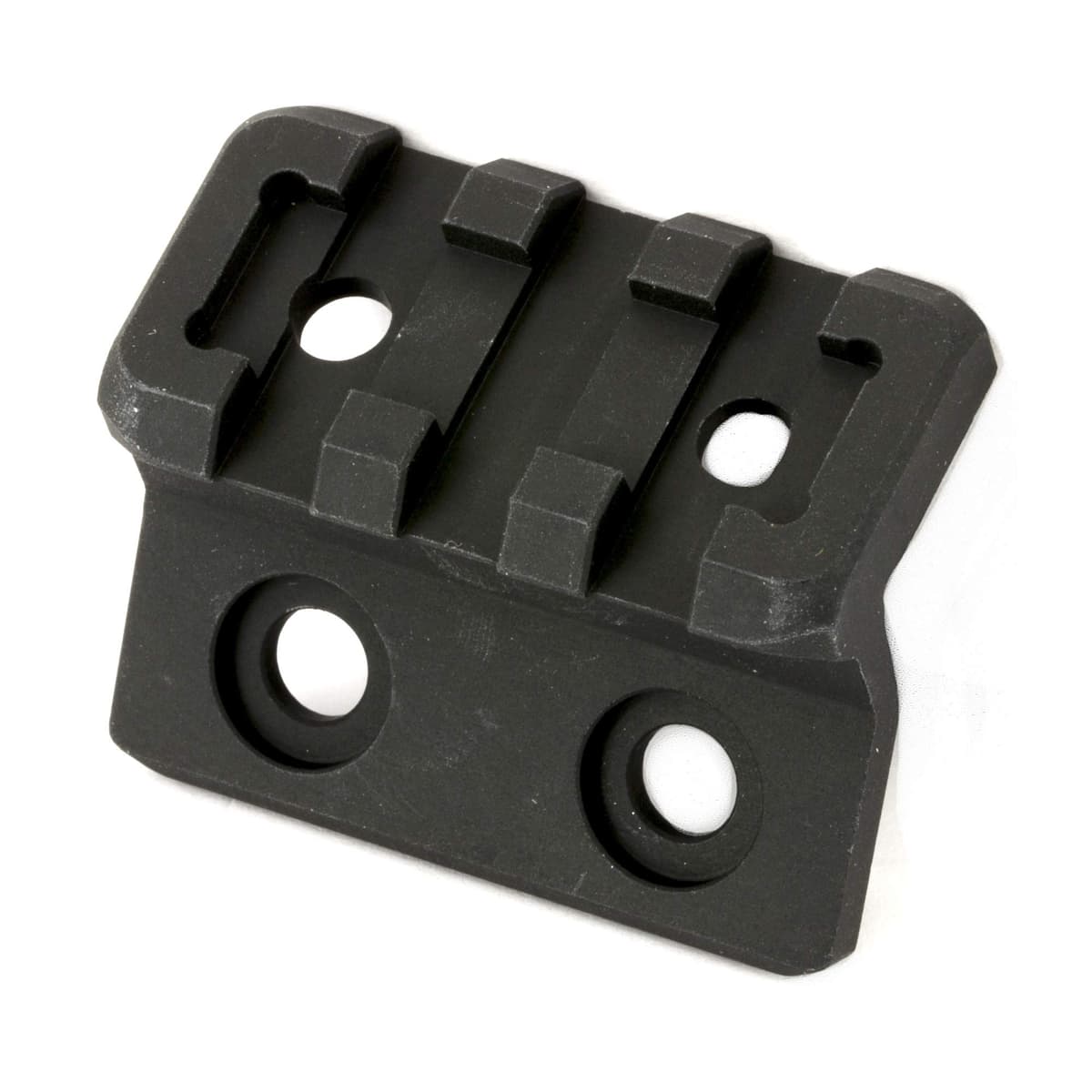
Magpul M-LOK Offset Light/Optic Mount, Aluminum
- MAG604
- Aluminum construction
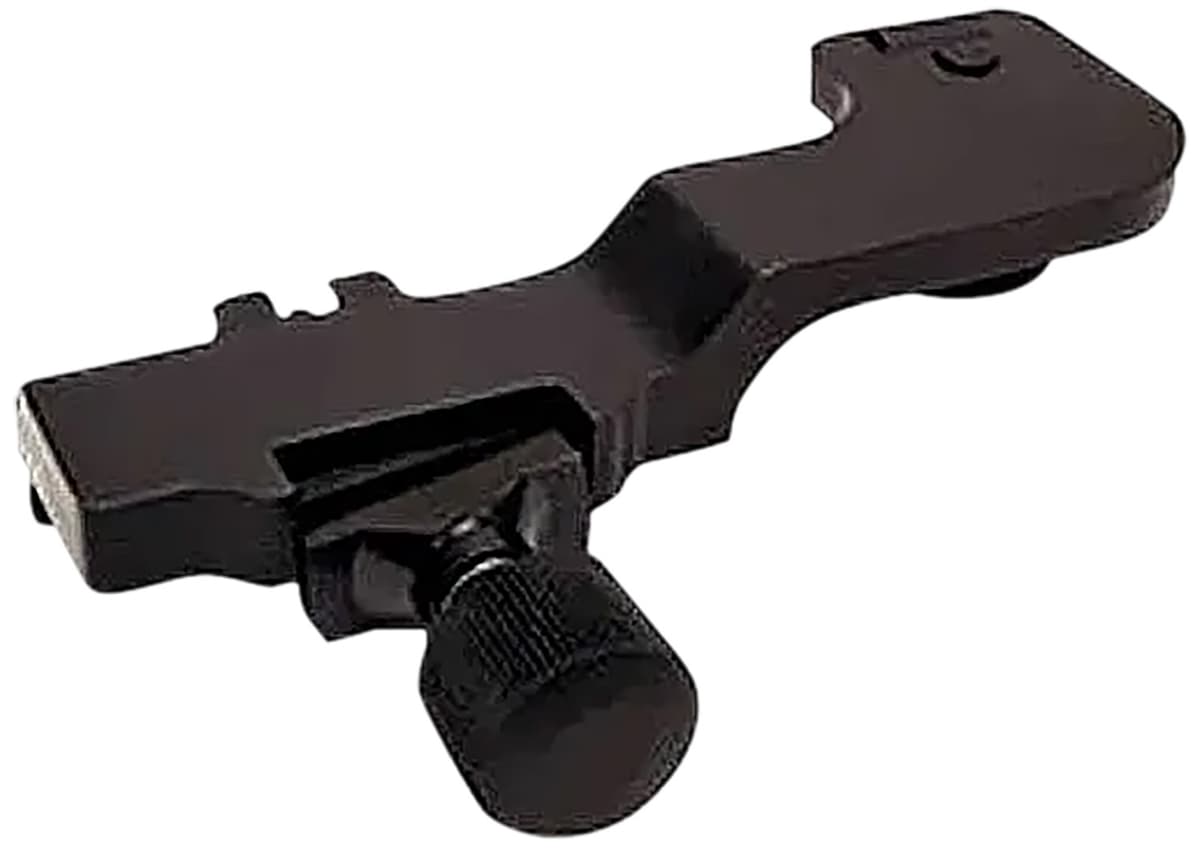
ATN PVS-14 Weapon Mount
- Weaver/Picatinny rail interface
- ATN 6015/PVS-14 weapon-mount interface
Affiliate links (?)
How the OWS-32 Stacks Up
The OWS-32 most directly competes with enclosed rifle red dots and small holographic sights: Holosun AEMS, EOTech EXPS3, and the newly announced FN PUREVIEW holographic micro red dot, which similarly positions itself as a new category between red dot and holographic. INFITAC's window size lands between the EXPS3 and the oversized Holosun AEMS, battery runtime beats the EXPS3 on the same CR123A chemistry, and the zero-forward-signature claim is the real differentiator that neither Holosun nor EOTech offer. The 9.88 oz weight puts it heavier than the T-2 (3.4 oz) and the AEMS (5.8 oz) but roughly matched to the EXPS3 (11.2 oz).
The missing piece is third-party torture testing. INFITAC publishes the .338 Win Mag and 12 gauge recoil data, the IP67 rating, and the temperature envelope, but the reputation of a duty optic is built over years of drop testing, humidity chamber data, and failed-unit field reports. Aimpoint spent decades earning that trust. INFITAC is starting from zero on daylight optics, even though their thermal line has a proven track record. For a side-by-side comparison across the enclosed red dot category, see our Holosun ARO vs Sig Romeo 5 breakdown or use our optic comparison tool to stack this against your current sight.
Frequently Asked Questions
▶What is the INFITAC OWS-32?
▶How does waveguide technology differ from a red dot or holographic sight?
▶How much does the INFITAC OWS-32 cost and where can I buy it?
▶Is the INFITAC OWS-32 night vision compatible?
▶What reticles are available on the OWS-32?
▶Is the OWS-32 durable enough for serious duty use?
▶Who is INFITAC and should I trust a first-generation product?
Bottom Line
The INFITAC OWS-32 is the most technically interesting rifle sight launch of NRAAM 2026. Routing the reticle through an internal optical path instead of projecting it off a front lens produces measurable differences in forward signature and failure-mode behavior; the 1.26 x 1.0 inch window, seven reticles, 1500-hour runtime, IP67 rating, and .338 Win Mag recoil spec make this a credible entry against the EOTech EXPS3 and Holosun AEMS on paper.
At $549, the OWS-32 is now confirmed and competitively priced against the EOTech EXPS3 and Trijicon RMR HD. The open questions are production consistency and real-world durability: a first-generation daylight optic from a thermal-focused manufacturer carries unknown long-term reliability risk, and no third-party torture testing exists yet. The strongest buy case right now is for shooters who want the zero-forward-signature feature for night vision and low-light work, who are willing to validate a first-generation product before committing it to duty use. For shooters who need a proven platform today, Aimpoint, EOTech, and Holosun remain the safer picks. Explore those options in our full optics catalog, or build a rifle around the platform that fits in our rifle builder. We will publish a hands-on review once the OWS-32 has been through our range testing.