Key Takeaways
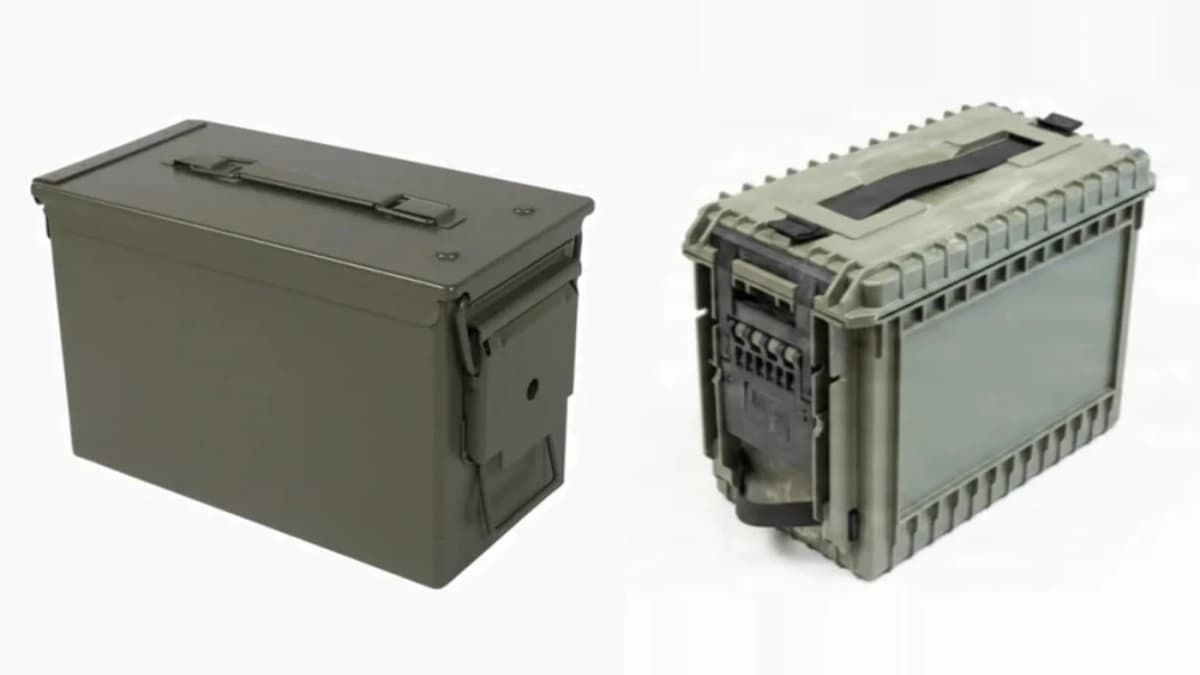
- →The Announcement: One photo and one sentence posted to X on August 26, 2026: "Even the AMMO CAN is going POLYMER people."
- →Nothing Else Was Stated: No product name, SKU, price, capacity, dimensions, seal rating, color options, or ship date accompanied the post.
- →The Photo: A classic steel ammo can beside a ribbed polymer one. Magpul identified neither can, and neither carries visible Magpul branding.
- →Existing Polymer Storage: The DAKA Can 2.0 holds 29 cubic inches and the Large DAKA Can roughly 44, both injection molded polymer with a foam liner and a steel hinge pin.
- →What To Buy Now: The MTM AC50C is the polymer .50-cal-pattern can at $15.99, and a Grade 1 surplus steel M2A1 runs $17.99 with a genuine gasket seal.
What Magpul Announced
Magpul posted a single image and a single sentence to X on August 26, 2026: "Even the AMMO CAN is going POLYMER people." That is the entire announcement. There is no product name, no SKU, no price, no dimensions, no capacity, no seal rating, and no ship date.
The photo shows two ammo cans side by side against a white background. On the left sits a classic steel can with a folded carry handle and a lever latch. On the right sits a heavily ribbed polymer can with a molded top handle, a strap, and a large hinged front latch. Magpul labeled neither can, and neither shows visible Magpul branding. Read literally, the post establishes one fact: Magpul intends to build a polymer ammo can. Everything past that is unannounced.
Magpul cut back its SHOT Show 2026 reveals and moved to announcing products through the year as they became ready. A dateless teaser in late August is consistent with that. The company covered its January reveals, including the DAKA Universal GRID organizer and the AMAG P365 magazines, in our Magpul SHOT Show 2026 roundup.
Magpul Already Builds Sealed Polymer Storage
A polymer ammo can is an extension of the DAKA line, not a new competency. The DAKA Can 2.0 uses high-strength injection molded polymer, a high-density foam interior liner, and a steel hinge pin, with a top-loading lid that snaps closed and is rated weather and dust resistant. The Large DAKA Can takes that from roughly 29 cubic inches to roughly 44. Both are small carry containers sized for optics, medical gear, and tools rather than bulk ammunition, but the sealing approach is the same problem an ammo can has to solve at larger scale.
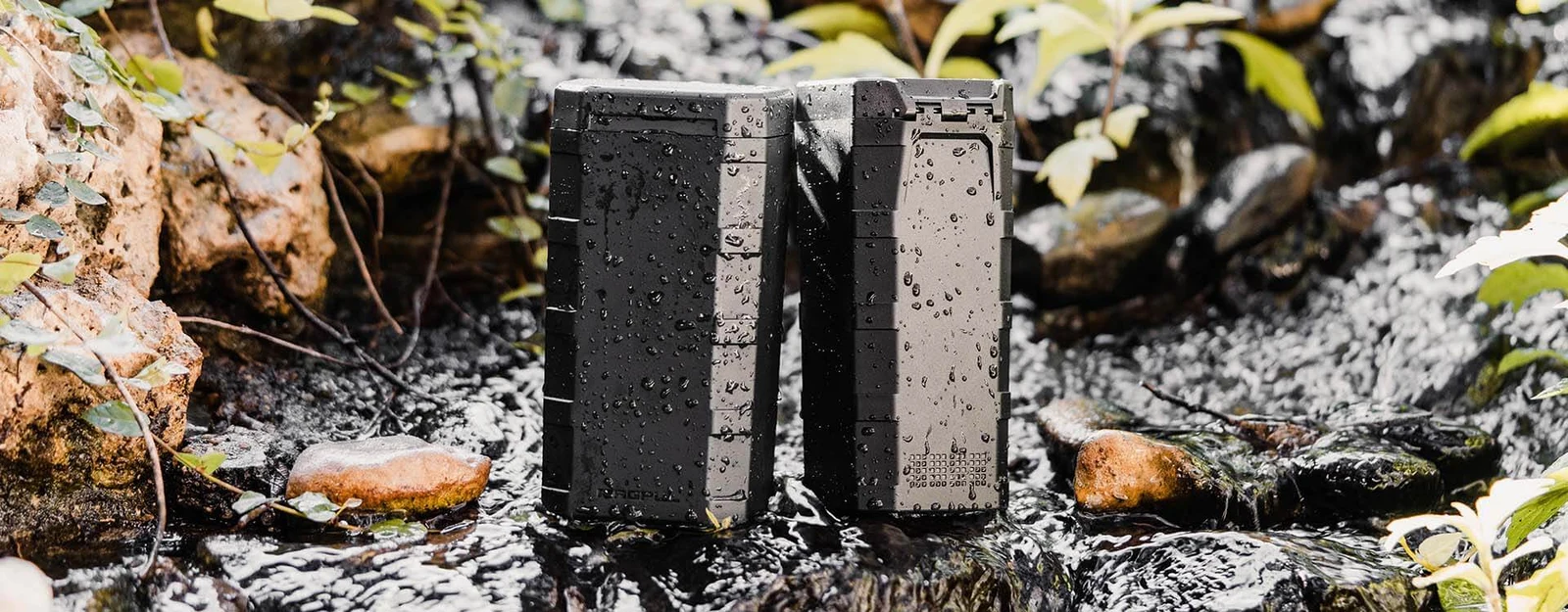
The broader case is that Magpul has spent twenty-plus years replacing metal with polymer and winning the argument on weight and corrosion. The PMAG did it to the aluminum USGI magazine thoroughly enough that it is now the default, which we cover in the AR-15 magazine guide. An ammo can is a simpler engineering problem than a feed device, which is precisely why the interesting question is not whether Magpul can build one but what it does differently from the polymer cans already on the shelf.
What Polymer Ammo Cans Already Do Better Than Steel
Polymer wins on weight and corrosion, and it has for years. The MTM AC50C weighs roughly a third of a comparable steel can, cannot rust, and never needs a replacement gasket. Its tongue-and-groove O-ring seal keeps humidity and splashes out, dual latches and double padlock tabs lock the lid down, and at $15.99 it is cheap enough to buy several. The .30 cal AC30C keeps the same footprint at 5.1 inches tall instead of 8.5, which is the size most shooters actually reach for when they dedicate one can per caliber.
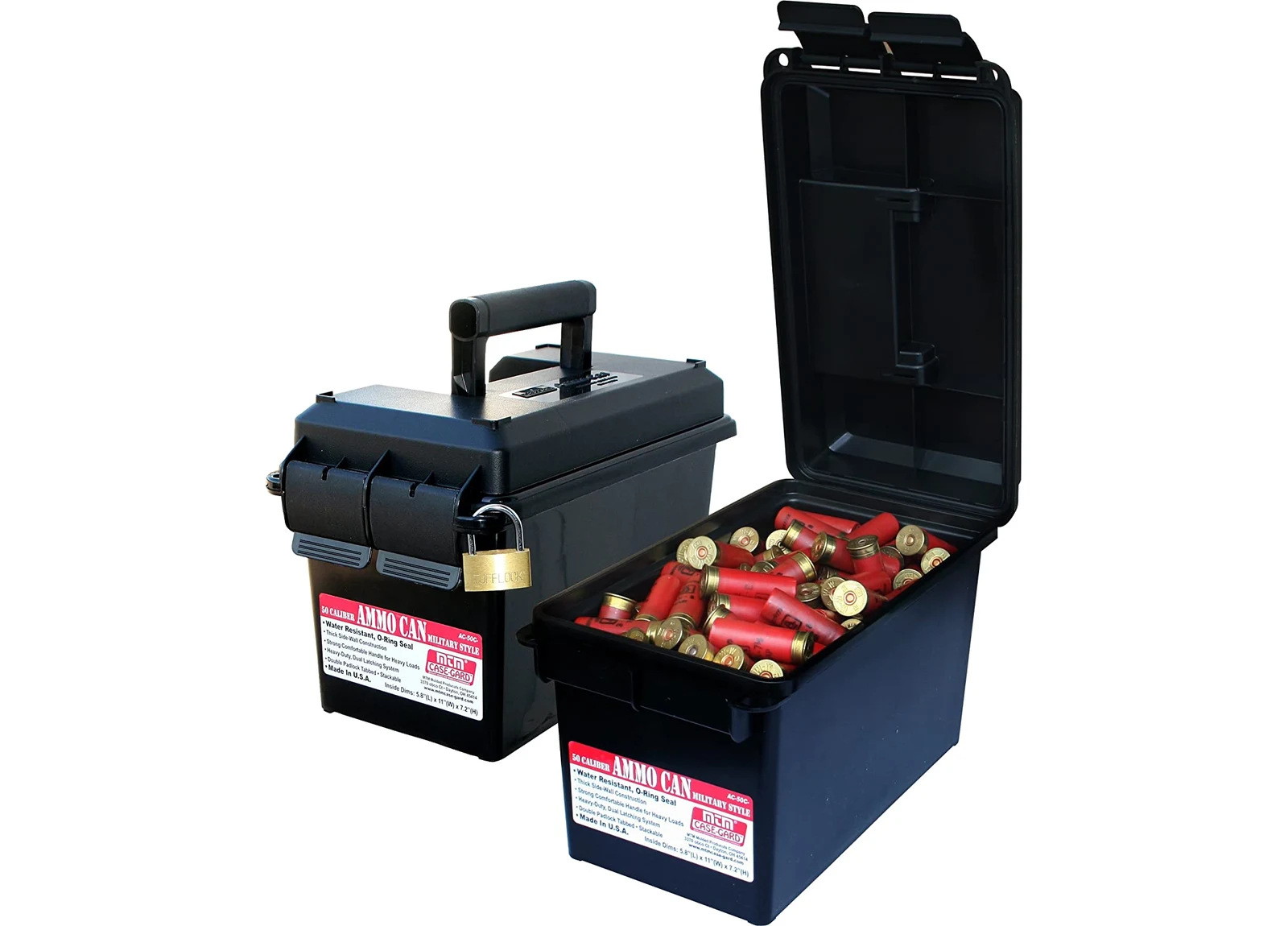
The honest limit on every polymer can in this class is the same: water-resistant is not submersible. MTM rates the AC50C seal for humidity and splashes, which covers a basement, a closet, a safe, or a truck bed, and does not cover underwater caching. The full ranking of steel, polymer, and dry-storage options sits in our ammo can guide.
Where Steel Still Wins
Steel wins on puncture resistance and seal quality. A Grade 1 surplus M2A1 is a seam-welded carbon steel body with an integral rubber gasket that compresses against the rim when the lever latch closes, and that gasket is why cans pulled from depots decades later still hold a dry seal. It shrugs off impacts and punctures that would crack polymer, holds roughly 423 cubic inches, and costs $17.99. The failure point is the gasket, not the box: Grade 2 surplus is cheaper but the seal is more likely to be hardened or missing, so buy Grade 1 or budget for a replacement.
That price is the wall a Magpul can has to clear. Polymer already costs about the same as steel in this category, so weight and rust immunity are table stakes rather than a selling point. To justify a premium, the Magpul can needs something the MTM at $15.99 does not have: a genuinely better seal, a modular interior, stacking or mounting interfaces, or a lid that solves the carry problem. Steel and polymer cans both stack, and both take a desiccant canister, so those are not differentiators either. Current pricing on every can in this category sits in our component catalog.
Ammo Cans Available Now
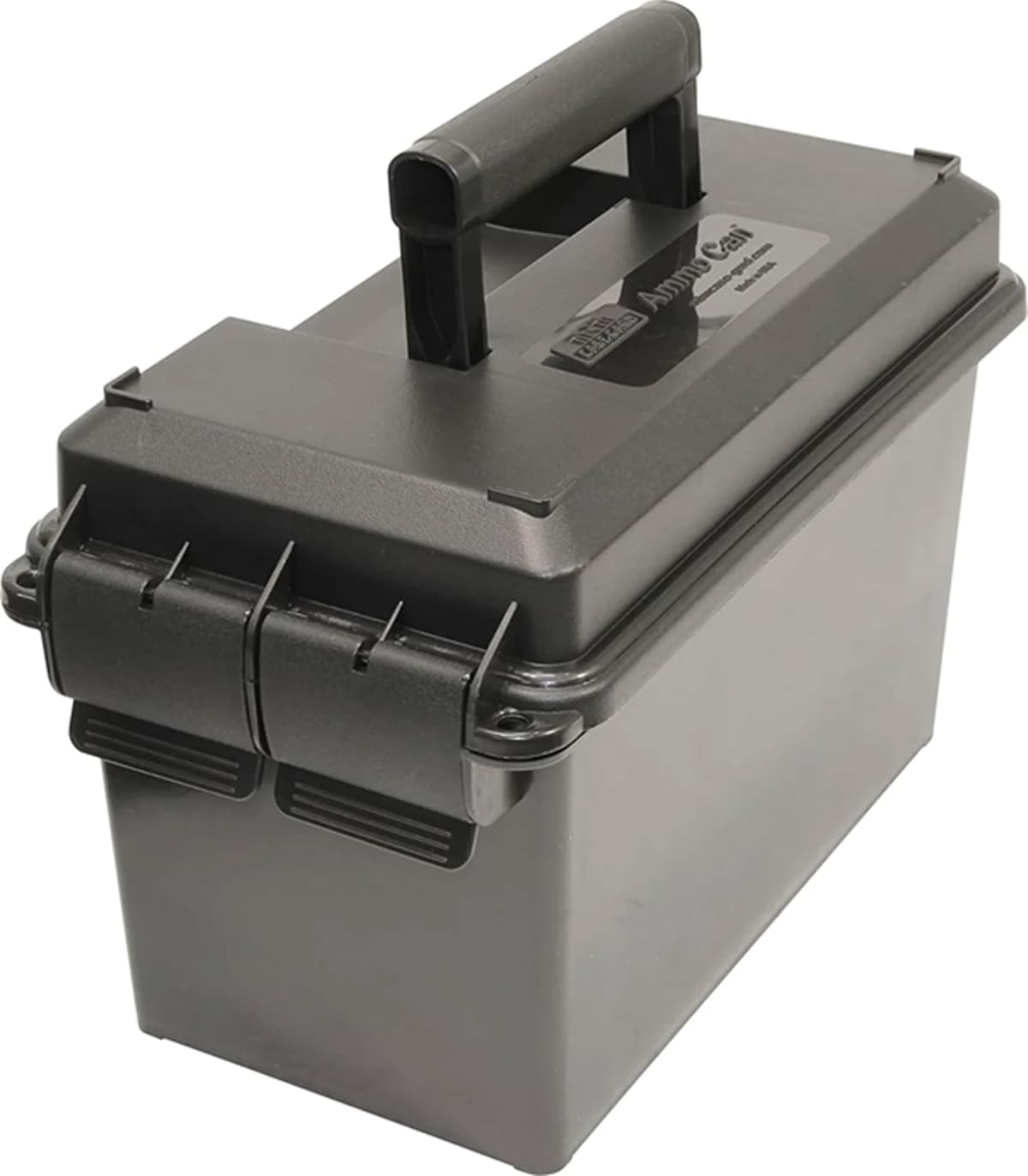
MTM AC50C .50 Caliber Ammo Can
- Exterior 13.5 x 7.4 x 8.5 in
- Rugged polypropylene, USA made
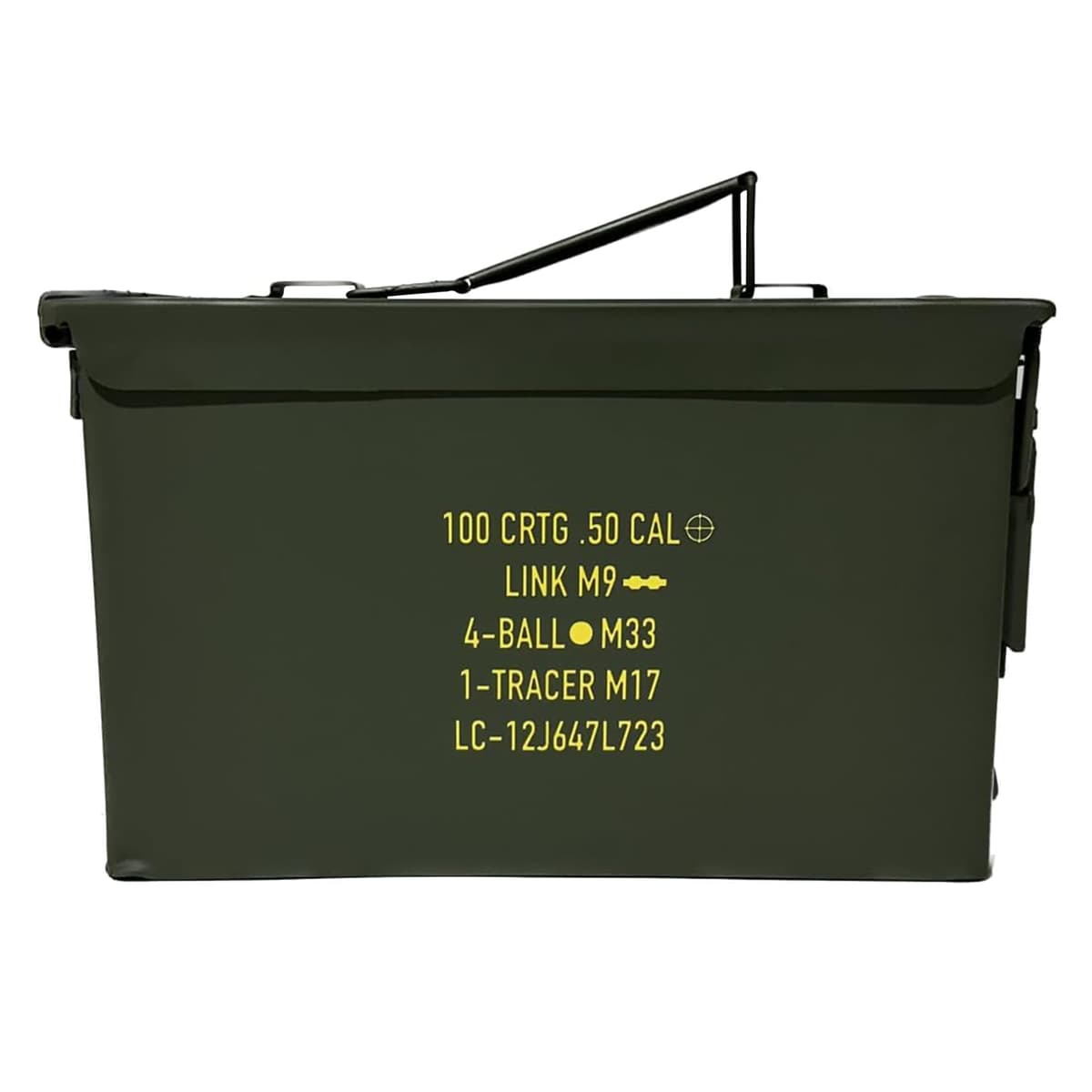
M2A1 .50 Cal Steel Ammo Can (Mil-Surplus, Grade 1)
- Interior 11 x 5.5 x 7 in
- Seam-welded carbon steel body
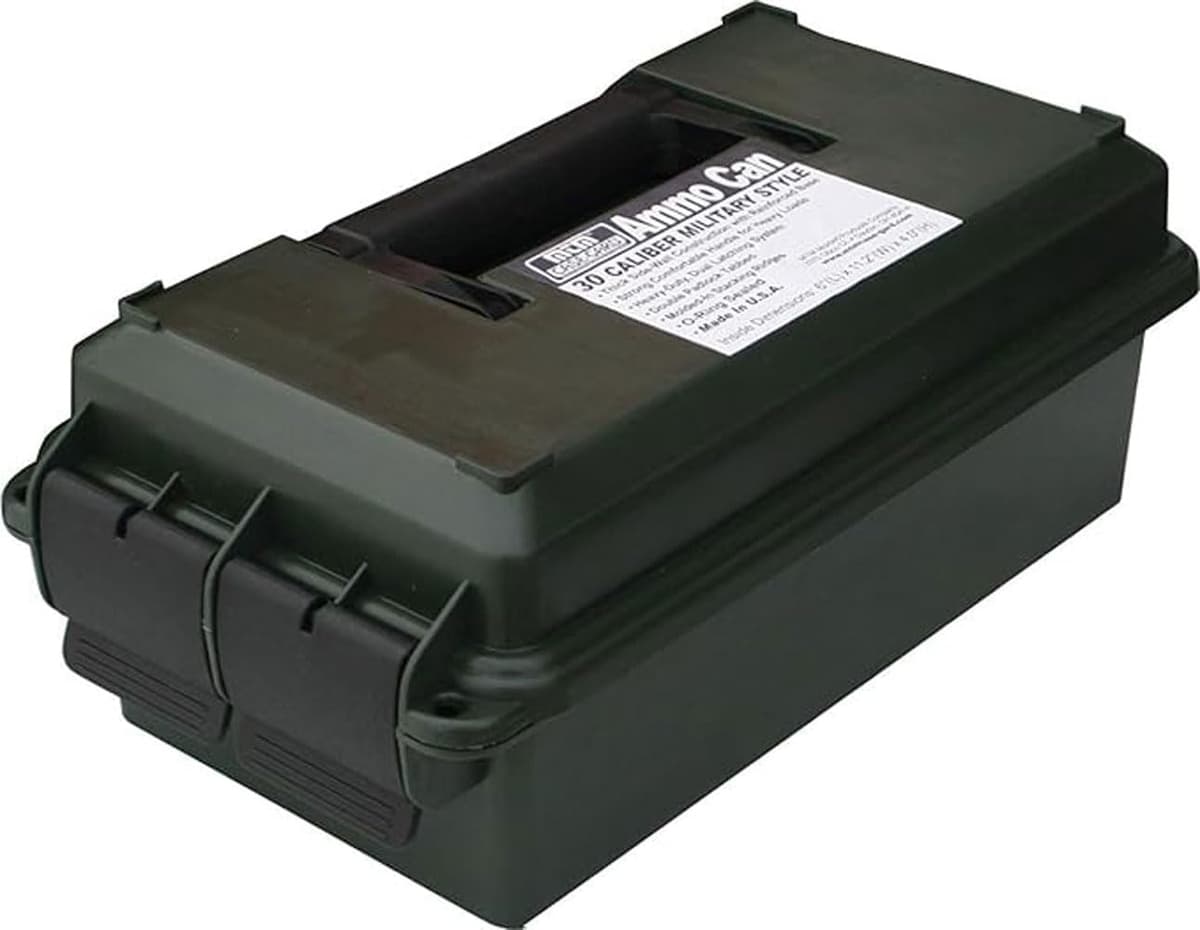
MTM AC30C .30 Caliber Ammo Can
- Exterior 13.5 x 7.4 x 5.1 in
- Rugged polypropylene, USA made
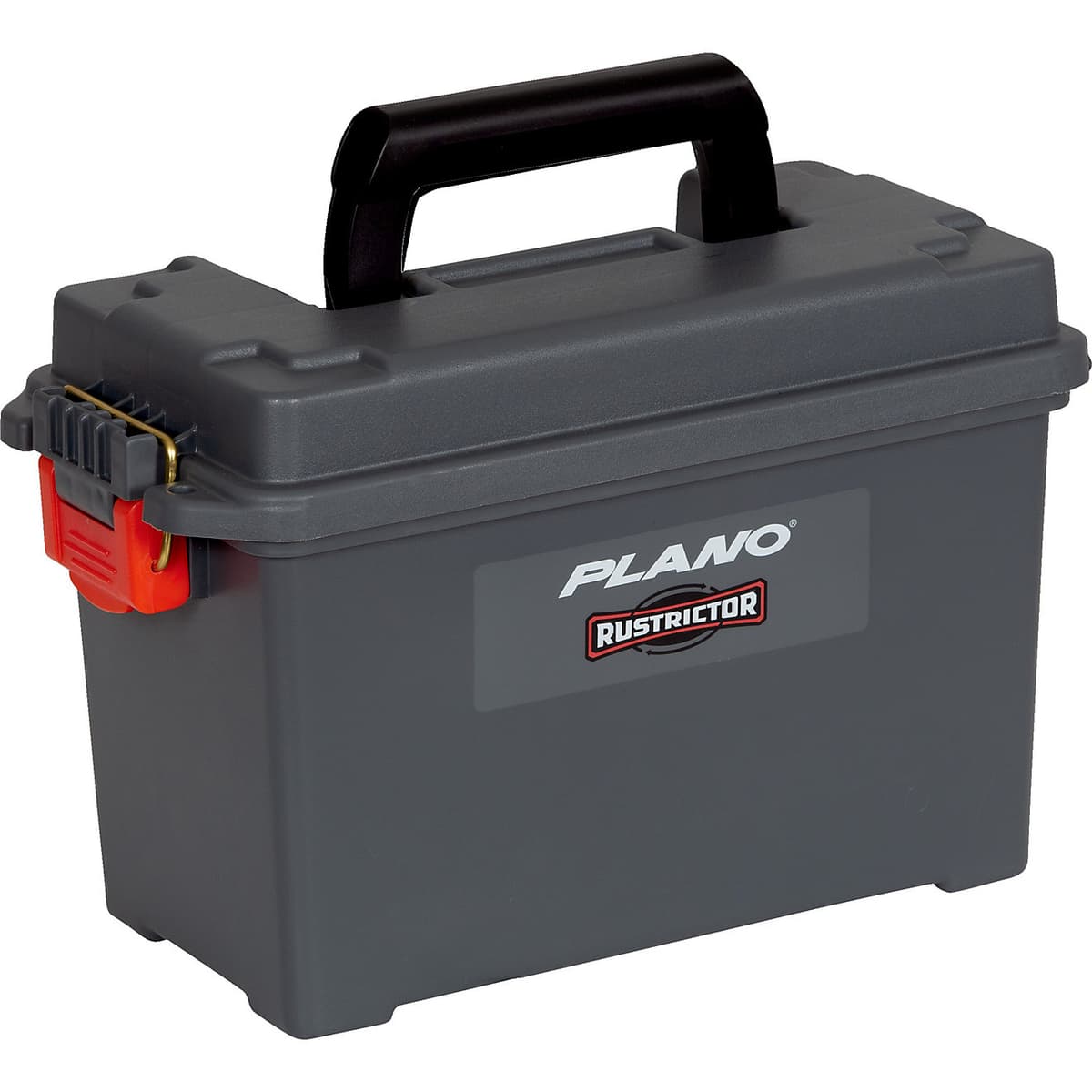
Plano 1612 Rustrictor Field/Ammo Box
- Exterior 15 x 8 x 10 in
- Interior ~12.5 x 6 x 8.5 in
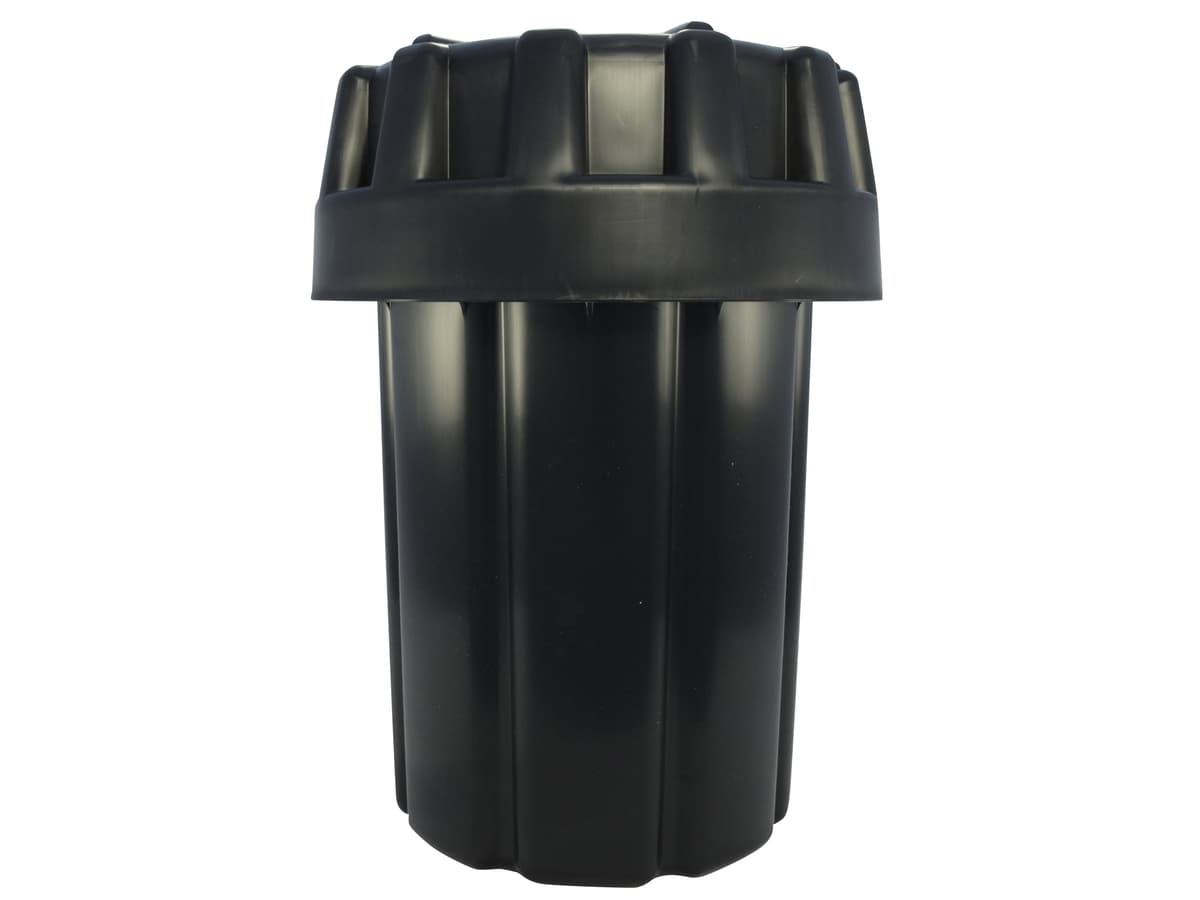
MTM SAC Survivor Ammo Can
- Interior 7 in dia x 12.4 in tall
- Double O-ring screw-down lid (6 stainless screws)
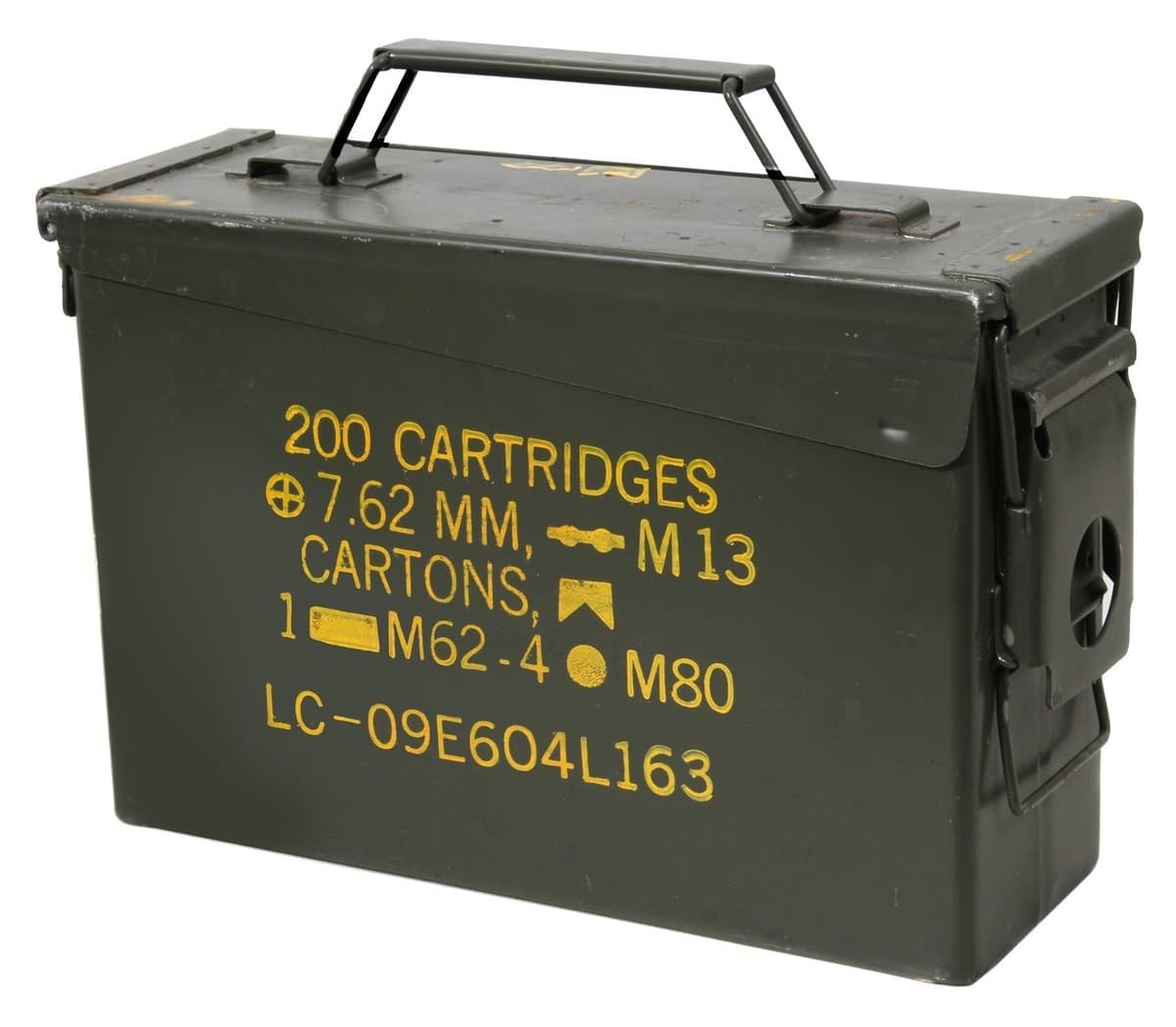
M19A1 .30 Cal Steel Ammo Can (Mil-Surplus, Grade 1)
- Interior ~10 x 3.5 x 6.75 in
- Seam-welded carbon steel body
Affiliate links (?)
The Four Specs That Decide If It Is Worth Buying
Four unannounced specs determine whether this displaces a $15.99 MTM can or sits next to it as a premium option.
Footprint. Surplus steel cans set the .50 cal and .30 cal dimensions, and every polymer competitor copies them so the cans stack with what people already own and drop into existing racks and crate trays. A Magpul can that invents its own footprint gains design freedom and loses interoperability.
Seal rating. Water-resistant covers the storage most people actually do. Submersible would be a real differentiator, and it is the one claim in this category that manufacturers rarely make because it is expensive to engineer and expensive to be wrong about.
Price. Polymer and steel land within a few dollars of each other in this category, and Magpul's DAKA line prices at a modest premium over generic equivalents rather than a large one. Magpul has published no figure for the ammo can.
Carry and stacking hardware. Loaded ammo cans are heavy and awkward, and the top handle is where cheap cans get uncomfortable fastest. Interlocking lids, offset or recessed handles, and mounting points are the kind of detail Magpul typically engineers around, and they are what would separate this from a molded box. Anyone storing cans in a vehicle should also read our car gun safe guide, since secured storage and sealed storage solve different problems.
Get the Magpul Ammo Can Specs When They Drop
Magpul has published no name, price, dimensions, or ship date. Subscribers get the specs and our verdict in the weekly dispatch.