Key Takeaways
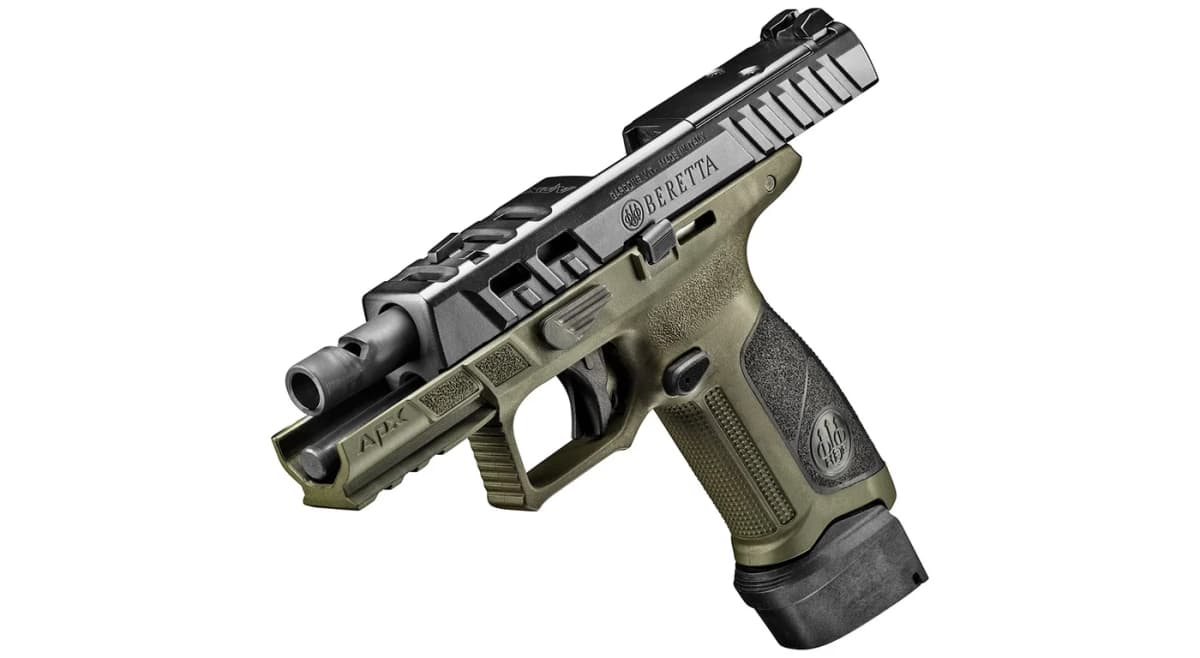
- →One barrel port, seven slide ports: Beretta cuts a single angled port into the top of the 4.25-inch hammer-forged barrel and aligns seven ports in the slide above it, venting gas upward to hold the muzzle down.
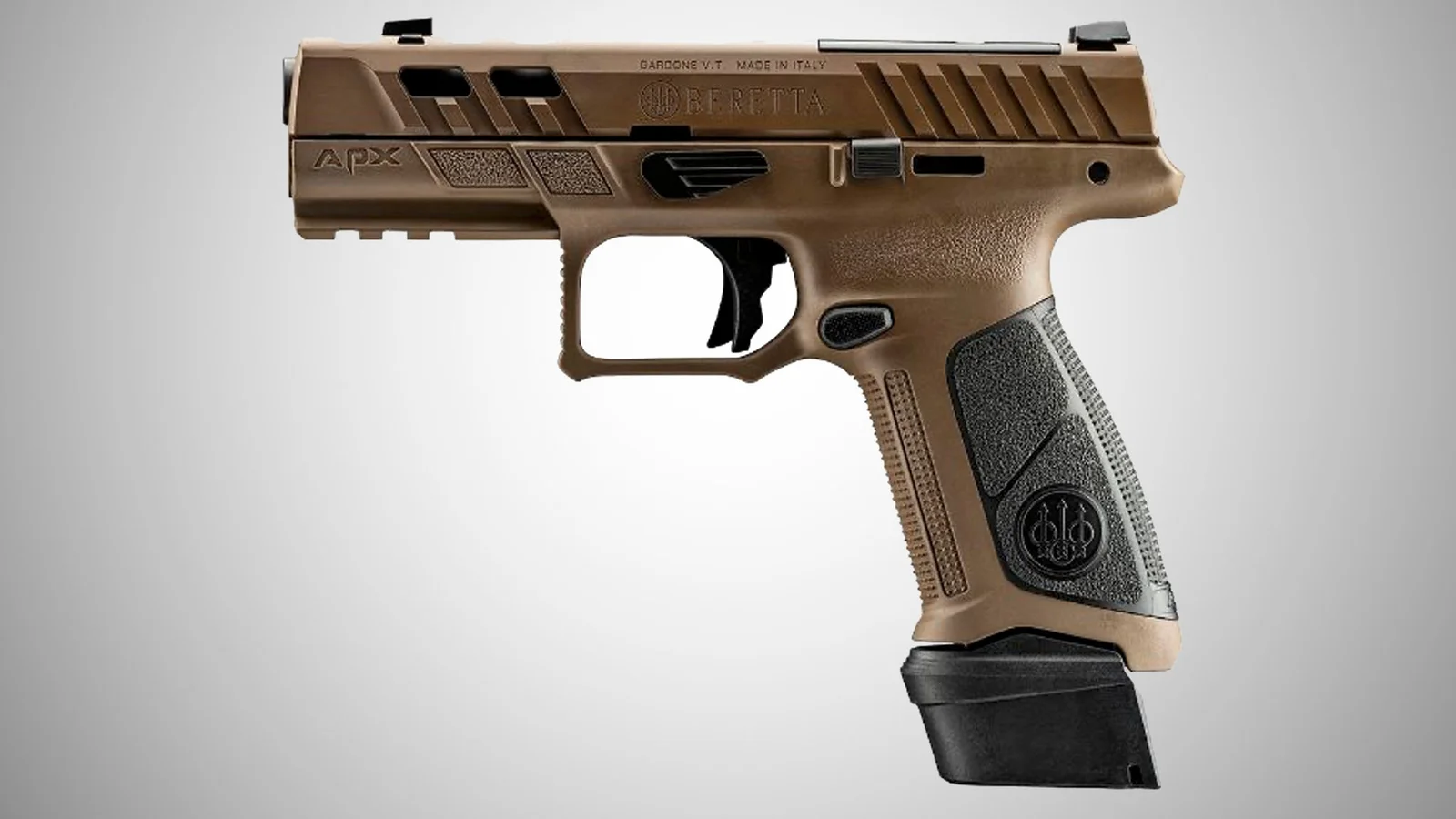
- →Two SKUs, three magazines: OD Green (FA0308) and Flat Dark Earth (FA0307) grip modules, with three magazines in the box at every capacity Beretta offers.
- →A first for the line: the APX has been in production since 2017 and this is the first factory-ported version. Every previous ported APX was a gunsmith job.
- →It is not a suppressor host: no threaded muzzle, and a barrel that vents gas into the slide cannot be quieted by a can bolted to the front of it.
- →The tradeoff is light and noise: flatter tracking in exchange for a brighter flash in your line of sight and a louder report, which is a range and competition bargain more than a low-light one.
What Beretta Actually Changed
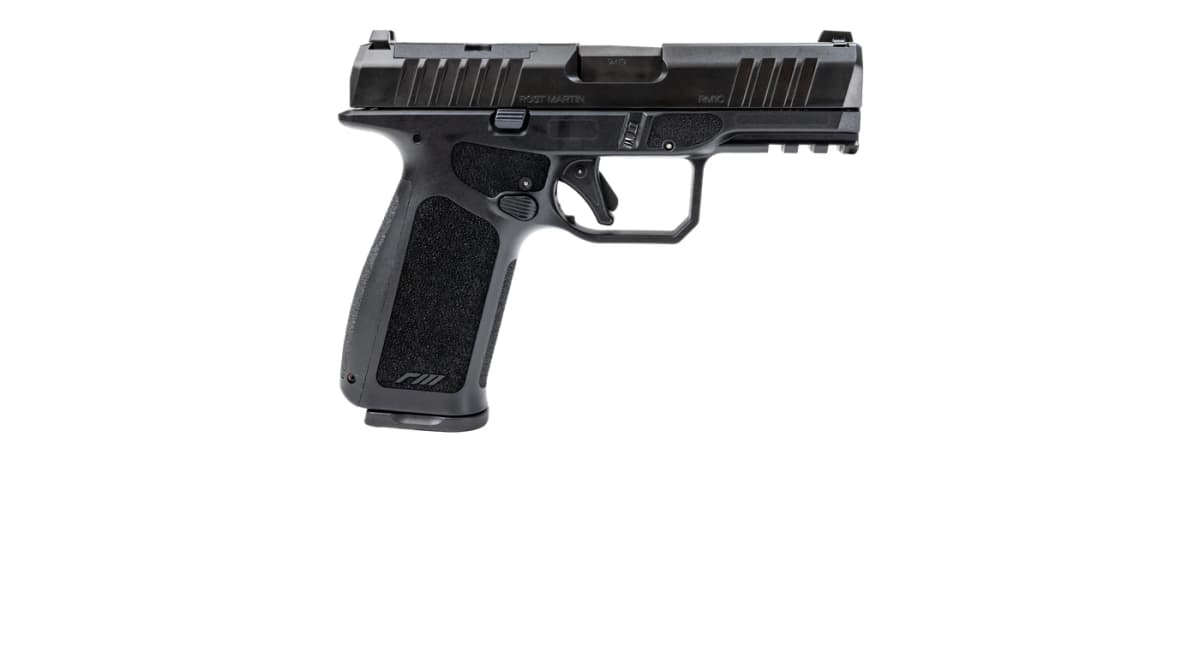
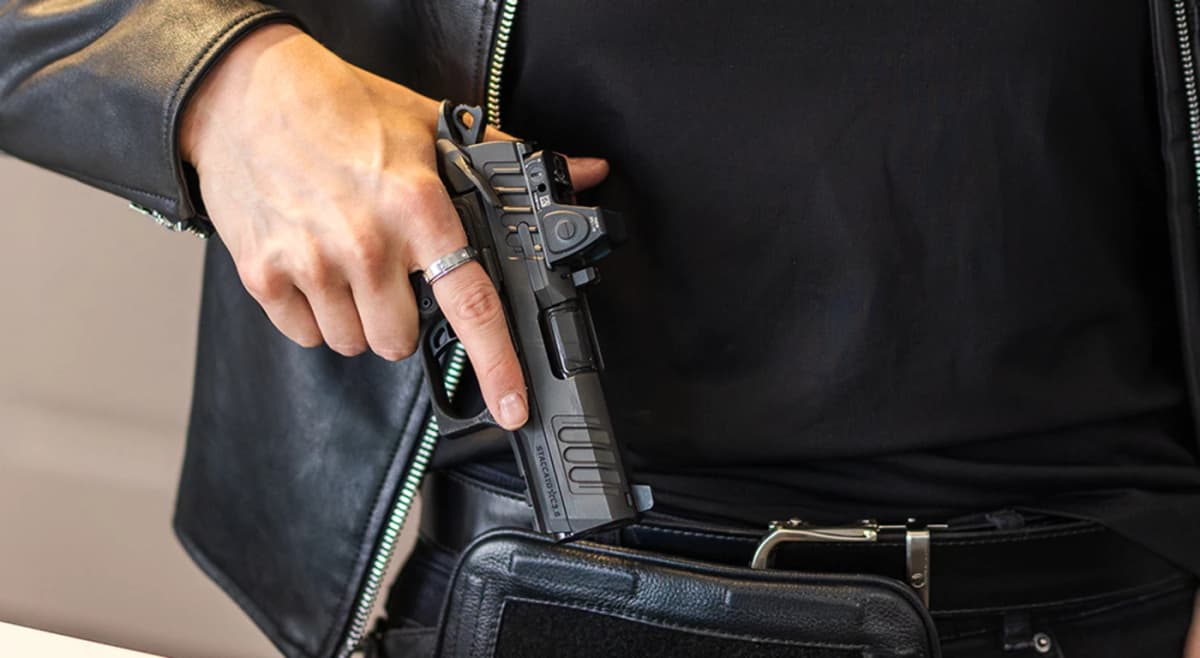
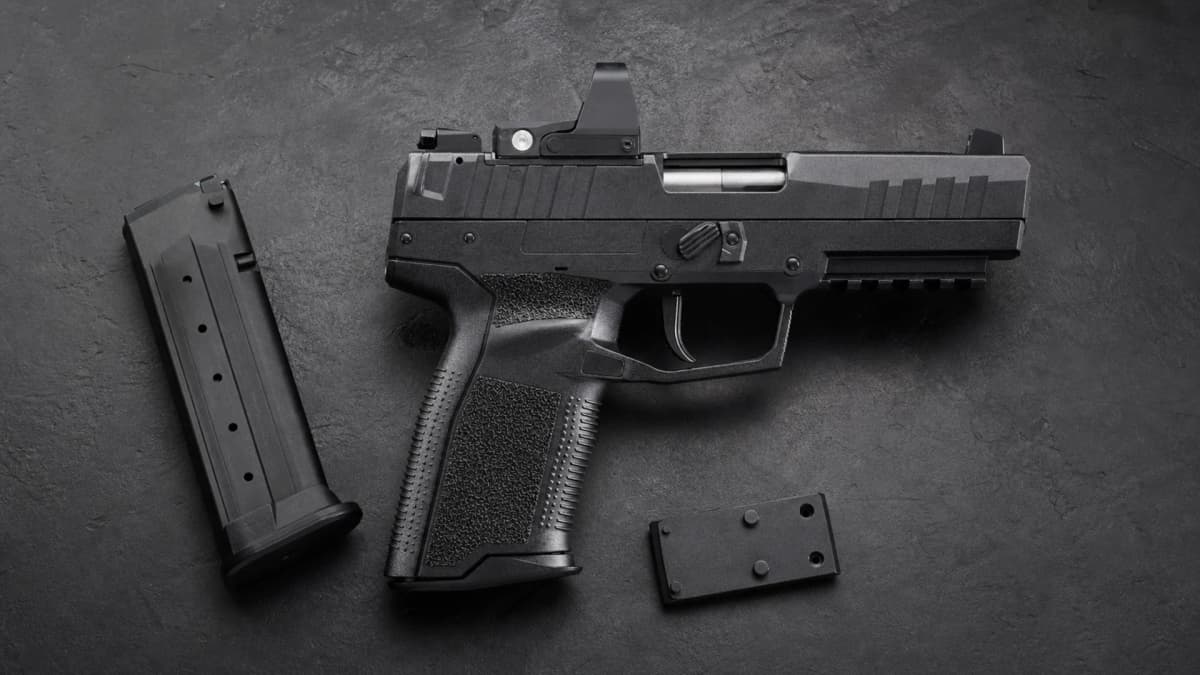
Beretta machined ports into the barrel and slide of the APX A1 and left the rest of the pistol alone. There is one angled port through the top of the 4.25-inch hammer-forged barrel, and seven ports in the slide positioned to line up above it, so gas leaves the bore through the barrel port, passes through the slide, and exits upward. The downward reaction is what holds the muzzle flat.
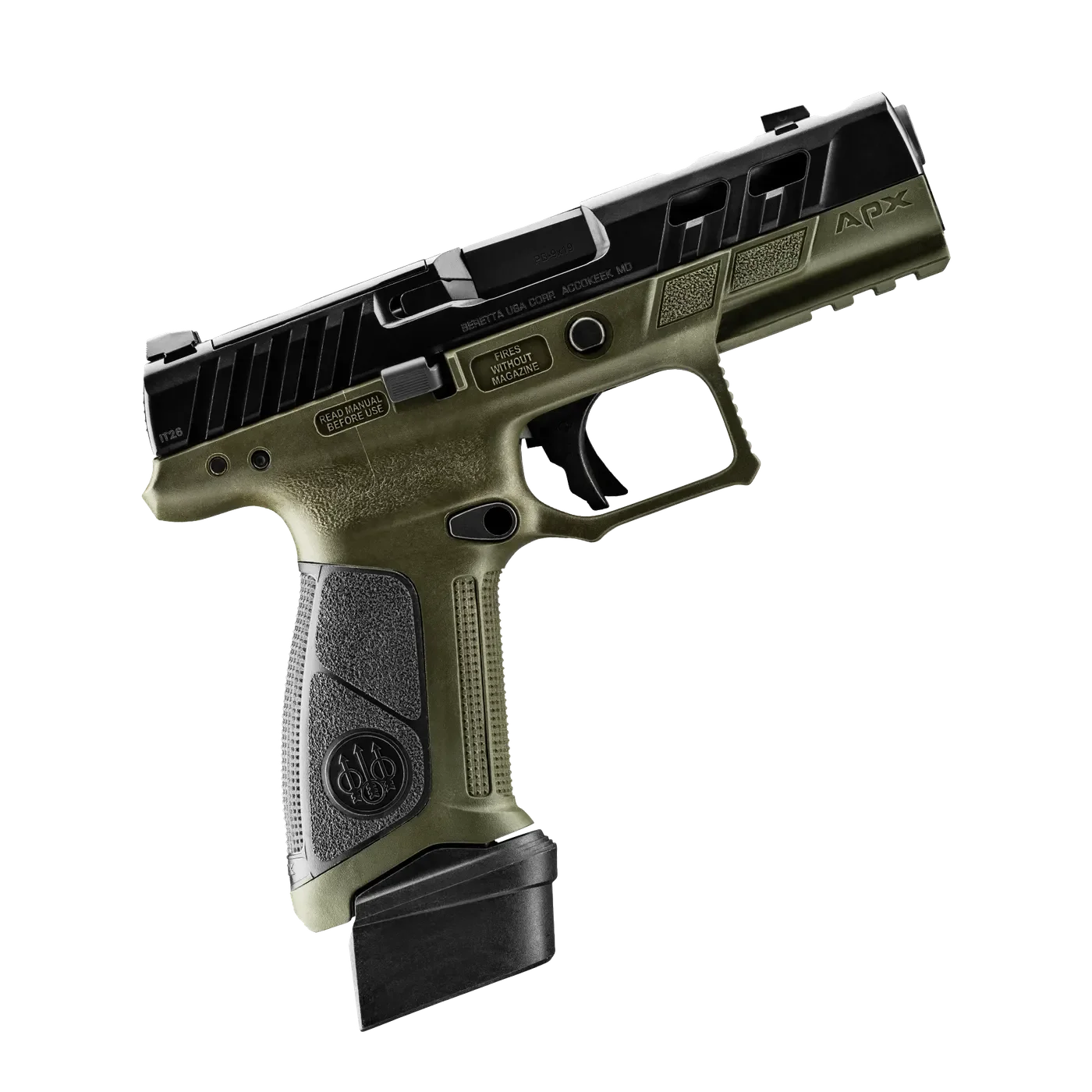
That is the entire mechanical change. The gun underneath is the standard APX A1: a serialized stainless-steel chassis that drops into a polymer grip module, an optics-ready slide that mounts red dots through adapter plates, ambidextrous slide controls with a reversible magazine release, interchangeable backstraps, and a hi-viz orange front post over a black serrated U-notch rear. Barrel and slide wear Beretta's Aqua Tech Shield finish; the grip module comes in OD Green or Flat Dark Earth.
The APX has been in production since 2017, and this is the first factory-ported gun in the family. Ported APX slides have existed for years as gunsmith work, which is a different proposition: an aftermarket cut voids the factory relationship with the barrel it was timed to, and the port geometry is whoever did the work's guess. Beretta timing the barrel port to seven slide ports at the factory is the meaningful part of this announcement.
Beretta APX A1 Ported Specifications
Beretta publishes the Ported as a full-size gun, not a carry gun: 7.5 inches long, 5.6 inches tall, and 28.5 ounces before you load it. Every pistol ships with three magazines, and Beretta offers reduced-capacity configurations for states that cap magazines.
Beretta APX A1 Ported (FA0307 / FA0308)
| Caliber | 9mm Luger |
| Action | Striker-fired |
| Barrel | 4.25 in, hammer forged |
| Porting | One angled barrel port, seven slide ports |
| Overall length | 7.5 in |
| Height | 5.6 in |
| Weight | 28.5 oz |
| Magazines | 10, 15, or 21 rounds; three included |
| Sights | Hi-viz orange front, serrated U-notch rear |
| Optics | Optics-ready slide, adapter plates |
| Chassis | Serialized stainless steel |
| Finish | Aqua Tech Shield; ODG or FDE module |
What Porting Buys You, and What It Costs
Porting flattens the gun; it does not soften it. The gas leaving the top of the barrel pushes the front of the pistol down, cancelling part of the rotational flip that lifts the sights between shots. The straight-back impulse into your hand is close to unchanged, because the bullet and the gas still carry the momentum they always did. What changes is how fast the sights come back to where they started, which is a split-time benefit rather than a comfort one.
The costs are real and they arrive in a specific order. Flash first: gas vented upward carries unburnt powder with it, and it exits directly in front of your eyes rather than out the muzzle where the gun is already pointed away from you. In daylight this is invisible. At dusk or indoors it is a bright bloom sitting on top of your sight picture, and it is the single strongest argument against a ported gun as a nightstand pistol. Noise is second, since the ports are closer to the shooter than the muzzle is. Fouling is third, because carbon collects around the port cuts and the top of the slide, which is a longer cleaning session rather than a reliability problem.
The fourth cost is velocity. Gas routed out through a port is gas that is no longer accelerating the bullet down the bore, so a ported barrel gives up some speed against an unported barrel of the same length. On a 4.25-inch 9mm this is a small number, and it matters for defensive ammunition that has an expansion velocity window more than it does for range practice. Our compensated carry pistol rankings work through the same tradeoffs across the factory-comped field.
Ported Is Not the Same as Compensated
A compensator works on gas after the bullet leaves the bore; porting works on gas while the bullet is still in the barrel. That is the whole distinction, and it drives everything else. A comp is a separate structure at the muzzle, either threaded on or machined into an extended slide, and it can be removed on a threaded design. Ports are holes in the barrel and slide, so they add no length, no weight, and no parts, and they are permanent.
Per unit of gas, a comp with real expansion chambers does more work than a row of holes, which is why competition guns still run them. Porting wins on packaging: the APX A1 Ported is the same 7.5 inches long as a gun with no muzzle device on it, and there is nothing to unscrew, re-time, or lose. If you want the removable version of this idea on a gun you already own, our Glock 19 compensator guide covers the bolt-on path and what it does to holster fit.
One consequence catches people out. Neither approach leaves you a suppressor host. Beretta does not list a threaded muzzle on this SKU, and a threaded muzzle would not help anyway, since the barrel port dumps gas into the slide well behind where a can would sit. A ported barrel and a suppressor are two answers to the same question and you get to pick one.
Pistol Red Dots
Vortex Defender-XL Micro Red Dot
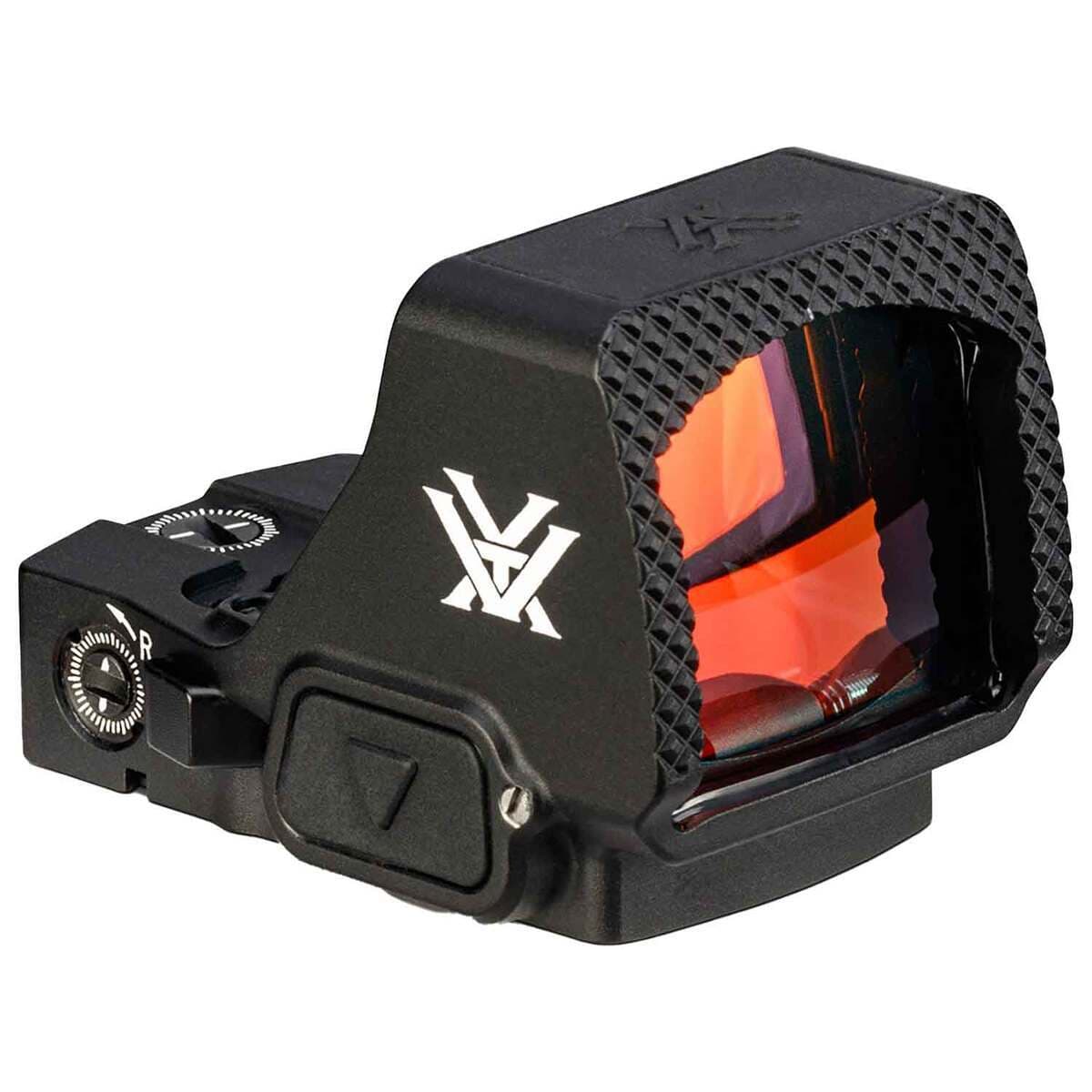
- 2/5/8 MOA red dot
- DeltaPoint Pro footprint
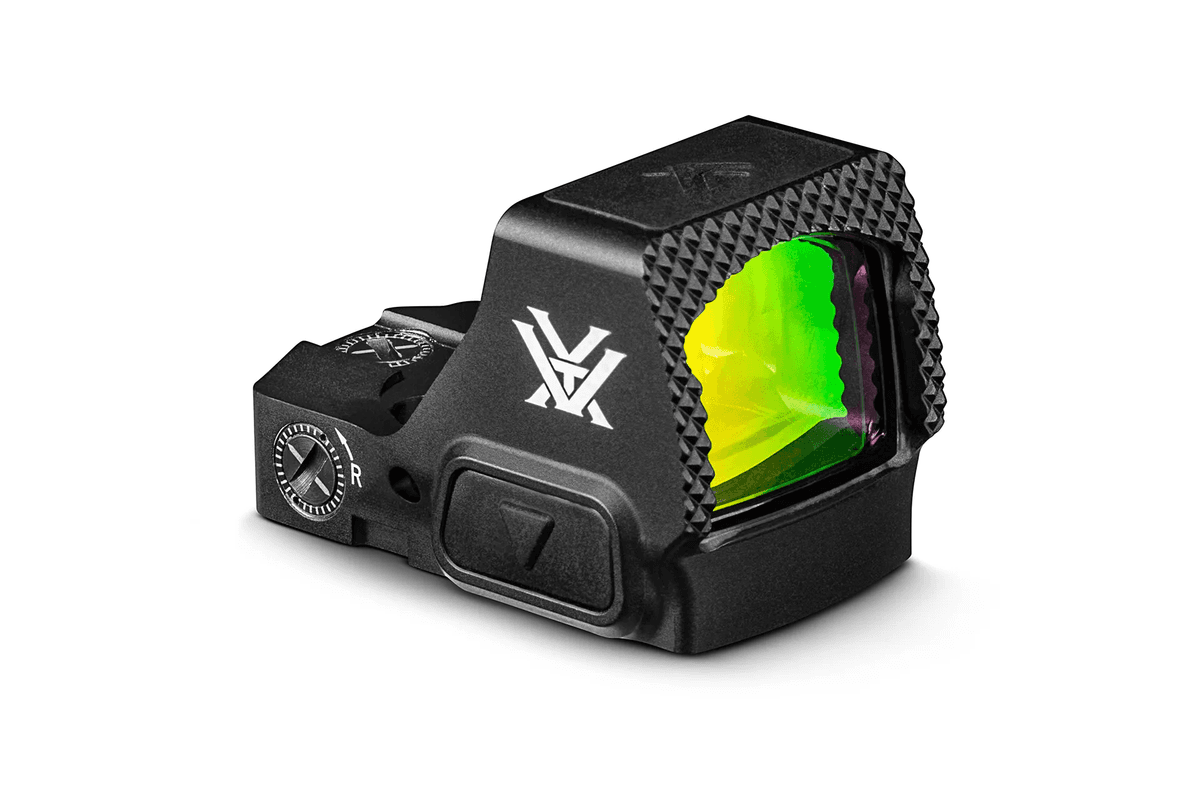
Vortex Defender-ST Micro Red Dot
- 3 or 6 MOA red dot
- DeltaPoint Pro footprint
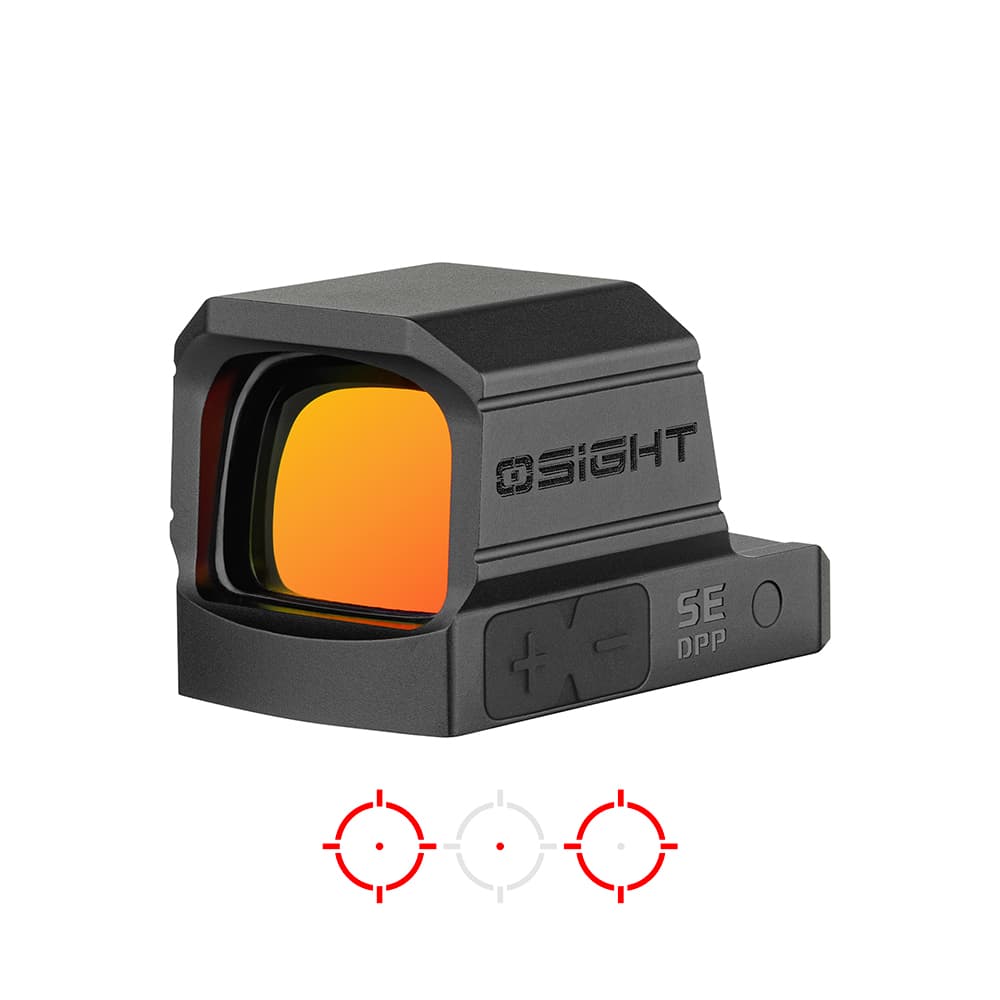
Osight SE DPP Enclosed Red Dot
- 2 MOA dot + 32 MOA circle MRS
- Enclosed emitter, DeltaPoint Pro footprint
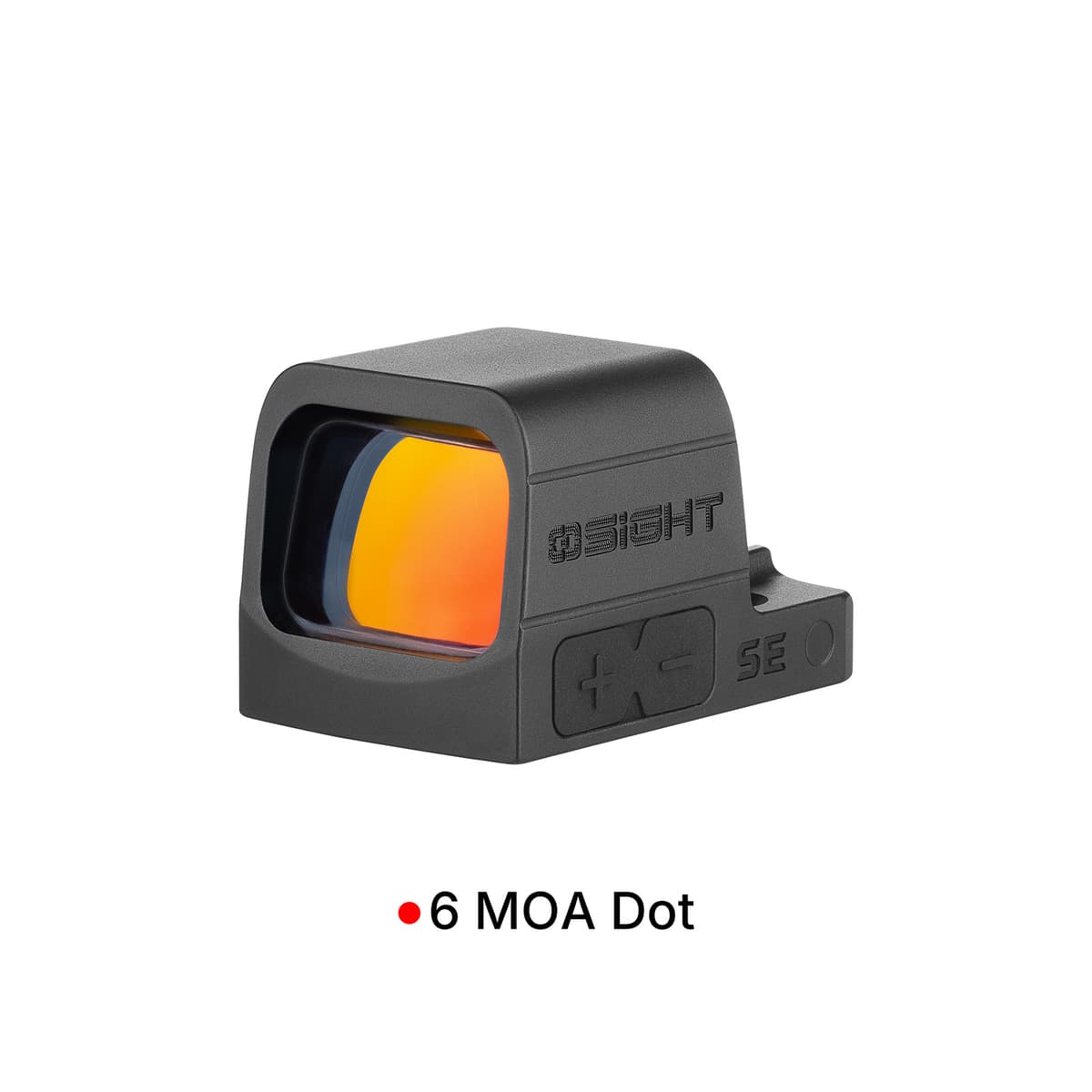
Osight SE Enclosed (6 MOA Red)
- 6 MOA red dot
- Enclosed emitter, RMSc footprint
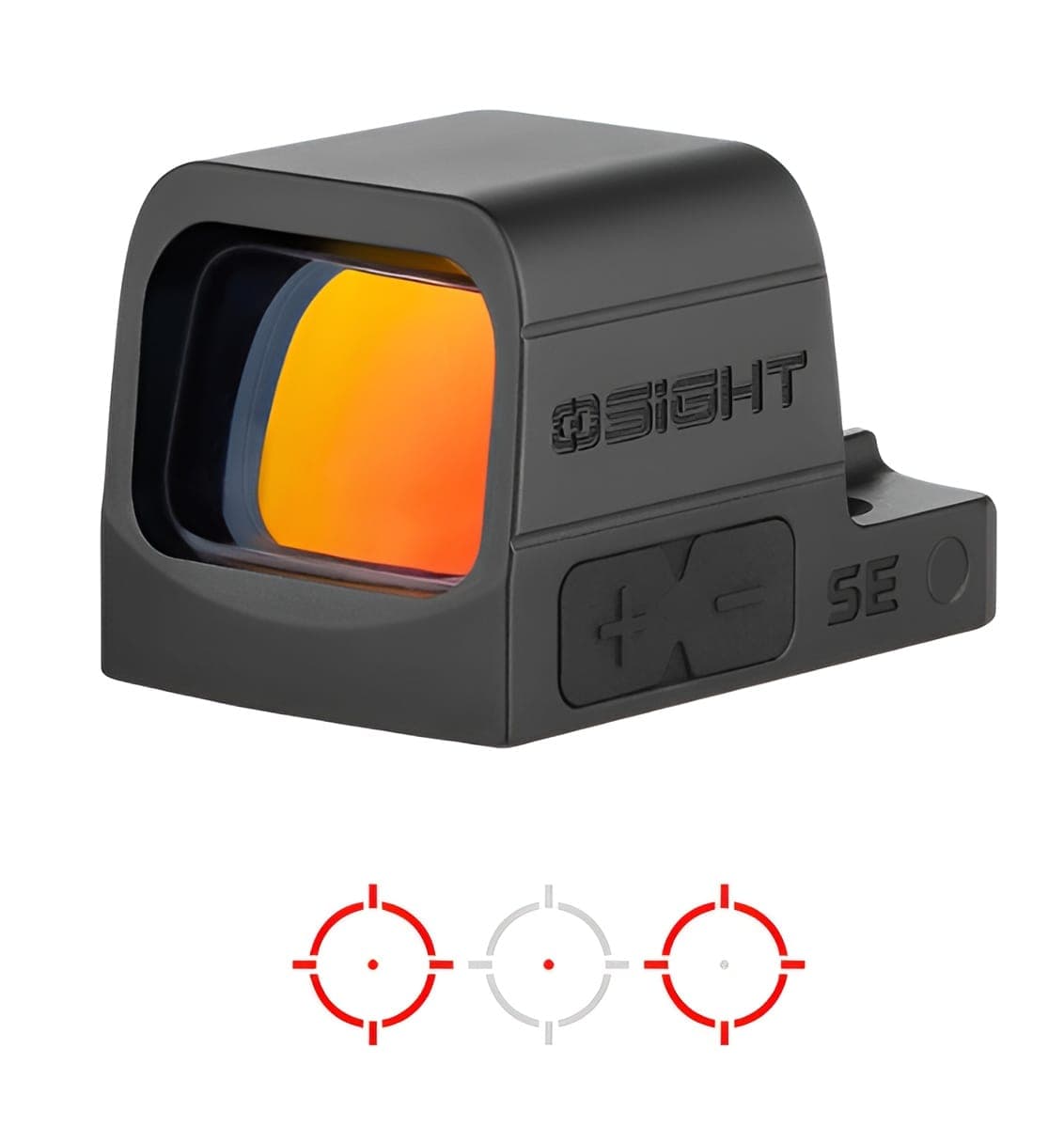
Osight SE Enclosed (2 MOA + 32 MOA Red MRS)
- 2 MOA dot + 32 MOA circle MRS
- Enclosed emitter, RMSc footprint
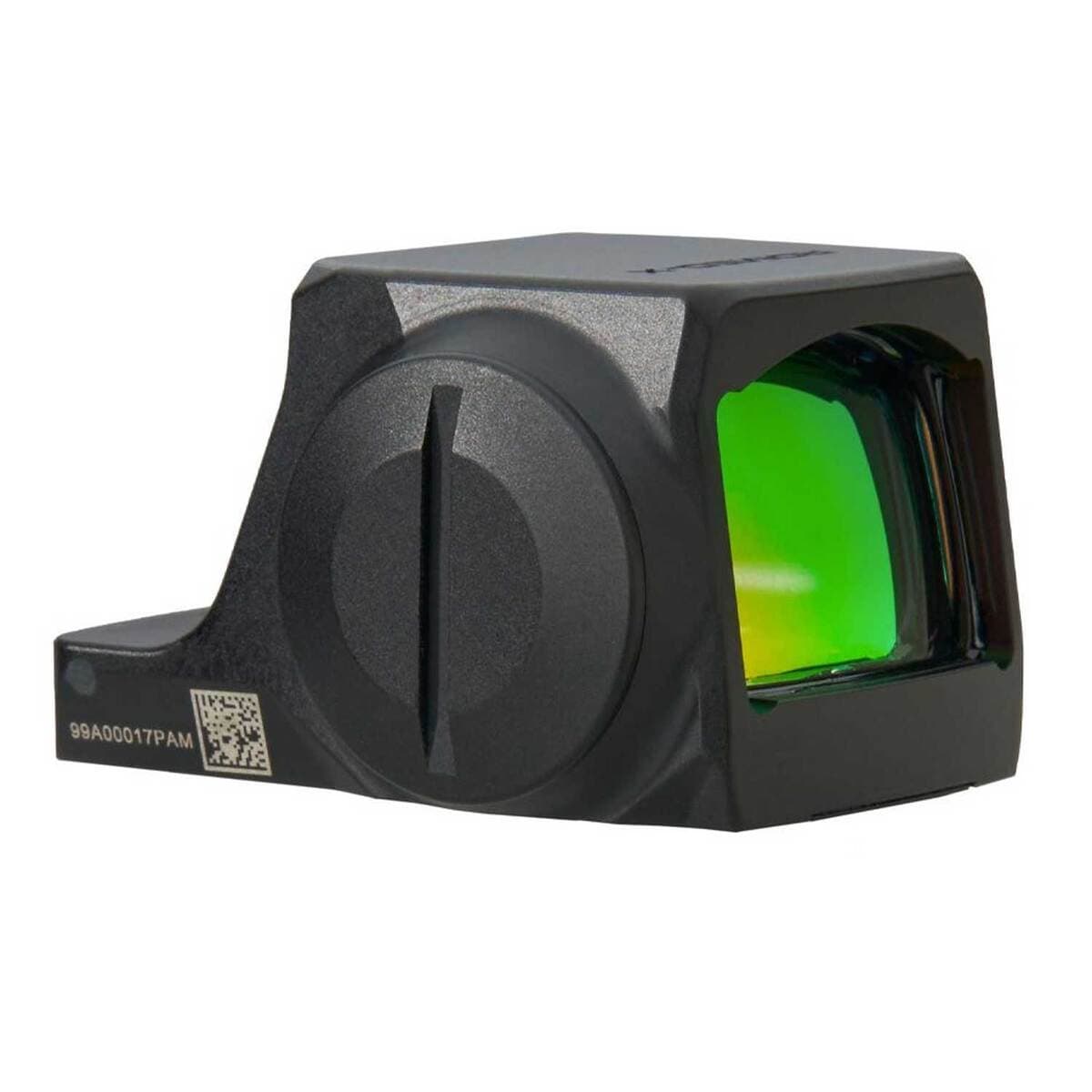
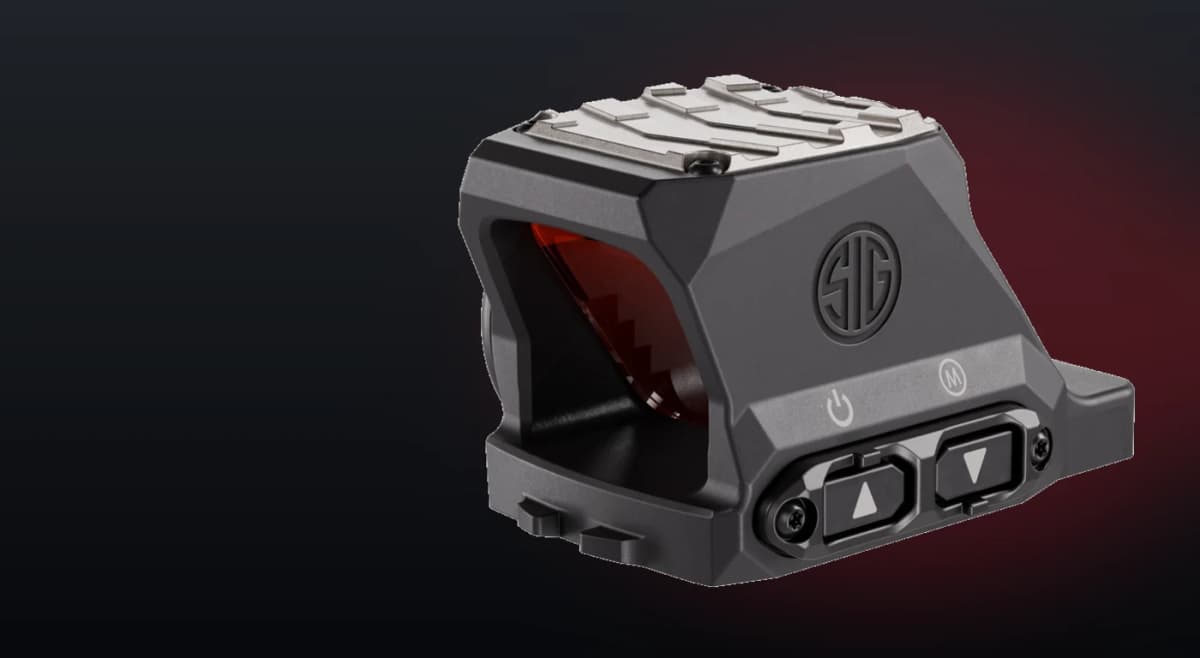
SIG ROMEO-X Compact Enclosed
- 3 MOA / 6 MOA / Circle Dot
- Enclosed emitter
Affiliate links (?)
Optics, Plates, and the Serialized Chassis
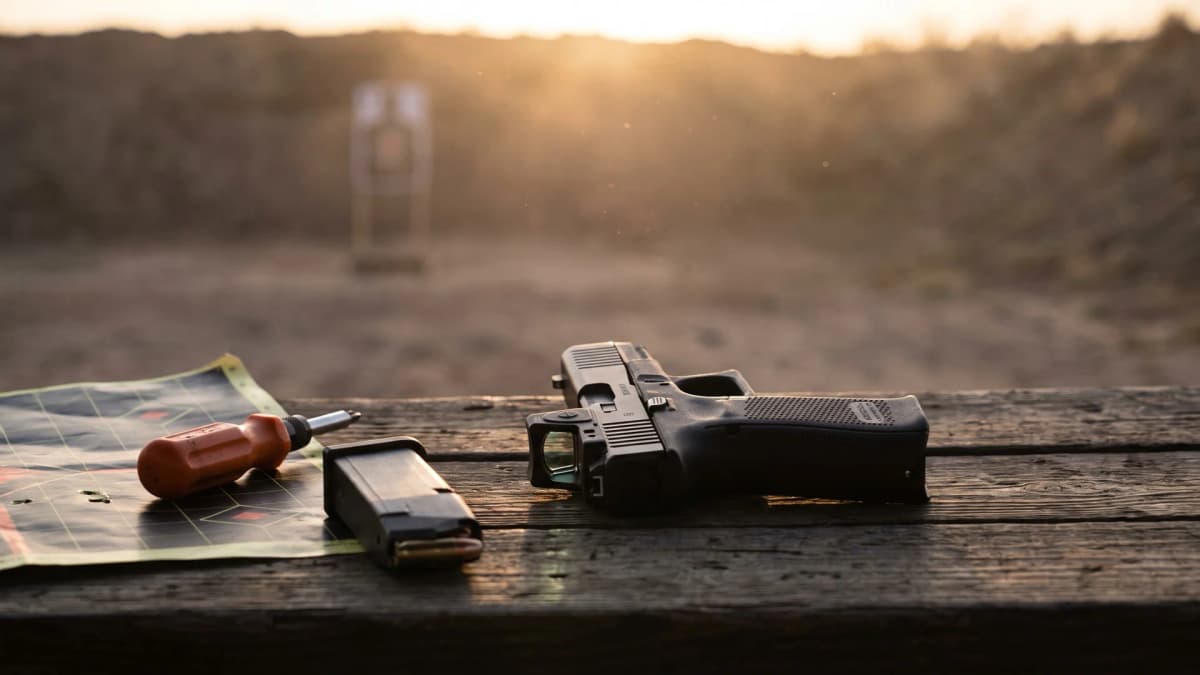
The APX A1 Ported ships optics-ready and mounts red dots through adapter plates rather than a direct footprint cut. Beretta sells the plates by footprint, which is slower than a multi-footprint slide but has one advantage worth naming: when your dot dies or the footprint you own falls out of fashion, you buy a plate rather than a slide. Budget for the plate as a separate line item and confirm the footprint your optic uses before ordering.
A ported slide is a reason to think harder about which dot goes on it. Gas and powder residue exiting upward in front of the optic is exactly the environment an open-emitter dot dislikes, because the emitter well is the part that collects fouling and washes out the reticle. An enclosed emitter puts glass between the LED and the gas. Our enclosed emitter pistol red dot rankings sort the current field, and the broader pistol red dot guide covers footprints and mounting if you are starting from scratch.
The chassis is the other piece worth understanding on this gun. The serialized part of an APX A1 is the stainless-steel fire control chassis, not the polymer around it, so the OD Green and Flat Dark Earth versions differ by grip module rather than by frame. That is what makes the colour a shell choice instead of a separate gun, and it is the same architecture that lets a shooter change grip size without a second transfer.
Where It Lands in the Ported Field
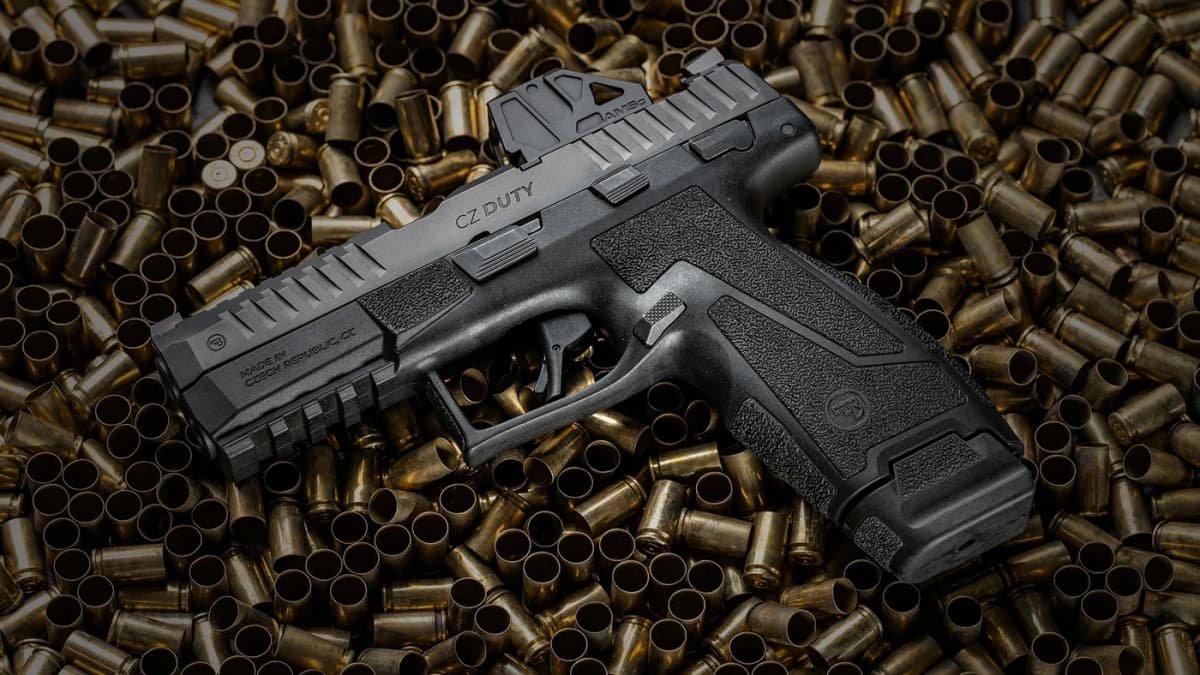
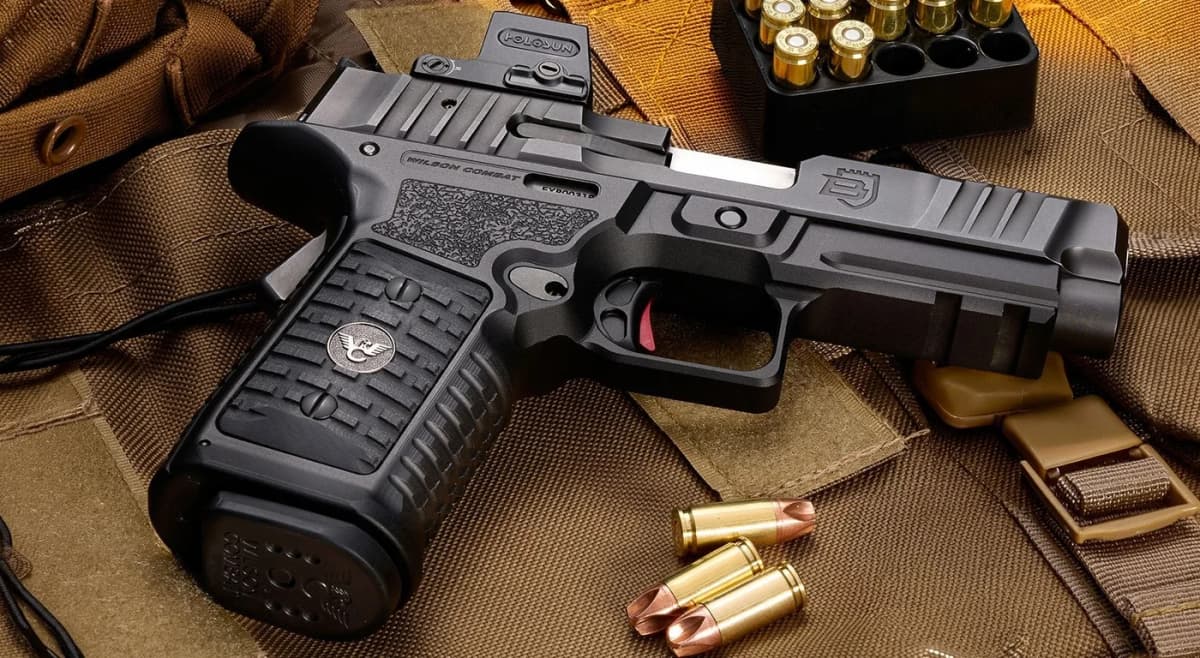
The APX A1 Ported prices into the middle of the factory-ported and factory-comped field rather than the bottom of it. The cheapest serious entry is CZ's ported P-10 C, a compact with a cold-hammer-forged ported barrel and a multi-footprint optic cut, which undercuts the Beretta while giving up barrel length and grip. Above it sit the integrated-comp guns, where Springfield's Echelon 4.0C Comp and SIG's P320 Spectre Comp run from a modest premium to roughly double.
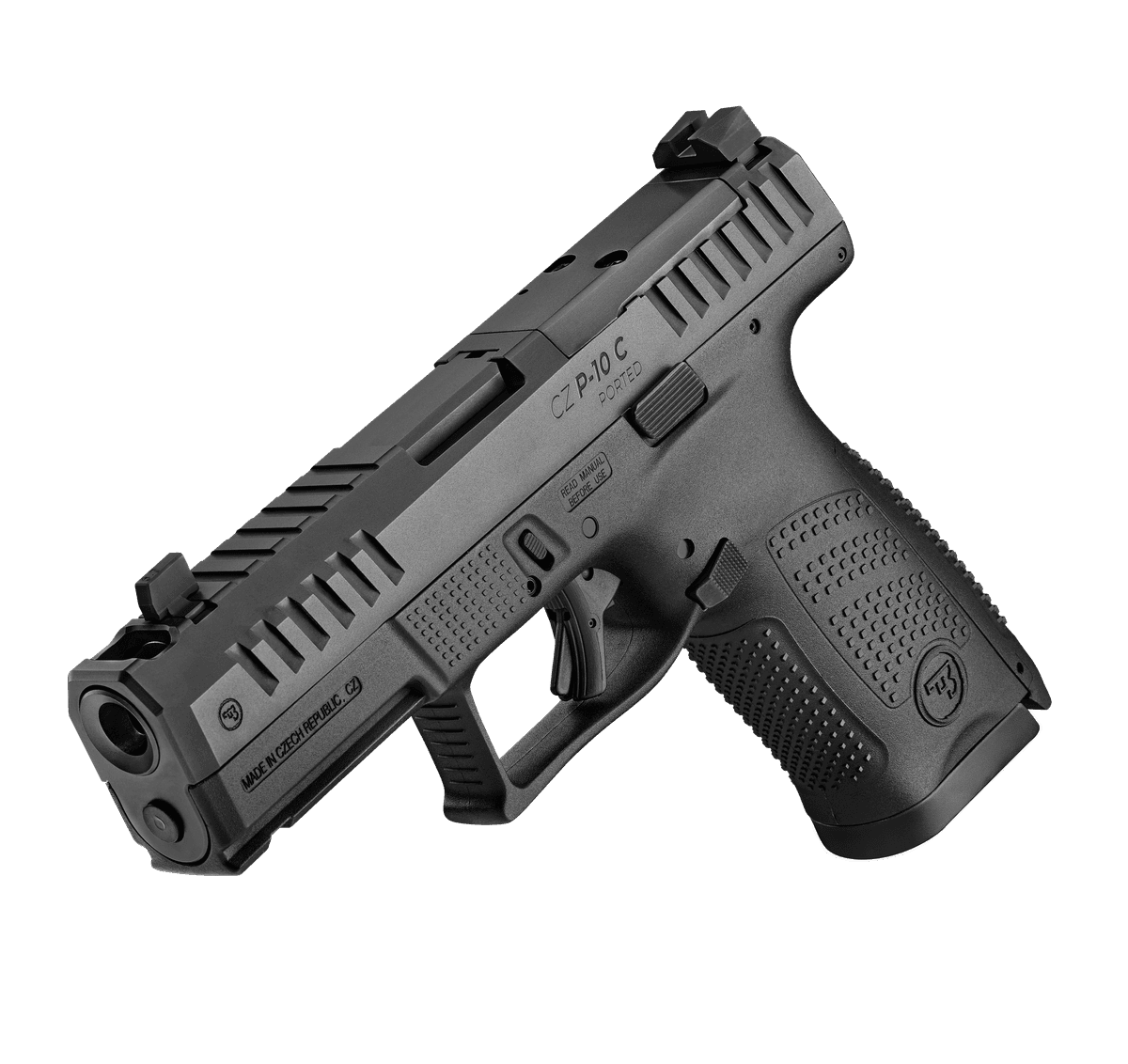
CZ P-10 C Ported
The cheapest factory-ported striker pistol, in a compact frame with a multi-footprint optic cut
Striker-fired compact 9mm with a 4-inch ported barrel, optic-ready slide, 15+1 capacity, and a current $499 price
- +Priced roughly half the price of a Shadow Systems MR920P
- +Cold-hammer-forged ported barrel produces flatter shooting impulse
- +Optic-ready slide accepts Shield, RMR, and 507C footprints
- −Factory trigger has gritty take-up vs premium-tier competitors
- −Holster ecosystem narrower than Glock 19 or SIG P320
- −Ported barrel cannot be suppressed (no thread option on this variant)
Affiliate links (?)
The useful way to read the price is by what the gun is for. This is a full-size 28.5-ounce pistol with a 4.25-inch barrel and a hi-viz front sight, which is a range, class, and club-match description rather than a concealment one. Against that use, flatter tracking is worth real money and the flash penalty barely registers, because those things happen in daylight. For a pistol that lives on a nightstand, the same ports become the reason to buy the unported APX A1 instead. Our full-size 9mm rankings cover the unported field it competes against, and you can put the Beretta next to any of them in our comparison tool.
The magazine situation is the quiet strength here. Three magazines in the box is unusual at this price, and the 21-round option means the gun has a class-legal high-capacity configuration without an extension. Capacity-restricted states get 10- and 15-round configurations of the same pistol.
Stay Updated on the Beretta APX Line
We cover APX variants, optic plates, and ported-versus-comped comparisons as they ship, with specs checked against the published product data.