Key Takeaways
- →AAC Ammo becomes PSA Ammo: Palmetto State Armory is moving its ammunition off the AAC label and onto its own name. The AAC name stays with Advanced Armament Corp suppressors.
- →Lot-specific data on every box: PSA commits to publishing velocity, pressure, and standard deviation numbers per lot on its website, so you can check exactly what you are shooting before you load a magazine.
- →Three purpose-built lines: Guardsman for high-volume training, Sabre for precision and long-range, and Mixtape engineered specifically for suppressed platforms.
- →First products drop July 17, 2026: Two Mixtape subsonic 300 Blackout loads, a 220-grain TMJ for training and a 220-grain OTM using Hornady projectiles, go live at 4:30 PM Eastern.
- →Quality over volume: Citing powder supply constraints, PSA is deliberately running lower-volume, purpose-driven ammunition instead of chasing case-count records.
- →Mixtape is suppressor-first: Loaded for 9mm, 300 Blackout, 8.6 Blackout and similar cartridges, with published host-weapon, barrel-length, and suppressor validation data.
What PSA Ammo Actually Is
PSA Ammo is Palmetto State Armory's ammunition brand, and its July 8, 2026 launch is a rebrand of the ammunition PSA previously sold under the AAC label. The product line PSA has been shipping as AAC ammunition now carries the PSA name directly. The AAC name itself stays with Advanced Armament Corp suppressors, drawing a clean line between the suppressor brand and the ammunition brand that had been sharing it.
This is not a company shutting down or a new manufacturer entering the market. After more than a decade building firearms, PSA is putting the same name it stamps on rifles and pistols onto ammunition, and it is doing so with a specific pitch: full data transparency and purpose-built loads rather than commodity bulk ammo. If you have been buying AAC 300 Blackout for a suppressed 300 Blackout setup, the product is the same operation behind a new label.
Lot-Specific Data on Every Box
The headline feature of PSA Ammo is published test data for every lot. PSA commits to listing velocity, pressure, and standard deviation for each box on its website, so a shooter can look up the exact performance of the ammunition before loading it. That is a departure from the industry norm, where a box gives you a nominal bullet weight and an advertised muzzle velocity and nothing else.
Standard deviation is the number that matters most for shooters chasing consistency. Low velocity spread is what keeps a precision load hitting the same point of impact at distance and what keeps a subsonic 300 Blackout round cycling reliably below the speed of sound. Publishing it per lot lets buyers verify the round instead of trusting the label, and it lets precision shooters record the exact data that feeds their ballistic solvers.
Guardsman: High-Volume Training
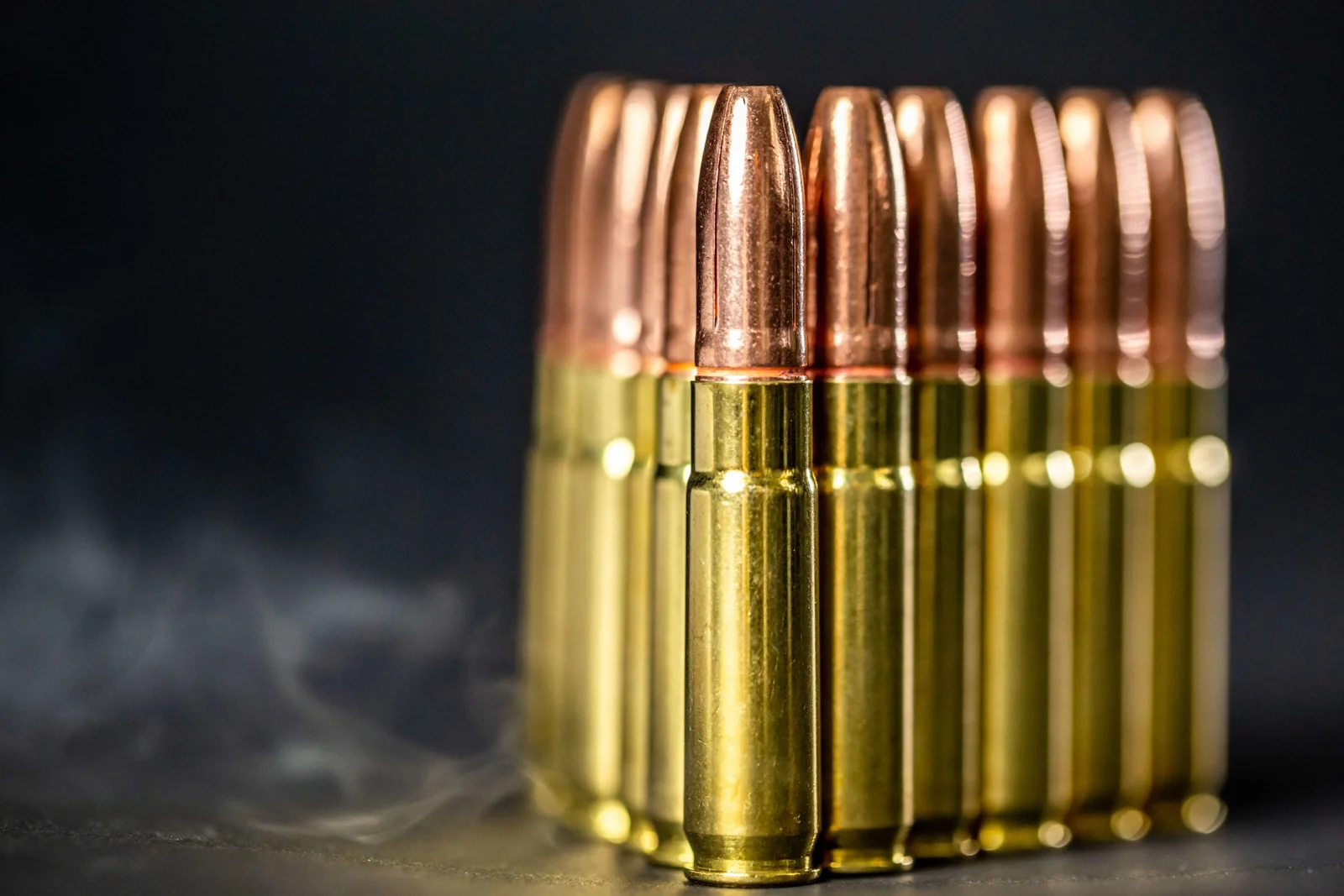
Guardsman is PSA Ammo's training line, built for shooters burning through rounds on the range. The emphasis is reliability, consistent point of impact, and reloadable brass, which matters to the high-round-count shooter who reloads spent cases. A training round that holds a predictable point of impact means practice at the range translates to the same zero on your carry or duty gun.
Reloadable brass is a deliberate choice for this segment. Cheap bulk ammo often ships in steel or aluminum cases that get tossed; Guardsman brass is designed to be collected and reloaded, lowering the long-run cost per round for shooters who run their own presses. For a broader look at matching training ammo to defensive loads, see our 5.56 ammo selection guide.
Sabre: Precision and Long-Range
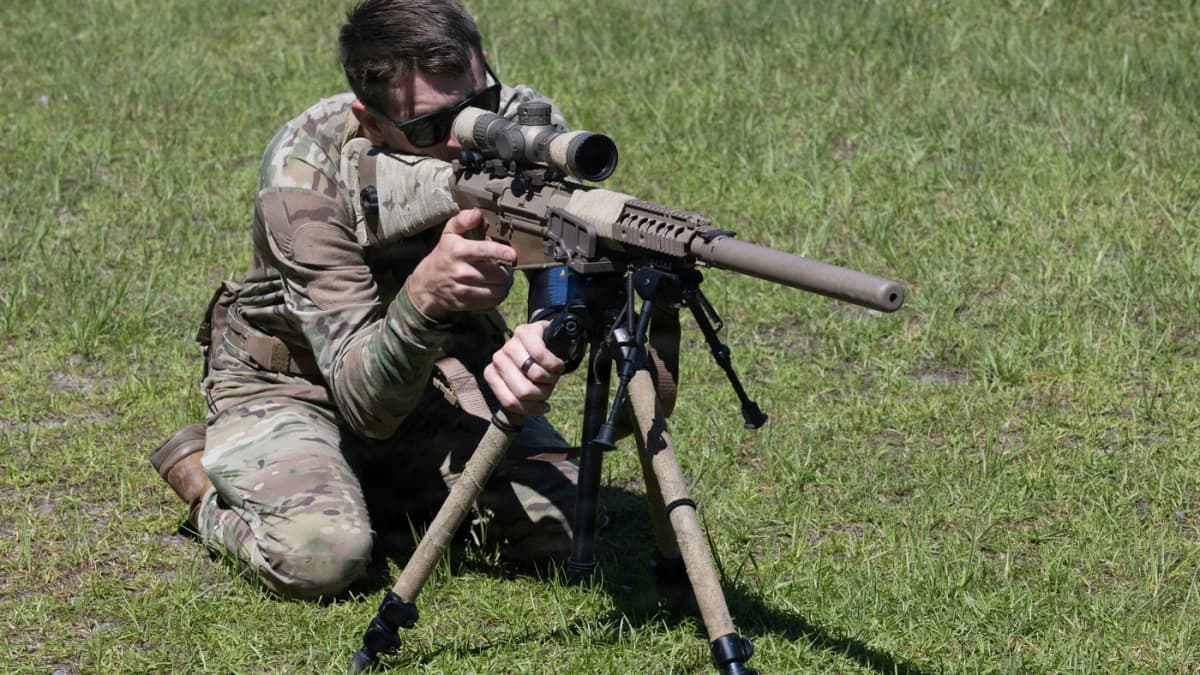
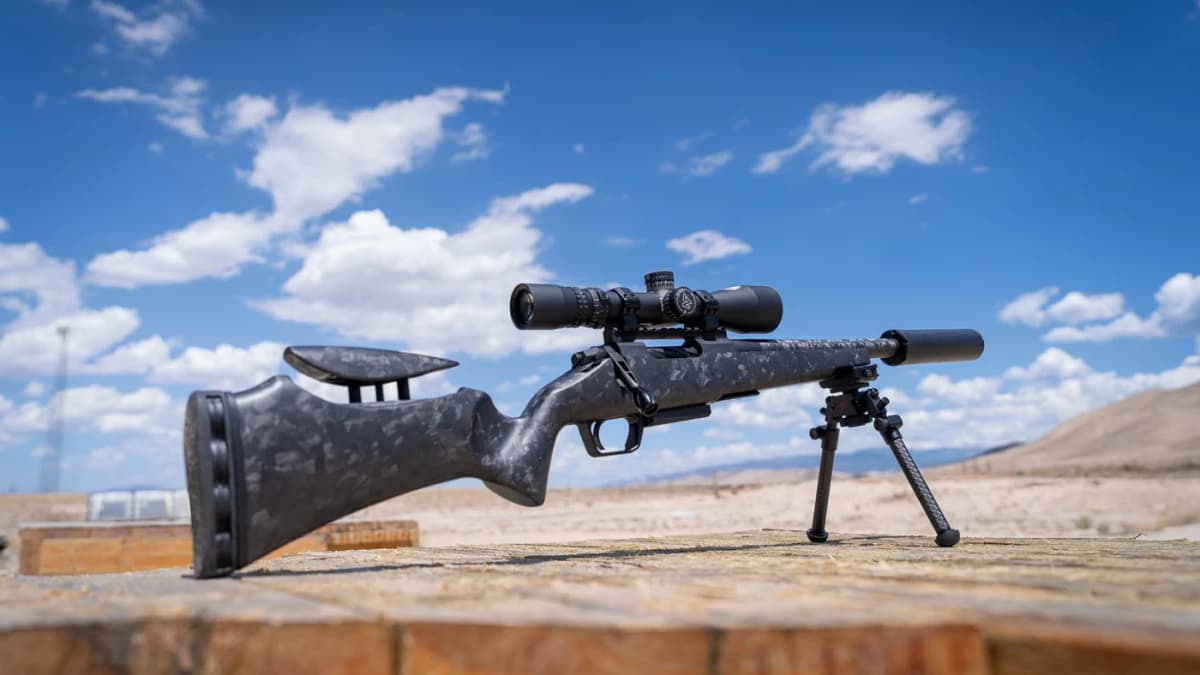
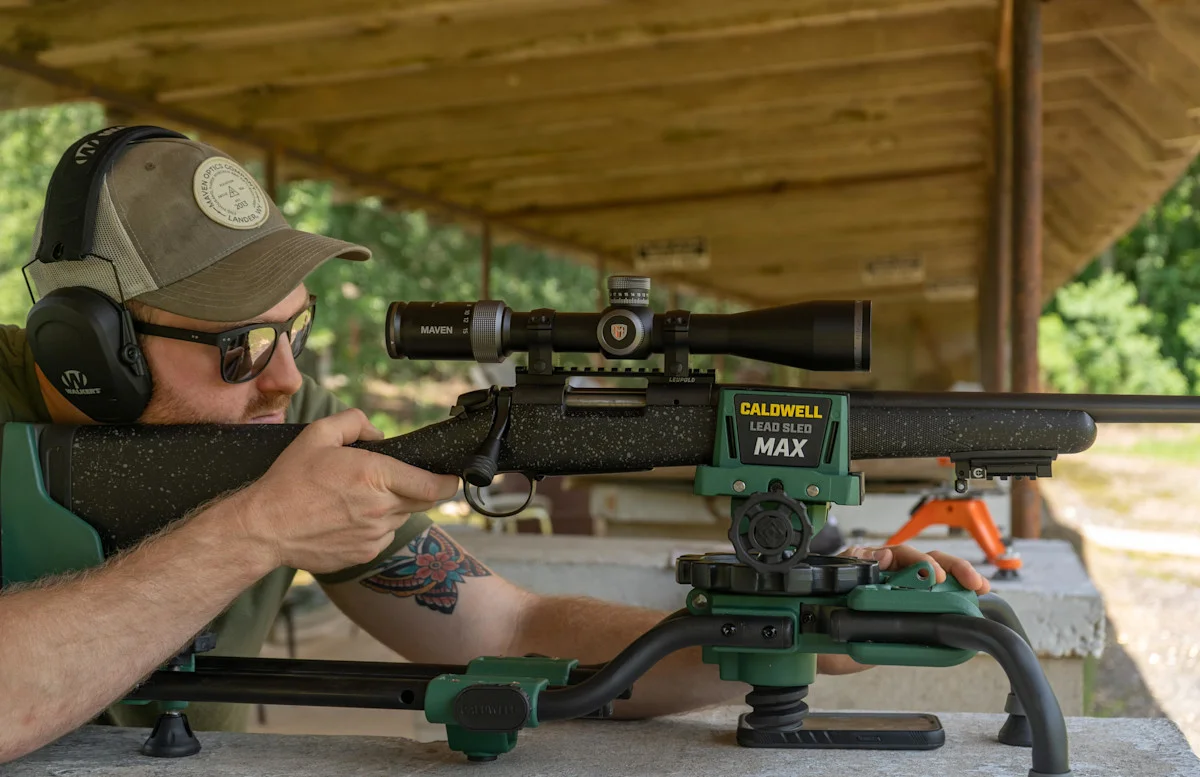
Sabre is PSA Ammo's precision line, aimed at PRS, NRL, competition, and hunting shooters where every foot per second counts. It ships with the actual performance numbers and lot-specific data that long-range shooting demands, so a competitor can build a dope card off verified velocity rather than a nominal figure printed on the box.
For precision work, the value is in the lot data. A shooter dialing elevation at 800 or 1,000 yards needs true muzzle velocity and a tight standard deviation to place first-round hits. Sabre's published numbers feed directly into a ballistic solver, removing the guesswork of chronographing every new lot yourself. If you are building a precision rifle in our builder, matching a documented match load to the barrel is the last piece of the accuracy equation.
Mixtape: Built for Suppressed Platforms
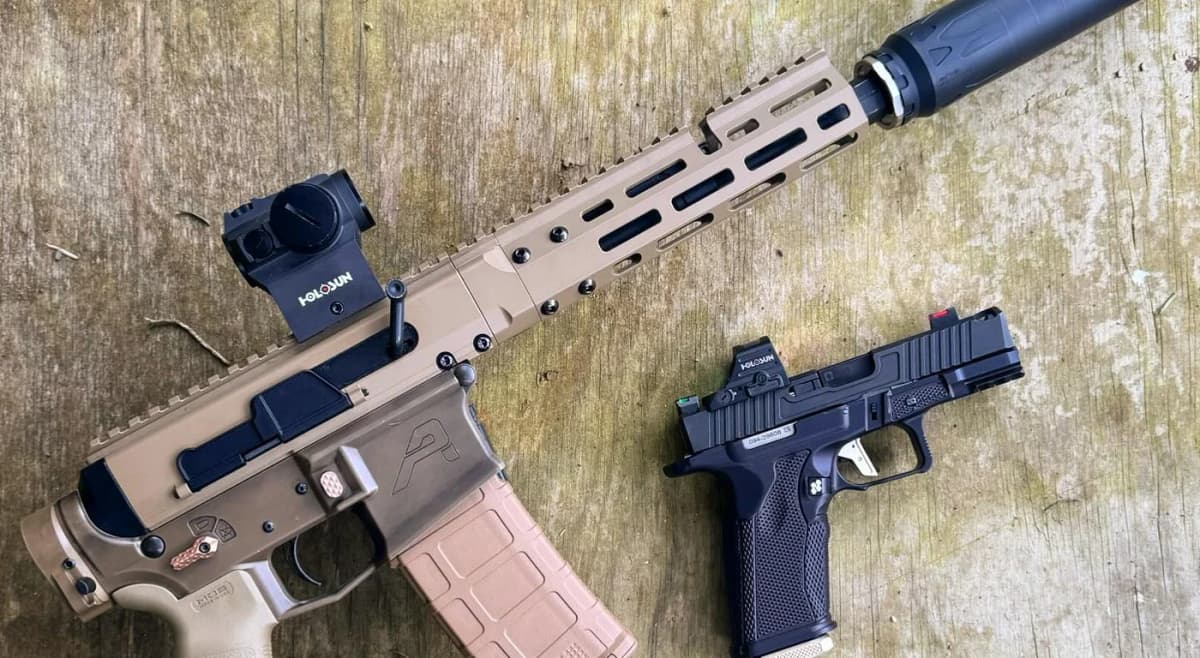
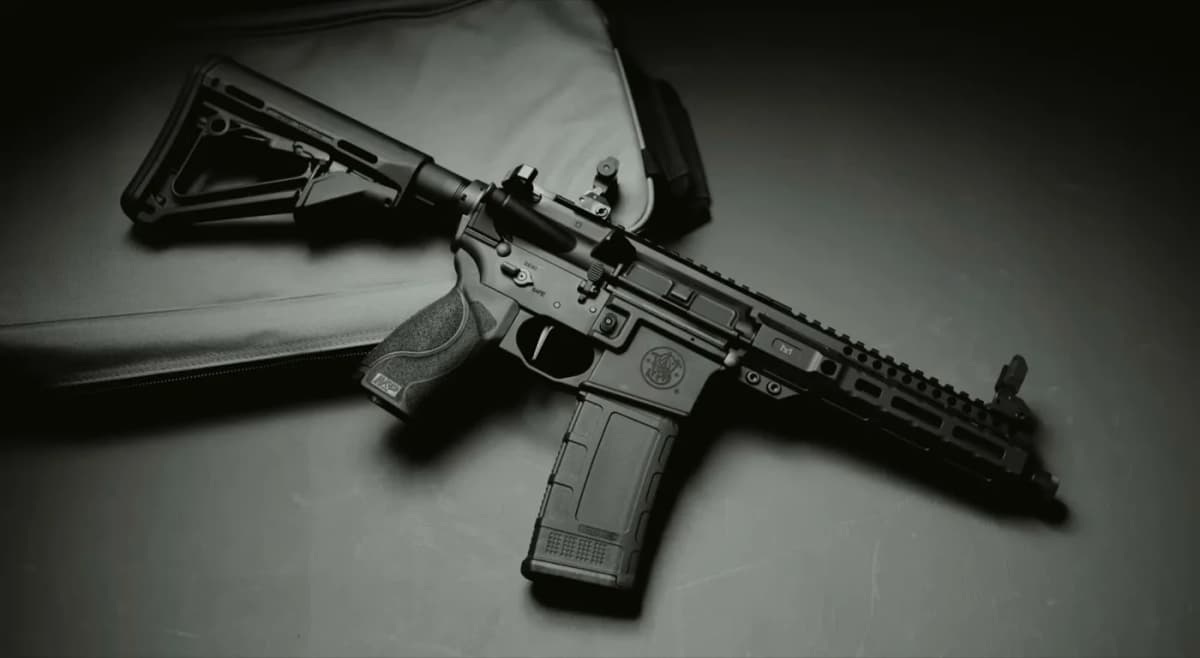
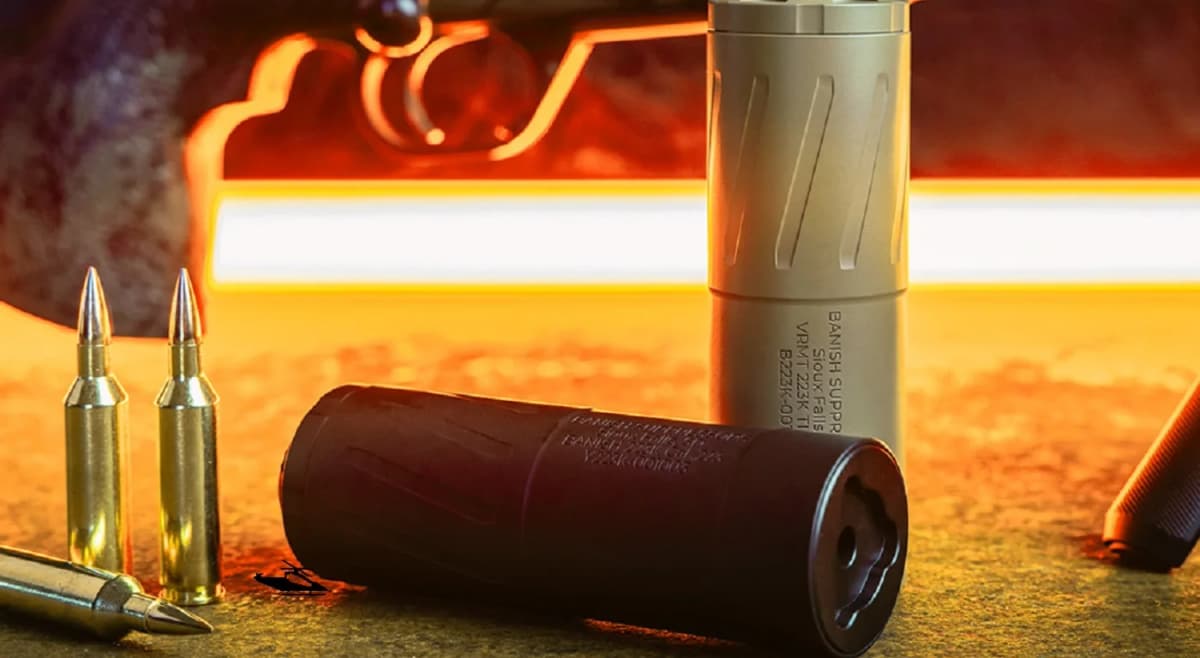
Mixtape is PSA Ammo's suppressed line, engineered specifically for cans and short barrels in calibers like 9mm, 300 Blackout, and 8.6 Blackout. What sets it apart is the validation data: PSA publishes the host weapons, barrel lengths, and suppressor configurations it used when testing each load, so a suppressed shooter can match the ammo to a setup close to their own.
That matters because suppressed performance is host-dependent. A subsonic 300 Blackout load that cycles cleanly and stays quiet out of an 8-inch barrel with a specific can may behave differently on a longer barrel or a different suppressor. Documenting the test configuration is the difference between a marketing claim and usable information. For the calibers Mixtape covers, our best 300 Blackout suppressors guide and our 8.6 Blackout explainer break down the host and can pairings.

First Releases: Two 220-Grain Subsonic 300 Blackout Loads
PSA Ammo's first two products are both subsonic 300 Blackout under the Mixtape line, and they go on sale Friday, July 17, 2026 at 4:30 PM Eastern. The first is a 220-grain TMJ load positioned as the range and training round. The second is a 220-grain OTM load built on Hornady projectiles, aimed at precision subsonic work and any situation where terminal performance matters. Both ship with lot-specific test data posted at the time of release.
The 220-grain weight is the standard heavy subsonic 300 Blackout bullet, and it is the right one: a 220-grain projectile leaving a short barrel around 1,000 fps stays comfortably under the sound barrier while carrying enough mass to cycle a properly gassed suppressed host. Splitting the launch into a cheap TMJ trainer and a Hornady-bulleted OTM match round means a shooter can practice and hunt with the same weight and the same point of impact, which is the entire argument for buying inside one product line. See our 300 Blackout guide for how subsonic loads pair with barrel length and gas systems.
PSA also teased a 158-grain 9mm load as the next round in the pipeline, with no release date attached. Both 300 Blackout loads launching under Mixtape rather than Guardsman confirms the line structure is real product segmentation and not just labeling: the suppressed-specific line ships first because the suppressed shooter is the buyer who most needs the published velocity and standard deviation data.
Shop 300 Blackout Ammo
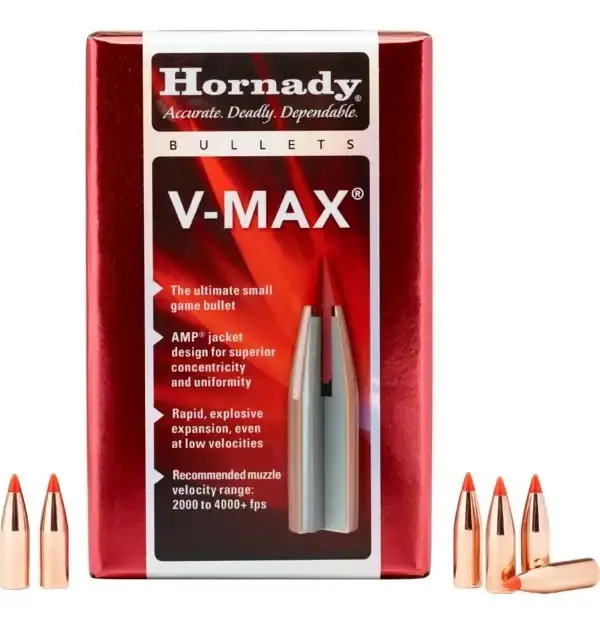
Hornady V-MAX 300 Blackout 110gr
- 110 grain V-MAX
- 300 Blackout
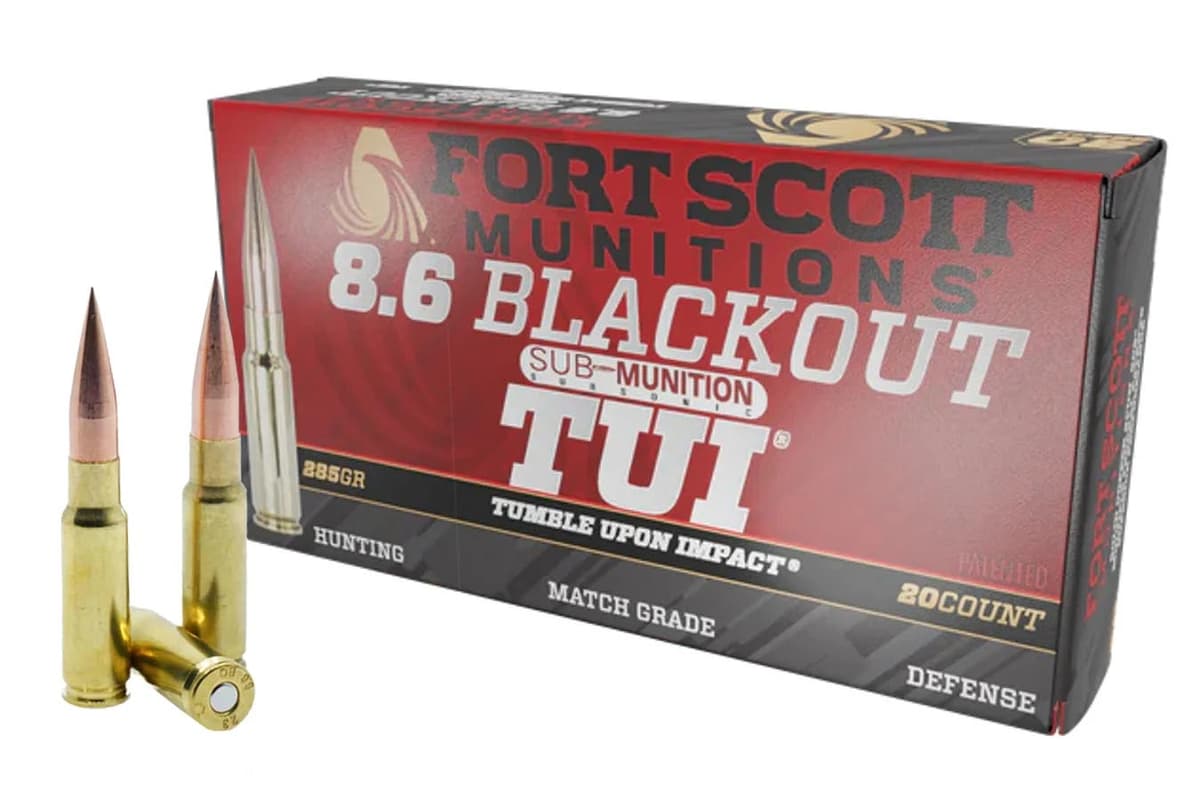
Fort Scott Munitions 8.6 Blackout 285gr TUI Subsonic
- 285 grain solid copper TUI
- 8.6 Blackout
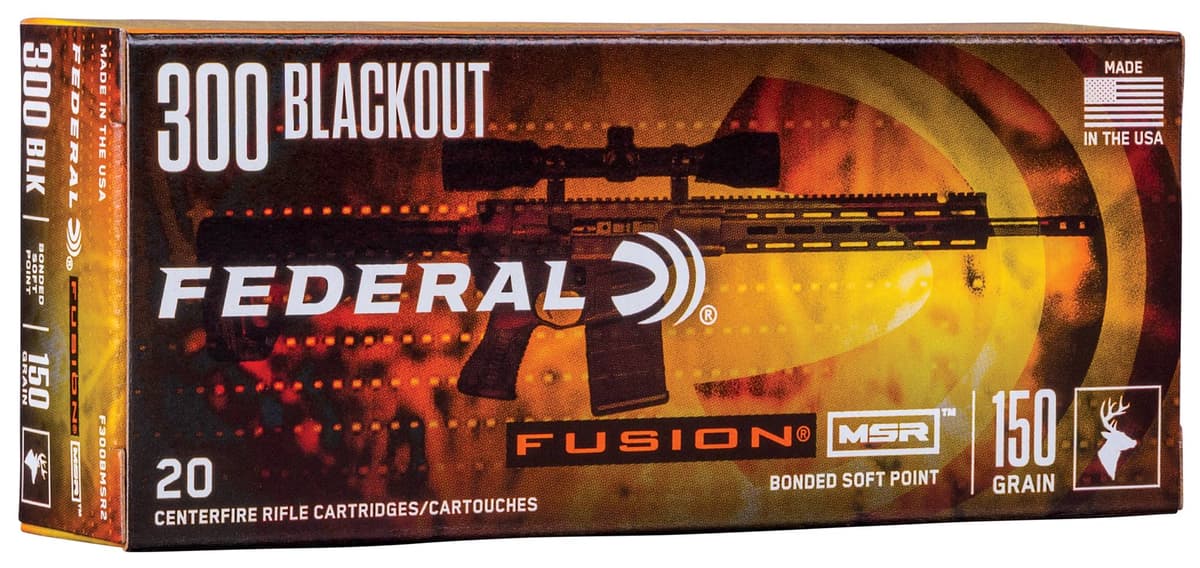
Federal Fusion MSR 300 Blackout 150gr
- 150 grain Fusion bonded soft point
- 300 AAC Blackout
Hornady American Gunner 300 Blackout 125gr HP Match
- 125 grain HP Match
- .300 Blackout
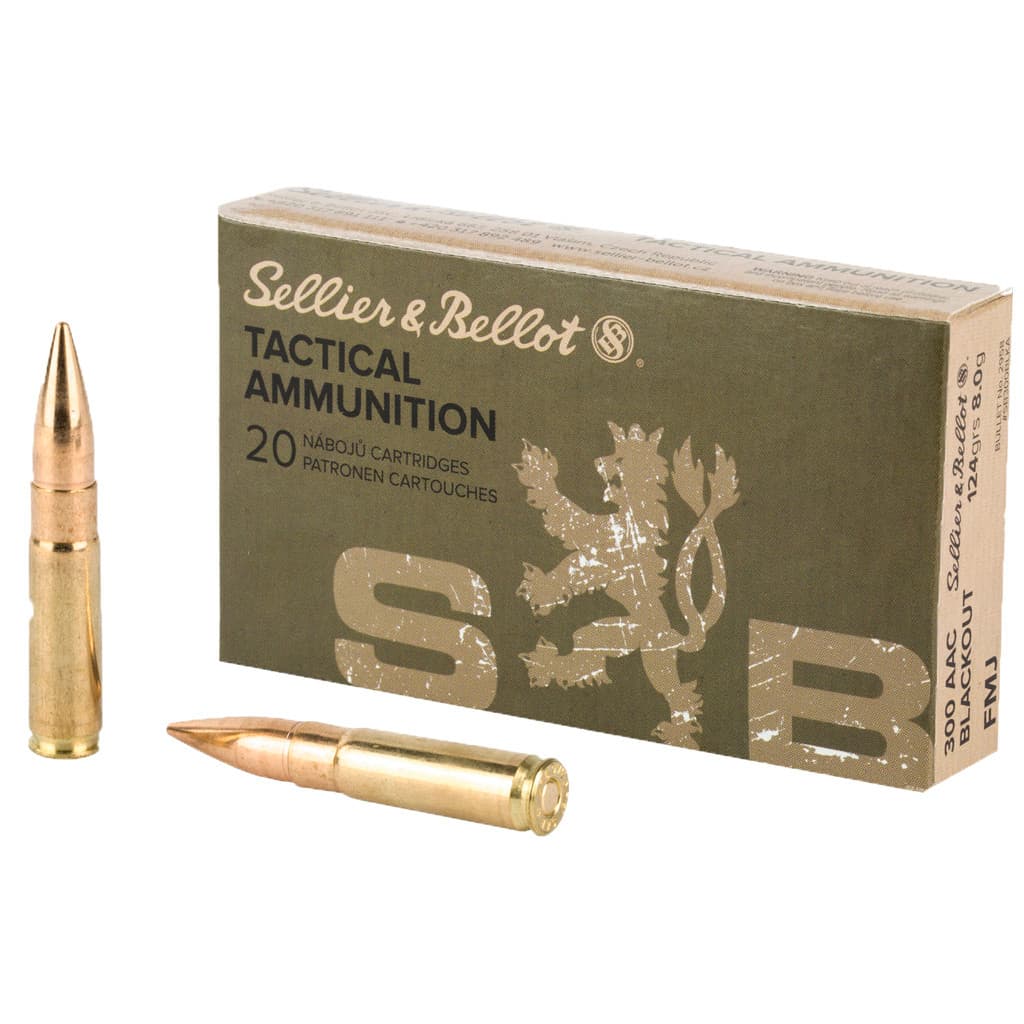
Sellier & Bellot 300 AAC Blackout 124gr FMJ
- 124 grain FMJ
- 300 AAC Blackout
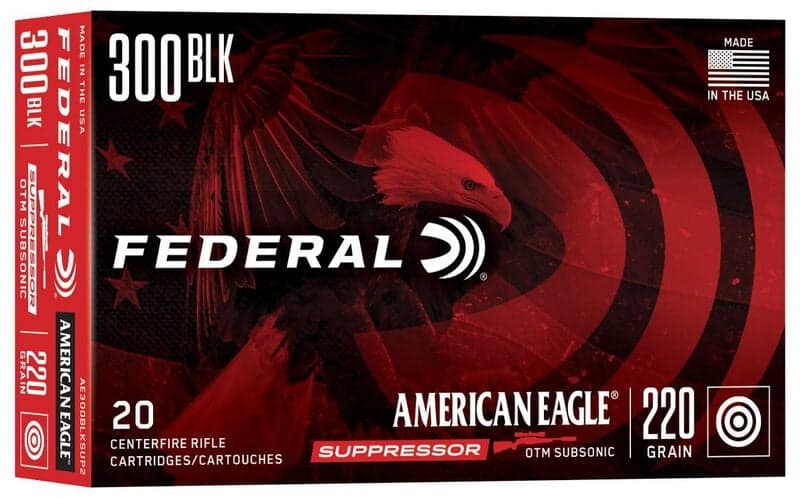
Federal American Eagle 220gr OTM Subsonic
- 220 grain OTM
- .300 Blackout
Affiliate links (?)
Why PSA Chose Quality Over Volume
PSA is deliberately running lower-volume, purpose-driven ammunition rather than chasing the highest case count, and it points to powder supply constraints as the reason. With finite propellant to work with, PSA is concentrating that supply on specialized, high-margin loads where transparency and consistency justify the price, instead of flooding the market with commodity bulk ammo.
The positioning is explicit in PSA's own framing: it does not intend to be the brand that ships the most ammunition, but the one a shooter reaches for when what is in the chamber actually matters. For a company known for volume and value on the firearms side, that is a notable shift in strategy for the ammunition brand. Pair a documented load with the right platform in our catalog, or start a suppressed 300 Blackout build in the rifle builder.
Suppressors for 300 Blackout
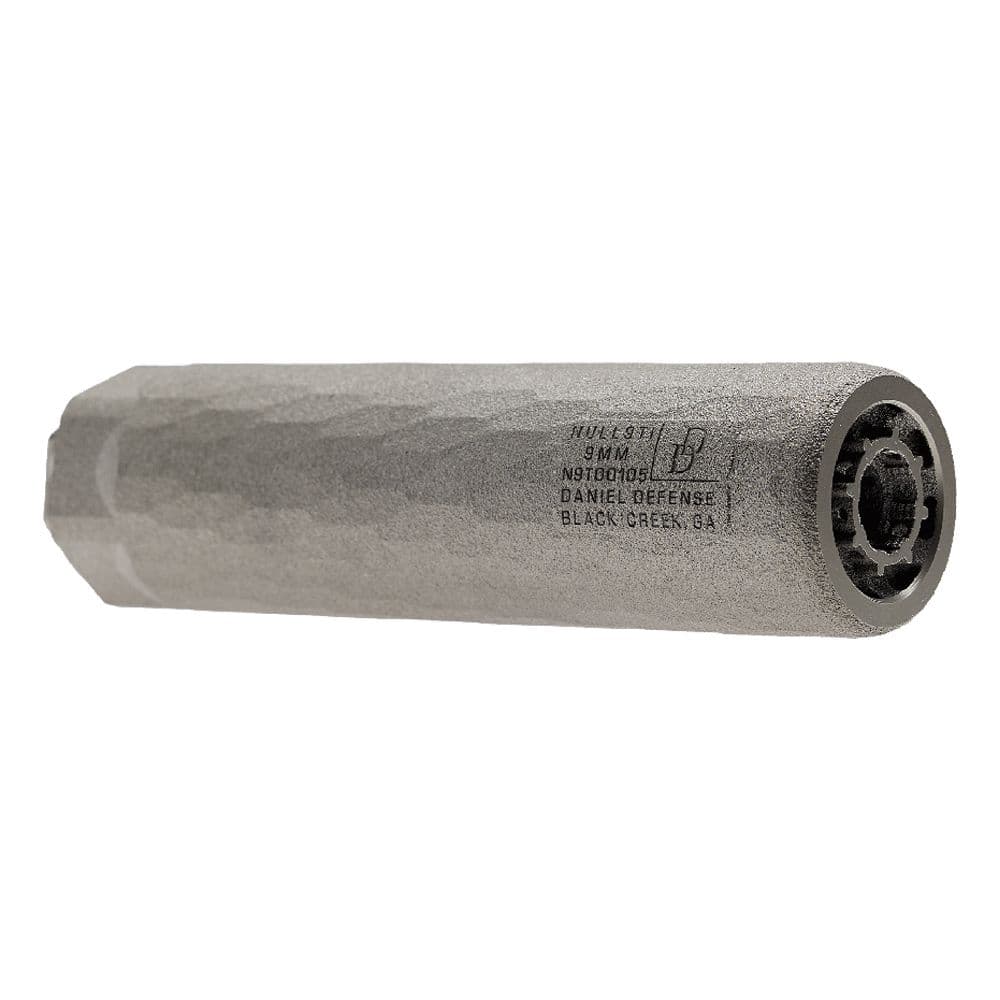
Daniel Defense NULL 9Ti
- 9mm and subsonic .300 BLK
- Weldless 3D-printed titanium
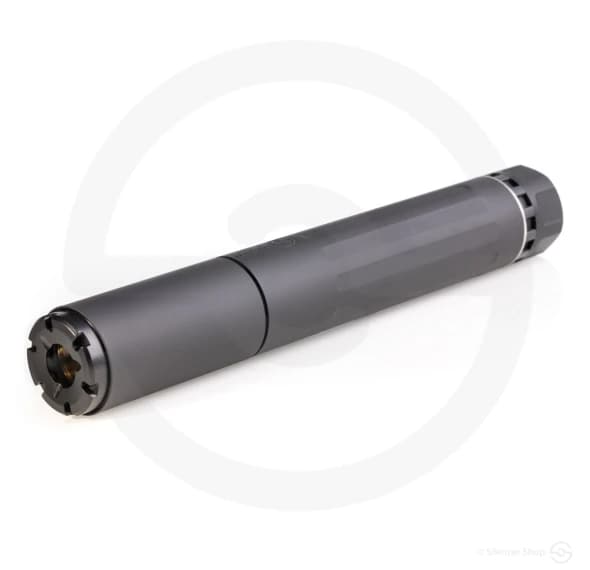
Dead Air Ghost 45
- .45 / 9mm rated
- Modular length
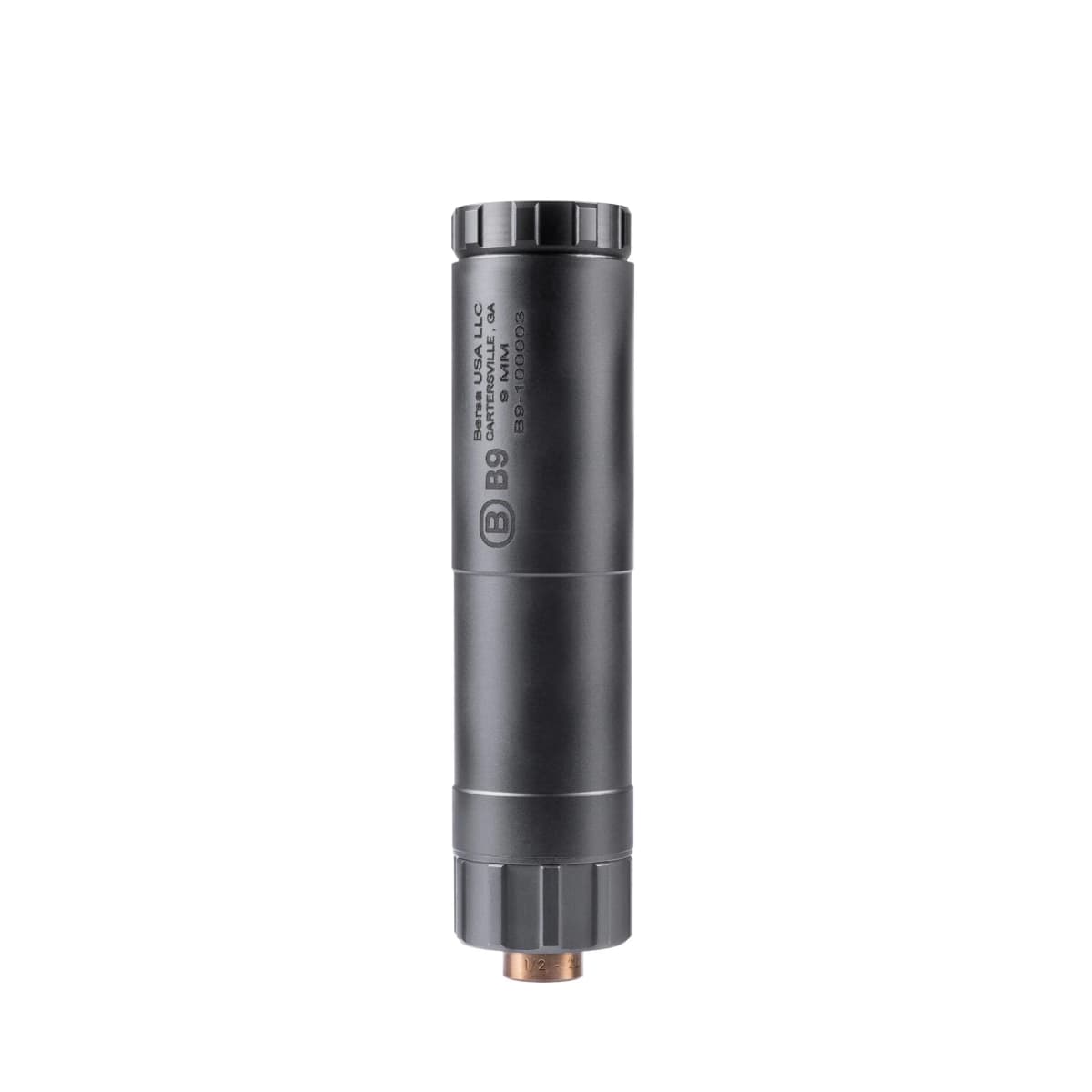
Bersa B9 Modular Suppressor
- Compact 5.8 in / 9.2 oz, full-size 8 in / 11.3 oz
- Grade 9 titanium, 17-4 PH stainless, 7075-T6 aluminum
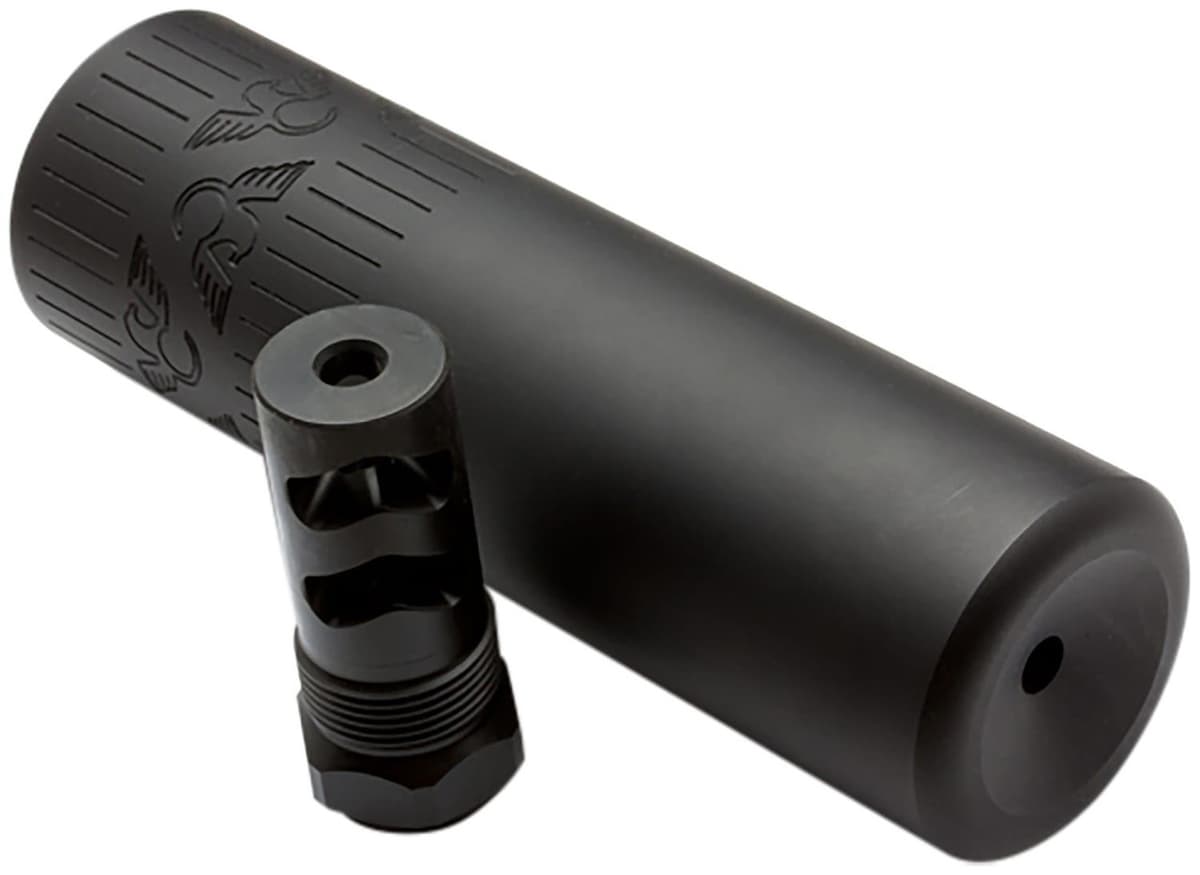
Bersa B762 Suppressor
- 6.75 in, 17.2 oz
- Inconel 718 and 17-4 H900 stainless steel
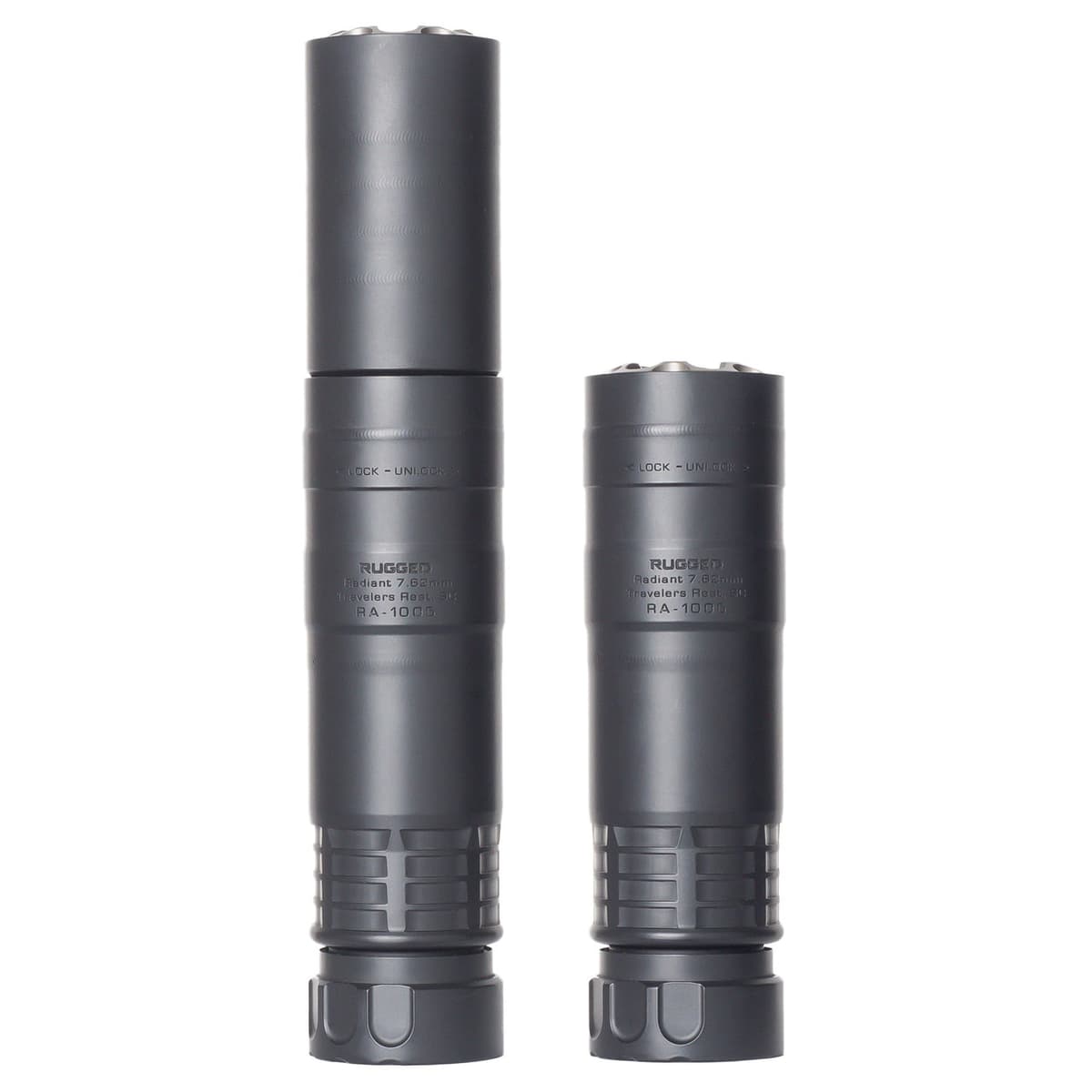
Rugged Radiant762
- Center-fire rifle through .300 RUM
- 7.5 in and 12.5 oz long
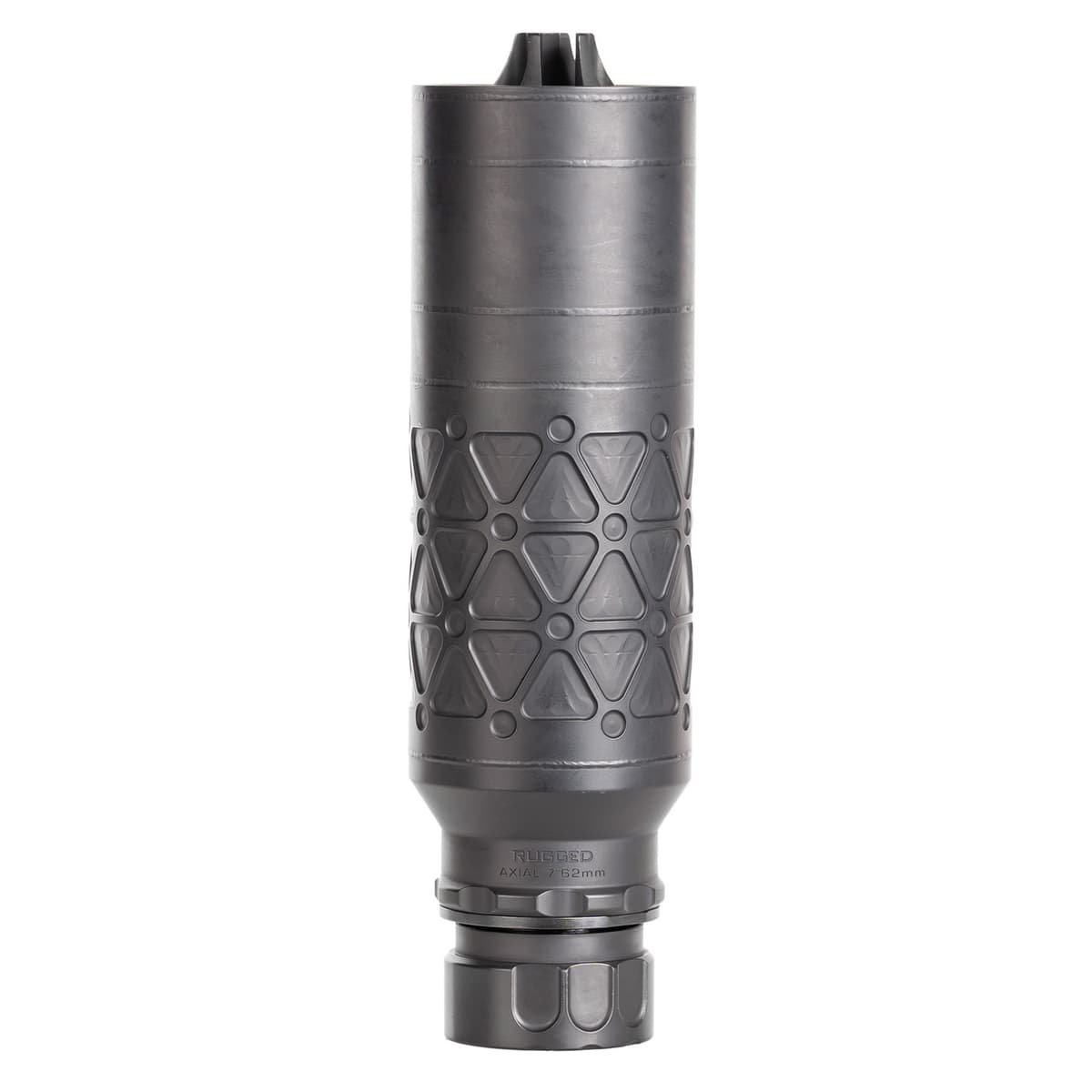
Rugged Axial
- Center-fire rifle through .300 RUM
- 5.7 in and 15.7 oz without R.U.M.
Affiliate links (?)
Stay Updated on PSA Ammo
Get notified when PSA publishes pricing, lot data, and caliber availability for the Guardsman, Sabre, and Mixtape lines. We also cover suppressed shooting, 300 Blackout, and precision ammo.
Frequently Asked Questions
▶Is AAC ammo shutting down?
▶Is AAC ammo owned by PSA?
▶Is 300 AAC the same as 300 Blackout?
▶What are the three PSA Ammo lines?
▶What is the first PSA Ammo product?
▶What data does PSA publish for its ammo?
▶Is AAC ammo good quality?
Bottom Line
PSA Ammo is a rebrand with a real strategy behind it. Moving the ammunition off the AAC label separates the suppressor brand from the ammunition brand, and the commitment to publishing lot-specific velocity, pressure, and standard deviation is a genuine step past the industry norm of trust-the-label marketing. For precision and suppressed shooters who already chronograph every lot, having those numbers published up front is a concrete reason to pay attention.
The three-line structure is clean: Guardsman for training with reloadable brass, Sabre for documented precision loads, and Mixtape for suppressed hosts with published validation setups. Mixtape ships first with the two 220-grain 300 Blackout subsonic loads on July 17, 2026, and a 158-grain 9mm is next in line. The open question is pricing, which PSA had not detailed as of the release announcement. If PSA delivers the transparency it is promising at a price that undercuts the premium match and subsonic brands, PSA Ammo has a clear lane. See how the calibers fit real setups in our 300 Blackout guide or compare defensive loads in our best 9mm self-defense ammo guide.