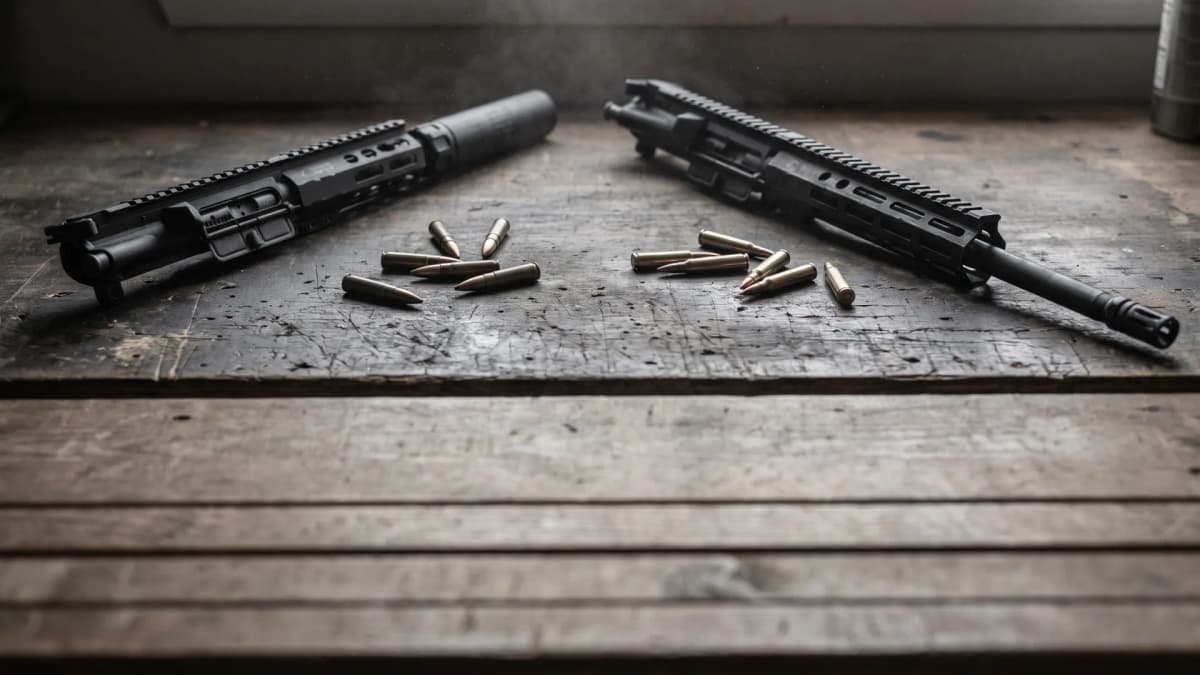
300 Blackout vs 5.56: Cost, Recoil & Best Use Cases header image
Ballistics
July 8, 2026
300 Blackout vs 5.56: Cost, Recoil & Best Use Cases

300 Blackout and 5.56 share the same AR-15 lower, bolt, and magazines. The barrel is the only difference, and it drives every trade: cost, range, recoil, and how well each runs suppressed or short. Here is the decision framework.

[ < Back to guides ]
AR-15BallisticsComparisonIntermediate

300 Blackout vs 5.56: Cost, Recoil & Best Use Cases

The 300 Blackout vs 5.56 decision is unusually clean because the two cartridges share the same AR-15 lower, the same bolt, and the same magazines. The barrel is the only part that changes, and it drives every trade-off that follows: cost per round, recoil, effective range, and how well each caliber runs suppressed or from a short barrel. This guide skips the ballistics-chart rehash and gives you the decision framework, then the exact gear to build either one.

By AB|Last reviewed July 2026

Key Takeaways

  • Build 5.56 first: it is a fraction of the ammo cost ($0.35-0.60/rd vs $0.85-1.35 for supersonic 300 BLK), recoils less, and reaches past 500 yards.
  • Build 300 BLK for short and quiet: it makes near full power from a 9-inch barrel and runs genuinely quiet subsonic loads at 1,000 fps, which 5.56 cannot do.
  • Only the barrel changes: the same bolt, lower, and STANAG magazines run both, so a second upper is the whole conversion (a sub-16-inch one on a rifle lower makes it an SBR, Form 1 required).
  • Safety trap: a .300 BLK round chambers in a 5.56 barrel and destroys the gun when fired. Keep the two calibers physically separated.
  • Supersonic 300 BLK fills the 7.62x39 role in an AR: roughly 1,300 ft-lbs at the muzzle from a 16-inch barrel, effective to about 200 yards, not a distance cartridge.

300 Blackout vs 5.56: The Short Answer

Build 5.56 unless you specifically want a short or suppressed gun, in which case build 300 Blackout. That single sentence covers 90% of this decision. 5.56 is cheaper to shoot, recoils less, and stays effective well past 500 yards, which makes it the right default for a general-purpose 16-inch carbine, a first AR-15, and any build where training volume matters. 300 Blackout earns its higher ammo cost in exactly one lane: it was engineered to burn its powder inside a 9-inch barrel and to fire genuinely quiet subsonic loads through a suppressor, two things 5.56 physically cannot do well.

Because both cartridges run on the same AR-15 lower, this is rarely an either-or purchase. Most shooters who go down the 300 BLK path keep a 5.56 upper for cheap range time and add a short 300 BLK upper for the suppressed role. If you are choosing between three rifle calibers rather than two, the caliber selection guide adds 6.5 Grendel to this comparison for a full three-way breakdown.

Same Lower, Same Bolt, Same Mags: Only the Barrel Changes

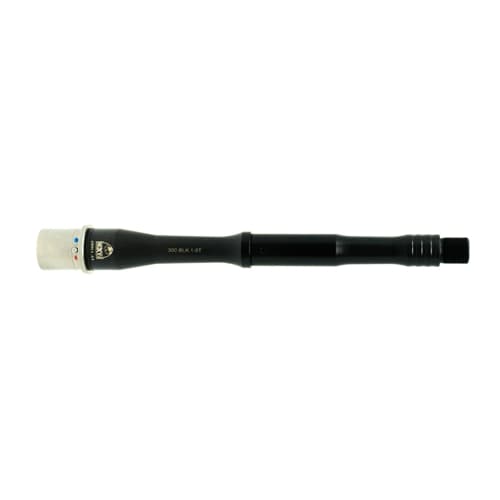
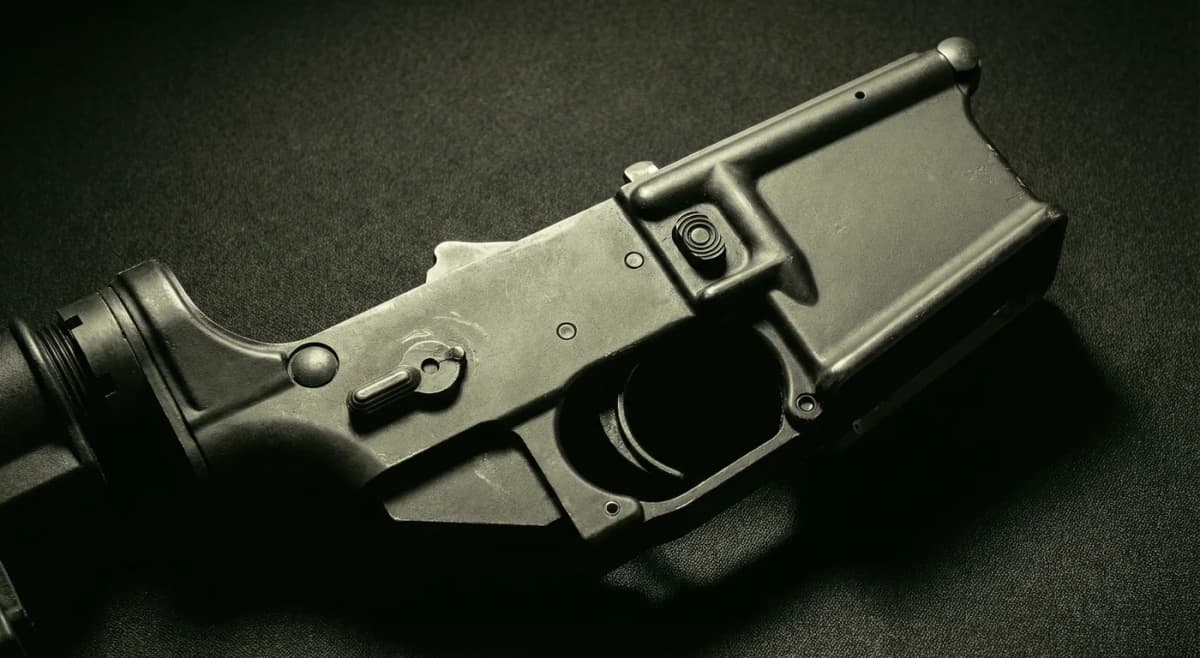
Converting a 5.56 AR-15 to 300 Blackout means changing the barrel and nothing else. 300 BLK was designed around the existing 5.56 bolt face and STANAG magazine, so the bolt carrier group, lower receiver, fire control group, charging handle, and magazines all carry over untouched. Swap the barrel (or the whole upper) and the same rifle now runs a completely different cartridge. That is why a dedicated 300 BLK barrel like the Faxon 9-inch Gunner is the cheapest real entry point into the caliber: at roughly $171 it turns a lower you already own into a suppressor host. One caveat up front: a 9-inch barrel on a rifle-configured lower makes it a short-barreled rifle, so file a Form 1 and let it clear before you assemble it. The tax is $0 under OBBBA, and building on a pistol lower sidesteps the SBR question entirely.

The Faxon Gunner is 416R stainless with a 1:8 twist and 5/8x24 muzzle threads, and the 9-inch length is deliberate. That is close to the barrel length 300 BLK was built to burn its powder in, so both supersonic and subsonic loads leave the muzzle at close to their intended velocity. The 1:8 twist stabilizes the heavy 220gr subsonic bullets and the lighter supersonic loads alike, and the 5/8x24 threads accept any .30-caliber suppressor. The one thing to watch is the pistol-length gas system, which can be over-gassed on some supersonic ammo without an adjustable gas block. For the full barrel length breakdown and a deeper build walkthrough, see the complete 300 Blackout build guide. You can also spec a 300 BLK or 5.56 upper in our rifle builder to see which barrels, bolts, and suppressors are compatible.

Ballistics at a Glance (Full Charts in the Ballistics Guide)

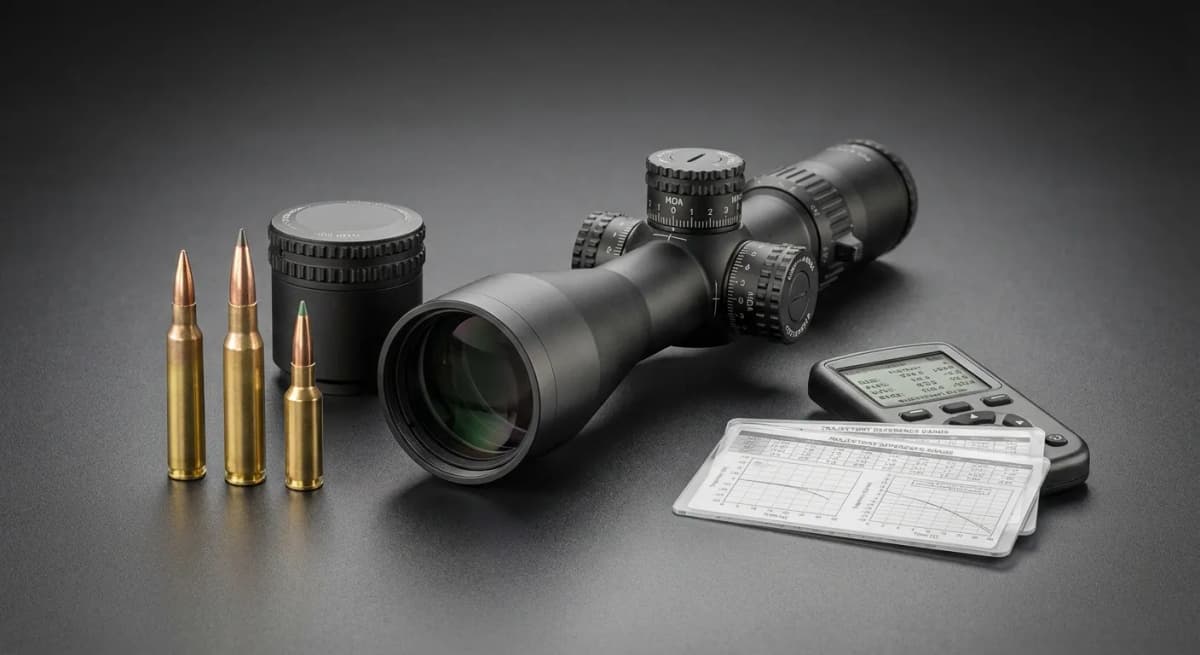
5.56 is the flatter, faster, longer-range cartridge; 300 Blackout is the heavier, harder-hitting-up-close cartridge that trades range for suppressor and short-barrel performance. A 55gr 5.56 load like PMC X-TAC leaves a 20-inch barrel around 3,270 fps and stays supersonic and useful past 500 yards. Supersonic 300 Blackout, such as Hornady American Gunner 125gr, leaves a 16-inch barrel around 2,175 fps for about 1,313 ft-lbs of muzzle energy, and a short 9-inch host holds most of that, keeping it in the same close-range role as 7.62x39 and effective to roughly 200 yards. Subsonic 300 BLK is a different animal entirely: Federal 220gr crosses the muzzle near 1,000 fps for about 488 ft-lbs, dropping fast but staying quiet.

The takeaway is that 5.56 wins the trajectory and retained-energy contest at any distance, while 300 BLK wins the short-barrel energy contest because it does not depend on a long barrel to make its numbers. This guide deliberately does not reproduce the drop and velocity charts. For the full trajectory tables, energy-at-distance figures, and wind-drift comparisons, see the ballistics guide. For a ranked breakdown of specific supersonic and subsonic loads, the best 300 Blackout ammo guide covers which load fits which role.

Cartridge Spec Sheet

300 Blackout

5.56 NATO

Bullet Diameter
0.308″
0.224″
Common Weights
110-220 gr
55-77 gr
Case
Shortened 5.56
5.56 NATO parent
Supersonic MV
~2,175 fps (125gr, 16")
~3,270 fps (55gr, 20") (advantage)
Muzzle Energy
~1,313 ft-lbs (16")
~1,300 ft-lbs (20")
Subsonic Load
Yes (220gr, quiet) (advantage)
No practical
Optimal Barrel
9″ (advantage)
16-20″
Effective Range
~200 yd
500+ yd (advantage)
300 BLK makes its numbers from a short barrel and runs quiet subsonic; 5.56 owns velocity, trajectory, and range. Full drop and energy charts live in the ballistics guide.

Cost Per Round: 5.56 Wins on Volume

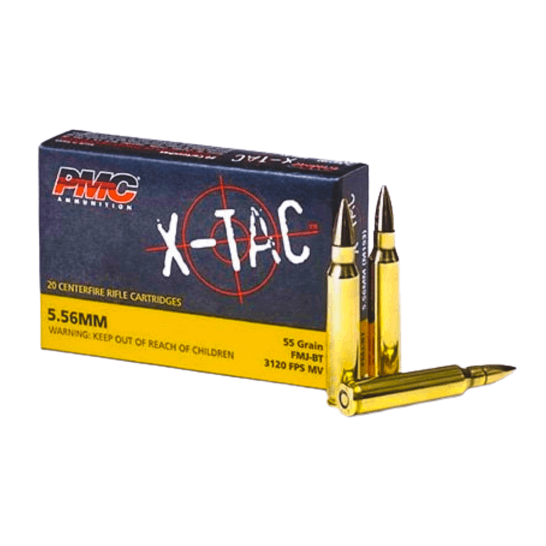
5.56 costs a half to a third of what 300 Blackout does per round, and that gap is the single strongest argument for 5.56 as a training caliber. Bulk brass-case 5.56 runs about $0.35 to $0.50 per round, loaded to full NATO pressure for reliable cycling and packing fresh, reloadable brass, and the specific PMC X-TAC 55gr box featured here is about $0.60. Supersonic 300 Blackout runs roughly $0.85 to $1.35 per round depending on the load, with premium loads like Hornady American Gunner 125gr near the top of that range, and subsonic loads cost more still. There is no hiding the per-round math.

Over a few thousand rounds the difference runs into the hundreds of dollars. A shooter putting 2,000 rounds a year downrange saves roughly $800 to $1,500 annually running 5.56 instead of supersonic 300 BLK. This is exactly why the common setup is a 5.56 upper for volume practice and a 300 BLK upper reserved for suppressed and subsonic work, where you are not burning through hundreds of rounds a session anyway.

Per-Round Cost Snapshot
5.56 FMJ
~$0.40/rdBrass case, bulk M193
300 BLK Super
~$0.85+/rdSupersonic, bulk
300 BLK Sub
HigherstillFederal 220gr subsonic

Recoil and Blast

5.56 recoils less than 300 Blackout, and the difference grows with bullet weight. 5.56 pushes light 55-77gr bullets, so a 16-inch carbine produces a sharp, minimal shove that lets most shooters keep the sights on target through the string. Supersonic 300 Blackout drives 110-125gr bullets and generates a heavier push, closer to a light 7.62x39 impulse than a 5.56. Heavy 220gr subsonic loads recoil softly in absolute terms because they are slow, but they cycle a short-barreled gun with a distinct lower-frequency thump.

Blast and flash are where short barrels change the conversation. A 5.56 round fired from an unsuppressed short barrel produces a large fireball and a concussive report, because 5.56 needs a long barrel to burn its powder. 300 Blackout was built to burn fully in a short barrel, so an equivalent-length 300 BLK gun throws less unburned powder and flash. Add a suppressor and 300 BLK subsonic is the quietest option in this comparison by a wide margin, while suppressed supersonic ammo of either caliber still carries a sonic crack.

Barrel Length Behavior: Where 300 BLK Pulls Ahead

300 Blackout keeps almost all of its performance in an 8-9 inch barrel, while 5.56 loses a large fraction of its velocity below 14-16 inches. This is the core reason the two calibers exist in the same rifle. 5.56 was designed for 20-inch barrels; chop it to 9 inches and you bleed hundreds of feet per second, gain a fireball, and hurt terminal performance. 300 Blackout was designed the opposite way. The Faxon 9-inch Gunner barrel makes near-full supersonic velocity and burns subsonic powder cleanly at a length where 5.56 is struggling.

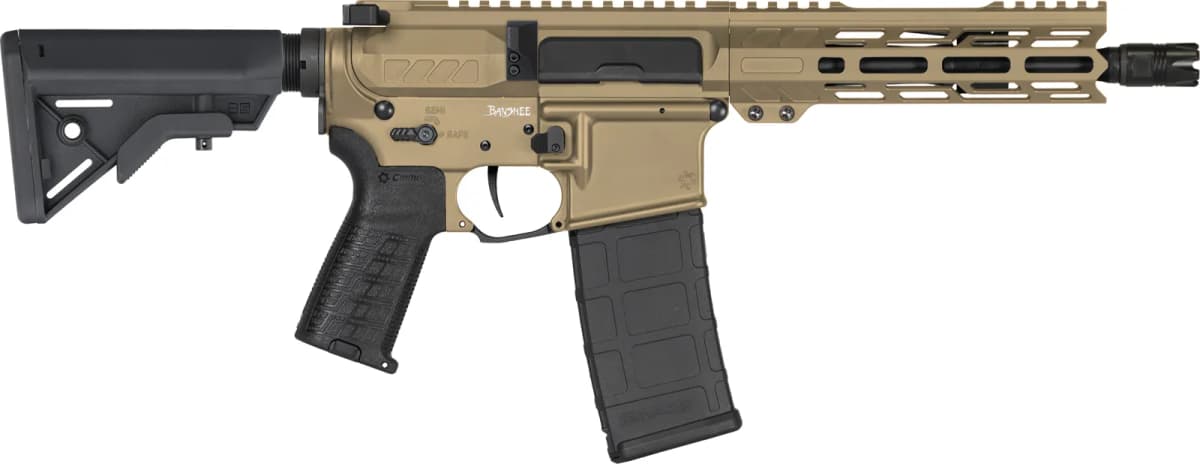
If you want the short 300 BLK role without building it part by part, the CMMG Banshee Mk4 SBR is a turnkey 8-inch factory host at about $1,549.95. It ships as a registered short-barreled rifle with a real warranty instead of a Form 1 parts build, weighs 5.2 lb, and carries an adjustable gas block so you can tune it for suppressed and subsonic loads. The trade is that an 8-inch barrel caps supersonic 300 BLK past roughly 100 yards, which is fine for the close, quiet role it is built for. For barrels ranked by length and purpose across the full range, see the best 300 Blackout barrels guide. 5.56, by contrast, wants 14.5 to 16 inches to reach its potential, which is why nobody builds a 7-inch 5.56 for performance reasons.

Use-Case Matrix: Home Defense, Suppressed, Hunting, Range, SBR

The right caliber depends almost entirely on barrel length and whether a suppressor is in the picture. For a standard 16-inch home defense carbine, 5.56 wins: it is cheaper to train with, recoils less, and a bonded duty load like Speer Gold Dot 62gr expands reliably at the velocities a 16-inch barrel produces. Drop to a short-barreled 5.56 gun and switch to a load built for it, such as Hornady BLACK 75gr InterLock HD SBR, which is engineered to expand at the lower velocities a short barrel produces with low-flash powder that preserves night vision indoors. For a short or suppressed home defense gun, 300 BLK takes the lead because it makes power from an 8-9 inch barrel and runs quiet.

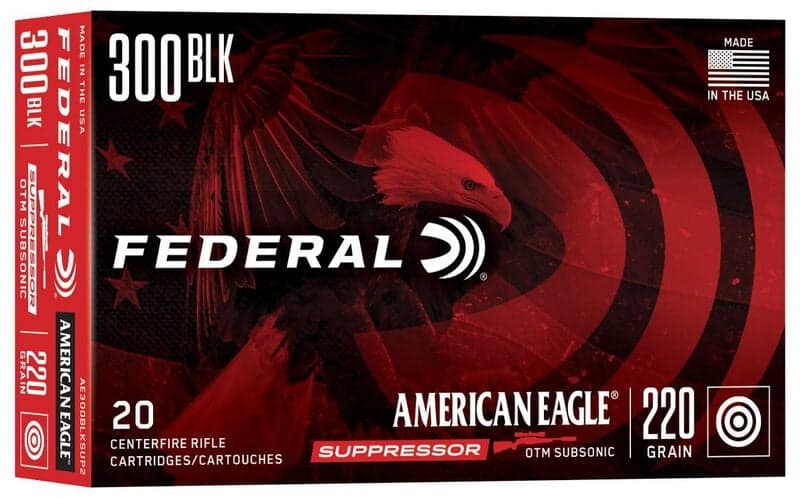
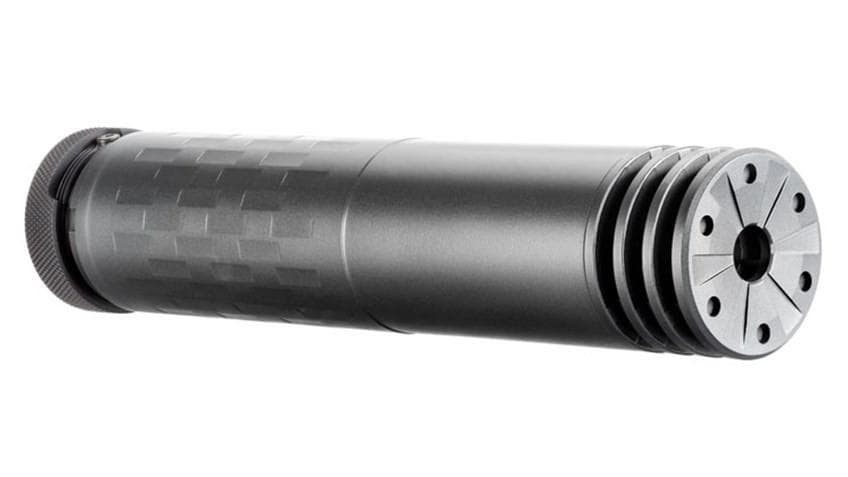
Suppressed shooting is the clearest 300 Blackout win. Federal 220gr OTM subsonic stays under the speed of sound at 1,000 fps for genuinely quiet fire, and a multi-caliber can like the SilencerCo Omega 300 covers both barrels: it is rated from 5.56 up to .300 Win Mag, so the same $699 suppressor runs on your 5.56 upper and your 300 BLK upper and hits about 119.5 dB on subsonic 300 BLK. For a full ranked breakdown of cans for the caliber, see the best 300 Blackout suppressors guide. Use the matrix below to match your mission to a caliber, and compare host platforms side by side if you are picking between complete uppers.

16" Home Defense Carbine
Best Choice5.56
ReasoningCheaper, lower recoil; a bonded duty load like Speer Gold Dot 62gr expands reliably from a 16" barrel
Short / Suppressed Home Defense
Best Choice300 BLK
ReasoningNear-full power from 8-9", quietest with subsonic loads
Suppressed / Subsonic
Best Choice300 BLK
ReasoningFederal 220gr stays subsonic at 1,000 fps; 5.56 has no practical subsonic
Range / Training Volume
Best Choice5.56
ReasoningRoughly half the per-round cost with PMC X-TAC bulk FMJ
Distance (200+ yards)
Best Choice5.56
ReasoningFlatter, faster, effective past 500 yards; 300 BLK fades past 200
Hog / Short-Range Hunting
Best Choice300 BLK
Reasoning~1,300 ft-lbs supersonic, .30-cal bullet, 7.62x39-class terminal effect
Compact SBR / PDW
Best Choice300 BLK
ReasoningDesigned for short barrels; 5.56 wastes powder and flashes below 10"

The SBR and Suppressor Question

You do not need an SBR or a suppressor to shoot 300 Blackout, but that is where the caliber justifies its cost, and both are more accessible in 2026 than they used to be. Under the One Big Beautiful Bill Act, the federal making and transfer tax on suppressors and short-barreled rifles is now $0, so there is no longer a $200 stamp on either. The paperwork itself still exists: you register the item, pass a NICS background check, submit fingerprints, and file the eForm. Current eForm approvals on suppressors and SBRs are running on the order of days to a couple of weeks, not the year-long waits of the past.

A short 300 BLK gun is the archetypal case. Either register a short-barreled rifle around the Faxon 9-inch Gunner, or buy a factory registered host like the CMMG Banshee Mk4 SBR and skip the parts build. Suppressor ownership is legal in 42 states, with restrictions or bans still in place in California, Delaware, Hawaii, Illinois, Massachusetts, New Jersey, New York, and Rhode Island, so confirm your state before buying. The upside of the shared platform is that a single multi-caliber can like the Omega 300 covers your 5.56 upper and your 300 BLK upper on one tax-free registration.

Gear to Build Either Caliber

These are the parts each side of the decision runs on. 5.56 needs only ammo because the host is a standard AR-15; 300 Blackout adds the conversion barrel, the load that fits each role, a shared suppressor, and a turnkey factory SBR. The lower, bolt, and magazines stay the same across both.

5.56 Gear

5.56 Gear

5.56 needs only ammo; the host is a standard AR-15. A budget training load, a 16-inch duty defensive load, and a short-barrel defensive load cover most builds.

1

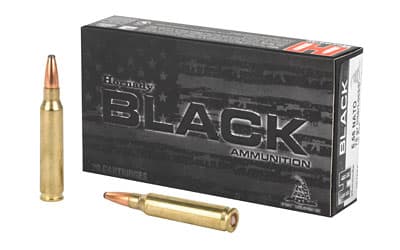
PMC X-TAC 5.56 NATO 55gr FMJ

Cheapest way to shoot 5.56

$11
Shop at Brownells
  • +M193-spec 5.56 at a fraction of the per-round cost of 300 BLK
  • +Loaded to full NATO pressure for reliable AR-15 cycling
  • +Fresh, reloadable brass and wide availability
  • 55gr FMJ is a training round, not defensive or match
  • Lighter bullets shed velocity and buck wind worse than heavy 5.56
2

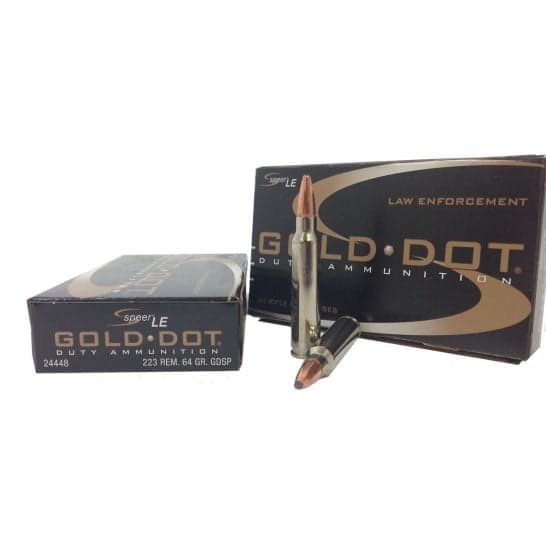
Speer Gold Dot .223 Rem 62gr GDSP

5.56 home defense from a 16" carbine

$30
Shop at Brownells
  • +Bonded Uni-Cor core resists jacket-core separation for consistent expansion
  • +62gr GDSP is a law-enforcement duty load tuned for 16"-class barrels
  • +Reliable terminal performance where FMJ only pokes holes
  • Premium defensive pricing, not a training round
  • Soft point is not legal for hunting in every jurisdiction
3

Hornady BLACK 5.56 NATO 75gr InterLock HD SBR

5.56 home defense from a short barrel

$25
Shop at Brownells
  • +Engineered to expand at short-barrel velocities where standard 5.56 fails
  • +Low-flash powder preserves night vision indoors
  • +Heavier 75gr bullet offsets short-barrel velocity loss
  • Premium per-round cost versus FMJ training ammo
  • 20-round boxes only, no bulk packaging

Purchasing through these links may generate a commission that supports the site.

Affiliate links - purchases support this site at no extra cost to you. (?)

300 Blackout Gear

300 Blackout Gear

300 BLK adds the conversion barrel, the load that fits each role, a shared suppressor, and a turnkey factory SBR. Same lower, same bolt, same magazines.

1

Faxon 9" .300 Blackout Gunner Barrel

The 300 BLK conversion barrel

$167.40Save 2%
View at OpticsPlanet
  • +9" burns 300 BLK powder efficiently, the length the cartridge was designed around
  • +416R stainless with QPQ nitride and 5R rifling at a value price near $171
  • +1:8 twist stabilizes both common supersonic and subsonic loads
  • Pistol-length gas can be over-gassed on some supersonic loads without an adjustable block
  • Sub-16" barrel means an SBR (Form 1) or a pistol configuration, not a 16" rifle
2

Federal American Eagle 220gr OTM Subsonic

Quiet subsonic range volume

$34
Shop at Brownells
  • +Stays subsonic at 1,000 fps for genuinely quiet suppressed shooting
  • +Value-priced OTM for high-volume suppressed practice
  • +Clean-burning powder reduces suppressor and gas-system fouling
  • OTM bullet is target-only, not an expanding defensive or hunting round
  • Subsonic trajectory drops fast past 100 yards
3

Hornady American Gunner 300 Blackout 125gr HP Match

Supersonic 300 BLK range work

$67
Shop at Brownells
  • +2,175 fps supersonic (16") for flatter shooting inside 200 yards
  • +50-round American Gunner packaging is practical for training
  • +1,313 ft-lbs of muzzle energy, in the same close-range role as 7.62x39
  • HP Match is a practice bullet, not a purpose-built hunting or defensive load
  • Costs more per round than 5.56 FMJ training ammo
4

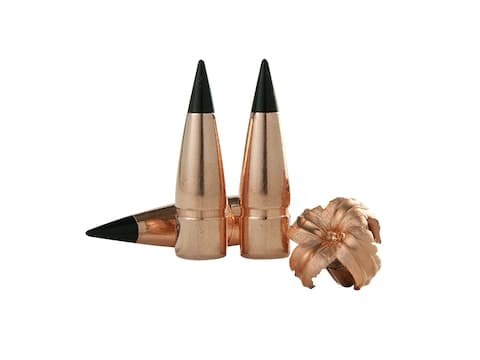
Barnes VOR-TX 110gr TAC-TX

Hog hunting and defensive 300 BLK

$43
Shop at Brownells
  • +All-copper TAC-TX expands reliably at supersonic velocities, the 300 BLK load for hogs and defense
  • +2,350 fps and 1,349 ft-lbs from a 16" barrel, the hardest-hitting supersonic option here
  • +Lead-free, legal where copper-only hunting bullets are required
  • Premium hunting-ammo price, not a high-volume training load
  • Supersonic only, so not a suppressed-subsonic pick
5

SilencerCo Omega 300

One can for both 300 BLK and 5.56

$594.15Save 15%
Shop at Classic Firearms
  • +Single .30-cal can covers 5.56, .300 BLK, and .308 so both barrels run suppressed
  • +119.5 dB on subsonic .300 BLK, the quietest pairing in this comparison
  • +12.6 oz and 6.98" keeps a short host manageable
  • Heavier than a dedicated compact 5.56 can
  • Can add noticeable back pressure on a semi-auto
6

CMMG Banshee Mk4 SBR (8" .300 Blackout)

Turnkey 300 BLK SBR

$1,549
Shop at Classic Firearms
  • +Factory 8" .300 BLK SBR with a real warranty instead of a Form 1 parts build
  • +Adjustable gas block tunes for suppressed and subsonic loads
  • +5.2 lb with a 24" overall length, compact for a stocked rifle
  • NFA SBR requiring ATF registration and eForm processing (no tax under OBBBA, but the paperwork remains)
  • 8" barrel limits supersonic 300 BLK past roughly 100 yards

Purchasing through these links may generate a commission that supports the site.

Affiliate links - purchases support this site at no extra cost to you. (?)

Get 300 Blackout and 5.56 Build Guides

Suppressor pairings, subsonic load tests, barrel-length data, and new AR-15 caliber coverage delivered to your inbox.

Free targets, drill cards, and weekly reviews by email. Follow our Facebook for daily builds and gear picks.

Follow

Related Guides

Complete 300 Blackout Guide - Barrel length chart, subsonic vs supersonic ammo, gas tuning, and suppressor pairing for a dedicated 300 BLK build.

Caliber Selection Guide - The three-way breakdown that adds 6.5 Grendel to the 5.56 vs 300 BLK decision if you are picking an AR-15 caliber from scratch.

Best 300 Blackout Ammo - Ranked subsonic and supersonic loads, from quiet suppressed practice to hog-hunting terminal performance.

Best 300 Blackout Barrels - Barrels ranked by length and role, from 8-inch SBR to 16-inch rifle.

Frequently Asked Questions

Are 5.56 and 300 Blackout interchangeable?
No, and mixing them is dangerous. They share the same AR-15 bolt and magazines because 300 Blackout is built on a shortened 5.56 case, but the barrels are not interchangeable. A .300 Blackout round will fully chamber in a 5.56 barrel, and firing it there causes a catastrophic failure that destroys the upper, bolt, and barrel because the .30-caliber bullet cannot pass through the .224 bore. Always visually separate the two calibers on the bench and never load 300 BLK into a 5.56 magazine you will run in a 5.56 gun.
Is 300 Blackout better than 5.56 for home defense?
For a short-barreled or suppressed home-defense gun, 300 Blackout has an edge because it makes near-full power from an 8-9 inch barrel and runs quietest with subsonic loads. For a standard 16-inch carbine, 5.56 is the better home-defense choice: it is far cheaper to train with, recoils less, and a bonded duty load like Speer Gold Dot 62gr expands reliably at 16-inch velocities (a short-barrel 5.56 gun instead wants an SBR-tuned load like Hornady BLACK 75gr). Barrel length decides this, not the cartridge alone.
What caliber is 300 Blackout equal to?
Supersonic 300 Blackout is a heavy .30-caliber round that fills the same close-range role as 7.62x39 (the AK round), delivering roughly 1,300 ft-lbs at the muzzle from a 16-inch barrel and a bit less from a short one. Subsonic 300 Blackout with heavy 220gr bullets behaves more like a .45-caliber pistol round in terminal effect. It is not a long-range cartridge; both loads fall off sharply past 200 yards.
Does 300 Blackout cost more than 5.56?
Yes. Bulk brass-case 5.56 runs about $0.35 to $0.50 per round (the PMC X-TAC 20-round box featured here is about $0.60), while supersonic 300 Blackout runs about $0.85 to $1.35 per round depending on the load, and subsonic loads cost more still. Over a few thousand rounds the difference is hundreds of dollars, which is the single biggest argument for 5.56 as a high-volume range and training caliber.
Do you need an SBR or suppressor to make 300 Blackout worth it?
Not required, but that is where 300 Blackout justifies its cost. The cartridge was designed to burn its powder in a 9-inch barrel and to run quiet subsonic loads through a suppressor. On a 16-inch unsuppressed rifle shooting supersonic ammo, 5.56 does almost everything better and cheaper. If you run a short barrel or a suppressor, 300 Blackout pulls ahead. Under OBBBA the federal tax on an SBR or suppressor is now $0, though registration, NICS, and eForm processing still apply.
Can 300 Blackout and 5.56 use the same magazine?
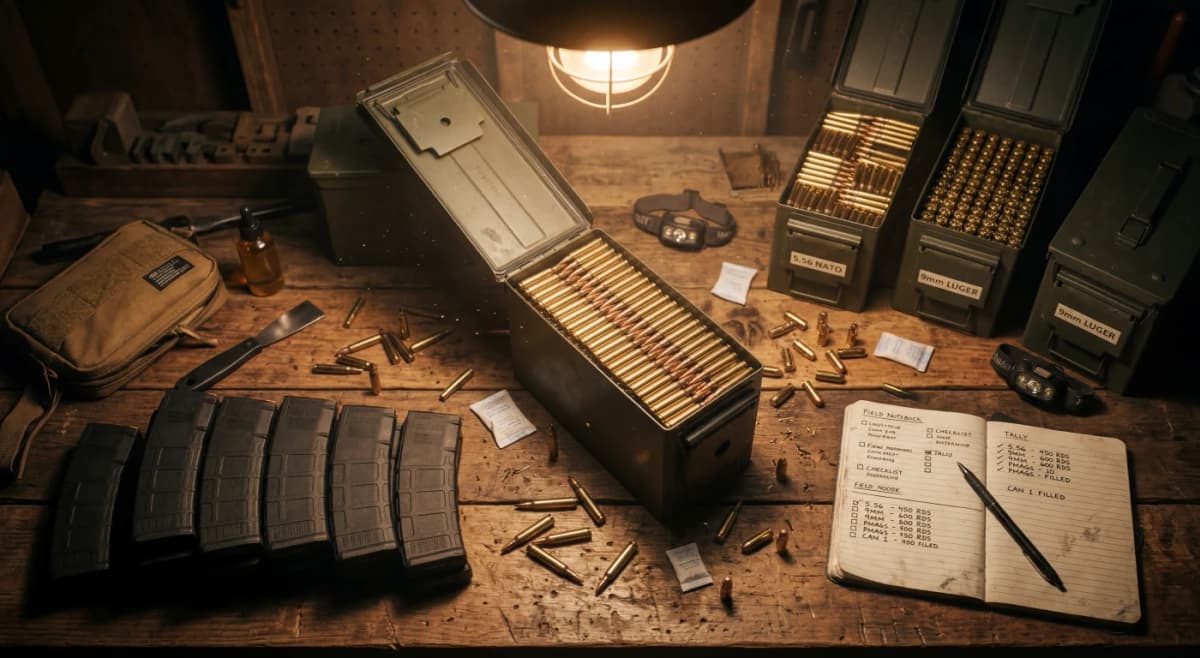
Yes, both feed from standard STANAG AR-15 magazines, and both use the same bolt and lower receiver. That shared platform is the whole appeal: you can swap between calibers by changing only the upper or the barrel. The safety catch is that identical magazines make it easy to mix ammo, so keep the two calibers physically separated and clearly labeled.

The Verdict

Build 5.56 first. Add 300 Blackout when the mission is short, suppressed, or subsonic.

For a general-purpose rifle, a first AR-15, or any build where range time and distance matter, 5.56 is the correct answer: cheaper ammo, lower recoil, and effective range past 500 yards. A 16-inch 5.56 carbine with a bonded duty load like Speer Gold Dot 62gr for defense does almost everything a normal shooter needs. Start there.

Reach for 300 Blackout when the build is defined by a short barrel or a suppressor. A Faxon 9-inch Gunner upper or a factory CMMG Banshee Mk4 SBR, fed Federal 220gr subsonic through a SilencerCo Omega 300, is the quietest, most compact AR-15 you can build, and 5.56 cannot match it in that role. Because both calibers share the same lower, you do not have to choose forever. Spec either one in the builder and keep the second upper on the shelf.

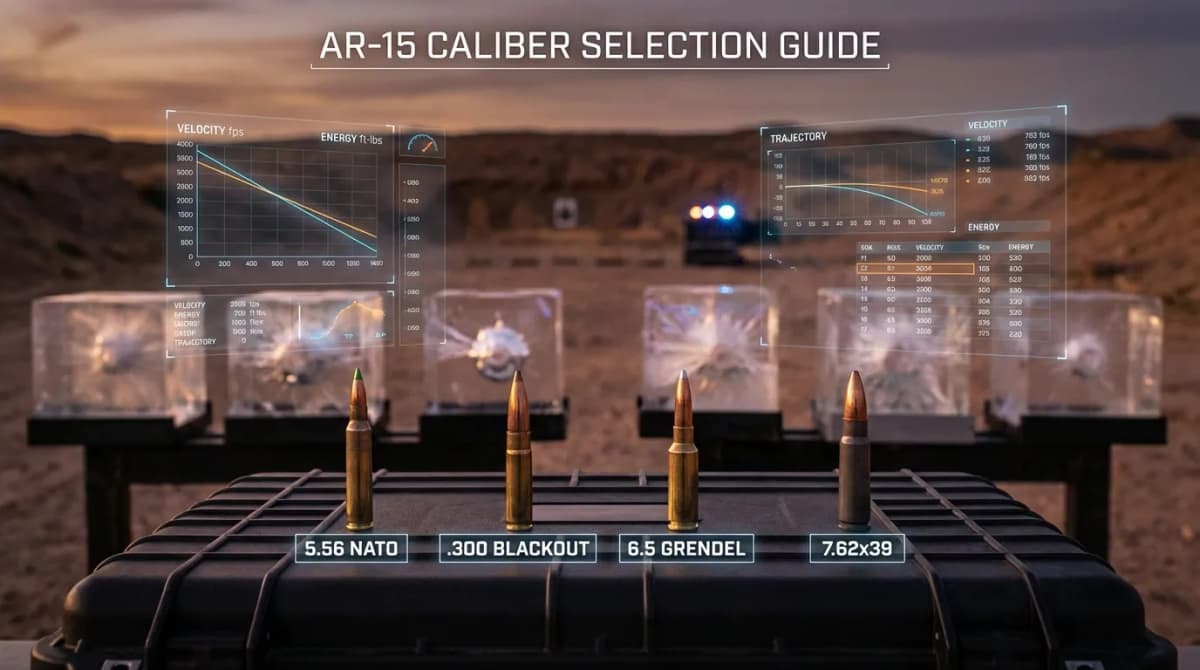
Header image: AI generated. Velocity, energy, and pricing figures sourced from the catalog product data and manufacturer published specifications.