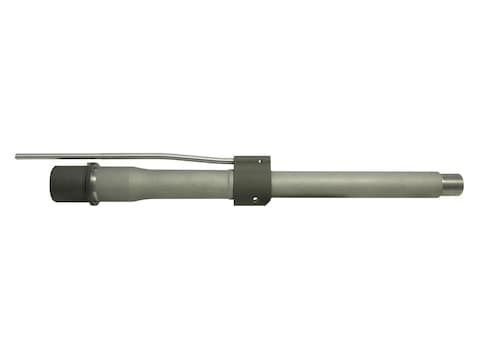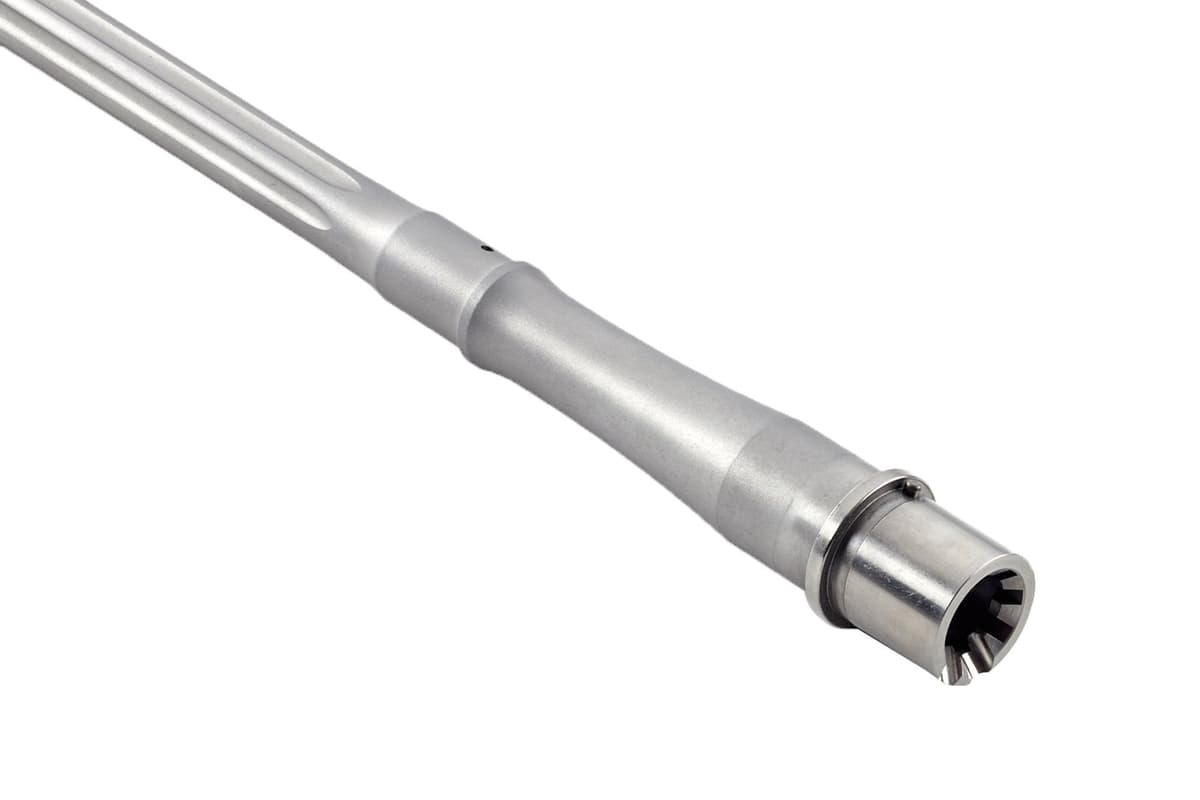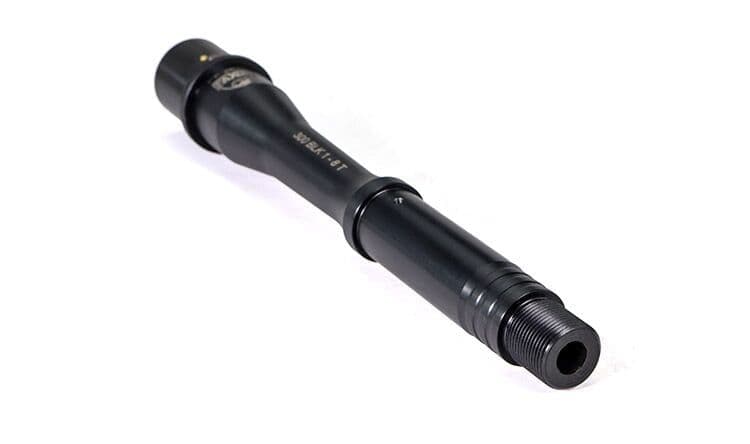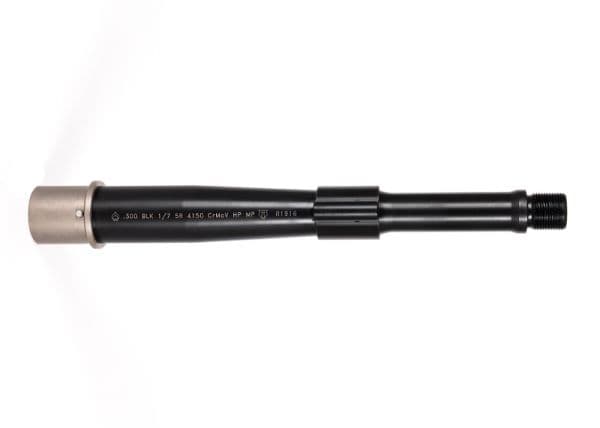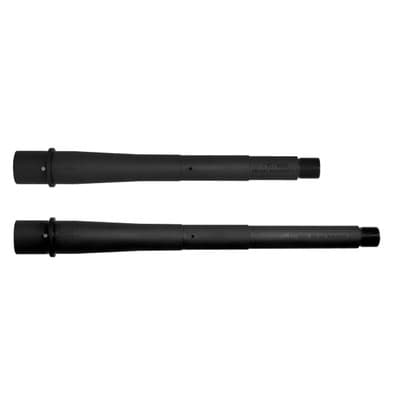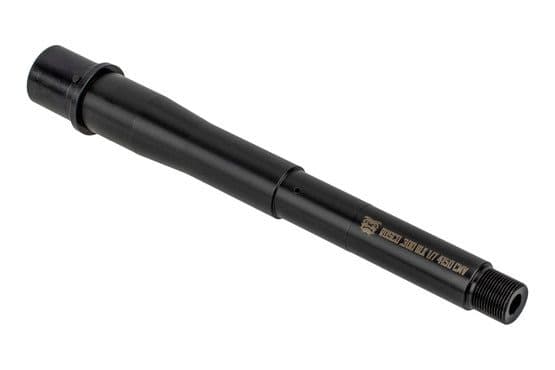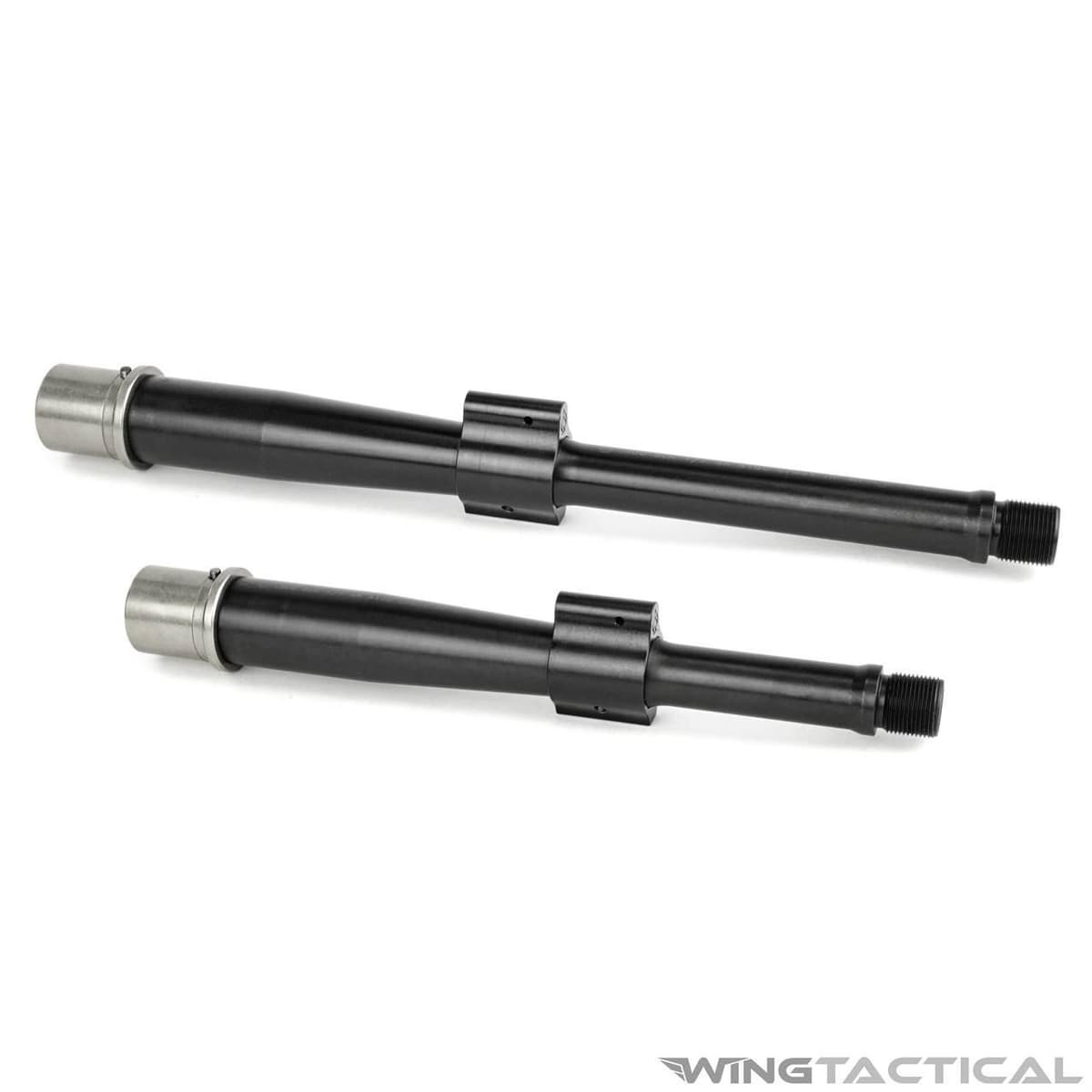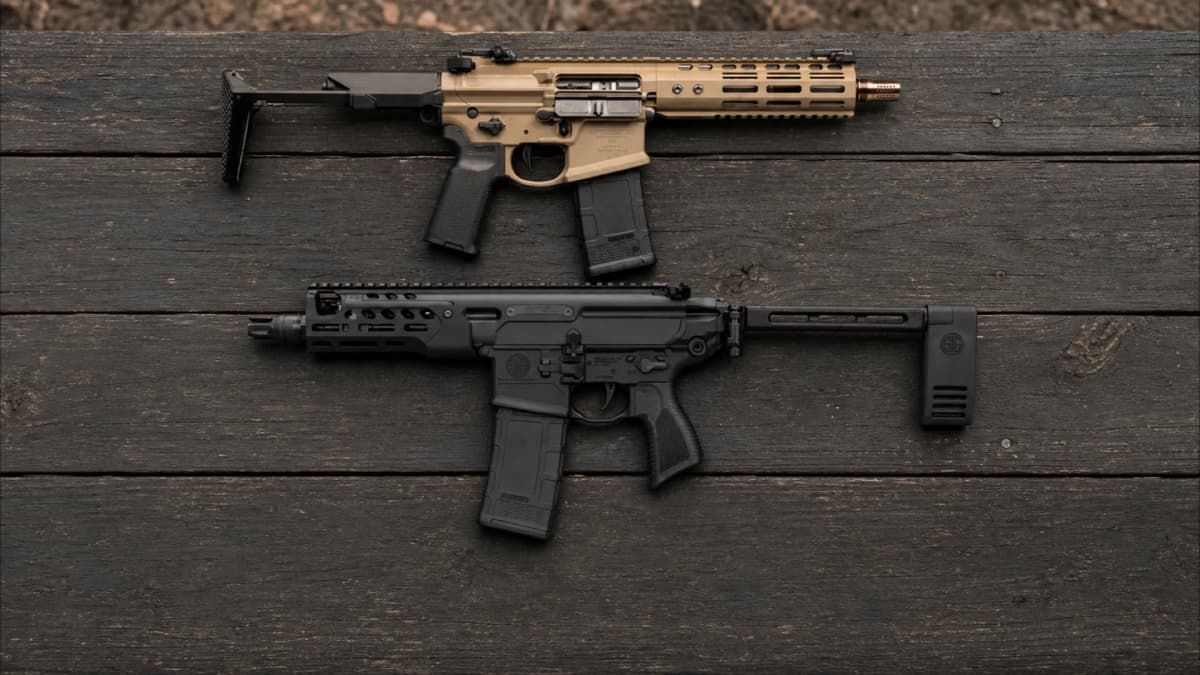
Best 300 Blackout Barrels 2026: Suppressed, PDW & 16-Inch header image
Gear
May 16, 2026
Best 300 Blackout Barrels 2026: Suppressed, PDW & 16-Inch

Ranked .300 BLK barrels across every use case: 9-inch suppressor sweet spot, 7.5-inch PDW, 10.3-inch general purpose, and 16-inch no-NFA. Verified specs, real prices, and the gas system math that decides whether your build actually runs subs and supers reliably.

Best 300 Blackout Barrels 2026: Suppressed, PDW & 16-Inch

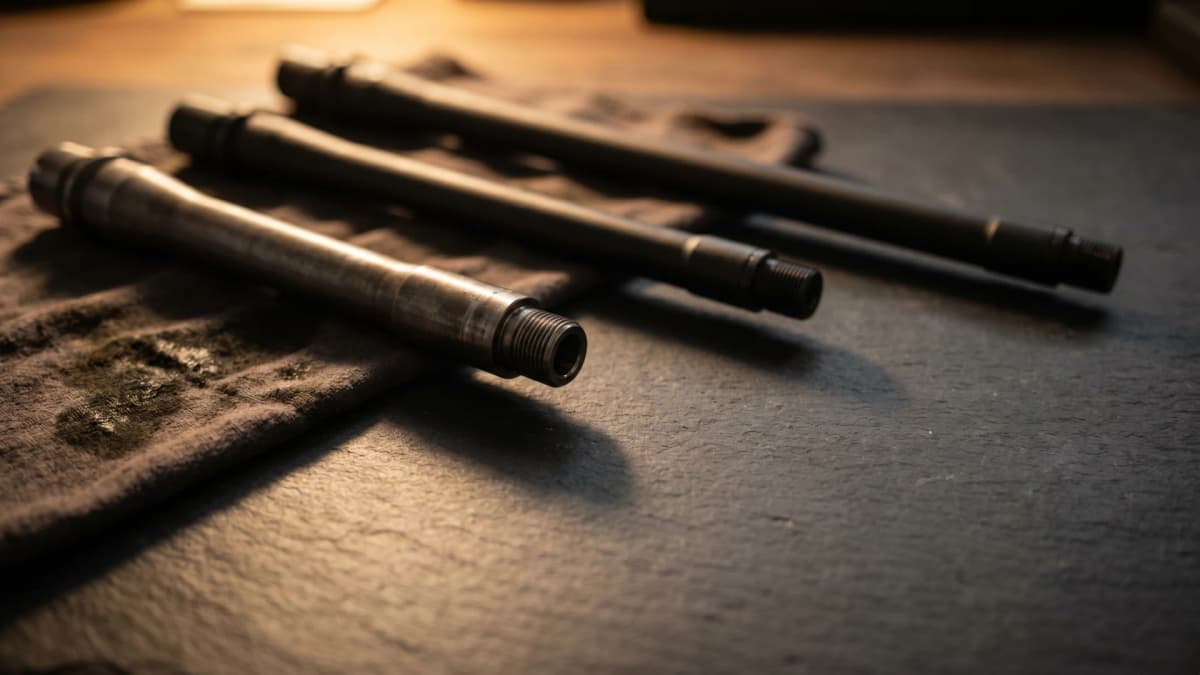
The .300 Blackout barrel decision is really four decisions: how short can you go, how well does it run a suppressor, will it cycle both subsonic and supersonic loads, and do you want to file an ATF Form 1 at all. This guide ranks the eight best .300 BLK barrels for 2026 across every use case, from a 7.5-inch PDW build to a 16-inch no-NFA rifle, with verified prices, twist rates, gas system specs, and the trade-offs that actually matter when you start chambering rounds. If you're still deciding between calibers, the 5.56 NATO AR-15 barrels guide covers the equivalent picks for a standard carbine build.

By AB|Last reviewed May 2026

Top 8 .300 Blackout Barrels (2026 Rankings)

Ranked across the four use cases that actually matter for .300 Blackout: 9-inch suppressor sweet spot, 7.5-inch PDW, 10.3-inch general purpose, and 16-inch no-NFA. Pricing, twist rates, gas-port behavior, and thread specs verified against manufacturer pages.

1

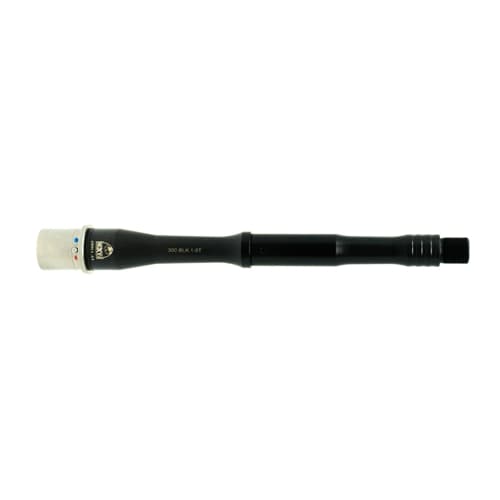
Faxon 9" Gunner .300 Blackout

Best Overall Suppressed - 9-inch sweet spot, complete powder burn

$165
View at OpticsPlanet
9" optimalGunner profile4150 CMV nitride5/8x24
  • +9-inch length achieves near-complete powder burn for optimal suppressor performance
  • +Gunner profile balances weight (~1.2 lbs) with thermal stability under sustained fire
  • +4150 CMV nitride construction handles high round counts at a value price
  • Pistol-length gas at 9 inches can run over-gassed with some hot supersonic loads
  • Adjustable gas block recommended to tune suppressed vs unsuppressed cycling
  • Requires Form 1 SBR registration (eForm, days-to-weeks approval, $0 tax under OBBBA) or pistol configuration
Length: 9 inchesProfile: Gunner (intermediate)Material: 4150 CMV nitrideTwist: 1:7 (1:5 Match Series available)
2

Noveske 8.5" Stainless .300 Blackout

Best Premium / Match Grade - 416R stainless with hand-polished SAAMI chamber

$340
View at OpticsPlanet
416R stainlessHand-lapped borePinned lo-pro gas block5/8x24
  • +416R stainless steel hand-lapped bore delivers best-in-class .300BLK accuracy
  • +Noveske quality control individually inspects every barrel against accuracy standards
  • +Factory-tuned gas port reliably locks back on the last subsonic round with a suppressor
  • Premium pricing significantly higher than 4150 CMV value and mid-tier options
  • Stainless less durable than chrome-lined for sustained high-volume suppressed shooting
  • Requires Form 1 SBR registration or pistol configuration
Length: 8.5 inchesProfile: LightweightMaterial: 416R stainlessTwist: 1:7
3

Wilson Combat Recon 16" Match .300 Blackout

Best 16-Inch / No-NFA - Title I rifle build with no ATF paperwork

$285
View at OpticsPlanet
16" no-NFA416R stainlessHand-polished bore5/8x24
  • +16-inch length keeps the rifle as Title I, no SBR registration or ATF Form 1 required
  • +Wilson Combat hand-polished SAAMI chamber matches premium accuracy standards
  • +416R stainless steel construction at a price competitive with mid-tier chrome moly barrels
  • Stainless less durable than chrome-lined alternatives under sustained suppressed fire
  • Pistol-length gas at 16 inches is less forgiving than carbine gas if you swap in a different gas port size
  • Premium pricing higher than budget 16-inch nitride options
Length: 16 inchesProfile: ReconMaterial: 416R stainless (glass-bead finish)Twist: 1:7
4

Faxon 7.5" Gunner .300 Blackout

Best PDW / Ultra-Compact - Maximum concealability with subsonic loads

$148.00
View at OpticsPlanet
7.5" PDW~1.0 lbGunner profile5/8x24
  • +7.5-inch length delivers the shortest practical .300BLK package for PDW and vehicle gun builds
  • +Approximately 1.0 lb total weight (Gunner profile) keeps overall pistol weight minimal
  • +Excellent pairing with subsonic ammunition where velocity loss is negligible
  • Loses approximately 100-150 fps versus the 9-inch optimal length on supersonic loads
  • Increased muzzle flash with supersonic loads from unburned powder beyond the muzzle
  • Suppressors work harder with more unburned gas and back-pressure at this barrel length
Length: 7.5 inchesProfile: Gunner (intermediate)Material: 4150 CMV nitrideTwist: 1:7 (1:5 Match Series available)
5

Ballistic Advantage 8.5" Modern Series .300 BLK

Best Budget 8.5" Suppressor Host - Sub-MOA guarantee at value pricing

$112
View at OpticsPlanet
8.5" Honey Badger4150 CMV nitrideSub-MOA5/8x24
  • +8.5-inch length achieves near-complete .300BLK powder burn for compact suppressed builds
  • +Excellent value pricing at $112-160 makes a quality .300BLK build accessible
  • +QPQ salt bath nitride (65-70 Rockwell C) delivers strong corrosion and wear resistance
  • Pistol-length gas at 8.5 inches can be temperamental without an adjustable gas block
  • Modern Series QC less rigorous than match-grade premium tiers (Noveske, Wilson Combat)
  • Requires Form 1 SBR registration or pistol configuration
Length: 8.5 inchesProfile: Modern Series governmentMaterial: 4150 CMV QPQ nitrideTwist: 1:7
6

Criterion 8.5" CORE .300 Blackout

Best Chrome-Lined 8.5" - Suppressor durability without sacrificing accuracy

$313.49
View at OpticsPlanet
8.5" COREChrome-linedHand-lapped5/8x24
  • +Hand-lapped chrome-lined bore combines precision with extended service life
  • +Chrome lining provides superior resistance to throat erosion under sustained suppressed fire
  • +CORE Series continuous-taper profile improves heat dissipation versus traditional profiles
  • Premium pricing (~$313 MSRP) higher than 4150 CMV value options
  • Chrome lining slightly reduces ultimate precision versus 416R stainless match barrels
  • Availability can be inconsistent due to high demand and small-batch production
Length: 8.5 inchesProfile: CORE continuous-taperMaterial: Chrome-moly with chrome-lined boreTwist: 1:7
7

Rosco Bloodline 9" .300 Blackout

Best Gas-Port Tuned - Suppressed function without an adjustable gas block

$165
View at OpticsPlanet
9" tuned port4150 CMVMelonite/QPQ5/8x24
  • +Properly sized gas port runs reliably with both supersonic and subsonic loads on most builds
  • +Many users report reliable suppressed function without needing an adjustable gas block ($50-80 saved)
  • +4150 CMV with melonite/QPQ finish at a strong value price
  • Less brand recognition than Ballistic Advantage or Faxon
  • Limited barrel profile options in the Bloodline series
  • Requires Form 1 SBR registration or pistol configuration
Length: 9 inchesProfile: BloodlineMaterial: 4150 CMV melonite/QPQTwist: 1:7
8

Ballistic Advantage 10.3" Hanson Performance .300 BLK

Best 10.3" General Purpose - MK18-length geometry with included pinned gas block

$154
Shop at KYGUNCO
10.3" MK18Hanson profilePinned lo-pro block5R rifling
  • +10.3-inch length gives MK18-style geometry with ~10% velocity gain over 8.5-inch barrels
  • +BA Hanson intermediate profile balances weight, accuracy, and thermal stability
  • +Includes pre-pinned low-profile gas block, saving $40-60 over a separate gas block purchase
  • Pinned gas block locks out adjustable gas block swaps without drilling the pins
  • Performance Series is production-grade, not match-grade premium (Noveske, Wilson Combat)
  • Requires Form 1 SBR registration or pistol configuration
Length: 10.3 inchesProfile: BA Hanson intermediateMaterial: 4150 CMV nitrideTwist: 1:7

Pricing varies by retailer and configuration. Sub/super reliability depends heavily on gas port size and buffer weight; pair short barrels with an adjustable gas block unless the manufacturer publishes a tuned port spec.

Affiliate links - purchases support this site at no extra cost to you. (?)

Which .300 Blackout Barrel Length Should You Choose?

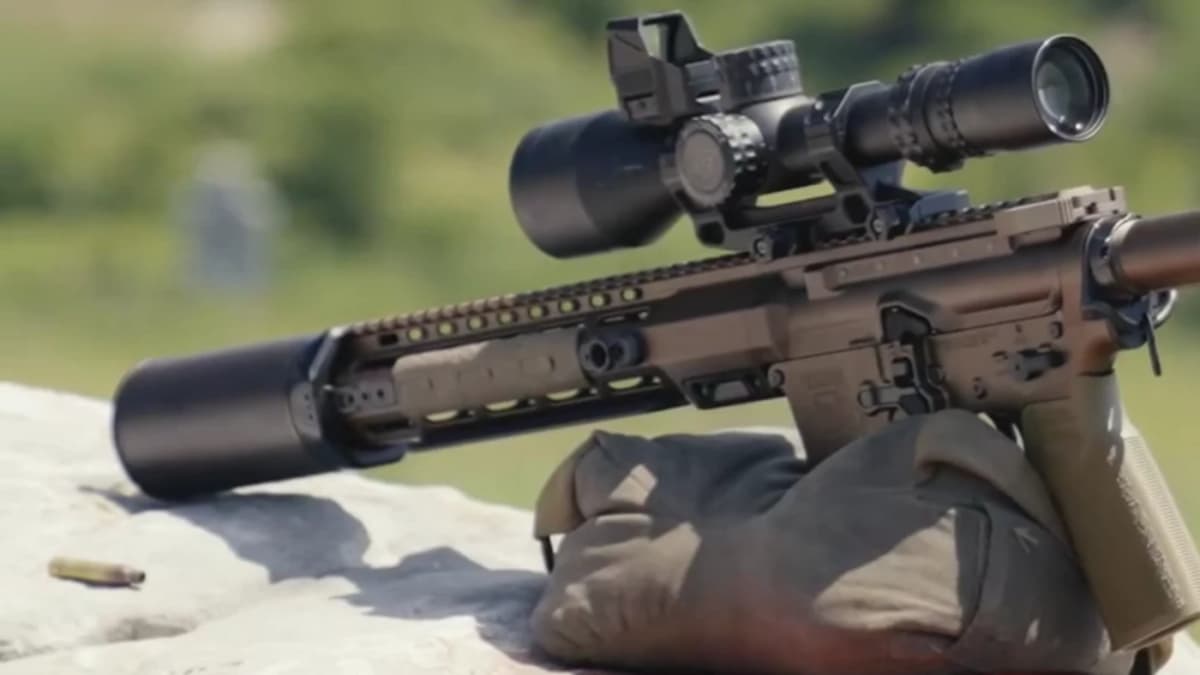
The answer is 9 inches for most suppressed builds. .300 Blackout was designed around the SSK Industries 9-inch test barrel, and that length still defines the cartridge's ballistic ceiling. Below 9 inches you lose velocity and gain muzzle flash; above 9 inches you gain almost nothing on supersonic loads and literally nothing on subsonic loads. The exception is anyone who refuses to register an SBR, where 16 inches becomes mandatory.

9-inch (Suppressed Default)

  • +Near-complete powder burn, cleanest suppressor performance
  • +Effective with both subs and supers
  • +Best balance of overall length and ballistics
  • -Pistol-length gas can over-gas hot supersonic loads

Picks: Faxon 9" Gunner, Rosco Bloodline 9"

8.5-inch (Honey Badger)

  • +Canonical Honey Badger / PDW length
  • +Still achieves near-complete powder burn
  • +Match-grade options (Noveske, Criterion) available
  • -Temperamental gas tuning without an adjustable block

Picks: Noveske 8.5", Ballistic Advantage 8.5", Criterion 8.5" CORE

10.3-inch (General Purpose)

  • +Longest dwell time, easiest sub/super cycling
  • +~10% velocity bump over 8.5-inch on supersonics
  • +MK18 geometry pairs with off-the-shelf handguards
  • -Longer overall package than 8.5-inch builds

Pick: Ballistic Advantage 10.3" Hanson Performance

7.5-inch (PDW)

  • +Shortest practical .300 BLK package
  • +~1.0 lb at the barrel for vehicle-gun builds
  • -Loses 100-150 fps on supers vs 9-inch
  • -More unburned gas, suppressor works harder

Pick: Faxon 7.5" Gunner

16-inch (No-NFA Rifle)

  • +Title I rifle, no Form 1 / no SBR registration
  • +Maximum velocity on supersonic loads
  • +Subsonic velocity essentially unchanged from 9-inch
  • -Long, awkward profile for a cartridge designed for short barrels

Pick: Wilson Combat Recon 16" Match

For the cartridge fundamentals behind these length choices, read the .300 Blackout caliber guide. If you're still picking ammo for the barrel, see our best .300 Blackout ammo rankings.

How Barrel Length Affects .300 Blackout Velocity

.300 Blackout's defining feature is that it gives up almost nothing in a short barrel. Where 5.56 NATO loses 25+ fps per inch below 14.5 inches, .300 BLK loses about 15-25 fps per inch on supersonic loads and effectively zero on subsonic loads. That is the whole reason this cartridge exists.

LengthSupersonic 110grSubsonic 220grUse Case
7.5"~2,150 fps~980 fpsPDW / vehicle gun
8.5"~2,200 fps~990 fpsHoney Badger
9"~2,250 fps~1,000 fpsSuppressed default
10.3"~2,300 fps~1,020 fpsMK18 / general purpose
16"2,350-2,375 fps1,000-1,050 fpsNo-NFA Title I rifle

Manufacturer test-barrel data, rounded for clarity; expect 10-30 fps variation between specific barrels. The takeaway is that the entire velocity spread on supersonics from 7.5" to 16" is about 200 fps, and the spread on subsonics is ~50 fps. For a suppressor host, the velocity penalty for running shorter is small; the muzzle-flash and back-pressure penalty is much larger and is the real reason to favor 9 inches over 7.5 inches.

Gas System Tuning: Running Subs and Supers in One Rifle

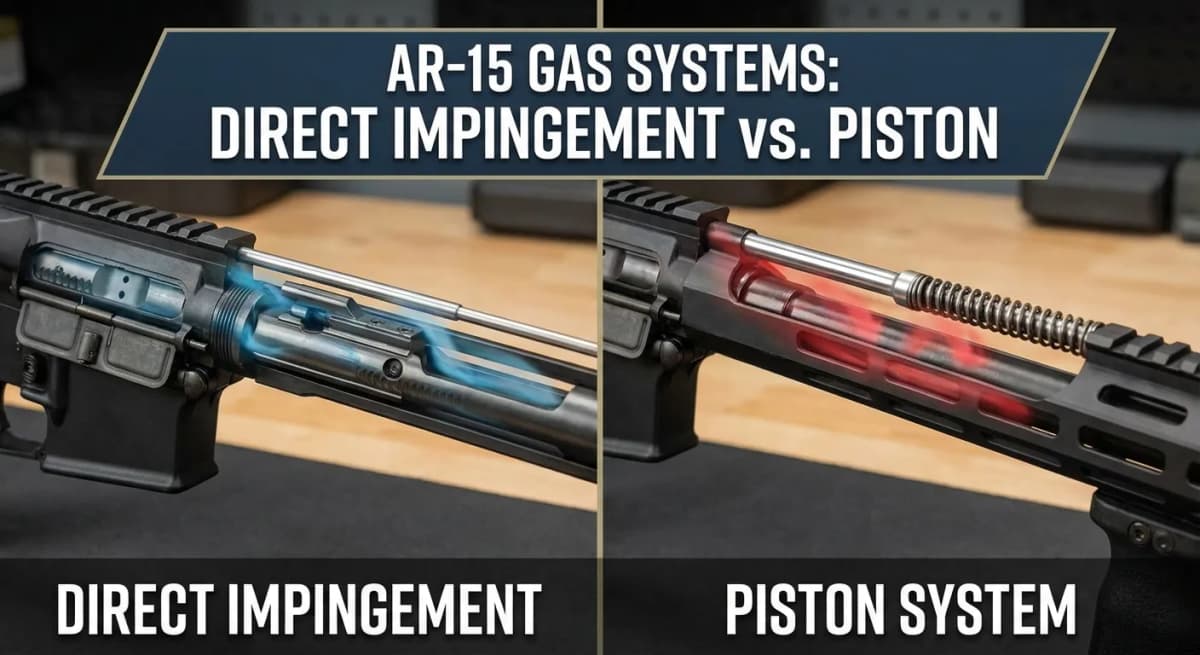
The .300 BLK barrel you pick decides whether your build cycles both load types reliably. Subsonic ammunition produces significantly less gas pressure than supersonic, so a fixed gas port sized for supers will short-stroke on subs (especially unsuppressed), and a port sized for subs will run violently over-gassed on supers (especially suppressed). There are three ways to handle that.

1. Adjustable Gas Block (Most Builds)

The default answer for any 8.5-inch or shorter .300 BLK build. Set one detent position for supersonic, another for subsonic, dial up gas when shooting unsuppressed subs, dial down when running hot supers through a can. A Superlative Arms or SLR block adds $80-150 to the build but solves the problem permanently. See our best AR-15 adjustable gas blocks guide for the picks that actually hold zero under fire.

2. Factory-Tuned Port (Rosco Bloodline, Noveske)

A handful of manufacturers size the gas port specifically for .300 BLK sub/super reliability without an adjustable block. Rosco's Bloodline 9-inch and Noveske's 8.5-inch stainless are the two strongest examples; both will lock back on the last subsonic round with a suppressor mounted on most builds. This is the simplest path if you trust the factory tune and don't want a tuning step.

3. Pinned Block (Ballistic Advantage 10.3")

Pre-pinned low-profile gas blocks save you $40-60 and a build step, but they lock you out of adjustable swaps without drilling the pins. Acceptable on 10.3-inch barrels where dwell time is long enough that the factory port size cycles both loads. Avoid pinned blocks on 7.5-inch or 8.5-inch barrels where you may need to tune later.

For the broader gas system theory (carbine vs pistol vs mid, buffer weights, dwell time math), see our gas system and buffer tuning guide. Use the rifle builder to spec out a compatible .300 BLK upper around your chosen barrel.

SBR, Pistol, or 16-Inch? The Configuration Decision

Every barrel under 16 inches forces a configuration choice. Three paths exist: register the lower as a short-barreled rifle, configure the firearm as a pistol with no stock, or pick a 16-inch barrel and stay Title I. Under OBBBA, the federal tax stamp on SBR registration is $0 effective January 1, 2026, and eForm 1 approvals typically come back in days to a couple of weeks, not the months-long wait you may remember from a few years ago.

SBR Path

  • Form 1 eForm, $0 tax
  • Days to weeks approval
  • Use any stock, any length
  • Adds the rifle to NFA registry

Pistol Path

  • No registration, no tax
  • No stock, brace allowed
  • Cannot use vertical foregrip
  • Title I firearm

16-Inch Path

  • No ATF paperwork
  • Full stock, any configuration
  • Title I rifle
  • Wilson Combat Recon 16" pick

A note on the 16-inch measurement: the ATF's 16-inch minimum is barrel length, not overall length, and it counts permanently attached muzzle devices. A 14.5-inch barrel with a pinned-and-welded 1.5-inch muzzle device meets the 16-inch minimum; a 14.5-inch barrel with a pin-and-welded A2 birdcage (about 2.25 inches but only the portion past the pin counts toward the measurement) is typically too short to reach 16 inches once measured per ATF method. Use a 1.5-inch-or-longer device if you go the pin-and-weld route, or skip it entirely and buy a 16-inch barrel.

Twist Rate, Thread Pitch, and Steel Selection

Twist Rate: 1:7 Standard, 1:5 for Heavy Subs

Every barrel ranked above ships with a 1:7 twist, which stabilizes the 110gr-to-220gr projectile range used in commercial .300 BLK ammunition. If you specifically plan to run heavy boutique subsonic loads (240gr, 245gr, or heavier), Faxon's Match Series 1:5 twist variant is a measurable upgrade in long-range stability. Avoid 1:8 or slower on any .300 BLK barrel; heavier subsonic projectiles will start keyholing past 50 yards.

Thread Pitch: 5/8x24 Is Mandatory

Every .30-caliber suppressor on the market uses 5/8x24 threads as the baseline mount, either directly or through a QD adapter. Every barrel in our rankings ships 5/8x24. We intentionally excluded one popular 16-inch .300 BLK barrel from a major manufacturer because it ships with 1/2x28 threads, which is the 5.56 standard and will not accept most .30-caliber cans. Verify the thread pitch on any barrel not on this list before you order.

Steel: Stainless, Chrome-Lined, or Nitride

416R stainless (Noveske, Wilson Combat) delivers the best ultimate precision and the cleanest hand-lapped bore finish, but stainless is more vulnerable to throat erosion under sustained suppressed fire than chrome-lined. Chrome-lined (Criterion CORE) trades a small amount of precision for significantly longer service life on a suppressor host. 4150 CMV nitride (Faxon, Ballistic Advantage, Rosco) is the value path: durable, corrosion-resistant, accurate enough for any defensive or general-purpose use, and roughly half the price of premium stainless.

Pair your barrel selection with a suppressor that matches your build priorities; the suppressor compatibility guide covers .30-cal can selection, mount systems, and host tuning. For PDW build context around the 7.5-inch and 8.5-inch options, see the PDW pistol build guide, and for compact-rifle context, the backpack / vehicle gun setup guide.

Frequently Asked Questions

What is the best barrel length for .300 Blackout?
Nine inches is the sweet spot. At 9 inches, .300 BLK achieves near-complete powder burn, which maximizes velocity while minimizing flash and back-pressure for suppressors. The Faxon 9-inch Gunner is the reference suppressed pick. 8.5 inches is the most popular alternative when you want a slightly more compact package. 7.5 inches loses 100-150 fps on supersonics but stays excellent with subs and a suppressor. 10.3 to 10.5 inches gives you the easiest sub/super cycling at the cost of overall length. 16 inches is required if you want to avoid SBR registration entirely.
What is the best .300 Blackout barrel for a suppressor?
The Faxon 9-inch Gunner is the canonical suppressed pick: 9 inches puts the muzzle gas behind the suppressor with minimal unburned powder, the Gunner profile keeps the rifle light, and 5/8x24 threads accept any standard .30 caliber can. For match-grade accuracy on a suppressed build, the Noveske 8.5-inch stainless is factory-tuned to lock back on the last subsonic round with a suppressor mounted, which is the benchmark for sub/super reliability.
Is 8.5 or 10.5 inch better for .300 Blackout?
Both work; the trade-off is package size versus cycling margin. 8.5-inch barrels are more compact and still achieve near-complete powder burn (.300 BLK was designed for short barrels). 10.5-inch barrels add longer gas dwell time, which makes reliable sub/super cycling easier, and they recover about 10% velocity on supersonic loads. If your priority is concealability or PDW form factor, go 8.5 inches. If your priority is dead-reliable cycling across subsonic, supersonic, suppressed, and unsuppressed, go 10.3 to 10.5 inches.
Do you need an adjustable gas block for .300 Blackout?
Recommended for most builds that run both supersonic and subsonic loads through a suppressor. Subsonic ammunition produces less gas pressure, so a barrel tuned to cycle supers reliably may short-stroke on subs (especially unsuppressed), and a barrel tuned for subs will run violently over-gassed on supers (especially suppressed). An adjustable gas block lets you tune for the load. The exception is the Rosco Bloodline 9-inch, which many users report running reliably with both load types from the factory port size.
What barrel length avoids SBR paperwork on .300 Blackout?
16 inches and over. Anything under 16 inches is either a short-barreled rifle (requires Form 1 SBR registration) or must be configured as a pistol with no stock. The 16-inch minimum is barrel length, not overall length, and it counts permanently attached muzzle devices: a pin-and-weld must use a 1.5-inch-or-longer device to reach 14.5 + 1.5 = 16 inches, and an A2 birdcage is too short. Under OBBBA, the federal tax stamp for SBR registration is $0 effective January 1, 2026, and eForm 1 approvals typically run days to a couple of weeks. The 16-inch path skips registration entirely if you want zero ATF paperwork.
What twist rate is best for .300 Blackout?
1:7 is the standard and handles the full 110gr to 220gr projectile range used in commercial .300 BLK ammunition. If you specifically run heavy subsonic loads (220gr and up, including the 240gr and 245gr boutique projectiles), Faxon's Match Series 1:5 twist is a measurable improvement in long-range stability. Avoid 1:8 or slower if you plan to run any subsonics; the heavier projectiles will start keyholing past 50 yards.