Holsters • $42
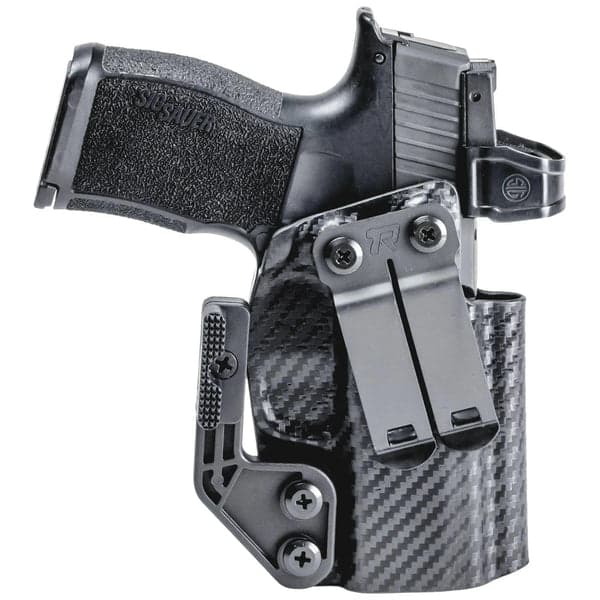
IWB Kydex Holster
- IWB/AIWB
- .08" Kydex
$42.00 Catalog
Shop at MidwayUSA
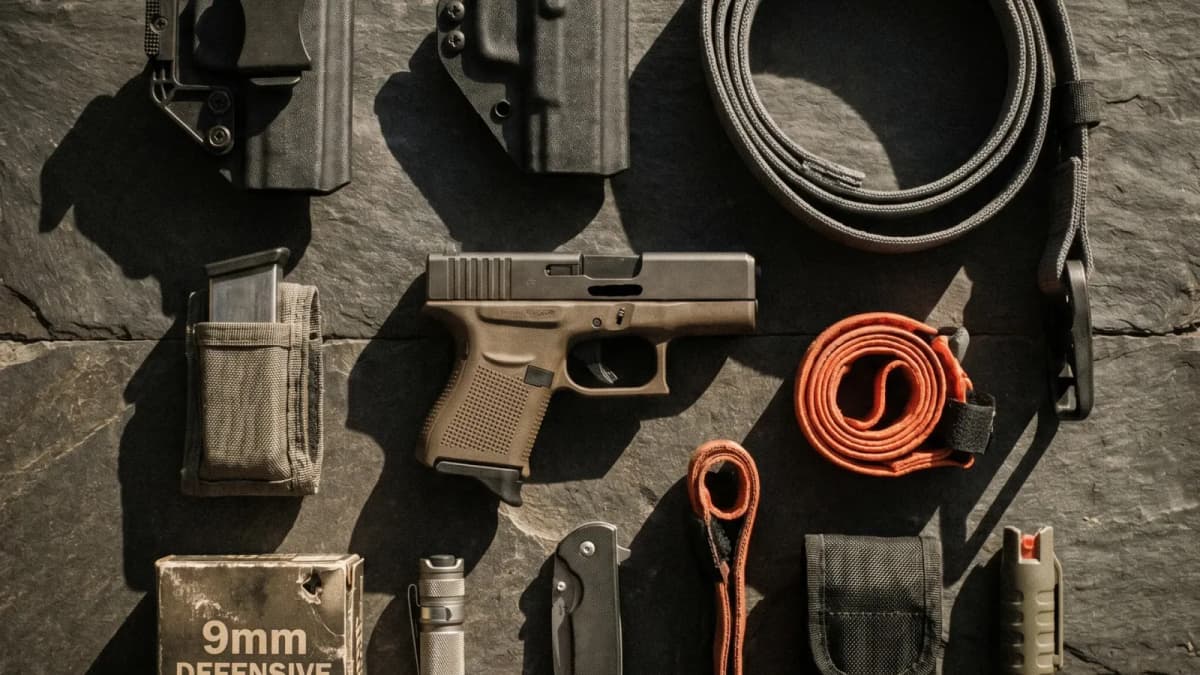
The pistol is one layer of nine. A complete everyday carry setup also needs a holster, a real gun belt, a spare magazine, defensive ammo, a handheld light, a knife, a trauma kit, and a less-lethal option. Here is how to budget across all nine, from a beginner kit to a premium loadout.
Affiliate links (?)
A complete EDC setup is nine layers, not one gun. The pistol is the layer everyone fixates on, but the holster, belt, and defensive ammunition are equally non-negotiable, and a handheld light, knife, trauma kit, spare magazine, and less-lethal option round out a serious everyday carry loadout. Below we budget all nine layers across three tiers, from an $800 beginner kit to a $1,900 premium build, with a live loadout builder that prices each layer in real time. Each layer also routes to a dedicated guide: the best CCW pistols, the best concealed carry holsters, and the best 9mm defensive ammo.
Buy the pistol, holster, belt, and defensive ammunition first. These four are the foundation, and the order matters less than the fact that you buy all four before anything else. A $700 handgun in a $12 nylon holster on a stretched-out dress belt is a worse carry setup than a $450 Glock 43X in a properly fitted Kydex rig on a real gun belt. New carriers consistently spend on the gun and starve the support gear; the support gear is what determines whether you actually carry every day.
After the foundation, layer in the rest in rough priority order: a spare magazine and carrier, a handheld light, a trauma kit, a knife, and a less-lethal option. The spare magazine is cheap insurance against a malfunction or a reload; the light solves the fact that many defensive encounters happen in low light; the trauma kit addresses the leading preventable cause of death in a violent encounter. None of these is optional on a complete loadout, but you can buy them over a few paychecks rather than all at once.
| Layer | Beginner (~$800) | Refined (~$1,100) | Premium (~$1,900) |
|---|---|---|---|
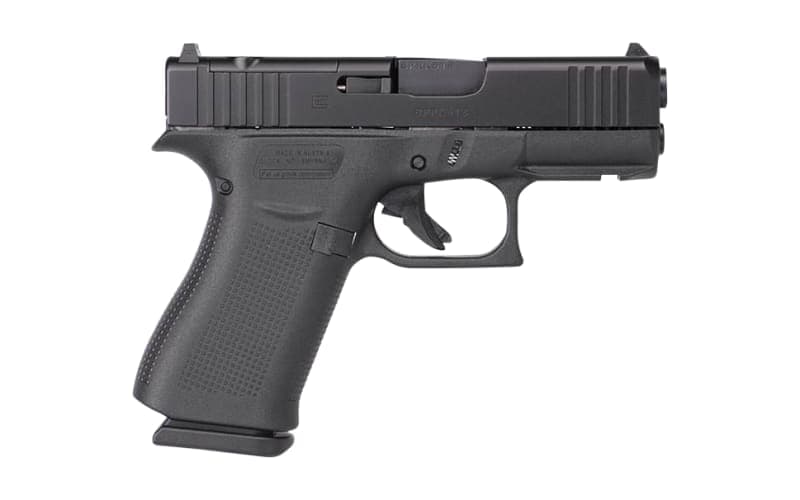
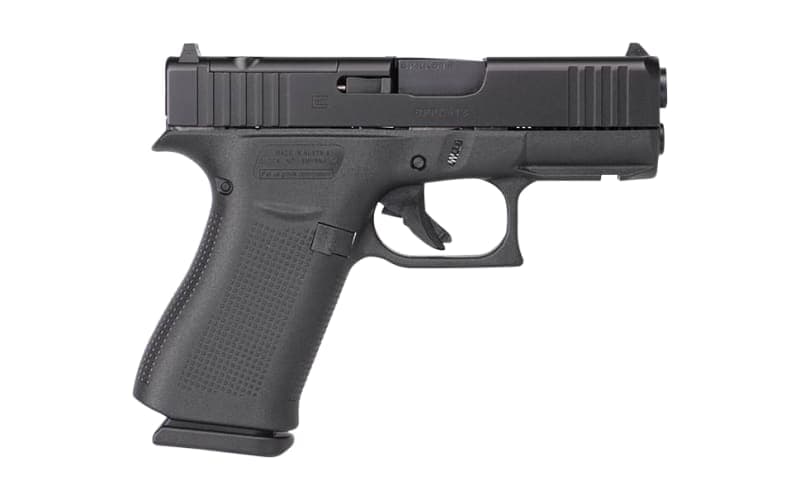
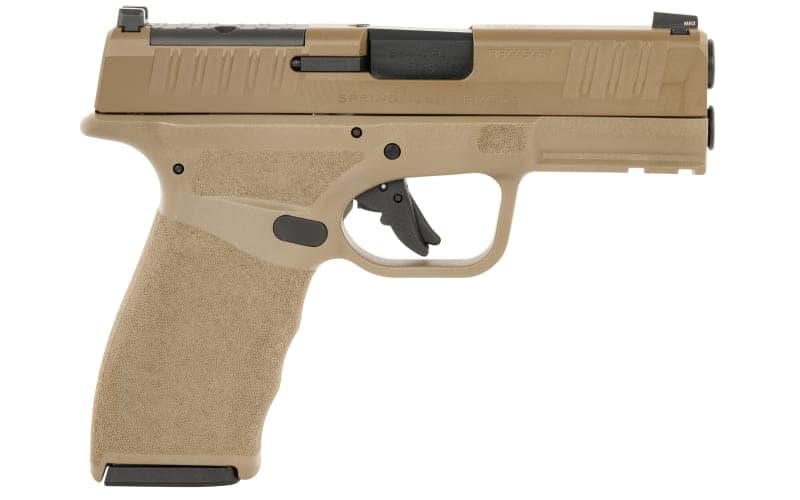
| Pistol | Glock 43X (~$448) | Glock 43X MOS (~$485) | Hellcat Pro (~$670) |
| Holster | Rounded Gear IWB (~$35) | Vedder LightTuck (~$70) | PHLster Floodlight2 (~$138) |
| Belt | Blue Alpha Low Profile (~$45) | Kore X1 (~$70) | Blue Alpha Hybrid (~$85) |
| Spare mag carrier | 1791 SnagMag (~$29) | Tulster Echo (~$35) | NeoMag Gen 2 (~$55) |
| Ammo | Federal Punch (~$47) | Federal HST (~$31) | Speer Gold Dot (~$38) |
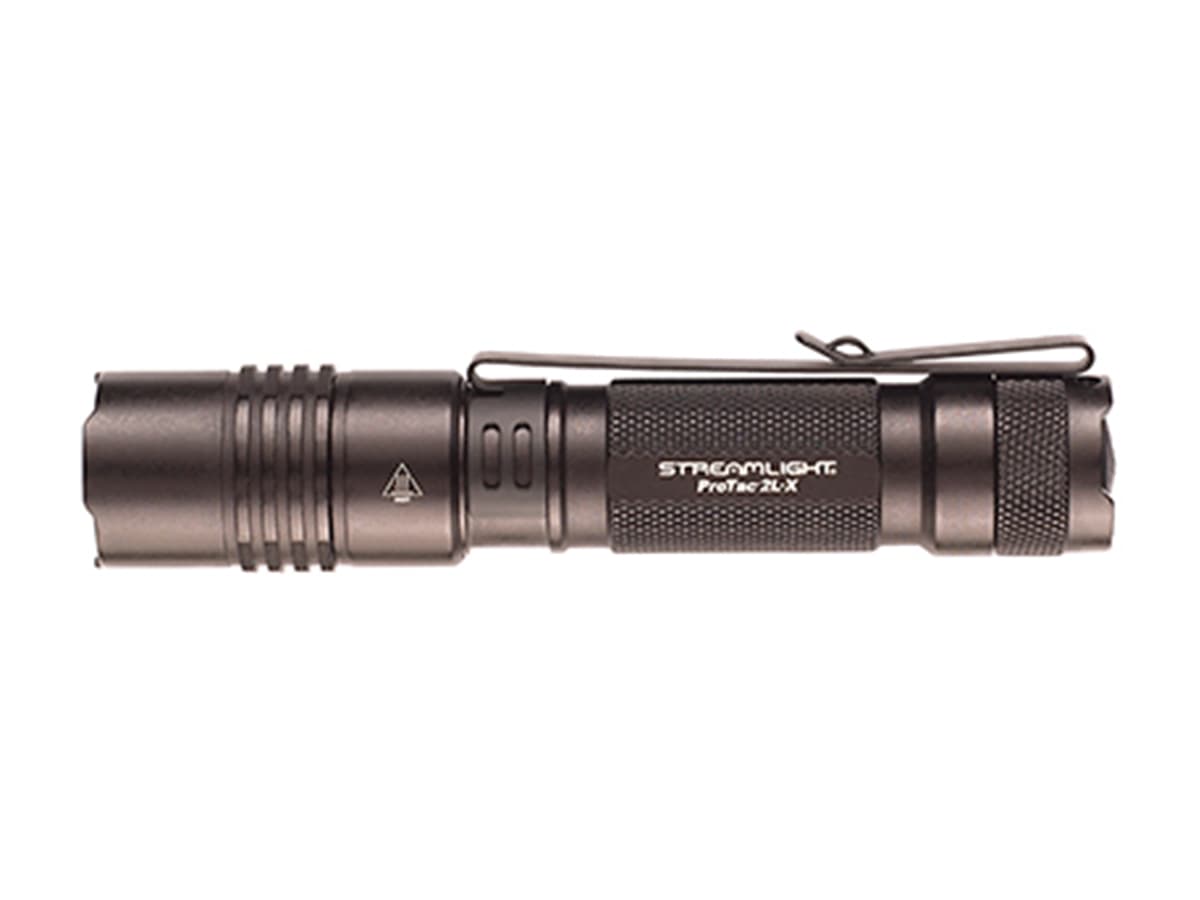
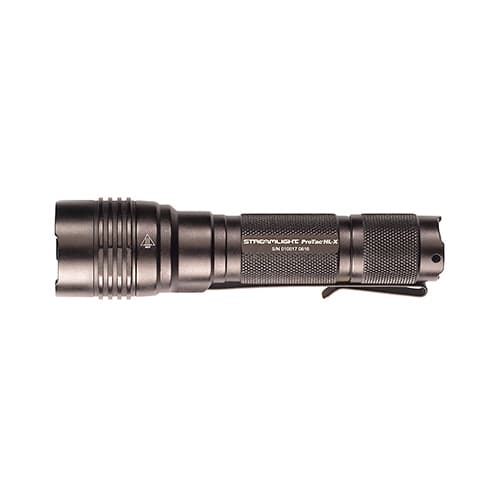
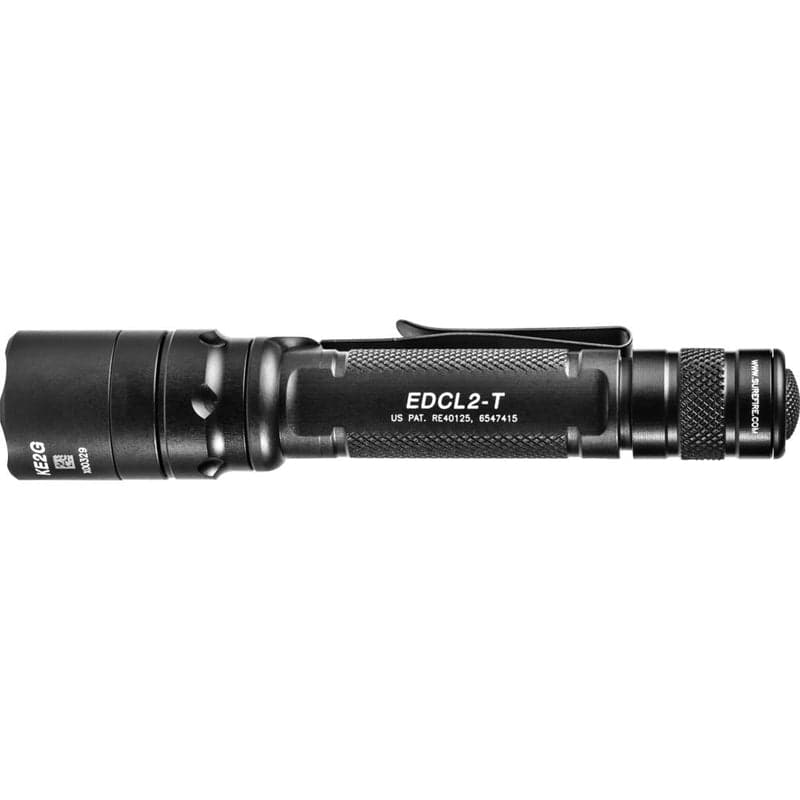
| Light | Streamlight ProTac 2L-X (~$89) | ProTac HL-X (~$124) | SureFire EDCL2-T (~$220) |
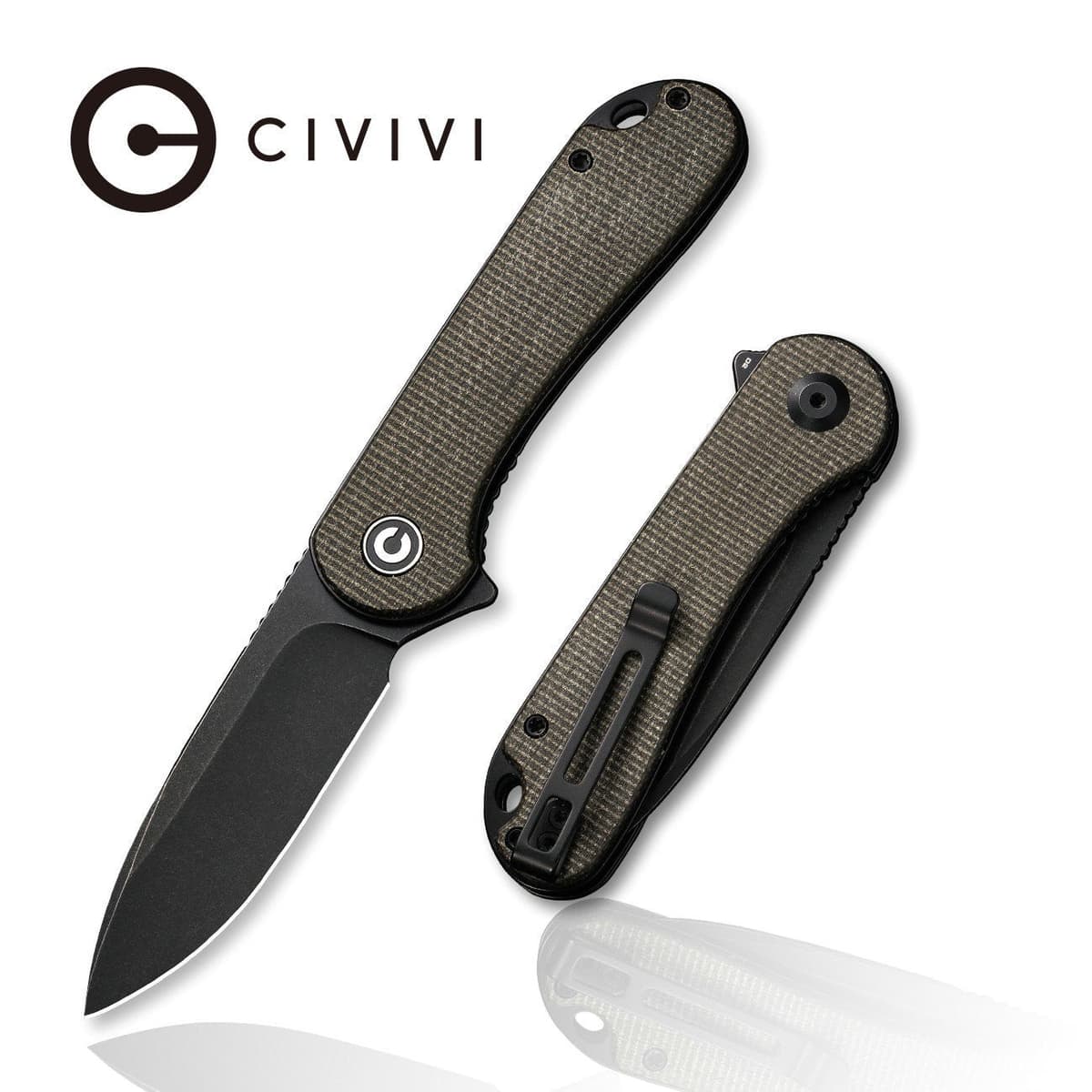
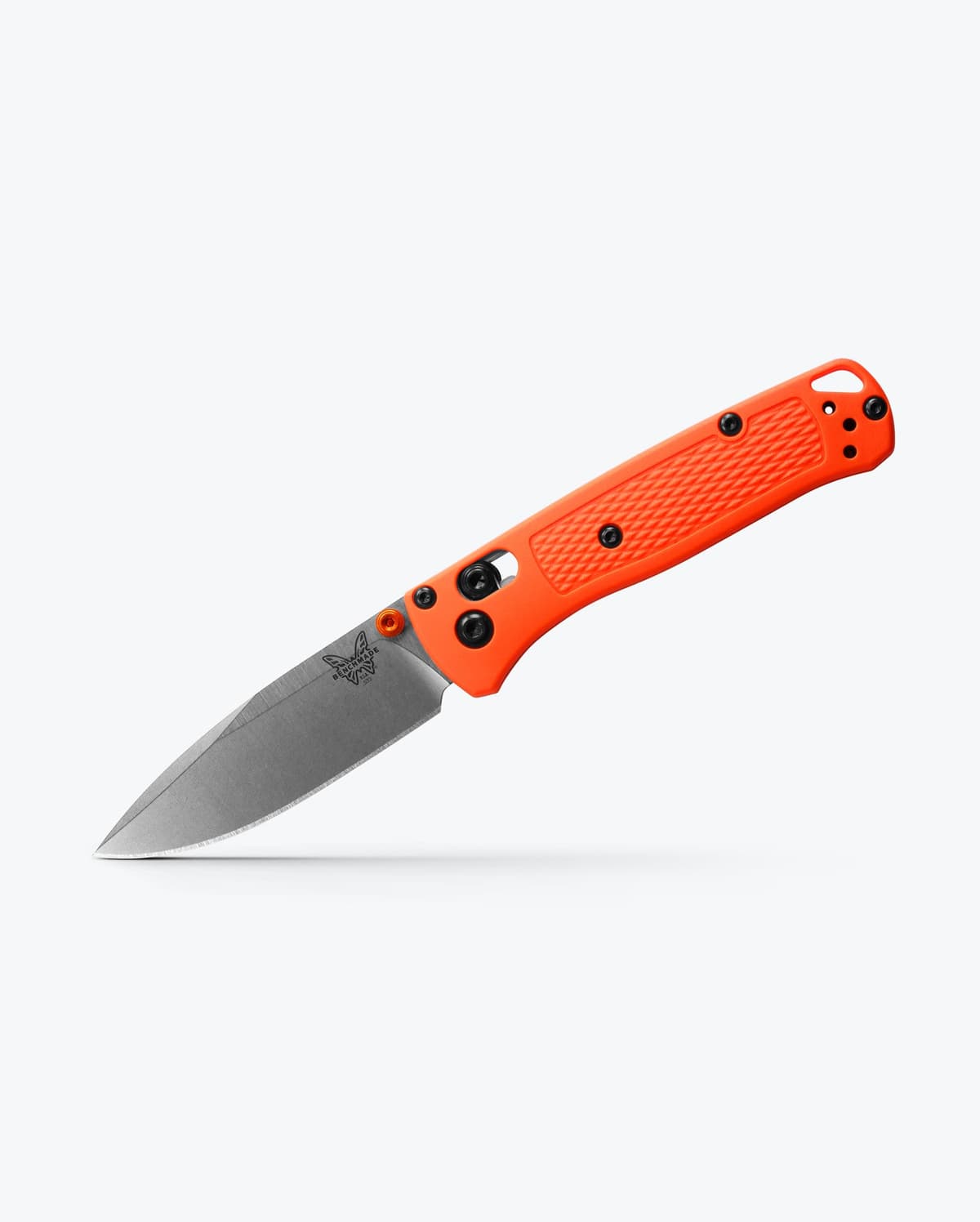
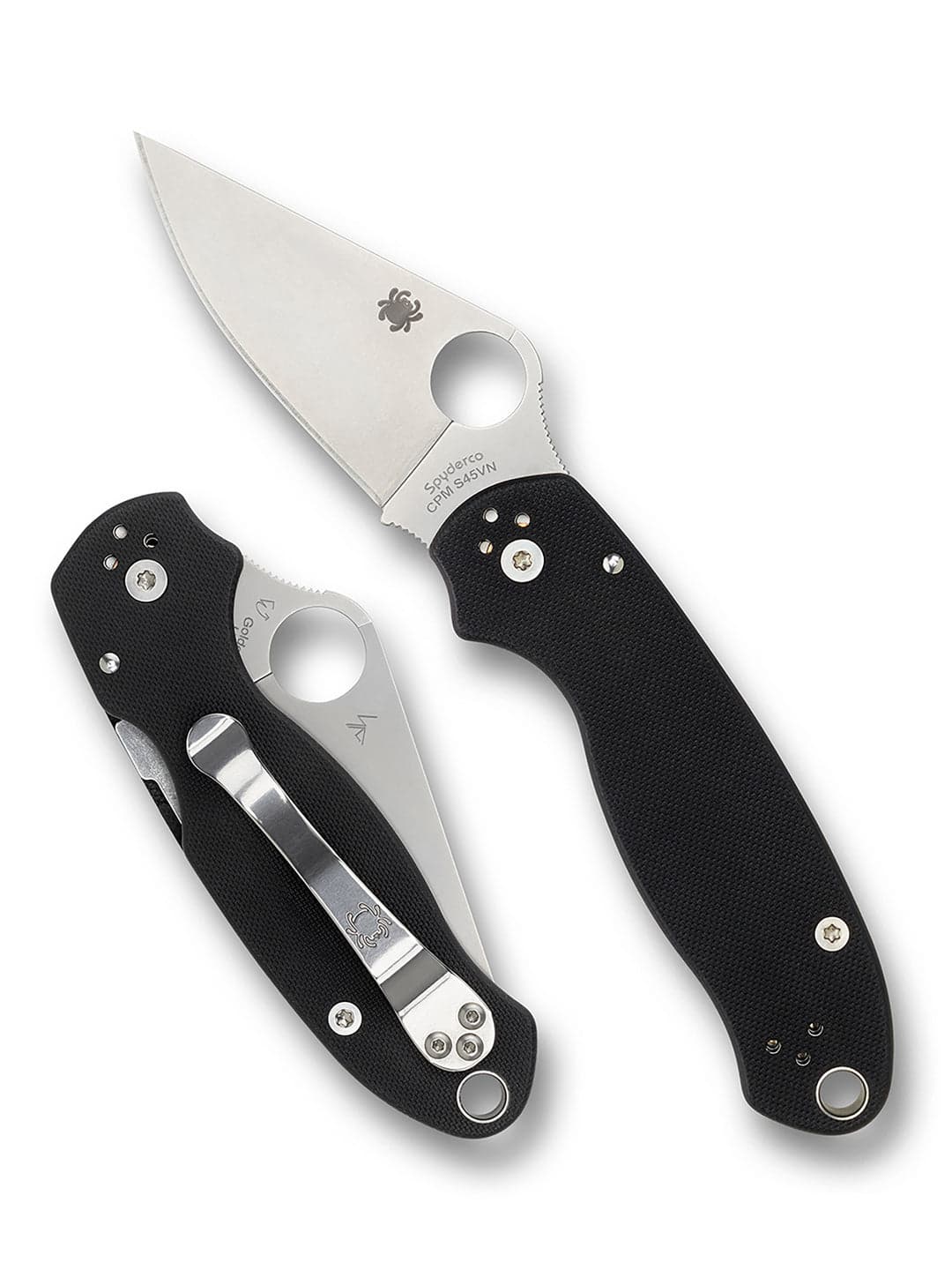
| Knife | Civivi Elementum (~$50) | Benchmade Mini Bugout (~$175) | Spyderco Para 3 (~$200) |
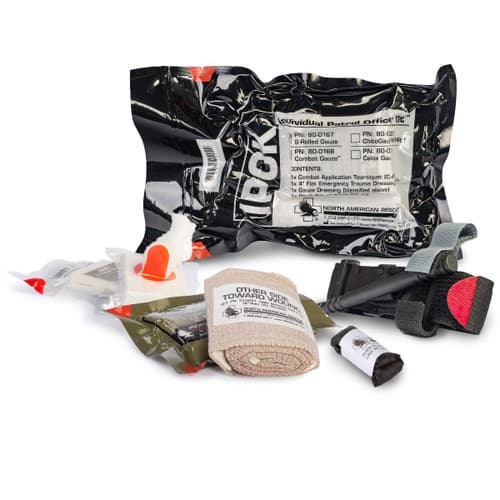
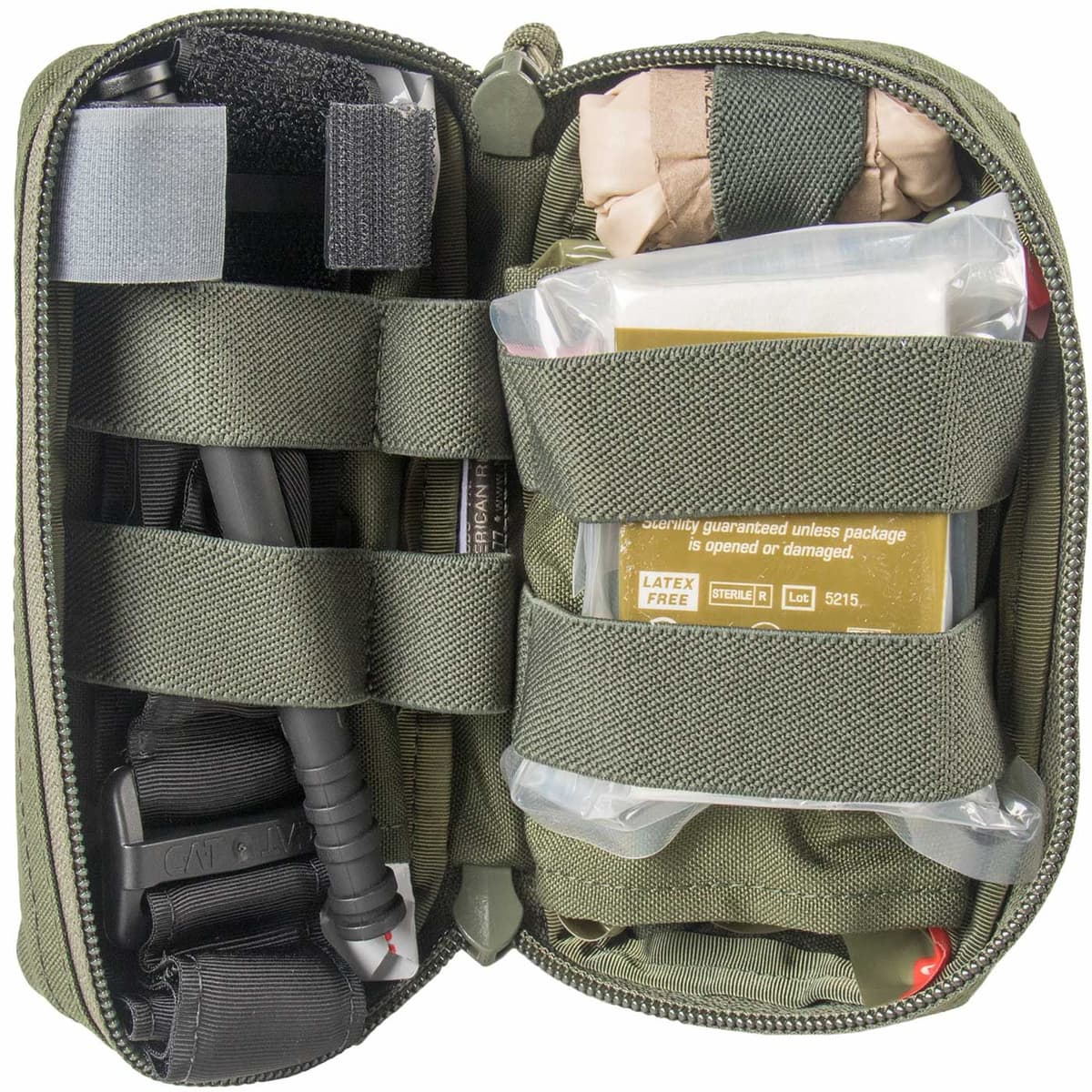
| IFAK | CAT tourniquet (~$35) | NAR IPOK (~$55) | NAR M-FAK Basic (~$115) |
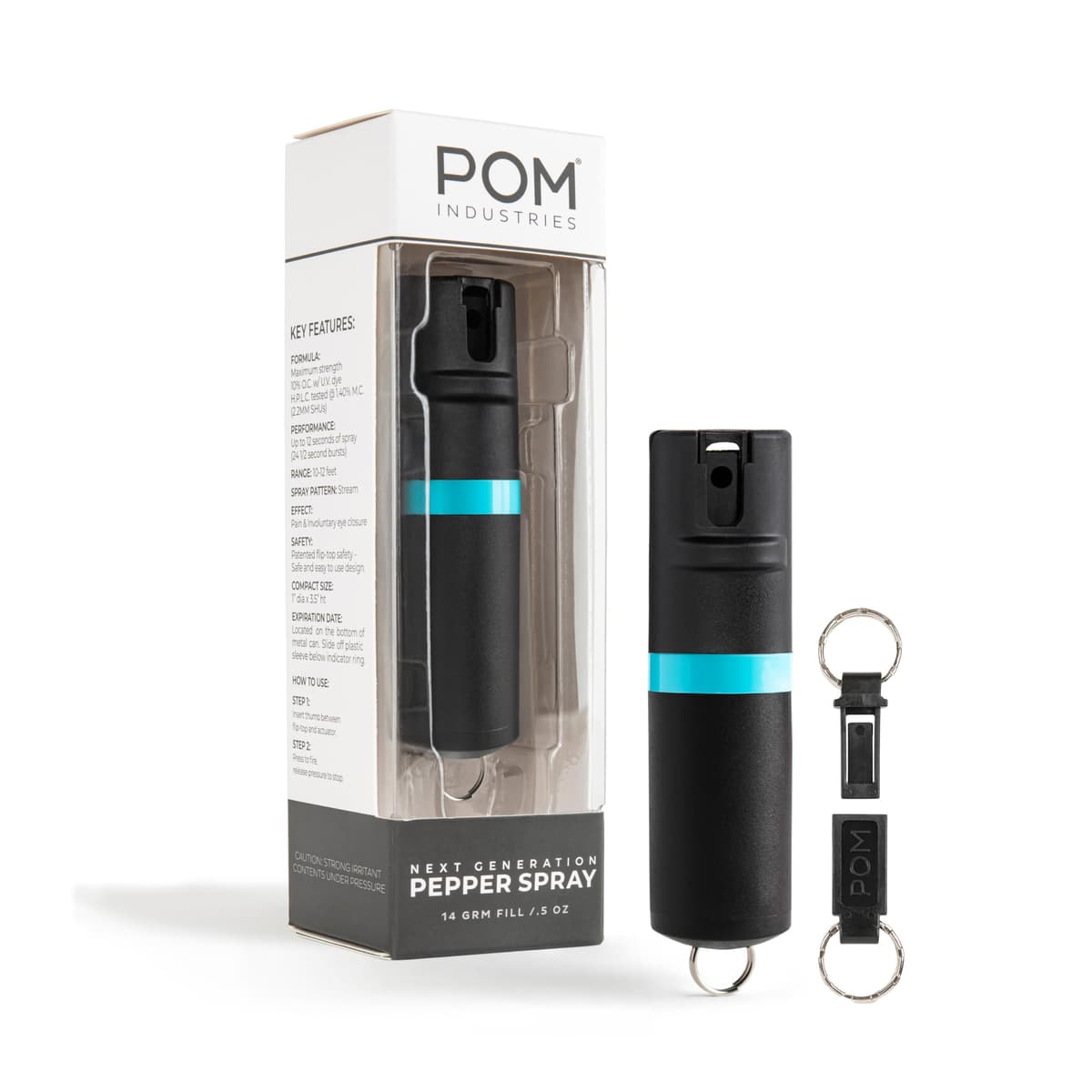
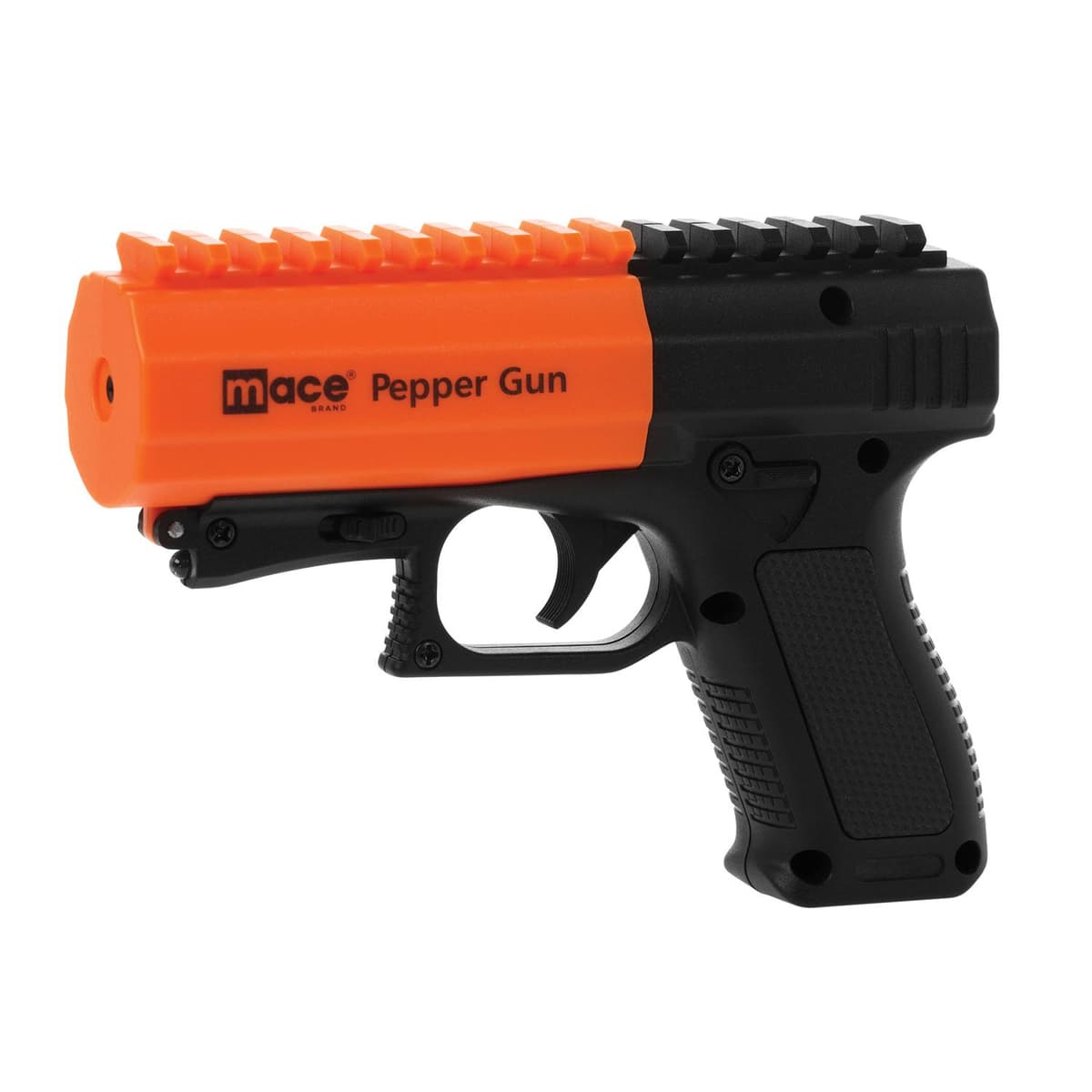
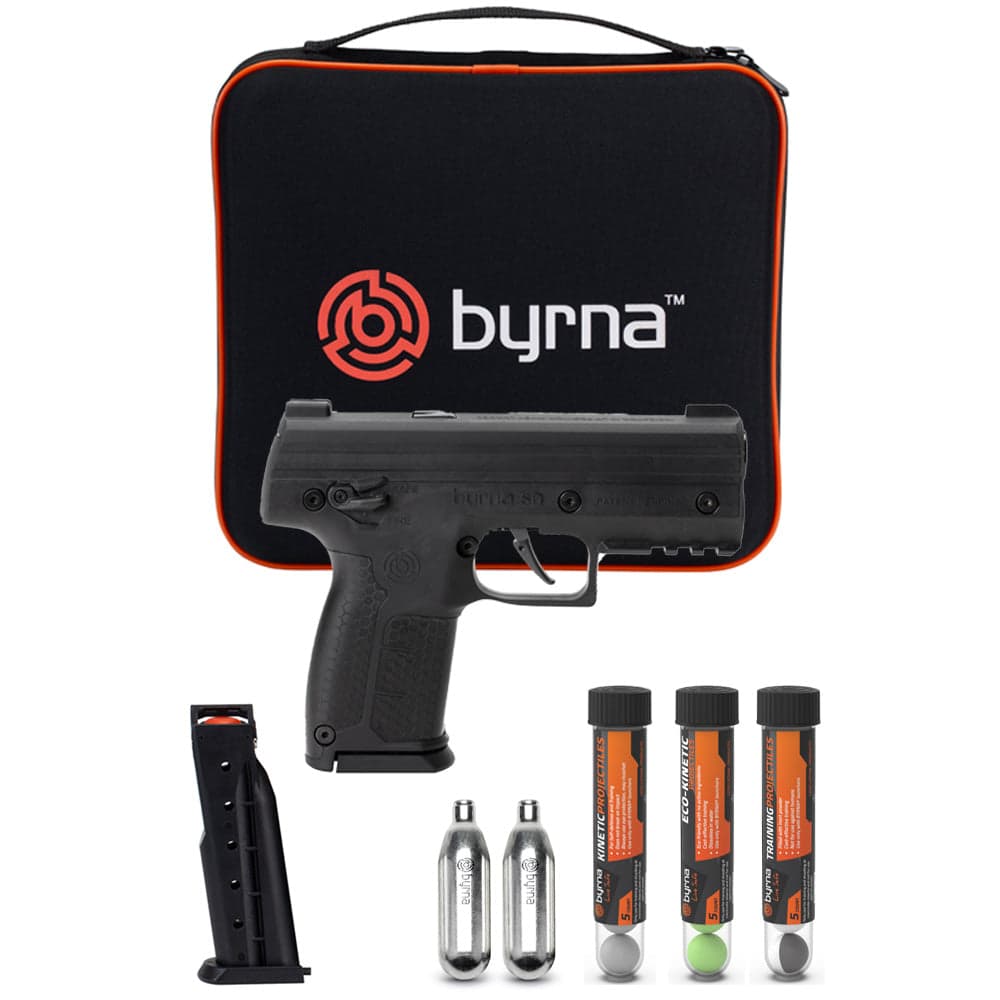
| Less-lethal | POM keychain (~$15) | Mace Pepper Gun (~$40) | Byrna SD Kinetic (~$400) |
Pick a budget tier to see a complete nine-layer carry kit with a live top pick for each layer. Step up a tier and every layer upgrades together. The running total reflects current catalog pricing.
Affiliate links (?)
The best carry gun is a reliable, slim 9mm you can conceal and shoot well, which for most people in 2026 means a micro-compact like the Glock 43X or the Springfield Hellcat Pro. The 43X now ships with 15+1 of 9mm (Glock's factory 15-round Slimline magazine became the standard in-box capacity in 2026) in a frame thin enough to disappear inside the waistband, with the reliability and aftermarket support that make it the default first carry gun. The Hellcat Pro matches that 15+1 capacity and adds a slightly longer barrel and slide for a real-world accuracy gain without giving up concealability. Both are optics-cut in their MOS and OSP variants if you want to add a red dot later.
Caliber is settled: carry 9mm. Modern defensive 9mm loads hit the FBI penetration window and expand reliably, and the round's low recoil lets you shoot faster and more accurately than a snappy .40, while delivering the penetration and expansion a .380 gives up. Spend your decision energy on fit and how the gun shoots for you, not on chasing a bigger number on the headstamp. For the full ranking of carry pistols by size, capacity, and shootability, see our best concealed carry pistols guide, and use the builder to spec out optics and a weapon light on a configurable host.
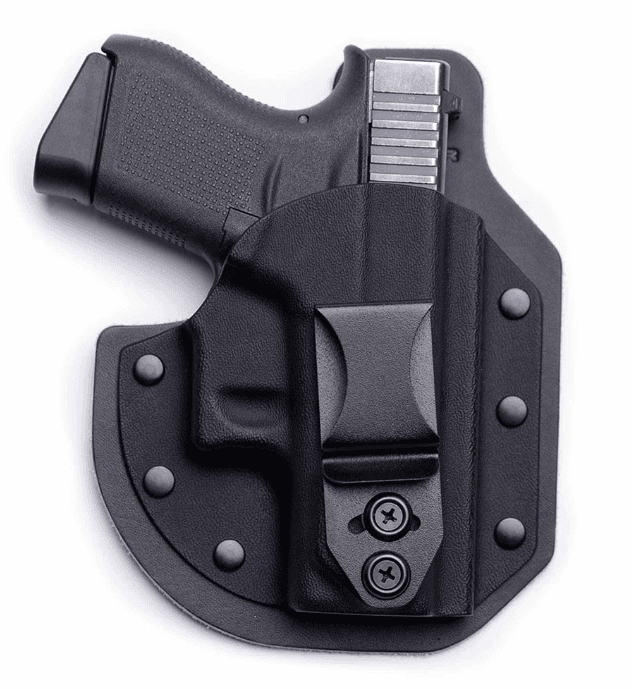
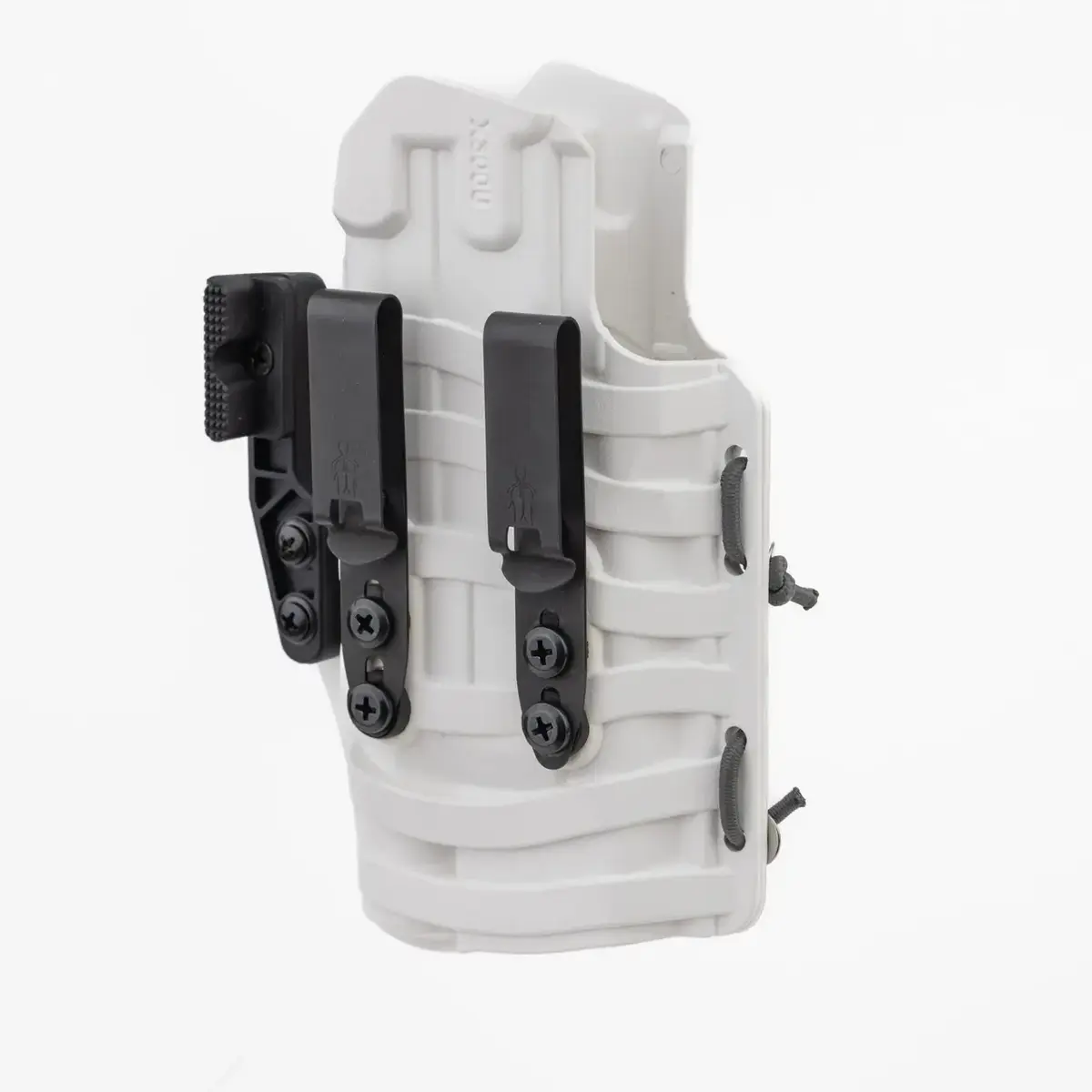
The holster is the single most important purchase after the gun itself, because it determines whether you carry comfortably enough to do it every day. A rigid Kydex IWB holster with adjustable retention and cant, like the Rounded Gear IWB at the value end, holds the gun in a consistent position and protects the trigger guard, the two things a soft nylon pocket holster fails at. Step up to a light-bearing holster like the PHLster Floodlight2 once you add a weapon-mounted light, since light-bearing holsters index on the light, not the slide.
Match the carry position to your body and wardrobe before you buy ten holsters chasing comfort. Appendix (AIWB) conceals best and draws fastest for most people; strong-side IWB at the 4 o'clock is more forgiving of body type. Whichever you choose, a quality belt is what makes the holster work, which is the next layer. For the full breakdown of IWB, AIWB, and OWB rigs ranked by retention and concealment, see our best concealed carry holsters guide.
Affiliate links (?)
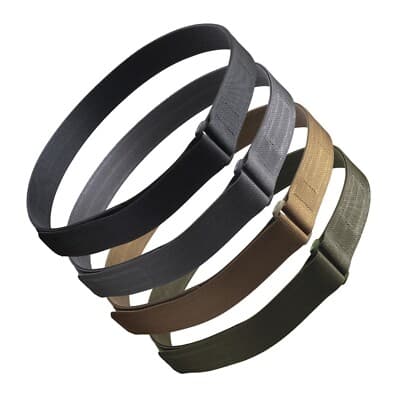
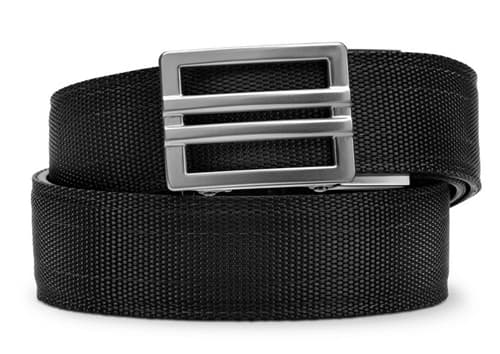
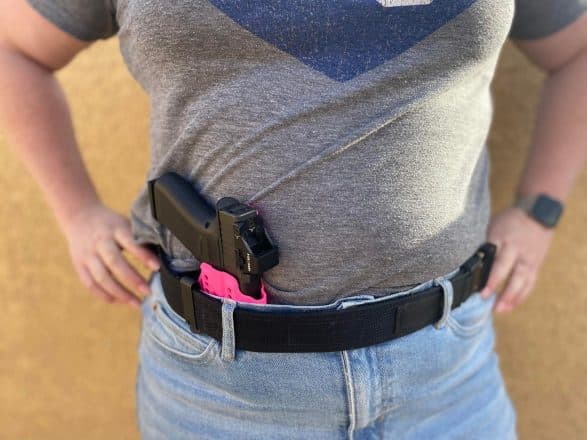
A real gun belt is a stiffened, reinforced belt that carries the weight of a loaded pistol without sagging, rolling, or letting the holster flop, and it is the cheapest upgrade that makes the biggest difference in how a carry setup feels. A dress belt bought at a department store collapses under a holstered gun and drags your pants down on one side; a Blue Alpha or Kore gun belt keeps the rig tight to your body so the gun stays concealed and draws clean. The Blue Alpha Low Profile EDC belt is the sweet spot for most carriers.
You have two real choices: a ratcheting buckle belt like the Kore X1 that adjusts in quarter-inch increments, or a low-profile nylon belt with a hook-and-loop or Cobra-style buckle. Both work; the ratcheting design wins on dial-in fit as your waistline changes through the day, the nylon design wins on weight and a lower profile under a tucked shirt. For the full comparison of gun belts by stiffness, buckle type, and dress-versus-tactical styling, see our EDC belt setup guide.
Affiliate links (?)
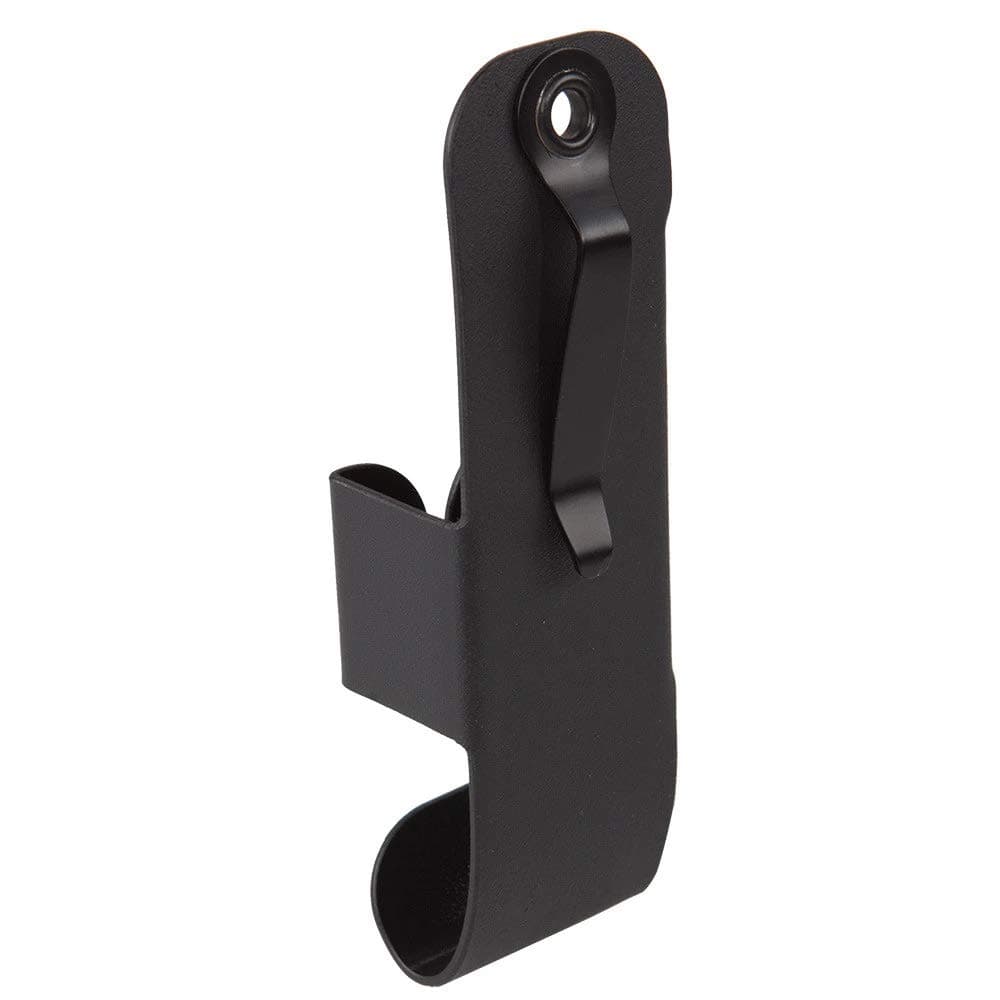
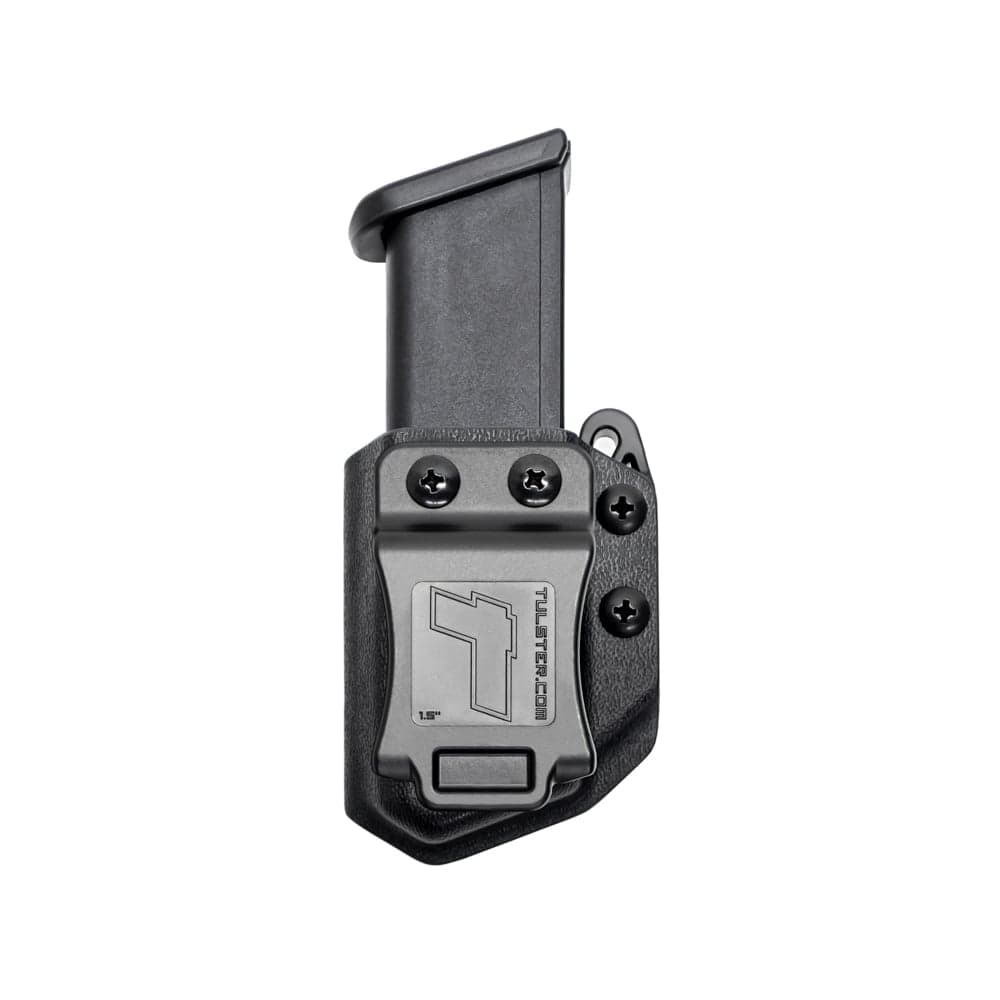
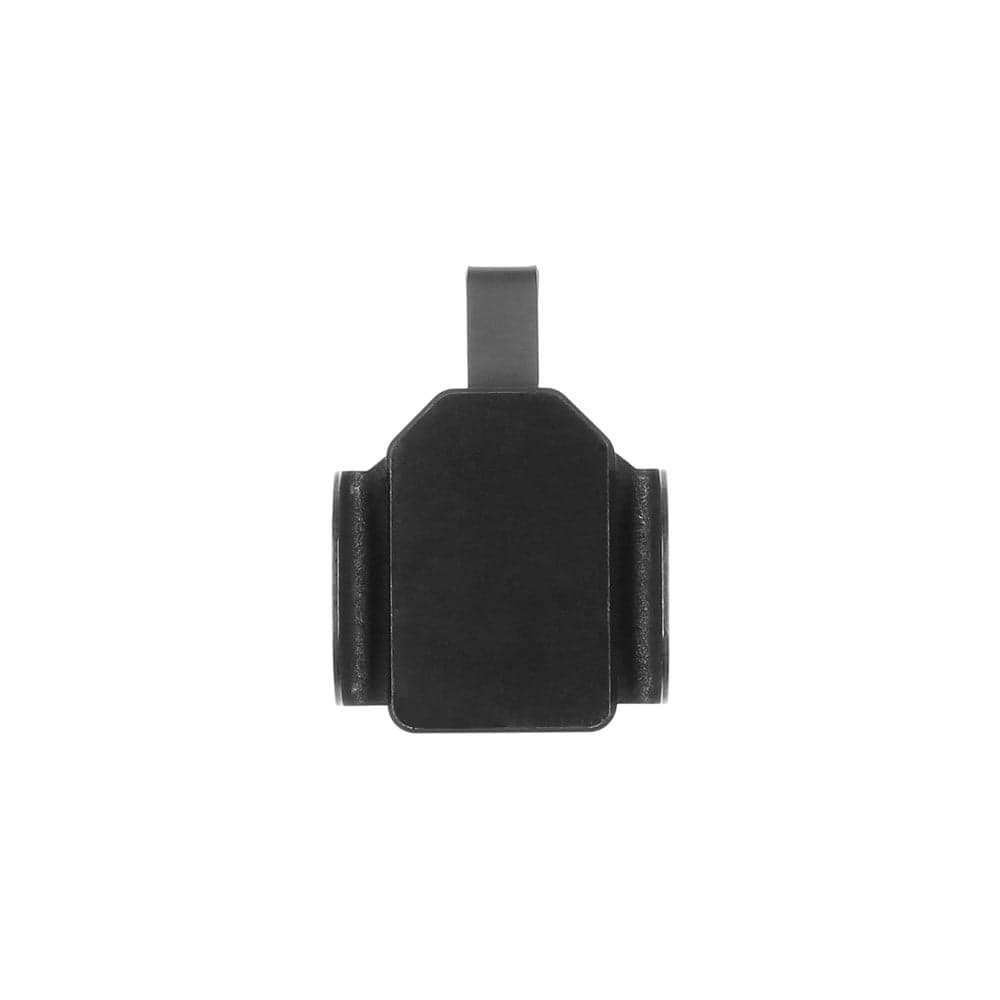
Carry one spare magazine, and carry it in a dedicated carrier so it rides in a consistent, retrievable position. The spare is less about a second reload in a gunfight and more about insurance: a magazine is the most common point of failure in a semi-auto pistol, and a fresh mag clears the most common stoppages faster than any other fix. A pocket-clip carrier like the 1791 SnagMag or the magnetic NeoMag Gen 2 hides the spare in a pocket; a belt-mounted carrier like the Tulster Echo keeps it indexed on the belt line.
Match the carrier to how you carry the gun. If you run AIWB, a second appendix carrier or a pocket SnagMag keeps the reload on the same side; if you carry strong-side, a belt carrier on the support side gives you a clean cross-draw to the spare. For the full ranking of mag carriers by retention, adjustability, and concealment, see our best spare magazine carriers guide.
Affiliate links (?)
New holster rankings, carry pistol reviews, and defensive gear breakdowns in your inbox.
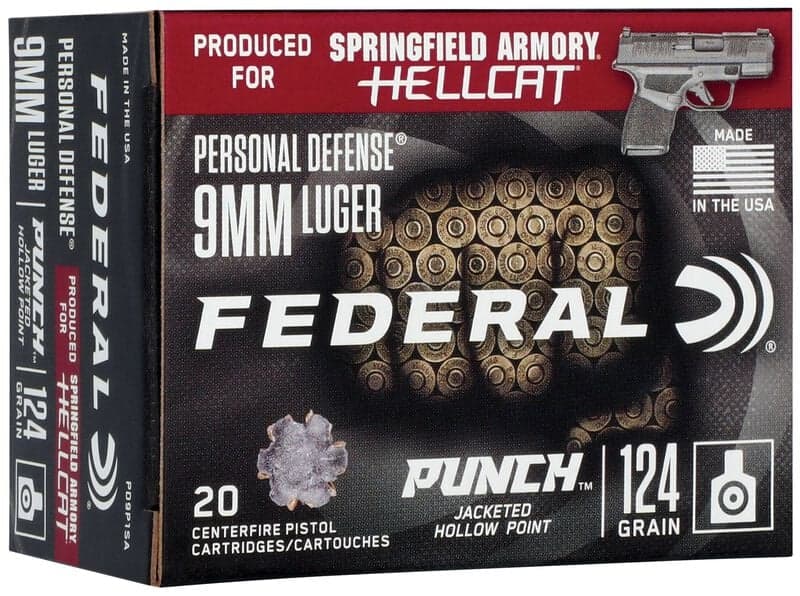
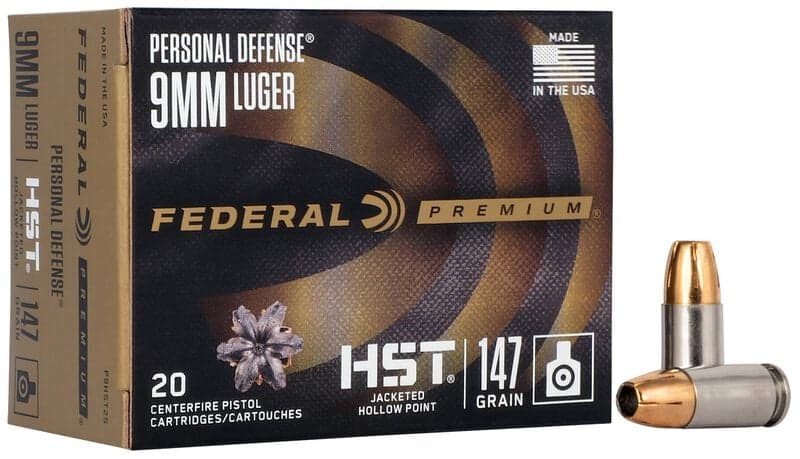
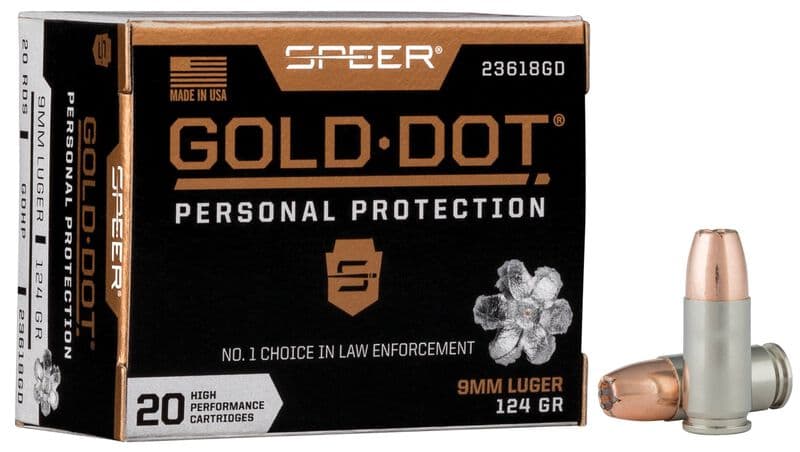
Carry a premium bonded or jacketed hollow point that has been gel-tested to hit the FBI 12-to-18-inch penetration window, which in 9mm means a proven load like Federal HST, Speer Gold Dot, or Federal Punch. These loads expand reliably through clothing and hold their penetration depth, the two things that separate defensive ammo from range FMJ. Federal HST 147gr and Speer Gold Dot 124gr are well-documented duty-class loads with extensive law-enforcement use; Federal Punch is the value pick that still tests inside spec.
Buy enough to confirm it runs in your gun, then carry it. Put at least 50 rounds of your chosen carry load through the pistol to verify feeding and point of impact before you trust it, then rotate your carry ammo a couple of times a year so the rounds that get chambered and cleared repeatedly do not get pushed back. For the full gel-tested ranking of 9mm defensive loads by penetration and expansion, see our best 9mm self-defense ammo guide.
Affiliate links (?)
Carry a handheld flashlight even if you run a weapon light, because a handheld lets you search, navigate, and identify without pointing a loaded muzzle at whatever you are looking at. A compact 500-to-1,000-lumen handheld like the Streamlight ProTac 2L-X disappears in a pocket and covers every non-shooting task a weapon light cannot legally or safely do. Step up to a brighter ProTac HL-X or a SureFire EDCL2-T if you want more throw and a higher-output ceiling.
Prioritize a usable interface over a giant lumen number. A light you can bring to a momentary high beam with one thumb, with a simple low-high program rather than a five-mode strobe cycle, is worth more in a real encounter than 200 extra lumens you have to click through menus to reach. USB-rechargeable models with a backup CR123A option give you the best of both worlds. For the full ranking of EDC handhelds by output, runtime, and interface, see our best tactical flashlight guide.
Affiliate links (?)
An EDC knife is a utility tool first and a backup defensive option second, so pick a sub-3-inch folder with a strong lock and a steel that holds an edge through daily cutting. The Civivi Elementum at $50 punches far above its price with D2 steel and a ceramic-bearing action; the Benchmade Mini Bugout and Spyderco Para 3 step up to premium steels and locks that keep your fingers clear of the blade, with the Mini Bugout shaving weight to just 1.5 oz. A sub-3-inch plain-edge blade also fits the carry-length limit in most jurisdictions.
Knife law is mostly state and local, with narrow federal rules for switchblade commerce and federal buildings, and blade-length limits vary widely by city. The strictest, like Chicago, cap concealed-carry blades at 2.5 inches, shorter than the Elementum or Mini Bugout, so a sub-3-inch plain-edge non-assisted folder is the common-case default, not a universal pass. Check your local ordinance before you carry. For the full ranking of EDC folders by steel, lock type, and weight, plus a city-by-city legal breakdown, see our best EDC knife guide.
Affiliate links (?)
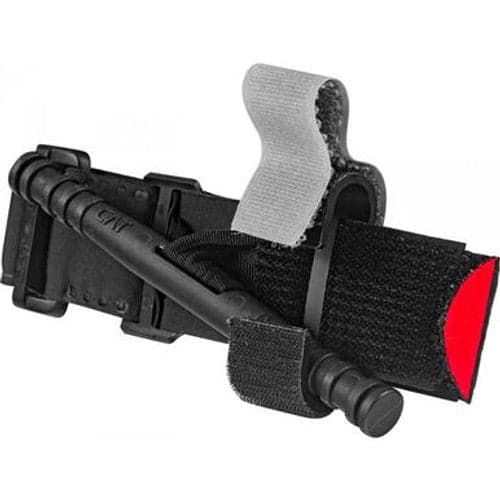
Carry a tourniquet and basic trauma supplies, because uncontrolled bleeding is the leading preventable cause of death in a violent encounter and the gun does nothing to fix it. A CoTCCC-recommended tourniquet like the North American Rescue CAT Gen 7 is the single highest-value medical item you can carry, and it weighs almost nothing on a belt or in a bag. Build up from there to a compact kit like the NAR IPOK or M-FAK Basic that adds wound-packing gauze and a pressure dressing.
Buy a real tourniquet, not a knockoff, and train with it. The gray-market CAT copies sold cheaply online fail under load; a genuine NAR CAT is the version that has been validated in field use. Medical gear you have never deployed under stress is a prop, so take a Stop the Bleed course and practice one-handed application. For the full breakdown of tourniquets and IFAK contents by certification and use case, see our best tourniquets and IFAK setup guide.
Affiliate links (?)
Carry a less-lethal option to fill the gap between verbal commands and lethal force, because many real encounters demand a response that does not legally or morally justify drawing a gun. A keychain pepper spray like the POM flip-top gives you a fast, deniable force option for an aggressive panhandler, a loose dog, or an escalating argument; a pepper gun like the Mace Brand Pepper Gun adds 20 feet of aim-assisted reach as a carry step-up, and a kinetic launcher like the Byrna SD adds a projectile option at distance.
Pepper spray laws vary by state on canister size and formulation, so confirm your local limits before you buy a large or higher-strength unit. Gel sprays resist wind blowback better than stream or fogger patterns and are the better choice for outdoor carry. For the full ranking of pepper sprays, gels, and kinetic launchers by strength, range, and state-law restrictions, see our best pepper spray and less-lethal guide.
Affiliate links (?)
The nine layers are the core. Two adjacent skills round out a serious carry setup: pocket carry for the days you cannot run a belt rig, and concealment tuning to make the gun you already own disappear under lighter clothing. Dedicated guides for both are coming soon. In the meantime, a multi-tool covers the everyday repair and adjustment tasks a knife cannot, and our best multi-tools guide ranks the Leatherman and Gerber options worth carrying.
Want to browse every layer's full product list with filters? Browse the catalog to sort holsters, lights, knives, and medical gear by price and brand, or build a configurable host in the builder to see how an optic and weapon light fit your carry pistol.

Avid shooter with 10+ years of experience including competition shooting, an associate member of the Professional Outdoor Media Association (POMA), and a member of the National Shooting Sports Foundation (NSSF) and Safari Club International (SCI). Built 10+ AR-pattern rifles and several handgun platforms for home defense, competition, and suppressed night shooting.
This page contains affiliate links. Purchases through these links support the site at no extra cost to you. Read the affiliate disclosure
Continue exploring with these related resources
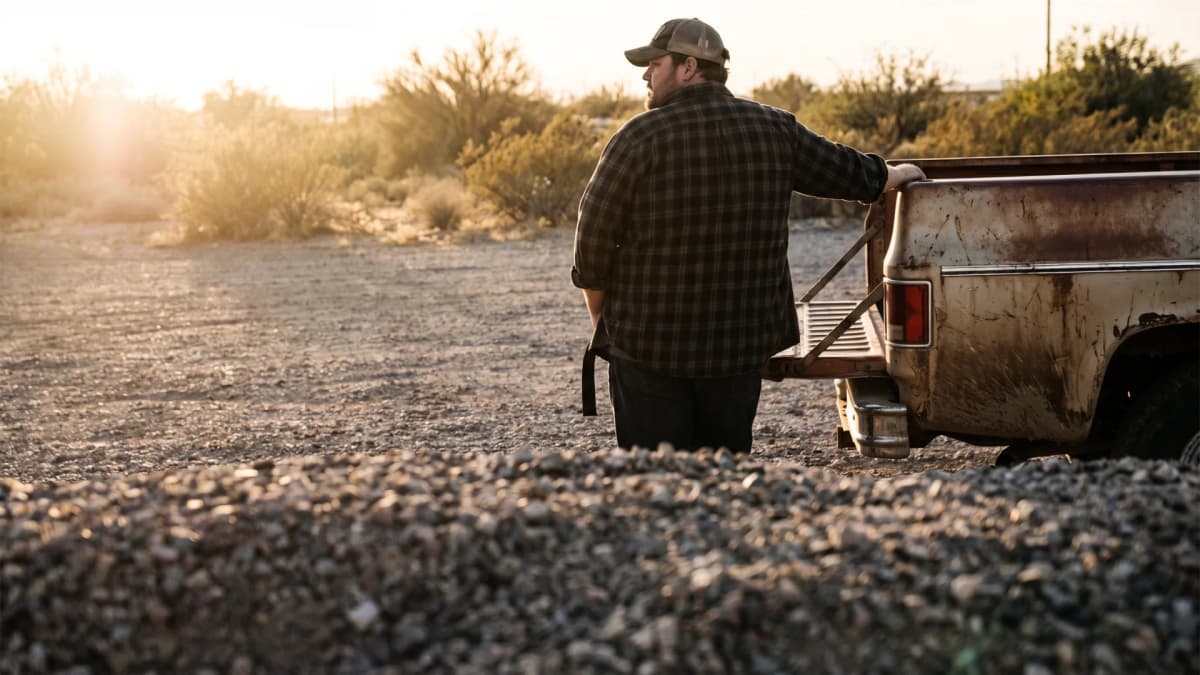
For a larger build, start with a slim Glock 43X, carry it at 4 or 5 o'clock in the T.REX Ironside Hybrid, and tune the belt, clothing, and wedge before changing the pistol.
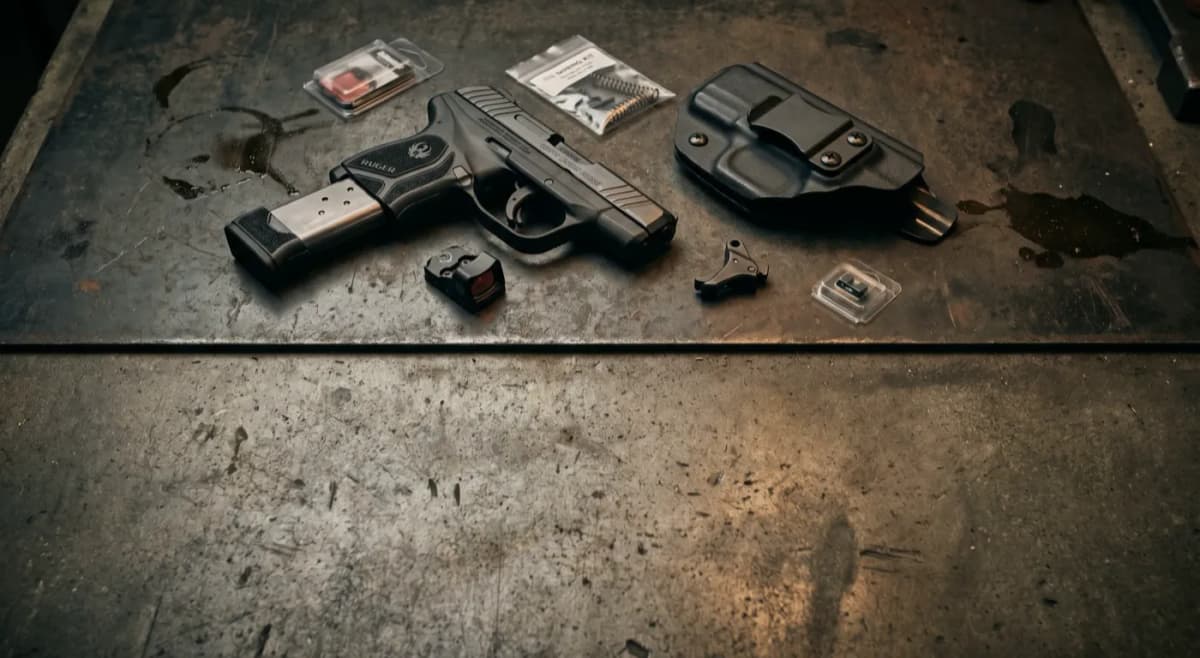
Best Ruger LCP MAX upgrades ranked for 2026: Pearce PG-MX380 grip extension, Ruger 12-round 90734 magazine, Galloway Sigurd Max trigger and spring kit, XS DXT2 Big Dot night sights, Talon Grips, Viridian E-Series laser, and the DeSantis Nemesis and Tulster Profile holsters. Covers the LCP MAX .380 only.
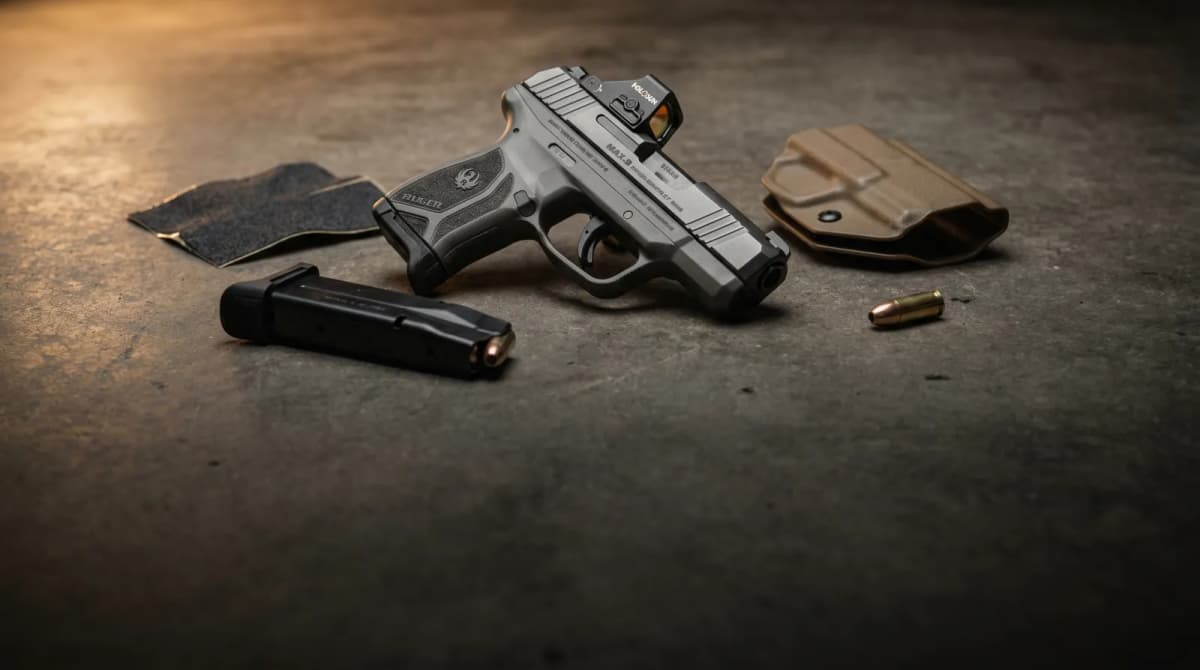
Best Ruger Max-9 accessories ranked for 2026: Holosun 507K X2 and EPS Carry red dots, Swampfox Sentinel II, Shield RMSc, Night Fision tritium sights, Ruger 12-round and HYVE +4 magazines, Galloway Maxxis trigger, Talon Grips, and the Tulster Profile and Vedder LightTuck holsters. Covers both the Ruger Max-9 and Max 9 spellings.
Related articles and industry updates
SAF, the NRA, FPC and San Diego County dealers moved on August 4, 2026 to preliminarily enjoin California's AB 1127 Glock ban. Judge Dana M. Sabraw hears the motion September 4 in Renna v. Bonta, after a separate judge denied the Justice Department a temporary restraining order against the same law in July.

The Justice Department and the Los Angeles County Sheriff's Department settled the DOJ's first affirmative lawsuit in support of gun owners on August 13, 2026. LASD must publish its CCW processing times for four years, file a compliance declaration, and stay within California's 90-day statutory deadline under federal court jurisdiction.

The DOJ Office of Legal Counsel concluded on August 12, 2026 that the lawful purposes exception in 18 U.S.C. 930(d)(3) protects self-defense carry in post offices open to the public, and that neither the statute nor the USPS carry regulation may be enforced against law-abiding carriers at roughly 31,000 retail locations.