DOJ Drops Post Office Carry Appeal, Ruling Now Permanent
The Justice Department filed an unopposed motion on July 16, 2026 to voluntarily dismiss its Fifth Circuit appeal in Firearms Policy Coalition v. Blanche, formerly known as FPC v. Bondi and FPC v. Garland. NRA-ILA and the Second Amendment Foundation confirmed the withdrawal publicly on July 27. Once the Fifth Circuit enters that dismissal, Chief U.S. District Judge Reed O'Connor's September 30, 2025 permanent injunction stands as the final word: FPC and SAF members can legally carry into ordinary U.S. Post Offices, including the parking lot. What the injunction actually covers, who is protected, and where the ruling stops.
Key Takeaways
- →Appeal Withdrawn: DOJ filed an unopposed motion on July 16, 2026 to voluntarily dismiss its Fifth Circuit appeal. Once the Fifth Circuit enters that dismissal, Judge O'Connor's September 30, 2025 permanent injunction stands as the final word, with no appellate opinion for other circuits to distinguish or follow.
- →Who Is Covered: Only current members of the Firearms Policy Coalition (FPC) and the Second Amendment Foundation (SAF), plus all future members. Non-members remain subject to 18 U.S.C. § 930(a) and can still be prosecuted.
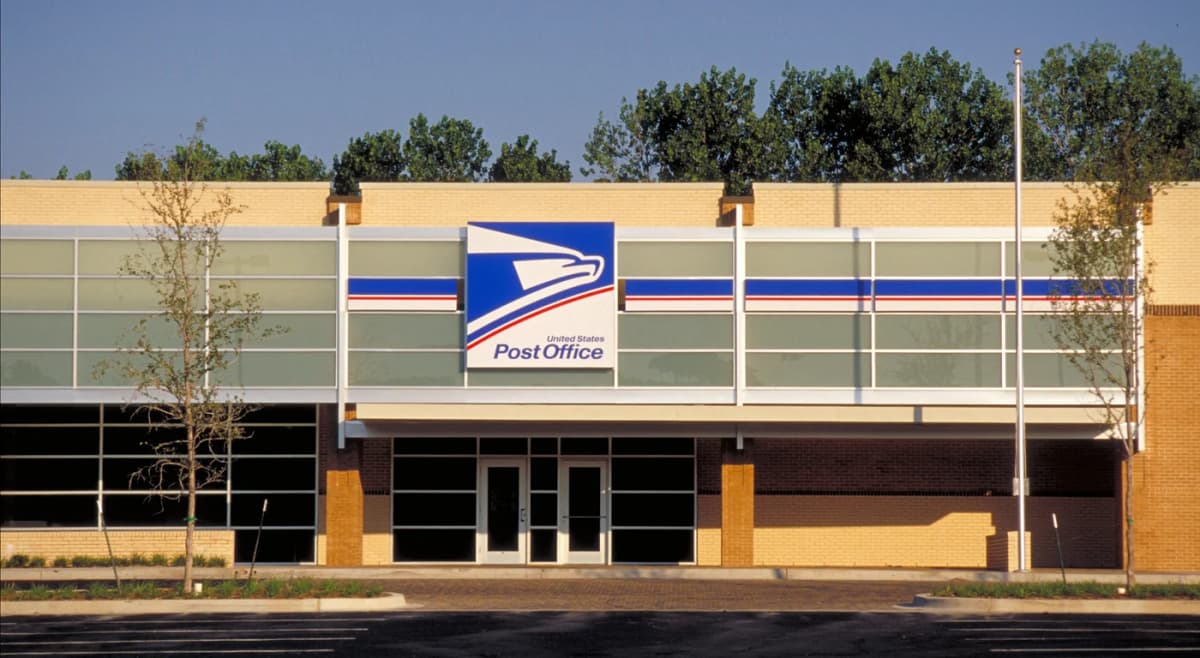
- →Where It Applies: Ordinary standalone U.S. Post Offices and their surrounding postal property, including parking lots. It does not cover post offices inside federal buildings or on military installations.
- →Statutes at Issue: 18 U.S.C. § 930(a), the federal facilities carry ban, and 39 C.F.R. § 232.1(l), the Postal Service's own regulation prohibiting firearms on postal property.
- →How to Get Coverage: Join FPC ($25/yr) or SAF ($15/yr) online before you carry, and keep the membership confirmation accessible. State carry permit requirements and local sensitive-place laws still apply.
What DOJ Withdrew and Why It Matters
Update, August 13, 2026: Post office carry protection no longer stops at FPC and SAF members. On August 12, 2026 the DOJ Office of Legal Counsel concluded that 18 U.S.C. § 930(d)(3) permits every law-abiding citizen to carry for self-defense in post offices open to the public, and that neither the statute nor the USPS regulation may be enforced against them. Read the full breakdown of the OLC opinion. The injunction covered below remains the stronger protection for members, because a court order survives a change in administration.
The Justice Department filed an unopposed motion on July 16, 2026 to voluntarily dismiss its Fifth Circuit appeal in Firearms Policy Coalition v. Blanche. The motion runs two sentences with no substantive explanation. That is the procedural equivalent of the government conceding it does not want an appellate court to reach the merits. Once the Fifth Circuit enters that dismissal, the appeal is erased without any appellate ruling and Judge O'Connor's district-court judgment stands as the final word.
The district-court judgment is a permanent injunction issued September 30, 2025. Judge O'Connor, sitting in the U.S. District Court for the Northern District of Texas, held that 18 U.S.C. § 930(a) as applied to ordinary post offices fails the Supreme Court's Second Amendment analysis under New York State Rifle and Pistol Association v. Bruen (2022). The statute prohibits knowingly possessing a firearm in a federal facility. The regulation the postal service pushes on top of it, 39 C.F.R. § 232.1(l), extends that prohibition to postal property and vehicles on postal property. Neither, the court held, is consistent with the historical tradition of firearms regulation the government must produce to survive Bruen's text-and-history test. The injunction blocks enforcement of both provisions against SAF and FPC members at ordinary post offices, and it extends to surrounding postal property including parking lots.
Two things make the July 16 withdrawal significant beyond the case itself. First, once the Fifth Circuit enters the dismissal there will be no Fifth Circuit opinion for other circuits to distinguish or follow. The ruling does not directly help a Ninth Circuit or Eleventh Circuit carrier who wants to challenge the same statute in their own jurisdiction, but it also does not create adverse precedent for the pending challenges elsewhere. Second, the withdrawal signals this Justice Department's appellate posture on Bruen-based federal-facilities litigation: the same DOJ that walked away from defending 18 U.S.C. § 930(a) here is running Bruen the opposite direction in its own affirmative Second Amendment suits against Virginia and California. One posture withdraws federal defense of a federal-facilities carry ban; the other affirmatively attacks state-level assault-weapon and handgun-sales bans.
Who Is Actually Protected by the Injunction
The injunction protects members of the Firearms Policy Coalition and the Second Amendment Foundation. Not every gun owner. Not every concealed carry permit holder. Not every American. This is the single most-overlooked part of the coverage story, and getting it wrong is the difference between a legal errand and a federal misdemeanor under 18 U.S.C. § 930(a).
The scope language matters. Judge O'Connor's order, as reported by both the Second Amendment Foundation and NRA-ILA, enjoins enforcement against “the named plaintiffs and all present and future members of SAF and FPC.” That phrasing is deliberate and has two practical consequences. First, joining either organization after the ruling still confers protection, because the order sweeps in future members. Second, membership lapses matter: a member whose SAF or FPC dues expired last quarter is no longer covered and is prosecutable the same as a non-member. Keep the membership current.
Enrollment is fast. FPC membership through firearmspolicy.org starts at $25 per year. SAF membership through saf.org starts at $15 per year. Both take effect on payment. Both send an electronic confirmation. There is no waiting period, no residency requirement, and no distinction between annual and life-member coverage for purposes of this injunction. If you are already a member of one, you are protected; if you are not, joining before you carry into a post office is the entire compliance step.
For a real-time challenge, the practical evidence question is whether you can demonstrate membership on the spot. Save the membership confirmation email as a PDF or screenshot on your phone. Both organizations also mail physical member cards on request. A postal inspector or officer who has a question is not going to have real-time access to SAF or FPC's membership rolls, so the burden of showing coverage falls on you. Treat it the same as carrying proof of your concealed carry permit.
Track Federal Carry Rulings and Concealed Carry News
We publish a brief the moment DOJ moves on any federal-facilities case, the moment Congress touches 18 U.S.C. § 930, and every SCOTUS docket update on the Illinois and Connecticut cases this fall.
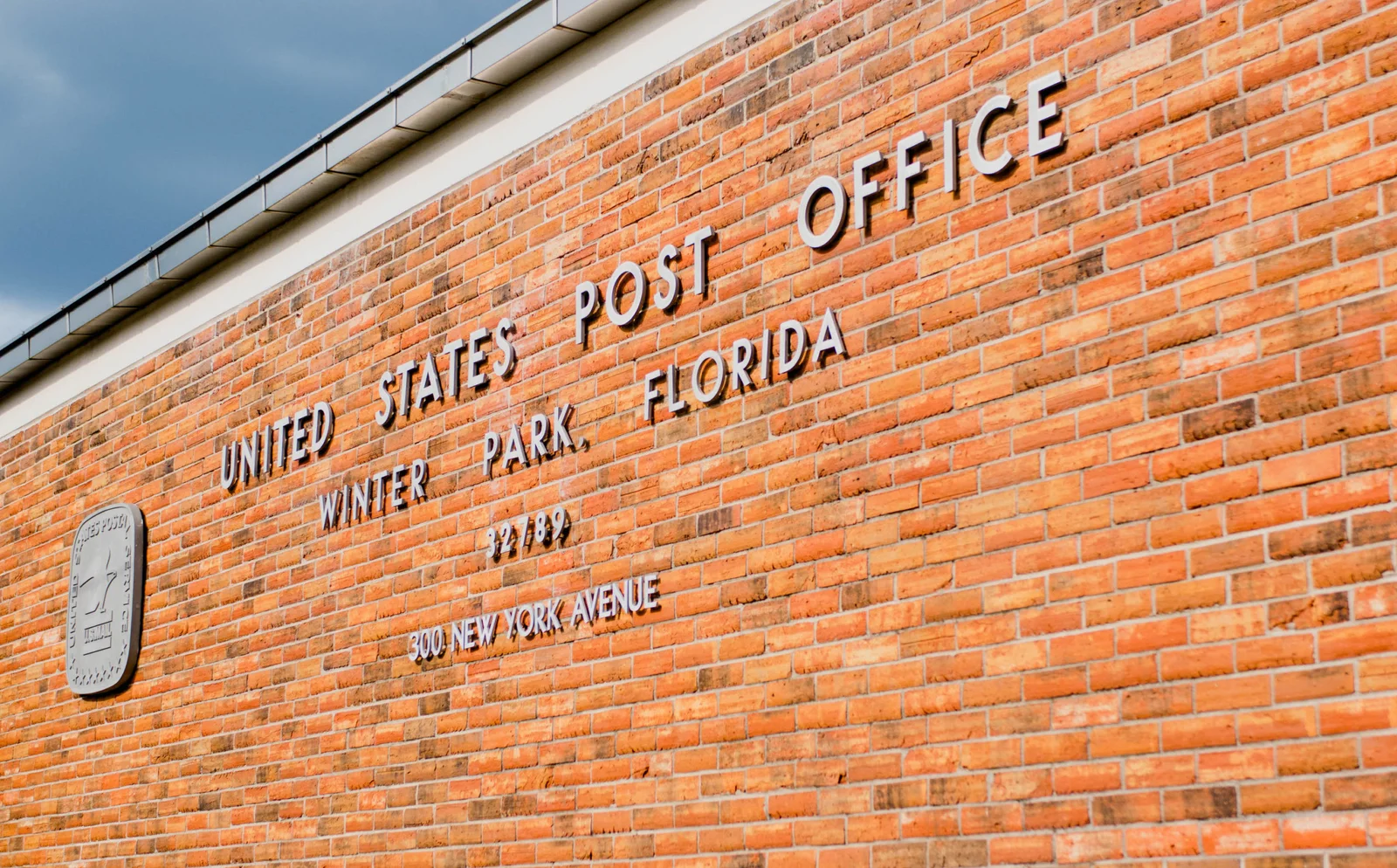
Where the Injunction Applies and Where It Stops
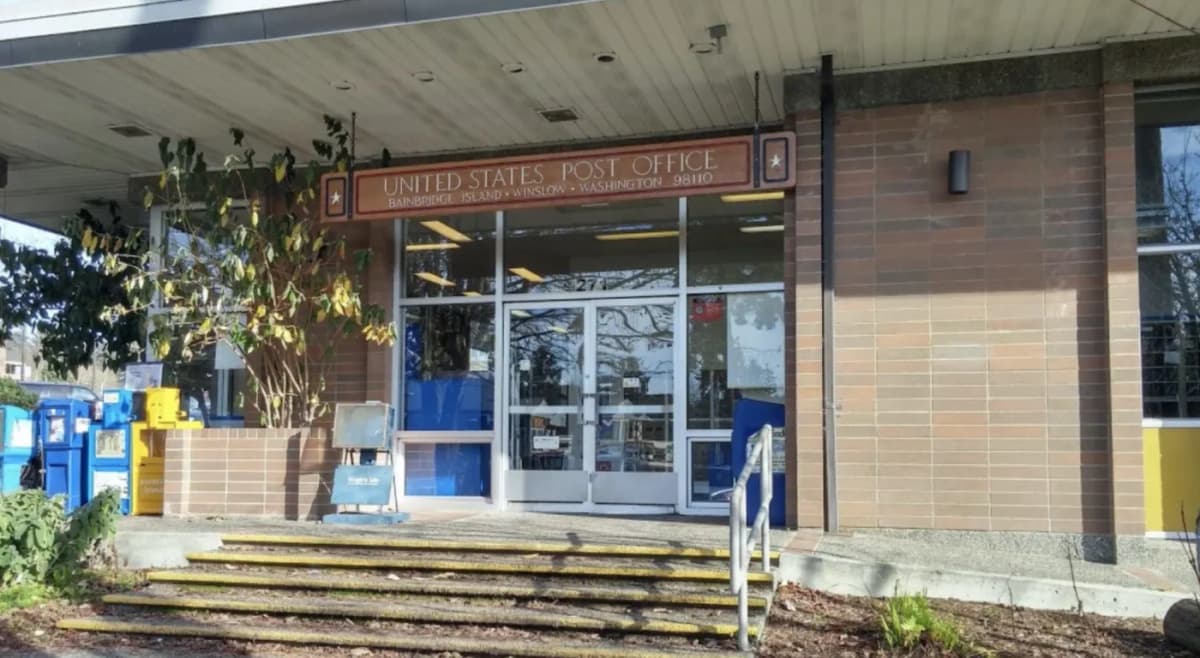
The injunction covers ordinary post offices and their surrounding postal property, including parking lots. The “parking lot” scope matters in practice because a firearm locked in your personal vehicle at postal property was a chargeable offense under 39 C.F.R. § 232.1(l) before the ruling. The injunction resolves that scenario for SAF and FPC members. Walking from your car to the counter with a holstered pistol at an ordinary standalone post office is covered conduct.
The injunction does not cover post offices inside federal buildings that house other federal functions. If the post office window is inside a federal courthouse, a Social Security Administration office, a passport office, or a federal government office building with a security screening checkpoint, the underlying 18 U.S.C. § 930 prohibition on firearms in that federal facility is still enforced against you, even as an FPC or SAF member. Those buildings usually have magnetometers at the entrance, so the practical enforcement mechanism is clear: you cannot bring a firearm through the screening.
Post offices on military installations are also outside the injunction. Military bases run under separate federal installation-access rules and their own carry regulations regardless of the SAF and FPC injunction. If you access a base for your postal errand, the base rules govern.
The safest rule at the counter: if the facility looks like anything other than a standalone USPS branch on a public street, treat it as uncovered and leave the firearm secured in your vehicle. Postal inspectors have federal law enforcement authority and the underlying statute carries a federal misdemeanor penalty (up to one year imprisonment). For a broader look at where carry actually lands legally, our state legality matrix tracks the concealed-carry framework and sensitive-place carve-outs each state layers on top of federal rules.

Micro Red Dots for Concealed Carry Pistols
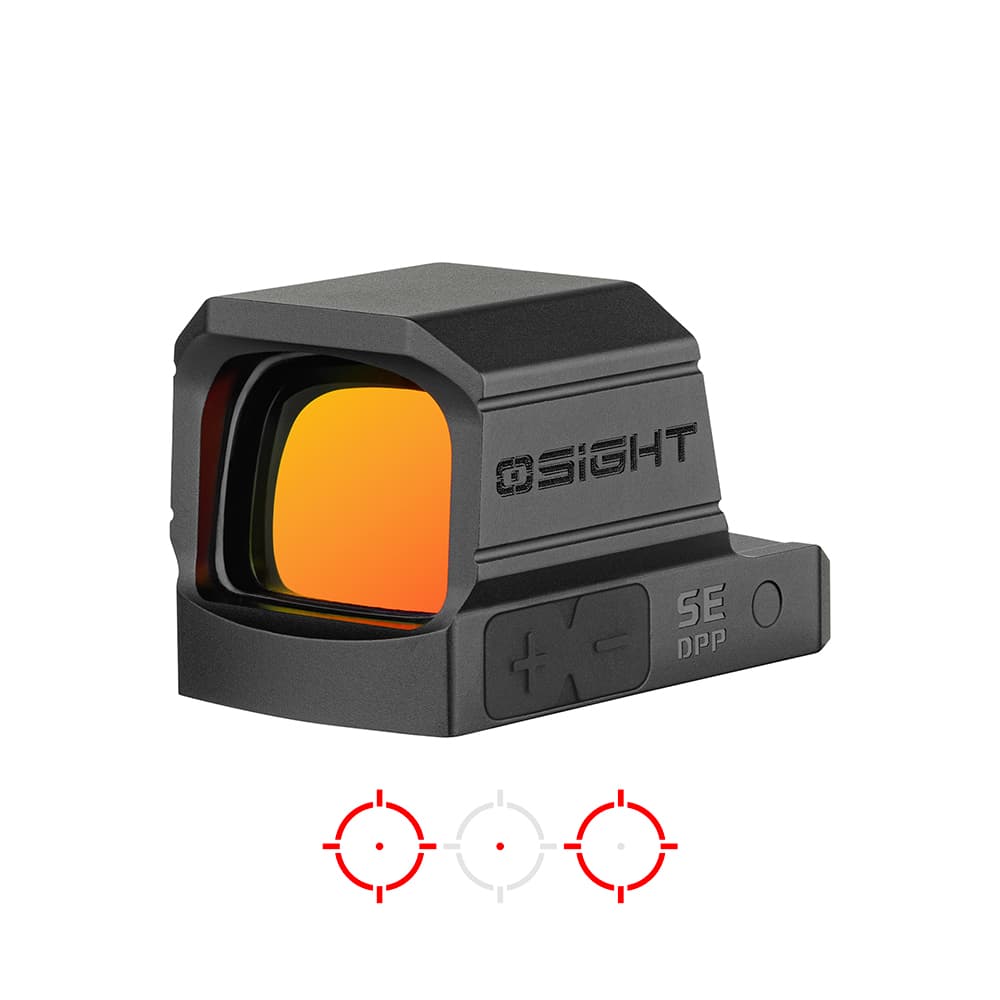
Osight SE DPP Enclosed Red Dot
- 2 MOA dot + 32 MOA circle MRS
- Enclosed emitter, DeltaPoint Pro footprint
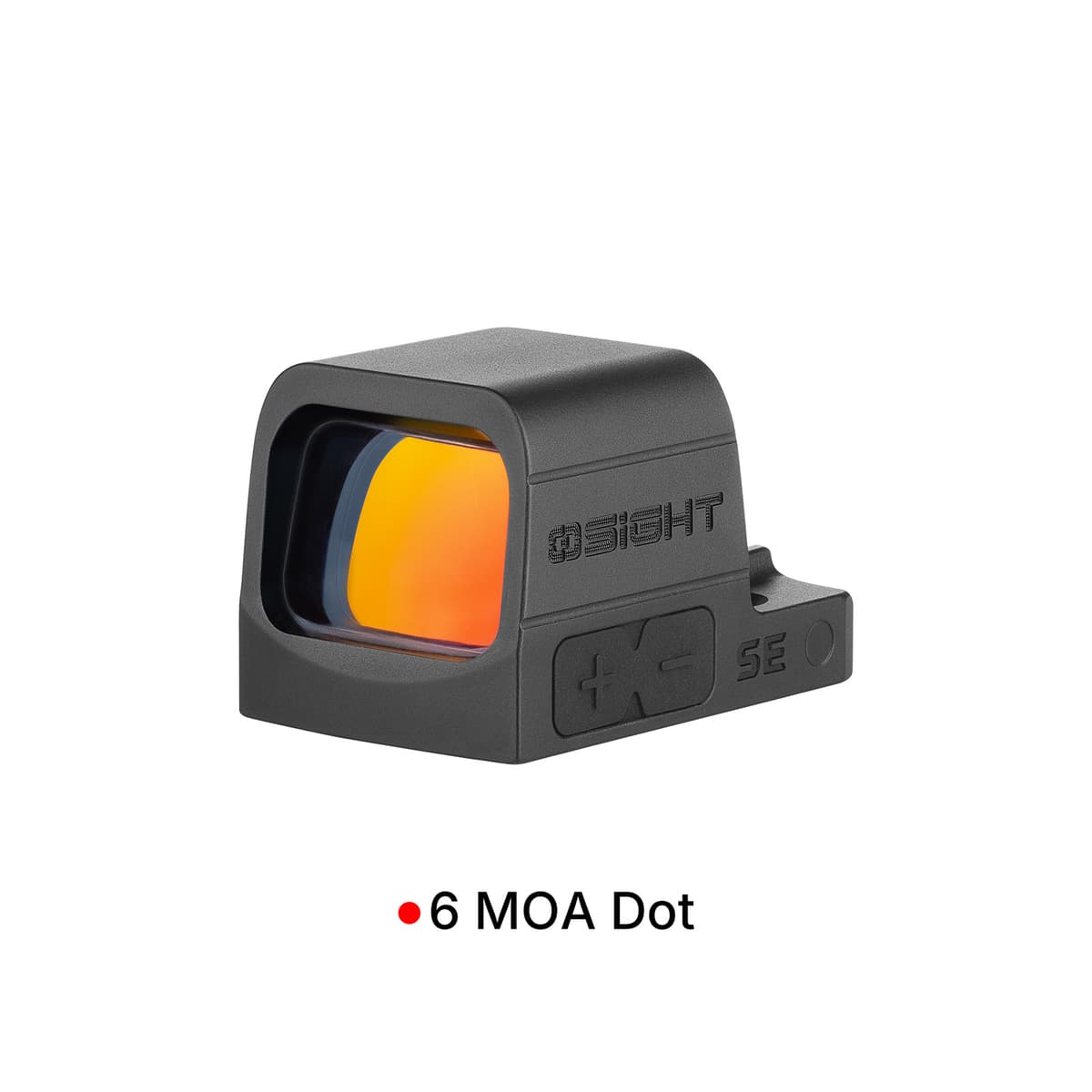
Osight SE Enclosed (6 MOA Red)
- 6 MOA red dot
- Enclosed emitter, RMSc footprint
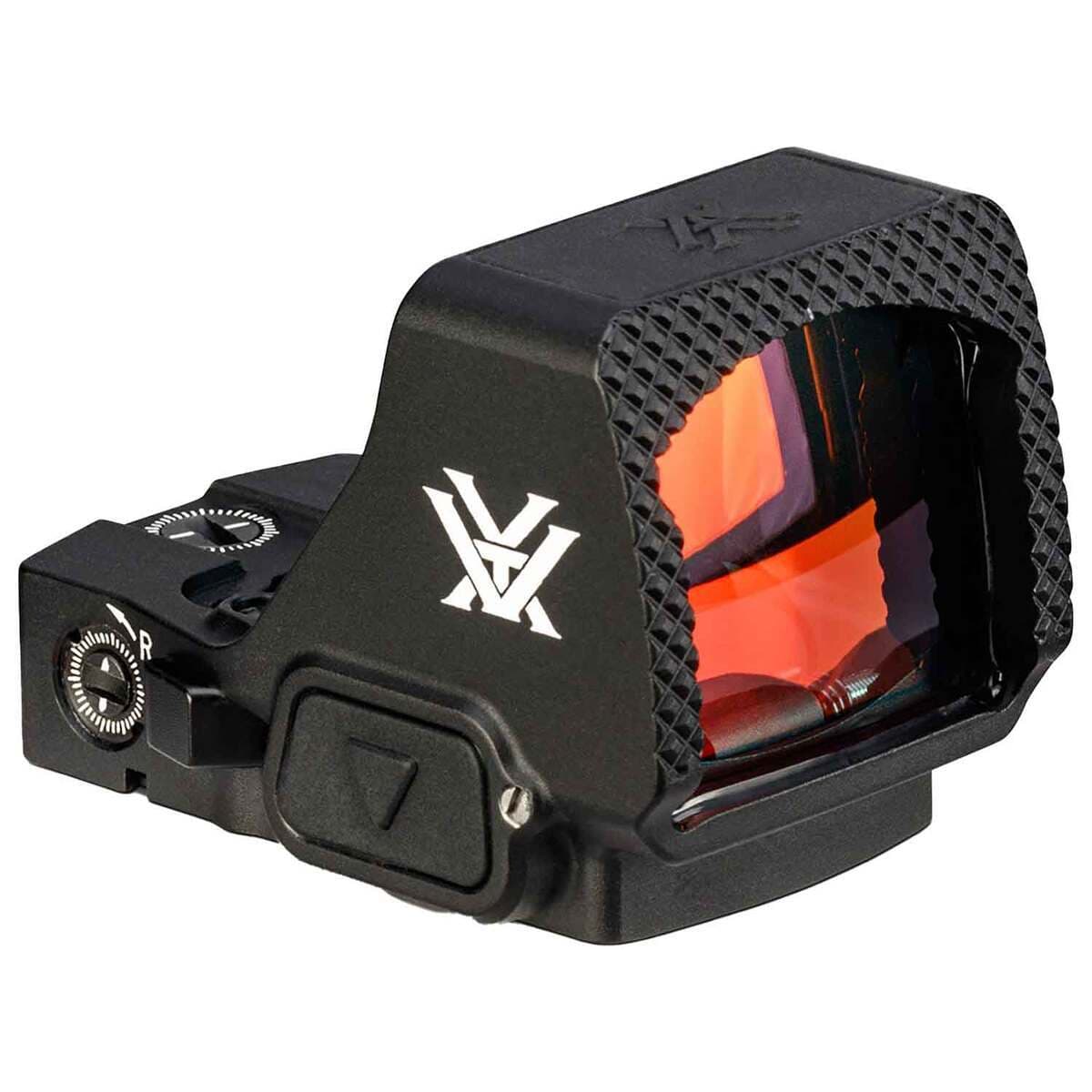
Vortex Defender-XL Micro Red Dot
- 2/5/8 MOA red dot
- DeltaPoint Pro footprint
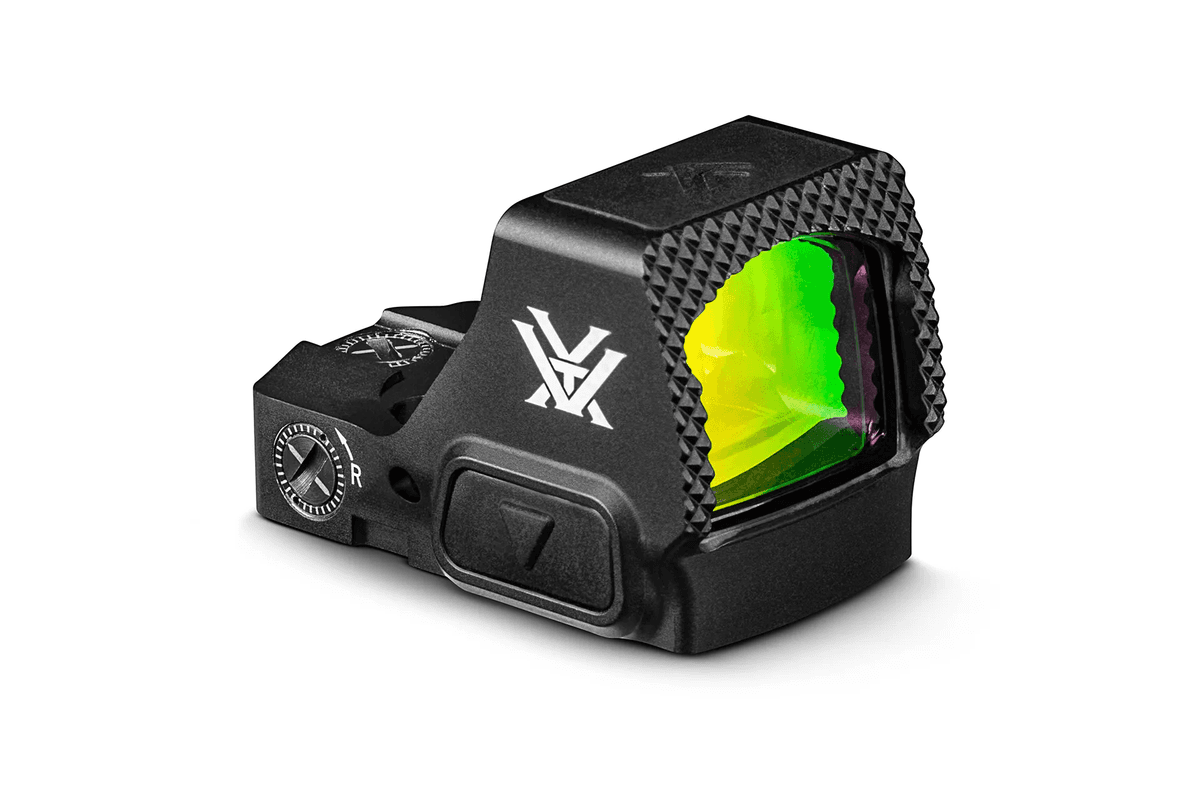
Vortex Defender-ST Micro Red Dot
- 3 or 6 MOA red dot
- DeltaPoint Pro footprint
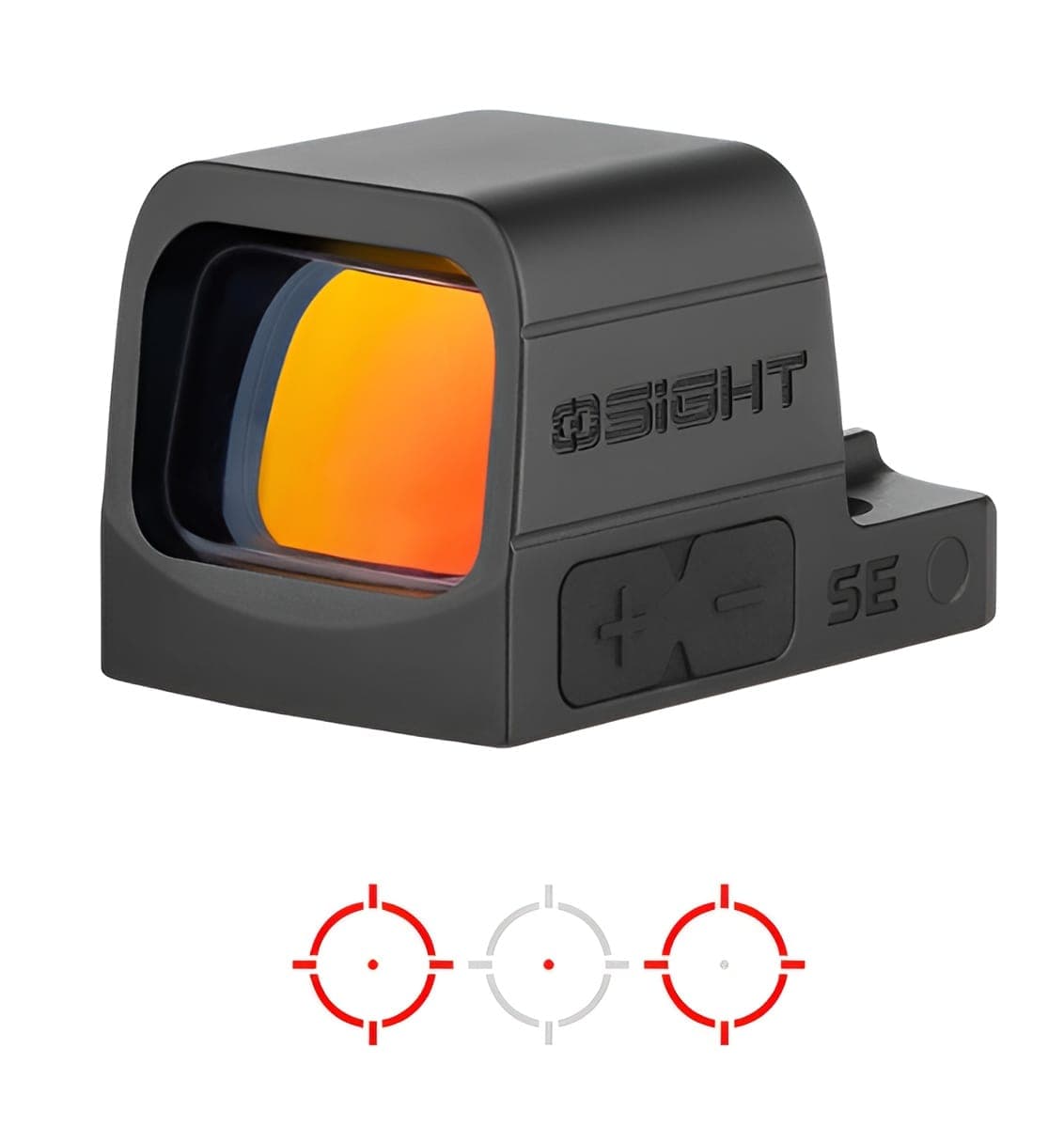
Osight SE Enclosed (2 MOA + 32 MOA Red MRS)
- 2 MOA dot + 32 MOA circle MRS
- Enclosed emitter, RMSc footprint
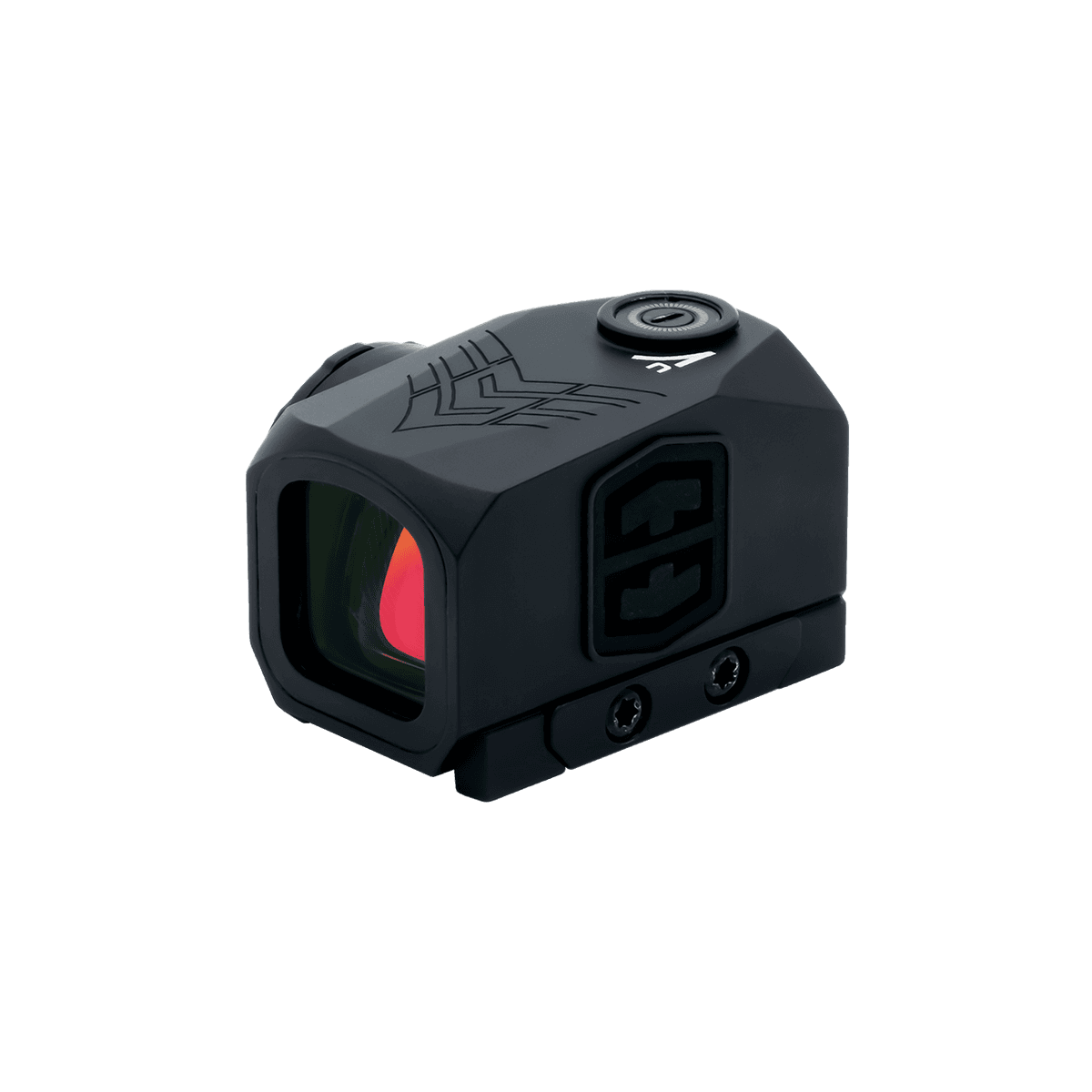
Swampfox Kraken Closed Emitter
- 3 MOA red or green dot
- RMR + Glock MOS plates included
Affiliate links (?)
Concealed Carry Setup for the Post Office Trip
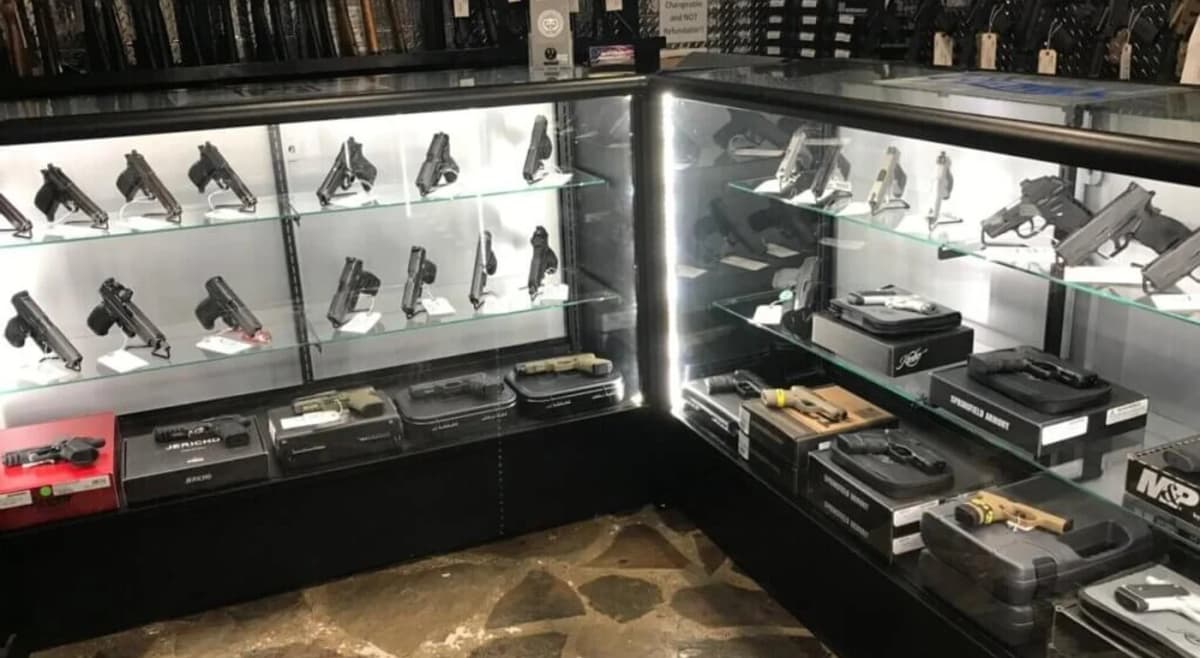
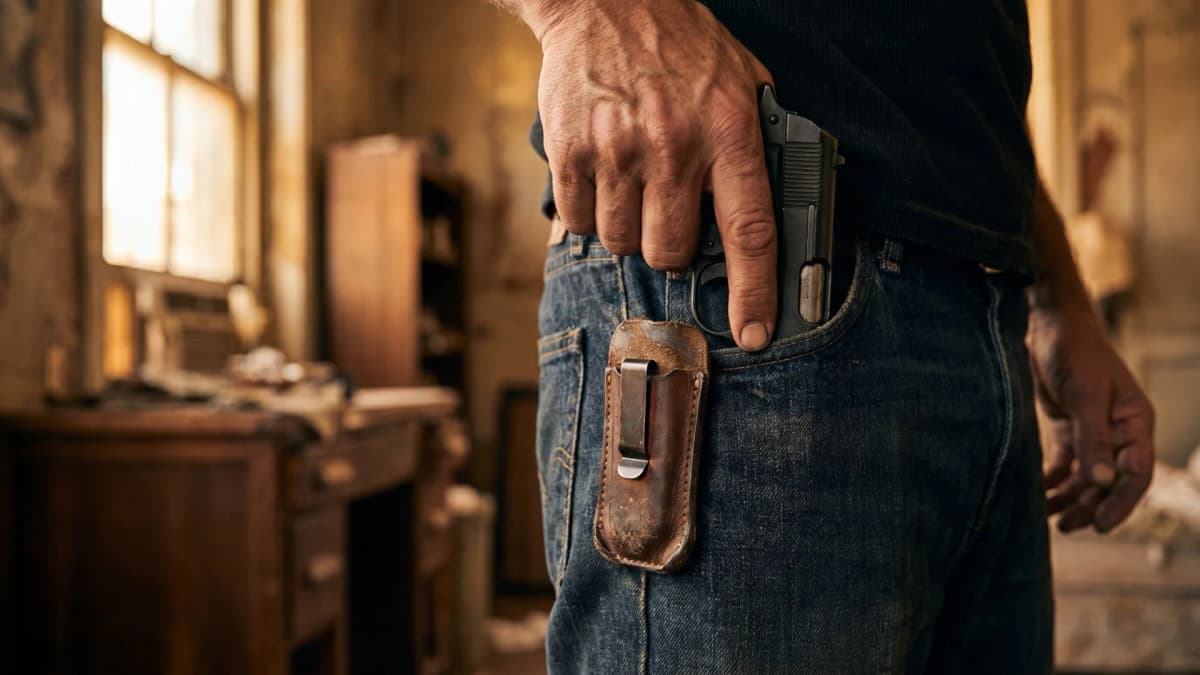
The practical carry problem at a post office is short-duration carry into a facility with unpredictable dwell time. You are walking in, standing in a line that could run five minutes or twenty, executing a transaction at the counter, and walking out. The whole errand is 10 to 30 minutes with a firearm on your body the entire time. The setup that works is one that conceals under a t-shirt, does not print when you lean over the counter to fill out a customs form, and stays on your body from the driveway to the counter and back.
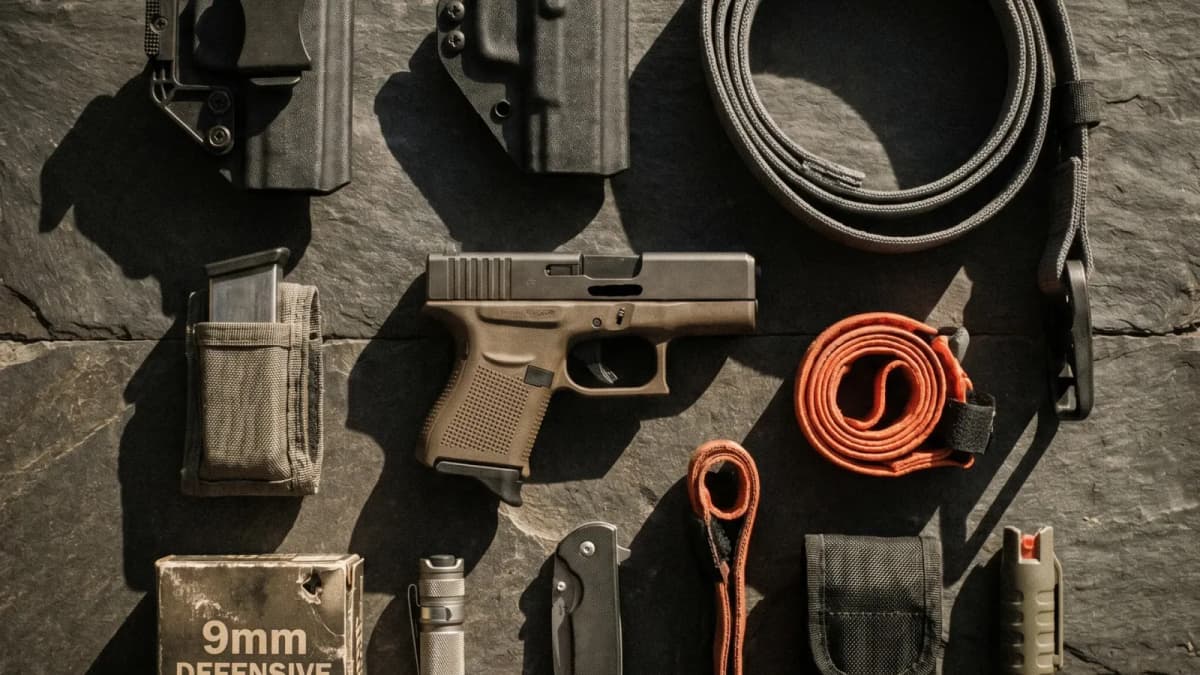
For most carriers that means one of three configurations. First, appendix inside-the-waistband with a claw-equipped holster (Tenicor Certum3, Tulster Oath, Vedder LightTuck) paired with a Glock 19, P365 X-Macro, or Hellcat Pro. Second, micro-compact pocket carry with a P365, Hellcat Micro-Compact, Glock 43X, or S&W Bodyguard 2.0 in a leather or KYDEX pocket holster. Third, strong-side inside-the-waistband behind the hip with a fullsize duty pistol under a looser-fitting overshirt. Our best concealed carry pistols guide covers current top picks by frame size, and the concealed carry holster guide covers the specific IWB, appendix, and pocket rigs that pair with those pistols.
Avoid setups that require reholstering in the parking lot. Any workflow that has you removing the firearm at the vehicle and putting it back on when you get home is a workflow with a reholstering step somewhere near the front door, and every reholster is a negligent-discharge opportunity. The stated purpose of this injunction is that you do not have to do that: you carry from home to the counter to home, on-body, the whole time.
A note on backpack and off-body carry: the injunction covers firearms on your person and in your personal vehicle in the parking lot. It does not create a special rule about backpacks or off-body carry beyond what state and local law already allow. If your state permits off-body carry with a CCW, an off-body setup is legal to bring into the post office as an FPC or SAF member the same as an on-body setup. For hiking-and-errands mixed use, our backpack gun setup guide covers the mechanics.
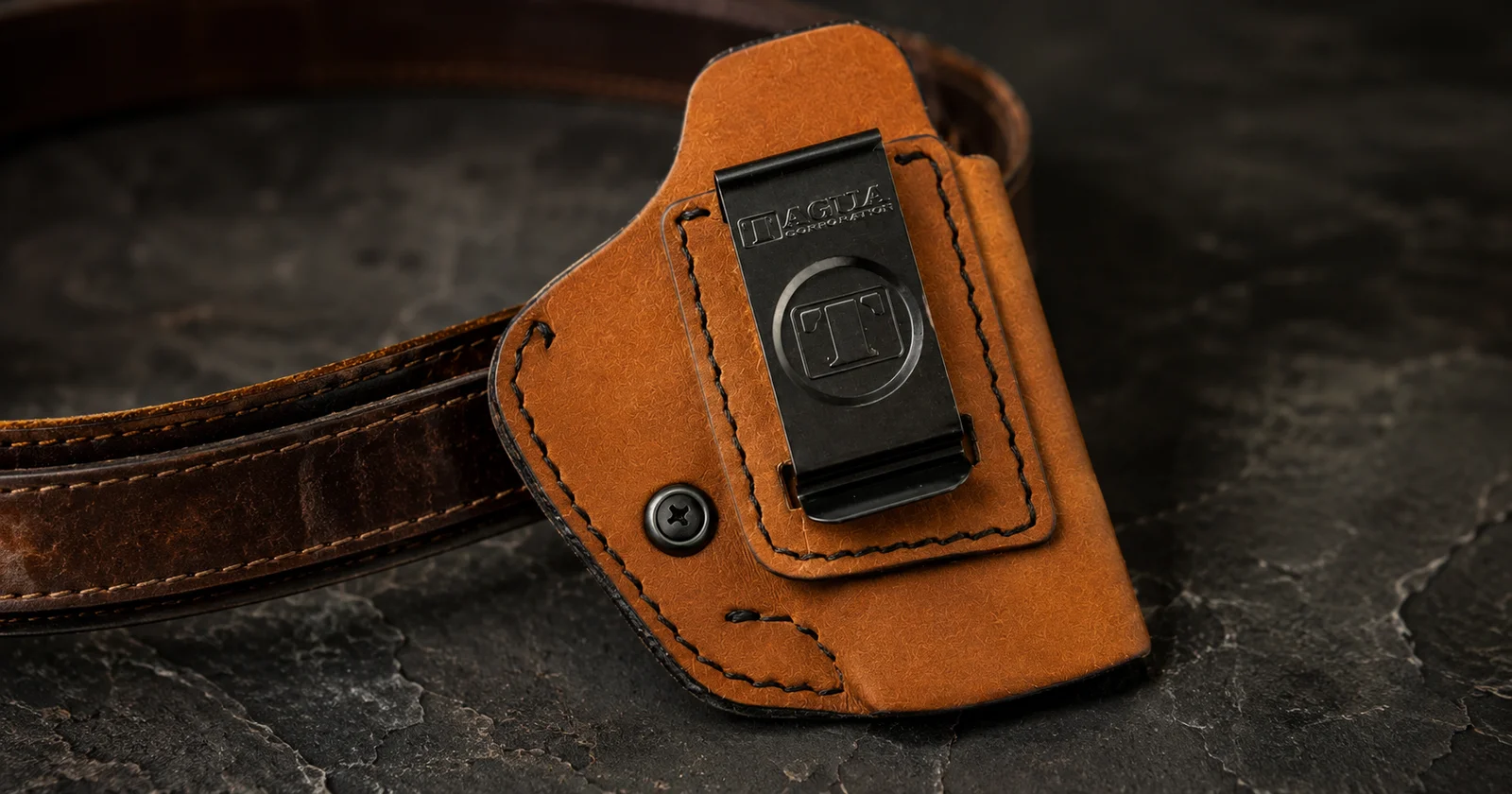
Concealment Holsters for Daily Errands
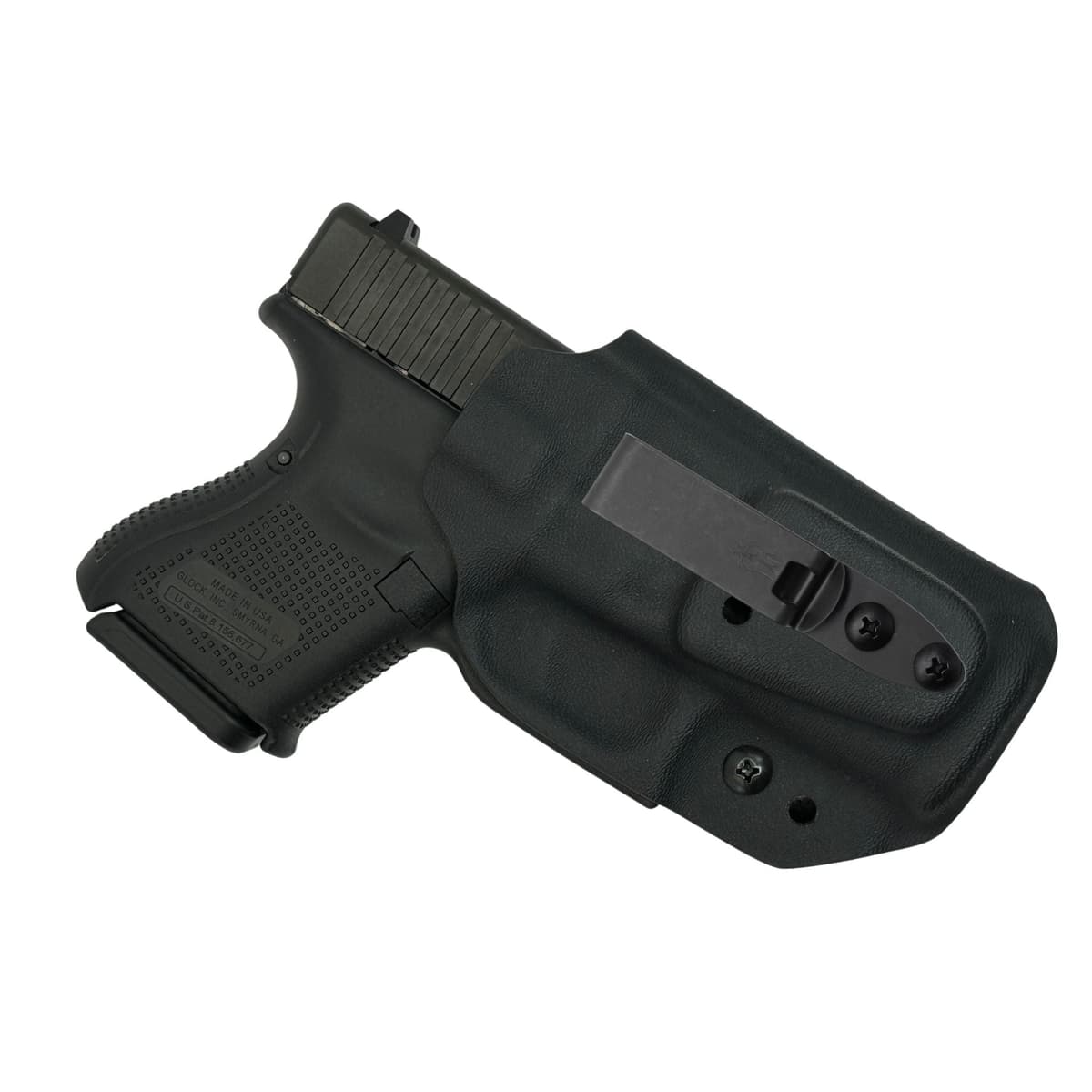
Betty 2.0 IWB Holster
- IWB
- Molded shell

Ventcore 2.0 Appendix IWB Holster
- AIWB hybrid
- Laser-cut Ventcore backer
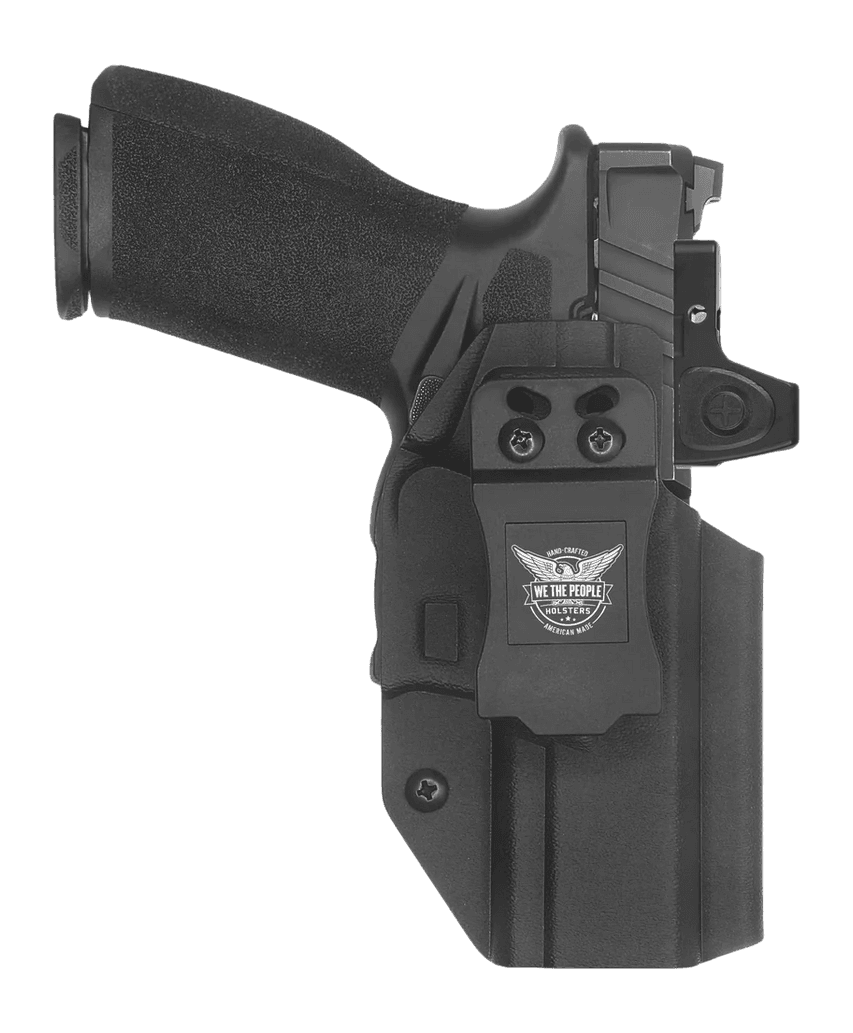
IWB Kydex Holster
- IWB
- Kydex
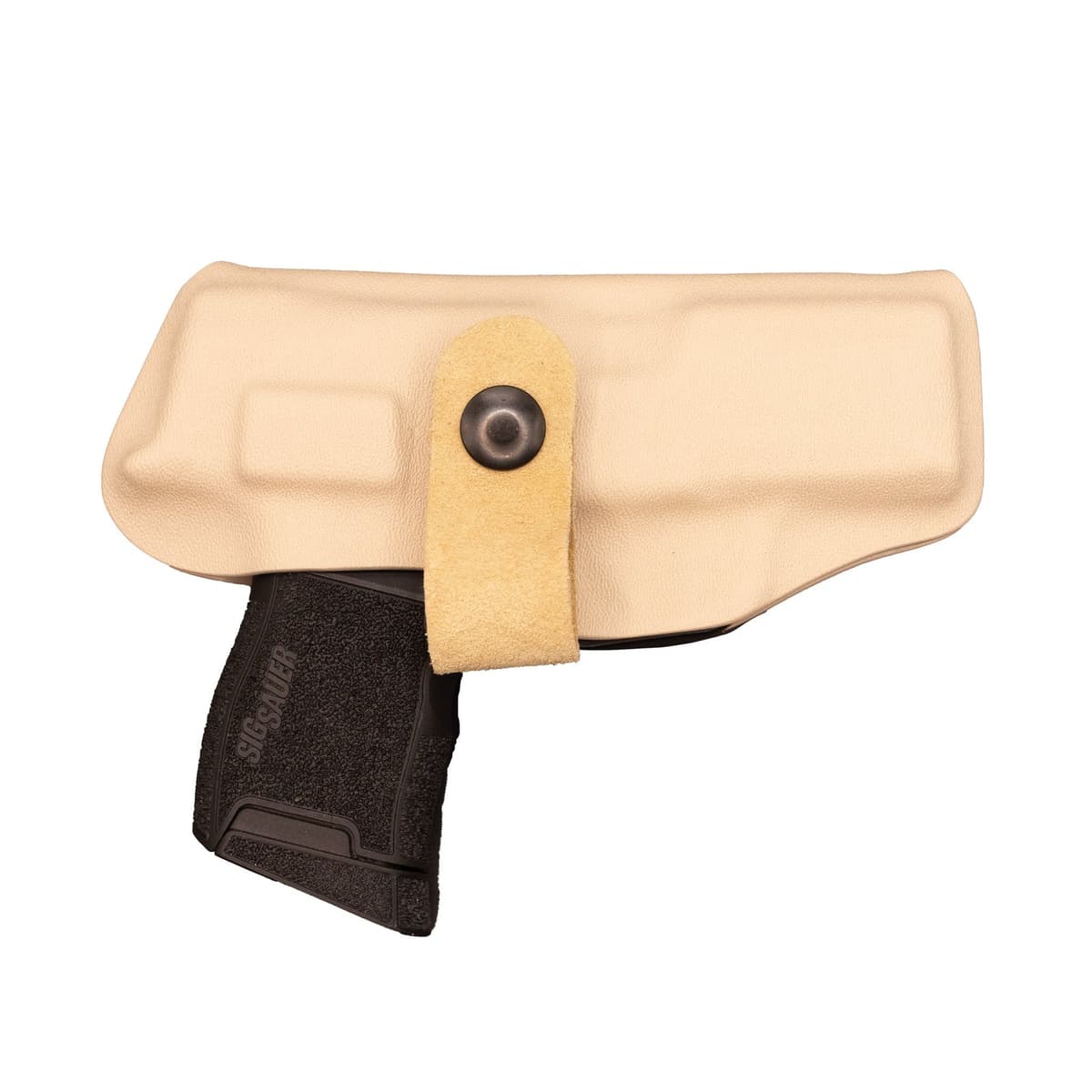
Flashbang Bra Holster
- Bra holster
- Center carry

Marilyn Holster
- Bra holster
- Side/underarm carry
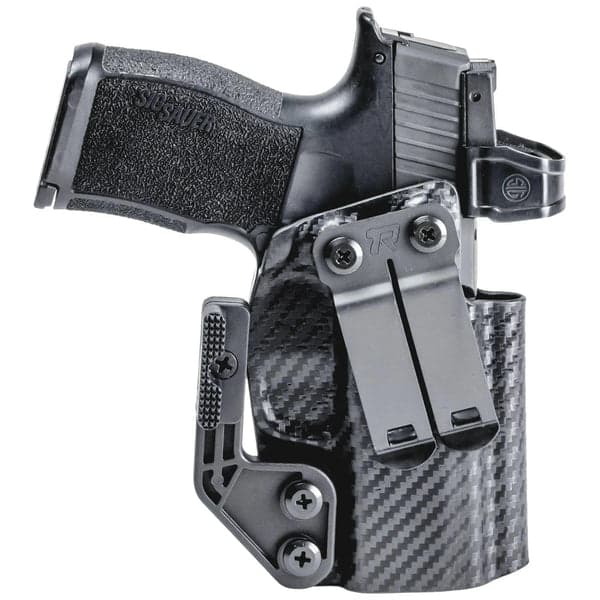
IWB Kydex Holster
- IWB/AIWB
- .08" Kydex
Affiliate links (?)
The Statute the Injunction Blocks and How Bruen Got Here
18 U.S.C. § 930(a) makes it a federal offense to knowingly possess a firearm in a federal facility. The maximum penalty is one year of imprisonment, a fine, or both. The Postal Service's own regulation, 39 C.F.R. § 232.1(l), extends the prohibition to any postal property and to vehicles on postal property, and it authorizes postal inspectors to enforce it. Together those two provisions have been the federal-enforcement foundation for the post office firearms ban for decades.
NYSRPA v. Bruen (2022) rewrote how federal courts analyze Second Amendment challenges. The old two-step means- end scrutiny is gone. Under Bruen, if conduct is covered by the Second Amendment's plain text (“keep and bear arms”), a regulation is presumptively unconstitutional unless the government affirmatively identifies a founding-era or Reconstruction-era historical analog that regulated comparable conduct in a comparable way. Judge O'Connor's September 2025 ruling applied that framework and held that carrying a firearm at an ordinary post office is protected conduct and that the government failed to produce a historical tradition of restricting arms at analogous government facilities. For a fuller picture of how Bruen-era rulings are reshaping firearms law, see our coverage of the Supreme Court's Viramontes cert grant and the Third Circuit's New Jersey ruling.
The takeaway for carriers is narrow but real: SAF and FPC members are covered at ordinary post offices; non-members are still exposed to the underlying federal statute; the statute itself remains on the books for future litigation to test on behalf of everyone else.
Frequently Asked Questions
▶Can I legally carry a concealed firearm into a U.S. Post Office starting today?
▶How do I actually become a covered FPC or SAF member?
▶Which post offices are covered by the injunction?
▶Does this ruling apply to state and local carry restrictions on the way to or from the post office?
▶What happened between the September 2025 ruling and the July 2026 DOJ withdrawal?
▶Can Congress or a future DOJ re-appeal or reinstate the ban?
▶What is the safest concealed-carry setup for a quick post office trip?
Bottom Line
A concealed carrier who is a current member of the Firearms Policy Coalition or the Second Amendment Foundation can now legally carry a firearm into an ordinary U.S. Post Office and its parking lot under Judge O'Connor's September 30, 2025 permanent injunction. DOJ moved to voluntarily dismiss its Fifth Circuit appeal on July 16, and once the Fifth Circuit enters that dismissal there is no appellate opinion to reverse or distinguish. Non-members are still subject to 18 U.S.C. § 930(a) and can be prosecuted for the same conduct.
For anyone who runs regular errands through the USPS, this is roughly $15 to $25 a year to solve. Join SAF or FPC before you carry, keep the membership current, keep proof of membership on your phone, and treat non-standalone facilities (federal buildings, military installations) as uncovered. The concealed-carry setup does not change: use the same pistol, same holster, same carry-position you already carry with day-to-day; the legality of walking through the post office door is what changed.
For deeper coverage on the concealed-carry gear side, the appendix carry holster guide, the best 9mm pistols guide, and the best .380 ACP pistols guide cover the current top picks by frame size, caliber, and carry position. Use the comparison tool to line two candidates up side by side on weight, capacity, and trigger before you buy.