Washington Bolt-Action & Fixed-Mag AR Builds Explained
Start with a purpose-built manual-action rifle. RCW 9.41.010 excludes firearms operated by bolt, pump, lever, or slide. A factory DS-15 is a narrower semiautomatic option. Adding a magazine lock to an ordinary AR lower does not create the same receiver design.
Key Takeaways
- →Clearest path: A purpose-built no-gas rifle matches the statute's manual-action exclusion.
- →Pick by role: Thunderbolt is the handiest 5.56 choice, Small Block is the lower-cost small frame, and Big Block serves large-frame precision.
- →Ordinary conversions: A CompMag or Cross Armory-style lock does not remove the named-model issue from an ordinary AR lower.
- →Parts boundary: Review the upper, lower, carrier, gas parts, and conversion parts controlled by 1 person.
- →No conversion-back path: Restoring semiautomatic operation after a manual-action transfer can manufacture the prohibited configuration.
The Short Answer: Start With Purpose-Built Manual Action
A Washington bolt-action AR build starts with a firearm that is actually manual in operation. The clearest path is a complete, purpose-built rifle whose documented design omits the gas system and requires the shooter to cycle the bolt after every shot. A true single-shot system loads one cartridge, fires it, then requires the shooter to open the action, eject the case, and load the next cartridge by hand.
The DS-15 fixed-mag rifle remains semiautomatic, so it does not use the manual-action exclusion. An add-on magazine lock on an ordinary AR lower does not create the DS-15's factory receiver.
This is general guidance, not legal advice. Have the receiving FFL review the exact firearm and parts set before you pay, and consult qualified Washington counsel when the classification is disputed.
For a wider look at rifles, shotguns, and handguns sold after HB 1240, use the broader Washington tactical-firearms guide.
Washington's Named-Model, Fixed-Mag, and Manual-Action Tests
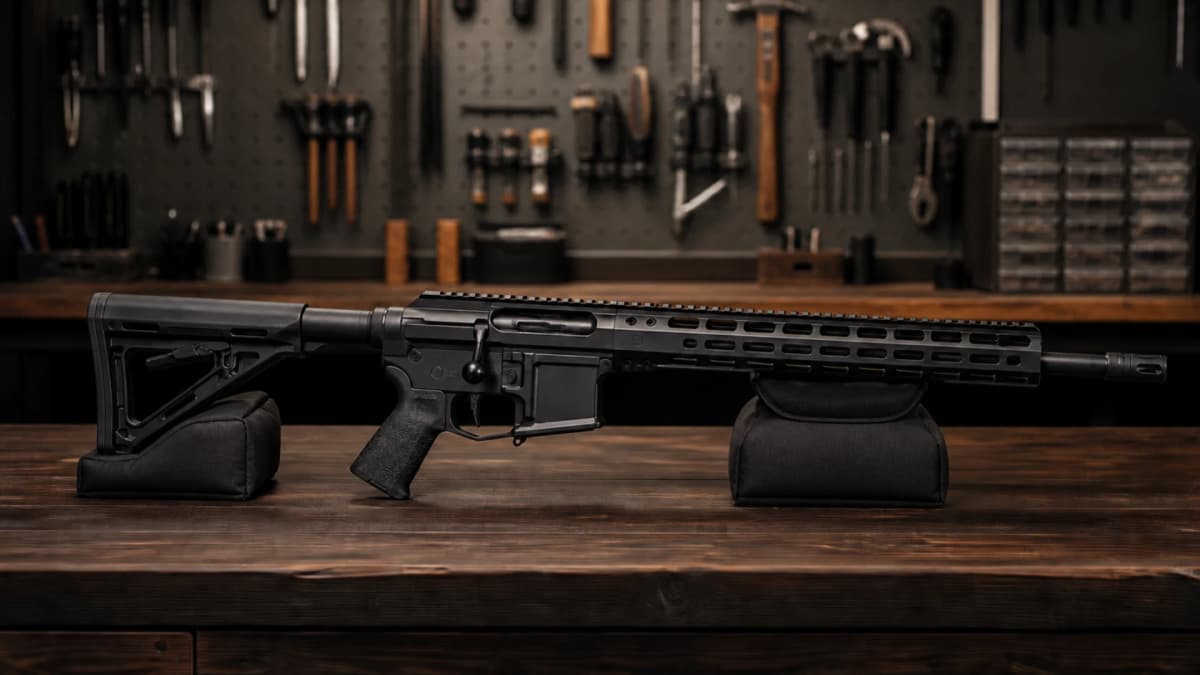
Start with the action the firearm actually creates. RCW 9.41.010 excludes a firearm manually operated by bolt, pump, lever, or slide action. On the purpose-built rifles reviewed here, the manufacturer documents a manual bolt action and omits the gas block, gas tube, and gas key. The shooter cycles each round by hand. Omitting those parts alone would not prove manual operation on every firearm.
The same section separately names AR-15s, M16s, and M4s in all forms. It also covers parts from which an assault weapon can be assembled when those parts are possessed or controlled by one person. Read those branches together. The Washington assault-weapon feature tool summarizes the current state rule and links the primary statutes.
The fixed-magazine branch separately covers a semiautomatic centerfire rifle with a fixed magazine holding more than 10 rounds. A factory 10-round fixed magazine avoids that one branch, but it does not erase the named-model branch. For a factory DS-15, the open question is whether its receiver and model identity fall outside the named AR-15 and M4 family. Fixed capacity alone does not answer that question.
Purpose-Built Bolt-Action AR-Pattern Rifles
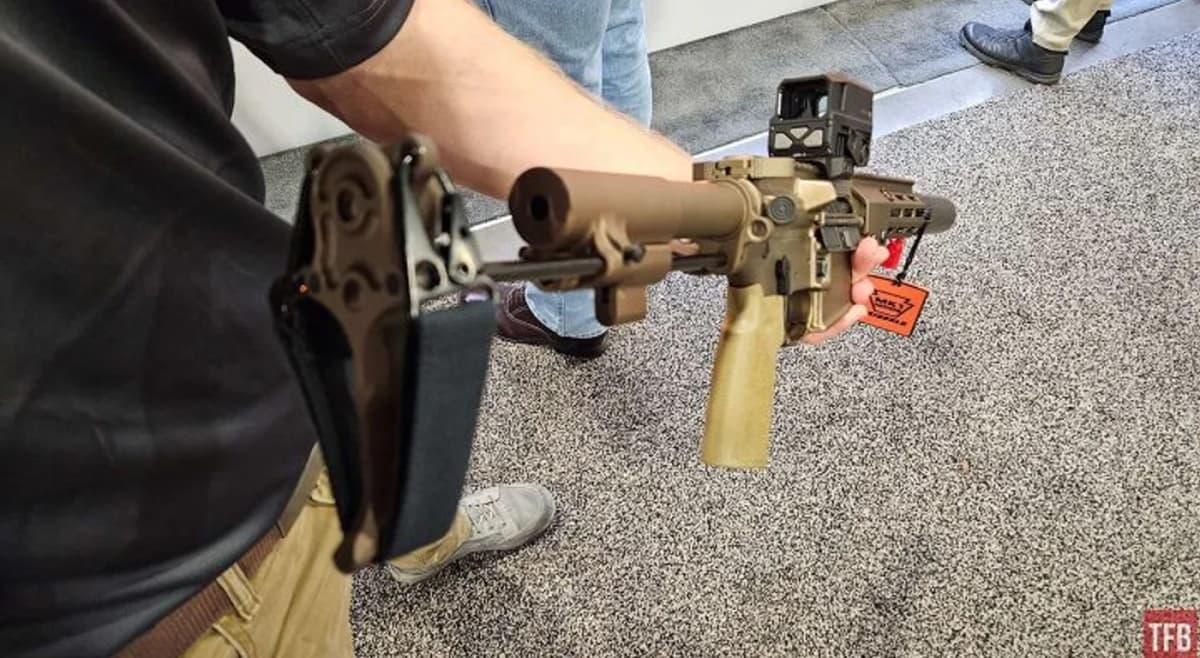
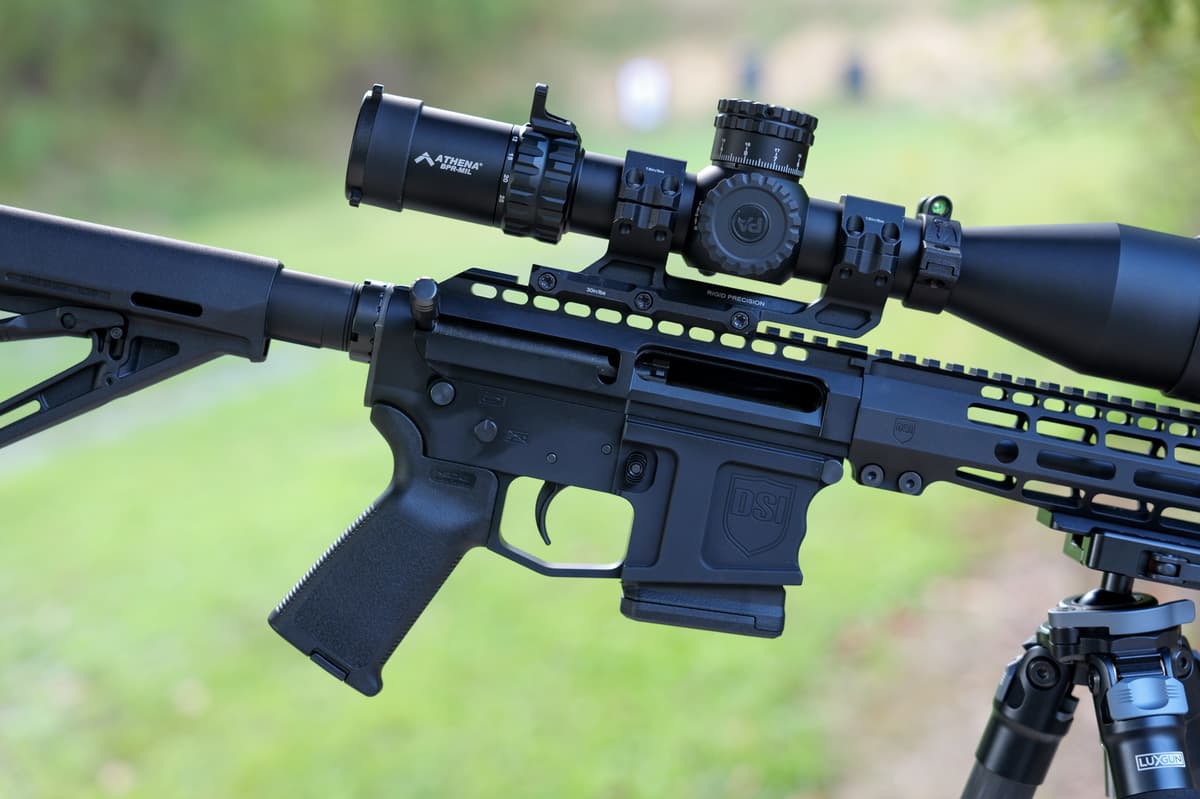
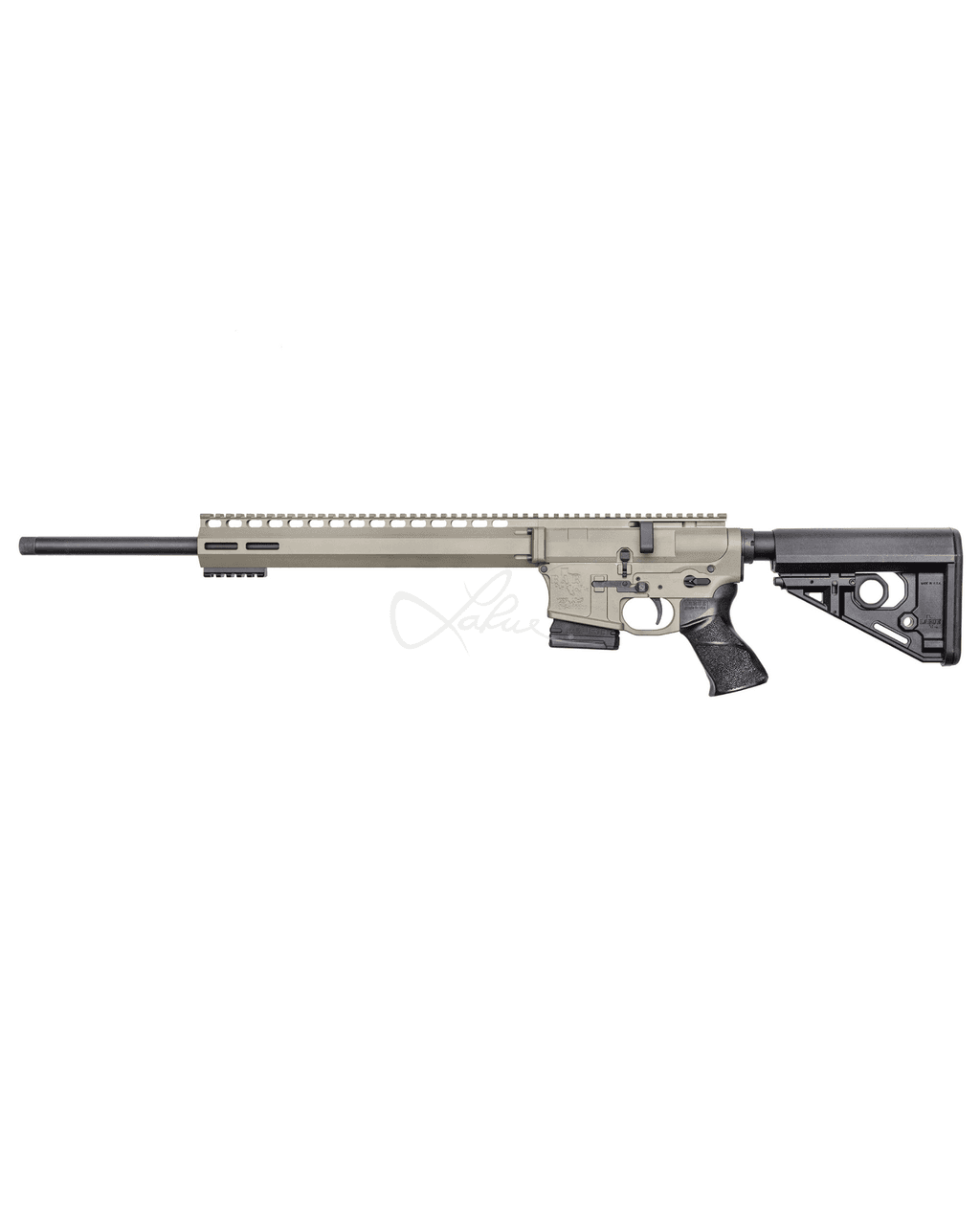
Complete no-gas rifles keep the action and serialized firearm in one factory configuration. The 16-inch Dark Storm DS-15 Thunderbolt is the shortest and handiest factory no-gas 5.56 choice here. Its catalog price is $1,195. The 20-inch LaRue BAR*NONE Small Block is the lower-cost small-frame choice in .223/5.56 or .300 BLK at $999.99.
The 24-inch BAR*NONE Big Block moves into the .308/7.62 NATO or 6.5 Creedmoor precision role at $1,249.99. Choose it only when the large-frame cartridges and match barrel are worth the extra four inches of barrel. All three are purpose-built manual actions; choose by handling, chambering, and intended range.
Affiliate links - purchases support this site at no extra cost to you. (?)
Purpose-Built Manual-Action AR-Pattern Rifles
These complete rifles document a manual bolt action and omit the self-loading gas system. Washington's statutory analysis still turns on the particular firearm and the parts one person possesses or controls.

LaRue BAR*NONE Small Block
Lower-Cost Small-Frame Choice
- +Omits the gas block, gas tube, gas key, heavy carrier, and conventional charging handle
- +Complete serialized rifle avoids pairing a new stripped lower with a separate upper
- +Small Block is offered in .223/5.56 and .300 BLK
- −AR-pattern architecture still requires a mechanism and parts review
- −The 20-inch barrel is longer than the Thunderbolt's 16-inch barrel
- −Threaded and non-threaded variants require review of the ordered configuration
Dark Storm DS-15 Thunderbolt Bolt Action 5.56
Shortest Factory 5.56 Choice
- +Manufacturer documentation identifies a true bolt action and no gas system
- +Complete factory rifle avoids a customer-created upper and lower combination
- +The black 5.56 SKU and UPC are manufacturer-published
- −Costs more than the Small Block
- −Complete-rifle weight is not published
- −Other calibers and pistol configurations need their own review
LaRue BAR*NONE Big Block
Large-Frame Precision Role
- +Uses the same purpose-built no-gas-system boundary as the Small Block
- +Complete serialized rifle in .308/7.62 NATO or 6.5 Creedmoor
- +A 24-inch match barrel supports the large-frame precision role
- −Four inches longer at the barrel than the Small Block path
- −AR-10 and SR-25-pattern parts are not universally interchangeable
- −Only .308/7.62 NATO and 6.5 Creedmoor are offered in this large-frame line
Affiliate links - purchases support this site at no extra cost to you. (?)
Dedicated Uppers, True Single-Shot Systems, and Reversible Conversions
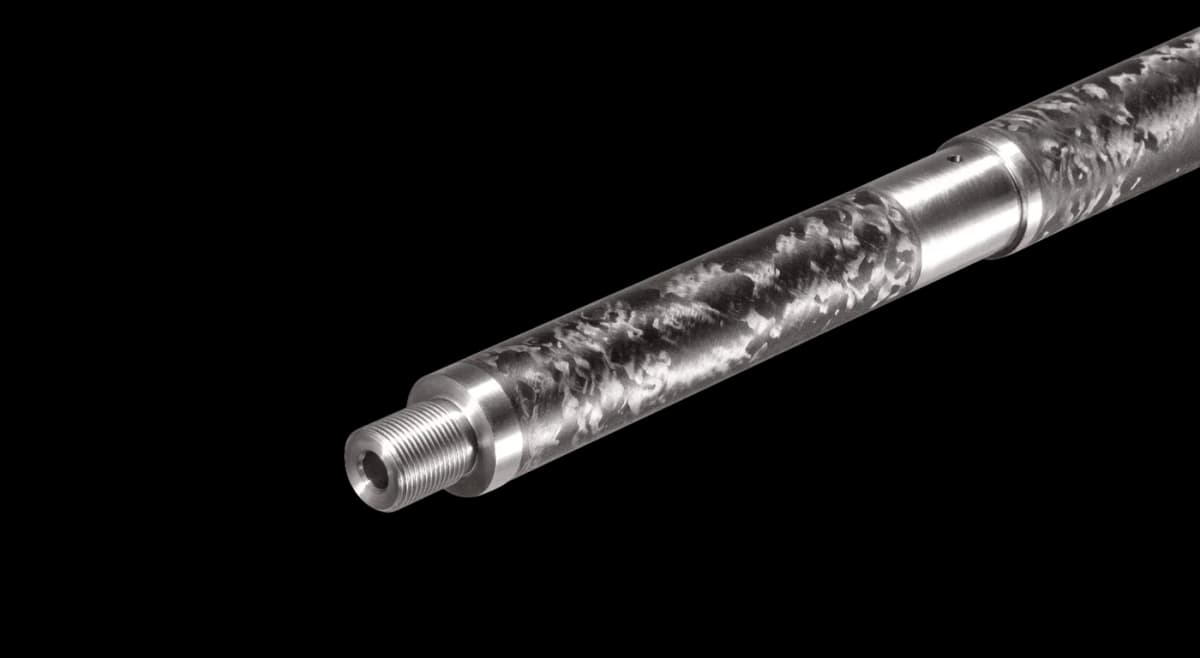
A dedicated bolt-action or straight-pull AR upper can create a manual cycle, but a complete rifle remains easier to analyze. First identify what the upper removes or replaces. A no-gas-port barrel and a purpose-built bolt do more than change the charging handle: they remove the energy path that would otherwise cycle the carrier. The DI versus piston guide explains both self-loading gas paths. A manual upper wins this question by omitting them, not by choosing one over the other.
A reversible conversion needs a narrower conclusion. A gas-key and charging-handle substitution can divert gas and require manual cycling. Because the original self-loading parts can be restored, review the conversion with every semiautomatic part held by the same person. For a new build, a purpose-built no-gas configuration creates the simpler path.
A budget bolt-action-style upper must actually prevent self-loading; the product name alone does not decide its action. A true single-shot upper has a different cycle: load one cartridge, fire, open the action, eject, and reload by hand. Get the specific SKU and mechanism documents before applying the manual-action exclusion.
The Factory DS-15 Fixed-Mag Receiver
Dark Storm builds the factory DS-15 receiver around a retained 10-round magazine instead of adding a lock to an ordinary AR lower. That receiver-level architecture is the reason to review the DS-15 as its own exact model. Confirm the model and transfer acceptance with the receiving FFL before paying.
US Patent 9,482,478 documents the receiver-level magazine-retention design. Patent law does not decide how RCW 9.41.010 classifies the rifle. The DS-15 remains semiautomatic with AR/M4 operating features, so it does not use the manual-action exclusion.
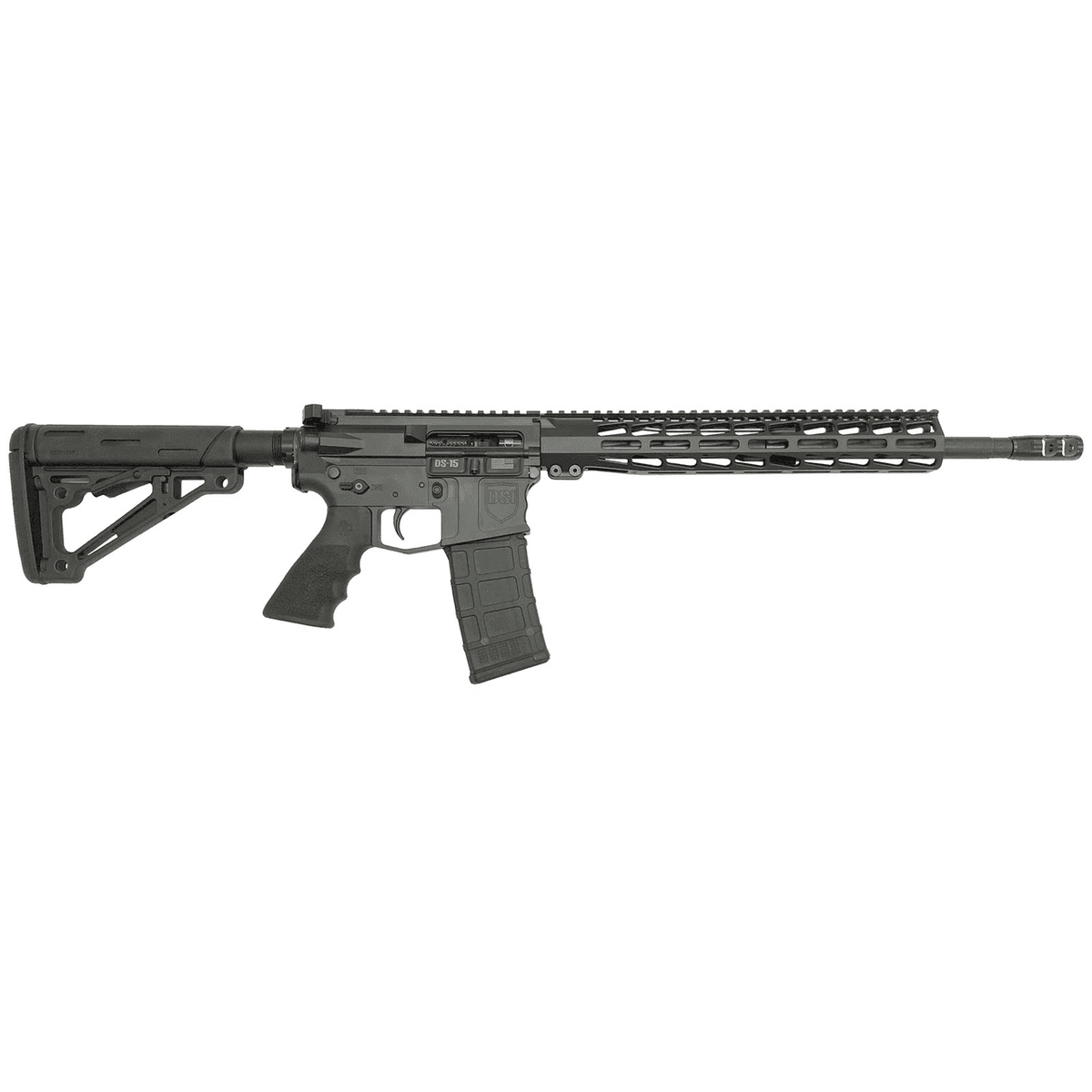
Dark Storm DS-15 Typhoon Fixed Magazine 5.56
Factory semiautomatic rifle whose receiver is built around a retained 10-round magazine rather than an add-on lock.
- Receiver built around the retained magazine
- Factory-retained 10-round magazine
- Semiautomatic direct-impingement operation
Affiliate links - purchases support this site at no extra cost to you. (?)
Why CompMag and Mag-Lock Conversions on Ordinary AR Lowers Are Different
A CompMag or Cross Armory-style lock changes how a magazine attaches to an ordinary AR-15 or M4-marked lower. It does not create the DS-15's factory retained-magazine receiver or model identity, and it does not change the semiautomatic action. The fixed-magazine capacity branch therefore does not become a blanket exception to the named-model branch.
Buying a manual-action rifle and restoring a gas system after transfer is also not a compliance path. Once the firearm cycles itself after each shot, it no longer uses the manual-action exclusion. Creating that prohibited semiautomatic configuration raises Washington's assembly and manufacture rules, regardless of how the firearm was originally transferred.
Stripped Lowers, Parts Combinations, and Manufacturing
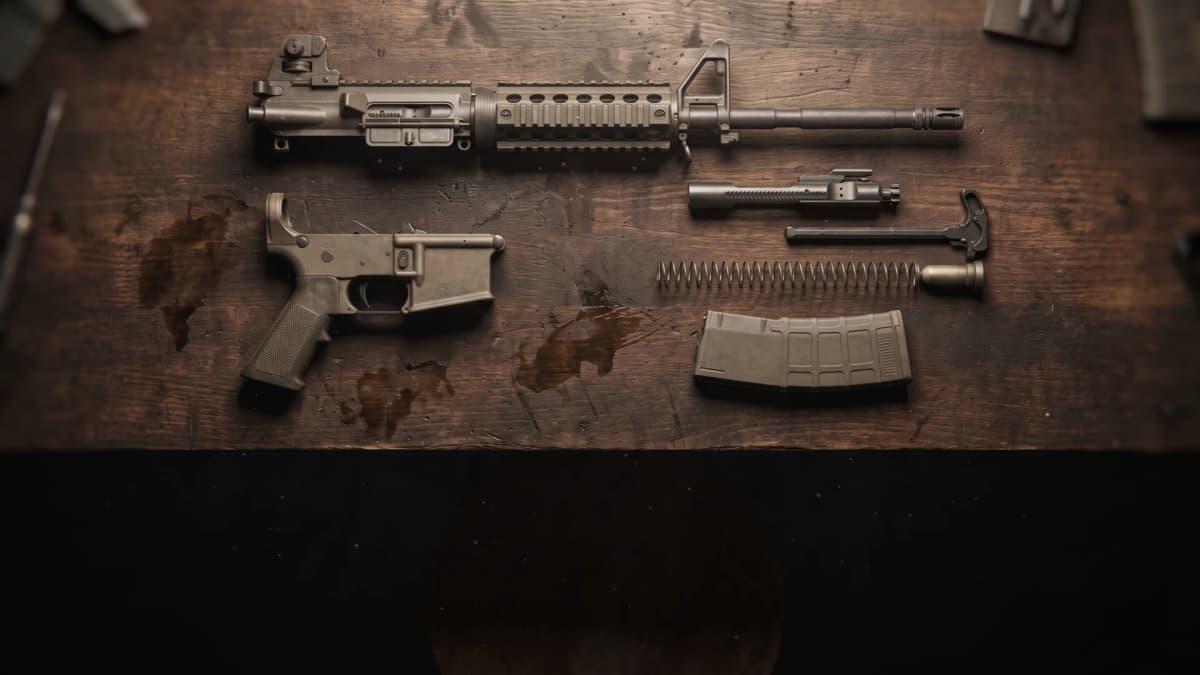
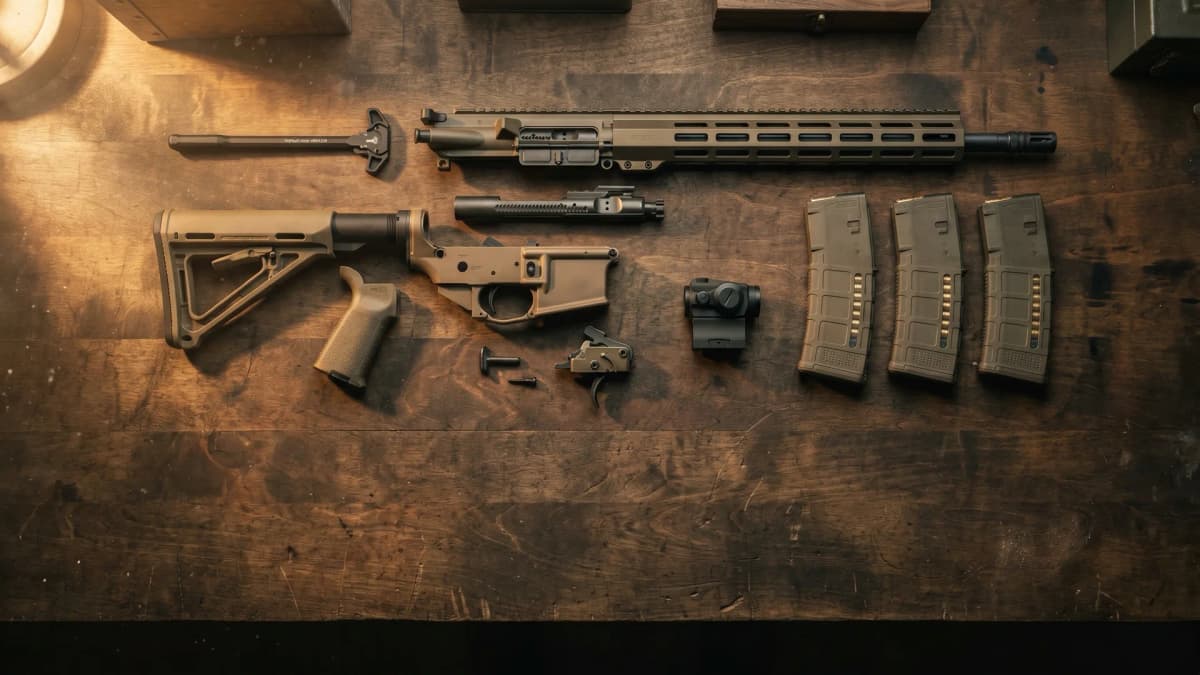
A stripped lower is not a blank check for a manual-action build. Washington defines “assemble” and “manufacture,” and its assault-weapon definition reaches some combinations of parts possessed or controlled by one person. The lower, intended upper, carrier, gas parts, and reversible conversion parts must be reviewed as one plan.
The ordinary first AR build guide is useful for identifying the upper, lower, carrier, charging, and gas-system parts, but its normal semiautomatic assembly steps are not a Washington compliance plan. The rifle builder can map the parts mechanically; it does not decide whether their possession or assembly is lawful in Washington.
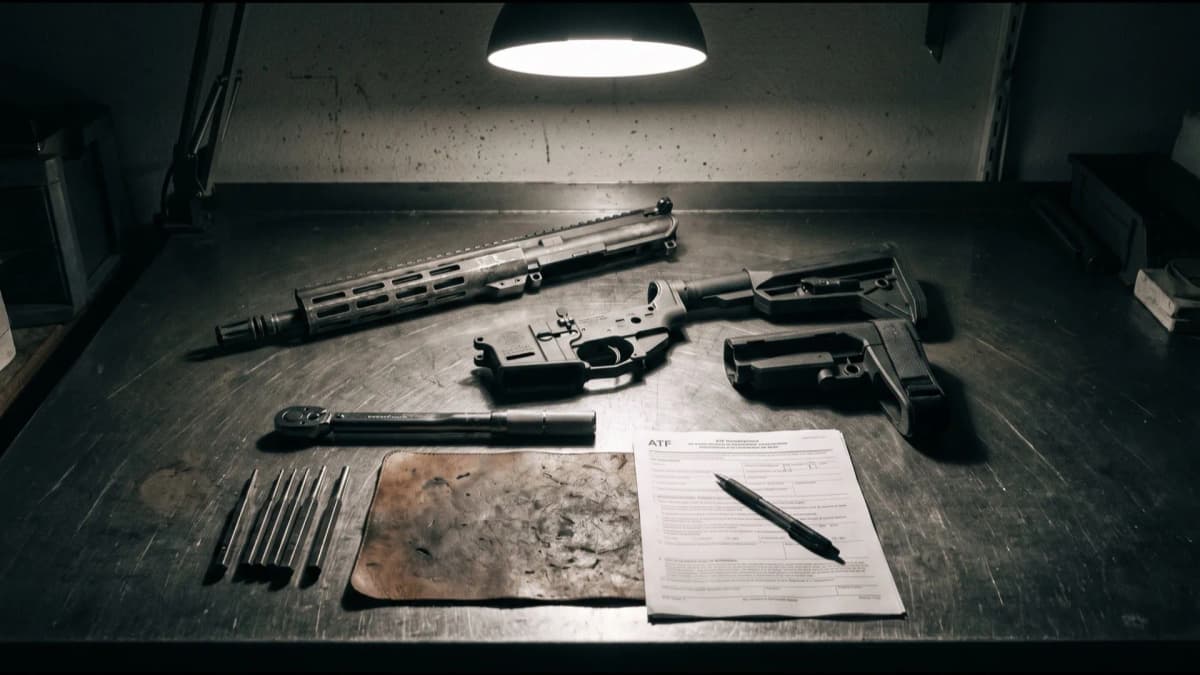
Dealer willingness to transfer a receiver tells you only what that shop will accept. Review the particular receiver, planned action, and full parts set before money or parts move.
Existing Pre-April 25, 2023 ARs: Possession, Repair, and Replacement Parts
Keep existing-rifle service separate from a new build. Washington's current guidance says possession of a previously lawfully possessed assault weapon is not prohibited. RCW 9.41.390 does not state a general repair exception. Its express dealer or gunsmith repair-and-return language applies to firearms received by inheritance under subsection (2)(e).
Before shipping any other existing rifle for service, give the dealer or gunsmith the firearm's history, work order, and replacement-parts list. Ask for the exact legal return path in writing and get qualified Washington legal advice. A repair plan is not authority to assemble another rifle from a spare lower and loose parts. For large-frame repairs, the AR-15 versus AR-10 guide explains why AR-10, LR-308, and SR-25-pattern parts cannot be assumed interchangeable.
Current Court Posture and What It Changes
As of August 29, 2026, the ban remains operative. Preliminary relief was denied in Hartford and Banta, and Washington prevailed at summary judgment in Guardian Arms at the trial court. Those cases have not suspended RCW 9.41.010 or RCW 9.41.390.
Apply the current text of RCW 9.41.010 and RCW 9.41.390 to the particular firearm and full parts set before ordering, assembly, or conversion.
Before Ordering: Specific-SKU and FFL Checklist
Do the mechanism review before paying. A receiving FFL needs the particular product, not a category name such as “bolt-action upper” or “Washington compliant.” Work through these five checks in order:
- Identify the serialized firearm: Start with the complete rifle or receiver that will be transferred. Record the manufacturer, model, SKU, caliber, barrel configuration, and whether the purchase is a complete firearm or a separate receiver and upper.
- Identify the proposed path: Separate a purpose-built manual action from a factory fixed-magazine receiver or an aftermarket conversion on an ordinary lower. These paths depend on different facts.
- List every part possessed or controlled: Review the lower, upper, carrier, gas-system parts, conversion parts, and any semiautomatic components held by the same person. Washington's definition includes a parts-combination branch.
- Separate a new build from an existing-rifle repair: A new assembly and work on a lawfully possessed pre-April 25, 2023 rifle do not use the same statutory path. Define whether the transaction creates a new firearm or services an existing one.
- Get a specific-SKU transfer decision before payment: Give the receiving Washington FFL the specific SKU, mechanism documents, and parts list. For a disputed configuration, obtain advice from qualified Washington counsel before ordering or assembling parts.
If the FFL cannot decide from the SKU and mechanism documents, stop before ordering. Qualified Washington counsel is the right next step when the parts-control, manufacture, or existing-rifle boundary remains disputed.
Frequently Asked Questions
▶Does a fixed magazine make an AR-15 legal to build in Washington?
▶Is the Dark Storm DS-15 fixed-mag rifle officially approved for Washington?
▶Can a bolt-action AR-pattern rifle fall outside Washington's assault-weapon definition?
▶Is a reversible gas-key conversion enough for a new Washington build?
▶Can a Washington dealer transfer a stripped AR lower for a manual-action build?
▶Can an existing pre-ban AR-15 be repaired in Washington?
▶Have the lawsuits stopped Washington's assault-weapon ban?
Get Washington Firearm-Law and Build Updates
Mechanism-first build guidance, state-law changes, and specific configuration notes delivered by email.
The Verdict
Choose the Thunderbolt for the shortest 5.56 rifle, the Small Block for a lower-cost small-frame rifle, or the Big Block for large-frame precision.
Keep the manual mechanism intact. If you are considering the factory DS-15 instead, get the receiving FFL's exact-model transfer decision before paying.