Streamlight ProTac HL-X
- ✓1,000 lumens
- ✓50,000 candela

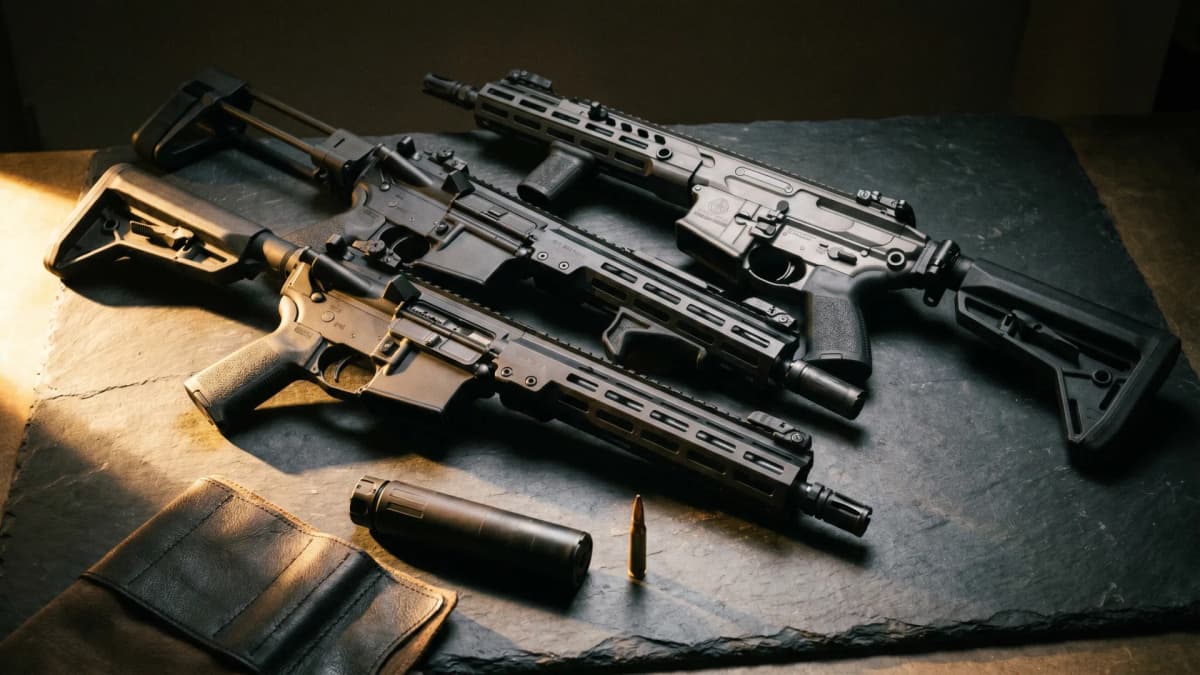
A step-by-step Form 1 walkthrough for converting a braced AR pistol into a registered short-barreled rifle, plus the stock, upper, barrel, and suppressor upgrades to run once your stamp clears.
Converting a braced AR pistol into a short-barreled rifle is the cleanest it has ever been. The federal making tax is now $0, eForm 1 approvals come back in days, and a registered SBR finally lets you run a real stock, a shorter barrel, and a vertical foregrip without splitting hairs over brace rules.
A short-barreled rifle is a rifle with a barrel under 16 inches, or an overall length under 26 inches, that has a stock designed to be fired from the shoulder. What makes it an SBR is the shoulder stock on a sub-16-inch host: bolt a real buttstock onto your braced AR pistol and you have made an SBR, which is an NFA item that requires an approved ATF Form 1 before the parts ever go together.
A braced AR pistol, on its own, is not an SBR. The 2023 ATF brace rule was vacated by the 5th Circuit and is not being enforced, so running a stabilizing brace on a sub-16-inch barrel is a pistol under current federal law. The line you cross is the shoulder stock and the rifle configuration, not the brace. If you would rather keep shopping braces than file paperwork, the best AR pistol braces guide covers the brace you are replacing with a stock.
Two measurements decide SBR status: barrel length and overall length. A 16-inch-or-longer barrel keeps you out of NFA territory even with a stock. Drop under 16 inches with a stock, or under 26 inches overall in a rifle configuration, and you are making an SBR. Decide which barrel you intend to run before you file, because the Form 1 asks for the barrel length and overall length of the rifle you are making.
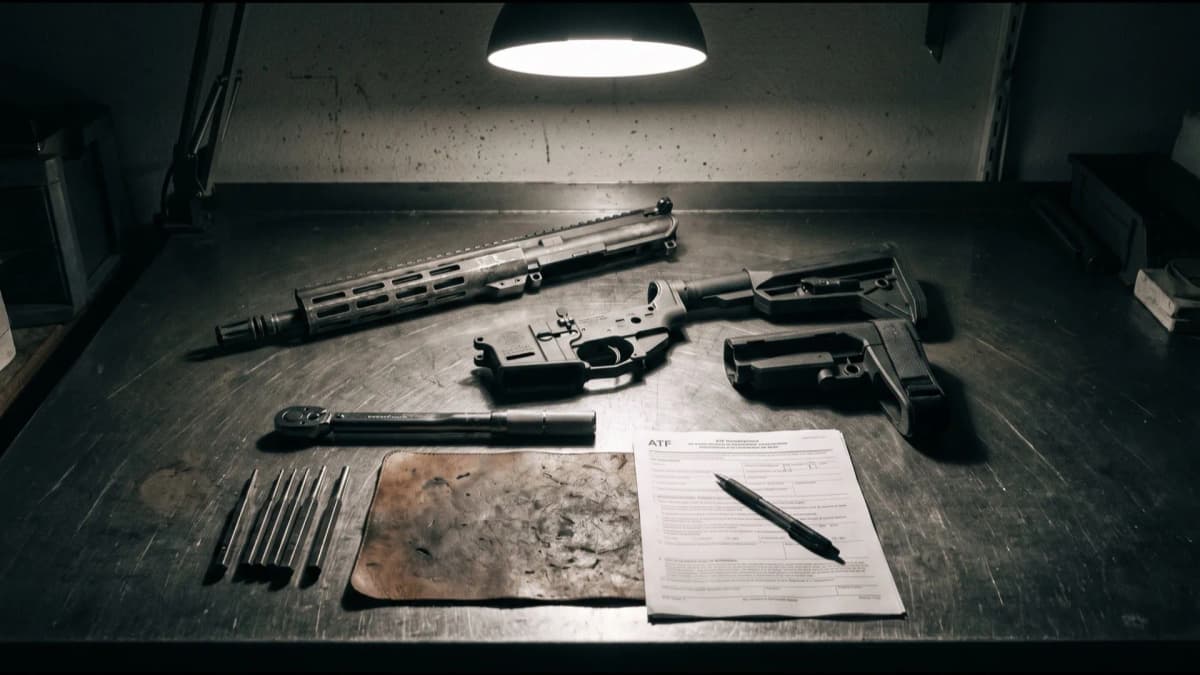
ATF Form 1 is the Application to Make and Register a Firearm, and it is the form you file to convert your AR pistol into an SBR. This is not Form 4, which transfers an existing NFA item from a dealer to you. You are making the SBR yourself, so Form 1 is the correct application, and you file it and wait for approval before you assemble the rifle.
File the eForm 1 electronically through the ATF eForms portal. The federal making tax reads $0 for SBRs as of January 1, 2026, after the One Big Beautiful Bill Act zeroed the old $200 line on suppressors, SBRs, SBSs, and AOWs. Electronic filing is also why approvals collapsed from the multi-month waits of past years to a few days to a couple of weeks today. The tax went to zero; the paperwork did not. You still register the firearm, submit fingerprints and a photo for every responsible person, complete the CLEO notification, and pass a NICS background investigation. Anyone telling you an SBR is now "no paperwork" is wrong.
Engraving is still required. As the maker you must mark the lower receiver with your name, or your trust's name, plus the city and state where the SBR was made, at least 0.003 inch deep and 1/16 inch tall. A proposed 2026 ATF rule would let Form 1 makers adopt the factory serial and markings instead of adding their own, but it is still in the public comment period and is not yet in effect, so plan on engraving today. Most makers wait until the Form 1 is approved, then engrave and assemble.
| Step | What You Do | 2026 Detail |
|---|---|---|
| Register | Pick individual or NFA trust, file ATF Form 1 (eForm) | Making tax is $0 |
| Identify | Fingerprints, photo, CLEO notification, NICS check | Still required, no skipping |
| Wait | ATF reviews and approves the eForm 1 | Days to a couple of weeks |
| Mark | Engrave maker name/trust + city + state | 0.003 in deep, 1/16 in tall |
| Build | Assemble the SBR only after approval | Keep the stamp with the gun |
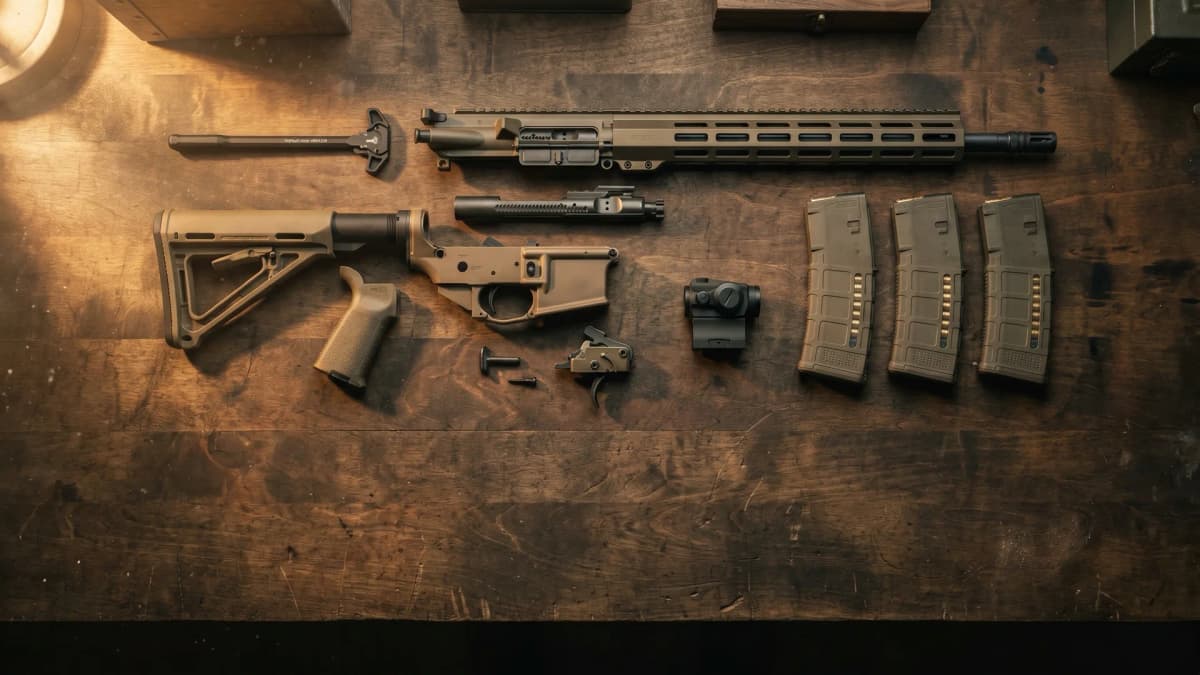
The SBR Form 1 runs the same eForm pipeline and now carries the same $0 tax as a suppressor purchase, so many builders file for a can on the same trip. The best SBRs guide covers factory and Form 1-ready picks once you decide to register, and our rifle builder lets you spec the short upper, stock, and can on the host before you buy.
Sling, light, backup sights, and QD mounts, the upgrades most builders add first.
Affiliate links (?)
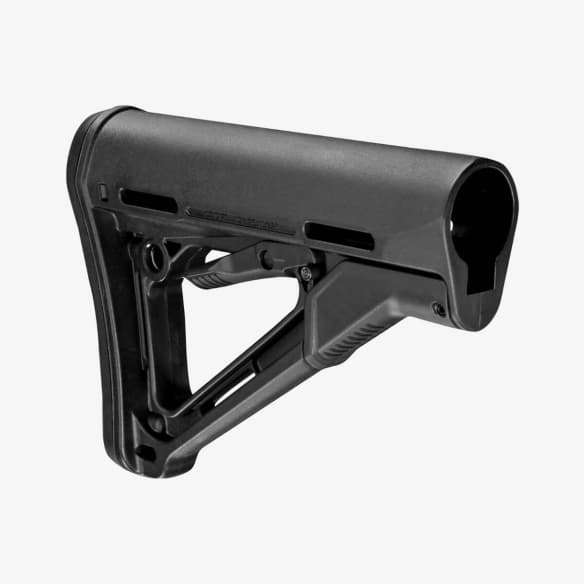
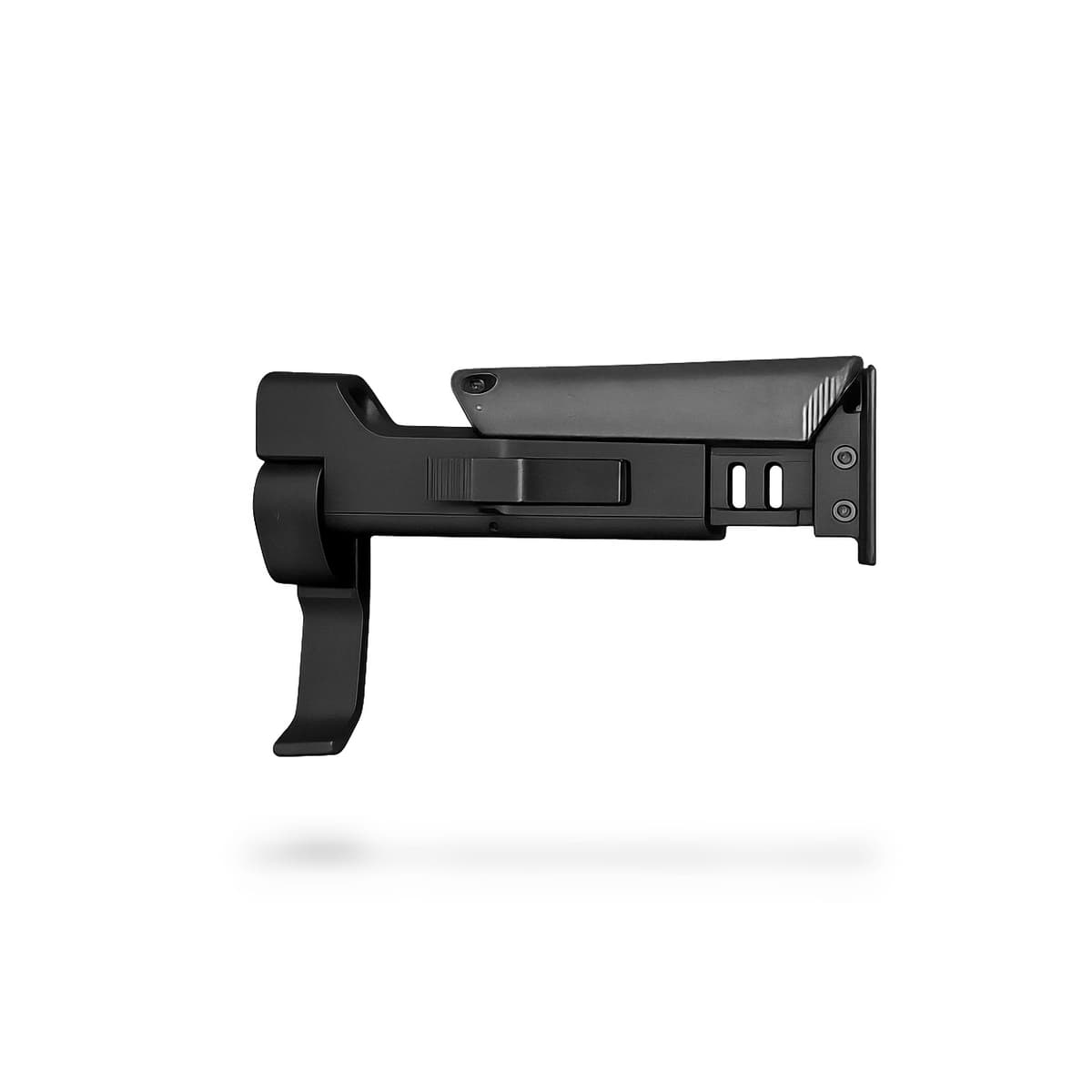
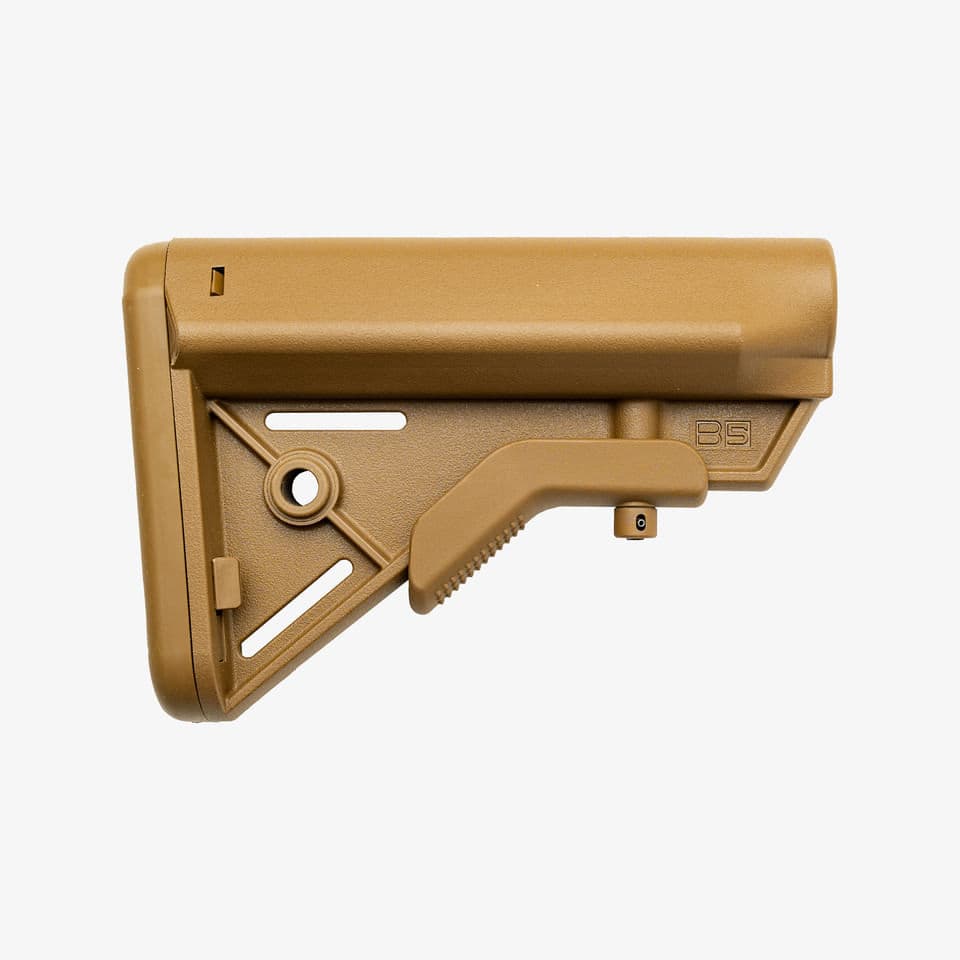
The first hardware change after approval is a buttstock designed to be shouldered. Match the stock to what your host presents at the rear: most braced AR pistols run a mil-spec carbine buffer tube, which takes a standard collapsible stock, while pistols built on a 1913 rear endplate need a 1913-mount stock. All three picks below are light, lock up without wobble, and turn the rifle configuration into something you can actually drive from the shoulder.
Best overall brace-to-stock swap
Best value stock
Best for 1913-endplate AR pistols
Affiliate links - purchases support this site at no extra cost to you. (?)
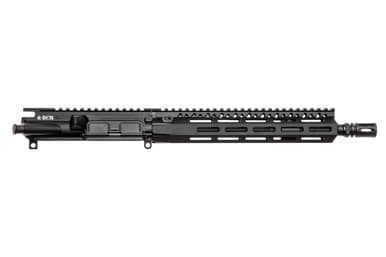
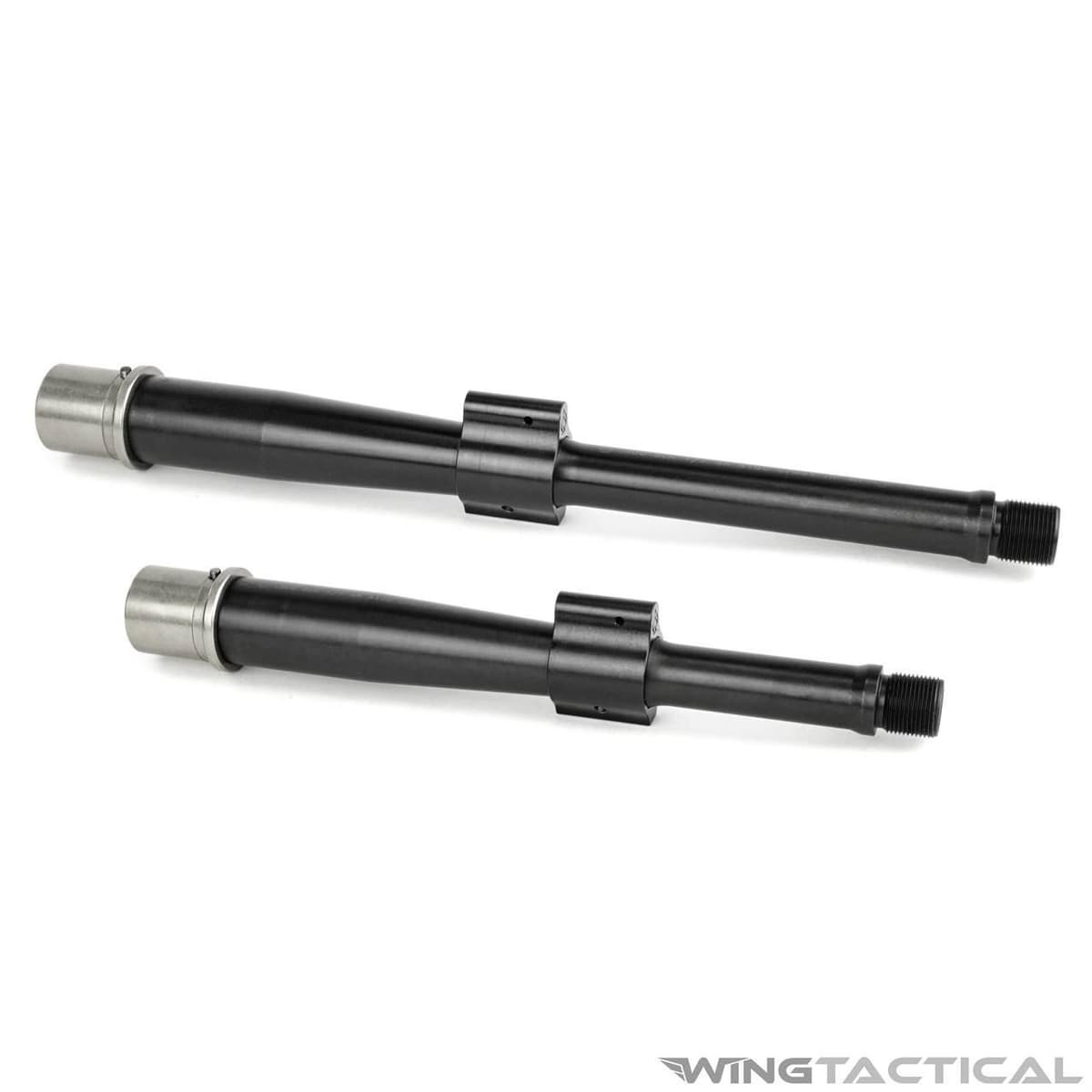
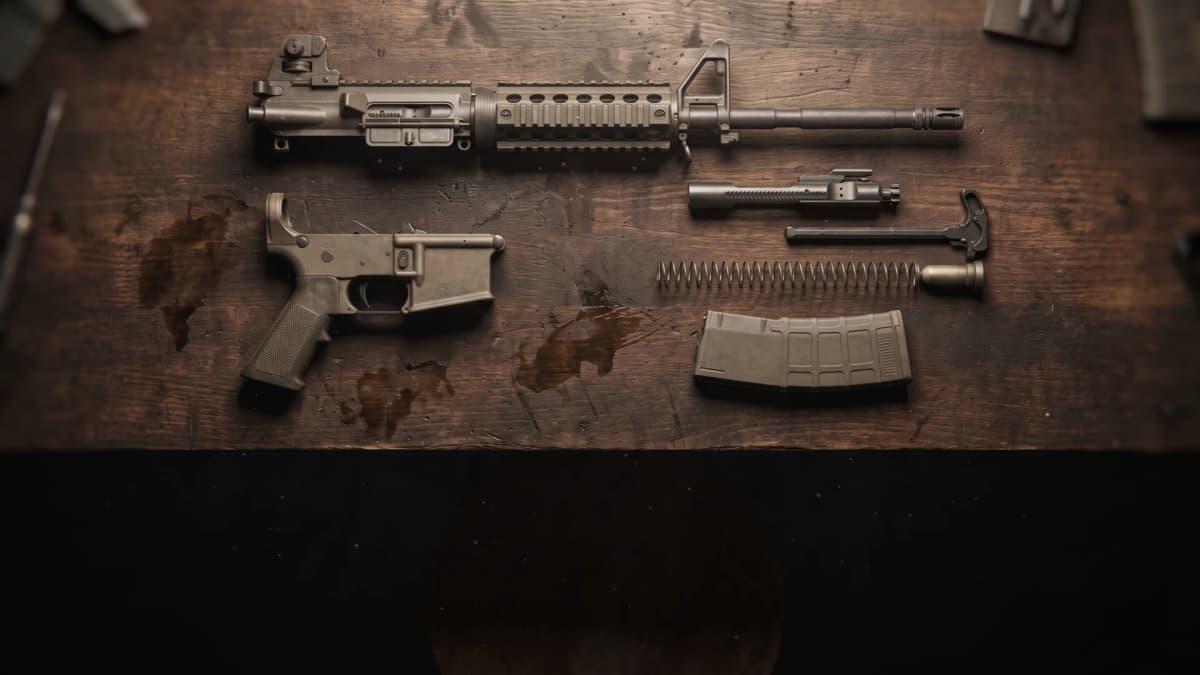
A registered SBR lets you run a barrel shorter than 16 inches with no permanent muzzle device, which is the whole point of the stamp for many builders. A complete upper is the fastest path: it drops on, headspaced and test-fired, with no gunsmithing. A bare barrel suits a parts build where you are assembling your own upper. The 11.5-inch length is the sweet spot for 5.56, keeping enough velocity for fight-stopping terminal performance while shrinking the package; 10.3 inches in .300 Blackout is the short-and-suppressed specialist. For more complete uppers across lengths, the best upper receivers guide covers options if you swap barrels.
Affiliate links - purchases support this site at no extra cost to you. (?)
A short barrel burns powder past the muzzle and loses velocity, so the load matters more than it does on a 16-inch gun. The best 5.56 ammo for short barrels guide covers loads tuned for sub-16-inch barrels so your shorter upper still performs downrange.
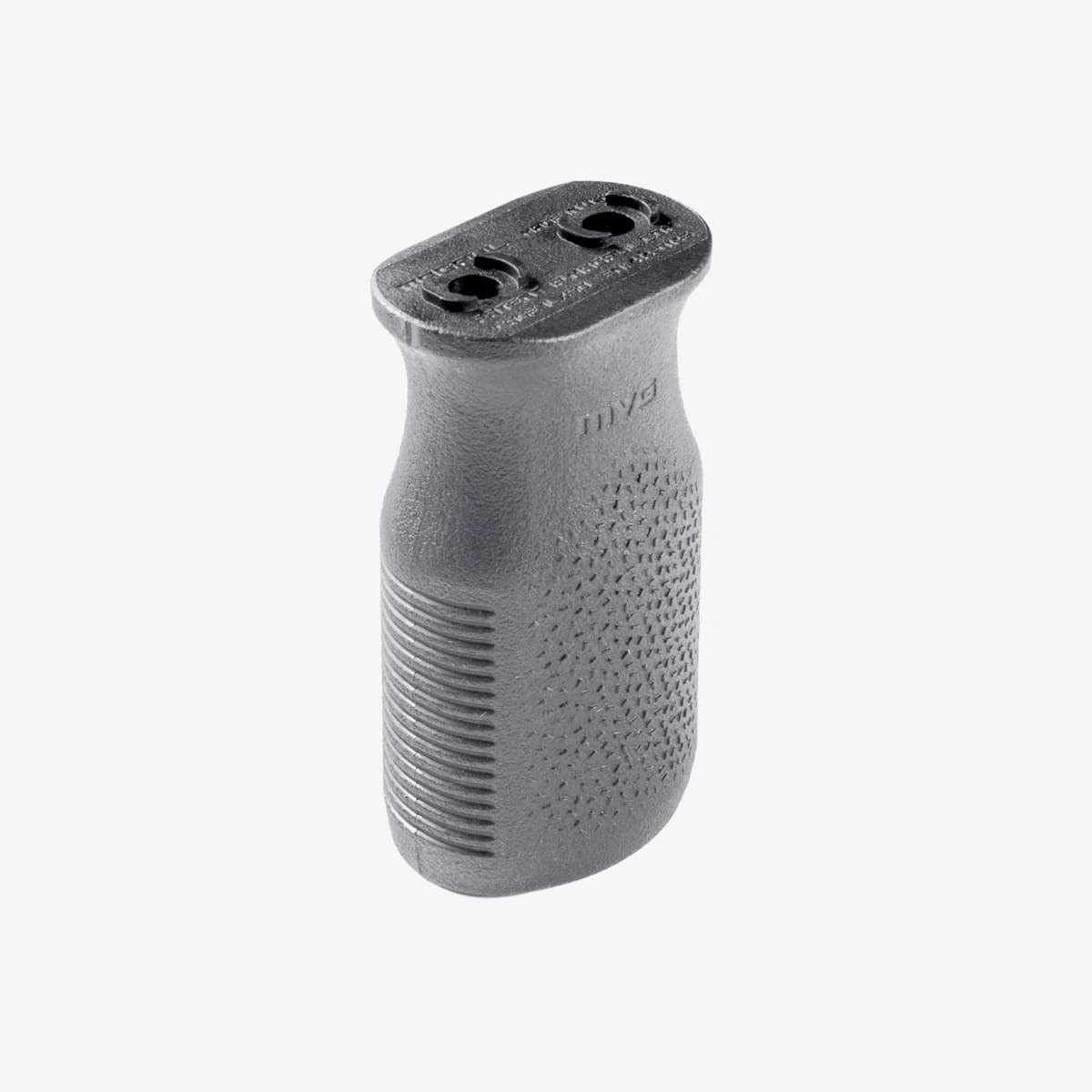
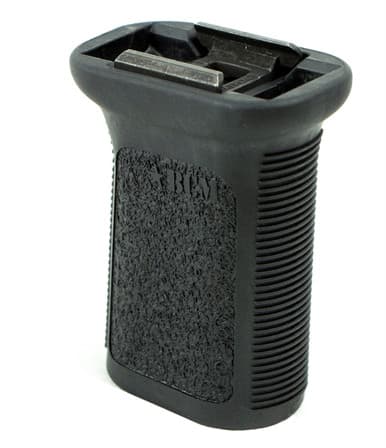
A true vertical foregrip is legal on a registered SBR because the host is now a rifle. On a sub-26-inch-overall pistol, a vertical foregrip can create an AOW, a separate NFA item, so the 90-degree grip only makes sense after your SBR stamp clears. The Magpul MVG is that true vertical grip; the BCM Gunfighter Mod 3 is the angled alternative for shooters who run a C-clamp hold. Both mount directly to M-LOK and weigh under two ounces, so they add control at the support hand without throwing off the balance of a short, light rifle.
Affiliate links - purchases support this site at no extra cost to you. (?)
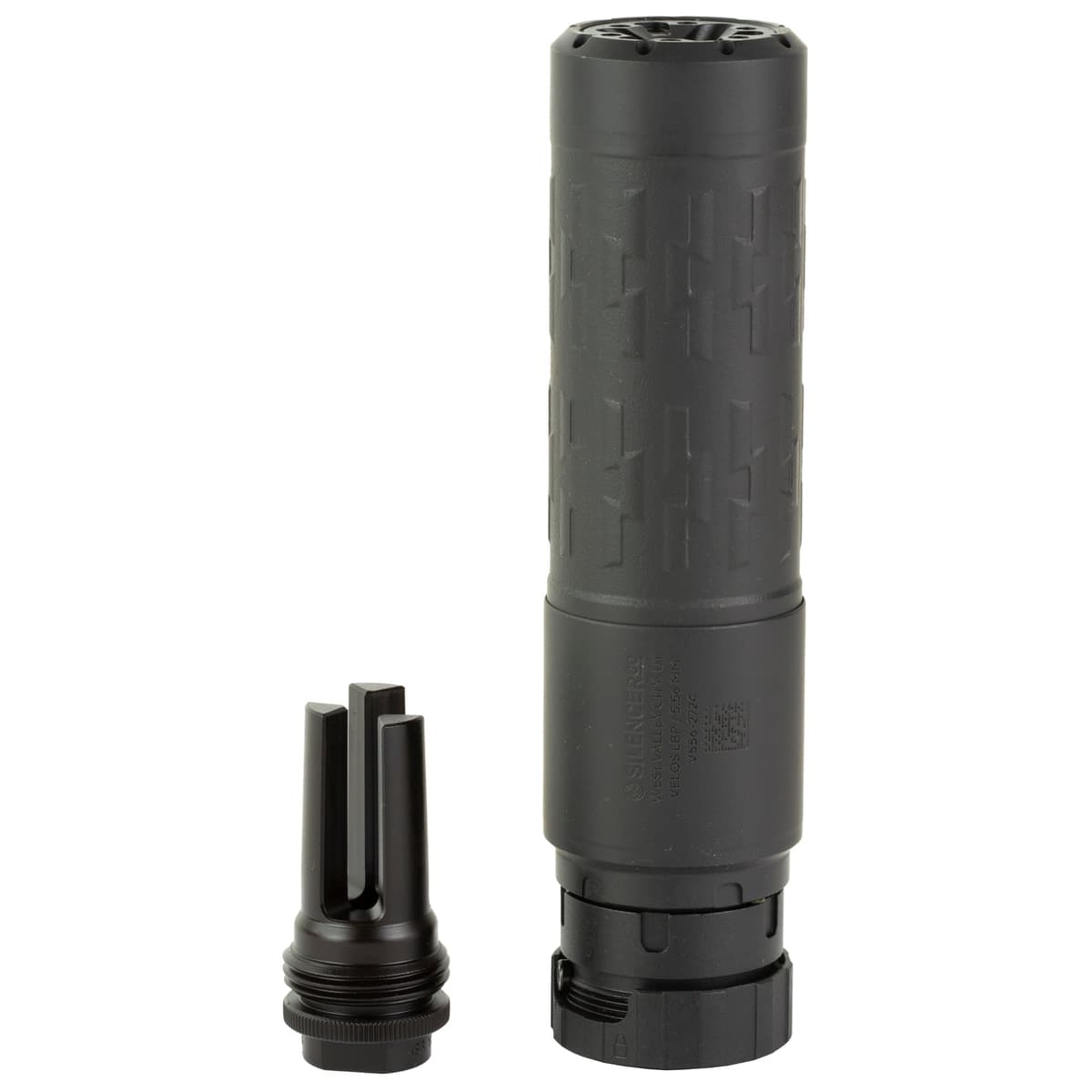
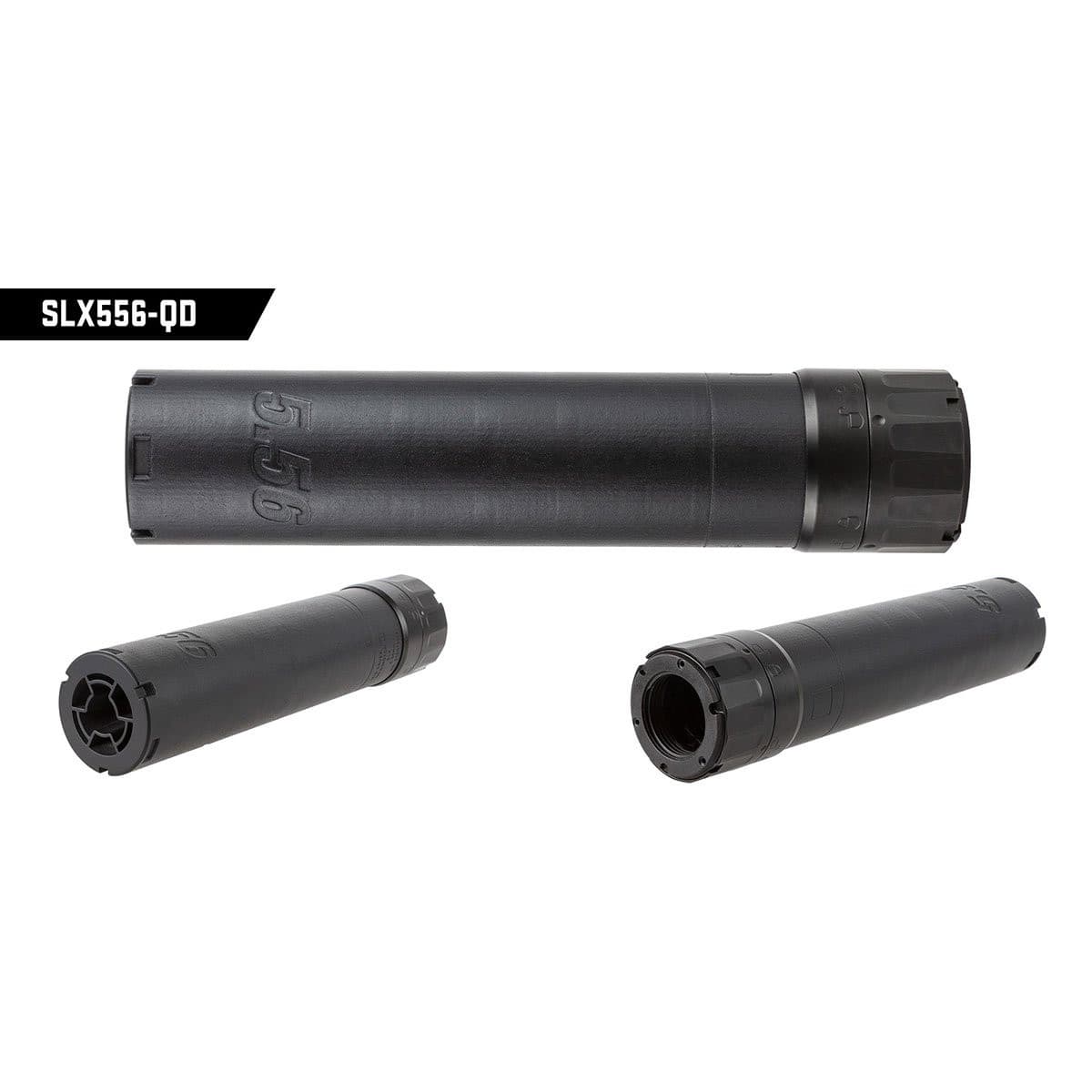
A short barrel and a suppressor belong together, and both are now $0-tax NFA items, so the second stamp costs nothing in federal tax either. The catch with a short barrel is blowback: less dwell time and a shorter gas system push more gas back at the shooter once a can goes on. Both picks below are built to manage that, one through a low-back-pressure design and one through flow-through baffles. Suppressors are legal in 42 states; California, Delaware, Hawaii, Illinois, Massachusetts, New Jersey, New York, and Rhode Island restrict or ban civilian ownership. For the .300 Blackout pairing in particular, the best .300 Blackout suppressors guide ranks the suppressor pairing for a short barrel.
Affiliate links - purchases support this site at no extra cost to you. (?)
Yes, because your host started life as a pistol. ATF Ruling 2011-4 holds that a firearm originally configured as a pistol can be made into an SBR and later returned to pistol form; the "once a rifle, always a rifle" rule only locks out receivers that were first built as rifles. Because the firearm is on the NFA registry as an SBR, consult the ATF NFA Branch about your registration record before you reconfigure the host with a sub-16-inch barrel and a brace or no stock. You can also run it as a standard Title I rifle with a 16-inch-plus barrel and a 26-inch-plus overall length at any time. The only receiver that can never become a pistol is one that was originally built as a rifle, which is not what you are converting here.
You are responsible for complying with all federal, state, and local laws governing short-barreled rifles and suppressors, including NFA registration, making requirements, engraving, and state-level restrictions. This guide is informational only and is not legal advice; consult an attorney for jurisdiction-specific questions.
The Bottom Line
File the Form 1 first, engrave the lower, then build. The $0 tax and days-not-months wait make 2026 the year to do it right.
The conversion is paperwork before parts: register the SBR on a Form 1, wait for the approved stamp, engrave as the maker, then swap on the stock, the short upper, and a can. Use the rifle builder to spec the host, and the best SBRs guide if you would rather buy a factory SBR than convert one.

Avid shooter with 10+ years of experience including competition shooting, and an associate member of the Professional Outdoor Media Association (POMA). Built 10+ AR-pattern rifles and several handgun platforms for home defense, competition, and suppressed night shooting.
This page contains affiliate links. Purchases through these links support the site at no extra cost to you. Read the affiliate disclosure
Continue exploring with these related resources

Ten factory and Form 1-ready short barrel rifles ranked for 2026, from the $1,449 CMMG Banshee budget pick to the $3,749 HK MR556 A4 SBR. Updated for the OBBBA $0 NFA tax and current eForm approval realities.

A single vetted mid-tier AR-15 build for the buyer stepping up from a budget rifle. Part-by-part picks for a ~$1,000-1,300 rifle that runs a class without babysitting, with a running cost tally, why each slot beats the budget pick, and a separate optic add-on tier.

A single vetted upper-mid-tier AR-15 build, part by part, that lands around $1,991 for the rifle before optic. BCM complete lower and upper, Daniel Defense BCG, Geissele SSA-E trigger, and a Radian Raptor, with a running cost tally and a callout for where this tier stops short of full Gucci.
Related articles and industry updates

Inland Manufacturing unveiled the Model 1910 suppressor at GunCon 2026, a monocore permanent-install can in .30 caliber and .357/9mm built around Hiram Percy Maxim's 1909 offset-bore patent. Designed to pair with the Inland M1 Carbine Advisor pistol for a period-styled two-stamp build under the new $0 NFA tax regime.

Lancaster County Circuit Judge John Martin granted a preliminary injunction in Crump v. Katz on June 25, 2026, blocking enforcement of Virginia's assault firearms and magazine ban (HB 217 / SB 749) through at least December 31, 2026. Gun Owners of America, Gun Owners Foundation, and VCDL secured the order, voiding the July 1 effective date. Attorney General Jay Jones announced an appeal to the Virginia Court of Appeals on June 26.

LSD Arms ships a small-batch AR-15 with a factory-installed Triggered Company Disruptor FRT, Odin Works heavy buffer, billet 6061-T6 receivers, and 15+ Cerakote colors starting at $1,999. Full specs, what the buffer tuning means, and who LSD Arms is.